



Isotope-Labeled Compounds
Isotope-labeled compounds are chemical substances in which some atoms in their molecules are replaced by isotope atoms. The range of stable isotope products can cover from gases to complex molecules. Isotope-labeled compounds could provide a site-specific investigation of structures, making molecules easily detectable by mass spectrometry and NMR, and maintaining the physico-chemical properties of the target molecule at the same time.
MCE isotope-labeled compounds are all stable isotope-labeled compounds and are non-radioactive labeled substances. MCE isotope-labeled compounds are unique tools for identifying and understanding biological and chemical processes. Stable isotope-labeled products are now getting more and more popular among scientists. The scope of application is gradually penetrating into various scientific fields, such as life sciences, food and medicine, agriculture, environment, geology, etc. Stable isotope-labeled compounds have a wide range of applications in the Life Science areas, such as Metabolomics, Proteomics, Clinical studies, Deuterium drugs, etc.
All Product Categories
-
Isotope-Labeled Compounds Related Products (11050)
Related Products (11050)

-
3-O-Methyldopa-d3
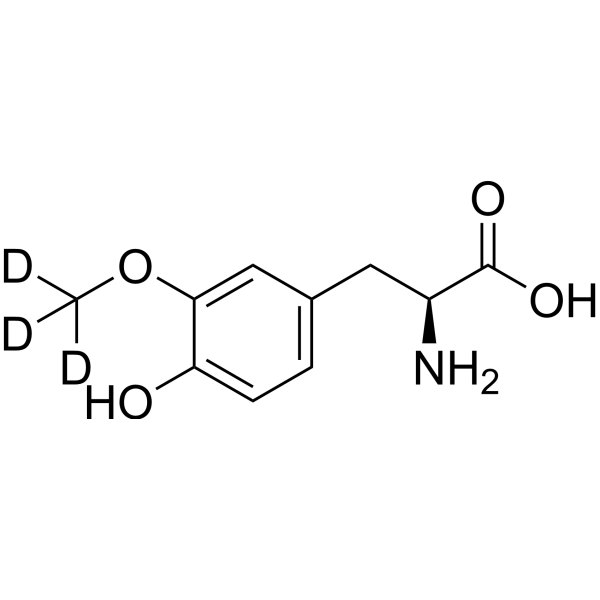 0 ImagesSynonyms: 3-Methoxy-L-tyrosine-d3; 3-O-Methyl-L-DOPA-d33-O-Methyldopa-d3 (3-Methoxy-L-tyrosine-d3) is deuterium labeled 3-O-Methyldopa (HY-113468A). 3-O-Methyldopa (3-Methoxy-L-tyrosine) is a metabolite of L-DOPA (HY-N0304) that can cross the blood-brain barrier (BBB). 3-O-Methyldopa inhibits the astrocyte-mediated protective effect of L-DOPA (HY-N0304) on dopaminergic neurons. In addition, 3-O-Methyldopa has certain antidepressant and neuroprotective activities. 3-O-Methyldopa can be used in the research of nervous system diseases such as depression and Parkinson's disease.
-
Aspirin-d3
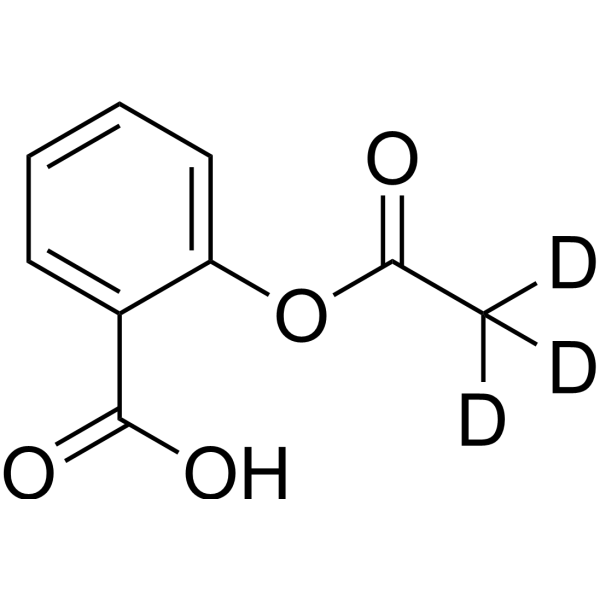 0 ImagesSynonyms: Acetylsalicylic acid-d3; ASA-d3Aspirin-d3 is the deuterium labeled Aspirin (HY-14654). Aspirin (Acetylsalicylic acid) is an orally active, potent and irreversible inhibitor of cyclooxygenase COX-1 and COX-2, with IC50 values of 5 and 210 μg/mL, respectively. Aspirin induces apoptosis. Aspirin inhibits the activation of NF-κB. Aspirin also inhibits platelet prostaglandin synthetase, and can prevent coronary artery and cerebrovascular thrombosis.
-
3-Nitrophenylhydrazine-13C6 hydrochloride
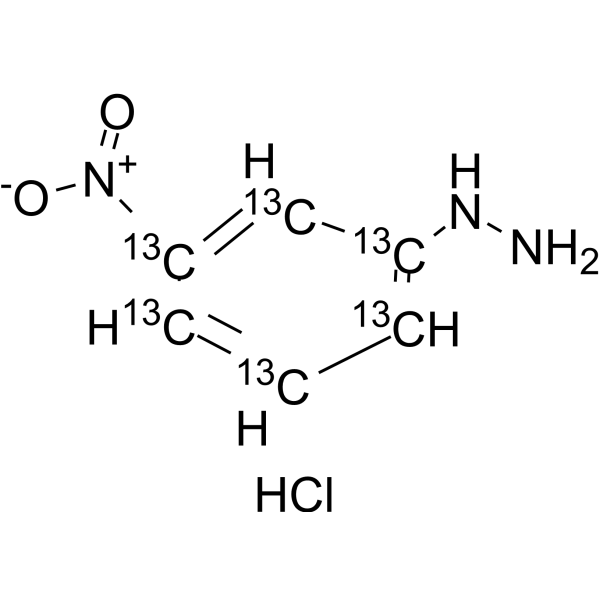 0 ImagesCat. No.: HY-133689ASCAS No.: 1977535-33-33-Nitrophenylhydrazine-13C6 (hydrochloride) is the 13C labeled 3-Nitrophenylhydrazine hydrochloride.
-
Glycodeoxycholic acid-d4
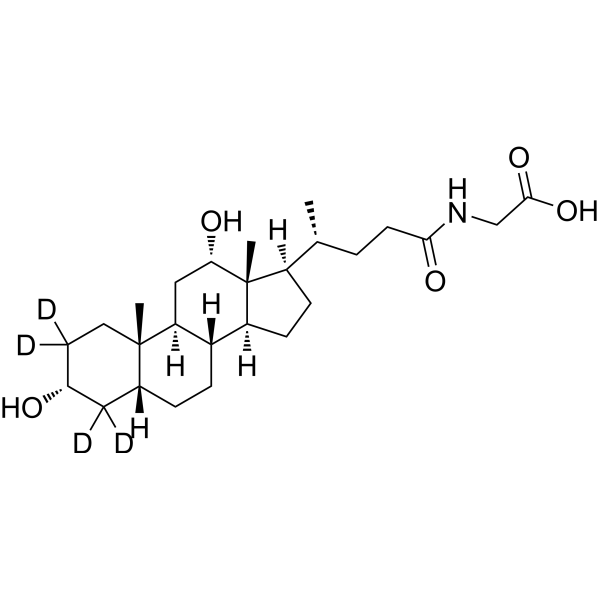 0 ImagesGlycodeoxycholic acid-d4 is the deuterium labeled Glycodeoxycholic Acid. Glycodeoxycholic Acid is an endogenous metabolite.
-
Dopamine-d4 hydrochloride
 0 ImagesSynonyms: ASL279-d4Dopamine-d4 (hydrochloride) is the deuterium labeled Dopamine hydrochloride.
-
4-Hydroxyphenylacetic acid-d6
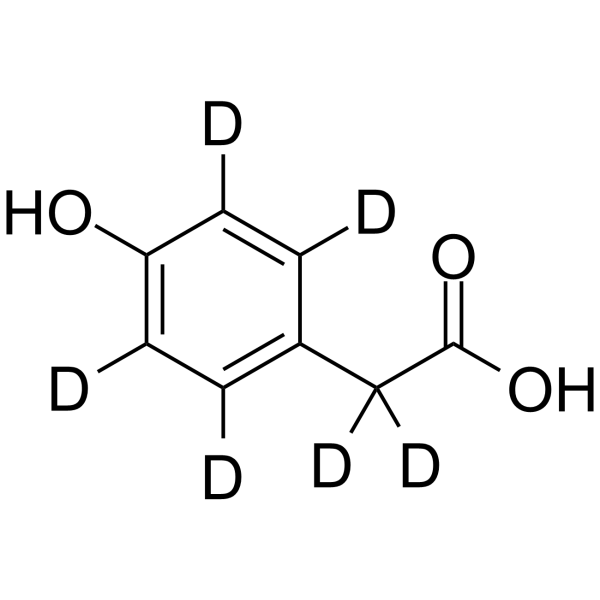 0 Images4-Hydroxyphenylacetic acid-d6 is the deuterium labeled 4-Hydroxyphenylacetic acid. 4-hydroxyphenylacetic acid, a major microbiota-derived metabolite of polyphenols, is involved in the antioxidative action. 4-hydroxyphenylacetic acid induces expression of Nrf2.
-
Oxalic acid-13C2
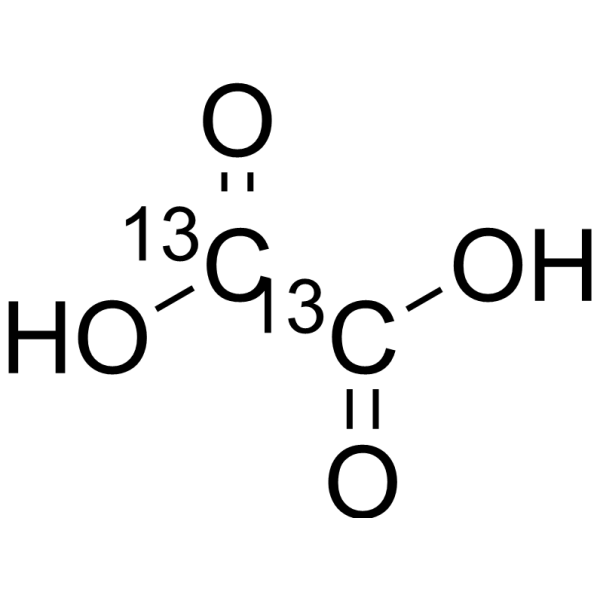 0 ImagesCat. No.: HY-Y0262S1CAS No.: 62654-02-8Oxalic acid-13C2 is the deuterium labeled Oxalic acid, 99% (HY-Y0262). Oxalic Acid is a strong dicarboxylic acid occurring in many plants and vegetables and can be used as an analytical reagent and general reducing agent.
-
2′,2′-Difluorodeoxyuridine-13C,15N2
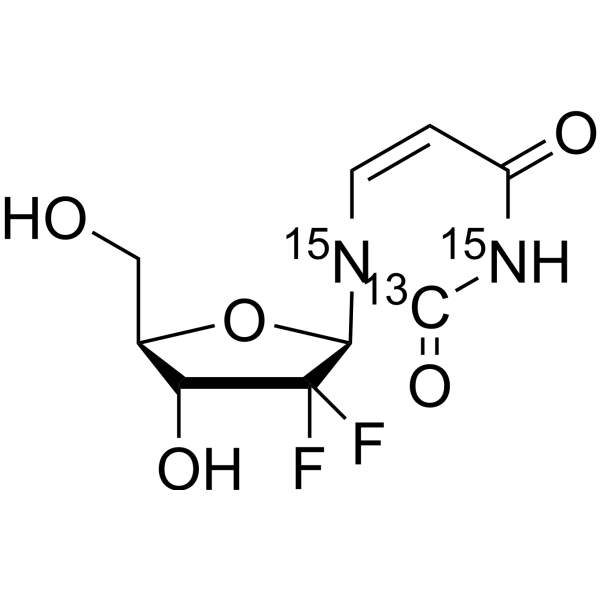 0 ImagesSynonyms: dFdU-13C,15N2; 2',2'-Difluoro-2'-deoxyuridine-13C,15N22′,2′-Difluorodeoxyuridine-13C,15N2 (dFdU-13C,15N2) is a 13C- and 15N-labeled compound. 2’,2’-Difluorodeoxyuridine (dFdU) is the main metabolite of Gemcitabine (HY-17026). 2’,2’-Difluorodeoxyuridine causes a concentration- and schedule- dependent radiosensitising effect in vitro. 2’,2’-Difluorodeoxyuridine arrests cell cycle at the early S phase and induces apoptosis in cancer cells.
-
(R)-3-Hydroxybutanoic acid-13C4 sodium
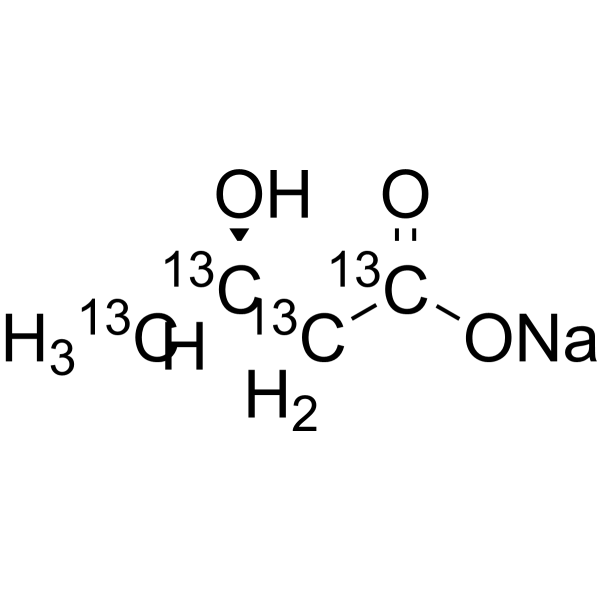 0 ImagesSynonyms: (R)-(-)-3-Hydroxybutanoic acid-13C4 sodium; (R)-3-Hydroxybutyric acid-13C4 sodium(R)-3-Hydroxybutanoic acid-13C4 sodium is a 13C labeled (R)-3-Hydroxybutanoic acid (HY-W051723). (R)-3-Hydroxybutanoic acid is a metabolite converted from acetoacetic acid catalyzed by 3-hydroxybutyrate dehydrogenase. (R)-3-Hydroxybutanoic acid can function as a nutrition source, and as a precursor for vitamins, antibiotics and pheromones.
-
MES-d13
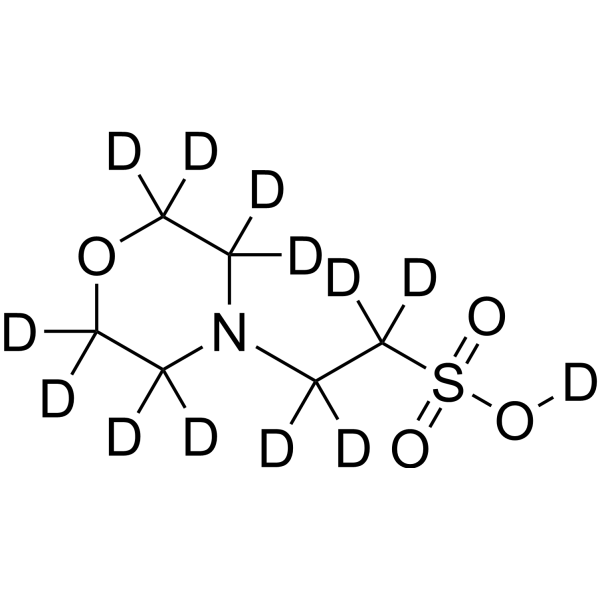 0 ImagesMES-d13 is the deuterium labeled MES. MES (2-Morpholinoethanesulphonic acid) is a kind of amphoteric ion buffer, the buffer capacity ranging pH 5.5-7.0. As a Good's buffer, MES is widely used in biochemistry and molecular biology experiments, such as cell culture, enzyme activity determination, electrophoresis and protein studies.
-
Uridine-13C5
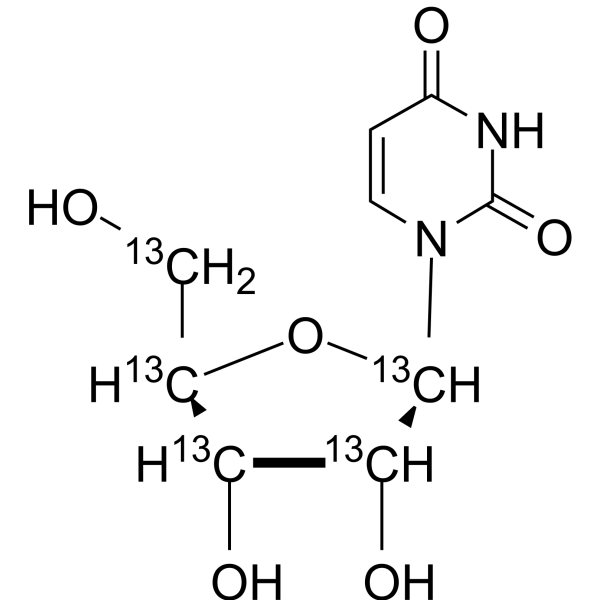 0 ImagesSynonyms: β-Uridine-13C5
-
tert-Butyl piperazine-1-carboxylate-2,2,3,3,5,5,6,6-d8
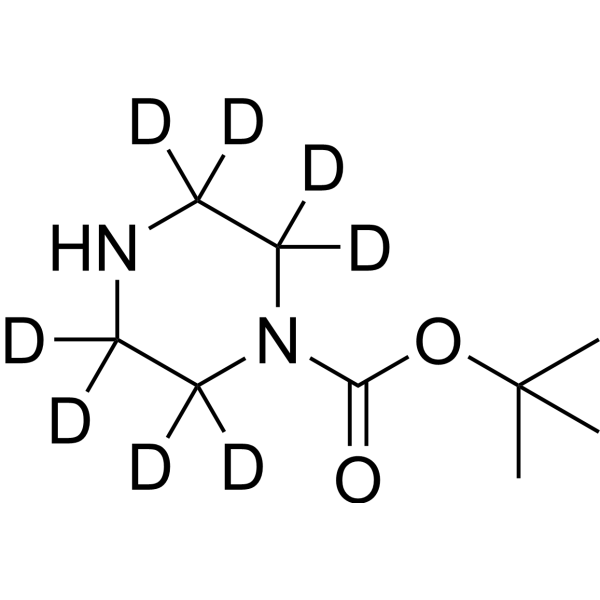 0 ImagesSynonyms: N-Boc-piperazine-d8tert-Butyl piperazine-1-carboxylate-2,2,3,3,5,5,6,6-d8 is the deuterium labeled tert-Butyl piperazine-1-carboxylate.
-
Apatinib-d8 hydrochloride
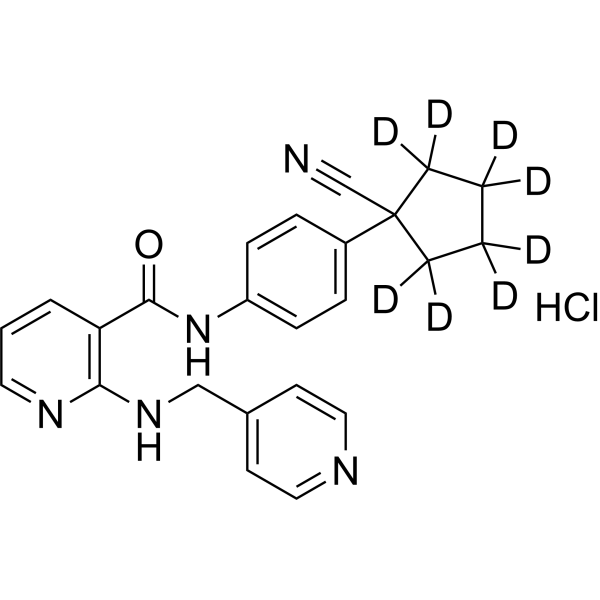 0 ImagesApatinib-d8 (hydrochloride) is the deuterium labeled Apatinib hydrochloride.
-
L-Valine-15N
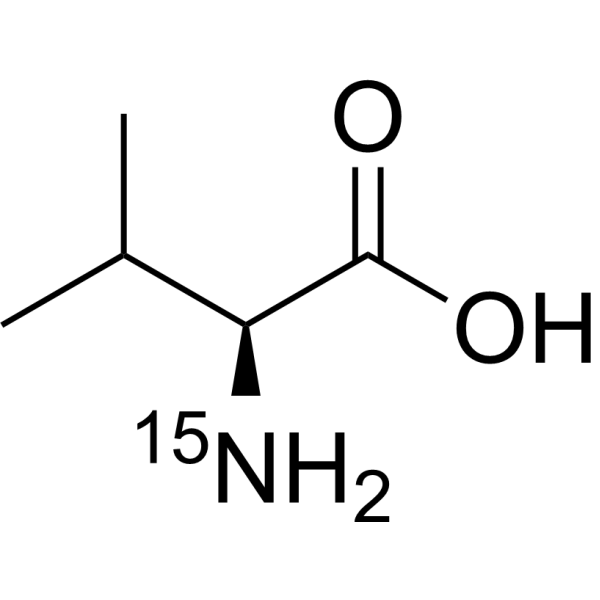 0 ImagesSynonyms: (S)-Valine-15NL-Valine-15N ((S)-Valine-15N) is the 15N-labeled L-Valine (HY-N0717). L-Valine ((S)-Valine) is a nonlinear semiorganic material. L-Valine causes lipid peroxidation and accumulation of malondialdehyde (MDA), exhibits inhibitory activity against cyanobacteria. L-Valine inhibits multidrug-resistant bacteria through activation of PI3K/Akt signaling pathway and inhibition of arginase.
-
N-Methylnicotinamide-d4
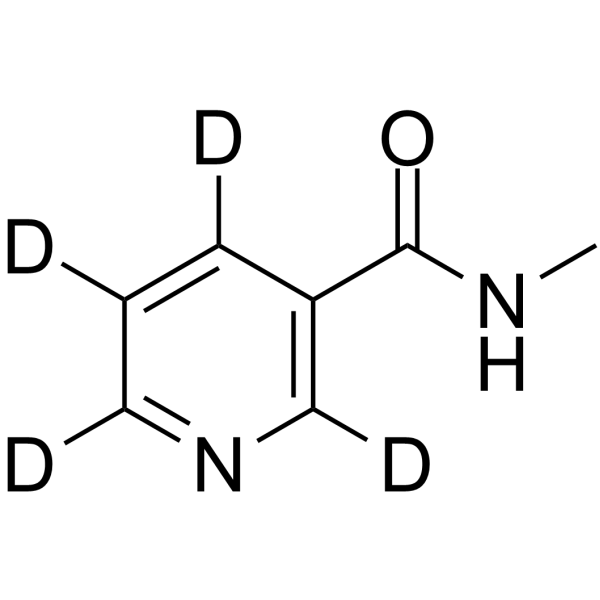 0 ImagesN-Methylnicotinamide-d4 is the deuterium labeled N-Methylnicotinamide (HY-124124). N-Methylnicotinamide is an endogenous metabolite with antithrombotic effect. N-Methylnicotinamide via production/release of prostacyclin inhibits arterial thrombosis development. N-Methylnicotinamide is also the N-methylation product from nicotinamide catalyzed by N-methyltransferase within nicotinate and nicotinamide metabolism pathway.
-
Clarithromycin-13C,d3
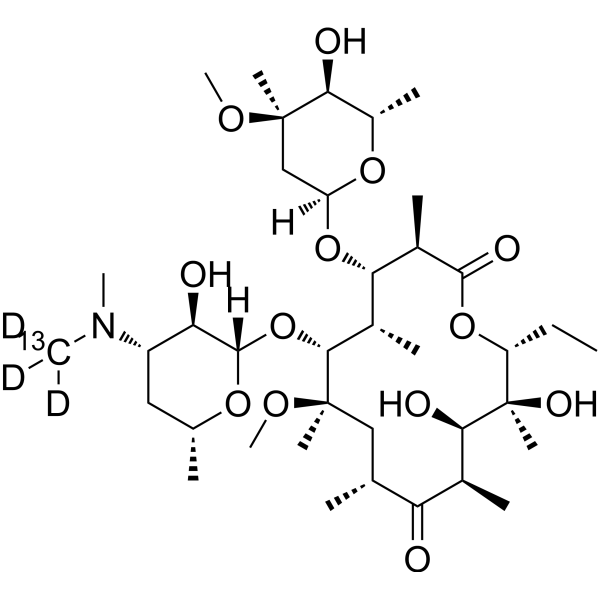 0 ImagesClarithromycin-13C,d3 is the deuterium and 13C labeled Clarithromycin.
-
Sarcosine-d3
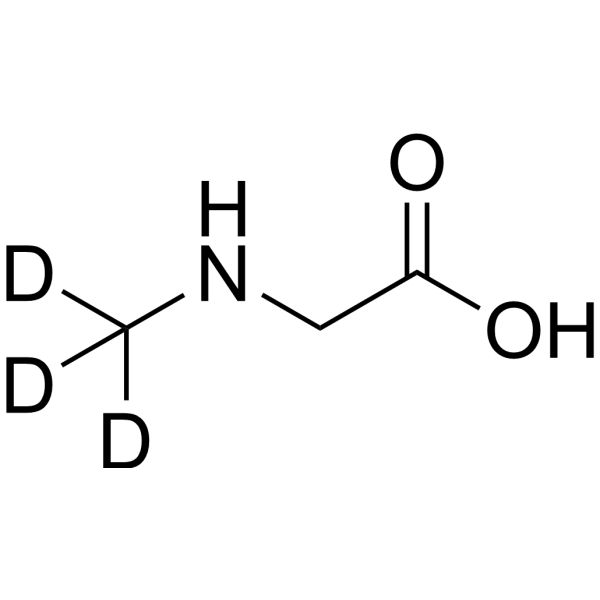 0 ImagesSynonyms: N-Methylglycine-d3; Sarcosin-d3Sarcosine-d3 is the deuterium labeled Sarcosine. Sarcosine (N-Methylglycine), an endogenous amino acid, is a competitive glycine transporter type I (GlyT1) inhibitor and N-methyl-D-aspartate (NMDA) receptor co-agonist. Sarcosine increases the glycine concentration, resulting in an indirect potentiation of the NMDA receptor. Sarcosine is commonly used for the research of schizophrenia.
-
Tacrolimus-13C,d2
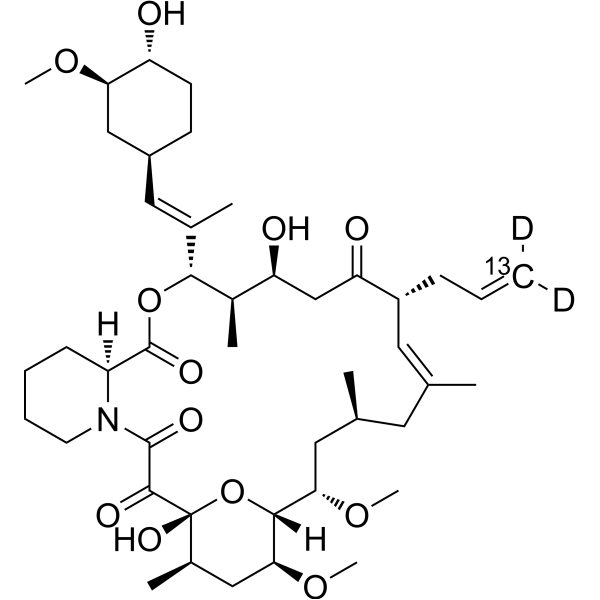 0 ImagesSynonyms: FK506-13C,d2; Fujimycin-13C,d2; FR900506-13C,d2Tacrolimus-13C,d2 (FK506-13C,d2) is the 13C, deuterated-labeled Tacrolimus (HY-13756). Tacrolimus (FK506), a molecular glue, a macrocyclic lactone, binds to FK506 binding protein (FKBP) to form a complex. Tacrolimus inhibits calcineurin phosphatase, which inhibits T-lymphocyte signal transduction and IL-2 transcription. Immunosuppressive properties.
-
Sulfamethoxazole-13C6
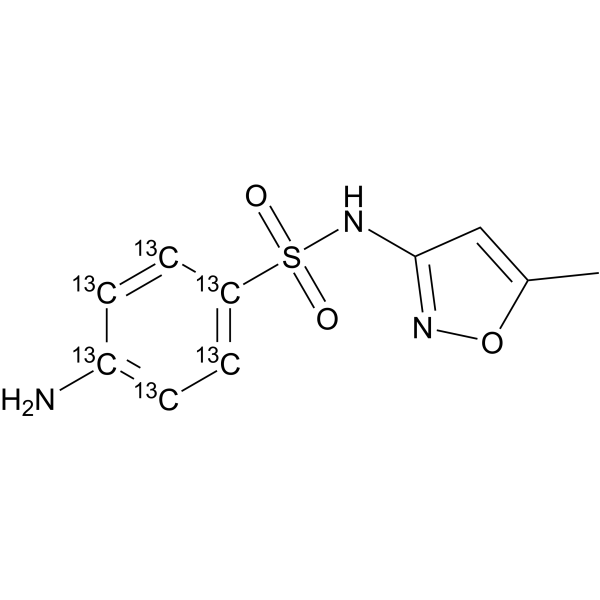 0 ImagesSynonyms: Ro 4-2130-13C6Sulfamethoxazole-13C6 (Ro 4-2130-13C6) is a 13C labeled Sulfamethoxazole (HY-B0322). Sulfamethoxazole (Ro 4-2130) is a sulfonamide antibiotic with a widespread antibacterial activity. Sulfamethoxazole inhibits bacterial folate metabolism by competing with 4-Aminobenzoic acid (HY-B1008) (PABA) to act on dihydropteroate synthetase and dihydropteroate reductase. Sulfamethoxazole can be used for the study of urinary tract infections (UTIs), prostatitis, and bronchitis.



