



GlyT1
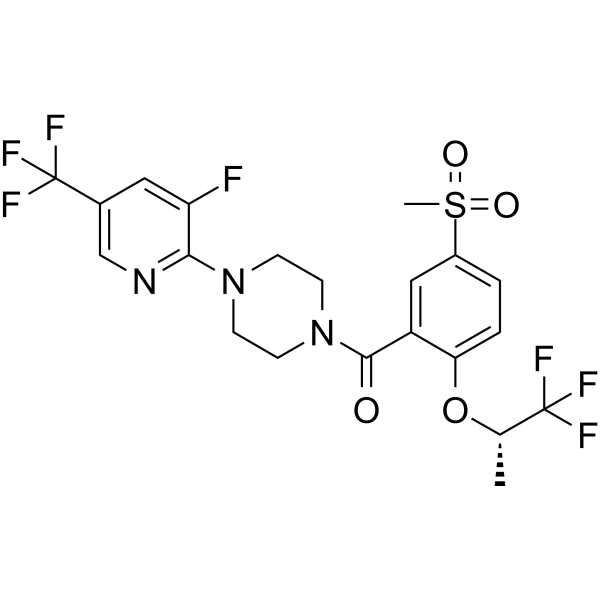
Glycine transporter 1 (GlyT1), encoded by SLC6A9, is a Na+/Cl−-dependent transporter that regulates extracellular glycine concentrations and thereby controls glycinergic and glutamatergic neurotransmission[1][2]. GlyT1 is highly expressed in astrocytes and selected neuronal populations, where it removes glycine from the extracellular space and modulates activation of N-methyl-D-aspartate (NMDA) receptors through regulation of glycine availability at the NMDA receptor co-agonist site[1][3][4]. Mechanistically, GlyT1 maintains glycine homeostasis at synapses and contributes to the balance between excitatory and inhibitory signaling, making it a key regulator of central nervous system function[1][2][3]. In disease contexts, genetic disruption of SLC6A9 causes GlyT1 encephalopathy, a neurodevelopmental disorder characterized by impaired glycine transport and abnormal glycine metabolism, highlighting the essential physiological role of this transporter[5]. Compared with the related isoform GlyT2 (SLC6A5), which is predominantly localized to presynaptic glycinergic neurons and supports glycine recycling for inhibitory neurotransmission, GlyT1 primarily regulates extracellular glycine levels surrounding glutamatergic and glycinergic synapses and exerts a stronger influence on NMDA receptor-dependent signaling[1][6]. For experimental applications, selective GlyT1 inhibitors including bitopertin, iclepertin, sarcosine, and ALX-5407 are widely used to elevate extracellular glycine and enhance NMDA receptor function, supporting research in schizophrenia, cognitive dysfunction, and other neuropsychiatric disorders[7][8].
References:
- [1]. Marques BL, et al. Neurobiology of glycine transporters: From molecules to behavior. Neurosci Biobehav Rev. 2020 Nov;118:97-110. [Content Brief]
- [2]. Uniprotkb.
- [3]. Database: Guide to pharmacology.
- [4]. Piniella D, et al. Functional crosstalk of the glycine transporter GlyT1 and NMDA receptors. Neuropharmacology. 2023 Jul 1;232:109514. [Content Brief]
- [5]. Alfallaj R, et al. Glycine Transporter 1 Encephalopathy From Biochemical Pathway to Clinical Disease: Review. Child Neurol Open. 2019 Feb 19;6:2329048X19831486. [Content Brief]
- [6]. Eulenburg V, et al. Synergistic Control of Transmitter Turnover at Glycinergic Synapses by GlyT1, GlyT2, and ASC-1. Int J Mol Sci. 2022 Feb 25;23(5):2561. [Content Brief]
- [7]. Pinna A, et al. Modulation of glycine transporters as a novel therapeutic strategy in neuropsychiatry. Psychopharmacology (Berl). 2026 Mar;243(3):495-512. [Content Brief]
- [8]. Wikipedia.
All Product Categories
-
GlyT1 Related Products (16)
Related Products (16)

- 1
-
Sarcosine
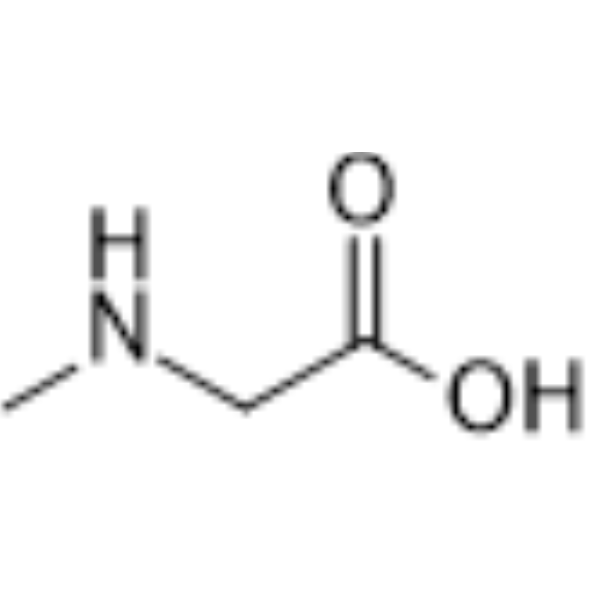 0 ImagesSarcosine (N-Methylglycine), an endogenous amino acid, is a competitive glycine transporter type I (GlyT1) inhibitor and N-methyl-D-aspartate (NMDA) receptor co-agonist. Sarcosine increases the glycine concentration, resulting in an indirect potentiation of the NMDA receptor. Sarcosine is commonly used for the research of schizophrenia.
-
Iclepertin
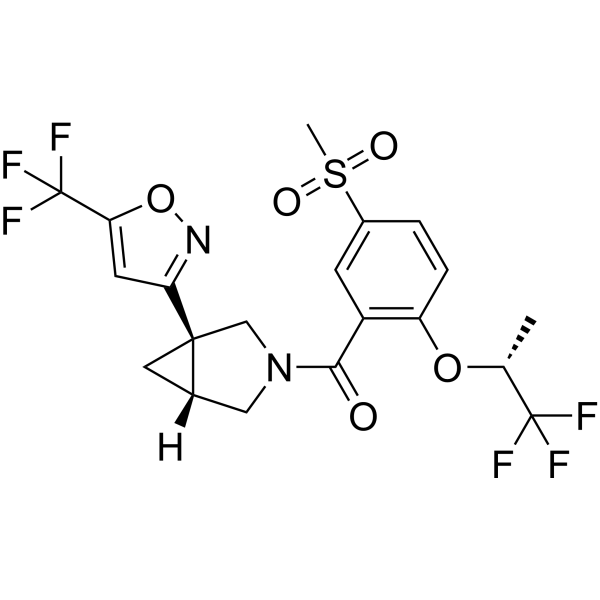 0 ImagesSynonyms: BI-425809Iclepertin (BI-425809) is a potent, selective and orally active glycine transporter 1 (GlyT1) inhibitor. Iclepertin is inactive against GlyT2. Iclepertin can be used for Alzheimer disease and schizophrenia research.
-
Sarcosine-d3
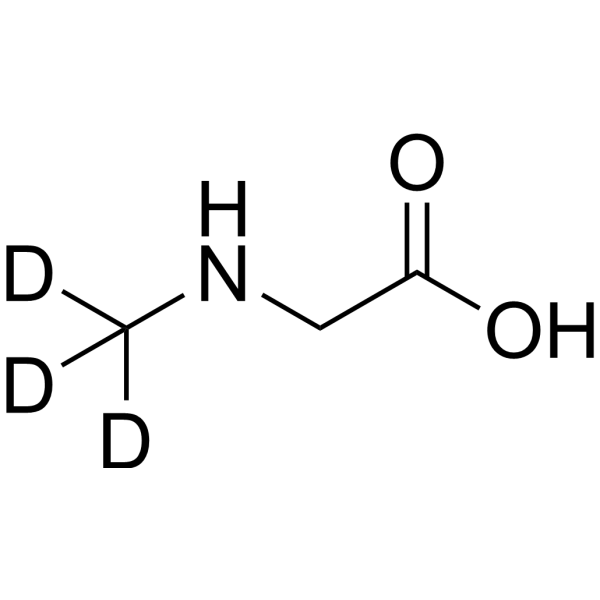 0 ImagesSynonyms: N-Methylglycine-d3; Sarcosin-d3Sarcosine-d3 is the deuterium labeled Sarcosine. Sarcosine (N-Methylglycine), an endogenous amino acid, is a competitive glycine transporter type I (GlyT1) inhibitor and N-methyl-D-aspartate (NMDA) receptor co-agonist. Sarcosine increases the glycine concentration, resulting in an indirect potentiation of the NMDA receptor. Sarcosine is commonly used for the research of schizophrenia.
-
PF-03463275
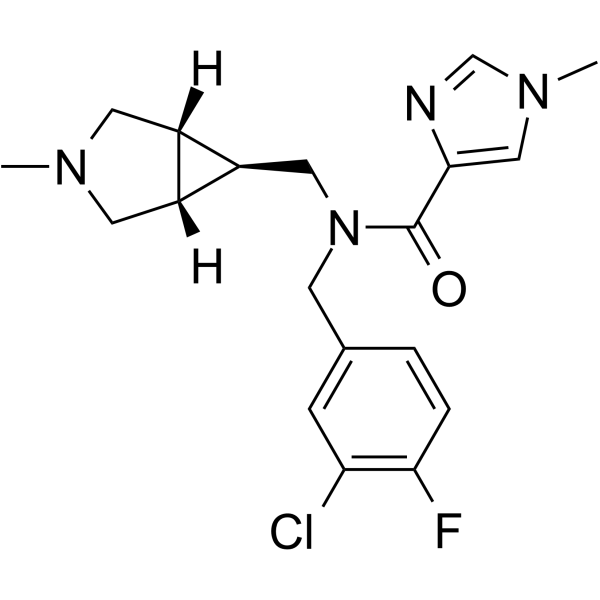 0 ImagesPF-03463275 is a centrally penetrant, orally available, selective, and competitive GlyT1 (glycine transporter-1) reversible inhibitor, with a Ki of 11.6 nM. PF-03463275 has the potential for Schizophrenia research.
-
Org 24461
 0 ImagesCat. No.: HY-182484CAS No.: 372198-80-6Org 24461 is a selective and brain-penetrant GlyT-1 inhibitor. Org 24461 blocks glycine uptake, reuptake, reverse operation, [3H]glycine efflux and release. Org 24461 enhances NMDA receptor function, modulates striatal monoamine/glutamate levels, and reverses PCP-induced behavioral and electrographic abnormalities. Org 24461 can be used for the research of retinal hypoxia/ischemia, and schizophrenia.
-
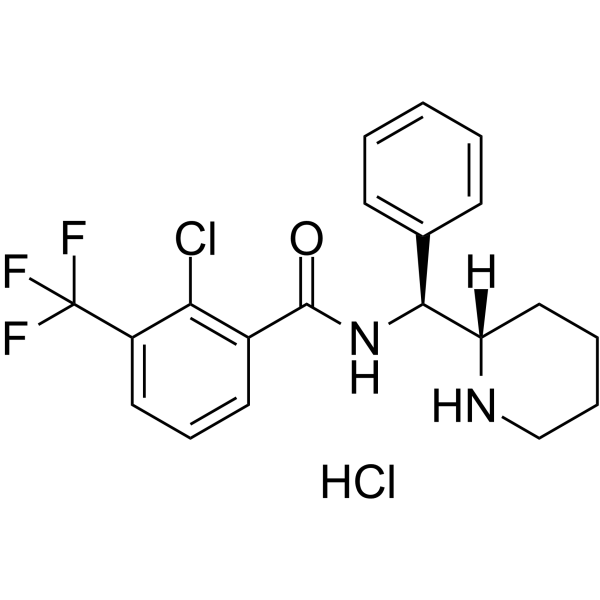
GlyT1 Inhibitor 1
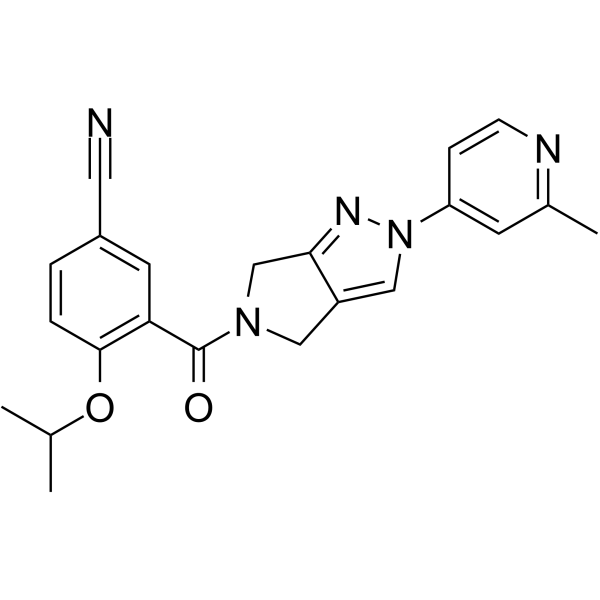 0 ImagesGlyT1 Inhibitor 1 is a potent and selective GlyT1 inhibitor with an IC50 of 38 nM for rGlyT1. Antipsychotic activity.
-
(Rac)-ALX 5407
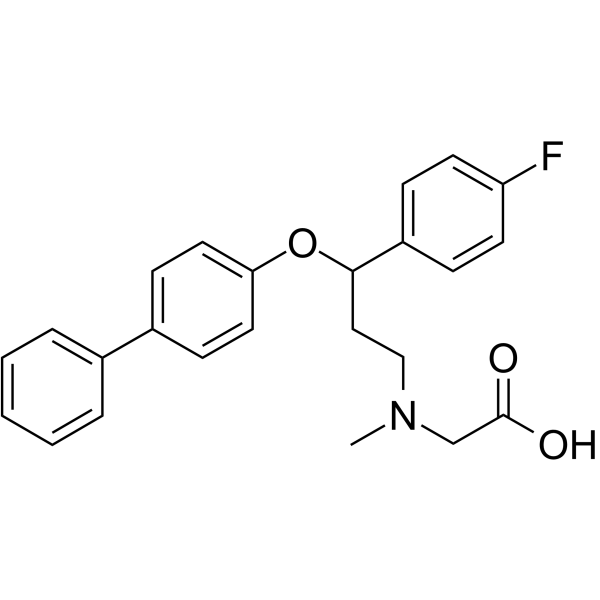 0 ImagesCat. No.: HY-107526CAS No.: 405225-21-0Synonyms: (Rac)-NFPSNFPS is a selective, non-competitive glycine transporter-1 (GlyT1) inhibitor with IC50s of 2.8 nM and 9.8 nM for hGlyT1 and rGlyT1, respectively. NFPS exerts neuroprotection via glyR alpha1 subunit in the rat model of transient focal cerebral ischaemia and reperfusion.
-
Sarcosine-15N
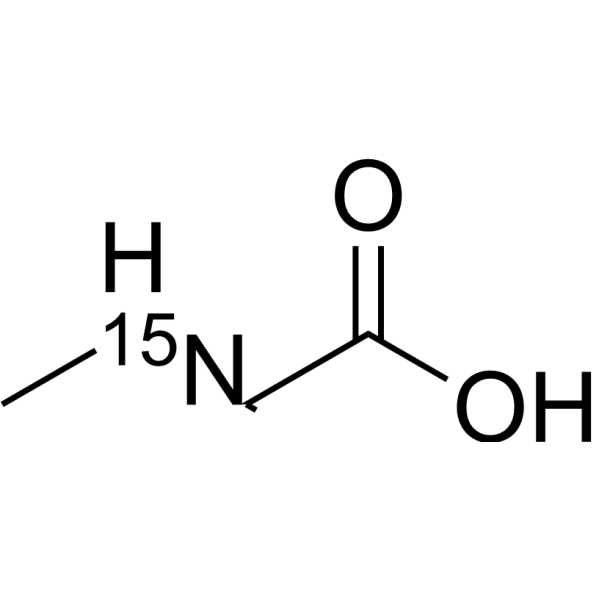 0 ImagesCat. No.: HY-101037SPurity: 99.92%Synonyms: N-Methylglycine-15N; Sarcosin-15NSarcosine-15N is the 15N-labeled Sarcosine. Sarcosine (N-Methylglycine), an endogenous amino acid, is a competitive glycine transporter type I (GlyT1) inhibitor and N-methyl-D-aspartate (NMDA) receptor co-agonist. Sarcosine increases the glycine concentration, resulting in an indirect potentiation of the NMDA receptor. Sarcosine is commonly used for the research of schizophrenia.
-
Tilapertin
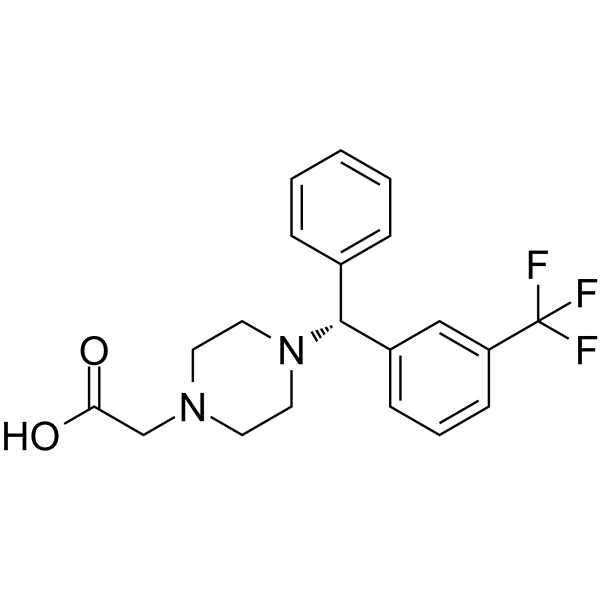 0 ImagesCat. No.: HY-19887CAS No.: 1000690-85-6Synonyms: AMG747Tilapertin is an oral inhibitor of glycine transporter type-1 (GlyT1).
-
TASP0315003
 0 ImagesCat. No.: HY-114555CAS No.: 1007109-16-1TASP0315003 is a glycine transporter 1 (GlyT1) inhibitor. TASP0315003 potentiates NMDA receptor function by increasing synaptic glycine levels. TASP0315003 can improve cognitive dysfunction and the negative symptoms of schizophrenia without having undesirable central nervous system side effects. TASP0315003 can be used for the research of neurological disease.
-
PF-03463275 hydrochloride
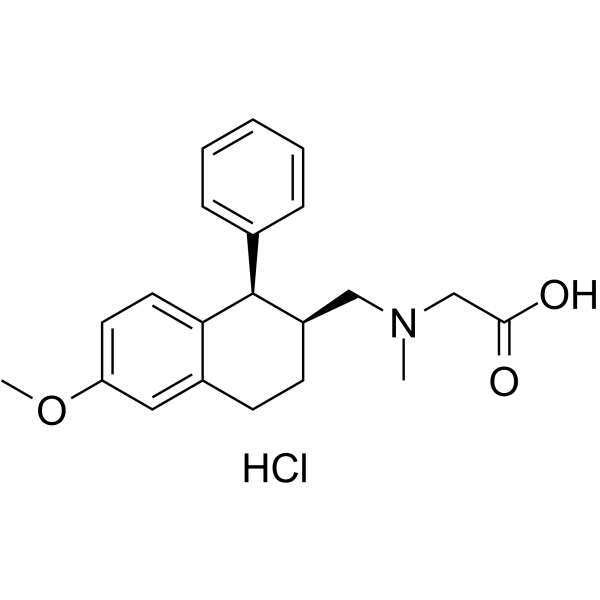
 0 ImagesCat. No.: HY-10716CAS No.: 1173177-11-1PF-03463275 hydrochloride is a centrally penetrant, orally available, selective, and competitive GlyT1 (glycine transporter-1) reversible inhibitor, with a Ki of 11.6 nM. PF-03463275 hydrochloride has the potential for Schizophrenia research.

- 1



