



PI3K
PI3K signaling regulates cellular function by linking growth factors, GPCRs, and oncogene products to intracellular lipid signaling[1]. Mechanistically, class I PI3K isoforms generate PIP3, a second messenger that controls cell movement, growth, survival, and differentiation[2][3]. Therefore, PI3K biology provides a practical framework for studying metabolism, immune-system function, cancer, and inflammation[1][2]. In disease-focused models, PI3K pathway activation supports cancer-cell growth, survival, motility, and metabolism, making pathway inhibition relevant for genetically and clinically defined cancers[2]. Compared with related isoforms, PI3Kα inhibition is most effective in cancers with genetic activation of this isoform, whereas PI3Kδ inhibition acts mainly through B-cell antigen receptor signaling and tumor-stroma interactions[4]. PI3Kδ and PI3Kγ also function prominently in leukocytes, and dual blockade with IPI-145 suppressed immune responses in autoimmune and inflammatory disease models[5]. For experimental applications, IPI-145 inhibited PI3K/AKT/S6 signaling, reduced CLL-cell chemokine secretion and chemotaxis, and promoted apoptosis in BCR-stimulated or stromal co-cultured primary CLL cells[6].
References:
- [1]. Vanhaesebroeck B, et al. PI3K signalling: the path to discovery and understanding. Nat Rev Mol Cell Biol. 2012 Feb 23;13(3):195-203. [Content Brief]
- [2]. Fruman DA, et al. The PI3K Pathway in Human Disease. Cell. 2017 Aug 10;170(4):605-635. [Content Brief]
- [3]. Hawkins PT, et al. PI3K signalling in inflammation. Biochim Biophys Acta. 2015 Jun;1851(6):882-97. [Content Brief]
- [4]. Vanhaesebroeck B, et al. PI3K inhibitors are finally coming of age. Nat Rev Drug Discov. 2021 Oct;20(10):741-769. [Content Brief]
- [5]. Winkler DG, et al. PI3K-δ and PI3K-γ inhibition by IPI-145 abrogates immune responses and suppresses activity in autoimmune and inflammatory disease models. Chem Biol. 2013 Nov 21;20(11):1364-74. [Content Brief]
- [6]. Balakrishnan K, et al. The phosphoinositide-3-kinase (PI3K)-delta and gamma inhibitor, IPI-145 (Duvelisib), overcomes signals from the PI3K/AKT/S6 pathway and promotes apoptosis in CLL. Leukemia. 2015 Sep;29(9):1811-22. [Content Brief]
All Product Categories
-
PI3K Inhibitors
(473)
View all products
-
PI3K Agonists
(8)
View all products
-
PI3K Antagonist
(1)
View all products
-
PI3K Activators
(107)
View all products
-
PI3K Modulators
(20)
View all products
-
PI3K Inducers
(4)
View all products
-
PI3K Degraders
(2)
View all products
-
PI3K Controls
(4)
View all products
-
PI3K Ligands
(4)
View all products
-
PI3K Related Products (674)
Related Products (674)

-
Antibodies (6)
-
740 Y-P
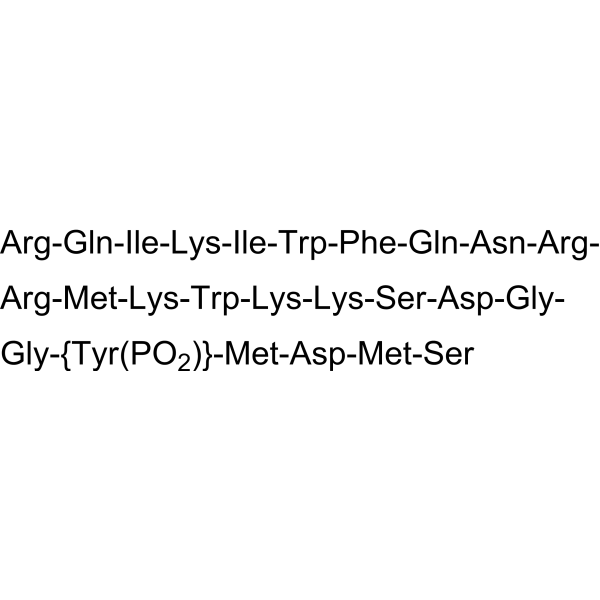 0 ImagesSynonyms: 740YPDGFR; PDGFR 740Y-P740 Y-P (740YPDGFR; PDGFR 740Y-P) is a potent and cell-permeable PI3K activator. 740 Y-P readily binds GST fusion proteins containing both the N- and C- terminal SH2 domains of p85 but fails to bind GST alone.
-
Leupeptin hemisulfate
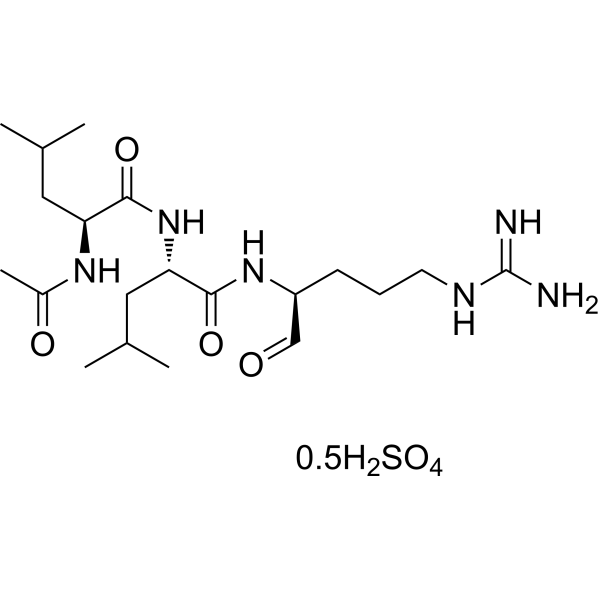 0 ImagesLeupeptin hemisulfate is a broad-spectrum protease inhibitor. By inhibiting the activation of the PTEN/PI3K/Akt/NF-κB/ERK1/2/p38 signaling pathway, Leupeptin hemisulfate significantly reduces LPS-induced NO and ROS production, mitochondrial membrane potential hyperpolarization, phagocytic activity, pro-inflammatory cytokine release, and M1 polarization in mouse peritoneal macrophages, and reverses autophagic flux impairment. It also decreases Concanavalin A (HY-P2149)-induced proliferation index of mouse splenic lymphocytes and the Th1/IL-10 and Th2/IL-10 cytokine ratios, thereby modulating innate and adaptive immune responses. Leupeptin hemisulfate inhibits blood coagulation and tumorigenesis in mouse skin. Leupeptin hemisulfate can be used in research on chronic inflammatory diseases and skin tumorigenesis.
-
α-Linolenic acid
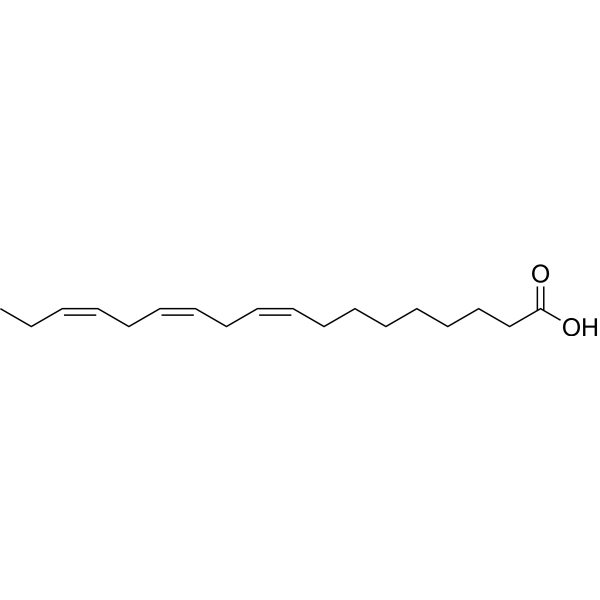 0 ImagesSynonyms: ALA free base; C18:3 (9Z,12Z,15Z) free base; C18:3 n-3 free baseα-Linolenic acid (ALA (free base); C18:3 (9Z,12Z,15Z) (free base); C18:3 n-3 (free base)) is an essential fatty acid that cannot be synthesized by humans. α-Linolenic acid can affect the process of thrombotic through the modulation of PI3K/Akt signaling. α-Linolenic acid possess the anti-arrhythmic properties and is related to cardiovascular disease and cancer.
-
Myricetin
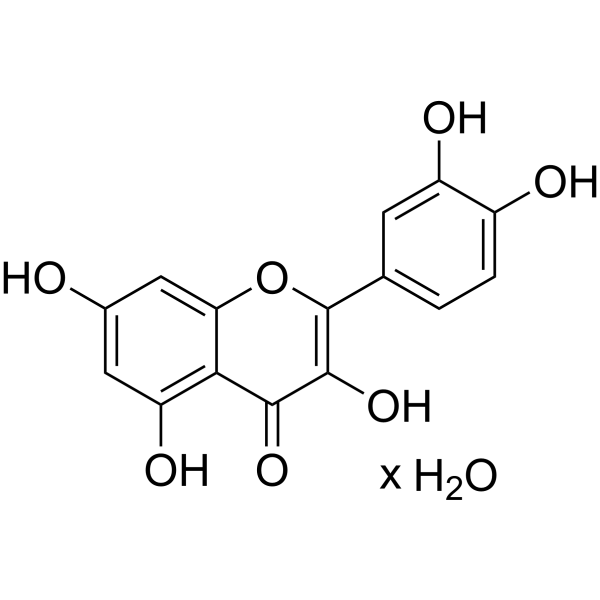
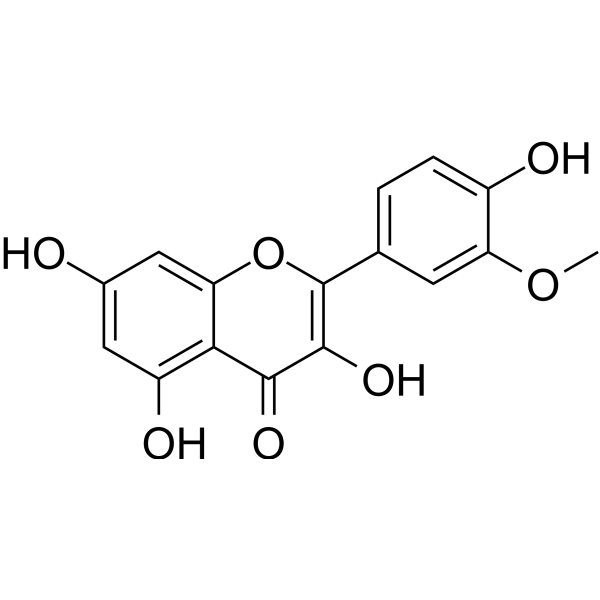
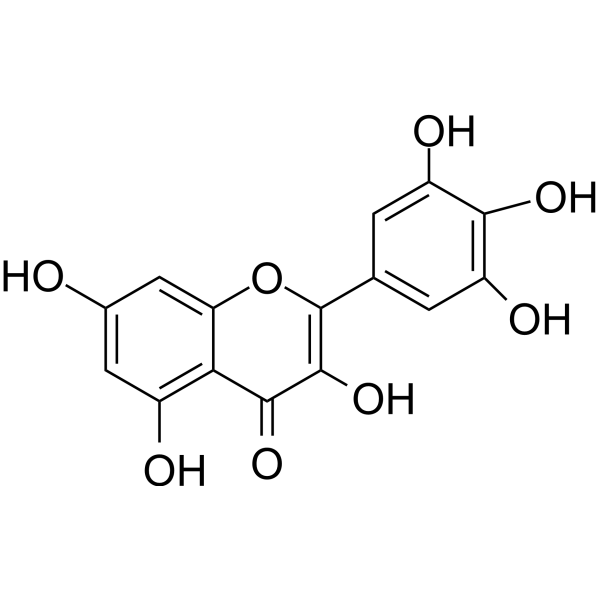 0 ImagesMyricetin is a common plant-derived flavonoid with a wide range of activities including strong anti-oxidant, anticancer, antidiabetic and anti-inflammatory activities.
-
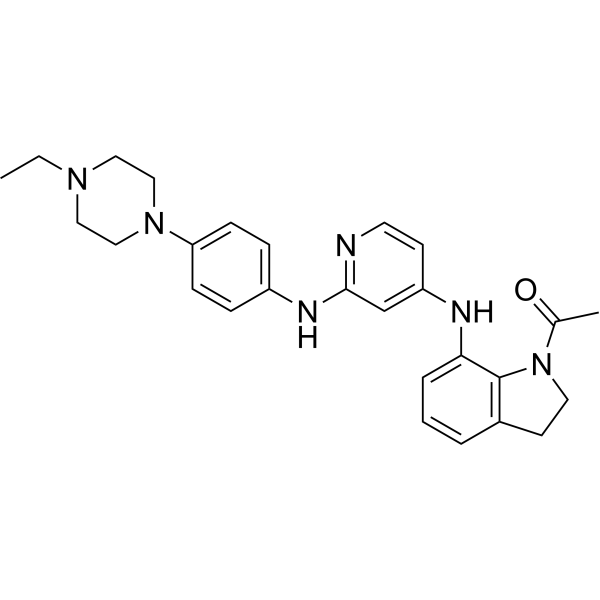
Tersolisib
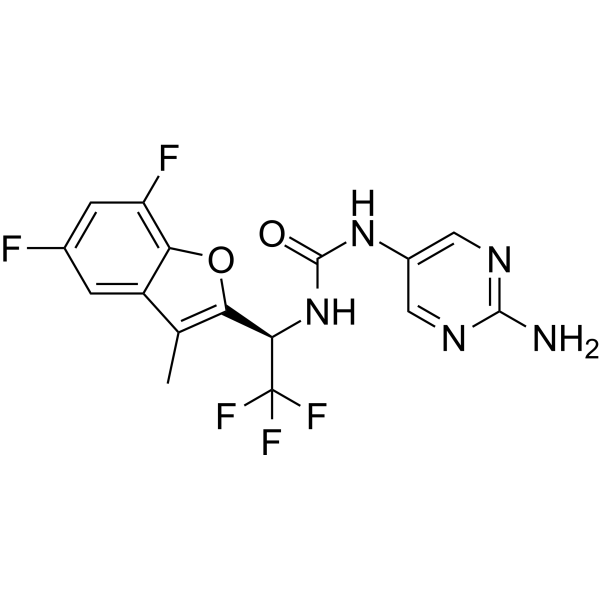 0 ImagesSynonyms: STX-478; STX-478-101; LY4064809
-
Berberine sulfate
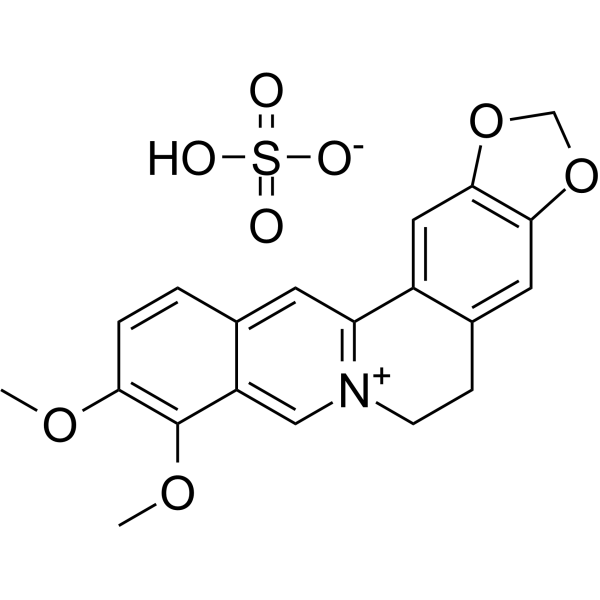 0 ImagesBerberine sulfate is an alkaloid isolated from the Chinese herbal medicine Huanglian, as an antibiotic. Berberine sulfate induces reactive oxygen species (ROS) generation and inhibits DNA topoisomerase. Berberine sulfate has antineoplastic properties. The sulfate form improves bioavailability.
-
D-GsMTx4
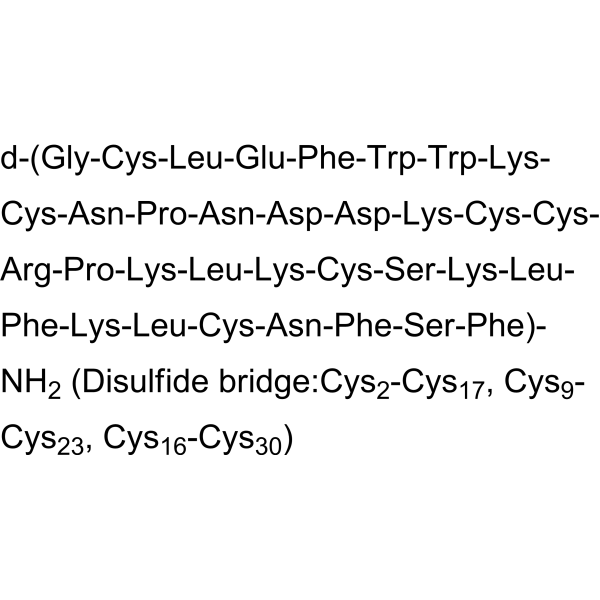 0 ImagesCat. No.: HY-P1410BPurity: 99.44%D-GsMTx4 is a spider peptide and the D enantiomer of GsMTx4 (HY-P1410). D-GsMTx4 inhibits the mechanosensitive ion channel Piezo2. D-GsMTx4 inhibits [Ca2+]i elevation. D-GsMTx4 inhibits mTOR and PI3K-Akt signaling pathways. D-GsMTx4 inhibits mechanical allodynia and thermal hyperalgesia. D-GsMTx4 can be used in researches of mechanical stress, chronic pain and idiopathic pulmonary fibrosis.
-
Sincalide
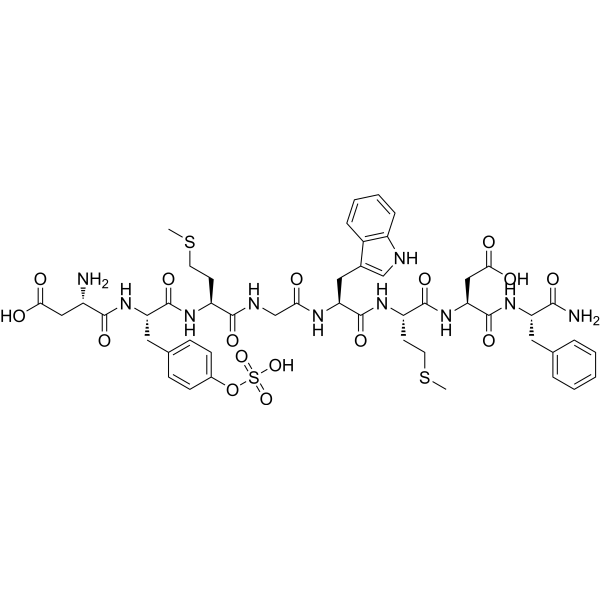 0 ImagesSynonyms: Cholecystokinin octapeptide; CCK-8; SQ19844Sincalide (Cholecystokinin octapeptide, CCK-8) is a rapid-acting amino acid polypeptide hormone analogue of cholecystokinin (CCK) for intravenous use in postevacuation cholecystography. Sincalide is a major bioactive segment of CCK that retains most of the biological activities of CCK. Sincalide can promote gallbladder contraction by injection and helps diagnose gallbladder and pancreas disorders. Sincalide can increase bile secretion, cause the gallbladder to contract and relax the sphincter of Oddi, resulting in bile drainage into the duodenum. Sincalide is a major bioactive segment of CCK that retains most of the biological activities of CCK.
-
iMDK
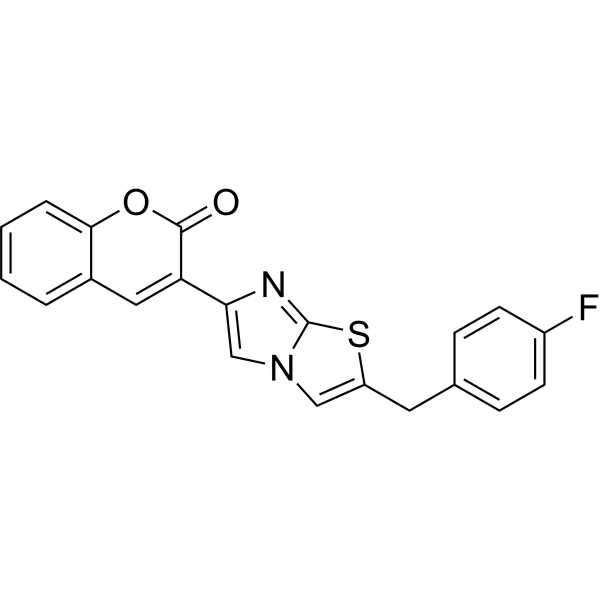 0 ImagesiMDK is a potent PI3K inhibitor and inhibits the growth factor MDK (also known as midkine or MK). iMDK suppresses non-small cell lung cancer (NSCLC) cooperatively with A MEK inhibitor without harming normal cells and mice.
-
Liensinine
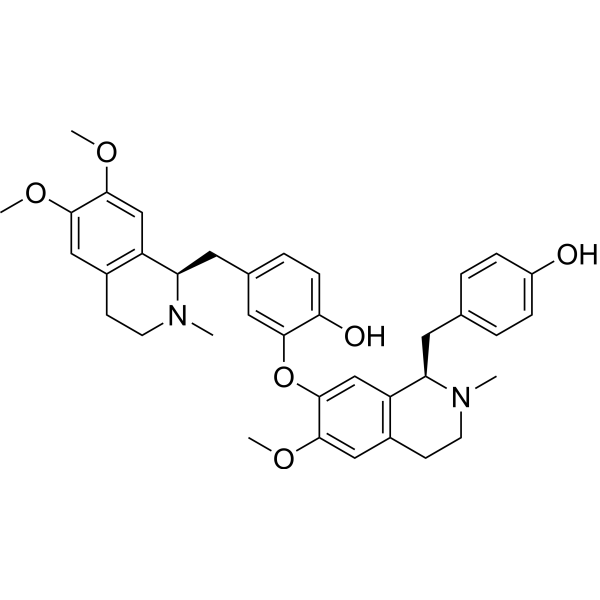 0 ImagesLiensinine is a bisbenzylisoquinoline alkaloid. By inhibiting the PI3K/AKT and JNK/p38-MAPK signaling pathways, Liensinine suppresses autophagy and apoptosis, clears Aβ, and exerts anti-inflammatory, antioxidant and neuroprotective effects. Liensinine activates AMPK and inhibits the expression of HIF-1α and VEGF, thereby suppressing angiogenesis. Liensinine exerts anti-tumor effects through ROS-mediated inhibition of the JAK2/STAT3 signaling pathway. Liensinine can be used for the research of diseases such as Alzheimer's disease, hepatocellular carcinoma, osteosarcoma, sepsis-induced organ injury and stroke.
-
Ononin
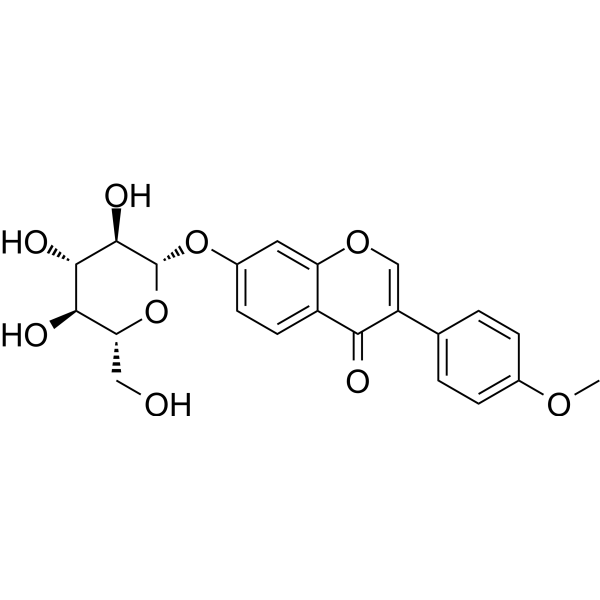 0 ImagesSynonyms: Ononoside; Formononetin 7-O-β-D-glucopyranosideOnonin is an orally active isoflavone. Ononin inhibits the ERK/JNK/p38 and PI3K/Akt/mTOR pathways. Ononin regulates Apoptosis. Ononin has anti-tumor effects on laryngeal cancer and lung cancer. Ononin has neuroprotective effects. Ononin alleviates endoplasmic reticulum stress and diabetic nephropathy.
-
Isoacteoside
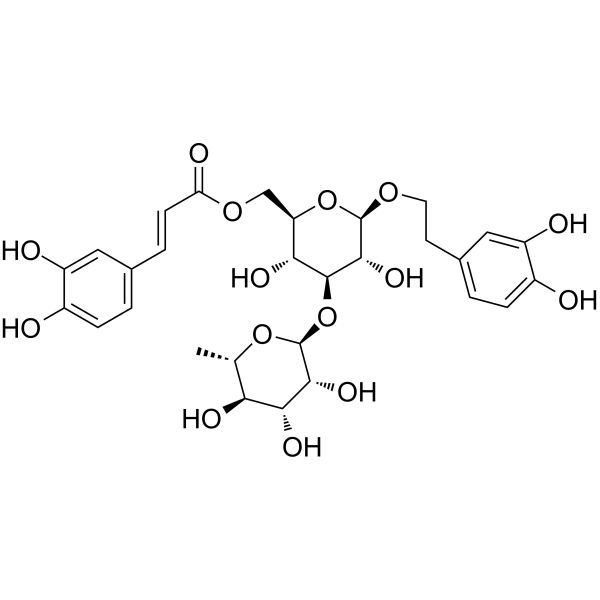 0 ImagesSynonyms: IsoverbascosideIsoacteoside is a natural product that can significantly inhibit the formation of glycation end products. Isoacteoside regulates the AKT/PI3K/m-TOR/NF-κB signaling pathway, induces apoptosis in OVCAR-3 cell. Isoacteoside exhibits antitumor, anti-inflammatory, anti-obesity and neuroprotective activities.
-
Thymoquinone
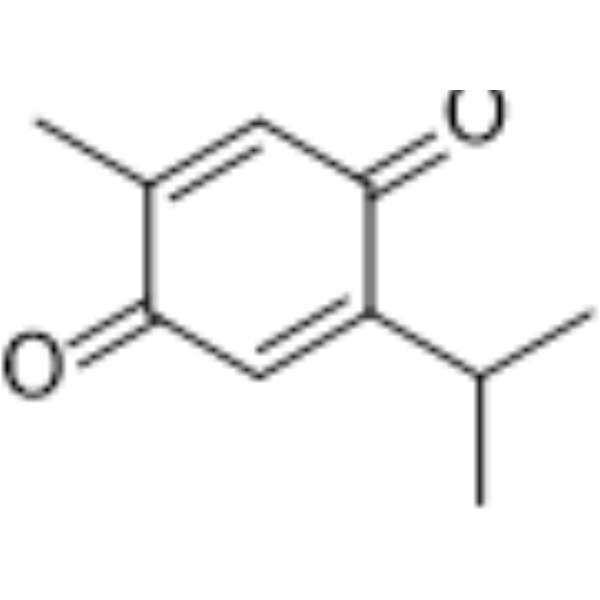 0 ImagesThymoquinone is an orally active natural product isolated from N. sativa Thymoquinone down-regulates the VEGFR2-PI3K-Akt pathway. Thymoquinone has antioxidant, anti-inflammatory, anticancer, antiviral, anticonvulsant, antifungal, antiviral, antiangiogenic activity and hepatoprotective effects. Thymoquinone can be used to study Alzheimer's disease, cancer, cardiovascular disease, infectious disease and inflammation .




