



PIM1
PIM1 is a constitutively active serine/threonine kinase that regulates cell survival, proliferation, cell-cycle progression, and apoptosis through phosphorylation of multiple downstream substrates involved in oncogenic signaling networks[1]. Mechanistically, PIM1 functions downstream of cytokine-responsive pathways, particularly JAK/STAT signaling, and cooperates with pathways including PI3K/AKT/mTOR, MYC, and NF-κB to promote cellular growth, metabolic adaptation, and resistance to stress signals[2][3]. In disease contexts, PIM1 is frequently overexpressed in hematologic malignancies, prostate cancer, and several solid tumors, where elevated activity is associated with tumor progression, survival advantages, and therapeutic resistance[3][4]. Experimental studies further demonstrate that PIM1 contributes to tumorigenicity, cellular migration, invasion, and maintenance of aggressive cancer phenotypes, supporting its value as a mechanistic target in cancer biology research[5][6]. Compared with the related isoforms PIM2 and PIM3, PIM1 shares a highly conserved catalytic domain and overlapping substrate specificity, yet displays distinct expression patterns and context-dependent biological functions that influence disease phenotypes and therapeutic responses[7][8]. For experimental applications, the unique ATP-binding pocket of PIM kinases has enabled development of selective and pan-PIM inhibitors, including SGI-1776, AZD1208, CX-6258, and TP-3654, which are widely used to investigate PIM-dependent signaling, proliferation, apoptosis, and drug-resistance mechanisms in preclinical models[3][7][9].
References:
- [1]. Uniprotkb.
- [2]. Gonzalez-Fajardo L, et al. Reduced in vivo toxicity of doxorubicin by encapsulation in cholesterol-containing self-assembled nanoparticles. Pharmacol Res. 2016 May;107:93-101. [Content Brief]
- [3]. Bellon M, et al. Targeting Pim kinases in hematological cancers: molecular and clinical review. Mol Cancer. 2023 Jan 25;22(1):18. [Content Brief]
- [4]. Luszczak S, et al. PIM kinase inhibition: co-targeted therapeutic approaches in prostate cancer. Signal Transduct Target Ther. 2020 Jan 31;5(1):7. [Content Brief]
- [5]. Wang J, et al. Pim1 kinase is required to maintain tumorigenicity in MYC-expressing prostate cancer cells. Oncogene. 2012 Apr 5;31(14):1794-803. [Content Brief]
- [6]. Santio NM, et al. PIM1 accelerates prostate cancer cell motility by phosphorylating actin capping proteins. Cell Commun Signal. 2020 Aug 8;18(1):121. [Content Brief]
- [7]. Mennati A, et al. Dual silencing of integrin αvβ3 receptor and insulin-like growth factor 1 receptor using mPEG-PCL/DDAB hybrid nanoparticle loaded siRNA in breast cancer therapy: An in vitro study on MCF-7 cells. Int J Biol Macromol. 2025 Mar;294:139334. [Content Brief]
- [8]. Rathi A, et al. Therapeutic targeting of PIM KINASE signaling in cancer therapy: Structural and clinical prospects. Biochim Biophys Acta Gen Subj. 2021 Nov;1865(11):129995. [Content Brief]
- [9]. Haddach M, et al. Discovery of CX-6258. A Potent, Selective, and Orally Efficacious pan-Pim Kinases Inhibitor. ACS Med Chem Lett. 2011 Dec 27;3(2):135-9. [Content Brief]
All Product Categories
-
PIM1 Related Products (45)
Related Products (45)

-
Pim1/AAK1-IN-1
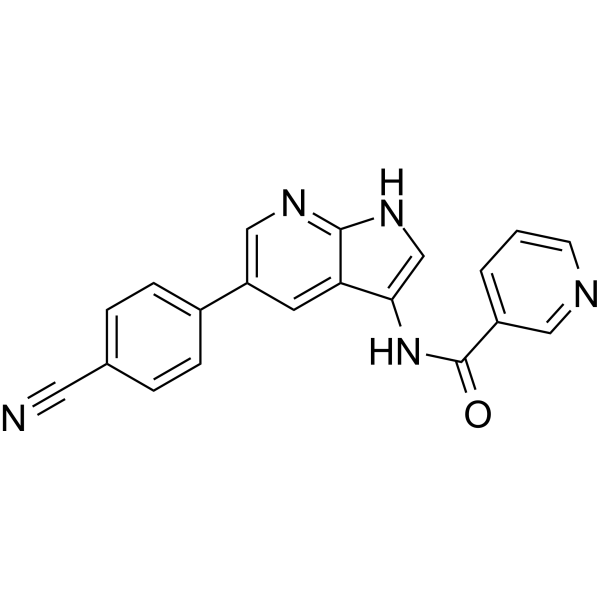 0 ImagesSynonyms: LKB1/AAK1 dual inhibitorPim1/AAK1-IN-1 is a potent multi-kinase inhibitor with Kd values of 35 nM/53 nM/75 nM/380 nM for Pim1/AAK1/MST2/LKB1 respectively, and also inhibits MPSK1 and TNIK.
-
SMI-4a
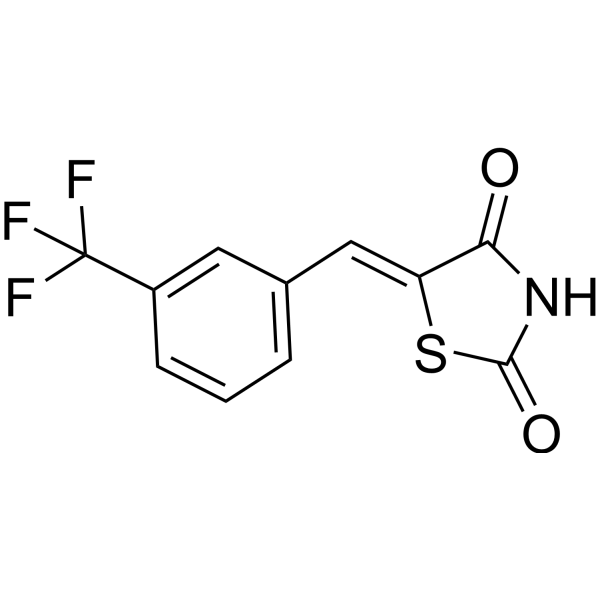 0 ImagesSynonyms: TCS-PIM-1-4aSMI-4a (TCS-PIM-1-4a) is a poten, selective, cell-permeable and ATP-competitive Pim-1 inhibitor with an IC50 of 24 μM and a Ki of 0.6 μM. SMI-4a also inhibits Pim-2 (IC50 of 100 μM), and does not significantly inhibit the other serine/threonine- or tyrosine-kinases. SMI-4a has anticancer activity.
-
Quercetagetin
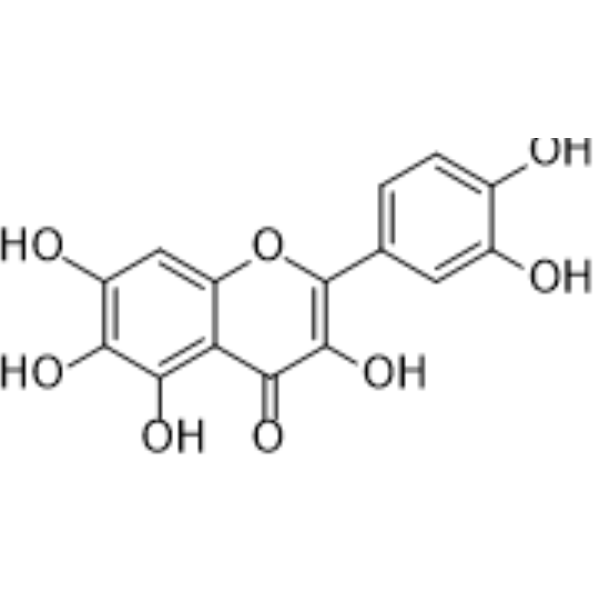 0 ImagesQuercetagetin (6-Hydroxyquercetin) is a flavonoid. Quercetagetin is a moderately potent and selective, cell-permeable pim-1 kinase inhibitor (IC50, 0.34 μM). Anti-inflammatory and anticancer properties.
-
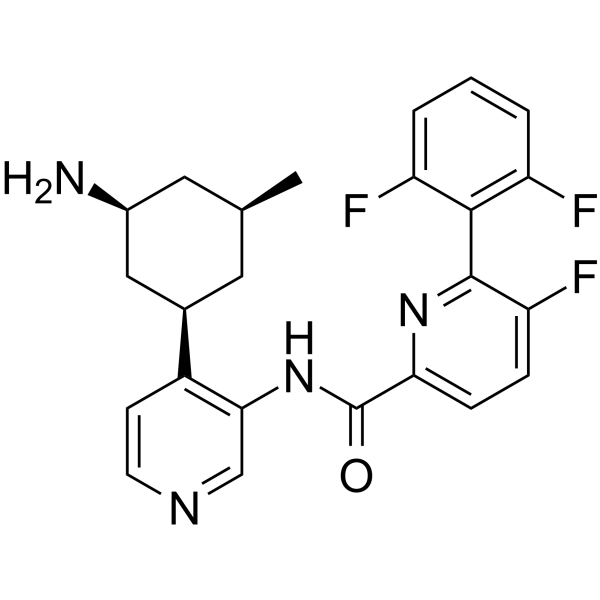
PIM-447 dihydrochloride
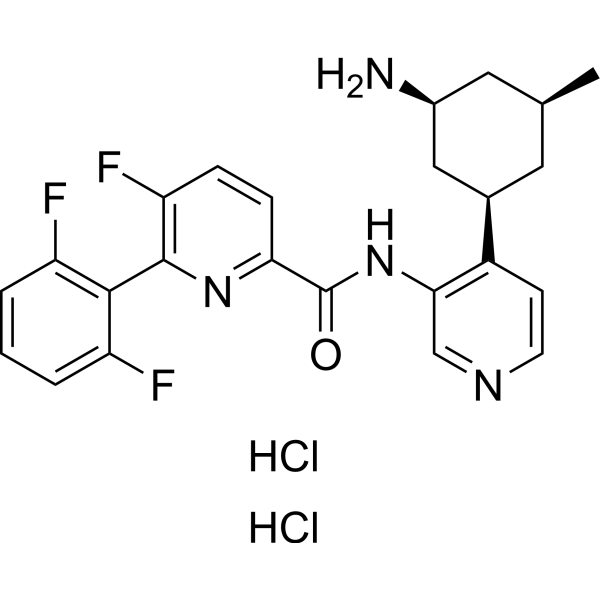 0 ImagesSynonyms: LGH447 dihydrochloridePIM447 dihydrochloride (LGH447 dihydrochloride) is a potent, orally available, and selective pan-PIM kinase inhibitor, with Ki values of 6, 18, and 9 pM for PIM1, PIM2, and PIM3, respectively. PIM447 dihydrochloride displays dual antimyeloma and bone-protective effects. PIM447 dihydrochloride induces apoptosis.
-
VS-II-173
 0 ImagesCat. No.: HY-122670CAS No.: 1627962-21-3VS-II-173 is a pan-Pim kinase inhibitor with IC50 values of 0.07 μM and 0.02 μM for Pim1 and Pim3, respectively, and a residual activity of 46% for Pim2 at 1 μM. VS-II-173 also inhibits kinases such as HIPK2, PRK2, RSK1, DYRK1a and AMPKα1, selectively inhibiting acute myeloid leukemia (AML) cells with significantly lower toxicity to non-malignant cells (EC50 > 30 μM). VS-II-173 weakens the phosphorylation of substrates such as Stat5 (Y694), MDM2 (S166), Bad (S112), and 4E-BP1 (T37/46) by inhibiting Pim kinase-mediated signaling pathways, blocking pro-survival signals in AML cells and inducing apoptosis. VS-II-173 synergistically enhances anti-AML activity when combined with Daunorubicin (HY-13062A). VS-II-173 can be used in AML research, especially for AML with FLT3-ITD mutations and NPM1 mutations .
-
KZ-02
 0 ImagesCat. No.: HY-185446CAS No.: 1801756-14-8KZ-02 is an orally active dual MEK1/Pim-1 kinase inhibitor, with an IC50 of 1.07 nM against MEK1 and an IC50 of 1.34 μM against Pim-1. KZ-02 reduces the phosphorylation levels of ERK and Cdc25C, and promotes the proteasomal degradation of Pim-1 protein. KZ-02 inhibits cancer cell growth and exerts anti-tumor effects. KZ-02 can be used in the research of colorectal cancer.
-
FD2024
 0 ImagesCat. No.: HY-181925FD2024 is a pan-PIM kinase inhibitor with IC50 values of 0.17 nM, 1.86 nM, and 0.38 nM against PIM-1, PIM-2, and PIM-3, respectively. FD2024 induces cell apoptosis. FD2024 inhibits the phosphorylation of mTOR, p70S6K, S6, 4EBP1, and BAD proteins. FD2024 exhibits anti-acute myeloid leukemia activity. FD2024 can be used in studies related to acute myeloid leukemia.
-
TCS PIM-1 1
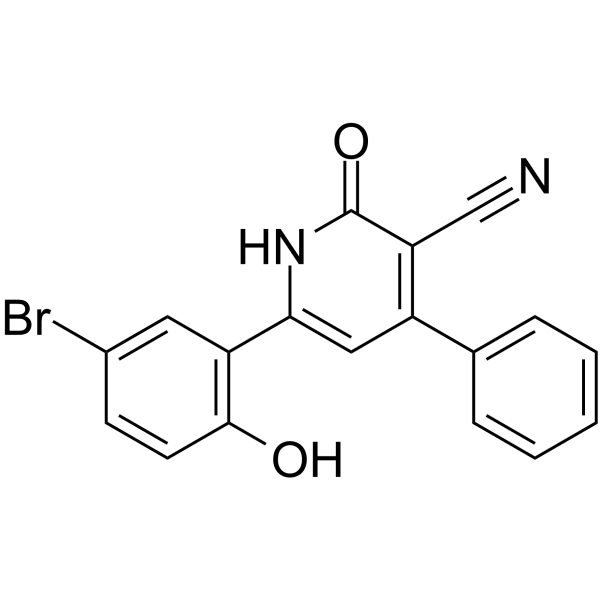 0 ImagesSynonyms: SC 204330TCS PIM-1 1 (SC 204330) is a potent, selective and ATP-competitive Pim-1 kianse inhibitor with an IC50 of 50 nM, displays good selectivity over Pim-2 and MEK1/MEK2 (IC50s >20000 nM).
-
CK2/ERK8-IN-1
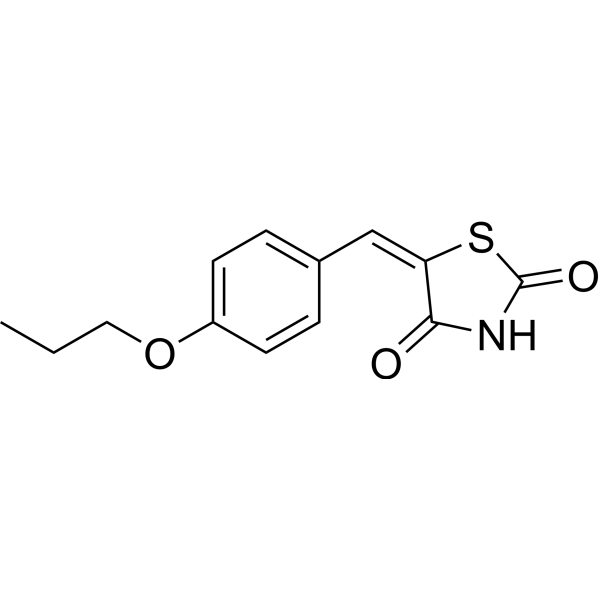
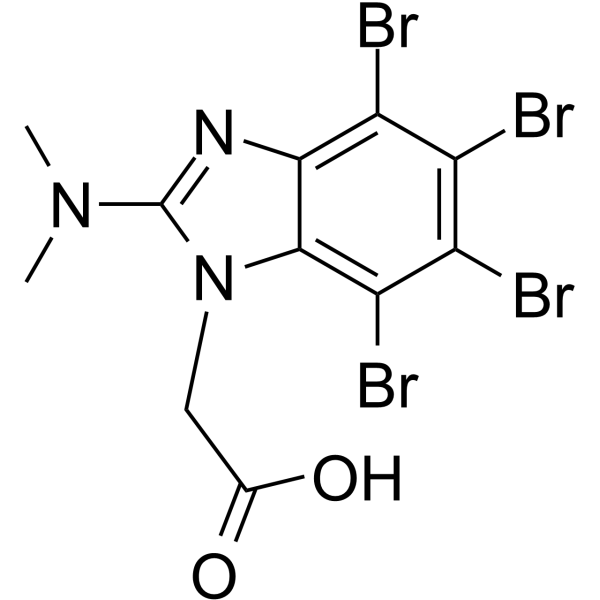 0 ImagesCK2/ERK8-IN-1 is a dual casein kinase 2 (CK2) (Ki of 0.25 µM) and ERK8 (MAPK15, ERK7) inhibitor with IC50s of 0.50 μM. CK2/ERK8-IN-1 also binds to PIM1, HIPK2 (homeodomain-interacting protein kinase 2), and DYRK1A with Kis of 8.65 µM, 15.25 µM, and 11.9 µM, respectively. CK2/ERK8-IN-1 has pro-apoptotic efficacy.
-
Uzansertib phosphate
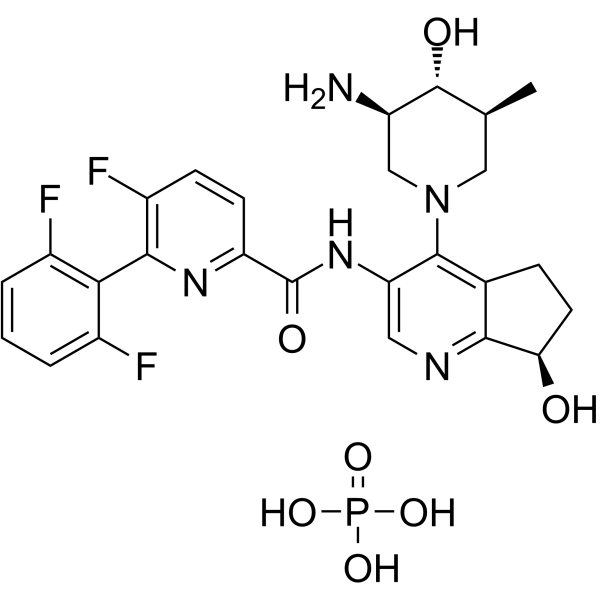 0 ImagesSynonyms: INCB053914 phosphate
-
Uzansertib
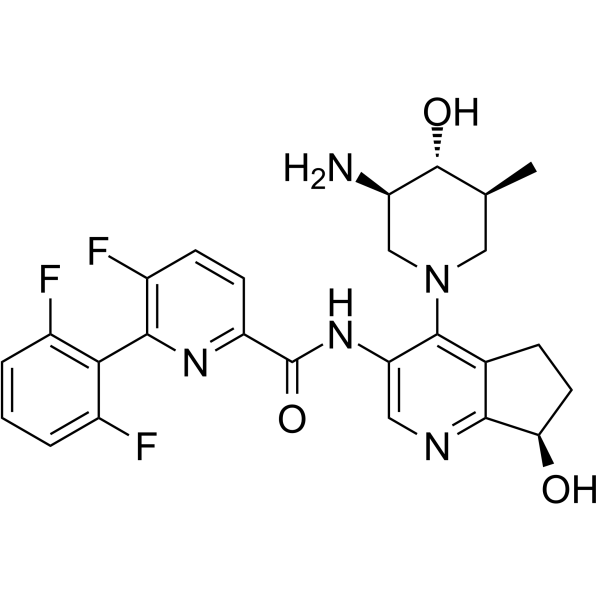 0 ImagesSynonyms: INCB053914
-
Pim-1 kinase inhibitor 2
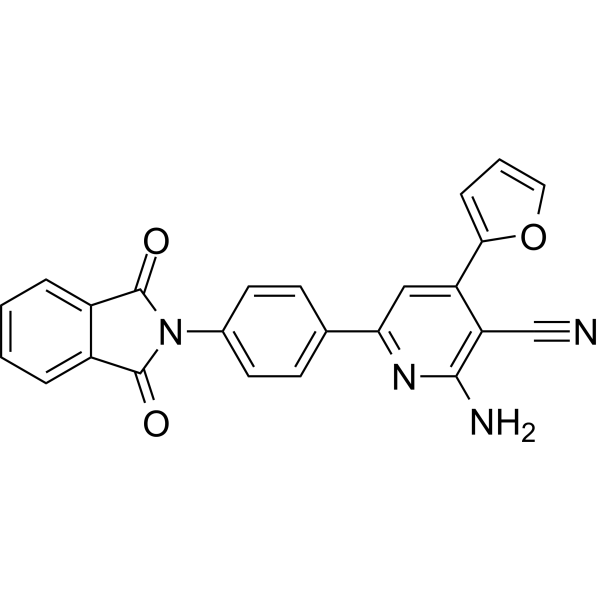 0 ImagesPim-1 kinase inhibitor 2 is a PIM-1 kinase inhibitor with a human IC50 of 0.63 μM. Pim-1 kinase inhibitor 2 exhibits high selectivity for cancer cells over normal cells. Pim-1 kinase inhibitor 2 induces apoptosis, increases active caspase-3 levels, upregulates BAX, downregulates Bcl-2, and elevates the Bax/Bcl-2 ratio. Pim-1 kinase inhibitor 2 suppresses cancer cell proliferation and induces cell cycle arrest. Pim-1 kinase inhibitor 2 can be used for the research of prostate carcinoma, hepatocellular carcinoma, and breast adenocarcinoma.
-
PIM1-IN-2
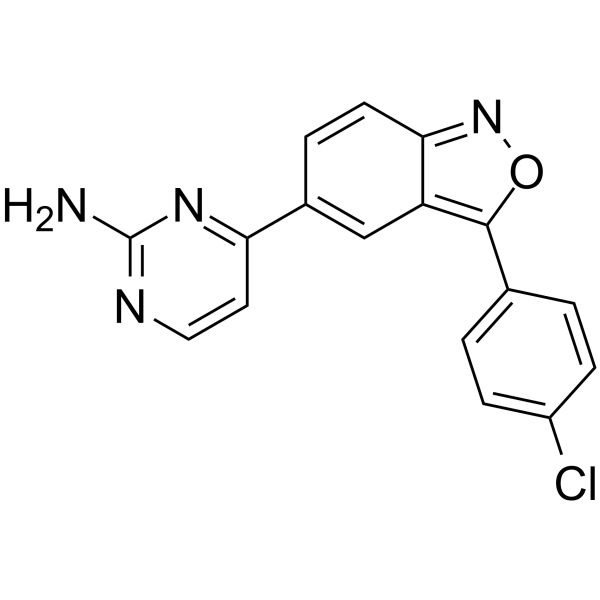 0 ImagesPIM1-IN-2 is a Pim-1 inhibitor with a Ki of 91 nM. PIM1-IN-2 can be used in leukemia-related research .
-
CDK6/PIM1-IN-1 hydrochloride
 0 ImagesCDK6/PIM1-IN-1 (Compound 51) hydrochloride is an orally active and potent dual CDK6/PIM1 inhibitor with IC50 values of 39 and 88 nM, respectively. CDK6/PIM1-IN-1 hydrochloride inhibits CDK4 (IC50=3.6 nM). CDK6/PIM1-IN-1 hydrochloride significantly inhibits acute myeloid leukemia (AML) cell proliferation, arrest cell cycle at the G1 phase, and promote cell apoptosis. CDK6/PIM1-IN-1 exhibits potent anti-AML activity.
-
PIM1-IN-1
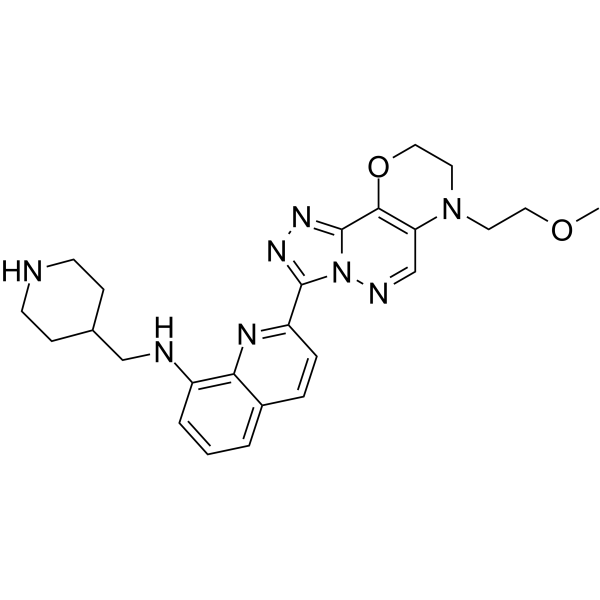 0 ImagesPIM1-IN-1 is a potent and highly selective PIM1/3 inhibitor, with IC50s of 7, 5530 and 70 nM for PIM1, PIM2, and PIM3, respectively, inhibits the phosphorylation of BAD, a downstream target of PIM, with an EC50 of 262 nM. PIM1-IN-1 shows no obvious effect on FLT3 or hERG binding. Antiproliferative and anti-cancer activity.



