



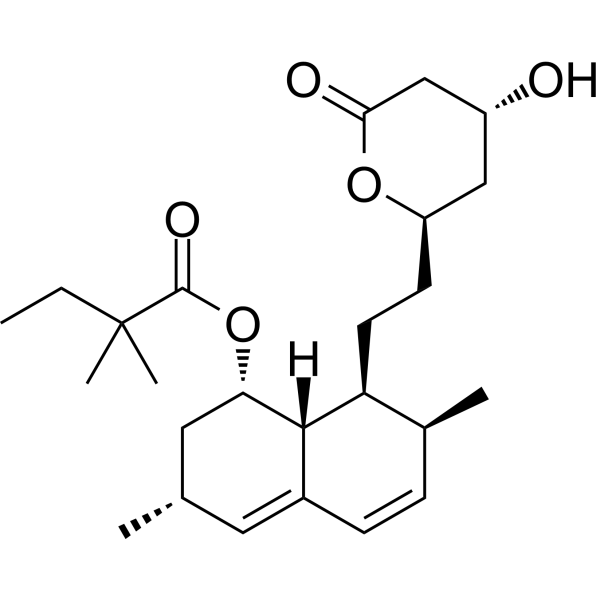
Simvastatin
Based on 95 publication(s) in Google Scholar
Simvastatin (MK 733) is a competitive inhibitor of HMG-CoA reductase with a Ki of 0.2 nM.
For research use only. We do not sell to patients.
- Purity : 99.56%
- CAS No.: 79902-63-9
- Formula: C25H38O5
- Molecular Weight:418.57
-
Storage:Powder -20°C, 3 years , 4°C, 2 years ; In solvent -80°C, 1 year , -20°C, 6 months

To place orders, for customer services and technical support, please contact: MedChemExpress USA
Tel: 609-228-6898 E-mail: [email protected] [email protected]


-
 Biological Activity
-
Chemical Information
-
Solvent & Solubility
- Purity & Documentation
- References
-
 Help & FAQs


-
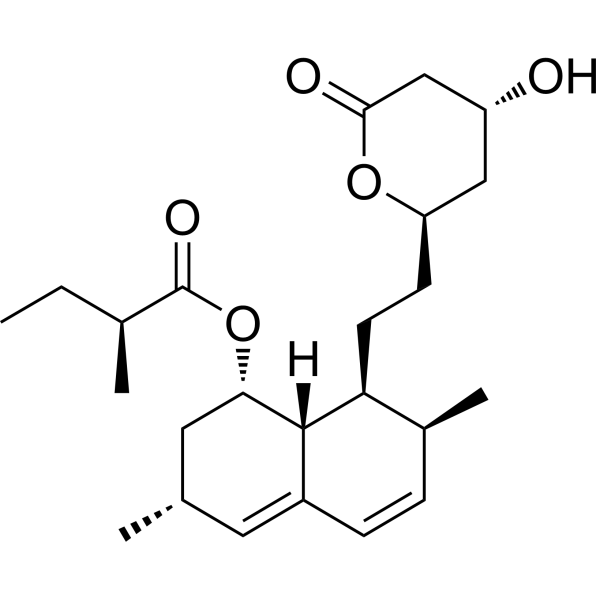
HY-N0504
LovastatinHMG-CoA Inhibitor -
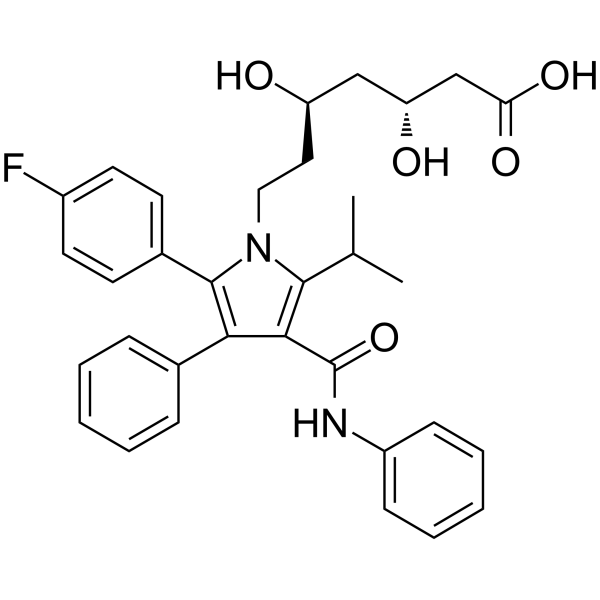
HY-B0589
AtorvastatinHMG-CoA Reductase Inhibitor -
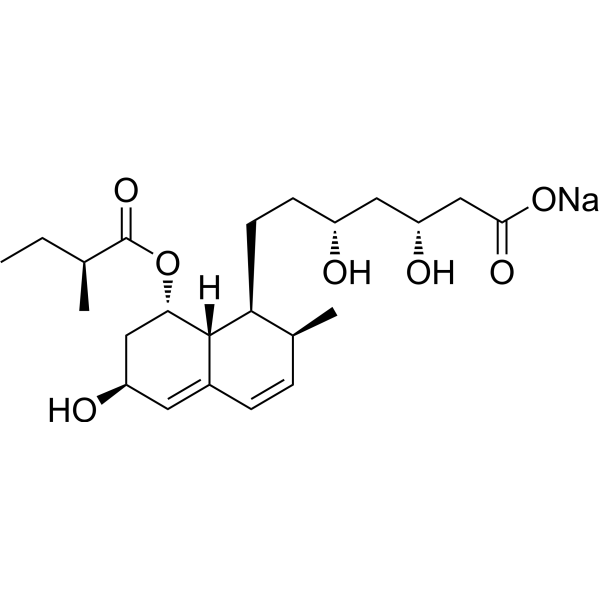
HY-B0165A
Pravastatin sodiumHMG-CoA Reductase (HMGCR) Inhibitor -
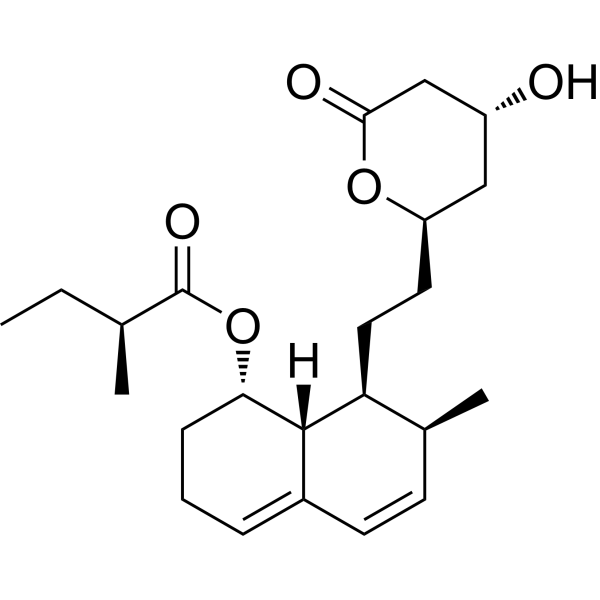
HY-17408
MevastatinHMG-CoA Reductase Inhibitor -
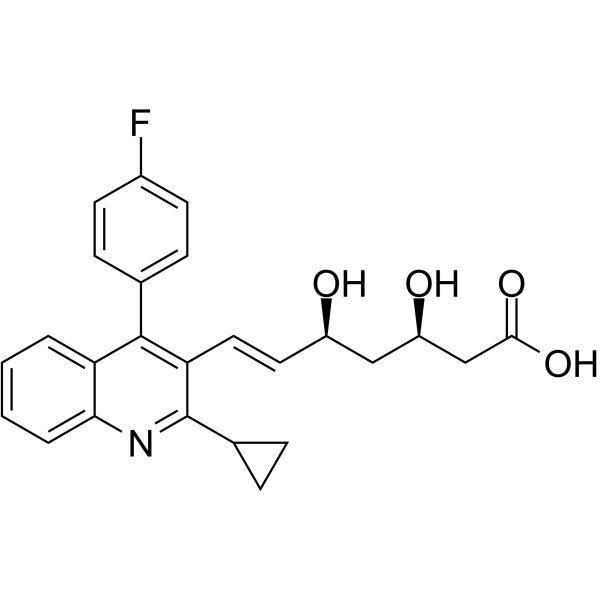
HY-B0144A
PitavastatinHMG-CoA Reductase Inhibitor -
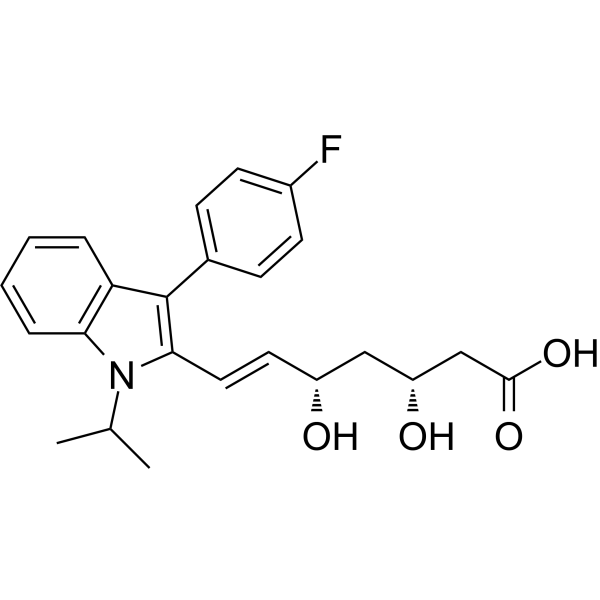
HY-14664
FluvastatinHMG-CoA Reductase Inhibitor -
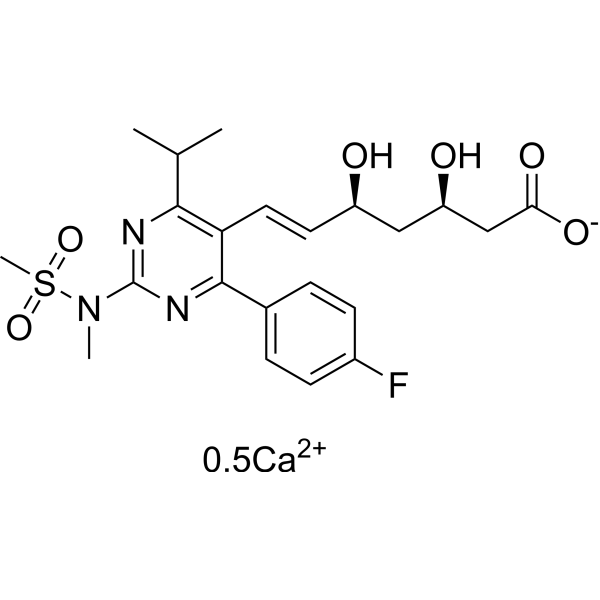
HY-17504
Rosuvastatin CalciumHMGCR Inhibitor -
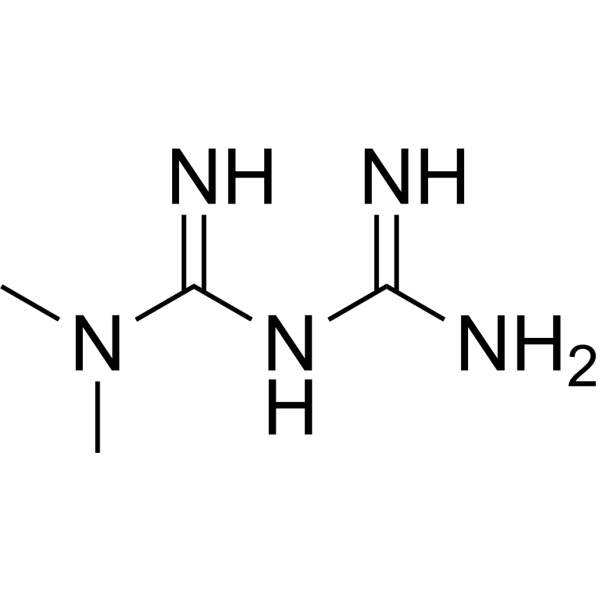
HY-B0627
MetforminAntihyperglycemic Agent -
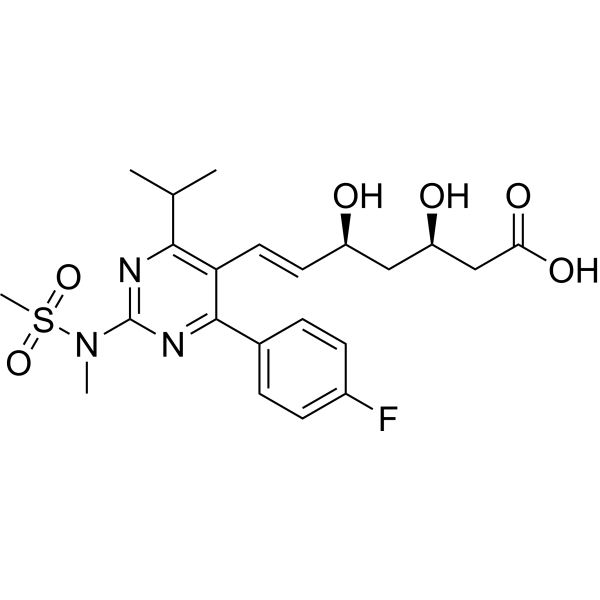
HY-17504A
RosuvastatinHMGCR Inhibitor -
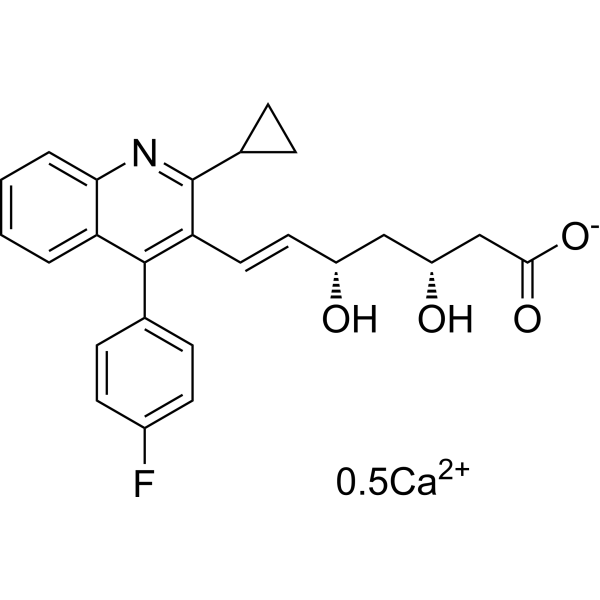
HY-B0144
Pitavastatin CalciumHMG-CoA Reductase Inhibitor -
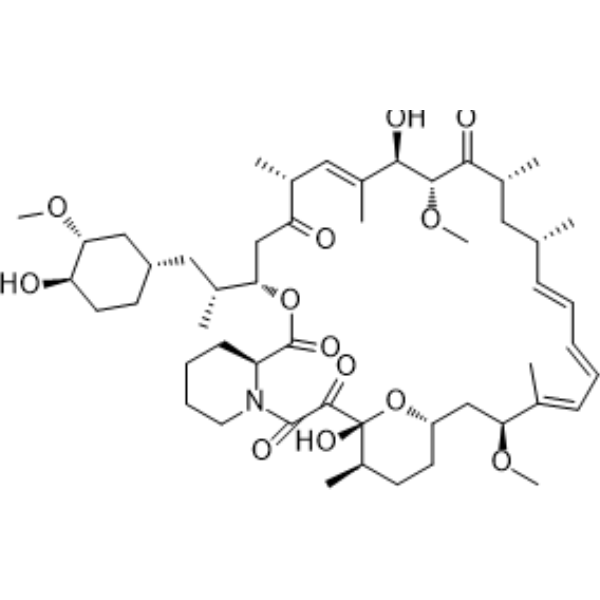
HY-10219
RapamycinmTOR Inhibitor -
HY-14664A
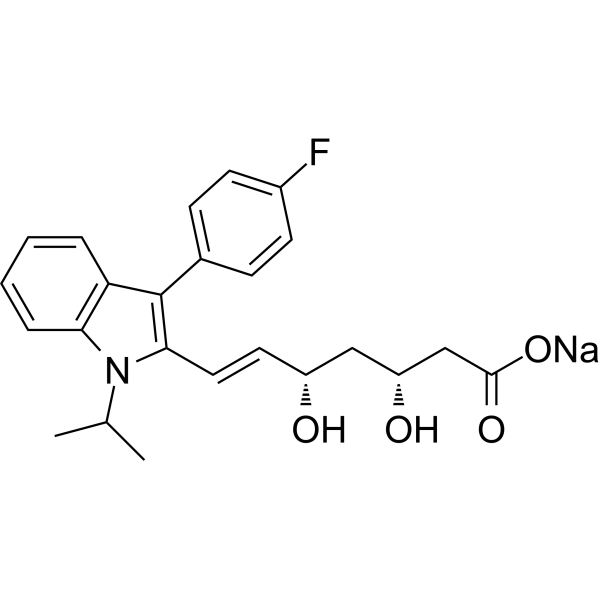
Fluvastatin sodiumHMG-CoA Reductase Inhibitor
Publications Citing Use of MedChemExpress (MCE) Simvastatin
More- Nature. 2026 Apr;652(8108):209-219. [Abstract]
- Mol Cancer. 2026 Aug 7.
- Cancer Commun (Lond). 2025 Aug;45(8):1010-1037. [Abstract]
- Blood. 2022 Jan 6;139(1):73-86. [Abstract]
- Cancer Res. 2025 Nov 6. [Abstract]
- Nat Microbiol. 2026 Jun;11(6):1677-1695. [Abstract]
- Nat Commun. 2024 Oct 26;15(1):9261. [Abstract]
- Int J Oral Sci. 2026 Jul 9;18(1):50.
- Exp Hematol Oncol. 2024 Dec 18;13(1):121. [Abstract]
- Adv Sci (Weinh). 2026 Jun 4:e75977. [Abstract]
- Adv Sci (Weinh). 2026 Apr;13(19):e08588. [Abstract]
- Adv Sci (Weinh). 2024 Sep;11(34):e2403451. [Abstract]
- Sci Adv. 2026 Aug 14;12(33):eaec3399.
- Sci Adv. 2023 Sep 15;9(37):eadh4184. [Abstract]
- Sci Adv. 2022 Aug 26;8(34):eabq4722. [Abstract]
- Biomaterials. 2020 Aug:250:119963. [Abstract]
- Chem Eng J. 478, 15 December 2023, 147465
- Chem Eng J. 2022: 141111.
- J Control Release. 2022 Apr 21;346:98-109. [Abstract]
- Cell Death Dis. 2026 Jan 9;17(1):20. [Abstract]
- Cell Death Dis. 2024 Nov 9;15(11):809. [Abstract]
- Pharmacol Res. 2024 Aug:206:107293. [Abstract]
- Cancer Lett. 2023 Jun 28:564:216208. [Abstract]
- J Exp Med. 2025 Oct 6;222(10):e20242296. [Abstract]
- J Exp Med. 2021 Sep 6;218(9):e20202637. [Abstract]
- Phytomedicine. 2025 Dec:149:157578. [Abstract]
- Phytomedicine. 2023 Jul 25:116:154896. [Abstract]
- Clin Cancer Res. 2024 Sep 13;30(18):4179-4189. [Abstract]
- Clin Cancer Res. 2020 Apr 15;26(8):2011-2021. [Abstract]
- J Hazard Mater. 2026 Jul 1:512:142290. [Abstract]
- eGastroenterology. 2026 Mar 31;4(1):e100348. [Abstract]
- Cell Death Discov. 2026 Jun 20. [Abstract]
- J Transl Med. 2024 Nov 29;22(1):1085. [Abstract]
- Sci China Life Sci. 2022 Feb;65(2):341-361. [Abstract]
- Food Res Int. 2025 Mar:204:115936. [Abstract]
- Int J Biol Macromol. 2025 Aug;319(Pt 4):145620. [Abstract]
- Int J Mol Med. 2020 Aug;46(2):751-761. [Abstract]
- Free Radic Biol Med. 2024 Sep:222:130-148. [Abstract]
- Cell Rep. 2023 Oct 5;42(10):113213. [Abstract]
- Chin Med. 2025 Aug 5;20(1):120. [Abstract]
- Cancer Cell Int. 2025 Apr 22;25(1):160. [Abstract]
- Pharmaceutics. 2024 May 29;16(6):728. [Abstract]
- Biochem Pharmacol. 2026 Aug 22;254(Pt 1):118387.
- Cell Biosci. 2025 Jul 4;15(1):95. [Abstract]
- Biochem Pharmacol. 2024 Aug:226:116348. [Abstract]
- Life Sci. 2023 Aug 15:327:121698. [Abstract]
- Cells. 2023 Dec 14;12(24):2836. [Abstract]
- Cells. 2023 Jul 29;12(15):1961. [Abstract]
- Commun Biol. 2024 Nov 9;7(1):1476. [Abstract]
- Front Bioeng Biotechnol. 2022 Mar 17;10:826093. [Abstract]
- Eur J Pharmacol. 2021 Dec 15:913:174633. [Abstract]
- Stem Cell Reports. 2025 Jul 8;20(7):102534. [Abstract]
- Inflammation. 2026 Jan 30;49(1):72. [Abstract]
- Molecules. 2026 Sep 26;31(19):3423.
- One Health Adv. 2026 Jun 11;4(1):17.
- Clin Pharmacol Ther. 2025 Jul 14. [Abstract]
- Cancers (Basel). 2022 Nov 15;14(22):5601. [Abstract]
- Med Oncol. 2025 Jul 14;42(8):332. [Abstract]
- J Dairy Sci. 2023 Aug;106(8):5835-5852. [Abstract]
- Brain Res Bull. 2024 Oct 15:217:111072. [Abstract]
- FASEB J. 2026 May 15;40(9):e71873. [Abstract]
- FASEB J. 2026 Feb 28;40(4):e71500. [Abstract]
- J Biol Chem. 2018 Sep 14;293(37):14328-14341. [Abstract]
- Naunyn Schmiedebergs Arch Pharmacol. 2024 Nov;397(11):8707-8723. [Abstract]
- Cell Cycle. 2019 Dec;18(23):3337-3350. [Abstract]
- J Orthop Surg Res. 2023 Jul 21;18(1):518. [Abstract]
- Mol Immunol. 2026 Feb:190:72-85. [Abstract]
- Exp Cell Res. 2025 Mar 1;446(1):114471. [Abstract]
- Immun Inflamm Dis. 2025 Feb;13(2):e70165. [Abstract]
- Front Oncol. 2021 May 10:11:595285. [Abstract]
- Biochem Biophys Rep. 2025 Jul 15:43:102159. [Abstract]
- Animals (Basel). 2026 Jan 2;16(1):134. [Abstract]
- FEBS Open Bio. 2024 May;14(5):855-866. [Abstract]
- Clin Res Hepatol Gastroenterol. 2019 Apr;43(2):171-178. [Abstract]
- J Chromatogr B Analyt Technol Biomed Life Sci. 2025 Feb 1:1252:124446. [Abstract]
- Drugs R D. 2023 Dec;23(4):439-451. [Abstract]
- Biochem Biophys Res Commun. 2020 Feb 19;522(4):862-868. [Abstract]
- Res Sq. 2026 Aug 12.
- Res Sq. 2026 Apr 21.
- bioRxiv. 2026 Feb 20.
- SSRN. 2025 Dec 2.
- Biomed Pharmacother. 2025 Dec:193:118770. [Abstract]
- SSRN. 2025 Apr 29.
- Patent. US20250025542A1.
- Chemosphere. 2024 Oct:366:143350. [Abstract]
- Uppsala University. 2024 Jul 12.
- Patent. US20230145200A1.
- Dis Markers. 2022 Jan 11:2022:7878602. [Abstract]
- Biomed Pharmacother. 2021 Dec:144:112347. [Abstract]
- University of New Hampshire. 2021 Oct.
- Sci Total Environ. 2021 Jul 20:779:146523. [Abstract]
- Research Square Preprint. 2020 Sep.
- Evid Based Complement Alternat Med. 2020 Sep 18:2020:6031782. [Abstract]
- Oncotarget. 2018 Nov 16;9(90):36083-36101. [Abstract]
- Oxid Med Cell Longev. 2017:2017:3861914. [Abstract]
 Customer Validation & Images

-
Bio/Physico-chemical Assay

-
Cell Imaging/Staining

-
Cell Migration/Invasion Assay

-
In Vivo Efficacy Study
-
RT-PCR


Biological Activity
Description
IC50 & Target
Ki: 0.2 nM (HMG-CoA reductase)[1]
Cellular Effect
|
Cell Line

|
Type | Value | Description | References |
|---|---|---|---|---|
| A549 | IC50 |
16.3 μM
Compound: 11
|
Cytotoxicity against human A549 cells after 72 hrs by MTT assay
Cytotoxicity against human A549 cells after 72 hrs by MTT assay
|
[PMID: 23570542] |
| HEK293 | IC50 |
11 μM
Compound: Simvastatin
|
Inhibition of OATP1B1 (unknown origin) expressed in HEK293 cells using estrone-3-sulfate substrate
Inhibition of OATP1B1 (unknown origin) expressed in HEK293 cells using estrone-3-sulfate substrate
|
[PMID: 22587986] |
| HEK293 | IC50 |
4.4 μM
Compound: Simvastatin
|
Inhibition of OATP1B1 (unknown origin) expressed in HEK293 cells using estradiol-17beta-glucuronide substrate
Inhibition of OATP1B1 (unknown origin) expressed in HEK293 cells using estradiol-17beta-glucuronide substrate
|
[PMID: 22587986] |
| HEK293 | IC50 |
6 μM
Compound: Simvastatin
|
Inhibition of OATP1B1 (unknown origin) expressed in HEK293 cells using pitavastatin substrate
Inhibition of OATP1B1 (unknown origin) expressed in HEK293 cells using pitavastatin substrate
|
[PMID: 22587986] |
| HEK293 | IC50 |
9.7 μM
Compound: Simvastatin lactone
|
TP_TRANSPORTER: inhibition of estradiol-17beta-glucuronide uptake(estradiol-17beta-glucuronide:0.02uM) in OATP1B1-expressing HEK293 cells
TP_TRANSPORTER: inhibition of estradiol-17beta-glucuronide uptake(estradiol-17beta-glucuronide:0.02uM) in OATP1B1-expressing HEK293 cells
|
[PMID: 15616150] |
| Hepatocyte | IC50 |
1.3 nM
Compound: sim, simvastatin
|
Inhibition of cholesterol synthesis in rat liver hepatocytes after 4 hrs
Inhibition of cholesterol synthesis in rat liver hepatocytes after 4 hrs
|
[PMID: 17560788] |
| Hepatocyte | IC50 |
1.3 nM
Compound: Simvastatin
|
Inhibition of cholesterol synthesis in rat hepatocyte
Inhibition of cholesterol synthesis in rat hepatocyte
|
[PMID: 17574412] |
| Hepatocyte | IC50 |
1.3 nM
Compound: simvastatin
|
Inhibition of cholesterol synthesis in rat hepatocyte
Inhibition of cholesterol synthesis in rat hepatocyte
|
[PMID: 18155906] |
| Hepatocyte | IC50 |
4 nM
Compound: simvastatin
|
Inhibition of cholesterol synthesis in rat hepatocytes
Inhibition of cholesterol synthesis in rat hepatocytes
|
[PMID: 17574411] |
| Hepatocyte | IC50 |
6.2 nM
Compound: simvastatin
|
Inhibition of cholesterol synthesis in rat hepatocytes assessed as incorporation of [14C]acetate into cholesterol
Inhibition of cholesterol synthesis in rat hepatocytes assessed as incorporation of [14C]acetate into cholesterol
|
[PMID: 18412317] |
| HepG2 | IC50 |
40 nM
Compound: Simvastatin
|
In vitro inhibitory activity was evaluated on cholesterol biosynthesis in HepG2 cells
In vitro inhibitory activity was evaluated on cholesterol biosynthesis in HepG2 cells
|
[PMID: 14741258] |
| Hs68 | IC50 |
26.4 μM
Compound: 11
|
Cytotoxicity against human HS68 cells after 72 hrs by MTT assay
Cytotoxicity against human HS68 cells after 72 hrs by MTT assay
|
[PMID: 23570542] |
| Ishikawa | IC50 |
~ 17 μM
Compound: Simvastatin
|
Antiproliferative activity against human Ishikawa cells assessed as reduction in cell viability
Antiproliferative activity against human Ishikawa cells assessed as reduction in cell viability
|
[PMID: 38911148] |
| L6 | IC50 |
150 nM
Compound: simvastatin
|
Inhibition of cholesterol synthesis in rat L6 myocyte
Inhibition of cholesterol synthesis in rat L6 myocyte
|
[PMID: 18155906] |
| L6 | IC50 |
229 nM
Compound: sim, simvastatin
|
Inhibition of cholesterol synthesis in rat L6 cells after 3 hrs
Inhibition of cholesterol synthesis in rat L6 cells after 3 hrs
|
[PMID: 17560788] |
| L6 | IC50 |
27 nM
Compound: simvastatin
|
Inhibition of cholesterol synthesis in rat L6 cells assessed as incorporation of [14C]acetate into cholesterol
Inhibition of cholesterol synthesis in rat L6 cells assessed as incorporation of [14C]acetate into cholesterol
|
[PMID: 18412317] |
| MDCK | IC50 |
10 μM
Compound: Simvastatin lactone
|
TP_TRANSPORTER: inhibition of calcein-AM efflux in MDR1-expressing MDCK cells
TP_TRANSPORTER: inhibition of calcein-AM efflux in MDR1-expressing MDCK cells
|
[PMID: 15616150] |
| MDCK | IC50 |
25 μM
Compound: Simvastatin lactone
|
TP_TRANSPORTER: inhibition of calcein-AM efflux in MRP2-expressing MDCK cells
TP_TRANSPORTER: inhibition of calcein-AM efflux in MRP2-expressing MDCK cells
|
[PMID: 15616150] |
| MEF | IC50 |
36.7 μM
Compound: 11
|
Cytotoxicity against mouse MEF cells after 72 hrs by MTT assay
Cytotoxicity against mouse MEF cells after 72 hrs by MTT assay
|
[PMID: 23570542] |
| NIH-3T3-G185 | IC50 |
26.1 μM
Compound: Simvastatin
|
TP_TRANSPORTER: inhibition of LDS-751 efflux in NIH-3T3-G185 cells
TP_TRANSPORTER: inhibition of LDS-751 efflux in NIH-3T3-G185 cells
|
[PMID: 11716514] |
| NIH-3T3-G185 | IC50 |
56.8 μM
Compound: Simvastatin
|
TP_TRANSPORTER: inhibition of Rhodamine 123 efflux in NIH-3T3-G185 cells
TP_TRANSPORTER: inhibition of Rhodamine 123 efflux in NIH-3T3-G185 cells
|
[PMID: 11716514] |
| Ventricular myocyte | IC50 |
150 nM
Compound: Simvastatin
|
Inhibition of cholesterol synthesis in rat myocyte
Inhibition of cholesterol synthesis in rat myocyte
|
[PMID: 17574412] |
In Vitro
Simvastatin is an inactive drug precursor that has no drug activity itself and must be metabolized into its hydroxy acid form in the liver to function. In vitro experiments, it can be activated by sodium hydroxide (NaOH).
1. Dissolve 2 mg of Simvastatin in 50 μL of 100% ethanol (clear solution);
2. Add 75 μL of 0.1 N NaOH to the above solution and heat at 50 °C (clear solution);
3. Adjust the pH to 7.2 with HCl, then add water to make it 250 μL (clear solution).
Simvastatin suppresses cholesterol synthesis in mouse L-M cell, rat H4II E cell, and human Hep G2 cell with IC50s of 19.3 nM, 13.3 nM and 15.6 nM, respectively[1].
Simvastatin causes a dose-dependent increase in serine 473 phosphorylation of Akt within 30 minutes, with maximal phosphorylation occurring at 1.0 μM[2].
Simvastatin (1.0 μM) enhances phosphorylation of the endogenous Akt substrate endothelial nitric oxide synthase (eNOS), inhibits serum-free media undergo apoptosis and accelerates vascular structure formation[2].
Simvastatin shows anti-in ammatory effects, reduces anti-CD3/anti-CD28 antibody-stimulated proliferation of PB-derived mononuclear cells and synovial uid cells from rheumatoid arthritis blood, as well as IFN-γ release at 10 μM[3].
Simvastatin (10 μM) also blocks cell-mediated macrophage TNF-γ release induced via cognate interactions by appr 30%[3].
Simvastatin (5 μM) significantly reduces the expression of ABCA1 in astrocytes and neuroblastoma cells, the expression of apolipoprotein E in astrocytes, and increases cyclin-dependent kinase 5 and glycogen synthase kinase 3β expression in SK-N-SH cells[7].
Simvastatin has the ability to inhibit exosome release[10].
Simvastatin (32 and 64 μM; 24, 48, and 72 h) inhibits tumor cell growth, arrests in the G0/G1 phase[11].
Simvastatin (32 and 64 μM; 48 h) induces apoptosis in HepG2 and Huh7 cells[11].
MedChemExpress (MCE) has not independently confirmed the accuracy of these methods. They are for reference only.
-
Cell Line:HepG2 and Huh7 cells
-
Concentration:32 and 64 μM
-
Incubation Time:24, 48, and 72 hours
-
Result:Inhibited tumor cell growth as compared to controls (ctrl, p<0.05).
-
Cell Line:HepG2 and Huh7 cells
-
Concentration:32 and 64 μM
-
Incubation Time:48 hours
-
Result:Increased early apoptosis from 9.2% in non-treated ctrl cells to 18.2% (32 μM) and 19.8% (64 μM), respectively, increased late apoptosis from 35.0% in ctrl cells to 56.9% (32 μM) and 48.0% (64 μM), respectively, in HepG2 cells.
-
Cell Line:HepG2 and Huh7 cells
-
Concentration:32 and 64 μM
-
Incubation Time:24, 48, and 72 hours
-
Result:Exhibited downregulation of CDK1, CDK2, CDK4 and cyclins D1 and E as compared to ctrl tumor cells.
In Vivo
Simvastatin (6 mg/kg) increases LDL receptor-dependent binding and the number of hepatic LDL receptors in rabbits fed a diet containing 0.25% cholesterol[5].
Simvastatin (20 mg/kg/day) causes a 1.3-fold less macrophage content in lesions, and 2-fold less vascular cell adhesion molecule-1, interleukin-1beta, and tissue factor expression, companied by a 2.1-fold increases in lesional smooth muscle cell and collagen content in cynomolgus monkeys fed an atherogenic diet[6].
Simvastatin (oral gavage; 15 and 30 mg/kg; once daily; 14 d) treatment attenuats oxidative damage, TNF-a and IL-6 levels, and restores itochondrial enzyme complex activities[12].
MedChemExpress (MCE) has not independently confirmed the accuracy of these methods. They are for reference only.
-
Animal Model:Male wistar rats with oxidative damage by Intrastriatal 6-OHDA administration[12]
-
Dosage:15 and 30 mg/kg
-
Administration:Oral gavage; 15 and 30 mg/kg; once daily; 14 days
-
Result:Attenuated oxidative damage (reduced MDA, nitrite levels and restoration of reduced GSH) , attenuated TNF-a and IL-6 levels, and restored itochondrial enzyme complex activities as compared to 6-OHDA group.
Clinical Trial
| NCT Number | Sponsor | Condition | Start Date |
Phase
|
|---|---|---|---|---|
| NCT01329991 | Plexxikon| | 2011-05 | PHASE1 |


Chemical Information
-
CAS No. 79902-63-9
-
Appearance Solid
-
Molecular Weight 418.57
-
Formula C25H38O5
-
Color White to off-white
-
SMILES
CCC(C)(C)C(O[C@H]1C[C@@H](C)C=C2C=C[C@H](C)[C@H](CC[C@@H]3C[C@@H](O)CC(O3)=O)[C@@]12[H])=O
-
Synonyms
MK 733
-
Shipping
Room temperature in continental US; may vary elsewhere.
-
Storage
Powder -20°C 3 years 4°C 2 years In solvent -80°C 1 year -20°C 6 months


Publications (95)
-
Journal Impact Factor
-
Most Recent
-
Nature
2026 Apr;652(8108):209-219. PMID: 41781621 -
-
Cancer Commun (Lond)
Lipid metabolism reprograming by SREBP1-PCSK9 targeting sensitizes pancreatic cancer to immunochemotherapy. [Abstract]2025 Aug;45(8):1010-1037. PMID: 40439109
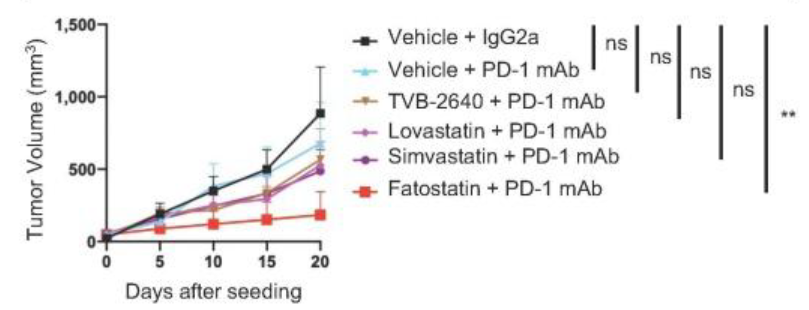
Simvastatin purchased from MedChemExpress. Usage Cited in: Cancer Commun (Lond). 2025 Aug;45(8):1010-1037. [Abstract]
Denifanstat (10 mg/kg; i.g.; every day; from day7 to day20); Lovastatin(10 mg/kg; i.g.; every day; from day7 to day20); Simvastatin (50 mg/kg; i.g.; every day; from day7 to day20). Tumor growth curve of each group (4 mice/group). ns, not significant; * P < 0.05, **P < 0.01, ***P < 0.001.
-
Blood
Oncogenic role of the SOX9-DHCR24-cholesterol biosynthesis axis in IGH-BCL2+ diffuse large B-cell lymphomas. [Abstract]2022 Jan 6;139(1):73-86. PMID: 34624089
Simvastatin purchased from MedChemExpress. Usage Cited in: Blood. 2022 Jan 6;139(1):73-86. [Abstract]
Simvastatin (50 mg/kg; p.o.; every 2 days for a week) significantly reduced tumor size and weight in DLBCL xenograft-recipient mice.

Simvastatin purchased from MedChemExpress. Usage Cited in: Blood. 2022 Jan 6;139(1):73-86. [Abstract]
Simvastatin (50 mg/kg; p.o.; every 2 days for a week) significantly reduced tumor total and cholesterol ester contents in DLBCL xenograft-recipient mice.
-
Cancer Res
USP20-Driven Cholesterol Metabolism Links Inflammatory Signaling to Malignancy and Stromal Co-evolution in Pancreatic Cancer. [Abstract]2025 Nov 6. PMID: 41196022 -
Nat Microbiol
Lipid accumulation in tuberculosis granulomas inhibits macrophage-CD4+ T cell interactions and infection control. [Abstract]2026 Jun;11(6):1677-1695. PMID: 41933199 -
Nat Commun
TNF inhibitors target a mevalonate metabolite/TRPM2/calcium signaling axis in neutrophils to dampen vasculitis in Behçet's disease. [Abstract]2024 Oct 26;15(1):9261. PMID: 39461948
Simvastatin purchased from MedChemExpress. Usage Cited in: Nat Commun. 2024 Oct 26;15(1):9261. [Abstract]
Simvastatin (1, 10 μM; 16 h) decreased the mRNA expression of TNF, IL-6, IL-18, and IL-1β in polymorphonuclear neutrophils (PMN) from patients with BD (BD-PMN).
-
Simvastatin purchased from MedChemExpress. Usage Cited in: Int J Oral Sci. 2026 Jul 9;18(1):50.
Simvastatin (0, 2.5, 5, 10, 20 μM; 24 h) resulted in a significant attenuation of P. gingivalis infection of Periodontal Ligament Stem Cells (PDLSCs).
Simvastatin purchased from MedChemExpress. Usage Cited in: Int J Oral Sci. 2026 Jul 9;18(1):50.
Simvastatin (5 μM) confirmed that the number of P. gingivalis infections was significantly reduced in these Periodontal Ligament Stem Cells (PDLSCs).
Simvastatin purchased from MedChemExpress. Usage Cited in: Int J Oral Sci. 2026 Jul 9;18(1):50.
Simvastatin (5 μM; 7 days) proved most effective in rescuing the osteogenic phenotype. It elevated ALP expression by 7.9-fold (day 7) relative to the untreated osteogenic group.
-
Exp Hematol Oncol
Chiglitazar diminishes the warburg effect through PPARγ/mTOR/PKM2 and increases the sensitivity of imatinib in chronic myeloid leukemia. [Abstract]2024 Dec 18;13(1):121. PMID: 39696470 -
Adv Sci (Weinh)
Cholesterol-Mediated Metabolic-mechanotransductive Crosstalk Orchestrates Castration Resistance in Prostate Cancer. [Abstract]2026 Jun 4:e75977. PMID: 42240967 -
Adv Sci (Weinh)
Cancer Cell-Intrinsic Cholesterol Induces Lipid-Associated Macrophage Differentiation via SP1 Palmitoylation to Promote Prostate Cancer Progression. [Abstract]2026 Apr;13(19):e08588. PMID: 41603134 -
Adv Sci (Weinh)
Short-Term Statin Therapy Induces Hepatic Insulin Resistance Through HNF4α/PAQR9/PPM1α Axis Regulated AKT Phosphorylation. [Abstract]2024 Sep;11(34):e2403451. PMID: 38970167 -
-
Sci Adv
Clonal cooperation through soluble metabolite exchange facilitates metastatic outgrowth by modulating Allee effect. [Abstract]2023 Sep 15;9(37):eadh4184. PMID: 37713487 -
Sci Adv
2022 Aug 26;8(34):eabq4722. PMID: 36026448 -
Biomaterials
A self-driven bioinspired nanovehicle by leukocyte membrane-hitchhiking for early detection and treatment of atherosclerosis. [Abstract]2020 Aug:250:119963. PMID: 32334199 -
-
-
J Control Release
Formulation of simvastatin within high density lipoprotein enables potent tumour radiosensitisation. [Abstract]2022 Apr 21;346:98-109. PMID: 35447296 -
Cell Death Dis
VIRMA/IGF2BP3-mediated ANLN upregulation promotes intrahepatic cholangiocarcinoma growth by forming a positive feedback loop with RhoA/YAP1/TEAD1 signaling pathway. [Abstract]2026 Jan 9;17(1):20. PMID: 41513610 -
Cell Death Dis
Combined metformin and simvastatin therapy inhibits SREBP2 maturation and alters energy metabolism in glioma. [Abstract]2024 Nov 9;15(11):809. PMID: 39521788 -
Pharmacol Res
High expression of RUNX1 in colorectal cancer subtype accelerates malignancy by inhibiting HMGCR. [Abstract]2024 Aug:206:107293. PMID: 38971271 -
Cancer Lett
Myeloid-derived suppressor cells deficient in cholesterol biosynthesis promote tumor immune evasion. [Abstract]2023 Jun 28:564:216208. PMID: 37150500 -
J Exp Med
2025 Oct 6;222(10):e20242296. PMID: 40644312 -
J Exp Med
2021 Sep 6;218(9):e20202637. PMID: 34342641 -
Phytomedicine
Sparstolonin B and Curcumin alleviate atherogenesis by modulating T helper 17-stromal cell interactions associated with interleukin-17 receptor A (IL-17RA) - transforming growth factor-β-activated kinase 1 (TAK1) - nuclear factor-kappa B (NF-κB) signaling. [Abstract]2025 Dec:149:157578. PMID: 41308385 -
Phytomedicine
Citri Reticulatae Pericarpium-Reynoutria japonica Houtt. herb pair suppresses breast cancer liver metastasis by targeting ECM1-mediated cholesterol biosynthesis pathway. [Abstract]2023 Jul 25:116:154896. PMID: 37247588 -
Clin Cancer Res
CDK9 inhibition by dinaciclib is a therapeutic vulnerability in epithelioid hemangioendothelioma. [Abstract]2024 Sep 13;30(18):4179-4189. PMID: 39052240 -
Clin Cancer Res
Gene Expression Signatures Identify Novel Therapeutics for Metastatic Pancreatic Neuroendocrine Tumors. [Abstract]2020 Apr 15;26(8):2011-2021. PMID: 31937620 -
J Hazard Mater
Quantifying nanoplastic cellular interactions and uptake pathways by label-free plasmonic imaging. [Abstract]2026 Jul 1:512:142290. PMID: 42114291 -
eGastroenterology
2026 Mar 31;4(1):e100348. PMID: 41948149 -
Cell Death Discov
PER2 reprograms intracellular cholesterol synthesis to inhibit oral squamous cell carcinoma and the chronotherapeutic efficacy of simvastatin. [Abstract]2026 Jun 20. PMID: 42323285 -
J Transl Med
Cholesterol overload in macrophages drives metabolic dysfunction-associated steatohepatitis via inhibiting 7-dehydrocholesterol reductase in mice. [Abstract]2024 Nov 29;22(1):1085. PMID: 39614331 -
Sci China Life Sci
2022 Feb;65(2):341-361. PMID: 34047913 -
Food Res Int
Encapsulation of oleanolic acid into cyclodextrin metal-organic frameworks by co-crystallization: Preparation, structure characterization and its effect on a zebrafish larva NAFLD model. [Abstract]2025 Mar:204:115936. PMID: 39986782 -
Int J Biol Macromol
Integrative analysis using machine learning and RNA sequencing identifies TGFBI as a therapeutic target in HIV-associated osteonecrosis of the femoral head. [Abstract]2025 Aug;319(Pt 4):145620. PMID: 40582670 -
Int J Mol Med
Simvastatin inhibits the adipogenesis of bone marrow‑derived mesenchymal stem cells through the downregulation of chemerin/CMKLR1 signaling. [Abstract]2020 Aug;46(2):751-761. PMID: 32468037 -
Free Radic Biol Med
GSH exhaustion via inhibition of xCT-GSH-GPX4 pathway synergistically enhanced DSF/Cu-induced cuproptosis in myelodysplastic syndromes. [Abstract]2024 Sep:222:130-148. PMID: 38866192 -
Cell Rep
Mechanotransduction in response to ECM stiffening impairs cGAS immune signaling in tumor cells. [Abstract]2023 Oct 5;42(10):113213. PMID: 37804510 -
Chin Med
Explore the potential mechanism of Huachansu injection against osteosarcoma via metabolomics, network pharmacology and bioinformatics. [Abstract]2025 Aug 5;20(1):120. PMID: 40764575 -
Cancer Cell Int
Taurochenodeoxycholic acid suppresses the progression of glioblastoma via HMGCS1/HMGCR/GPX4 signaling pathway in vitro and in vivo. [Abstract]2025 Apr 22;25(1):160. PMID: 40264142 -
Pharmaceutics
Drug-Induced Reorganisation of Lipid Metabolism Limits the Therapeutic Efficacy of Ponatinib in Glioma Stem Cells. [Abstract]2024 May 29;16(6):728. PMID: 38931850 -
-
Cell Biosci
2025 Jul 4;15(1):95. PMID: 40615893 -
Biochem Pharmacol
2024 Aug:226:116348. PMID: 38852642 -
Life Sci
Cordycepin reprogramming lipid metabolism to block metastasis and EMT via ERO1A/mTOR/SREBP1 axis in cholangiocarcinoma. [Abstract]2023 Aug 15:327:121698. PMID: 37080351 -
Cells
Lipophilic Statins Eliminate Senescent Endothelial Cells by inducing Anoikis-Related Cell Death. [Abstract]2023 Dec 14;12(24):2836. PMID: 38132158 -
Cells
Statins Modulate Microenvironmental Cues Driving Macrophage Polarization in Simulated Periodontal Inflammation. [Abstract]2023 Jul 29;12(15):1961. PMID: 37566040 -
Commun Biol
Mevalonate pathway inhibition reduces bladder cancer metastasis by modulating RhoB protein stability and integrin β1 localization. [Abstract]2024 Nov 9;7(1):1476. PMID: 39521858 -
Front Bioeng Biotechnol
Application of 3D Hepatic Plate-Like Liver Model for Statin-Induced Hepatotoxicity Evaluation. [Abstract]2022 Mar 17;10:826093. PMID: 35372314 -
Eur J Pharmacol
Simvastatin potentiates the cell-killing activity of imatinib in imatinib-resistant chronic myeloid leukemia cells mainly through PI3K/AKT pathway attenuation and Myc downregulation. [Abstract]2021 Dec 15:913:174633. PMID: 34843676 -
Stem Cell Reports
2025 Jul 8;20(7):102534. PMID: 40541171 -
Inflammation
Simvastatin Alleviates ConA-Induced Autoimmune Hepatitis by Inhibiting CD4+ T Cell Activation via Calcium-NFATC3 Pathway. [Abstract]2026 Jan 30;49(1):72. PMID: 41618046 -
-
-
Clin Pharmacol Ther
Advancing Predictions of Oral Drug Absorption, CYP3A4 Induction, and Transporter-Mediated Interactions Using a Human Primary Intestinal 3D Model (EpiIntestinal™). [Abstract]2025 Jul 14. PMID: 40657937 -
Cancers (Basel)
2022 Nov 15;14(22):5601. PMID: 36428695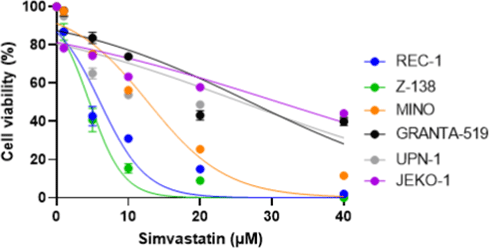
Simvastatin purchased from MedChemExpress. Usage Cited in: Cancers (Basel). 2022 Nov 15;14(22):5601. [Abstract]
Simvastatin (0-40 µM; 48 h) inhibits growth of REC-1 and Z-138 cells with IC50 values of 4.97 µM and 3.78 µM, respectively.
-
Med Oncol
Enhanced LDL uptake and PPARα signaling support OSCC cell survival under glutamine deprivation. [Abstract]2025 Jul 14;42(8):332. PMID: 40660028 -
J Dairy Sci
Regulation of cholesterol metabolism during high fatty acid-induced lipid deposition in calf hepatocytes. [Abstract]2023 Aug;106(8):5835-5852. PMID: 37419743 -
Brain Res Bull
Delayed simvastatin treatment improves neurological recovery after cryogenic traumatic brain injury through downregulation of ELOVL1 by inhibiting mTOR signaling. [Abstract]2024 Oct 15:217:111072. PMID: 39243948 -
FASEB J
Simvastatin Restores Cisplatin Sensitivity by Suppressing the Caveolin-1-Mediated PI3K/AKT Signaling Pathway in Cisplatin-Resistant Cervical Cancer Cells. [Abstract]2026 May 15;40(9):e71873. PMID: 42087353 -
FASEB J
Simvastatin Targets PKM2 to Alter Metabolic Reprogramming in Hepatic Stellate Cells and Mitigate Liver Fibrosis. [Abstract]2026 Feb 28;40(4):e71500. PMID: 41718472 -
J Biol Chem
Inhibition of cholesterol biosynthesis overcomes enzalutamide resistance in castration-resistant prostate cancer (CRPC). [Abstract]2018 Sep 14;293(37):14328-14341. PMID: 30089652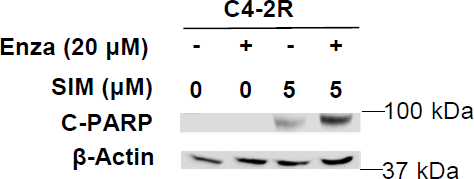
Simvastatin purchased from MedChemExpress. Usage Cited in: J Biol Chem. 2018 Sep 14;293(37):14328-14341. [Abstract]
C4-2R cells are treated with Simvastatin, MDV3100 or combination of the two drugs at the indicated concentrations for 48 hours, followed by Immunoblotting (IB) against cleaved PARP.
-
Naunyn Schmiedebergs Arch Pharmacol
Anti-adipogenesis and anti-obesity potential of alliin mediated by modulating glycolipid metabolism via activating PPARγ signaling. [Abstract]2024 Nov;397(11):8707-8723. PMID: 38829385 -
Cell Cycle
Cholesterol depletion sensitizes gallbladder cancer to cisplatin by impairing DNA damage response. [Abstract]2019 Dec;18(23):3337-3350. PMID: 31599189 -
J Orthop Surg Res
Circ-STC2 promotes the ferroptosis of nucleus pulposus cells via targeting miR-486-3p/TFR2 axis. [Abstract]2023 Jul 21;18(1):518. PMID: 37480032 -
Mol Immunol
2026 Feb:190:72-85. PMID: 41539277 -
Exp Cell Res
A new mechanism in steroid-induced osteonecrosis of the femoral head and the protective role of simvastatin. [Abstract]2025 Mar 1;446(1):114471. PMID: 39978720 -
Immun Inflamm Dis
Fluvastatin Promotes Treg Cell Production in Allogeneic Immune Reaction and Suppresses Inflammatory Response. [Abstract]2025 Feb;13(2):e70165. PMID: 40007079 -
Front Oncol
Synergistic Effect of Statins and Abiraterone Acetate on the Growth Inhibition of Neuroblastoma via Targeting Androgen Receptor. [Abstract]2021 May 10:11:595285. PMID: 34041015 -
Biochem Biophys Rep
Co-loaded simvastatin-ginsenoside Rh2 liposomes enhance cellular immune responses as vaccine adjuvants. [Abstract]2025 Jul 15:43:102159. PMID: 40697522 -
Animals (Basel)
Simvastatin Improves the High-Fat-Diet-Induced Metabolic Disorder in Juvenile Chinese Giant Salamander (Andrias davidianus) Through Inhibiting Endoplasmic Reticulum Stress and Enhancing Mitochondrial Function. [Abstract]2026 Jan 2;16(1):134. PMID: 41514821 -
FEBS Open Bio
Cholesterol-regulated cellular stiffness may enhance evasion of NK cell-mediated cytotoxicity in gastric cancer stem cells. [Abstract]2024 May;14(5):855-866. PMID: 38494433 -
Clin Res Hepatol Gastroenterol
Simvastatin ameliorates total liver ischemia/reperfusion injury via KLF2-mediated mechanism in rats. [Abstract]2019 Apr;43(2):171-178. PMID: 30274910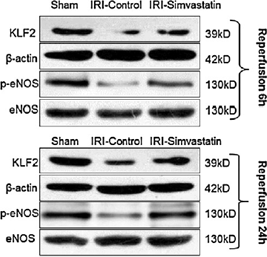
Simvastatin purchased from MedChemExpress. Usage Cited in: Clin Res Hepatol Gastroenterol. 2019 Apr;43(2):171-178. [Abstract]
Simvastatin pretreatment maintains the expression of KLF2 and its protective target genes (eNOS and TM). Westernblot analysis of KLF2, phosphorylation eNOS and total eNOS in liver tissue. β-actin is normalized as the loading control.
-
J Chromatogr B Analyt Technol Biomed Life Sci
Integrated HPLC, pharmacodynamics, and immunoprofiling to explore active components and mechanism of Zhi Bai Heye Fang on glycolipid metabolic disorders in mice. [Abstract]2025 Feb 1:1252:124446. PMID: 39754817 -
Drugs R D
Simvastatin Preferentially Targets FLT3/ITD Acute Myeloid Leukemia by Inhibiting MEK/ERK and p38-MAPK Signaling Pathways. [Abstract]2023 Dec;23(4):439-451. PMID: 37847357 -
Biochem Biophys Res Commun
Combinatorial screening of a panel of FDA-approved drugs identifies several candidates with anti-Ebola activities. [Abstract]2020 Feb 19;522(4):862-868. PMID: 31806372 -
-
-
-
-
Biomed Pharmacother
Fangchinoline suppresses melanoma metastasis by inducing senescence of circulating tumor cells. [Abstract]2025 Dec:193:118770. PMID: 41242135 -
-
-
Chemosphere
Toxicogenomic assessment of hydroxylated metabolites of PBDEs on cetaceans: An in vitro study. [Abstract]2024 Oct:366:143350. PMID: 39326706 -
-
-
Dis Markers
Simvastatin Improves Myocardial Ischemia Reperfusion Injury through KLF-Regulated Alleviation of Inflammation. [Abstract]2022 Jan 11:2022:7878602. PMID: 35059045 -
Biomed Pharmacother
Overcoming PLK1 inhibitor resistance by targeting mevalonate pathway to impair AXL-TWIST axis in colorectal cancer. [Abstract]2021 Dec:144:112347. PMID: 34700228 -
-
Sci Total Environ
2021 Jul 20:779:146523. PMID: 34030247 -
-
Evid Based Complement Alternat Med
Combination of Astragalus membranaceous and Angelica sinensis Ameliorates Vascular Endothelial Cell Dysfunction by Inhibiting Oxidative Stress. [Abstract]2020 Sep 18:2020:6031782. PMID: 33293989 -
Oncotarget
Exosomes impact survival to radiation exposure in cell line models of nervous system cancer. [Abstract]2018 Nov 16;9(90):36083-36101. PMID: 30546829 -
Oxid Med Cell Longev
Pretreatment Donors after Circulatory Death with Simvastatin Alleviates Liver Ischemia Reperfusion Injury through a KLF2-Dependent Mechanism in Rat. [Abstract]2017:2017:3861914. PMID: 29348789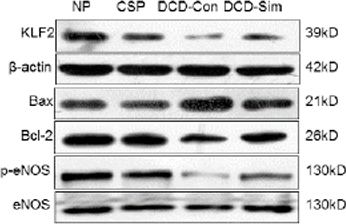
Simvastatin purchased from MedChemExpress. Usage Cited in: Oxid Med Cell Longev. 2017:2017:3861914. [Abstract]
Simvastatin pretreatment maintains the expression of KLF2 and its protective target genes


Solvent & Solubility
In Vitro:
Ethanol : 100 mg/mL (238.91 mM; Need ultrasonic)
DMSO : ≥ 50 mg/mL (119.45 mM; Hygroscopic DMSO has a significant impact on the solubility of product, please use newly opened DMSO)
* "≥" means soluble, but saturation unknown.
Please refer to the solubility information to select the appropriate solvent. Once prepared, please aliquot and store the solution to prevent product inactivation from repeated freeze-thaw cycles.
Storage method and period of stock solution: -80°C, 1 year; -20°C, 6 months. When stored at -80°C, please use it within 1 year. When stored at -20°C, please use it within 6 months.
Please refer to the solubility information to select the appropriate solvent. Once prepared, please aliquot and store the solution to prevent product inactivation from repeated freeze-thaw cycles.
Storage method and period of stock solution: -80°C, 1 year; -20°C, 6 months. When stored at -80°C, please use it within 1 year. When stored at -20°C, please use it within 6 months.
Concentration (start) × Volume (start) = Concentration (final) × Volume (final)
In Vivo:
Select the appropriate dissolution method based on your experimental animal and administration route.
- For the following dissolution methods, please ensure to first prepare a clear stock solution using an In Vitro approach and then sequentially add co-solvents:
- To ensure reliable experimental results, the clarified stock solution can be appropriately stored based on storage conditions. As for the working solution for In Vivo experiments, it is recommended to prepare freshly and use it on the same day.
- The percentages shown for the solvents indicate their volumetric ratio in the final prepared solution. If precipitation or phase separation occurs during preparation, heat and/or sonication can be used to aid dissolution.
Add each solvent one by one: 10% DMSO 40% PEG300 5% Tween-80 45% Saline
Solubility: ≥ 2.5 mg/mL (5.97 mM); Clear solution
This protocol yields a clear solution of ≥ 2.5 mg/mL (saturation unknown).
Taking 1 mL working solution as an example, add 100 μL DMSO stock solution (25.0 mg/mL) to 400 μL PEG300, and mix evenly; then add 50 μL Tween-80 and mix evenly; then add 450 μL Saline to adjust the volume to 1 mL.
Preparation of Saline: Dissolve 0.9 g sodium chloride in ddH₂O and dilute to 100 mL to obtain a clear Saline solution.
Add each solvent one by one: 10% DMSO 90% (20% SBE-β-CD in Saline)
Solubility: 2.5 mg/mL (5.97 mM); Suspended solution; Need ultrasonic
This protocol yields a suspended solution of 2.5 mg/mL. Suspended solution can be used for oral and intraperitoneal injection.
Taking 1 mL working solution as an example, add 100 μL DMSO stock solution (25.0 mg/mL) to 900 μL 20% SBE-β-CD in Saline, and mix evenly.
Preparation of 20% SBE-β-CD in Saline (4°C, storage for one week): 2 g SBE-β-CD powder is dissolved in 10 mL Saline, completely dissolve until clear.
Add each solvent one by one: 10% EtOH 90% (20% SBE-β-CD in Saline)
Solubility: ≥ 2.5 mg/mL (5.97 mM); Clear solution
This protocol yields a clear solution of ≥ 2.5 mg/mL (saturation unknown).
Taking 1 mL working solution as an example, add 100 μL EtOH stock solution (25.0 mg/mL) to 900 μL 20% SBE-β-CD in Saline, and mix evenly.
Preparation of 20% SBE-β-CD in Saline (4°C, storage for one week): 2 g SBE-β-CD powder is dissolved in 10 mL Saline, completely dissolve until clear.
Add each solvent one by one: 10% EtOH 90% Corn Oil
Solubility: ≥ 2.5 mg/mL (5.97 mM); Clear solution
This protocol yields a clear solution of ≥ 2.5 mg/mL (saturation unknown). If the continuous dosing period exceeds half a month, please choose this protocol carefully.
Taking 1 mL working solution as an example, add 100 μL EtOH stock solution (25.0 mg/mL) to 900 μL Corn oil, and mix evenly.
For the following dissolution methods, please prepare the working solution directly:
It is recommended to prepare fresh solutions and use them promptly within a short period of time.
The percentages shown for the solvents indicate their volumetric ratio in the final prepared solution. If precipitation or phase separation occurs during preparation, heat and/or sonication can be used to aid dissolution.
Add each solvent one by one: 50% PEG300 50% Saline
Solubility: 10 mg/mL (23.89 mM); Suspended solution; Need ultrasonic
In Vivo Dissolution Calculator
Please enter the basic information of animal experiments:
-
-
-
-
Recommended: Prepare an additional quantity of animals to account for potential losses during experiments.
Please enter your animal formula composition:
-
%DMSO +
Recommended: Keep the proportion of DMSO in working solution below 2% if your animal is weak.
-
%+
-
+%Tween-80 + +
-
%Saline +
The co-solvents required include: DMSO, . All of co-solvents are available by MedChemExpress (MCE). , Tween 80. All of co-solvents are available by MedChemExpress (MCE).
Working solution concentration: 0.22 mg/mL
Method for preparing stock solution: mg drug dissolved in μL DMSO. Stock solution concentration: mg/mL.
1. Take μL DMSO stock solution;
2. Add μL .
μL , mix evenly;
3. Then add μL Tween 80, mix evenly;
4. Then add μL
Please ensure that the stock solution in the first step is dissolved to a clear state, and add co-solvents in sequence. You can use ultrasonic heating (ultrasonic cleaner, recommended frequency 20-40 kHz), vortexing, etc. to assist dissolution.


Purity & Documentation
-
Data Sheet (290 KB)
-
SDS (538 KB)
- English - EN (538 KB)
- Français - FR (538 KB)
- Deutsch - DE (538 KB)
- Norwegian - NO (538 KB)
- Español - ES (538 KB)
- Swedish - SV (538 KB)
- Italian - IT (538 KB)
- Korean - KR (538 KB)
- Portuguese - PT (538 KB)
-
Handling Instructions (2659 KB)
References
[1]. Slater, E.E., et al. Mechanism of action and biological profile of HMG CoA reductase inhibitors. A new therapeutic alternative. Drugs, 1988. 36 Suppl 3: p. 72-82. [Content Brief]
[2]. Kureishi, Y., et al. The HMG-CoA reductase inhibitor simvastatin activates the protein kinase Akt and promotes angiogenesis in normocholesterolemic animals. Nat Med, 2000. 6(9): p. 1004-10. [Content Brief]
[3]. Leung BP, et al. A novel anti-inflammatory role for simvastatin in inflammatory arthritis. J Immunol. 2003 Feb 1;170(3):1524-30. [Content Brief]
[4]. Kobayashi M, et al. Preventive effect of MK-733 (simvastatin), an inhibitor of HMG-CoA reductase, on hypercholesterolemia and atherosclerosis induced by cholesterol feeding in rabbits. Jpn J Pharmacol. 1989 Jan;49(1):125-33. [Content Brief]
[5]. Ishida F, et al. Comparative effects of simvastatin (MK-733) and CS-514 on hypercholesterolemia induced by cholesterol feeding in rabbits. Biochim Biophys Acta. 1990 Feb 23;1042(3):365-73. [Content Brief]
[6]. Sukhova GK, et al. Statins reduce inflammation in atheroma of nonhuman primates independent of effects on serum cholesterol. Arterioscler Thromb Vasc Biol. 2002 Sep 1;22(9):1452-8. [Content Brief]
[8]. Liu Z, et al. Pretreatment Donors after Circulatory Death with Simvastatin Alleviates Liver Ischemia Reperfusion Injury through a KLF2-Dependent Mechanism in Rat. Oxid Med Cell Longev. 2017;2017:3861914. [Content Brief]
[9]. Ifergan I, et al. Statins reduce human blood-brain barrier permeability and restrict leukocyte migration: relevance to multiple sclerosis. Ann Neurol. 2006 Jul;60(1):45-55. [Content Brief]
[10]. Zhang H, et al. Advances in the discovery of exosome inhibitors in cancer. J Enzyme Inhib Med Chem. 2020;35(1):1322-1330. [Content Brief]
[11]. Borna Relja, et al. Simvastatin inhibits cell growth and induces apoptosis and G0/G1 cell cycle arrest in hepatic cancer cells. Int J Mol Med. 2010 Nov;26(5):735-41. [Content Brief]
[12]. Anil Kumar, et al. Neuroprotective potential of atorvastatin and simvastatin (HMG-CoA reductase inhibitors) against 6-hydroxydopamine (6-OHDA) induced Parkinson-like symptoms. Brain Res. 2012 Aug 30;1471:13-22. [Content Brief]


Complete Stock Solution Preparation Table
Please refer to the solubility information to select the appropriate solvent. Once prepared, please aliquot and store the solution to prevent product inactivation from repeated freeze-thaw cycles.
Storage method and period of stock solution: -80°C, 1 year; -20°C, 6 months. When stored at -80°C, please use it within 1 year. When stored at -20°C, please use it within 6 months.
| Optional Solvent | Concentration Solvent Mass | 1 mg | 5 mg | 10 mg | 25 mg |
|---|---|---|---|---|---|
| DMSO / Ethanol | 1 mM | 2.3891 mL | 11.9454 mL | 23.8909 mL | 59.7272 mL |
| 5 mM | 0.4778 mL | 2.3891 mL | 4.7782 mL | 11.9454 mL | |
| 10 mM | 0.2389 mL | 1.1945 mL | 2.3891 mL | 5.9727 mL | |
| 15 mM | 0.1593 mL | 0.7964 mL | 1.5927 mL | 3.9818 mL | |
| 20 mM | 0.1195 mL | 0.5973 mL | 1.1945 mL | 2.9864 mL | |
| 25 mM | 0.0956 mL | 0.4778 mL | 0.9556 mL | 2.3891 mL | |
| 30 mM | 0.0796 mL | 0.3982 mL | 0.7964 mL | 1.9909 mL | |
| 40 mM | 0.0597 mL | 0.2986 mL | 0.5973 mL | 1.4932 mL | |
| 50 mM | 0.0478 mL | 0.2389 mL | 0.4778 mL | 1.1945 mL | |
| 60 mM | 0.0398 mL | 0.1991 mL | 0.3982 mL | 0.9955 mL | |
| 80 mM | 0.0299 mL | 0.1493 mL | 0.2986 mL | 0.7466 mL | |
| 100 mM | 0.0239 mL | 0.1195 mL | 0.2389 mL | 0.5973 mL |


Simvastatin Related Classifications
HY-17502 Related Classifications
 Powered by Bioz