



Targeting Peptides
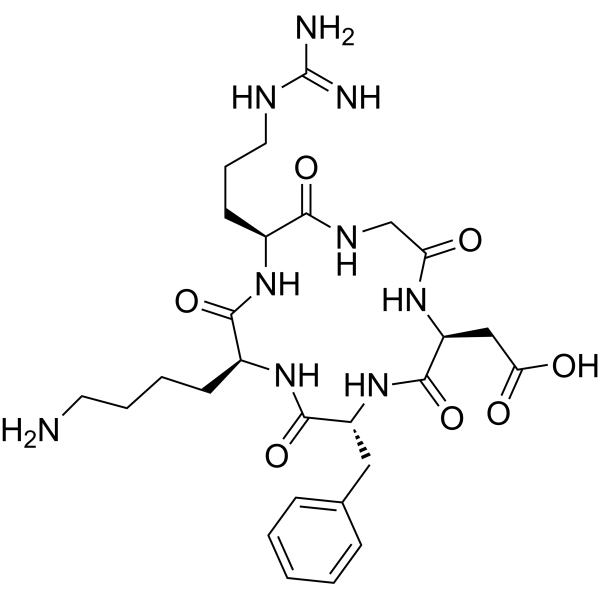
- Formula: C27H41N9O7
- Molecular Weight: 603.67
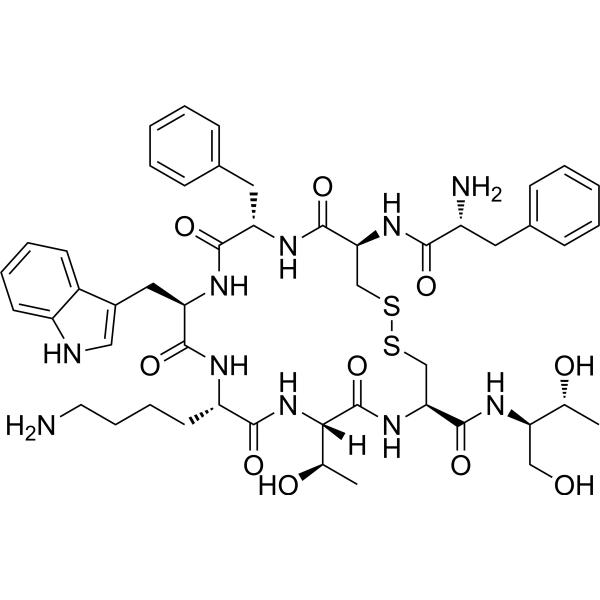
- Formula: C49H66N10O10S2
- Molecular Weight: 1019.24
Octreotide (SMS 201-995) is a somatostatin receptor agonist and synthetic octapeptide endogenous somatostatin analogue. Octreotide (SMS 201-995) can bind to the somatostatin receptor and mainly subtypes 2, 3, and 5, increases Gi activity, and reduces intracellular cAMP production. Octreotide (SMS 201-995) has antitumor activity, mediates apoptosis and may also be used in disease studies in acromegaly.
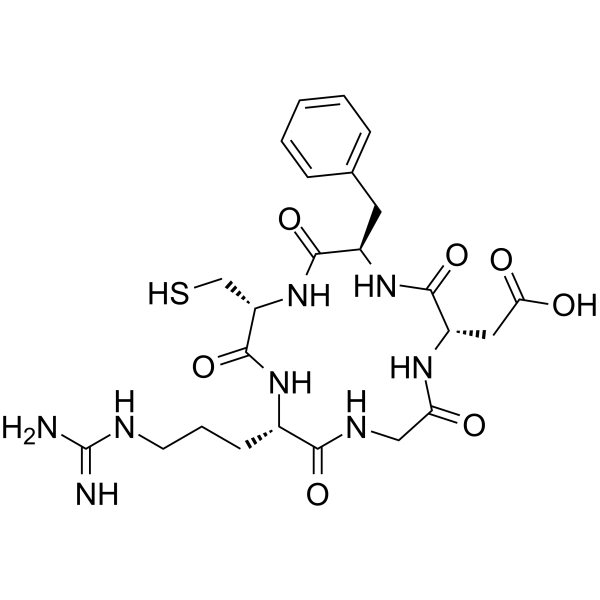
- Formula: C24H34N8O7S
- Molecular Weight: 578.64
Cyclo(Arg-Gly-Asp-D-Phe-Cys) (Cyclo RGDfC), a cyclic RGD peptide which has high affinity to αvβ3, can disrupt cell integrin interactions. Cyclo(Arg-Gly-Asp-D-Phe-Cys) inhibits pluripotent marker expression in embryonic stem cells (ESCs) and the tumorigenic potential of mESCs in vivo. Cyclo(Arg-Gly-Asp-D-Phe-Cys) can be used in the research of tumors.
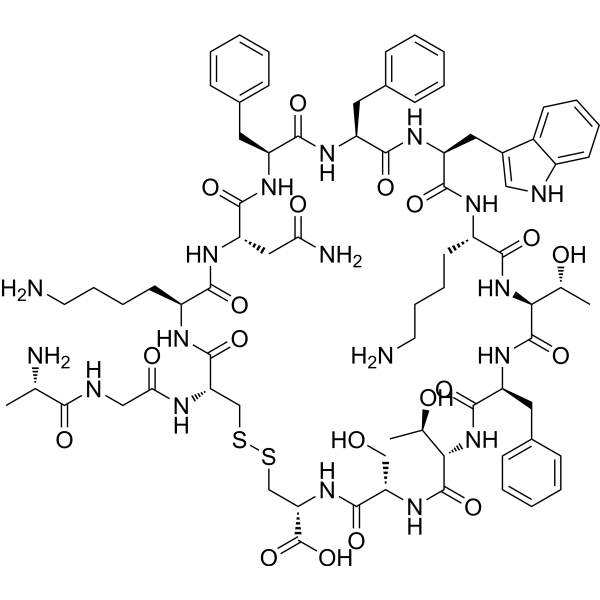
- Formula: C76H104N18O19S2
- Molecular Weight: 1637.88
Cyclic somatostatin (SRIF-14) is a growth hormone-release inhibiting factor used in the research of severe, acute hemorrhages of gastroduodenal ulcers. Cyclic somatostatin is a neuropeptide co-stored with acetylcholine in the cardiac parasympathetic innervation, exerts influences directly on contraction of ventricular cardiomyocytes. Cyclic somatostatin inhibits the contractile response of isoprenaline with an IC50 value of 13 nM. Cyclic somatostatin can be used for the research of cardiovascular disease.
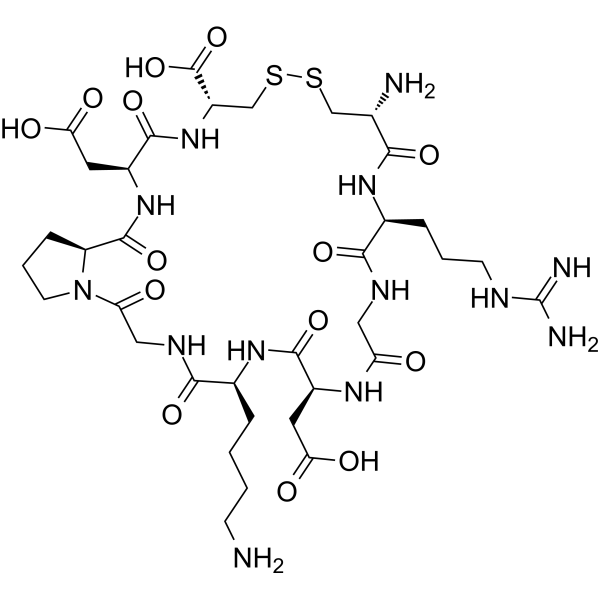
- Formula: C35H57N13O14S2
- Molecular Weight: 948.04
iRGD peptide is a 9-amino acid cyclic peptide, triggers tissue penetration of agents by first binding to αv-integrins, then proteolytically cleaved in the tumor to produce CRGDK/R to interact with neuropilin-1, and has tumor-targeting and tumor-penetrating properties.
![Cyclo[Arg-Gly-Asp-D-Phe-Lys(Azide)]](https://file.medchemexpress.com/product_pic/hy-p10303.gif "Click to View Cyclo[Arg-Gly-Asp-D-Phe-Lys(Azide)] Product Detail")
- Formula: C30H44N12O8
- Molecular Weight: 700.75
Cyclo[Arg-Gly-Asp-D-Phe-Lys(Azide)] (Cyclo[RGDfK(Azide)]) is a derivative of Cyclo (-RGDfK) (HY-P0023). Cyclo[Arg-Gly-Asp-D-Phe-Lys (Azide)] is a click chemistry reagent containing an azide group. Cyclo[Arg-Gly-Asp-D-Phe-Lys (Azide)] enables functionalization of alginate via SPAAC bioconjugation. Alginate hydrogels functionalized with Cyclo[Arg-Gly-Asp-D-Phe-Lys (Azide)] significantly promote cell expansion while maintaining cell pluripotency.

- Formula: C89H128N20O25
- Molecular Weight: 1878.09
Unlabeled FXX489 (NNS309) is a ligand targeting fibroblast activation protein (FAP); its peptide component is the FAP-targeting peptide for FXX489 (HY-P10945). Unlabeled FXX489 can be labeled with 68Ga and 177Lu and shows anticancer effects. Unlabeled FXX489 can be used for the study of pancreatic ductal adenocarcinoma (PDAC), non-small cell lung cancer (NSCLC), breast cancer (BC), and colorectal cancer (CRC).
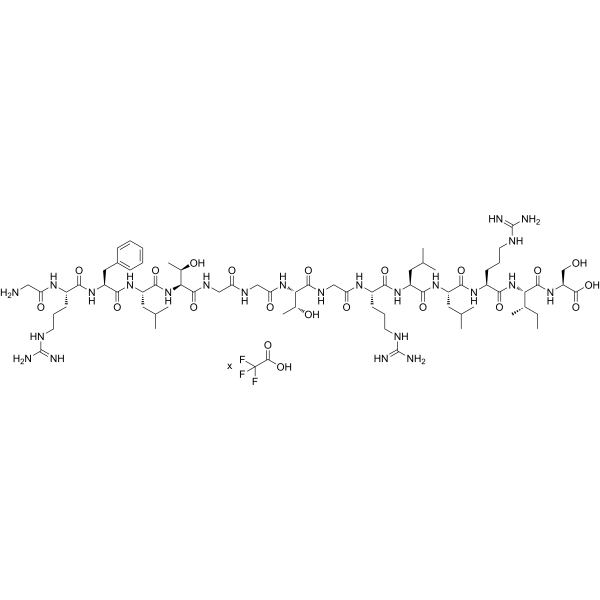
- Formula: C70H122N24O19.xC2HF3O2
- Molecular Weight: 1603.87 (free base)
PSMA targeting peptide (PSMA-1) TFA is a PSMA-binding peptide that selectively binds to the PSMA receptor on prostate cancer cells and acts as a peptide-based siRNA delivery system by complexing and releasing siRNA. PSMA targeting peptide TFA can be used in research on prostate cancer.
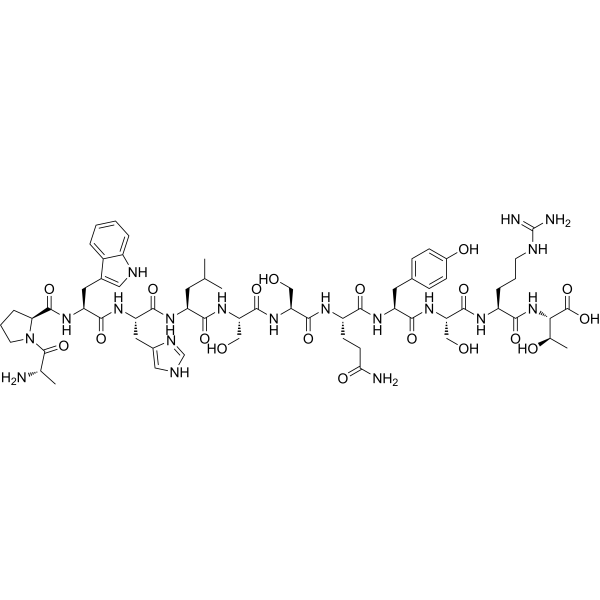
- Formula: C64H93N19O19
- Molecular Weight: 1432.54
CTP (cardiac targeting peptide) can transduce cardiomyocytes in vitro. CTP leads to efficient and specific transduction of heart tissue in mice model. CTP can be reversibly linked (e.g. via enolases, thiol groups) to cargo (e.g. miRNAs) for delivery specifically to cardiomyocytes over all other organs.

- Formula: C104H150ClN29O31
- Molecular Weight: 2337.93
Angiopep-2 hydrochloride is a brain peptide vector. The conjugation of anticancer agents with the Angiopep-2 peptide vector could increase their efficacy in the treatment of brain cancer.
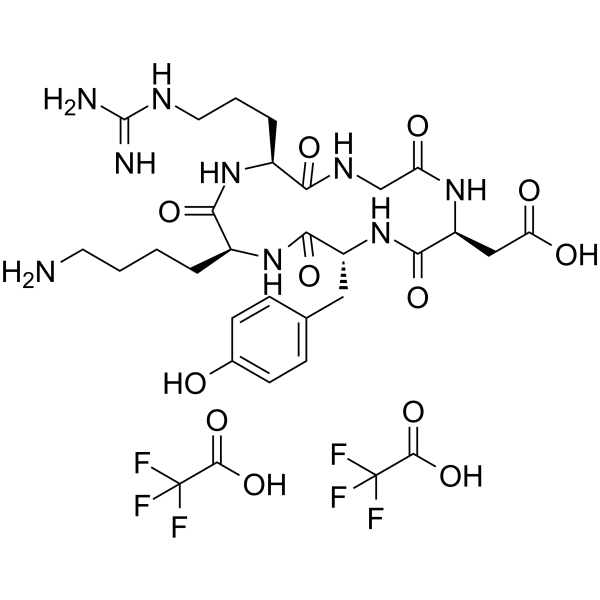
- Formula: C31H43F6N9O12
- Molecular Weight: 847.72
Cyclo(RGDyK) trifluoroacetate is a potent and selective αVβ3 integrin inhibitor with an IC50 of 20 nM.
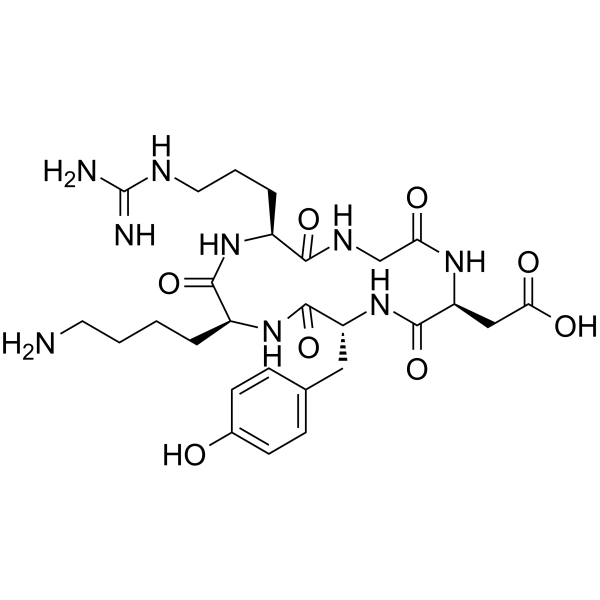
- Formula: C27H41N9O8
- Molecular Weight: 619.67
Cyclo(RGDyK) is a potent and selective αVβ3 integrin inhibitor with an IC50 of 20 nM.
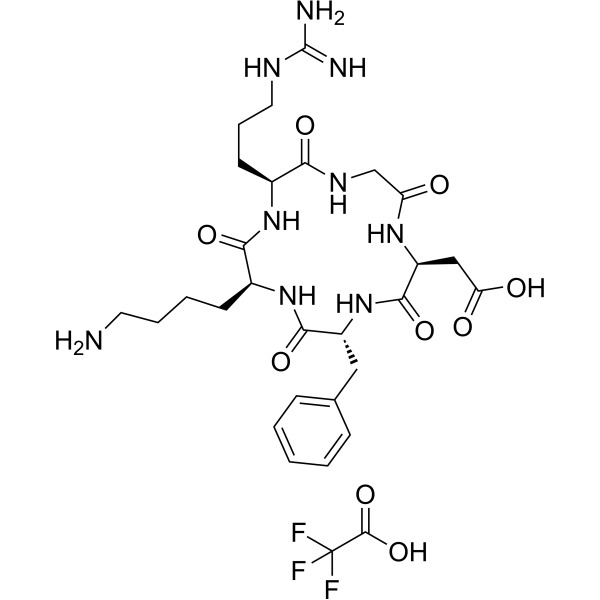
- Formula: C29H42F3N9O9
- Molecular Weight: 717.69

- Formula: C40H59N13O8
- Molecular Weight: 849.98
WYRGRL is a selective, high-affinity collagen type II-binding peptide with a IC50 of 140 nM. Collagen type II is the most abundant and specific structural protein in the extracellular matrix of articular cartilage. WYRGRL can precisely target small-molecule compounds such as Dexamethasone (HY-14648) and nanocarrier-engineered exosomes to cartilage, significantly enhancing their therapeutic effects on osteoarthritis.
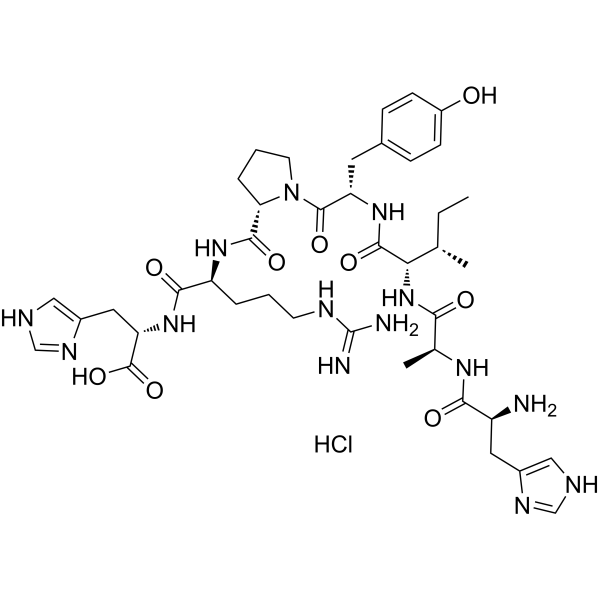
- Formula: C41H61ClN14O9
- Molecular Weight: 929.46
HAIYPRH hydrochloride, a targeting ligand, can specially bind to transferrin receptor (TfR). HAIYPRH hydrochloride can mediate the transport of nanocarriers across the blood-brain barrier.

- Formula: C59H100N24O17
- Molecular Weight: 1417.58
Muscle homing peptide M12 is a muscle-homing peptide with high affinity for skeletal muscle and cardiac muscle. Muscle homing peptide M12 can mediate the targeted delivery of loaded drugs to skeletal muscle and cardiac muscle tissues.
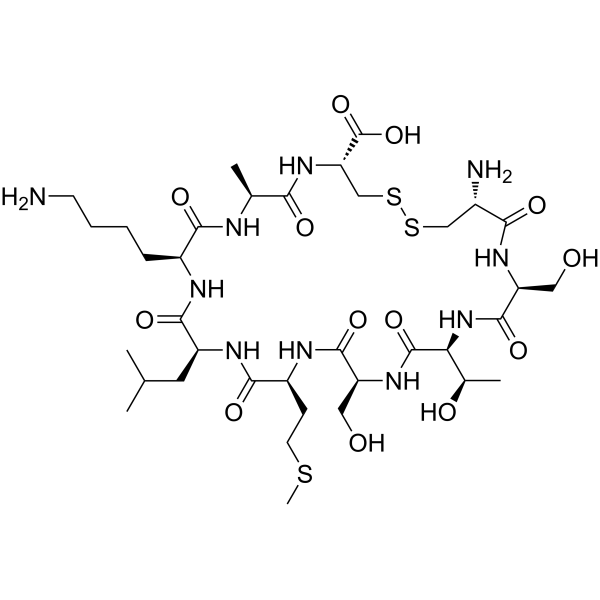
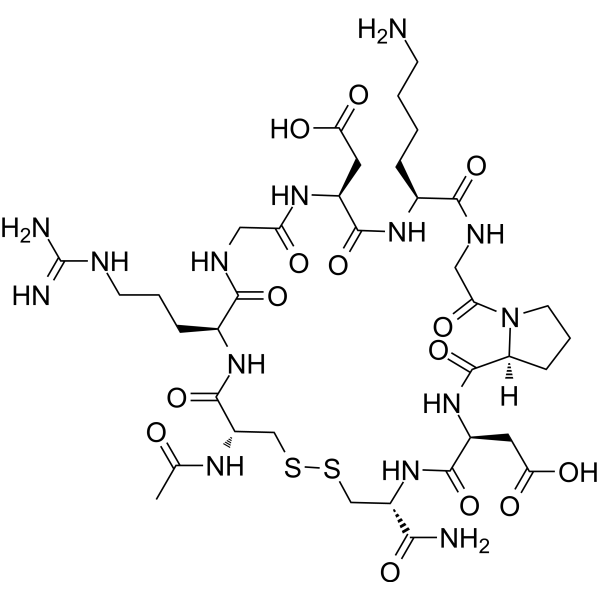
- Formula: C37H60N14O14S2
- Molecular Weight: 989.09
Certepetide (CEND-1) is a bifunctional cyclic peptide (a.k.a. iRGD). Certepetide is a tumor-penetrating enhancer via RGD motif interaction with alphav-integrins and via activating NRP-1, and transforms the solid tumor microenvironment into a temporary agent conduit. Certepetide accumulates in tumors, and is used in the research of pancreatic cancer and other solid tumors.

- Formula: C95H120F9N17O26S
- Molecular Weight: 2119.12
GPC3 targeting peptide 1 TFA is a GPC3 targeting peptide, with a Kd value of 0.23 nM.

- Formula: C38H69N15O14.xC2H4O2
- Molecular Weight: 960.05 (free base)
VSLRGDTRG acetate is a synthetic peptide containing the RGD motif from cadherin 17 (CDH17), which binds to α2β1 integrin and activates its signaling pathway. VSLRGDTRG acetate promotes the high-affinity conformational change of β1 integrin through the RGD motif, enhancing cell adhesion and phosphorylation of FAK and ERK1/2, thereby driving tumor proliferation and metastasis. VSLRGDTRG acetate can be used in research on cancers expressing CDH17, such as colon cancer and pancreatic cancer.



