From 11:00 pm to 12:00 pm EST ( 8:00 pm to 9:00 pm PST ) on January 6th, the website will be under maintenance. We are sorry for the inconvenience. Please arrange your schedule properly.
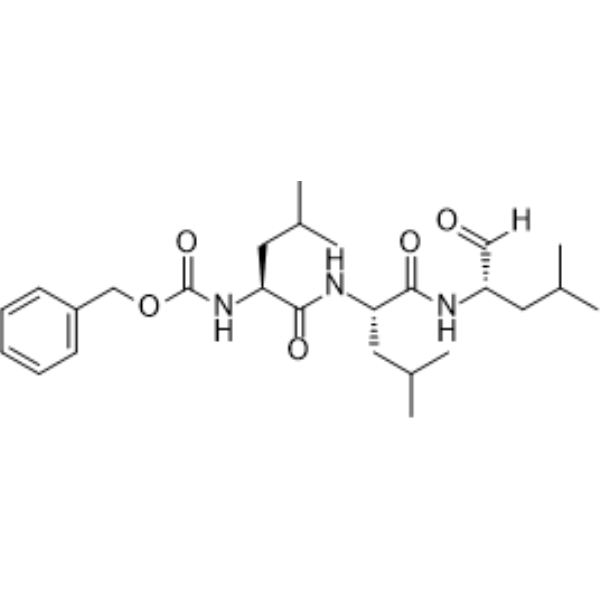
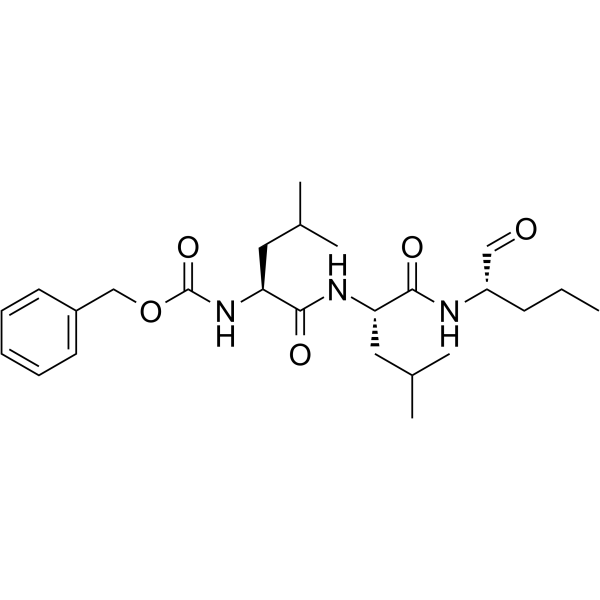
MG-132 (Z-Leu-Leu-Leu-al) is a potent proteasome and calpain inhibitor with IC50s of 100 nM and 1.2 μM, respectively. MG-132 effectively blocks the proteolytic activity of the 26S proteasome complex. MG-132, a peptide aldehyde, also is an autophagy activator. MG-132 also induces apoptosis .
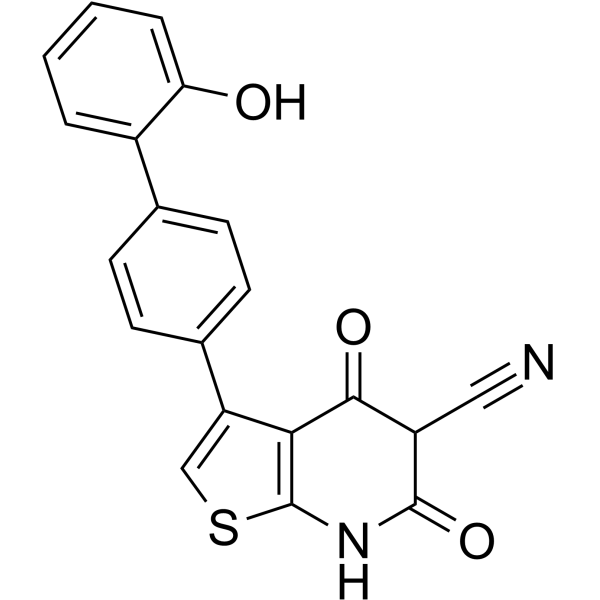
A-769662 is a AMP-activated protein kinase (AMPK) activator. A-769662 inhibits the function of the 26S proteasome by an AMPK-independent mechanism and leads to cell cycle arrest. A-769662 directly stimulates partially purified rat liver AMPK (EC50 = 0.8 μM) and inhibits fatty acid synthesis in primary rat hepatocytes (IC50 = 3.2 μM). A-769662 can alleviate the symptoms of metabolic diseases such as type 2 diabetes .
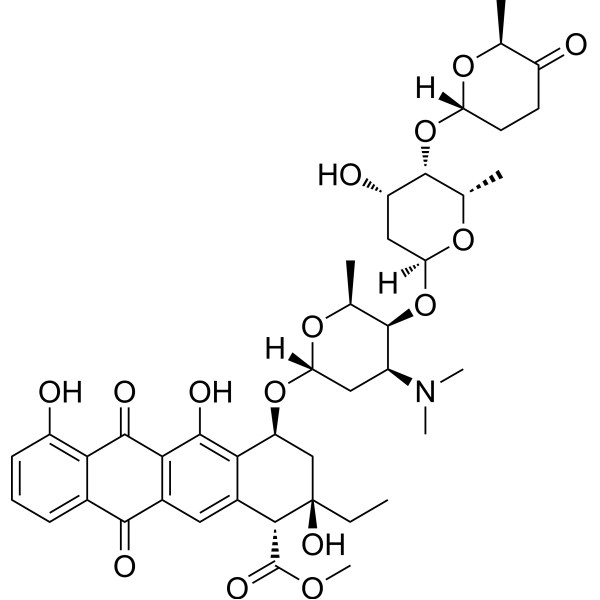
Aclacinomycin A (Aclarubicin) is an orally active and potent anthracycline antitumor antibiotic. Aclacinomycin A is an inhibitor of topoisomerase I and II. Aclacinomycin A inhibits synthesis of nucleic acid, especially RNA. Aclacinomycin A might inhibit the 26S protease complex as well as the ubiquitin-ATP-dependent proteolysis .
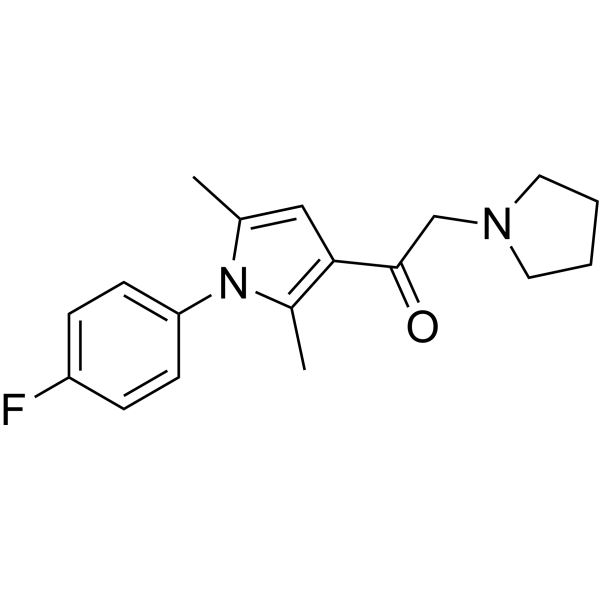
IU1 is a selective, reversible USP14 inhibitor with an IC50 of 4-5 μM. IU1 binds USP14’s catalytic cleft to block deubiquitinase activity. IU1 induces calpain-dependent Tau cleavage, causes ATP deficits, reduces E1~Ub thioester levels and 26S proteasome assembly. IU1 enhances 26S proteasome chymotrypsin-like activity, modulates LC3B-dependent autophagy flux, reduces cancer cell proliferation and migration, and blocks G0/G1 to S phase cell cycle transition in follicular thyroid cancer cells. IU1 activates autophagy-lysosomal and ubiquitin-proteasome pathways, triggers apoptosis, and reduces cervical cancer cell growth. IU1 enhances degradation of proteasome substrates linked to neurodegenerative disease, accelerates oxidized protein degradation, and increases oxidative stress resistance. IU1 can be used for the research of Alzheimer’s disease, follicular thyroid cancer, ischemic stroke, cervical cancer, and neurodegenerative disease .
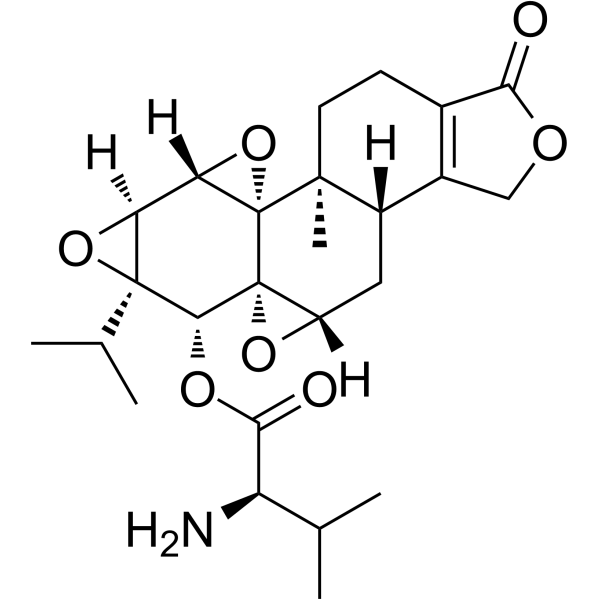
WBC100 (14-D-Valine-TPL) is a potent, selective, and orally active c-Myc molecule glue degrader. WBC100 is a c-Myc degrader and targets ubiquitin E3 ligase CHIP mediated 26S proteasome pathway. WBC100 is used for c-Myc overexpressing tumors research .
MG-115 is a potent and reversible proteasome inhibitor, with Kis of 21 nM and 35 nM for 20S and 26S proteasome, respectively. MG-115 specifically inhibit the chymotrypsin-like activity of the proteasome, induces p53-dependent apoptosis .
Alloxan hydrate is a diabetogenic agent to induce diabetes. Alloxan hydrate is a proteasome inhibitor. Alloxan causes diabetes in experimental animals through its ability to destroy the insulin-secreting B-cells of the pancreas .
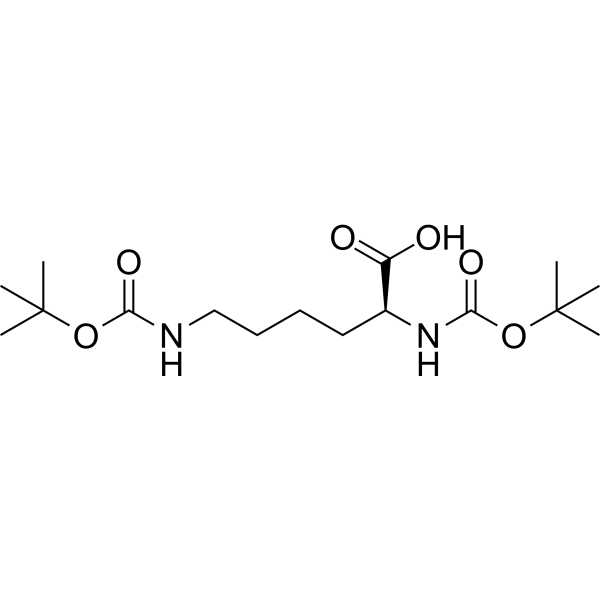
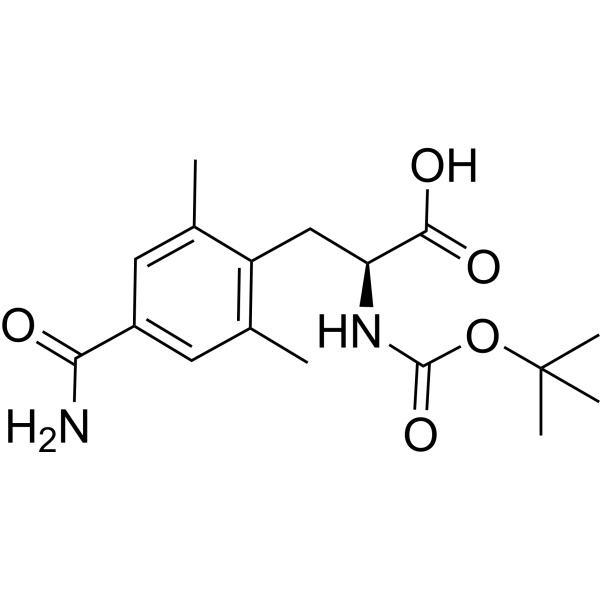
(S)-2,6-Bis((tert-butoxycarbonyl)amino)hexanoic acid is a polypeptide derivative, can be used to synthesis multifunctional amphiphilic peptide dendrimer for non-viral gene delivery in cancer research. (S)-2,6-Bis((tert-butoxycarbonyl)amino)hexanoic acid can be used in the preparation of organic substances that enhance the luminescence intensity of alkaline phosphatase substrates .
Boc-LRR-AMC (Boc-Leu-Arg-Arg-AMC) is a fluorogenic substrate, which can be utilized for detecting the trypsin-like activity of the 26S proteasome or the 20S proteasome core .
Ac-RLR-AMC (Ac-Arg-Leu-Arg-AMC) is a fluorogenic substrate for the 26S proteasome (Ex/Em: 380/440-460 nm). AMC is released upon cleavage, and its fluorescence can be used to quantify the trypsin-like activity of 26S proteasomes .
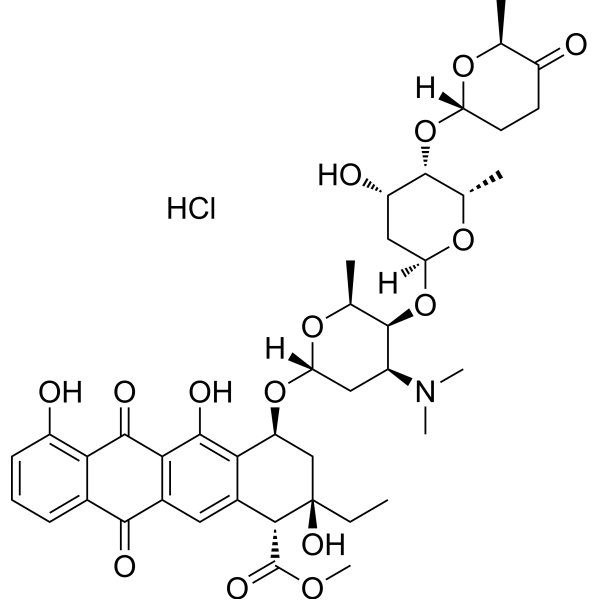
Aclacinomycin A (Aclarubicin) hydrochloride is an orally active and potent anthracycline antitumor antibiotic. Aclacinomycin A hydrochloride is an inhibitor of topoisomerase I and II. Aclacinomycin A hydrochloride inhibits synthesis of nucleic acid, especially RNA. Aclacinomycin A hydrochloride might inhibit the 26S protease complex as well as the ubiquitin-ATP-dependent proteolysis .
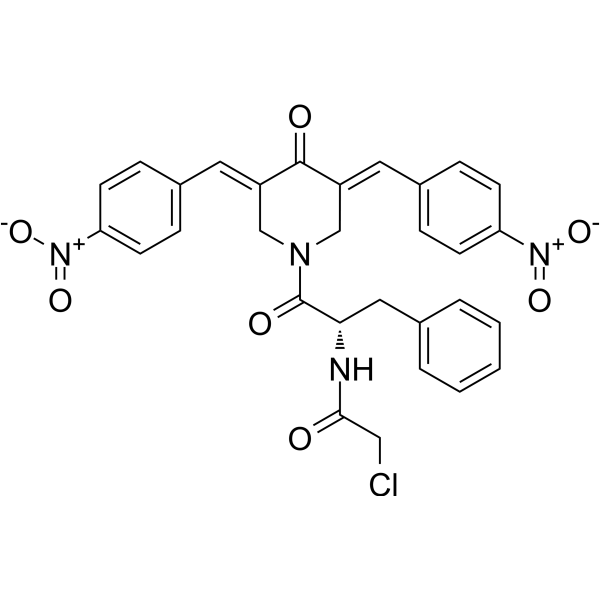
RA375 is a RPN13 (26S proteasome regulatory subunit) inhibitor. RA375 activates UPR signaling, ROS production and apoptosis. RA375 exhibits ten-fold greater activity against cancer lines than RA190, reflecting its nitro ring substituents and the addition of a chloroacetamide warhead .
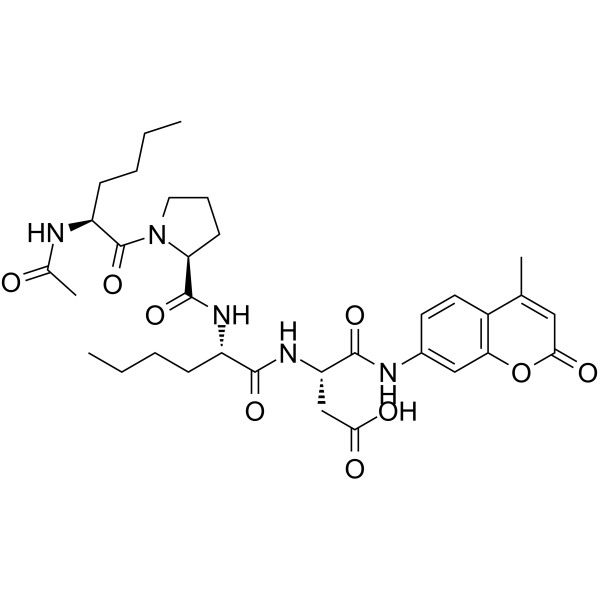
Ac-Nle-Pro-Nle-Asp-AMC is a specific substrate for 26S proteasome. Ac-Nle-Pro-Nle-Asp-AMC can be used for the 26S proteasome caspase-like activity analysis .
Ex26 (S1P1-IN-Ex26) is a potent and selective sphingosine 1-phosphate receptor 1 (S1P1) antagonist (IC50=0.93 nM). Ex26 shows >3,000-fold selectivity for S1P1 over other Sphingosine 1-phosphate receptors. Ex26 can be used in experimental autoimmune encephalomyelitis reseach .
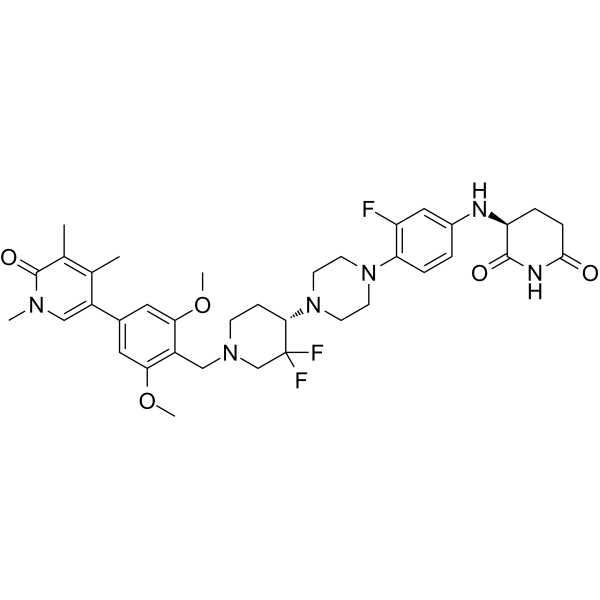
dMCL1-2 is a potent, selective MCL1PROTAC degrader based on a Cereblon ligand, with a KD value of 30 nM for binding to MCL1. dMCL1-2 induces ubiquitination and degradation of MCL1. dMCL1-2 degrades MCL1, cleaves Caspase-3, and induces Apoptosis. dMCL1-2 can be used in research related to multiple myeloma .
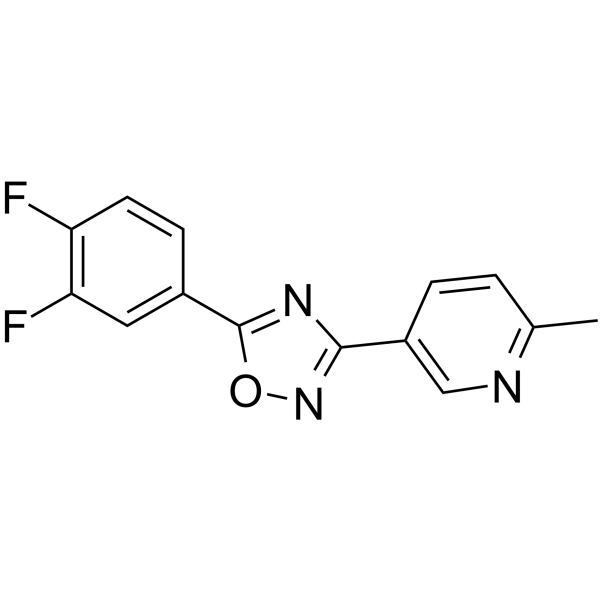
DDO-7263, a 1,2,4-Oxadiazole derivative, is a potent Nrf2-ARE activator. DDO-7263 upregulates Nrf2 through binding to Rpn6 to block the assembly of 26S proteasome and the subsequent degradation of ubiquitinated Nrf2. DDO-7263 induces Nrf2 translocation into the nucleus. DDO-7263 inhibits of NLRP3 inflammasome activation. DDO-7263 exerts anti-inflammatory activity and has the potential for neurodegenerative diseases research, such as Parkinson's disease (PD) .
Octaarginine acetate is a cell-penetrating peptide and proteasome inhibitor. Octaarginine acetate exhibits mixed-type inhibition against 20S proteasome chymotrypsin-like, caspase-like, and trypsin-like activities, and inhibits 26S proteasome activity with decreased efficiency. Octaarginine acetate induces ubiquitin-conjugated protein accumulation, mediates HSPG-dependent cellular internalization via macropinocytosis, enhances liposomal cargo uptake and gene delivery. Octaarginine acetate can be used for the research of cervix carcinoma, collagen antibody-induced arthritis, and bacterial infections .
Octaarginine is a cell-penetrating peptide and proteasome inhibitor. Octaarginine exhibits mixed-type inhibition against 20S proteasome chymotrypsin-like, caspase-like, and trypsin-like activities, and inhibits 26S proteasome activity with decreased efficiency. Octaarginine induces ubiquitin-conjugated protein accumulation, mediates HSPG-dependent cellular internalization via macropinocytosis, enhances liposomal cargo uptake and gene delivery. Octaarginine can be used for the research of cervix carcinoma, collagen antibody-induced arthritis, and bacterial infections .
Aclacinomycin A (Standard) is the analytical standard of Aclacinomycin A. This product is intended for research and analytical applications. Aclacinomycin A (Aclarubicin) is an orally active and potent anthracycline antitumor antibiotic. Aclacinomycin A is an inhibitor of topoisomerase I and II. Aclacinomycin A inhibits synthesis of nucleic acid, especially RNA. Aclacinomycin A might inhibit the 26S protease complex as well as the ubiquitin-ATP-dependent proteolysis .
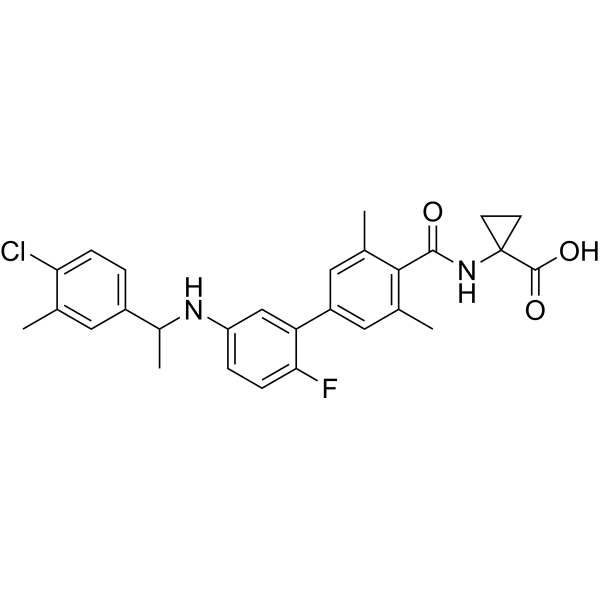
CMKLR1 antagonist 1 (compound S-26d) is a potent and orally active chemokine-like receptor 1 (CMKLR1) antagonist, with a pIC50 value of 7.44 in hCMKLR1-transfected CHO cells. CMKLR1 antagonist 1 can be used for psoriasis and metabolic diseases research .
PR-39 TFA, a natural proline- and arginine-rich antibacterial peptide, is a noncompetitive, reversible and allosteric proteasome inhibitor. PR-39 TFAreversibly binds to the α7 subunit of the proteasome and blocks degradation of NF-κB inhibitor IκBα by the ubiquitin-proteasome pathway. PR-39 TFA stimulates angiogenesis, inhibits inflammatory responses and significant reduces myocardial infarct size in mice .
GSK3494245 (DDD01305143) is a potent, orally active, and selective inhibitor of the chymotrypsin-like activity of the parasite proteasome binding in a site sandwiched between the β4 and β5 subunits (IC50=0.16 μM for WT L. donovani proteasomes). GSK3494245 moderately inhibits chymotrypsin-like activity of human proteasome (IC50: purified 26S=13 µM; enriched THP-1 extracts IC50=40µM). GSK3494245 exhibits attractive biological and biosafety properties .
Ub4ix is a DUB/26S proteasome inhibitor. Ub4ix can protect K48-linked Ub chains from being chopped up by deubiquitinating enzymes (DUBs) and prevent the proteasomal degradation of Ub-tagged proteins. Ub4ix can reduce the viability of Hela cells and induce apoptosis, with an IC50 value of 1.6 μM .
YCJ-02 is a selective Topoisomerase I (Top I) inhibitor. YCJ-02 can inhibit cell proliferation and induce apoptosis and G2/M phase arrest. YCJ-02 can induce DNA damage and increaseγ-H2AX levels. YCJ-02 can promote Top I deqradation via a ubiquitin/26S proteasome pathway. YCJ-02 increases the expressions of pro-apoptotic proteins Bad, Bax, and cleaved
caspase-3. YCJ-02 shows broad-spectrum antitumor activity. YCJ-02 can be used for the research of cancer, such as intrahepatic cholangiocarcinoma (ICC) .
MG-132 (GMP) (Z-Leu-Leu-Leu-al (GMP)) is MG-132 (HY-13259) produced by using GMP guidelines. GMP small molecules works appropriately as an auxiliary reagent for cell therapy manufacture. MG-132 (Z-Leu-Leu-Leu-al) is a potent proteasome and calpain inhibitor with IC50s of 100 nM and 1.2 μM, respectively. MG-132 effectively blocks the proteolytic activity of the 26S proteasome complex. MG-132, a peptide aldehyde, also is an autophagy activator. MG-132 also induces apoptosis .
PR-39, a natural proline- and arginine-rich antibacterial peptide, is a noncompetitive, reversible and allosteric proteasome inhibitor. PR-39 reversibly binds to the α7 subunit of the proteasome and blocks degradation of NF-κB inhibitor IκBα by the ubiquitin-proteasome pathway. PR-39 stimulates angiogenesis, inhibits inflammatory responses and significant reduces myocardial infarct size in mice .
Ac-RLR-AMC (Ac-Arg-Leu-Arg-AMC) TFA is a fluorogenic substrate for the 26S proteasome (Ex/Em: 380/440-460 nm). AMC is released upon cleavage, and its fluorescence can be used to quantify the trypsin-like activity of 26S proteasomes .
20S Proteasome-IN-1 is a 26S proteasome inhibitor extracted from patent WO2006128196A2 compound 2. 20S Proteasome-IN-1 has the potential for cancer, immune-related disorders, inflammation, ischemic conditions, neurodegenerative disorders and other diseases research .
Boc-LRR-AMC TFA (Boc-Leu-Arg-Arg-AMC TFA) is the TFA salt form of Boc-LRR-AMC (HY-115391). Boc-LRR-AMC TFA is a fluorogenic substrate, which can be utilized for detecting the trypsin-like activity of the 26S proteasome or the 20S proteasome core .
Octaarginine TFA is a cell-penetrating peptide and proteasome inhibitor. Octaarginine TFA exhibits mixed-type inhibition against 20S proteasome chymotrypsin-like, caspase-like, and trypsin-like activities, and inhibits 26S proteasome activity with decreased efficiency. Octaarginine TFA induces ubiquitin-conjugated protein accumulation, mediates HSPG-dependent cellular internalization via macropinocytosis, enhances liposomal cargo uptake and gene delivery. Octaarginine TFA can be used for the research of cervix carcinoma, collagen antibody-induced arthritis, and bacterial infections .
(S)-4,5,6,7-Tetrahydrobenzo[d]thiazole-2,6-diamine (Standard) is the analytical standard of (S)-4,5,6,7-Tetrahydrobenzo[d]thiazole-2,6-diamine. This product is intended for research and analytical applications.
Aclacinomycin A (Standard) is the analytical standard of Aclacinomycin A. This product is intended for research and analytical applications. Aclacinomycin A (Aclarubicin) is an orally active and potent anthracycline antitumor antibiotic. Aclacinomycin A is an inhibitor of topoisomerase I and II. Aclacinomycin A inhibits synthesis of nucleic acid, especially RNA. Aclacinomycin A might inhibit the 26S protease complex as well as the ubiquitin-ATP-dependent proteolysis .
MG-132 (GMP) (Z-Leu-Leu-Leu-al (GMP)) is MG-132 (HY-13259) produced by using GMP guidelines. GMP small molecules works appropriately as an auxiliary reagent for cell therapy manufacture. MG-132 (Z-Leu-Leu-Leu-al) is a potent proteasome and calpain inhibitor with IC50s of 100 nM and 1.2 μM, respectively. MG-132 effectively blocks the proteolytic activity of the 26S proteasome complex. MG-132, a peptide aldehyde, also is an autophagy activator. MG-132 also induces apoptosis .
(S)-2,6-Bis((tert-butoxycarbonyl)amino)hexanoic acid is a polypeptide derivative, can be used to synthesis multifunctional amphiphilic peptide dendrimer for non-viral gene delivery in cancer research. (S)-2,6-Bis((tert-butoxycarbonyl)amino)hexanoic acid can be used in the preparation of organic substances that enhance the luminescence intensity of alkaline phosphatase substrates .
Boc-LRR-AMC (Boc-Leu-Arg-Arg-AMC) is a fluorogenic substrate, which can be utilized for detecting the trypsin-like activity of the 26S proteasome or the 20S proteasome core .
Ac-RLR-AMC (Ac-Arg-Leu-Arg-AMC) is a fluorogenic substrate for the 26S proteasome (Ex/Em: 380/440-460 nm). AMC is released upon cleavage, and its fluorescence can be used to quantify the trypsin-like activity of 26S proteasomes .
Ac-Nle-Pro-Nle-Asp-AMC is a specific substrate for 26S proteasome. Ac-Nle-Pro-Nle-Asp-AMC can be used for the 26S proteasome caspase-like activity analysis .
Octaarginine acetate is a cell-penetrating peptide and proteasome inhibitor. Octaarginine acetate exhibits mixed-type inhibition against 20S proteasome chymotrypsin-like, caspase-like, and trypsin-like activities, and inhibits 26S proteasome activity with decreased efficiency. Octaarginine acetate induces ubiquitin-conjugated protein accumulation, mediates HSPG-dependent cellular internalization via macropinocytosis, enhances liposomal cargo uptake and gene delivery. Octaarginine acetate can be used for the research of cervix carcinoma, collagen antibody-induced arthritis, and bacterial infections .
Octaarginine is a cell-penetrating peptide and proteasome inhibitor. Octaarginine exhibits mixed-type inhibition against 20S proteasome chymotrypsin-like, caspase-like, and trypsin-like activities, and inhibits 26S proteasome activity with decreased efficiency. Octaarginine induces ubiquitin-conjugated protein accumulation, mediates HSPG-dependent cellular internalization via macropinocytosis, enhances liposomal cargo uptake and gene delivery. Octaarginine can be used for the research of cervix carcinoma, collagen antibody-induced arthritis, and bacterial infections .
PR-39 TFA, a natural proline- and arginine-rich antibacterial peptide, is a noncompetitive, reversible and allosteric proteasome inhibitor. PR-39 TFAreversibly binds to the α7 subunit of the proteasome and blocks degradation of NF-κB inhibitor IκBα by the ubiquitin-proteasome pathway. PR-39 TFA stimulates angiogenesis, inhibits inflammatory responses and significant reduces myocardial infarct size in mice .
Ub4ix is a DUB/26S proteasome inhibitor. Ub4ix can protect K48-linked Ub chains from being chopped up by deubiquitinating enzymes (DUBs) and prevent the proteasomal degradation of Ub-tagged proteins. Ub4ix can reduce the viability of Hela cells and induce apoptosis, with an IC50 value of 1.6 μM .
PR-39, a natural proline- and arginine-rich antibacterial peptide, is a noncompetitive, reversible and allosteric proteasome inhibitor. PR-39 reversibly binds to the α7 subunit of the proteasome and blocks degradation of NF-κB inhibitor IκBα by the ubiquitin-proteasome pathway. PR-39 stimulates angiogenesis, inhibits inflammatory responses and significant reduces myocardial infarct size in mice .
Ac-RLR-AMC (Ac-Arg-Leu-Arg-AMC) TFA is a fluorogenic substrate for the 26S proteasome (Ex/Em: 380/440-460 nm). AMC is released upon cleavage, and its fluorescence can be used to quantify the trypsin-like activity of 26S proteasomes .
Boc-LRR-AMC TFA (Boc-Leu-Arg-Arg-AMC TFA) is the TFA salt form of Boc-LRR-AMC (HY-115391). Boc-LRR-AMC TFA is a fluorogenic substrate, which can be utilized for detecting the trypsin-like activity of the 26S proteasome or the 20S proteasome core .
Octaarginine TFA is a cell-penetrating peptide and proteasome inhibitor. Octaarginine TFA exhibits mixed-type inhibition against 20S proteasome chymotrypsin-like, caspase-like, and trypsin-like activities, and inhibits 26S proteasome activity with decreased efficiency. Octaarginine TFA induces ubiquitin-conjugated protein accumulation, mediates HSPG-dependent cellular internalization via macropinocytosis, enhances liposomal cargo uptake and gene delivery. Octaarginine TFA can be used for the research of cervix carcinoma, collagen antibody-induced arthritis, and bacterial infections .
Aclacinomycin A (Aclarubicin) is an orally active and potent anthracycline antitumor antibiotic. Aclacinomycin A is an inhibitor of topoisomerase I and II. Aclacinomycin A inhibits synthesis of nucleic acid, especially RNA. Aclacinomycin A might inhibit the 26S protease complex as well as the ubiquitin-ATP-dependent proteolysis .
Aclacinomycin A (Aclarubicin) hydrochloride is an orally active and potent anthracycline antitumor antibiotic. Aclacinomycin A hydrochloride is an inhibitor of topoisomerase I and II. Aclacinomycin A hydrochloride inhibits synthesis of nucleic acid, especially RNA. Aclacinomycin A hydrochloride might inhibit the 26S protease complex as well as the ubiquitin-ATP-dependent proteolysis .
Aclacinomycin A (Standard) is the analytical standard of Aclacinomycin A. This product is intended for research and analytical applications. Aclacinomycin A (Aclarubicin) is an orally active and potent anthracycline antitumor antibiotic. Aclacinomycin A is an inhibitor of topoisomerase I and II. Aclacinomycin A inhibits synthesis of nucleic acid, especially RNA. Aclacinomycin A might inhibit the 26S protease complex as well as the ubiquitin-ATP-dependent proteolysis .
The PSMD7 protein is a component of the 26S proteasome and promotes the ATP-dependent degradation of ubiquitinated proteins. It maintains protein homeostasis by eliminating misfolded or unnecessary proteins, thereby protecting cellular function. PSMD7 Protein, Human (sf9) is the recombinant human-derived PSMD7 protein, expressed by sf9 insect cells , with tag free.
Gankyrin/PSMD10 protein is a key partner in 26S proteasome assembly and contributes to the formation of the PA700/19S regulatory complex (RC). In basal subcomplex assembly, it engages PSMD10, PSMC4, PSMC5, and PAAF1, and possibly PSMD5, PSMC2, PSMC1, and PSMD2. Gankyrin/PSMD10 Protein, Human is the recombinant human-derived Gankyrin/PSMD10 protein, expressed by E. coli , with tag free.
MG-132 (GMP) (Z-Leu-Leu-Leu-al (GMP)) is MG-132 (HY-13259) produced by using GMP guidelines. GMP small molecules works appropriately as an auxiliary reagent for cell therapy manufacture. MG-132 (Z-Leu-Leu-Leu-al) is a potent proteasome and calpain inhibitor with IC50s of 100 nM and 1.2 μM, respectively. MG-132 effectively blocks the proteolytic activity of the 26S proteasome complex. MG-132, a peptide aldehyde, also is an autophagy activator. MG-132 also induces apoptosis .
Inquiry Online
Your information is safe with us. * Required Fields.
Western blot analysis of extracts from THP-1(lane 2(20μg), Jurkat (lane 3(20μg) and NIH3T3(lane 4(20μg) using FOXO1A (HY-P80132) Rabbit mAb. Proteins were transferred
to a PVDF membrane and blocked with 5% non-fat milk in TBST for 2 hour at room temperature. The primary antibody (1/1000) and Loading control antibody (Beta Actin, HY-P80438, 1/10000) was
used in 5% non-fat milk in TBST at 4°C overnight. Goat Anti-Mouse/Rabbit IgG-HRP Secondary Antibody (1/10000) was used for 1 hour at room temperature.
Western blot analysis of extracts from THP-1(lane 2(20μg), Jurkat (lane 3(20μg) and NIH3T3(lane 4(20μg) using FOXO1A (HY-P80132) Rabbit mAb. Proteins were transferred
to a PVDF membrane and blocked with 5% non-fat milk in TBST for 2 hour at room temperature. The primary antibody (1/1000) and Loading control antibody (Beta Actin, HY-P80438, 1/10000) was
used in 5% non-fat milk in TBST at 4°C overnight. Goat Anti-Mouse/Rabbit IgG-HRP Secondary Antibody (1/10000) was used for 1 hour at room temperature.
Western blot analysis of extracts from THP-1(lane 2(20μg), Jurkat (lane 3(20μg) and NIH3T3(lane 4(20μg) using FOXO1A (HY-P80132) Rabbit mAb. Proteins were transferred
to a PVDF membrane and blocked with 5% non-fat milk in TBST for 2 hour at room temperature. The primary antibody (1/1000) and Loading control antibody (Beta Actin, HY-P80438, 1/10000) was
used in 5% non-fat milk in TBST at 4°C overnight. Goat Anti-Mouse/Rabbit IgG-HRP Secondary Antibody (1/10000) was used for 1 hour at room temperature.
Western blot analysis of extracts from THP-1(lane 2(20μg), Jurkat (lane 3(20μg) and NIH3T3(lane 4(20μg) using FOXO1A (HY-P80132) Rabbit mAb. Proteins were transferred
to a PVDF membrane and blocked with 5% non-fat milk in TBST for 2 hour at room temperature. The primary antibody (1/1000) and Loading control antibody (Beta Actin, HY-P80438, 1/10000) was
MedchemExpress Validation 03
Western blot analysis of extracts from THP-1(lane 2(20μg), Jurkat (lane 3(20μg) and NIH3T3(lane 4(20μg) using FOXO1A (HY-P80132) Rabbit mAb. Proteins were transferred
MedchemExpress Validation 04
Western blot analysis of extracts from THP-1(lane 2(20μg), Jurkat (lane 3(20μg) and NIH3T3(lane 4(20μg) using FOXO1A (HY-P80132) Rabbit mAb. Proteins were transferred
to a PVDF membrane and blocked with 5% non-fat milk in TBST for 2 hour at room temperature. The primary antibody (1/1000) and Loading control antibody (Beta Actin, HY-P80438, 1/10000) was
used in 5% non-fat milk in TBST at 4°C overnight. Goat Anti-Mouse/Rabbit IgG-HRP Secondary Antibody (1/10000) was used for 1 hour at room temperature.
MedchemExpress Validation
Western blot analysis of extracts from THP-1(lane 2(20μg), Jurkat (lane 3(20μg) and NIH3T3(lane 4(20μg) using FOXO1A (HY-P80132) Rabbit mAb. Proteins were transferred
to a PVDF membrane and blocked with 5% non-fat milk in TBST for 2 hour at room temperature. The primary antibody (1/1000) and Loading control antibody (Beta Actin, HY-P80438, 1/10000) was
used in 5% non-fat milk in TBST at 4°C overnight. Goat Anti-Mouse/Rabbit IgG-HRP Secondary Antibody (1/10000) was used for 1 hour at room temperature.
Western blot analysis of extracts from THP-1(lane 2(20μg), Jurkat (lane 3(20μg) and NIH3T3(lane 4(20μg) using FOXO1A (HY-P80132) Rabbit mAb. Proteins were transferred
to a PVDF membrane and blocked with 5% non-fat milk in TBST for 2 hour at room temperature. The primary antibody (1/1000) and Loading control antibody (Beta Actin, HY-P80438, 1/10000) was
used in 5% non-fat milk in TBST at 4°C overnight. Goat Anti-Mouse/Rabbit IgG-HRP Secondary Antibody (1/10000) was used for 1 hour at room temperature.
MedchemExpress Validation
Western blot analysis of extracts from THP-1(lane 2(20μg), Jurkat (lane 3(20μg) and NIH3T3(lane 4(20μg) using FOXO1A (HY-P80132) Rabbit mAb. Proteins were transferred
to a PVDF membrane and blocked with 5% non-fat milk in TBST for 2 hour at room temperature. The primary antibody (1/1000) and Loading control antibody (Beta Actin, HY-P80438, 1/10000) was
used in 5% non-fat milk in TBST at 4°C overnight. Goat Anti-Mouse/Rabbit IgG-HRP Secondary Antibody (1/10000) was used for 1 hour at room temperature.
MedchemExpress Validation
Western blot analysis of extracts from THP-1(lane 2(20μg), Jurkat (lane 3(20μg) and NIH3T3(lane 4(20μg) using FOXO1A (HY-P80132) Rabbit mAb. Proteins were transferred
to a PVDF membrane and blocked with 5% non-fat milk in TBST for 2 hour at room temperature. The primary antibody (1/1000) and Loading control antibody (Beta Actin, HY-P80438, 1/10000) was
used in 5% non-fat milk in TBST at 4°C overnight. Goat Anti-Mouse/Rabbit IgG-HRP Secondary Antibody (1/10000) was used for 1 hour at room temperature.
MedchemExpress Validation
Western blot analysis of extracts from THP-1(lane 2(20μg), Jurkat (lane 3(20μg) and NIH3T3(lane 4(20μg) using FOXO1A (HY-P80132) Rabbit mAb. Proteins were transferred
to a PVDF membrane and blocked with 5% non-fat milk in TBST for 2 hour at room temperature. The primary antibody (1/1000) and Loading control antibody (Beta Actin, HY-P80438, 1/10000) was
used in 5% non-fat milk in TBST at 4°C overnight. Goat Anti-Mouse/Rabbit IgG-HRP Secondary Antibody (1/10000) was used for 1 hour at room temperature.
MedchemExpress Validation
Western blot analysis of extracts from THP-1(lane 2(20μg), Jurkat (lane 3(20μg) and NIH3T3(lane 4(20μg) using FOXO1A (HY-P80132) Rabbit mAb. Proteins were transferred
to a PVDF membrane and blocked with 5% non-fat milk in TBST for 2 hour at room temperature. The primary antibody (1/1000) and Loading control antibody (Beta Actin, HY-P80438, 1/10000) was
used in 5% non-fat milk in TBST at 4°C overnight. Goat Anti-Mouse/Rabbit IgG-HRP Secondary Antibody (1/10000) was used for 1 hour at room temperature.
MedchemExpress Validation
Western blot analysis of extracts from THP-1(lane 2(20μg), Jurkat (lane 3(20μg) and NIH3T3(lane 4(20μg) using FOXO1A (HY-P80132) Rabbit mAb. Proteins were transferred
to a PVDF membrane and blocked with 5% non-fat milk in TBST for 2 hour at room temperature. The primary antibody (1/1000) and Loading control antibody (Beta Actin, HY-P80438, 1/10000) was
used in 5% non-fat milk in TBST at 4°C overnight. Goat Anti-Mouse/Rabbit IgG-HRP Secondary Antibody (1/10000) was used for 1 hour at room temperature.
MedchemExpress Validation
Western blot analysis of extracts from THP-1(lane 2(20μg), Jurkat (lane 3(20μg) and NIH3T3(lane 4(20μg) using FOXO1A (HY-P80132) Rabbit mAb. Proteins were transferred
to a PVDF membrane and blocked with 5% non-fat milk in TBST for 2 hour at room temperature. The primary antibody (1/1000) and Loading control antibody (Beta Actin, HY-P80438, 1/10000) was
used in 5% non-fat milk in TBST at 4°C overnight. Goat Anti-Mouse/Rabbit IgG-HRP Secondary Antibody (1/10000) was used for 1 hour at room temperature.
MedChemExpress values your privacy and your trust is important to us. We use cookies to enhance your website experience. Some cookies are necessary to run the website.
Privacy and Cookie Policy

