Search Result
Results for "
A-375
" in MedChemExpress (MCE) Product Catalog:
| Cat. No. |
Product Name |
Target |
Research Areas |
Chemical Structure |
-
- HY-13323
-
CX-5461
Maximum Cited Publications
66 Publications Verification
|
DNA/RNA Synthesis
|
Cancer
|
|
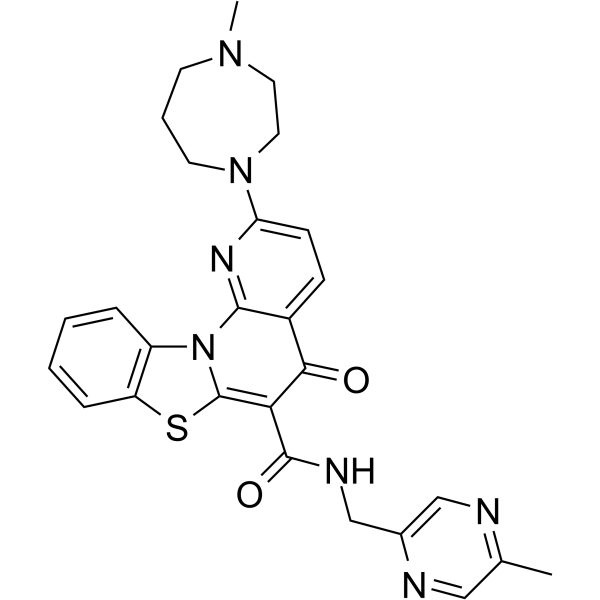
CX-5461 is a potent and oral rRNA synthesis inhibitor. It inhibits RNA polymerase I-driven transcription of rRNA with IC50s of 142, 113, and 54 nM in HCT-116, A375, and MIA PaCa-2 cells, respectively .
|
-
-
- HY-15816
-
|
BVD-523; VRT752271
|
ERK
|
Cancer
|
|
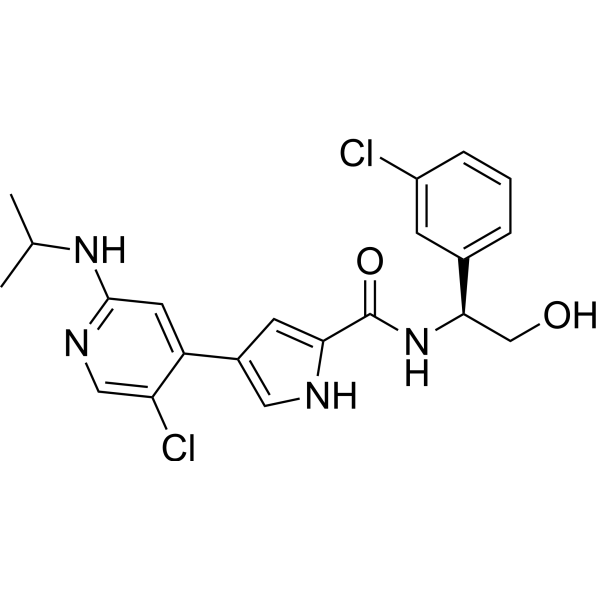
Ulixertinib (BVD-523; VRT752271) is a potent, orally active, highly selective, ATP-competitive and reversible covalent inhibitor of ERK1/2 kinases, with an IC50 of <0.3 nM against ERK2. Ulixertinib (BVD-523; VRT752271) inhibits the phosphorylated ERK2 (pERK) and downstream kinase RSK (pRSK) in an A375 melanoma cell line .
|
-
-
- HY-N0201
-
|
|
TNF Receptor
Toll-like Receptor (TLR)
JAK
STAT
|
Cancer
|
|
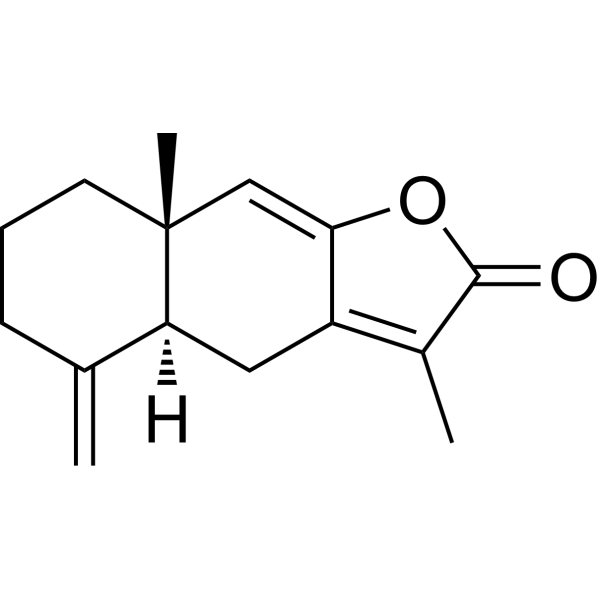
Atractylenolide I is a sesquiterpene derived from the rhizome of Atractylodes macrocephala, possesses diverse bioactivities, such as neuroprotective, anti-allergic, anti-inflammatory and anticancer properties. Atractylenolide I reduces protein levels of phosphorylated JAK2 and STAT3 in A375 cells, and acts as a TLR4-antagonizing agent.
|
-
-
- HY-15610
-
|
RG 7421; MEK inhibitor 1
|
MEK
Apoptosis
|
Cancer
|
|
GDC-0623 (RG 7421) is a potent, ATP-uncompetitive inhibitor of MEK1 (Ki=0.13 nM, +ATP), and displays 6-fold weaker potency against HCT116 (KRAS (G13D), EC50=42 nM) versus A375 (BRAF V600E, EC50=7 nM).
|
-
-
- HY-15816A
-
|
BVD-523 hydrochloride; VRT752271 hydrochloride
|
ERK
|
Cancer
|
|
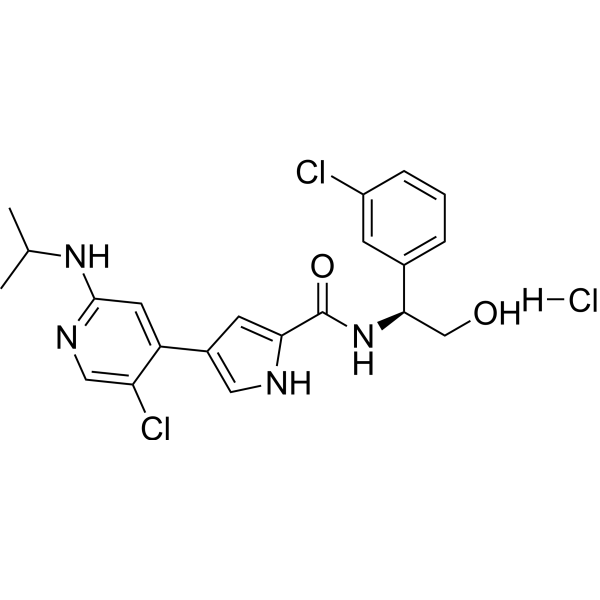
Ulixertinib hydrochloride (BVD-523 hydrochloride) is a potent, orally active, highly selective, ATP-competitive and reversible covalent inhibitor of ERK1/2 kinases, with an IC50 of <0.3 nM against ERK2. Ulixertinib hydrochloride inhibits the phosphorylated ERK2 (pERK) and downstream kinase RSK (pRSK) in an A375 melanoma cell line .
|
-
-
- HY-16667
-
|
|
Early 2 Factor (E2F)
|
Cancer
|
|
HLM006474 is a pan E2F inhibitor, which inhibits E2F4 DNA-binding with an IC50 of 29.8 μM in A375 cells.
|
-
-
- HY-153341
-
|
CFT1946
|
PROTACs
Raf
|
Cancer
|
|
Tagarafdeg (CFT1946) is an orally active, CRBN-based and mutant-selective bifunctional degradation activating compound (BiDAC) degrader of BRAF V600E with a DC50 of 14 nM in A375 cells. Tagarafdeg is capable of degrading BRAF V600E (Class I), G469A (Class II), G466V (Class III) mutations, and the p61-BRAF V600E splice variant. Tagarafdeg can be used in tumor research .
|
-
-
- HY-122506
-
|
|
STAT
|
Cancer
|
|
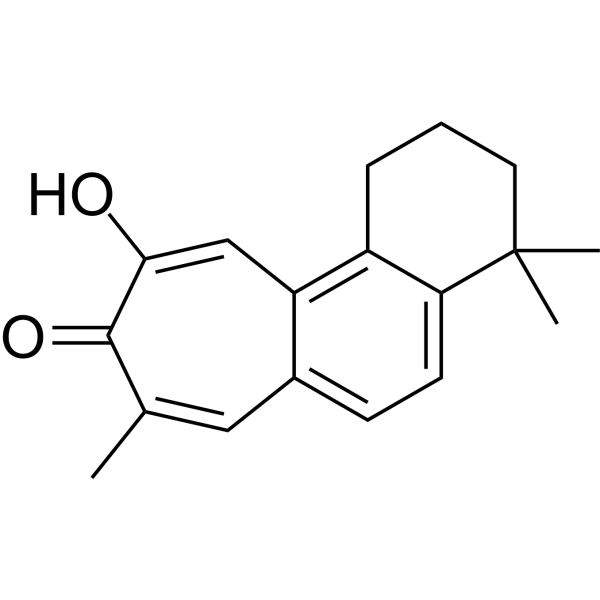
Salviolone is a natural diterpenoid derivative that can against melanoma cells. Salviolone exhibits a pleiotropic effect against melanoma by hampering cell cycle progression, STAT3 signaling, and malignant phenotype of A375 melanoma cells .
|
-
-
- HY-13323A
-
|
|
DNA/RNA Synthesis
|
Cancer
|
|
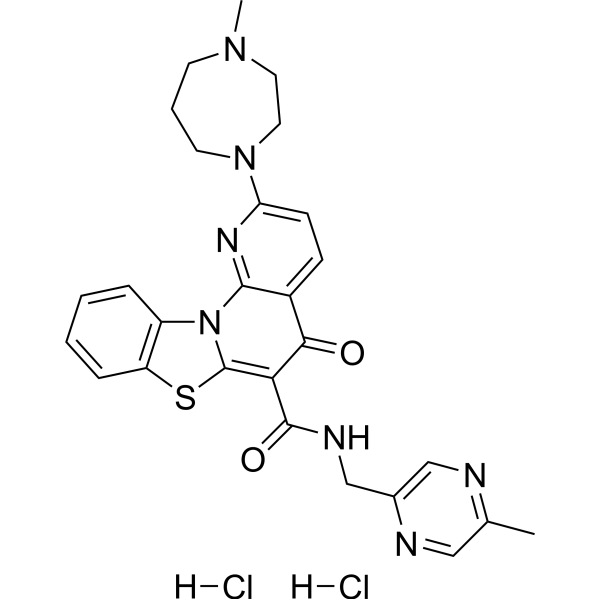
CX-5461 dihydrochloride is a potent and orally bioavailable inhibitor of Pol I-mediated rRNA synthesis, with IC50s of 142 nM in HCT-116, 113 nM in A375, and 54 nM in MIA PaCa-2 cells, and shows little or no effect on Pol II (IC50 ≥25 μM).
|
-
-
- HY-N10335
-
|
|
FAK
|
Inflammation/Immunology
Cancer
|
|
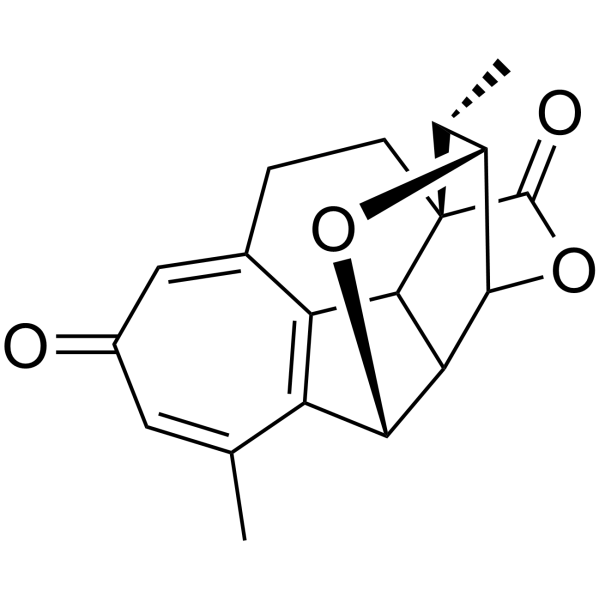
Harringtonolide is a potent RACK1 inhibitor (IC50=39.66 μM in A375 cells). Harringtonolide inhibits the epithelial-mesenchymal transition (EMT) process and cell proliferation by affecting the interaction between FAK and RACK1. Harringtonolide has plant growth inhibitory, antiviral, anti-inflammatory, and antiproliferation activities .
|
-
-
- HY-N2369
-
|
|
Apoptosis
Influenza Virus
|
Infection
Neurological Disease
Inflammation/Immunology
Cancer
|
|
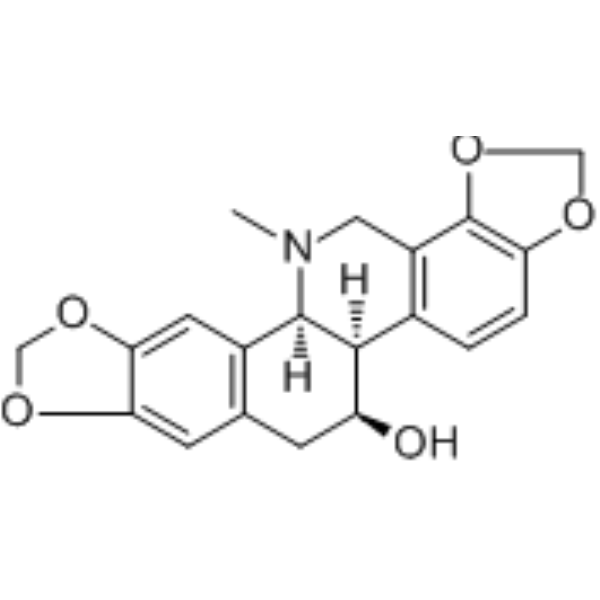
Chelidonine, an isoquinoline alkaloid, can be isolated from Chelidonium majus L.. Chelidonine causes G2/M arrest and induces caspase-dependent and caspase-independent apoptosis, and prevents cell cycle progression of stem cells in Dugesia japonica. Chelidonine has cytotoxic activity against melanoma cell lines. with anticancer and antiviral activity .
|
-
-
- HY-153469
-
|
|
ADC Payload
|
Cancer
|
|
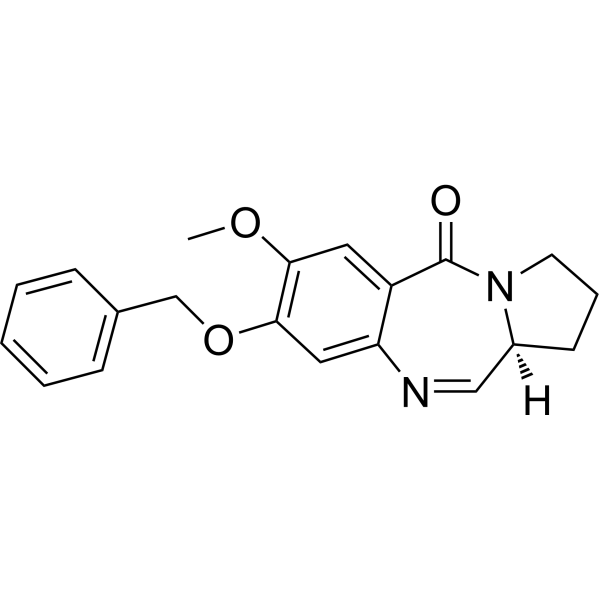
Benzyl DC-81 (Compound 6a) is an anticancer agent with antiproliferative activity against A375 and MCF-7 cells .
|
-
-
- HY-153864
-
|
|
PROTACs
MEK
ERK
|
Cancer
|
|
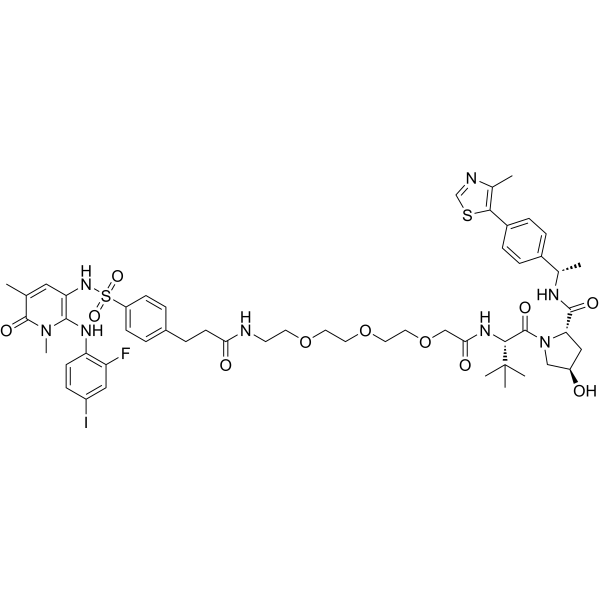
PROTAC MEK1 Degrader-1 is a PROTAC targeting MEK1 with a pIC50 value of 7.0. PROTAC MEK1 Degrader-1 consists of a MEK1 inhibitor and a von Hippel-Lindau ligand. PROTAC MEK1 Degrader-1 can inhibit ERK1/2 phosphorylation. PROTAC MEK1 Degrader-1 shows an antiproliferative activity against A375 cells .
|
-
-
- HY-153738
-
|
|
ERK
|
Cancer
|
|
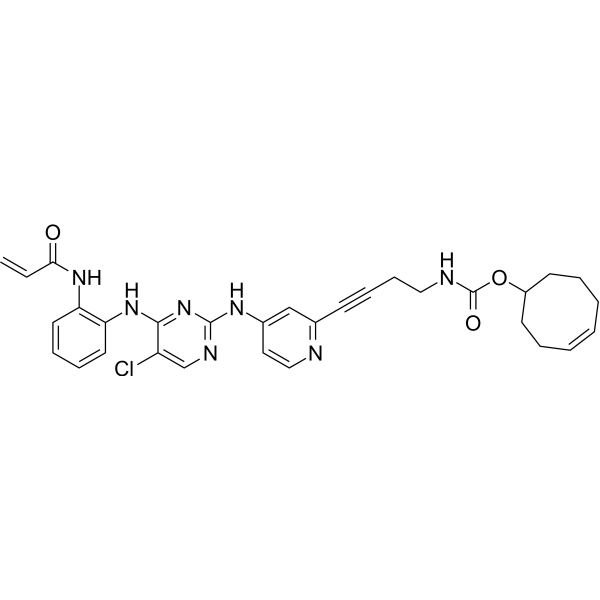
ERK1/2 inhibitor 9 (Probe 1) is a covalent ERK1/2 inhibitor. ERK1/2 inhibitor 9 shows sub-micromolar activity in cells (A375 GI50=0.47 μM). ERK1/2 inhibitor 9 causes the downregulation of phospho-ERK1/2. ERK1/2 inhibitor 9 tagged trans-cyclo-octene (TCO) and Tz-Thalidomide (tetrazine tagged Thalidomide) can form the corresponding ERK-CLIPTAC to elicit degradation of ERK1/2 .
|
-
-
- HY-112462
-
|
|
CDK
|
Cancer
|
|
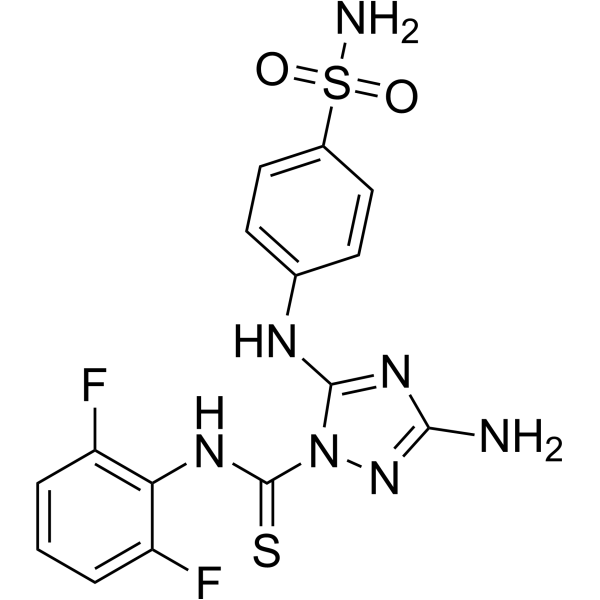
Cdk1/2 Inhibitor III (compound 3n) is a highly potent and selective Cdk1/cyclin B and Cdk2/cyclin A inhibitor of with IC50s of 0.6 nM and 0.5 nM, respectively. Cdk1/2 Inhibitor III shows selectivity over VEGF-R2 (IC50 of 32 nM), GSK-3β (IC50 of 140 nM), and a other kinases. Cdk1/2 Inhibitor III inhibits in cell proliferation with IC50s of 20 nM, 35 nM and 92 nM for HCT-116, HeLa, and A375 cells, respectively .
|
-
-
- HY-175370
-
|
|
PROTACs
RIP kinase
|
Cancer
|
|
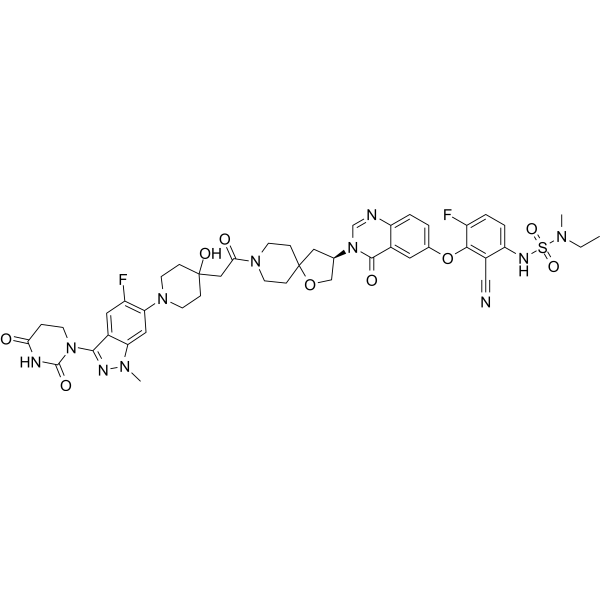
PROTAC RIPK1 Degrader-1 is a selective RIPK1 PROTAC degrader. PROTAC RIPK1 Degrader-1 degrades RIPK1 in multiple cancer cell lines (e.g., A375, B16F10 cells). PROTAC RIPK1 Degrader-1 enhances the anti-cancer effect of radiotherapy in syngeneic and humanized mouse models. PROTAC RIPK1 Degrader-1 can be used to study cancers such as melanoma. (Pink: RIPK1-ligand-2: HY-175371, Blue: (S,R,S)-AHPC-Me: HY-112078, Pink + Black: RIPK1 ligand-Linker Conjugate-1: HY-175374, Black: Bispiperidin-piperazin-acetater: HY-175373) .
|
-
-
- HY-128224
-
|
|
Drug Intermediate
|
Cancer
|
|
Antiproliferative agent-13 (compound 16c) shows an antiproliferative activity against human A375 cells with an IC50 value of 32.7 nM. Antiproliferative agent-13 can be used for the research of cancer .
|
-
-
- HY-153445
-
|
MEK-IN-6
|
ERK
MEK
|
Cancer
|
|
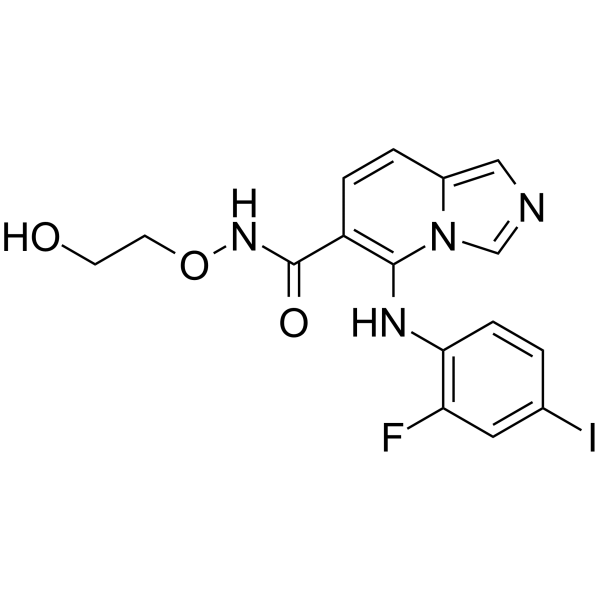
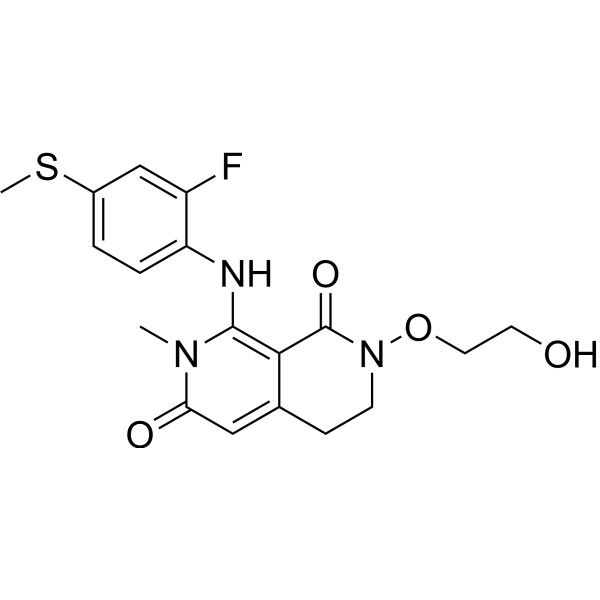
Polfurmetinib (MEK-IN-6) (Example 69) is a MEK inhibitor. MEK-IN-6 inhibits ERK1/2 (Thr202/Tyr204) phosphorylation in A375 cells (IC50: 2 nM). Polfurmetinib can be used for research of cancer .
|
-
-
- HY-15816R
-
|
BVD-523 (Standard); VRT752271 (Standard)
|
ERK
Reference Standards
|
Cancer
|
|
Ulixertinib (Standard) is the analytical standard of Ulixertinib. This product is intended for research and analytical applications. Ulixertinib (BVD-523; VRT752271) is a potent, orally active, highly selective, ATP-competitive and reversible covalent inhibitor of ERK1/2 kinases, with an IC50 of <0.3 nM against ERK2. Ulixertinib (BVD-523; VRT752271) inhibits the phosphorylated ERK2 (pERK) and downstream kinase RSK (pRSK) in an A375 melanoma cell line .
|
-
-
- HY-176508
-
|
|
Casein Kinase
|
Cancer
|
|
KDX1381 is a bivalent CK2α inhibitor (IC50: 17 nM, KD: 54 nM). KDX1381 has antitumor activity in mouse 786-O and A375 tumor xenograft models. KDX1381 combined with VEGFR inhibitors or DNA damaging agents enhances antitumor efficacy in mouse hepatocellular carcinoma and glioma models .
|
-
-
- HY-144269
-
|
|
Raf
|
Cancer
|
|
SHR902275 is a potent, selective, and orally active RAF inhibitor targeting RAS mutant cancers. SHR902275 has IC50s of 1.6 nM, 10 nM, and 5.7 nM for cRAF, bRAF wt, and bRAF V600E, respectively. SHR902275 shows cell growth inhibition with GI50s of 1.5 and 0.17 nM, 0.4 nM and 0.32 nM for H358, A375, Calu6, and SK-MEL2 cells respectively .
|
-
-
- HY-121255
-
|
(R)-Cryptopleurine; NSC 19912
|
TMV
|
Cancer
|
|
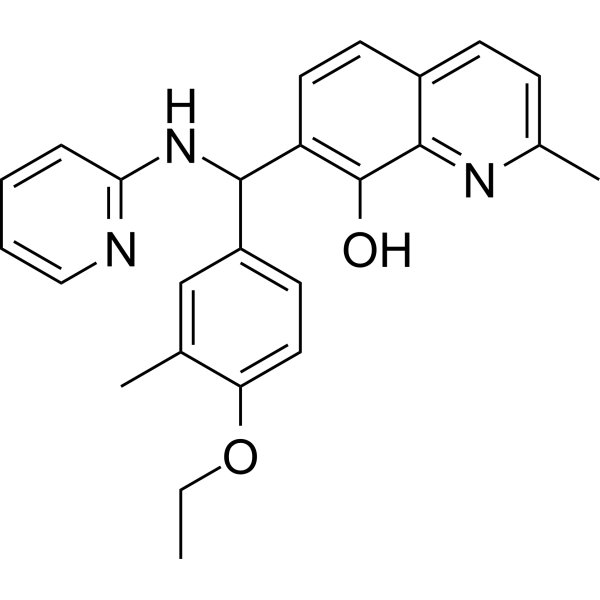
(–)-Cryptopleurine is an alkaloid that has been found in Lauraceae and has diverse biological activities. It inhibits the growth of human A375 melanoma, A431 epidermoid carcinoma, A549 lung, MES-SA uterine sarcoma, and MCF-7 breast cancer cells (IC50=3 nM for all).2 (–)-Cryptopleurine inhibits hypoxia-induced gene expression in a hypoxia response element (HRE) reporter assay (IC50=8.7 nM).3 (–)-Cryptopleurine (500 μg/mL) prevents lesion formation in tobacco (N. tabacum) plants infected with tobacco mosaic virus (TMV). It also inhibits protein synthesis by yeast and mammalian ribosomes.
|
-
-
- HY-179505
-
|
|
YAP
|
Cancer
|
|
OPN-9652 is a potent, orally active, and covalent TEAD inhibitor (MSTO-211H TEAD IC50 = 0.005 µM) targeting the central palmitate binding pocket of TEADs. OPN-9652 reduces TEAD-dependent reporter activity and expression of TEAD targets (CTGF and CYR61). OPN-9652 resensitizes drug-tolerant SOX10 KO cells to BRAFi + MAPKi. OPN-9652 delays the onset of tumor resistance to BRAFi + MEKi from minimal residual disease (MRD) in a BRAF mutant A375 xenograft mouse model. OPN-9652 can be used for melanoma research .
|
-
-
- HY-144271
-
|
|
Raf
|
Cancer
|
|
RAF-IN-1 is a potent b/cRAF inhibitor with an IC50s of 3.8 nM, 36 nM, 29.4 nM for cRAF, bRAF wt, and bRAF V600E. RAF-IN-1 shows cell growth inhibition with GI50s of 3.4 and 2.9 nM for H358 and A375 cell line bearing bRAF V600E mutation, respectively .
|
-
-
- HY-179717
-
|
|
PROTACs
Microphthalmia Associated Transcription Factor (MITF)
|
Cancer
|
|
WZS0347 is a MITF PROTAC degrader. WZS0347 effectively reduces the MITF protein levels in several melanoma cell lines, including B16F10, A375, and GAK. WZS0347 significantly inhibits the proliferation, migration, and invasion of melanoma cells. WZS0347 can be used for research on melanoma (Pink: MITF ligand: (HY-179718); Blue: CRBN ligand: (HY-131717); Black: linker: (HY-22391)) .
|
-
-
- HY-175496
-
|
|
Ceramidase
|
Inflammation/Immunology
|
|
Acid Ceramidase-IN-3 is a acid ceramidase (aCDase) inhibitor. Acid Ceramidase-IN-3 inhibits the enzymatic activity of aCDase with a pIC 50 of 8.5 in enzymatic assays and 6.8 in A375 melanoma cellular assays. Acid Ceramidase-IN-3 promotes HSC inactivation, as measured by a dose-dependent
reduction in COL1A1 and ACTA2. Acid Ceramidase-IN-3 inhibits aCDase activity in HSCs, promotes HSC inactivation and suppresses YAP/TAZ nuclear localization. Acid Ceramidase-IN-3 increases Dynein/Kinesin (NDE1, NDEL1.
KIF3B, KIF15) while decreases several proteins involved with signaling pathway (SARM1, RGAP1,
PDGF-D,PDGFR-B). Acid Ceramidase-IN-3 can be used for the study of fibrotic diseases .
|
-
-
- HY-N3838
-
|
|
Others
|
Cancer
|
|
Epitulipinolide diepoxide (compound 9) is a natural compound isolated from the herbs of Liriodendron chinense (Hemsl.) Sarg. Epitulipinolide diepoxide displays cytoxicity in A375 cells, with the IC50 of 52.03 μM .
|
-
-
- HY-13323R
-
|
|
Reference Standards
DNA/RNA Synthesis
|
Cancer
|
|
CX-5461 (Standard) is the analytical standard of CX-5461. This product is intended for research and analytical applications. CX-5461 is a potent and oral rRNA synthesis inhibitor. It inhibits RNA polymerase I-driven transcription of rRNA with IC50s of 142, 113, and 54 nM in HCT-116, A375, and MIA PaCa-2 cells, respectively .
|
-
-
- HY-177914
-
|
|
MEK
|
Cancer
|
|
MEK-IN-7 (compound WX086) is potent, orally active and selective MEK inhibitor (MEK1 IC50 = 29.62 nM). MEK-IN-7 inhibits HT29 and A375 cell proliferation with IC50s of 0.62 and 0.40 nM. MEK-IN-7 inhibits tumor growth in a HL-29 xenograft mouse model. MEK-IN-7 can be used for melanoma and colon cancer research .
|
-
-
- HY-N2369R
-
|
|
Reference Standards
Apoptosis
Influenza Virus
|
Infection
Cancer
|
|
Chelidonine (Standard) is the analytical standard of Chelidonine. This product is intended for research and analytical applications. Chelidonine, an isoquinoline alkaloid, can be isolated from Chelidonium majus L.. Chelidonine causes G2/M arrest and induces caspase-dependent and caspase-independent apoptosis, and prevents cell cycle progression of stem cells in Dugesia japonica. Chelidonine has cytotoxic activity against melanoma cell lines. with anticancer and antiviral activity .
|
-
-
- HY-120281
-
|
|
MEK
PI3K
Akt
Apoptosis
Caspase
|
Cancer
|
|
ST-168 is an orally active MEK/PI3K inhibitor with an IC50 of 182 nM against MEK1 and IC50 values of 69.2, 41.7, 1482 and 2293 nM against PI3Kα, PI3Kδ, PI3Kβ and PI3Kγ respectively. ST-168 completely inhibits the phosphorylation of ERK1/2 and AKT and induces cancer cell death in a 3D tumor sphere model. ST-168 demonstrates significant antitumor effects in the A375 melanoma mouse model. ST-168 improves the ocular toxicity profile of MEK inhibitors, showing lower caspase activation levels, indicating reduced apoptosis induction. ST-168 can be used in melanoma research .
|
-
-
- HY-161628
-
|
|
Topoisomerase
|
Cancer
|
|
Tapcin is a dual inhibitor for topoisomerase I and topoisomerase II, with IC50 of 203 and 71 nM. Tapcin inhibits proliferations of cancer cells A-375, HeLa, Huh7.5, U2-OS, A549, Caco-2 and HT29, with IC50s of 441, 1.04, 40.5, 0.002, 0.006, 0.287 and 0.842 nM, respectively. Tapcin exhibits antitumor activity in HT29 xenograft model .
|
-
-
- HY-153445A
-
|
MEK-IN-6 hydrate
|
MEK
|
Cancer
|
|
Polfurmetinib (MEK-IN-6) hydrate (compound 69) is a MEK inhibitor. Polfurmetinib hydrate has an IC50 of 2 nM for A375 cells .
|
-
-
- HY-161882
-
|
|
PROTACs
|
Cancer
|
|
PROTAC SMARCA2 degrader-8 (compound 1) is a potent SMARCA2 degrader with a DC50 of 28nM in A375 cells .
|
-
-
- HY-120607
-
|
|
Parasite
|
Infection
Cancer
|
|
Chevalone C, a meroterpenoid fungal metabolite, shows antimalarial activity with IC50 value of 25.00 μg/mL. Chevalone C has anti-proliferative activity on colon HCT116, liver HepG2 and melanoma A375 cancer cell lines .
|
-
-
- HY-169298
-
|
|
Ferroptosis
|
Cancer
|
|
Ferroptosis-IN-15 (compound 12) is a potent inhibitor of ferroptosis, with the EC50s of 0.76 and 0.67 μM in A375 cells and 786-O cells, respectively.Ferroptosis-IN-15 is a potential iron chelator and radical trapping antioxidant .
|
-
-
- HY-147788
-
|
|
Dihydroorotate Dehydrogenase
|
Cancer
|
|
hDHODH-IN-9 (Compound 3k) is a potent inhibitor of hDHODH with an IC50 of 0.34 μM. hDHODH-IN-9 demonstrates high cytotoxic activity against MCF-7 and A375 cells and good selectivity. hDHODH-IN-9 has the potential for the research of cancer diseases .
|
-
-
- HY-117872
-
|
20-O-Acetylsartorypyrone D
|
Fungal
|
Infection
|
|
Sartorypyrone A (20-O-Acetylsartorypyrone D) is a monocyclic terpenoid isolated from the soil fungus Neosartorya fischeri. Sartorypyrone A exhibits in vitro growth inhibitory activity against MCF-7, NCI-H460, and A375-C5 cell lines, and has potential anticancer properties.
|
-
-
- HY-N7484
-
|
|
Fungal
|
Cancer
|
|
(−)-Voacangarine is an indole alkaloid, which exhibits cytotoxic effects against cancer cells HepG2, A375, MDA-MB-231, SH-SY5Y, and CT26 with IC50 of 5~20 mg/mL. (−)-Voacangarine inhibits the cultivation of Saccharomyces cerevisiae wildtype and repair-deficient mutants .
|
-
-
- HY-147734
-
|
|
Calcium Channel
|
Cancer
|
|
Calpain Inhibitor-2 (compound 5) is a peptide inhibitor of μ-calpain (Ki=9 nM). Calpain Inhibitor-2 exhibits antiproliferative activity against melanoma cell lines (A-375 and B-16F1) and PC-3 prostate cancer cells in vitro .
|
-
-
- HY-175828
-
|
|
DNA/RNA Synthesis
|
Cancer
|
|
DHPS-IN-2 is an allosteric deoxyhypusine synthase (DHPS) inhibitor with an IC50 of 70 nM and a Kd of 26.4 μM. DHPS-IN-2 significantly suppresses melanoma cell migration and invasiveness in vitro and exhibits potent anti-tumor efficacy in an A375 cell zebrafish xenograft model. DHPS-IN-2 can be used for the study of melanoma .
|
-
-
- HY-120454
-
|
|
MEK
Potassium Channel
|
Cancer
|
|
G-479 is the inhibitor for MEK and hERG channel (IC50=14 μM). G-479 inhibits the proliferation of HCT-116 and A375 with IC50 of 0.049 μM and 0.004 μM. G-479 exhibits good metabolic stability in liver microsomes and good pharmacokinetic characteristics in rats .
|
-
-
- HY-174800
-
|
|
Topoisomerase
|
Cancer
|
|
ARN21929 is a Topoisomerase II inhibitor with an IC50 of 4.5 μM. ARN21929 exhibits excellent kinetic and thermodynamic solubility as well as metabolic stability. However, ARN21929 shows poor antiproliferative activity against A549, DU145, MCF7, HeLa, and A375 cells. ARN21929 can be used in the study of cancer .
|
-
-
- HY-126180
-
|
|
MEK
|
Cancer
|
|
BAY-866, a sulfamide campound, is an allosteric MEK1 inhibitor with an IC50 of 14 nM. BAY-866 inhibits cell growth of A375 (BRAF) and HCT116 (K-Ras) with IC50s of 13 nM and 277 nM, respectively. BAY-866 inhibits tumor growth in K-Ras-mutated A549 xenograft model .
|
-
-
- HY-158027
-
|
|
Raf
VEGFR
FGFR
|
Cancer
|
B-Raf IN 17 (Compound 8e) is a potent and orally active type II multi-kinase inhibitor. B-Raf IN 17 exhibits potent cellular-level suppression of BRAFWT, VEGFR-2, and FGFR-1 in A375 cell line, with IC50 values of 0.02, 0.18 and 1.65 μM, respectively. B-Raf IN 17 can be used for the research of cancer .
|
-
-
- HY-162900
-
|
|
HSP
|
Cancer
|
|
HSP90-IN-32 is a Hsp90 C-terminal inhibitor that displays anti-proliferative activities against SKMel173, SKMel103, SKMel19 and A375 cells with IC50 values of 1.01 μM, 0.782 μM, 0.607 μM and 1.413 μM , respectively. HSP90-IN-32 is promising for research of anti-cancer agents .
|
-
-
- HY-N0201R
-
|
|
TNF Receptor
Reference Standards
Toll-like Receptor (TLR)
JAK
STAT
|
Cancer
|
|
Atractylenolide I (Standard) is the analytical standard of Atractylenolide I. This product is intended for research and analytical applications. Atractylenolide I is a sesquiterpene derived from the rhizome of Atractylodes macrocephala, possesses diverse bioactivities, such as neuroprotective, anti-allergic, anti-inflammatory and anticancer properties. Atractylenolide I reduces protein levels of phosphorylated JAK2 and STAT3 in A375 cells, and acts as a TLR4-antagonizing agent.
|
-
-
- HY-174274
-
|
|
ERK
|
Cancer
|
|
ERK2-IN-6 (Compound 20) is a highly selective ERK1/2 inhibitor with an IC50 value of 7.9 nM for ERK2. ERK2-IN-6 inhibits the proliferation of BRAF V600E mutant cells (IC50=250 nM in A375 cells). ERK2-IN-6 is promising for research of solid tumors, such as BRAF-mutated melanoma .
|
-
-
- HY-N13739
-
|
|
Tyrosinase
|
Cancer
|
|
Taraxinic acid can be found in the roots of Taraxacum flavostylum and Taraxacum lucidum. It is a Tyrosinase inhibitor that dose-dependently inhibits Tyrosinase activity, showing approximately 54.5% inhibition at a concentration of 50 μg/mL. Taraxinic acid has an IC50 of 83.2 μM against melanoma cells A375 and HTB140, and an IC50 of 60.4 μM against melanoma cells WM793, with activity being both dose- and time-dependent. Taraxinic acid holds promise for research in the field of anticancer therapy .
|
-
-
- HY-N12834
-
|
|
Others
|
Inflammation/Immunology
Cancer
|
|
Ecdysoside B (compound 6b) is a pregnanoside compound isolated from the plant Ecdysanthera rosea. Ecdysoside B and its derivatives and isomers shows anticancer, immunosuppressive and anti-inflammatory activities. Ecdysoside B shows cytotoxicity to a variety of human tumor cell lines, including PANC-1 (human pancreatic cancer cells), A375 (human melanoma cells) and U87 (brain glioma U87 cells). Ecdysoside B can be used for research in the areas of cancer, immunomodulation and anti-inflammato .
|
-
- HY-164474
-
|
|
MEK
|
Cancer
|
|
DS03090629 is an orally active MEK inhibitor that inhibits MEK activity in an ATP-competitive manner. DS03090629 exhibits high affinity for both MEK and phosphorylated MEK, with Kd values of 0.11 and 0.15 nM, respectively. It effectively inhibits the proliferation of BRAF-mutant overexpressing melanoma cell lines, with IC50 values of 74.3 and 97.8 nM for BRAF V600E and MEK1 F53L transfected A375 cells, respectively. DS03090629 holds potential value in the field of anti-melanoma therapy .
|
-
- HY-117707
-
|
|
Raf
|
Cancer
|
|
EBI-907 is an orally active and highly potent B-Raf V600E inhibitor. EBI-907 demonstrates excellent A375 and Colo-205 cellular antiproliferative activity with IC50 values of 13 nM and 14 nM, respectively. EBI-907 can also cause tumor regression in a B-Raf V600E-dependent Colo-205 tumor xenograft model of mice. EBI-907 is promising for research of melanoma and B-Raf V600E associated cancers .
|
-
- HY-138098
-
|
|
Endogenous Metabolite
|
Cancer
|
|
Sartorypyrone B is a 2β-acetoxyl analogue of chevalone C. Sartorypyrone B is yielded from the ethyl acetate extract of the culture of the marine sponge-associated fungus Neosartorya tsunodae (KUFC 9213). Sartorypyrone B exhibits strong growth inhibitory activity, having GI50s of 17.8, 20.5, and 25.0 μM, respectively, for MCF-7, NCI-H460, and A375-C5. Sartorypyrone B has the potential for the research of breast adenocarcinoma, non-small cell lung cancer, and melanoma diseases .
|
-
- HY-N2369A
-
|
|
Apoptosis
Influenza Virus
|
Infection
Cancer
|
|
Chelidonine (hydrochloride) is the hydrochloride form of Chelidonine (HY-N2369).Chelidonine, an isoquinoline alkaloid, can be isolated from Chelidonium majus L. Chelidonine causes G2/M arrest and induces caspase-dependent and caspase-independent apoptosis, and prevents cell cycle progression of stem cells in Dugesia japonica. Chelidonine has cytotoxic activity against melanoma cell lines. with anticancer and antiviral activity .
|
-
- HY-117991
-
|
|
VEGFR
|
Cancer
|
|
DW10075 is a highly selective and orally active VEGFR inhibitor targeting the VEGF/VEGFR pathway. DW10075 selectively inhibits VEGFR-1, VEGFR-2, and VEGFR-3, but has no effect on FGFR and PDGFR. DW10075 inhibits VEGF-induced HUVEC proliferation, migration, and tube formation. And DW10075 inhibits angiogenesis in both the rat aortic ring model and the chick chorionic membrane model. DW10075 also exhibits antiproliferative activity against human cancer cell lines, with IC50s of 2.2 μM and 22.2 μM against U87-MG human glioblastoma cells and A375 melanoma cells, respectively. In the nude mouse U87-MG xenograft tumor model, DW10075 (po) significantly inhibits tumor growth and reduces the expression of CD31 and Ki67 in tumor tissues.
|
-
- HY-178382
-
|
|
Raf
Bcr-Abl
P-glycoprotein
PERK
Apoptosis
|
Cancer
|
|
BRAFV600E/ABL2-IN-1 is a BRAFV600E (IC50 = 0.088 μM)/ABL2 (IC50 = 0.3 μM) dual inhibitor. BRAFV600E/ABL2-IN-1 can diminish P-glycoprotein expression. BRAFV600E/ABL2-IN-1 effectively inhibits p-CrkL (Abl2 signaling) and p-ERK1/2 (BRAFV600E pathway) in A375-R melanoma cells. BRAFV600E/ABL2-IN-1 causes cell cycle arrest. BRAFV600E/ABL2-IN-1 significantly increases the percentage of late apoptotic cells. BRAFV600E/ABL2-IN-1 can be used for the study of melanoma .
|
-
- HY-171186
-
|
|
Drug Derivative
|
Cancer
|
|
EAPB0202 is an imidazolium and quinoxaline derivative. EAPB0202 shows significant cytotoxicity to A375 human melanoma cell line with an IC50 of 2.35 μM. EAPB0202 can be used in the study of cancer .
|
-
- HY-182538
-
|
|
MEK
|
Cancer
|
|
G-963 is an allosteric inhibitor of mitogen-activated protein kinase kinase (MEK) with a MEK1 IC50 of 0.012 μM. G-963 interacts with Ser212 of MEK and exhibits potent antiproliferative activity against HCT116 colon cancer cells (EC50 = 0.120 μM) and A375 melanoma cells (EC50 = 0.025 μM). G-963 can be used for the research of colon cancer, melanoma .
|
-
- HY-169409
-
|
|
VEGFR
|
Cancer
|
|
VEGFR-2-IN-59 (Compound 3h) is an inhibitor for VEGFR2 with an IC50 of 3.73 µM. VEGFR-2-IN-59 exhibits cytotoxicity in cancer cell A549, HT-29, A375, MCF7 and NHDF with IC50 of 20.91, 19.70, 9.63, 17.43 and 20.71 μM. VEGFR-2-IN-59 inhibits formation of tubular structure and exhibits anti-angiogenic property .
|
-
- HY-180329
-
|
|
Ligands for E3 Ligase
ERK
Raf
|
|
|
CG 858-Neg (compound 13) is a negative control for Thalidomide (HY-14658)-derived PROTAC degraders, targeting BRAF and BRAF V600E with Ki values of 9.5 nM and 14.4 nM, respectively. CG 858-Neg inhibits downstream ERK phosphorylation and suppresses BRAF V600E-driven melanoma (e.g., A375 cells, IC50=492 nM) and colorectal cancer (e.g., HT-29 cells, IC50=459 nM) cells. CG 858-Neg can be used in research related to melanoma and colorectal cancer .
|
-
- HY-123859
-
|
|
Casein Kinase
FLT3
CDK
|
Neurological Disease
Inflammation/Immunology
Cancer
|
|
SR-2890 is a highly selective, ATP-competitive inhibitor of casein kinase CK1δ and CK1ε, with IC50 values of 4 nM and 44 nM, respectively, and a Ki of 14 nM for CK1δ. SR-2890 exhibits antiproliferative effects. SR-2890 blocks the serine/threonine kinase activity of CK1δ and weakly inhibits a few off-target kinases such as FLT3, CDK4. SR-2890 has an oral bioavailability of 10% and a blood-brain barrier penetration rate of <1%. SR-2890 demonstrates stable in vitro metabolism and favorable in vivo pharmacokinetic properties, effectively inhibiting the growth of human A375 melanoma cells. SR-2890 can be used in melanoma research and is also a useful compound for studying CK1δ/ε-related diseases such as Alzheimer's disease .
|
-
- HY-P991959
-
|
|
CTLA-4
|
Inflammation/Immunology
Cancer
|
|
JMW-3B3 is a humanized IgG1λ monoclonal antibody targeting CTLA-4. JMW-3B3 selectively binds the unique C-terminal sequence of sCTLA-4 to block its immunoregulatory and immunosuppressive activity without cross-reacting with full-length CTLA-4 receptor. JMW-3B3 enhances cytokine profiles in PBMC cultures responding to lupus autoantigen-derived peptides. JMW-3B3 enhances IFN-γ production in anti-CD3 stimulated PBMC from melanoma patients at low anti-CD3 doses. JMW-3B3 can be used for the research of systemic lupus erythematosus and malignant melanoma.
|
-
| Cat. No. |
Product Name |
Target |
Research Area |
Image |
-
- HY-P991959
-
|
|
CTLA-4
|
Inflammation/Immunology
Cancer
|
|
JMW-3B3 is a humanized IgG1λ monoclonal antibody targeting CTLA-4. JMW-3B3 selectively binds the unique C-terminal sequence of sCTLA-4 to block its immunoregulatory and immunosuppressive activity without cross-reacting with full-length CTLA-4 receptor. JMW-3B3 enhances cytokine profiles in PBMC cultures responding to lupus autoantigen-derived peptides. JMW-3B3 enhances IFN-γ production in anti-CD3 stimulated PBMC from melanoma patients at low anti-CD3 doses. JMW-3B3 can be used for the research of systemic lupus erythematosus and malignant melanoma.
|
-
(5)
| Cat. No. |
Product Name |
Category |
Target |
Chemical Structure |
-
- HY-N0201
-
-
-
- HY-122506
-
-
-
- HY-N10335
-
-
-
- HY-N2369
-
-
-
- HY-N3838
-
-
-
- HY-N2369R
-
-
-
- HY-120607
-
-
-
- HY-117872
-
|
20-O-Acetylsartorypyrone D
|
Microorganisms
Terpenoids
Diterpenoids
Source Classification
|
Fungal
|
|
Sartorypyrone A (20-O-Acetylsartorypyrone D) is a monocyclic terpenoid isolated from the soil fungus Neosartorya fischeri. Sartorypyrone A exhibits in vitro growth inhibitory activity against MCF-7, NCI-H460, and A375-C5 cell lines, and has potential anticancer properties.
|
-
-
- HY-N7484
-
-
-
- HY-N0201R
-
-
-
- HY-N13739
-
|
|
Terpenoids
Sesquiterpenes
Asteraceae
Taraxacum coreanum Nakai
Plants
Source Classification
|
Tyrosinase
|
|
Taraxinic acid can be found in the roots of Taraxacum flavostylum and Taraxacum lucidum. It is a Tyrosinase inhibitor that dose-dependently inhibits Tyrosinase activity, showing approximately 54.5% inhibition at a concentration of 50 μg/mL. Taraxinic acid has an IC50 of 83.2 μM against melanoma cells A375 and HTB140, and an IC50 of 60.4 μM against melanoma cells WM793, with activity being both dose- and time-dependent. Taraxinic acid holds promise for research in the field of anticancer therapy .
|
-
-
- HY-N12834
-
|
|
Apocynaceae
Structural Classification
Plants
Urceola rosea (Hook. & Arn.) D. J. Middleton
Steroids
Source Classification
|
Others
|
|
Ecdysoside B (compound 6b) is a pregnanoside compound isolated from the plant Ecdysanthera rosea. Ecdysoside B and its derivatives and isomers shows anticancer, immunosuppressive and anti-inflammatory activities. Ecdysoside B shows cytotoxicity to a variety of human tumor cell lines, including PANC-1 (human pancreatic cancer cells), A375 (human melanoma cells) and U87 (brain glioma U87 cells). Ecdysoside B can be used for research in the areas of cancer, immunomodulation and anti-inflammato .
|
-
-
- HY-138098
-
-
Your information is safe with us. * Required Fields.
Inquiry Information
- Product Name:
- Cat. No.:
- Quantity:
- MCE Japan Authorized Agent:

