1. Search Result
Search Result
Results for "

APD

" in MedChemExpress (MCE) Product Catalog:

43

Inhibitors & Agonists

2

Natural
Products

6

Isotope-Labeled Compounds

Cat. No. Product Name Target Research Areas Chemical Structure
  • HY-17504
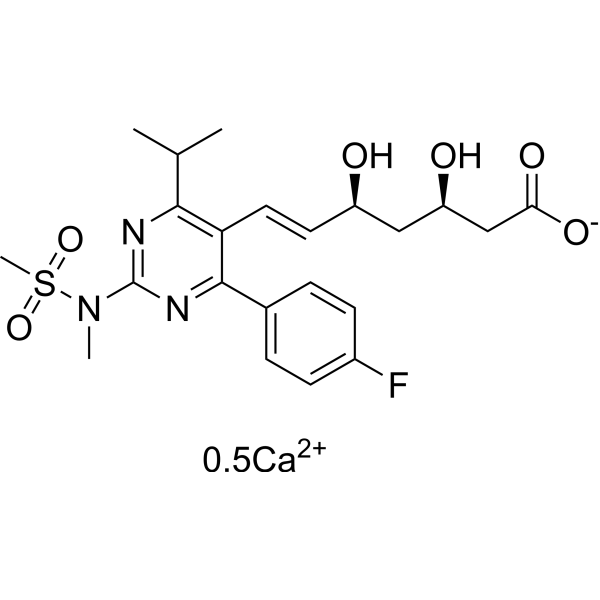
    Rosuvastatin Calcium
    Maximum Cited Publications
    24 Publications Verification

    Rosuvastatin hemicalcium; ZD 4522 Calcium

    HMG-CoA Reductase (HMGCR) Autophagy Potassium Channel Bacterial Cardiovascular Disease Metabolic Disease Cancer
    Rosuvastatin Calcium is a competitive HMG-CoA reductase (HMGCR) inhibitor, with an IC50 of 11 nM. Rosuvastatin Calcium potently blocks hERG current with an IC50 of 195 nM . Rosuvastatin Calcium reduces the expression of the mature hERG and the interaction of heat shock protein 70 (Hsp70) with the hERG protein. Rosuvastatin Calcium effectively lowers low-density lipoprotein (LDL) cholesterol, triglycerides, and C-reactive protein levels .
    Rosuvastatin Calcium
  • HY-17504A
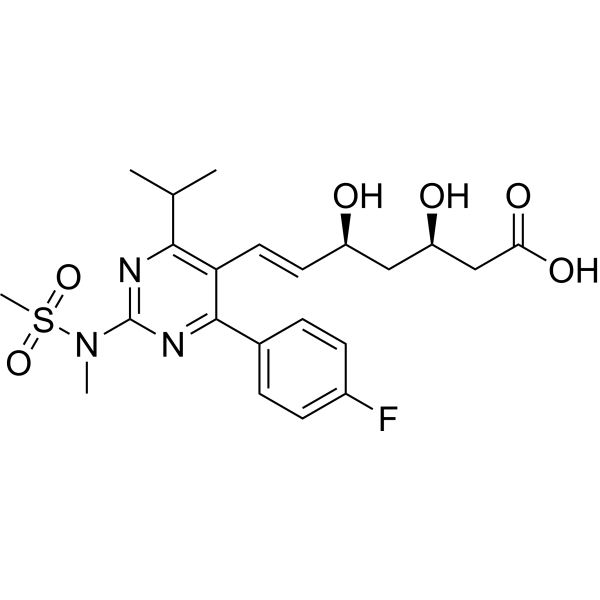
    Rosuvastatin
    Maximum Cited Publications
    24 Publications Verification

    ZD 4522

    HMG-CoA Reductase (HMGCR) Autophagy Potassium Channel Bacterial Cardiovascular Disease Metabolic Disease Cancer
    Rosuvastatin (ZD 4522) is a competitive HMG-CoA reductase inhibitor with an IC50 of 11 nM. Rosuvastatin potently blocks hERG current with an IC50 of 195 nM, delayed cardiac repolarization, and thereby prolonged action potential durations (APDs) and corrected QT interval (QTc) intervals. Rosuvastatin reduces the expression of the mature hERG and the interaction of heat shock protein 70 (Hsp70) with the hERG protein. Rosuvastatin effectively lowers low-density lipoprotein (LDL) cholesterol, triglycerides, and C-reactive protein levels .
    Rosuvastatin
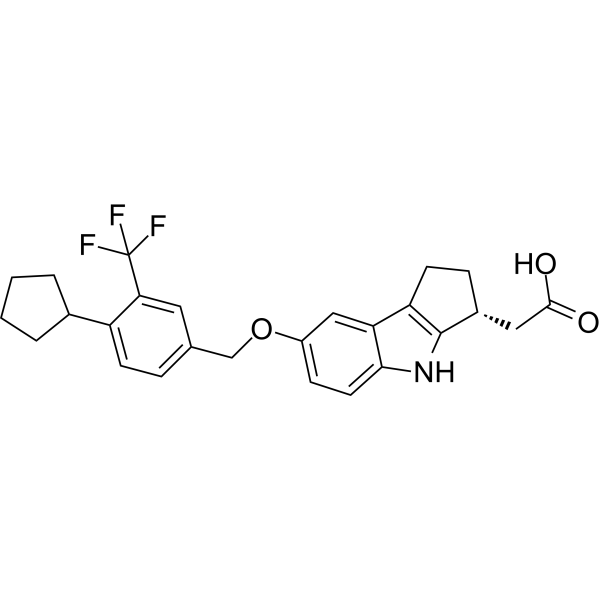
  • HY-12789
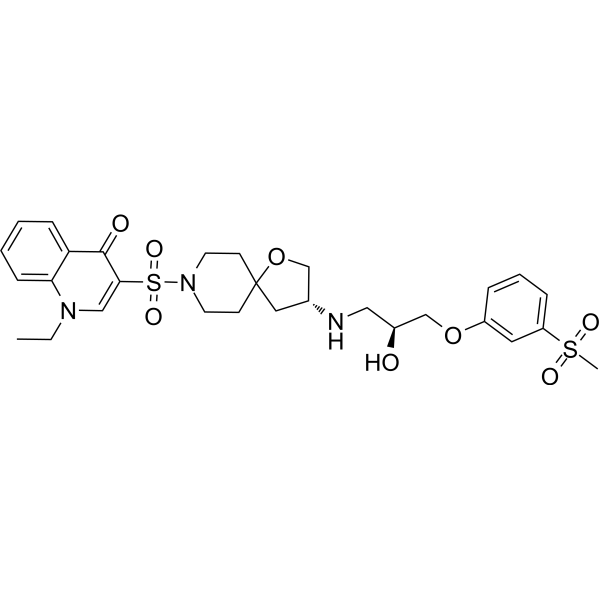
    Etrasimod
    1 Publications Verification

    APD334

    LPL Receptor Inflammation/Immunology
    Etrasimod (APD334) is a potent, selective and orally available antagonist of the sphingosine-1-phosphate-1 (S1P1) receptor with an IC50 value of 1.88 nM in CHO cells.
    Etrasimod
  • HY-17504B
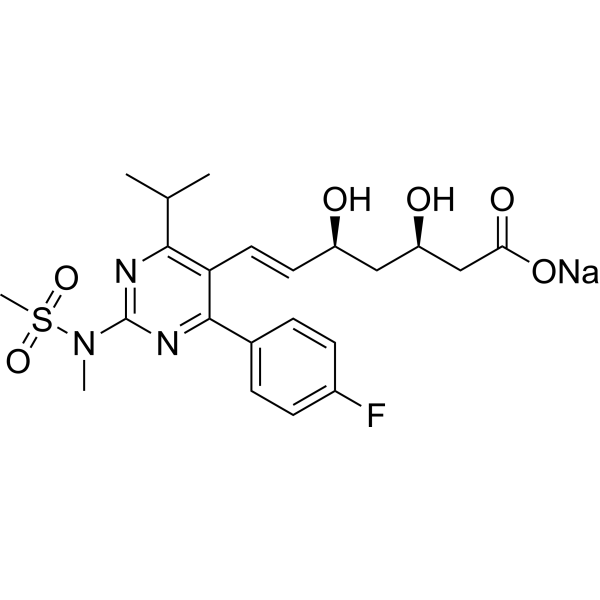
    Rosuvastatin Sodium
    Maximum Cited Publications
    24 Publications Verification

    ZD 4522 Sodium; X-Plended Sodium; Crestor Sodium

    HMG-CoA Reductase (HMGCR) Potassium Channel Autophagy Bacterial Cardiovascular Disease Metabolic Disease Cancer
    Rosuvastatin Sodium is a competitive HMG-CoA reductase (HMGCR) inhibitor, with an IC50 of 11 nM. Rosuvastatin Sodium potently blocks hERG current with an IC50 of 195 nM . Rosuvastatin Sodium reduces the expression of the mature hERG and the interaction of heat shock protein 70 (Hsp70) with the hERG protein. Rosuvastatin Sodium effectively lowers low-density lipoprotein (LDL) cholesterol, triglycerides, and C-reactive protein levels .
    Rosuvastatin Sodium
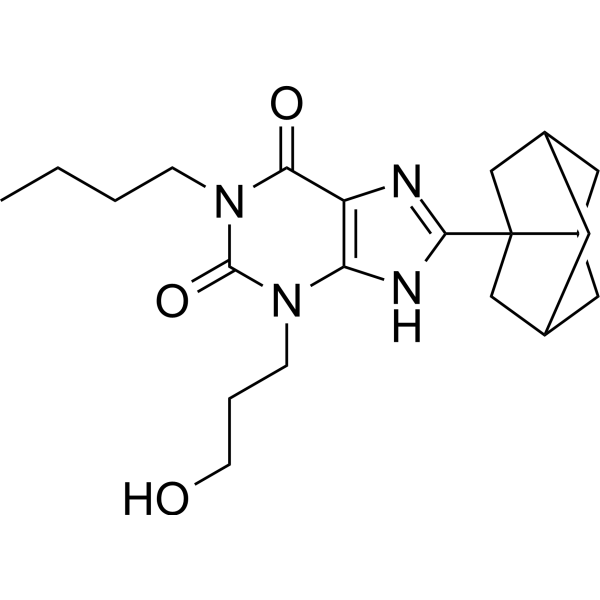
  • HY-103175
    PSB36
    1 Publications Verification

    Adenosine Receptor Cardiovascular Disease Neurological Disease Inflammation/Immunology
    PSB36 is a highly selective A1 adenosine receptor antagonist, with a Ki of 0.12 nM and a Kd of 0.7 nM. Systemic administration of PSB36 reduces formalin- and Carrageenan (HY-125474)-induced edema in mice and decreases pain-related behaviors, with no local paw activity. PSB36 prolongs the APD90 of rat and human atria, produces a frequency-dependent prolongation of rat atrial ERP, increases the diastolic threshold of rat atria, and shortens the duration of atrial fibrillation episodes. PSB36 can be used in research related to inflammatory pain, inflammatory hyperalgesia, edema and atrial fibrillation .
    PSB36
  • HY-16751

    APD811

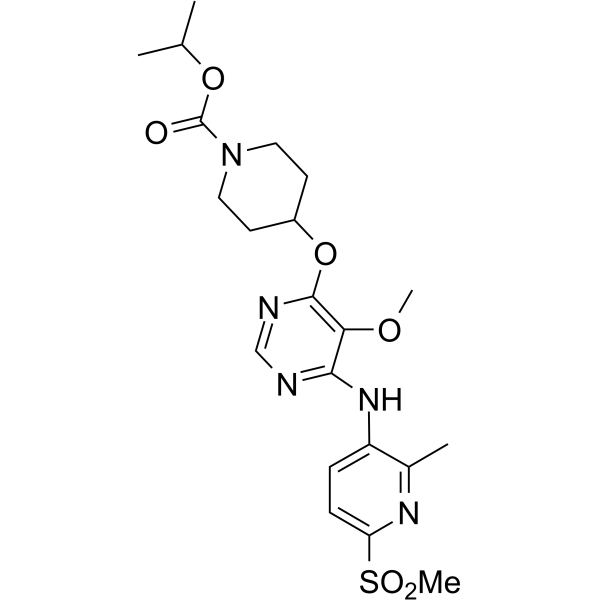
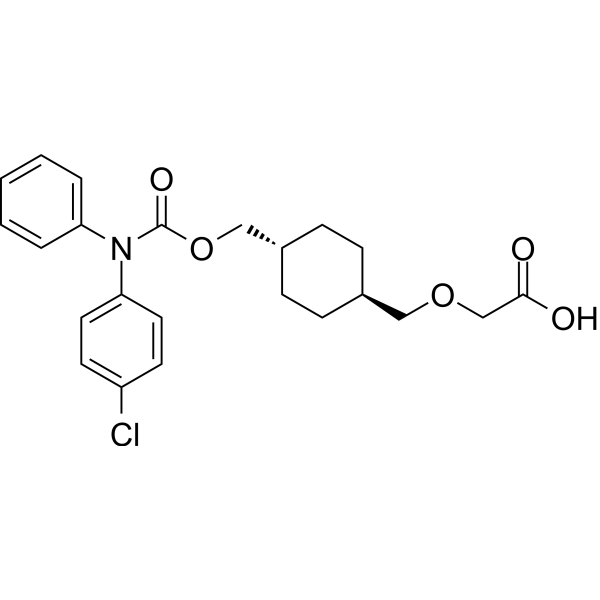
    Prostaglandin Receptor Cardiovascular Disease Endocrinology
    Ralinepag is a potent, orally bioavailable and non-prostanoid prostacyclin (IP) receptor agonist, with EC50s of 8.5 nM, 530 nM and 850 nM for human and rat IP receptor and human DP1 receptor, respectively.
    Ralinepag
  • HY-15793
    NBI-98782
    1 Publications Verification

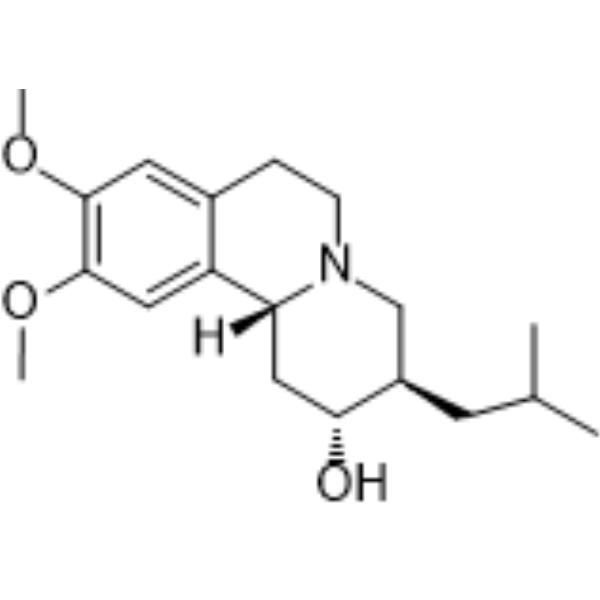
    (+)-DTBZ; (+)-α-Dihydrotetrabenazine; (+)-α-DHTBZ

    Monoamine Transporter Neurological Disease
    NBI-98782 is a high affinity and selectivity vesicular monoamine transporter 2 (VMAT2) inhibitor with a Ki of 3 nM. NBI-98782 has antipsychotic activity .
    NBI-98782
  • HY-B1194

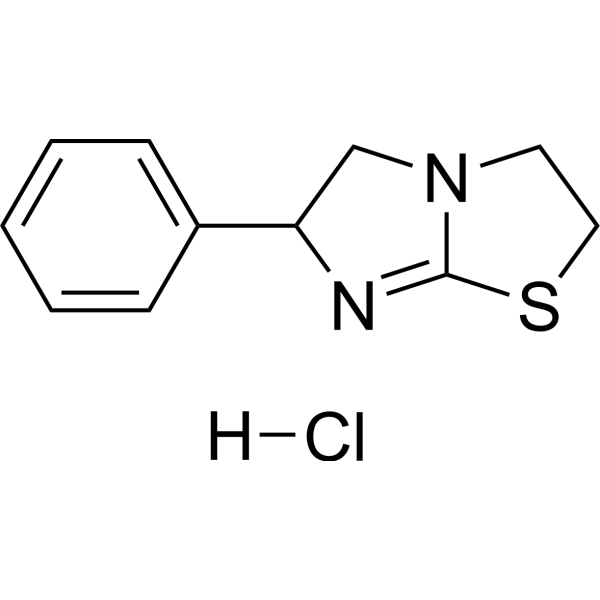
    (±)-Tetramisole hydrochloride; DL-Tetramisole hydrochloride; R-829

    Potassium Channel Parasite PKA Infection Cardiovascular Disease
    Tetramisole hydrochloride is an orally active, selective inward rectifier potassium channel agonist with an EC50 of approximately 30 μM for the Kir2.1 subunit. Tetramisole hydrochloride is also an anti-nematode agent that blocks neuromuscular transmission by non-competitive depolarization. Tetramisole hydrochloride promotes the forward transport of Kir2.1 channels, hyperpolarizes the resting potential (RP), shortens the action potential duration (APD), inhibits intracellular calcium overload and the PKA signaling pathway, and exerts anti-arrhythmic and anti-myocardial remodeling activities. Tetramisole hydrochloride can be used in cardiac electrophysiology research and research related to myocardial ischemia and heart failure .
    Tetramisole hydrochloride
  • HY-15565
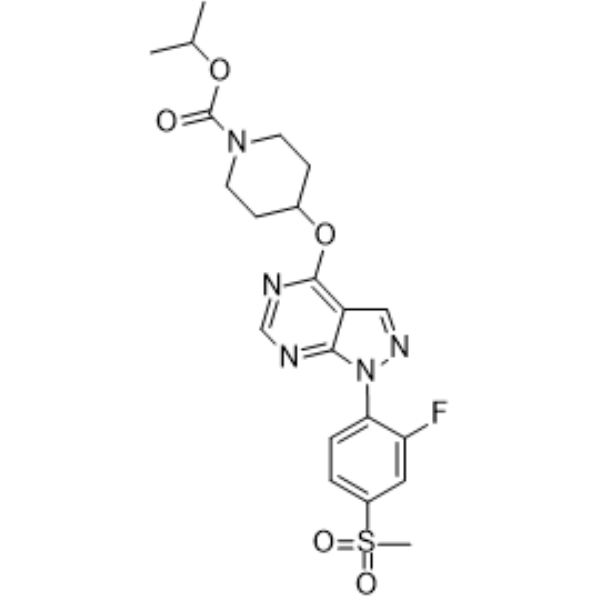
    APD668
    2 Publications Verification

    GPR119 Cytochrome P450 Potassium Channel Metabolic Disease
    APD668 is a potent, selective and orally active agonist of G-protein coupled receptor GPR119, with EC50s of 2.7 nM and 33 nM for hGPR119 and rGPR119, respectively. APD668 shows no significant inhibition of any of the five major CYP isoforms with the exception of CYP2C9 (Ki=0.1 μM). APD668 can be used for the research of steatohepatitis and diabetes .
    APD668
  • HY-10559
    Nelotanserin
    2 Publications Verification

    APD125

    5-HT Receptor Neurological Disease Cancer
    Nelotanserin is a potent 5-HT2A inverse agonist, a moderately potent 5-HT2C partial inverse agonist and a weak 5-HT2B inverse agonist, with IC50s of 1.7, 79, 791 nM in IP accumulation assays, respectively.
    Nelotanserin
  • HY-148804

    APD418

    Adrenergic Receptor Cardiovascular Disease
    Vemtoberant is a β3-adrenergic receptor inhibitor with a human Ki of 8.2 nM, and exhibits 400- to 600-fold selectivity over human β1-AR and β2-AR. Vemtoberant attenuates β3-AR-mediated cardiac inhibition. Vemtoberant can be used for the research of systolic heart failure .
    Vemtoberant
  • HY-N0747

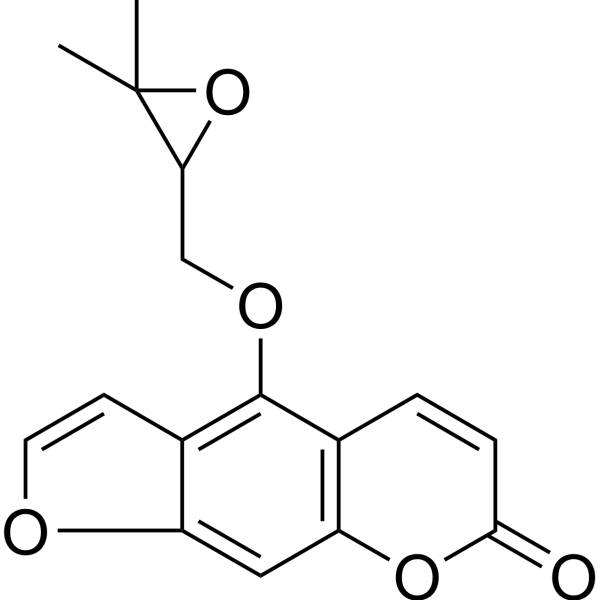
    Potassium Channel PI3K NF-κB Akt p38 MAPK ERK COX NO Synthase JNK Apoptosis Cardiovascular Disease Inflammation/Immunology Cancer
    Oxypeucedanin is a furanocoumarin derivative found in Angelica dahurica. Oxypeucedanin is an orally active PI3K/AKT/NF-κB, MAPK, and ROS inhibitor. Oxypeucedanin induces cell cycle arrest and apoptosis. Oxypeucedanin inhibits hKv1.5 channel currents (IC50: 76 nM). Oxypeucedanin exhibits anticancer, anti-inflammatory, antioxidant and antiarrhythmic activities .
    Oxypeucedanin
  • HY-15566
    APD597
    1 Publications Verification

    JNJ-38431055

    GPR119 Metabolic Disease
    APD597 (JNJ-38431055) is an orally active agonist of GPR119. APD597 exhibits reduced CYP2C9 inhibition with an IC50 of 5.8 μM. APD597 can be studied in research for type 2 diabetes .
    APD597
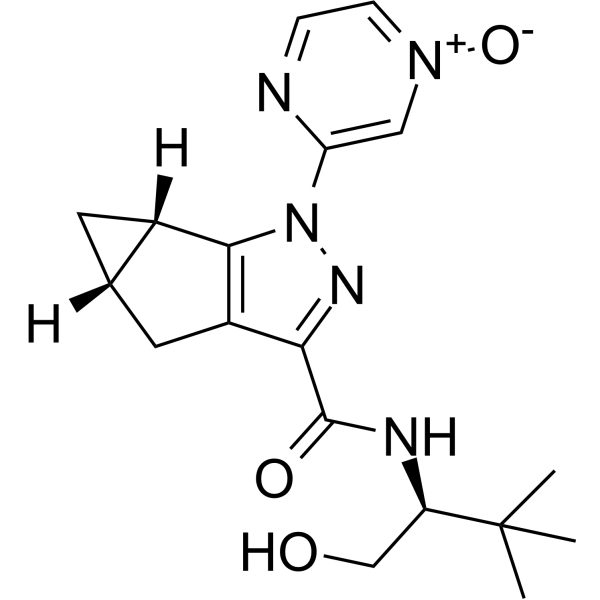
  • HY-111110
    Olorinab
    2 Publications Verification

    APD 371

    Cannabinoid Receptor Neurological Disease
    Olorinab (APD 371) is a highly potent, selective and fully efficacious cannabinoid receptor type 2 (CB2) agonist, with an EC50 of 6.2 nM for hCB2.
    Olorinab
  • HY-10560

    APD791

    5-HT Receptor Neurological Disease
    Temanogrel is a highly selective 5-HT2A receptor antagonist with a Ki of 4.9 nM.
    Temanogrel
  • HY-125772

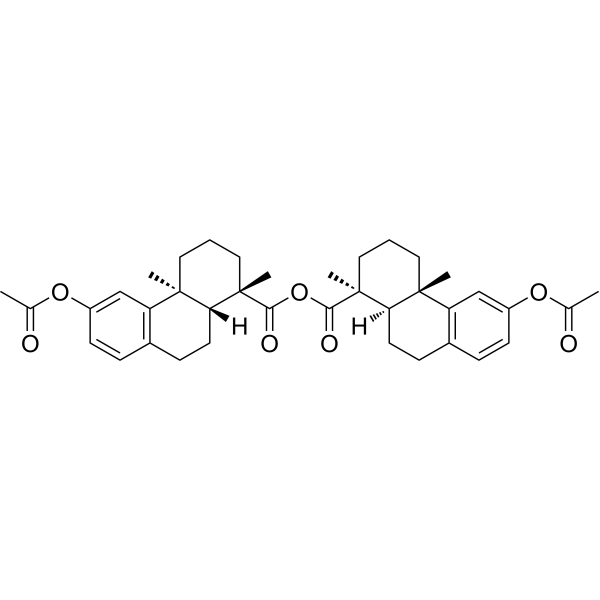
    Acetylpodocarpic dimer; APD

    LXR Cardiovascular Disease
    Acetyl podocarpic acid anhydride is a potent, semisynthetic liver X receptor(LXR) agonist derived from extracts of the mayapple. Acetyl podocarpic acid anhydride has the potential to be useful for the prevention and research of atherosclerosis, especially in the context of low HDL levels .
    Acetyl podocarpic acid anhydride
  • HY-17504AS1

    ZD 4522-d6

    Isotope-Labeled Compounds Autophagy Bacterial HMG-CoA Reductase (HMGCR) Potassium Channel Cardiovascular Disease Metabolic Disease Cancer
    Rosuvastatin-d6 (ZD 4522-d6) is deuterium labeled Rosuvastatin. Rosuvastatin (ZD 4522) is a competitive HMG-CoA reductase inhibitor with an IC50 of 11 nM. Rosuvastatin potently blocks hERG current with an IC50 of 195 nM, delayed cardiac repolarization, and thereby prolonged action potential durations (APDs) and corrected QT interval (QTc) intervals. Rosuvastatin reduces the expression of the mature hERG and the interaction of heat shock protein 70 (Hsp70) with the hERG protein. Rosuvastatin effectively lowers low-density lipoprotein (LDL) cholesterol, triglycerides, and C-reactive protein levels .
    Rosuvastatin-d6
  • HY-12789S

    APD334-d9

    Isotope-Labeled Compounds LPL Receptor Inflammation/Immunology
    Etrasimod-d9 (APD334-d9) is a deuterium labeled Etrasimod (HY-12789). Etrasimod (APD334) is a potent, selective and orally available antagonist of the sphingosine-1-phosphate-1 (S1P1) receptor with an IC50 value of 1.88 nM in CHO cells. .
    Etrasimod-d9
  • HY-17504AS

    ZD 4522 d3

    Isotope-Labeled Compounds HMG-CoA Reductase (HMGCR) Autophagy Potassium Channel Cardiovascular Disease Metabolic Disease
    Rosuvastatin-d3 (ZD 4522-d3) is a deuterium labeled Rosuvastatin. Rosuvastatin (ZD 4522) is a competitive HMG-CoA reductase inhibitor with an IC50 of 11 nM . Rosuvastatin potently blocks human ether-a-go-go related gene (hERG) current with an IC50 of 195 nM, delayed cardiac repolarization, and thereby prolonged action potential durations (APDs) and corrected QT interval (QTc) intervals .
    Rosuvastatin-d3
  • HY-135432

    APD334 arginine

    LPL Receptor Inflammation/Immunology
    Etrasimod arginine is an orally available S1P receptor modulator that is a potent full agonist of the S1P1 receptor and has partial agonist activity at S1P4. Etrasimod arginine reduces inflammation in a CD4 +CD45RB high T cell-transferred mouse colitis model .
    Etrasimod arginine
  • HY-W008628S

    Isotope-Labeled Compounds Others
    Bisphenol AP-d5 is the deuterium labeled Bisphenol AP .
    Bisphenol AP-d5
  • HY-106718

    Sodium Channel Cardiovascular Disease
    Barucainide is an Ib-class anti-arrhythmic agent (moderately blocking sodium channel). Barucainide exhibits concentration-dependent inhibitory effects on the maximum upstroke velocity (Vmax) of Purkinje fibers and ventricular muscle in dogs. Barucainide significantly shortens the action potential duration (APD). Barucainide significantly inhibits the pacemaker activity frequency of atrial tissue in rabbits and the enhanced automaticity of Purkinje fibers under normal resting potential in response to isoproterenol. Barucainide cannot inhibit the abnormal automaticity emission frequency of canine Purkinje fibers induced by barium. Barucainide can be used for research on arrhythmias .
    Barucainide
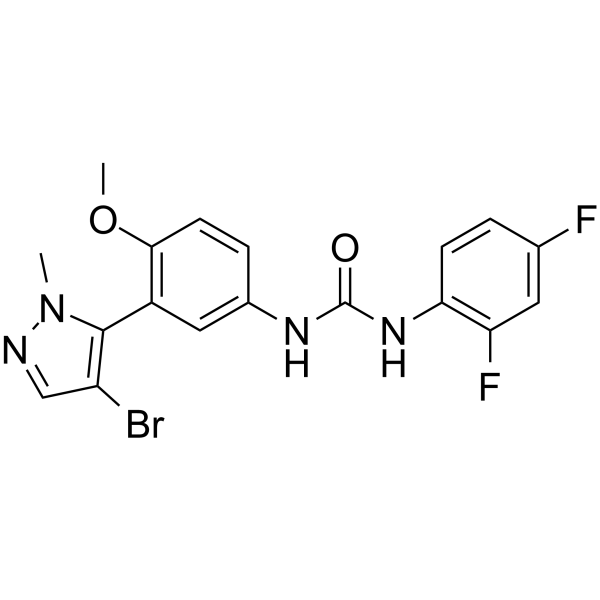
  • HY-172617

    BMI1 Microtubule/Tubulin Apoptosis Cancer
    APD-94 is a dual inhibitor targeting tubulin and Bmi-1. APD-94 interfers tubulin normal polymerization. APD-94 suppresses the expression of Bmi-1. APD-94 causes cell cycle arrest at the G2/M phase in cancer cells and induces apoptosis, thus inhibiting cancer cell proliferation. APD-94 represses the growth of HT29 cell xenografts in NOD/SCID mice. APD-94 can be used for colorectal cancer study .
    APD-94
  • HY-19899

    Histamine Receptor Neurological Disease
    APD-916 is an H3 receptor antagonist. APD-916 shows good pharmacokinetic properties, and oral administration of APD-916 has been shown to enhance wakefulness in various animal models .
    APD-916
  • HY-15565R

    GPR119 Cytochrome P450 Potassium Channel Metabolic Disease
    APD668 (Standard) is the analytical standard of APD668. This product is intended for research and analytical applications. APD668 is a potent, selective and orally active agonist of G-protein coupled receptor GPR119, with EC50s of 2.7 nM and 33 nM for hGPR119 and rGPR119, respectively. APD668 shows no significant inhibition of any of the five major CYP isoforms with the exception of CYP2C9 (Ki=0.1 μM). APD668 can be used for the research of steatohepatitis and diabetes .
    APD668 (Standard)
  • HY-17504BR

    ZD 4522 Sodium (Standard); X-Plended Sodium (Standard); Crestor Sodium (Standard)

    HMG-CoA Reductase (HMGCR) Potassium Channel Autophagy Bacterial Reference Standards Cardiovascular Disease Metabolic Disease Cancer
    Rosuvastatin (Sodium) (Standard) is the analytical standard of Rosuvastatin (Sodium). This product is intended for research and analytical applications. Rosuvastatin Sodium is a competitive HMG-CoA reductase (HMGCR) inhibitor, with an IC50 of 11 nM. Rosuvastatin Sodium potently blocks hERG current with an IC50 of 195 nM . Rosuvastatin Sodium reduces the expression of the mature hERG and the interaction of heat shock protein 70 (Hsp70) with the hERG protein. Rosuvastatin Sodium effectively lowers low-density lipoprotein (LDL) cholesterol, triglycerides, and C-reactive protein levels .
    Rosuvastatin Sodium (Standard)
  • HY-17504BS2

    ZD 4522-13C,d3 sodium; X-Plended-13C,d3 sodium; Crestor-13C,d3 sodium

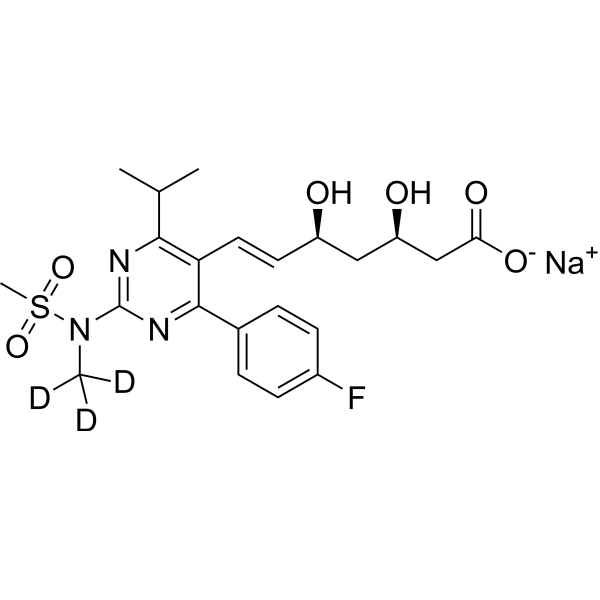
    Autophagy Bacterial HMG-CoA Reductase (HMGCR) Potassium Channel Isotope-Labeled Compounds Cardiovascular Disease Metabolic Disease
    Rosuvastatin- 13C,d3 sodium is 13C and deuterated labeled Rosuvastatin sodium (HY-17504B). Rosuvastatin Sodium is a competitive HMG-CoA reductase (HMGCR) inhibitor, with an IC50 of 11 nM. Rosuvastatin Sodium potently blocks hERG current with an IC50 of 195 nM . Rosuvastatin Sodium reduces the expression of the mature hERG and the interaction of heat shock protein 70 (Hsp70) with the hERG protein. Rosuvastatin Sodium effectively lowers low-density lipoprotein (LDL) cholesterol, triglycerides, and C-reactive protein levels .
    Rosuvastatin-13C,d3 sodium
  • HY-12789R

    APD334 (Standard)

    LPL Receptor Reference Standards Inflammation/Immunology
    Etrasimod (Standard) is the analytical standard of Etrasimod. This product is intended for research and analytical applications. Etrasimod (APD334) is a potent, selective and orally available antagonist of the sphingosine-1-phosphate-1 (S1P1) receptor with an IC50 value of 1.88 nM in CHO cells.
    Etrasimod (Standard)
  • HY-10560A

    APD791 hydrochloride

    5-HT Receptor Neurological Disease
    Temanogrel hydrochloride is a highly selective 5-HT2A receptor antagonist with a Ki of 4.9 nM.
    Temanogrel hydrochloride
  • HY-148804A

    APD418 mesylate

    Adrenergic Receptor Endocrinology
    Vemtoberant mesylate is an β3 Adrenergic Receptor antagonist. Vemtoberant mesylate can be used for research of β3 adrenergic receptor-mediated disorder, such as, heart failure .
    Vemtoberant mesylate
  • HY-10560R

    APD791 (Standard)

    Reference Standards 5-HT Receptor Neurological Disease
    Temanogrel (Standard) is the analytical standard of Temanogrel. This product is intended for research and analytical applications. Temanogrel is a highly selective 5-HT2A receptor antagonist with a Ki of 4.9 nM.
    Temanogrel (Standard)
  • HY-10082S1

    3-AP-d3; PAN-811-d3; OCX191-d3

    Isotope-Labeled Compounds DNA/RNA Synthesis Cancer
    Triapine-d3 (3-AP-d3) is deuterium labeled Triapine. Triapine (3-AP; PAN-811) is a potent inhibitor of the M2 subunit of ribonucleotide reductase (RR), and is a potent radiosensitizer.
    Triapine-d3
  • HY-182341

    Drug Derivative Infection
    APD-209 is a sialic acid conjugate with a PEG4 polar linker and a PDA non-polar tail. APD-209 aggregates adenovirus type 37 particles, blocks the binding of viral particles to human corneal epithelial cells, and inhibits cellular entry of adenovirus type 37. APD-209 can be used for the research of epidemic keratoconjunctivitis .
    APD-209
  • HY-14924

    Potassium Channel Cardiovascular Disease
    Inakalant is an atrial specific potassium channel blocker with antiarrhythmic activity. Inakalant works by selectively blocking potassium channels in heart cells, thereby prolongs the action potential duration (APD) of cardiomyocytes and increases the effective refractory period of the atria and ventricles, which helps to terminate and prevent the occurrence of arrhythmias such as atrial fibrillation (AF). Inakalant can be used in the study of arrhythmia and cardiac electrophysiology .
    Inakalant
  • HY-118148

    Potassium Channel Cardiovascular Disease
    UK-66914, is a class III antiarrhythmic agent that specifically acts on the delayed rectifier potassium current (I_K). UK-66914 is designed to prolong action potential duration (APD) and increase cardiac refractory period, thereby potentially terminating the reentry mechanism in arrhythmias without affecting the serious side effects of antiarrhythmic drugs associated with other ion channels such as Na+ and Ca2+ currents .
    UK-66914
  • HY-N0747R

    Reference Standards Potassium Channel Apoptosis PI3K NF-κB Akt p38 MAPK ERK COX NO Synthase JNK Cardiovascular Disease Cancer
    Oxypeucedanin (Standard) is a furanocoumarin derivative found in Angelica dahurica. Oxypeucedanin (Standard) is an orally active PI3K/AKT/NF-κB, MAPK, and ROS inhibitor. Oxypeucedanin (Standard) induces cell cycle arrest and apoptosis. Oxypeucedanin (Standard) inhibits hKv1.5 channel currents (IC50: 76 nM). Oxypeucedanin (Standard) exhibits anticancer, anti-inflammatory, antioxidant and antiarrhythmic activities .
    Oxypeucedanin (Standard)
  • HY-107036

    Potassium Channel Cardiovascular Disease
    BMS-394136 (compound 1) is a potent inhibitor of Kv 1.5, with an IC50 of 0.05 μM. BMS-394136 is a selective IKur inhibitor. BMS-394136 dose-dependently prolongs atrial effective refractory period (AERP) and action potential duration (APD) without effecting ventricular effective refractory period (VERP). BMS-394136 can be used for acute atrial ischemia research .
    BMS-394136
  • HY-B1194A

    Potassium Channel Parasite PKA Infection Cardiovascular Disease
    Tetramisole is an orally active, selective inward rectifier potassium channel agonist with an EC50 of approximately 30 μM for the Kir2.1 subunit. Tetramisole is also an anti-nematode agent that blocks neuromuscular transmission by non-competitive depolarization. Tetramisole promotes the forward transport of Kir2.1 channels, hyperpolarizes the resting potential (RP), shortens the action potential duration (APD), inhibits intracellular calcium overload and the PKA signaling pathway, and exerts anti-arrhythmic and anti-myocardial remodeling activities. Tetramisole can be used in cardiac electrophysiology research and research related to myocardial ischemia and heart failure .
    Tetramisole
  • HY-W705705

    Calcium Channel Potassium Channel Sodium Channel Cardiovascular Disease
    NIP-142 is a benzopyran derivative with multiple ion channel-blocking effects. NIP-142 selectively blocks the potassium ion channels enriched in atrial muscle, prolonging the effective refractory period (ERP) and action potential duration (APD) of the atrium, while having minimal effect on ventricular repolarization. NIP-142 also inhibits L-type/T-type calcium channels and sodium channels, further contributing to its anti-arrhythmic effect. NIP-142 shows significant efficacy in various atrial fibrillation models. NIP-142 can be used for research on arrhythmias .
    NIP 142
  • HY-B1194R

    (±)-Tetramisole hydrochloride (Standard); DL-Tetramisole hydrochloride (Standard); R-829 (Standard)

    Reference Standards Potassium Channel Parasite PKA Infection Cardiovascular Disease
    Tetramisole hydrochloride (Standard) is the analytical standard of Tetramisole (hydrochloride). This product is intended for research and analytical applications. Tetramisole hydrochloride is an orally active, selective inward rectifier potassium channel agonist with an EC50 of approximately 30 μM for the Kir2.1 subunit. Tetramisole hydrochloride is also an anti-nematode agent that blocks neuromuscular transmission by non-competitive depolarization. Tetramisole hydrochloride promotes the forward transport of Kir2.1 channels, hyperpolarizes the resting potential (RP), shortens the action potential duration (APD), inhibits intracellular calcium overload and the PKA signaling pathway, and exerts anti-arrhythmic and anti-myocardial remodeling activities. Tetramisole hydrochloride can be used in cardiac electrophysiology research and research related to myocardial ischemia and heart failure .
    Tetramisole hydrochloride (Standard)
  • HY-10559R

    APD125 (Standard)

    Reference Standards 5-HT Receptor Neurological Disease Cancer
    Nelotanserin (Standard) is the analytical standard of Nelotanserin (HY-10559). This product is intended for research and analytical applications. Nelotanserin is a potent 5-HT2A inverse agonist, a moderately potent 5-HT2C partial inverse agonist and a weak 5-HT2B inverse agonist, with IC50s of 1.7, 79, 791 nM in IP accumulation assays, respectively.
    Nelotanserin (Standard)
  • HY-180654

    Molecular Glues Drug Derivative E1/E2/E3 Enzyme Cancer
    JWZ-8-103 is an orally active PRLX-93936 (HY-119264) analog and TRIM21-targeting molecular glue. JWZ-8-103 increases the thermal stability of TRIM21. JWZ-8-103 promotes a robust and rapid interaction between TRIM21 and NUP98 (apparent EC50 = ∼20 μM for TRIM21 PRYSPRY and NUP98 APD). JWZ-8-103 has anti-cancer effects against pancreatic cancer .
    JWZ-8-103
  • HY-180654A

    Molecular Glues Drug Derivative E1/E2/E3 Enzyme Cancer
    JWZ-8-103 hydrochloride is an orally active PRLX-93936 (HY-119264) analog and TRIM21-targeting molecular glue. JWZ-8-103 hydrochloride increases the thermal stability of TRIM21. JWZ-8-103 hydrochloride promotes a robust and rapid interaction between TRIM21 and NUP98 (apparent EC50 = ∼20 μM for TRIM21 PRYSPRY and NUP98 APD). JWZ-8-103 hydrochloride has anti-cancer effects against pancreatic cancer .
    JWZ-8-103 hydrochloride

Inquiry Online

Your information is safe with us. * Required Fields.

Salutation


Country or Region *

Applicant Name *


Organization Name *

Department *


Email Address *


Product Name *

Cat. No.


Requested quantity *

Phone Number *


Remarks

Inquiry Online

Inquiry Information

Product Name:
Cat. No.:
Quantity:
MCE Japan Authorized Agent:

