1. Search Result
Search Result
Results for "

ATP generation

" in MedChemExpress (MCE) Product Catalog:

38

Inhibitors & Agonists

2

Screening Libraries

1

Biochemical Assay Reagents

4

Natural
Products

3

Isotope-Labeled Compounds

Cat. No. Product Name Target Research Areas Chemical Structure
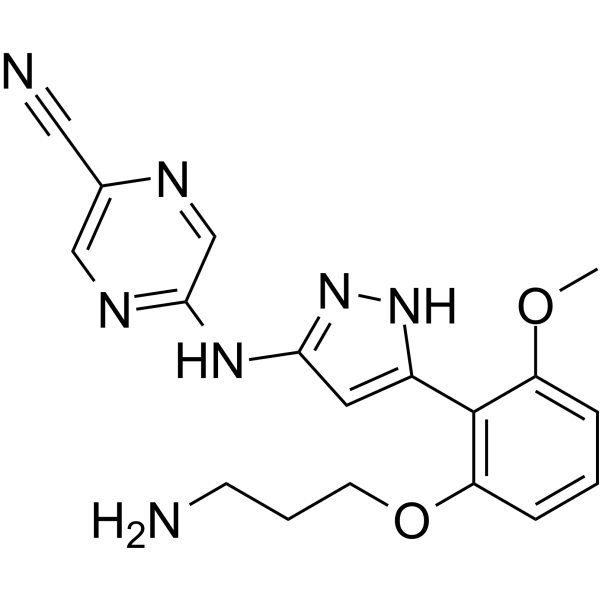
  • HY-18174
    Prexasertib
    Maximum Cited Publications
    33 Publications Verification

    LY2606368

    Checkpoint Kinase (Chk) Apoptosis Cancer
    Prexasertib (LY2606368) is a selective, ATP-competitive second-generation checkpoint kinase 1 (CHK1) inhibitor with a Ki of 0.9 nM and an IC50 of <1 nM. Prexasertib inhibits CHK2 (IC50=8 nM) and RSK1 (IC50=9 nM). Prexasertib causes double-stranded DNA breakage and replication catastrophe resulting in apoptosis. Prexasertib shows potent anti-tumor activity .
    Prexasertib
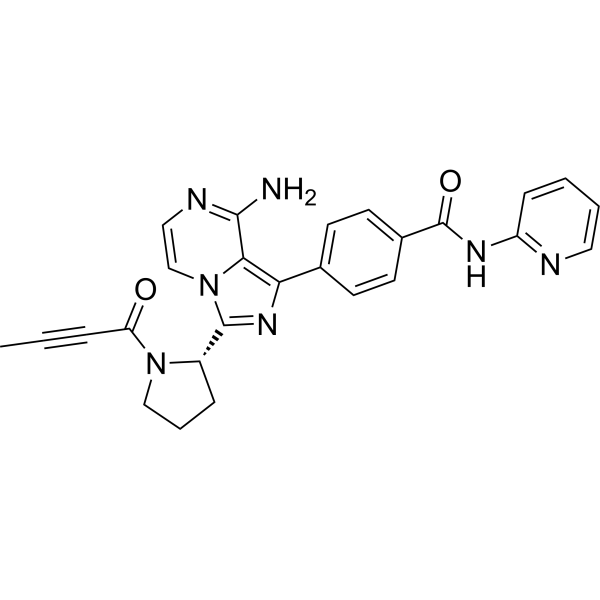
  • HY-17600
    Acalabrutinib
    30+ Cited Publications

    Calquence; ACP-196

    Btk Inflammation/Immunology Cancer
    Acalabrutinib (ACP-196) is an orally active, irreversible, and highly selective second-generation BTK inhibitor. Acalabrutinib binds covalently to Cys481 in the ATP-binding pocket of BTK. Acalabrutinib demonstrates potent on-target effects and efficacy in mouse models of chronic lymphocytic leukemia (CLL). Acalabrutinib can be used for CLL research . Acalabrutinib is a click chemistry reagent, itcontains an Alkyne group and can undergo copper-catalyzed azide-alkyne cycloaddition (CuAAc) with molecules containing Azide groups.
    Acalabrutinib
  • HY-N0305
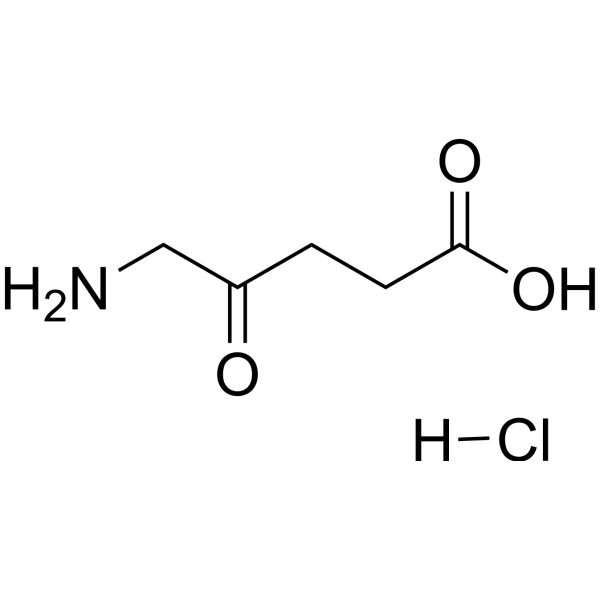
    5-Aminolevulinic acid hydrochloride
    Maximum Cited Publications
    20 Publications Verification

    5-ALA hydrochloride; δ-Aminolevulinic acid hydrochloride; 5-Amino-4-oxopentanoic acid hydrochloride

    Reactive Oxygen Species (ROS) Neurological Disease Metabolic Disease Inflammation/Immunology Cancer
    5-Aminolevulinic acid (5-ALA; δ-Aminolevulinic acid; 5-Amino-4-oxopentanoic acid) hydrochloride is an orally active heme precursor. 5-Aminolevulinic acid hydrochloride promotes aerobic energy metabolism and increases ATP levels by enhancing the activity of cytochrome c oxidase. 5-Aminolevulinic acid hydrochloride enhances LPS-induced proinflammatory cytokine production and gene activation, and restores the phagocytic activity and ROS generation capacity of neutrophils. 5-Aminolevulinic acid hydrochloride selectively accumulates protoporphyrin IX in tumor cells; as a photosensitizer and radiosensitizer, it induces ROS burst upon light or X-ray irradiation to inhibit tumor growth. 5-Aminolevulinic acid hydrochloride can be applied to the research of septic shock, melanoma, and cancer radiotherapy .
    5-Aminolevulinic acid hydrochloride
  • HY-101212
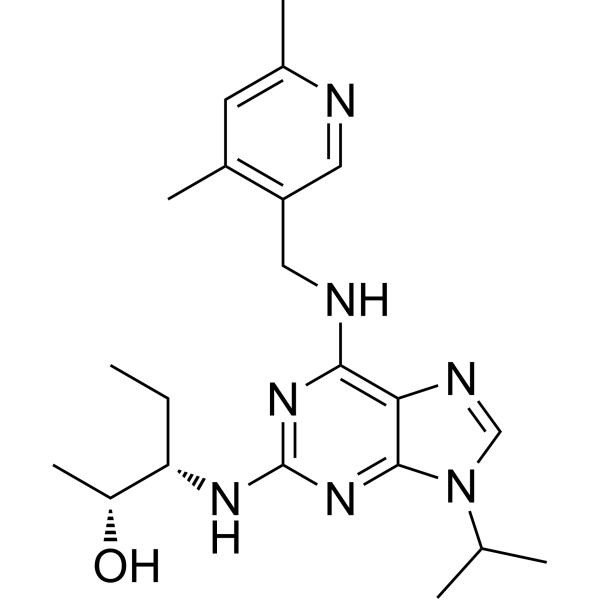
    Fadraciclib
    5+ Cited Publications

    CYC065

    CDK Cancer
    Fadraciclib (CYC065) is a second-generation, orally available ATP-competitive inhibitor of CDK2/CDK9 kinases with IC50s of 5 and 26 nM, respectively .
    Fadraciclib
  • HY-W000450
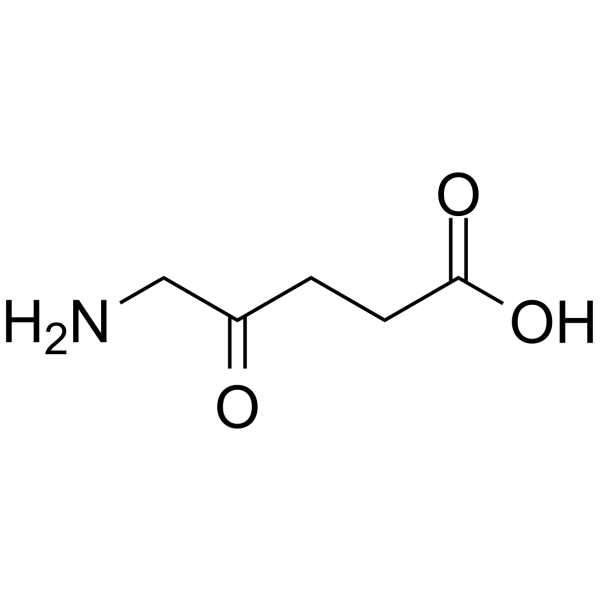
    5-Aminolevulinic acid
    Maximum Cited Publications
    20 Publications Verification

    5-ALA; δ-Aminolevulinic acid; 5-Amino-4-oxopentanoic acid

    Reactive Oxygen Species (ROS) Cardiovascular Disease Cancer
    5-Aminolevulinic acid (5-ALA; δ-Aminolevulinic acid; 5-Amino-4-oxopentanoic acid) is an orally active heme precursor. 5-Aminolevulinic acid promotes aerobic energy metabolism and increases ATP levels by enhancing the activity of cytochrome c oxidase. 5-Aminolevulinic acid enhances LPS-induced proinflammatory cytokine production and gene activation, and restores the phagocytic activity and ROS generation capacity of neutrophils. 5-Aminolevulinic acid selectively accumulates protoporphyrin IX in tumor cells; as a photosensitizer and radiosensitizer, it induces ROS burst upon light or X-ray irradiation to inhibit tumor growth. 5-Aminolevulinic acid can be applied to the research of septic shock, melanoma, and cancer radiotherapy .
    5-Aminolevulinic acid
  • HY-14896
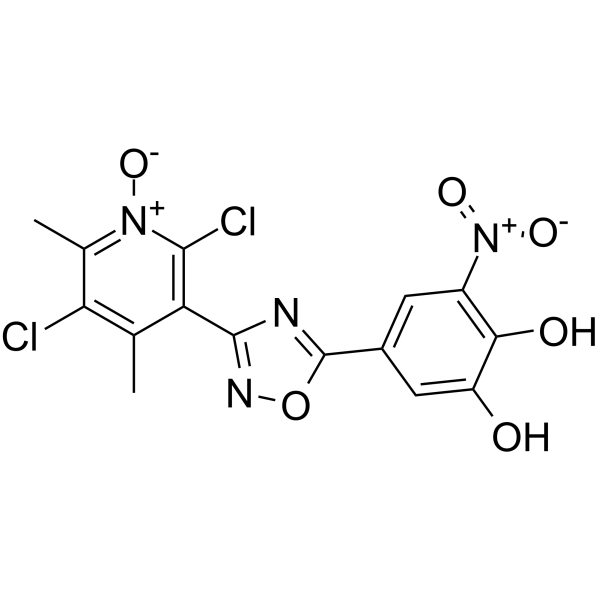
    Opicapone
    3 Publications Verification

    BIA 9-1067

    COMT Neurological Disease
    Opicapone (BIA 9-1067) is a potent third-generation catechol-O-methyltransferase (COMT) inhibitor for the research of Parkinson's disease and motor fluctuations. Opicapone decreases the ATP content of the cells with an IC50 of 98 μM .
    Opicapone
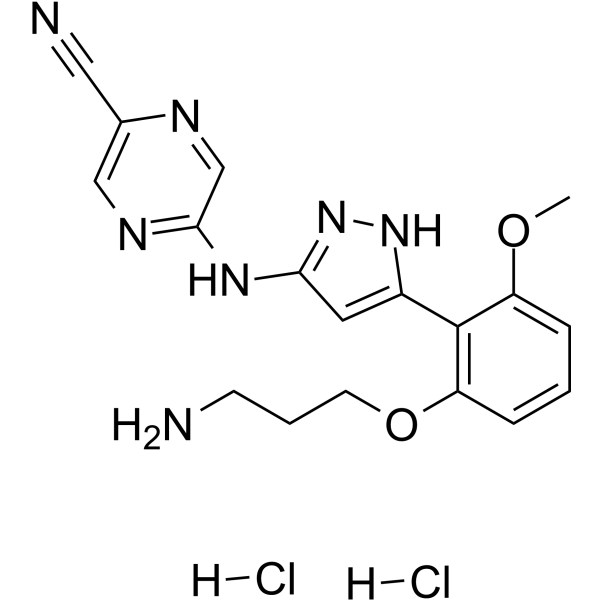
  • HY-18174A
    Prexasertib dihydrochloride
    Maximum Cited Publications
    33 Publications Verification

    LY2606368 dihydrochloride

    Checkpoint Kinase (Chk) Apoptosis Cancer
    Prexasertib dihydrochloride (LY2606368 dihydrochloride) is a selective, ATP-competitive second-generation checkpoint kinase 1 (CHK1) inhibitor with a Ki of 0.9 nM and an IC50 of <1 nM. Prexasertib dihydrochloride inhibits CHK2 (IC50=8 nM) and RSK1 (IC50=9 nM). Prexasertib dihydrochloride causes double-stranded DNA breakage and replication catastrophe resulting in apoptosis. Prexasertib dihydrochloride shows potent anti-tumor activity .
    Prexasertib dihydrochloride
  • HY-107794
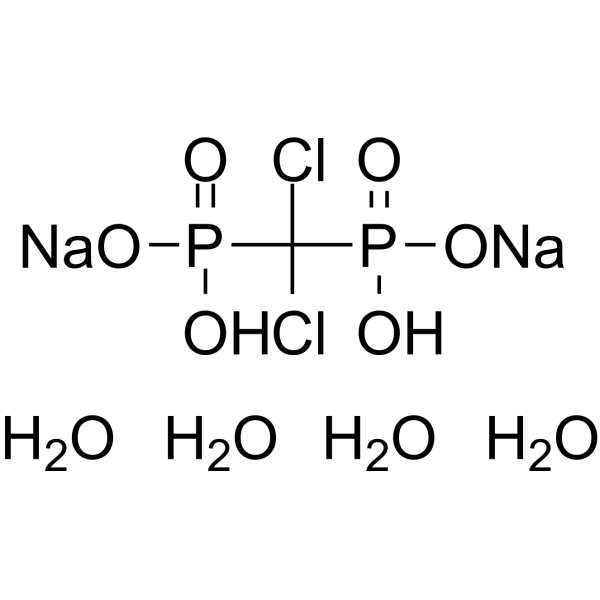
    Clodronate disodium tetrahydrate
    4 Publications Verification

    Disodium clodronate tetrahydrate

    Apoptosis Neurological Disease Inflammation/Immunology Cancer
    Clodronate disodium tetrahydrate (Disodium clodronate tetrahydrate) is first-generation bisphosphonate, with anti-osteoporotic, anti-inflammatory and analgesic effects. Clodronate disodium tetrahydrate is a selective, potent, reversible and Cl - competitive vesicular nucleotide transporter (VNUT) inhibitor, with an IC50 of 15.6 nM. Clodronate disodium tetrahydrate inhibits vesicular ATP release from neurons and reduces chronic neuropathic and inflammatory pain .
    Clodronate disodium tetrahydrate
  • HY-100213
    EAI045
    3 Publications Verification

    EGFR Cancer
    EAI045 is an allosteric and the fourth-generation inhibitor of mutant EGFR with IC50s of 1.9, 0.019, 0.19 and 0.002 μM for EGFR, EGFR L858R, EGFR T790M and EGFR L858R/T790M at 10 μM ATP, respectively.
    EAI045
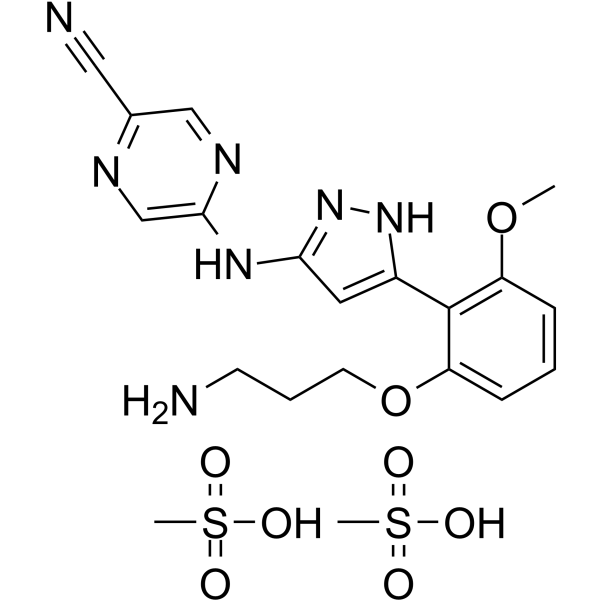
  • HY-18174E
    Prexasertib dimesylate
    Maximum Cited Publications
    33 Publications Verification

    LY2606368 dimesylate

    Checkpoint Kinase (Chk) Apoptosis Cancer
    Prexasertib dimesylate (LY2606368 dimesylate) is a selective, ATP-competitive second-generation checkpoint kinase 1 (CHK1) inhibitor with a Ki of 0.9 nM and an IC50 of <1 nM. Prexasertib dimesylate inhibits CHK2 (IC50=8 nM) and RSK1 (IC50=9 nM). Prexasertib dimesylate causes double-stranded DNA breakage and replication catastrophe resulting in apoptosis. Prexasertib dimesylate shows potent anti-tumor activity .
    Prexasertib dimesylate
  • HY-B2218D

    Magnesium dihydroxide, 99%(KT)

    Environmental Pollutants Bacterial Infection Inflammation/Immunology
    Magnesium hydroxide (Magnesium dihydroxide), 99%(KT) is an orally effective antacid. Magnesium hydroxide, 99%(KT) can form a local strongly alkaline microenvironment, reduce ATP production by consuming H +, and hydrolyze cellular phospholipids to disrupt the cellular integrity of microorganisms, thus exhibiting antibacterial activity. Magnesium hydroxide, 99%(KT) downregulates the generation of inflammatory macrophages to alleviate inflammatory responses. Magnesium hydroxide, 99%(KT) can be used in research related to acid peptic diseases and chronic wound infections .
    Magnesium hydroxide, 99%(KT)
  • HY-B0881
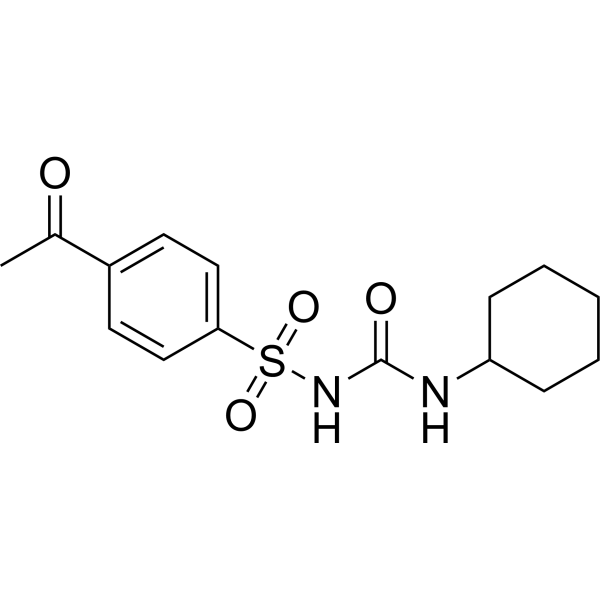
    Acetohexamide
    2 Publications Verification

    Potassium Channel Metabolic Disease Cancer
    Acetohexamide is an orally active first-generation sulfonylurea agent used in research related to type 2 diabetes and cancer. Acetohexamide exerts reductase activity in human erythrocytes. Acetohexamide stimulates the pancreas to secrete insulin. Acetohexamide inhibits ATP-sensitive potassium channels in the β cells of the pancreas. Acetohexamide can inhibit the formation of circular chemorepellent induced defects (CCIDs) in lymphendothelial cell (LEC) monolayers. Acetohexamide inhibits markers of epithelial-to-mesenchymal-transition and migration. Acetohexamide suppresses the synthesis of 12(S)-HETE. Acetohexamide can potentiate hypoglycaemic action .
    Acetohexamide
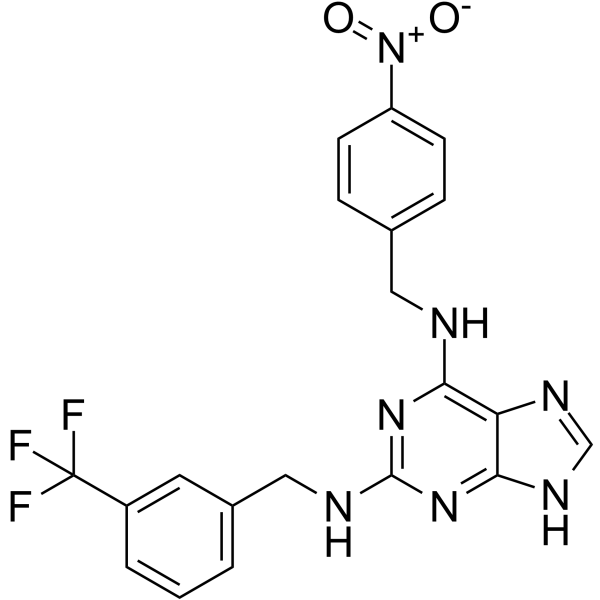
  • HY-110079

    IPK Superfamily Cancer
    TNP is a competitive, reversible inhibitor of IP6K1 and IP3K, with IC50s of 0.55 μM and 10.2 μM for IP6K1 and IP3K, respectively. TNP competitively binds to the ATP binding site of IP6K, inhibits the generation of 5-IP7, and thus relieves the inhibition of 5-IP7 on the AKT signaling pathway. TNP can enhance insulin sensitivity and promote thermogenesis in adipose tissue. TNP cannot effectively pass through the blood-brain barrier and is mainly used in the study of obesity, type 2 diabetes, and metabolic syndrome. However, TNP also inhibits CYP3A4 and may need further optimization[1][2][3].
    TNP
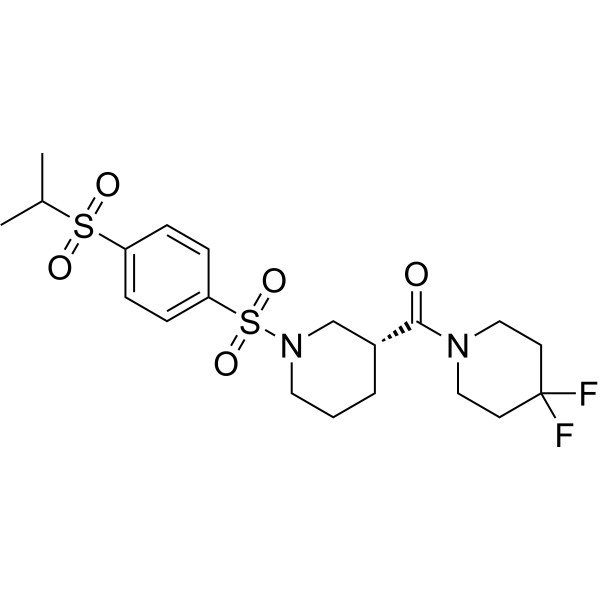
  • HY-144310

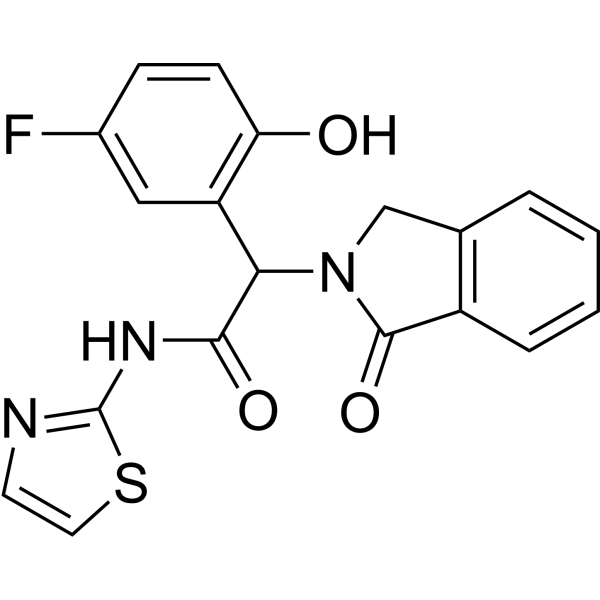
    Oxidative Phosphorylation Mitochondrial Metabolism Cancer
    DX3-213B is a highly potent, orally active oxidative phosphorylation (OXPHOS) complex I inhibitor (IC50=3.6 nM). DX3-213B impairs ATP generation (IC50=11 nM), and blocks MIA PaCa-2 cell growth (GI50=11 nM). DX3-213B is used for the research of the pancreatic cancer .
    DX3-213B
  • HY-N0309
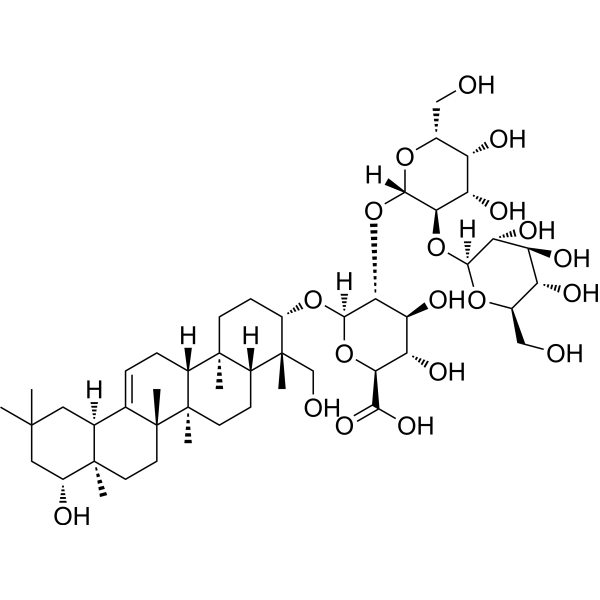
    Soyasaponin Ba
    1 Publications Verification

    Aldose Reductase Akt GSK-3 β-catenin Reactive Oxygen Species (ROS) Mitochondrial Metabolism Apoptosis c-Myc Metabolic Disease
    Soyasaponin Ba is a soyasaponin that can be isolated from Phaseolus vulgaris, acts as an aldose reductase inhibitor (ARI). Soyasaponin Ba activates Akt/GSK3β/β-catenin signaling pathway, reduces lipid accumulation, lowers ROS generation, improves mitochondrial membrane potential, ATP levels, and morphology, and inhibits apoptosis. Soyasaponin Ba can be used for the research of lipid accumulation and secondary diabetic complications .
    Soyasaponin Ba
  • HY-10851

    JNK Reactive Oxygen Species (ROS) Neurological Disease
    JNK-9L (Compound 9l) is a BBB-penetrable and ATP-competitive JNK inhibitor with IC50s of 0.099 and 0.148  μM for JNK1 and JNK3, respectively. JNK-9L significantly inhibits c-jun phosphorylation and Streptozotocin (HY-13753)-induced ROS generation with an IC50 of 0.8  nM. JNK-9L can be used for neurodegenerative disorders like Parkinson’s disease research .
    JNK-9L
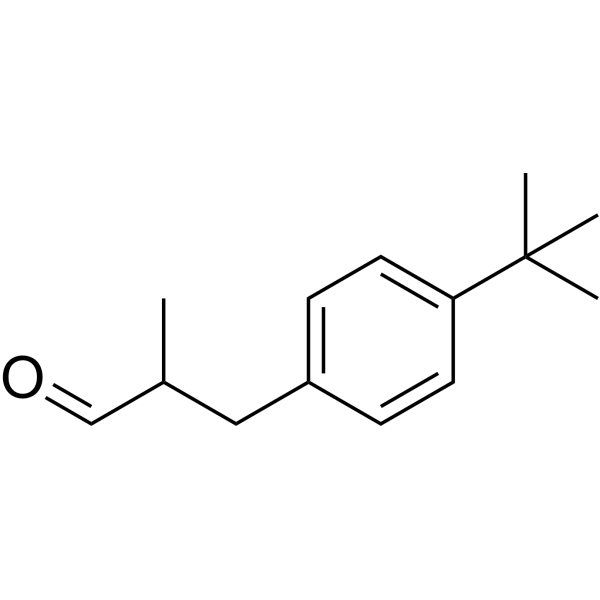
  • HY-W014684

    Environmental Pollutants Keap1-Nrf2 Mitochondrial Metabolism Reactive Oxygen Species (ROS) Endocrinology
    Lilial is a widely used synthetic fragrance and ester in consumer products. Lilial possesses estrogenic activity in vitro. Lilial can induce a toxic effect on mitochondria that causes a decrease in the viability of HaCaT cells. Lilial can increase NRF2 protein level in vitro. Lilial is able to target respiratory chain complexes, inhibit complexes I and II of the electron transport chain, increase the generation of reactive oxygen species, and decrease the level of intracellular ATP. Lilial can induce systemic toxicity in vivo. Lilial induces significant DNA strand breaks .
    Lilial
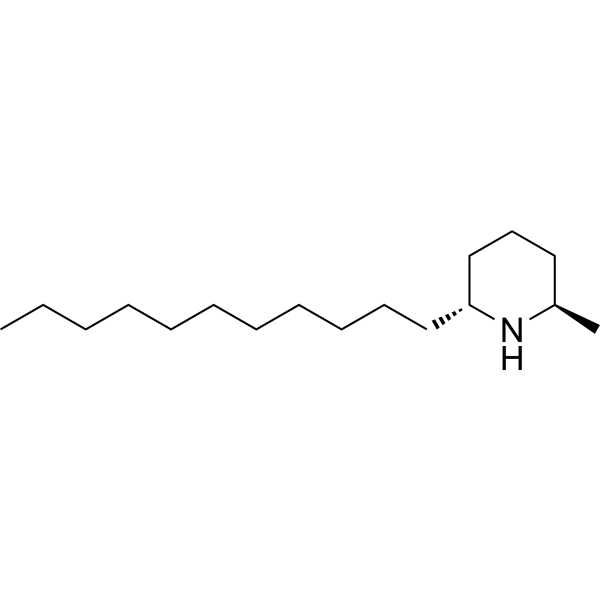
  • HY-16461

    (-)-Solenopsin A

    Akt Ribosomal S6 Kinase (RSK) PI3K PDK-1 FOXO Mitophagy Reactive Oxygen Species (ROS) Mitochondrial Metabolism Cardiovascular Disease
    Solenopsin ((-)-Solenopsin A) is an ATP-competitive and selective Akt-1 inhibitor with an IC50 of 5-10 μM, and also acts as an RSK1 inhibitor. Solenopsin inhibits the activities of PDK1 in lipid rafts, downregulates PI3K, blocks PI3K-dependent generation of 3-phosphoinositides, and suppresses the phosphorylation of FOXO1a. Solenopsin induces Mitophagy and ROS production, reduces mitochondrial oxygen consumption, and exhibits antiproliferative and antiangiogenic activities. Solenopsin can be used in research related to hyperproliferative skin diseases and malignant diseases .
    Solenopsin
  • HY-139409

    Hexokinase Glucose-6-Phosphate Isomerase (GPI) Cancer
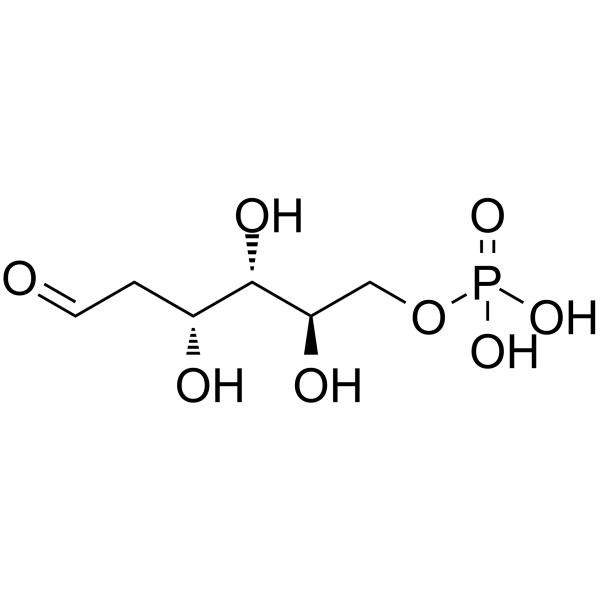
    2-Deoxy-D-glucose 6-phosphate disodium is an ATP-competitive and 2-deoxy-D-glucose non-competitive Hexokinase inhibitor, with a Ki value of 1.45 mM against bovine heart hexokinase. 2-Deoxy-D-glucose 6-phosphate disodium exerts ATP-competitive and 2-deoxy-D-glucose non-competitive inhibitory effects on bovine heart hexokinase. 2-DG inhibits glycolysis via the generation and intracellular accumulation of 2-Deoxy-D-glucose 6-phosphate disodium, thereby inhibiting the functions of hexokinase and Glucose-6-phosphate isomerase, and inducing cell death. 2-Deoxy-D-glucose 6-phosphate disodium can be used in cancer-related research .
    2-Deoxy-D-glucose 6-phosphate
  • HY-18174H

    LY2606368 lactate

    Checkpoint Kinase (Chk) Apoptosis DNA/RNA Synthesis Cancer
    Prexasertib lactate (LY2606368 lactate) is the lactate form of Prexasertib (HY-18174). Prexasertib lactate is a selective, ATP-competitive second-generation checkpoint kinase 1 (CHK1) inhibitor with a Ki of 0.9 nM and an IC50 of <1 nM. Prexasertib lactate inhibits CHK2 (IC50=8 nM) and RSK1 (IC50=9 nM). Prexasertib lactate causes double-stranded DNA breakage and replication catastrophe resulting in apoptosis. Prexasertib lactate shows potent anti-tumor activity .
    Prexasertib lactate
  • HY-W014684R

    Reference Standards Keap1-Nrf2 Reactive Oxygen Species (ROS) Mitochondrial Metabolism Endocrinology
    Lilial (Standard) is the analytical standard of Lilial. This product is intended for research and analytical applications. Lilial is a widely used synthetic fragrance and ester in consumer products. Lilial possesses estrogenic activity in vitro. Lilial can induce a toxic effect on mitochondria that causes a decrease in the viability of HaCaT cells. Lilial can increase NRF2 protein level in vitro. Lilial is able to target respiratory chain complexes, inhibit complexes I and II of the electron transport chain, increase the generation of reactive oxygen species, and decrease the level of intracellular ATP. Lilial can induce systemic toxicity in vivo. Lilial induces significant DNA strand breaks .
    Lilial (Standard)
  • HY-14896R

    BIA 9-1067 (Standard)

    Reference Standards COMT Neurological Disease
    Opicapone (Standard) is the analytical standard of Opicapone. This product is intended for research and analytical applications. Opicapone (BIA 9-1067) is a potent third-generation catechol-O-methyltransferase (COMT) inhibitor for the research of Parkinson's disease and motor fluctuations. Opicapone decreases the ATP content of the cells with an IC50 of 98 μM .
    Opicapone (Standard)
  • HY-18174B

    LY2606368 Mesylate Hydrate; LY2940930

    Checkpoint Kinase (Chk) Apoptosis Cancer
    Prexasertib Mesylate Hydrate (LY2606368 Mesylate Hydrate) is a selective, ATP-competitive second-generation checkpoint kinase 1 (CHK1) inhibitor with a Ki of 0.9 nM and an IC50 of <1 nM. Prexasertib Mesylate Hydrate inhibits CHK2 (IC50=8 nM) and RSK1 (IC50=9 nM). Prexasertib Mesylate Hydrate causes double-stranded DNA breakage and replication catastrophe resulting in apoptosis. Prexasertib Mesylate Hydrate shows potent anti-tumor activity .
    Prexasertib Mesylate Hydrate
  • HY-18174C

    LY2606368 mesylate

    Checkpoint Kinase (Chk) DNA/RNA Synthesis Apoptosis Cancer
    Prexasertib mesylate (LY2606368 mesylate) is a selective, ATP-competitive second-generation checkpoint kinase 1 (CHK1) inhibitor with a Ki of 0.9 nM and an IC50 of <1 nM. Prexasertib mesylate inhibits CHK2 (IC50=8 nM) and RSK1 (IC50=9 nM). Prexasertib mesylate causes double-stranded DNA breakage and replication catastrophe resulting in apoptosis. Prexasertib mesylate shows potent anti-tumor activity .
    Prexasertib mesylate
  • HY-17600R

    ACP-196 (Standard)

    Reference Standards Btk Cancer
    Acalabrutinib (Standard) is the analytical standard of Acalabrutinib. This product is intended for research and analytical applications. Acalabrutinib (ACP-196) is an orally active, irreversible, and highly selective second-generation BTK inhibitor. Acalabrutinib binds covalently to Cys481 in the ATP-binding pocket of BTK. Acalabrutinib demonstrates potent on-target effects and efficacy in mouse models of chronic lymphocytic leukemia (CLL) . Acalabrutinib is a click chemistry reagent, itcontains an Alkyne group and can undergo copper-catalyzed azide-alkyne cycloaddition (CuAAc) with molecules containing Azide groups.
    Acalabrutinib (Standard)
  • HY-162516

    AMPK Mitochondrial Metabolism Cancer
    DBI-2 is an AMPK activator targeting mitochondrial complex I. DBI-2 disrupts the OXPHOS process, and reduces ATP generation in mitochondria. DBI-2 inhibits the proliferation of colorectal cancer (CRC) cells .
    DBI-2
  • HY-W703629

    Isotope-Labeled Compounds Potassium Channel Metabolic Disease
    Acetohexamide-d11 is the deuterium labeled Acetohexamide (HY-B0881). Acetohexamide is a first-generation sulfonylurea agent used in research related to type 2 diabetes; it stimulates the pancreas to secrete insulin.Acetohexamide inhibits ATP-sensitive potassium channels in the β cells of the pancreas .
    Acetohexamide-d11
  • HY-159518

    Reactive Oxygen Species (ROS) Mitochondrial Metabolism Apoptosis Cancer
    ROS inducer 4 (compound TE3) is a mitochondrial inhibitor. ROS inducer 4 causes a series of mitochondria-related physiological changes in tumors, such as mitochondrial fragmentation, explosive generation and accumulation of ROS, decreased mitochondrial membrane potential, decreased ATP content, and activation of ROS-mediated apoptotic signaling in mitochondria .
    ROS inducer 4
  • HY-W757743

    ACP-196-d3

    Isotope-Labeled Compounds Others
    Acalabrutinib-d3 (ACP-196-d3) is the deuterated form of Acalabrutinib (HY-17600). Acalabrutinib (ACP-196) is an orally active, irreversible, highly selective second-generation BTK inhibitor. Acalabrutinib covalently binds to Cys481 in the ATP-binding pocket of BTK. Acalabrutinib shows strong targeting and efficacy in mouse models of chronic lymphocytic leukemia (CLL).
    Acalabrutinib-d3
  • HY-126920

    FLT3 Apoptosis Cancer
    AFG206 is a first-generation ATP competitive “type II” FLT3 inhibitor. AFG206 potently inhibits cell proliferation (IC50 around 0.1 µM) via induction of Apoptosis in FLT3-ITD-Ba/F3 cells and D835Y-Ba/F3 cells. AFG206 is promising for research of acute myeloid leukemia .
    AFG206
  • HY-N0309R

    Reference Standards Aldose Reductase Akt GSK-3 β-catenin Reactive Oxygen Species (ROS) Mitochondrial Metabolism Apoptosis c-Myc Metabolic Disease
    Soyasaponin Ba (Standard) is the analytical standard of Soyasaponin Ba (HY-N0309). Soyasaponin Ba is a soyasaponin that can be isolated from Phaseolus vulgaris, acts as an aldose reductase inhibitor (ARI). Soyasaponin Ba activates Akt/GSK3β/β-catenin signaling pathway, reduces lipid accumulation, lowers ROS generation, improves mitochondrial membrane potential, ATP levels, and morphology, and inhibits apoptosis. Soyasaponin Ba can be used for the research of lipid accumulation and secondary diabetic complications .
    Soyasaponin Ba (Standard)
  • HY-107794R

    Disodium clodronate tetrahydrate (Standard)

    Others Reference Standards Neurological Disease Inflammation/Immunology Cancer
    Clodronate (disodium tetrahydrate) (Standard) is the analytical standard of Clodronate (disodium tetrahydrate). This product is intended for research and analytical applications. Clodronate disodium tetrahydrate (Disodium clodronate tetrahydrate) is first-generation bisphosphonate, with anti-osteoporotic, anti-inflammatory and analgesic effects. Clodronate disodium tetrahydrate is a selective, potent, reversible and Cl-competitive vesicular nucleotide transporter (VNUT) inhibitor, with an IC50 of 15.6 nM. Clodronate disodium tetrahydrate inhibits vesicular ATP release from neurons and reduces chronic neuropathic and inflammatory pain .
    Clodronate disodium tetrahydrate (Standard)
  • HY-18174S

    LY2606368-d4

    Isotope-Labeled Compounds Checkpoint Kinase (Chk) Apoptosis Cancer
    Prexasertib-d4 (LY2606368-d4) is the deuterium labeled Prexasertib (HY-18174). Prexasertib (LY2606368) is a selective, ATP-competitive second-generation checkpoint kinase 1 (CHK1) inhibitor with a Ki of 0.9 nM and an IC50 of <1 nM. Prexasertib inhibits CHK2 (IC50=8 nM) and RSK1 (IC50=9 nM). Prexasertib causes double-stranded DNA breakage and replication catastrophe resulting in apoptosis. Prexasertib shows potent anti-tumor activity .
    Prexasertib-d4
  • HY-B0881R

    Reference Standards Potassium Channel Metabolic Disease Cancer
    Acetohexamide (Standard) is the analytical standard of Acetohexamide. This product is intended for research and analytical applications. Acetohexamide is an orally active first-generation sulfonylurea agent used in research related to type 2 diabetes and cancer. Acetohexamide exerts reductase activity in human erythrocytes. Acetohexamide stimulates the pancreas to secrete insulin. Acetohexamide inhibits ATP-sensitive potassium channels in the β cells of the pancreas. Acetohexamide can inhibit the formation of circular chemorepellent induced defects (CCIDs) in lymphendothelial cell (LEC) monolayers. Acetohexamide inhibits markers of epithelial-to-mesenchymal-transition and migration. Acetohexamide suppresses the synthesis of 12(S)-HETE. Acetohexamide can potentiate hypoglycaemic action .
    Acetohexamide (Standard)
  • HY-101212R

    CYC065 (Standard)

    CDK Reference Standards Cancer
    Fadraciclib (Standard) is the analytical standard of Fadraciclib (HY-101212). This product is intended for research and analytical applications. Fadraciclib (CYC065) is a second-generation, orally available ATP-competitive inhibitor of CDK2/CDK9 kinases with IC50s of 5 and 26 nM, respectively .
    Fadraciclib (Standard)
  • HY-100213R

    EGFR Reference Standards Cancer
    EAI045 (Standard) is the analytical standard of EAI045 (HY-100213). This product is intended for research and analytical applications. EAI045 is an allosteric and the fourth-generation inhibitor of mutant EGFR with IC50s of 1.9, 0.019, 0.19 and 0.002 μM for EGFR, EGFRL858R, EGFRT790M and EGFRL858R/T790M at 10 μM ATP, respectively.
    EAI045 (Standard)
  • HY-17600A

    Calquence maleate; ACP-196 maleate

    Btk Cancer
    Acalabrutinib (Calquence) maleate is an orally active, irreversible, and highly selective second-generation BTK inhibitor. Acalabrutinib binds covalently to Cys481 in the ATP-binding pocket of BTK. Acalabrutinib maleate demonstrates potent on-target effects and efficacy in mouse models of chronic lymphocytic leukemia (CLL). Acalabrutinib maleate can be used for CLL research . Acalabrutinib maleate is a click chemistry reagent, which contains an Alkyne group and can undergo copper-catalyzed azide-alkyne cycloaddition (CuAAc) with molecules containing Azide groups.
    Acalabrutinib maleate
  • HY-183312

    ATP Synthase Reactive Oxygen Species (ROS) Apoptosis Ferroptosis Cancer
    Antitumor agent-217 is a dual mitochondria-targeted anticancer agent. Antitumor agent-217 exhibits potent and selective antiproliferative activity against bladder cancer cell line J82 (IC50 = 6.3 μM), and inhibits colony formation and migration of J82 cells. Antitumor agent-217 accumulates in mitochondria, alters mitochondrial morphology, reduces ATP production, increases ROS generation and decreases mitochondrial membrane potential. Antitumor agent-217 induces apoptosis (Apoptosis) and ferroptosis (Ferroptosis) in bladder cancer cells. Antitumor agent-217 can be used for the research of bladder cancer .
    Antitumor agent-217

Inquiry Online

Your information is safe with us. * Required Fields.

Salutation


Country or Region *

Applicant Name *


Organization Name *

Department *


Email Address *


Product Name *

Cat. No.


Requested quantity *

Phone Number *


Remarks

Inquiry Online

Inquiry Information

Product Name:
Cat. No.:
Quantity:
MCE Japan Authorized Agent:

