1. Search Result
Search Result
Results for "

ATP-binding site

" in MedChemExpress (MCE) Product Catalog:

72

Inhibitors & Agonists

2

Biochemical Assay Reagents

1

Peptides

4

Natural
Products

2

Isotope-Labeled Compounds

Cat. No. Product Name Target Research Areas Chemical Structure
  • HY-15463
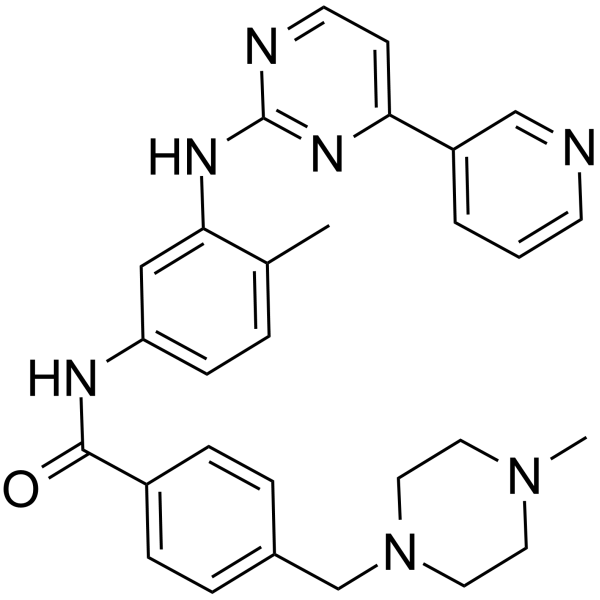
    Imatinib
    Maximum Cited Publications
    120 Publications Verification

    STI571; CGP-57148B

    Bcr-Abl PDGFR c-Kit SARS-CoV Autophagy Cancer
    Imatinib (STI571) is an orally bioavailable tyrosine kinases inhibitor that selectively inhibits BCR/ABL, v-Abl, PDGFR and c-kit kinase activity. Imatinib (STI571) works by binding close to the ATP binding site, locking it in a closed or self-inhibited conformation, therefore inhibiting the enzyme activity of the protein semicompetitively . Imatinib also is an inhibitor of SARS-CoV and MERS-CoV .
    Imatinib
  • HY-101562
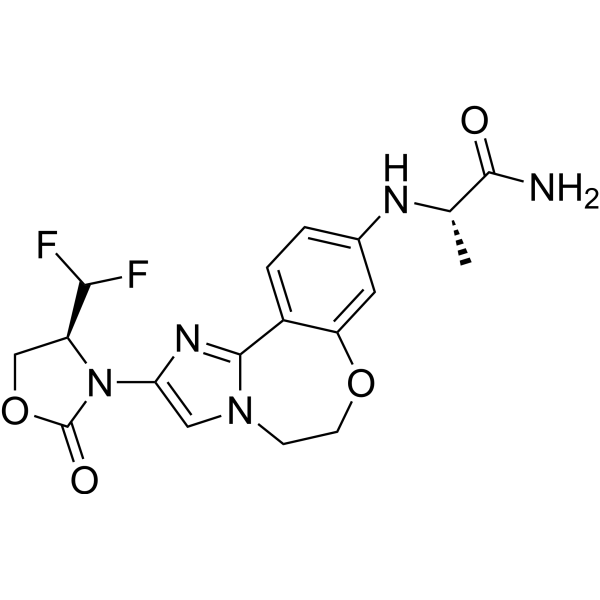
    Inavolisib
    5+ Cited Publications

    GDC-0077; RG6114

    PI3K Apoptosis Cancer
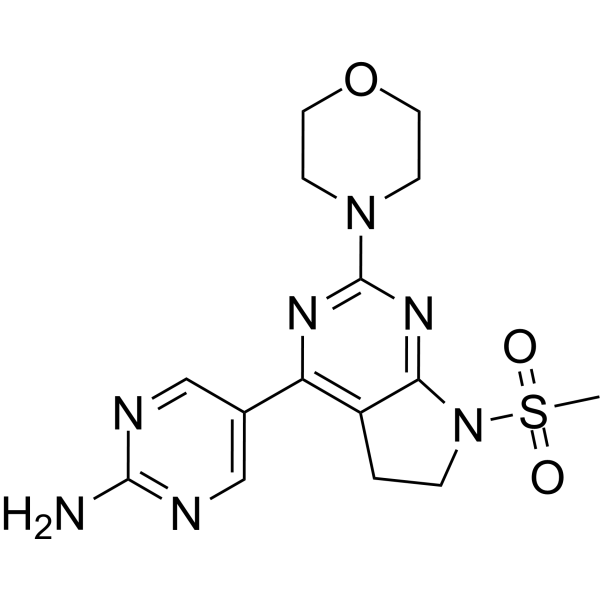
    Inavolisib (GDC-0077) is a potent, orally active, and selective PI3Kα inhibitor (IC50=0.038 nM). Inavolisib exerts its activity by binding to the ATP binding site of PI3K, thereby inhibiting the phosphorylation of PIP2 to PIP3. Inavolisib is more selective for mutant versus wild-type PI3Kα. Inavolisib can be used for the study of breast cancer .
    Inavolisib
  • HY-128933
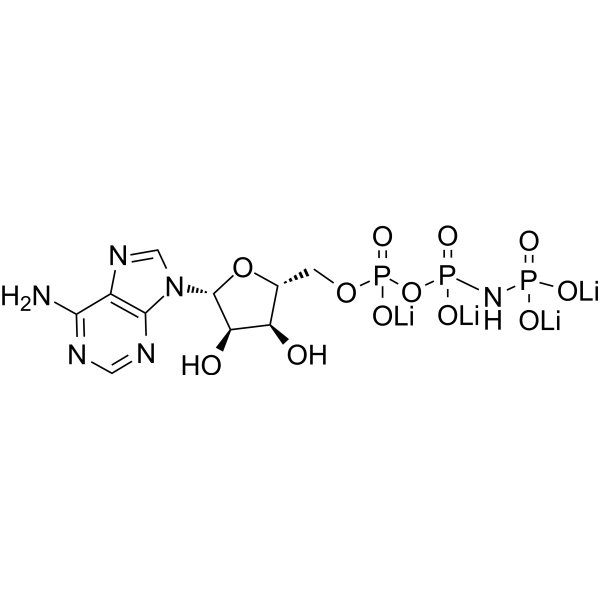
    AMP-PNP tetralithium
    3 Publications Verification

    Adenylyl-imidodiphosphate tetralithium

    Potassium Channel Metabolic Disease
    AMP-PNP (Adenylyl-imidodiphosphate) tetralithium is a non-hydrolyzable ATP analog. AMP-PNP tetralithium binds to ATP binding sites competely but is not hydrolyzed by enzymes, providing stable experimental conditions for studying ATP-dependent processes. AMP-PNP tetralithium can also be used to study enzyme activity, kinase regulation, DNA/RNA metabolism, ion channel function, and protein complex assembly .
    AMP-PNP tetralithium
  • HY-112299
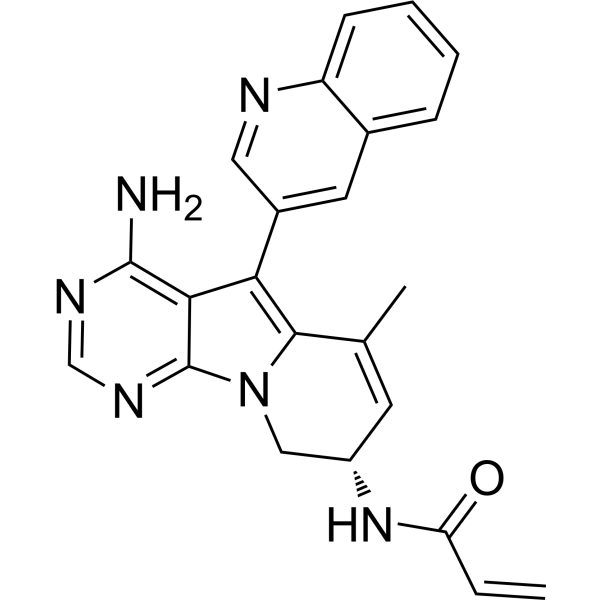
    Zipalertinib
    3 Publications Verification

    TAS6417; CLN-081

    EGFR Apoptosis Cancer
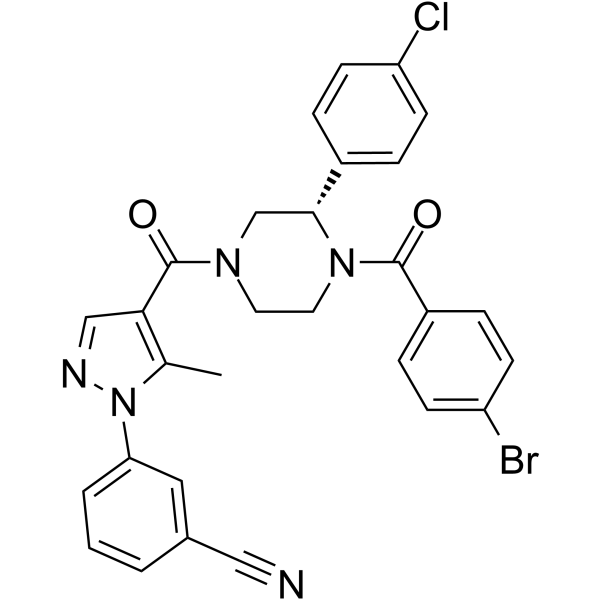
    Zipalertinib (TAS6417; CLN-081) is a highly effective, orally active and pan-mutation-selective EGFR tyrosine kinase inhibitor with a unique scaffold fitting into the ATP-binding site of the EGFR hinge region, with IC50 values ranging from 1.1-8.0 nM .
    Zipalertinib
  • HY-130777A
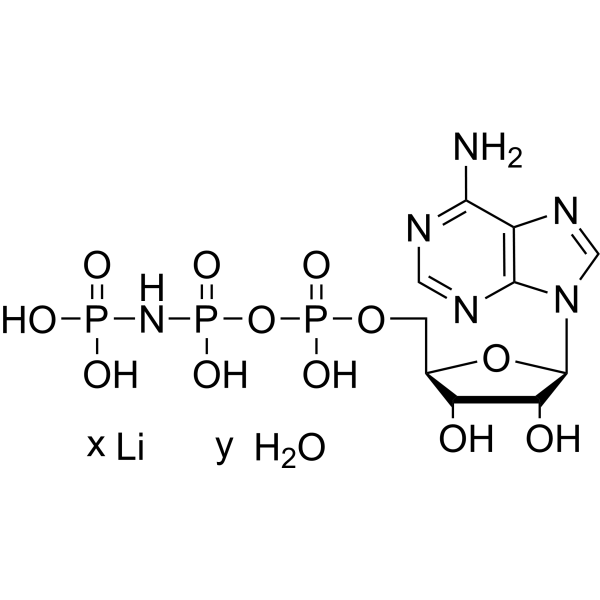
    AMP-PNP lithium hydrate
    3 Publications Verification

    Adenylyl imidodiphosphate lithium hydrate

    Drug Derivative Metabolic Disease
    AMP-PNP (Adenylyl imidodiphosphate) lithium hydrate is a non-hydrolyzable ATP analog. AMP-PNP lithium hydrate binds to ATP binding sites competely but is not hydrolyzed by enzymes, providing stable experimental conditions for studying ATP-dependent processes. AMP-PNP lithium hydrate can also be used to study enzyme activity, kinase regulation, DNA/RNA metabolism, ion channel function, and protein complex assembly .
    AMP-PNP lithium hydrate
  • HY-101513
    eIF4A3-IN-1
    4 Publications Verification

    Eukaryotic Initiation Factor (eIF) Neurological Disease Cancer
    eIF4A3-IN-1 is a selective eIF4A3 inhibitor (IC50: 0.26 μM; Kd: 0.043 μM) with cellular nonsense-mediated RNA decay (NMD) inhibitory activity. eIF4A3-IN-1 can specifically bind to the non-ATP binding site of eIF4A3. eIF4A3-IN-1 has anti-tumor and analgesic activities .
    eIF4A3-IN-1
  • HY-100848
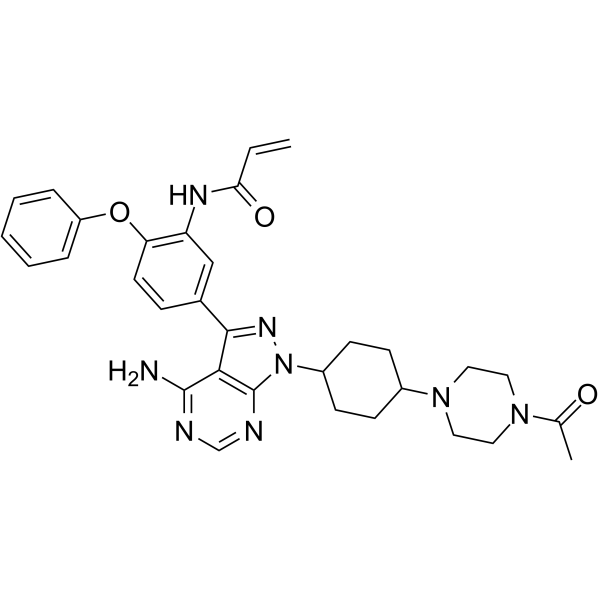
    TX1-85-1
    2 Publications Verification

    EGFR Cancer
    TX1-85-1 is an irreversible Her3 (ErbB3) inhibitor with an IC50 of 23 nM. TX1-85-1 is also the first selective Her3 ligand, which forms a covalent bond with Cys721 located in the ATP-binding site of Her3. TX1-85-1 induces partial degradation of Her3 protein and attenuates Her3-dependent signaling .
    TX1-85-1
  • HY-159520

    Ofirnoflast; HT-6184

    NEKs NOD-like Receptor (NLR) Caspase Apoptosis Pyroptosis NF-κB Cardiovascular Disease Inflammation/Immunology Cancer
    Ofirnoflastum (Ofirnoflast) is an orally active first-in-class allosteric NEK7 inhibitor with an IC50 of 46 nM. Ofirnoflastum binds an allosteric site adjacent to NEK7’s ATP-binding pocket, induces conformational shifts, disrupts NEK7-NLRP3 binding, blocks NLRP3 inflammasome assembly, spares NEK7’s physiological functions, and suppresses caspase-1, caspase-8, NF-κB, and TNF activity. Ofirnoflastum reduces pro-inflammatory cytokine production, suppresses ASC specks, IL-1β release, pyroptotic cell death, and leukemic burden, induces apoptosis and erythroid differentiation, restores hematopoiesis, and improves outcomes in colitis models. Ofirnoflastum can be used for the research of myelodysplastic syndromes, chronic myelomonocytic leukemia, and acute myeloid leukemia .
    Ofirnoflastum
  • HY-10261B

    (E/Z)-BIBW 2992

    EGFR Apoptosis c-Met/HGFR Akt p38 MAPK Autophagy Others Cancer
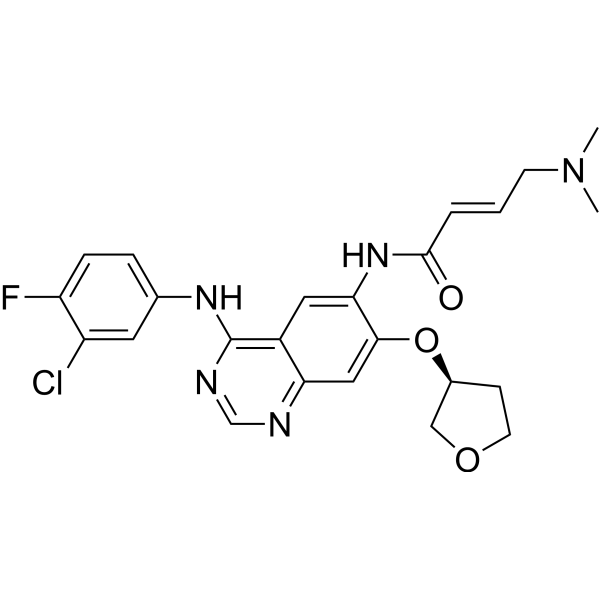
    (E/Z)-Afatinib ((E/Z)-BIBW 2992) is the mixture of (E)-Afatinib and (Z)-Afatinib. Afatinib (HY-10261) is an irreversible inhibitor of EGFR, by irreversibly binding to their ATP binding site to block activation of EGFR, HER2, HER4, and EGFRvIII. Afatinib used in co-administration with Temozolomide (HY-17364), potently targeting to EGFRvIII-cMet signaling in glioblastoma cells .
    (E/Z)-Afatinib
  • HY-106005
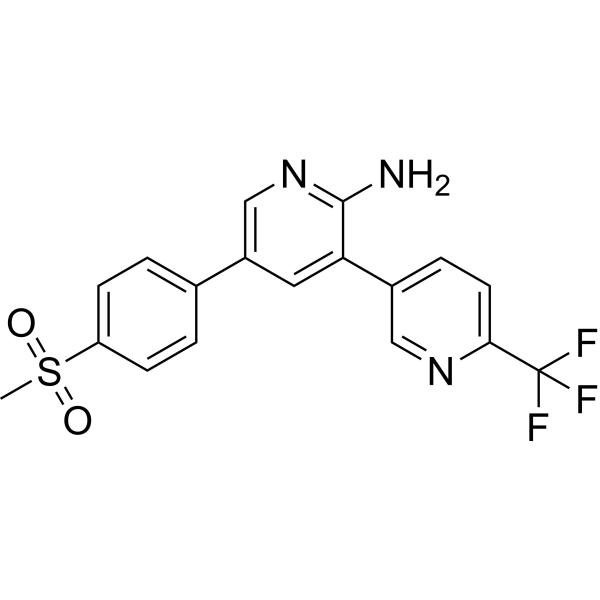
    MMV390048
    3 Publications Verification

    Parasite PI4K Infection
    MMV390048 is a representative of a new chemical class of Plasmodium PI4K inhibitor (Kd app=0.3 µM). MMV390048 binds to the ATP binding site of Plasmodium PI4K and does not bind to other P. falciparum and human kinases apart from human PIP4K2C, thus alleviating potential kinase-mediated safety concerns. MMV390048 is an antimalarial agent .
    MMV390048
  • HY-17547
    NMS-E973
    2 Publications Verification

    HSP Cancer
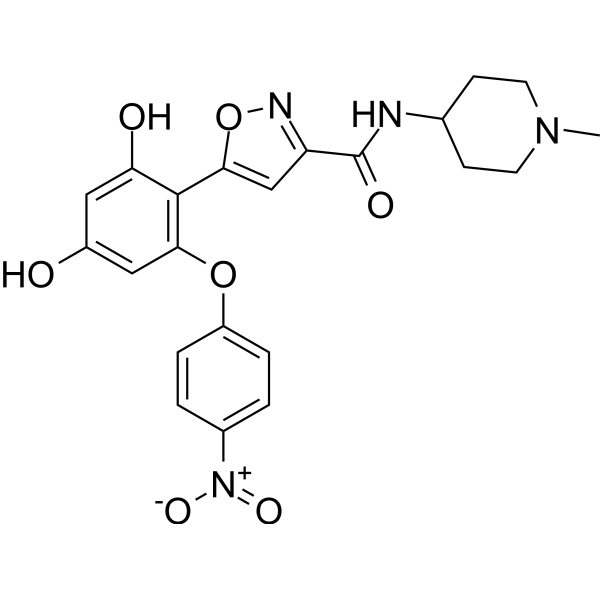
    NMS-E973 is a potent and selective inhibitor of HSP90. NMS-E973 binds to the ATP binding site of Hsp90α with a DC50 of <10 nM. NMS-E973 is able to cross the blood-brain barrier (BBB). Antitumor efficacy .
    NMS-E973
  • HY-12062
    PD318088
    1 Publications Verification

    MEK Cancer
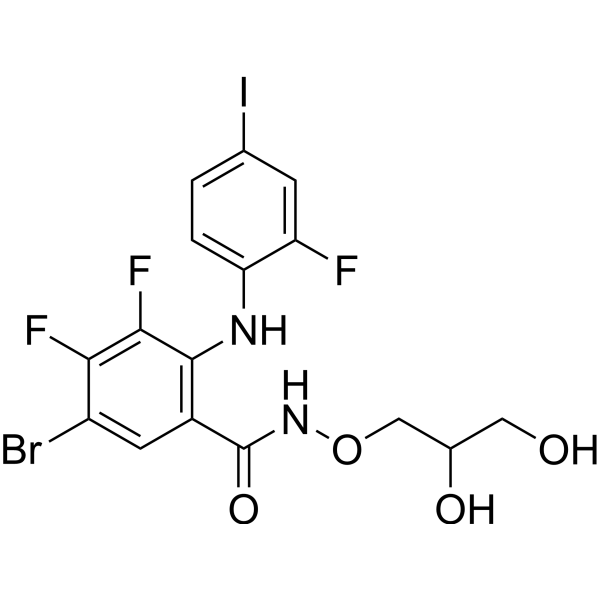
    PD318088 is a potent, allosteric and non-ATP competitive MEK1/2 inhibitor, an analog of PD184352 (HY-50295). PD318088 binds simultaneously with ATP in a region of the MEK1 active site that is adjacent to the ATP-binding site. PD318088 can be used for cancer research .
    PD318088
  • HY-107779

    Raf Cancer
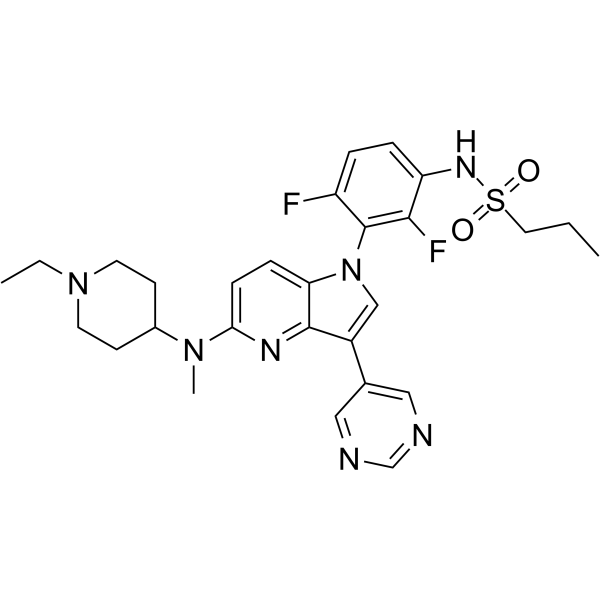
    BI-882370 is a potent and selective RAF kinase inhibitor that binds to the ATP binding site of the kinase positioned in the DFG-out (inactive) conformation of the BRAF kinase. BI-882370 (BI 882370) inhibits the oncogenic BRAF V600E-mutant, the WT BRAF and CRAF kinases with IC50s of 0.4, 0.8, and 0.6 nM, respectively. BI-882370 also inhibits SRC family kinases .
    BI-882370
  • HY-110079

    IPK Superfamily Cancer
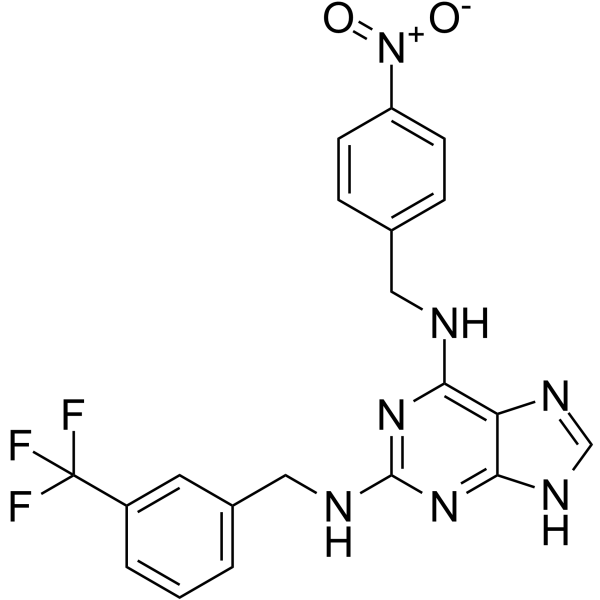
    TNP is a competitive, reversible inhibitor of IP6K1 and IP3K, with IC50s of 0.55 μM and 10.2 μM for IP6K1 and IP3K, respectively. TNP competitively binds to the ATP binding site of IP6K, inhibits the generation of 5-IP7, and thus relieves the inhibition of 5-IP7 on the AKT signaling pathway. TNP can enhance insulin sensitivity and promote thermogenesis in adipose tissue. TNP cannot effectively pass through the blood-brain barrier and is mainly used in the study of obesity, type 2 diabetes, and metabolic syndrome. However, TNP also inhibits CYP3A4 and may need further optimization[1][2][3].
    TNP
  • HY-40351

    Drug Intermediate Others
    4-Chloro-7H-pyrrolo[2,3-d]pyrimidine is a nitrogen-containing heterocyclic organic synthesis intermediate that can be used for the synthesis of JAK and PKB/Akt inhibitors .
    4-Chloro-7H-pyrrolo[2,3-d]pyrimidine
  • HY-12679

    Btk Cancer
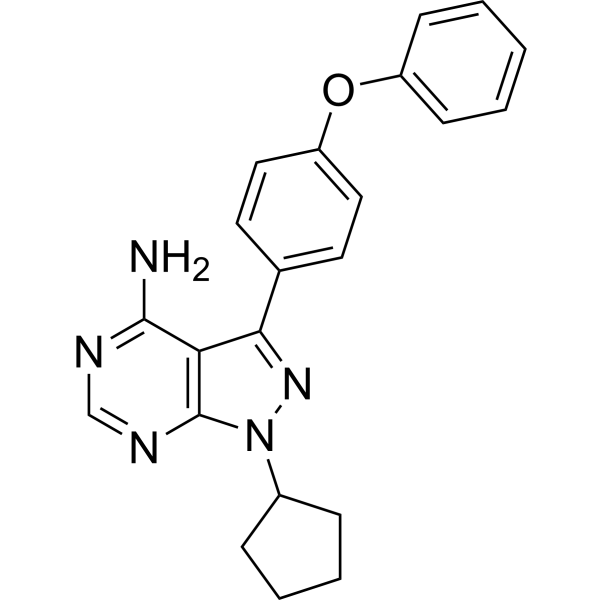
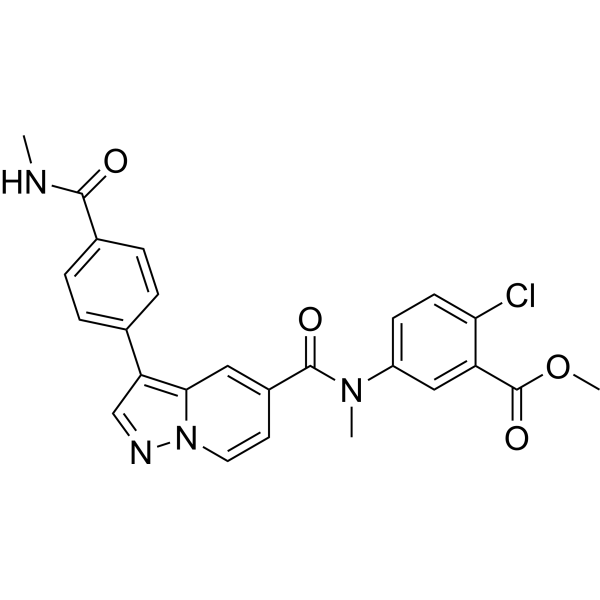
    PF-06658607 is an alkynylated irreversible Brutons tyrosine kinase (BTK) inhibitor that covalently reacts with active site cysteines in the ATP-binding pocket. PF-06658607 can be used to detect "off "-targets for covalent kinase inhibitors in cancer cells. The alkyne moiety allows for azide-based detection probe via copper-catalyzed click chemistry .
    PF-06658607
  • HY-156685

    PI4K Parasite Infection Metabolic Disease Cancer
    EDI048 is an orally active, gut-restricted parasiticidal agent. EDI048 specifically binds to the ATP-binding site of Cryptosporidium phosphatidylinositol 4-kinase (CpPI (4) K), blocks parasite membrane biogenesis, arrests the pathogen at the schizont stage, and thus irreversibly clears the infection. EDI048 is rapidly converted to an inactive carboxylic acid metabolite via hepatic first-pass metabolism, with extremely low systemic exposure, good safety profile, and no cardiotoxicity, genotoxicity or off-target effects. EDI048 is used in studies of intestinal cryptosporidiosis in children .
    EDI048
  • HY-P10280

    ATM/ATR Cancer
    ATR kinase substrate peptide (ASELPASQPQPFSAKKK) is a peptide substrate for ATR protein kinase and can be used to detect ATR kinase activity .
    ATR kinase substrate peptide
  • HY-145425

    IRE1 Apoptosis FGFR Inflammation/Immunology
    PAIR2 is a highly selective inhibitor targeting the kinase domain of human IRE1α, with a Ki value of 8.8 nM against human IRE1α. PAIR2 fully occupies the ATP-binding site of the IRE1α kinase domain, partially antagonizes the ribonuclease activity of IRE1α, specifically inhibits regulated IRE1α-dependent decay (RIDD) and its mediated substrate cleavage, while preserving the splicing function of Xbp1 mRNA. PAIR2 also promotes the differentiation of B cells into plasma cells, blocks IRE1α-induced cell apoptosis, and restores the expression of Fgfr2 mRNA in AT2 cells. PAIR2 effectively reaches a steady-state concentration in the lung tissues of Mus musculus, and serves as an important tool for investigating the function of the IRE1α signaling pathway in diseases such as pulmonary fibrosis .
    PAIR2
  • HY-155941

    Potassium Channel Neurological Disease
    5-Hydroxydecanoic acid (5-HD) is a KATP channel antagonist,which has the effect of blocking the K KATP channel only during ischaemia by competing with the ATP binding site and does not affect pancreatic KATP channels .
    5-Hydroxydecanoic acid
  • HY-15463R

    STI571 (Standard); CGP-57148B (Standard)

    Reference Standards Bcr-Abl PDGFR c-Kit SARS-CoV Autophagy Cancer
    Imatinib (Standard) is the analytical standard of Imatinib. This product is intended for research and analytical applications. Imatinib (STI571) is an orally bioavailable tyrosine kinases inhibitor that selectively inhibits BCR/ABL, v-Abl, PDGFR and c-kit kinase activity. Imatinib (STI571) works by binding close to the ATP binding site, locking it in a closed or self-inhibited conformation, therefore inhibiting the enzyme activity of the protein semicompetitively . Imatinib also is an inhibitor of SARS-CoV and MERS-CoV .
    Imatinib (Standard)
  • HY-128778

    DBPR112

    EGFR Cancer
    Gozanertinib is an orally active furanopyrimidine-based EGFR inhibitor with IC50s of 15 nM and 48 nM for EGFR WT and EGFR L858R/T790M, respectively. Gozanertinib can occupy the ATP-binding site. Gozanertinib has significant antitumor efficacy .
    Gozanertinib
  • HY-18010
    PCI 29732
    3 Publications Verification

    Btk BCRP Inflammation/Immunology
    PCI 29732 is a potent, orally active, reversible BTK inhibitor with Ki app values of 8.2, 4.6, and 2.5 nM for BTK, Lck and Lyn, respectively. PCI 29732 shows only modest inhibitory activity against Itk, another Tec family kinase. PCI 29732 inhibits the function of ABCG2 by competitively binding to the ATP-binding site of ABCG2 .
    PCI 29732
  • HY-178980

    Casein Kinase Cancer
    APL-5125 (Compound 61f) is a potent, selective and orally active ATP-competitive CK2α inhibitor with an IC50 of 0.348 nM and a Ki of 0.095 nM. APL-5125 binds to CK2α in a bivalent manner, simultaneously interacting with the ATP-binding site and the αD pocket. APL-5125 exhibits antitumor activity and can be used for the research of cancer, such as colon cancer .
    APL-5125
  • HY-153761

    MAP3K ASK1 Apoptosis Inflammation/Immunology Cancer
    ASK1-IN-4 (Compound 17) is an ASK1 inhibitor (IC50=0.2 μM). ASK1-IN-4 interacts with ATP-binding site of ASK1 .
    ASK1-IN-4
  • HY-164523

    Checkpoint Kinase (Chk) Cancer
    PV1162 is a selective Chk2 inhibitor with an IC50 of 0.29 nM. PV1162 inhibits ATP binding to Chk2 by targeting the gatekeeper-dependent hydrophobic pocket, which is specific to Chk2 and located behind the ATP-binding site (adenine-binding region), thereby inhibiting the phosphorylation activity of Chk2. PV1162 holds potential application value in the field of cancer therapy .
    PV1162
  • HY-145422

    IRE1 Apoptosis Others
    KIRA9 is a potent IRE1 inhibitor (IC50=4.8 μM in INS-1 cells). KIRA9 is able to fully engage the ATP-binding site of IRE1α. KIRA9 can block ER-localized mRNA decay and apoptosis .
    KIRA9
  • HY-149292

    Casein Kinase Cancer
    SR-4133 is a potent and highly CK1ε selective inhibitor with an IC50 of 58 nM. SR-4133 binds to the ATP-binding site of CK1ε. SR-4133 displays nanomolar growth inhibition of bladder cancer cells, and inhibits the phosphorylation of 4E-BP1 .
    SR-4133
  • HY-120600

    Necroptosis Apoptosis RIP kinase Inflammation/Immunology
    Sibiriline is a specific competitive inhibitor of RIPK1 that targets the RIPK1 ATP-binding site and locks it in an inactive conformation. Sibiriline inhibits TNF-induced RIPK1-dependent necroptosis and RIPK1-dependent apoptosis, but does not protect cells from caspase-dependent apoptosis. Sibiriline protects mice from concanavalin A-induced hepatitis and has the potential to inhibit immune-dependent hepatitis. .
    Sibiriline
  • HY-158618

    Aurora Kinase Apoptosis Cancer
    Aurora kinase inhibitor-14 (Compound 79) is an orally active and highly selective inhibitor of Aurora kinases with IC50 values of 0.5 nM and 1.2 nM for Aurora A and Aurora B, respectively. Aurora kinase inhibitor-14 binds to the ATP-binding site of Aurora kinases to block chromosome segregation during mitosis and induce apoptosis in tumor cells. Aurora kinase inhibitor-14 is promising for research of various solid tumors and hematological malignancies, such as non-small cell lung cancer, breast cancer, and acute myeloid leukemia .
    Aurora kinase inhibitor-14
  • HY-N11784

    Apoptosis Caspase NF-κB COX IKK Inflammation/Immunology Cancer
    Triptolidenol, a traditional Chinese medicine, is an epoxy diterpene lactone that can be isolated from Tripterygium wilfordii. Triptolidenol has anti-inflammatory and anticancer activities. Triptolidenol significantly inhibits tumor cell proliferation and migration, arrests cell cycle arrest at S phase and induces apoptosis by activating the cytochrome c/caspase cascade signaling pathway. Triptolidenol disrupts NF-κB/COX-2 pathway by inhibiting IKKβ at ATP-binding sites. Triptolidenol can be used for chronic nephritis and kidney cancer like clear cell renal cell carcinoma (ccRCC) research .
    Triptolidenol
  • HY-161800

    Aminoacyl-tRNA Synthetase Infection
    Aminoacyl tRNA synthetase-IN-3 (compound 36K3) is an inhibitor of lysine tRNA synthetase (PfLysRS) from Plasmodium falciparum (IC50=59.2 nM), which inhibits the activity of PfLysRS by occupying the ATP binding site and L-lysine binding site of PfLysRS. Aminoacyl tRNA synthetase-IN-3 can be used in the development of antimalarial drugs .
    Aminoacyl tRNA synthetase-IN-3
  • HY-144381

    Bacterial Infection
    Glutamate-5-kinase-IN-1 (compound 50) is a potent glutamate-5-kinase (G5K) inhibitor with an MIC (minimum inhibitory concentration) of 4.1 μM. Glutamate-5-kinase-IN-1 shows G5K inhibition by alters the ATP binding site architecture for enzyme recognition. Glutamate-5-kinase-IN-1 has the potential for the research of anti-TB agents .
    Glutamate-5-kinase-IN-1
  • HY-120622

    Src Cancer
    BMS-243117 is a potent, and selective benzothiazole based p56 Lck inhibitor with an IC50 of 4 nM. BMS-243117 inhibits anti-CD3/anti-CD28 induced PBL (human peripheral blood T-cells) proliferation with an IC50 of 1.1 μM. BMS-243117 binds in an extended conformation to the ATP-binding site of Lck .
    BMS-243117
  • HY-15463S3

    STI571-13C,d3; CGP-57148B-13C,d3

    Isotope-Labeled Compounds Autophagy SARS-CoV Bcr-Abl PDGFR c-Kit Cancer
    Imatinib- 13C,d3 (STI571- 13C,d3) is 13C labeled Imatinib. Imatinib (STI571) is an orally bioavailable tyrosine kinases inhibitor that selectively inhibits BCR/ABL, v-Abl, PDGFR and c-kit kinase activity. Imatinib (STI571) works by binding close to the ATP binding site, locking it in a closed or self-inhibited conformation, therefore inhibiting the enzyme activity of the protein semicompetitively . Imatinib also is an inhibitor of SARS-CoV and MERS-CoV .
    Imatinib-13C,d3
  • HY-150537

    Cholinesterase (ChE) GSK-3 Microtubule/Tubulin ROS Kinase Neurological Disease
    AChE/GSK-3β-IN-1 (compound GT15) is a potent, dual AChE/GSK-3β inhibitor with IC50 values of 1.2, 149.8 and 22.4 nM for hAChE , hBChE and hGSK-3β, respectively. AChE/GSK-3β-IN-1 penetrates the blood-brain barrier (BBB). AChE/GSK-3β-IN-1 has high kinase selectivity profiles for the CMGC kinase family. AChE/GSK-3β-IN-1 occupies the ATP binding site of DYRK1A. AChE/GSK-3β-IN-1 inhibits ROS expression and reduces oxidative stress. AChE/GSK-3β-IN-1 can be used for Alzheimer’s disease research .
    AChE/GSK-3β-IN-1
  • HY-12933

    HSP Cancer
    BIIB-028 is an orally active inhibitor for heat shock protein 90 (Hsp90). BIIB-028 targets the ATP-binding site of Hsp90, disrupts the function of Hsp90, leads to the degradation of client proteins, that are crucial for cancer cell survival and proliferation .
    BIIB-028
  • HY-123650

    5'-p-Fluorosulfonylbenzoyladenosine

    Biochemical Assay Reagents Cancer
    FSBA (5'-p-Fluorosulfonylbenzoyladenosine) hydrochloride is a covalent modifier and affinity labeling reagent for adenine nucleotide-binding proteins. FSBA hydrochloride covalently attaches to the nucleotide-binding sites of pyruvate kinase, glutamate dehydrogenase, and p56 lck, and to a lysine residue in the ATP-binding site of cAMP-dependent protein kinase, causing loss of enzymatic activity. FSBA hydrochloride can be used for the research of T lymphoma .
    FSBA hydrochloride
  • HY-149846

    EGFR Cancer
    SIQ17 is an EGFR inhibitor that inhibits its activity by occupying the ATP-binding site, with IC50 of 0.62 nM. SIQ17 shows more effective EGFR-TK inhibitory activity compared to the known inhibitor Erlotinib (HY-50896) (IC50 of ∼20 nM). SIQ17 can be used for cancer research
    SIQ17
  • HY-W286614

    Ribosomal S6 Kinase (RSK) Inflammation/Immunology Cancer
    RSK2-IN-4 (Compound 10) is a RSK2 inhibitor, with an inhibition rate of 13.73% on RSK2 activity at 10 μM. RSK2-IN-4 binds to the ATP-binding site of RSK2 in the NTKD (N-terminal kinase domain), with the electron-donating group at the 4-position of the phenyl ring being the key determinant for its inhibitory activity .
    RSK2-IN-4
  • HY-N15301

    ROCK Myosin Others
    Nocarnickelamide B (Compound 2) is a linear peptide and ROCK1/2 inhibitor. Nocarnickelamide B exhibits dual inhibitory activity against ROCK1 and ROCK2 with IC50s of 14.9 μM and 21.9 μM, respectively. Nocarnickelamide B binds to the ATP-binding site. Nocarnickelamide B inhibits the activation of ROCK-regulated cytoskeletal contraction markers such as the myosin light chain. Nocarnickelamide B is potential for glaucoma reasearch .
    Nocarnickelamide B
  • HY-163726

    GLUT EGFR Apoptosis Cancer
    GLUT1/EGFR-IN-1 (compound H) is a potent inhibitor of GLUT1 and EGFR. GLUT1/EGFR-IN-1 can simultaneously act on the EGFR tyrosine kinase ATP-binding site and inhibit GLUT1-mediated energy metabolism, resulting in reductions in ATP, MMP, intra-cellular lactic acid, and EGFR nuclear transfer. GLUT1/EGFR-IN-1 can be used for nasopharyngeal carcinoma (NPC) and triple-negative breast cancer (TNBC) research .
    GLUT1/EGFR-IN-1
  • HY-155975

    PI3K Inflammation/Immunology
    PI3Kδ-IN-14 (Compound (S)-29) is a selective PI3Kδ inhibitor (IC50: 0.8 nM, Kd: 84.8 nM). PI3Kδ-IN-14 binds to the ATP-binding site of the kinase domain of PI3Kδ. PI3Kδ-IN-14 has anti-inflammatory activity by inhibiting the PI3K/AKT pathway. PI3Kδ-IN-14 ameliorates acute lung injury (ALI) .
    PI3Kδ-IN-14
  • HY-110333

    EGFR Cancer
    BMS-599626 dihydrochloride is a small molecule pan-HER (human epidermal growth factor receptor) kinase inhibitor. BMS-599626 dihydrochloride primarily targets HER1 (IC50=20 nmol/L) and HER2 (IC50=30 nmol/L) kinase activity in the HER family. BMS-599626 inhibits the kinase activity of HER1 and HER2 by competing with their ATP-binding sites, and can inhibit the downstream signaling pathway by blocking the heterodimer formation of HER1 and HER2. BMS-599626 dihydrochloride can be used to study the antitumor effects of multiple HER1 or HER2 overexpressed tumor models .
    BMS-599626 dihydrochloride
  • HY-160564

    EGFR Cancer
    ZNL-0056 is an orally active ATP-competitive inhibitor that targets both the Cys797 and Cys775 in the ATP binding site of EGFR. ZNL-0056 selectively inhibits EGFR and its downstream signaling in H3255 cells. ZNL-0056 can be used for the research of cancer .
    ZNL-0056
  • HY-173511

    SARS-CoV Infection
    SARS-CoV-2 nsp13-IN-7 (Compound 6r) is a SARS-CoV-2 nsp13 inhibitor (IC50: 0.28 μM). SARS-CoV-2 nsp13-IN-7 interferes with the helicase function of nsp13 by binding to the 5' RNA site and ATP binding site of nsp13. SARS-CoV-2 nsp13-IN-7 can be used as a lead compound for the development of antiviral drugs targeting SARS-CoV-2 nsp13 .
    SARS-CoV-2 nsp13-IN-7
  • HY-111158

    c-Met/HGFR Cancer
    BMS-748730 is an oral tyrosine kinase inhibitor. BMS-748730 inhibits tyrosine kinase activity by competing with the ATP binding site of the tyrosine kinase, which prevents the kinase from phosphorylating the substrate protein, thereby inhibiting signaling pathways associated with cell proliferation and tumor growth. BMS-748730 can be used in the study of certain types of cancer, including chronic myeloid leukemia (CML) .
    BMS-748730
  • HY-15463S2

    STI571-d3 hydrochloride; CGP-57148B-d3 hydrochloride

    Autophagy Bcr-Abl c-Kit SARS-CoV PDGFR Cancer
    Imatinib-d3 (hydrochloride) is the deuterium labeled Imatinib. Imatinib (STI571) is an orally bioavailable tyrosine kinases inhibitor that selectively inhibits BCR/ABL, v-Abl, PDGFR and c-kit kinase activity. Imatinib (STI571) works by binding close to the ATP binding site, locking it in a closed or self-inhibited conformation, therefore inhibiting the enzyme activity of the protein semicompetitively. Imatinib also is an inhibitor of SARS-CoV and MERS-CoV.
    Imatinib-d3 hydrochloride
  • HY-161059

    RIP kinase Necroptosis Infection Inflammation/Immunology
    ZB-R-55 is an orally active and selective dual-mode RIPK1 inhibitor with RIPK1 IC50 values of 5.7 nM. ZB-R-55 occupies both the allosteric and ATP binding sites of RIPK1. ZB-R-55 inhibits necroptosis in cancer cells. ZB-R-55 can be used for the research of systemic inflammatory response syndrome and sepsis .
    ZB-R-55
  • HY-131275

    Drug Metabolite Others
    Imatinib Impurity E is the impurity of Imatinib. Imatinib is an orally bioavailable tyrosine kinases inhibitor that selectively inhibits BCR/ABL, v-Abl, PDGFR and c-kit kinase activity. Imatinib (STI571) works by binding close to the ATP binding site, locking it in a closed or self-inhibited conformation, therefore inhibiting the enzyme activity of the protein semicompetitively . Imatinib also is an inhibitor of SARS-CoV and MERS-CoV .
    Imatinib Impurity E

Inquiry Online

Your information is safe with us. * Required Fields.

Salutation


Country or Region *

Applicant Name *


Organization Name *

Department *


Email Address *


Product Name *

Cat. No.


Requested quantity *

Phone Number *


Remarks

Inquiry Online

Inquiry Information

Product Name:
Cat. No.:
Quantity:
MCE Japan Authorized Agent:

