From 11:00 pm to 12:00 pm EST ( 8:00 pm to 9:00 pm PST ) on January 6th, the website will be under maintenance. We are sorry for the inconvenience. Please arrange your schedule properly.
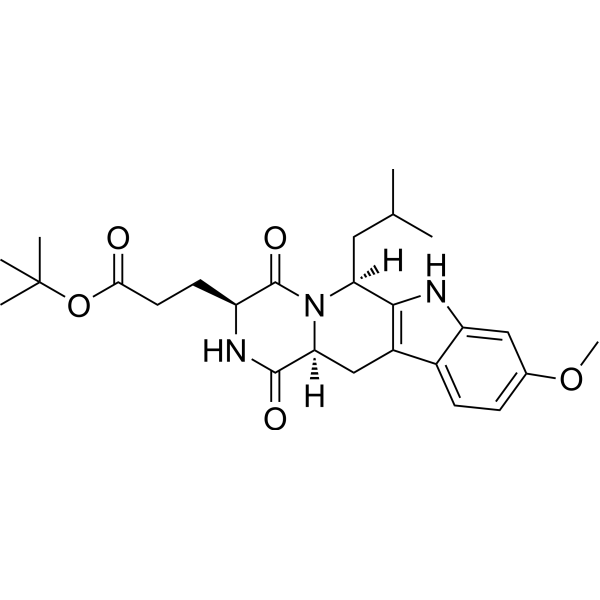
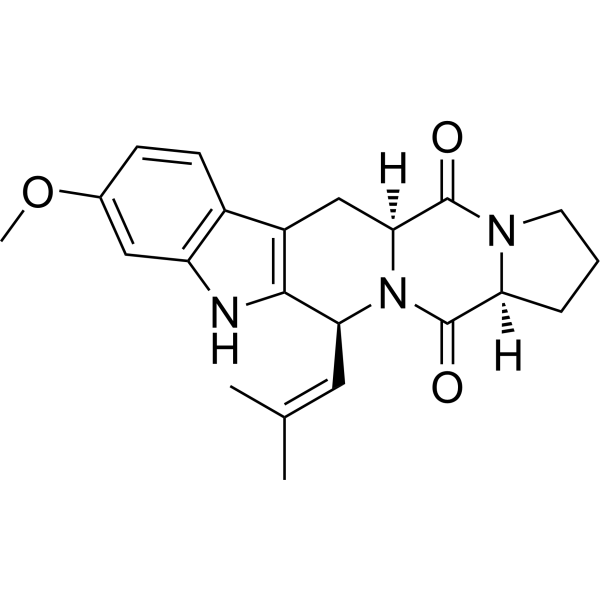
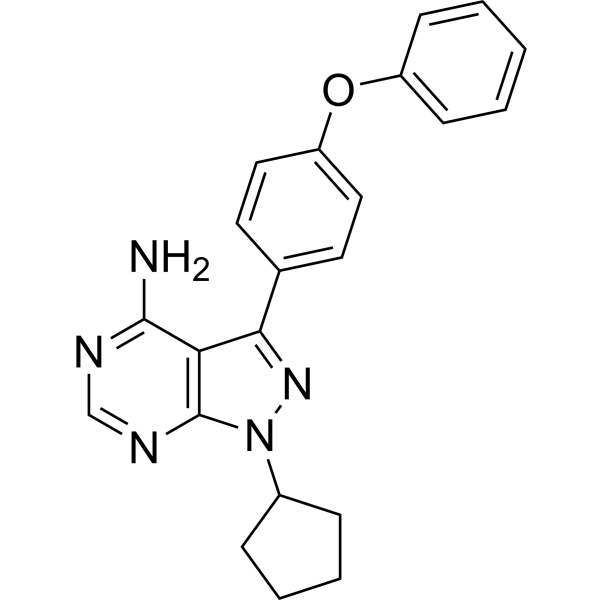
Ko 143 is a potent and selective ATP-binding cassette subfamily G member 2(ABCG2/BCRP) inhibitor. Ko 143 displays >200-fold selectivity over P-gp and MRP-1 transporters [2].
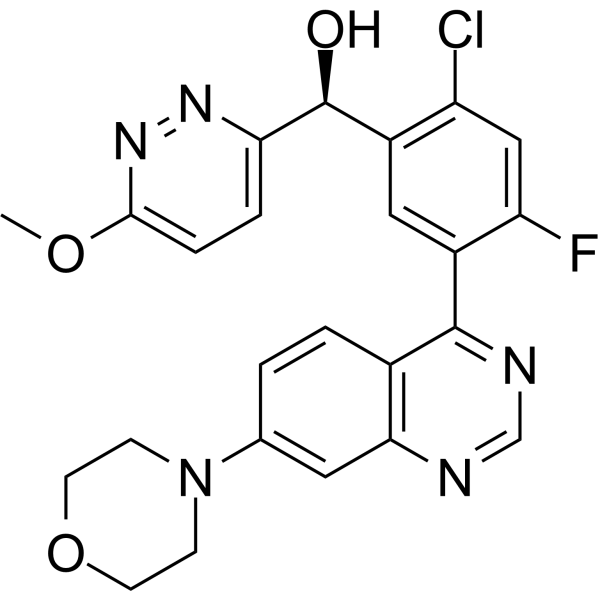
Nedisertib (Peposertib) is an orally active selective DNA-dependent protein kinase (DNA-PK) inhibitor with an IC50 value of less than 3 nM. Nedisertib also acts as a modulator of ABCG2, capable of reversing ABCG2-mediated multidrug resistance (MDR), thus providing new strategies for combination therapy. By inhibiting DNA double-strand break repair, Nedisertib can enhance the efficacy of chemotherapy and radiotherapy. Nedisertib exhibits antitumor activity [2] .
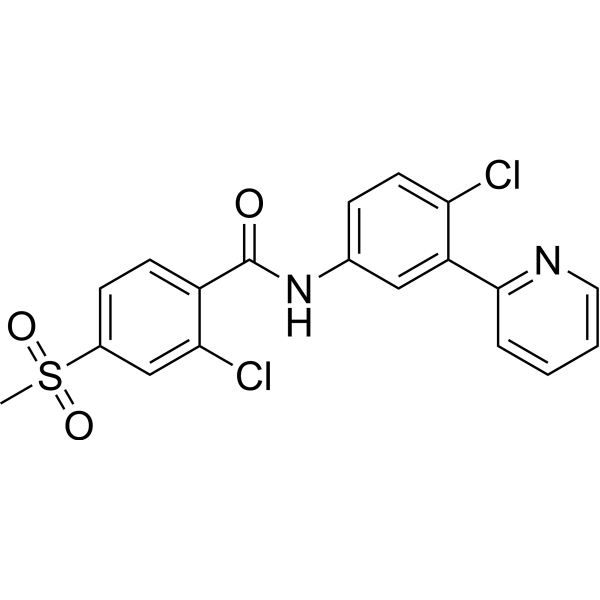
Vismodegib (GDC-0449) is a BBB-permeable and orally active hedgehog pathway inhibitor with an IC50 of 3 nM. Vismodegib also inhibits P-gp, ABCG2 with IC50 values of 3.0 μM and 1.4 μM, respectively [2].
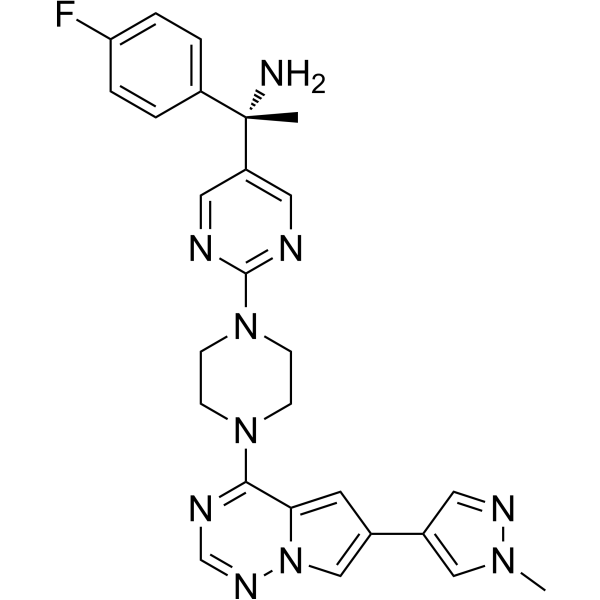
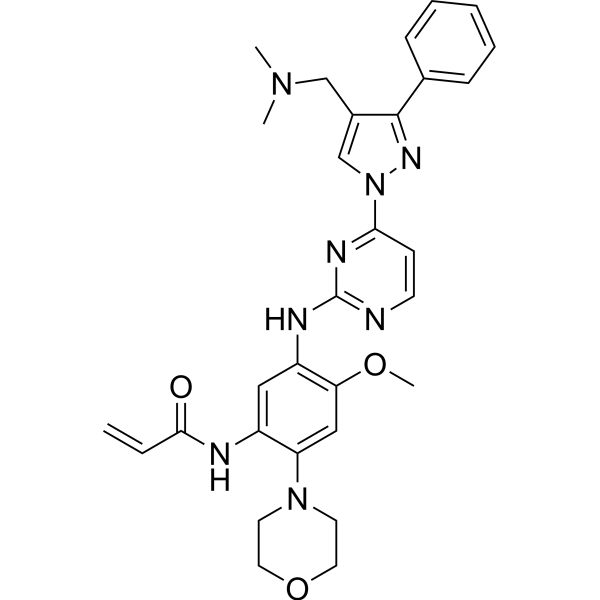
Avapritinib (BLU-285) is a highly potent, selective, and orally active KIT and PDGFRA activation loop mutant kinases inhibitor with IC50s of 0.27 and 0.24 nM for KIT D816V and PDGFRA D842V, respectively. Avapritinib (BLU-285) binds the active conformation of the kinase and shows antitumor activity. Avapritinib (BLU-285) attenuates the transport function of both ABCB1 and ABCG2[2].
Lazertinib (YH25448; GNS-1480) is an orally active, blood-brain barrier permeable third-generation EGFR tyrosine kinase inhibitor, as well as an ABCB1/ABCG2 inhibitor and a TRPA1 activator. Lazertinib exhibits IC50 values of 0.4 mM and 0.2 mM against human ABCB1 and ABCG2, respectively. By inhibiting mutant EGFR signaling, EGFR phosphorylation and the downstream ERK/AKT pathway, as well as upregulating surface expression of EGFR/MET, Lazertinib induces cell cycle arrest, apoptosis, spontaneous calcium responses, hyperexcitability of dorsal root ganglion (DRG) neurons, and TRPA1-dependent pain-like behaviors. Lazertinib competitively binds to the substrate-binding sites of ABCB1/ABCG2, stimulates their ATPase activity without altering their expression or plasma membrane localization, thereby enhancing ADCC activity, acting as a chemosensitizer, and reversing ABCB1-mediated multidrug resistance. It exerts antitumor activity as a single agent or in combination with other drugs. Lazertinib is applicable to research related to non-small cell lung cancer, multidrug-resistant cancers, and paresthesia [2] .
A-803467 is a potent and selective tetrodotoxin-resistant Nav1.8 sodium channel blocker (IC50=8 nM). A-803467 has shown significant anti-nociception in neuropathic and inflammatory pain models. A-803467 enhances the chemosensitivity of conventional anticancer agents through interaction with the ATP-binding cassette subfamily G member 2 (ABCG2) transporter [2].
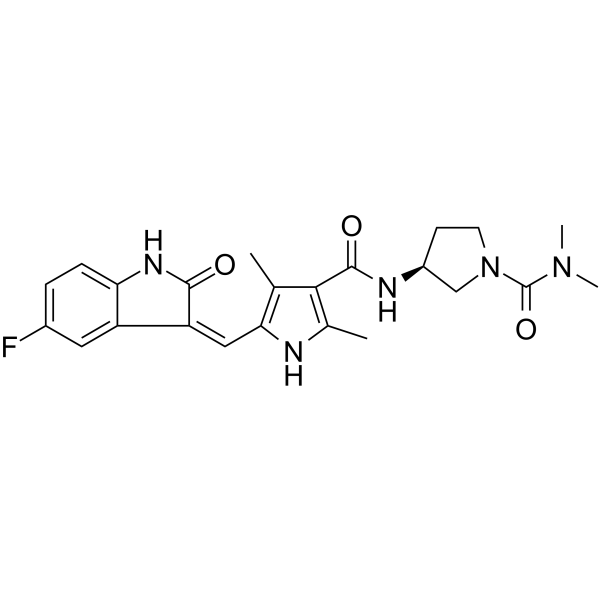
Vorolanib (CM082) is an orally active, potent multikinase VEGFR/PDGFR inhibitor. Vorolanib is a potent ATP-binding cassette (ABC) transporter inhibitor. Vorolanib is an angiogenesis inhibitor and has antitumor activity combined with ZD1839 (HY-50895) [2].
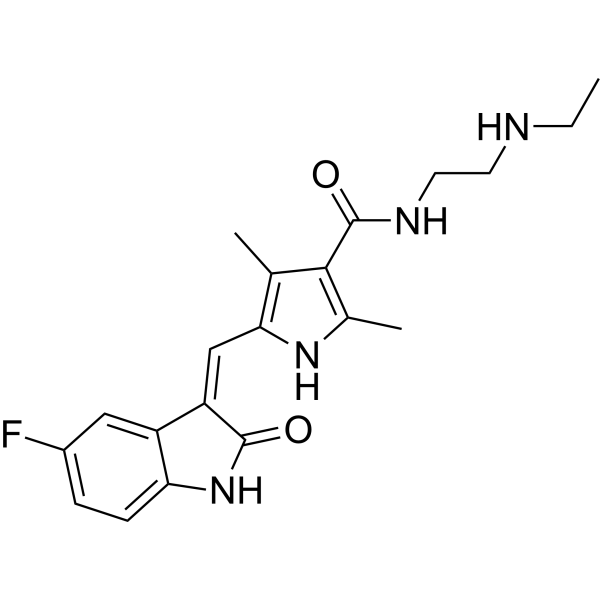
N-Desethyl Sunitinib (SU-12662) is a metabolite of Sunitinib (HY-10255A). N-Desethyl Sunitinib serves as a good transport substrate for human ABCB1, ABCG2 and murine ABCG2[2] .
Lazertinib (YH25448; GNS-1480) mesylate is an orally active, blood-brain barrier permeable third-generation EGFR tyrosine kinase inhibitor, as well as an ABCB1/ABCG2 inhibitor and a TRPA1 activator. Lazertinib mesylate exhibits IC50 values of 0.4 mM and 0.2 mM against human ABCB1 and ABCG2, respectively. By inhibiting mutant EGFR signaling, EGFR phosphorylation and the downstream ERK/AKT pathway, as well as upregulating surface expression of EGFR/MET, Lazertinib mesylate induces cell cycle arrest, apoptosis, spontaneous calcium responses, hyperexcitability of dorsal root ganglion (DRG) neurons, and TRPA1-dependent pain-like behaviors. Lazertinib mesylate competitively binds to the substrate-binding sites of ABCB1/ABCG2, stimulates their ATPase activity without altering their expression or plasma membrane localization, thereby enhancing ADCC activity, acting as a chemosensitizer, and reversing ABCB1-mediated multidrug resistance. It exerts antitumor activity as a single agent or in combination with other drugs. Lazertinib mesylate is applicable to research related to non-small cell lung cancer, multidrug-resistant cancers, and paresthesia [2] .
YHO-13351 is an orally active ABCG2 inhibitor . YHO-13351 modulates the function of ABCG2, blocks BCRP-mediated compound efflux, downregulates the expression of breast cancer resistance protein at the post-transcriptional level, and reverses ABCG2-associated tolerance. YHO-13351 restores the toxicity of SN-38 to SN-38-resistant cancer cells and sensitizes cancer cells to Irinotecan. YHO-13351 is a water-soluble prodrug that is rapidly converted to YHO-13177 (HY-12757) in mice. YHO-13351 prolongs the median survival time of mice bearing cancer cell xenografts when combined with IMMU-132. YHO-13351 extends the survival time of tumor-bearing mice and inhibits the growth of xenograft tumors when combined with Irinotecan. YHO-13351 can be used for the research of breast cancer, gastric cancer, BCRP-mediated drug-resistant cancers, and cervical cancer [2] .
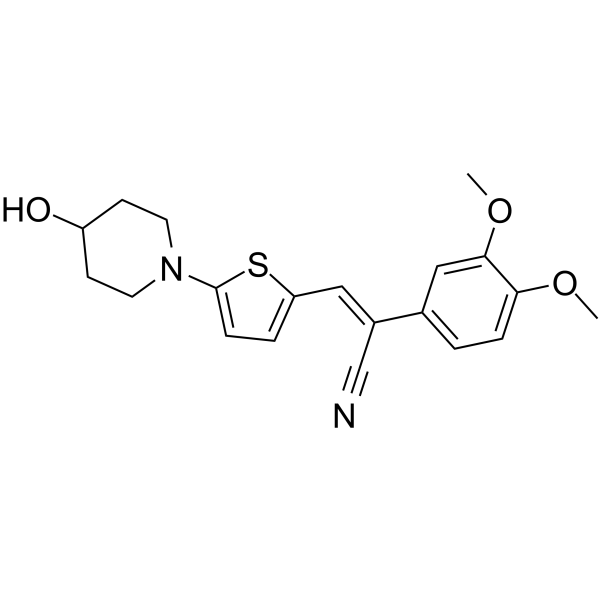
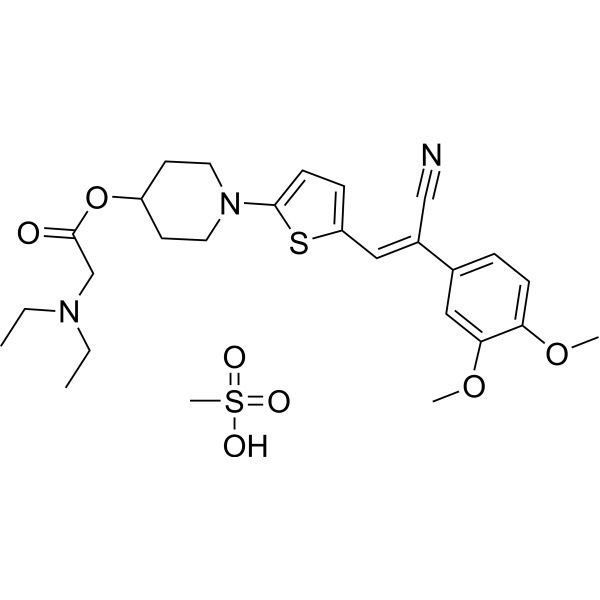
YHO-13177, a acrylonitrile derivative, is an orally active, potent and specific inhibitor of breast cancer resistance protein (BCRP) and ABCG2 with an IC50 value of 10 nM. YHO-13177 potentiates the cytotoxicity of SN-38 in HCT116 and A549 cells that express BCRP. YHO-13177 combined with Irinotecan (HY-16562) significantly suppresses the tumor growth in an HCT116/BCRP xenograft model [2] .
Ac-H-FluNox is an acetylated cell-compatible prodrug of H-FluNox (HY-D2339). Ac-H-FluNox undergoes intracellular hydrolysis of its acetyl group by esterases to generate H-FluNox, which then undergoes a deoxygenation reaction with labile heme to form a fluorescent product. Ac-H-FluNox detects fluctuations of labile heme in living cells, acute labile heme release upon nitric oxide stimulation, and accumulation of labile heme following inhibition of heme export proteins .
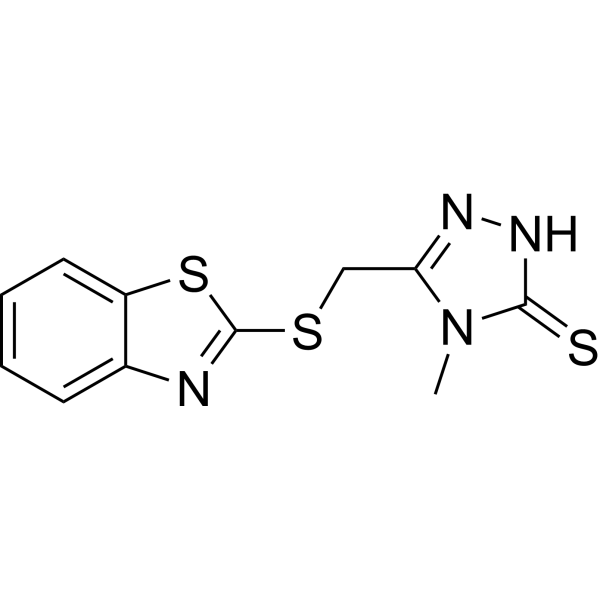
Ceefourin 1 is a potent and highly selective multidrug resistance protein 4 (MRP4) inhibitor. Ceefourin 1 inhibits transport of a broad range of MRP4 substrates, yet is highly selective for MRP4 over other ABC transporters. Ceefourin 1 is a benzothiazol and primarily as a chemosensitizer for high-risk neuroblastoma [2].
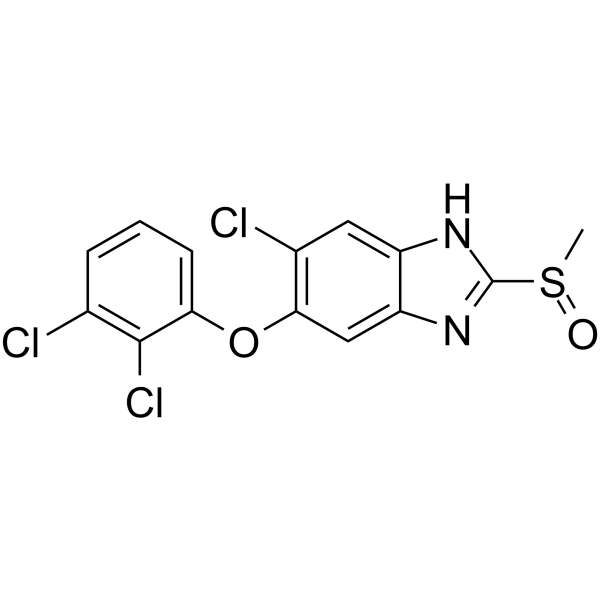
Triclabendazole sulfoxide (TCBZ-SO) is an orally active ABCG2 inhibitor with antiparasitic activity. Triclabendazole sulfoxide inhibits ABCG2-mediated active efflux and ATPase activity. Triclabendazole sulfoxide increases the intracellular accumulation of Mitoxantrone (HY-13502). Triclabendazole sulfoxide reduces the apical-directed transepithelial transport of Nitrofurantoin and Danofloxacin, while increasing their basolateral-directed transepithelial transport. Triclabendazole sulfoxide elevates the plasma levels of sulfasalazine in wild-type mice. Triclabendazole sulfoxide decreases ABCG2-mediated secretion of Nitrofurantoin into milk in wild-type lactating mice. Triclabendazole sulfoxide can be used in the research of insecticidal agents and cancers such as breast cancer [2].
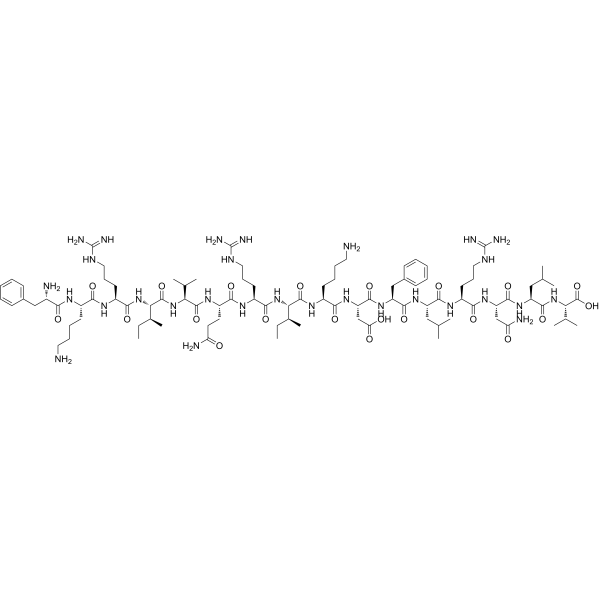
LL-37(17-32) is a biological active peptide. (This peptide is an active segment of LL-37, a peptide derived from the C-terminal domain of human cathelicidin antimicrobial peptide. It has been reported that the LL17-32 peptide exhibits reversal effect on ABCG2-mediated multidrug resistance in cancer cell lines.)
UR-MB108 is a selective ABCG2 inhibitor with an IC50 value of 79 nM. UR-MB108 acts as a potent inhibitor of ABCG2 transport and ATPase activity. UR-MB108 can be used in cancer-related research .
MC70 is a potent and non-selective P-glycoprotein (P-gp) inhibitor with an EC50 of 0.69 µM. MC70 is an ABC transporters inhibitor and anticancer agent. MC70 interacts with ABCB1, ABCG2 and ABCC1 [2].
MY-5445 is a specific inhibitor of the cyclic GMP phosphodiesterase, phosphodiesterase type 5 (PDE5), with a Ki of 1.3 μM. MY-5445 inhibits human platelet aggregation. MY-5445 is a selective modulator of ATP-binding cassette (ABC) transporter ABCG2, with anti-proliferative effect [2].
ML230 (CID44640177; SID 88095709) is a selective inhibitor of ATP-binding cassette (ABC) transporter ABCG2, and 36-fold selective for ABCG2 over ABCB1 with EC50s values of 0.13 μM and 4.65 μM, respectively .
Abcg2 Rat Pre-designed siRNA Set A contains three designed siRNAs for Abcg2 gene (Rat), as well as a negative control, a positive control, and a FAM-labeled negative control.
Abcg2 Mouse Pre-designed siRNA Set A contains three designed siRNAs for Abcg2 gene (Mouse), as well as a negative control, a positive control, and a FAM-labeled negative control.
ABCG2 Human Pre-designed siRNA Set A contains three designed siRNAs for ABCG2 gene (Human), as well as a negative control, a positive control, and a FAM-labeled negative control.
PCI 29732 is a potent, orally active, reversible BTK inhibitor with Kiapp values of 8.2, 4.6, and 2.5 nM for BTK, Lck and Lyn, respectively. PCI 29732 shows only modest inhibitory activity against Itk, another Tec family kinase. PCI 29732 inhibits the function of ABCG2 by competitively binding to the ATP-binding site of ABCG2[2].
ABCB1/ABCG2-IN-1 (Compound (S,Z)-4b) is an inhibitor of ABCB1 and ABCB2 transporters. ABCB1/ABCG2-IN-1 shows moderate activity in SW620M, -V, and –Mito variants (IC50 ≈ 50 μM). ABCB1/ABCG2-IN-1 affects methotrexate resistance in vitro. ABCB1/ABCG2-IN-1 can be studied in anticancer research .
Nedisertib (GMP) (Peposertib (GMP)) is Nedisertib (HY-101570) produced by using GMP guidelines. GMP small molecules works appropriately as an auxiliary reagent for cell therapy manufacture. Nedisertib is an orally active selective DNA-dependent protein kinase (DNA-PK) inhibitor with an IC50 value of less than 3 nM. Nedisertib also acts as a modulator of ABCG2, capable of reversing ABCG2-mediated multidrug resistance (MDR), thus providing new strategies for combination therapy. By inhibiting DNA double-strand break repair, Nedisertib can enhance the efficacy of chemotherapy and radiotherapy. Nedisertib exhibits antitumor activity [2] .
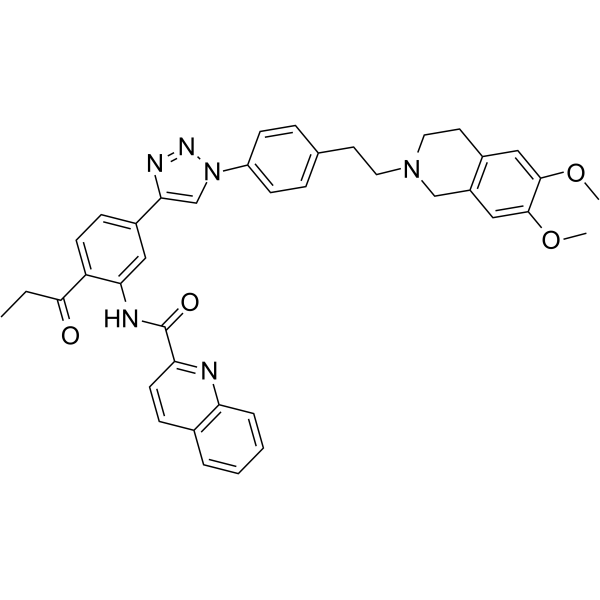
Efflux inhibitor-1 (compound 2) is a pyrazolo[1,5-a]pyrimidine efflux inhibitor. Efflux inhibitor-1 selectively targets toward ABCG2/BCRP over ABCB1 with IC50s of 0.45 μM and 2.17 μM, respectively .
AZ99 (compound 7) is a potent ABCG2 inhibitor. AZ99 inhibits ABCG2-mediated transport of estrone-3-sulfate (E1S) into proteoliposomes and ABCG2 ATPase activity .
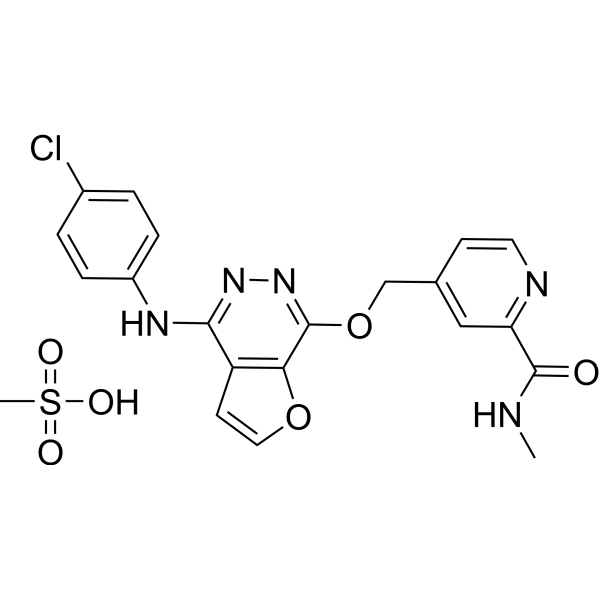
Telatinib mesylate (Bay 57-9352 mesylate) is a potent and orally active VEGFR2, VEGFR3, PDGFα, and c-Kit inhibitor with IC50s of 6 nM, 4 nM, 15 nM and 1 nM, respectively .
ABCG2-IN-5 (Compound 10) is a is a selective ABCG2 inhibitor, with an IC50 of 0.34 µM. ABCG2-IN-5 can be used for the study of ABCG2-overexpressing tumors such as non-small cell lung cancer (NSCLC) .
ABCG2-IN-1 (compound K2), a Ko143 analog, is an orally active ABCG2 inhibitor with an IC50 of 0.13 μM. ABCG2-IN-1 has favorable oral pharmacokinetic profiles in mice .
MBL-II-141 is potent ABCG2 inhibitor with an IC50 of 0.11 μM. MBL-II-141 inhibits the transport function of ABCG2 in a non-competitive manner, preventing ABCG2 from pumping substrates (such as Irinotecan (HY-16562)) out of the cells, thereby increasing the accumulation of drugs within the cells. MBL-II-141 has no effect on ABCB1 (P-gp) and ABCC1 (MRP1) and has extremely low cytotoxicity (IG50 > 100 μM). MBL-II-141 can be used for the study of multidrug resistance (MDR) cancers [2].
PARP1-IN-45 (Compound 15) is a PARP1 inhibitor with an IC50 of 17 nM. PARP1-IN-45 effectively stimulates ATPase activity of ABCG2. PARP1-IN-45 can be used for cancers like ovarian cancer research .
ABCG2-IN-3 (Compound 52) is a selective inhibitor for breast cancer resistance protein (ABCG2), with an IC50 of 0.238 µM. ABCG2-IN-3 reverses the ABCG2-mediated resistance toward SN-38 and inhibit the ATPase activity .
ABCG2-IN-2 is a potent ABCG2 inhibitor with favorable oral pharmacokinetic profiles in mice. ABCG2-IN-2 can be used for the research of tumor multidrug resistance (MDR) and erythropoietic protoporphyria (EPP) .
ABCG2-IN-4 (Compound K31) is an orally active inhibitor for ABCG2, which reduces the release of Protoporphyrin IX (PPIX) (HY-B1247) from erythrocytes into plasma, and prevents the reduces phototoxicity. ABCG2-IN-4 exhibits anti-inflammatory and antioxidant activity in mouse models .
Vismodegib (Standard) is the analytical standard of Vismodegib. This product is intended for research and analytical applications. Vismodegib (GDC-0449) is a BBB-permeable and orally active hedgehog pathway inhibitor with an IC50 of 3 nM. Vismodegib also inhibits P-gp, ABCG2 with IC50 values of 3.0 μM and 1.4 μM, respectively [2].
KPH2f is a safe, orally active, and effective dual URAT1/GLUT9 inhibitor with IC50s of 0.24 μM and 9.37 μM for URAT1 and GLUT9, respectively. KPH2f shows little effects on OAT1 and ABCG2 (IC50=32.14 and 26.74 μM) .
Avapritinib (Standard) is the analytical standard of Avapritinib. This product is intended for research and analytical applications. Avapritinib (BLU-285) is a highly potent, selective, and orally active KIT and PDGFRA activation loop mutant kinases inhibitor with IC50s of 0.27 and 0.24 nM for KIT D816V and PDGFRA D842V, respectively. Avapritinib (BLU-285) binds the active conformation of the kinase and shows antitumor activity. Avapritinib (BLU-285) attenuates the transport function of both ABCB1 and ABCG2[2].
Avapritinib-d3 (BLU-285-d3) is deuterium labeled Avapritinib. Avapritinib (BLU-285) is a highly potent, selective, and orally active KIT and PDGFRA activation loop mutant kinases inhibitor with IC50s of 0.27 and 0.24 nM for KIT D816V and PDGFRA D842V, respectively. Avapritinib (BLU-285) binds the active conformation of the kinase and shows antitumor activity. Avapritinib (BLU-285) attenuates the transport function of both ABCB1 and ABCG2[2].
BCRP/ABCG2-IN-1 is the inhibitor of breast cancer resistance protein (BCRP/ABCG2), with IC50 of 5.98 μM, that can be used in multidrug resistance of breast cancer .
Triclabendazole sulfoxide (Standard) is the analytical standard of Triclabendazole sulfoxide. This product is intended for research and analytical applications. Triclabendazole sulfoxide (TCBZ-SO) is an orally active ABCG2 inhibitor with antiparasitic activity. Triclabendazole sulfoxide inhibits ABCG2-mediated active efflux and ATPase activity. Triclabendazole sulfoxide increases the intracellular accumulation of Mitoxantrone (HY-13502). Triclabendazole sulfoxide reduces the apical-directed transepithelial transport of Nitrofurantoin and Danofloxacin, while increasing their basolateral-directed transepithelial transport. Triclabendazole sulfoxide elevates the plasma levels of sulfasalazine in wild-type mice. Triclabendazole sulfoxide decreases ABCG2-mediated secretion of Nitrofurantoin into milk in wild-type lactating mice. Triclabendazole sulfoxide can be used in the research of insecticidal agents and cancers such as breast cancer [2].
Triclabendazole sulfoxide-d3 is the deuterium labeled Triclabendazole sulfoxide. Triclabendazole sulfoxide (TCBZ-SO) is an orally active ABCG2 inhibitor with antiparasitic activity. Triclabendazole sulfoxide inhibits ABCG2-mediated active efflux and ATPase activity. Triclabendazole sulfoxide increases the intracellular accumulation of Mitoxantrone (HY-13502). Triclabendazole sulfoxide reduces the apical-directed transepithelial transport of Nitrofurantoin and Danofloxacin, while increasing their basolateral-directed transepithelial transport. Triclabendazole sulfoxide elevates the plasma levels of sulfasalazine in wild-type mice. Triclabendazole sulfoxide decreases ABCG2-mediated secretion of Nitrofurantoin into milk in wild-type lactating mice. Triclabendazole sulfoxide can be used in the research of insecticidal agents and cancers such as breast cancer [2].
Triclabendazole sulfoxide- 13C,d3 is the 13C- and deuterium labeled Triclabendazole sulfoxide. Triclabendazole sulfoxide (TCBZ-SO) is an orally active ABCG2 inhibitor with antiparasitic activity. Triclabendazole sulfoxide inhibits ABCG2-mediated active efflux and ATPase activity. Triclabendazole sulfoxide increases the intracellular accumulation of Mitoxantrone (HY-13502). Triclabendazole sulfoxide reduces the apical-directed transepithelial transport of Nitrofurantoin and Danofloxacin, while increasing their basolateral-directed transepithelial transport. Triclabendazole sulfoxide elevates the plasma levels of sulfasalazine in wild-type mice. Triclabendazole sulfoxide decreases ABCG2-mediated secretion of Nitrofurantoin into milk in wild-type lactating mice. Triclabendazole sulfoxide can be used in the research of insecticidal agents and cancers such as breast cancer [2].
6,8-Diprenylnaringenin (Lonchocarpol A; Senegalensin), a hop prenylflavonoid, is a inhibitor of breast cancer resistance protein (BCRP/ABCG2). 6,8-Diprenylnaringenin inhibits ABCG2-mediated efflux of Mitoxantrone, and 3H-Methotrexate transport (IC50=0.41 μM) in HEK293 cells. 6,8-Diprenylnaringenin exhibits some estrogenicity, but its potency is less than 1% of that of 8-Prenylnaringenin [2].
Antitumor photosensitizer-4 (compound 10b) is a potent tyrosine kinase inhibitor (TKI) targeting ABCG2. Antitumor photosensitizer-4 is a photosensitizer (PS) consisting of a conjugate of dasatinib (HY-10181) and imatinib (HY-15463). Antitumor photosensitizer-4 induces apoptosis and ROS production and exhibits strong phototoxicity to HepG2 and B16-F10 cells .
MZ82, Ko 143 (HY-10010) derivative, is a ATP-binding cassette subfamily G member 2(ABCG2/BCRP) inhibitor with the IC50 of ~23 nM. MZ82 not only shows greatly improved metabolic stability over Ko 143 (HY-10010) in liver microsomes but also in mice, and is able to penetrate into the brain .
MRS8432 is an ABCG2 modulator with an EC50 of 7.5 nM against human ABCG2. MRS8432 activates ABCG2 ATPase activity. MRS8432 partially inhibits ABCG2-mediated substrate transport. MRS8432 is applicable to research related to cancer multidrug resistance .
Vismodegib-d4 is deuterium labeled Vismodegib. Vismodegib (GDC-0449) is an orally active hedgehog pathway inhibitor with an IC50 of 3 nM. Vismodegib also inhibits P-gp, ABCG2 with IC50 values of 3.0 μM and 1.4 μM, respectively [2].
Vismodegib-d7 is deuterium labeled Vismodegib. Vismodegib (GDC-0449) is an orally active hedgehog pathway inhibitor with an IC50 of 3 nM. Vismodegib also inhibits P-gp, ABCG2 with IC50 values of 3.0 μM and 1.4 μM, respectively [2].
Telatinib (mesylate) (Standard) is the analytical standard of Telatinib (mesylate). This product is intended for research and analytical applications. Telatinib mesylate (Bay 57-9352 mesylate) is a potent and orally active VEGFR2, VEGFR3, PDGFα, and c-Kit inhibitor with IC50s of 6 nM, 4 nM, 15 nM and 1 nM, respectively .
MRS8288 is a ABCG2 and P-glycoprotein inhibitor, with an IC50 of 0.96 μM against ABCG2 and an IC50 of 1.39 μM against P-glycoprotein. MRS8288 inhibits the ATPase activity of ABCG2 and P-glycoprotein, and suppresses ABCG2-mediated substrate transport. MRS8288 is applicable for cancer research .
Butein tetramethyl ether (Compound 20) is a potent and selective breast cancer resistance protein/ATP-binding cassette subfamily G member 2(BCRP/ABCG2) inhibitor. Butein tetramethyl ether has inhibitory potencies against MCF-7 MX and MDCK BCRP cells with IC50 values of 2.2 and 1.03 μM, respectively. Butein tetramethyl ether is promising for research of cancers .
MRS8431 is an ABCG2 inhibitor with a IC50 of 160 nM against human ABCG2. MRS8432 partially inhibits ABCG2-mediated substrate transport. MRS8432 is applicable to research related to cancer multidrug resistance .
CDg13 is a fluorescent probe that specifically detects living neural stem/progenitor cells. CDg13 localizes to the endoplasmic reticulum via its dihexyl moiety, with no interaction with endoplasmic reticulum biomolecules. CDg13 undergoes selective efflux by active ABCG2 transporters, with increased intracellular accumulation following ABCG2 inhibition or knockdown. CDg13 isolates and enriches self-renewable neural stem/progenitor cells from embryonic mouse brain tissue, stains neural stem/progenitor cells brightly, and sorts ABCG2low cell populations from heterogeneous populations . (Ex/Em = 520/553 nm)
Nedisertib (Standard) is the analytical standard of Nedisertib (HY-101570). This product is intended for research and analytical applications. Nedisertib (Peposertib) is an orally active selective DNA-dependent protein kinase (DNA-PK) inhibitor with an IC50 value of less than 3 nM. Nedisertib also acts as a modulator of ABCG2, capable of reversing ABCG2-mediated multidrug resistance (MDR), thus providing new strategies for combination therapy. By inhibiting DNA double-strand break repair, Nedisertib can enhance the efficacy of chemotherapy and radiotherapy. Nedisertib exhibits antitumor activity [2] .
Lazertinib (YH25448; GNS-1480) mesylate hydrate is an orally active, blood-brain barrier permeable third-generation EGFR tyrosine kinase inhibitor, as well as an ABCB1/ABCG2 inhibitor and a TRPA1 activator. Lazertinib mesylate hydrate exhibits IC50 values of 0.4 mM and 0.2 mM against human ABCB1 and ABCG2, respectively. By inhibiting mutant EGFR signaling, EGFR phosphorylation and the downstream ERK/AKT pathway, as well as upregulating surface expression of EGFR/MET, Lazertinib mesylate hydrate induces cell cycle arrest, apoptosis, spontaneous calcium responses, hyperexcitability of dorsal root ganglion (DRG) neurons, and TRPA1-dependent pain-like behaviors. Lazertinib mesylate hydrate competitively binds to the substrate-binding sites of ABCB1/ABCG2, stimulates their ATPase activity without altering their expression or plasma membrane localization, thereby enhancing ADCC activity, acting as a chemosensitizer, and reversing ABCB1-mediated multidrug resistance. It exerts antitumor activity as a single agent or in combination with other drugs. Lazertinib mesylate hydrate is applicable to research related to non-small cell lung cancer, multidrug-resistant cancers, and paresthesia [2] .
Ko 143 (Standard) is the analytical standard of Ko 143 (HY-10010). This product is intended for research and analytical applications. Ko 143 is a potent and selective ATP-binding cassette subfamily G member 2 (ABCG2/BCRP) inhibitor. Ko 143 displays >200-fold selectivity over P-gp and MRP-1 transporters [2].
Xanthine oxidase-IN-23 (Compound BPF) is an orally active, reversible, mixed-type Xanthine oxidase inhibitor with an IC50 of 3.33 μM. Xanthine oxidase-IN-23 directly binds to XOD in a reversible mixed-type manner to inhibit its catalytic activity. Xanthine oxidase-IN-23 upregulates ABCG2 and downregulates GLUT9 to promote renal urate excretion. Xanthine oxidase-IN-23 reduces serum urate levels and improves renal function in hyperuricemic mice. Xanthine oxidase-IN-23 can be used in the research of hyperuricemia .
Pentamethoxymorin (MRS923) is a selective breast cancer resistance protein (BCRP/ABCG2) inhibitor. Pentamethoxymorin shows selectivity for BCRP over P-gp and MRP1. Pentamethoxymorin inhibits MDCK BCRP cells with IC50 vaues of 5.98 μM and 5.94 μM in Hoechst 33342 (HY-15559) assay and Pheophorbide A (HY-125665) assay, respectively. Pentamethoxymorin can be used for the study of ccancer .
URAT1 inhibitor 3 is a potent, orally active, selective URAT1 inhibitor with an IC50 value of 0.8 nM. URAT1 inhibitor 3 has urate-lowering efficacy. URAT1 inhibitor 3 can be used in research of gout and hyperuricemi .
Vorolanib (Standard) is the analytical standard of Vorolanib (HY-109019). This product is intended for research and analytical applications. Vorolanib (CM082) is an orally active, potent multiKinase VEGFR/PDGFR inhibitor. Vorolanib is a potent ATP-binding cassette (ABC) transporter inhibitor. Vorolanib is an angiogenesis inhibitor and has antitumor activity combined with ZD1839 (HY-50895) [2].
Lazertinib mesylate (Standard) is the analytical standard of Lazertinib (mesylate) (HY-109061B). This product is intended for research and analytical applications. Lazertinib (YH25448) mesylate is a potent, selective, CNS-penetrant, orally available and irreversible EGFR tyrosine Kinase inhibitor, exhibiting high selectivity for activating (EGFRm) and T790M resistance mutations. Lazertinib mesylate inhibits phosphorylation of EGFR, AKT and ERK, leading to apoptosis and suppression of tumor growth in mouse H1975-luc brain metastasis xenograft models. Lazertinib mesylate can be used in the study of non-small cell lung cancer [2].
Ceefourin 1 (Standard) is the analytical standard of Ceefourin 1 (HY-101453). This product is intended for research and analytical applications. Ceefourin 1 is a potent and highly selective multidrug resistance protein 4 (MRP4) inhibitor. Ceefourin 1 inhibits transport of a broad range of MRP4 substrates, yet is highly selective for MRP4 over other ABC transporters. Ceefourin 1 is a benzothiazol and primarily as a chemosensitizer for high-risk neuroblastoma [2].
ProAlk01 is a protein alkylating agent that serves as a toxin payload for ADCs. ProAlk01 localizes to the cytoplasm and exerts cytotoxic effects mainly by alkylating cytoplasmic proteins rather than binding to DNA. ProAlk01 induces cell cycle arrest, apoptosis, and immunogenic cell death. ProAlk01 can be used in the research of solid tumors .
WK-X-34 is a low-toxicity, highly effective multidrug resistance reversal agent. By potently inhibiting the transport functions of P-glycoprotein (P-gp, ABCB1) and breast cancer resistance protein (BCRP), WK-X-34 significantly increases the intracellular accumulation of anticancer drugs and radiotracers in drug-resistant cells. WK-X-34 exerts no significant effect on MRP transporters. WK-X-34 not only restores the chemosensitivity of multidrug-resistant ovarian cancer cells, but also significantly enhances the uptake of 99mTc-Sestamibi in P-gp-positive xenograft tumors, brain and intestinal tissues. WK-X-34 exhibits extremely low toxicity and favorable safety profiles both in vitro and in mice (at doses up to 50 mg/kg), and can be used for research on overcoming multidrug resistance in ovarian cancer .
Ac-H-FluNox is an acetylated cell-compatible prodrug of H-FluNox (HY-D2339). Ac-H-FluNox undergoes intracellular hydrolysis of its acetyl group by esterases to generate H-FluNox, which then undergoes a deoxygenation reaction with labile heme to form a fluorescent product. Ac-H-FluNox detects fluctuations of labile heme in living cells, acute labile heme release upon nitric oxide stimulation, and accumulation of labile heme following inhibition of heme export proteins .
CDg13 is a fluorescent probe that specifically detects living neural stem/progenitor cells. CDg13 localizes to the endoplasmic reticulum via its dihexyl moiety, with no interaction with endoplasmic reticulum biomolecules. CDg13 undergoes selective efflux by active ABCG2 transporters, with increased intracellular accumulation following ABCG2 inhibition or knockdown. CDg13 isolates and enriches self-renewable neural stem/progenitor cells from embryonic mouse brain tissue, stains neural stem/progenitor cells brightly, and sorts ABCG2low cell populations from heterogeneous populations . (Ex/Em = 520/553 nm)
LL-37(17-32) is a biological active peptide. (This peptide is an active segment of LL-37, a peptide derived from the C-terminal domain of human cathelicidin antimicrobial peptide. It has been reported that the LL17-32 peptide exhibits reversal effect on ABCG2-mediated multidrug resistance in cancer cell lines.)
BCRP/ABCG2-IN-1 is the inhibitor of breast cancer resistance protein (BCRP/ABCG2), with IC50 of 5.98 μM, that can be used in multidrug resistance of breast cancer .
6,8-Diprenylnaringenin (Lonchocarpol A; Senegalensin), a hop prenylflavonoid, is a inhibitor of breast cancer resistance protein (BCRP/ABCG2). 6,8-Diprenylnaringenin inhibits ABCG2-mediated efflux of Mitoxantrone, and 3H-Methotrexate transport (IC50=0.41 μM) in HEK293 cells. 6,8-Diprenylnaringenin exhibits some estrogenicity, but its potency is less than 1% of that of 8-Prenylnaringenin [2].
Avapritinib-d3 (BLU-285-d3) is deuterium labeled Avapritinib. Avapritinib (BLU-285) is a highly potent, selective, and orally active KIT and PDGFRA activation loop mutant kinases inhibitor with IC50s of 0.27 and 0.24 nM for KIT D816V and PDGFRA D842V, respectively. Avapritinib (BLU-285) binds the active conformation of the kinase and shows antitumor activity. Avapritinib (BLU-285) attenuates the transport function of both ABCB1 and ABCG2[2].
Triclabendazole sulfoxide-d3 is the deuterium labeled Triclabendazole sulfoxide. Triclabendazole sulfoxide (TCBZ-SO) is an orally active ABCG2 inhibitor with antiparasitic activity. Triclabendazole sulfoxide inhibits ABCG2-mediated active efflux and ATPase activity. Triclabendazole sulfoxide increases the intracellular accumulation of Mitoxantrone (HY-13502). Triclabendazole sulfoxide reduces the apical-directed transepithelial transport of Nitrofurantoin and Danofloxacin, while increasing their basolateral-directed transepithelial transport. Triclabendazole sulfoxide elevates the plasma levels of sulfasalazine in wild-type mice. Triclabendazole sulfoxide decreases ABCG2-mediated secretion of Nitrofurantoin into milk in wild-type lactating mice. Triclabendazole sulfoxide can be used in the research of insecticidal agents and cancers such as breast cancer [2].
Triclabendazole sulfoxide- 13C,d3 is the 13C- and deuterium labeled Triclabendazole sulfoxide. Triclabendazole sulfoxide (TCBZ-SO) is an orally active ABCG2 inhibitor with antiparasitic activity. Triclabendazole sulfoxide inhibits ABCG2-mediated active efflux and ATPase activity. Triclabendazole sulfoxide increases the intracellular accumulation of Mitoxantrone (HY-13502). Triclabendazole sulfoxide reduces the apical-directed transepithelial transport of Nitrofurantoin and Danofloxacin, while increasing their basolateral-directed transepithelial transport. Triclabendazole sulfoxide elevates the plasma levels of sulfasalazine in wild-type mice. Triclabendazole sulfoxide decreases ABCG2-mediated secretion of Nitrofurantoin into milk in wild-type lactating mice. Triclabendazole sulfoxide can be used in the research of insecticidal agents and cancers such as breast cancer [2].
Vismodegib-d4 is deuterium labeled Vismodegib. Vismodegib (GDC-0449) is an orally active hedgehog pathway inhibitor with an IC50 of 3 nM. Vismodegib also inhibits P-gp, ABCG2 with IC50 values of 3.0 μM and 1.4 μM, respectively [2].
Vismodegib-d7 is deuterium labeled Vismodegib. Vismodegib (GDC-0449) is an orally active hedgehog pathway inhibitor with an IC50 of 3 nM. Vismodegib also inhibits P-gp, ABCG2 with IC50 values of 3.0 μM and 1.4 μM, respectively [2].
Abcg2 Rat Pre-designed siRNA Set A contains three designed siRNAs for Abcg2 gene (Rat), as well as a negative control, a positive control, and a FAM-labeled negative control.
Abcg2 Mouse Pre-designed siRNA Set A contains three designed siRNAs for Abcg2 gene (Mouse), as well as a negative control, a positive control, and a FAM-labeled negative control.
ABCG2 Human Pre-designed siRNA Set A contains three designed siRNAs for ABCG2 gene (Human), as well as a negative control, a positive control, and a FAM-labeled negative control.
Nedisertib (GMP) (Peposertib (GMP)) is Nedisertib (HY-101570) produced by using GMP guidelines. GMP small molecules works appropriately as an auxiliary reagent for cell therapy manufacture. Nedisertib is an orally active selective DNA-dependent protein kinase (DNA-PK) inhibitor with an IC50 value of less than 3 nM. Nedisertib also acts as a modulator of ABCG2, capable of reversing ABCG2-mediated multidrug resistance (MDR), thus providing new strategies for combination therapy. By inhibiting DNA double-strand break repair, Nedisertib can enhance the efficacy of chemotherapy and radiotherapy. Nedisertib exhibits antitumor activity [2] .
Inquiry Online
Your information is safe with us. * Required Fields.
Western blot analysis of extracts from THP-1(lane 2(20μg), Jurkat (lane 3(20μg) and NIH3T3(lane 4(20μg) using FOXO1A (HY-P80132) Rabbit mAb. Proteins were transferred
to a PVDF membrane and blocked with 5% non-fat milk in TBST for 2 hour at room temperature. The primary antibody (1/1000) and Loading control antibody (Beta Actin, HY-P80438, 1/10000) was
used in 5% non-fat milk in TBST at 4°C overnight. Goat Anti-Mouse/Rabbit IgG-HRP Secondary Antibody (1/10000) was used for 1 hour at room temperature.
Western blot analysis of extracts from THP-1(lane 2(20μg), Jurkat (lane 3(20μg) and NIH3T3(lane 4(20μg) using FOXO1A (HY-P80132) Rabbit mAb. Proteins were transferred
to a PVDF membrane and blocked with 5% non-fat milk in TBST for 2 hour at room temperature. The primary antibody (1/1000) and Loading control antibody (Beta Actin, HY-P80438, 1/10000) was
used in 5% non-fat milk in TBST at 4°C overnight. Goat Anti-Mouse/Rabbit IgG-HRP Secondary Antibody (1/10000) was used for 1 hour at room temperature.
Western blot analysis of extracts from THP-1(lane 2(20μg), Jurkat (lane 3(20μg) and NIH3T3(lane 4(20μg) using FOXO1A (HY-P80132) Rabbit mAb. Proteins were transferred
to a PVDF membrane and blocked with 5% non-fat milk in TBST for 2 hour at room temperature. The primary antibody (1/1000) and Loading control antibody (Beta Actin, HY-P80438, 1/10000) was
used in 5% non-fat milk in TBST at 4°C overnight. Goat Anti-Mouse/Rabbit IgG-HRP Secondary Antibody (1/10000) was used for 1 hour at room temperature.
Western blot analysis of extracts from THP-1(lane 2(20μg), Jurkat (lane 3(20μg) and NIH3T3(lane 4(20μg) using FOXO1A (HY-P80132) Rabbit mAb. Proteins were transferred
to a PVDF membrane and blocked with 5% non-fat milk in TBST for 2 hour at room temperature. The primary antibody (1/1000) and Loading control antibody (Beta Actin, HY-P80438, 1/10000) was
MedchemExpress Validation 03
Western blot analysis of extracts from THP-1(lane 2(20μg), Jurkat (lane 3(20μg) and NIH3T3(lane 4(20μg) using FOXO1A (HY-P80132) Rabbit mAb. Proteins were transferred
MedchemExpress Validation 04
Western blot analysis of extracts from THP-1(lane 2(20μg), Jurkat (lane 3(20μg) and NIH3T3(lane 4(20μg) using FOXO1A (HY-P80132) Rabbit mAb. Proteins were transferred
to a PVDF membrane and blocked with 5% non-fat milk in TBST for 2 hour at room temperature. The primary antibody (1/1000) and Loading control antibody (Beta Actin, HY-P80438, 1/10000) was
used in 5% non-fat milk in TBST at 4°C overnight. Goat Anti-Mouse/Rabbit IgG-HRP Secondary Antibody (1/10000) was used for 1 hour at room temperature.
MedchemExpress Validation
Western blot analysis of extracts from THP-1(lane 2(20μg), Jurkat (lane 3(20μg) and NIH3T3(lane 4(20μg) using FOXO1A (HY-P80132) Rabbit mAb. Proteins were transferred
to a PVDF membrane and blocked with 5% non-fat milk in TBST for 2 hour at room temperature. The primary antibody (1/1000) and Loading control antibody (Beta Actin, HY-P80438, 1/10000) was
used in 5% non-fat milk in TBST at 4°C overnight. Goat Anti-Mouse/Rabbit IgG-HRP Secondary Antibody (1/10000) was used for 1 hour at room temperature.
Western blot analysis of extracts from THP-1(lane 2(20μg), Jurkat (lane 3(20μg) and NIH3T3(lane 4(20μg) using FOXO1A (HY-P80132) Rabbit mAb. Proteins were transferred
to a PVDF membrane and blocked with 5% non-fat milk in TBST for 2 hour at room temperature. The primary antibody (1/1000) and Loading control antibody (Beta Actin, HY-P80438, 1/10000) was
used in 5% non-fat milk in TBST at 4°C overnight. Goat Anti-Mouse/Rabbit IgG-HRP Secondary Antibody (1/10000) was used for 1 hour at room temperature.
MedchemExpress Validation
Western blot analysis of extracts from THP-1(lane 2(20μg), Jurkat (lane 3(20μg) and NIH3T3(lane 4(20μg) using FOXO1A (HY-P80132) Rabbit mAb. Proteins were transferred
to a PVDF membrane and blocked with 5% non-fat milk in TBST for 2 hour at room temperature. The primary antibody (1/1000) and Loading control antibody (Beta Actin, HY-P80438, 1/10000) was
used in 5% non-fat milk in TBST at 4°C overnight. Goat Anti-Mouse/Rabbit IgG-HRP Secondary Antibody (1/10000) was used for 1 hour at room temperature.
MedchemExpress Validation
Western blot analysis of extracts from THP-1(lane 2(20μg), Jurkat (lane 3(20μg) and NIH3T3(lane 4(20μg) using FOXO1A (HY-P80132) Rabbit mAb. Proteins were transferred
to a PVDF membrane and blocked with 5% non-fat milk in TBST for 2 hour at room temperature. The primary antibody (1/1000) and Loading control antibody (Beta Actin, HY-P80438, 1/10000) was
used in 5% non-fat milk in TBST at 4°C overnight. Goat Anti-Mouse/Rabbit IgG-HRP Secondary Antibody (1/10000) was used for 1 hour at room temperature.
MedchemExpress Validation
Western blot analysis of extracts from THP-1(lane 2(20μg), Jurkat (lane 3(20μg) and NIH3T3(lane 4(20μg) using FOXO1A (HY-P80132) Rabbit mAb. Proteins were transferred
to a PVDF membrane and blocked with 5% non-fat milk in TBST for 2 hour at room temperature. The primary antibody (1/1000) and Loading control antibody (Beta Actin, HY-P80438, 1/10000) was
used in 5% non-fat milk in TBST at 4°C overnight. Goat Anti-Mouse/Rabbit IgG-HRP Secondary Antibody (1/10000) was used for 1 hour at room temperature.
MedchemExpress Validation
Western blot analysis of extracts from THP-1(lane 2(20μg), Jurkat (lane 3(20μg) and NIH3T3(lane 4(20μg) using FOXO1A (HY-P80132) Rabbit mAb. Proteins were transferred
to a PVDF membrane and blocked with 5% non-fat milk in TBST for 2 hour at room temperature. The primary antibody (1/1000) and Loading control antibody (Beta Actin, HY-P80438, 1/10000) was
used in 5% non-fat milk in TBST at 4°C overnight. Goat Anti-Mouse/Rabbit IgG-HRP Secondary Antibody (1/10000) was used for 1 hour at room temperature.
MedchemExpress Validation
Western blot analysis of extracts from THP-1(lane 2(20μg), Jurkat (lane 3(20μg) and NIH3T3(lane 4(20μg) using FOXO1A (HY-P80132) Rabbit mAb. Proteins were transferred
to a PVDF membrane and blocked with 5% non-fat milk in TBST for 2 hour at room temperature. The primary antibody (1/1000) and Loading control antibody (Beta Actin, HY-P80438, 1/10000) was
used in 5% non-fat milk in TBST at 4°C overnight. Goat Anti-Mouse/Rabbit IgG-HRP Secondary Antibody (1/10000) was used for 1 hour at room temperature.
MedchemExpress Validation
Western blot analysis of extracts from THP-1(lane 2(20μg), Jurkat (lane 3(20μg) and NIH3T3(lane 4(20μg) using FOXO1A (HY-P80132) Rabbit mAb. Proteins were transferred
to a PVDF membrane and blocked with 5% non-fat milk in TBST for 2 hour at room temperature. The primary antibody (1/1000) and Loading control antibody (Beta Actin, HY-P80438, 1/10000) was
used in 5% non-fat milk in TBST at 4°C overnight. Goat Anti-Mouse/Rabbit IgG-HRP Secondary Antibody (1/10000) was used for 1 hour at room temperature.
MedChemExpress values your privacy and your trust is important to us. We use cookies to enhance your website experience. Some cookies are necessary to run the website.
Privacy and Cookie Policy

