



1. Search Result
Search Result
Results for "

Activated A Subunit

" in MedChemExpress (MCE) Product Catalog:

71

Inhibitors & Agonists

1

Screening Libraries

1

Biochemical Assay Reagents

9

Peptides

5

Inhibitory Antibodies

7

Natural
Products

2

Isotope-Labeled Compounds

7

Oligonucleotides

Targets Recommended:
Cat. No. Product Name Target Research Areas Chemical Structure
  • HY-16926
    CK-666
    20+ Cited Publications

    Arp2/3 Complex HIV Infection Cancer
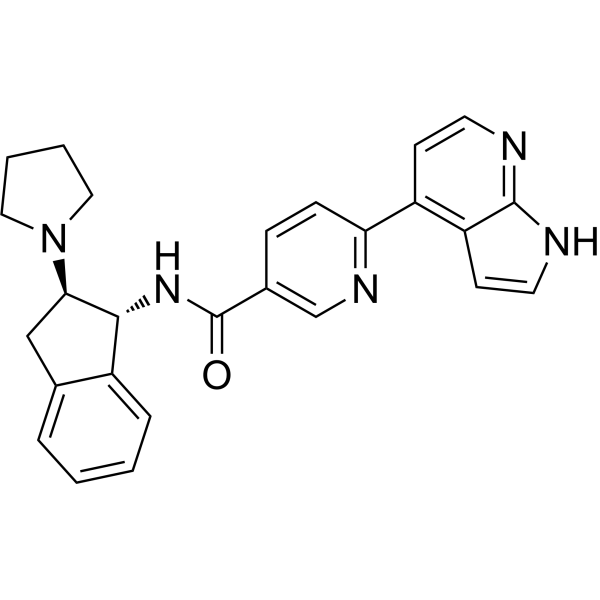
    CK-666 is a cell-permeable actin-related protein Arp2/3 complex inhibitor (IC50=12 μM). CK-666 binds to Arp2/3 complex, stabilizes the inactive state of the complex, blocking movement of the Arp2 and Arp3 subunits into the activated filament-like (short pitch) conformation .
    CK-666
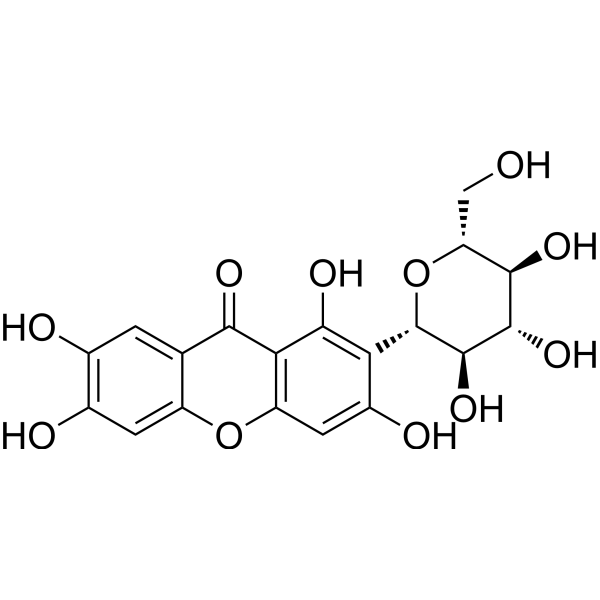
  • HY-N0290
    Mangiferin
    15+ Cited Publications

    NF-κB Keap1-Nrf2 Apoptosis Cancer
    Mangiferin is a Nrf2 activator. Mangiferin suppresses nuclear translocation of the NF-κB subunits p65 and p50. Mangiferin exhibits antioxidant, antidiabetic, antihyperuricemic, antiviral, anticancer and antiinflammatory activities .
    Mangiferin
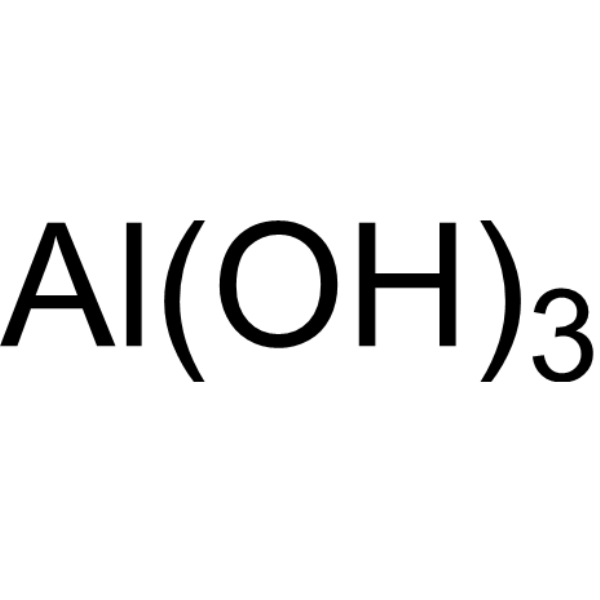
  • HY-B1521
    Aluminum Hydroxide
    5+ Cited Publications

    Environmental Pollutants NOD-like Receptor (NLR) Cardiovascular Disease Inflammation/Immunology
    Aluminum Hydroxide is an orally active main form of aluminum used as adjuvant. Aluminum hydroxide-based adjuvant researches include the repository effect, pro-phagocytic effect, and activation of the pro-inflammatory NLRP3 pathway. Aluminum Hydroxide also acts as adjuvant to compensate low inherent immunogenicity of subunit vaccines .
    Aluminum Hydroxide
  • HY-13207
    ONX-0914
    20+ Cited Publications

    PR-957

    Proteasome Bacterial HIV Infection Inflammation/Immunology
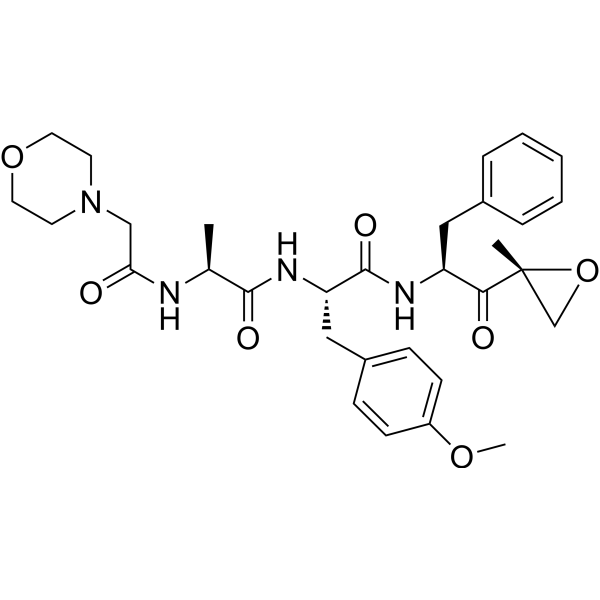
    ONX-0914 (PR-957) is a selective inhibitor of low-molecular mass polypeptide-7 (LMP7), the chymotrypsin-like subunit of the immunoproteasome. ONX-0914 blocks cytokine production and attenuates progression of experimental arthritis. ONX-0914 is a noncompetitive irreversible inhibitor of the mycobacterial proteasome (Ki=5.2 μM). ONX-0914 reactivates latent HIV-1 through p-TEFb activation mediated by HSF-1 .
    ONX-0914
  • HY-128892
    EN6
    5 Publications Verification

    Autophagy Neurological Disease
    EN6 is a small-molecule in vivo autophagy activator that covalently targets cysteine 277 in the ATP6V1A subunit of the lysosomal v-ATPase. EN6-mediated modification of ATP6V1A uncouples v-ATPase from Rag, leading to inhibition of mTORC1 signalling, increased lysosomal acidification, and activation of autophagy. EN6 also scavenges TDP-43 aggregates (causative agents of frontotemporal dementia) in a lysosome-dependent manner .
    EN6
  • HY-128574

    DS11252927

    GLUT PI3K Akt Metabolic Disease
    D927 (DS11252927) is an orally active glucose transporter type 4 (GLUT4) translocation activator with an EC50 of 0.14 μM. D927 enhances the binding affinity of PI3Kα catalytic subunit p110α to canonical RAS proteins (KRAS4A, KRAS4B) and RRAS, RRAS2, MRAS. D927 activates the PI3Kα-AKT pathway (increasing phosphorylation of AKT, p70S6 kinase) without affecting the RAF-ERK1/2 pathway. D927 improves hyperglycemia in type 1 and type 2 diabetes mice model. D927 can be used for the study of glucose homeostasis disorders and diabetes .
    D927
  • HY-10496
    SC75741
    Maximum Cited Publications
    32 Publications Verification

    NF-κB Influenza Virus Infection Cancer
    SC75741 is a broad and efficient NF-κB inhibitor with an IC50 of 200 nM for p65 . SC75741 blocks influenza viruses (IV) replication. SC75741 impairs DNA binding of the NF-κB subunit p65, resulting in reduced expression of cytokines, chemokines, and pro-apoptotic factors. SC75741 subsequently inhibits caspase activation and blocks caspase-mediated nuclear export of viral ribonucleoproteins .
    SC75741
  • HY-W002112

    Nornicotine

    Endogenous Metabolite Drug Metabolite nAChR β-catenin Cardiovascular Disease Neurological Disease
    (±)-Nornicotine is a major metabolite of Nicotine. (±)-Nornicotine is a partial nAChRs agonist, specifically activating receptor subtypes containing α7 and α6 subunits. (±)-Nornicotine disrupts β-catenin and ZO-1, and induces F-actin depolymerization. (±)-Nornicotine supports self-administration behavior. (±)-Nornicotine can be used in the research of atherosclerosis, Alzheimer's disease, and schizophrenia .
    (±)-Nornicotine
  • HY-P990093

    CM310

    Interleukin Related STAT Inflammation/Immunology
    Stapokibart (CM310) is a humanized monoclonal antibody targeting IL-4Rα (KD values of 0.25 nM, 1.50 nM, and 2.75 nM for human, cynomolgus monkey, and rat IL-4Rα, respectively). Stapokibart effectively blocks the interaction of cytokines IL-4 and IL-13 with their co-receptor subunit IL-4Rα. Stapokibart reduces IL-4 and IL-13 mRNA, inhibits CD23 upregulation, and inhibits IL-4 and IL-13-induced STAT6 activation. Stapokibart improves inflammation (airway inflammation, rhinitis, dermatitis) .
    Stapokibart
  • HY-P5985
    mSIRK
    2 Publications Verification

    ERK Others
    mSIRK (G-Protein βγ Binding Peptide) is an cell-permeable activator of ERK1/2, with EC50 of 2.5-5 μM. mSIRK disrupts the interaction between α and βγ subunits and promotes α subunit dissociation without stimulating nucleotide exchange .
    mSIRK
  • HY-108738

    Ro 24-7375

    Interleukin Related Apoptosis Inflammation/Immunology Cancer
    Daclizumab (Ro 24-7375) is a humanized, monoclonal antibody that blocks CD25 (α-subunit of the high-affinity interleukin-2 receptor (IL-2R-HA)). Daclizumab inhibits effector T cell activation, regulatory T cell (Treg) expansion and survival, and activation-induced T-cell apoptosis. Daclizumab increases IL-2 bioavailability to bind to the intermediate-affinity IL-2R (IL-2R-IA), driving the expansion of anti-inflammatory CD56bright natural killer (NK) cells. Daclizumab can be used for multiple sclerosis and cancer research .
    Daclizumab
  • HY-N2084
    Perillartine
    2 Publications Verification

    DL-Perillartine

    Endogenous Metabolite Others
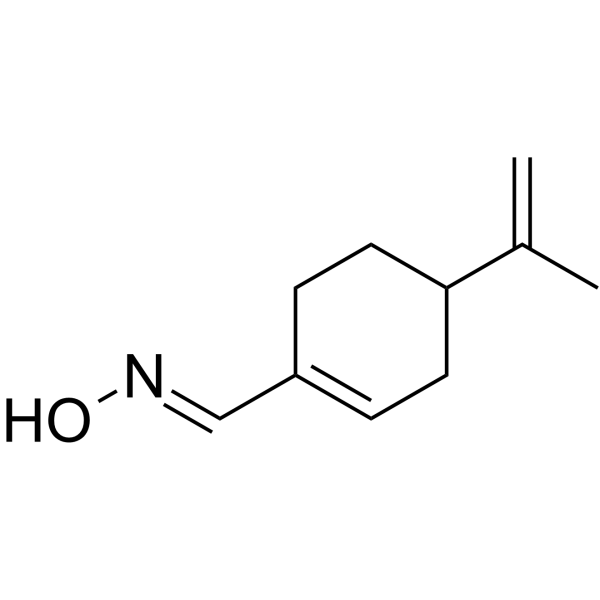
    Perillartine is a sweetener, which activates the taste receptor type 1 member 2 (Tas1r2) subunit in a species-dependent manner.
    Perillartine
  • HY-153967
    BLU0588
    2 Publications Verification

    PKA Cancer
    BLU0588 is an orally active, potent and selective PRKACA (protein kinase cAMP-activated catalytic subunit alpha) kinase inhibitor, with an IC50 of 1 nM and dissociation constant (Kd) of 4 nM. BLU0588 can be used for fibrolamellar carcinoma (FLC) research .
    BLU0588
  • HY-P9947
    Efalizumab
    1 Publications Verification

    Integrin Others
    Efalizumab is a targeted T cell modulator, and is a humanized monoclonal antibody of CD11a, the α subunit of LFA-1. Efalizumab inhibits T cell activation, cutaneous T cell trafficking, and T cell adhesion to keratinocytes, can be used for plaque psoriasis research .
    Efalizumab
  • HY-107586

    DAQ B1; L-783281; Dimethylasterriquinone

    Insulin Receptor Akt NO Synthase NADPH Oxidase JAK STAT FOXO DNA/RNA Synthesis ERK Flavivirus Cardiovascular Disease Infection Metabolic Disease Inflammation/Immunology
    Demethylasterriquinone B1 (DAQ B1; L-783281) is an orally active insulin receptor (insulin receptor) agonist and AKT activator. By activating AKT, Demethylasterriquinone B1 upregulates the expression and activity of eNOS to increase NO production, while downregulating the expression of the NADPH oxidase subunit p22phox to reduce oxidative stress and improve vascular endothelial dysfunction in hypertensive rats. Demethylasterriquinone B1 combind with an AKT inhibitor targets the insulin signaling pathway to activate two antiviral pathways, RNA interference and JAK/STAT, in mosquitoes, thereby reducing Zika virus infection .
    Demethylasterriquinone B1
  • HY-P1111

    Src Interleukin Related Inflammation/Immunology
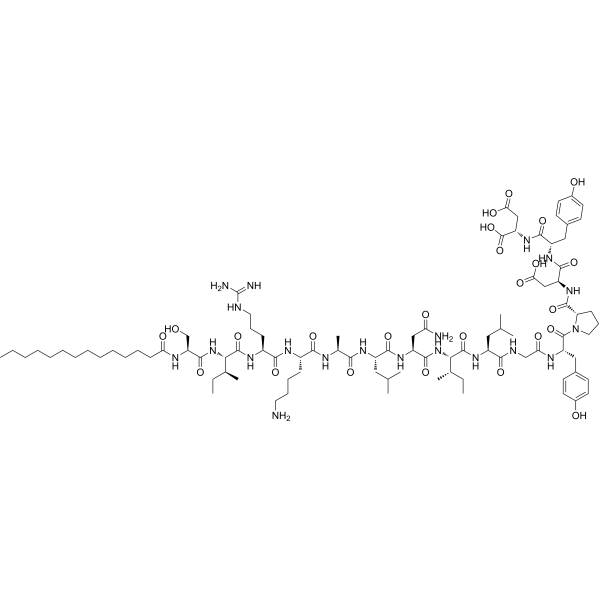
    Lyn peptide inhibitor (YGYRLRRKWEEKIPNP-NH2) is a potent, cell-permeable Lyn kinase inhibitor that inhibits Lyn-coupled signaling pathways associated with the IL-5 receptor while preserving the integrity of other signals. Lyn peptide inhibitor blocks the activation of Lyn and inhibits the binding of Lyn tyrosine kinase to the βc subunit of the IL-3/GM-CSF/IL-5 receptor. Lyn peptide inhibitor can be used in the research of eosinophilic diseases such as asthma and allergy .
    Lyn peptide inhibitor
  • HY-E70373

    Biochemical Assay Reagents Others
    λ Protein phosphatase is a serine/threonine phosphatase encoded by bacteriophage Lambda. λ Protein phosphatase is activated with requirement for divalent cations, such as Mn 2+. λ Protein phosphatase is able to dephosphorylate casein, adenovirus E1A protein, and the α subunit of phosphorylase kinase
    λ Protein phosphatase
  • HY-117163
    FzM1.8
    1 Publications Verification

    Wnt β-catenin Cancer
    FzM1.8, derives from FzM1, is an allosteric agonist of FZD4 with pEC50 of 6.4. FzM1.8 binds to FZD4 and activates the WNT/β-catenin pathway, by promoting TCF/LEF transcriptional activity in the absence of any WNT ligand. FzM1.8 stabilizes FZD4 with an increased affinity for heterotrimeric G protein and stimulates the release of the Gβγ subunit that in turn activates PI3K .
    FzM1.8
  • HY-149127

    ASC-JM17; ALZ-003

    Keap1-Nrf2 Androgen Receptor HSP Mitophagy Metabolic Disease
    Rosolutamide (ASC-JM17), a curcumin analog, is an orally active, potent Nrf1 and Nrf2 activator. Rosolutamide activates Nrf1, Nrf2 and heat shock factor 1 (Hsf1), thereby activating the expression of proteasome subunits, antioxidant enzymes and molecular chaperones. Rosolutamide degrades the polyglutamine (polyQ) androgen receptor (AR) via the ubiquitin-proteasome pathway and improves motor function in mouse models of spinal and bulbar muscular atrophy (SBMA). Rosolutamide improves mitochondrial function and promotes autophagy, decreases mutant protein aggregates, and attenuates intracellular/mitochondrial reactive oxygen species (ROS) levels .
    Rosolutamide
  • HY-171705

    Keap1-Nrf2 AMPK JNK IKK p38 MAPK NO Synthase α-synuclein Interleukin Related Neurological Disease
    KMS99220 is an orally active, blood-brain barrier-permeable activator of the Nrf2 inhibitory protein Keap-1. KMS99220 enhances the activity of AMPK, activates the Nrf2 signaling pathway, and reduces the phosphorylation of IκB, nuclear translocation of NFκB, as well as the phosphorylation levels of JNK, IKK and p38 MAPK via HO-1. KMS99220 binds to Keap1 to trigger the nuclear translocation of Nrf2, induces the expression of HO-1, NQO1, GCLC, GCLM and proteasome subunits; enhances proteasomal enzymatic activity; inhibits iNOS expression, nitric oxide production and IL-1β generation; attenuates microglial activation; reduces α-synuclein aggregation; and prevents dopaminergic neuron degeneration and motor dysfunction. KMS99220 prevents the degeneration of dopaminergic neurons in the substantia nigra, induces the expression of Nrf2 downstream target genes, and effectively ameliorates associated motor dysfunction in a mouse model of Parkinson's disease. KMS99220 is applicable to research related to Parkinson's disease .
    KMS99220
  • HY-136563

    Proteasome Apoptosis Reactive Oxygen Species (ROS) Cancer
    RA375 is a RPN13 (26S proteasome regulatory subunit) inhibitor. RA375 activates UPR signaling, ROS production and apoptosis. RA375 exhibits ten-fold greater activity against cancer lines than RA190, reflecting its nitro ring substituents and the addition of a chloroacetamide warhead .
    RA375
  • HY-120026
    KB130015
    1 Publications Verification

    KB015

    Thyroid Hormone Receptor Calcium Channel Potassium Channel Sodium Channel Cardiovascular Disease
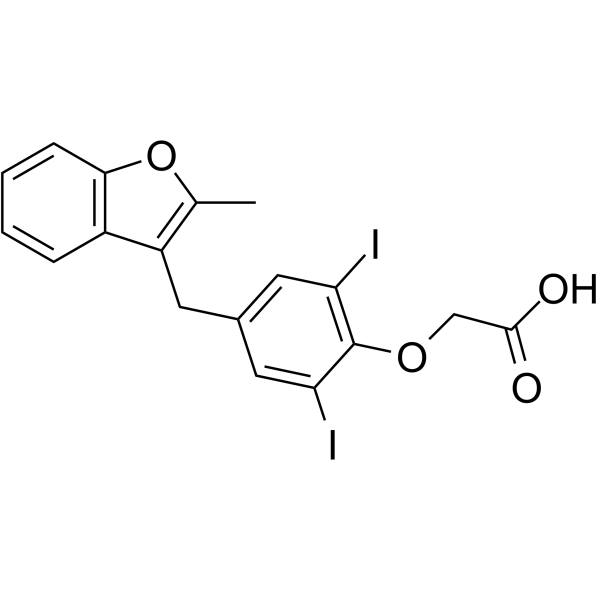
    KB130015 (KB015) is an orally active and potent ThRα and ThRβ (thyroid hormone receptor) inhibitor, with IC50 values of 4.5 and 5.1 μM, respectively. KB130015 markedly slows the kinetics of inactivation of Na + channels. KB130015 activates hERG1 channels (EC50 = 12.2 μM) and large-conductance Ca 2+-activated K + (BKCa) channels formed by hSlo1 (α) subunits in HEK 293 cells. KB130015 has antiarrhythmic properties. KB130015 can be used for the study of cardiovascular disease .
    KB130015
  • HY-162965

    Proteasome Cancer
    Immunoproteasome activator 1 (compound A) is a selective immunoproteasome activator that increases the presentation of individual MHC-I–bound peptides by over 100-fold. Immunoproteasome activator 1 binds to the proteasome structural subunit PSMA1 and promotes the association of the proteasome activator PA28α/β (PSME1/PSME2) with immunoproteasomes .
    Immunoproteasome activator 1
  • HY-N0290R

    Reference Standards NF-κB Keap1-Nrf2 Apoptosis Cancer
    Mangiferin (Standard) is the analytical standard of Mangiferin. This product is intended for research and analytical applications. Mangiferin is a Nrf2 activator. Mangiferin suppresses nuclear translocation of the NF-κB subunits p65 and p50. Mangiferin exhibits antioxidant, antidiabetic, antihyperuricemic, antiviral, anticancer and antiinflammatory activities .
    Mangiferin (Standard)
  • HY-P1832A
    PTD-p65-P1 Peptide TFA
    3 Publications Verification

    NF-κB Apoptosis Inflammation/Immunology Cancer
    PTD-p65-P1 Peptide TFA is a potent, selective nuclear transcription factor NF-κB inhibitor and derives from the p65 subunit of NF-κB amino acid residues 271-282, which selectively inhibits NF-κB activation induced by various inflammatory stimulation, down-regulate NF-κB-mediated gene expression and up-regulate apoptosis .
    PTD-p65-P1 Peptide TFA
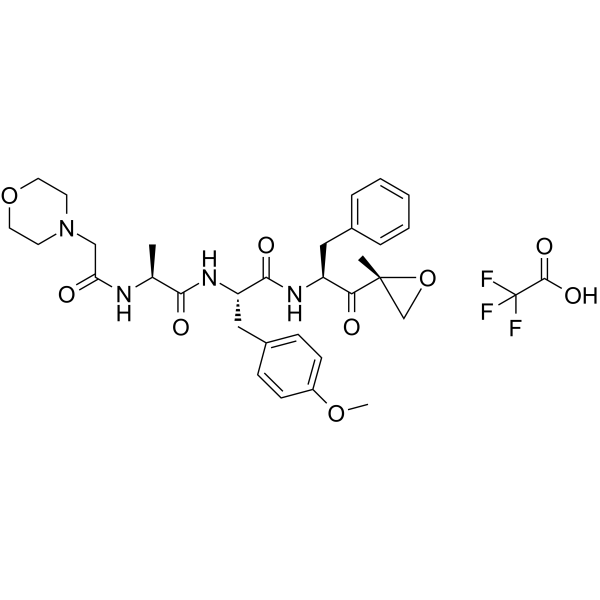
  • HY-13207A
    ONX-0914 TFA
    20+ Cited Publications

    PR-957 TFA

    Proteasome Bacterial HIV Infection Inflammation/Immunology
    ONX-0914 (PR-957) TFA is a selective inhibitor of low-molecular mass polypeptide-7 (LMP7), the chymotrypsin-like subunit of the immunoproteasome. ONX-0914 TFA blocks cytokine production and attenuates progression of experimental arthritis. ONX-0914 TFA is a noncompetitive irreversible inhibitor of the mycobacterial proteasome (Ki=5.2 μM). ONX-0914 TFA reactivates latent HIV-1 through p-TEFb activation mediated by HSF-1 .
    ONX-0914 TFA
  • HY-131879

    Sodium Channel Neurological Disease
    NS383 is a potent and uniquely selective inhibitor of rat ASICs containing 1a and/or 3 subunits. NS383 inhibits H(+)-activated currents recorded from rat homomeric ASIC1a, ASIC3, and heteromeric ASIC1a+3 with IC50 values ranging from 0.61 to 2.2 μM. NS383 is well tolerated and capable of reversing pathological painlike behaviors, presumably via peripheral actions, but possibly also via actions within central pain circuits .
    NS383
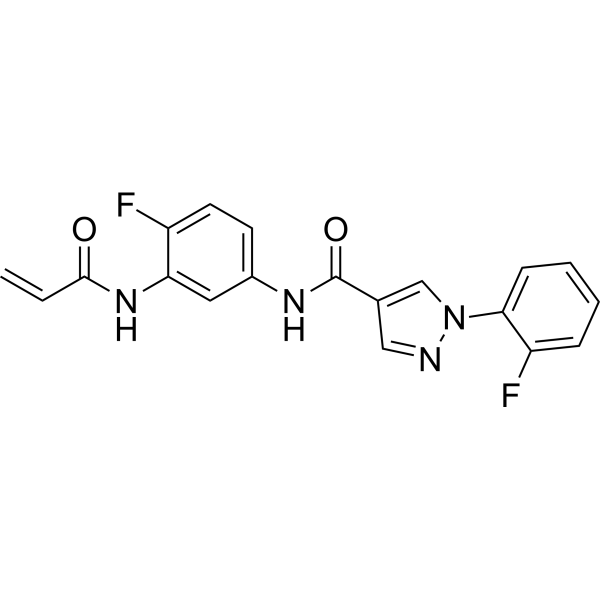
  • HY-P99759

    IL-15N72D

    Interleukin Related Inflammation/Immunology Cancer
    Nogapendekin alfa (his tag), a soluble protein subunit of a human interleukin (IL)-15 variant, is a superagonist of IL-15. Nogapendekin alfa (his tag) promotes the proliferation and viability of immune cells. Nogapendekin alfa (his tag) combines with Inbakicept (HY-P99661) at a ratio of 2:1, to form N-803 (Nogapendekin alfa inbakicept), an IL-15 cytokine antibody fusion protein. N-803 reduces tumor burden by activation of NK cells and CD8 + T cells .
    Nogapendekin alfa (his tag)
  • HY-E70121

    Endogenous Metabolite Mitochondrial Metabolism Neurological Disease Metabolic Disease Inflammation/Immunology
    Succinyl-CoA synthetase is a mitochondrial matrix enzyme and catalyst. Succinyl-CoA synthetase supports TCA, ketone and heme metabolism and is activated by mitochondrial phosphate. Succinyl-CoA synthetase distributes broadly across mammalian tissues with distinct substrate-related biochemical features. Succinyl-CoA synthetase gains structural stability after phosphorylation and relies on SUCLG1-encoded subunit for activity. Succinyl-CoA synthetase malfunction links to metabolic and neurological disorders. Succinyl-CoA synthetase serves as a research tool for mitochondrial hepatoencephalomyopathy .
    Succinyl-CoA synthetase
  • HY-113040A

    17(R),18(S)-EETeTr

    Calcium Channel Cardiovascular Disease
    (17R,18S)-Epoxyeicosatetraenoic acid (17 (R),18 (S)-EETeTr) is a physiologically active fatty acid metabolite and also a vasodilator targeting BKα. (17R,18S)-Epoxyeicosatetraenoic acid activates the outward potassium current mediated by BK channels, and this effect is independent of the BKβ1 subunit, intracellular/extracellular calcium levels, and sarcoplasmic reticulum calcium release regulated by RyR3. (17R,18S)-Epoxyeicosatetraenoic acid is produced by the epoxidation of eicosapentaenoic acid mediated by CYP1A1 variants. (17R,18S)-Epoxyeicosatetraenoic acid is applicable to research related to arrhythmia .
    (17R,18S)-Epoxyeicosatetraenoic acid
  • HY-137640C
    Rp-8-Br-cAMPS sodium
    1 Publications Verification

    PKA Inflammation/Immunology Cancer
    Rp-8-Br-cAMPS sodium is an analog of cAMP and an inhibitor of PKA. Rp-8-Br-cAMPS sodium occupies cAMP binding sites on PKA type I regulatory subunits, thereby preventing PKA dissociation and activation. Rp-8-Br-cAMPS sodium can be used in the study of tumors and retrovirus-induced immune deficiency. Rp-8-Br-cAMPS sodium also inhibits insulin secretion .
    Rp-8-Br-cAMPS sodium
  • HY-W002112S

    Nornicotine-d4

    nAChR Isotope-Labeled Compounds Endogenous Metabolite Drug Metabolite β-catenin Cardiovascular Disease Neurological Disease
    (±)-Nornicotine-d4 is the deuterium labeled (±)-Nornicotine (HY-W002112). (±)-Nornicotine is a major metabolite of Nicotine. (±)-Nornicotine is a partial nAChRs agonist, specifically activating receptor subtypes containing α7 and α6 subunits. (±)-Nornicotine disrupts β-catenin and ZO-1, and induces F-actin depolymerization. (±)-Nornicotine supports self-administration behavior. (±)-Nornicotine can be used in the research of atherosclerosis, Alzheimer's disease, and schizophrenia .
    (±)-Nornicotine-d4
  • HY-153406

    Biochemical Assay Reagents Others
    Activated T Subunit can be used in the synthesis of exon jumping oligomer conjugates. The oligomer conjugates complement selected target sites in the human anti-muscular atrophy protein gene and induce exon 51 jumping. Activated T subunit can be used for research of muscular dystrophy .
    Activated T Subunit
  • HY-153405

    Biochemical Assay Reagents Phosphoramidites Others
    Activated DPG Subunit can be used in the synthesis of exon jumping oligomer conjugates. The oligomer conjugates complement selected target sites in the human anti-muscular atrophy protein gene and induce exon 51 jumping. It can be used for research of muscular dystrophy .
    Activated DPG Subunit
  • HY-150073

    PKA Cancer
    DS01080522 is a Protein Kinase cAMP-Activated Catalytic Subunit Alpha (PRKACA) inhibitor. DS01080522 inhibits PRKACA kinase activity and CREB phosphorylation with IC50s of 0.8 nM and 66 nM, respectively. DS01080522 can be used for the research of cancer .
    DS01080522
  • HY-160876

    Keap1-Nrf2 E1/E2/E3 Enzyme Inflammation/Immunology
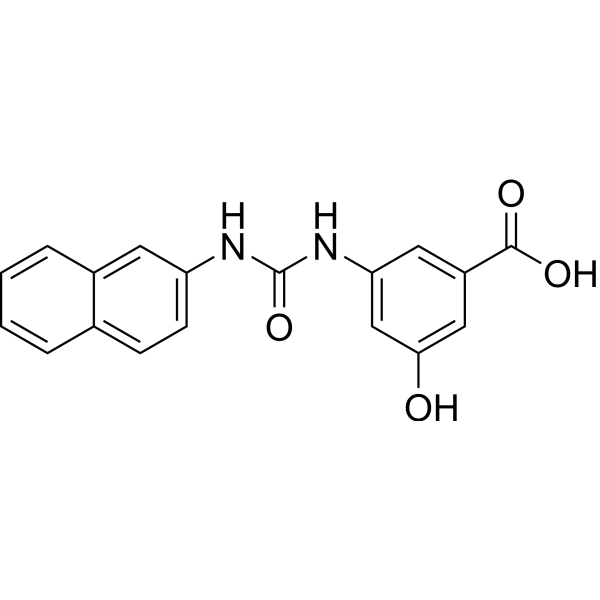
    BC-1901S is a proteasome-independent NRF2 activator and stabilizer. BC-1901S binds to DCAF1 (E3 ligase subunit) and disrupts NRF2/DCAF1 interaction, and activates NRF2 by inhibiting NRF2 ubiquitination in a KEAP1-independent manner. BC-1901S shows anti-inflammatory effect in a murine model of LPS-induced acute lung injury .
    BC-1901S
  • HY-172876

    iGluR Reactive Oxygen Species (ROS) Trk Receptor Cardiovascular Disease
    FLY26 is a selective partial GluN2B antagonist with an IC50 value of 0.64 μM. FLY26 partially inhibits the GluN2B subunit of NMDA receptors, reduces calcium ion influx and reactive oxygen species (ROS) production and activates the BDNF/TrkB/CREB neuroprotective signaling pathway to alleviate neuronal excitotoxicity and mitochondrial dysfunction. FLY26 is promising for research of neurological deficits caused by cerebral ischemia-reperfusion injury .
    FLY26
  • HY-126047

    NF-κB Beta-secretase Neurological Disease
    (S)-(-)-Anatabine is an NFκB/BACE-1 inhibitor with blood-brain barrier penetration. (S)-(-)-Anatabine inhibits NFκB activation via phosphorylation of its p65 subunit. (S)-(-)-Anatabine inhibits BACE-1 transcription and reduces BACE-1 protein levels. (S)-(-)-Anatabine lowers production of 1-40 and 1-42 by reducing β-cleavage of amyloid precursor protein without affecting α-cleavage. (S)-(-)-Anatabine can be used for the research of Alzheimer's disease .
    (S)-(-)-Anatabine
  • HY-172143

    Phosphatase Neurological Disease Cancer
    ATUX-8385 is a potent PP2A activator. ATUX-8385 binds to PR65 subunit. ATUX-8385 has the potential for the research of cancers and chronic conditions such as Alzheimer’s disease and chronic obstructive pulmonary disease .
    ATUX-8385
  • HY-174569

    mRNA Inflammation/Immunology
    Human NFKB1 mRNA encodes the human nuclear factor kappa B subunit 1 (NFKB1) protein, a transcription regulator that is activated by various intra- and extra-cellular stimuli such as cytokines, oxidant-free radicals, ultraviolet irradiation, and bacterial or viral products. Inappropriate activation of NFKB has been associated with a number of inflammatory diseases while persistent inhibition of NFKB leads to inappropriate immune cell development or delayed cell growth. NFKB is a critical regulator of the immediate-early response to viral infection.
    Human NFKB1 mRNA
  • HY-124952

    Fungal Infection
    iKIX1 is an antifungal agent and resensitizes drug-resistant C. glabrata to azole antifungals in vitro. iKIX1 inhibits the interaction between the KIX domain of the mediator subunit CgGal11A and the activation domain of CgPdr1, the IC50 and Ki values are 190.2 μM and 18 μM, respectively. iKIX1 is used for the study of multidrug resistance and C. glabrata infection .
    iKIX1
  • HY-P1832

    NF-κB Apoptosis Inflammation/Immunology Cancer
    PTD-p65-P1 Peptide is a potent, selective nuclear transcription factor NF-κB inhibitor and derives from the p65 subunit of NF-κB amino acid residues 271-282, which selectively inhibits NF-κB activation induced by various inflammatory stimulation, down-regulate NF-κB-mediated gene expression and up-regulate apoptosis .
    PTD-p65-P1 Peptide
  • HY-137640B

    PKA Inflammation/Immunology Cancer
    Rp-8-Br-cAMPS is an analog of cAMP and an inhibitor of PKA. Rp-8-Br-cAMPS occupies cAMP binding sites on PKA type I regulatory subunits, thereby preventing PKA dissociation and activation. Rp-8-Br-cAMPS can be used in the study of tumors and retrovirus-induced immune deficiency. Rp-8-Br-cAMPS also inhibits insulin secretion .
    Rp-8-Br-cAMPS
  • HY-P1111A

    Src Interleukin Related Inflammation/Immunology
    Lyn peptide inhibitor TFA is a potent and cell-permeable inhibitor of Lyn-coupled IL-5 receptor signaling pathway, while keeping other signals intact. Lyn peptide inhibitor TFA blocks Lyn activation and inhibits the binding of Lyn tyrosine kinase to βc subunit of IL-3/GM-CSF/IL-5 receptors. Lyn peptide inhibitor TFA can be used for study of  asthma, allergic, and other eosinophilic disorders .
    Lyn peptide inhibitor TFA
  • HY-153403

    Biochemical Assay Reagents Others
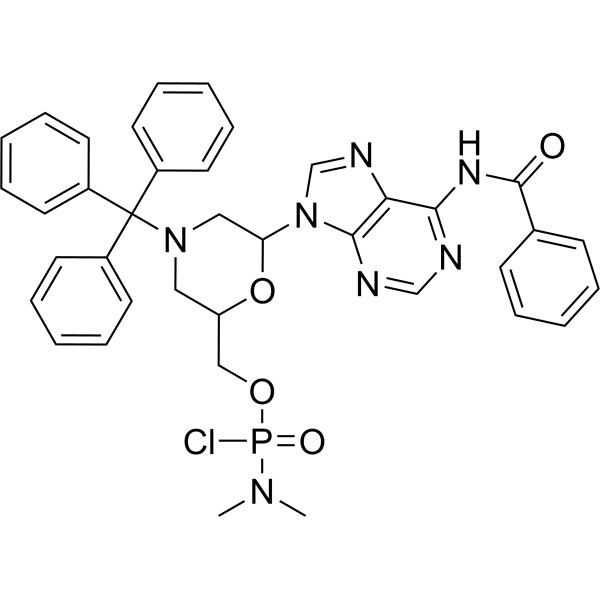
    Activated A Subunit can be used in the synthesis of exon jumping oligomer conjugates. The oligomer conjugates complement selected target sites in the human anti-muscular atrophy protein gene and induce exon 51 jumping. It can be used for research of muscular dystrophy .
    Activated A Subunit
  • HY-N2084R

    DL-Perillartine (Standard)

    Reference Standards Endogenous Metabolite Others
    Perillartine is a sweetener, which activates the taste receptor type 1 member 2 (Tas1r2) subunit in a species-dependent manner.
    Perillartine (Standard)
  • HY-P1873

    Ser/Thr Protease Endocrinology
    Phosphorylase Kinase β-Subunit Fragment (420-436) is the β-Subunit fragment (peptide 430-436) of phosphorylase kinase. Phosphorylase kinase is a serine/threonine-specific protein kinase which activates glycogen phosphorylase to release glucose-1-phosphate from glycogen .
    Phosphorylase Kinase β-Subunit Fragment (420-436)
  • HY-174568

    mRNA Inflammation/Immunology
    Human NFKB2 mRNA encodes the human nuclear factor kappa B subunit 2 (NFKB2) protein, a subunit of the transcription factor complex nuclear factor-kappa-B (NFkB). The NFkB complex is expressed in numerous cell types and functions as a central activator of genes involved in inflammation and immune function. NFKB2 can function as either a transcriptional activator or repressor depending on its dimerization partner.
    Human NFKB2 mRNA
  • HY-103231

    iGluR Neurological Disease
    (S)-CPW 399 is a subtype-selective full agonist of AMPA receptors, with a 20-fold higher selectivity for GluA1 and GluA2 subunits over GluA3 and GluA4 subunits. (S)-CPW 399 can significantly increase the spontaneous firing rate (FR) of LC noradrenergic neurons by activating AMPA receptors containing GluA1 subunits. (S)-CPW 399 can be used for the study of neurological diseases .
    (S)-CPW 399
  • HY-131001

    nAChR Neurological Disease
    DPNB-ABT594 is a nitrobenzyl-caged ABT594 (HY-14316A) and activates nAChRs containing the α4β2 subunits with good selectivity than the α7 subunit. DPNB-ABT594 can be used to map the distribution of nAChRs on neurons of the medial habenula (MHb) and helps to gain a deeper understanding of the nAChR-mediated Ca 2+ signalling in the MHb .
    DPNB-ABT594

Inquiry Online

Your information is safe with us. * Required Fields.

Salutation


Country or Region *

Applicant Name *


Organization Name *

Department *


Email Address *


Product Name *

Cat. No.


Requested quantity *

Phone Number *


Remarks

Inquiry Online

Inquiry Information

Product Name:
Cat. No.:
Quantity:
MCE Japan Authorized Agent:

