




1. Search Result
Search Result
Results for "

Advanced cancer

" in MedChemExpress (MCE) Product Catalog:

151

Inhibitors & Agonists

2

Screening Libraries

5

Fluorescent Dyes

1

Biochemical Assay Reagents

3

Peptides

50

Inhibitory Antibodies

6

Natural
Products

6

Isotope-Labeled Compounds

1

Click Chemistry

4

Oligonucleotides

Targets Recommended:
Cat. No. Product Name Target Research Areas Chemical Structure
  • HY-114277
    Sotorasib
    Maximum Cited Publications
    109 Publications Verification

    AMG-510

    Ras Cancer
    Sotorasib (AMG-510) is a first-in-class, orally bioavailable, and selective KRAS G12C covalent inhibitor. Sotorasib irreversibly inhibits KRAS G12C by locking it in an inactive GDP-bound state. Sotorasib leads to the regression of KRAS G12C‑mutated locally advanced or metastatic non‑small cell lung cancer (NSCLC) .
    Sotorasib
  • HY-P9903
    Nivolumab
    Maximum Cited Publications
    23 Publications Verification

    BMS-936558; ONO-4538; MDX-1106

    PD-1/PD-L1 Infection Cancer
    Nivolumab is a programmed death receptor-1 (PD-1) blocking human IgG4 antibody to treat advanced (metastatic) non-small cell lung cancer.
    Nivolumab
  • HY-P9921
    Trastuzumab emtansine
    5+ Cited Publications

    Ado-Trastuzumab emtansine; PRO132365; T-DM 1

    Antibody-Drug Conjugates (ADCs) EGFR Cancer
    Trastuzumab emtansine (Ado-Trastuzumab emtansine) is an antibody-drug conjugate (ADC) that incorporates the HER2-targeted antitumor properties of trastuzumab with the cytotoxic activity of the microtubule-inhibitory agent DM1 (HY-19792). Trastuzumab emtansine can be used for the research of advanced breast cancer .
    Trastuzumab emtansine
  • HY-158101
    BMS-986365
    1 Publications Verification

    CC-94676

    PROTACs Androgen Receptor Cancer
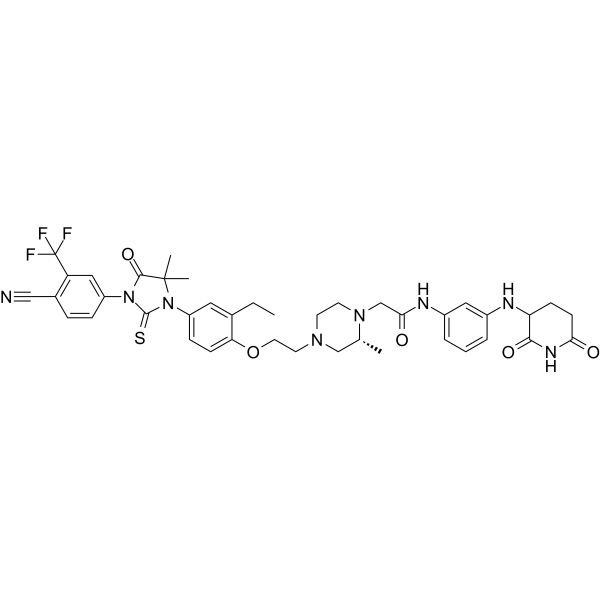
    BMS-986365 (CC-94676) is an orally active and selective targeted androgen receptor (AR) PROTAC degrader (DC50 of 10-40 nM). BMS-986365 is capable of inducing cereblon (CRBN) E3 ligase-dependent ubiquitination and degradation of the androgen receptor (AR), as well as various AR mutants. BMS-986365 shows no degradation of the close AR family members estrogen receptor (ER), progesterone receptor (PR), and glucocorticoid receptor (GR). BMS-986365 shows significant in vivo potency, degrading AR, inhibiting AR signaling, and restricting tumor growth in animal models of advanced prostate cancer. BMS-986365 can be used for the study of metastatic castration-resistant prostate cancer (mCRPC) .
    BMS-986365
  • HY-16050
    Plitidepsin
    4 Publications Verification

    Aplidine; PM90001

    DNA/RNA Synthesis SARS-CoV Infection Cancer
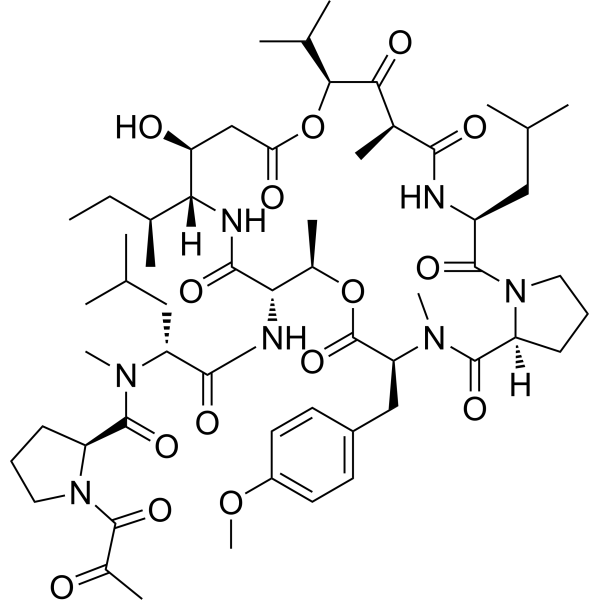
    Plitidepsin (Aplidine) is a potent anti-cancer agent by targeting eEF1A2 ( KD=80 nM) . Plitidepsin possesses antiviral activity and is against SARS-CoV-2 with an IC90 of 0.88 nM. Plitidepsin is usually used for multiple myeloma and advanced cancer research, and has the potential for COVID-19 research .
    Plitidepsin
  • HY-145572
    Imlunestrant
    1 Publications Verification

    LY-3484356

    Estrogen Receptor/ERR Cancer
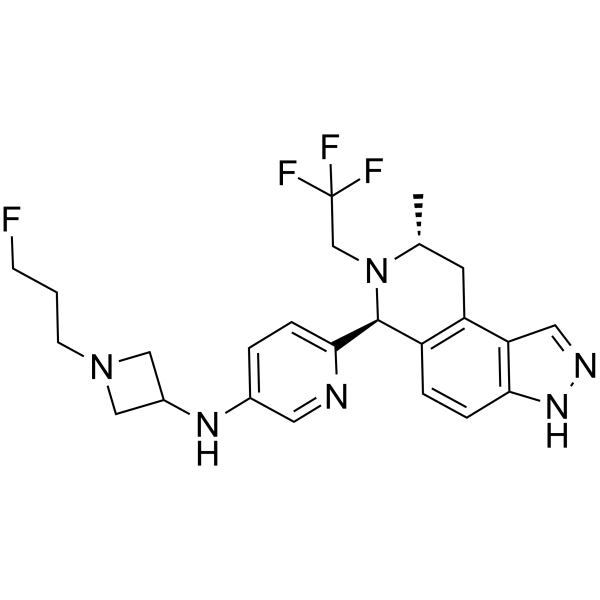
    Imlunestrant (LY-3484356) is an orally active, potent and selective estrogen receptor degrader (SERD) with pure antagonistic properties. Imlunestrant results in sustained inhibition of ER-dependent gene transcription and cell growth. Imlunestrant can be used for the research of ER-positive (ER+) advanced breast cancer (aBC) and endometrial endometrioid cancer (EEC) .
    Imlunestrant
  • HY-P9921A

    Ado-Trastuzumab emtansine (solution); PRO132365 (solution); T-DM 1 (solution)

    Antibody-Drug Conjugates (ADCs) EGFR Cancer
    Trastuzumab emtansine (Ado-Trastuzumab emtansine) is an antibody-drug conjugate (ADC) that incorporates the HER2-targeted antitumor properties of trastuzumab with the cytotoxic activity of the microtubule-inhibitory agent DM1 (derivative of maytansine), and the drug-linker conjugate for ADC is SMCC-DM1 (HY-101070). Trastuzumab emtansine can be used for the research of advanced breast cancer .
    Trastuzumab emtansine (solution)
  • HY-136255
    Camizestrant
    5+ Cited Publications

    AZD-9833

    Estrogen Receptor/ERR Cancer
    Camizestrant (AZD-9833) is a potent and orally active estrogen receptor (ER) antagonist. Camizestrant is used for the study of ER + HER2-advanced breast cancer .
    Camizestrant
  • HY-112870
    Firmonertinib
    5+ Cited Publications

    Alflutinib; Furmonertinib; AST2818

    EGFR Cancer
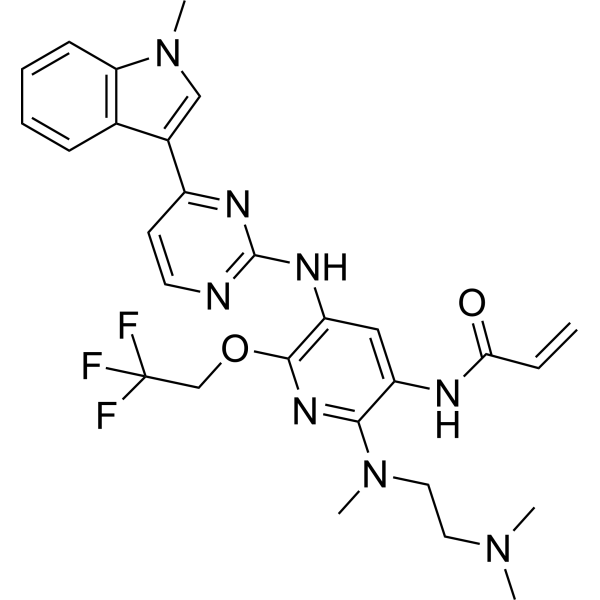
    Firmonertinib (Alflutinib; Furmonertinib) is an orally active, mutant-selective, and highly brain penetrant EGFR inhibitor. Firmonertinib inhibits EGFR active mutations as well as the T790M acquired resistant mutation. Firmonertinib has the potential for the research of cancer diseases, especially advanced non-small cell lung cancer (NSCLC) with EGFR ex20ins mutation .
    Firmonertinib
  • HY-125399
    PSMA-11
    1 Publications Verification

    HBED-CC-PSMA

    PSMA Radionuclide-Drug Conjugates (RDCs) Cancer
    PSMA-11 is a small molecule ligand that targets prostate-specific membrane antigen (PSMA) and has the ability to inhibit PSMA activity. PSMA-11 can be used to synthesize 68Ga-PSMA-11, a positron emission tomography (PET) tracer that can be used to image advanced prostate cancer .
    PSMA-11
  • HY-171945

    ABBV-400; Temab-A

    Antibody-Drug Conjugates (ADCs) Topoisomerase c-Met/HGFR Cancer
    Telisotuzumab Adizutecan (ABBV-400) is an anti-c-Met antibody-drug conjugate (ADC). Telisotuzumab Adizutecan is composed of the humanized anti-c-Met antibody Telisotuzumab (HY-P99391) and the topoisomerase 1 inhibitor (7-MAD-MDCPT) (HY-132162). Telisotuzumab Adizutecan exhibits significant anti-tumor activity against advanced solid tumors such as colorectal cancer, gastric cancer, and non-small cell lung cancer .
    Telisotuzumab Adizutecan
  • HY-145804
    Palacaparib
    1 Publications Verification

    AZD-9574

    PPAR Neurological Disease Cancer
    AZD-9574 is a potent and brain penetrant PARP1 inhibitor and shows >8000-fold selectivity for PARP1 compared to PARP2/3/5a/6. AZD-9574 acts by selectively inhibiting and trapping PARP1 at the sites of SSBs. AZD-9574 is an anti-cancer agent and can be used for HRD +?breast cancer and advanced solid malignancies research .
    Palacaparib
  • HY-175749

    Molecular Glues Wee1 Inflammation/Immunology Cancer
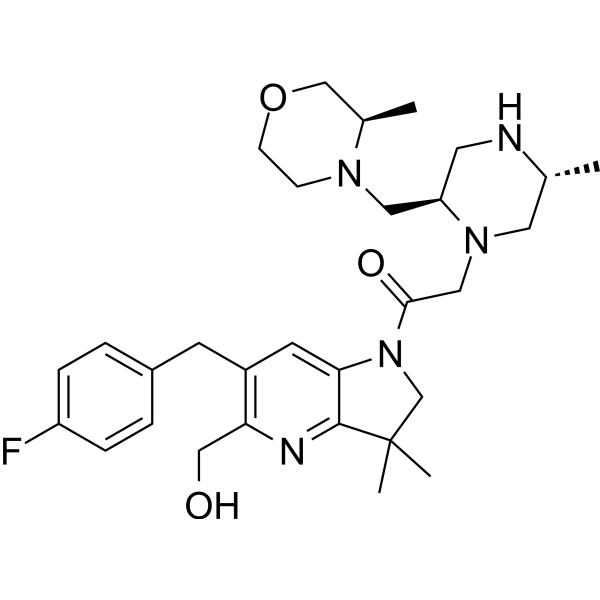
    BMS-986463, a CRBN E3 ligase modulator (CELMoD), is a WEE1 kinase molecular glue degrader. BMS-986463 significantly inhibits tumor regression and reduces the level of phospho-CDK2. BMS-986463 can be used for advanced malignant solid tumors like non-small cell lung cancer (NSCLC) research .
    BMS-986463
  • HY-159641

    BAY-3605349

    Molecular Glues Keap1-Nrf2 Metabolic Disease Inflammation/Immunology Cancer
    VVD-130037 (BAY-3605349) is a covalent molecular glue and allosteric NRF2 degrader. VVD-130037 covalently binds to KEAP1 and allosterically enhances the affinity of KEAP1-CUL3, promotes the formation of the active KEAP1-CUL3 E3 ligase complex, and thereby enhances the ubiquitination and degradation of NRF2. VVD-130037 exhibits KEAP1 target-binding activity both in in vitro systems and mouse models, and it can be used in research related to NRF2-dependent cancers, solid tumors harboring KEAP1 nonsense mutations and frameshift mutations, as well as advanced solid tumors .
    VVD-130037
  • HY-145572A
    Imlunestrant tosylate
    1 Publications Verification

    LY-3484356 tosylate

    Estrogen Receptor/ERR Cancer
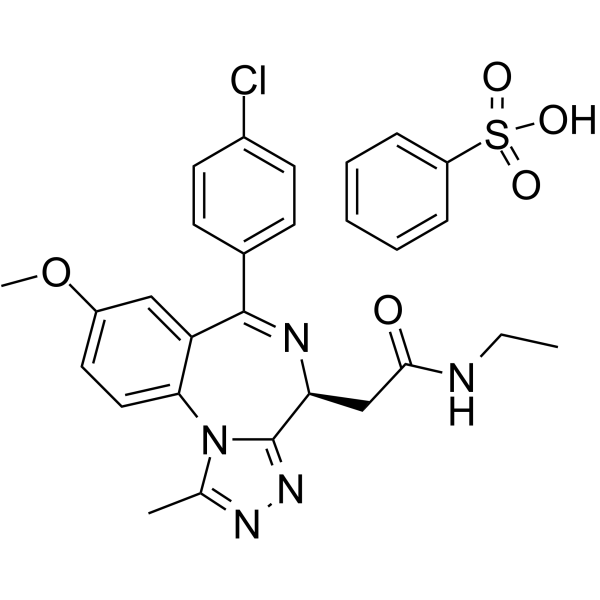
    Imlunestrant (LY-3484356) tosylate is an orally active, potent and selective estrogen receptor degrader (SERD) with pure antagonistic properties. Imlunestrant tosylate results in sustained inhibition of ER-dependent gene transcription and cell growth. Imlunestrant tosylate can be used for the research of ER-positive (ER+) advanced breast cancer (aBC) and endometrial endometrioid cancer (EEC) .
    Imlunestrant tosylate
  • HY-101560
    Linrodostat
    5+ Cited Publications

    BMS-986205; ONO-7701

    Indoleamine 2,3-Dioxygenase (IDO) Cancer
    Linrodostat (BMS-986205) is a selective and irreversible indoleamine 2,3-dioxygenase 1 (IDO1) inhibitor with an IC50 value of 1.1 nM in IDO1-HEK293 cells. Linrodostat is well tolerated with potent pharmacodynamic activity in advanced cancers .
    Linrodostat
  • HY-P991628

    PF-08634404

    PD-1/PD-L1 VEGFR Cancer
    SSGJ-707 (PF-08634404) is a bispecific antibody targeting VEGF and PD-1. SSGJ-707 exerts dual anti-tumor effects by neutralizing VEGF and blocking the PD-1 signaling pathway. SSGJ-707 can be combined with platinum-based chemotherapy to inhibit advanced non-small cell lung cancer (NSCLC), and its inhibitory effect is not limited by PD-L1 expression levels. In the HARMONi-2 trial, the objective response rate of SSGJ-707 correlates with the PD-L1 tumor proportion score, and the incidence of grade ≥3 adverse events is comparable to that of Inetetamab (HY-P99969). SSGJ-707 is being extensively investigated for a variety of malignancies including advanced NSCLC, colorectal cancer and small cell lung cancer .
    SSGJ-707
  • HY-112870A
    Firmonertinib mesylate
    5+ Cited Publications

    Alflutinib mesylate; Furmonertinib mesylate; AST2818 mesylate

    EGFR Inflammation/Immunology Cancer
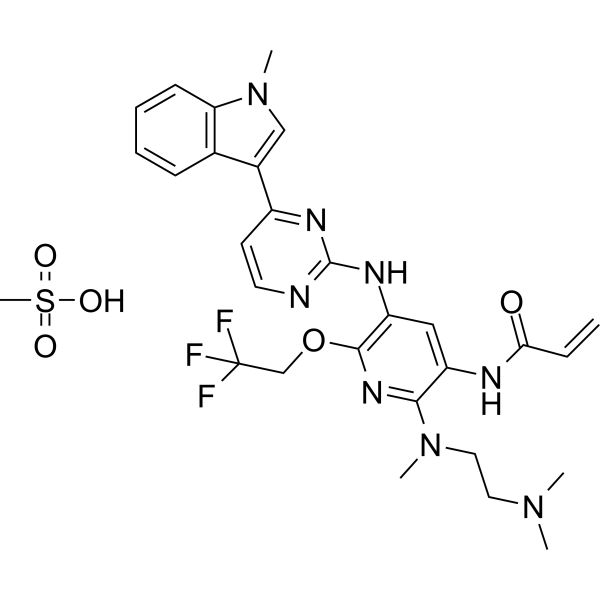
    Firmonertinib (Alflutinib; Furmonertinib) mesylate is is an orally active, mutant-selective, and blood-brain barrier penetrant EGFR inhibitor. Firmonertinib mesylate inhibits EGFR active mutations as well as the T790M acquired resistant mutation. Firmonertinib mesylate has the potential for the research of cancer diseases, especially advanced non-small cell lung cancer (NSCLC) with EGFR ex20ins mutation .
    Firmonertinib mesylate
  • HY-13582
    Carbendazim
    5+ Cited Publications

    Environmental Pollutants Fungal Parasite Infection Cancer
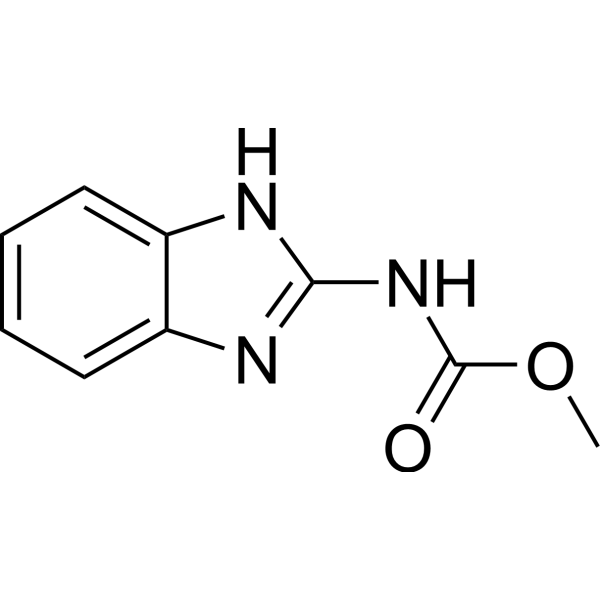
    Carbendazim is a potent and orally active broad-spectrum benzimidazole fungicide and can be acts as a pesticide for fungal diseases research, such as SeproriaFusarium and Sclerotina . Carbendazim is a benzimidazole (HY-Y1825) derivative with antitumor activity and used for cancer research, especially advanced solid tumors and lymphoma .
    Carbendazim
  • HY-156617A

    SHR169265

    ADC Payload Topoisomerase Cancer
    (αR)-Cyclopropaneacetamide-Exatecan (SHR169265) is a DNA Topoisomerase I inhibitor with enhanced membrane permeability (with an IC50 of 1.34 μM against the human DNA Topoisomerase I). (αR)-Cyclopropaneacetamide-Exatecan exerts cytotoxic effects by inhibiting the enzymatic activity of Topoisomerase I, and this anticancer effect is independent of the expression level of HER2. (αR)-Cyclopropaneacetamide-Exatecan is an ADC Cytotoxin derived from Exatecan (HY-13631), which can be used in research related to advanced cancers such as breast cancer, gastric cancer, colorectal cancer and non-small cell lung cancer .
    (αR)-Cyclopropaneacetamide-Exatecan
  • HY-P99364
    Icrucumab
    1 Publications Verification

    Anti-VEGFR1/FLT1 Reference Antibody; IMC-18F1

    VEGFR Apoptosis p38 MAPK Akt Endocrinology Cancer
    Icrucumab (Anti-VEGFR1/FLT1 Reference Antibody; IMC-18F1) is an IgG1 antibody inhibitor targeting VEGFR-1/FLT1 with anti-tumor activity. By blocking ligand-dependent phosphorylation and downstream signal transduction, Icrucumab reduces the activities of MAPK and Akt in breast cancer xenograft models, inhibits the proliferation and invasion of VEGFR-1-positive tumor cells, and reverses the conversion of M1 macrophages to the pro-tumor M2-like phenotype. Icrucumab also inhibits tumor cell proliferation, promotes apoptosis, and effectively suppresses tumor growth through direct targeting of tumors and host support mechanisms. In addition, Icrucumab exhibits a synergistic effect when combined with chemotherapeutic agents, and it is used in research related to various cancers including advanced solid malignancies, thyroid cancer, melanoma, and lung cancer .
    Icrucumab
  • HY-141600

    BAY 1187982

    Antibody-Drug Conjugates (ADCs) FGFR Microtubule/Tubulin Apoptosis Cancer
    Aprutumab ixadotin (BAY 1187982) is the first antibody-drug conjugate (ADC) to target FGFR2 and the first to use Auristatin-based payload. Aprutumab ixadotin contains a fully human anti-FGFR2 monoclonal antibody (Aprutumab) (HY-P99007) conjugated by lysine side chains to a non-cleavable linker and via this an innovative Auristatin W derivative. Aprutumab ixadotin can be used for the study of advanced solid tumors, such as FGFR2-positive gastric cancer and triple-negative breast cancer .
    Aprutumab ixadotin
  • HY-16511
    Upamostat
    1 Publications Verification

    WX-671

    PAI-1 Ser/Thr Protease Infection Cancer
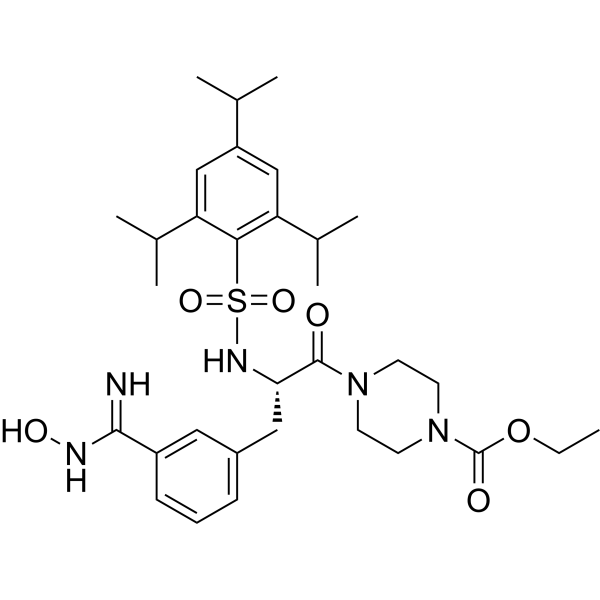
    Upamostat (WX-671), a prodrug of WX-UK1, is an orally active serine protease inhibitor. Upamostat inhibits the urokinase-type plasminogen activator (uPA) system, blocking the plasminogen activation process mediated by it, thereby suppressing the invasion, migration and metastasis of tumor cells. Upamostat can be used in the research of metastatic breast cancer and locally advanced pancreatic cancer .
    Upamostat
  • HY-P99708

    ABBV-151; ARGX-115

    TGF-beta/Smad Cancer
    Livmoniplimab (ABBV-151) is a monoclonal antibody against GARP/TGF-β1 that can inhibit the release of active TGF-β1. Livmoniplimab has anti-tumor activity in colon cancer mice. Livmoniplimab can be used for the study of locally advanced or metastatic solid tumors .
    Livmoniplimab
  • HY-N4089

    Aldose Reductase Cytochrome P450 Metabolic Disease Cancer
    Quercetin 3-gentiobioside is a flavonoid found in Artemisia iwayomogi. Quercetin 3-gentiobioside inhibits aromatase with an Ki of 46.77 nM. Quercetin 3-gentiobioside inhibits aldose reductase (AR) and the formation of advanced glycation end products (AGEs), with IC50 values of 10.60 μM and 109.46 μM, respectively. Quercetin 3-gentiobioside inhibits proliferation of cancer cells and fibroblast-like synoviocytes. Quercetin 3-gentiobioside can be used for the research of cancer, such as lung carcinoma .
    Quercetin 3-gentiobioside
  • HY-19815

    CK-101; RX518

    EGFR Cancer
    Olafertinib (CK-101) is an orally available, third generation and irreversible epidermal growth factor receptor tyrosine kinase inhibitor (EGFR-TKI). Olafertinib selectively inhibits both EGFR-TKI-sensitizing and resistance mutations with minimal activity on wild-type EGFR. Olafertinib can be used in research for non-small cell lung cancer (NSCLC) with EGFR mutations and other advanced malignancies .
    Olafertinib
  • HY-P991537

    HS-20093 Antibody; GSK5764227 Antibody

    ADC Antibody CD276/B7-H3 Cancer
    HS-20093 Antibody (GSK5764227 Antibody) is an antibody targeting B7-H3, which can be used to synthesize the ADC HS-20093. HS-20093 Antibody exhibits anti-tumor activity. HS-20093 Antibody can be studied in research for small cell lung cancer, relapsed or refractory osteosarcoma, and advanced solid tumors .
    Risvutatug
  • HY-119198

    Apoptosis Histone Methyltransferase Cancer
    NSC745885 an effective anti-tumor agent, shows selective toxicity against multiple cancer cell lines but not normal cells. NSC745885 is an effective down-regulator of EZH2 via proteasome-mediated degradation. NSC745885 provides possibilities for the study of advanced bladder and oral squamous cell carcinoma (OSCC) cancers .
    NSC745885
  • HY-13432
    Nanatinostat
    2 Publications Verification

    CHR-3996

    HDAC Apoptosis Cancer
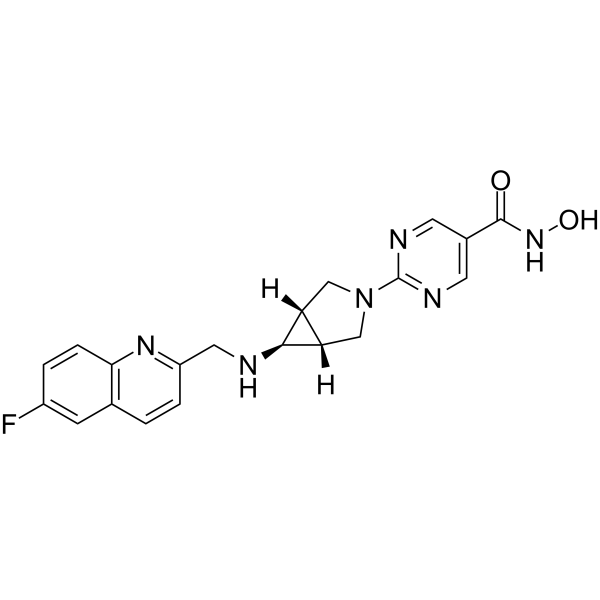
    Nanatinostat (CHR-3996) is a potent, class I selective and orally active HDAC inhibitor with IC50s of 3 nM, 4 nM, and 7 nM for HDAC1, HDAC2, and HDAC3, respectively. Nanatinostat has low activity against HDAC5 (IC50 of 200 nM) and HDAC6 (IC50 of 2100 nM). Nanatinostat induces apoptosis in myeloma cells. Nanatinostat has potent anticancer effects, such as myeloma, advanced solid tumours and colorectal cancer .
    Nanatinostat
  • HY-P99943

    KN-046

    PD-1/PD-L1 CTLA-4 Cancer
    Erfonrilimab (KN-046) is a monoclonal antibody targeting PD-L1/CTLA-4. Erfonrilimab blocks the PD-L1 and CTLA-4 pathways, thereby regulating T cell function. Erfonrilimab enhances the secretion of IL-2 in superantigen-stimulated peripheral blood mononuclear cells. Erfonrilimab inhibits tumor growth in xenograft and double gene knock-in mouse models. Erfonrilimab can be used in research related to a variety of advanced solid tumors, including non-small cell lung cancer and nasopharyngeal carcinoma.
    Erfonrilimab
  • HY-15163
    Zotiraciclib
    2 Publications Verification

    TG02; SB1317

    JAK CDK FLT3 Cancer
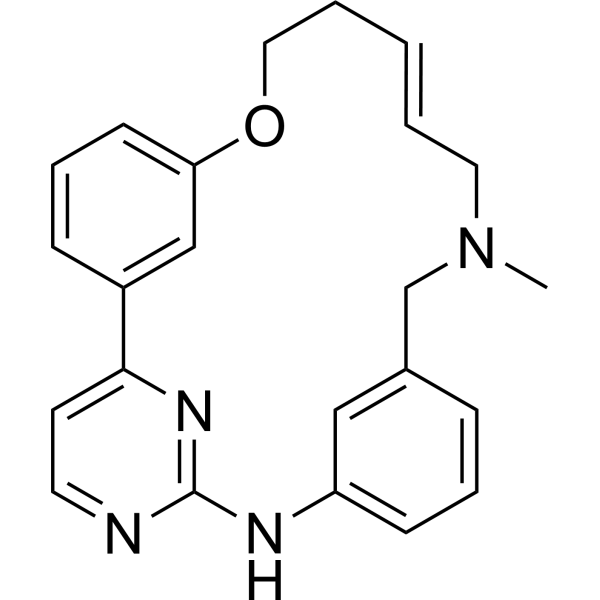
    Zotiraciclib (TG02; SB1317) is an orally active JAK2/FLT3/CDK2 inhibitor with IC50 values of 13 nM, 73 nM and 56 nM , respectively. Zotiraciclib inhibits cancer cell proliferation, tumor growth and the activity of CYP2D6. Zotiraciclib exhibits high plasma protein binding rate, Caco-2 permeability and tissue distribution capacity, as well as metabolic stability in human and canine liver microsomes. Zotiraciclib achieves tumor growth inhibition in nude mouse models of colon cancer and lymphoma xenografts. Zotiraciclib can be used for research related to colon cancer, B-cell lymphoma, advanced leukemia, acute leukemia and multiple myeloma .
    Zotiraciclib
  • HY-114988

    tetranor-PGEM

    Drug Metabolite Metabolic Disease Inflammation/Immunology Cancer
    PGE-M (tetranor-PGEM) is a metabolite of Prostaglandin E2 (HY-101952) and also an inflammatory biomarker. Urinary PGE-M is a potential biomarker for detecting advanced colorectal tumors. PGE-M can be used in studies related to colorectal cancer, obesity, aging and breast cancer .
    PGE-M
  • HY-P10762

    CBP-1008; LDC 10B

    Peptide-Drug Conjugates (PDCs) Folate Receptor (FR) TRP Channel Cancer
    Ricorfotide vedotin (CBP-1008) is a dual-ligand peptide-drug conjugate (PDC) conjugated to MMAE (HY-15162), targeting Folate receptor α (FRα) and TRPV6. Ricorfotide vedotin binds to FRα with high affinity and TRPV6 with low affinity. Ricorfotide vedotin has antitumor activity, and can be used in advanced solid tumor research (eg: colorectal cancer, breast cancer, non-small cell lung cancer, ovarian cancer, adrenocortical carcinoma and follicular dendritic cell sarcoma) .
    Ricorfotide vedotin
  • HY-18614

    Notch γ-secretase Cancer
    LY900009 is a potent and orally active, First-in-class inhibitor of Notch signaling via selective inhibition of the γ-secretase protein (GSI). LY900009 inhibits Notch signalling in tumor cell lines and endothelial cells (IC50=0.005-20 nM). LY900009 can be used for advanced cancer research .
    LY900009
  • HY-P991588

    AC101

    EGFR Apoptosis Cancer
    HLX-22 is a humanized monoclonal antibody targeting HER2. HLX-22 induces apoptosis in HER2-overexpressing breast and gastric cancer cells combined with Trastuzumab (HY-P9907). HLX-22 has potent antitumor activity against advanced solid tumors .
    HLX-22
  • HY-P99852

    ABT165; PR1283233

    VEGFR Notch Cancer
    Dilpacimab (ABT165) is a bispecific variable domain immunoglobulin. Dilpacimab binds to and inhibits DLL4 and VEGF and acts as a tumor growth inhibitor. Dilpacimab can be used in research related to metastatic colorectal cancer and advanced solid tumors .
    Dilpacimab
  • HY-139300

    HMPL-813

    EGFR Cancer
    Epitinib (HMPL-813) is a selective, orally active, blood-brain barrier-permeable EGFR tyrosine kinase inhibitor. Epitinib is applicable to research on EGFR T790M-positive non-small cell lung cancer with brain metastasis and advanced solid tumors .
    Epitinib
  • HY-147218

    ARRY-067

    TAM Receptor Cancer
    PF-07265807 (ARRY-067) is a kinase inhibitor with primary targets AXL, MERTK, and TYRO3. PF-07265807 acts as an immunomodulator that cross-activates CD8 + T cells by enhancing dendritic cell function. PF-07265807 blocks downstream signal transduction of AXL and MERTK, and inhibits the proliferation and migration of tumor cells with high expression of these two kinases. PF-07265807 is applicable to research related to advanced or metastatic solid tumors, such as colorectal cancer .
    PF-07265807
  • HY-P990651

    TREM receptor Cancer
    PY314 is a humanized antibody targeting TREM2. PY314 binds TREM2 on tumor-associated macrophages, depletes TREM2-high tumor-associated macrophages, reduces pro-tumorigenic M2 macrophage infiltration, increases CD8 + T cell, NK cell, and M1 macrophage infiltration, creates a proinflammatory tumor microenvironment, and promotes antitumor immune responseS. PY314 can be used for the research of platinum-resistant ovarian cancer, advanced solid tumors, breast cancer, and advanced refractory solid tumors .
    PY314
  • HY-P990049

    JMT-101; MRG003 Antibody

    EGFR Cancer
    Becotatug (JMT-101) is a humanized IgG1 antibody targeting EGFR. Becotatug can also be conjugated to Afatinib (HY-10261) and Osimertinib (HY-15772) as a synthetic ADC. Becotatug can be used for the study of EGFR-mutated advanced non-small cell lung cancer (NSCLC) .
    Becotatug
  • HY-P990073

    REGN-5093

    c-Met/HGFR Cancer
    Davutamig (REGN-5093) is a human IgG4-kappa, anti-MET bispecific antibody. Davutamig binds 2 distinct epitopes of MET, blocking ligand binding and inducing MET internalization and degradation. Davutamig is applicable to the research of advanced non-small cell lung cancer with MET gene abnormalities .
    Davutamig
  • HY-148511

    CMP-001

    Toll-like Receptor (TLR) IFNAR PD-1/PD-L1 Indoleamine 2,3-Dioxygenase (IDO) Cancer
    Vidutolimod (CMP-001) is a virus-like particle containing a TLR9 activator . Vidutolimod induces human peripheral blood mononuclear cells to secrete IFNα, and upregulates the gene expression of CXCL10, PDL1, IDO and CD80. Vidutolimod activates TLR9, which in turn triggers plasmacytoid dendritic cell activation, production of IFNγ and TNFα, induction of CXCL10, and recruitment of antitumor T cells. Vidutolimod causes influenza-like symptoms, hypotension and tumor regression, and its activity depends on the presence of anti- antibodies. Vidutolimod modulates monocyte function, promotes CD4 T cell proliferation, and activates multiple immune cell types in an environment with anti-Qβ antibodies. Vidutolimod prolongs the survival of tumor-bearing mice. Vidutolimod is used in research related to advanced melanoma, head and neck squamous cell carcinoma, and advanced non-small cell lung cancer .
    Vidutolimod
  • HY-164493

    Ras Cancer
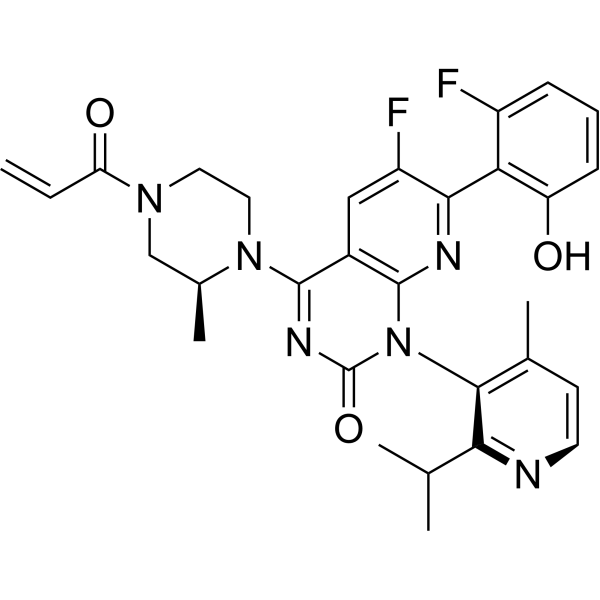
    KRASG12C IN-13 (LY3499446) is a potent KRAS G12C inhibitor. KRASG12C IN-13 is promising for research of advanced solid tumors including non-small cell lung cancer and colorectal cancer .
    KRASG12C IN-13
  • HY-136362

    c-Fms Inflammation/Immunology Cancer
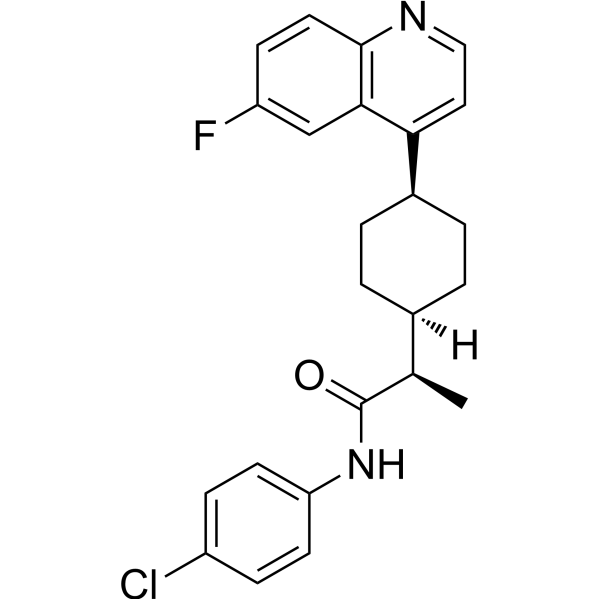
    ARRY-382 is a potent, oral and highly selective inhibitor of CSF1R/c-Fms with an IC50 of 9 nM. ARRY-382 can be used for the research of advanced or metastatic cancers .
    ARRY-382
  • HY-P99594

    ZKAB001; STI-1014; STI-A1014

    PD-1/PD-L1 Cancer
    Socazolimab (ZKAB001) is an anti-PD-L1 monoclonal antibody. Socazolimab has lasting safety and efficacy in the treatment of recurrent or metastatic cervical cancer. Socazolimab also has potential applications in small cell lung cancer, esophageal squamous cell carcinoma (ESCC), advanced urothelial carcinoma and osteosarcoma .
    Socazolimab
  • HY-175743

    FGFR Cancer
    TYRA-200 is a potent and orally active FGFR2 inhibitor. TYRA-200 inhibits the kinase activity of wild-type FGFR2 and its mutants. TYRA-200 induces significant tumor regression in FGFR2-driven cancer models. TYRA-200 can be used for the research of FGFR2-altered advanced solid tumors, intrahepatic cholangiocarcinoma, and endometrial cancer .
    TYRA-200
  • HY-13582R
    Carbendazim (Standard)
    5+ Cited Publications

    Parasite Fungal Reference Standards Infection Cancer
    Carbendazim (Standard) is the analytical standard of Carbendazim. This product is intended for research and analytical applications. Carbendazim is a potent and orally active broad-spectrum benzimidazole fungicide and can be acts as a pesticide for fungal diseases research, such as SeproriaFusarium and Sclerotina . Carbendazim is a benzimidazole (HY-Y1825) derivative with antitumor activity and used for cancer research, especially advanced solid tumors and lymphoma .
    Carbendazim (Standard)
  • HY-P990650

    TREM receptor Cancer
    PY159 is a humanized antibody targeting TREM1/CD354. PY159 reprograms immunosuppressive intratumoral myeloid cells towards an inflammatory, anti-tumor phenotype, promotes anti-tumor immune responses, upregulates monocyte activation markers, and induces proinflammatory cytokines. PY159 can be used for the research of platinum-resistant ovarian cancer, advanced solid tumors, and advanced refractory solid tumors .
    PY159
  • HY-P991742

    15A7.5; ETx-22 Antibody

    ADC Antibody Cancer
    LY4101174 Antibody is an ADC antibody. LY4101174 is an antibody-drug conjugate (ADC) that targets the nectin-4 protein present on the surface of certain cancer cells. It can directly deliver a potent chemotherapy agent (Exatecan (HY-13631)) to the tumor site and is used for the study of advanced cancers, such as urothelial carcinoma, triple-negative breast cancer, and non-small cell lung cancer .
    LY4101174 Antibody
  • HY-160038

    LXR Cancer
    GAC0003A4 is an LXR inverse agonist that inhibits LXR transcriptional activity. GAC0003A4 also efficiently degrades LXRβ protein. GAC0003A4 has the potential to be used in advanced pancreatic cancer and other refractory malignancies .
    GAC0003A4

Inquiry Online

Your information is safe with us. * Required Fields.

Salutation


Country or Region *

Applicant Name *


Organization Name *

Department *


Email Address *


Product Name *

Cat. No.


Requested quantity *

Phone Number *


Remarks

Inquiry Online

Inquiry Information

Product Name:
Cat. No.:
Quantity:
MCE Japan Authorized Agent:

