





Search Result
Results for "
Agonistic
" in MedChemExpress (MCE) Product Catalog:
8
Isotope-Labeled Compounds
| Cat. No. |
Product Name |
Target |
Research Areas |
Chemical Structure |
-
- HY-13738A
-
|
Keoxifene hydrochloride; LY156758; LY139481 hydrochloride
|
Estrogen Receptor/ERR
Autophagy
|
Endocrinology
Cancer
|
|
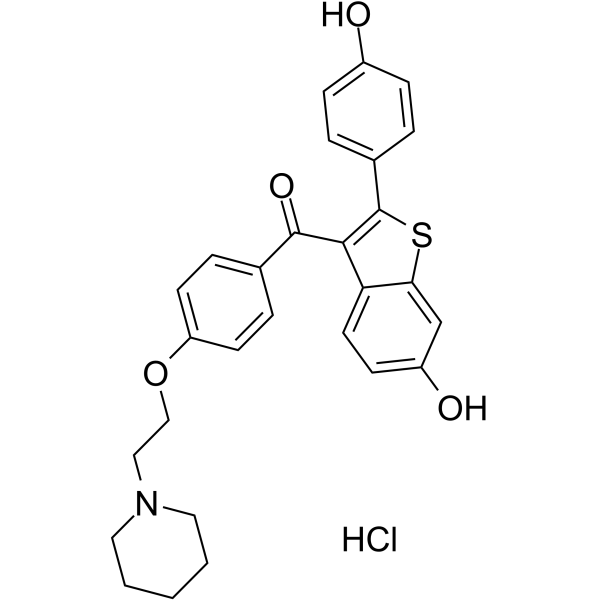
Raloxifene hydrochloride (Keoxifene hydrochloride) is a second generation selective and orally active estrogen receptor modulator. Raloxifene hydrochloride produces estrogen-agonistic effects on bone and lipid metabolism and estrogen-antagonistic effects on uterine endometrium and breast tissue .
|
-
-
- HY-13738
-
Raloxifene
Maximum Cited Publications
20 Publications Verification
Keoxifene; LY156758 free base; LY139481
|
Estrogen Receptor/ERR
|
Cancer
|
|
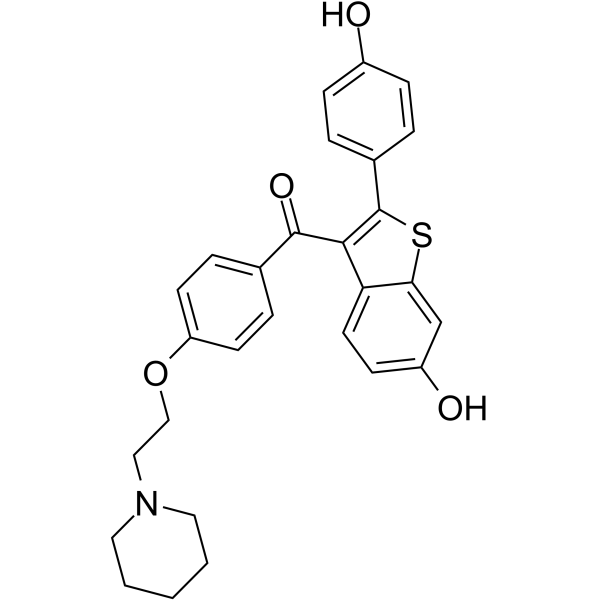
Raloxifene (Keoxifene) is a benzothiophene-derived selective estrogen receptor modulator (SERM). Raloxifene has estrogen-agonistic effects on bone and lipids and estrogen-antagonistic effects on the breast and uterus. Raloxifene is used for breast cancer and osteoporosis research .
|
-
-
- HY-103698A
-
-
-
- HY-123012
-
|
LY-488756
|
Adrenergic Receptor
|
Others
|
|
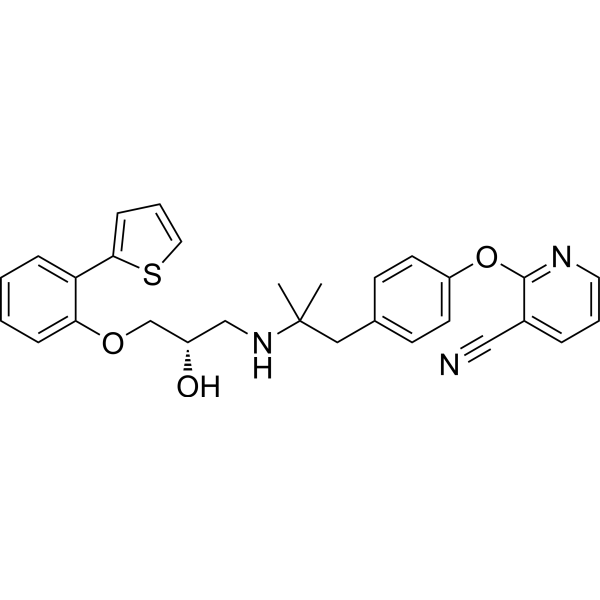
Lubabegron is a potent modulator of β-adrenergic receptor (β-AR). Lubabegron demonstrates antagonistic behavior at the β1 and β 2 receptor subtypes and agonistic behavior at the β 3 receptor subtype in cattle. Lubabegron reduces NH3 gas emissions from an animal or its waste. Lubabegron is available as an animal supplement .
|
-
-
- HY-103698
-
-
-
- HY-W013935
-
|
|
Endogenous Metabolite
Estrogen Receptor/ERR
Reactive Oxygen Species (ROS)
|
Endocrinology
|
|
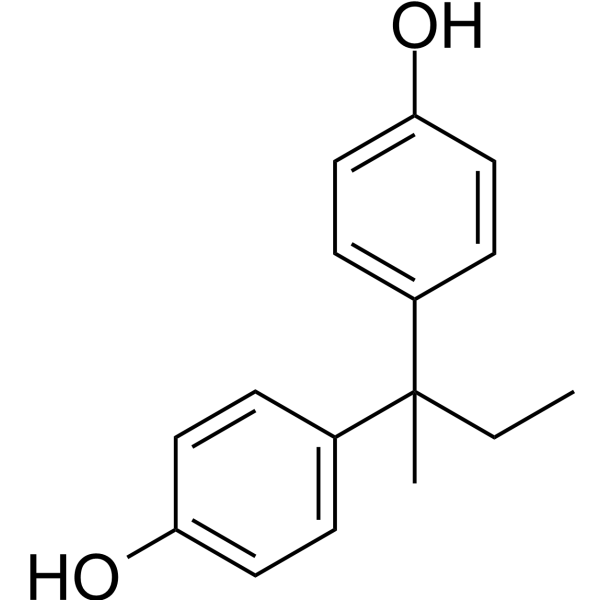
Bisphenol B is a close structural analog of Bisphenol A (BPA) (HY-18260). Bisphenol B is a potent, orally active endocrine disruptor (ED). Bisphenol B binds to G protein-coupled estrogen receptor (GPER) (IC50 = 3.3 μM) with higher affinity and agonistic activity than BPA. Bisphenol B promotes GPER mediated cell migration. Bisphenol B exerts estrogenic effects via GPER pathway at nanomolar concentration. Bisphenol B is used in the manufacture of polycarbonate resin with ED properties .
|
-
-
- HY-P99049
-
|
APX005M; APX005M; EPI-0050
|
TNF Receptor
|
Inflammation/Immunology
|
|
Sotigalimab, a CD40 agonistic monoclonal antibody. Sotigalimab binds CD40 with high affinity and activates antigen-presenting cells, thereby stimulating cancer-specific T cell responses. Sotigalimab is mainly used in the study of metastatic pancreatic cancer and metastatic melanoma .
|
-
-
- HY-N1426
-
-
-
- HY-P99286
-
|
PRO 95780; rhuMAb-DR 5; Anti-Human DR5 Recombinant Antibody
|
Apoptosis
|
Cancer
|
|
Drozitumab (PRO 95780) is a human agonistic monoclonal antibody which binds the death receptor DR5. Drozitumab has potent antitumor activity against rhabdomyosarcoma .
|
-
-
- HY-P99299
-
|
HGS-ETR 2; ETR2-ST01
|
Apoptosis
|
Cancer
|
|
Lexatumumab (HGS-ETR 2) is a human agonistic TRAIL receptor 2 (TRAIL-R2, DR5, APO-2) IgG4κ type monoclonal antibody. Lexatumumab induces apoptosis in malignant mesothelioma. Lexatumumab can be used for malignant pleural mesothelioma (MPM) research .
|
-
-
- HY-P990155
-
|
|
Transmembrane Glycoprotein
|
Others
|
|
Anti-Mouse TIGIT Antibody (1G9) is a mouse-derived agonistic TIGIT IgG1 κ type antibody. Anti-Mouse TIGIT Antibody (1G9) blocks CD155 binding to TIGIT. Anti-Mouse TIGIT Antibody (1G9) shows potent anti-infection and anti-immune effects in septic and experimental autoimmune encephalomyelitis .
|
-
-
- HY-P99470
-
|
GEN1029
|
TNF Receptor
Apoptosis
|
Cancer
|
|
Benufutamab (GEN1029) is a death receptor 5 (DR5)-specific agonistic antibody. Benufutamab is a mixture of 2 noncompeting DR5-specific IgG1 antibodies, each with an E430G mutation in the Fc domain. Benufutamab has antitumor effects .
|
-
-
- HY-P99378
-
|
ALTB-168; Anti-PSGL1/CD162 Reference Antibody (neihulizumab)
|
Apoptosis
|
Inflammation/Immunology
|
|
Neihulizumab (ALTB-168) is an immune checkpoint agonistic antibody that binds to human CD162 (PSGL-1), leading to downregulation of activated T-cells. Neihulizumab can be uesd for steroid-refractory acute graft-versus-host-disease (SR-aGVHD), psoriasis, psoriatic arthritis and ulcerative colitis research .
|
-
-
- HY-P2161B
-
|
|
Kisspeptin Receptor
|
Cancer
|
|
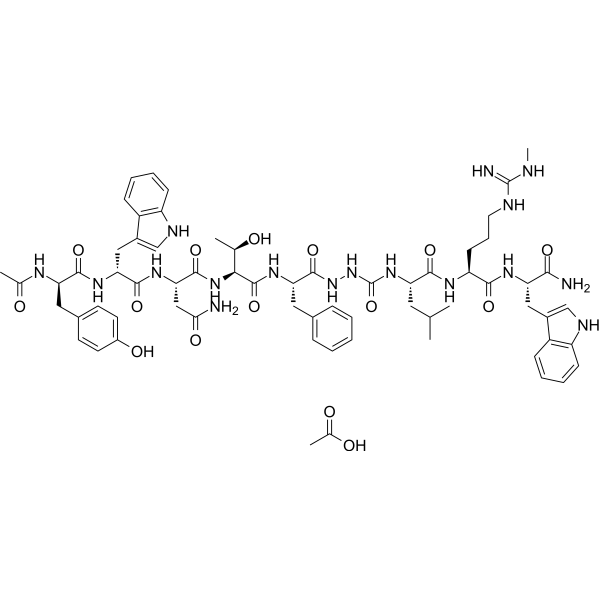
TAK-683 acetate is a potent full KISS1 receptor (KISS1R) agonist (IC50=170 pM) with improved metabolic stability. TAK-683 acetate is a nonapeptide metastin analog, exhibits agonistic activities to KISS1R with EC50 values of 0.96 nM and 1.6 nM for human and rat, respectively . TAK-683 acetate depletes GnRH in the hypothalamus and reduces plasma FSH, LH, and testosterone levels in vivo, it has the potential for the study of hormone-dependent prostate cancer .
|
-
-
- HY-108608
-
|
|
Calcium Channel
|
Others
|
|
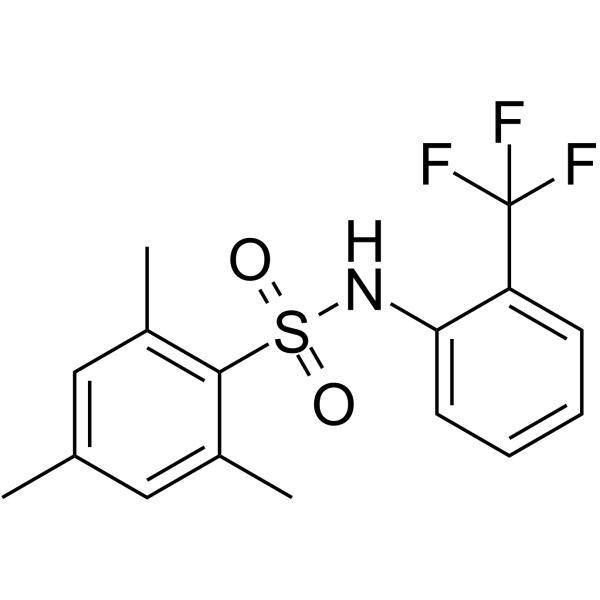
o-3M3FBS is the negative control of m-3M3FBS. o-3M3FBS inhibits inward and outward currents via mechanisms independent of PLC acting in an antagonistic manner. In contrast, o-3M3FBS also causes an increase in [Ca 2+]i in an agonistic manner .
|
-
-
- HY-P99123
-
|
|
CD28
|
Inflammation/Immunology
|
|
Anti-Mouse CD28 Antibody (37.51) is an agonistic agonistic CD28-specific antibody derived from the host Syrian Hamster. Anti-Mouse CD28 Antibody (37.51) partially prevents lethal graft-versus-hostdisease (GVHD) by selective depletion of alloreactive T cells in mice .
|
-
-
- HY-19464
-
|
|
GnRH Receptor
Estrogen Receptor/ERR
|
Endocrinology
|
|
Org 43553 is an orally active and low molecular weight (LMW) luteinizing hormone receptor (LH-R) agonist. Org 43553 shows agonistic activity to human LH and FSH receptors with EC50 values of 3.7 and 110 nM, respectively. Org 43553 can be used for the research of endocrine .
|
-
-
- HY-119437
-
FLTX1
2 Publications Verification
|
Estrogen Receptor/ERR
|
Cancer
|
|
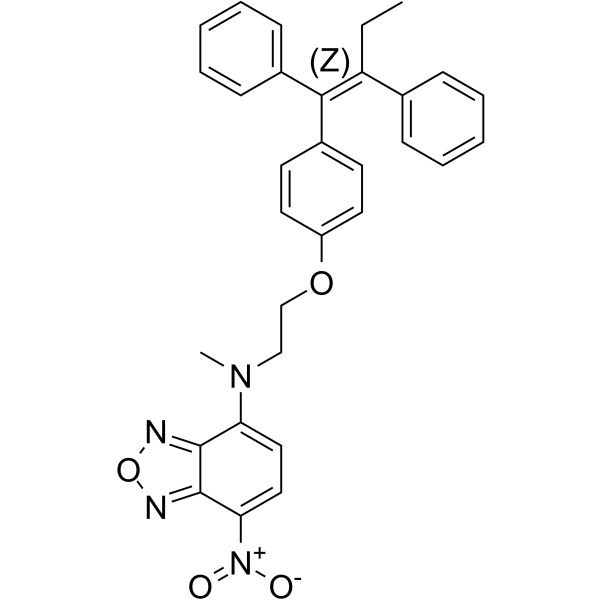
FLTX1 is a fluorescent Tamoxifen derivative that can specifically label intracellular Tamoxifen-binding sites (estrogen receptors) under permeabilized and non-permeabilized conditions. FLTX1 exhibits the potent antiestrogenic properties of Tamoxifen in breast cancer cells. FLTX1 is devoid of the estrogenic agonistic effect on the uterus .
|
-
-
- HY-12397
-
|
|
VD/VDR
|
Endocrinology
|
|
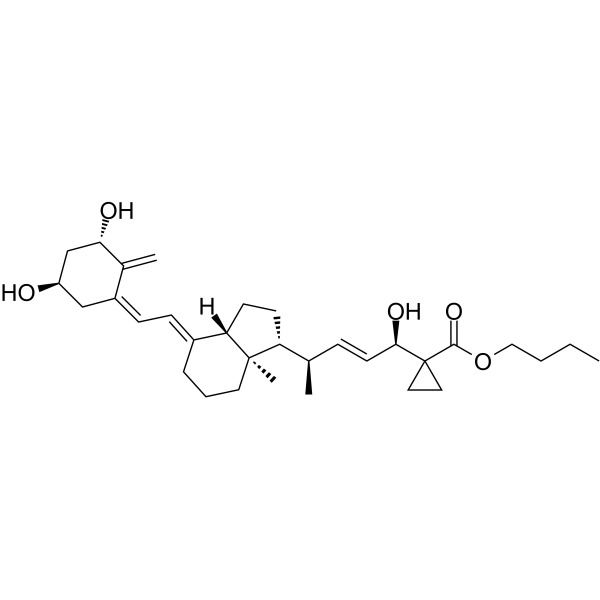
ZK159222, a 25-carboxylic ester analogue of 1α,25-(OH)2D3, is a potent 1α,25-(OH)2D3 receptor (VDR) antagonist. The mechanism of ZK159222 antagonistic action is mediated by a lack of ligand-induced vitamin D receptor interaction with coactivators. ZK159222 has a partial agonistic character .
|
-
-
- HY-107381
-
|
D-Cloprostenol
|
Prostaglandin Receptor
|
Endocrinology
|
|
(+)-Cloprostenol is a prostaglandin F2α (PGF2α) analogue, and shows selective agonistic activity at the prostaglandin receptor.
|
-
-
- HY-110207
-
|
|
Toll-like Receptor (TLR)
|
Inflammation/Immunology
|
|
SM-324405 is a TLR7 agonistic antedrug (EC50 = 50 nM), with pEC50 values of 7.3 and 6.6 for human TLR7 and Rat TLR7, respectively. SM-324405 is used for immunoresearch of allergic diseases. An antedrug is defined as a locally active compound that is designed to be rapidly metabolized to an inactive form upon entry into the circulation and prevents systemic toxicity by losing its agonistic activity in a plasmatic environment .
|
-
-
- HY-114072
-
|
|
Opioid Receptor
|
Neurological Disease
|
|
J-113397 is the first potent and selective nonpeptidyl ORL1 receptor antagonist (Ki: cloned human ORL1=1.8 nM) without any agonistic effects on other opioid receptors .
|
-
-
- HY-P10269
-
|
GZR18
|
GLP Receptor
|
Metabolic Disease
|
|
Bofanglutide (GZR18) is an analog of glucagon-like peptide-1 (GLP-1), which exhibits agonistic activity for GLP-1 receptor, with an EC50 of 0.677 nM. GZR18 ameliorates type 2 diabetes .
|
-
-
- HY-13738AR
-
|
Keoxifene hydrochloride(Standard); LY156758(Standard); LY139481 hydrochloride (Standard)
|
Reference Standards
Estrogen Receptor/ERR
Autophagy
|
Endocrinology
Cancer
|
|
Raloxifene (hydrochloride) (Standard) is the analytical standard of Raloxifene (hydrochloride). This product is intended for research and analytical applications. Raloxifene hydrochloride (Keoxifene hydrochloride) is a second generation selective and orally active estrogen receptor modulator. Raloxifene hydrochloride produces estrogen-agonistic effects on bone and lipid metabolism and estrogen-antagonistic effects on uterine endometrium and breast tissue .
|
-
-
- HY-P991052
-
|
|
TNF Receptor
|
Cancer
|
|
GSK-3174998 is a humanized IgG1 OX40/TNFRSF4 agonistic monoclonal antibody. GSK-3174998 has the potential for the study of advanced solid tumors. The isotype control for GSK-3174998 can refer to Human IgG1 kappa, Isotype Control (HY-P99001) .
|
-
-
- HY-175167
-
|
|
STING
IFNAR
|
Inflammation/Immunology
|
|
diABZI-i is an orthogonal STING inhibitor. diABZI-i significantly inhibits cGAMP-induced IFNβ in PBMCs. diABZI-i also activates constitutive signaling of V155M SAVI and exerts potent agonistic effects in the STING V155M THP-1 cell model. diABZI-i can be used for research on monogenic autoinflammatory diseases such as SAVI .
|
-
-
- HY-178302
-
|
|
ADC Payload
|
Others
|
|
TNF-α agonistic 2 (Compound 009) is a toxic molecule. TNF-α agonistic 2 reduces the thickness of the right ear in mice. TNF-α agonistic 2 can be used as an ADC toxic molecule .
|
-
-
- HY-P5524A
-
|
Lauroyl-γ-D-glutamyl-meso-diaminopimelic acid hydrochloride; γ-D-glutamyl-meso-diaminopimelic acid hydrochloride
|
NOD-like Receptor (NLR)
|
Others
|
|
C12-iE-DAP hydrochloride is the hydrochloride salt form of C12-iE-DAP (HY-P5524). C12-iE-DAP hydrochloride is a biologically active peptide that has agonistic effects on NOD1 .
|
-
-
- HY-111419
-
|
|
Serotonin Transporter
5-HT Receptor
|
Neurological Disease
|
|
DSP-1053, a benzylpiperidine derivative, is a potent Serotonin Transporter (SERT) inhibitor with a Ki of 1.02 nM. DSP-1053 shows partial 5-HT1A receptor agonistic activity with a Ki of 5.05 nM. DSP-1053 has antidepressant activity .
|
-
-
- HY-126346
-
|
|
GPR84
|
Inflammation/Immunology
|
|
DL-175 (compound 13) is a selective GPR84 agonist with biased agonistic activity. DL-175 can selectively activate functional responses in immune cells and induce enhanced chemotaxis and phagocytosis of human bone marrow cells. DL-175 is a potential chemical probe .
|
-
-
- HY-P1822
-
|
|
Transmembrane Glycoprotein
|
Metabolic Disease
|
|
BDC2.5 mimotope 1040-31, a BDC2.5 TCR reactive peptide, is a strong agonistic peptide for diabetogenic T cell clone BDC2.5, and the 1040-31 peptide is specific for BDC 2.5 TCR Tg + T cells .
|
-
-
- HY-P990860
-
|
|
TNF Receptor
|
Cancer
|
|
Anti-CD40 Antibody (G28.5) is a kind of mouse IgG1 κ chimeric agonistic antibody, targeting to human CD40. Anti-CD40 Antibody (G28.5) can activate CD40 signaling and promote anti-tumor T cell responses. Anti-CD40 Antibody (G28.5) can be used for the research of cancer, such as endometrial cancer .
|
-
-
- HY-163642
-
|
|
Others
|
Cancer
|
|
TNF-α agonistic 1 (compound 22a) can repolarize tumor-associated macrophages (TAMs) in the tumor microenvironment (TME) from the M2 phenotype to the M1 anti-tumor phenotype .
|
-
-
- HY-U00031
-
|
EN3324
|
Opioid Receptor
|
Neurological Disease
|
|
Axomadol (EN3324) is a centrally active analgesic agent with opioid agonistic properties and inhibitory effects on the reuptake of monoamines .
|
-
-
- HY-107348
-
-
-
- HY-107381A
-
|
D-Cloprostenol sodium
|
Prostaglandin Receptor
|
Endocrinology
|
|
(+)-Cloprostenol sodium is a prostaglandin F2α (PGF2α) analogue, and shows selective agonistic activity at the prostaglandin receptor.
|
-
-
- HY-N1426R
-
|
Frambione (Standard); 4-(4-Hydroxyphenyl)-2-butanone (Standard)
|
Reference Standards
PPAR
|
Cardiovascular Disease
Metabolic Disease
|
|
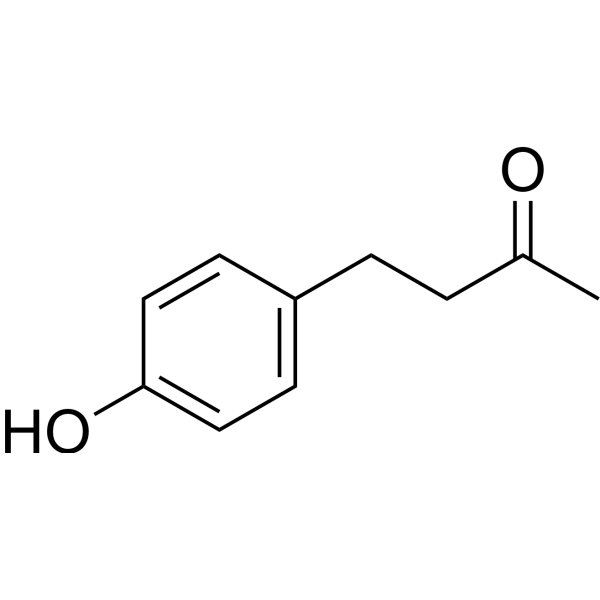
Raspberry ketone (Standard) is the analytical standard of Raspberry ketone. This product is intended for research and analytical applications. Raspberry ketone is a major aromatic compound of red raspberry, widely used as a fragrance in cosmetics and as a flavoring agent in foodstuff; also shows PPAR-α agonistic activity.
|
-
-
- HY-123012A
-
|
LY-591281; LY-488756 fumarate
|
Androgen Receptor
|
Others
|
|
Lubabegron fumarate is a potent modulator of β-adrenergic receptor (β-AR). Lubabegron fumarate demonstrates antagonistic behavior at the β1 and β 2 receptor subtypes and agonistic behavior at the β 3 receptor subtype in cattle. Lubabegron fumarate reduces NH3 gas emissions from an animal or its waste. Lubabegron fumarate is available as an animal supplement .
|
-
-
- HY-P991070
-
|
|
TNF Receptor
|
Cancer
|
|
ADG-106 is a fully human agonistic monoclonal IgG4 antibody against CD137 (4-1BB). ADG-106 has the mechanism to activate CD137 via strong FcγRIIB-mediated crosslinking while antagonizing CD137 ligands. The isotype control for ADG-106 can refer to Human IgG4 (S228P) kappa, Isotype Control (HY-P99003) .
|
-
-
- HY-P2161
-
|
|
Kisspeptin Receptor
|
Cancer
|
|
TAK-683 is a potent full KISS1 receptor (KISS1R) agonist (IC50=170 pM) with improved metabolic stability. TAK-683 is a nonapeptide metastin analog, exhibits agonistic activities to KISS1R with EC50 values of 0.96 nM and 1.6 nM for human and rat, respectively . TAK-683 depletes GnRH in the hypothalamus and reduces plasma FSH, LH, and testosterone levels in vivo, it has the potential for the study of hormone-dependent prostate cancer .
|
-
-
- HY-P991733
-
-
-
- HY-P11018
-
|
|
Peptide-Drug Conjugates (PDCs)
Ephrin Receptor
|
Cancer
|
|
(123B9)2-L2-PTX is an EphA2-agonistic peptide-drug conjugate (PDC). (123B9)2-L2-PTX consists of a dimeric 123B9 (HY-P10579) and Paclitaxel (HY-B0015). (123B9)2-L2-PTX significantly reduces circulating tumor cells and inhibits lung tumor metastasis in breast-cancer-Metastasis mice model. (123B9)2-L2-PTX can be used for cancers research, such as melanomas and ovarian and breast cancers .
|
-
-
- HY-N7965
-
-
-
- HY-P1379
-
-
-
- HY-P9S0062
-
|
|
PD-1/PD-L1
|
Inflammation/Immunology
|
|
Rosnilimab (Mouse IgG2a) is a mouse-derived IgG2a, Rosnilimab. Rosnilimab is a PD-1 agonistic monoclonal antibody. Rosnilimab (Mouse IgG2a) can be used in research related to ulcerative colitis .
|
-
-
- HY-P2191
-
|
|
Kisspeptin Receptor
|
Endocrinology
|
|
KISS1-305, the Metastin/Kisspeptin analog, is a prototype peptide and a chemical probe. KISS1-305 has suboptimal KISS1R agonistic activity, and resists plasma protease degradation .
|
-
-
- HY-129517
-
|
|
iGluR
|
Neurological Disease
|
|
UBP714 exhibts agonistic activity for recombinant GluN1/GluN2 receptor by binding to the positive allosteric site (PAM) of NMDARs. UBP714 enhances NMDAR-mediated field excitatory postsynaptic potentials (f-EPSPs) in Xenopus oocytes .
|
-
-
- HY-168159
-
|
|
Toll-like Receptor (TLR)
NOD-like Receptor (NLR)
|
Inflammation/Immunology
|
|
TLR7 agonist 27 (compound 24) is a potent TLR7 agonist with an EC50 of 238.1 nM. TLR7 agonist 27 shows weak agonistic activity against NOD2 (nucleotide-binding oligomerization domain 2) (EC50 of 6.2 μM). TLR7 agonist 27 is a potent immunostimulant, and can be used as a vaccine adjuvant and/or immunotherapeutic .
|
-
-
- HY-112072
-
|
SB 7505 hydrochloride; SKF 100168 hydrochloride
|
Dopamine Receptor
Adrenergic Receptor
|
Cardiovascular Disease
|
|
Ibopamine (SB 7505) hydrochloride is an orally active dopamine derivative. Ibopamine hydrochloride exerts agonistic effects on α, β adrenergic receptors and dopaminergic receptors. Ibopamine hydrochloride can be hydrolyzed to produce the active metabolite Epinine. Ibopamine hydrochloride possesses positive inotropic and vasodilatory effects, which can improve hemodynamics and renal function in heart failure models. Ibopamine hydrochloride has good safety profile and can be used in the research of diseases such as congestive heart failure .
|
-
-
- HY-125313
-
|
|
Orphan GPCR
|
Cardiovascular Disease
Inflammation/Immunology
|
|
PSB-1737 is a human-selective GPR17 agonist with an EC50 for human GPR17 of 270 nM, and its activity on murine GPR17 is relatively weak (EC50 > 10 μM). PSB-1737 shows no significant inhibition at the glycine binding site of NMDA receptors, and has no significant agonistic or antagonistic activity on P2Y receptor subtypes. PSB-1737 can be used in demyelinating diseases (such as multiple sclerosis) or inflammatory-related anemia .
|
-
- HY-P990280
-
|
|
TNF Receptor
Transmembrane Glycoprotein
|
Inflammation/Immunology
Cancer
|
|
Anti-Mouse CD27 Antibody (RM27-3E5) is an agonistic rat-derived IgG2a κ type antibody, targeting to mouse CD27. Anti-Mouse CD27 Antibody (RM27-3E5) stimulates CD 27. Anti-Mouse CD27 Antibody (RM27-3E5) can be used for the researches of cancer and immunology, such as B16cOVA tumor .
|
-
- HY-12192
-
|
|
Histamine Receptor
|
Metabolic Disease
|
|
A-423579 is an orally active non-imidazole histamine H3 receptor antagonist. A-423579 exhibits high affinity and good selectivity for human and rat H3 receptors, and possesses both antagonistic and inverse agonistic activities. A-423579 can effectively reduce body weight in obese rodents, with concomitant decreases in fat content, plasma leptin levels, and triglycerides. A-423579 possesses anti-obesity activity and can be used in the research of obesity and related metabolic disorders .
|
-
- HY-113730
-
|
|
CXCR
|
Others
|
|
VUF5834 is a non-peptide chemokine receptor CXCR3 antagonist with non-competitive antagonistic and inverse agonistic activities. VUF5834 blocks the effects of CXCL10 and CXCL11 on human CXCR3, exhibits non-competitive antagonistic and inverse agonistic properties to CXCR3, and, except for TAK-779, has a slightly lower affinity for rodent CXCR3 than for primate CXCR3.
|
-
- HY-149971
-
|
|
FXR
|
Inflammation/Immunology
|
|
XJ02862-S2 shows potent FXR agonistic activity. XJ02862-S2 is a promising lead compound for the research of NAFLD .
|
-
- HY-107381R
-
|
D-Cloprostenol (Standard)
|
Reference Standards
Prostaglandin Receptor
|
Endocrinology
|
|
(+)-Cloprostenol (Standard) is the analytical standard of (+)-Cloprostenol. This product is intended for research and analytical applications. (+)-Cloprostenol is a prostaglandin F2α (PGF2α) analogue, and shows selective agonistic activity at the prostaglandin receptor.
|
-
- HY-12749B
-
|
|
Adrenergic Receptor
|
Cardiovascular Disease
|
|
(R)-Midodrine hydrochloride is a vasopressor used as an antihypertensive agent for the treatment of symptomatic postural hypotension, exhibiting peripheral alpha(1)-adrenoreceptor agonistic activity that induces venous and arterial vasoconstriction.
|
-
- HY-163530
-
-
- HY-107348R
-
|
|
Prostaglandin Receptor
|
Cardiovascular Disease
|
|
Etofylline clofibrate (Standard) is the analytical standard of Etofylline clofibrate. This product is intended for research and analytical applications. Etofylline clofibrate has ypolipidemic and antithrombotic effect. Etofylline clofibrate has an agonistic interaction with intimal PGI2 .
|
-
- HY-175486
-
|
|
Opioid Receptor
|
Neurological Disease
|
|
KOR agonist 6 is a KOR agonist (Ki = 0.25 pM). KOR agonist 6 shows agonistic activity at MOR and DOR in CHO cells and inhibits Forskolin (HY-15371)-stimulated cAMP accumulation. KOR agonist 6 stimulates KOR-mediated [ 35S]GTPγS binding and inhibits cAMP accumulation in KOR-expressing HEK293 cells with potent agonistic activity, while showing lower β-arrestin recruitment potency. KOR agonist 6 demonstrates anti-nociceptive efficacy in mice. KOR agonist 6 can be used for the study of analgesics with reduced central nervous system (CNS) side effects .
|
-
- HY-13738S2
-
|
|
Isotope-Labeled Compounds
Estrogen Receptor/ERR
|
Cancer
|
|
Raloxifene-d4 (hydrochloride) is the deuterium labeled Raloxifene. Raloxifene (Keoxifene) is a benzothiophene-derived selective estrogen receptor modulator (SERM). Raloxifene has estrogen-agonistic effects on bone and lipids and estrogen-antagonistic effects on the breast and uterus. Raloxifene is used for breast cancer and osteoporosis research .
|
-
- HY-13738S
-
|
|
Isotope-Labeled Compounds
Estrogen Receptor/ERR
|
Cancer
|
|
Raloxifene-d4 is the deuterium labeled Raloxifene. Raloxifene (Keoxifene) is a benzothiophene-derived selective estrogen receptor modulator (SERM). Raloxifene has estrogen-agonistic effects on bone and lipids and estrogen-antagonistic effects on the breast and uterus. Raloxifene is used for breast cancer and osteoporosis research .
|
-
- HY-111419A
-
|
|
Serotonin Transporter
5-HT Receptor
|
Neurological Disease
|
|
DSP-1053, a benzylpiperidine derivative, is a potent serotonin transporter (SERT) inhibitor with a Ki of 1.02 nM. DSP-1053 shows partial 5-HT1A receptor agonistic activity with a Ki of 5.05 nM. DSP-1053 has antidepressant activity .
|
-
- HY-13738S3
-
|
|
Isotope-Labeled Compounds
Estrogen Receptor/ERR
|
Cancer
|
|
Raloxifene-d10 is the deuterium labeled Raloxifene. Raloxifene (Keoxifene) is a benzothiophene-derived selective estrogen receptor modulator (SERM). Raloxifene has estrogen-agonistic effects on bone and lipids and estrogen-antagonistic effects on the breast and uterus. Raloxifene is used for breast cancer and osteoporosis research .
|
-
- HY-137350
-
|
|
Leukotriene Receptor
|
Inflammation/Immunology
|
|
12-epi-LTB4 is an agonist for BLT1 and BLT2. 12-epi LTB4 exhibits a partial agonistic activity against mBLT1 and mBLT2, and induces phosphorylation of extracellular signal-regulated kinase in primary mouse keratinocytes .
|
-
- HY-13738S4
-
|
Keoxifene-d10; LY156758free base-d10; LY139481-d10
|
Estrogen Receptor/ERR
|
Cancer
|
|
Raloxifene-d10-1 is the deuterium labeled Raloxifene . Raloxifene (Keoxifene) is a benzothiophene-derived selective estrogen receptor modulator (SERM). Raloxifene has estrogen-agonistic effects on bone and lipids and estrogen-antagonistic effects on the breast and uterus. Raloxifene is used for breast cancer and osteoporosis research .
|
-
- HY-160159
-
|
|
PPAR
|
Metabolic Disease
|
|
Anticancer agent 183 (example 48) is a non-agonistic PPARG modulator. Anticancer agent 183 has a high affinity to PPARG (PPARγ). Anticancer agent 183 inhibits kinase-mediated phosphorylation of PPARG. Anticancer agent 183 can used for research on metabolic diseases to avoid side effects .
|
-
- HY-13738R
-
|
Keoxifene (Standard); LY156758 free base (Standard); LY139481 (Standard)
|
Reference Standards
Estrogen Receptor/ERR
|
Cancer
|
|
Raloxifene (Standard) is the analytical standard of Raloxifene. This product is intended for research and analytical applications. Raloxifene (Keoxifene) is a benzothiophene-derived selective estrogen receptor modulator (SERM). Raloxifene has estrogen-agonistic effects on bone and lipids and estrogen-antagonistic effects on the breast and uterus. Raloxifene is used for breast cancer and osteoporosis research .
|
-
- HY-172407
-
|
|
Opioid Receptor
|
Others
|
|
KOR agonist 5 (Compound 10a) is a KOR/MOR modulator with agonistic activity towards KOR and antagonistic activity towards MOR. KOR agonist 5 can effectively block morphine-induced antinociception and inhibition of intestinal motility. KOR agonist 5 can be used in the research of Substance Use Disorder (SUD) .
|
-
- HY-P1379A
-
|
|
Neurokinin Receptor
|
Neurological Disease
|
|
C14TKL-1 acetate is the acetate salt form of C14TKL-1 (HY-P1379). C14TKL-1 acetate is a tachykinin-like peptide and exhibits an agonistic activity for neurokinin receptor 1 (NK-1) .
|
-
- HY-P1822A
-
|
|
Transmembrane Glycoprotein
|
Metabolic Disease
|
|
BDC2.5 mimotope 1040-31 TFA, a BDC2.5 TCR reactive peptide, is a strong agonistic peptide for diabetogenic T cell clone BDC2.5, and the 1040-31 peptide is specific for BDC 2.5 TCR Tg + T cells .
|
-
- HY-19178
-
|
FK011 hydrochloride
|
Leukotriene Receptor
PPAR
|
Inflammation/Immunology
|
|
LTD4 antagonist 3 (FK011 hydrochloride) is a LTD4 antagonist. LTD4 antagonist 3 has agonistic activity for PPAR-γ, with a fold-increase of 1.50 at 1 μM and 2.35 at 10 μM. LTD4 antagonist 3 can be used of development of non-steroidal anti-inflammatory drugs (NSAIDs) .
|
-
- HY-120531
-
|
|
Histamine Receptor
|
Neurological Disease
|
|
UR-PI376 is a potent and selective histamine H4 receptor (H4R) agonist with a pEC50 value of 7.47. UR-PI376 shows negligible hH1R and hH2R activities and moderate inverse agonistic activity at the hH3R .
|
-
- HY-N6678S
-
|
|
Isotope-Labeled Compounds
Estrogen Receptor/ERR
|
Endocrinology
|
|
(Rac)-Zearalanone-d6 is the racemate of Zearalanone. Zearalenone is a nonsteroidal estrogenic mycotoxin produced by Fusarium species, which colonizes several grains. Zearalenone has low acute toxicity and carcinogenicity. Due to its agonistic effect on the estrogen receptor, Zearalenone exhibits distinct estrogenic and anabolic properties in several animal species, resulting in severe effects on the reproductive system .
|
-
- HY-155704
-
|
|
PPAR
|
Others
|
|
DPP-IV-IN-5 is isolated from the fruits of Lycium barbarum. DPP-IV-IN-5 exerts moderate agonistic activities for peroxisome proliferator-activated receptor (PPARγ) with EC50 values of 10.09 - 44.26 μM and also presents inhibitory activity on dipeptidyl peptidase-4 (DPPIV) with an IC50 value of 47.13 μM .
|
-
- HY-W740498
-
|
Frambione-d5; 4-(4-Hydroxyphenyl)-2-butanone-d5
|
Isotope-Labeled Compounds
PPAR
|
Metabolic Disease
|
|
Raspberry ketone-d5 (Frambione-d5; 4-(4-Hydroxyphenyl)-2-butanone-d5) is the deuterium labeled Raspberry ketone (HY-N1426). Raspberry ketone is a major aromatic compound of red raspberry, widely used as a fragrance in cosmetics and as a flavoring agent in foodstuff; also shows PPAR-α agonistic activity.
|
-
- HY-N6678R
-
|
|
Reference Standards
Estrogen Receptor/ERR
|
Endocrinology
|
|
Zearalanone (Standard) is the analytical standard of Zearalanone. This product is intended for research and analytical applications. Zearalenone is a nonsteroidal estrogenic mycotoxin produced by Fusarium species, which colonizes several grains. Zearalenone has low acute toxicity and carcinogenicity. Due to its agonistic effect on the estrogen receptor, Zearalenone exhibits distinct estrogenic and anabolic properties in several animal species, resulting in severe effects on the reproductive system .
|
-
- HY-117182
-
|
|
Apoptosis
VD/VDR
RAR/RXR
|
Metabolic Disease
Inflammation/Immunology
Cancer
|
|
LG190178 is a non-steroidal vitamin D receptor (VDR) ligand that can induce the formation of heterodimer complexes between VDR and retinoid X receptor (RXR), stabilizing the agonistic conformation of the VDR ligand-binding domain and promoting its interaction with co-activators. LG190178 has functions in regulating calcium homeostasis, bone mineralization, as well as cell proliferation, differentiation, and apoptosis, making it useful for research in psoriasis, osteoporosis, and cancer .
|
-
- HY-125996
-
|
|
FXR
|
Inflammation/Immunology
|
|
NR1H4 activator 1 is a potent and selective Famesoid X Receptor (FXR) agonist, extracted from patent WO2018152171A1, example 4. NR1H4 activator 1 shows strong FXR agonistic potency with a EC50 value of 1 nM in a Human FXR (NR1H4) Assay. NR1H4 activator 1 has the potential for treatment of gastrointestinal disease .
|
-
- HY-N15177
-
|
Δ9-Tetrahydrocannabutol
|
Cannabinoid Receptor
|
Neurological Disease
Inflammation/Immunology
|
|
Δ9-THCB (Δ9-Tetrahydrocannabutol) has a high affinity for human CB1 and CB2 receptors with the Ki values of 15 nM and 51 nM, respectively. Δ9-THCB (Δ9-Tetrahydrocannabutol) has analgesic and anti-inflammatory activities and plays partial agonistic effects on CB1 receptor in mice .
|
-
- HY-14148
-
|
|
5-HT Receptor
|
Neurological Disease
|
|
Renzapride hydrochloride is a benzamide that inhibits irritable bowel syndrome and has antagonistic activity at 5-HT(3) receptors and agonistic activity at 5-HT(4) receptors. Renzapride hydrochloride also exhibits antagonistic activity at 5-HT(2B) receptors and has a certain affinity for 5-HT(2A) and 5-HT(2C) receptors .
|
-
- HY-117560
-
|
|
GABA Receptor
|
Neurological Disease
|
|
PWZ-029 is a selective inverse agonist for 5 GABAA receptors. PWZ-029 is a benzodiazepine site ligand. PWZ-029 shows a weak but significant partial agonistic effect at 1- and 3-containing receptors. PWZ-029 significantly increases retention session latency in mouse fibroblast cells. PWZ-029 can improve object recognition in normal and scopolamine-treated rat model .
|
-
- HY-P990819
-
|
|
CD28
|
Neurological Disease
Inflammation/Immunology
|
|
Anti-Rat CD28 Antibody (JJ316) is a mouse-derived agonistic IgG1 κ type antibody, targeting to rat CD28. Anti-Rat CD28 Antibody (JJ316) can induce T cell proliferation. Anti-Rat CD28 Antibody (JJ316) can be used for the researches of inflammation, immunology and neurological disease, such as experimental autoimmune encephalomyelitis (EAE) and graft-versus-host disease (GvHD) .
|
-
- HY-P990793
-
|
|
CD28
|
Neurological Disease
Inflammation/Immunology
Cancer
|
|
Anti-Mouse CD28 Antibody (D665) is a mouse-derived agonistic IgG1 κ type antibody, targeting to mouse CD28. Anti-Mouse CD28 Antibody (D665) induces the activation of T cells. Anti-Mouse CD28 Antibody (D665) can be used for the researches of neurological disease, inflammation, immunology and cancer, such as Parkinson disease (PD), arthritis and graft-versus-host disease (GVHD) .
|
-
- HY-167922
-
|
|
Endogenous Metabolite
|
Neurological Disease
|
|
(R,R,S)-GAT107 is a fully agonistic positive modulator of α7 nicotinic receptors with significant biological activity. Its activity is entirely present in its (+)-isomer 1b, while (-)-isomer 1a does not affect its activity when used together. Studies have shown that (R,R,S)-GAT107 is the most potent ago-PAM for α7 nicotinic receptors currently known and has the potential for further in vivo evaluation .
|
-
- HY-175516
-
|
|
FXR
PPAR
|
Inflammation/Immunology
|
|
dual FXR/PPARδ agonist-2 is a FXR/PPARδ dual agonist through hybridation of FXR agonist GW-4064 and PPARδ agonist GW-0742.dual FXR/PPARδ agonist-2 displays potent dual-target activities with a FXR agonistic EC50 of 12.28 nM and 69 % PPARδ activation at 100 nM. dual FXR/PPARδ agonist-2 shows anti-fibrotic effects in pulmonary fibrosis mouse model .
|
-
- HY-P2161A
-
|
|
Kisspeptin Receptor
|
Cancer
|
|
TAK-683 TFA is a potent full KISS1 receptor (KISS1R) agonist (IC50=170 pM) with improved metabolic stability. TAK-683 TFA is a nonapeptide metastin analog, exhibits agonistic activities to KISS1R with EC50 values of 0.96 nM and 1.6 nM for human and rat, respectively . TAK-683 TFA depletes GnRH in the hypothalamus and reduces plasma FSH, LH, and testosterone levels in vivo, it has the potential for the study of hormone-dependent prostate cancer .
|
-
- HY-108608R
-
|
|
Calcium Channel
Reference Standards
|
Others
|
|
o-3M3FBS (Standard) is the analytical standard of o-3M3FBS (HY-108608). This product is intended for research and analytical applications. o-3M3FBS is the negative control of m-3M3FBS. o-3M3FBS inhibits inward and outward currents via mechanisms independent of PLC acting in an antagonistic manner. In contrast, o-3M3FBS also causes an increase in [Ca2+]i in an agonistic manner .
|
-
- HY-U00031A
-
|
EN3324 hydrochloride
|
Endogenous Metabolite
|
Neurological Disease
|
|
Axomadol hydrochloride is a centrally active analgesic agent with opioid agonistic properties and inhibitory effects on the reuptake of monoamines .
|
-
- HY-163531
-
-
- HY-P992044
-
-
- HY-179379
-
|
|
Drug Derivative
|
Inflammation/Immunology
|
|
EP4 receptor agonist 3 prodrug (Compound 9) is a prodrug of EP4 receptor agonist (Compound 1a). EP4 receptor agonist 3 prodrug itself has no agonistic activity on the EP4 receptor and needs to be specifically hydrolyzed by intestinal alkaline phosphatase (IAP) in the intestine to release the active molecule, which then exerts the EP4 receptor agonistic effect locally in the intestine. EP4 receptor agonist 3 prodrug has colonic targeting properties and significantly alleviates colitis in mice .
|
-
- HY-P991776
-
|
|
VISTA
|
Inflammation/Immunology
|
|
Anti-Mouse VISTA Antibody (8G8) reacts with mouse VISTA. Anti-Mouse VISTA Antibody (8G8) is an agonistic antibody with immunosuppressive properties. Recommend Isotype Controls: Polyclonal Armenian hamster IgG, Isotype Control (HY-P990305) .
|
-
- HY-204388
-
|
|
iGluR
Calcium Channel
|
Neurological Disease
|
|
TAK-137 is an AMPA receptor potentiator with weak agonistic effect. TAK-137 binds to the AMPA receptor ligand binding domain in a glutamate-dependent manner. TAK-137 potentiates AMPA-induced currents and Ca 2+ influx. TAK-137 can be used for the research of neurological disease .
|
-
- HY-103698R
-
-
- HY-103698AR
-
|
|
Reference Standards
Toll-like Receptor (TLR)
|
Inflammation/Immunology
|
|
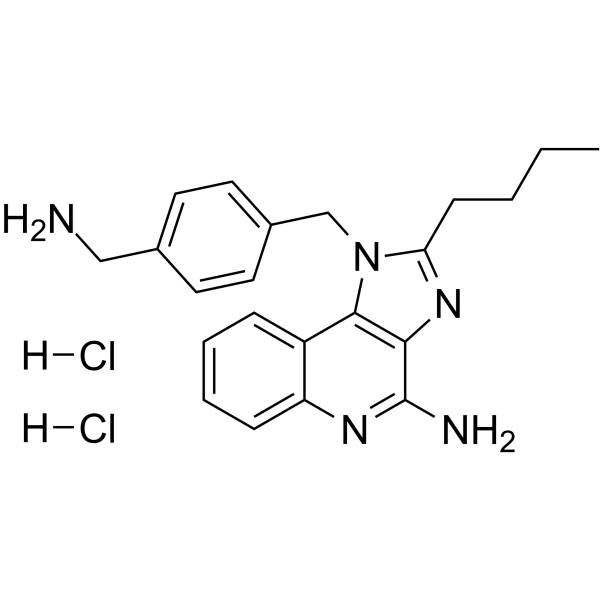
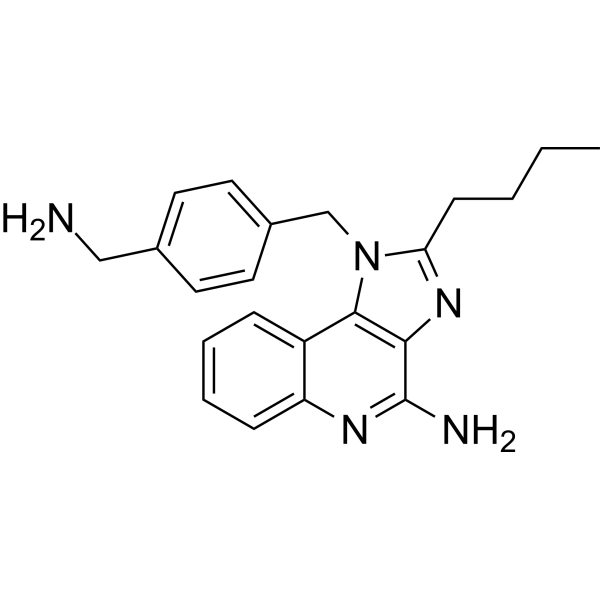
TLR7/8 agonist 1 dihydrochloride (Standard) is the analytical standard of TLR7/8 agonist 1 dihydrochloride (HY-103698A). This product is intended for research and analytical applications. TLR7/8 agonist 1 dihydrochloride is a toll-like receptor TLR7/TLR8 dual-agonistic imidazoquinoline .
|
-
- HY-N6678S1
-
|
|
Isotope-Labeled Compounds
|
Endocrinology
|
|
Zearalanone- 13C18 is the 13C-labeled Zearalanone (HY-N6678). Zearalenone is a nonsteroidal estrogenic mycotoxin produced by Fusarium species, which colonizes several grains. Zearalenone has low acute toxicity and carcinogenicity. Due to its agonistic effect on the estrogen receptor, Zearalenone exhibits distinct estrogenic and anabolic properties in several animal species, resulting in severe effects on the reproductive system .
|
-
- HY-P991528
-
|
|
NF-κB
|
Inflammation/Immunology
Cancer
|
|
PE0116 is a fully human CD137 agonistic monoclonal antibody generated from immunized harbor H2L2 human transgenic mice. PE0116 is a ligand block. PE0116 activates NF-κB signaling which significantly promotes T-cell proliferation and increases cytokine secretion in vitro. PE0116 exhibits robust antitumor activity in MC38 tumor model .
|
-
- HY-180198
-
|
|
Melatonin Receptor
|
Cancer
|
|
UCM1400 is a melatonin receptor (MT) subtype-selective modulator. UCM1400 shows agonistic effect for MT1 and antagonistic effect for MT2 with pKi values of 7.94 and 8.11. UCM1400 can inhibit the decrease in cAMP mediated by the MT2 receptor with a pIC50 of 7.87. UCM1400 exhibits anti-proliferative activity against human glioma cells and inhibit tumor growth. UCM1400 can be used for the research of cancer, such as glioma .
|
-
- HY-179605
-
|
|
Androgen Receptor
|
Others
|
|
AR ligand-49 (Compound 4q) is a dual ligand for the adenosine A2A receptor (A2AAR) and the A3 receptor (A3AR). Its Ki values are 15 and 4.5 nM respectively. AR ligand-49 exhibits reverse agonistic activity at hA2AAR and antagonistic activity at hA3AR. AR ligand-49 can be used for the study of the design and development of adenosine receptor ligands .
|
-
- HY-181135
-
|
|
GABA Receptor
|
Neurological Disease
|
|
Bicyclo-GABA is a selective betaine/GABA transporter 1 (BGT1) competitive, non-transported inhibitor with an IC50 of 590 nM. Bicyclo-GABA exhibits low micromolar agonistic activity at α1β2γ2 GABAA receptors with an EC50 of 5.1 μM. Bicyclo-GABA displays 129 times higher activity for BGT1 than GAT3. Bicyclo-GABA serves as a valuable tool compound for deciphering its elusive pharmacological role in the brain and periphery .
|
-
- HY-P991918
-
|
IgG2-AAS
|
Transmembrane Glycoprotein
Interleukin Related
|
Inflammation/Immunology
Cancer
|
|
KHK2840 is a potent CD40 agonist with a Kd value of 0.485 nM for hCD40. KHK2840 delivers agonistic signals in tumor-bearing hCD40 transgenic mice and human peripheral blood B cells. KHK2840 upregulates CD80, CD86, CD95 and IL-12p70 expression. KHK2840 enhances antitumor efficacy of anti-PD-1 antibody and Paclitaxel (HY-B0015). KHK2840 can be used for the research of cancer, such as colon cancer and melanoma .
|
-
- HY-122742
-
|
|
iGluR
|
Neurological Disease
|
|
HBT1 is an effective AMPA receptor AMPA-R potentiator. HBT1 specifically binds to the ligand-binding domain (LBD) of AMPAR and enhances receptor activity only when AMPA is present., HBT1 has almost no agonistic effect (i.e., reaching the optimal concentration, and then the efficacy decreases as the concentration continues to increase) compared with traditional AMPA-R potentiator, avoiding the bell-shaped reaction of brain-derived neurotrophic factor (BDNF) production in primary neurons. HBT1 can be applicable to a wider range of neurological and psychiatric diseases (such as depression, Alzheimer's disease, etc.) .
|
-
- HY-148291
-
|
|
LPL Receptor
Phosphodiesterase (PDE)
|
Cancer
|
|
BrP-LPA sodium is a pan-opposite agent for lysophosphatidic acid (LPA). It has antagonistic activity against LPA1 (IC50 = 4520 nM), LPA2 (IC50 = 468 nM), LPA3, and LPA4. BrP-LPA sodium also has partial agonistic activity for LPA5, with its EC50 being 1282 nM. BrP-LPA sodium has ATX inhibitory activity. BrP-LPA sodium effectively inhibits the migration and invasion of breast cancer cells. BrP-LPA sodium achieves tumor regression and anti-angiogenesis in mice breast cancer xenograft model. BrP-LPA sodium can be used for the study of breast cancer .
|
-
- HY-173393
-
|
|
LXR
|
Cancer
|
|
LXRα agonist 1 (Compound 40) is a selective LXRα agonist (EC50: 42 nM). LXRα agonist 1 also has a certain agonistic effect on LXRβ (EC50: 266 nM). LXRα agonist 1 promotes target gene transcription by stabilizing the ligand binding domain (LBD) of LXRα. LXRα agonist 1 exhibits potent antitumor effects in hepatocellular carcinoma cells when combined with the Raf inhibitor Sorafenib (HY-10201). LXRα agonist 1 can be used in the study of lipotoxic cancers .
|
-
- HY-18612
-
|
|
Bombesin Receptor
|
Metabolic Disease
|
|
MK-7725 is a selective, orally active, and blood-brain barrier-permeable agonist of the subtype 3 of the frog skin peptide receptor (BRS-3). MK-7725 has a high affinity for the human BRS-3 (hBRS-3), with an IC50 of 3 nM, and its functional activity in the mouse-derived BRS-3 (mBRS-3) model with an EC50 of 22 nM (105% agonistic). MK-7725 significantly reduces the body weight of obese rats and obese dogs. MK-7725 can be used for the treatment of obesity .
|
-
- HY-125627
-
|
|
Glucocorticoid Receptor
Androgen Receptor
|
Neurological Disease
Metabolic Disease
|
|
CP-394531 is an efficient and highly selective non-steroidal glucocorticoid receptor (GR) antagonist, with a Ki value of 0.1 nM. CP-394531 has a weak binding to androgen receptor (AR) (Ki = 130 nM), and has almost no effect on progesterone receptor (PR) and estrogen receptors (ERα, ERβ). CP-394531 completely blocks the half-maximal agonistic effect induced by Dexamethasone (HY-14648G), with a Kif of 4.1 nM. CP-394531 can be used to study various diseases such as diabetes, obesity, depression, neurodegenerative diseases, glaucoma and Cushing's disease .
|
-
- HY-180181
-
|
|
RAR/RXR
|
Metabolic Disease
Cancer
|
|
RXR antagonist 6 (Compound 34) is a selective partial retinoid X receptor (RXR) antagonist. RXR antagonist 6 shows no agonistic activity for any of the human RXRα/β/γ subtypes but it can strongly inhibit the receptor activation induced by full agonists of RXR (such as Bezafibrate (HY-B0637)) with an IC50 of 2.7 μM. RXR antagonist 6 can enhance PMA (HY-18739)-induced THP-1 cell differentiation. RXR antagonist 6 can be used for the research of cancer, metabolic and neurological disease, such as lymphoma .
|
-
- HY-W013935R
-
|
|
Reference Standards
Endogenous Metabolite
Estrogen Receptor/ERR
Reactive Oxygen Species (ROS)
|
Endocrinology
|
|
Bisphenol B (Standard) is the analytical standard of Bisphenol B. This product is intended for research and analytical applications. Bisphenol B is a close structural analog of Bisphenol A (BPA) (HY-18260). Bisphenol B is a potent, orally active endocrine disruptor (ED). Bisphenol B binds to G protein-coupled estrogen receptor (GPER) (IC50 = 3.3 μM) with higher affinity and agonistic activity than BPA. Bisphenol B promotes GPER mediated cell migration. Bisphenol B exerts estrogenic effects via GPER pathway at nanomolar concentration. Bisphenol B is used in the manufacture of polycarbonate resin with ED properties .
|
-
- HY-P991530
-
|
|
Biochemical Assay Reagents
|
Inflammation/Immunology
Cancer
|
|
YH004 is an anti-CD137 agonistic monoclonal antibody, with immunostimulating and antineoplastic activities. YH004 activates CD137 expressed on a variety of leukocyte subsets including activated T lymphocytes and natural killer cells. YH004 enhances CD137-mediated signaling and induces cytotoxic T-lymphocyte (CTL) proliferation, cytokine production and promotes anti-tumor response mediated by CTL. YH004 induces NK-mediated tumor cell killing and suppresses the immunosuppressive activity of regulatory T cells. YH004 can be studied in anticancer research .
|
-
- HY-175661
-
|
|
Opioid Receptor
Beta-secretase
|
Neurological Disease
|
|
SRI-22136 is a Delta Opioid Receptor (DOR) antagonist that can cross blood-brain barrier with a IC50 of 0.42 nM. SRI-22136 does not have agonistic activity but antagonistic activity against DOR, MOR (IC50 = 370 nM), KOR (IC50 = 54 nM) and can avoid addiction/aversion effects. SRI-22136 can effectively inhibit the BACE1 activity induced by DADLE (a DOR agonist) (HY-105343) (IC50 = 120 nM). SRI-22136 prevents completely Alzheimer’s-like pathology in mouse model. SRI-22136 can used for the study of Alzheimer’s disease .
|
-
- HY-167922S
-
|
|
Isotope-Labeled Compounds
Endogenous Metabolite
|
Neurological Disease
|
|
Heptadecanoyl L-carnitine-d3 HCl is the deuterium labeled (R,R,S)-GAT107 (HY-167922). (R,R,S)-GAT107 is a fully agonistic positive modulator of α7 nicotinic receptors with significant biological activity. Its activity is entirely present in its (+)-isomer 1b, while (-)-isomer 1a does not affect its activity when used together. Studies have shown that (R,R,S)-GAT107 is the most potent ago-PAM for α7 nicotinic receptors currently known and has the potential for further in vivo evaluation .
|
-
- HY-P990680
-
|
|
Transmembrane Glycoprotein
TNF Receptor
|
Infection
Inflammation/Immunology
Cancer
|
|
Anti-Mouse CD40 Antibody (FGK4.5/FGK45) is an agonistic rat-derived IgG2a monoclonal antibody targeting mouse CD40. Anti-Mouse CD40 Antibody (FGK4.5/FGK45) enhances T cells responses, dendritic cells maturation and NK cells activation. Anti-Mouse CD40 Antibody (FGK4.5/FGK45) can be used for the researches of cancer, infection, inflammation and immunology, such as CT26 tumor, vesicular stomatitis virus (VSV) infection and transplantation .
|
-
- HY-W414109
-
|
|
Opioid Receptor
Arrestin
|
Neurological Disease
|
|
ID110460002 possesses both full agonist activity at the μ-opioid receptor (OPRM) and agonist activity at the δ-opioid receptor (OPRD). ID110460002 acts as a potent agonist for the G protein pathways of both receptors, but exhibits only very weak partial agonist activity towards the β-arrestin-2 pathway. The agonistic potency of ID110460002 at OPRM has extremely high intrinsic activity and is unaffected by reduced receptor expression levels, while its potency at OPRD depends on receptor expression levels. ID110460002 displays tissue- or organ-dependent properties, and serves as a critical compound for investigating pain mechanisms and analgesia .
|
-
- HY-111141
-
|
|
Free Fatty Acid Receptor
|
Metabolic Disease
|
|
AM-3189 is an orally active and selective GPR40 agonist with EC50 values in buffer solution and in 100% human serum of 33 nM and 10 μM respectively. AM-3189 shows no significant activity on GPR41 and GPR43, and no agonistic activity on PPAR-α, -δ, and -γ. AM-3189 enhances glucose-stimulated insulin secretion by activating GPR40 on pancreatic β cells. AM-3189 has extremely low penetration into the central nervous system and significantly reduces blood glucose levels in two humanized GPR40 mouse models. AM-3189 can be used for the study of type 2 diabetes .
|
-
- HY-Z15823
-
|
Dexverapamil
|
Calcium Channel
Potassium Channel
Somatostatin Receptor
Arrestin
Apoptosis
P-glycoprotein
|
Metabolic Disease
Inflammation/Immunology
|
|
(R)-Verapamil (Dexverapamil) is an optically enantiomer of the oral-active Verapamil (HY-14275). (R)-Verapamil has a relatively low affinity for L-type calcium channels (Cav1.2) (IC50 > 300 μM), and its IC50 for sodium channels (sodium channel) is 3.19 μM. (R)-Verapamil exhibits SSTR2 agonistic activity, with an EC50 of 1.3 μM. (R)-Verapamil significantly downregulates the expression of TXNIP protein in diabetic mouse models and significantly inhibits β-cell apoptosis (apoptosis), effectively controlling blood sugar. (R)-Verapamil can be used as a PET tracer for the function of P-glycoprotein (P-gp) .
|
-
- HY-178030
-
|
|
Carbonic Anhydrase
Adrenergic Receptor
|
Neurological Disease
|
|
CAXII-IN-3 is an effective carbonic anhydrase (CA XII) inhibitor with a Ki of 53 nM. CAXII-IN-3 exhibits selective inhibition against multiple human CA subtypes with Kis of 5.3 μM, 75 nM, 1.9 μM, > 10 μM against CA I, CA II, CA IV and CA IX. CAXII-IN-3 mainly inhibits CA II and XII, and reduces aqueous humor production. CAXII-IN-3 exhibits β3-AR agonistic activity, can dilate retinal blood vessels, and improve optic nerve perfusion. CAXII-IN-3 can be used in the research of ocular disorders such as glaucoma .
|
-
- HY-178943
-
|
|
Cholinesterase (ChE)
Cannabinoid Receptor
Aldehyde Dehydrogenase (ALDH)
Caspase
Apoptosis
|
Neurological Disease
|
|
Neuroprotective agent 15 (Compound 3e) is a neuroprotective agent. Neuroprotective agent 15 is a selective butyrylcholinesterase (BChE) inhibitor, with IC50 values of 2.6 and 114.3 μM for BChE and AChE respectively. Neuroprotective agent 15 has cannabinoid CB2 receptor (CB2 receptor) agonistic activity. Neuroprotective agent 15 can reduce cell death, LDH release and Caspase-3/7 activity, and inhibit apoptosis. Neuroprotective agent 15 can reduce the formation of superoxide free radicals, maintain cell morphology, and significantly lower oxidative stress levels. Neuroprotective agent 15 can be used in the research of neurodegenerative diseases, such as Alzheimer's disease and Parkinson's disease .
|
-
- HY-P990809
-
|
|
TNF Receptor
|
Infection
Inflammation/Immunology
Cancer
|
|
Anti-Mouse 4-1BB/CD137 Antibody (LOB12.3) is an agonistic mouse-derived IgG2a κ antibody, targeting to mouse 4-1BB/CD137. Anti-Mouse 4-1BB/CD137 Antibody (LOB12.3) can stimulate 4-1BB signaling and induce T cell mediated antitumor immunity. Anti-Mouse 4-1BB/CD137 Antibody (LOB12.3) can be used for the researches of cancer, infection, immunology and neurological disease, such as glioblastoma and retrovirus infection .
|
-
- HY-115857
-
|
|
GABA Receptor
|
Neurological Disease
|
|
SH-053-S-CH3-2'F is a selective positive allosteric modulator that produces mild to partial agonistic activity at α(1) GABA(A) receptors. SH-053-S-CH3-2'F showed anxiety-relieving effects at a dose of 30 mg/kg. SH-053-S-CH3-2'F completely avoids the memory impairment commonly caused by benzodiazepine site agonists. SH-053-S-CH3-2'F shows strong selectivity at GABA(A) receptors, which could potentially be used to develop more selective anti-anxiety drugs .
|
-
- HY-59201
-
|
|
nAChR
5-HT Receptor
ERK
Epigenetic Reader Domain
|
Neurological Disease
|
|
A-582941 is a selective, orally active, blood-brain barrier-permeable α7 nAChR agonist, with Ki values of 10.8 nM and 17 nM in rat brain and human frontal cortex, respectively. A-582941 exhibits agonistic activity at 5-HT3 receptors, with a Ki of 150 nM. A-582941 triggers phosphorylation of ERK1/2 and CREB, inhibits GSK-3β via Ser-9 phosphorylation, increases acetylcholine release, induces the expression of Arc and c-Fos, activates brain regions associated with working memory and attention, and reduces cell death caused by nerve growth factor (NGF) deprivation. A-582941 is applicable for the research of Alzheimer's disease and schizophrenia .
|
-
- HY-59201A
-
|
|
ERK
5-HT Receptor
Epigenetic Reader Domain
nAChR
|
Neurological Disease
Metabolic Disease
|
|
A-582941 dihydrochloride is a selective, orally active, blood-brain barrier-permeable α7 nAChR agonist, with Ki values of 10.8 nM and 17 nM in rat brain and human frontal cortex, respectively. A-582941 dihydrochloride exhibits agonistic activity at 5-HT3 receptors, with a Ki of 150 nM. A-582941 dihydrochloride triggers phosphorylation of ERK1/2 and CREB, inhibits GSK-3β via Ser-9 phosphorylation, increases acetylcholine release, induces the expression of Arc and c-Fos, activates brain regions associated with working memory and attention, and reduces cell death caused by nerve growth factor (NGF) deprivation. A-582941 dihydrochloride is applicable for the research of Alzheimer's disease and schizophrenia .
|
-
- HY-124912
-
|
|
Histamine Receptor
|
Others
|
|
VUF-6884 (Compound 7j) is a histamine receptor (Histamine Receptor) ligand with activity toward human H4R and H1R. Its pEC50 and pKi values against human H4R are 7.70 and 7.55, respectively, while those against human H1R are 8.17 and 8.11, respectively. VUF-6884 competitively binds to the orthosteric binding site of human H4R to displace histamine, and exhibits inverse agonist activity at human H1R .
|
-
- HY-P990154
-
|
|
Transmembrane Glycoprotein
|
Inflammation/Immunology
Cancer
|
|
Anti-Mouse TIM-1/CD365 Antibody (3B3) is a rat-derived IgG2a κ type agonistic antibody, targeting to mouse TIM-1/CD365. Anti-Mouse TIM-1/CD365 Antibody (3B3) enhances T-cell proliferation and responses by forming a stable TIM-1 complex and bringing TIM-1 into the T-cell receptor (TCR)-CD3 complex. Anti-Mouse TIM-1/CD365 Antibody (3B3) can be used for the researches of cancer, inflammation and immunology, such as experimental autoimmune encephalomyelitis, B16 F10 tumor and transplant .
|
-
- HY-165569
-
|
|
Potassium Channel
|
Neurological Disease
|
|
AU-1421 is a potassium ion (K⁺) site-directed regulator that specifically acts on various cation transport ATPases. AU-1421 can distinguish between two different K⁺-sensitive phosphorylation intermediate (E2P) states: for non-K⁺ transport type ATPases (such as the sarcoplasmic reticulum Ca²⁺-ATPase), after binding to AU-1421, it mimics the agonistic effect of K⁺, significantly accelerating the hydrolysis (dephosphorylation) of E2P. For K⁺ transport type ATPases (such as the gastric mucosa H⁺/K⁺-ATPase and the renal Na⁺/K⁺-ATPase), after binding to AU-1421, it inhibits the hydrolysis of E2P, stabilizing the phosphorylated intermediate, thereby blocking the ion transport cycle. AU-1421 can be used to study the mechanism of the potassium ion pump .
|
-
- HY-46286
-
|
N-(4-tert-butyl-1,3-thiazol-2-yl)-3-fluorobenzamide
|
5-HT Receptor
nAChR
GABA Receptor
Glycine Receptor (GlyR)
|
Neurological Disease
|
|
TTFB (N-(4-tert-butyl-1,3-thiazol-2-yl)-3-fluorobenzamide) is a selective, non-competitive zinc-activated channel (ZAC) antagonist. TTFB inhibits Zn 2+- and H +-induced ZAC currents with IC50 values of 3 μM and 8.5 μM, respectively, and has an IC50 of 4.7 μM against spontaneous activity. TTFB shows no significant agonistic, antagonistic or modulatory activity towards representative classical Cys-loop receptors including m5-HT3AR, hα3β4 nAChR, hα1β2γ2S GABAAR and hα1 GlyR. TTFB can be used to investigate the physiological and pathological functions of ZAC.
|
-
- HY-179476
-
|
|
Androgen Receptor
Endogenous Metabolite
|
Inflammation/Immunology
Cancer
|
|
3-Oxochol-5-en-24-oic acid is a rare bile acid produced by the intestinal microbiota. 3-Oxochol-5-en-24-oic acid is a potent antagonist of the human androgen receptor (hAR), with an IC50 of 119.4 nM. 3-Oxochol-5-en-24-oic acid has no significant agonistic or antagonistic effects on estrogen receptors (ER) or glucocorticoid receptors (GR). 3-Oxochol-5-en-24-oic acid effectively inhibits the growth of prostate cancer cells. In animal models, it enhances the efficacy of anti-PD-1 therapy by regulating the differentiation of CD8 + T cells. 3-Oxochol-5-en-24-oic acid can be used for research on regulating host immunity and anti-tumor studies .
|
-
- HY-181875
-
|
|
LPL Receptor
|
Inflammation/Immunology
|
|
S1PR1/S1PR5 agonist-1 (Compound 19) is an orally active S1PR1 and S1PR5 agonist with EC50 values of 40.0 and 22.9 nM, respectively. S1PR1/S1PR5 agonist-1 binds to key residues of S1PR1 to mediate agonistic activity. S1PR1/S1PR5 agonist-1 alleviates colitis pathological changes in DSS-induced mouse models and exerts minimal effects on mouse heart rate. S1PR1/S1PR5 agonist-1 can be used for the research of inflammatory bowel disease .
|
-
- HY-179063
-
|
|
5-HT Receptor
Dopamine Receptor
Serotonin Transporter
|
Neurological Disease
|
5-HT2A receptor agonist-13 (Compound 28c) is a partial agonist of the 5-HT2A receptor, with an EC50 value of 416.9 nM and a Ki value of 113.9 nM. 5-HT2A receptor agonist-13 exhibits very weak agonistic activity towards the 5-HT2B receptor (EC50 = 120.2 nM), D2 receptor (Ki = 1298 nM), and has no activity towards the 5-HT2C receptor. 5-HT2A receptor agonist-13 exhibits weak inhibitory activity on the serotonin transporter (SERT) (EC50 = 977.2 nM). 5-HT2A receptor agonist-13 has antidepressant activity in mouse models and does not induce hallucinogenic behavior. 5-HT2A receptor agonist-13 can be used for the study of major depressive disorder (MDD) and treatment-resistant depression (TRD) .
|
-
- HY-177300
-
|
|
Toll-like Receptor (TLR)
HBV
IFNAR
Interleukin Related
|
Infection
Inflammation/Immunology
|
|
TLR7/8 agonist 13 is an orally active dual agonist of TLR7 (lowest effective concentrations (LEC) [hTLR7] = 1.6 μM) and TLR8 (LEC [hTLR8] = 1.6 μM). TLR7/8 agonist 13 exhibits agonistic activity against human peripheral blood mononuclear cells (hPBMCs) (LEC [hPBMC] = 0.5 μM). TLR7/8 agonist 13 induces endogenous IFNα, activating myeloid dendritic cells and monocytes toward a TH1 phenotype in mice and cynomolgus monkeys. TLR7/8 agonist 13 reduces viral load and HBV surface antigen expression in a mouse model of chronic AAV-HBV infection. TLR7/8 agonist 13 has the potential to indirectly induce IFNγ, which may promote HBV antigen-specific CD8 T cell-mediated responses. TLR7/8 agonist 13 can be used to study hepatitis B virus .
|
-
-
-
HY-L159
-
|
|
2,083 compounds
|
|
Agonistic drugs activate or stimulate their receptors, triggering responses that increase or decrease cell activity. The highly selective activators can act on specific biological or molecular targets, while non-selective activators may interfere with multiple targets or targets simultaneously. The highly selective activators reduce the likelihood of these non-specific effects by targeting specific targets, making research more precise and reliable. The Highly Selective Activators Library contains 2,083 compounds, covering multiple targets and subtypes, such as GPCR protein family, Ion channel, multiple kinases, etc. The Highly Selective Activators Library is an effective tool for screening different phenotypes.
|
| Cat. No. |
Product Name |
Target |
Research Area |
-
- HY-P2161B
-
|
|
Kisspeptin Receptor
|
Cancer
|
|
TAK-683 acetate is a potent full KISS1 receptor (KISS1R) agonist (IC50=170 pM) with improved metabolic stability. TAK-683 acetate is a nonapeptide metastin analog, exhibits agonistic activities to KISS1R with EC50 values of 0.96 nM and 1.6 nM for human and rat, respectively . TAK-683 acetate depletes GnRH in the hypothalamus and reduces plasma FSH, LH, and testosterone levels in vivo, it has the potential for the study of hormone-dependent prostate cancer .
|
-
- HY-P10269
-
|
GZR18
|
GLP Receptor
|
Metabolic Disease
|
|
Bofanglutide (GZR18) is an analog of glucagon-like peptide-1 (GLP-1), which exhibits agonistic activity for GLP-1 receptor, with an EC50 of 0.677 nM. GZR18 ameliorates type 2 diabetes .
|
-
- HY-P5524A
-
|
Lauroyl-γ-D-glutamyl-meso-diaminopimelic acid hydrochloride; γ-D-glutamyl-meso-diaminopimelic acid hydrochloride
|
NOD-like Receptor (NLR)
|
Others
|
|
C12-iE-DAP hydrochloride is the hydrochloride salt form of C12-iE-DAP (HY-P5524). C12-iE-DAP hydrochloride is a biologically active peptide that has agonistic effects on NOD1 .
|
-
- HY-P1822
-
|
|
Transmembrane Glycoprotein
|
Metabolic Disease
|
|
BDC2.5 mimotope 1040-31, a BDC2.5 TCR reactive peptide, is a strong agonistic peptide for diabetogenic T cell clone BDC2.5, and the 1040-31 peptide is specific for BDC 2.5 TCR Tg + T cells .
|
-
- HY-P2161
-
|
|
Kisspeptin Receptor
|
Cancer
|
|
TAK-683 is a potent full KISS1 receptor (KISS1R) agonist (IC50=170 pM) with improved metabolic stability. TAK-683 is a nonapeptide metastin analog, exhibits agonistic activities to KISS1R with EC50 values of 0.96 nM and 1.6 nM for human and rat, respectively . TAK-683 depletes GnRH in the hypothalamus and reduces plasma FSH, LH, and testosterone levels in vivo, it has the potential for the study of hormone-dependent prostate cancer .
|
-
- HY-P11018
-
|
|
Peptide-Drug Conjugates (PDCs)
Ephrin Receptor
|
Cancer
|
|
(123B9)2-L2-PTX is an EphA2-agonistic peptide-drug conjugate (PDC). (123B9)2-L2-PTX consists of a dimeric 123B9 (HY-P10579) and Paclitaxel (HY-B0015). (123B9)2-L2-PTX significantly reduces circulating tumor cells and inhibits lung tumor metastasis in breast-cancer-Metastasis mice model. (123B9)2-L2-PTX can be used for cancers research, such as melanomas and ovarian and breast cancers .
|
-
- HY-P1379
-
-
- HY-P2191
-
|
|
Kisspeptin Receptor
|
Endocrinology
|
|
KISS1-305, the Metastin/Kisspeptin analog, is a prototype peptide and a chemical probe. KISS1-305 has suboptimal KISS1R agonistic activity, and resists plasma protease degradation .
|
-
- HY-P1379A
-
|
|
Neurokinin Receptor
|
Neurological Disease
|
|
C14TKL-1 acetate is the acetate salt form of C14TKL-1 (HY-P1379). C14TKL-1 acetate is a tachykinin-like peptide and exhibits an agonistic activity for neurokinin receptor 1 (NK-1) .
|
-
- HY-P1822A
-
|
|
Transmembrane Glycoprotein
|
Metabolic Disease
|
|
BDC2.5 mimotope 1040-31 TFA, a BDC2.5 TCR reactive peptide, is a strong agonistic peptide for diabetogenic T cell clone BDC2.5, and the 1040-31 peptide is specific for BDC 2.5 TCR Tg + T cells .
|
-
- HY-P2161A
-
|
|
Kisspeptin Receptor
|
Cancer
|
|
TAK-683 TFA is a potent full KISS1 receptor (KISS1R) agonist (IC50=170 pM) with improved metabolic stability. TAK-683 TFA is a nonapeptide metastin analog, exhibits agonistic activities to KISS1R with EC50 values of 0.96 nM and 1.6 nM for human and rat, respectively . TAK-683 TFA depletes GnRH in the hypothalamus and reduces plasma FSH, LH, and testosterone levels in vivo, it has the potential for the study of hormone-dependent prostate cancer .
|
| Cat. No. |
Product Name |
Target |
Research Area |
Image |
-
- HY-P99049
-
|
APX005M; APX005M; EPI-0050
|
TNF Receptor
|
Inflammation/Immunology
|
|
Sotigalimab, a CD40 agonistic monoclonal antibody. Sotigalimab binds CD40 with high affinity and activates antigen-presenting cells, thereby stimulating cancer-specific T cell responses. Sotigalimab is mainly used in the study of metastatic pancreatic cancer and metastatic melanoma .
|
-
(5)
-
- HY-P99286
-
|
PRO 95780; rhuMAb-DR 5; Anti-Human DR5 Recombinant Antibody
|
Apoptosis
|
Cancer
|
|
Drozitumab (PRO 95780) is a human agonistic monoclonal antibody which binds the death receptor DR5. Drozitumab has potent antitumor activity against rhabdomyosarcoma .
|
-
(5)
-
- HY-P99299
-
|
HGS-ETR 2; ETR2-ST01
|
Apoptosis
|
Cancer
|
|
Lexatumumab (HGS-ETR 2) is a human agonistic TRAIL receptor 2 (TRAIL-R2, DR5, APO-2) IgG4κ type monoclonal antibody. Lexatumumab induces apoptosis in malignant mesothelioma. Lexatumumab can be used for malignant pleural mesothelioma (MPM) research .
|
-
(5)
-
- HY-P990155
-
|
|
Transmembrane Glycoprotein
|
Others
|
|
Anti-Mouse TIGIT Antibody (1G9) is a mouse-derived agonistic TIGIT IgG1 κ type antibody. Anti-Mouse TIGIT Antibody (1G9) blocks CD155 binding to TIGIT. Anti-Mouse TIGIT Antibody (1G9) shows potent anti-infection and anti-immune effects in septic and experimental autoimmune encephalomyelitis .
|
-
(5)
-
- HY-P99470
-
|
GEN1029
|
TNF Receptor
Apoptosis
|
Cancer
|
|
Benufutamab (GEN1029) is a death receptor 5 (DR5)-specific agonistic antibody. Benufutamab is a mixture of 2 noncompeting DR5-specific IgG1 antibodies, each with an E430G mutation in the Fc domain. Benufutamab has antitumor effects .
|
-
(5)
-
- HY-P99378
-
|
ALTB-168; Anti-PSGL1/CD162 Reference Antibody (neihulizumab)
|
Apoptosis
|
Inflammation/Immunology
|
|
Neihulizumab (ALTB-168) is an immune checkpoint agonistic antibody that binds to human CD162 (PSGL-1), leading to downregulation of activated T-cells. Neihulizumab can be uesd for steroid-refractory acute graft-versus-host-disease (SR-aGVHD), psoriasis, psoriatic arthritis and ulcerative colitis research .
|
-
(5)
-
- HY-P990680
-
|
|
Transmembrane Glycoprotein
TNF Receptor
|
Infection
Inflammation/Immunology
Cancer
|
|
Anti-Mouse CD40 Antibody (FGK4.5/FGK45) is an agonistic rat-derived IgG2a monoclonal antibody targeting mouse CD40. Anti-Mouse CD40 Antibody (FGK4.5/FGK45) enhances T cells responses, dendritic cells maturation and NK cells activation. Anti-Mouse CD40 Antibody (FGK4.5/FGK45) can be used for the researches of cancer, infection, inflammation and immunology, such as CT26 tumor, vesicular stomatitis virus (VSV) infection and transplantation .
|
-
(5)
-
- HY-P99265
-
|
HGS-ETR1; Anti-Human TNFRSF10A Recombinant Antibody
|
Inhibitory Antibodies
|
Cancer
|
|
Mapatumumab (HGS-ETR1) is a fully human IgG1 agonistic monoclonal antibody that targets tumor necrosis factor-related apoptosis-inducing ligand receptor 1 (TRAIL-R1). Mapatumumab can be used for the research of cancer .
|
-
(5)
-
- HY-P99123
-
|
|
CD28
|
Inflammation/Immunology
|
|
Anti-Mouse CD28 Antibody (37.51) is an agonistic agonistic CD28-specific antibody derived from the host Syrian Hamster. Anti-Mouse CD28 Antibody (37.51) partially prevents lethal graft-versus-hostdisease (GVHD) by selective depletion of alloreactive T cells in mice .
|
-
(5)
-
- HY-P99603
-
|
SEA-CD40
|
Inhibitory Antibodies
|
Cancer
|
|
Cifurtilimab (SEA-CD40) is an agonistic nonfucosylated, human IgG1 monoclonal antibody directed against CD40. Cifurtilimab shows antitumor activities .
|
-
(5)
-
- HY-P99559
-
|
HexaBody-DR5/DR5; Hx-DR5-01/05
|
Inhibitory Antibodies
|
Cancer
|
|
Tilogotamab is an agonistic hexamer formation-enhanced mixture of two antibodies that target two separate epitopes on death receptor type 5 (DR5). Tilogotamab specifically binds to and activates DR5. Tilogotamab can be used for the research of multiple myeloma (MM) .
|
-
(5)
-
- HY-P991052
-
|
|
TNF Receptor
|
Cancer
|
|
GSK-3174998 is a humanized IgG1 OX40/TNFRSF4 agonistic monoclonal antibody. GSK-3174998 has the potential for the study of advanced solid tumors. The isotype control for GSK-3174998 can refer to Human IgG1 kappa, Isotype Control (HY-P99001) .
|
-
(5)
-
- HY-P990860
-
|
|
TNF Receptor
|
Cancer
|
|
Anti-CD40 Antibody (G28.5) is a kind of mouse IgG1 κ chimeric agonistic antibody, targeting to human CD40. Anti-CD40 Antibody (G28.5) can activate CD40 signaling and promote anti-tumor T cell responses. Anti-CD40 Antibody (G28.5) can be used for the research of cancer, such as endometrial cancer .
|
-
(5)
-
- HY-P99640
-
|
ABBV-927
|
Inhibitory Antibodies
|
Cancer
|
|
Giloralimab (ABBV-927) is a potent antiCD40 agonistic monoclonal antibody. Giloralimab has the potential for the research of cancer .
|
-
(5)
-
- HY-P991070
-
|
|
TNF Receptor
|
Cancer
|
|
ADG-106 is a fully human agonistic monoclonal IgG4 antibody against CD137 (4-1BB). ADG-106 has the mechanism to activate CD137 via strong FcγRIIB-mediated crosslinking while antagonizing CD137 ligands. The isotype control for ADG-106 can refer to Human IgG4 (S228P) kappa, Isotype Control (HY-P99003) .
|
-
(5)
-
- HY-P991733
-
-
(5)
-
- HY-P9S0062
-
|
|
PD-1/PD-L1
|
Inflammation/Immunology
|
|
Rosnilimab (Mouse IgG2a) is a mouse-derived IgG2a, Rosnilimab. Rosnilimab is a PD-1 agonistic monoclonal antibody. Rosnilimab (Mouse IgG2a) can be used in research related to ulcerative colitis .
|
-
(5)
-
- HY-P990280
-
|
|
TNF Receptor
Transmembrane Glycoprotein
|
Inflammation/Immunology
Cancer
|
|
Anti-Mouse CD27 Antibody (RM27-3E5) is an agonistic rat-derived IgG2a κ type antibody, targeting to mouse CD27. Anti-Mouse CD27 Antibody (RM27-3E5) stimulates CD 27. Anti-Mouse CD27 Antibody (RM27-3E5) can be used for the researches of cancer and immunology, such as B16cOVA tumor .
|
-
(5)
-
- HY-P990819
-
|
|
CD28
|
Neurological Disease
Inflammation/Immunology
|
|
Anti-Rat CD28 Antibody (JJ316) is a mouse-derived agonistic IgG1 κ type antibody, targeting to rat CD28. Anti-Rat CD28 Antibody (JJ316) can induce T cell proliferation. Anti-Rat CD28 Antibody (JJ316) can be used for the researches of inflammation, immunology and neurological disease, such as experimental autoimmune encephalomyelitis (EAE) and graft-versus-host disease (GvHD) .
|
-
(5)
-
- HY-P990793
-
|
|
CD28
|
Neurological Disease
Inflammation/Immunology
Cancer
|
|
Anti-Mouse CD28 Antibody (D665) is a mouse-derived agonistic IgG1 κ type antibody, targeting to mouse CD28. Anti-Mouse CD28 Antibody (D665) induces the activation of T cells. Anti-Mouse CD28 Antibody (D665) can be used for the researches of neurological disease, inflammation, immunology and cancer, such as Parkinson disease (PD), arthritis and graft-versus-host disease (GVHD) .
|
-
(5)
-
- HY-P990809
-
|
|
TNF Receptor
|
Infection
Inflammation/Immunology
Cancer
|
|
Anti-Mouse 4-1BB/CD137 Antibody (LOB12.3) is an agonistic mouse-derived IgG2a κ antibody, targeting to mouse 4-1BB/CD137. Anti-Mouse 4-1BB/CD137 Antibody (LOB12.3) can stimulate 4-1BB signaling and induce T cell mediated antitumor immunity. Anti-Mouse 4-1BB/CD137 Antibody (LOB12.3) can be used for the researches of cancer, infection, immunology and neurological disease, such as glioblastoma and retrovirus infection .
|
-
(5)
-
- HY-P990154
-
|
|
Transmembrane Glycoprotein
|
Inflammation/Immunology
Cancer
|
|
Anti-Mouse TIM-1/CD365 Antibody (3B3) is a rat-derived IgG2a κ type agonistic antibody, targeting to mouse TIM-1/CD365. Anti-Mouse TIM-1/CD365 Antibody (3B3) enhances T-cell proliferation and responses by forming a stable TIM-1 complex and bringing TIM-1 into the T-cell receptor (TCR)-CD3 complex. Anti-Mouse TIM-1/CD365 Antibody (3B3) can be used for the researches of cancer, inflammation and immunology, such as experimental autoimmune encephalomyelitis, B16 F10 tumor and transplant .
|
-
(5)
-
- HY-P992044
-
-
(5)
-
- HY-P991776
-
|
|
VISTA
|
Inflammation/Immunology
|
|
Anti-Mouse VISTA Antibody (8G8) reacts with mouse VISTA. Anti-Mouse VISTA Antibody (8G8) is an agonistic antibody with immunosuppressive properties. Recommend Isotype Controls: Polyclonal Armenian hamster IgG, Isotype Control (HY-P990305) .
|
-
(5)
-
- HY-P991528
-
|
|
NF-κB
|
Inflammation/Immunology
Cancer
|
|
PE0116 is a fully human CD137 agonistic monoclonal antibody generated from immunized harbor H2L2 human transgenic mice. PE0116 is a ligand block. PE0116 activates NF-κB signaling which significantly promotes T-cell proliferation and increases cytokine secretion in vitro. PE0116 exhibits robust antitumor activity in MC38 tumor model .
|
-
(5)
-
- HY-P991918
-
|
IgG2-AAS
|
Transmembrane Glycoprotein
Interleukin Related
|
Inflammation/Immunology
Cancer
|
|
KHK2840 is a potent CD40 agonist with a Kd value of 0.485 nM for hCD40. KHK2840 delivers agonistic signals in tumor-bearing hCD40 transgenic mice and human peripheral blood B cells. KHK2840 upregulates CD80, CD86, CD95 and IL-12p70 expression. KHK2840 enhances antitumor efficacy of anti-PD-1 antibody and Paclitaxel (HY-B0015). KHK2840 can be used for the research of cancer, such as colon cancer and melanoma .
|
-
(5)
-
- HY-P991530
-
|
|
Biochemical Assay Reagents
|
Inflammation/Immunology
Cancer
|
|
YH004 is an anti-CD137 agonistic monoclonal antibody, with immunostimulating and antineoplastic activities. YH004 activates CD137 expressed on a variety of leukocyte subsets including activated T lymphocytes and natural killer cells. YH004 enhances CD137-mediated signaling and induces cytotoxic T-lymphocyte (CTL) proliferation, cytokine production and promotes anti-tumor response mediated by CTL. YH004 induces NK-mediated tumor cell killing and suppresses the immunosuppressive activity of regulatory T cells. YH004 can be studied in anticancer research .
|
-
(5)
| Cat. No. |
Product Name |
Category |
Target |
Chemical Structure |
| Cat. No. |
Product Name |
Chemical Structure |
-
- HY-13738S2
-
|
|
|
Raloxifene-d4 (hydrochloride) is the deuterium labeled Raloxifene. Raloxifene (Keoxifene) is a benzothiophene-derived selective estrogen receptor modulator (SERM). Raloxifene has estrogen-agonistic effects on bone and lipids and estrogen-antagonistic effects on the breast and uterus. Raloxifene is used for breast cancer and osteoporosis research .
|
-
-
- HY-13738S
-
|
|
|
Raloxifene-d4 is the deuterium labeled Raloxifene. Raloxifene (Keoxifene) is a benzothiophene-derived selective estrogen receptor modulator (SERM). Raloxifene has estrogen-agonistic effects on bone and lipids and estrogen-antagonistic effects on the breast and uterus. Raloxifene is used for breast cancer and osteoporosis research .
|
-
-
- HY-13738S3
-
|
|
|
Raloxifene-d10 is the deuterium labeled Raloxifene. Raloxifene (Keoxifene) is a benzothiophene-derived selective estrogen receptor modulator (SERM). Raloxifene has estrogen-agonistic effects on bone and lipids and estrogen-antagonistic effects on the breast and uterus. Raloxifene is used for breast cancer and osteoporosis research .
|
-
-
- HY-13738S4
-
|
|
|
Raloxifene-d10-1 is the deuterium labeled Raloxifene . Raloxifene (Keoxifene) is a benzothiophene-derived selective estrogen receptor modulator (SERM). Raloxifene has estrogen-agonistic effects on bone and lipids and estrogen-antagonistic effects on the breast and uterus. Raloxifene is used for breast cancer and osteoporosis research .
|
-
-
- HY-N6678S
-
|
|
|
(Rac)-Zearalanone-d6 is the racemate of Zearalanone. Zearalenone is a nonsteroidal estrogenic mycotoxin produced by Fusarium species, which colonizes several grains. Zearalenone has low acute toxicity and carcinogenicity. Due to its agonistic effect on the estrogen receptor, Zearalenone exhibits distinct estrogenic and anabolic properties in several animal species, resulting in severe effects on the reproductive system .
|
-
-
- HY-W740498
-
|
|
|
Raspberry ketone-d5 (Frambione-d5; 4-(4-Hydroxyphenyl)-2-butanone-d5) is the deuterium labeled Raspberry ketone (HY-N1426). Raspberry ketone is a major aromatic compound of red raspberry, widely used as a fragrance in cosmetics and as a flavoring agent in foodstuff; also shows PPAR-α agonistic activity.
|
-
-
- HY-167922S
-
|
|
|
Heptadecanoyl L-carnitine-d3 HCl is the deuterium labeled (R,R,S)-GAT107 (HY-167922). (R,R,S)-GAT107 is a fully agonistic positive modulator of α7 nicotinic receptors with significant biological activity. Its activity is entirely present in its (+)-isomer 1b, while (-)-isomer 1a does not affect its activity when used together. Studies have shown that (R,R,S)-GAT107 is the most potent ago-PAM for α7 nicotinic receptors currently known and has the potential for further in vivo evaluation .
|
-
-
- HY-N6678S1
-
|
|
|
Zearalanone- 13C18 is the 13C-labeled Zearalanone (HY-N6678). Zearalenone is a nonsteroidal estrogenic mycotoxin produced by Fusarium species, which colonizes several grains. Zearalenone has low acute toxicity and carcinogenicity. Due to its agonistic effect on the estrogen receptor, Zearalenone exhibits distinct estrogenic and anabolic properties in several animal species, resulting in severe effects on the reproductive system .
|
-
Your information is safe with us. * Required Fields.
Inquiry Information
- Product Name:
- Cat. No.:
- Quantity:
- MCE Japan Authorized Agent:

