
Search Result
Results for "
Alopecia
" in MedChemExpress (MCE) Product Catalog:
7
Isotope-Labeled Compounds
| Cat. No. |
Product Name |
Target |
Research Areas |
Chemical Structure |
-
- HY-100754
-
Ritlecitinib
Maximum Cited Publications
8 Publications Verification
PF-06651600
|
JAK
Interleukin Related
STAT
|
Inflammation/Immunology
|
|
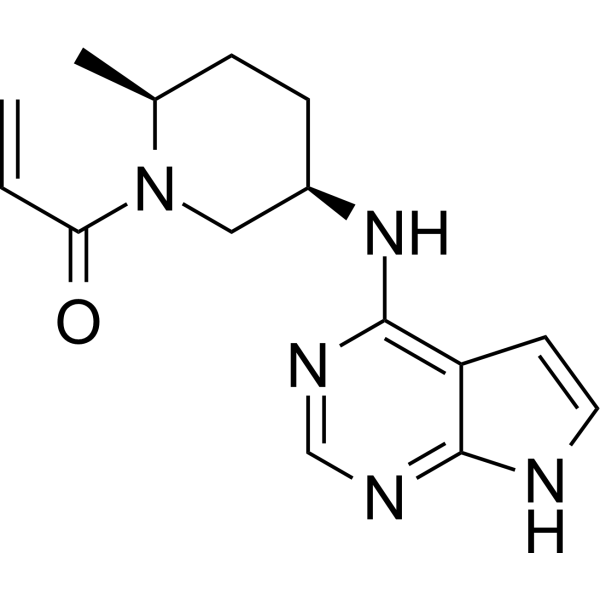
Ritlecitinib (PF-06651600) is a highly selective, orally active, irreversible covalent JAK3 inhibitor (IC50=33 nM) without inhibitory activity towards JAK1, JAK2, and TYK2 (IC50 >10 μ M). Ritlecitinib rapidly inactivates the JAK3 kinase, and blocks signaling and downstream STAT phosphorylation mediated by common gamma chain cytokines such as IL-2 and IL-15. Ritlecitinib can inhibit Th1/Th17 cell differentiation and function, and effectively suppress preclinical animal models such as alopecia areata, adjuvant-induced arthritis (AIA), and experimental autoimmune encephalomyelitis (EAE) .
|
-
-
- HY-13635
-
|
MK-906
|
Environmental Pollutants
5 alpha Reductase
|
Cancer
|
|
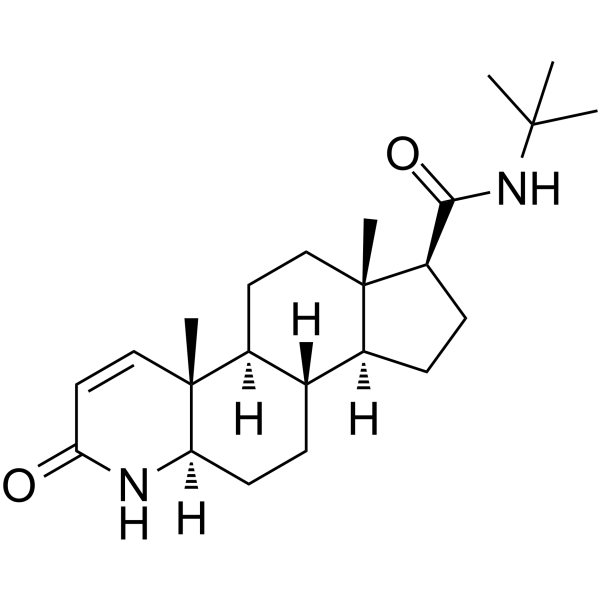
Finasteride (MK-906) is an orally active and competitive 5α-reductase inhibitor, with an IC50 of 4.2 nM for type II 5α-reductase. Finasteride has approximately a 100-fold greater affinity for type II 5α-reductase enzyme than for the type I enzyme. Finasteride can be used for the research of benign prostatic hyperplasia (BPH) and androgenic alopecia .
|
-
-
- HY-B0141A
-
-
-
- HY-50856S
-
|
CTP-543; Ruxolitinib d8; Deuterated Ruxolitinib
|
JAK
|
Inflammation/Immunology
|
|
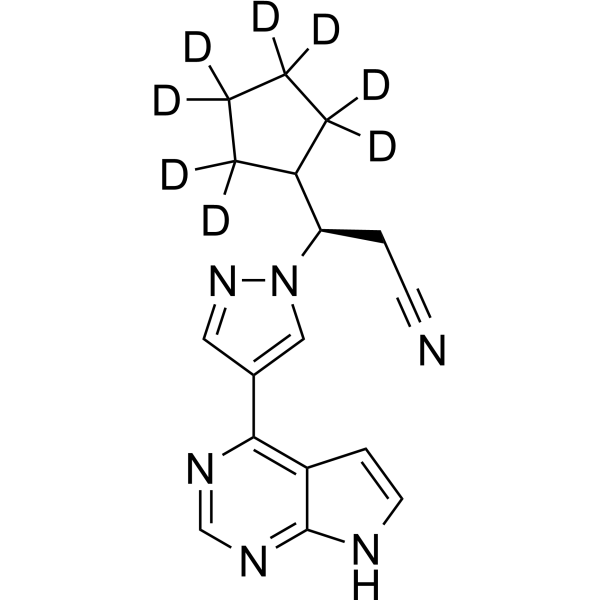
Deuruxolitinib, a deuterated Ruxolitinib (HY-50856), is an orally active JAK1 and JAK2 inhibitor. Deuruxolitinib demonstrates significant hair regrowth effects. Deuruxolitinib can be used for the research of alopecia areata .
|
-
-
- HY-100754C
-
|
PF-06651600 tosylate
|
JAK
Interleukin Related
STAT
|
Inflammation/Immunology
|
|
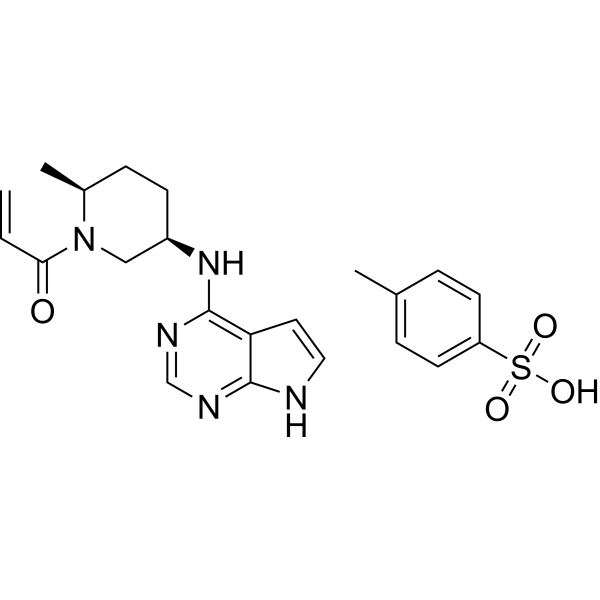
Ritlecitinib (PF-06651600) tosylate is a highly selective, orally active, irreversible covalent JAK3 inhibitor (IC50=33 nM) without inhibitory activity towards JAK1, JAK2, and TYK2 (IC50 >10 μ M). Ritlecitinib tosylate rapidly inactivates the JAK3 kinase, and blocks signaling and downstream STAT phosphorylation mediated by common gamma chain cytokines such as IL-2 and IL-15. Ritlecitinib tosylate can inhibit Th1/Th17 cell differentiation and function, and effectively suppress preclinical animal models such as alopecia areata, adjuvant-induced arthritis (AIA), and experimental autoimmune encephalomyelitis (EAE) .
|
-
-
- HY-B0426A
-
|
ALO4943A; KW4679
|
Histamine Receptor
CXCR
|
Infection
Neurological Disease
Metabolic Disease
Inflammation/Immunology
|
|
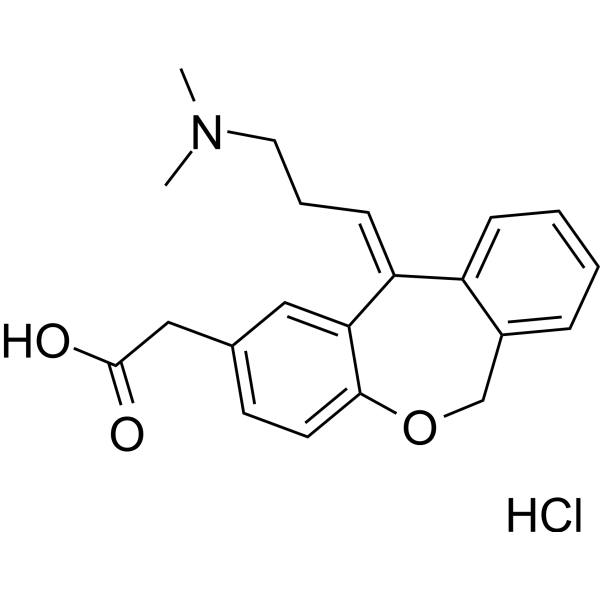
Olopatadine hydrochloride (ALO4943A; KW4679) is an orally active histamine H1 receptor antagonist and mast cell stabilizer. Olopatadine hydrochloride exerts antiallergic effects by blocking histamine H1 receptor-mediated activities. Olopatadine hydrochloride inhibits exocytosis, chemokine release, F-actin polymerization, CXCL10-induced calcium influx, and T cell chemotactic activity. Olopatadine hydrochloride also reduces the expression levels of CXCR3 on the surface of CD4 + and CD8 + T cells. Olopatadine hydrochloride inhibits scratching behavior, improves dermatitis scores, and suppresses intraepidermal neurite outgrowth. Olopatadine hydrochloride simultaneously decreases the levels of inflammatory markers, growth factors, histamine, and specific IgE, while increasing the expression of ErbB3A/HER3A. Olopatadine hydrochloride can be used in research related to seasonal pollinosis, chronic rhinitis, urticaria, allergic conjunctivitis, alopecia areata, and atopic dermatitis .
|
-
-
- HY-P990023
-
|
ADX-914
|
Interleukin Related
|
Metabolic Disease
Inflammation/Immunology
|
|
Bempikibart (ADX-914) is a fully human anti-IL-7Rα antibody that re-regulates adaptive immune function by blocking signaling mediated by both IL-7 and thymic stromal lymphopoietin (TSLP). Bempikibart can be used for the study of atopic dermatitis and alopecia areata .
|
-
-
- HY-W014605
-
|
Diphencyprone
|
Interleukin Related
Apoptosis
p38 MAPK
IRE1
|
Inflammation/Immunology
Cancer
|
|
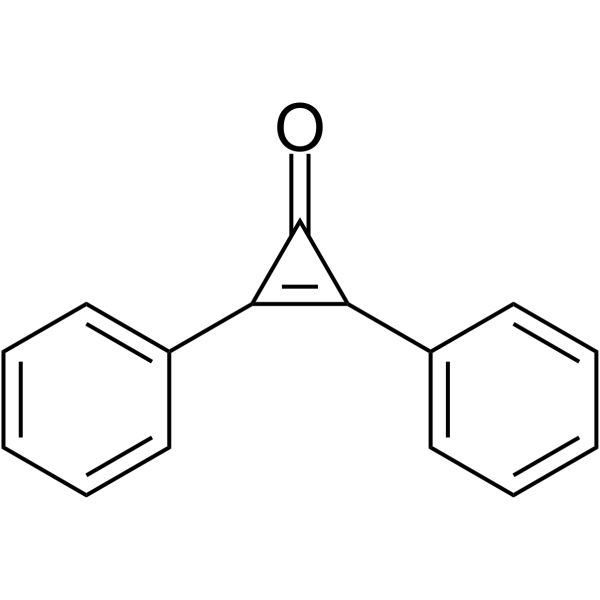
Diphenylcyclopropenone (Diphencyprone) is a potent hapten acting as a topical immunomodulatory agent, which induces an allergic contact dermatitis. Diphenylcyclopropenone induces an increase of cell-surface thiols in cells of a human monocytic cell line, THP-1. Diphenylcyclopropenone acts on the autoreactive T-lymphocytes within the follicular milieu to induce Apoptosis. Diphenylcyclopropenone can be used for alopecia areata research .
|
-
-
- HY-N2071
-
-
-
- HY-112460
-
|
|
CDK
|
Cancer
|
|
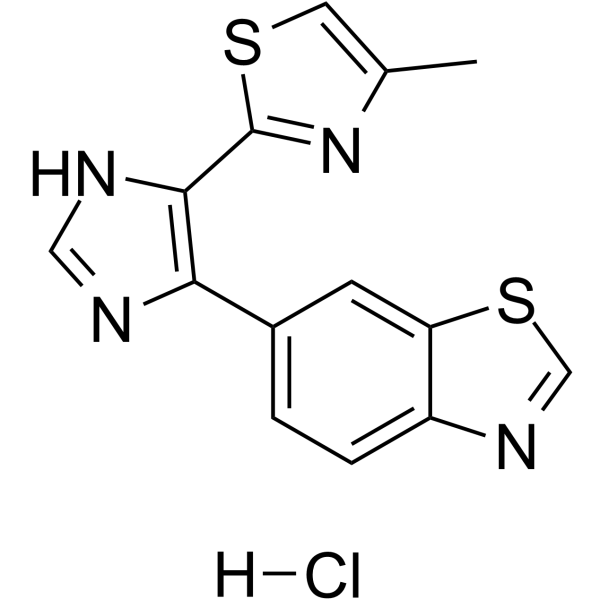
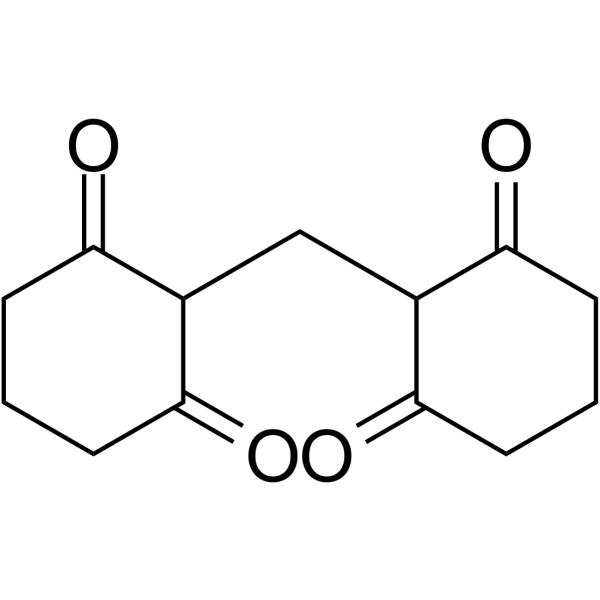
CDK2-IN-3 (compound 3) is a potent and selective CDK2 inhibitor with an IC50 of 60 nM .
|
-
-
- HY-P5253
-
|
|
Apoptosis
|
Metabolic Disease
|
|
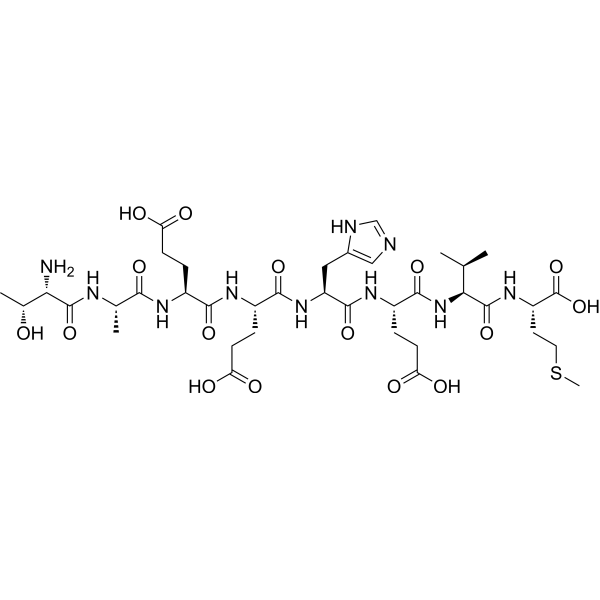
Octapeptide-2 is a biomimetic peptide that mimics the thymosin-β4 growth factor. Octapeptide-2 can promote hair growth, reduce cell apoptosis, and increase the proliferation of keratinocytes. Octapeptide-2 can be used in the research of hair loss and alopecia areata .
|
-
-
- HY-B0141AR
-
|
Alfatradiol(Standard); Epiestradiol(Standard); Epiestrol (Standard)
|
Reference Standards
5 alpha Reductase
Endogenous Metabolite
Bacterial
|
Inflammation/Immunology
|
|
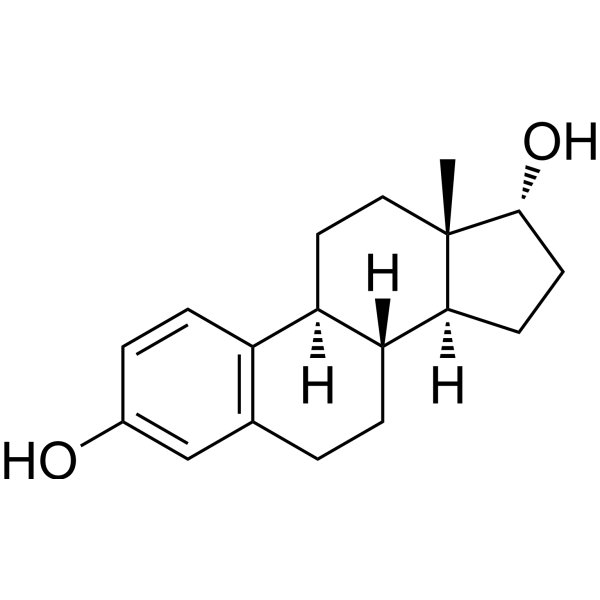
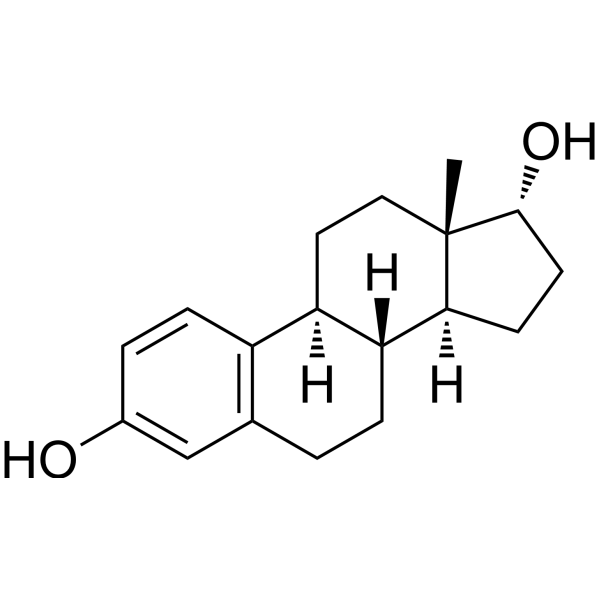
Alpha-Estradiol (Standard) is the analytical standard of Alpha-Estradiol. This product is intended for research and analytical applications. Alpha-Estradiol is a weak estrogen and a 5α-reductase inhibitor which is used as a topical medication in the treatment of androgenic alopecia.
|
-
-
- HY-W181102
-
|
|
Calcineurin
|
Cardiovascular Disease
Neurological Disease
Inflammation/Immunology
|
|
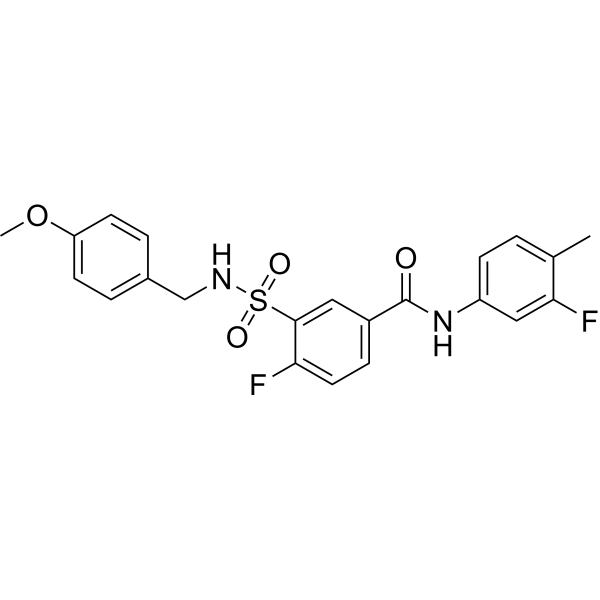
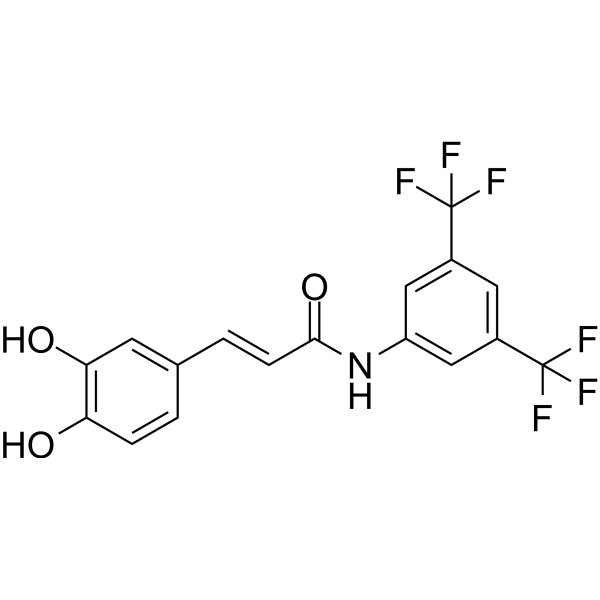
NFAT Inhibitor-2 is a potent inhibitor of calcineurin NFAT signalling. Calcineurin is a serine/threonine protein phosphatase regulated by Ca2+ and calmodulin. NFAT Inhibitor-2 has the potential for the research of inflammatory disease, an autoimmune disorder, a cardiovascular disease, a neurodegenerative disease, a disease occurring with uncontrolled cell proliferation and/or differentiation, an angiogenesis-related disease, an allergy, anaphylaxis and alopecia (extracted from patent WO2016207212A1, compound 17) .
|
-
-
- HY-W062109
-
|
|
Histamine Receptor
CXCR
|
Inflammation/Immunology
|
|
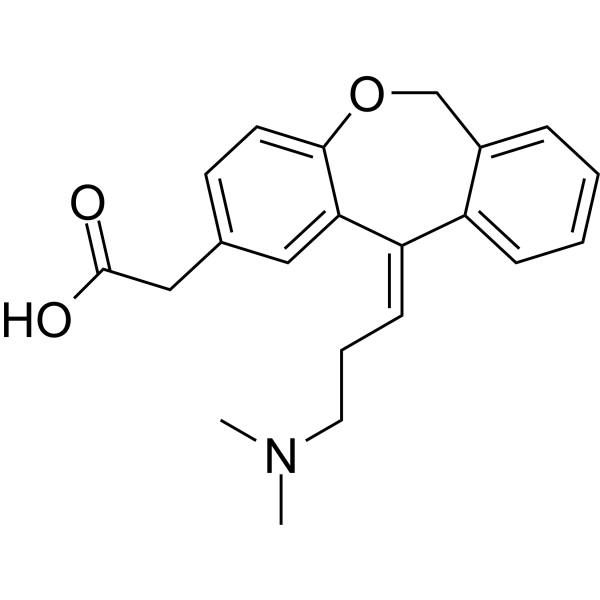
Olopatadine (ALO4943A; KW4679) is an orally active histamine H1 receptor antagonist and mast cell stabilizer. Olopatadine exerts antiallergic effects by blocking histamine H1 receptor-mediated activities. Olopatadine inhibits exocytosis, chemokine release, F-actin polymerization, CXCL10-induced calcium influx, and T cell chemotactic activity. Olopatadine also reduces the expression levels of CXCR3 on the surface of CD4 + and CD8 + T cells. Olopatadine inhibits scratching behavior, improves dermatitis scores, and suppresses intraepidermal neurite outgrowth. Olopatadine simultaneously decreases the levels of inflammatory markers, growth factors, histamine, and specific IgE, while increasing the expression of ErbB3A/HER3A. Olopatadine can be used in research related to seasonal pollinosis, chronic rhinitis, urticaria, allergic conjunctivitis, alopecia areata, and atopic dermatitis .
|
-
-
- HY-103347
-
|
|
Apoptosis
|
Inflammation/Immunology
|
|
M50054 is a potent inhibitor of apoptosis. M50054 inhibits Etoposide-induced caspase-3 activation of U937 cells with an IC50 of 79 μg/mL. M50054 does not directly inhibit the enzymatic activity of caspase-3. M50054 can be used for the research anti-Fas-antibody-induced hepatitis and chemotherapy-induced alopecia .
|
-
-
- HY-152094
-
|
|
5 alpha Reductase
|
Endocrinology
|
|
SRD5A1-IN-1 (Compound 4) is a competitive and covalent steroid 5α-reductase type 1 (SRD5A1) inhibitor with an IC50 of 1.44 µM. SRD5A1-IN-1 modulates SRD5A1 function, leading to a lower level of dihydrotestosterone (DHT) production and SRD5A1 protein suppression .
|
-
-
- HY-P990209
-
|
|
Interleukin Related
|
Infection
Cardiovascular Disease
Metabolic Disease
Inflammation/Immunology
Cancer
|
|
Anti-Mouse IL-7Rα/CD127 Antibody (A7R34) is a rat-derived IgG2a κ type antibody inhibitor, targeting to mouse IL-7Rα/CD127. Anti-Mouse IL-7Rα/CD127 Antibody (A7R34) blocks IL-7 signaling. Anti-Mouse IL-7Rα/CD127 Antibody (A7R34) can be used for the researches of cancer,infection, inflammation, immunology, cardiovascular and metabolic disease, such as abdominal aortic aneurysms, helicobacter felis-induced gastritis and diabetes .
|
-
-
- HY-112471
-
|
|
CDK
|
Cancer
|
|
TrkA Inhibitor (Compound 18) is a CDK2 inhibitor with an IC50 of 0.69 μM over CDK1. TrkA Inhibitor can be used for chemotherapy-induced alopecia research .
|
-
-
- HY-118528A
-
|
|
TGF-β Receptor
|
Endocrinology
|
|
TP0427736 hydrochloride is a potent inhibitor of ALK5 kinase activity with an IC50 of 2.72 nM and this effect is 300-fold higher than the inhibitory effect on ALK3 (IC50=836 nM). TP0427736 hydrochloride also inhibits Smad2/3 phosphorylation in A549 cells induced by TGF-β1 with an IC50 value of 8.68 nM. TP0427736 hydrochloride can be used for the research of androgenic alopecia (AGA) .
|
-
-
- HY-B2198
-
|
Actinomin chloride
|
Cholinesterase (ChE)
|
Neurological Disease
|
|
Carpronium (Actinomin) chloride is an orally active cholinergic agonist, local vasodilator and parasympathomimetic agent. Carpronium chloride is structurally similar to acetylcholine. Carpronium chloride promotes hair growth, and oral overdose induces cholinergic crisis. Carpronium chloride is applicable to research related to alopecia areata .
|
-
-
- HY-125083
-
-
-
- HY-172374
-
|
|
Potassium Channel
|
Inflammation/Immunology
|
|
KV1.3-IN-2 is a kv1.3 potassium channel inhibitor without affecting hERG channel activity. KV1.3-IN-2 can be used in research of immune-related diseases such as psoriasis, rheumatoid arthritis, and systemic lupus erythematosus .
|
-
-
- HY-14250
-
|
|
Androgen Receptor
|
Endocrinology
|
|
PF-998425 is a potent, selective nonsteroidal androgen receptor (AR) antagonist with an IC50 of 37 nM and 43 nM in AR binding and cellular assays, respectively. PF-998425 has low activity on common receptors and enzymes, such as progesterone receptor. PF-998425 can be used for sebum control and androgenetic alopecia research .
|
-
-
- HY-13635A
-
|
MK-906 acetate
|
5 alpha Reductase
|
Cancer
|
|
Finasteride (MK-906) acetate is a potent and competitive 5α-reductase inhibitor, with an IC50 of 4.2 nM for type II 5α-reductase. Finasteride acetate has approximately a 100-fold greater affinity for type II 5α-reductase enzyme than for the type I enzyme. Finasteride acetate can be used for the research of benign prostatic hyperplasia (BPH) and androgenic alopecia .
|
-
-
- HY-U00376
-
-
-
- HY-B0141AS1
-
-
-
- HY-13635R
-
|
MK-906 (Standard)
|
Reference Standards
5 alpha Reductase
|
Cancer
|
|
Finasteride (Standard) is the analytical standard of Finasteride. This product is intended for research and analytical applications. Finasteride (MK-906) is a potent and competitive 5α-reductase inhibitor, with an IC50 of 4.2 nM for type II 5α-reductase. Finasteride has approximately a 100-fold greater affinity for type II 5α-reductase enzyme than for the type I enzyme. Finasteride can be used for the research of benign prostatic hyperplasia (BPH) and androgenic alopecia .
|
-
-
- HY-W062109S
-
|
|
Isotope-Labeled Compounds
Histamine Receptor
CXCR
|
Inflammation/Immunology
|
|
Olopatadine-d6 is the deuterium labeled Olopatadine. Olopatadine hydrochloride (ALO4943A; KW4679) is an orally active histamine H1 receptor antagonist and mast cell stabilizer. Olopatadine hydrochloride exerts antiallergic effects by blocking histamine H1 receptor-mediated activities. Olopatadine hydrochloride inhibits exocytosis, chemokine release, F-actin polymerization, CXCL10-induced calcium influx, and T cell chemotactic activity. Olopatadine hydrochloride also reduces the expression levels of CXCR3 on the surface of CD4 + and CD8 + T cells. Olopatadine hydrochloride inhibits scratching behavior, improves dermatitis scores, and suppresses intraepidermal neurite outgrowth. Olopatadine hydrochloride simultaneously decreases the levels of inflammatory markers, growth factors, histamine, and specific IgE, while increasing the expression of ErbB3A/HER3A. Olopatadine hydrochloride can be used in research related to seasonal pollinosis, chronic rhinitis, urticaria, allergic conjunctivitis, alopecia areata, and atopic dermatitis .
|
-
-
- HY-106174
-
|
CS 891
|
5 alpha Reductase
|
Endocrinology
|
|
Lapisteride (CS 891) is an orally active 5α-reductase inhibitor. Lapisteride can inhibit 5α-reductaseactivity in the hair follicles (HF). Lapisteride can be used in prostatic hyperplasia and androgenic alopecia research .
|
-
-
- HY-118978
-
|
|
Thyroid Hormone Receptor
|
Endocrinology
|
|
PF-00277343 is a selective and skin-penetrable THR-β (Ki: 0.51 nM for THR-β, 8.0 nM for THR-α) agonist. PF-00277343 is effective against androgenetic alopecia in animal models .
|
-
-
- HY-170448
-
|
|
PROTACs
Androgen Receptor
|
Endocrinology
|
|
PROTAC AR Degrader-9 (Compound c6) is a PROTAC degrader for androgen receptor, that degrades AR in human hair follicle papilla cells (HDPCs) with a DC50 of 262.38 nM. PROTAC AR Degrader-9 promotes the expressions of paracrine factors, such as TGF-β1 and β-catenin, exhibits hair regenerating efficacy in mouse models . (Pink: ligand for target protein AR ligand-38 (HY-170450); Black: linker; Blue: ligand for E3 ligase Cereblon (HY-170449))
|
-
-
- HY-161618
-
|
|
JAK
EGFR
PI3K
IGF-1R
GSK-3
|
Inflammation/Immunology
Endocrinology
|
|
MJ04 is a selective inhibitor for Janus Kinase 3 (JAK 3) with an IC50 of 2.03 nM. MJ04 inhibits T cell differentation and inhibits the proinfammatory cytokines in Lipopolysaccharides (HY-D1056)‑induced macrophages. MJ04 exhibits good pharmacokinetic characters in mice, promotes hair growth in DHT-induced androgenetic alopecia (AGA) in athymic mice model, without significant toxicity (LD50 >2 g/kg) .
|
-
-
- HY-118528
-
|
|
TGF-β Receptor
|
Cancer
|
|
TP0427736 is a selective inhibitor of ALK5 with an IC50 of 2.72 nM. TP0427736 inhibits Smad2/3 phosphorylation in A549 cells. TP0427736 decreases the growth inhibition of human outer root sheath cells .
|
-
-
- HY-100754A
-
|
PF-06651600 malonate
|
JAK
Interleukin Related
STAT
|
Inflammation/Immunology
|
|
Ritlecitinib (PF-06651600) malonate is a highly selective, orally active, irreversible covalent JAK3 inhibitor (IC50=33 nM) without inhibitory activity towards JAK1, JAK2, and TYK2 (IC50 >10 μ M). Ritlecitinib malonate rapidly inactivates the JAK3 kinase, and blocks signaling and downstream STAT phosphorylation mediated by common gamma chain cytokines such as IL-2 and IL-15. Ritlecitinib malonate can inhibit Th1/Th17 cell differentiation and function, and effectively suppress preclinical animal models such as alopecia areata, adjuvant-induced arthritis (AIA), and experimental autoimmune encephalomyelitis (EAE) .
|
-
-
- HY-B0426AS
-
|
|
Isotope-Labeled Compounds
Histamine Receptor
CXCR
|
Inflammation/Immunology
Endocrinology
|
|
Olopatadine-d3 hydrochloride (ALO4943A-d3) is the deuterium labeled Olopatadine hydrochloride. Olopatadine hydrochloride (ALO4943A; KW4679) is an orally active histamine H1 receptor antagonist and mast cell stabilizer. Olopatadine hydrochloride exerts antiallergic effects by blocking histamine H1 receptor-mediated activities. Olopatadine hydrochloride inhibits exocytosis, chemokine release, F-actin polymerization, CXCL10-induced calcium influx, and T cell chemotactic activity. Olopatadine hydrochloride also reduces the expression levels of CXCR3 on the surface of CD4 + and CD8 + T cells. Olopatadine hydrochloride inhibits scratching behavior, improves dermatitis scores, and suppresses intraepidermal neurite outgrowth. Olopatadine hydrochloride simultaneously decreases the levels of inflammatory markers, growth factors, histamine, and specific IgE, while increasing the expression of ErbB3A/HER3A. Olopatadine hydrochloride can be used in research related to seasonal pollinosis, chronic rhinitis, urticaria, allergic conjunctivitis, alopecia areata, and atopic dermatitis .
|
-
-
- HY-B0426AR
-
|
ALO4943A (Standard); KW4679 (Standard)
|
Reference Standards
Histamine Receptor
CXCR
|
Inflammation/Immunology
Endocrinology
|
|
Olopatadine (hydrochloride) (Standard) is the analytical standard of Olopatadine (hydrochloride). This product is intended for research and analytical applications. Olopatadine hydrochloride (ALO4943A; KW4679) is an orally active histamine H1 receptor antagonist and mast cell stabilizer. Olopatadine hydrochloride exerts antiallergic effects by blocking histamine H1 receptor-mediated activities. Olopatadine hydrochloride inhibits exocytosis, chemokine release, F-actin polymerization, CXCL10-induced calcium influx, and T cell chemotactic activity. Olopatadine hydrochloride also reduces the expression levels of CXCR3 on the surface of CD4 + and CD8 + T cells. Olopatadine hydrochloride inhibits scratching behavior, improves dermatitis scores, and suppresses intraepidermal neurite outgrowth. Olopatadine hydrochloride simultaneously decreases the levels of inflammatory markers, growth factors, histamine, and specific IgE, while increasing the expression of ErbB3A/HER3A. Olopatadine hydrochloride can be used in research related to seasonal pollinosis, chronic rhinitis, urticaria, allergic conjunctivitis, alopecia areata, and atopic dermatitis .
|
-
-
- HY-125970
-
|
|
Prostaglandin Receptor
|
Endocrinology
|
|
CRTh2 antagonist 2 is selective and potent CRTH2 antagonist extracted from patent US20140148470A1, compound Example 1, has an IC50 of ≤10 nM. CRTh2 antagonist 2 can be used in research of androgenic alopecia .
|
-
-
- HY-19292
-
|
|
5 alpha Reductase
|
Endocrinology
|
|
AS-601811(compound 47) is a 5alpha-reductase 1 inhibitor with the IC50 of 20 nM and can be used for study of alopecia and hirsutism .
|
-
-
- HY-14250A
-
|
|
Androgen Receptor
|
Endocrinology
|
|
(Rac)-PF-998425 is a potent, selective, nonsteroidal androgen receptor (AR) antagonist. (Rac)-PF-998425 has IC50 values of 26 and 90 nM in the AR binding and cellular assays, respectively. (Rac)-PF-998425 has the potential for the research of the androgenetic alopecia .
|
-
-
- HY-176527
-
|
|
JAK
|
Inflammation/Immunology
|
|
(Rac)-TUL01101 (Compound I) is a selective JAK kinase inhibitor. (Rac)-TUL01101 can be used in the research of various diseases such as rheumatoid arthritis, atopic dermatitis, and alopecia areata .
|
-
-
- HY-175719
-
|
|
5 alpha Reductase
|
Endocrinology
|
|
SRD5A1-IN-2 is a inhibitor of steroid 5α-reductase type-1 (SRD5A1), with an IC50 of 8.5 μM. SRD5A1-IN-2 downregulates SRD5A1 protein expression in HaCaT cells. SRD5A1-IN-2 reduces dihydrotestosterone (DHT) production in HaCaT cells. SRD5A1-IN-2 can be used for the study of androgen-related conditions such as androgenetic alopecia (AGA) .
|
-
-
- HY-103347R
-
|
|
Reference Standards
Apoptosis
|
Inflammation/Immunology
|
|
M50054 (Standard) is the analytical standard of M50054. This product is intended for research and analytical applications. M50054 is a potent inhibitor of apoptosis. M50054 inhibits Etoposide-induced caspase-3 activation of U937 cells with an IC50 of 79 μg/mL. M50054 does not directly inhibit the enzymatic activity of caspase-3. M50054 can be used for the research anti-Fas-antibody-induced hepatitis and chemotherapy-induced alopecia .
|
-
-
- HY-106759
-
|
CPC10997; X-Andron
|
Androgen Receptor
|
Endocrinology
|
|
Cioteronel is an antiandrogen agent. Cioteronel can be studied in research on androgenetic alopecia .
|
-
-
- HY-136068R
-
|
VU0607402 (Standard)
|
Reference Standards
Antibiotic
Bacterial
Autophagy
|
Infection
Cancer
|
|
Diphenylcyclopropenone (Standard) is the analytical standard of Diphenylcyclopropenone. This product is intended for research and analytical applications. Diphenylcyclopropenone (Diphencyprone) is a topical immunomodulatory agent that can be used for alopecia areata research .
|
-
-
- HY-W014605R
-
-
-
- HY-B0141AS
-
-
-
- HY-170450
-
-
-
- HY-13635S
-
|
MK-906-d9
|
Isotope-Labeled Compounds
5 alpha Reductase
|
Cancer
|
|
Finasteride-d9 is deuterium labeled Finasteride. Finasteride (MK-906) is a potent and competitive 5α-reductase inhibitor, with an IC50 of 4.2 nM for type II 5α-reductase. Finasteride has approximately a 100-fold greater affinity for type II 5α-reductase enzyme than for the type I enzyme. Finasteride can be used for the research of benign prostatic hyperplasia (BPH) and androgenic alopecia .
|
-
-
- HY-172148
-
|
|
Interleukin Related
|
Inflammation/Immunology
|
|
Itaconic acid prodrug-1 (Compound P2) is an orally active prodrug of Itaconic acid (HY-Y0520) that efficiently delivers the active ingredient Itaconic acid to skin tissue following oral administration. Itaconic acid prodrug-1 possesses immunomodulatory properties, significantly inhibiting Poly(I:C)/IFNγ-induced inflammatory cytokines in human epidermal keratinocytes. Itaconic acid prodrug-1 can be utilized for the research of alopecia areata and other inflammatory skin diseases .
|
-
-
- HY-B0426AS2
-
|
ALO4943A-d6 hydrochloride; KW4679-d6 hydrochloride
|
Isotope-Labeled Compounds
Histamine Receptor
CXCR
|
Inflammation/Immunology
|
|
Olopatadine-d6 (ALO4943A-d6; KW4679-d6) hydrochloride is deuterium-labeled Olopatadine (hydrochloride) (HY-B0426A). Olopatadine hydrochloride (ALO4943A; KW4679) is an orally active histamine H1 receptor antagonist and mast cell stabilizer. Olopatadine hydrochloride exerts antiallergic effects by blocking histamine H1 receptor-mediated activities. Olopatadine hydrochloride inhibits exocytosis, chemokine release, F-actin polymerization, CXCL10-induced calcium influx, and T cell chemotactic activity. Olopatadine hydrochloride also reduces the expression levels of CXCR3 on the surface of CD4 + and CD8 + T cells. Olopatadine hydrochloride inhibits scratching behavior, improves dermatitis scores, and suppresses intraepidermal neurite outgrowth. Olopatadine hydrochloride simultaneously decreases the levels of inflammatory markers, growth factors, histamine, and specific IgE, while increasing the expression of ErbB3A/HER3A. Olopatadine hydrochloride can be used in research related to seasonal pollinosis, chronic rhinitis, urticaria, allergic conjunctivitis, alopecia areata, and atopic dermatitis .
|
-
- HY-167655
-
|
|
Androgen Receptor
|
Others
|
|
KF-19418 is a hair follicle stimulator with hair growth promoting activity. KF-19418 stimulates proliferation of cultured hair bulb cells from newborn mice. KF-19418 accelerates hair regrowth in hair-clipped mouse alopecia model following topical application. KF-19418 can be used for the research of alopecia .
|
-
- HY-178913
-
|
|
JAK
STAT
|
Inflammation/Immunology
|
|
Tyk2-IN-23 is a potent, orally active, selective TYK2 inhibitor (IC50 = 18 nM), exhibiting more than > 70-fold selectivity over JAK1/2/3 isoforms. Tyk2-IN-23 potently inhibits p-STAT3 in TYK2-dependent signaling activated by IFN-α and IL-10. Tyk2-IN-23 potently inhibits IFN-α-induced STAT1 phosphorylation in H9 cells. Tyk2-IN-23 can be used for the study of alopecia areata and allergic Rhinitis .
|
-
- HY-P992122
-
|
|
TNF Receptor
|
Inflammation/Immunology
|
|
Olevaprubart is a humanized IgG1-κ monoclonal antibody targeting TNFSF4, which can be used for the research of autoimmune diseases such as atopic dermatitis and alopecia areata .
|
-
- HY-181560
-
|
|
Wnt
β-catenin
|
Metabolic Disease
|
|
SLD1121 is an agonist of the Wnt/β-catenin signaling pathway that enhances Wnt signaling by targeting LRP6 (Kd: 4.52-7.49 nM). SLD1121 interacts with the intracellular domain of LRP6, stabilizes LRP6, promotes its nuclear translocation, and facilitates its binding to β-catenin, TCF4 or LEF1 in the nucleus, thereby inducing the expression of Wnt-regulated genes and stem cell-related genes. SLD1121 induces the transition of hair follicles from telogen to anagen in the mouse hair growth cycle and promotes hair growth in mice. SLD1121 is applicable to hair loss-related research .
|
-
- HY-100754R
-
|
PF-06651600 (Standard)
|
JAK
Reference Standards
Interleukin Related
STAT
|
Inflammation/Immunology
|
|
Ritlecitinib (Standard) is the analytical standard of Ritlecitinib (HY-100754). This product is intended for research and analytical applications. Ritlecitinib (PF-06651600) is a highly selective, orally active, irreversible covalent JAK3 inhibitor (IC50=33 nM) without inhibitory activity towards JAK1, JAK2, and TYK2 (IC50 >10 μ M). Ritlecitinib rapidly inactivates the JAK3 kinase, and blocks signaling and downstream STAT phosphorylation mediated by common gamma chain cytokines such as IL-2 and IL-15. Ritlecitinib can inhibit Th1/Th17 cell differentiation and function, and effectively suppress preclinical animal models such as alopecia areata, adjuvant-induced arthritis (AIA), and experimental autoimmune encephalomyelitis (EAE) .
|
-
- HY-100754CR
-
|
PF-06651600 tosylate (Standard)
|
JAK
Reference Standards
Interleukin Related
STAT
|
Inflammation/Immunology
|
|
Ritlecitinib (tosylate) (Standard) is the analytical standard of Ritlecitinib (tosylate) (HY-100754C). This product is intended for research and analytical applications. Ritlecitinib (PF-06651600) tosylate is a highly selective, orally active, irreversible covalent JAK3 inhibitor (IC50=33 nM) without inhibitory activity towards JAK1, JAK2, and TYK2 (IC50 >10 μ M). Ritlecitinib tosylate rapidly inactivates the JAK3 kinase, and blocks signaling and downstream STAT phosphorylation mediated by common gamma chain cytokines such as IL-2 and IL-15. Ritlecitinib tosylate can inhibit Th1/Th17 cell differentiation and function, and effectively suppress preclinical animal models such as alopecia areata, adjuvant-induced arthritis (AIA), and experimental autoimmune encephalomyelitis (EAE) .
|
-
| Cat. No. |
Product Name |
Target |
Research Area |
-
- HY-P5253
-
|
|
Apoptosis
|
Metabolic Disease
|
|
Octapeptide-2 is a biomimetic peptide that mimics the thymosin-β4 growth factor. Octapeptide-2 can promote hair growth, reduce cell apoptosis, and increase the proliferation of keratinocytes. Octapeptide-2 can be used in the research of hair loss and alopecia areata .
|
-
- HY-125083
-
-
- HY-P4286
-
|
|
Peptides
|
Cancer
|
|
H-Gly-Leu-Phe-OH (GLF), an immunostimulatory tripeptide derived from α-lactalbumin, inhibits anticancer agent Etoposide-induced alopecia, epidermal thickening, and thinning of the adipocyte layer .
|
| Cat. No. |
Product Name |
Target |
Research Area |
Image |
-
- HY-P990023
-
|
ADX-914
|
Interleukin Related
|
Metabolic Disease
Inflammation/Immunology
|
|
Bempikibart (ADX-914) is a fully human anti-IL-7Rα antibody that re-regulates adaptive immune function by blocking signaling mediated by both IL-7 and thymic stromal lymphopoietin (TSLP). Bempikibart can be used for the study of atopic dermatitis and alopecia areata .
|
-
(5)
-
- HY-P990209
-
|
|
Interleukin Related
|
Infection
Cardiovascular Disease
Metabolic Disease
Inflammation/Immunology
Cancer
|
|
Anti-Mouse IL-7Rα/CD127 Antibody (A7R34) is a rat-derived IgG2a κ type antibody inhibitor, targeting to mouse IL-7Rα/CD127. Anti-Mouse IL-7Rα/CD127 Antibody (A7R34) blocks IL-7 signaling. Anti-Mouse IL-7Rα/CD127 Antibody (A7R34) can be used for the researches of cancer,infection, inflammation, immunology, cardiovascular and metabolic disease, such as abdominal aortic aneurysms, helicobacter felis-induced gastritis and diabetes .
|
-
(5)
-
- HY-P992122
-
|
|
TNF Receptor
|
Inflammation/Immunology
|
|
Olevaprubart is a humanized IgG1-κ monoclonal antibody targeting TNFSF4, which can be used for the research of autoimmune diseases such as atopic dermatitis and alopecia areata .
|
-
(5)
| Cat. No. |
Product Name |
Category |
Target |
Chemical Structure |
-
- HY-B0141A
-
-
-
- HY-B0426A
-
|
ALO4943A; KW4679
|
Structural Classification
Alkaloids
Classification of Application Fields
Ketones, Aldehydes, Acids
Other Alkaloids
Endogenous metabolite
Inflammation/Immunology
Disease Research Fields
Source Classification
|
Histamine Receptor
CXCR
|
|
Olopatadine hydrochloride (ALO4943A; KW4679) is an orally active histamine H1 receptor antagonist and mast cell stabilizer. Olopatadine hydrochloride exerts antiallergic effects by blocking histamine H1 receptor-mediated activities. Olopatadine hydrochloride inhibits exocytosis, chemokine release, F-actin polymerization, CXCL10-induced calcium influx, and T cell chemotactic activity. Olopatadine hydrochloride also reduces the expression levels of CXCR3 on the surface of CD4 + and CD8 + T cells. Olopatadine hydrochloride inhibits scratching behavior, improves dermatitis scores, and suppresses intraepidermal neurite outgrowth. Olopatadine hydrochloride simultaneously decreases the levels of inflammatory markers, growth factors, histamine, and specific IgE, while increasing the expression of ErbB3A/HER3A. Olopatadine hydrochloride can be used in research related to seasonal pollinosis, chronic rhinitis, urticaria, allergic conjunctivitis, alopecia areata, and atopic dermatitis .
|
-
-
- HY-N2071
-
-
-
- HY-B0141AR
-
-
-
- HY-W062109
-
|
|
Structural Classification
Alkaloids
Classification of Application Fields
Other Alkaloids
Endogenous metabolite
Inflammation/Immunology
Disease Research Fields
Source Classification
|
Histamine Receptor
CXCR
|
|
Olopatadine (ALO4943A; KW4679) is an orally active histamine H1 receptor antagonist and mast cell stabilizer. Olopatadine exerts antiallergic effects by blocking histamine H1 receptor-mediated activities. Olopatadine inhibits exocytosis, chemokine release, F-actin polymerization, CXCL10-induced calcium influx, and T cell chemotactic activity. Olopatadine also reduces the expression levels of CXCR3 on the surface of CD4 + and CD8 + T cells. Olopatadine inhibits scratching behavior, improves dermatitis scores, and suppresses intraepidermal neurite outgrowth. Olopatadine simultaneously decreases the levels of inflammatory markers, growth factors, histamine, and specific IgE, while increasing the expression of ErbB3A/HER3A. Olopatadine can be used in research related to seasonal pollinosis, chronic rhinitis, urticaria, allergic conjunctivitis, alopecia areata, and atopic dermatitis .
|
-
-
- HY-B0426AR
-
|
ALO4943A (Standard); KW4679 (Standard)
|
Structural Classification
Alkaloids
Ketones, Aldehydes, Acids
Other Alkaloids
Endogenous metabolite
Source Classification
|
Reference Standards
Histamine Receptor
CXCR
|
|
Olopatadine (hydrochloride) (Standard) is the analytical standard of Olopatadine (hydrochloride). This product is intended for research and analytical applications. Olopatadine hydrochloride (ALO4943A; KW4679) is an orally active histamine H1 receptor antagonist and mast cell stabilizer. Olopatadine hydrochloride exerts antiallergic effects by blocking histamine H1 receptor-mediated activities. Olopatadine hydrochloride inhibits exocytosis, chemokine release, F-actin polymerization, CXCL10-induced calcium influx, and T cell chemotactic activity. Olopatadine hydrochloride also reduces the expression levels of CXCR3 on the surface of CD4 + and CD8 + T cells. Olopatadine hydrochloride inhibits scratching behavior, improves dermatitis scores, and suppresses intraepidermal neurite outgrowth. Olopatadine hydrochloride simultaneously decreases the levels of inflammatory markers, growth factors, histamine, and specific IgE, while increasing the expression of ErbB3A/HER3A. Olopatadine hydrochloride can be used in research related to seasonal pollinosis, chronic rhinitis, urticaria, allergic conjunctivitis, alopecia areata, and atopic dermatitis .
|
-
| Cat. No. |
Product Name |
Chemical Structure |
-
- HY-50856S
-
|
|
|
Deuruxolitinib, a deuterated Ruxolitinib (HY-50856), is an orally active JAK1 and JAK2 inhibitor. Deuruxolitinib demonstrates significant hair regrowth effects. Deuruxolitinib can be used for the research of alopecia areata .
|
-
-
- HY-B0141AS1
-
|
|
|
Alpha-Estradiol-d2 is the deuterium labeled Alpha-Estradiol. Alpha-Estradiol is a weak estrogen and a 5α-reductase inhibitor which is used as a topical medication in the treatment of androgenic alopecia .
|
-
-
- HY-W062109S
-
|
|
|
Olopatadine-d6 is the deuterium labeled Olopatadine. Olopatadine hydrochloride (ALO4943A; KW4679) is an orally active histamine H1 receptor antagonist and mast cell stabilizer. Olopatadine hydrochloride exerts antiallergic effects by blocking histamine H1 receptor-mediated activities. Olopatadine hydrochloride inhibits exocytosis, chemokine release, F-actin polymerization, CXCL10-induced calcium influx, and T cell chemotactic activity. Olopatadine hydrochloride also reduces the expression levels of CXCR3 on the surface of CD4 + and CD8 + T cells. Olopatadine hydrochloride inhibits scratching behavior, improves dermatitis scores, and suppresses intraepidermal neurite outgrowth. Olopatadine hydrochloride simultaneously decreases the levels of inflammatory markers, growth factors, histamine, and specific IgE, while increasing the expression of ErbB3A/HER3A. Olopatadine hydrochloride can be used in research related to seasonal pollinosis, chronic rhinitis, urticaria, allergic conjunctivitis, alopecia areata, and atopic dermatitis .
|
-
-
- HY-B0426AS
-
|
|
|
Olopatadine-d3 hydrochloride (ALO4943A-d3) is the deuterium labeled Olopatadine hydrochloride. Olopatadine hydrochloride (ALO4943A; KW4679) is an orally active histamine H1 receptor antagonist and mast cell stabilizer. Olopatadine hydrochloride exerts antiallergic effects by blocking histamine H1 receptor-mediated activities. Olopatadine hydrochloride inhibits exocytosis, chemokine release, F-actin polymerization, CXCL10-induced calcium influx, and T cell chemotactic activity. Olopatadine hydrochloride also reduces the expression levels of CXCR3 on the surface of CD4 + and CD8 + T cells. Olopatadine hydrochloride inhibits scratching behavior, improves dermatitis scores, and suppresses intraepidermal neurite outgrowth. Olopatadine hydrochloride simultaneously decreases the levels of inflammatory markers, growth factors, histamine, and specific IgE, while increasing the expression of ErbB3A/HER3A. Olopatadine hydrochloride can be used in research related to seasonal pollinosis, chronic rhinitis, urticaria, allergic conjunctivitis, alopecia areata, and atopic dermatitis .
|
-
-
- HY-B0141AS
-
|
|
|
Alpha-Estradiol-d3 is the deuterium labeled Alpha-Estradiol. Alpha-Estradiol is a weak estrogen and a 5α-reductase inhibitor which is used as a topical medication in the treatment of androgenic alopecia.
|
-
-
- HY-13635S
-
|
|
|
Finasteride-d9 is deuterium labeled Finasteride. Finasteride (MK-906) is a potent and competitive 5α-reductase inhibitor, with an IC50 of 4.2 nM for type II 5α-reductase. Finasteride has approximately a 100-fold greater affinity for type II 5α-reductase enzyme than for the type I enzyme. Finasteride can be used for the research of benign prostatic hyperplasia (BPH) and androgenic alopecia .
|
-
-
- HY-B0426AS2
-
|
|
|
Olopatadine-d6 (ALO4943A-d6; KW4679-d6) hydrochloride is deuterium-labeled Olopatadine (hydrochloride) (HY-B0426A). Olopatadine hydrochloride (ALO4943A; KW4679) is an orally active histamine H1 receptor antagonist and mast cell stabilizer. Olopatadine hydrochloride exerts antiallergic effects by blocking histamine H1 receptor-mediated activities. Olopatadine hydrochloride inhibits exocytosis, chemokine release, F-actin polymerization, CXCL10-induced calcium influx, and T cell chemotactic activity. Olopatadine hydrochloride also reduces the expression levels of CXCR3 on the surface of CD4 + and CD8 + T cells. Olopatadine hydrochloride inhibits scratching behavior, improves dermatitis scores, and suppresses intraepidermal neurite outgrowth. Olopatadine hydrochloride simultaneously decreases the levels of inflammatory markers, growth factors, histamine, and specific IgE, while increasing the expression of ErbB3A/HER3A. Olopatadine hydrochloride can be used in research related to seasonal pollinosis, chronic rhinitis, urticaria, allergic conjunctivitis, alopecia areata, and atopic dermatitis .
|
-
Your information is safe with us. * Required Fields.
Inquiry Information
- Product Name:
- Cat. No.:
- Quantity:
- MCE Japan Authorized Agent:

