1. Search Result
Search Result
Results for "

Anaerobic

" in MedChemExpress (MCE) Product Catalog:

199

Inhibitors & Agonists

1

Screening Libraries

1

Fluorescent Dyes

5

Biochemical Assay Reagents

2

Peptides

43

Natural
Products

1

Recombinant Proteins

25

Isotope-Labeled Compounds

2

Oligonucleotides

Cat. No. Product Name Target Research Areas Chemical Structure
  • HY-B0318
    Metronidazole
    Maximum Cited Publications
    65 Publications Verification

    Environmental Pollutants Antibiotic Bacterial Apoptosis Parasite Infection Inflammation/Immunology Cancer
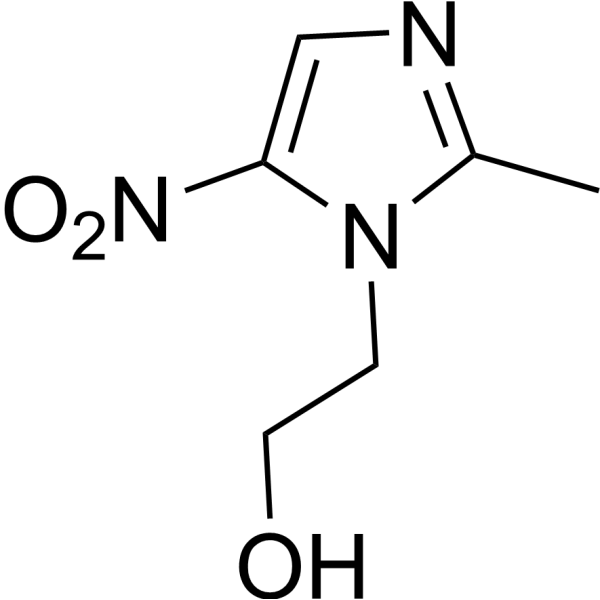
    Metronidazole is an orally active nitroimidazole antibiotic. Metronidazole can cross blood brain barrier. Metronidazole can be used for the research of anaerobic infections .
    Metronidazole
  • HY-B0239
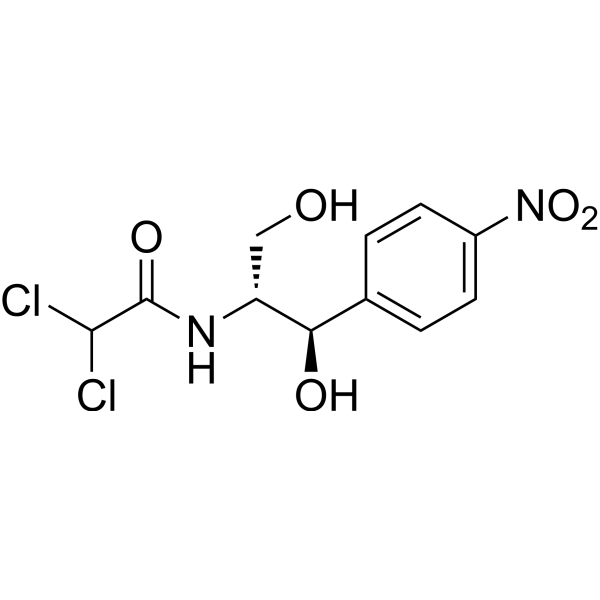
    Chloramphenicol
    15+ Cited Publications

    Antibiotic Bacterial HIF/HIF Prolyl-Hydroxylase VEGFR Autophagy Apoptosis Beclin1 JNK Akt MMP Infection Cancer
    Chloramphenicol is an orally active, potent and broad-spectrum antibiotic. Chloramphenicol shows antibacterial activity. Chloramphenicol represses the oxygen-labile transcription factor and hypoxia inducible factor-1 alpha (HIF-1α) in hypoxic A549 and H1299 cells. Chloramphenicol suppresses the mRNA levels of vascular endothelial growth factor (VEGF) and glucose transporter 1, eventually decreasing VEGF release. Chloramphenicol can be used for anaerobic infections and lung cancer research .
    Chloramphenicol
  • HY-B1369A
    Imipenem
    30+ Cited Publications

    N-Formimidoyl thienamycin; MK0787

    Antibiotic Bacterial Infection
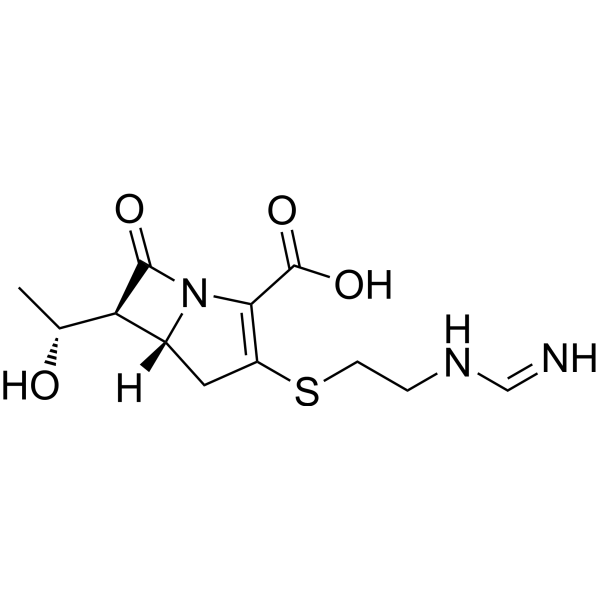
    Imipenem (MK0787), a stable crystalline derivative of thienamycin, is an antibiotic and has the excellent activity against a broad range of gram-positive and gram-negative aerobic and anaerobic bacteria. Imipenem can be used for the research of carbapenem-nonsusceptible and P. aeruginosa biofilm infections .
    Imipenem
  • HY-N8461
    Reuterin
    3 Publications Verification

    3-Hydroxypropionaldehyde; 3-Hydroxypropanal

    Bacterial Infection
    Reuterin is a broad-spectrum antimicrobial agent active against Gram positive and Gram negative bacteria, as well as yeasts, moulds and protozoa. Reuterin is produced by specific strains of Lactobacillus reuteri during anaerobic metabolism of glycerol. Reuterin also demonstrates potent antimicrobial activity against a broad panel of human and poultry meat campylobacter spp. Isolates .
    Reuterin
  • HY-B1369
    Imipenem monohydrate
    30+ Cited Publications

    N-Formimidoyl thienamycin monohydrate; MK0787 monohydrate

    Antibiotic Bacterial Infection
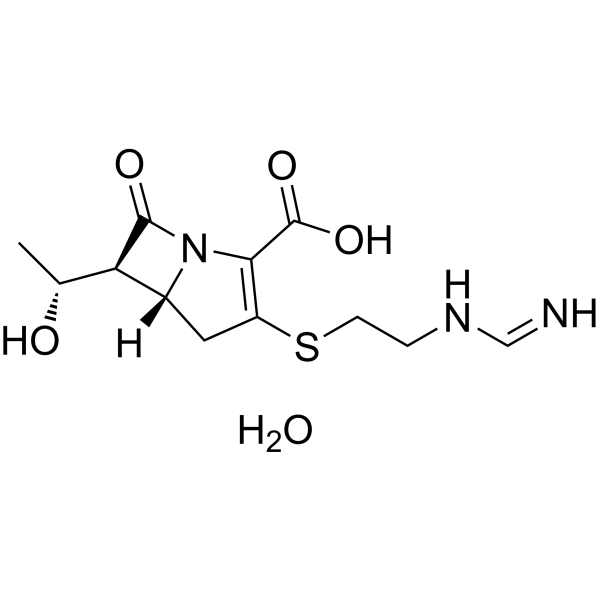
    Imipenem monohydrate, a stable crystalline derivative of thienamycin, is an antibiotic and has the excellent activity against a broad range of gram-positive and gram-negative aerobic and anaerobic bacteria. Imipenem monohydrate can be used for the research of carbapenem-nonsusceptible and P. aeruginosa biofilm infections .
    Imipenem monohydrate
  • HY-13625
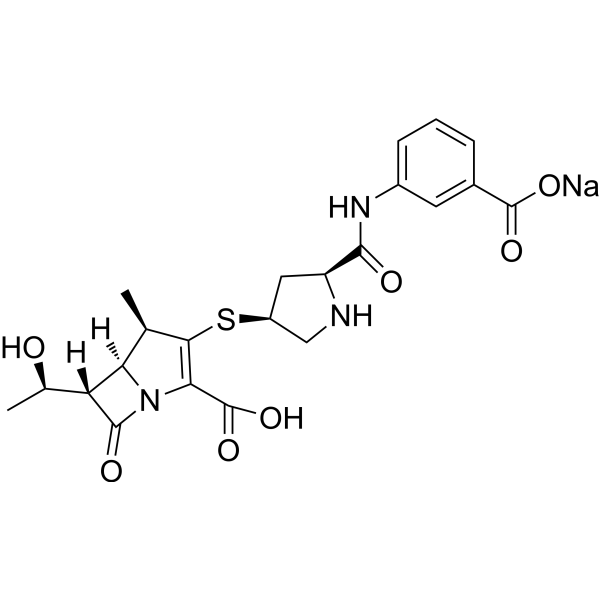
    Ertapenem sodium
    10+ Cited Publications

    L-749345; MK-826

    Bacterial Antibiotic Infection Cancer
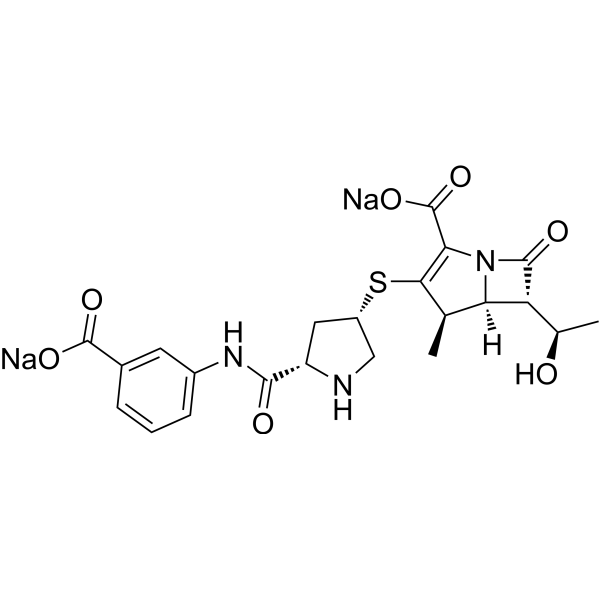
    Ertapenem sodium (L-749345) is a broad spectrum and long acting β-lactam antibiotic. Ertapenem sodium has a broad-spectrum anti-anaerobic activity against a variety of anaerobes with a mode MIC of 0.12 μg/mL. Ertapenem sodium can be used for the research of severe infections caused by bacteria in the skin, lungs, stomach, pelvis, and urinary tract .
    Ertapenem sodium
  • HY-B0479

    Thiophenicol; Dextrosulphenidol

    Beta-lactamase Bacterial Antibiotic Infection
    Thiamphenicol (Thiophenicol), a methyl-sulfonyl derivative of Chloramphenicol, is a broad-spectrum antimicrobial antibiotic. Thiamphenicol acts by binding to the 50S ribosomal subunit, leading to inhibition of protein synthesis and bacteriostatic effect (against Gram-negative, Gram-positive aerobic and anaerobic bacteria) .
    Thiamphenicol
  • HY-106950A

    Diphosphofructose trisodium; Esafosfan trisodium; FDP trisodium

    Endogenous Metabolite Cardiovascular Disease
    Fosfructose trisodium (Diphosphofructose trisodium, Esafosfan trisodium, FDP trisodium) is a cytoprotective natural sugar phosphate used in research on cardiovascular ischemia, sickle cell anemia, and asthma. Fosfructose trisodium acts by stimulating anaerobic glycolysis, which produces adenosine triphosphate under ischemic conditions .
    Fosfructose trisodium
  • HY-117778

    Enolase Bacterial Antibiotic Infection Cancer
    SF2312, a natural phosphonate antibiotic (Antibiotic), is a highly potent Enolase inhibitor with IC50s of 37.9 nM and 42.5 nM for human recombinant ENO1 and ENO2, respectively. SF2312 is active against bacteria under anaerobic conditions .
    SF2312
  • HY-B1118
    Secnidazole
    1 Publications Verification

    RP-14539; PM-185184

    Bacterial Parasite Infection
    Secnidazole (RP-14539) is an orally active azole antibiotic and a imidazole mitigator of Serratia marcescens virulence. Secnidazole, as an analog of acylhomoserine lactones, effectively inhibits QS resulting in the attenuation of Pseudomonas aeruginosa pathogenesis. Secnidazole has antimicrobial activity against many anaerobic Gram-negative and Gram-positive bacterial species in vitro. Secnidazole can be used for the research of various diseases, such as amoebiasis and giardiasis, and bacterial vaginitis .
    Secnidazole
  • HY-12687
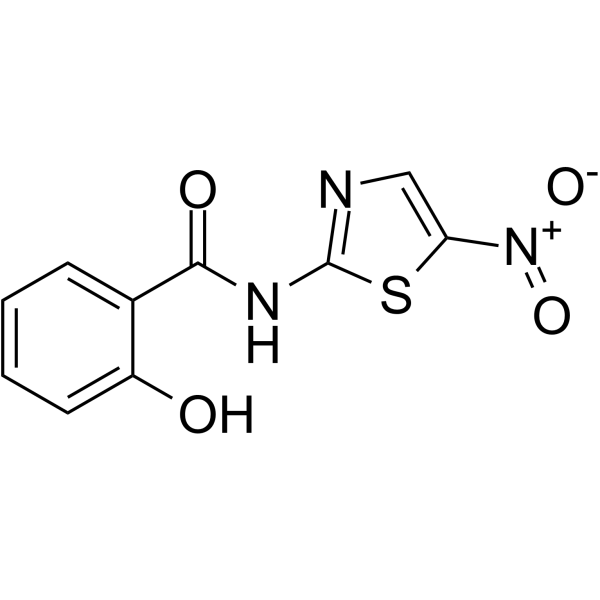
    Tizoxanide
    10+ Cited Publications

    TIZ

    Bacterial HIV Autophagy Parasite IKK Influenza Virus Infection Cancer
    Tizoxanide (TIZ) is the active metabolite of Nitazoxanide, which is a thiazolide anti-infective compound against anaerobic bacteria, protozoa, and a range of viruses. Tizoxanide (TIZ) has anti-HIV-1 activities and potent inhibition of both HBV and HCV replication with values EC50 of 0.46μM and 0.15 μM, respectively. Tizoxanide also exerts anti-inflammatory effects by inhibiting the production of pro-inflammatory cytokines and suppressing of the activation of the NF-κB and the MAPK signaling pathways in LPS-treated macrophage cells .
    Tizoxanide
  • HY-14865
    Omadacycline
    30+ Cited Publications

    PTK 0796; Amadacycline

    Bacterial Antibiotic Infection
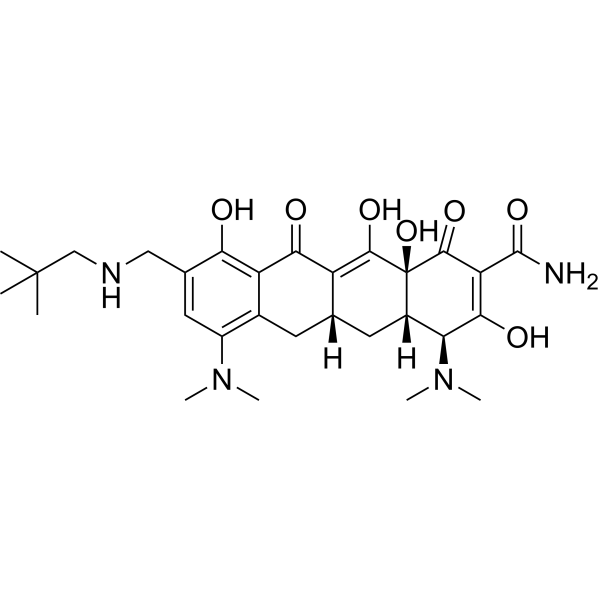
    Omadacycline (PTK 0796), a first-in-class orally active aminomethylcycline antibacterial, is a member of the tetracycline class of antibiotics. Omadacycline acts through the inhibition of bacterial protein synthesis by binding to the 30S ribosomal subunit. Omadacycline possesses broad-spectrum antibacterial activity against aerobic and anaerobic Gram-positive and Gram-negative bacteria, as well as atypical bacteria. Omadacycline can be used for the research of acute bacterial skin and skin-structure infections, community-acquired pneumonia, and urinary tract infections .
    Omadacycline
  • HY-B0177
    Tinidazole
    5 Publications Verification

    Bacterial Antibiotic Parasite Infection Cancer
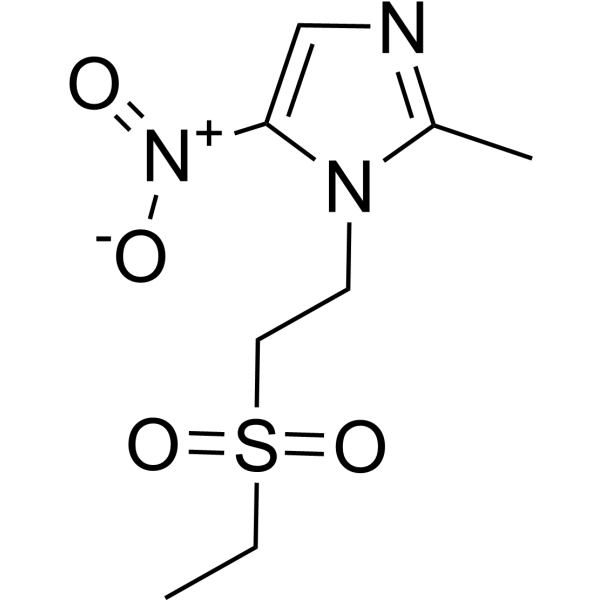
    Tinidazole, an orally available antibacterial agent, is a 5-nitroimidazole with selective activity against anaerobic bacteria and protozoa .
    Tinidazole
  • HY-144300

    TNP-2198

    Bacterial Infection
    Rifasutenizol (TNP-2198) is a dual-targeted antibacterial agent that has a good antibacterial effect on Helicobacter pylori infection. Rifasutenizol can be used in the study of microaerophilic and anaerobic bacterial infections .
    Rifasutenizol
  • HY-W561907

    Antibiotic Bacterial Infection
    IMipenem and cilastatin sodium is a broad-spectrum Carbapenem Antibiotic combination. Imipenem (HY-B1369A) is a Carbapenem antibiotic. IMipenem demonstrates excellent activity against gram-positive and gram-negative aerobic and anaerobic organisms. Cilastatin (HY-A0166) is a renal Dehydropeptidase inhibitor that inhibits the metabolism of Imipenem by renal brush-border enzymes, thus increasing imipenem concentrations in urine .
    IMipenem and cilastatin sodium
  • HY-14865B
    Omadacycline tosylate
    30+ Cited Publications

    PTK 0796 tosylate; Amadacycline tosylate

    Bacterial Antibiotic Infection
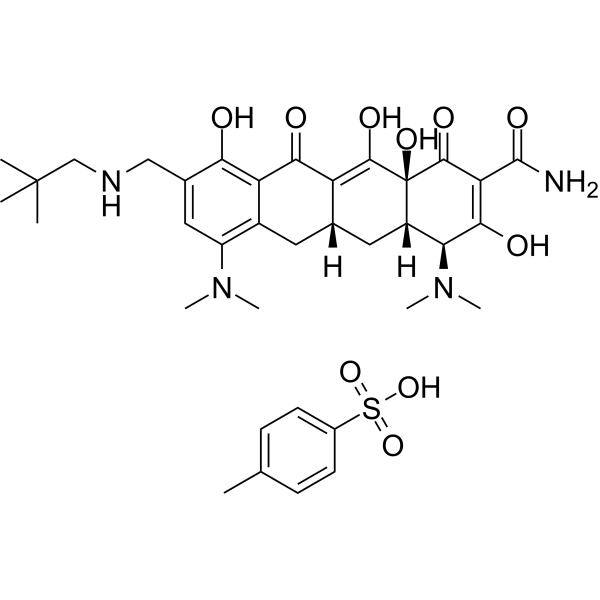
    Omadacycline (PTK 0796) tosylate, a first-in-class orally active aminomethylcycline antibacterial, is a member of the tetracycline class of antibiotics. Omadacycline tosylate acts through the inhibition of bacterial protein synthesis by binding to the 30S ribosomal subunit. Omadacycline tosylate possesses broad-spectrum antibacterial activity against aerobic and anaerobic Gram-positive and Gram-negative bacteria, as well as atypical bacteria. Omadacycline tosylate can be used for the research of acute bacterial skin and skin-structure infections, community-acquired pneumonia, and urinary tract infections .
    Omadacycline tosylate
  • HY-N0420S1

    Wormwood acid-d4

    Endogenous Metabolite Metabolic Disease
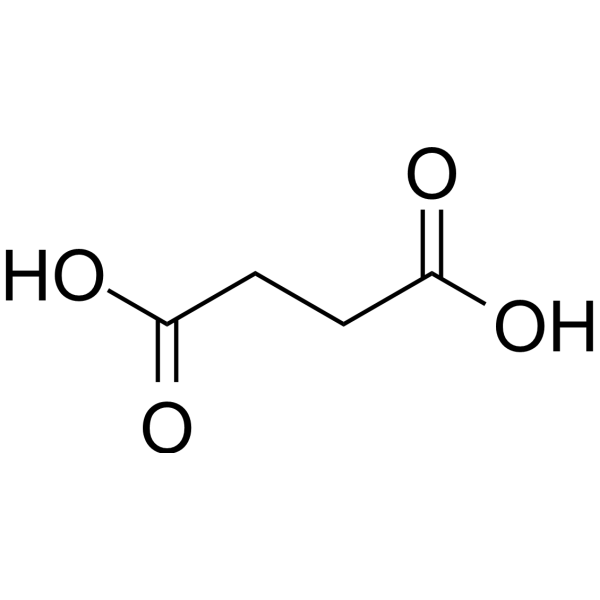
    Succinic-2,2,3,3-d4 acid is the deuterium labeled Succinic acid. Succinic acid is an intermediate product of the tricarboxylic acid cycle, as well as one of fermentation products of anaerobic metabolism.
    Succinic acid-d4
  • HY-14865C
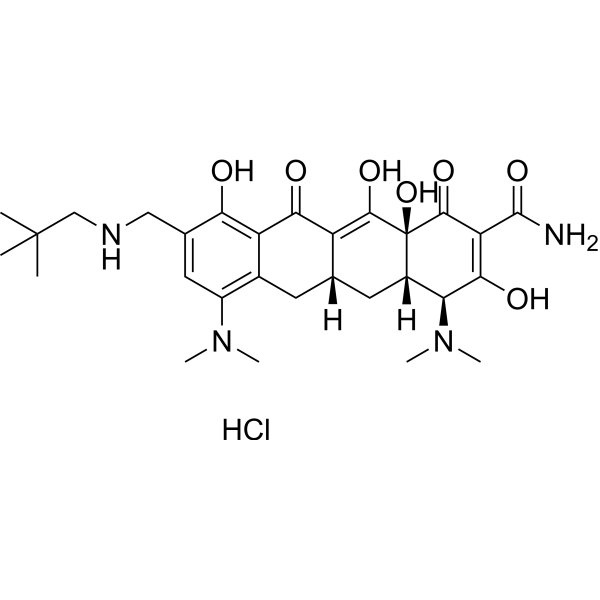
    Omadacycline hydrochloride
    30+ Cited Publications

    PTK0796 hydrochloride; Amadacycline hydrochloride

    Bacterial Antibiotic Infection
    Omadacycline (PTK 0796) hydrochloride, a first-in-class orally active aminomethylcycline antibacterial, is a member of the tetracycline class of antibiotics. Omadacycline hydrochloride acts through the inhibition of bacterial protein synthesis by binding to the 30S ribosomal subunit. Omadacycline hydrochloride possesses broad-spectrum antibacterial activity against aerobic and anaerobic Gram-positive and Gram-negative bacteria, as well as atypical bacteria. Omadacycline hydrochloride can be used for the research of acute bacterial skin and skin-structure infections, community-acquired pneumonia, and urinary tract infections .
    Omadacycline hydrochloride
  • HY-B1824
    Cefpirome sulfate
    1 Publications Verification

    HR-810 sulfate

    Bacterial Antibiotic Infection
    Cefpirome (HR-810) sulfate is a cephalosporin antibiotic that can cross cell membranes and the blood-brain barrier. Cefpirome sulfate binds to penicillin-binding proteins with high affinity, thereby inhibiting bacterial cell wall synthesis. Cefpirome sulfate exhibits bactericidal and growth-inhibitory activities against Gram-negative bacteria, Gram-positive bacteria, and susceptible anaerobic bacteria (including some β-lactamase-producing strains) .
    Cefpirome sulfate
  • HY-B1484
    Moxalactam sodium salt
    1 Publications Verification

    Latamoxef sodium; Lamoxactam sodium; LY-127935 sodium

    Beta-lactamase Bacterial Antibiotic Infection
    Moxalactam (Latamoxef) sodium salt is a synthetic oxa-β-lactam antibiotic. Moxalactam sodium salt has a broad spectrum of activity against Gram-positive and Gram-negative aerobic and anaerobic bacteria. Moxalactam sodium salt inhibits production of β-lactamases .
    Moxalactam sodium salt
  • HY-B0508
    Ornidazole
    2 Publications Verification

    Ro 7-0207

    Bacterial Parasite Antibiotic Hedgehog Infection Cancer
    Ornidazole (Ro 7-0207) is a nitroimidazole derivative with anti-trichomonad activity and in vitro activity against a variety of anaerobic bacteria. Ornidazole inhibits Sonic hedgehog (Shh) signaling pathway, exhibits antitumor activity. Ornidazole can be used in research of Crohn’s disease .
    Ornidazole
  • HY-A0294

    MK-0826

    Antibiotic Bacterial Infection Cancer
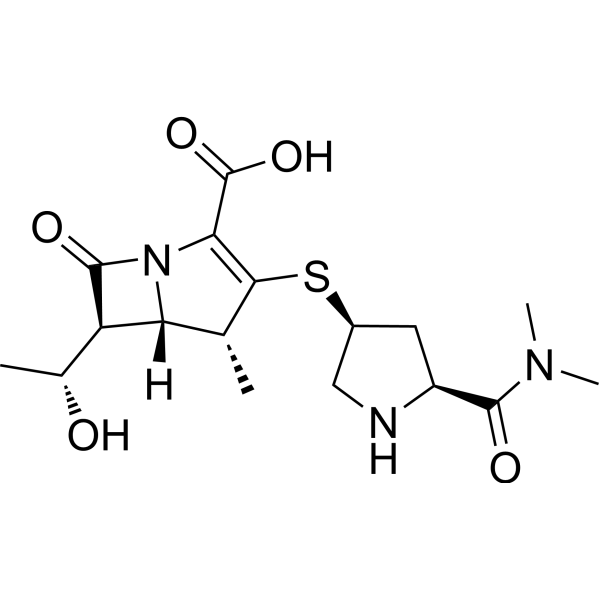
    Ertapenem (MK-0826) is a broad spectrum and long acting β-lactam antibiotic. Ertapenem has a broad-spectrum anti-anaerobic activity against a variety of anaerobes with a mode MIC of 0.12 μg/mL. Ertapenem can be used for the research of severe infections caused by bacteria in the skin, lungs, stomach, pelvis, and urinary tract .
    Ertapenem
  • HY-A0294A
    Ertapenem disodium
    10+ Cited Publications

    MK-0826 disodium

    Bacterial Antibiotic Infection Cancer
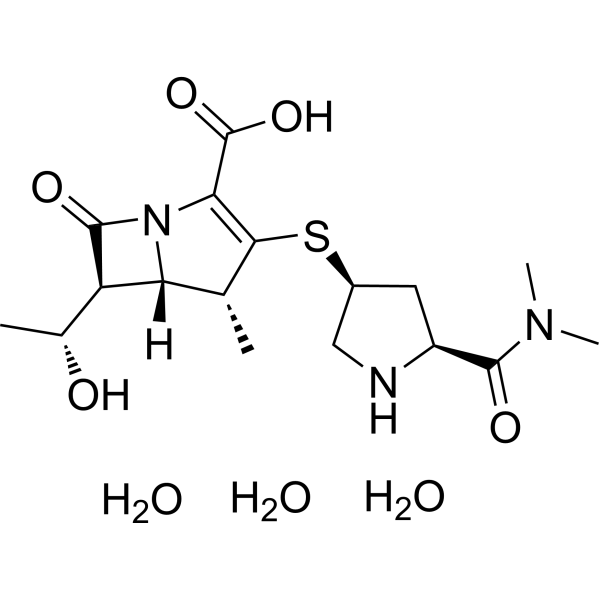
    Ertapenem (MK-0826) disodium is a broad spectrum and long acting β-lactam antibiotic. Ertapenem disodium has a broad-spectrum anti-anaerobic activity against a variety of anaerobes with a mode MIC of 0.12 μg/mL. Ertapenem disodium can be used for the research of severe infections caused by bacteria in the skin, lungs, stomach, pelvis, and urinary tract .
    Ertapenem disodium
  • HY-13625R

    L-749345 (Standard); MK-826 (Standard)

    Reference Standards Bacterial Antibiotic Infection Cancer
    Ertapenem sodium (Standard) is the analytical standard of Ertapenem sodium. This product is intended for research and analytical applications. Ertapenem sodium (L-749345) is a broad spectrum and long acting β-lactam antibiotic. Ertapenem sodium has a broad-spectrum anti-anaerobic activity against a variety of anaerobes with a mode MIC of 0.12 μg/mL. Ertapenem sodium can be used for the research of severe infections caused by bacteria in the skin, lungs, stomach, pelvis, and urinary tract[1][2].
    Ertapenem sodium (Standard)
  • HY-B0318R

    Reference Standards Bacterial Parasite Apoptosis Antibiotic Infection Inflammation/Immunology Cancer
    Metronidazole (Standard) is the analytical standard of Metronidazole. This product is intended for research and analytical applications. Metronidazole is an orally active nitroimidazole antibiotic. Metronidazole can cross blood brain barrier. Metronidazole can be used for the research of anaerobic infections .
    Metronidazole (Standard)
  • HY-B0159

    Q-35

    Bacterial Antibiotic Infection
    Balofloxacin (Q-35) is an orally active fluoroquinolone antibiotic with broad-spectrum antibacterial activity against gram-negative, gram-positive, and anaerobic bacteria. Balofloxacin can be used for the research of respiratory, intestinal, and urinary tract infections .
    Balofloxacin
  • HY-15781
    Morinidazole
    1 Publications Verification

    Bacterial Infection
    Morinidazole is an orally active and 5-nitroimidazole antimicrobial agent that undergoes extensive metabolism in humans via N +-glucuronidation and sulfation. Morinidazole can be used for bacterial infections research including appendicitis and pelvic inflammatory disease (PID) caused by anaerobic bacteria .
    Morinidazole
  • HY-157365

    Biochemical Assay Reagents Others
    Anaerobic Agar is a special medium for isolating anaerobic bacteria. The composition of 1 litre medium is 58.4 g anaerobic agar .
    Anaerobic Agar
  • HY-135024

    Phenylacetyl Coenzyme A

    Endogenous Metabolite Metabolic Disease
    Phenylacetyl CoA is an acceptor oxidoreductase. Phenylacetyl CoA is a membrane-bound molybdenum–iron–sulfur enzyme involved in anaerobic metabolism of phenylalanine in the denitrifying bacterium Thauera aromatica .
    Phenylacetyl CoA
  • HY-B0318A
    Metronidazole hydrochloride
    Maximum Cited Publications
    65 Publications Verification

    SC 326421

    Antibiotic Bacterial Parasite Apoptosis Infection Inflammation/Immunology Cancer
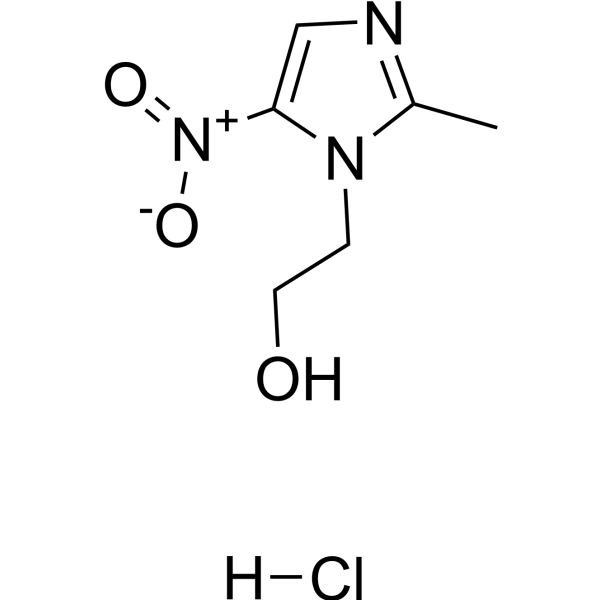
    Metronidazole hydrochloride (SC 326421) is an orally active nitroimidazole antibiotic, can be used to research anaerobic infections. Metronidazole hydrochloride can cross blood brain barrier and results inflammation and skeletal muscle contraction under long-term application .
    Metronidazole hydrochloride
  • HY-B0239R

    Reference Standards Antibiotic Bacterial HIF/HIF Prolyl-Hydroxylase VEGFR Autophagy Apoptosis Beclin1 JNK Akt MMP Infection Cancer
    Chloramphenicol (Standard) is the analytical standard of Chloramphenicol. This product is intended for research and analytical applications. Chloramphenicol is an orally active, potent and broad-spectrum antibiotic. Chloramphenicol shows antibacterial activity. Chloramphenicol represses the oxygen-labile transcription factor and hypoxia inducible factor-1 alpha (HIF-1α) in hypoxic A549 and H1299 cells. Chloramphenicol suppresses the mRNA levels of vascular endothelial growth factor (VEGF) and glucose transporter 1, eventually decreasing VEGF release. Chloramphenicol can be used for anaerobic infections and lung cancer research .
    Chloramphenicol (Standard)
  • HY-N0420S

    Wormwood acid-d6

    Endogenous Metabolite Metabolic Disease
    Succinic acid-d6 is the deuterium labeled Succinic acid. Succinic acid is an intermediate product of the tricarboxylic acid cycle, as well as one of fermentation products of anaerobic metabolism.
    Succinic acid-d6
  • HY-B0318S
    Metronidazole-13C2,15N2
    1 Publications Verification

    Bacterial Parasite Apoptosis Antibiotic Infection
    Metronidazole- 13C2, 15N2 is the 13C-labeled and 15N-labeled Metronidazole. Metronidazole is a nitroimidazole antibiotic medication used particularly for anaerobic bacteria and protozoa.
    Metronidazole-13C2,15N2
  • HY-P2800

    Endogenous Metabolite Others
    Diaphorase, Recombinant microorganisms can be obtained from anaerobic sludge organisms. Diaphorase catalyzes biotransformation of hexahydro-1,3, 5-trinitro-1,3, 5-triazine (RDX) by denitrification .
    Diaphorase, Recombinant microorganisms
  • HY-B0536

    AM-1091; CI-960; PD 127391

    Bacterial Antibiotic Infection
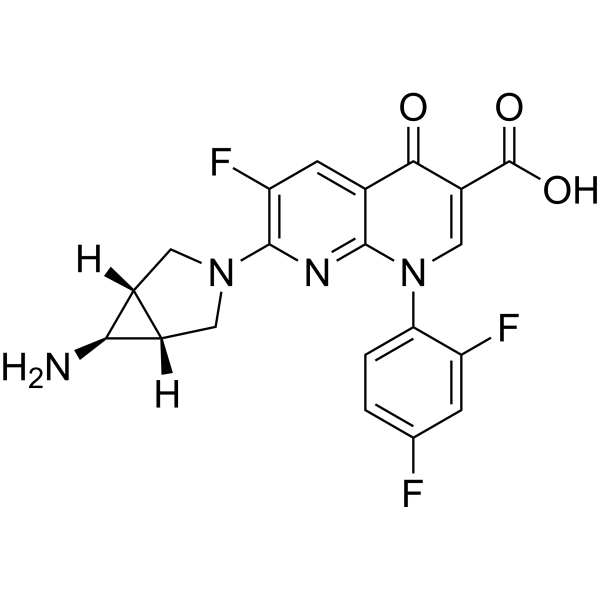
    Clinafloxacin (AM 1091) is a potent and broad-spectrum fluoroquinolone antibiotic, has inhibitory activity against gram-positive, gram-negative bacterias, and anaerobic pathogens in vitro . Clinafloxacin is against DNA gyrase and topoisomerase IV of?S. aureus with IC50 values of 0.92 μg/ml and 1.62 μg/ml, respectively .
    Clinafloxacin
  • HY-125919

    Reactive Oxygen Species (ROS) Bacterial Endogenous Metabolite Infection Inflammation/Immunology
    Vulpinic acid, a lichen metabolite, decreases H2O2-induced ROS production, oxidative stress and oxidative stress-related damages in human umbilical vein endothelial cells (HUVEC). Vulpinic acid is active against staphylococci, enterococci, and anaerobic bacteria.Vulpinic acid has the potential for atherosclerosis research .
    Vulpinic acid
  • HY-B1118R

    RP-14539 (Standard); PM-185184 (Standard)

    Reference Standards Bacterial Parasite Infection
    Secnidazole (Standard) is the analytical standard of Secnidazole. This product is intended for research and analytical applications. Secnidazole (RP-14539) is an orally active azole antibiotic and a imidazole mitigator of Serratia marcescens virulence. Secnidazole, as an analog of acylhomoserine lactones, effectively inhibits QS resulting in the attenuation of Pseudomonas aeruginosa pathogenesis. Secnidazole has antimicrobial activity against many anaerobic Gram-negative and Gram-positive bacterial species in vitro. Secnidazole can be used for the research of various diseases, such as amoebiasis and giardiasis, and bacterial vaginitis .
    Secnidazole (Standard)
  • HY-W015410S2

    Endogenous Metabolite Metabolic Disease
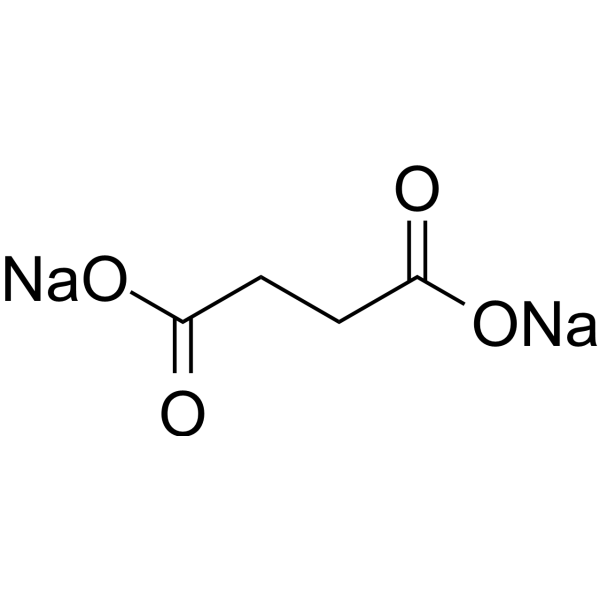
    Disodium succinate-d4 is the deuterium labeled Disodium succinate . Disodium succinate is the disodium salt of Succinic acid. Succinic acid is an intermediate product of the tricarboxylic acid cycle, as well as one of fermentation products of anaerobic metabolism .
    Disodium succinate-d4
  • HY-B0536A

    AM 1091 hydrochloride; CI 960 hydrochloride; PD127391 hydrochloride

    Bacterial Antibiotic Infection
    Clinafloxacin hydrochloride (AM 1091 hydrochloride) is a potent and broad-spectrum fluoroquinolone antibiotic, has inhibitory activity against gram-positive, gram-negative bacterias, and anaerobic pathogens in vitro . Clinafloxacin hydrochloride is against DNA gyrase and topoisomerase IV of S. aureus with IC50 values of 0.92 µg/ml and 1.62 µg/ml, respectively .
    Clinafloxacin hydrochloride
  • HY-B0159A

    Q-35 dihydrate

    Bacterial Antibiotic Infection
    Balofloxacin dihydrate (Q-35 dihydrate) is an orally active fluoroquinolone antibiotic with broad-spectrum antibacterial activity against gram-negative, gram-positive, and anaerobic bacteria. Balofloxacin dihydrate can be used for the research of respiratory, intestinal, and urinary tract infections .
    Balofloxacin dihydrate
  • HY-B0318S1

    Bacterial Parasite Apoptosis Antibiotic Infection
    Metronidazole-d4 is the deuterium labeled Metronidazole. Metronidazole is a nitroimidazole antibiotic medication used particularly for anaerobic bacteria and protozoa.
    Metronidazole-d4
  • HY-W015410S

    Endogenous Metabolite Metabolic Disease
    Disodium succinate- 13C2 is the 13C labeled Disodium succinate . Disodium succinate is the disodium salt of Succinic acid. Succinic acid is an intermediate product of the tricarboxylic acid cycle, as well as one of fermentation products of anaerobic metabolism .
    Disodium succinate-13C2
  • HY-B1484A

    Latamoxef; Lamoxactam; LY-127935

    Beta-lactamase Bacterial Antibiotic Infection
    Moxalactam (Latamoxef) is a synthetic oxa-β-lactam antibiotic. Moxalactam has a broad spectrum of activity against Gram-positive and Gram-negative aerobic and anaerobic bacteria. Moxalactam inhibits production of β-lactamases .
    Moxalactam
  • HY-138094

    Drug Metabolite Infection
    N-(2-hydroxyethyl)-oxamic acid is formed when Metronidazole is reduced either chemically or by the action of the intestinal bacteria. Metronidazole, a nitroimidazole antibiotic, has activity against various protozoans and most Gram-negative and Gram-positive anaerobic bacteria .
    N-(2-Hydroxyethyl)oxamic acid
  • HY-N14141

    Bacterial Infection
    Citreamicin γ has anti-Gram-positive aerobic and anaerobic bacterial activities .
    Citreamicin γ
  • HY-W016758

    1-Butyl-3-methylimidazolium chloride

    Bacterial Infection
    [BMIM]Cl (1-butyl-3-methylimidazolium chloride) is an alkyl-imidazolium chloride compound and a persistent aquatic pollutant. [BMIM]Cl exhibits antimicrobial activity against S. aureus (MIC = 25 mM), E. coli (MIC = 50 mM), and P. aeruginosa (MIC = 100 mM). It possesses moderate membrane permeability and cytotoxicity, directly affecting microorganisms and mammalian cells at high concentrations, but can inhibit the function of complex ecosystems (e.g., anaerobic digestion) even at environmentally relevant low concentrations by disrupting microbial community structures. [BMIM]Cl can be used in research related to bacterial infections .
    [BMIM]Cl
  • HY-14865BR

    PTK 0796 tosylate (Standard); Amadacycline tosylate (Standard)

    Reference Standards Bacterial Antibiotic Infection
    Omadacycline (tosylate) (Standard) is the analytical standard of Omadacycline (tosylate). This product is intended for research and analytical applications. Omadacycline (PTK 0796) tosylate, a first-in-class orally active aminomethylcycline antibacterial, is a member of the tetracycline class of antibiotics. Omadacycline tosylate acts through the inhibition of bacterial protein synthesis by binding to the 30S ribosomal subunit. Omadacycline tosylate possesses broad-spectrum antibacterial activity against aerobic and anaerobic Gram-positive and Gram-negative bacteria, as well as atypical bacteria. Omadacycline tosylate can be used for the research of acute bacterial skin and skin-structure infections, community-acquired pneumonia, and urinary tract infections .
    Omadacycline tosylate (Standard)
  • HY-163060

    Drug Derivative Antibiotic Bacterial Infection
    Metronidazole phosphate disodium is a water-soluble prodrug for parenteral solutions of Metronidazole (HY-B0318). Metronidazole phosphate disodium is an antibiotic and can be used for the research of anaerobic infections .
    Metronidazole phosphate disodium
  • HY-B0177S

    Isotope-Labeled Compounds Bacterial Infection
    Tinidazole-d5 is the deuterium labeled Tinidazole. Tinidazole, an orally available antibacterial agent, is a 5-nitroimidazole with selective activity against anaerobic bacteria and protozoa .
    Tinidazole-d5
  • HY-121657

    Ro 11-2616

    Parasite Bacterial Others
    Ornidazole diol (Ro 11-2616) is the diol of Ornidazole (HY-B0508) which is rapidly hydrolyzed in alkaline solution. Ornidazole (Ro 7-0207) is a 5-nitroimidazole derivative that is antiprotozoan and anaerobic.
    Ornidazole diol

Inquiry Online

Your information is safe with us. * Required Fields.

Salutation


Country or Region *

Applicant Name *


Organization Name *

Department *


Email Address *


Product Name *

Cat. No.


Requested quantity *

Phone Number *


Remarks

Inquiry Online

Inquiry Information

Product Name:
Cat. No.:
Quantity:
MCE Japan Authorized Agent:

