



1. Search Result
Search Result
Pathways Recommended: Stem Cell/Wnt Cell Cycle/DNA Damage
Results for "

B lymphoma cells

" in MedChemExpress (MCE) Product Catalog:

244

Inhibitors & Agonists

3

Fluorescent Dyes

14

Peptides

42

Inhibitory Antibodies

7

Natural
Products

5

Isotope-Labeled Compounds

5

Oligonucleotides

Cat. No. Product Name Target Research Areas Chemical Structure
  • HY-P99055

    TNF Receptor Inflammation/Immunology Cancer
    Urelumab, a fully human, non-ligand binding, CD137 agonist IgG4 monoclonal antibody, enhances T-cell and natural killer-cell antitumor activity, and may enhance cytotoxic activity of Rituximab (HY-P9913). Urelumab can be used for the research of diffuse large B-cell lymphoma (DLBCL), follicular lymphoma (FL), and other types of non-Hodgkin lymphoma (NHL) .
    Urelumab
  • HY-P99033
    Mosunetuzumab
    1 Publications Verification

    BTCT-4465A; RG-7828; RO7030816

    CD20 CD3 Inflammation/Immunology Cancer
    Mosunetuzumab (BTCT-4465A) is a full-length, fully humanized immunoglobulin G1 (IgG1) T-cell-dependent bispecific (TDB) antibody targeting CD20 (B cells) and CD3 (T cells). Mosunetuzumab redirects T cells to engage and eliminate malignant B cells and can be used for the research of relapsed or refractory (R/R) B-cell non-Hodgkin lymphomas (B-NHLs) .
    Mosunetuzumab
  • HY-P99024
    Glofitamab
    1 Publications Verification

    RO7082859; RG-6026

    CD20 CD3 Inflammation/Immunology Cancer
    Glofitamab (RO7082859) is a T-cell-engaging bispecific antibody possessing a novel 2:1 structure with bivalency for CD20 on B cells and monovalency for CD3 on T cells. Glofitamab leads to T-cell activation, proliferation, and tumor cell killing upon binding to CD20 on malignant cells. Glofitamab induces durable complete remissions in relapsed or refractory B-Cell non-Hodgkin lymphoma (B-NHL) .
    Glofitamab
  • HY-P991028

    AZD0486; TNB-486

    CD3 CD19 Interleukin Related TNF Receptor IFNAR Cancer
    Surovatamig (AZD0486; TNB-486) is a fully human anti-CD19/CD3 IgG4 bispecific antibody. Surovatamig triggers T cell activation, releases cytotoxic granules, and induces T cell-dependent cellular cytotoxicity and tumor cell lysis. Surovatamig can reduces release of pro-inflammatory cytokines including IL-2, IFNγ, TNF. Surovatamig can be used for the research of cancer, such as B cell non-Hodgkin lymphoma .
    Surovatamig
  • HY-160141

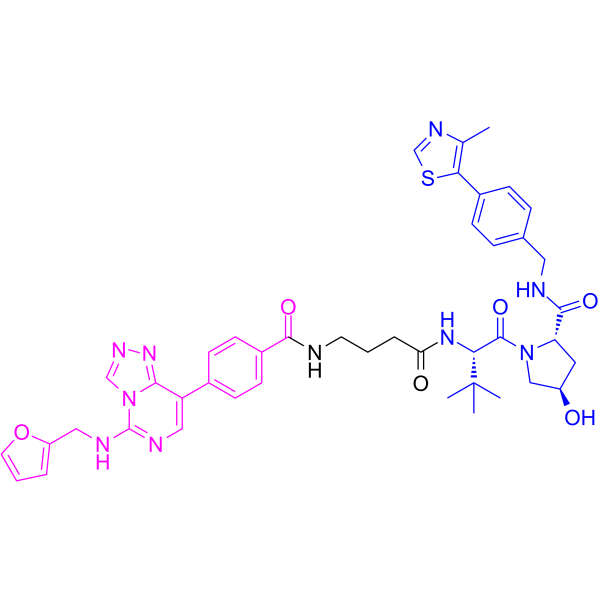
    BGB-16673; BTK-IN-29

    PROTACs Btk NF-κB Inflammation/Immunology Cancer
    BGB-16673 (BGB-16673) is an orally active, selective BTK PROTAC degrader (IC50=0.69 nM). BGB-16673 ligates BTK to E3 ubiquitin ligase, causing BTK to undergo polyubiquitination, which is then recognized and degraded by the proteasome, thereby exerting efficient BTK degradation activity. BGB-16673 can be used in the research of B-cell malignancies such as chronic lymphocytic leukemia, small lymphocytic lymphoma, and mantle cell lymphoma .
    Catadegbrutinib
  • HY-172736

    PROTACs BCL6 CD20 Cancer
    BMS-986458 is a highly selective, orally active cereblon-based BCL6 PROTAC degrader and antitumor agent. BMS-986458 selectively degrades BCL6 by binding cereblon to the BTB domain of BCL6, thereby regulating the cell cycle, antiproliferative and interferon signaling pathways, and upregulating the expression and distribution of CD20. BMS-986458 modulates the phenotype of follicular helper T cells and reduces circulating tumor DNA levels. The combination of BMS-986458 with CD20xCD3 bispecific antibody also enhances the efficiency of T cell tumor infiltration and expansion. BMS-986458 induces regression of BCL6-positive tumors and prolongs survival, and it is suitable for research related to B-cell non-Hodgkin lymphoma, diffuse large B-cell lymphoma, follicular lymphoma, and relapsed/refractory lymphoma .
    BMS-986458
  • HY-15322
    PRT062607
    4 Publications Verification

    P505-15; PRT-2607; BIIB-057

    Syk Apoptosis Caspase Inflammation/Immunology Cancer
    PRT062607 (P505-15; PRT-2607) is an orally active ATP-competitive Syk inhibitor with an IC50 value of 1 nM, and exhibits at least 80-fold selectivity over other kinases. PRT062607 blocks B cell antigen receptor-mediated activation, Fcε receptor 1-mediated basophil degranulation and microglial phagocytosis, and induces caspase-dependent apoptosis and microglial death. PRT062607 inhibits tumor growth and peripheral nerve injury-induced mechanical allodynia, and prevents neuronal loss. PRT062607 can be used in research related to rheumatoid arthritis, chronic lymphocytic leukemia, non-Hodgkin's lymphoma, neurodegenerative diseases and neuropathic pain .
    PRT062607
  • HY-121282
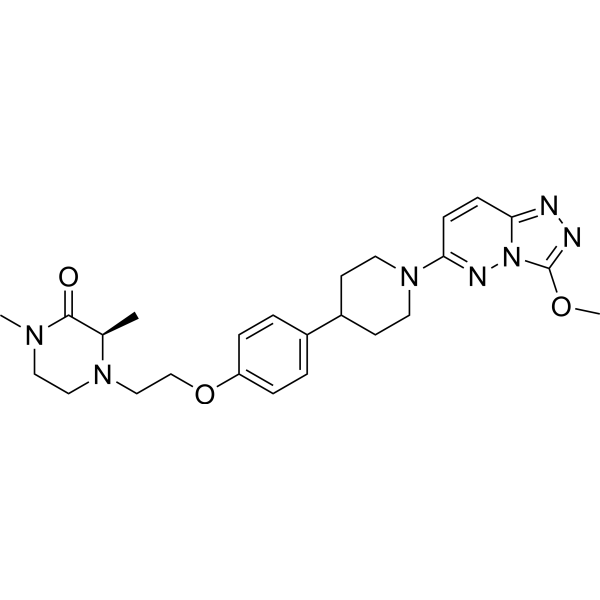
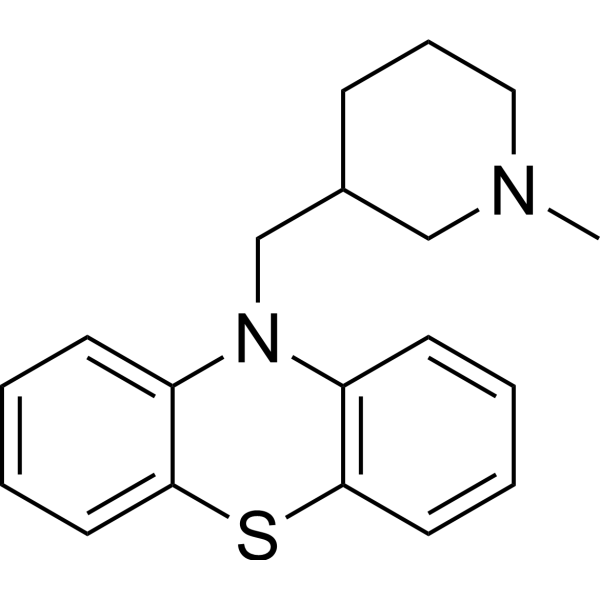
    Mepazine
    2 Publications Verification

    Pecazine

    MALT1 Apoptosis Cancer
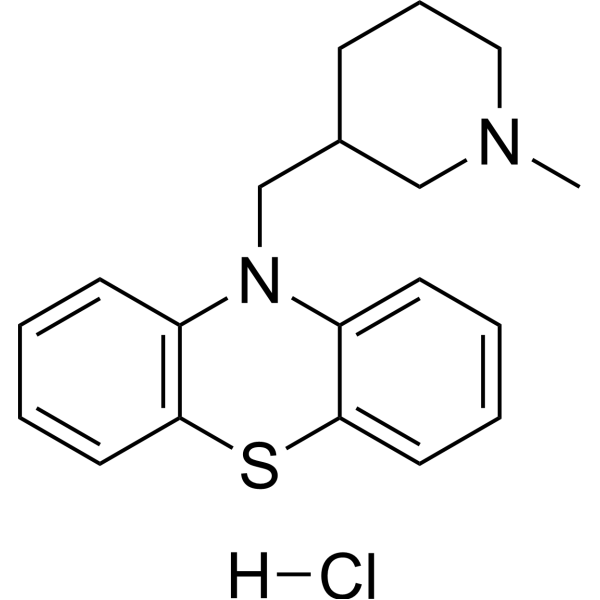
    Mepazine (Pecazine) is a potent and selective MALT1 protease inhibitor with IC50s of 0.83 and 0.42 μM for GSTMALT1 full length and GSTMALT1 325-760, respectively. Mepazine affects viability of ABC-DLBCL cells by enhancing apoptosis .
    Mepazine
  • HY-P99483

    AT 004; VT 007

    CD20 Cancer
    Blontuvetmab (AT 004) is a canine-derived CD20 monoclonal antibody, and it is used for research on canine B-cell lymphoma .
    Blontuvetmab
  • HY-171579

    NF-κB HCV Apoptosis Pim c-Myc Neurological Disease Metabolic Disease Inflammation/Immunology Cancer
    RS47 is a selective RelB inhibitor with a Kd value of 1.1 μM. RS47 also acts as an inhibitor of HCV replication. RS47 can block the non-canonical NF-κB signaling pathway without affecting the canonical pathway. RS47 exerts anti-tumor effects of inhibiting proliferation and promoting apoptosis on colorectal cancer, B-cell lymphoma and other related tumors both in vitro and in vivo by disrupting the binding of RelB to target DNA. RS47 can be used for the research of tumors and infectious diseases .
    RS47
  • HY-137438

    TG-1701

    Btk Cancer
    Edralbrutinib (TG-1701) is a highly selective, orally available irreversible BTK inhibitor, with an EC50 of 6.70 nM and a Kd of 3 nM against human BTK. Edralbrutinib inhibits downstream signaling of the B cell receptor, induces dephosphorylation of Ikaros Ser442/445, promotes nuclear exclusion of Ikaros, attenuates Ikaros gene signatures, and exerts anti-tumor activity. Edralbrutinib can be used in research related to B-cell non-Hodgkin lymphoma, chronic lymphocytic leukemia, mantle cell lymphoma, follicular lymphoma, and diffuse large B-cell lymphoma .
    Edralbrutinib
  • HY-124295

    ABT-301; MPT0E028; TMU-C-0012

    HDAC Akt Apoptosis Inflammation/Immunology Cancer
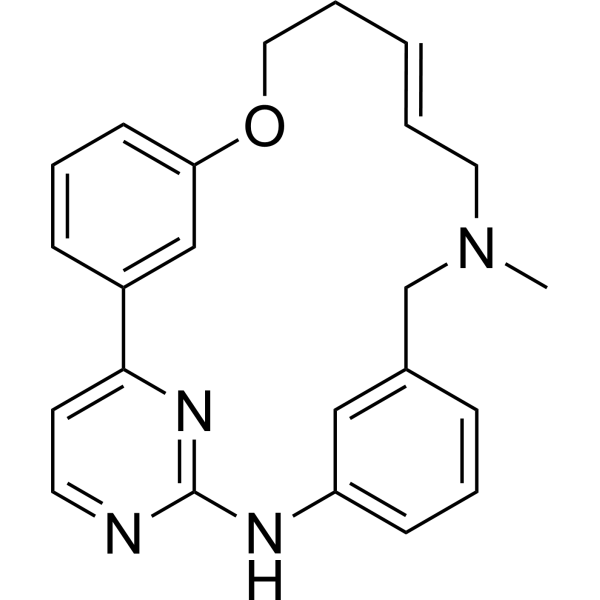
    Imofinostat (ABT-301; MPT0E028) is an orally active and selective HDAC inhibitor with IC50s of 53.0 nM, 106.2 nM, 29.5 nM for HDAC1, HDAC2 and HDAC6, respectively. Imofinostat has a weak inhibitory effect on HDAC8 (IC50 of 2.5 ​​μM), but no inhibitory effect on HDAC4 (IC50>10 μM). Imofinostat reduces the viability of B-cell lymphomas by inducing apoptosis and possesses potent direct Akt targeting ability and reduces Akt phosphorylation in B-cell lymphoma. Imofinostat has a broad-spectrum antitumor activity, including colorectal cancer, B-cell lymphoma, non-small cell lung carcinoma (NSCLC), and pancreatic cancer, while also showing therapeutic potential in non-tumor diseases like emphysema and pulmonary fibrosis .
    Imofinostat
  • HY-P99711

    RB4v1.2

    CD19 ADC Antibody Cancer
    Loncastuximab (RB4v1.2) is an anti-CD19 monoclonal antibody. Loncastuximab has antitumor activity and can be used in the research of Non-Hodgkin Lymphoma (NHL) and Diffuse Large B-cell Lymphoma (DLBCL). Loncastuximab is capable of synthesizing the ADC molecule Loncastuximab tesirine (HY-P99349) .
    Loncastuximab
  • HY-157562

    Phospholipase Apoptosis Cancer
    DS68591889 is a selective and orally active phosphatidylserine synthase 1 (PTDSS1) inhibitor. DS68591889 has no inhibitory activity against PTDSS2. DS68591889 induces the phospholipid imbalance in a wide range of cancer cells. DS68591889 negatively regulates B cell receptor (BCR)-induced Ca 2+ signaling and subsequent apoptotic cell death. DS68591889 can be used for the cancer research, such as B cell lymphoma .
    DS68591889
  • HY-P990806

    CD20 Metabolic Disease Inflammation/Immunology Cancer
    Anti-Mouse CD20 Antibody (MB20-11) is a kind of mouse IgG2c antibody inhibitor, targeting to CD20. Anti-Mouse CD20 Antibody (MB20-11) can deplete mature B cells in lymphoid tissues. Anti-Mouse CD20 Antibody (MB20-11) can be used for the researches of cancer, immunology and metabolic Disease, such as lymphoma and diabetes .
    Anti-Mouse CD20 Antibody (MB20-11)
  • HY-168654

    Wee1 Cancer
    WEE1 degrader 1 (Compound 10) is a CRBN-dependent molecular glue degrader of WEE1 and casein kinase 1α (CK1α) with sub-2 nM DC50 values for both targets. WEE1 degrader 1 can be used for the research of acute lymphoblastic leukemia, acute monocytic leukemia, acute promyelocytic leukemia, colorectal adenocarcinoma, diffuse large b cell lymphoma .
    WEE1 degrader 1
  • HY-157334
    DEG-77
    1 Publications Verification

    Molecular Glues Casein Kinase IKZF Family Bcl-2 Family CDK Apoptosis Cancer
    DEG-77 is a molecular glue targeting IKZF2 and CK1α, with DC50 values of 15.3 nM and 10 nM, respectively. DEG-77 exhibits significant anti-tumor activity, inducing increased transcriptional levels of the pro-apoptotic protein Bax and the cell cycle arrest protein p21. DEG-77 is applicable to the research of acute myeloid leukemia (AmL), diffuse large B-cell lymphoma and ovarian cancer.
    DEG-77
  • HY-P99613

    MK-4280; Mavezelimab

    LAG-3 Cancer
    Favezelimab (MK-4280) is a humanized monoclonal antibody targeting LAG-3. Favezelimab blocks the interaction between LAG-3 and its ligand, MHC class II molecules. Favezelimab is applicable to research on relapsed/refractory classical Hodgkin lymphoma, relapsed/refractory diffuse large B-cell lymphoma, and relapsed/refractory indolent B-cell lymphoma . For the isotype control of Favezelimab, refer to Human IgG4 (S228P) kappa, Isotype Control (HY-P99003).
    Favezelimab
  • HY-147091

    Ligands for Target Protein for PROTAC Cancer
    Tazemetostat de(methyl morpholine)-COOH (compound 7) is a ligand for the PROTAC target protein EZH2, which can be used to synthesis of EZH2 degraders (PROTACs). EZH2 degraders have potent cell viability inhibition in diffuse large B-cell lymphoma (DLBCL) and other subtypes of lymphoma .
    Tazemetostat de(methyl morpholine)-COOH
  • HY-160698

    MALT1 Apoptosis Cancer
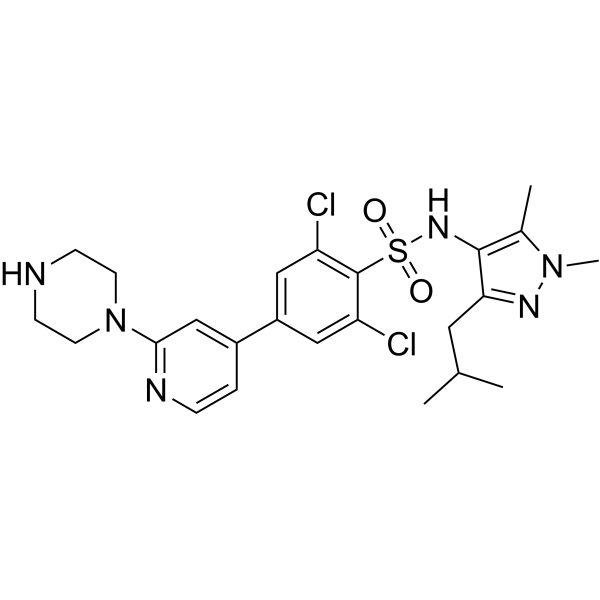
    SGR-1505 is an oral small molecule MALT1 inhibitor with anti-proliferative and antitumor activity.SGR-1505 inhibits MALT1 enzymatic activity to modulate NF-κB pathway gene expression.SGR-1505 induces modulation of cell cycle, DNA damage, and apoptosis-related genes in in vivo tumor samples.SGR-1505 exerts tumorostatic and regressive activity in ABC-DLBCL xenograft models.SGR-1505 can be used for the research of activated B cell-like diffuse large B cell lymphoma, non-Hodgkin B-cell lymphomas, chronic lymphocytic leukemia, and mature B cell neoplasms .
    SGR-1505
  • HY-P99326

    Anti-Human CD20 Recombinant Antibody; V10XA53

    CD20 Cancer
    Tositumomab (Anti-Human CD20 Recombinant Antibody) is a mouse-derived IgG2a monoclonal antibody, targeting to human CD20. Tositumomab can deplete B cells. Tositumomab can be used for the research of cancer, such as lymphoma .
    Tositumomab
  • HY-160167

    DZD8586

    Src Btk Inflammation/Immunology Cancer
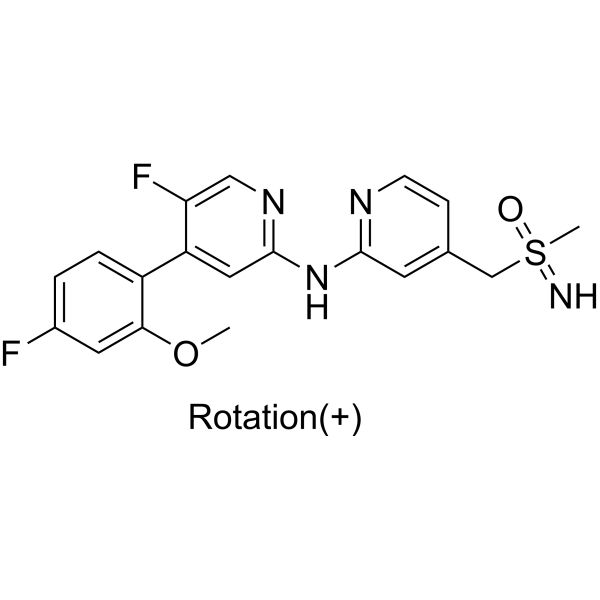
    Birelentinib (DZD8586) is an orally effective, selective, non-covalent inhibitor targeting LYN tyrosine kinase and BTK tyrosine kinase, capable of penetrating the blood-brain barrier. Birelentinib exhibits concentration-dependent antiproliferative effects in RI-1 cells and diffuse large B-cell lymphoma (DLBCL) cell lines carrying BTK resistance mutations (such as C481X, V416L, etc.). Birelentinib blocks both BTK-dependent and independent signaling of the B-cell receptor (BCR), thereby inhibiting tumor cell proliferation and inducing cell death. Birelentinib can be used in research to overcome resistance to existing covalent and non-covalent BTK inhibitors in B-cell non-Hodgkin lymphoma (B-NHL) .
    Birelentinib
  • HY-156437

    Apoptosis Ser/Thr Protease NEKs Mitosis Cancer
    NBI-961 is a potent NEK2 inhibitor that inhibits proteasomal degradation. NBI-961 induces G2/mitosis arrest and apoptosis in diffuse large B cell lymphoma (DLBCL) cells .
    NBI-961
  • HY-121282A
    Mepazine hydrochloride
    2 Publications Verification

    Pecazine hydrochloride

    MALT1 Apoptosis Cancer
    Mepazine hydrochloride (Pecazine hydrochloride) is a potent and selective MALT1 protease inhibitor with IC50s of 0.83 and 0.42 μM for GSTMALT1 full length and GSTMALT1 325-760, respectively. Mepazine hydrochloride affects viability of ABC-DLBCL cells by enhancing apoptosis .
    Mepazine hydrochloride
  • HY-161828

    PROTACs CDK Cancer
    JWZ-5-13 is a CDK7 PROTAC degrader. JWZ-5-13 inhibits the proliferation of cancer cells. JWZ-5-13 is applicable to the research of ovarian cancer, diffuse large B-cell lymphoma, acute T-lymphoblastic leukemia and non-small cell lung cancer .
    JWZ-5-13
  • HY-129226

    SHMT Endocrinology Cancer
    SHMT-IN-2 is a stereo specific inhibitor of human SHMT1/2 with IC50 values of 13 nM and 66 nM for SHMT1 and SHMT2, respectively. SHMT-IN-2 can block the growth of many human cancer cells, and has sensitivity for B-cell lymphomas .
    SHMT-IN-2
  • HY-W115529

    Geranate; NSC 229335; GAGE

    Environmental Pollutants Fungal Tyrosinase Infection Cancer
    Geranic acid (Geranate) acts as a tyrosinase inhibitor and antifungal agent, with an IC50 value of 0.14-2.3 mM against mushroom tyrosinase. Geranic acid reduces the viability of human pancreatic cancer cells and B-lymphoma cells. Geranic acid inhibits mycelial growth of the maize pathogens Colletotrichum graminicola and Fusarium graminearum. Geranic acid is applicable to research related to fungal infections, pancreatic cancer and B-lymphoma .
    Geranic acid
  • HY-131246

    Histone Methyltransferase Cancer
    DM-01 is a powerful and selective EZH2 inhibitor for the research of diffuse large B-cell lymphoma (DLBCL), follicular lymphoma (FL), and SNF5/INI-1/SMARCB1 genetically defined solid tumors .
    DM-01
  • HY-P99656

    MCDS0593A

    ADC Antibody Cancer
    Iladatuzumab (MCDS0593A) is a humanized IgG1 anti-human CD79B monoclonal antibody. Iladatuzumab can be used to synthesize antibody-drug conjugates (ADC) Iladatuzumab vedotin (DCDS0780A; HY-P99657), which has the potential for B-cell non-Hodgkin lymphoma (B-NHL) research .
    Iladatuzumab
  • HY-111781

    WS-413

    Btk Cancer
    Civorebrutinib (WS-413) is a selective, orally active BTK and TEC inhibitor with an IC50 of <100 nM for both targets. Civorebrutinib inhibits B cell activation. Civorebrutinib significantly suppresses the in vivo growth of diffuse large B-cell lymphoma cells. Civorebrutinib can be used for the research of diffuse large B-cell lymphoma .
    Civorebrutinib
  • HY-19916

    BAL-101553

    Microtubule/Tubulin Checkpoint Kinase (Chk) Cancer
    Lisavanbulin (BAL-101553) is the prodrug of the microtubule targeting agent Avanbulin (BAL 27862) (HY-106008). Lisavanbulin is a BBB-penetrant and orally active antitumor agent, especially in tumors that express high levels of end-binding protein 1. Lisavanbulin has ability to target tumor cell proliferation and affects the tumor microenvironment by reducing tumor microvasculature. Lisavanbulin is also a spindle assembly checkpoint activator. Lisavanbulin induces cell cycle arrest and subsequent death or aberrant chromosome segregation. Lisavanbulin can be studied in research for diffuse large B cell lymphoma (DLBCL) and glioblastoma .
    Lisavanbulin
  • HY-D2188

    Deubiquitinase Cancer
    IMP-2373 is a low-toxicity activity-based probe targeting covalent pan-deubiquitinase (DUB), which modulates and monitors DUB activity via covalent binding to the catalytic cysteine and active site of DUB. IMP-2373 enables real-time tracking of dynamic intracellular DUB activity in physiologically relevant living cell systems, and quantitative analysis of activity changes induced by pharmacological inhibition or MYC dysregulation. IMP-2373 can be used for research on related diseases such as B-cell lymphoma .
    IMP-2373
  • HY-N3062

    3,5,7-Trihydroxyflavanone

    Apoptosis Others
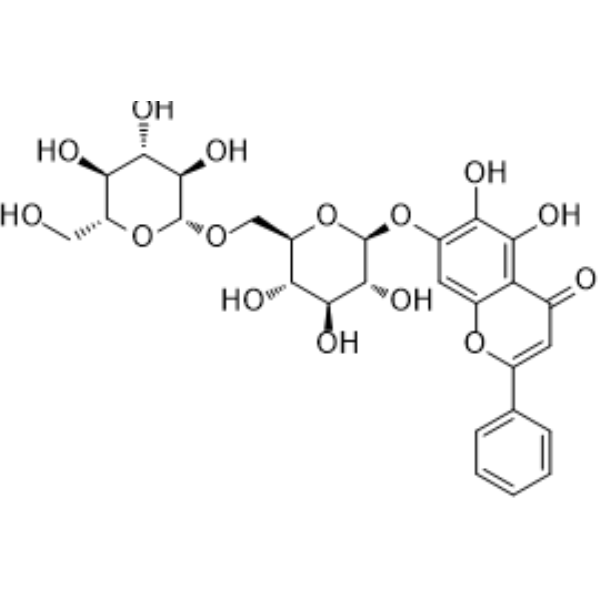
    Pinobanksin has apoptotic induction in a B-cell lymphoma cell line .
    Pinobanksin
  • HY-119062

    MetAP CDK Cancer
    A-800141 is an orally active, selective, sulfonamide-based MetAP2 inhibitor (IC50=12 nM) that binds reversibly to MetAP2 and interacts with its manganese ions. A-800141 induces the production of N-terminal methionine-unprocessed GAPDH variants, which in turn triggers G1-phase cell cycle arrest, elevates p21 levels, and reduces the levels of phosphorylated Rb and total cyclin A. A-800141 exhibits anti-angiogenic and tumor growth inhibitory effects, and produces synergistic effects when combined with cytotoxic inhibitors or BCL-2 inhibitors. A-800141 has been widely used in scientific research related to B-cell lymphoma, neuroblastoma, prostate cancer, colon cancer, melanoma and other fields .
    A-800141
  • HY-122829

    PROTACs BCL6 Cancer
    BCL6 PROTAC 1 is a selective B-cell lymphoma 6 (BCL6) PROTAC. BCL6 PROTAC 1 inhibits BCL6 cell reporter with an IC50 value of 8.8 µM. BCL6 PROTAC 1 significantly degrades BCL6 in diffuse large B-cell lymphoma (DLBCL) cell lines. BCL6 PROTAC 1 can be used in tumor related research .
    BCL6 PROTAC 1
  • HY-129188

    Bcl-2 Family Molecular Glues Cancer
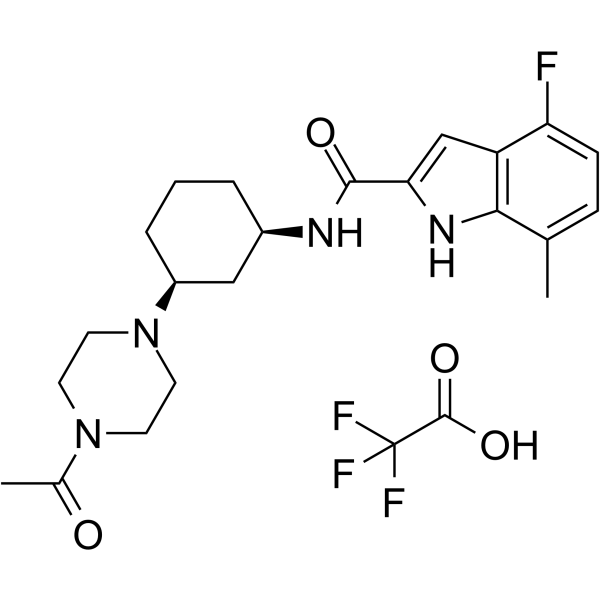
    CCT369260 (compound 1), a chemical probe, is an orally avtive B-cell lymphoma 6 (BCL6) inhibitor with anti-tumor activity. CCT369260 (compound 1) exhibits an IC50 of 520 nM .
    CCT369260
  • HY-161765

    HSP STAT Cancer
    iHSP110-33 is an inhibitor for heat shock protein 110 (HSP110). iHSP110-33 exhibits antitumor efficacy agaisnt large B-cell lymphoma and classical Hodgkin lymphoma. iHSP110-33 shows a synergistic effect with Selinexor (HY-17536), inhibits the STAT6 phosphorylation, and enhances its antitumor activity. .
    iHSP110-33
  • HY-132601A

    MRG-106 sodium

    MicroRNA Cancer
    Cobomarsen sodium is an oligonucleotide inhibitor of miR-155. Cobomarsen sodium inhibits multiple gene pathways associated with cell survival (including JAK/STAT, MAPK/ERK and PI3K/AKT). Cobomarsen sodium can be used for the research of B-cell lymphoma .
    Cobomarsen sodium
  • HY-143653

    BCL6 Cancer
    BCL6-IN-6 is a potent inhibitor of transcriptional repressor B-cell lymphoma 6 (BCL6). BCL6-IN-6 significantly blocks the interaction of BCL6 with its corepressors and reactivates BCL6 target genes in a dose-dependent manner. BCL6-IN-6 has the potential for the research of diffuse large B-cell lymphoma (DLBCL) .
    BCL6-IN-6
  • HY-155477

    E1/E2/E3 Enzyme Cancer
    Cbl-b-IN-15 (compound 25) is an inhibitor of the RING finger E3 ligase Cbl (IC50: 15 nM). Cbl-b refers to Casitas B-lineage lymphoma proto-oncogene-b, which inhibits T-cell, natural killer (NK) cell, and B-cell activation. Cbl-b-IN-15 activates T cell function with EC50=0.41 μM .
    Cbl-b-IN-15
  • HY-P99501

    HS006

    CD20 Cancer
    Zuberitamab (HS006) is a monoclonal antibody that targets CD20 and can be used in cancer research, including diffuse large B-cell lymphoma .
    Zuberitamab
  • HY-148281

    Bcl-2 Family Cancer
    TMX-2164 is a potent, irreversible B-cell lymphoma 6 (BCL6) inhibitor with an IC50 value of 152 nM. TMX-2164 displays sustained target engagement and antiproliferative activity in cells .
    TMX-2164
  • HY-130253

    IRAK Cancer
    IRAK4-IN-6 is an orally efficacious and selective IRAK4 inhibitor with an IC50 of 4 nM, and targetes MyD88 L265P mutant diffuse large B cell lymphoma .
    IRAK4-IN-6
  • HY-10984A

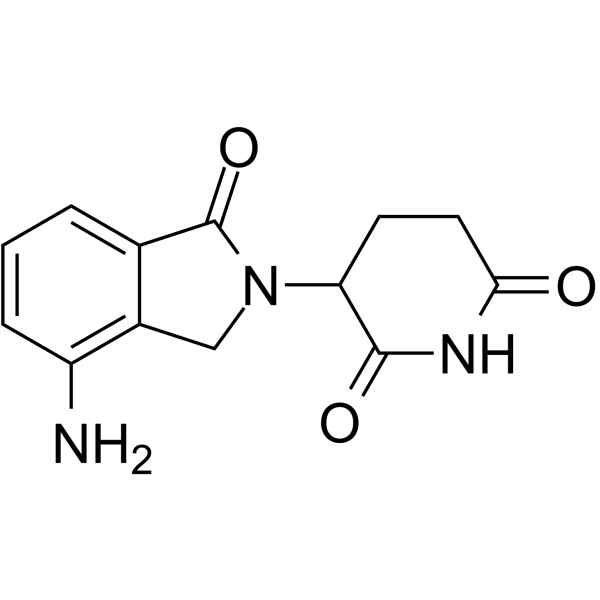
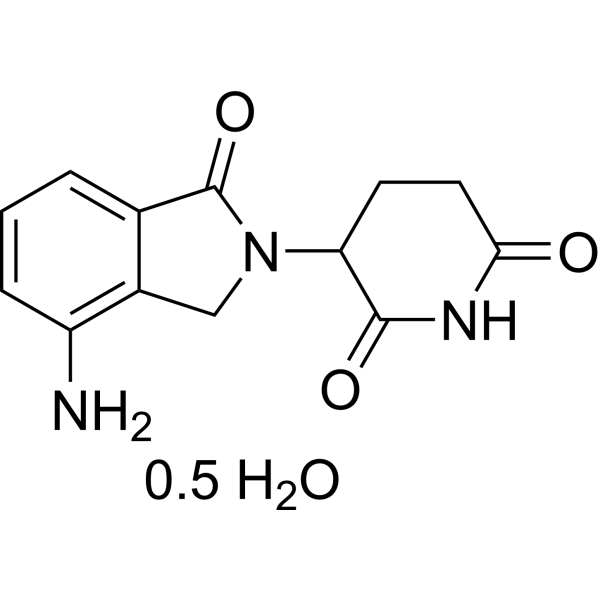
    (S)-CC-4047

    Endogenous Metabolite Cancer
    (S)-Pomalidomide ((S)-CC-4047) is an angiogenesis-inhibiting drug with growth-inhibitory activity against B-cell tumors. (S)-Pomalidomide can induce complete tumor regression in BurKitt lymphoma cells. (S)-Pomalidomide serves as an immunomodulator with potential applications in inhibiting hematological malignancies .
    (S)-Pomalidomide
  • HY-P991671

    JNJ-80948543

    CD3 CD20 Transmembrane Glycoprotein Cancer
    Anafiltamig is a trivalent monoclonal antibody inhibitor targeting CD79B, CD3E and MS4A1. Anafiltamig consists of a humanized IgG1κ anti-CD79B arm and a bispecific scFv-based arm targeting CD3E and MS4A1. Anafiltamig simultaneously bridges T and B cells, activating T cells and specifically killing B cell tumors. Anafiltamig can be used for B cell malignancies such as non-Hodgkin lymphoma research .
    Anafiltamig
  • HY-19916A

    BAL-101553 dihydrochloride

    Microtubule/Tubulin Checkpoint Kinase (Chk) Cancer
    Lisavanbulin (BAL-101553) dihydrochloride is the prodrug of the microtubule targeting agent Avanbulin (BAL 27862) (HY-106008). Lisavanbulin dihydrochloride exhibits antitumor activity, especially in tumors that express high levels of end-binding protein 1. Lisavanbulin dihydrochloride has ability to target tumor cell proliferation and affects the tumor microenvironment by reducing tumor microvasculature. Lisavanbulin dihydrochloride is also a spindle assembly checkpoint activator. Lisavanbulin dihydrochloride induces cell cycle arrest and subsequent death or aberrant chromosome segregation. Lisavanbulin dihydrochloride can be studied in research for diffuse large B cell lymphoma (DLBCL) and glioblastoma .
    Lisavanbulin dihydrochloride
  • HY-148631

    BCL6 Inflammation/Immunology Cancer
    GSK137 is an orally active, potent and selective B-cell lymphoma 6 (BCL6) inhibitor. GSK137 blocks the interaction between BCL6 and corepressors (e.g., SMRT), reducing the number of germinal center B cells. GSK137 is promising for research of autoimmune diseases such as systemic lupus erythematosus (SLE) and B-cell-related tumors such as diffuse large B-cell lymphoma .
    GSK137
  • HY-136268

    Phosphatase Apoptosis Inflammation/Immunology
    AQX-435 is a potent SHIP1 phosphatase activator. AQX-435 reduces PI3K activation downstream of the B-cell receptor (BCR) and induces apoptosis of malignant B cells, and reduces lymphoma growth .
    AQX-435
  • HY-124605

    Syk Btk Apoptosis Cancer
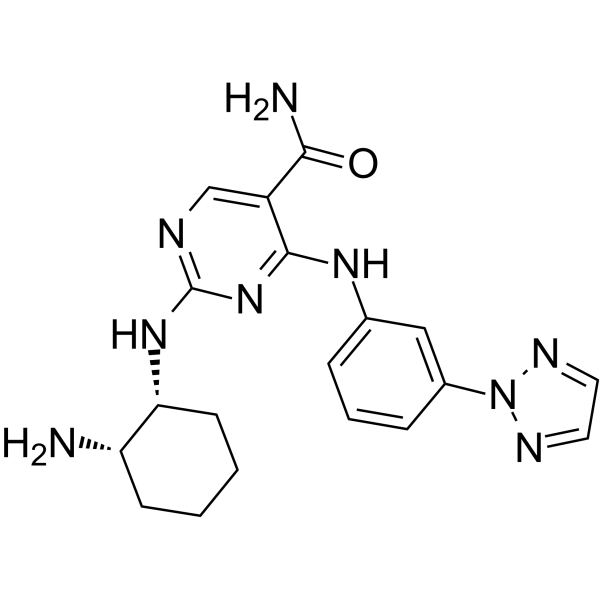
    IQS-019 is a B cell receptor (BCR) kinase inhibitor. IQS-019 can inhibit the de-phosphorylation of constitutive and IgM-activated Syk, Lyn, and Btk. IQS-019 can inhibit cell proliferation, migration and induce apoptosis. IQS-019 exhibits antitumor activity and can be used for the research of cancer, such as B cell lymphoma .
    IQS-019
  • HY-168983

    Bcl-2 Family Cancer
    Lonitoclax is a B-cell lymphoma 2 (Bcl-2) inhibitor. Lonitoclax has comparable anti-tumor efficacy to Venetoclax (HY-15531) in both B cell and myeloid malignancy models. Lonitoclax is promising for research of relapsed or refractory chronic lymphocytic leukemia (CLL), small lymphocytic lymphoma, and certain low-grade lymphomas .
    Lonitoclax

Inquiry Online

Your information is safe with us. * Required Fields.

Salutation


Country or Region *

Applicant Name *


Organization Name *

Department *


Email Address *


Product Name *

Cat. No.


Requested quantity *

Phone Number *


Remarks

Inquiry Online

Inquiry Information

Product Name:
Cat. No.:
Quantity:
MCE Japan Authorized Agent:

