

1. Search Result
Search Result
Results for "

Bee

" in MedChemExpress (MCE) Product Catalog:

44

Inhibitors & Agonists

1

Biochemical Assay Reagents

8

Peptides

15

Natural
Products

1

Isotope-Labeled Compounds

Cat. No. Product Name Target Research Areas Chemical Structure
  • HY-P0256
    Apamin
    5+ Cited Publications

    Apamine

    Potassium Channel Neurological Disease Inflammation/Immunology
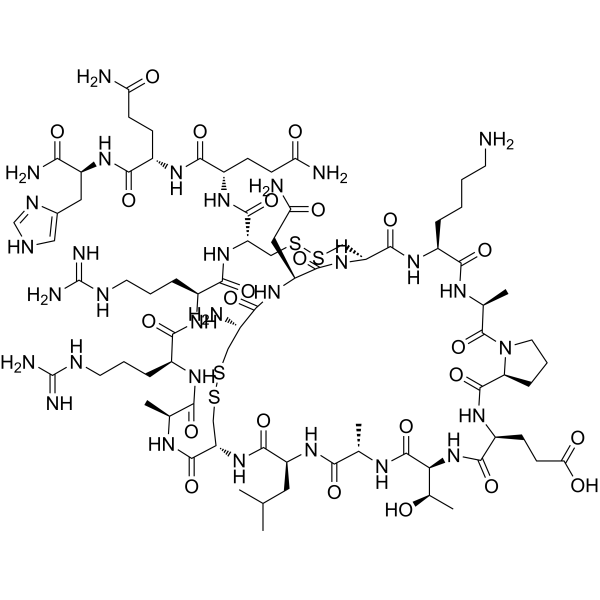
    Apamin (Apamine) is an 18 amino acid peptide neurotoxin found in apitoxin (bee venom), is known as a specifically selective blocker of Ca 2+-activated K + (SK) channels and exhibits anti-inflammatory and anti-fibrotic activity .
    Apamin
  • HY-103474
    Bicuculline methiodide
    4 Publications Verification

    (-)-Bicuculline methiodide

    GABA Receptor Neurological Disease
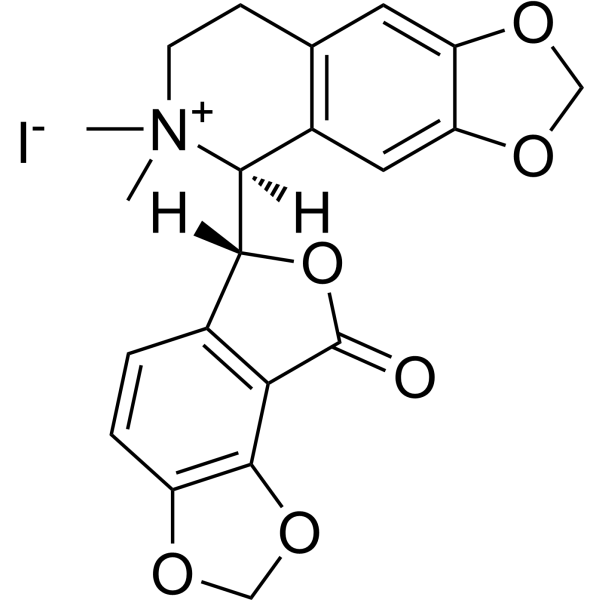
    Bicuculline methiodide ((-)-Bicuculline methiodide) is a potent GABAA blocker. Bicuculline methiodide alters membrane properties and firing pattern. Bicuculline methiodide reduces the Apamin-sensitive afterhyperpolarization, while Apamin is a toxin isolated from bee venom to block small conductance Ca 2+ -activated K + channels. Bicuculline methiodide facilitates burst firing via blocking apamin-sensitive Ca 2+ -activated K + current .
    Bicuculline methiodide
  • HY-W592871

    10-HDA; Queen Bee Acid

    mTOR Apoptosis ERK MDM-2/p53 GSK-3 AMPK Interleukin Related TNF Receptor Caspase NF-κB Bacterial Fungal Cardiovascular Disease Neurological Disease Inflammation/Immunology Cancer
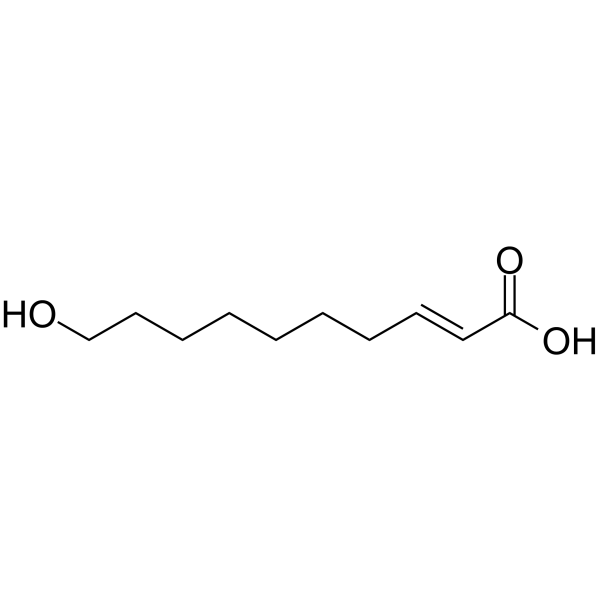
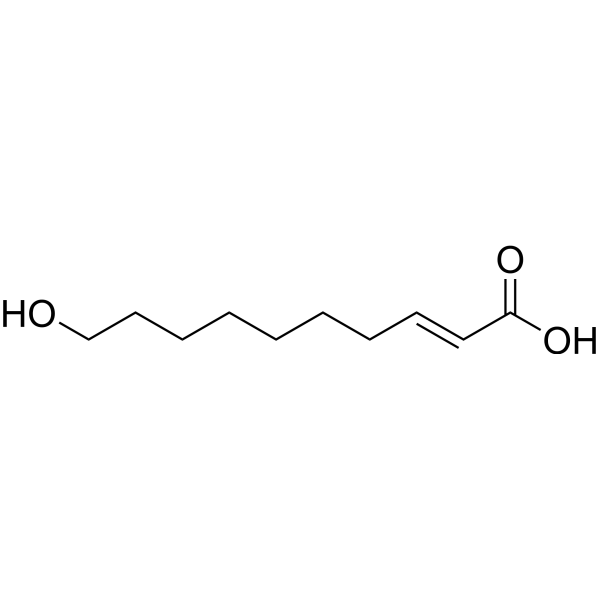
    10-Hydroxy-2-decenoic acid (10-HDA) is an orally active unsaturated medium-chain fatty acid with various physiological activities. 10-Hydroxy-2-decenoic acid induces ROS-mediated apoptosis in A549 cells. 10-Hydroxy-2-decenoic acid inhibits VEGF-induced angiogenesis in human venous endothelial cells. 10-Hydroxy-2-decenoic acid alleviates non-alcoholic fatty liver disease (NAFLD) by activating the AMPK-α signaling pathway. 10-Hydroxy-2-decenoic acid protects against bone loss by inhibiting NF-κB signaling downstream of FFAR4. 10-Hydroxy-2-decenoic acid is an antibiotic against many bacteria and fungi, such as Neurospora sitophila, molds and Staphylococcus aureus. 10-Hydroxy-2-decenoic acid has longevity-promoting effects in C. elegans. 10-Hydroxy-2-decenoic acid prevents osteoarthritis by targeting aspartyl β hydroxylase and inhibiting chondrocyte senescence .
    10-Hydroxy-2-decenoic acid
  • HY-Y0262
    Oxalic acid, 99%
    1 Publications Verification

    Ethanedioic acid

    Environmental Pollutants Endogenous Metabolite Infection Inflammation/Immunology
    Oxalic acid, 99% (Ethanedioic acid) is a dicarboxylic acid found in a wide variety of plants. Oxalic acid, 99% shows antioxidant acyivity and suppresses lipid peroxidation. Oxalic acid, 99% is a pathogenicity factor for sclerotinia sclerotiorum, and suppresses the oxidative burst of the host plant. Oxalic acid, 99% exerts acaricidal activity. Oxalic acid can be used for the researches of sclerotinia disease, varroatosis and inflammatory diseases .
    Oxalic acid, 99%
  • HY-N1363
    Royal Jelly acid
    Maximum Cited Publications
    6 Publications Verification

    (E)-Queen Bee Acid; (E)-10-Hydroxy-2-decenoic acid

    Endogenous Metabolite NO Synthase NF-κB Parasite IFNAR Infection Neurological Disease Inflammation/Immunology Cancer
    Royal Jelly Acid ((E)-Queen Bee Acid) is a major fatty acid found in royal jelly with oral bioavailability, exhibiting anti-inflammatory, anticancer, antimalarial, antiprotozoal, and neuroregulatory activities. Royal Jelly Acid can be used for research in various fields, including cancer, infections, immune inflammation, and neurological diseases .
    Royal Jelly acid
  • HY-B1839

    Environmental Pollutants JNK Fungal p38 MAPK Bcl-2 Family Caspase Autophagy Apoptosis Infection
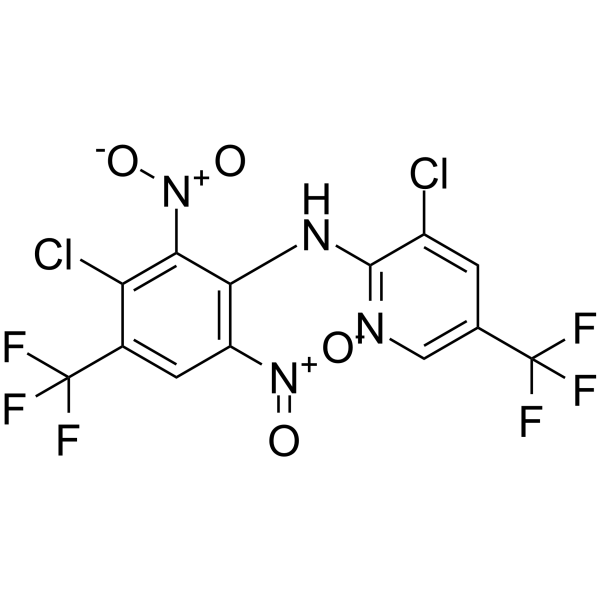
    Fluazinam is an orally active dinitroaniline fungicide. Fluazinam induces phosphorylation of JNK, activates p38 pathway, decreases Bcl-2, activates caspase-3, decreases complex I activity, increases Autophagy and Apoptosis. Fluazinam has strong antifungal activity against F. fujikuroi and B. maydis. Fluazinam has a negative impact on Brachydanio rerio and worker bees .
    Fluazinam
  • HY-133968
    24-Methylenecholesterol
    2 Publications Verification

    Ostreasterol

    Acyltransferase Reactive Oxygen Species (ROS) Inflammation/Immunology
    24-Methylenecholesterol (Ostreasterol) is a regulator targeting acyl-CoA cholesterol acyltransferase (ACAT) with anti-aging and neuroprotective effects. 24-Methylenecholesterol mimics the effects of nerve growth factor (NGF), can extend yeast lifespan through an anti-oxidative stress mechanism, and exhibits neuroprotective activity in PC12 cells. 24-Methylenecholesterol can reduce intracellular reactive oxygen species (ROS) and malondialdehyde (MDA) levels, activate anti-oxidative stress pathways (such as UTH1, SOD-related genes), and promote synaptic growth .
    24-Methylenecholesterol
  • HY-13211

    trans-2-Decenoic acid

    Endogenous Metabolite Cancer
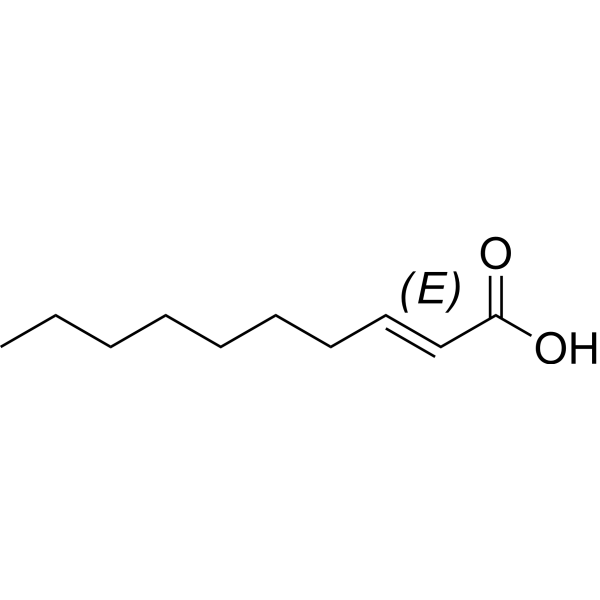
    (E)-2-Decenoic acid is an interesting fatty acid isolated from royal jelly secretions of honey bees.
    (E)-2-Decenoic acid
  • HY-145295
    Flupyradifurone
    2 Publications Verification

    Environmental Pollutants nAChR Infection
    Flupyradifurone is a systemic nAChR agonist that interferes with signal transduction in the central nervous system of sucking pests. Flupyradifurone can be used as a butenolide insecticide .
    Flupyradifurone
  • HY-W587960

    Histidine-betaine

    Drug Metabolite Drug Intermediate Metabolic Disease
    Hercynine (Histidine-betaine) is an intermediate (precursor) and a redox metabolite of Ergothioneine (HY-N1914), which is found in the fine leaf algae, Schizosaccharomyces cerevisiae and honey bees. Hercynine has no effect on scavenging •OH radicals .
    Hercynine
  • HY-12537

    Histamine Receptor 5-HT Receptor Inflammation/Immunology Endocrinology
    Peptide 401, a potent mast cell degranulating factor from bee venom, suppresses the increased vascular permeability due to intradermal injection of various smooth muscle spasmogens (histamine, and 5-HT).
    Peptide 401
  • HY-P3914

    Oct-CA(1-7)M(2-9)

    Bacterial Infection
    Cecropin A (1-7)-Melittin A (2-9) is an antimicrobial peptide with antimicrobial activity against a broad spectrum of Gram-positive and Gram-negative aerobic bacteria, as well as antimalarial activity, without the adverse hemolytic properties of bee venom peptides .
    Cecropin A (1-7)-Melittin A (2-9)
  • HY-100783
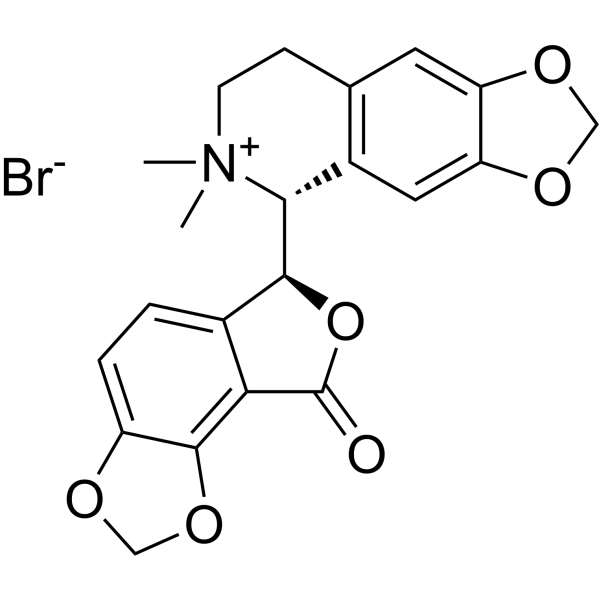
    (-)-Bicuculline methobromide
    4 Publications Verification

    GABA Receptor Neurological Disease
    (-)-Bicuculline methobromide is a potent GABAA blocker. (-)-Bicuculline methobromide alters membrane properties and firing pattern. (-)-Bicuculline methobromide reduces the Apamin-sensitive afterhyperpolarization, while Apamin is a toxin isolated from bee venom to block small conductance Ca 2+ -activated K + channels. (-)-Bicuculline methobromide facilitates burst firing via blocking apamin-sensitive Ca 2+ -activated K + current .
    (-)-Bicuculline methobromide
  • HY-N8491A

    Others Others
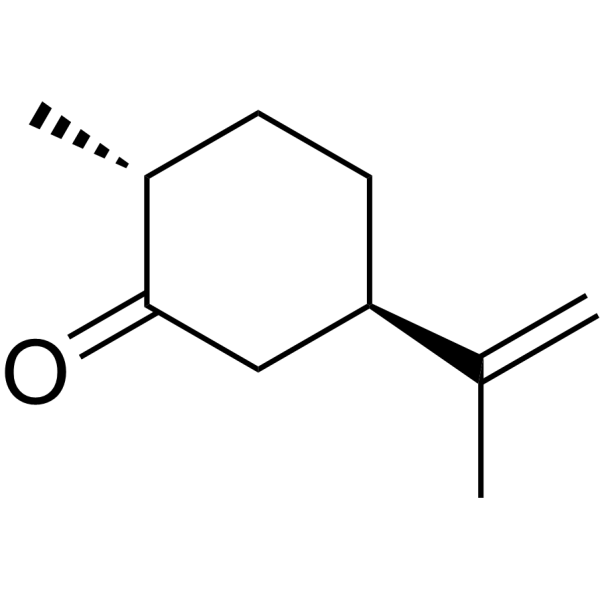
    (+)-Dihydrocarvone elicits strong antennal responses of A. mellifera. (+)-Dihydrocarvone influences bee foraging preference for tomato .
    (+)-Dihydrocarvone
  • HY-B1839R

    Reference Standards Fungal JNK p38 MAPK Bcl-2 Family Caspase Autophagy Apoptosis Infection
    Fluazinam (Standard) is the analytical standard of Fluazinam (HY-B1839). This product is intended for research and analytical applications. Fluazinam is a broad spectrum pyridinamine fungal inhibitor. Fluazinam is an orally active dinitroaniline fungicide. Fluazinam induces phosphorylation of JNK, activates p38 pathway, decreases Bcl-2, activates caspase-3, decreases complex I activity, increases Autophagy and Apoptosis. Fluazinam has strong antifungal activity against F. fujikuroi and B. maydis. Fluazinam has a negative impact on Brachydanio rerio and worker bees .
    Fluazinam (Standard)
  • HY-107835

    FCR 2769

    Environmental Pollutants Apoptosis Bcl-2 Family Parasite Insecticide Infection Cancer
    Flumethrin (FCR 2769) is a pyrethroid insecticide and acaricide . Flumethrin targets voltage-gated sodium channels and estrogen receptor α (ERα). Flumethrin induces cytotoxicity, apoptosis, genotoxicity and DNA damage in breast cancer cells by regulating the expression of BCL2, BAX, TP53 and P21 genes. Flumethrin is applicable to relevant studies on ectoparasite infections (tick and flea burdens) in dogs and cats, as well as breast cancer .
    Flumethrin
  • HY-N0073A

    Insecticide Others
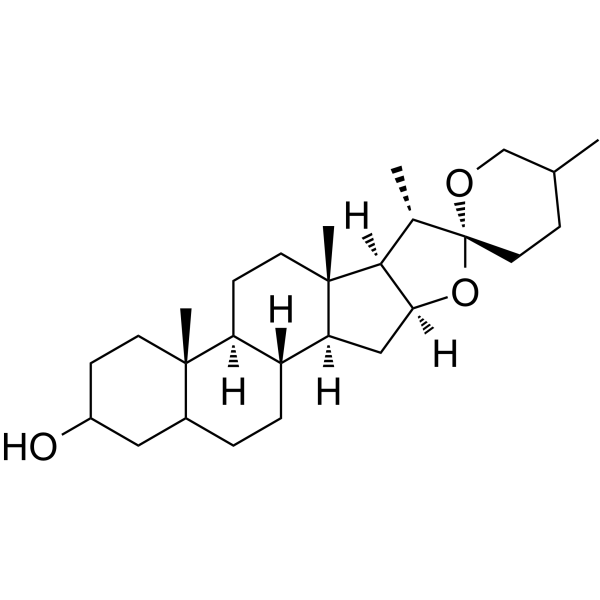
    Spirostan-3-ol is a useful tool to keep bees away from areas recently treated with toxic insecticides .
    Spirostan-3-ol
  • HY-128030

    Others Endocrinology
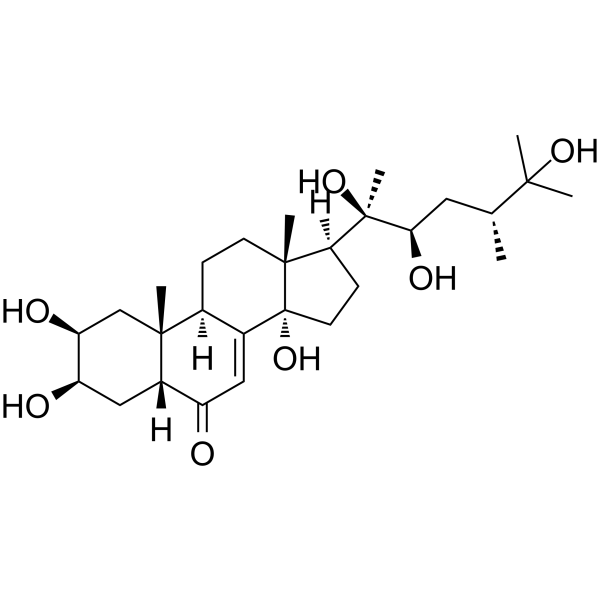
    Makisterone A, a 28-carbon moulting hormone, has been identified as the major free pupal ecdysteroid in the honey bee, Apis mellifera .
    Makisterone A
  • HY-Y0262A
    Oxalic acid diammonium monohydrate
    1 Publications Verification

    Ethanedioic acid diammonium monohydrate

    Environmental Pollutants Endogenous Metabolite Infection Inflammation/Immunology
    Oxalic acid (Ethanedioic acid) diammonium monohydrate is a dicarboxylic acid found in a wide variety of plants.
    Oxalic acid diammonium monohydrate shows antioxidant acyivity and suppresses lipid peroxidation.
    Oxalic acid diammonium monohydrate is a pathogenicity factor for sclerotinia sclerotiorum, and suppresses the oxidative burst of the host plant. Oxalic acid diammonium monohydrate exerts acaricidal activity. Oxalic acid can be used for the researches of sclerotinia disease varroatosis and inflammatory diseases .
    Oxalic acid diammonium monohydrate
  • HY-N2927

    β-Costic acid

    Parasite Infection
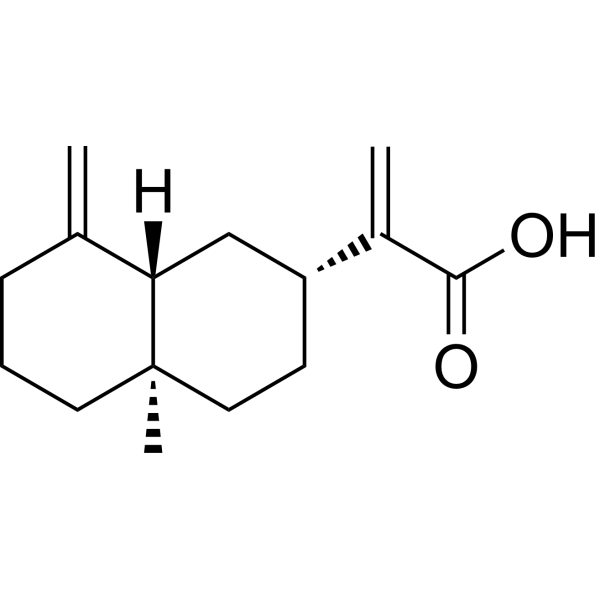
    Costic acid (β-Costic acid) is a natural product, that can be isolated from Dittrichia viscosa. Costic acid exhibits potent in vivo acaricidal activity against the parasite. Costic acid is not toxic for human umbilical vein endothelial cells (HUVEC) at concentrations of up to 230 μM. Costic acid can be used for the research of varroosis in honey bee colonies .
    Costic acid
  • HY-178040

    Acetyl-CoA Carboxylase Pyruvate Carboxylase (PC) Parasite Insecticide Infection
    Insecticidal agent 26 (Compound A11), a spiro insecticidal agent, is a dual-functional inhibitor of pest Acetyl-CoA carboxylase (ACC) and Pyruvate carboxylase (PC). Insecticidal agent 26 has potent insecticidal activity against Sogatella furcifera with a LC50 of 11.0  μg/mL, with significant biosafety to bees. Insecticidal agent 26 can be used for management of white-backed planthoppers (WBPs) .
    Insecticidal agent 26
  • HY-W592871R

    10-HDA (Standard); Queen Bee Acid (Standard)

    Reference Standards mTOR Cardiovascular Disease Neurological Disease Inflammation/Immunology Cancer
    10-Hydroxy-2-decenoic acid (Standard) is an analytical standard for 10-Hydroxy-2-decenoic acid (HY-W592871). This product is intended for research and analytical applications.10-Hydroxy-2-decenoic acid (10-HDA) is an orally active unsaturated medium-chain fatty acid with various physiological activities. 10-Hydroxy-2-decenoic acid induces ROS-mediated apoptosis in A549 cells. 10-Hydroxy-2-decenoic acid inhibits VEGF-induced angiogenesis in human venous endothelial cells. 10-Hydroxy-2-decenoic acid alleviates non-alcoholic fatty liver disease (NAFLD) by activating the AMPK-α signaling pathway. 10-Hydroxy-2-decenoic acid protects against bone loss by inhibiting NF-κB signaling downstream of FFAR4. 10-Hydroxy-2-decenoic acid is an antibiotic against many bacteria and fungi, such as Neurospora sitophila, molds and Staphylococcus aureus. 10-Hydroxy-2-decenoic acid has longevity-promoting effects in C. elegans. 10-Hydroxy-2-decenoic acid prevents osteoarthritis by targeting aspartyl β hydroxylase and inhibiting chondrocyte senescence .
    10-Hydroxy-2-decenoic acid (Standard)
  • HY-W075032

    Insecticide Others
    Acrinathrin is a synthetic pyrethroid active ingredient. After experimental treatment for the prevention and control of bee mites, its residues in honey and beeswax are below a certain value, which is more favorable from the perspective of food hygiene.
    Acrinathrin
  • HY-P0256A
    Apamin TFA
    5+ Cited Publications

    Apamine TFA

    Potassium Channel Neurological Disease Inflammation/Immunology
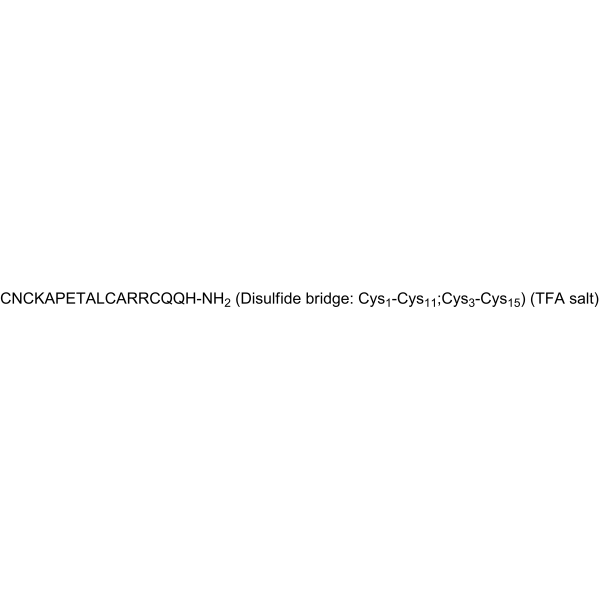
    Apamin TFA (Apamine TFA) is an 18 amino acid peptide neurotoxin found in apitoxin (bee venom), is known as a specifically selective blocker of Ca 2+-activated K + (SK) channels and exhibits anti-inflammatory and anti-fibrotic activity .
    Apamin TFA
  • HY-100783A

    GABA Receptor Neurological Disease
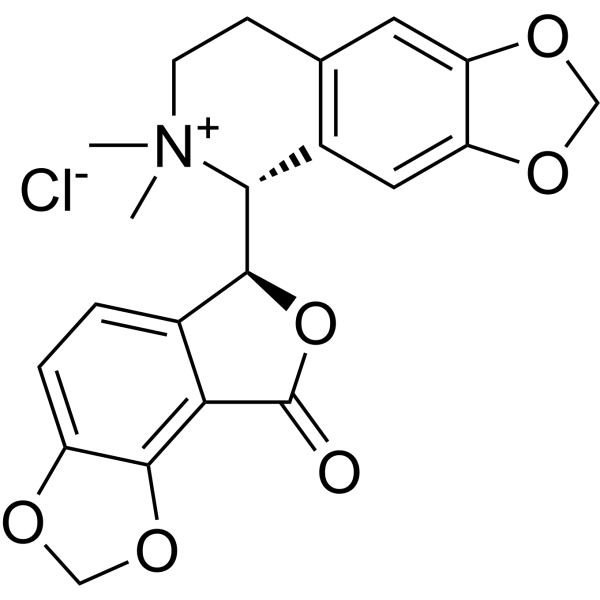
    (+)-Bicuculline methobromide is a potent GABAA blocker. (+)-Bicuculline methobromide alters membrane properties and firing pattern. (+)-Bicuculline methobromide reduces the Apamin-sensitive afterhyperpolarization, while Apamin is a toxin isolated from bee venom to block small conductance Ca 2+ -activated K + channels. (+)-Bicuculline methobromide facilitates burst firing via blocking apamin-sensitive Ca 2+ -activated K + current .
    (+)-Bicuculline methochloride
  • HY-145295R

    Reference Standards nAChR Infection
    Flupyradifurone (Standard) is the analytical standard of Flupyradifurone. This product is intended for research and analytical applications. Flupyradifurone is a systemic nAChR agonist that interferes with signal transduction in the central nervous system of sucking pests. Flupyradifurone can be used as a butenolide insecticide .
    Flupyradifurone (Standard)
  • HY-N1363R

    (E)-Queen Bee Acid (Standard); (E)-10-Hydroxy-2-decenoic acid (Standard)

    Reference Standards Endogenous Metabolite Neurological Disease
    Royal Jelly acid (Standard) is the analytical standard of Royal Jelly acid. This product is intended for research and analytical applications. Royal Jelly acid (Queen Bee Acid) is a fatty acid constituent of royal jelly, promotes the growth and protection of neurons, reduces anxiety-like phenotypes .
    Royal Jelly acid (Standard)
  • HY-P5629

    Bacterial Infection
    MCF is an antimicrobial peptide derived from bee venom. MCF has activity against E.coli W 160-37, S.aureus 8530 and B.subtilis, the MIC values are 35-45 μg/ml, 25-35 μg/ml and 15-25 μg/ml .
    MCF
  • HY-121461

    15-Azasterol

    Fungal Infection
    A25822B is an antifungal agent, with a MIC of 1 μM for Ascosphaera apis. A25822B causes conformational changes in mitochondria and disruption of spore membrane structure. A25822B can be used for the research of bee chalk disease .
    A25822B
  • HY-P10596

    Bacterial Fungal Infection Cancer
    Lasioglossin-III is an antimicrobial peptide that can be isolated from the venom of wild bees. Lasioglossin-III has high antibacterial activity against Gram-positive and Gram-negative bacteria, antifungal activity and antitumor activity. Lasioglossin-III has certain cytotoxicity against three cancer cell lines (HeLa S3, CRC SW 480 and CCRF-CEM T) with IC50 values ​​of 4, 18 and 5 μM, respectively .
    Lasioglossin-III
  • HY-N9512

    Others Others
    Lycopsamine N-oxide, an N-oxide of Lycopsamine which is a pyrrolizidine alkaloid, can be found in honey and bee pollen .
    Lycopsamine N-oxide
  • HY-P1987

    Calcium Channel Neurological Disease
    Mast cell degranulating peptide (28-49) is a depolarizing agent from bee venom, it can raise the content of cGMP level in mouse cerebellar slices .
    Mast cell degranulating peptide (28-49)
  • HY-N9512S

    Isotope-Labeled Compounds Others
    Lycopsamine N-oxide-d3 is the deuterium labeled Lycopsamine N-oxide. Lycopsamine N-oxide, an N-oxide of Lycopsamine which is a pyrrolizidine alkaloid, can be found in honey and bee pollen .
    Lycopsamine N-oxide-d3
  • HY-125744

    Biochemical Assay Reagents Others
    Palmitoyl thio-PC is a chromogenic substrate specific for PLA2 with a palmitoyl thioester at the sn-2 position. Palmitoyl thio-PC could be used to measure bee-venom sPLA2 activity in a phospholipid system .
    Palmitoyl thio-PC
  • HY-13211R

    trans-2-Decenoic acid (Standard)

    Endogenous Metabolite Reference Standards Cancer
    (E)-2-Decenoic acid (Standard) is the analytical standard of (E)-2-Decenoic acid. This product is intended for research and analytical applications. (E)-2-Decenoic acid is an interesting fatty acid isolated from royal jelly secretions of honey bees.
    (E)-2-Decenoic acid (Standard)
  • HY-165327

    Phospholipase Inflammation/Immunology
    AGN-190383 is a bee venom phospholipase A2 inhibitor. AGN 190383 inhibits both hormone-operated and depolarization-dependent calcium mobilization as well as fMLP stimulated increases in free cytosolic calcium. AGN-190383 has anti-inflammatory activity .
    AGN-190383
  • HY-P10547

    MAC-1 peptide

    Bacterial Infection
    Macropin (MAC-1 peptide) is an antimicrobial peptide found in the venom of the solitary bee Macropis fulvipes. Macropin has antibacterial activity against both Gram-positive and Gram-negative bacteria, and also exhibits inhibitory activity against fungi and moderate hemolytic activity against human erythrocytes. Macropin can be used in research on anti-infective therapy .
    Macropin
  • HY-133968R

    Ostreasterol (Standard)

    Reference Standards Acyltransferase Reactive Oxygen Species (ROS) Inflammation/Immunology
    24-Methylenecholesterol (Ostreasterol) (Standard) is the analytical standard of 24-Methylenecholesterol (HY-133968). This product is intended for research and analytical applications. 24-Methylenecholesterol (Ostreasterol) is a regulator targeting acyl-CoA cholesterol acyltransferase (ACAT) with anti-aging and neuroprotective effects. 24-Methylenecholesterol mimics the effects of nerve growth factor (NGF), can extend yeast lifespan through an anti-oxidative stress mechanism, and exhibits neuroprotective activity in PC12 cells. 24-Methylenecholesterol can reduce intracellular reactive oxygen species (ROS) and malondialdehyde (MDA) levels, activate anti-oxidative stress pathways (such as UTH1, SOD-related genes), and promote synaptic growth .
    24-Methylenecholesterol (Standard)
  • HY-P3029D

    Biochemical Assay Reagents Metabolic Disease
    Phospholipase A2, Honey bee venom (Apis mellifera) (EC 3.1.1.4) hydrolyzes the β-ester bond of zwitterionic glycerophospholipids. Preferred substrates are phosphatidylcholine, phosphatidylethanolamine, and their plasmalogen analogues.
    Phospholipase A2, Honey bee venom (Apis mellifera)
  • HY-182680

    Phospholipase Inflammation/Immunology
    Manoalogue is an irreversible secretory phospholipase A2 (sPLA2) inhibitor. Manoalogue covalently modifies K94 of bee venom phospholipase A2 (bvPLA2) to inactivate the enzyme and shows selective inhibition on bvPLA2. Manoalogue can suppress PLA2-mediated contractions of guinea pig lung pleural strips. Manoalogue is used for sPLA2 mechanism and respiratory physiology research .
    Manoalogue
  • HY-W707148

    Endogenous Metabolite Infection
    4-Methyltridecane is a volatile substance specifically released by cabbage root flies (Delia radicum) after feeding. 4-Methyltridecane might be a key signal for the parasitoid bee Trybliographa rapae (Delia radicum’s specific parasitic predator) to locate the host. 4-Methyltridecane can serve as a specific marker for root damage in turnips (Brassica rapa subsp. Rapa) .
    4-Methyltridecane
  • HY-N16683

    Others Inflammation/Immunology
    Galangin 5-methyl ether is a potentially active compound that can be naturally extracted from propolis. Propolis is a resinous substance collected by bees from the leaf buds and bark cracks of various trees, enriched with saliva and enzyme secretions. The propolis extract containing Galangin 5-methyl ether has pharmacological activities such as antibacterial, antiviral, and anti-inflammatory effects, and can be used in research related to cold syndromes, skin diseases, and oral inflammation .
    Galangin 5-methyl ether
  • HY-103474R

    (-)-Bicuculline methiodide (Standard)

    Reference Standards GABA Receptor Neurological Disease
    Bicuculline methiodide (Standard) is the analytical standard of Bicuculline methiodide (HY-103474). This product is intended for research and analytical applications. Bicuculline methiodide ((-)-Bicuculline methiodide) is a potent GABAA blocker. Bicuculline methiodide alters membrane properties and firing pattern. Bicuculline methiodide reduces the Apamin-sensitive afterhyperpolarization, while Apamin is a toxin isolated from bee venom to block small conductance Ca2+ -activated K+ channels. Bicuculline methiodide facilitates burst firing via blocking apamin-sensitive Ca2+ -activated K+ current .
    Bicuculline methiodide (Standard)
  • HY-182434

    Phosphatase FAP Inflammation/Immunology
    CL 118326 is a potent, selective, competitive inhibitor of mammalian pancreatic phospholipase A2 (PLA2) and a weak antagonist of platelet-activating factor receptor (PAF receptor). CL 118326 competitively inhibits mammalian pancreatic PLA2 (porcine: IC50 = 1.55 μg/mL), and shows no activity against snake venom or bee venom PLA2. CL 118326 inhibits PAF-induced and thrombin-induced platelet aggregation, as well as the release of leukotriene (LTC4) and histamine from basophil-enriched leukocytes. CL 118326 can be used for research on inflammation and allergic reactions .
    CL 118326

Inquiry Online

Your information is safe with us. * Required Fields.

Salutation


Country or Region *

Applicant Name *


Organization Name *

Department *


Email Address *


Product Name *

Cat. No.


Requested quantity *

Phone Number *


Remarks

Inquiry Online

Inquiry Information

Product Name:
Cat. No.:
Quantity:
MCE Japan Authorized Agent:

