Search Result
Results for "
Bodipy probe
" in MedChemExpress (MCE) Product Catalog:
| Cat. No. |
Product Name |
Target |
Research Areas |
Chemical Structure |
-
- HY-110210
-
|
Bodipy FL,SE
|
Fluorescent Dye
|
Others
|
|
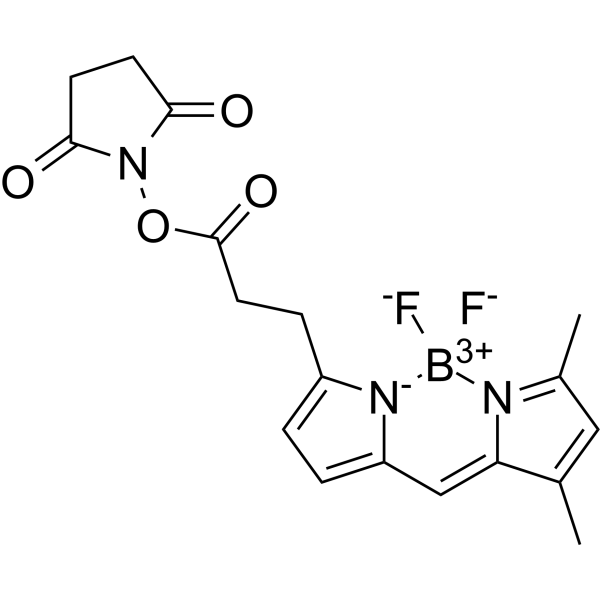
BODIPY FL NHS ester (BODIPY FL, SE) is a cell membranes-penatrable amine-reactive fluorescent probe. The maximum excitation/emission wavelength of the BODIPY-FL NHS ester are 502/511 nm, respectively. BODIPY-FL NHS ester has high stability and is insensitive to the polarity, pH and type of solvent, and can maintain stable fluorescence properties under different environmental conditions. BODIPY-FL NHS ester can be used for the synthesis of protease substrates, live cell imaging, protein labeling and immunoassay .
|
-
-
- HY-43520
-
|
|
Fluorescent Dye
|
Others
|
|
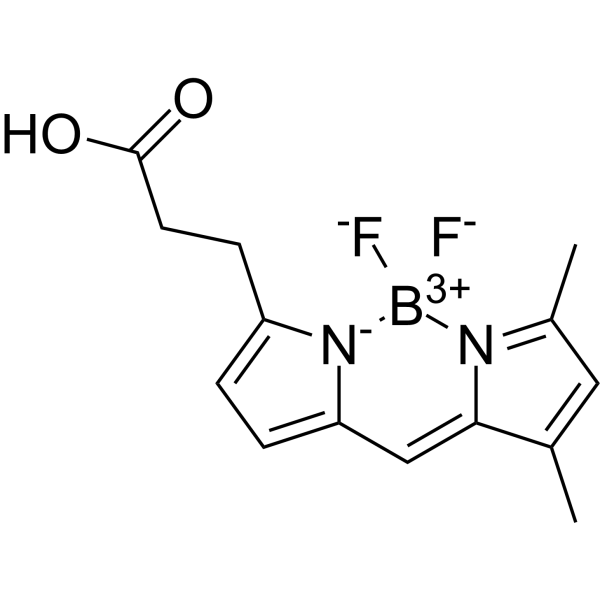
BODIPY-FL is a green fluorescent dye that can be used to label probes or primers. BODIPY-FL fluorescence can be quenched after interacting with uniquely positioned guanine, making it useful for quantifying specific DNA or RNA molecules. The maximum absorption wavelength of BODIPY-FL is 505 nm, and the maximum emission wavelength is 513 nm .
|
-
-
- HY-D1297
-
|
|
Fluorescent Dye
|
Others
|
|
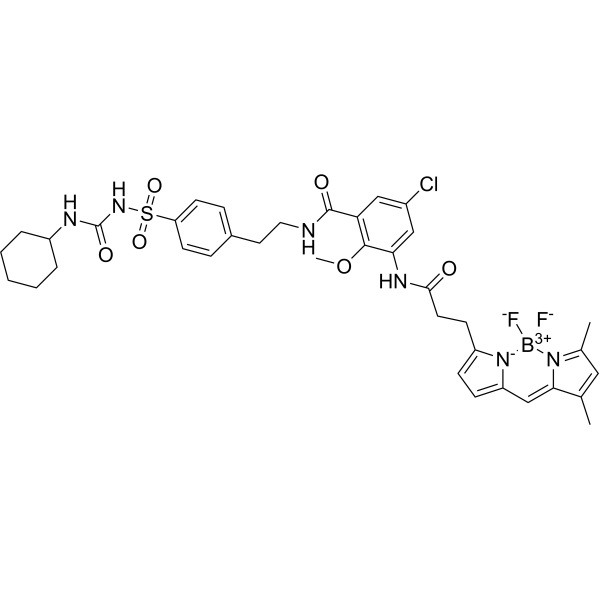
ER-Tracker dye is a derivative of BODIPY series dyes coupled with Glibenclamide (HY-15206), highly selective binding to the endoplasmic reticulum, non-toxic to cells at low concentrations, this type of dye is an environmentally sensitive probe, and formaldehyde treatment can still retain part of the fluorescence, with high fluorescence life, good extinction coefficient and other characteristics. Glibenclamide is an atp-dependent K + channel blocker (Kir6, KATP) and CFTR Cl-channel blocker that binds in the endoplasmic reticulum. ER-Tracker is not suitable for staining cells after fixation .
|
-
-
- HY-125623
-
|
|
Fluorescent Dye
|
Others
|
|
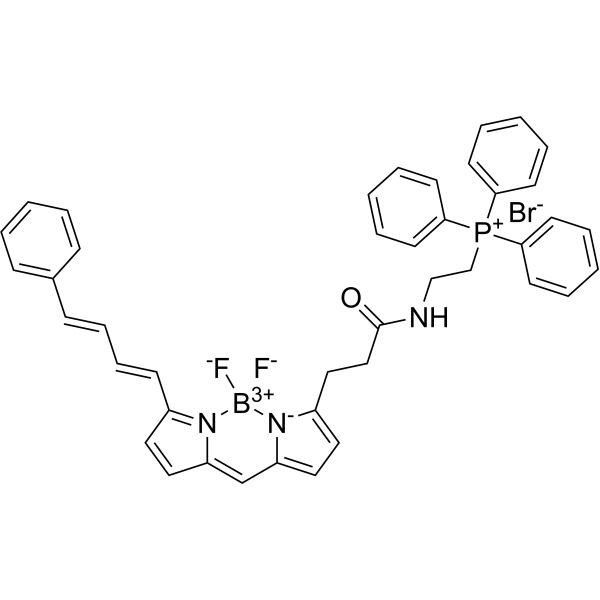
MitoPerOx is a mitochondrial-targeted, lipid peroxidation-indicating fluorescent probe with BODIPY581/591 fluorophores. The triphenylphosphine cation (TPP+) of MitoPerOx can be selectively enriched in mitochondria (depending on membrane potential) and can be used to detect lipid peroxidation in the inner mitochondrial membrane. Under the action of lipid peroxides, the BODIPY581/591 fluorophores of MitoPerOx shift their emission wavelength from 590 nm (reduced state) to 520 nm (oxidized state), and ratiometric detection can be performed at an excitation wavelength of 488 nm. MitoPerOx can specifically monitor the peroxidation of mitochondrial phospholipids (especially cardiolipin) and is used in the study of oxidative stress-related diseases (such as aging, neurodegenerative diseases, and mitochondrial dysfunction)[1][2].
|
-
-
- HY-D1431
-
|
|
Fluorescent Dye
|
Cancer
|
|
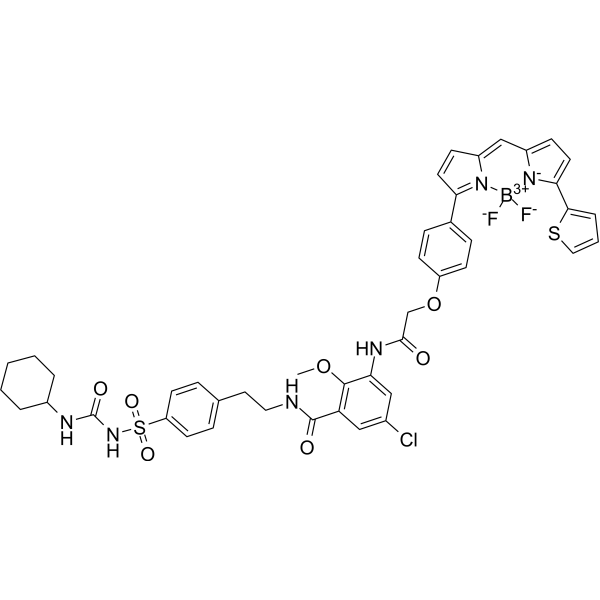
ER-Tracker dye is a derivative of BODIPY series dyes coupled with Glibenclamide (HY-15206), highly selective binding to the endoplasmic reticulum, non-toxic to cells at low concentrations, this type of dye is an environmentally sensitive probe, and formaldehyde treatment can still retain part of the fluorescence, with high fluorescence life, good extinction coefficient and other characteristics. Glibenclamide is an atp-dependent K + channel blocker (Kir6, KATP) and CFTR Cl-channel blocker that binds in the endoplasmic reticulum. ER-Tracker is not suitable for staining cells after fixation. Ex/Em=587/615 nm .
|
-
-
- HY-D1612
-
|
|
Fluorescent Dye
|
Others
|
|
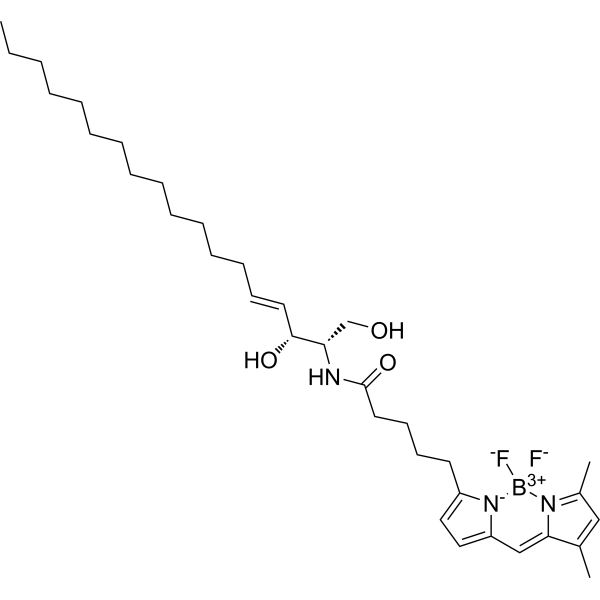
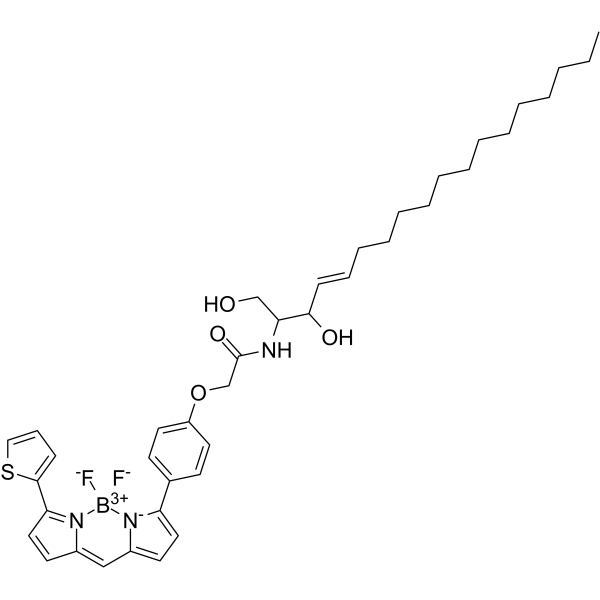
The Golgi apparatus is composed of flattened vesicles superimposed on each other by unit membranes. The flattened vesicles are round with expanded and perforated edges. The Golgi fluorescent probe is a BODIPY-labeled ceramide derivative, the synthesis of which occurs in the endoplasmic reticulum and can then be transported to the Golgi via ceramide transport protein (CERT) or vesicular translocation, allowing specific labeling of the dye . BODIPY Fl C5-Ceramide is a Golgi-specific green fluorescent dye, which can visualise individual cells . Ex/Em= 505 nm/512 nm.
|
-
-
- HY-N0729F
-
|
|
Fluorescent Dye
|
Metabolic Disease
|
|
BODIPY-Linoleic acid is a conjugate of the BODIPY fluorophore and Linoleic acid (HY-N0729) (C18:2) and is a lipid metabolism probe.
|
-
-
- HY-D1429
-
|
|
Fluorescent Dye
|
Others
|
|
ER-Tracker dye is a derivative of BODIPY series dyes coupled with Glibenclamide (HY-15206), highly selective binding to the endoplasmic reticulum, non-toxic to cells at low concentrations, this type of dye is an environmentally sensitive probe, and formaldehyde treatment can still retain part of the fluorescence, with high fluorescence life, good extinction coefficient and other characteristics. Glibenclamide is an atp-dependent K + channel blocker (Kir6, KATP) and CFTR Cl-channel blocker that binds in the endoplasmic reticulum. ER-Tracker is not suitable for staining fixed cells. Staining followed by fixation is possible, but cells fixed with aldehydes will only retain partial fluorescence (Ex/Em = 374/ 430-640 nm) .
|
-
-
- HY-115691
-
|
Styrene-Bodipy; Styrene-Conjugated Bodipy
|
Fluorescent Dye
|
Others
|
|
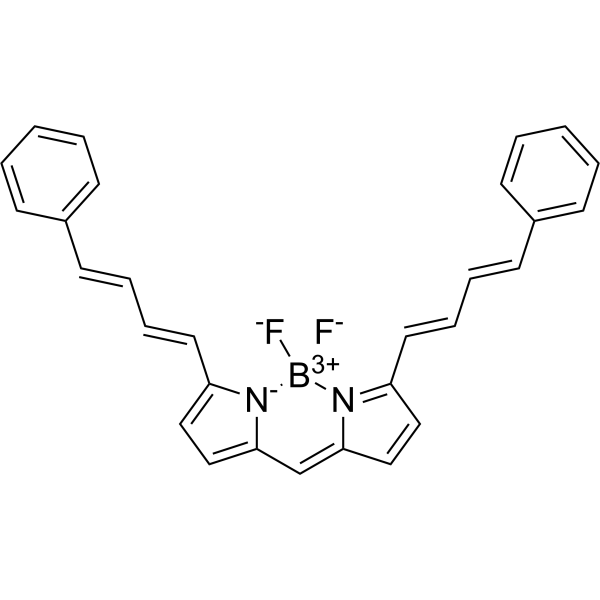
STY-BODIPY (Styrene-BODIPY; Styrene-Conjugated BODIPY) is a styrene-conjugated fluorescent probe used to measure the activity of radical-trapping antioxidants (RTAs)> .
|
-
-
- HY-152231
-
|
|
Fluorescent Dye
Ligands for E3 Ligase
|
Others
|
|
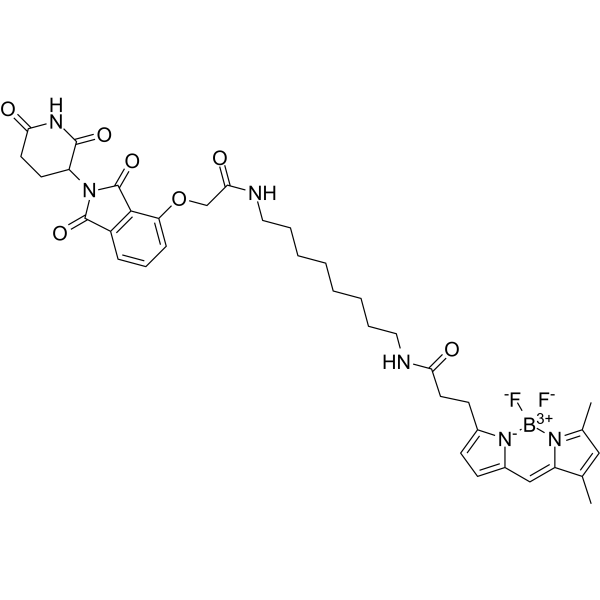
BODIPY FL thalidomide is a high-affinity and selective human cereblon (CRBN)-targeting fluorescent probe with a Kd of 3.6 nM. BODIPY FL thalidomide enables use as a probe in time-resolved fluorescence resonance energy transfer (TR-FRET) binding assays for cereblon ligands. BODIPY FL thalidomide supports development of highly sensitive, selective, stable cereblon TR-FRET binding assays (Ex/Em = 502/510 nm) .
|
-
-
- HY-D1602
-
|
|
Fluorescent Dye
|
Others
|
|
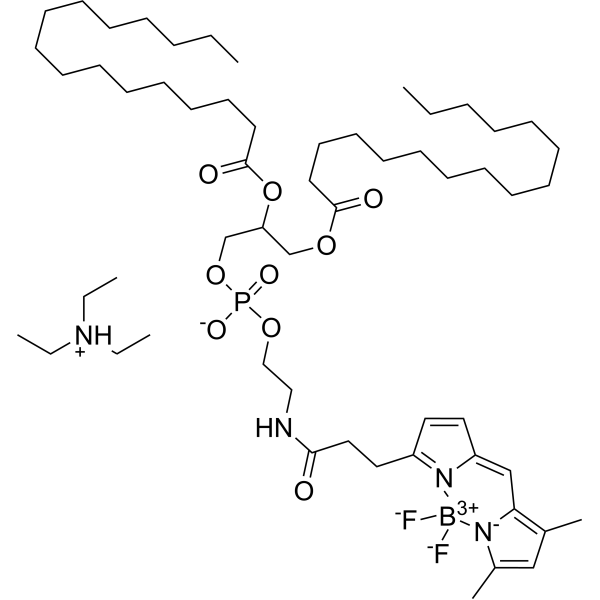
BODIPY FL DHPE is a green-fluorescent phospholipid probe. BODIPY FL DHPE labels lipid 1,2-dihexadecanoyl-sn-glycero-phosphoethanolamine (DHPE), labeled liposomes can be internalized by membrane fusion. BODIPY FL DHPE can be used for investigations of membrane surface and membrane fusion. (λex=505 nm, λem=511 nm) .
|
-
-
- HY-D1459
-
|
|
Fluorescent Dye
|
Metabolic Disease
|
|
BODIPY 665/676 is a lipophilic radical-sensitive fluorescent probe that can be used to study radical-driven lipid autoxidation (Ex/Em=665/676 nm) .
|
-
-
- HY-DY1073
-
|
|
Fluorescent Dye
|
Others
|
MitoPerOx (solution) is a mitochondrial-targeted, lipid peroxidation-indicating fluorescent probe with BODIPY581/591 fluorophores. The triphenylphosphine cation (TPP+) of MitoPerOx can be selectively enriched in mitochondria (depending on membrane potential) and can be used to detect lipid peroxidation in the inner mitochondrial membrane. Under the action of lipid peroxides, the BODIPY581/591 fluorophores of MitoPerOx shift their emission wavelength from 590 nm (reduced state) to 520 nm (oxidized state) , and ratiometric detection can be performed at an excitation wavelength of 488 nm. MitoPerOx can specifically monitor the peroxidation of mitochondrial phospholipids (especially cardiolipin) and is used in the study of oxidative stress-related diseases (such as aging, neurodegenerative diseases, and mitochondrial dysfunction) . Solvent and concentration: DMSO: 2 mM
|
-
-
- HY-W248115
-
|
|
Fluorescent Dye
|
Others
|
|
Pyrromethene 597 is a BODIPY laser dye. Pyrromethene 597 displays wide tuning range of lasing wavelengths and high photostability. Pyrromethene 597 can be used as a thermal probe .
|
-
-
- HY-114354
-
|
BOD FL alkyne
|
Fluorescent Dye
|
Inflammation/Immunology
|
|
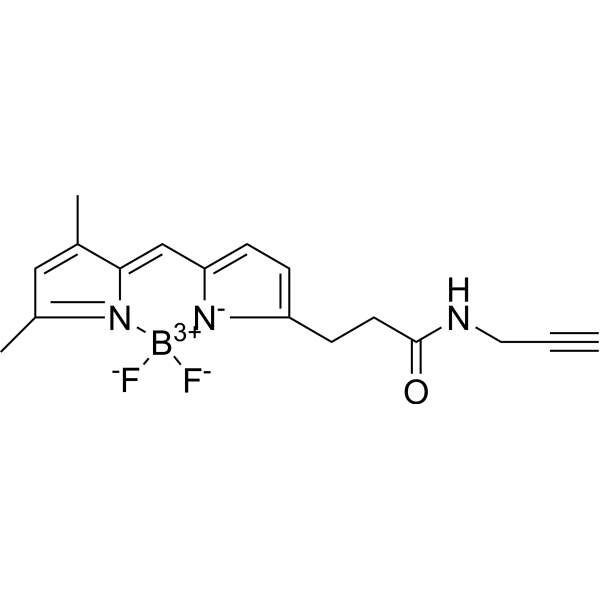
BODIPY (BOD) FL alkyne is an alkyne-containing BODIPY fluorophore derivative. BODIPY FL alkyne is a bioorthogonal labeling reagent with low toxicity and extremely low non-specific reactivity, and it is widely used in fluorescent bioimaging. BODIPY FL alkyne specifically labels azide groups on intracellular glycoconjugates mainly via strain-promoted azide-alkyne cycloaddition (SPAAC), or mediates site-specific conjugation with proteins such as IL-33, and supports positive cross-linking with other probes (e.g., DBCO-SCy5) for dual labeling. With the advantages of high specificity and low background interference, BODIPY FL alkyne can be used in the research of related diseases such as asthma, atopic dermatitis and inflammatory bowel disease .
|
-
-
- HY-D1735
-
|
Golgi-Red Tracke
|
Fluorescent Dye
|
Others
|
|
The Golgi apparatus is composed of flattened vesicles superimposed on each other by unit membranes. The flattened vesicles are round with expanded and perforated edges. The Golgi fluorescent probe is a BODIPY-labeled ceramide derivative, the synthesis of which occurs in the endoplasmic reticulum and can then be transported to the Golgi via ceramide transport protein (CERT) or vesicular translocation, allowing specific labeling of the dye. BODIPY TR Ceramide (Golgi-Red Tracke) is a Golgi-specific fluorescent dye, which can visualise individual cells . Ex/Em=589 nm/616 nm.
|
-
-
- HY-D1590
-
|
|
Fluorescent Dye
|
Others
|
|
ODIPY Green 8-P2M is a novel thiol-reactive fluorescence probe based on the BODIPY fluorophore, the fluorescence is strongly quenched by d-PeT and then can be restored after reaction with thiol, resulting in an extremely high signal-to-noise ratio. ODIPY Green 8-P2M can be useful for detecting extremely low concentrations of protein in the gel after SDS-PAGE .
|
-
-
- HY-100335
-
|
|
Fluorescent Dye
Btk
|
Cancer
|
|
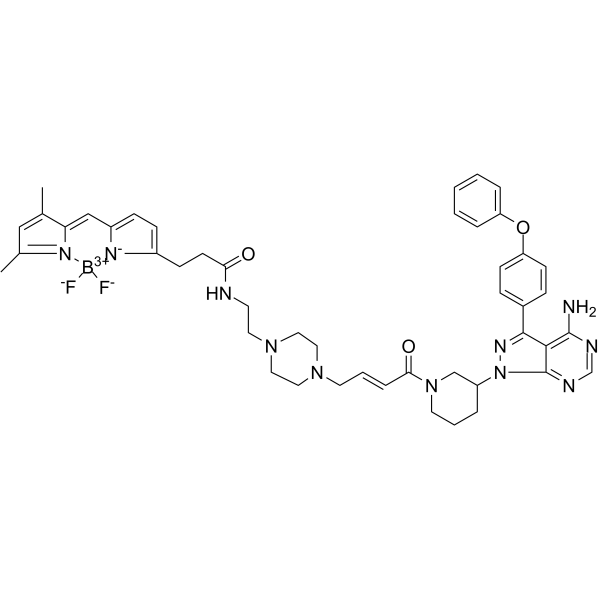
PCI-33380 is a fluorescent probe ( (Ex=532 nm, Em=555 nm). PCI-33380 consists of a (BTK) inhibitor PCI-32765 (HY-10997) attaching with a Bodipy-FL fluorophore via a piperazine linker. PCI-33380 binds predominantly to Btk in B cell lysates with cell permeable activity. PCI-33380 can be used for imaging live cancer cells such as non-Hodgkin lymphoma research
|
-
-
- HY-DY1074
-
|
|
Fluorescent Dye
|
Others
|
ER-Tracker dye is a derivative of BODIPY series dyes coupled with Glibenclamide (HY-15206) , highly selective binding to the endoplasmic reticulum, non-toxic to cells at low concentrations, this type of dye is an environmentally sensitive probe, and formaldehyde treatment can still retain part of the fluorescence, with high fluorescence life, good extinction coefficient and other characteristics. Glibenclamide is an atp-dependent K + channel blocker (Kir6, KATP) and CFTR Cl-channel blocker that binds in the endoplasmic reticulum. ER-Tracker is not suitable for staining fixed cells. Staining followed by fixation is possible, but cells fixed with aldehydes will only retain partial fluorescence . Solvent and concentration: DMSO: 1 mM
|
-
-
- HY-D1262
-
|
Thiol-green 2
|
Fluorescent Dye
|
Others
|
|
BODIPY-TS (Thiol-green 2) is a fast response and thiol-specific turn-on probe. BODIPY-TS utilizes the thiosulfonate scaffold as a thiol recognition unit. BODIPY-TS has low toxicity, and features high selectivity, low detection limit, and quantitative reaction to thiols . Ex: 490 nM; Em: 515 nM.
|
-
-
- HY-W089353
-
|
|
MOFs
Fluorescent Dye
|
Others
|
|
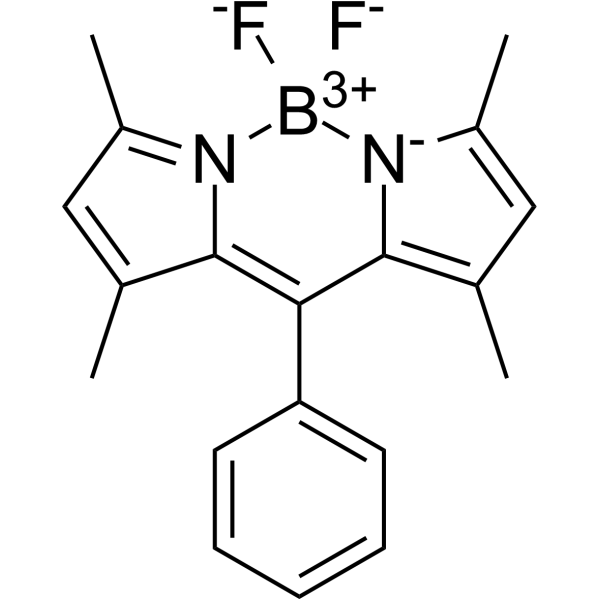
8-Phenyl-BODIPY 505/515 is a molecular rotor based on the BODIPY scaffold, specifically used as a microviscosity probe. The working principle of 8-Phenyl-BODIPY 505/515 is based on the restriction of molecular motion by viscosity: in a high-viscosity environment, the rotational freedom of its chemical bonds is inhibited, which leads to a significant extension of fluorescence lifetime. This property makes 8-Phenyl-BODIPY 505/515 an effective tool for monitoring changes in the viscosity of intracellular microenvironments via fluorescence lifetime imaging (FLIM) technology .
|
-
-
- HY-D2415
-
|
|
Fluorescent Dye
|
Others
|
|
BODIPY-FL staurosporine (Compound 8a) is a fluorescence probe based on staurosporine, exhibiting high specificity towards tyrosine kinases (TK) and tyrosine kinase-like (TKL) family kinases. BODIPY-FL staurosporine has the potential to develop binding assays for kinases that are not recommended for use with Kinase Tracer 236, such as PIM3, CDC42BPG, MAP2K7, TXK, and SIK3. BODIPY-FL staurosporine can be a powerful tool for analyzing kinase selectivity in kinase drug discovery .
|
-
-
- HY-147889
-
|
|
Apoptosis
Caspase
Bcl-2 Family
|
Others
|
|
BBR-BODIPY is a fluorescent probe that allows screening its interaction with the targeted cells. BBR-BODIPY induces apoptosis and changes the expression of apoptosis-related proteins .
|
-
-
- HY-D2413
-
|
Bodipy FL PEG4-VH032
|
Fluorescent Dye
|
Others
|
|
BODIPY FL VH032 is a high-affinity VHL fluorescent probe with a Kd value of 3.01 nM. BODIPY FL VH032 consists of von Hippel-Lindau (VHL) ligand VH032 (HY-120217) and BODIPY FL (HY-43520). BODIPY FL VH032 can be used for time-resolved fluorescence resonance energy transfer (TR-FRET) detection for high-throughput identification and characterization of VHL ligands with maximum excitation emission wavelength: 504/520 nm .
|
-
-
- HY-N15875
-
|
|
Fluorescent Dye
|
Metabolic Disease
|
|
18:1-18:1-C11 BODIPY 505/515 TG is a fluorescently-labeled triglyceride that can be used as a fluorescent probe (Ex/Em = 495/503 nm).
|
-
-
- HY-DY1043
-
|
|
Fluorescent Dye
|
Others
|
ER-Tracker dye is a derivative of BODIPY series dyes coupled with Glibenclamide (HY-15206) , highly selective binding to the endoplasmic reticulum, non-toxic to cells at low concentrations, this type of dye is an environmentally sensitive probe, and formaldehyde treatment can still retain part of the fluorescence, with high fluorescence life, good extinction coefficient and other characteristics. Glibenclamide is an atp-dependent K + channel blocker (Kir6, KATP) and CFTR Cl-channel blocker that binds in the endoplasmic reticulum. ER-Tracker is not suitable for staining cells after fixation . Solvent and concentration: DMSO: 1 mM
|
-
-
- HY-D1726
-
|
|
Deubiquitinase
|
Cancer
|
|
8RK59, a Bodipy probe, is a potent UCHL1 (ubiquitin C-terminal hydrolase L1) inhibitor, with an IC50 close to 1 μM. 8RK59 could penetrate and label living cells. BodipyFL-alkyne is coupled to the azide of 8RK64 (HY-148254) using copper(I)-mediated click chemistry, resulting in compound 8RK59 .
|
-
-
- HY-DY1026
-
|
|
Fluorescent Dye
|
Cancer
|
ER-Tracker dye is a derivative of BODIPY series dyes coupled with Glibenclamide (HY-15206) , highly selective binding to the endoplasmic reticulum, non-toxic to cells at low concentrations, this type of dye is an environmentally sensitive probe, and formaldehyde treatment can still retain part of the fluorescence, with high fluorescence life, good extinction coefficient and other characteristics. Glibenclamide is an atp-dependent K + channel blocker (Kir6, KATP) and CFTR Cl-channel blocker that binds in the endoplasmic reticulum. ER-Tracker is not suitable for staining cells after fixation. Ex/Em=587/615 nm . Solvent and concentration: DMSO: 1 mM
|
-
-
- HY-D1595
-
|
|
Fluorescent Dye
|
Others
|
|
BODIPY FL Cholesterol is a green fluorescent, lipophilic probe. BODIPY FL Cholesterol can be used for the research of lipid transport processes and lipid-protein interactions .
|
-
-
- HY-D1671
-
|
|
Fluorescent Dye
|
Others
|
|
TRITC-DHPE is a rhodamine-labeled glycerophosphate ethanolamine lipid, with head groups marked with bright red fluorescent TRITC dye (λEx/λEm=514/580 nm). TRITC-DHPE can be used for membrane fusion assay to trace lipid processing in intracellular phagocytosis. TRITC-DHPE can serves as an energy transfer receptor for NBD, BODIPY and fluorescein lipid probes .
|
-
-
- HY-D2262
-
|
|
Fluorescent Dye
|
Metabolic Disease
|
|
BODIPY-cholesterol conjugate-2 (compound 6) is a BODIPY-cholesterol conjugate. BODIPY-cholesterol conjugate-2 is a useful probe for simultaneous visualization of intracellular cholesterol pools and for monitoring cholesterol efflux from cells to extracellular acceptors. (λex=589 nm, λem=638 nm) .
|
-
-
- HY-D1591
-
|
|
Fluorescent Dye
|
Others
|
|
BODIPY R6G methyl ester (compound 5′-1) is a BODIPY-like fluorescent dye with good light stability and insensitive to pH value. BODIPY R6G methyl ester shows good photostability, high sensitivity and insensitive to pH value. BODIPY R6G methyl ester can be used in research areas such as photodynamic research, PH probes, ion recognition, photocatalysis, protein labeling, cell imaging, and proteomic analysis .
|
-
-
- HY-D1609
-
|
|
Fluorescent Dye
|
Others
|
|
BODIPY FL Verapamil hydrochloride is a fluorescent dye, it can be used as a molecular probe to label tissues and cells. BODIPY FL Verapamil hydrochloride is a substrate for both ABCB1 and ABCC1 .
|
-
-
- HY-W248119
-
|
|
Fluorescent Dye
|
Others
|
|
8-(4-Iodophenyl)-1,3,5,7-tetramethyl BODIPY is a BODIPY derivative that can be used as a fluorescent probe for GFP-labeled muscarinic M1 receptor .
|
-
-
- HY-D2952
-
|
|
Fluorescent Dye
|
Others
|
|
BOCA-1-BG is a BODIPY-labeled SNAP tag fluorescence probe. BOCA-1-BG can be used to detect Ca 2+ concentration and serves as a highly sensitive Ca 2+ fluorescent indicator .
|
-
-
- HY-147177
-
|
|
Fluorescent Dye
|
Others
|
|
BODIPY-8-chloromethane is a fluorophore. BODIPY-8-chloromethane can be used as as a fluorescent probe .
|
-
-
- HY-138241
-
|
|
Fluorescent Dye
|
Others
|
|
PBD-BODIPY is a probe for the spectrophotometric measurement of autoxidation reactions. Co-autoxidation of the PBD-BODIPY signal carrier and a hydrocarbon co-substrate can be quantified by monitoring loss of absorbance at 591 nm. PBD-BODIPY has been used to measure the activity of radical-trapping antioxidants in cell-free assays. It has also been used as a fluorescent probe for the detection of epoxidation activity.
|
-
-
- HY-D2261
-
|
|
Fluorescent Dye
|
Metabolic Disease
|
|
BODIPY-cholesterol conjugate-1 (compound 5) is a BODIPY-cholesterol conjugate. BODIPY-cholesterol conjugate-1 is a useful probe for simultaneous visualization of intracellular cholesterol pools and for monitoring cholesterol efflux from cells to extracellular acceptors . (λex 541 nm, λem 615 nm).
|
-
-
- HY-151536
-
|
|
Fluorescent Dye
|
Neurological Disease
|
|
meso-Benzothiazole-BODIPY 505/515 is a boron dipyrromethenes (BODIPY) -based fluorescent probeBODIPY 505/515 can monitor cellular viscosity changes and autophagy. meso-Benzothiazole-BODIPY 505/515 can be used for the research of Alzheimer’s diseases, lysosomal storage diseases and neural degeneration diseases .
|
-
-
- HY-D2290
-
|
|
Fluorescent Dye
|
Others
|
|
Demethoxy-BODIPY TMR NHS ester is an amine-reactive fluorescent probe, and can be used for the labeling of proteins, peptides, and other molecules .
|
-
-
- HY-D2201
-
|
|
Fluorescent Dye
|
Cancer
|
|
Fluorescent ACKR3 antagonist 1(compound 18a) is a atypical chemokine receptor 3 antagonist .
|
-
-
- HY-D2997
-
|
|
Fluorescent Dye
|
Cancer
|
|
1,2-Dimethylpyridinium iodide-Bodipy (Probe 1) is an H2S fluorescent probe. Self-assembled 1,2-Dimethylpyridinium iodide-Bodipy exhibits highly efficient responsiveness to H2S. The assembled form of 1,2-Dimethylpyridinium iodide-Bodipy emits near-infrared fluorescence at 718 nm upon H2S activation .
|
-
-
- HY-175074
-
|
|
Fluorescent Dye
|
Others
|
|
C3 BODIPY Ganglioside GM1 (d18:1/3:0) ammonium is a fluorescently labeled GM1 ganglioside probe. C3 BODIPY Ganglioside GM1 (d18:1/3:0) ammonium can be used as a probe in biological experiments .
|
-
-
- HY-D2942
-
|
|
Fluorescent Dye
|
Others
|
|
BDP-V BG-BODIPY is a SNAP tag fluorescent probe labeled with a BODIPY molecular motor. BDP-V BG-BODIPY contains a BODIPY molecular rotor that functions as a viscosity-sensitive fluorophore, which is highly responsive to local viscosity changes and enables the specific monitoring of the local microviscosity of proteins. BDP-V BG-BODIPY supports one-photon and two-photon imaging, with an excitation wavelength (Ex) of 488 nm (for one-photon excitation) and 850 nm (for two-photon excitation), and an emission wavelength (Em) of 500-600 nm .
|
-
-
- HY-D3449
-
|
|
Fluorescent Dye
Reactive Oxygen Species (ROS)
|
Others
|
|
8-(9-Bromoanthracene)-BODIPY 505/515 is a fluorescence turn-on probe with selective fluorescence turn-on response towards hydroxyl radical. 8-(9-Bromoanthracene)-BODIPY 505/515 can be used to detect reactive oxygen/nitrogen species (ROS/RNS) . (Ex/Em = 505/515 nm)
|
-
-
- HY-D3190
-
|
|
Fluorescent Dye
Apoptosis
|
Inflammation/Immunology
|
|
BODIPY-DOX is a conjugate composed of BODIPY and Doxorubicin (HY-15142A), as well as a pH-activated fluorescent probe for M1 macrophages and an apoptosis inducer. BODIPY-DOX undergoes pH-induced hydrazone bond cleavage in acidic M1 macrophage phagosomes, thereby releasing cytotoxic Doxorubicin (Dox) and inhibiting the function of pro-inflammatory M1 macrophages. BODIPY-DOX highly selectively inhibits the production of relevant pro-inflammatory cytokines by mouse and human monocyte-derived M1 macrophages, while exerting minimal effects on M2 or unactivated macrophages. Therefore, BODIPY-DOX enables simultaneous fluorescent tracing, differentiation and elimination of specific macrophage subsets, and exhibits the potential to regulate tissue regeneration in zebrafish models .
|
-
-
- HY-D3233
-
|
|
Fluorescent Dye
|
Others
|
|
Ctrl-BDPS1 is a BODIPY-based control probe that shows no response to copper ions (exhibiting two emission peaks at 575 nm and 708 nm; the maximum excitation wavelength is at 627 nm). Ctrl-BDPS1 has no fluorescent response to Cu + .
|
-
-
- HY-D3230
-
|
|
Fluorescent Dye
|
Others
|
|
FLCS1 is a BODIPY-based Fluorescent probe and selective copper (I) ion binder (λex = 630 nm, λemis = 660 nm). Binding of FLCS1 to copper (I) ions induces fluorescence turn-on. Addition of copper (I) to a methanolic solution of FLCS1 causes a slight red shift (4 nm) in the maximum absorption wavelength (λmax) in the UV-Vis spectrum .
|
-
-
- HY-100335R
-
|
|
Fluorescent Dye
Reference Standards
Btk
|
Cancer
|
|
PCI-33380 (Standard) is the analytical standard of PCI-33380 (HY-100335). This product is intended for research and analytical applications. PCI-33380 is a fluorescent probe ( (Ex=532 nm, Em=555 nm). PCI-33380 consists of a (BTK) inhibitor PCI-32765 (HY-10997) attaching with a Bodipy-FL fluorophore via a piperazine linker. PCI-33380 binds predominantly to Btk in B cell lysates with cell permeable activity. PCI-33380 can be used for imaging live cancer cells such as non-Hodgkin lymphoma research
|
-
| Cat. No. |
Product Name |
Type |
-
- HY-110210
-
|
Bodipy FL,SE
|
Fluorescent Dyes
|
|
BODIPY FL NHS ester (BODIPY FL, SE) is a cell membranes-penatrable amine-reactive fluorescent probe. The maximum excitation/emission wavelength of the BODIPY-FL NHS ester are 502/511 nm, respectively. BODIPY-FL NHS ester has high stability and is insensitive to the polarity, pH and type of solvent, and can maintain stable fluorescence properties under different environmental conditions. BODIPY-FL NHS ester can be used for the synthesis of protease substrates, live cell imaging, protein labeling and immunoassay .
|
-
- HY-43520
-
|
|
Fluorescent Dyes
|
|
BODIPY-FL is a green fluorescent dye that can be used to label probes or primers. BODIPY-FL fluorescence can be quenched after interacting with uniquely positioned guanine, making it useful for quantifying specific DNA or RNA molecules. The maximum absorption wavelength of BODIPY-FL is 505 nm, and the maximum emission wavelength is 513 nm .
|
-
- HY-D1297
-
|
|
Fluorescent Dyes
|
|
ER-Tracker dye is a derivative of BODIPY series dyes coupled with Glibenclamide (HY-15206), highly selective binding to the endoplasmic reticulum, non-toxic to cells at low concentrations, this type of dye is an environmentally sensitive probe, and formaldehyde treatment can still retain part of the fluorescence, with high fluorescence life, good extinction coefficient and other characteristics. Glibenclamide is an atp-dependent K + channel blocker (Kir6, KATP) and CFTR Cl-channel blocker that binds in the endoplasmic reticulum. ER-Tracker is not suitable for staining cells after fixation .
|
-
- HY-125623
-
|
|
Fluorescent Dyes
|
|
MitoPerOx is a mitochondrial-targeted, lipid peroxidation-indicating fluorescent probe with BODIPY581/591 fluorophores. The triphenylphosphine cation (TPP+) of MitoPerOx can be selectively enriched in mitochondria (depending on membrane potential) and can be used to detect lipid peroxidation in the inner mitochondrial membrane. Under the action of lipid peroxides, the BODIPY581/591 fluorophores of MitoPerOx shift their emission wavelength from 590 nm (reduced state) to 520 nm (oxidized state), and ratiometric detection can be performed at an excitation wavelength of 488 nm. MitoPerOx can specifically monitor the peroxidation of mitochondrial phospholipids (especially cardiolipin) and is used in the study of oxidative stress-related diseases (such as aging, neurodegenerative diseases, and mitochondrial dysfunction)[1][2].
|
-
- HY-D1431
-
|
|
Fluorescent Dyes
|
|
ER-Tracker dye is a derivative of BODIPY series dyes coupled with Glibenclamide (HY-15206), highly selective binding to the endoplasmic reticulum, non-toxic to cells at low concentrations, this type of dye is an environmentally sensitive probe, and formaldehyde treatment can still retain part of the fluorescence, with high fluorescence life, good extinction coefficient and other characteristics. Glibenclamide is an atp-dependent K + channel blocker (Kir6, KATP) and CFTR Cl-channel blocker that binds in the endoplasmic reticulum. ER-Tracker is not suitable for staining cells after fixation. Ex/Em=587/615 nm .
|
-
- HY-D1612
-
|
|
Fluorescent Dyes
|
|
The Golgi apparatus is composed of flattened vesicles superimposed on each other by unit membranes. The flattened vesicles are round with expanded and perforated edges. The Golgi fluorescent probe is a BODIPY-labeled ceramide derivative, the synthesis of which occurs in the endoplasmic reticulum and can then be transported to the Golgi via ceramide transport protein (CERT) or vesicular translocation, allowing specific labeling of the dye . BODIPY Fl C5-Ceramide is a Golgi-specific green fluorescent dye, which can visualise individual cells . Ex/Em= 505 nm/512 nm.
|
-
- HY-N0729F
-
|
|
Fluorescent Dyes
|
|
BODIPY-Linoleic acid is a conjugate of the BODIPY fluorophore and Linoleic acid (HY-N0729) (C18:2) and is a lipid metabolism probe.
|
-
- HY-D1429
-
|
|
Fluorescent Dyes
|
|
ER-Tracker dye is a derivative of BODIPY series dyes coupled with Glibenclamide (HY-15206), highly selective binding to the endoplasmic reticulum, non-toxic to cells at low concentrations, this type of dye is an environmentally sensitive probe, and formaldehyde treatment can still retain part of the fluorescence, with high fluorescence life, good extinction coefficient and other characteristics. Glibenclamide is an atp-dependent K + channel blocker (Kir6, KATP) and CFTR Cl-channel blocker that binds in the endoplasmic reticulum. ER-Tracker is not suitable for staining fixed cells. Staining followed by fixation is possible, but cells fixed with aldehydes will only retain partial fluorescence (Ex/Em = 374/ 430-640 nm) .
|
-
- HY-115691
-
|
Styrene-Bodipy; Styrene-Conjugated Bodipy
|
Fluorescent Dyes
|
|
STY-BODIPY (Styrene-BODIPY; Styrene-Conjugated BODIPY) is a styrene-conjugated fluorescent probe used to measure the activity of radical-trapping antioxidants (RTAs)> .
|
-
- HY-D1602
-
|
|
Fluorescent Dyes
|
|
BODIPY FL DHPE is a green-fluorescent phospholipid probe. BODIPY FL DHPE labels lipid 1,2-dihexadecanoyl-sn-glycero-phosphoethanolamine (DHPE), labeled liposomes can be internalized by membrane fusion. BODIPY FL DHPE can be used for investigations of membrane surface and membrane fusion. (λex=505 nm, λem=511 nm) .
|
-
- HY-D1459
-
|
|
Fluorescent Dyes
|
|
BODIPY 665/676 is a lipophilic radical-sensitive fluorescent probe that can be used to study radical-driven lipid autoxidation (Ex/Em=665/676 nm) .
|
-
- HY-DY1073
-
|
|
Fluorescent Dyes
|
MitoPerOx (solution) is a mitochondrial-targeted, lipid peroxidation-indicating fluorescent probe with BODIPY581/591 fluorophores. The triphenylphosphine cation (TPP+) of MitoPerOx can be selectively enriched in mitochondria (depending on membrane potential) and can be used to detect lipid peroxidation in the inner mitochondrial membrane. Under the action of lipid peroxides, the BODIPY581/591 fluorophores of MitoPerOx shift their emission wavelength from 590 nm (reduced state) to 520 nm (oxidized state) , and ratiometric detection can be performed at an excitation wavelength of 488 nm. MitoPerOx can specifically monitor the peroxidation of mitochondrial phospholipids (especially cardiolipin) and is used in the study of oxidative stress-related diseases (such as aging, neurodegenerative diseases, and mitochondrial dysfunction) . Solvent and concentration: DMSO: 2 mM
|
-
- HY-W248115
-
|
|
Fluorescent Dyes
|
|
Pyrromethene 597 is a BODIPY laser dye. Pyrromethene 597 displays wide tuning range of lasing wavelengths and high photostability. Pyrromethene 597 can be used as a thermal probe .
|
-
- HY-114354
-
|
BOD FL alkyne
|
Fluorescent Dyes
|
|
BODIPY (BOD) FL alkyne is an alkyne-containing BODIPY fluorophore derivative. BODIPY FL alkyne is a bioorthogonal labeling reagent with low toxicity and extremely low non-specific reactivity, and it is widely used in fluorescent bioimaging. BODIPY FL alkyne specifically labels azide groups on intracellular glycoconjugates mainly via strain-promoted azide-alkyne cycloaddition (SPAAC), or mediates site-specific conjugation with proteins such as IL-33, and supports positive cross-linking with other probes (e.g., DBCO-SCy5) for dual labeling. With the advantages of high specificity and low background interference, BODIPY FL alkyne can be used in the research of related diseases such as asthma, atopic dermatitis and inflammatory bowel disease .
|
-
- HY-D1735
-
|
Golgi-Red Tracke
|
Fluorescent Dyes
|
|
The Golgi apparatus is composed of flattened vesicles superimposed on each other by unit membranes. The flattened vesicles are round with expanded and perforated edges. The Golgi fluorescent probe is a BODIPY-labeled ceramide derivative, the synthesis of which occurs in the endoplasmic reticulum and can then be transported to the Golgi via ceramide transport protein (CERT) or vesicular translocation, allowing specific labeling of the dye. BODIPY TR Ceramide (Golgi-Red Tracke) is a Golgi-specific fluorescent dye, which can visualise individual cells . Ex/Em=589 nm/616 nm.
|
-
- HY-DY1074
-
|
|
Fluorescent Dyes
|
ER-Tracker dye is a derivative of BODIPY series dyes coupled with Glibenclamide (HY-15206) , highly selective binding to the endoplasmic reticulum, non-toxic to cells at low concentrations, this type of dye is an environmentally sensitive probe, and formaldehyde treatment can still retain part of the fluorescence, with high fluorescence life, good extinction coefficient and other characteristics. Glibenclamide is an atp-dependent K + channel blocker (Kir6, KATP) and CFTR Cl-channel blocker that binds in the endoplasmic reticulum. ER-Tracker is not suitable for staining fixed cells. Staining followed by fixation is possible, but cells fixed with aldehydes will only retain partial fluorescence . Solvent and concentration: DMSO: 1 mM
|
-
- HY-D1262
-
|
Thiol-green 2
|
Fluorescent Dyes
|
|
BODIPY-TS (Thiol-green 2) is a fast response and thiol-specific turn-on probe. BODIPY-TS utilizes the thiosulfonate scaffold as a thiol recognition unit. BODIPY-TS has low toxicity, and features high selectivity, low detection limit, and quantitative reaction to thiols . Ex: 490 nM; Em: 515 nM.
|
-
- HY-W089353
-
|
|
Fluorescent Dyes
|
|
8-Phenyl-BODIPY 505/515 is a molecular rotor based on the BODIPY scaffold, specifically used as a microviscosity probe. The working principle of 8-Phenyl-BODIPY 505/515 is based on the restriction of molecular motion by viscosity: in a high-viscosity environment, the rotational freedom of its chemical bonds is inhibited, which leads to a significant extension of fluorescence lifetime. This property makes 8-Phenyl-BODIPY 505/515 an effective tool for monitoring changes in the viscosity of intracellular microenvironments via fluorescence lifetime imaging (FLIM) technology .
|
-
- HY-D2415
-
|
|
Fluorescent Dyes
|
|
BODIPY-FL staurosporine (Compound 8a) is a fluorescence probe based on staurosporine, exhibiting high specificity towards tyrosine kinases (TK) and tyrosine kinase-like (TKL) family kinases. BODIPY-FL staurosporine has the potential to develop binding assays for kinases that are not recommended for use with Kinase Tracer 236, such as PIM3, CDC42BPG, MAP2K7, TXK, and SIK3. BODIPY-FL staurosporine can be a powerful tool for analyzing kinase selectivity in kinase drug discovery .
|
-
- HY-147889
-
|
|
Fluorescent Dyes
|
|
BBR-BODIPY is a fluorescent probe that allows screening its interaction with the targeted cells. BBR-BODIPY induces apoptosis and changes the expression of apoptosis-related proteins .
|
-
- HY-D2413
-
|
Bodipy FL PEG4-VH032
|
Fluorescent Dyes
|
|
BODIPY FL VH032 is a high-affinity VHL fluorescent probe with a Kd value of 3.01 nM. BODIPY FL VH032 consists of von Hippel-Lindau (VHL) ligand VH032 (HY-120217) and BODIPY FL (HY-43520). BODIPY FL VH032 can be used for time-resolved fluorescence resonance energy transfer (TR-FRET) detection for high-throughput identification and characterization of VHL ligands with maximum excitation emission wavelength: 504/520 nm .
|
-
- HY-DY1043
-
|
|
Fluorescent Dyes
|
ER-Tracker dye is a derivative of BODIPY series dyes coupled with Glibenclamide (HY-15206) , highly selective binding to the endoplasmic reticulum, non-toxic to cells at low concentrations, this type of dye is an environmentally sensitive probe, and formaldehyde treatment can still retain part of the fluorescence, with high fluorescence life, good extinction coefficient and other characteristics. Glibenclamide is an atp-dependent K + channel blocker (Kir6, KATP) and CFTR Cl-channel blocker that binds in the endoplasmic reticulum. ER-Tracker is not suitable for staining cells after fixation . Solvent and concentration: DMSO: 1 mM
|
-
- HY-D1726
-
|
|
Fluorescent Dyes
|
|
8RK59, a Bodipy probe, is a potent UCHL1 (ubiquitin C-terminal hydrolase L1) inhibitor, with an IC50 close to 1 μM. 8RK59 could penetrate and label living cells. BodipyFL-alkyne is coupled to the azide of 8RK64 (HY-148254) using copper(I)-mediated click chemistry, resulting in compound 8RK59 .
|
-
- HY-DY1026
-
|
|
Fluorescent Dyes
|
ER-Tracker dye is a derivative of BODIPY series dyes coupled with Glibenclamide (HY-15206) , highly selective binding to the endoplasmic reticulum, non-toxic to cells at low concentrations, this type of dye is an environmentally sensitive probe, and formaldehyde treatment can still retain part of the fluorescence, with high fluorescence life, good extinction coefficient and other characteristics. Glibenclamide is an atp-dependent K + channel blocker (Kir6, KATP) and CFTR Cl-channel blocker that binds in the endoplasmic reticulum. ER-Tracker is not suitable for staining cells after fixation. Ex/Em=587/615 nm . Solvent and concentration: DMSO: 1 mM
|
-
- HY-D1595
-
|
|
Fluorescent Dyes
|
|
BODIPY FL Cholesterol is a green fluorescent, lipophilic probe. BODIPY FL Cholesterol can be used for the research of lipid transport processes and lipid-protein interactions .
|
-
- HY-D1671
-
|
|
Fluorescent Dyes
|
|
TRITC-DHPE is a rhodamine-labeled glycerophosphate ethanolamine lipid, with head groups marked with bright red fluorescent TRITC dye (λEx/λEm=514/580 nm). TRITC-DHPE can be used for membrane fusion assay to trace lipid processing in intracellular phagocytosis. TRITC-DHPE can serves as an energy transfer receptor for NBD, BODIPY and fluorescein lipid probes .
|
-
- HY-D2262
-
|
|
Fluorescent Dyes
|
|
BODIPY-cholesterol conjugate-2 (compound 6) is a BODIPY-cholesterol conjugate. BODIPY-cholesterol conjugate-2 is a useful probe for simultaneous visualization of intracellular cholesterol pools and for monitoring cholesterol efflux from cells to extracellular acceptors. (λex=589 nm, λem=638 nm) .
|
-
- HY-D1591
-
|
|
Fluorescent Dyes
|
|
BODIPY R6G methyl ester (compound 5′-1) is a BODIPY-like fluorescent dye with good light stability and insensitive to pH value. BODIPY R6G methyl ester shows good photostability, high sensitivity and insensitive to pH value. BODIPY R6G methyl ester can be used in research areas such as photodynamic research, PH probes, ion recognition, photocatalysis, protein labeling, cell imaging, and proteomic analysis .
|
-
- HY-D1609
-
|
|
Fluorescent Dyes
|
|
BODIPY FL Verapamil hydrochloride is a fluorescent dye, it can be used as a molecular probe to label tissues and cells. BODIPY FL Verapamil hydrochloride is a substrate for both ABCB1 and ABCC1 .
|
-
- HY-W248119
-
|
|
Fluorescent Dyes
|
|
8-(4-Iodophenyl)-1,3,5,7-tetramethyl BODIPY is a BODIPY derivative that can be used as a fluorescent probe for GFP-labeled muscarinic M1 receptor .
|
-
- HY-D2952
-
|
|
Fluorescent Dyes
|
|
BOCA-1-BG is a BODIPY-labeled SNAP tag fluorescence probe. BOCA-1-BG can be used to detect Ca 2+ concentration and serves as a highly sensitive Ca 2+ fluorescent indicator .
|
-
- HY-147177
-
|
|
Fluorescent Dyes
|
|
BODIPY-8-chloromethane is a fluorophore. BODIPY-8-chloromethane can be used as as a fluorescent probe .
|
-
- HY-D2921
-
|
|
Fluorescent Dyes
|
|
BODIPY-FL-Vindoline is a high-affinity fluorescent probe for the pregnane X receptor (PXR), with a Kd of 256 nM. BODIPY-FL-Vindoline can be used in the research of drug metabolism and drug-drug interactions .
|
-
- HY-D2290
-
|
|
Fluorescent Dyes
|
|
Demethoxy-BODIPY TMR NHS ester is an amine-reactive fluorescent probe, and can be used for the labeling of proteins, peptides, and other molecules .
|
-
- HY-D2201
-
|
|
Fluorescent Dyes
|
|
Fluorescent ACKR3 antagonist 1(compound 18a) is a atypical chemokine receptor 3 antagonist .
|
-
- HY-D2997
-
|
|
Fluorescent Dyes
|
|
1,2-Dimethylpyridinium iodide-Bodipy (Probe 1) is an H2S fluorescent probe. Self-assembled 1,2-Dimethylpyridinium iodide-Bodipy exhibits highly efficient responsiveness to H2S. The assembled form of 1,2-Dimethylpyridinium iodide-Bodipy emits near-infrared fluorescence at 718 nm upon H2S activation .
|
-
- HY-175074
-
|
|
Fluorescent Dyes
|
|
C3 BODIPY Ganglioside GM1 (d18:1/3:0) ammonium is a fluorescently labeled GM1 ganglioside probe. C3 BODIPY Ganglioside GM1 (d18:1/3:0) ammonium can be used as a probe in biological experiments .
|
-
- HY-D2942
-
|
|
Fluorescent Dyes
|
|
BDP-V BG-BODIPY is a SNAP tag fluorescent probe labeled with a BODIPY molecular motor. BDP-V BG-BODIPY contains a BODIPY molecular rotor that functions as a viscosity-sensitive fluorophore, which is highly responsive to local viscosity changes and enables the specific monitoring of the local microviscosity of proteins. BDP-V BG-BODIPY supports one-photon and two-photon imaging, with an excitation wavelength (Ex) of 488 nm (for one-photon excitation) and 850 nm (for two-photon excitation), and an emission wavelength (Em) of 500-600 nm .
|
-
- HY-D3449
-
|
|
Fluorescent Dyes
|
|
8-(9-Bromoanthracene)-BODIPY 505/515 is a fluorescence turn-on probe with selective fluorescence turn-on response towards hydroxyl radical. 8-(9-Bromoanthracene)-BODIPY 505/515 can be used to detect reactive oxygen/nitrogen species (ROS/RNS) . (Ex/Em = 505/515 nm)
|
-
- HY-D3190
-
|
|
Fluorescent Dyes
|
|
BODIPY-DOX is a conjugate composed of BODIPY and Doxorubicin (HY-15142A), as well as a pH-activated fluorescent probe for M1 macrophages and an apoptosis inducer. BODIPY-DOX undergoes pH-induced hydrazone bond cleavage in acidic M1 macrophage phagosomes, thereby releasing cytotoxic Doxorubicin (Dox) and inhibiting the function of pro-inflammatory M1 macrophages. BODIPY-DOX highly selectively inhibits the production of relevant pro-inflammatory cytokines by mouse and human monocyte-derived M1 macrophages, while exerting minimal effects on M2 or unactivated macrophages. Therefore, BODIPY-DOX enables simultaneous fluorescent tracing, differentiation and elimination of specific macrophage subsets, and exhibits the potential to regulate tissue regeneration in zebrafish models .
|
-
- HY-D3233
-
|
|
Fluorescent Dyes
|
|
Ctrl-BDPS1 is a BODIPY-based control probe that shows no response to copper ions (exhibiting two emission peaks at 575 nm and 708 nm; the maximum excitation wavelength is at 627 nm). Ctrl-BDPS1 has no fluorescent response to Cu + .
|
-
- HY-D3230
-
|
|
Fluorescent Dyes
|
|
FLCS1 is a BODIPY-based Fluorescent probe and selective copper (I) ion binder (λex = 630 nm, λemis = 660 nm). Binding of FLCS1 to copper (I) ions induces fluorescence turn-on. Addition of copper (I) to a methanolic solution of FLCS1 causes a slight red shift (4 nm) in the maximum absorption wavelength (λmax) in the UV-Vis spectrum .
|
| Cat. No. |
Product Name |
Category |
Target |
Chemical Structure |
Your information is safe with us. * Required Fields.
Inquiry Information
- Product Name:
- Cat. No.:
- Quantity:
- MCE Japan Authorized Agent:

