
1. Search Result
Search Result
Results for "

Burden

" in MedChemExpress (MCE) Product Catalog:

86

Inhibitors & Agonists

1

Screening Libraries

2

Biochemical Assay Reagents

4

Peptides

1

MCE Kits

10

Inhibitory Antibodies

5

Natural
Products

2

Isotope-Labeled Compounds

Cat. No. Product Name Target Research Areas Chemical Structure
  • HY-N0176
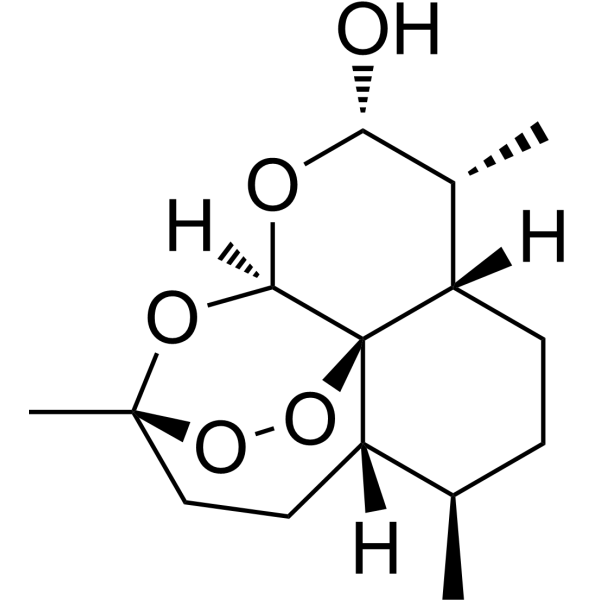
    Dihydroartemisinin
    40+ Cited Publications

    Dihydroqinghaosu; β-Dihydroartemisinin; Artenimol

    Parasite NF-κB Autophagy Reactive Oxygen Species (ROS) Drug Metabolite Infection Neurological Disease Metabolic Disease Inflammation/Immunology Cancer
    Dihydroartemisinin is an orally active metabolite of rtemisinin (HY-B0094) and antimalarial agent. Dihydroartemisinin induces Autophagy by inhibiting NF-κB activation. Dihydroartemisinin promotes ROS accumulation. Dihydroartemisinin exhibits anticancer activity in esophageal cancer cells. Dihydroartemisinin shows schistosomicidal activity against juvenile and adult worms of Schistosoma japonicum, reduces worm burden, and displays antiparasitic activity. Dihydroartemisinin can be used in research related to multiple myeloma, promyelocytic leukemia, esophageal cancer, and Schistosoma japonicum infection .
    Dihydroartemisinin
  • HY-P10761

    Radionuclide-Drug Conjugates (RDCs) Carbonic Anhydrase Cancer
    DPI-4452 is a CAIX-targeting cyclic peptide with a DOTA cage, and can be chelated with radionuclide for CAIX-expressing tumor PET-CT imaging and study. DPI-4452 specifically and selectively binds CAIX without interaction with an in vitro off-target receptor panel of 55 targets (IC50 for recombinant hCAIX: 130 nM). Radiolabeled DPI-4452 inhibits tumor growth in HT-29 and SK-RC-52 xenograft mouse models . DPI-4452 can be used for the synthesis/research of Radionuclide-Drug Conjugates (RDCs).
    DPI-4452
  • HY-159520

    Ofirnoflast; HT-6184

    NEKs NOD-like Receptor (NLR) Caspase Apoptosis Pyroptosis NF-κB Cardiovascular Disease Inflammation/Immunology Cancer
    Ofirnoflastum (Ofirnoflast) is an orally active first-in-class allosteric NEK7 inhibitor with an IC50 of 46 nM. Ofirnoflastum binds an allosteric site adjacent to NEK7’s ATP-binding pocket, induces conformational shifts, disrupts NEK7-NLRP3 binding, blocks NLRP3 inflammasome assembly, spares NEK7’s physiological functions, and suppresses caspase-1, caspase-8, NF-κB, and TNF activity. Ofirnoflastum reduces pro-inflammatory cytokine production, suppresses ASC specks, IL-1β release, pyroptotic cell death, and leukemic burden, induces apoptosis and erythroid differentiation, restores hematopoiesis, and improves outcomes in colitis models. Ofirnoflastum can be used for the research of myelodysplastic syndromes, chronic myelomonocytic leukemia, and acute myeloid leukemia .
    Ofirnoflastum
  • HY-156794

    DSP-5336

    Epigenetic Reader Domain FLT3 Cancer
    Enzomenib (DSP-5336) is an orally active Menin inhibitor (IC50=1.4 nM, Kd=6.0 nM). Enzomenib disrupts the interaction between Menin and KMT2A/MLL fusion proteins, specifically inhibits the expression of leukemia driver genes such as HOX/MEIS1, and upregulates ITGAM. Enzomenib effectively induces cell differentiation, inhibits tumor cell proliferation, and suppresses primitive cell colony formation. Enzomenib reduces disease burden and prolongs survival, but causes adverse reactions including differentiation syndrome and QTc interval prolongation. Enzomenib is used for research on relapsed/refractory acute myeloid leukemia, acute lymphoblastic leukemia, and other hematologic malignancies with mixed lineage leukemia (MLL) rearrangements or NPM1 mutations .
    Enzomenib
  • HY-W025784

    Sodium tetraphenylborate; Tetraphenylboron sodium

    Bacterial Infection
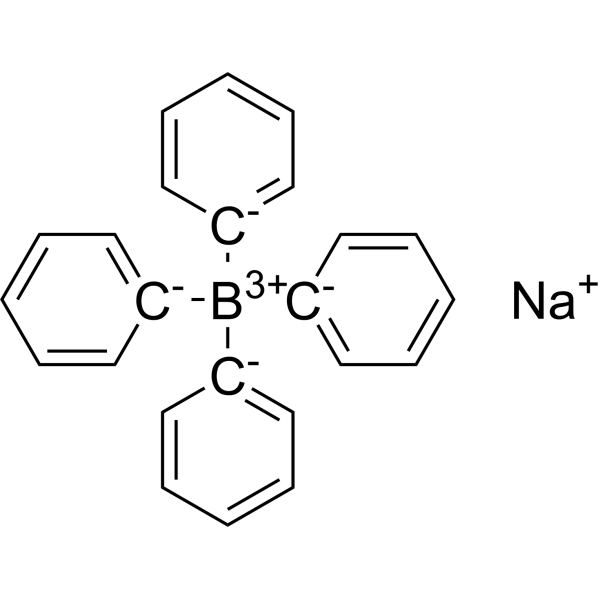
    Kalibor (Sodium tetraphenylborate; Tetraphenylboron sodium) is a boron-based salt and antibacterial agent. Kalibor exerts activity against Neisseria meningitidis and Neisseria gonorrhoeae. Kalibor facilitates boron uptake by Neisseria meningitidis cells. Kalibor reduces bacterial burden in a mouse model of Neisseria meningitidis bacteremia. Kalibor can be used for the research of bacterial infection, such as meningococcal bacteremia .
    Kalibor
  • HY-P9983

    SGN-33; HuM-195; GLK-33 Antibody

    Transmembrane Glycoprotein Radionuclide-Drug Conjugates (RDCs) Inflammation/Immunology
    Lintuzumab (HUM-195) is an anti-CD33 humanized monoclonal antibody. Lintuzumab reduces the production of TNFα-induced pro-inflammatory cytokines and chemokines by AML cells. Lintuzumab promotes tumor cell killing through antibody-dependent cellular cytotoxicity (ADCC) and phagocytosis (ADCP) activities against MDR and MDR+ AML cell lines and primary AML patient samples. Lintuzumab enhances survival and reduces tumor burden in mice .
    Lintuzumab
  • HY-162596

    BA-1049 free base

    ROCK Neurological Disease
    NRL-1049 (BA-1049 (free base)) is an orally available and selective ROCK2 inhibitor with IC50 values of 0.59 µM for ROCK2 and 26 µM for ROCK1, respectively. NRL-1049 modulates ROCK signaling, preserves blood-brain barrier integrity, reduces edema, seizures and hemorrhage, and alleviates cerebral cavernous malformation lesion burden. NRL-1049 can be used for the study of acute brain injury, ischemic stroke, and cerebral cavernous malformations .
    NRL-1049
  • HY-P991621

    EOS-215

    TREM receptor Cancer
    EOS006215 (EOS-215) is a humanized monoclonal antibody targeting TREM-2. EOS006215 competes with TREM2 ligands, prevents TREM2 multimerization, and blocks downstream signaling. EOS006215 inhibits efferocytosis, reprograms transcriptomic profiles of monocyte-derived macrophages, alters metabolism and immune response genes, and increases pro-inflammatory marker secretion. EOS006215 reduces metastasis burden, delays tumor growth, and reprograms the tumor microenvironment to overcome anti-PD-1 resistance. EOS006215 can be used for the research of triple negative breast cancer and colorectal cancer .
    EOS006215
  • HY-13032B
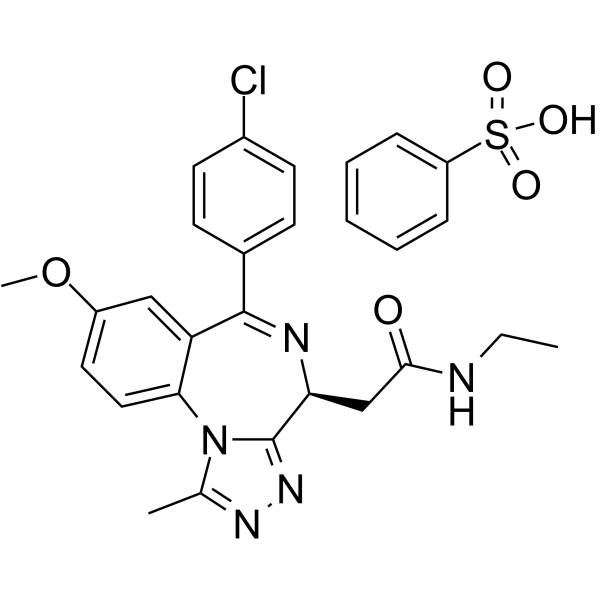
    Molibresib besylate
    20+ Cited Publications

    GSK 525762C; I-BET 762 besylate

    Epigenetic Reader Domain ERK Cancer
    Molibresib besylate (GSK 525762C; I-BET 762 besylate) is an orally active pan-BET inhibitor that targets and binds to BRD2, BRD3, BRD4 and BRDT. By competitively occupying acetylated lysine binding sites, Molibresib besylate disrupts the interaction between BET proteins and chromatin, thereby effectively inhibiting MYC expression and target gene transcription. Molibresib besylate exhibits broad antiproliferative activity, which not only inhibits cancer cell growth and induces growth arrest, but also downregulates mitosis-related genes and upregulates the level of p-ERK1/2. When combined with MEK inhibitors, Molibresib besylate shows a significant synergistic effect, reduces tumor burden in mouse models of leukemia, modulates the immune microenvironment and prolongs survival. Molibresib besylate is widely applicable to research related to acute myeloid leukemia, multiple myeloma, triple-negative breast cancer, small-cell lung cancer and various advanced refractory solid tumors .
    Molibresib besylate
  • HY-B1073

    Parasite Infection
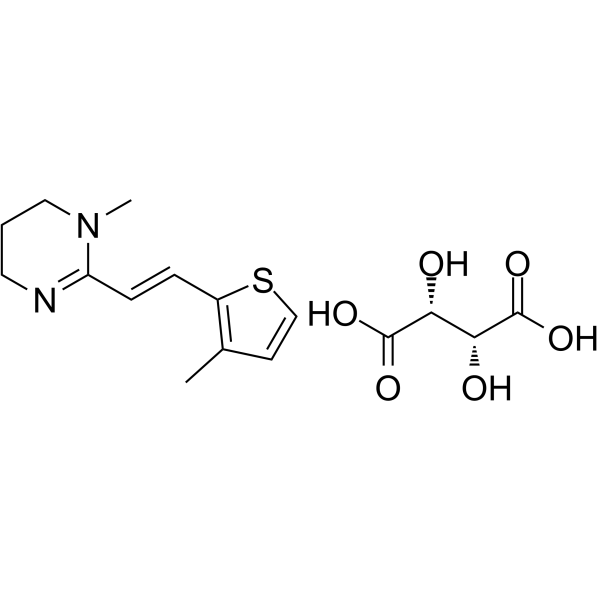
    Morantel tartrate is an anthelmintic agent. Sustained-release three-layer composite tablets of Morantel tartrate are administered orally and release after exposure to rumen fluid. Morantel tartrate reduces the fecal egg output and worm burden of gastrointestinal nematodes in Hereford calves. Morantel tartrate is used in research related to gastrointestinal nematode infections .
    Morantel tartrate
  • HY-141429A
    AS-99 TFA
    2 Publications Verification

    Histone Methyltransferase Apoptosis Cancer
    AS-99 TFA is a first-in-class, potent and selective ASH1L histone methyltransferase inhibitor (IC50= 0.79 μM, Kd= 0.89 μM) with anti-leukemic activity. AS-99 TFA blocks cell proliferation, induces apoptosis and differentiation, downregulates MLL fusion target genes, and reduces the leukemia burden in vivo .
    AS-99 TFA
  • HY-108894

    Ferroptosis Reactive Oxygen Species (ROS) Cardiovascular Disease Inflammation/Immunology Cancer
    Ferumoxytol is an FDA-approved ultrasmall superparamagnetic iron oxide preparation and iron replacement agent that exerts selective activity against leukemia cells with low ferroportin expression. Ferumoxytol increases intracellular iron levels, induces reactive oxygen species (ROS) production via the Fenton reaction, and triggers oxidative stress and cell death. Ferumoxytol reduces disease burden in mouse models and patient-derived leukemia models. As an MRI contrast agent, Ferumoxytol enables imaging of vascular lesions, tumors and lymph nodes. Ferumoxytol can be used in research related to acute myeloid leukemia and blast-phase chronic myeloid leukemia .
    Ferumoxytol
  • HY-A0169A
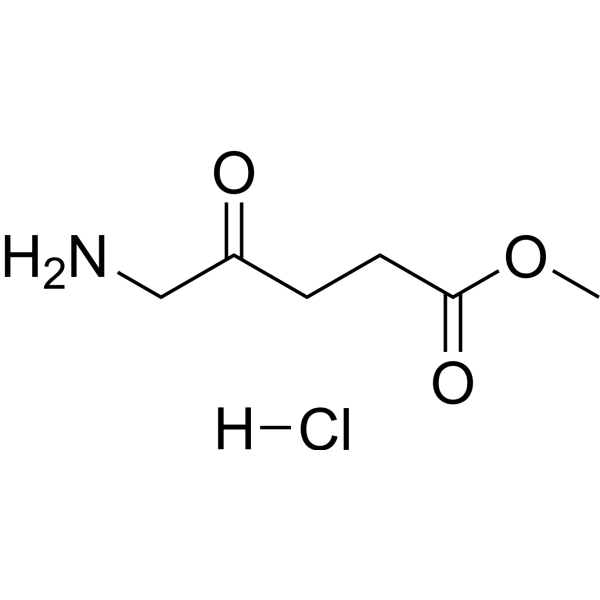
    Methyl aminolevulinate hydrochloride
    1 Publications Verification

    Reactive Oxygen Species (ROS) Photosensitizer Cancer
    Methyl aminolevulinate hydrochloride is a sensitizer used in photodynamic therapy (PDT). Methyl aminolevulinate hydrochloride penetrates the skin and induces the production of photoactive porphyrins including protoporphyrin IX in cells; upon exposure to appropriate light, it generates ROS, which triggers cellular oxidation and cell death. Methyl aminolevulinate hydrochloride acts as a photo-damage reversing agent through epidermal reconstruction, cytokine-mediated activation of dermal fibroblasts, elastin breakdown, new collagen formation, and compression of dilated capillaries. Methyl aminolevulinate hydrochloride reduces the expression of the proliferation marker Ki-67 and the early skin carcinogenesis marker TP53. Methyl aminolevulinate hydrochloride delays the onset of ultraviolet-induced skin tumors and reduces tumor burden in hairless mice. Methyl aminolevulinate hydrochloride is applicable to research related to actinic keratosis and basal cell carcinoma .
    Methyl aminolevulinate hydrochloride
  • HY-132182
    HPA-12
    1 Publications Verification

    Ceramidase Autophagy Apoptosis ATF6 Neurological Disease Cancer
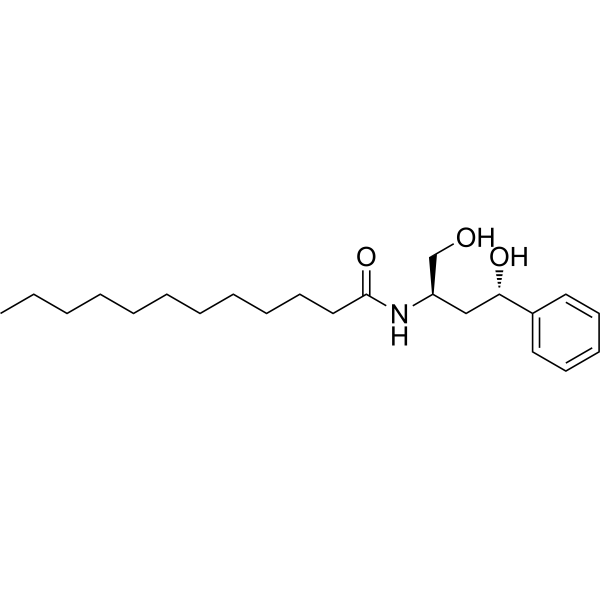
    HPA-12 is a blood-brain barrier-permeable small-molecule inhibitor of ceramide transfer protein (CERT) with four stereoisomers (the (1R,3R)-stereoisomer exhibits the highest activity). HPA-12 blocks the transport of ceramide from the endoplasmic reticulum to the Golgi apparatus by binding to the START domain of CERT, leading to intracellular ceramide accumulation and inhibition of sphingomyelin (SM) synthesis. HPA-12 induces endoplasmic reticulum stress via the GRP78/ATF6/CHOP axis and activates mitochondrial autophagy, thereby inhibiting cell growth and inducing apoptosis. In in vivo experiments, HPA-12 significantly reduces the leukemia burden and splenomegaly in mouse models of acute myeloid leukemia (AML) and prolongs survival. HPA-12 is applicable for the research of lipid metabolism in acute myeloid leukemia and Alzheimer's disease .
    HPA-12
  • HY-N0430

    Coptisin

    Indoleamine 2,3-Dioxygenase (IDO) NF-κB p38 MAPK PI3K Akt Apoptosis Reactive Oxygen Species (ROS) Mitochondrial Metabolism DNA/RNA Synthesis ROCK LDLR Cardiovascular Disease Neurological Disease Metabolic Disease Inflammation/Immunology Cancer
    Coptisine is an orally active and brain-penetrant alkaloid found in Coptis chinensis. Coptisine is a reversible, uncompetitive IDO inhibitor with a Ki of 5.8 μM and an IC50 of 6.3 μM. Coptisine suppresses neuroinflammation, reduces Aβ plaque burden and shows neuroprotective activity. Coptisine shows anti-inflammation activity by blocking NF-κB, MAPK, and PI3K/Akt activation. Coptisine inhibits cancer cells proliferation, induces DNA damage, G2/M phase cell cycle arrest, apoptosis, ROS production and mitochondrial dysfunction. Coptisine inhibits Rho/ROCK pathway activation, reduces arrhythmia, limits cardiac injury marker release, reduces infarct size, and preserves cardiac function in rat myocardial ischemia/reperfusion models. Coptisine downregulates HMGCR and upregulates LDLR and CYP7A1 to modulate cholesterol metabolism, reduces abnormal serum lipid levels, and promotes fecal bile acid excretion. Coptisine can be used for the research of cancer, hypercholesterolemia, Alzheimer’s disease, inflammatory disorders and cardiovascular disease .
    Coptisine
  • HY-N0430A
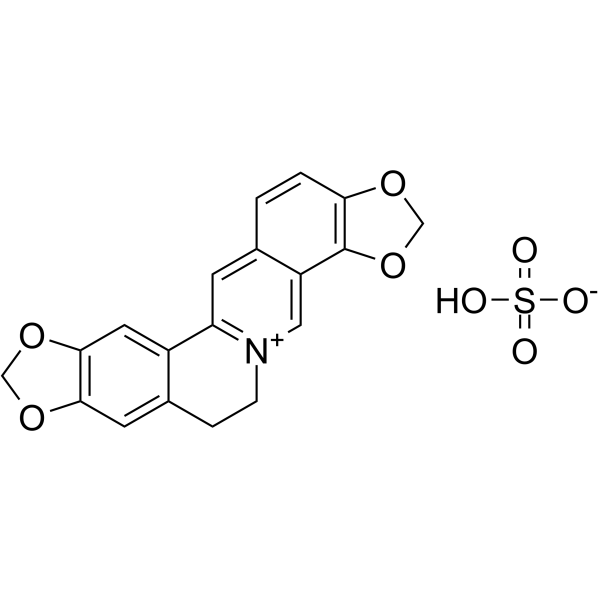
    Coptisine Sulfate
    5 Publications Verification

    Indoleamine 2,3-Dioxygenase (IDO) NF-κB p38 MAPK PI3K Akt Apoptosis Reactive Oxygen Species (ROS) Mitochondrial Metabolism DNA/RNA Synthesis ROCK LDLR Cardiovascular Disease Neurological Disease Metabolic Disease Inflammation/Immunology Cancer
    Coptisine Sulfate is an orally active and brain-penetrant alkaloid found in Coptis chinensis. Coptisine Sulfate is a reversible, uncompetitive IDO inhibitor with a Ki of 5.8 μM and an IC50 of 6.3 μM. Coptisine Sulfate suppresses neuroinflammation, reduces Aβ plaque burden and shows neuroprotective activity. Coptisine Sulfate shows anti-inflammation activity by blocking NF-κB, MAPK, and PI3K/Akt activation. Coptisine Sulfate inhibits cancer cells proliferation, induces DNA damage, G2/M phase cell cycle arrest, apoptosis, ROS production and mitochondrial dysfunction. Coptisine Sulfate inhibits Rho/ROCK pathway activation, reduces arrhythmia, limits cardiac injury marker release, reduces infarct size, and preserves cardiac function in rat myocardial ischemia/reperfusion models. Coptisine Sulfate downregulates HMGCR and upregulates LDLR and CYP7A1 to modulate cholesterol metabolism, reduces abnormal serum lipid levels, and promotes fecal bile acid excretion. Coptisine Sulfate be used for the research of cancer, hypercholesterolemia, Alzheimer’s disease, inflammatory disorders and cardiovascular disease .
    Coptisine Sulfate
  • HY-P990078

    LY3372993

    Amyloid-β Neurological Disease
    Remternetug (LY3372993) is a monoclonal antibody that targets pyroglutamylated amyloid β fibrils (N3pG-Aβ). Remternetug specifically binds to N3pG-Aβ, thereby clearing amyloid plaques in the brain and reducing amyloid burden. Remternetug can be used in research related to Alzheimer's disease .
    Remternetug
  • HY-148422
    Rohinitib
    1 Publications Verification

    Eukaryotic Initiation Factor (eIF) Apoptosis Cancer
    Rohinitib is a potent and specific eIF4A inhibitor. Rohinitib induces cell apoptosis of acute myeloid leukemia (AML) cell lines and reduces the leukemia burden of AML xenograft model. Rohinitib can be used for the research of AML .
    Rohinitib
  • HY-101991

    PERK Eukaryotic Initiation Factor (eIF) Apoptosis Cancer
    ML291 is a UPR (unfolded protein response)-inducing sulfonamidebenzamide. ML291 overwhelms the adaptive capacity of the UPR and induces apoptosis in a variety of solid cancer models. ML291 can activate the PERK/eIF2a/CHOP (apoptotic) arm of the UPR and reduce leukemic cell burden .
    ML291
  • HY-174976

    PI3K Akt Interleukin Related Bacterial Inflammation/Immunology
    FHND5032 is an orally active miR-124 inducer. FHND5032 significantly upregulates miR-124 expression in macrophages. FHND5032 disrupts inflammatory signaling, promotes macrophage reprogramming, and restores the epithelial barrier function by inhibiting the PIK3R2/PI3K/Akt axis. FHND5032 alleviates colitis and reduces inflammatory burden in ulcerative colitis mice. FHND5032 can be used for the study of ulcerative colitis .
    FHND5032
  • HY-136750

    Calpain Inhibitor IV

    Apoptosis Proteasome Parasite Cancer
    Z-LLY-FMK (Calpain Inhibitor IV) is a calpain inhibitor, involved in apoptosis of many cell systems. Z-LLY-FMK inhibits the intestine apoptosis after common bile duct ligation. Z-LLY-FMK reduces parasite burden in mice challenged with Taenia crassiceps cysts. Z-LLY-FMK can be used for the study of cysticercosis .
    Z-LLY-FMK
  • HY-107835

    FCR 2769

    Environmental Pollutants Apoptosis Bcl-2 Family Parasite Insecticide Infection Cancer
    Flumethrin (FCR 2769) is a pyrethroid insecticide and acaricide . Flumethrin targets voltage-gated sodium channels and estrogen receptor α (ERα). Flumethrin induces cytotoxicity, apoptosis, genotoxicity and DNA damage in breast cancer cells by regulating the expression of BCL2, BAX, TP53 and P21 genes. Flumethrin is applicable to relevant studies on ectoparasite infections (tick and flea burdens) in dogs and cats, as well as breast cancer .
    Flumethrin
  • HY-155520

    Parasite Infection
    Antileishmanial agent-19 (Compound F27) is an antileishmanial agent, with a IC50 of 3.39 μM for L. donovani promastigotes. Antileishmanial agent-19 inhibits Leishmania prolyl-tRNA synthetase. Antileishmanial agent-19 inhibits host PI3K/Akt/CREB axis-mediated IL-10 secretion. Antileishmanial agent-19 induces autophagy-mediated apoptosis in L. donovani promastigotes. Antileishmanial agent-19 reduces parasite burden in L.d-infected animals .
    Antileishmanial agent-19
  • HY-P99759

    IL-15N72D

    Interleukin Related Inflammation/Immunology Cancer
    Nogapendekin alfa (his tag), a soluble protein subunit of a human interleukin (IL)-15 variant, is a superagonist of IL-15. Nogapendekin alfa (his tag) promotes the proliferation and viability of immune cells. Nogapendekin alfa (his tag) combines with Inbakicept (HY-P99661) at a ratio of 2:1, to form N-803 (Nogapendekin alfa inbakicept), an IL-15 cytokine antibody fusion protein. N-803 reduces tumor burden by activation of NK cells and CD8 + T cells .
    Nogapendekin alfa (his tag)
  • HY-158783

    Ceramidase Bcl-2 Family LPL Receptor Apoptosis Neurological Disease
    SACLAC, a Ceramide analog, is a potent and covalent acid ceramidase (ASAH1; AC) inhibitor with a Ki of 97.1 nM. SACLAC effectively blocks AC activity and induces a decrease in sphingosine 1-phosphate (S1P) and total ceramide levels. SACLAC reduces the levels of splicing factor SF3B1 and alternative Mcl-1 mRNA splicing, increases pro-apoptotic Mcl-1S levels to induce apoptosis in acute myeloid leukemia (AML) cells. SACLAC reduces the leukemic burden in human AML xenograft mouse models .
    SACLAC
  • HY-162066

    Parasite Infection
    DNDI-6174 is an orally active Leishmania cytochrome b (Qi site of cytochrome bc1 complex/complex III) inhibitor. DNDI-6174 binds to the Qi site of Leishmania cytochrome b, inhibits cytochrome bc1 complex activity in the parasite's electron transport chain across promastigote and axenic amastigote stages. DNDI-6174 reduces parasite burden in rodent models, inhibits growth of various Leishmania species, drug-resistant clinical isolates, and Trypanosoma cruzi, with marginal activity against Trypanosoma brucei. DNDI-6174 can be used for the research of visceral leishmaniasis, cutaneous leishmaniasis .
    DNDI-6174
  • HY-141429
    AS-99 free base
    2 Publications Verification

    Histone Methyltransferase Apoptosis Cancer
    AS-99 is a first-in-class, potent and selective ASH1L histone methyltransferase inhibitor (IC50= 0.79 µM, Kd= 0.89 µM) with anti-leukemic activity. AS-99 blocks cell proliferation, induces apoptosis and differentiation, downregulates MLL fusion target genes, and reduces the leukemia burden in vivo .
    AS-99 free base
  • HY-121495

    Parasite Infection
    BKI-1369 is a bumped kinase inhibitor (BKI). BKI-1369 increases human Ether-a-go-go-related gene (hERG)-inhibitory activity with an IC50 of 1.52 μM. BKI-1369 reduces the parasite burden and diseases severity in the gnotobiotic pig model. BKI-1369 has been well characterized for potency, stability, metabolism, toxicity, pharmacokinetics and is potent against C. parvum in infected mice and calves .
    BKI-1369
  • HY-W767164

    Biochemical Assay Reagents Cardiovascular Disease
    Deferiprone O-β-D-glucuronide sodium is a novel orally active iron chelator. Deferiprone O-β-D-glucuronide sodium can be used to investigate its ability to reduce iron burden in patients with β-thalassemia .
    Deferiprone O-β-D-glucuronide sodium
  • HY-151485

    Parasite Infection
    Anti-infective agent 5 (compound 74) is an orally active inhibitor of Trypanosoma cruzi with an IC50 value of 0.10 μM. Anti-infective agent 5 effectively reduces parasite burden in vivo. Anti-infective agent 5 can be used for the research of infection .
    Anti-infective agent 5
  • HY-P10559

    Bacterial Infection
    (RXR)4XB is a cell-penetrating peptide, that binds the phosphorodiamidate morpholino oligomers (PMOs), forms peptide-conjugated PMOs (PPMOs), and improves the delivery of PMO into bacterial cells. (RXR)4XB-PMO conjugate prevents the formation of biofilms, inhibits Pseudomonas aeruginosa with MIC50 of 0.5 to 16 μM, and reduces the bacterial burden in mouse acute pneumonia models .
    (RXR)4XB
  • HY-176561

    Casein Kinase HDAC Cancer
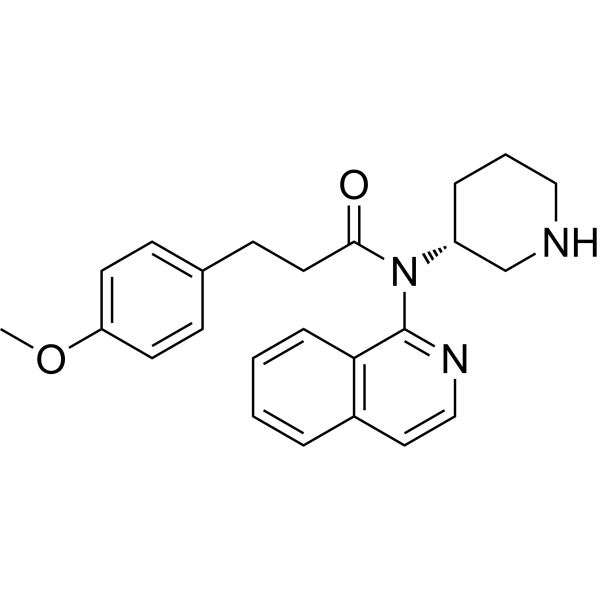
    IOR-160 is a dual inhibitor of casein kinase 2 (CK2) and HDACs. IOR-160 exhibits high selectivity for CK2 (IC50 = 1.7 nM) and broad inhibitory activity against HDAC (HDAC 1, 2, 3, and 6 with IC50s of 3.3 nM, 24.0 nM, 3.9 nM, and 13.0 nM, respectively, with low activity for HDAC8). IOR-160 modulates key cellular signaling pathways by inhibiting AKT phosphorylation and increasing acetylated α-tubulin. IOR-160 inhibits tumor growth and reduces tumor burden through dual CK2/HDAC inhibition. IOR-160 is indicated for use in triple-negative breast cancer research .
    IOR-160
  • HY-123410

    Cannabinoid Receptor Cancer
    KM-233 is a classical cannabinoid with good blood brain barrier penetration. KM-233 possesses a selective affinity for the CB2 receptors relative to THC. KM-233 is effective at reducing U87 glioma tumor burden, and can be used for glioma research .
    KM-233
  • HY-W064657

    JAK Others
    Momelotinib (dihydrochloride) is a JAK1/JAK2 inhibitor that also antagonizes ACVR1, leading to downregulation of Hepcidin expression and increased availability of iron for erythropoiesis. Momelotinib (dihydrochloride) can reduce transfusion burden and spleen enlargement caused by myelofibrosis, showing potential value in research and application within the field of myelofibrosis .
    Momelotinib dihydrochloride
  • HY-141429C

    Histone Methyltransferase Apoptosis Cancer
    AS-99 is a first-in-class, potent, and selective ASH1L histone methyltransferase inhibitor (IC50= 0.79 μM, Kd= 0.89 μM) with anti-leukemic activity. AS-99 blocks cell proliferation, induces apoptosis and differentiation, downregulates MLL fusion target genes, and reduces the leukemia burden in vivo .
    AS-99
  • HY-146079

    Fungal Infection
    Antifungal agent 31 (compound 12) is a potent and orally active triazole antifungal agents with a pyrrolotriazinone scaffold. Antifungal agent 31 shows antifungal activity against Candida spp. and filamentous fungi. Antifungal agent 31 significantly reduced mortality rates and kidney fungal burden in two murine models of lethal systemic infections .
    Antifungal agent 31
  • HY-P10559A

    Bacterial Infection
    (RXR)4XB TFA is a cell-penetrating peptide, that binds the phosphorodiamidate morpholino oligomers (PMOs), forms peptide-conjugated PMOs (PPMOs), and improves the delivery of PMO into bacterial cells. (RXR)4XB TFA-PMO conjugate prevents the formation of biofilms, inhibits Pseudomonas aeruginosa with MIC50 of 0.5 to 16 μM, and reduces the bacterial burden in mouse acute pneumonia models .
    (RXR)4XB TFA
  • HY-N1524

    Amyloid-β MDM-2/p53 Apoptosis Neurological Disease Metabolic Disease Inflammation/Immunology Cancer
    Quinovic acid is triterpene. Quinovic acid can ameliorate the Amyloid-β burden, p53 expression and cholesterol accumulation by deterring the oxidative stress through upregulating the Nrf2/HO-1 pathway. Quinovic acid can induce cancer cells apoptosis by upregulating death receptor 5 (DR5). Quinovic acid can be used for the researches of cancer, inflammation, metabolic and neurological disease, such as lung cancer and Alzheimer’s disease (AD) .
    Quinovic acid
  • HY-179391

    Telomerase Apoptosis Cancer
    Telomerase-IN-9 is a potent and selective telomerase inhibitor. Telomerase-IN-9 significantly reduces telomerase activity by binding to hTERT, leading to decreased telomerase function. Telomerase-IN-9 induces apoptosis and inhibits colony formation. Telomerase-IN-9 reduces tumor burden, restores antioxidantbalance, and preserves lung architecture in a Benzo[a]pyrene (HY-107377)-induced lung cancer mouse model. Telomerase-IN-9 can be used for the research of lung cancer .
    Telomerase-IN-9
  • HY-162094

    Acyltransferase Bacterial Infection
    CMX410 is an orally active and selective Mycobacterium tuberculosis Pks13 acyltransferase domain inhibitor and anti-bacterial agent. CMX410 reacts with the catalytic serine of the Pks13-AT domain to form a stable β-lactam ring, disables the enzyme’s active site, reduces trehalose monomycolate and trehalose dimycolate levels, triggers cell lysis, and reduces intracellular bacterial burden. CMX410 can be used for the research of tuberculosis .
    CMX410
  • HY-171956

    Proteasome Parasite Infection
    Carmaphycin-17 (CP-17) is a selective 20S proteasome inhibitor with an EC50 of 217 ?nM. Carmaphycin-17 has potent antimicrobial activity against Trichomonas vaginalis. Carmaphycin-17 overcomes Metronidazole (HY-B0318) resistance and significantly reduces parasite burden upon topical treatment without any apparent adverse effects in vaginal trichomonad infection mice model. Carmaphycin-17 can be used for sexually transmitted disease like trichomoniasis research .
    Carmaphycin-17
  • HY-103537A

    γ-secretase Amyloid-β Neurological Disease
    BIIB042 is a potent, orally active, brain-penetrant, and selective γ-secretase modulator (GSM). BIIB042 reduces Aβ42 and increases Aβ38 levels in cells. BIIB042 significantly reduces brain Aβ42 levels in CF-1 mice and Fischer rats, as well as plasma Aβ42 levels in cynomolgus monkeys. BIIB042 reduces Aβ42 levels and Aβ plaque burden in Tg2576 mice. BIIB042 can be used for alzheimer's disease (AD) research .
    BIIB042
  • HY-P990905

    SAR-443579

    Interleukin Related Cancer
    Bexatamig (SAR-443579) is a trifunctional natural killer cell engager targeting IL-3R α/CD123, NKp46/NCR1/CD335 and Fc gamma RIIIA/CD16a. Bexatamig forms a cytolytic synapse between natural killer cells and CD123-positive tumor cells. By activating natural killer cells to induce tumor cell death, Bexatamig effectively reduces the burden of CD123-positive acute myeloid leukemia (AML) blasts. Bexatamig has been granted FDA Fast Track designation, and is primarily investigated for relapsed or refractory acute myeloid leukemia, B-cell acute lymphoblastic leukemia, and high-risk myelodysplastic syndromes .
    Bexatamig
  • HY-145441

    Drug Derivative Cancer
    GEM–IB is the conjugate of gemcitabine (GEM)-5'-phosphate with ibandronate (IB). GEM–IB as a single agent or in combination with Docetaxel (DTX) demonstrates reduced tumor burden, preservation of the bone architecture, and improved the survival in a murine model of osteosarcoma (OS) .
    GEM–IB
  • HY-124018

    Parasite Infection
    MMV665852 is an antischistosomal agent that inhibits worm viability in vitro. MMV665852 reduces worm burden in mice infected with Schistosoma mansoni.
    MMV665852
  • HY-163342

    Bacterial Infection
    Antibacterial agent 190 (compound 16) is a antibacterial agent. Antibacterial agent 190 shows antibacterial activity. Antibacterial agent 190 reduces the bacterial burden of the peritoneum and blood .
    Antibacterial agent 190
  • HY-160078

    Biochemical Assay Reagents Metabolic Disease
    Deferiprone O-β-D-glucuronide is a novel orally active iron chelator. Deferiprone O-β-D-glucuronide can be used to investigate its ability to reduce iron burden in patients with β-thalassemia .
    Deferiprone O-β-D-glucuronide
  • HY-146190

    Bacterial Antibiotic Infection Inflammation/Immunology
    Callophycin A, a red seaweed derived metabolite, possessing potent activity against Candida albicans with MIC of 62.5~250 mg/L. Callophycin A significantly reduces fungal burden of vaginal candidiasis induced mice, also decreases inflammatory response and immune molecules .
    Callophycin A
  • HY-151484

    Parasite Infection
    Anti-infective agent 4 (compound 73) is an orally active inhibitor of Trypanosoma cruzi with an IC50 value of 0.016 μM. Anti-infective agent 4 effectively reduces parasite burden in vivo. Anti-infective agent 4 can be used for the research of infection .
    Anti-infective agent 4
  • HY-P10057

    Apoptosis Cancer
    cpm-1285 induces apoptosis by functionally blocking intracellular Bcl-2 and related death antagonists. cpm-1285 shows strong binding potency to Bcl-2 with an IC50 value of 130 nM. cpm-1285 reduces tumor burden in mice .
    cpm-1285

Inquiry Online

Your information is safe with us. * Required Fields.

Salutation


Country or Region *

Applicant Name *


Organization Name *

Department *


Email Address *


Product Name *

Cat. No.


Requested quantity *

Phone Number *


Remarks

Inquiry Online

Inquiry Information

Product Name:
Cat. No.:
Quantity:
MCE Japan Authorized Agent:

