Search Result
Results for "
Burns
" in MedChemExpress (MCE) Product Catalog:
2
Biochemical Assay Reagents
1
Isotope-Labeled Compounds
| Cat. No. |
Product Name |
Target |
Research Areas |
Chemical Structure |
-
- HY-W250721A
-
|
CBM 940
|
Biochemical Assay Reagents
|
Others
|
|
Carbomer 940 (CBM 940) is an acrylic polymer with high viscosity, good thermal stability and histocompatibility. Carbomer 940 serves as a transdermal drug delivery carrier and an external gel matrix. Carbomer 940 has no cytotoxicity, and it can also improve blood supply in the stasis zone of burns and promote wound repair. Carbomer 940 is applicable to pharmaceutical research .
|
-
-
- HY-101482
-
|
U75630
|
COX
|
Inflammation/Immunology
|
|
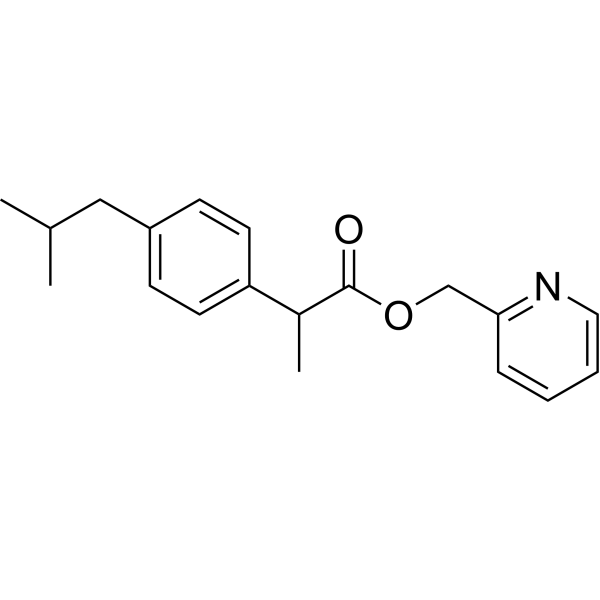
Ibuprofen piconol is a non-steroidal, anti-inflammatory (NSAID) agent for the topical relief of primary thermal burns and sunburns.
|
-
-
- HY-105174A
-
|
|
JAK
FAK
|
Neurological Disease
Metabolic Disease
|
|
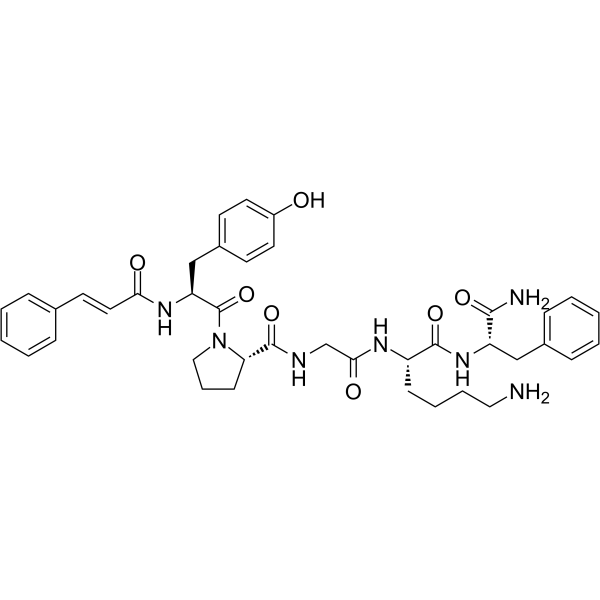
BPC 157 acetate is an orally active peptide. BPC 157 acetate exhibits multiple activities such as promoting wound healing, tendon healing, neuroprotection, and gastrointestinal protection. BPC 157 acetate can be used in the research of tendon injury, burn, gastric ulcer, and neurological diseases .
|
-
-
- HY-N6013
-
|
|
MMP
Proteasome
Keap1-Nrf2
TGF-beta/Smad
Interleukin Related
SOD
Bacterial
Fungal
|
Infection
Neurological Disease
Metabolic Disease
Inflammation/Immunology
Cancer
|
|
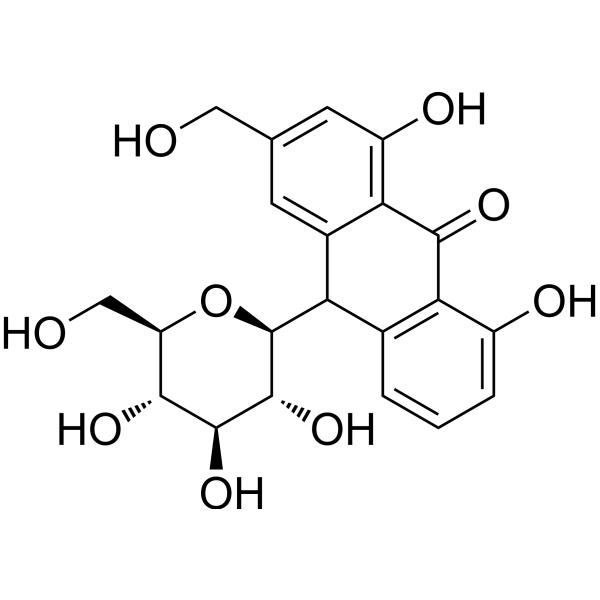
Aloin (mixture of A&B) is an orally active anthraquinone derivative isolated from Aloe vera. Aloin (mixture of A&B) mitigates airway impairment and exerts neuroprotective, anti-inflammatory, antioxidant, antibacterial, antifungal, antiviral and antitumor effects. Aloin (mixture of A&B) inhibits Clostridium histolyticum collagenase, granulocyte matrix metalloproteinases and human 20S proteasome. Aloin (mixture of A&B) upregulates the Nrf2/HO-1 pathway, suppresses the TGF-β/Smad2/3 pathway. Aloin (mixture of A&B) reduces IL-4/IL-5/IL-13 levels, and reverses oxidative stress markers (MDA, SOD, GSH). Aloin (mixture of A&B) can be used for research on chronic ulcers, burns, wounds, inflammatory and degenerative disorders, asthma and neuroblastoma .
|
-
-
- HY-B1497
-
|
AgSD
|
Bacterial
DNA/RNA Synthesis
Antibiotic
|
Infection
|
|
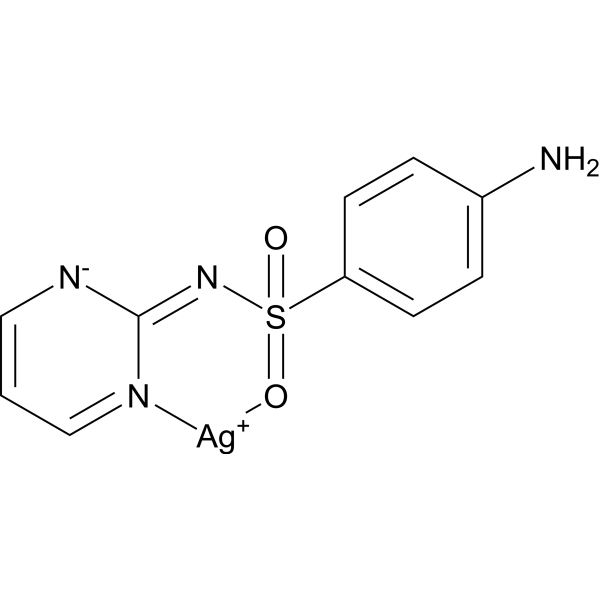
Silver sulfadiazine (AgSD), a sulfonamide antibiotic, effects a dual inhibitory action on bacterial growth by its sulfa moiety (SD-SDZ) that prevents bacterial folate absorption and subsequent DNA synthesis. The silver that is released from Silver sulfadiazine binds and disrupts the DNA structure, precluding bacterial DNA replication .
|
-
-
- HY-W019321
-
|
|
Biochemical Assay Reagents
|
Others
|
|
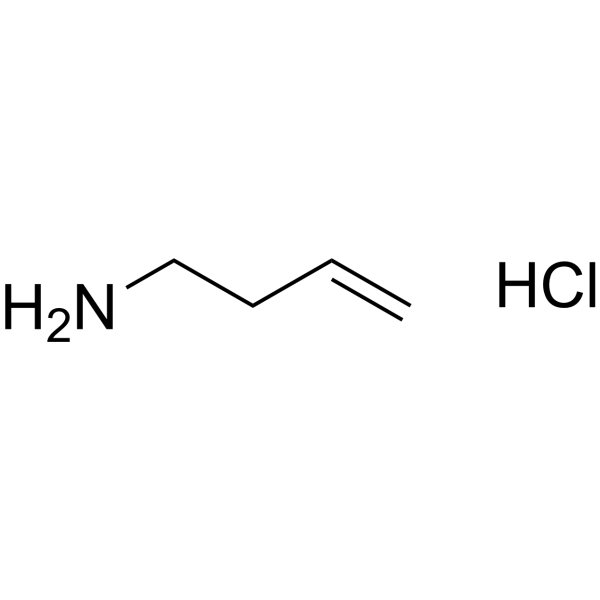
3-Butenylamine hydrochloride can be used as an intermediate in the production of polymers, adhesives, resins and other chemicals. 3-Butenylamine hydrochloride may cause skin and eye irritation or burns, severe eye damage, and breathing problems .
|
-
-
- HY-B0614B
-
|
|
Bacterial
Antibiotic
|
Infection
|
|
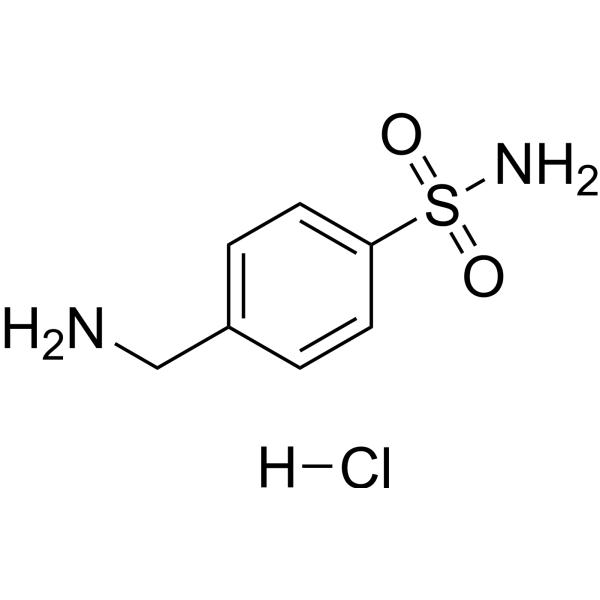
Mafenide hydrochloride is an effective sulfonamide-type antimicrobial agent used for burn wounds. Mafenide hydrochloride shows activity against both Gram-positive and Gram-negative organisms, including Pseudomonas aeruginosa, via inhibition of nucleotide synthesis .
|
-
-
- HY-B0614A
-
|
|
Bacterial
Fungal
|
Infection
|
|
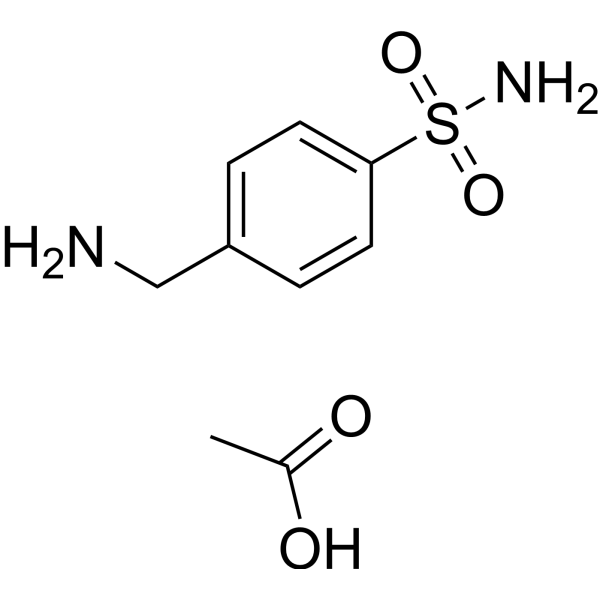
Mafenide Acetate is a potent sulfonamide antimicrobial agent. Mafenide Acetate exhibits antibacterial activity against Staphylococcus aureus and Pseudomonas aeruginosa. Mafenide Acetate also exhibits antifungal activity against filamentous fungi (e.g., Lichtheimia and Aspergillus flavus). Mafenide Acetate can be used in the research of skin grafts on burn wounds, post-traumatic invasive fungal infections, and bacterially contaminated wounds .
|
-
-
- HY-100943
-
|
SQ 10643
|
5-HT Receptor
Influenza Virus
|
Infection
Inflammation/Immunology
|
|
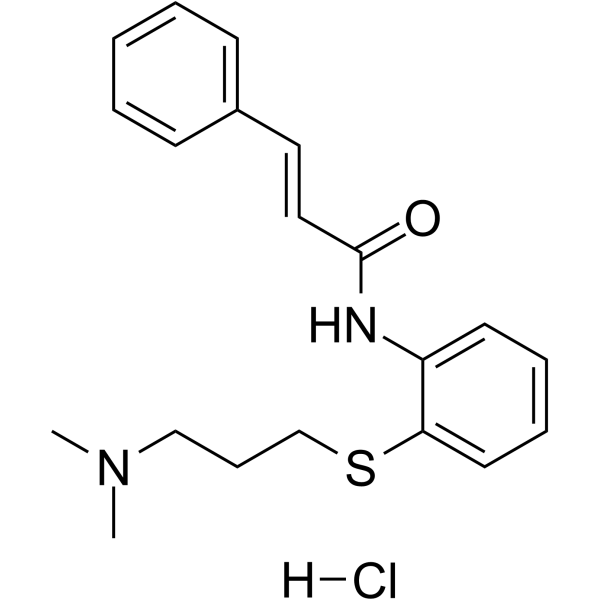
Cinanserin hydrochloride (SQ 10643) is a potent, selective and highly affinity 5-HT2 receptor antagonist with a Ki of 41 nM. Cinanserin hydrochloride has a much higher binding affinity for the 5-HT2 than for the 5-HT1 receptor (Ki of 3500 nM). Cinanserin is also an inhibitor of 3C-like proteinase of severe acute respiratory syndrome coronavirus and strongly reduces virus replication in vitro .
|
-
-
- HY-P1263A
-
-
-
- HY-B0614
-
|
|
Bacterial
Antibiotic
|
Infection
|
|
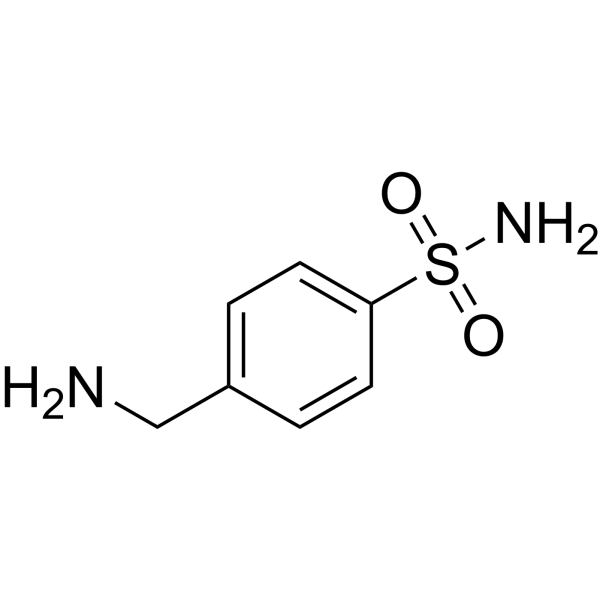
Mafenide is an effective sulfonamide-type antimicrobial agent used for burn wounds. Mafenide shows activity against both Gram-positive and Gram-negative organisms, including Pseudomonas aeruginosa, via inhibition of nucleotide synthesis .
|
-
-
- HY-P1263
-
-
-
- HY-101482R
-
|
U75630 (Standard)
|
Reference Standards
Others
|
Inflammation/Immunology
|
|
Ibuprofen piconol (Standard) is the analytical standard of Ibuprofen piconol. This product is intended for research and analytical applications. Ibuprofen piconol is a non-steroidal, anti-inflammatory (NSAID) agent for the topical relief of primary thermal burns and sunburns.
|
-
-
- HY-P11211A
-
|
|
Bacterial
|
Infection
Cancer
|
|
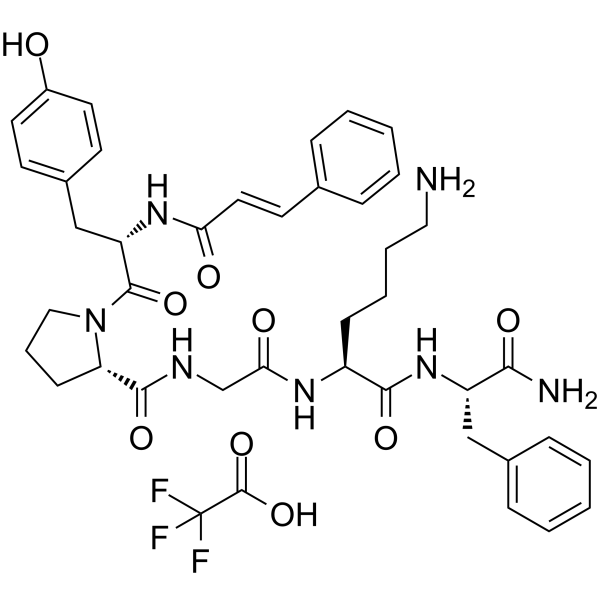
D2A21 TFA is an antimicrobial peptide with significant antimicrobial activity against Pseudomonas and bactericidal effect on burn scabs. D2A21 TFA has antitumor activity and can be used in prostate cancer research .
|
-
-
- HY-102065
-
|
|
Prostaglandin Receptor
|
Others
|
|
SC-19220 is a competitive prostaglandinn E2 receptor antagonist. SC-19220 increases the bladder capacity and reduced the voiding efficiency of micturition (elicited by slow transvesical filling) of urethane-anesthetized rats. SC-19220 can restores the balance in bone marrow granulocyte and monocyte production after burn sepsis .
|
-
-
- HY-D0227B
-
|
Tris acetate; Tris(hydroxymethyl)aminomethane acetate
|
Biochemical Assay Reagents
|
Metabolic Disease
|
|
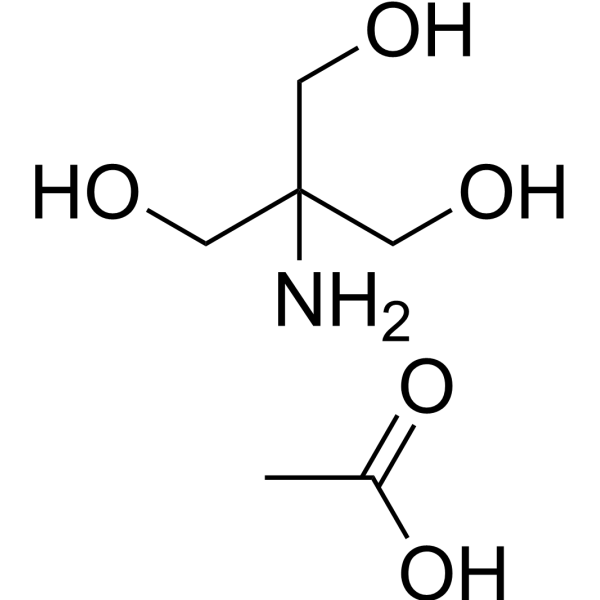
THAM acetate is a low-toxicity amino alcohol buffer, a CO2-consuming proton acceptor that buffers carbon dioxide and acid both in vitro and in vivo. THAM acetate binds protons to form bicarbonate, reduces PaCO2, and induces intracellular alkalization, thereby ameliorating hypercapnia-induced elevation of pulmonary blood vessels and pulmonary arterial pressure. THAM acetate may cause PaCO2 rebound, hypoglycemia, and respiratory depression. THAM acetate removes amniotic epithelium and preserves the basement membrane, but depletes extracellular matrix and reduces the adhesion rate of limbal epithelial cells. THAM acetate can act as a CO2 carrier to enhance the productivity and carbon utilization rate of Scenedesmus obliquus. THAM acetate is a key component of buffer solutions used in various biological, cell culture, biochemical, and molecular biology applications .
|
-
-
- HY-105052
-
|
Enisoprost
|
Prostaglandin Receptor
|
Endocrinology
|
|
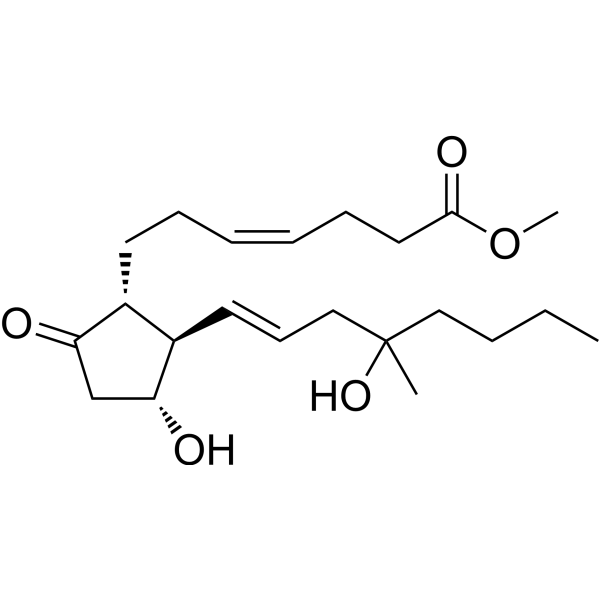
SC 34301 (Enisoprost) is a potent and orally active PGE1 analog. SC 34301 significantly reduces bacterial translocation and improves survival for burned mice .
|
-
-
- HY-W014750
-
|
|
Biochemical Assay Reagents
|
Inflammation/Immunology
Cancer
|
|
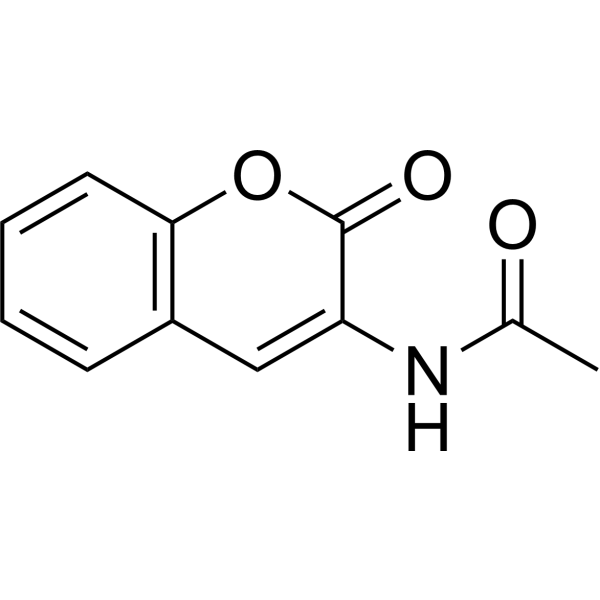
3-Acetamidocoumarin plays an important role in biology and medicine. 3-Acetamidocoumarin has physiological effects and has been used for many diseases such as research of burns, brucellosis-rheumatic diseases and cancer .
|
-
-
- HY-B0226A
-
|
(E)-Nitrofural
|
Bacterial
Parasite
|
Infection
|
|
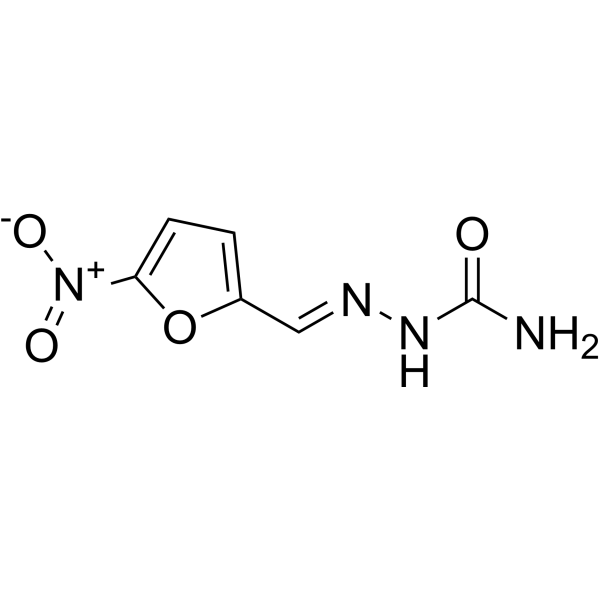
(E)-Nitrofurazone ((E)-Nitrofural) is a topical broad-spectrum antibacterial agent effective against both Gram-negative and Gram-positive bacteria. (E)-Nitrofurazone also possesses antiprotozoal and antiparasitic activities. (E)-Nitrofurazone is commonly used in the research of superficial wounds, burns, skin infections, pyoderma, infectious skin diseases, trypanosomiasis, and acute bacillary dysentery .
|
-
-
- HY-P11004
-
|
|
Bacterial
Antibiotic
|
Infection
|
|
A3-APO is an antimicrobial peptide. A3-APO has a significant antimicrobial activity by a dual mode of action with both membrane disintegration and intracellular target inhibition. A3-APO can deactivate bacterial toxins and increase the expression of anti-inflammatory cytokines (such as IL-4 and IL-10), without antimicrobial resistance. A3-APO accelerates burn wounds healing in mice infection model of Acinetobacter baumannii and Staphylococcus aureus .
|
-
-
- HY-N6013R
-
|
|
Reference Standards
Proteasome
MMP
Keap1-Nrf2
TGF-beta/Smad
Interleukin Related
SOD
Fungal
Bacterial
|
Infection
Neurological Disease
Metabolic Disease
Inflammation/Immunology
Cancer
|
|
Aloin (mixture of A&B) (Standard) is the analytical standard of Aloin (mixture of A&B) (HY-N6013). This product is intended for research and analytical applications. Aloin (mixture of A&B) is an orally active anthraquinone derivative isolated from Aloe vera. Aloin (mixture of A&B) mitigates airway impairment and exerts neuroprotective, anti-inflammatory, antioxidant, antibacterial, antifungal, antiviral and antitumor effects. Aloin (mixture of A&B) inhibits Clostridium histolyticum collagenase, granulocyte matrix metalloproteinases and human 20S proteasome. Aloin (mixture of A&B) upregulates the Nrf2/HO-1 pathway, suppresses the TGF-β/Smad2/3 pathway. Aloin (mixture of A&B) reduces IL-4/IL-5/IL-13 levels, and reverses oxidative stress markers (MDA, SOD, GSH). Aloin (mixture of A&B) can be used for research on chronic ulcers, burns, wounds, inflammatory and degenerative disorders, asthma and neuroblastoma .
|
-
-
- HY-P991591
-
|
|
Integrin
|
Inflammation/Immunology
|
|
MOR101 is a humanized monoclonal antibody inhibitor targeting ICAM-1/CD54. MOR101 can be used to study acute and chronic inflammation, such as burns .
|
-
-
- HY-133828
-
|
|
5-HT Receptor
SARS-CoV
|
Infection
|
|
Cinanserin (SQ 10643) is a potent and selective 5-HT2 antagonist with Ki values of 41, 3500 nM for 5-HT2, 5-HT1, respectively. Cinanserin also is a SARS-CoV 3CL pro inhibitor with an KD value of 49.4, 18.2 µM for SARS-CoV 3CL pro, HCoV-229E 3CL pro, respectively. Cinanserin reduces systemic burn edema levels .
|
-
-
- HY-107940
-
|
|
Proteolytic Enzyme
|
Others
|
|
Sutilains is a proteolytic enzyme that dissolves necrotic tissue and hyaluronidase. Sutilains can be used as a topical debriding agent in burns .
|
-
-
- HY-W748297
-
|
|
Fluorescent Dye
|
Others
|
|
NK 19 diiodide is a photosensitive cyanin dye. NK 19 diiodide is an immunomodulator capable of modifying immunological function of the impaired lymphocytes. NK 19 diiodide can be used for research of wounds and burns .
|
-
-
- HY-151164
-
|
|
Bacterial
|
Infection
|
|
LasR-IN-2 is a LasR inhibitor that forms H-bonding with TRY-56 residue. LasR-IN-2 can be used in the research of bacterial infection, neutropenia, severe burns and chronic lung disease in cystic fibrosis (CF) .
|
-
-
- HY-B0614BR
-
|
|
Reference Standards
Bacterial
Antibiotic
|
Infection
|
|
Mafenide (hydrochloride) (Standard) is the analytical standard of Mafenide (hydrochloride). This product is intended for research and analytical applications. Mafenide hydrochloride is an effective sulfonamide-type antimicrobial agent used for burn wounds. Mafenide hydrochloride shows activity against both Gram-positive and Gram-negative organisms, including Pseudomonas aeruginosa, via inhibition of nucleotide synthesis[1][2].
|
-
-
- HY-160864
-
|
HWA 448
|
Phosphodiesterase (PDE)
|
Cancer
|
|
Torbafylline is a PDE inhibitor. Torbafylline mitigates protein breakdown in rat skeletal muscle following burns by activating the PDE4/cAMP/EPAC/PI3K/Akt signaling pathway. Torbafylline suppresses the increased ubiquitin-proteasome-dependent protein degradation observed in the skeletal muscles of rats susceptible to cancer and sepsis .
|
-
-
- HY-B1497R
-
|
AgSD (Standard)
|
Reference Standards
Bacterial
DNA/RNA Synthesis
Antibiotic
|
Infection
|
|
Silver sulfadiazine (Standard) is the analytical standard of Silver sulfadiazine. This product is intended for research and analytical applications. Silver sulfadiazine (AgSD), a sulfonamide antibiotic, effects a dual inhibitory action on bacterial growth by its sulfa moiety (SD-SDZ) that prevents bacterial folate absorption and subsequent DNA synthesis. The silver that is released from Silver sulfadiazine binds and disrupts the DNA structure, precluding bacterial DNA replication .
|
-
-
- HY-107063
-
|
10-Undecen-1-yl-thiopseudourea iodide
|
Histamine Receptor
|
Cancer
|
|
AHR-1911 (10-Undecen-1-yl-Thiopseudourea Iodide;Isothiuronium) is a thiourea-based anti-inflammatory and anti-tumor agent that has an improving effect on burned skin. AHR-1911 produces histamine-like effects when injected intradermally and may reduce arterial pressure in anesthetized dogs. AHR-1911 inhibits tumor growth and reduces microsomal and C-polysome protein synthesis .
|
-
-
- HY-B0226S
-
|
Nitrofural-13C,15N2
|
Isotope-Labeled Compounds
|
Infection
|
|
Nitrofurazone- 13C, 15N2 (Nitrofural- 13C, 15N2) is the 13C and 15N labled Nitrofurazone (HY-B0226) . Nitrofurazone is a potential antibiotic that can be used topically to treat wounds, burns, ulcers and skin infections to combat various microorganisms and to prepare surfactants . Nitrofurazone may affect the ecosystem function in Marine environment and affect the functional processes of epiphytic fauna .
|
-
-
- HY-B0614AR
-
|
|
Reference Standards
Bacterial
Fungal
|
Infection
|
|
Mafenide (Acetate) (Standard) is the analytical standard of Mafenide Acetate (HY-B0614A). This product is intended for research and analytical applications. Mafenide Acetate is a potent sulfonamide antimicrobial agent. Mafenide Acetate exhibits antibacterial activity against Staphylococcus aureus and Pseudomonas aeruginosa. Mafenide Acetate also exhibits antifungal activity against filamentous fungi (e.g., Lichtheimia and Aspergillus flavus). Mafenide Acetate can be used in the research of skin grafts on burn wounds, post-traumatic invasive fungal infections, and bacterially contaminated wounds .
|
-
-
- HY-102065R
-
|
|
Reference Standards
Prostaglandin Receptor
|
Others
|
|
SC-19220 (Standard) is the analytical standard of SC-19220 (HY-102065). This product is intended for research and analytical applications. SC-19220 is a competitive prostaglandinn E2 receptor antagonist. SC-19220 increases the bladder capacity and reduced the voiding efficiency of micturition (elicited by slow transvesical filling) of urethane-anesthetized rats. SC-19220 can restores the balance in bone marrow granulocyte and monocyte production after burn sepsis .
|
-
-
- HY-183289
-
|
|
Ferroptosis
Reactive Oxygen Species (ROS)
Drug Derivative
|
Neurological Disease
|
|
Ferroptosis-IN-25, Trolox (HY-101445) derivative, is a selective ferroptosis inhibitor. Ferroptosis-IN-25 selectively inhibits ferroptosis by scavenging ROS and suppressing lipid peroxidation independently of glutathion. Ferroptosis-IN-25 reduces corneal neovascularization and edema in murine corneal alkali burn models via topical administration.Ferroptosis-IN-25 can be used for the research of ocular surface diseases .
|
-
-
- HY-W014750R
-
-
-
- HY-W415753
-
|
VUFB-15754
|
Drug Derivative
|
Neurological Disease
Inflammation/Immunology
|
|
Alaptide, a spirocyclic synthetic dipeptide and a derivative of melanocyte-stimulating hormone release-inhibiting factor (MIF), is a transdermal permeation modifier. Alaptide loaded on nanofibrous membranes accelerates the healing of skin incisions, particularly the healing of skin burns.
Alaptide is a nootropic agent, that influences the dopaminergic system and increases homovanillic acid level in the striatum of rat models. Alaptide can be used for wound healing with large damaged areas and neurological diseases research .
|
-
-
- HY-100943R
-
|
SQ 10643 (Standard)
|
5-HT Receptor
Reference Standards
Influenza Virus
|
Infection
Inflammation/Immunology
|
|
Cinanserin (hydrochloride) (Standard) is the analytical standard of Cinanserin (hydrochloride) (HY-100943). This product is intended for research and analytical applications. Cinanserin hydrochloride (SQ 10643) is a potent, selective and highly affinity 5-HT2 receptor antagonist with a Ki of 41 nM. Cinanserin hydrochloride has a much higher binding affinity for the 5-HT2 than for the 5-HT1 receptor (Ki of 3500 nM). Cinanserin is also an inhibitor of 3C-like proteinase of severe acute respiratory syndrome coronavirus and strongly reduces virus replication in vitro .
|
-
-
- HY-105174AR
-
|
|
Reference Standards
JAK
FAK
|
Neurological Disease
Metabolic Disease
|
|
BPC 157 acetate (Standard) is the analytical standard of BPC 157 acetate (HY-105174A). This product is intended for research and analytical applications. BPC 157 acetate is the acetate salt form of BPC 157 (HY-105174). BPC 157 acetate is the 15-amino acide fragment of gastric peptide BPC. BPC 157 acetate exhibits wound healing promoting and neuroprotective activity. BPC 157 acetate maintains the integrity of the gastrointestinal mucosa without significant toxicity. BPC 157 acetate counteracts NSAIDs/insulin overdose/copper-induced toxicity. BPC 157 acetate ameliorates specific (over)stimulated/damaged neurotransmitter systems-induced behavioral disorders through serotonergic and dopaminergic systems .
|
-
-
- HY-175076
-
|
|
Endogenous Metabolite
|
Metabolic Disease
Inflammation/Immunology
|
|
Globotriaosylceramide (non-hydroxy) (porcine RBC) is a glycosphingolipid found in the cell membranes of mammals. Globotriaosylceramide (non-hydroxy) (porcine RBC) is the core pathogenic molecule of Fabry disease, and its level can be downregulated by supplementing α-galactosidase A. Globotriaosylceramide (non-hydroxy) (porcine RBC) amplifies B-cell receptor signals by regulating the localization of co-receptor CD19, and can be used as a vaccine adjuvant, capable of guiding the generation of broad-spectrum and cross-protective antibody responses. Globotriaosylceramide (non-hydroxy) (porcine RBC) promotes wound healing and reduces scar formation by regulating fibroblast heterogeneity .
|
-
| Cat. No. |
Product Name |
Type |
-
- HY-W250721A
-
|
CBM 940
|
Biochemical Assay Reagents
|
|
Carbomer 940 (CBM 940) is an acrylic polymer with high viscosity, good thermal stability and histocompatibility. Carbomer 940 serves as a transdermal drug delivery carrier and an external gel matrix. Carbomer 940 has no cytotoxicity, and it can also improve blood supply in the stasis zone of burns and promote wound repair. Carbomer 940 is applicable to pharmaceutical research .
|
-
- HY-W019321
-
|
|
Biochemical Assay Reagents
|
|
3-Butenylamine hydrochloride can be used as an intermediate in the production of polymers, adhesives, resins and other chemicals. 3-Butenylamine hydrochloride may cause skin and eye irritation or burns, severe eye damage, and breathing problems .
|
| Cat. No. |
Product Name |
Target |
Research Area |
-
- HY-105174A
-
|
|
JAK
FAK
|
Neurological Disease
Metabolic Disease
|
|
BPC 157 acetate is an orally active peptide. BPC 157 acetate exhibits multiple activities such as promoting wound healing, tendon healing, neuroprotection, and gastrointestinal protection. BPC 157 acetate can be used in the research of tendon injury, burn, gastric ulcer, and neurological diseases .
|
-
- HY-P1263A
-
-
- HY-P1263
-
-
- HY-P11211A
-
|
|
Bacterial
|
Infection
Cancer
|
|
D2A21 TFA is an antimicrobial peptide with significant antimicrobial activity against Pseudomonas and bactericidal effect on burn scabs. D2A21 TFA has antitumor activity and can be used in prostate cancer research .
|
-
- HY-P11004
-
|
|
Bacterial
Antibiotic
|
Infection
|
|
A3-APO is an antimicrobial peptide. A3-APO has a significant antimicrobial activity by a dual mode of action with both membrane disintegration and intracellular target inhibition. A3-APO can deactivate bacterial toxins and increase the expression of anti-inflammatory cytokines (such as IL-4 and IL-10), without antimicrobial resistance. A3-APO accelerates burn wounds healing in mice infection model of Acinetobacter baumannii and Staphylococcus aureus .
|
-
- HY-105174AR
-
|
|
Reference Standards
JAK
FAK
|
Neurological Disease
Metabolic Disease
|
|
BPC 157 acetate (Standard) is the analytical standard of BPC 157 acetate (HY-105174A). This product is intended for research and analytical applications. BPC 157 acetate is the acetate salt form of BPC 157 (HY-105174). BPC 157 acetate is the 15-amino acide fragment of gastric peptide BPC. BPC 157 acetate exhibits wound healing promoting and neuroprotective activity. BPC 157 acetate maintains the integrity of the gastrointestinal mucosa without significant toxicity. BPC 157 acetate counteracts NSAIDs/insulin overdose/copper-induced toxicity. BPC 157 acetate ameliorates specific (over)stimulated/damaged neurotransmitter systems-induced behavioral disorders through serotonergic and dopaminergic systems .
|
| Cat. No. |
Product Name |
Target |
Research Area |
Image |
| Cat. No. |
Product Name |
Category |
Target |
Chemical Structure |
-
- HY-N6013
-
|
|
Infection
Structural Classification
Liliaceae
Classification of Application Fields
Ketones, Aldehydes, Acids
Phenols
Polyphenols
Aloe vera (L.) Burm. f.
Plants
Inflammation/Immunology
Disease Research Fields
Source Classification
|
MMP
Proteasome
Keap1-Nrf2
TGF-beta/Smad
Interleukin Related
SOD
Bacterial
Fungal
|
|
Aloin (mixture of A&B) is an orally active anthraquinone derivative isolated from Aloe vera. Aloin (mixture of A&B) mitigates airway impairment and exerts neuroprotective, anti-inflammatory, antioxidant, antibacterial, antifungal, antiviral and antitumor effects. Aloin (mixture of A&B) inhibits Clostridium histolyticum collagenase, granulocyte matrix metalloproteinases and human 20S proteasome. Aloin (mixture of A&B) upregulates the Nrf2/HO-1 pathway, suppresses the TGF-β/Smad2/3 pathway. Aloin (mixture of A&B) reduces IL-4/IL-5/IL-13 levels, and reverses oxidative stress markers (MDA, SOD, GSH). Aloin (mixture of A&B) can be used for research on chronic ulcers, burns, wounds, inflammatory and degenerative disorders, asthma and neuroblastoma .
|
-
-
- HY-N6013R
-
|
|
Structural Classification
Liliaceae
Ketones, Aldehydes, Acids
Phenols
Polyphenols
Aloe vera (L.) Burm. f.
Plants
Source Classification
|
Reference Standards
Proteasome
MMP
Keap1-Nrf2
TGF-beta/Smad
Interleukin Related
SOD
Fungal
Bacterial
|
|
Aloin (mixture of A&B) (Standard) is the analytical standard of Aloin (mixture of A&B) (HY-N6013). This product is intended for research and analytical applications. Aloin (mixture of A&B) is an orally active anthraquinone derivative isolated from Aloe vera. Aloin (mixture of A&B) mitigates airway impairment and exerts neuroprotective, anti-inflammatory, antioxidant, antibacterial, antifungal, antiviral and antitumor effects. Aloin (mixture of A&B) inhibits Clostridium histolyticum collagenase, granulocyte matrix metalloproteinases and human 20S proteasome. Aloin (mixture of A&B) upregulates the Nrf2/HO-1 pathway, suppresses the TGF-β/Smad2/3 pathway. Aloin (mixture of A&B) reduces IL-4/IL-5/IL-13 levels, and reverses oxidative stress markers (MDA, SOD, GSH). Aloin (mixture of A&B) can be used for research on chronic ulcers, burns, wounds, inflammatory and degenerative disorders, asthma and neuroblastoma .
|
-
| Cat. No. |
Product Name |
Chemical Structure |
-
- HY-B0226S
-
|
|
|
Nitrofurazone- 13C, 15N2 (Nitrofural- 13C, 15N2) is the 13C and 15N labled Nitrofurazone (HY-B0226) . Nitrofurazone is a potential antibiotic that can be used topically to treat wounds, burns, ulcers and skin infections to combat various microorganisms and to prepare surfactants . Nitrofurazone may affect the ecosystem function in Marine environment and affect the functional processes of epiphytic fauna .
|
-
Your information is safe with us. * Required Fields.
Inquiry Information
- Product Name:
- Cat. No.:
- Quantity:
- MCE Japan Authorized Agent:

