



13009-99-9
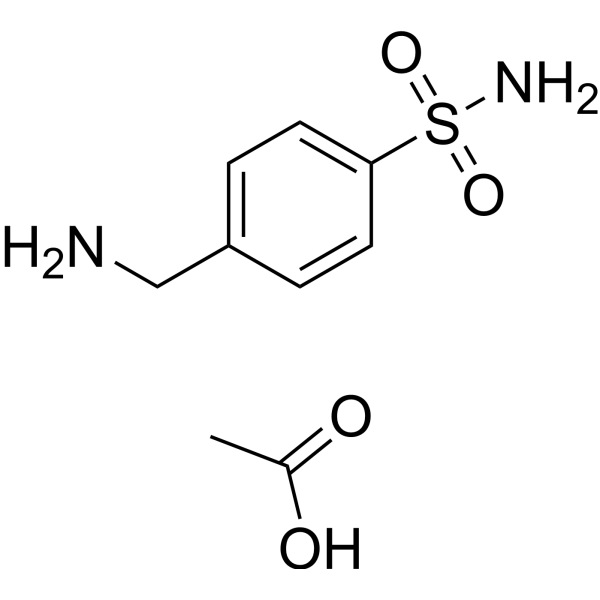
Chemical Structure
Mafenide Acetate
- CAS No.: 13009-99-9
- Formula:C9H14N2O4S
- Molecular Weight:246.28
IUPAC Name: 4-(aminomethyl)benzenesulfonamide acetate
InChIKey: UILOTUUZKGTYFQ-UHFFFAOYSA-N
SMILES: O=S(C1=CC=C(CN)C=C1)(N)=O.CC(O)=O
Biological Activity: Mafenide Acetate is a potent sulfonamide antimicrobial agent. Mafenide Acetate exhibits antibacterial activity against Staphylococcus aureus and Pseudomonas aeruginosa. Mafenide Acetate also exhibits antifungal activity against filamentous fungi (e.g., Lichtheimia and Aspergillus flavus). Mafenide Acetate can be used in the research of skin grafts on burn wounds, post-traumatic invasive fungal infections, and bacterially contaminated wounds[1][2][3][4].
| Cat. No. | Product Name | Purity | Description | Pricing | |||||||||||||||||||
|---|---|---|---|---|---|---|---|---|---|---|---|---|---|---|---|---|---|---|---|---|---|---|---|
|
|
Mafenide Acetate | 99.29% | Mafenide Acetate is a potent sulfonamide antimicrobial agent. Mafenide Acetate exhibits antibacterial activity against Staphylococcus aureus and Pseudomonas aeruginosa. Mafenide Acetate also exhibits antifungal activity against filamentous fungi (e.g., Lichtheimia and Aspergillus flavus). Mafenide Acetate can be used in the research of skin grafts on burn wounds, post-traumatic invasive fungal infections, and bacterially contaminated wounds. | ||||||||||||||||||||
|
loading...
/
|
|||||||||||||||||||||||
|
|
Mafenide Acetate (Standard) | ≥98% | Mafenide (Acetate) (Standard) is the analytical standard of Mafenide Acetate (HY-B0614A). This product is intended for research and analytical applications. Mafenide Acetate is a potent sulfonamide antimicrobial agent. Mafenide Acetate exhibits antibacterial activity against Staphylococcus aureus and Pseudomonas aeruginosa. Mafenide Acetate also exhibits antifungal activity against filamentous fungi (e.g., Lichtheimia and Aspergillus flavus). Mafenide Acetate can be used in the research of skin grafts on burn wounds, post-traumatic invasive fungal infections, and bacterially contaminated wounds. | ||||||||||||||||||||
|
loading...
/
|
|||||||||||||||||||||||
-
Similarity Score 0.92
 HY-B0614CMafenide propionate
-
Similarity Score 0.74
 HY-W765357Glycine-13C2,15N p-Toluenesulfonate
-
Similarity Score 0.74
 HY-W273152Glipizide impurity 9
-
Similarity Score 0.68
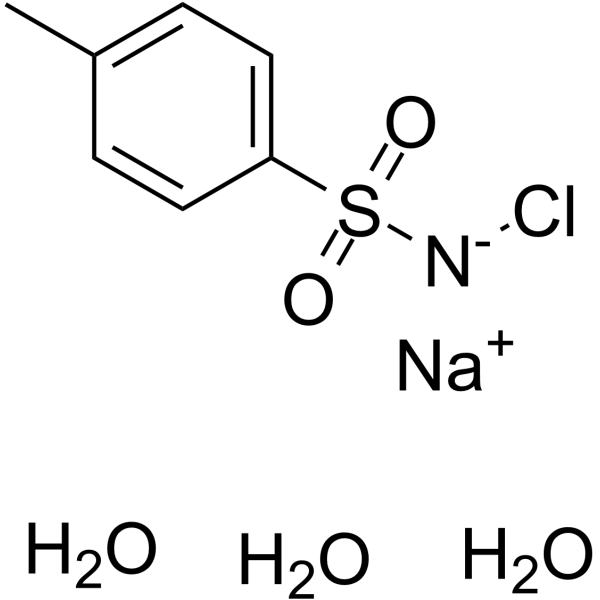 HY-U00087Tosylchloramide sodium trihydrate
-
Similarity Score 0.68
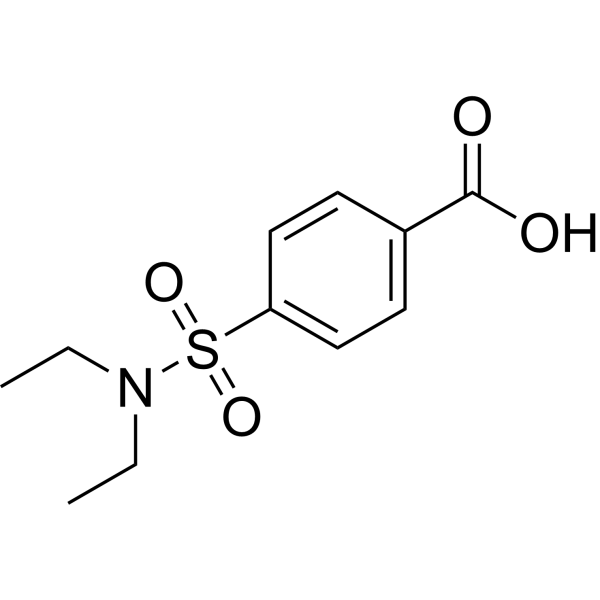 HY-B0939Etebenecid
-
Similarity Score 0.67
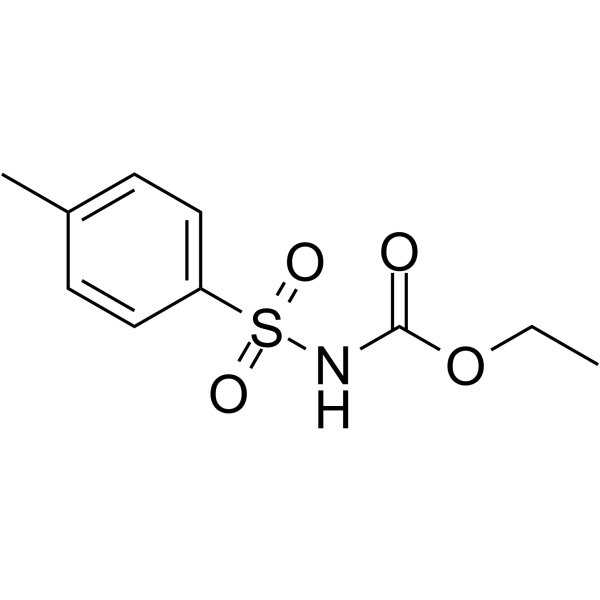 HY-135337Ethyl tosylcarbamate
-
Similarity Score 0.66
 HY-B1838AAsulam potassium
-
Similarity Score 0.66
 HY-116923p18SMI-21
-
Similarity Score 0.66
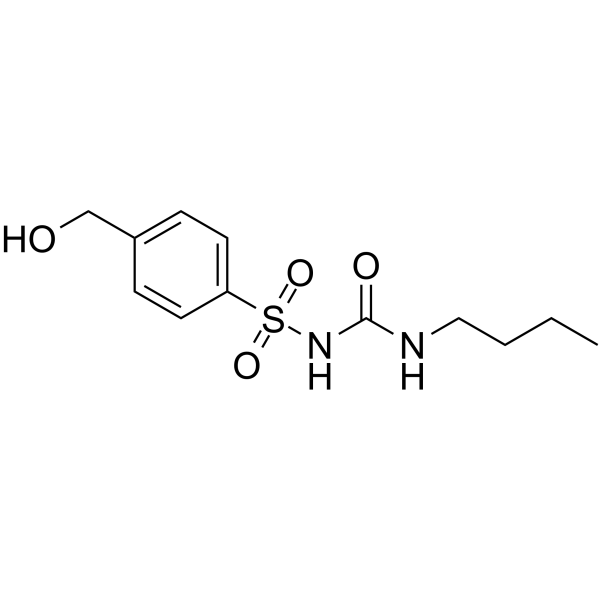 HY-1006414-Hydroxytolbutamide
-

Explore the MedChemAI to find more analogs


References
- [1]. Ashkan Afshari, et al. The Effective Duration of Antimicrobial Activity of Mafenide Acetate After Reconstitution. J Burn Care Res. 2018 Aug 17;39(5):736-738. [Content Brief]
- [2]. Haynes, B.W., Jr., Mafenide acetate in burn treatment. N Engl J Med, 1971. 284(23): p. 1324. [Content Brief]
- [3]. Barsoumian A, et al. In vitro toxicity and activity of Dakin's solution, mafenide acetate, and amphotericin B on filamentous fungi and human cells. J Orthop Trauma. 2013 Aug;27(8):428-36. [Content Brief]
- [4]. Baver Acaban M, et al. The effects of topical mafenide acetate application on skin graft survival in bacterial contaminated wounds. Burns. 2024 Mar;50(2):433-443. [Content Brief]



