



1. Search Result
Search Result
Results for "

CCL2

" in MedChemExpress (MCE) Product Catalog:

65

Inhibitors & Agonists

1

Biochemical Assay Reagents

3

Peptides

7

Inhibitory Antibodies

5

Natural
Products

14

Recombinant Proteins

5

Isotope-Labeled Compounds

1

Antibodies

8

Oligonucleotides

Cat. No. Product Name Target Research Areas Chemical Structure
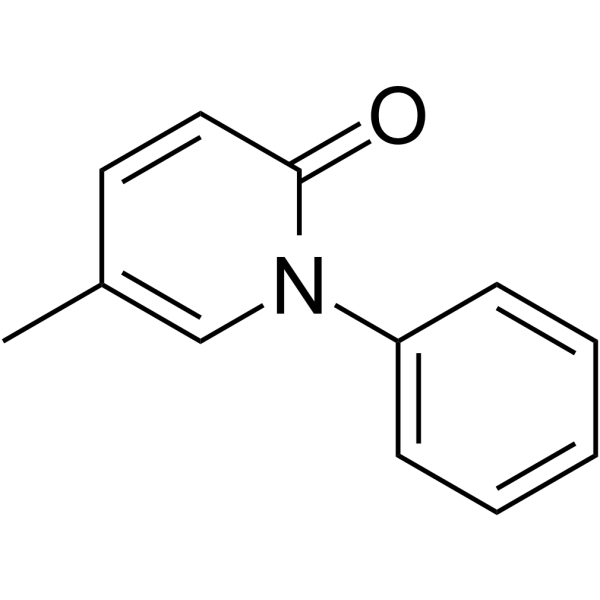
  • HY-B0673
    Pirfenidone
    Maximum Cited Publications
    80 Publications Verification

    AMR69

    TGF-beta/Smad CCR Inflammation/Immunology Cancer
    Pirfenidone (AMR69) is an antifibrotic agent that attenuates CCL2 and CCL12 production in fibrocyte cells. Pirfenidone has growth-inhibitory effect and reduces TGF-β2 protein levels in human glioma cell lines. Pirfenidone also has anti-inflammatory activities [2] .
    Pirfenidone
  • HY-W007376
    Indole-3-carboxaldehyde
    3 Publications Verification

    3-Formylindole

    Endogenous Metabolite Others
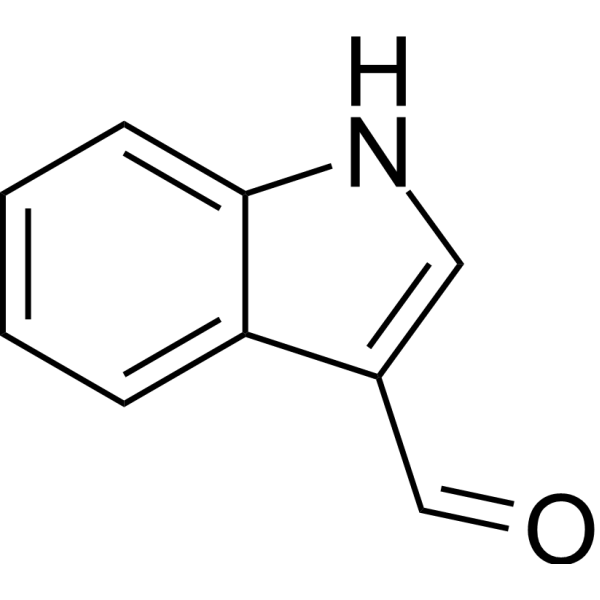
    Indole-3-carboxaldehyde (3-Formylindole), a banlangen extract, is the product of the oxidative degradation of indole-3-acetic acid (IAA) by crude enzyme preparations from etiolated pea seedlings. Indole-3-carboxaldehyde is a biochemical used to prepare analogs of the indole phytoalexin cyclobrassinin. Indole-3-carboxaldehyde also enhances the epithelial barrier and anti-inflammatory activity in the intestinal tract [2].
    Indole-3-carboxaldehyde
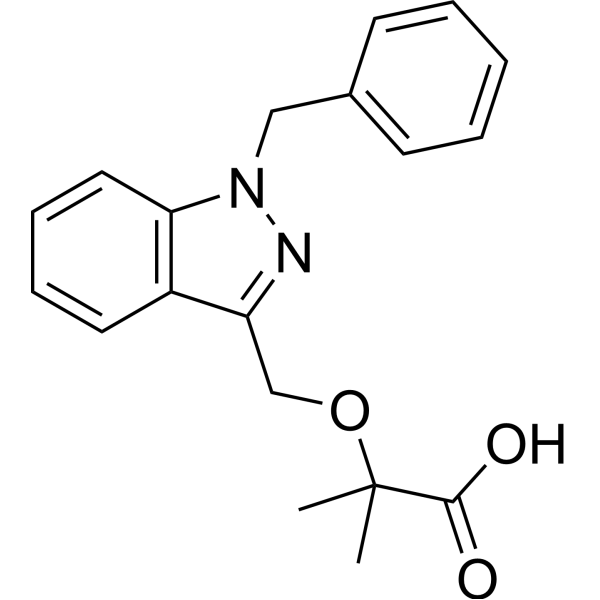
  • HY-B0498
    Bindarit
    25+ Cited Publications

    AF2838

    CCR Neurological Disease Inflammation/Immunology Endocrinology Cancer
    Bindarit (AF2838) is a selective inhibitor of the monocyte chemotactic proteins MCP-1/CCL2, MCP-3/CCL7, and MCP-2/CCL8, and no effect on other CC and CXC chemokines such as MIP-1α/CCL3, MIP-1β/CCL4, MIP-3/CCL23. Bindarit also has anti-inflammatory activity .
    Bindarit
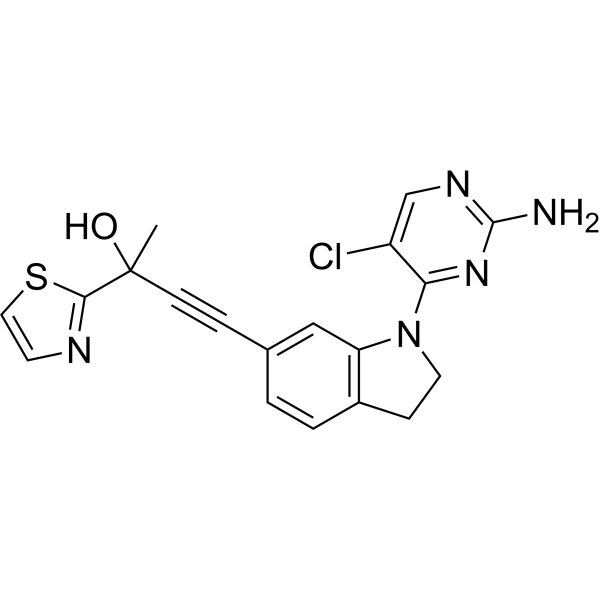
  • HY-120501
    B022
    15+ Cited Publications

    NF-κB Inflammation/Immunology
    B022 is a potent and selective NF-κB-inducing kinase (NIK) inhibitor (Ki of 4.2 nM; IC50=15.1 nM). B022 protects liver from toxin-induced inflammation, oxidative stress, and injury [2]. B022 is a click chemistry reagent, it contains an Alkyne group and can undergo copper-catalyzed azide-alkyne cycloaddition (CuAAc) with molecules containing Azide groups.
    B022
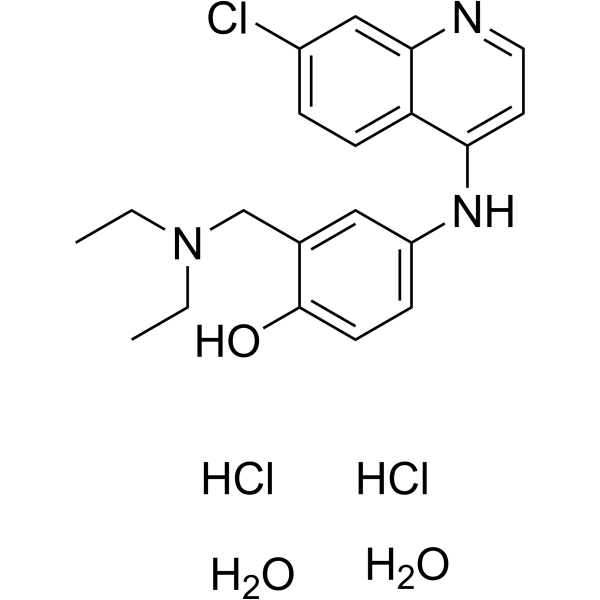
  • HY-B1322

    Amodiaquin dihydrochloride dihydrate

    Nuclear Hormone Receptor 4A/NR4A Parasite Histone Methyltransferase Infection Neurological Disease Inflammation/Immunology
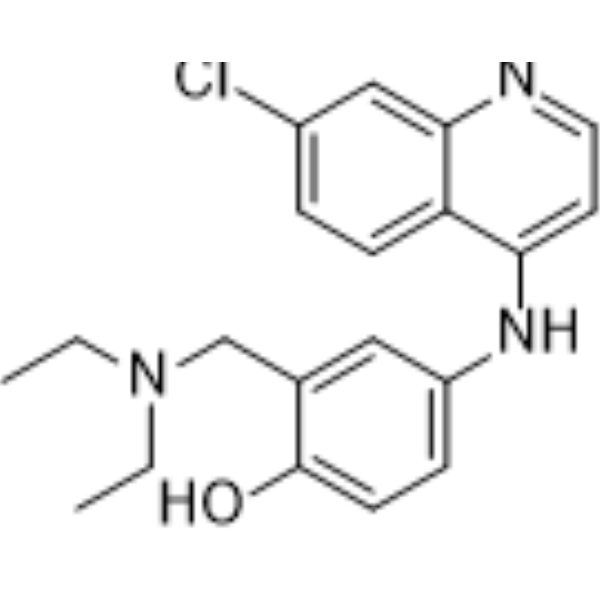
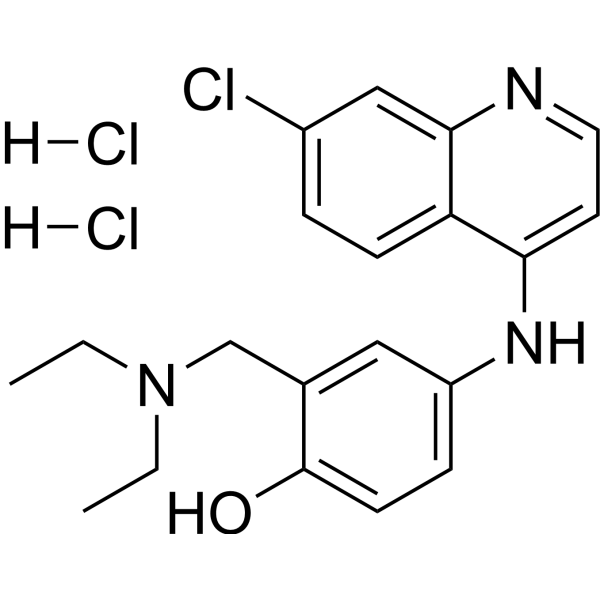
    Amodiaquine dihydrochloride dihydrate (Amodiaquin dihydrochloride dihydrate), a 4-aminoquinoline class of antimalarial agent, is a potent and orally active histamine N-methyltransferase inhibitor. Amodiaquine dihydrochloride dihydrate is also a Nurr1 agonist and specifically binds to Nurr1-LBD (ligand binding domain) with an EC50 of ~20 μM. Anti-inflammatory effect [2] .
    Amodiaquine dihydrochloride dihydrate
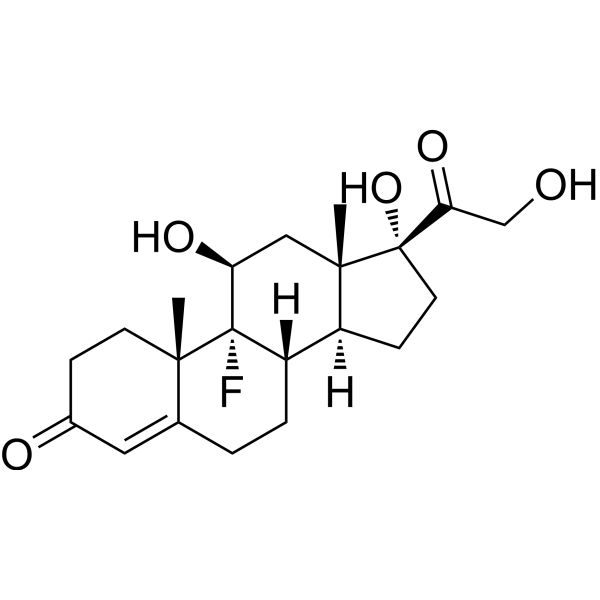
  • HY-B1203

    9α-Fludrocortisone; 9α-Fluorcortisol

    Mineralocorticoid Receptor Glucocorticoid Receptor Apoptosis Neurological Disease Metabolic Disease Inflammation/Immunology Cancer
    Fludrocortisone (9α-Fludrocortisone) is an orally active mineralocorticoid and glucocorticoid receptor agonist. Fludrocortisone suppresses pro-inflammatory cytokine expression, reduces CCL2, IL-6, IL-8 levels, upregulates mineralocorticoid receptor (MR) expression, induces PI3K/Akt, GSK-3β, CREB, ERK1/2, mTOR phosphorylation, blocks Tau hyperphosphorylation, prevents apoptosis, promotes survival and proliferation, enhances renal sodium and water transport, increases plasma volume and blood pressure, reduces plasma potassium and renin activity, stimulates erythropoietin expression, modulates uterine receptivity genes, and reverses PP242-induced MUC1 upregulation. Fludrocortisone can be used for the research of congenital adrenal hyperplasia, postural hypotension, and adrenal insufficiency [2] .
    Fludrocortisone
  • HY-B1322A
    Amodiaquine
    10+ Cited Publications

    Amodiaquin

    Nuclear Hormone Receptor 4A/NR4A Parasite Histone Methyltransferase Infection Neurological Disease Inflammation/Immunology
    Amodiaquine (Amodiaquin), a 4-aminoquinoline class of antimalarial agent, is a potent and orally active histamine N-methyltransferase inhibitor. Amodiaquine is also a Nurr1 agonist and specifically binds to Nurr1-LBD (ligand binding domain) with an EC50 of ~20 μM. Anti-inflammatory effect [2] .
    Amodiaquine
  • HY-P99188
    Carlumab
    4 Publications Verification

    CNTO 888

    CCR Cancer
    Carlumab (CNTO 888) is a human anti-CCL2 (chemokine ligand 2) monoclonal antibody. Carlumab binds and neutralises profibrotic activities of human CCL2. Carlumab inhibits tumor growth by reducing macrophage infiltration and decreasing tumor microvascular density. Carlumab can be used for the research of cancer, suah as prostate cancer [2].
    Carlumab
  • HY-P990297

    CCR HIV Infection Inflammation/Immunology Cancer
    Anti-Mouse/Rat/Human CCL2/MCP-1 Antibody (2H5) is an anti-mouse/rat/human CCL2/MCP-1 IgG monoclonal antibody. Anti-Mouse/Rat/Human CCL2/MCP-1 Antibody (2H5) can reverse the immunosuppressive microenvironment by blocking the CCL2 signaling pathway. Anti-Mouse/Rat/Human CCL2/MCP-1 Antibody (2H5) can reduce the secretion of IFN-γ and the infiltration of macrophages. CCL2/MCP-1 Antibody (2H5) can reduce the amount of HIV virus by increasing the proportion of T cells. Anti-Mouse/Rat/Human CCL2/MCP-1 Antibody (2H5) can be used for researches on inflammation conditions, virus infection and cancer such as inflammatory bowel disease (IBD), hepatocellular carcinoma (HCC) and HIV [2] .
    Anti-Mouse/Rat/Human CCL2/MCP-1 Antibody (2H5)
  • HY-P99781

    MLN-1202

    CCR Inflammation/Immunology Cancer
    Plozalizumab (MLN-1202) is a humanized anti-CCR2 IgG1 monoclonal antibody. Plozalizumab blocks the recruitment of myeloid cells to the tumor microenvironment by inhibiting the CCL2/CCR2 axis. In addition, Plozalizumab also ameliorates synovial inflammation in rheumatoid arthritis. Plozalizumab can be used in the research of malignant melanoma and bone metastasis-related cancers. Recommended isotype control: Human IgG1 kappa, Isotype Control (HY-P99001) [2] .
    Plozalizumab
  • HY-B1322B
    Amodiaquine dihydrochloride
    10+ Cited Publications

    Amodiaquin dihydrochloride

    Nuclear Hormone Receptor 4A/NR4A Parasite Histone Methyltransferase Infection Neurological Disease Inflammation/Immunology
    Amodiaquine dihydrochloride (Amodiaquin dihydrochloride), a 4-aminoquinoline class of antimalarial agent, is a potent and orally active histamine N-methyltransferase inhibitor with a Ki of 18.6 nM. Amodiaquine dihydrochloride is also a Nurr1 agonist and specifically binds to Nurr1-LBD (ligand binding domain) with an EC50 of ~20 μM. Anti-inflammatory effect [2] .
    Amodiaquine dihydrochloride
  • HY-B0673R

    AMR69 (Standard)

    Reference Standards TGF-beta/Smad CCR Inflammation/Immunology Cancer
    Pirfenidone (Standard) is the analytical standard of Pirfenidone. This product is intended for research and analytical applications. Pirfenidone (AMR69) is an antifibrotic agent that attenuates CCL2 and CCL12 production in fibrocyte cells. Pirfenidone has growth-inhibitory effect and reduces TGF-β2 protein levels in human glioma cell lines. Pirfenidone also has anti-inflammatory activities [2] .
    Pirfenidone (Standard)
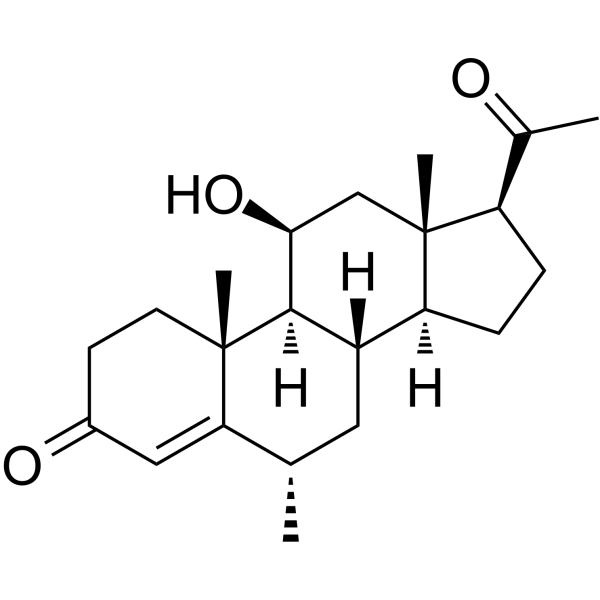
  • HY-B1076
    Medrysone
    1 Publications Verification

    HMS; 6α-Methyl-11β-hydroxyprogesterone

    VEGFR CCR STAT Neurological Disease
    Medrysone (HMS; 6α-Methyl-11β-hydroxyprogesterone) is a STAT6 modulator and M2 macrophage polarization inducer. Medrysone enhances IL-4-triggered STAT6 activation, upregulates the expression of M2 markers, and promotes the secretion of VEGF and CCL2. Medrysone also enhances the pro-migratory activity of M2-like macrophages toward endothelial cells. By regulating macrophage polarization and related repair pathways, Medrysone significantly promotes corneal wound repair in a rat mechanical injury model. Medrysone can be used for research related to corneal injury .
    Medrysone
  • HY-B0673S1

    LYT-100; AMR69-d3

    Isotope-Labeled Compounds Others
    Deupirfenidone-d3 is the deuterium labeled Pirfenidone (HY-B0673). Pirfenidone (AMR69) is an antifibrotic agent that attenuates CCL2 and CCL12 production in fibrocyte cells. Pirfenidone has growth-inhibitory effect and reduces TGF2 protein levels in human glioma cell lines. Pirfenidone also has anti-inflammatory activities [2] .
    Deupirfenidone
  • HY-N0444

    Reactive Oxygen Species (ROS) Inflammation/Immunology
    Rubiadin is an orally active polyketide-derived compound and free radical scavenger that inhibits the activation of the NF-κB pathway. Rubiadin inhibits osteoclast formation, bone resorption, lipid peroxidation, HBV DNA replication and cancer cell proliferation; reduces pro-inflammatory cytokine levels; induces cancer cell apoptosis; and possesses antifungal, antimalarial, antibacterial and anticonvulsant activities. Rubiadin can be used in the research of osteoporosis, acute inflammation, chronic inflammation, carbon tetrachloride-induced liver injury, Alzheimer's disease, breast cancer, iron overload disorders, hepatitis B virus infection, colon cancer, liver cancer, T-lymphocytic leukemia, cervical cancer, diabetic nephropathy, epileptic seizures, fungal infections, malaria and bacterial infections [2] .
    Rubiadin
  • HY-148100
    Emapticap pegol
    1 Publications Verification

    NOX-E36

    CCR Inflammation/Immunology Cancer
    Emapticap pegol (NOX-E36) is a inhibitor of pro-inflammatory chemokine C-C motif-ligand 2 (CCL2). Emapticap pegol is a 40-nucleotide oligonucleotide aptamer, displays different Spiegelmers (L-RNA aptamer) isform in human (NOX-E36) and mouse (mNOX-E36). mNOX-E36 is a murine-specific analogue of NOX-E36, an anti-MCP-1 L-RNA aptamer that was previously shown to attenuate liver fibrosis in mice [2] .
    Emapticap pegol
  • HY-B0673S

    AMR69-d5

    TGF-beta/Smad CCR Inflammation/Immunology Cancer
    Pirfenidone-d5 (AMR69-d5) is a deuterium labeled Pirfenidone. Pirfenidone is an antifibrotic agent that attenuates CCL2 and CCL12 production in fibrocyte cells. Pirfenidone has growth-inhibitory effect and reduces TGF2 protein levels in human glioma cell lines. Pirfenidone also has anti-inflammatory activities [2] .
    Pirfenidone-d5
  • HY-P99450

    IPH 5401; Anti-C5aR1 mAb

    Complement System Inflammation/Immunology Cancer
    Avdoralimab (IPH 5401) is a fully human IgGκ monoclonal antibody that targets the complement C5a receptor 1 (C5aR1) that prevents its binding to C5a. Avdoralimab can be used for complement-driven inflammatory diseases and solid tumours research .
    Avdoralimab
  • HY-115644

    Melanocortin Receptor Inflammation/Immunology
    BMS-470539 dihydrochloride is a highly potent and selective melanocortin-1 receptor (MC-1R) agonist with an IC50 of 120 nM, an EC50 of 28 nM. BMS-470539 dihydrochloride does not activate MC-3R and is a very weak partial agonist at MC-4R and MC-5R. BMS-470539 dihydrochloride has potently anti-inflammatory properties [2] .
    BMS-470539 dihydrochloride
  • HY-120897

    Bcl-2 Family Apoptosis Inflammation/Immunology
    NS-3-008 hydrochloride is an orally active transcriptional inhibitor of G0/G1 switch 2 (G0s2) with an IC50 of 2.25 μM. NS-3-008 hydrochloride can be used for chronic kidney disease .
    NS-3-008 hydrochloride
  • HY-P991280

    Interleukin Related Inflammation/Immunology
    BMS-981164 is a human anti-IL31 IgG1-κ monoclonal antibody. BMS-981164 effectively inhibits the IL-31 signaling pathway. The isotype control of BMS-981164 can be referenced to Human IgG1 kappa, Isotype Control (HY-P99001). BMS-981164 is applicable to research related to atopic dermatitis .
    BMS-981164
  • HY-170415

    Interleukin Related Inflammation/Immunology
    EGR-1 IN-3 (Compound 36) is an early growth response 1 (EGR-1)-DNA binding disruptor. EGR-1-IN-3 inhibits TNFα-induced binding of EGR-1 to DNA and expression of genes associated with inflammation (such as TSLP, IL-31, IL-6 and CCL2). EGR-1-IN-3 can be used in the study of inflammatory diseases .
    EGR-1-IN-3
  • HY-W013675

    HSP Inflammation/Immunology
    2-Methoxyhydroquinone is a phenolic compound that reduces TNF-α-induced production of chemokine (C-C motif) ligand 2 (CCL2) with an IC50 value of 64.3 µM. 2-Methoxyhydroquinone is also a precursor in the synthesis of the Hsp90 inhibitor Geldanamycin (HY-15230) [2].
    2-Methoxyhydroquinone
  • HY-160552

    Liposome Others
    244cis, a piperazine-containing ionizable cationic lipid, has been used to generate lipid nanoparticles (LNPs). LNPs containing 244cis and coated with mRNA reporter gene were specifically accumulated in mouse lungs compared with LNPs containing SM-102. Induces a decrease in serum chemokine (C-C motif) ligand 2 (CCL2) levels .
    244cis
  • HY-RS16514

    Small Interfering RNA (siRNA) Others

    Ccl2 Mouse Pre-designed siRNA Set A contains three designed siRNAs for Ccl2 gene (Mouse), as well as a negative control, a positive control, and a FAM-labeled negative control.

    Ccl2 Mouse Pre-designed siRNA Set A
    Ccl2 Mouse Pre-designed siRNA Set A
  • HY-116247

    PPAR Metabolic Disease Inflammation/Immunology
    ST247 a potent PPARβ/δ inverse agonist. ST247 has a higher affinity to PPARβ/δ. ST247 modulates expression of the activation marker CCL2 in the opposite direction. ST247 efficiently induces the interaction with corepressors. ST247 inhibits the agonist-induced transcriptional activity of PPARβ/δ .
    ST247
  • HY-148100A
    Emapticap pegol sodium
    1 Publications Verification

    NOX-E36 sodium

    CCR Cancer
    Emapticap pegol sodium is a inhibitor of pro-inflammatory chemokine C-C motif-ligand 2 (CCL2). Emapticap pegol sodium is a 40-nucleotide oligonucleotide aptamer, displays different Spiegelmers (L-RNA aptamer) isform in human (NOX-E36) and mouse (mNOX-E36) [2] .
    Emapticap pegol sodium
  • HY-W007376R

    3-Formylindole (Standard)

    Reference Standards Endogenous Metabolite Others
    Indole-3-carboxaldehyde (Standard) is the analytical standard of Indole-3-carboxaldehyde. This product is intended for research and analytical applications. Indole-3-carboxaldehyde (3-Formylindole), a banlangen extract, is the product of the oxidative degradation of indole-3-acetic acid (IAA) by crude enzyme preparations from etiolated pea seedlings. Indole-3-carboxaldehyde is a biochemical used to prepare analogs of the indole phytoalexin cyclobrassinin. Indole-3-carboxaldehyde also enhances the epithelial barrier and anti-inflammatory activity in the intestinal tract[1][2].
    Indole-3-carboxaldehyde (Standard)
  • HY-P99149

    TNF Receptor Inflammation/Immunology Cancer
    Anti-Mouse TNFR2 Antibody (TR75-54.7) is an anti-mouse TNFR2 IgG monoclonal antibody. Anti-Mouse TNFR2 Antibody (TR75-54.7) can reduce white blood cell count (WBC) and decrease the expression of some pro-inflammatory cytokines such as CCL2 and CXCL5. Anti-Mouse TNFR2 Antibody (TR75-54.7) can be used for researches on inflammation conditions and cancer such as breast cancer [2].
    Anti-Mouse TNFR2 Antibody (TR75-54.7)
  • HY-149202

    PGE synthase Neurological Disease Inflammation/Immunology
    UT-11 is a potent and blood-brain barrier-permeable microsomal prostaglandin E synthase-1 (mPGES-1) inhibitor with IC50s of 0.10 μM and 2.00 μM for inhibiting PGE2 production in human (SK-N-AS) and murine (BV2) cells, respectively .
    UT-11
  • HY-P991208

    human Flt3L; hFlt3L

    FLT3 Interleukin Related CCR Inflammation/Immunology
    Flt-3L-Ig (hum/hum) (hFlt3L) is a Flt3 ligand. Flt-3L-Ig (hum/hum) enhances the release of inflammatory cytokines from myeloid cells and dendritic cells in BRGSF-CBC mice induced by OKT3. Flt-3L-Ig (hum/hum) increases the release of IL-2, CCL2 and CXCL10 in an OKT3-dependent manner. Flt-3L-Ig (hum/hum) can be used in studies related to cytokine release syndrome. Flt-3L-Ig (hum/hum) can be used in studies related to psoriasis-like skin inflammation [2].
    Flt-3L-Ig (hum/hum)
  • HY-174763

    mRNA Inflammation/Immunology
    Human CCL2 mRNA encodes the human C-C motif chemokine ligand 2 (CCL2) protein. CCL2 displays chemotactic activity for monocytes and basophils but not for neutrophils or eosinophils. It has been implicated in the pathogenesis of diseases characterized by monocytic infiltrates, like psoriasis, rheumatoid arthritis and atherosclerosis.
    Human CCL2 mRNA
  • HY-121896

    SHP2 Cancer
    DSHN is a potent small heterodimer partner (SHP) activator. DSHN inhibits Ccl2 expression and secretion by inhibiting p65 activation of Ccl2 promoter activity. DSHN can be used in research of cancer .
    DSHN
  • HY-RS02089

    Small Interfering RNA (siRNA) Others

    CCL2 Human Pre-designed siRNA Set A contains three designed siRNAs for CCL2 gene (Human), as well as a negative control, a positive control, and a FAM-labeled negative control.

    CCL2 Human Pre-designed siRNA Set A
    CCL2 Human Pre-designed siRNA Set A
  • HY-W104821

    Keap1-Nrf2 Metabolic Disease
    Rosolic Acid is an activator of Nrf2, as well as its downstream targets. Rosolic Acid increases the levels of angiogenic factors, decreases inflammation (TNF-α and IL-1β) and apoptotic markers (CXCL10 and CCL2). Rosolic Acid restores the function of pancreatic cells and protects endothelial cells (ECs) from endoplasmic reticulum stressed .
    Rosolic acid
  • HY-B1322R

    Amodiaquin dihydrochloride dihydrate (Standard)

    Nuclear Hormone Receptor 4A/NR4A Reference Standards Parasite Histone Methyltransferase Infection Neurological Disease Inflammation/Immunology
    Amodiaquine (dihydrochloride dihydrate) (Standard) is the analytical standard of Amodiaquine (dihydrochloride dihydrate). This product is intended for research and analytical applications. Amodiaquine dihydrochloride dihydrate (Amodiaquin dihydrochloride dihydrate), a 4-aminoquinoline class of antimalarial agent, is a potent and orally active histamine N-methyltransferase inhibitor. Amodiaquine dihydrochloride dihydrate is also a Nurr1 agonist and specifically binds to Nurr1-LBD (ligand binding domain) with an EC50 of ~20 μM. Anti-inflammatory effect [2] .
    Amodiaquine dihydrochloride dihydrate (Standard)
  • HY-176255

    Molecular Glues Interleukin Related CCR Inflammation/Immunology
    TBK1 degrader-4 (Compound 30) is a molecular glue degrader targeting TBK1. TBK1 degrader-4 effectively inhibits cyst growth, alleviates inflammation, and reduces the levels of pro-inflammatory factors such as Ccl2, IFNβ, and IL-6. TBK1 degrader-4 is promising for research of autosomal dominant polycystic kidney disease (ADPKD) .
    TBK1 degrader-4
  • HY-178926

    CCR TNF Receptor Interleukin Related Metabolic Disease Inflammation/Immunology Endocrinology
    RAGE406R is an orally active RAGE-DIAPH1 interaction antagonist. RAGE406R can bind to ctRAGE and prevent the formation of the RAGE-DIAPH1 complex and inhibit its interaction. RAGE406R can reduce the expression of CCL2, TNF, and IL-6 in THP1 cells. RAGE406R suppresses delayed-type hypersensitivity in T2D mice. RAGE406R can be used for the study of diabetes .
    RAGE406R
  • HY-RS22945

    Small Interfering RNA (siRNA) Others

    Ccl2 Rat Pre-designed siRNA Set A contains three designed siRNAs for Ccl2 gene (Rat), as well as a negative control, a positive control, and a FAM-labeled negative control.

    Ccl2 Rat Pre-designed siRNA Set A
    Ccl2 Rat Pre-designed siRNA Set A
  • HY-P11553

    CCR Inflammation/Immunology
    ECL1i is an allosteric, selective CCR2 inhibitor. ECL1i specifically inhibits CCL2-/CCR2-mediated chemotaxis. ECL1i interferes with CCR2-positive cell recruitment and attenuates disease progression in experimental autoimmune encephalomyelitis .
    ECL1i
  • HY-P11553A

    CCR Infection Inflammation/Immunology
    ECL1i TFA is an allosteric, selective CCR2 inhibitor. ECL1i TFA specifically inhibits CCL2-/CCR2-mediated chemotaxis. ECL1i TFA interferes with CCR2-positive cell recruitment and attenuates disease progression in experimental autoimmune encephalomyelitis .
    ECL1i TFA
  • HY-171683

    Antibody-Drug Conjugates (ADCs) CCR Microtubule/Tubulin Apoptosis Cancer
    Anti-CCL2 (Carlumab)-VcMMAE is an antibody-drug conjugate (ADC) consisting of the humanized anti-CCL2 (chemokine ligand 2) antibody Carlumab (HY-P99188) conjugated with valine-citrulline (vc) and the tubulin inhibitor MMAE (HY-15162). The ADC toxic molecule and linker part are McMMAE (HY-15575). Anti-CCL2 (Carlumab)-VcMMAE induces apoptosis and can be used in cancer research [2].
    Anti-CCL2 (Carlumab)-VcMMAE
  • HY-171682

    Antibody-Drug Conjugates (ADCs) CCR Microtubule/Tubulin Apoptosis Cancer
    Anti-CCL2 (Carlumab)-McMMAF is an antibody-drug conjugate (ADC) consisting of the humanized anti-CCL2 (chemokine ligand 2) antibody Carlumab (HY-P99188) conjugated to the protective group maleimidocaproyl and the tubulin inhibitor MMAF (HY-15579). The ADC toxic molecule and linker part are McMMAF (HY-15578). Anti-CCL2 (Carlumab)-McMMAF induces apoptosis and can be used in cancer research [2].
    Anti-CCL2 (Carlumab)-McMMAF
  • HY-165528

    XC8

    CCR Inflammation/Immunology
    Histamine glutarimide (XC8) is an orally active anti-asthma agent. Histamine glutarimide blocks the maturation of chemokines (CCL2, CCL7, CCL8, CCL13) and inhibits the migration of eosinophils and the degranulation of mast cells. In asthma models induced by carrageenan and rat ovalbumin, Histamine glutarimide can reduce airway resistance and the count of eosinophils in bronchoalveolar lavage fluid. Histamine glutarimide can be used in asthma research .
    Histamine glutarimide
  • HY-171681

    Antibody-Drug Conjugates (ADCs) CCR Microtubule/Tubulin Cancer
    Anti-CCL2 (Carlumab)-SPDB-DM4 is an antibody-drug conjugate (ADC) consisting of the humanized anti-CCL2 (chemokine ligand 2) antibody Carlumab (HY-P99188) conjugated with the linker SPDB (HY-12448) and the tubulin inhibitor DM4 (HY-12454). The ADC toxic molecule and linker part are sulfo-SPDB-DM4 (HY-101141). Anti-CCL2 (Carlumab)-SPDB-DM4 can be used in cancer research [2].
    Anti-CCL2 (Carlumab)-SPDB-DM4
  • HY-171680

    Antibody-Drug Conjugates (ADCs) CCR Microtubule/Tubulin Cancer
    Anti-CCL2 (Carlumab)-SMCC-DM1 is an antibody-drug conjugate (ADC) consisting of the humanized anti-CCL2 (chemokine ligand 2) antibody Carlumab (HY-P99188) conjugated to the linker SMCC (HY-42360) and the cytotoxic microtubule inhibitor DM1 (HY-19792). The ADC toxic molecule and linker part are SMCC-DM1 (HY-101070). Anti-CCL2 (Carlumab)-SMCC-DM1 can be used in the research of cancer, especially prostate cancer [2].
    Anti-CCL2 (Carlumab)-SMCC-DM1
  • HY-N3887

    Haplophytin B; Haplophytine B

    Bacterial Infection
    Evoxine (Haplophytin B) is a compound that selectively inhibits CO2-induced immunosuppression and has activity in inhibiting the expression of interleukin-6 and chemokine CCL2 in human THP-1 macrophages. Evoxine shows antimicrobial activity against a wide range of bacteria, especially performing well in minimum inhibitory concentration (MIC) tests against Escherichia coli, Bacillus subtilis, and Staphylococcus aureus. Evoxine extracts may find application in crude drug preparations in West Africa, provided that their in vivo toxicity results are negative .
    Evoxine
  • HY-171684

    Antibody-Drug Conjugates (ADCs) CCR Topoisomerase Cancer
    Anti-CCL2 (Carlumab)-MC-Vc-PAB-SN38 is an antibody-drug conjugate (ADC) consisting of the humanized anti-CCL2 (chemokine ligand 2) antibody Carlumab (HY-P99188) conjugated to the linker Mc-VC-PAB and the topoisomerase I inhibitor SN38 (HY-13704). The ADC toxic molecule and linker part are Mc-VC-PAB-SN38 (HY-131057). Anti-CCL2 (Carlumab)-MC-Vc-PAB-SN38 can be used in cancer research [2].
    Anti-CCL2 (Carlumab)-MC-Vc-PAB-SN38
  • HY-171685

    Antibody-Drug Conjugates (ADCs) CCR DNA Alkylator/Crosslinker ADC Payload Antibiotic Apoptosis Cancer
    Anti-CCL2 (Carlumab)-MC-Vc-PAB-DMEA-PEG2-Duocarmycin SA is an antibody-drug conjugate (ADC) consisting of the humanized anti-CCL2 (chemokine ligand 2) antibody Carlumab (HY-P99188) conjugated with the linker MC-Vc-PAB-DMEA-PEG2 and the DNA alkylator Duocarmycin SA (HY-12456). Anti-CCL2 (Carlumab)-MC-Vc-PAB-DMEA-PEG2-Duocarmycin SA can be used in cancer research [2].
    Anti-CCL2 (Carlumab)-MC-Vc-PAB-DMEA-PEG2-Duocarmycin SA
  • HY-108554

    Protease Activated Receptor (PAR) Others
    Q94 hydrochloride, a selective PAR1 antagonist (IC50=916 nM), can selectively block PAR1/Gαq interaction and signalling. Q94 hydrochloride blocks PAR1-mediated increases in both CCL2 mRNA and protein levels in a dose-dependent manner. Q94 hydrochloride also completely blocks thrombin-induced ERK1/2 and MLC phosphorylation .
    Q94 hydrochloride

Inquiry Online

Your information is safe with us. * Required Fields.

Salutation


Country or Region *

Applicant Name *


Organization Name *

Department *


Email Address *


Product Name *

Cat. No.


Requested quantity *

Phone Number *


Remarks

Inquiry Online

Inquiry Information

Product Name:
Cat. No.:
Quantity:
MCE Japan Authorized Agent:

