1. Search Result
Search Result
Results for "

CDC-25

" in MedChemExpress (MCE) Product Catalog:

57

Inhibitors & Agonists

2

Peptides

8

Natural
Products

9

Antibodies

10

Oligonucleotides

Cat. No. Product Name Target Research Areas Chemical Structure
  • HY-107407
    SB-218078
    5 Publications Verification

    Checkpoint Kinase (Chk) CDK PKC Apoptosis Cancer
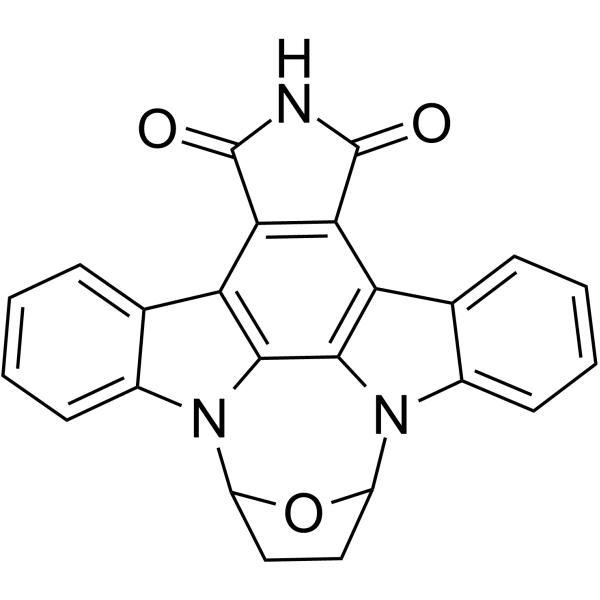
    SB-218078 is a potent, selective, ATP-competitive and cell-permeable checkpoint kinase 1 (Chk1) inhibitor that inhibits Chk1 phosphorylation of cdc25C with an IC50 of 15 nM. SB-218078 is less potently inhibits Cdc2 (IC50 of 250 nM) and PKC (IC50 of 1000 nM). SB-218078 causes apoptosis by DNA damage and cell cycle arrest .
    SB-218078
  • HY-108543
    NSC 95397
    Maximum Cited Publications
    9 Publications Verification

    Phosphatase Apoptosis Cancer
    NSC 95397 is a potent, selective Cdc25 dual specificity phosphatase inhibitor (Ki=32 nM (Cdc25A), 96 nM (Cdc25B), 40 nM (Cdc25C); IC50=22.3 nM (human Cdc25A), 56.9 nM (human Cdc25C), 125 nM (Cdc25B)) . NSC 95397 inhibits mitogen-activated protein kinase phosphatase-1 (MKP-1) and suppresses proliferation and induces apoptosis in colon cancer cells through MKP-1 and ERK1/2 pathway .
    NSC 95397
  • HY-100034
    NSC 663284
    5+ Cited Publications

    DA-3003-1

    Phosphatase Histone Methyltransferase Cancer
    NSC 663284 (DA-3003-1) is a potent, cell-permeable, and irreversible Cdc25 dual specificity phosphatase inhibitor, has an IC50 for Cdc25B2 of 0.21 μM. NSC 663284 exhibits mixed competitive kinetics against Cdc25A, Cdc25B(2), and Cdc25C with Ki values of 29, 95, and 89 nM, respectively . NSC 663284 inhibits NSD2 (IC50 of 170 nM) through a direct interaction with the catalytic SET domain (Kd of 370 nM) .
    NSC 663284
  • HY-112356

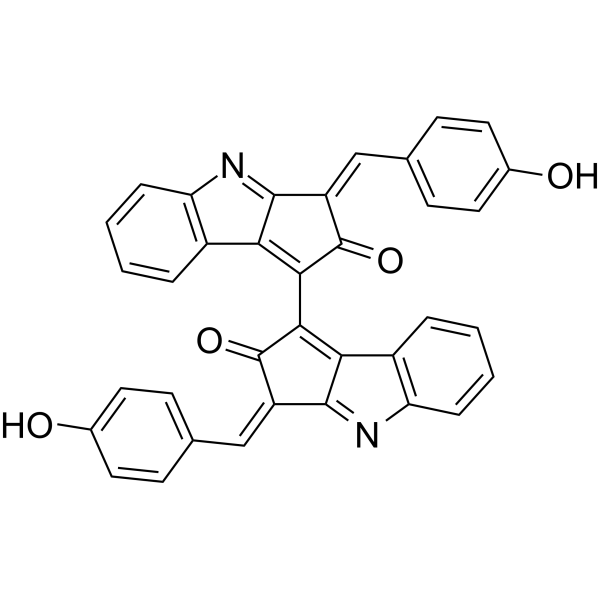
    Apoptosis Reactive Oxygen Species (ROS) Polo-like Kinase (PLK) Inflammation/Immunology Cancer
    Scytonemin is a hydrophobic alkaloid pigment that can be isolated from the outer sheath of cyanobacteria. Scytonemin has protective function against short-wave solar ultraviolet (UV) radiation, which can reduce the generation of reactive oxygen species (ROS) and the formation of DNA damage. Scytonemin also has anti-inflammatory and anti-proliferative activities, produces concentration-dependent inhibition (IC50=2.0 μM) of polo-like kinase 1 (PLK1)-mediated cdc25C phosphorylation, and plays an important role in regulating the G2/M transition in the cell cycle. It can be used in the research of cancer, acute inflammation and sunscreen cosmetics .
    Scytonemin
  • HY-151986

    DNA/RNA Synthesis Cancer
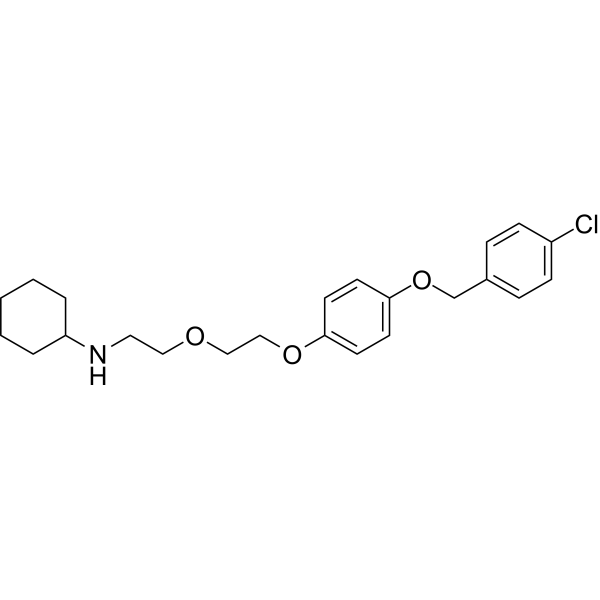
    FOXM1-IN-1 is a potent FOXM1 inhibitor with an IC50 value of 2.65 µM. FOXM1-IN-1 shows antiproliferative activity. FOXM1-IN-1 decreases the the expression of FOXM1, PLK1, CDC25B protein .
    FOXM1-IN-1
  • HY-N5112A
    β,β-Dimethylacrylalkannin
    3 Publications Verification

    Arnebin 1

    FGFR Necroptosis Apoptosis CDK JNK Inflammation/Immunology
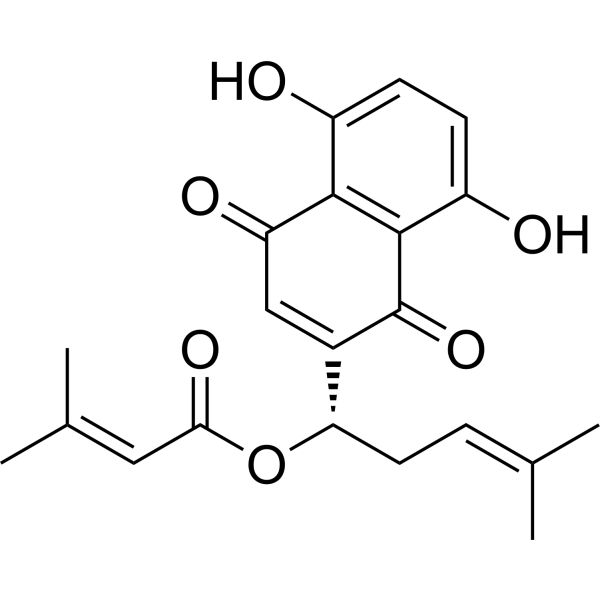
    β,β-Dimethylacrylalkannin (Arnebin 1) is an orally active FGFR1 inhibitor (IC50=2.5 μM) and the main active component of Lithospermum erythrorhizon. β,β-Dimethylacrylalkannin blocks downstream signaling by binding to the ATP pocket of FGFR1, and regulates the CDK1/Cdc25C pathway and ROS-JNK axis, thereby inducing G2/M phase arrest, necrosis and apoptosis in cancer cells, and inhibiting tumor proliferation. β,β-Dimethylacrylalkannin also acts as a colistin adjuvant to disrupt the cell membrane of Gram-negative bacteria. β,β-Dimethylacrylalkannin exhibits significant tumor-inhibitory effects with no obvious toxicity in PDX models, but chronic exposure to high doses may alter the relative lung/liver weights of rats, while acute exposure to high doses causes responses such as reduced motor activity. β,β-Dimethylacrylalkannin finds wide application in studies related to hepatocellular carcinoma, colorectal cancer, colistin-resistant bacterial infections, hepatitis and psoriasis .
    β,β-Dimethylacrylalkannin
  • HY-N7045
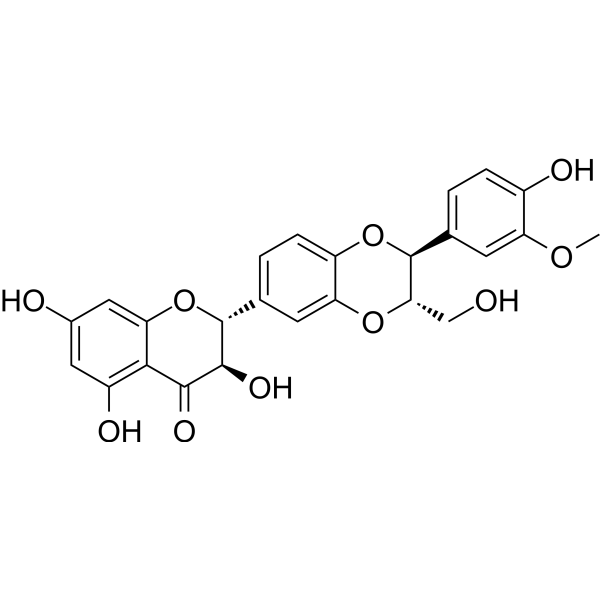
    Isosilybin B
    2 Publications Verification

    Androgen Receptor Apoptosis CDK Caspase PSMA Cancer
    Isosilybin B is a flavonolignan. Isosilybin B can be isolated from Silybum marianum. Isosilybin B can regulate cell cycle-related proteins (e.g., reduce cyclins (D3, D1, A, E), Cdk4, Cdk2, Cdc25A), and activate Caspases (Caspase-9 and Caspase-3). Isosilybin B can promote Apoptosis, reduce androgen receptor (AR) and PSA. Isosilybin B has anticancer activity against prostate cancer .
    Isosilybin B
  • HY-112776

    Phosphatase Cancer
    BN82002 is a potent, selective and irreversible inhibitor of CDC25 phosphatase family. BN82002 inhibits CDC25A, CDC25B2, CDC25B3, CDC25C CDC25A, and 25C-cat with IC50 values of 2.4, 3.9, 6.3, 5.4, and 4.6 µM, respectively. BN82002 displays ~20-fold greater selectivity over CD45 tyrosine phosphatase .
    BN82002
  • HY-135457
    JMS-053
    3 Publications Verification

    Phosphatase STAT Ras Cancer
    JMS-053 is an efficient and reversible PTP4A3 inhibitor, with an IC50 value of 18 nM. JMS-053 demonstrates broad PTP4A inhibitory activity with IC50s of 50 nM and 53 nM for PTP4A1 and PTP4A2, respectively. JMS-053 exhibits IC50 values of 92.6 nM and 207.6 nM for CDC25B and DUSP3, respectively. JMS-053 can effectively inhibit the activity of PTP4A3, inhibit tumor cell proliferation and migration through multiple mechanisms such as interfering with RhoA and STAT3/p38 signaling pathway. JMS-053 can be used for the study of cancers such as ovarian cancer, breast cancer and colon cancer .
    JMS-053
  • HY-132578

    Phosphatase Cancer
    M5N36 is a potent and selective Cdc25C inhibitor with IC50 values of 0.15, 0.19, 0.06 µM for Cdc25A, Cdc25B, Cdc25C, respectively. M5N36 shows anti-proliferative activity and increases the expression of p-CDK1 and p-CDK2 .
    M5N36
  • HY-126246
    CDC25B-IN-1
    1 Publications Verification

    Phosphatase Cancer
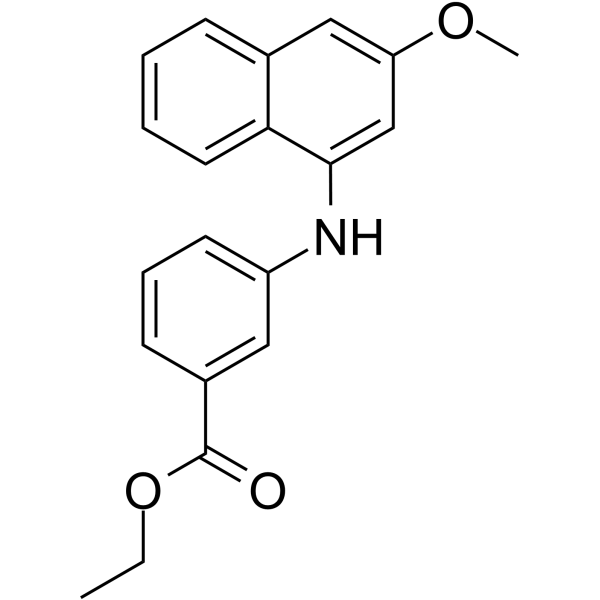
    CDC25B-IN-1 (compound 4a) is a potent inhibitor of cell division cycle 25B (CDC25B) phosphatase, with a Ki of 8.5 μM. CDC25B-IN-1 potently inhibits cell proliferation and colony formation, causes an increase of the G2/M phase .
    CDC25B-IN-1
  • HY-112776A
    BN82002 hydrochloride
    1 Publications Verification

    Phosphatase Cancer
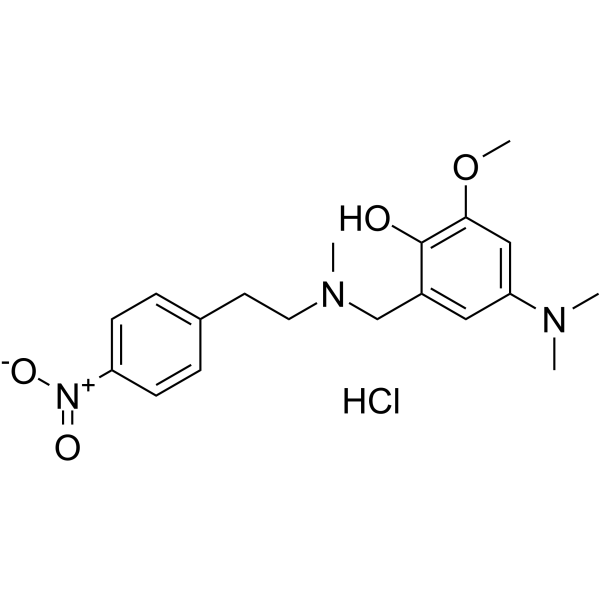
    BN82002 hydrochloride is a potent, selective and irreversible inhibitor of CDC25 phosphatase family. BN82002 hydrochloride inhibits CDC25A, CDC25B2, CDC25B3, CDC25C CDC25A, and 25C-cat with IC50 values of 2.4, 3.9, 6.3, 5.4, and 4.6 µM, respectively. BN82002 hydrochloride displays ~20-fold greater selectivity over CD45 tyrosine phosphatase .
    BN82002 hydrochloride
  • HY-121065

    IRC-083065

    Phosphatase Cancer
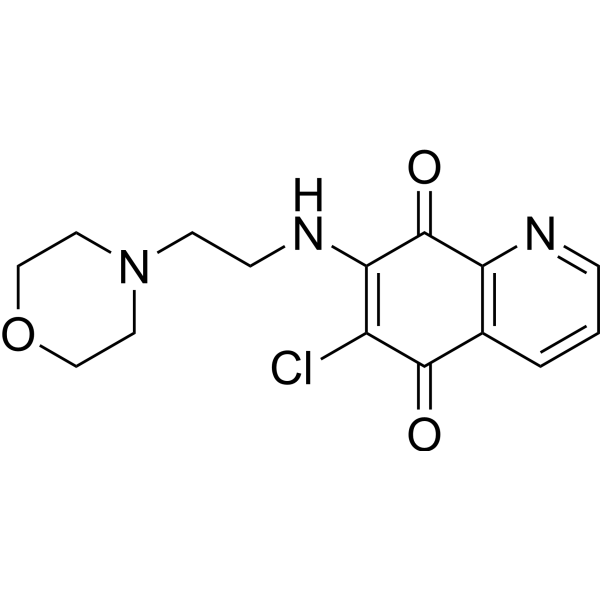
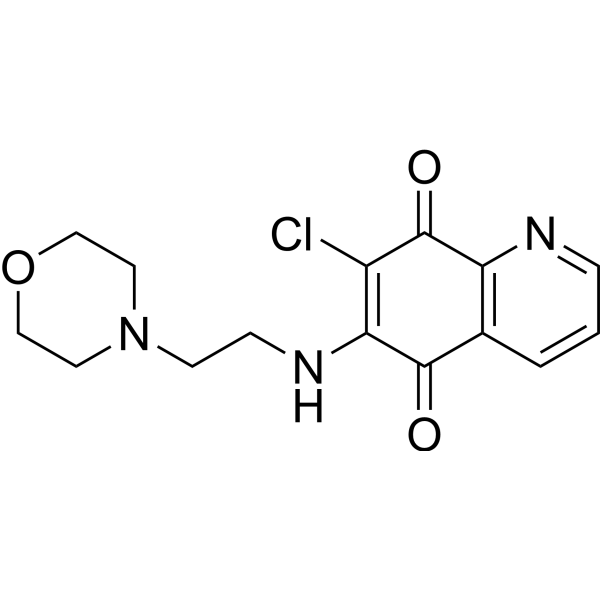
    BN-82685 is a a quinone-based CDC25 inhibitor with IC50 of 201 nM, 117 nM, 109 nM, 160 nM, 249 nM, for CDC25C, CDC25C-cat, CDC25A, CDC25B2, CDC25B3, respectively. BN-82685 plays an important role in cancer research .
    BN-82685
  • HY-N3000

    JNK IRE1 Akt mTOR YAP Reactive Oxygen Species (ROS) Autophagy Apoptosis Ferroptosis Fungal Infection Inflammation/Immunology Cancer
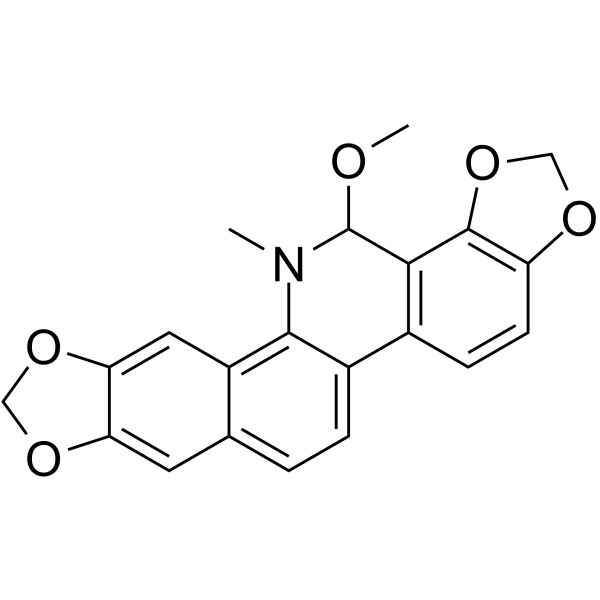
    6-Methoxydihydrosanguinarine is an alkaloid with activity across multiple cancer cell types. 6-Methoxydihydrosanguinarine activates IRE1/JNK signaling, blocks Akt/mTOR and PI3K/AKT/mTOR pathways, reduces expression of Cdc25C, CyclinB1, Cdc2, YAP/TAZ, Survivin, GPX4, and EGFR, upregulates IRE1 and DR5, and activates JNK and caspases. 6-Methoxydihydrosanguinarine induces apoptosis, G2/M phase arrest, DNA damage, ROS generation, lipid peroxidation, ferroptosis, autophagy, and suppresses cancer cell growth. 6-Methoxydihydrosanguinarine disruptes the biofilm formation of Candida albicans (C. albicans). 6-Methoxydihydrosanguinarine can be used for the research of non-small cell lung cancer, hepatocellular carcinoma, melanoma, colon carcinoma, ovarian cancer and breast cancer .
    6-Methoxydihydrosanguinarine
  • HY-118798

    NSC663285

    Phosphatase Cancer
    DA 3003-2 is a potent and selectively Cdc25 inhibitor. DA 3003-2 shows antiproliferative activity. DA 3003-2 induces cell cycle arrest at the G2/M phase and increases the expression of P-tyr 15 Cdc2. DA 3003-2 has the potential for the research of prostate cancer .
    DA 3003-2
  • HY-103381

    CDK GSK-3 Cancer
    NSC693868 is a selective inhibitor of CDK1 and CDK5 with IC50s of 600 nM and 400 nM, respectively. NSC693868 less potently inhibits GSK3β with an IC50 of 1 µM) and does not block CDC25 activity. NSC693868 is used to help define the roles of CDK1 and CDK5 in various signaling pathways .
    NSC693868
  • HY-W024644

    Phosphatase Cancer
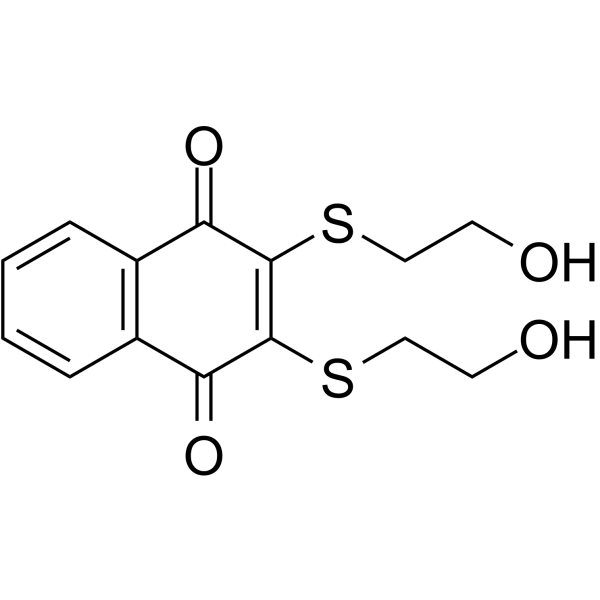
    Hydroxyethylthio Vitamin K3 is a Cdc25 phosphatase inhibitor, with IC50 values of 4.56 μM and 23.63 μM for Cdc25A and Cdc25B, respectively. Hydroxyethylthio Vitamin K3 can be used in tumor research .
    Hydroxyethylthio Vitamine K3
  • HY-128769

    CDK Cancer
    M2N12 is a potent and highly selective cell division cycle 25C protein phosphatase (Cdc25C) inhibitor with an IC50 value of 0.09  μM. M2N12 also has promising activity against Cdc25A and Cdc25B with IC50 values of  0.53  μM and 1.39 μM, respectively. M2N12 has anti-tumor activity and can be used for cancer research .
    M2N12
  • HY-137175A

    Phosphatase Cancer
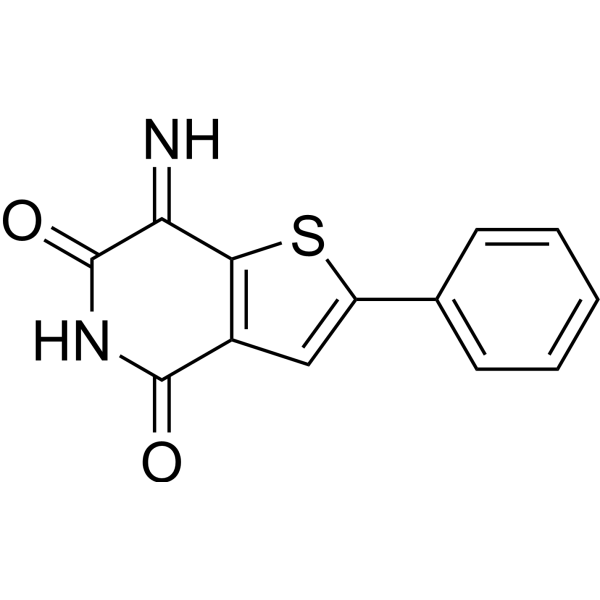
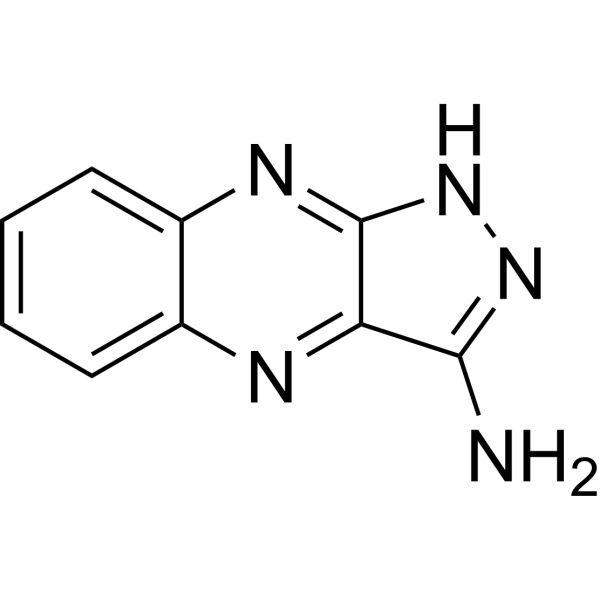
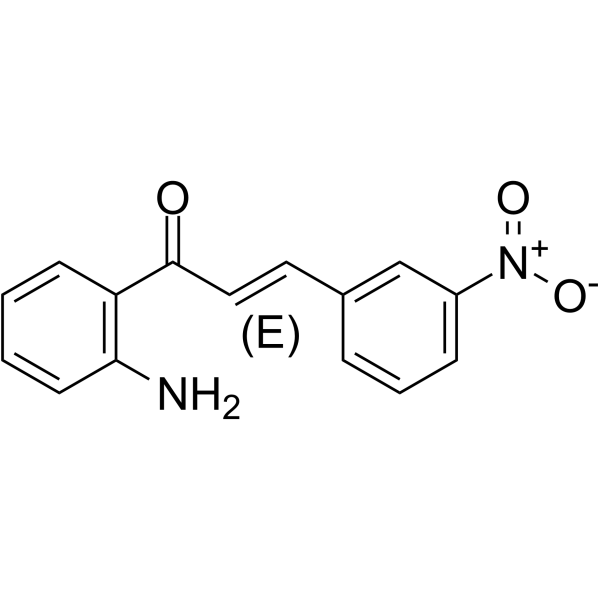
    CDC25B-IN-2 is a potent cdc25B inhibitor .
    CDC25B-IN-2
  • HY-172807

    p38 MAPK MAPKAPK2 (MK2) CDK Wee1 Cancer
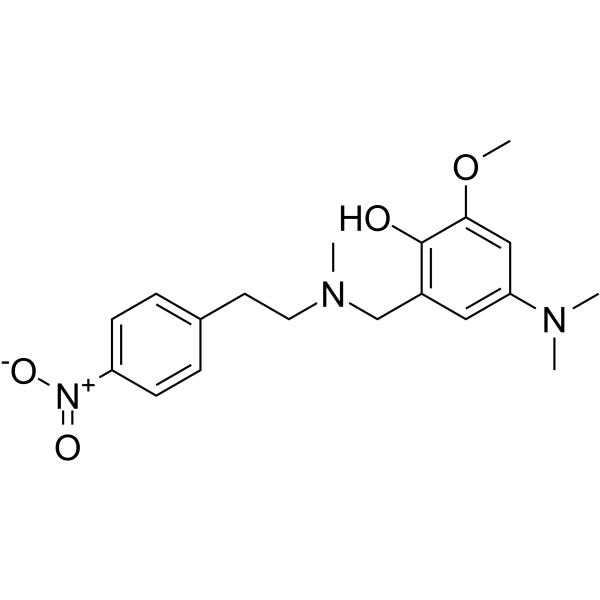
    p38α-IN-9 (Compound 2015) is a p38α inhibitor and blocks p38α’s enzymatic activity with an IC50 lower than 20 nM. p38α-IN-9 inhibits MK2 T334 phosphorylation. p38α-IN-9 activates Cdc25b and Cdc25c and simultaneously inactivates Wee1, leading to mitotic catastrophe, aneuploidy or polyploidy and DNA damage. p38α-IN-9 Inhibits colorectal cancer (CRC) metastasis .
    p38α-IN-9
  • HY-W102931

    Phosphatase Cancer
    6,7-Dichloroquinoline-5,8-dione (compound DA3002) is a potent CDC25B2 inhibitor with an IC50 value of 4.6 µM. 6,7-Dichloroquinoline-5,8-dione has the potential for the research of cancer .
    6,7-Dichloroquinoline-5,8-dione
  • HY-178944

    Phosphatase Apoptosis Caspase Cancer
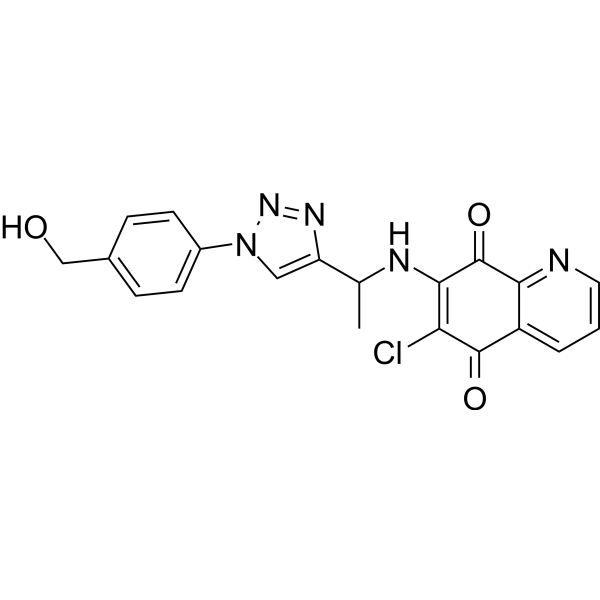
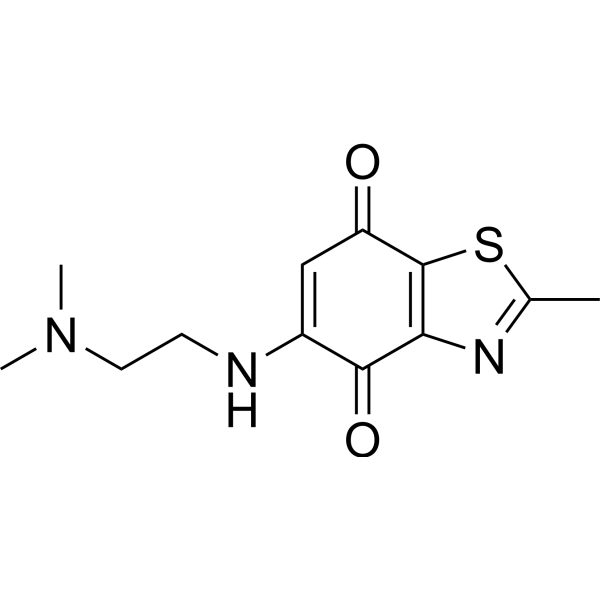
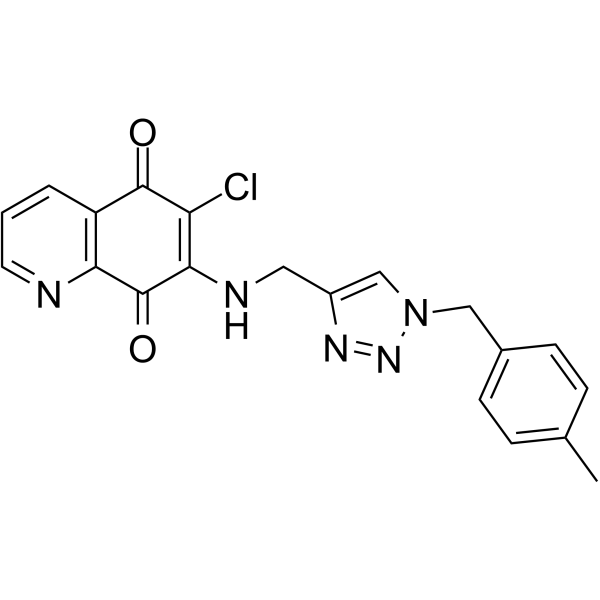
    CDC25-IN-1 (Compound D11b) is a potent inhibitor of cell division cycle 25 (CDC25) phosphatase. CDC25-IN-1 exerts strong inhibitory effects on leukemia and colorectal cancer cells. CDC25-IN-1 blocks CDC25 mediated CDK1 Tyr15 dephosphorylation, delays G2/M progression, and induces caspase-dependent apoptosis with DNA damage. CDC25-IN-1 can be used for researches of leukemia and colorectal cancer .
    CDC25-IN-1
  • HY-RS02291

    Small Interfering RNA (siRNA) Others

    CDC25A Human Pre-designed siRNA Set A contains three designed siRNAs for CDC25A gene (Human), as well as a negative control, a positive control, and a FAM-labeled negative control.

    CDC25A Human Pre-designed siRNA Set A
    CDC25A Human Pre-designed siRNA Set A
  • HY-137990

    Bacterial Parasite Phosphatase Infection Cancer
    Questin is an anthraquinone compound and antibacterial agent. Questin can be isolated from marine-derived fungi and plants. Questin inhibits Cdc25B phosphatase. Questin exhibits antibacterial activity against V. harveyi, V. anguillarum, V. cholerae, and V. parahemolyticus with MIC values of 31.25 µg/mL, 62.5 µg/mL, 62.5 µg/mL, and 125 µg/mL. Questin displays antiprotozoal activity against the animal protozoan pathogen Tritrichomonas foetus, with a MIC of 12.5 µg/mL. Questin has anticancer activity against lung and colon cancer .
    Questin
  • HY-118529

    Phosphatase Cancer
    JUN-1111 is an irreversible and selective Cdc25 phosphatase inhibitor with IC50 values of 0.38, 1.8, 0.66, 28, 37 µM for Cdc25A, Cdc25B, Cdc25C, VHR, PTP1B, respectively. JUN-1111 induces cell cycle arrest at G1 and G2/M phases. JUN-1111 decreases the expression of phosphoCdk1 .
    JUN-1111
  • HY-N12177

    Phosphatase SHP1 Metabolic Disease
    Cryptosporioptide A (Compound 3) is a pigment protein tyrosine phosphatase inhibitor derived from the insect-parasitic fungus Cordyceps gracilioides. Cryptosporioptide A inhibits PTP1B, SHP2, CDC25B, LAR and SHP1 enzymes with IC50 of 7.3, 5.7, 7.6, >50, 4.9 μg/mL, respectively .
    Cryptosporioptide A
  • HY-181011

    PROTACs Phosphatase Apoptosis Reactive Oxygen Species (ROS) Cancer
    PROTAC Cdc25 degrader-1 (Compound D3) is an efficient Cdc25 PROTAC degrader. Its DC50 values for Cdc25A, Cdc25B, and Cdc25C are 0.97, 2.02, and 4.67 μM respectively. PROTAC Cdc25 degrader-1 induces cell cycle arrest and apoptosis in cancer cells and inhibits cell migration ability. PROTAC Cdc25 degrader-1 significantly increases the ROS level. PROTAC Cdc25 degrader-1 can be used for the study of colorectal adenocarcinoma .
    PROTAC Cdc25 degrader-1
  • HY-RS18853

    Small Interfering RNA (siRNA) Others

    Cdc25c Mouse Pre-designed siRNA Set A contains three designed siRNAs for Cdc25c gene (Mouse), as well as a negative control, a positive control, and a FAM-labeled negative control.

    Cdc25c Mouse Pre-designed siRNA Set A
    Cdc25c Mouse Pre-designed siRNA Set A
  • HY-RS02293

    Small Interfering RNA (siRNA) Others

    CDC25C Human Pre-designed siRNA Set A contains three designed siRNAs for CDC25C gene (Human), as well as a negative control, a positive control, and a FAM-labeled negative control.

    CDC25C Human Pre-designed siRNA Set A
    CDC25C Human Pre-designed siRNA Set A
  • HY-28086

    Phosphatase Cancer
    CDC25-IN-2 (Compound 1d) is a selective phosphatase Cdc25 inhibitor with IC50 values of 44.4, 55.2 and 53.9 μM for human Cdc25A, Cdc25B, Cdc25C. CDC25-IN-2 can block the cell cycle progression by inhibiting the activity of Cdc25 phosphatase. CDC25-IN-2 can be used for the research of cancer .
    CDC25-IN-2
  • HY-123417

    Phosphatase Cancer
    IRC-083864 is an inhibitor of CDC25 phosphatase. IRC-083864 inhibits the activity of recombinant human full-length CDC25 phosphatase with an IC50 value of 23 nM. IRC-083864 inhibits cell viability with an IC50 value of 47 nM on the HL60 cell line .
    IRC-083864
  • HY-P4979

    Biochemical Assay Reagents Cancer
    Cdc25A (80-93) (human) is a polypeptide that controls the cell proliferation and tumorigenesis by a change in expression of proteins involved in cyclin D1 regulation and G1/S transition. Cdc25A (80-93) (human) can be used in cancer research .
    Cdc25A (80-93) (human)
  • HY-178297

    Phosphatase Cancer
    VHR-IN-7 is a selective vaccinia H1-related (VHR) phosphatase inhibitor with an IC50 of 71 nM. VHR-IN-7 shows very weaker inhibitory activity against MKP-1 (IC50 = 0.47 μM), CD45 (IC50 = 0.3 μM), Cdc25A (IC50 = 3.4 μM), PTP1B (IC50 = 0.59 μM), and HePTP (IC50 = 1.2 μM). VHR-IN-7 inhibits the proliferation of HeLa cells. VHR-IN-7 can be used for the research of cervical cancer .
    VHR-IN-7
  • HY-178296

    Phosphatase Cancer
    VHR-IN-6 is a selective vaccinia H1-related (VHR) phosphatase inhibitor with an IC50 of 74 nM. VHR-IN-6 shows very weaker inhibitory activity against MKP-1 (IC50 = 0.52 μM), CD45 (IC50 = 0.50 μM), Cdc25A (IC50 = 2.8 μM), PTP1B (IC50 = 0.42 μM), and HePTP (IC50 = 0.87 μM). VHR-IN-6 inhibits the proliferation of HeLa cells. VHR-IN-6 can be used for the research of cervical cancer .
    VHR-IN-6
  • HY-178301

    Phosphatase Cancer
    VHR-IN-9 is a selective vaccinia H1-related (VHR) phosphatase inhibitor with an IC50 of 270 nM. VHR-IN-9 shows very weaker inhibitory activity against MKP-1 (IC50 = 2.8 μM), CD45 (IC50 = 1.8 μM), Cdc25A (IC50 = > 10 μM), PTP1B (IC50 = 2.2 μM), and HePTP (IC50 = 2.4 μM). VHR-IN-9 inhibits the proliferation of HeLa cells. VHR-IN-9 can be used for the research of cervical cancer .
    VHR-IN-9
  • HY-RS02292

    Small Interfering RNA (siRNA) Others

    CDC25B Human Pre-designed siRNA Set A contains three designed siRNAs for CDC25B gene (Human), as well as a negative control, a positive control, and a FAM-labeled negative control.

    CDC25B Human Pre-designed siRNA Set A
    CDC25B Human Pre-designed siRNA Set A
  • HY-155816

    PROTACs Cancer
    PROTAC NSD3 degrader-1 (compound 56) is a PROTAC targeting to Nuclear receptor binding SET domain protein NSD3. PROTAC NSD3 degrader-1 specifically induces NSD3 degradation with DC50 values of 1.43 and 0.94 μM in lung cancer cells NCI-H1703 and A549, respectively. PROTAC NSD3 degrader-1 suppresses the methylation of H3K36, induces apoptosis, and causes cell-cycle arrest. PROTAC NSD3 degrader-1 also downregulates the expression of NSD3-associated genes such as CDC25A, ALDH1A1, and IGFBP.
    PROTAC NSD3 degrader-1
  • HY-175033

    Epigenetic Reader Domain Phosphatase c-Myc Apoptosis Inflammation/Immunology
    BRD4-IN-11 is an orally active and selective BRD4 inhibitor (IC50 = 26.35 nM (BD1), IC50 = 72.81 nM (BD2)). BRD4-IN-11 is approximately 3- to 18-fold more potent against BRD4 than againstBRD2, BRD3, and BRDT. BRD4-IN-11 enhances H2S release and inhibits the upregulation of fibrotic markers (α-SMA and fibronectin), c-Myc, and CDC25B. BRD4-IN-11 reduces apoptosis in LO2 hepatocytes. BRD4-IN-11 significantly improves liver and lung function in a hepatopulmonary fibrosis model and can be used to study hepatopulmonary fibrosis .
    BRD4-IN-11
  • HY-135564B

    Phosphatase Cancer
    (Rac)-RK-682, a racemate of RK-682, is a protein tyrosine phosphatases (PTPases) inhibitor. (Rac)-RK-682 inhibits protein tyrosine phosphatase 1B (PTP-1B), low molecular weight protein tyrosine phosphatases (LMW-PTP), and cell division cycle 25B (CDC-25B) with IC50s of 8.6 μM, 12.4 μM, and 0.7 μM, respectively .
    (Rac)-RK-682
  • HY-P10574

    Checkpoint Kinase (Chk) Cancer
    Phosphorylated CHKtide is a synthetic peptide substrate derived from CDC25C, which is phosphorylated by CHK1/CHK2 in one of the DNA repair pathways. Phosphorylated CHKtide is used in the assays of cell cycle checkpoint kinases 1 and 2 (CHK1/CHK2) and salt-inducible kinases (SIKs) .
    Phosphorylated CHKtide
  • HY-RS11691

    Small Interfering RNA (siRNA) Others

    RASGRF1 Human Pre-designed siRNA Set A contains three designed siRNAs for RASGRF1 gene (Human), as well as a negative control, a positive control, and a FAM-labeled negative control.

    RASGRF1 Human Pre-designed siRNA Set A
    RASGRF1 Human Pre-designed siRNA Set A
  • HY-RS17278

    Small Interfering RNA (siRNA) Others

    Cdc25a Mouse Pre-designed siRNA Set A contains three designed siRNAs for Cdc25a gene (Mouse), as well as a negative control, a positive control, and a FAM-labeled negative control.

    Cdc25a Mouse Pre-designed siRNA Set A
    Cdc25a Mouse Pre-designed siRNA Set A
  • HY-RS23732

    Small Interfering RNA (siRNA) Others

    Cdc25a Rat Pre-designed siRNA Set A contains three designed siRNAs for Cdc25a gene (Rat), as well as a negative control, a positive control, and a FAM-labeled negative control.

    Cdc25a Rat Pre-designed siRNA Set A
    Cdc25a Rat Pre-designed siRNA Set A
  • HY-178295

    Phosphatase Cancer
    VHR-IN-5 is a selective vaccinia H1-related (VHR) phosphatase inhibitor with an IC50 of 78 nM. VHR-IN-5 shows very weaker inhibitory activity against MKP-1 (IC50 = 0.78 μM), CD45 (IC50 = 0.61 μM), Cdc25A (IC50 = 3.4 μM), PTP1B (IC50 = 1.8 μM), and HePTP (IC50 = 1.5 μM). VHR-IN-5 inhibits the proliferation of HeLa cells. VHR-IN-5 can be used for the research of cervical cancer .
    VHR-IN-5
  • HY-RS25345

    Small Interfering RNA (siRNA) Others

    Cdc25c Rat Pre-designed siRNA Set A contains three designed siRNAs for Cdc25c gene (Rat), as well as a negative control, a positive control, and a FAM-labeled negative control.

    Cdc25c Rat Pre-designed siRNA Set A
    Cdc25c Rat Pre-designed siRNA Set A
  • HY-RS19767

    Small Interfering RNA (siRNA) Others

    Cdc25b Mouse Pre-designed siRNA Set A contains three designed siRNAs for Cdc25b gene (Mouse), as well as a negative control, a positive control, and a FAM-labeled negative control.

    Cdc25b Mouse Pre-designed siRNA Set A
    Cdc25b Mouse Pre-designed siRNA Set A
  • HY-RS26264

    Small Interfering RNA (siRNA) Others

    Cdc25b Rat Pre-designed siRNA Set A contains three designed siRNAs for Cdc25b gene (Rat), as well as a negative control, a positive control, and a FAM-labeled negative control.

    Cdc25b Rat Pre-designed siRNA Set A
    Cdc25b Rat Pre-designed siRNA Set A
  • HY-W276819

    Polo-like Kinase (PLK) Cancer
    PLK1-IN-9 (Compound M2) is an inhibitor for polo-like kinase 1 (PLK1), that inhibits PLK proteins modified with peptides 1010pT, cdc25c and PBIP, with IC50s of 1.6, 0.8 and 1.4 μM, respectively. PLK1-IN-9 inhibits proliferations of cancer cells HeLa, HL60, SNU387/499, HepG2, exhibits cytotoxicity and induces apoptosis. PLK1-IN-9 inhibits tumor growth in HepG2 xenograft mouse model .
    PLK1-IN-9
  • HY-N7045R

    Reference Standards Androgen Receptor Apoptosis CDK Caspase PSMA Cancer
    Isosilybin B (Standard) is the analytical standard of Isosilybin B (HY-N7045). This product is intended for research and analytical applications. Isosilybin B is a flavonolignan. Isosilybin B can be isolated from Silybum marianum. Isosilybin B can regulate cell cycle-related proteins (e.g., reduce cyclins (D3, D1, A, E), Cdk4, Cdk2, Cdc25A), and activate Caspases (Caspase-9 and Caspase-3). Isosilybin B can promote Apoptosis, reduce androgen receptor (AR) and PSA. Isosilybin B has anticancer activity against prostate cancer .
    Isosilybin B (Standard)
  • HY-108543R

    Reference Standards Phosphatase Apoptosis Cancer
    NSC 95397 (Standard) is the analytical standard of NSC 95397 (HY-108543). This product is intended for research and analytical applications. NSC 95397 is a potent, selective Cdc25 dual specificity phosphatase inhibitor (Ki=32 nM (Cdc25A), 96 nM (Cdc25B), 40 nM (Cdc25C); IC50=22.3 nM (human Cdc25A), 56.9 nM (human Cdc25C), 125 nM (Cdc25B)) . NSC 95397 inhibits mitogen-activated protein Kinase phosphatase-1 (MKP-1) and suppresses proliferation and induces apoptosis in colon cancer cells through MKP-1 and ERK1/2 pathway .
    NSC 95397 (Standard)

Inquiry Online

Your information is safe with us. * Required Fields.

Salutation


Country or Region *

Applicant Name *


Organization Name *

Department *


Email Address *


Product Name *

Cat. No.


Requested quantity *

Phone Number *


Remarks

Inquiry Online

Inquiry Information

Product Name:
Cat. No.:
Quantity:
MCE Japan Authorized Agent:

