

1. Search Result
Search Result
Results for "

Cancer immunity

" in MedChemExpress (MCE) Product Catalog:

425

Inhibitors & Agonists

27

Screening Libraries

4

Fluorescent Dye

8

Biochemical Assay Reagents

27

Peptides

73

Inhibitory Antibodies

30

Natural
Products

7

Isotope-Labeled Compounds

2

Click Chemistry

12

Oligonucleotides

1

GMP Molecules

Targets Recommended:
Cat. No. Product Name Target Research Areas Chemical Structure
  • HY-12708
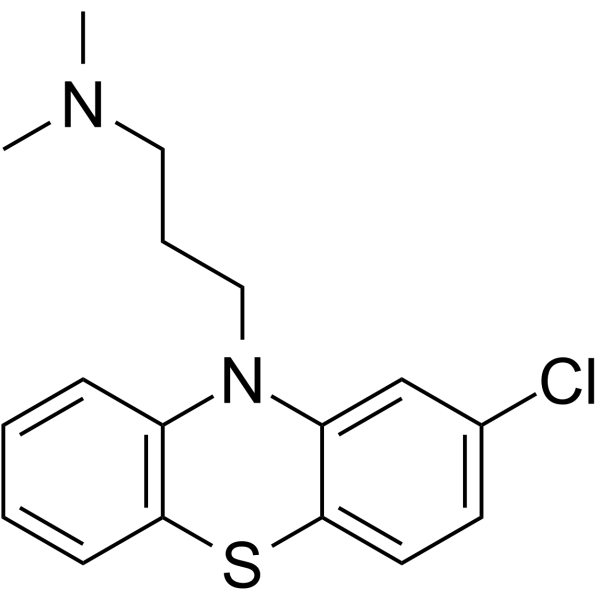
    Chlorpromazine
    Maximum Cited Publications
    128 Publications Verification

    Dopamine Receptor Cytochrome P450 Autophagy 5-HT Receptor Cardiovascular Disease Neurological Disease Cancer
    Chlorpromazine is an orally active, blood-brain barrier-transparent antipsychotic agent that effectively antagonises D2 dopamine receptors and 5-HT2A, which is widely used in schizophrenia and other psychiatric disorders. Chlorpromazine exerts anti-cancer activity through a variety of pathways, including anti-proliferation, induction of autophagy and cycle arrest (G2-M phase), inhibition of cytochrome c oxidase (CcO), inhibition of tumour growth and metastasis, and inhibition of tumour immune escape. Chlorpromazine also blocks hNav1.7 channels (IC50=25.9 μM; concentration-dependent) and HERG potassium channels (IC50=21.6 μM), which has potential for analgesic and cardiac arrhythmic studies. Chlorpromazine also can inhibit clathrin-mediated endocytosis .
    Chlorpromazine
  • HY-B0407A
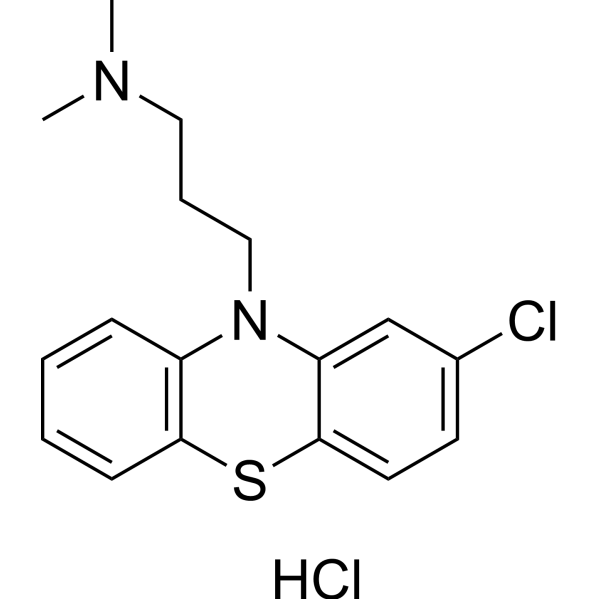
    Chlorpromazine hydrochloride
    Maximum Cited Publications
    128 Publications Verification

    Dopamine Receptor Autophagy Cytochrome P450 5-HT Receptor Cardiovascular Disease Neurological Disease Cancer
    Chlorpromazine hydrochloride is an orally active, blood-brain barrier-transparent antipsychotic agent that effectively antagonises D2 dopamine receptors and 5-HT2A, which is widely used in schizophrenia and other psychiatric disorders. Chlorpromazine hydrochloride exerts anti-cancer activity through a variety of pathways, including anti-proliferation, induction of autophagy and cycle arrest (G2-M phase), inhibition of cytochrome c oxidase (CcO), inhibition of tumour growth and metastasis, and inhibition of tumour immune escape. Chlorpromazine hydrochloride also blocks hNav1.7 channels (IC50=25.9 μM; concentration-dependent) and HERG potassium channels (IC50=21.6 μM), which has potential for analgesic and cardiac arrhythmic studies. Chlorpromazine hydrochloride also can inhibit clathrin-mediated endocytosis .
    Chlorpromazine hydrochloride
  • HY-156677
    STC-15
    4 Publications Verification

    METTL3 Cancer
    STC-15 is an orally active RNA methyltransferase METTL3 inhibitor with the activity of activating anti-tumor immunity and reshaping the tumor microenvironment. STC-15 inhibits tumor growth by activating anti-cancer immune responses associated with increased interferon signaling and synergizes with T-cell checkpoint blockade. STC-15 can be used in the study of proliferative diseases such as cancer and autoimmune diseases .
    STC-15
  • HY-131166
    Curdlan
    2 Publications Verification

    Bacterial Toll-like Receptor (TLR) NO Synthase C-type Lectin-like Receptors (CTLRs) Reactive Oxygen Species (ROS) Inflammation/Immunology
    Curdlan is a polysaccharide found in bacteria, consisting of a glucose homopolymer with β-1,3-glycosidic linkages . Curdlan can be recognized by Dectin-1 (a C-type lectin receptor), inducing immune responses in tissue mast cells and enhancing dendritic cell effects in tumor immunity. Curdlan holds potential for research in cancer and immune-inflammatory diseases .
    Curdlan
  • HY-148068

    STING Inflammation/Immunology Cancer
    STING agonist-20 (compound 95) is a potent STING agonist used in the synthesis of XMT-2056. STING agonist-20 can be used as a vaccine adjuvant in the study of cancer and other inflammatory, immune diseases .
    STING agonist-20
  • HY-P991097

    PM-8002; BNT-327

    VEGFR PD-1/PD-L1 Cancer
    Pumitamig (PM-8002, BNT-327) is a bispecific antibody targeting PD-L1 and VEGF-A, with immune activation and anti-angiogenic activities. By binding to PD-L1, Pumitamig restores the function of effector T cells, while neutralizing VEGF-A in the tumor microenvironment to reverse its inhibition on the infiltration and activation of immune cells and normalize tumor blood vessels. Pumitamig can also be combined with various ADCs targeting TROP2, B7H3, HER2, HER3 for the research of advanced/metastatic solid tumors, including non-small cell lung cancer, ovarian cancer, triple-negative breast cancer, cervical cancer, etc. Pumitamig also exhibits potential efficacy in "cold" tumors with low PD-L1 expression that are insensitive to immunotherapy .
    Pumitamig
  • HY-P99379

    CAN04; Anti-IL-1RAP/IL-1R3 Reference Antibody (nidanilimab)

    Interleukin Related Cancer
    Nidanilimab (CAN04) is a fully humanized monoclonal anti-IL1RAP antibody with a Kd value of 1.10 pM. Nidanilimab blocks IL1α and IL1β signaling and stimulates the immune system to destroy tumour cells. Nidanilimab can be used in research of non-small lung cancer (NSCLC) and pancreatic ductal adenocarcinoma (PDAC) .
    Nidanilimab (Nadunolimab)
  • HY-147295

    BTH 1677; Imprime PGG

    Toll-like Receptor (TLR) Inflammation/Immunology Cancer
    Odetiglucan is a novel β-glucan that is a potent immunostimulant and a Dectin-1 (CLEC7A) agonist. Odetiglucan activates innate immune effector cells and triggers a coordinated anti-cancer immune response .
    Odetiglucan
  • HY-114492

    GSK'547

    RIP kinase Cancer
    GSK547 (GSK'547) is a highly selective and potent inhibitor of receptor-interacting serine/threonine protein kinase 1 (RIPK1), inhibits macrophage-mediated adaptive immune tolerance in pancreatic cancer .
    GSK547
  • HY-117295A

    Arrestin Inflammation/Immunology Cancer
    7-Fluorotryptamine hydrochloride is a potent agonist of GPRC5A. 7-Fluorotryptamine hydrochloride induces GPRC5A-mediated β-arrestin recruitment. 7-Fluorotryptamine hydrochloride can be used for research of immune and cancer signaling .
    7-Fluorotryptamine hydrochloride
  • HY-P99484

    AGEN 1181

    CTLA-4 Cancer
    Botensilimab (AGEN 1181), a human anti-cytotoxic T-lymphocyte antigen 4 (CTLA-4) monoclonal antibody, is an innate and adaptive immune activator. Botensilimab can be used for the research of cancer .
    Botensilimab
  • HY-P99259

    FPA 008; Anti-Human CSF1R Recombinant Antibody

    c-Fms Inflammation/Immunology Cancer
    Cabiralizumab (FPA 008) is an anti-CSF1R monoclonal antibody (MAb). Cabiralizumab enhances T cell infiltration and antitumor T cell immune responses. Cabiralizumab inhibits the activation of osteoclasts and blocks bone destruction, and can be used in the research of rheumatoid arthritis (RA). Cabiralizumab can combine with Nivolumab (HY-P9903) for lung cancer research .
    Cabiralizumab
  • HY-111449
    BAY-218
    2 Publications Verification

    AHR antagonist 1

    Aryl Hydrocarbon Receptor Inflammation/Immunology Cancer
    BAY-218 (AHR antagonist 1) is an aryl hydrocarbon receptor (AHR) antagonist. BAY-218 has AHR inhibitory activity with an IC50 of 39.9 nM in in U87 glioblastoma cells. BAY-218 can be used for the research of cancer or conditions with dysregulated immune responses .
    BAY-218
  • HY-P99683

    SGN-LIV1A

    Antibody-Drug Conjugates (ADCs) Cancer
    Ladiratuzumab vedotin (SGN-LIV1A) is a LIV-1 targeting antibody drug conjugate (ADC) (IC50: 5.6 nM for LIV-1). Ladiratuzumab vedotin consists of humanized IgG1 monoclonal antibody, MMAE and a protease-cleavable linker. Ladiratuzumab vedotin can drive immunogenic cell death (ICD) to elicit an immune response. Ladiratuzumab vedotin can be used for research of breast cancer .
    Ladiratuzumab vedotin
  • HY-176786

    PROTACs Ras Apoptosis PERK p38 MAPK Caspase TNF Receptor Cancer
    MCB-36 is a VHL-recruiting pan-KRAS PROTAC degrader without affecting KRAS transcription. MCB-36 exhibits minimal effects on HRAS and NRAS protein levels. MCB-36 binds to the GDP-loaded state of G12D, G12C, G12V, and wild-type KRAS with high affinities Kd ≈ 1 pM). MCB-36 decreases p-ERK levels, leading to cell apoptosis. MCB-36 effectively suppress KRAS G12C inhibitor-resistant cancer cells and remodel the tumor immune microenvironment. MCB-36 can be used for the study of colorectal cancer and lung cancer (Pink: Target protein ligand; Blue: E3 ligand (HY-112078); Black: Linker (HY-W091879)) .
    MCB-36
  • HY-N2353
    Arabinose
    1 Publications Verification

    (±)​-​Arabinose; DL-​Arabinose; dl-​Arabinose

    Environmental Pollutants Endogenous Metabolite Neurological Disease Inflammation/Immunology Cancer
    Arabinose is a pentose sugar commonly found in plants. Arabinose alleviates immune dysregulation and inflammation by promoting balanced immune responses and reducing inflammation. Arabinose induces cytotoxicity, autophagy (Autophagy), and cell cycle arrest in breast cancer cells through the p38-MAPK signaling pathway. Arabinose activates the ACSS2-PPARγ/TFEB-AMPK axis in neuroblastoma cells, thereby exerting neuromodulatory/antidepressant effects. Arabinose can also be used as an intermediate in compound synthesis. Arabinose may be applied in research related to immune inflammation, depression, breast cancer, and other diseases .
    Arabinose
  • HY-W923189

    Interleukin Related COX TNF Receptor NOD-like Receptor (NLR) NO Synthase PERK p38 MAPK Reactive Oxygen Species (ROS) Caspase Autophagy Herbicide Inflammation/Immunology Cancer
    Neral is a plant-derived anti-inflammatory, antioxidant and anticancer agent. Neral inhibits the phosphorylation of ERK1/2, p38 MAPK and IκB in macrophages induced by LPS (HY-D1056), suppresses the secretion of TNF-α and IL-6, as well as the expression of pro-IL-1β, iNOS and COX-2 in cells, and reduces the production of ROS in cells. Neral inhibits the activation of the NLRP3 inflammasome, and decreases the activation of caspase-1 and the secretion of IL-1β in mouse macrophages. Neral induces autophagy, and exhibits antiproliferative activity both in in vitro breast cancer cell models and mouse xenograft models. Neral regulates brassinosteroid, jasmonic acid and ethylene signaling pathways, and induces the expression of AP2/ERF-ERF and bHLH family genes in rice roots. Neral acts as a herbicide safener, alleviates the damage induced by Fenoxaprop-P-ethyl (HY-B2013), and promotes the elongation of rice roots. Neral can be used in research related to breast cancer, inflammatory and immune system diseases, and herbicide safeners .
    Neral
  • HY-162065
    N6F11
    1 Publications Verification

    Ferroptosis Cancer
    N6F11 is a selective ferroptosis inducer, and can selectively induce ferroptosis by targeting TRIM25-mediated GPX4 degradation in cancer cells while sparing immune cells. N6F11 initiates HMGB1-dependent antitumor immunity mediated by CD8 + T cells .
    N6F11
  • HY-107447

    N-Deshydroxyethyl BMS-354825

    Drug Metabolite Target Protein Ligand-Linker Conjugates Inflammation/Immunology Cancer
    N-Deshydroxyethyl Dasatinib (N-Deshydroxyethyl BMS-354825) is a metabolite of Dasatinib, Dasatinib is a multi-kinase inhibitor that potently inhibits Bcr-Abl, Src family and platelet-derived growth factor receptor kinases. N-Deshydroxyethyl Dasatinib can be used in cancer and immune disease research .
    N-Deshydroxyethyl Dasatinib
  • HY-N6073

    Apoptosis HSV Infection Metabolic Disease Inflammation/Immunology Cancer
    Soyasapogenol A is a triterpenoid aglycone of soyasaponins. Soyasapogenol A has activities such as anti-inflammation, anti-cancer, hepatoprotection and anti-HSV-1. Soyasapogenol A can be used in the research of tumors and immune inflammatory diseases .
    Soyasapogenol A
  • HY-173455

    DNA/RNA Synthesis Inflammation/Immunology Cancer
    NP1867 is a potent, selective, covalent PMS2 inhibitor. NP1867 functionally inhibits DNA mismatch repair. NP1867 enhances immune surveillance. NP1867 can be used in the research of colorectal cancer .
    NP1867
  • HY-147228

    Checkpoint Kinase (Chk) Inflammation/Immunology Cancer
    NR2F6 modulator-1 is a potent nuclear receptor subfamily 2, group F, member 6 (NR2F6) modulator. NR2F6 modulator-1 can be used for researching immune modulation and modulation of cancer stem cell activity .
    NR2F6 modulator-1
  • HY-176785S

    Ras Apoptosis p38 MAPK Caspase TNF Receptor Cancer
    MCB-294 is a dual-state pan-KRAS inhibitor that selectively inhibits KRAS over NRAS and HRAS. MCB-294 capable of binding both the active (GTP-bound) and inactive (GDP-bound) forms of KRAS with Kds of approximately 1 pM and 10 nM, respectively. MCB-294 broadly impairs the growth of hTERT-HPNE cells expressing G12D, G12C, G12V, G12S, G13D, and wild-type KRAS, with IC50s of approximately 700 nM. MCB-294 induces irreversible apoptosis in KRAS-mutated tumors. MCB-294 effectively suppress KRAS G12C inhibitor-resistant cancer cells and remodel the tumor immune microenvironment. MCB-294 can be used for the study of pancreatic cancer, colorectal cancer and lung cancer .
    MCB-294
  • HY-158045

    PROTACs PARP Cancer
    PROTAC PARP1 degrader-1 is a PARP1 PROTAC degrader with a DC50 value of 252.5 nM. PROTAC PARP1 degrader-1, combined with Daunorubicin (HY-13062A), induces the accumulation of cytoplasmic DNA fragments, activates the cGAS/STING innate immune pathway, and remodels the tumor microenvironment. PROTAC PARP1 degrader-1 can be used in research related to breast cancer .
    PROTAC PARP1 degrader-1
  • HY-135831
    AHR antagonist 2
    1 Publications Verification

    Aryl Hydrocarbon Receptor Inflammation/Immunology Cancer
    AHR antagonist 2 (Example 1) is a potent aryl hydrocarbon receptor (AHR) antagonist with IC50s of 885 pM and 2.03 nM for human and mouse AHR. AHR antagonist 2 can be used for the studies of cancers and imbalance of the immune response .
    AHR antagonist 2
  • HY-157746
    CTPS1-IN-1
    1 Publications Verification

    DNA/RNA Synthesis Inflammation/Immunology Cancer
    CTPS1-IN-1 (compound R80) is a CTPS1 inhibitor. CTPS1-IN-1 has the potential to research cancer (such as promoting vascular injury or surgical recovery) and immune system diseases (such as rejection of transplanted cells and tissues, transplant-related diseases or disorders, allergies, and autoimmune diseases) .
    CTPS1-IN-1
  • HY-P991481

    CCR Inflammation/Immunology Cancer
    S-531011 is a human IgG1 monoclonal antibody (mAb) targeting CCR8. S-531011 reduces tumor-infiltrating CCR8+ Tregs and has anti-tumor activity in CT26.WT and EMT6 tumor-bearing mouse tumor models. S-531011 can be used in the study of cancer immunity. Recommended isotype control: Human IgG1 kappa, Isotype Control (HY-P99001) .
    S-531011
  • HY-P99732
    Minretumomab
    1 Publications Verification

    CC-49

    Mucin Cancer
    Minretumomab (CC-49) is a murine monoclonal antibody against TAG-72 (tumor-associated glycoprotein 72). Minretumomab is used in cancer and immunity research .
    Minretumomab
  • HY-P990961

    IMM-2510; SYN-2510

    VEGFR PD-1/PD-L1 Cardiovascular Disease Inflammation/Immunology Cancer
    Palverafusp alfa (IMM-2510; SYN-2510) is a PD-L1/VEGF-targeting IgG1κ type humanized antibody. Palverafusp alfa blocks PD-1/PD-L1 binding, relieves immune suppression, mediates PD-L1-directed antibody-dependent cellular cytotoxicity (ADCC). Palverafusp alfa blocks VEGF/VEGFR binding, inhibits angiogenic signaling, relieves VEGF-induced immune suppression. Palverafusp alfa reduces endothelial cell proliferation, enhances ADCC and antibody-dependent cellular phagocytosis (ADCP), inhibits tumor growth, reverses T cell immune suppression. Palverafusp alfa exhibits immune stimulatory, antiangiogenic, and anti-tumor activity in the tumor microenvironment. Palverafusp alfa can be used for the research of cancer, such as solid tumors, non-small cell lung cancer .
    Palverafusp alfa
  • HY-153935

    Prostaglandin Receptor Inflammation/Immunology Cancer
    EP4-IN-1 is a potent prostanoid EP4 receptor inhibitor. EP4-IN-1 is extracted from patent WO2023025270 (example 1), and exhibits prospect in tumor immunity and anti-inflammatory analgesia research .
    EP4-IN-1
  • HY-144501

    Toll-like Receptor (TLR) PD-1/PD-L1 Inflammation/Immunology Cancer
    D18 is an immune modulator. D18 acts as a TLR7/8 dual agonist (EC50 = 24 nM for hTLR7 and 10 nM for hTLR8, respectively). D18 increases PD-L1 expression through epigenetic regulation, thus sensitizing tumors to PD-1/PD-L1 blockade. D18 is a ADC cytotoxin uesd for the systhesis of ADC HE-S2 (HY-144497). D18 has strong immune activation and anti-tumor activity. D18 commonly used in cancer research, such as colon cancer .
    D18
  • HY-176296

    SR-8541A

    Phosphodiesterase (PDE) STING Cancer
    Vizenpistat is an orally active ENPP1 inhibitor. Vizenpistat increases cGAMP levels, blocks 2′3′-cGAMP hydrolysis, inhibits adenosine production, regulates innate immune signaling mediated by the STING pathway, and modulates anti-tumor immune responses. Vizenpistat is applicable to research related to breast cancer and metastatic microsatellite-stable colorectal cancer .
    Vizenpistat
  • HY-141662

    STING Drug-Linker Conjugates for ADC Inflammation/Immunology Cancer
    2’,3’-cGAMP-C2-PPA is a cyclic dinucleotide interferon gene-stimulating protein (STING) agonist. 2’,3’-cGAMP-C2-PPA is a drug conjugated conjugate used to target antibody-drug conjugated conjugate (ADC) for the treatment of cancer. 2’,3’-cGAMP-C2-PPA can be used in the study of immune and tumor-related diseases .
    2',3'-cGAMP-C2-PPA
  • HY-143563

    NOD-like Receptor (NLR) Cancer
    NLRP3 antagonist 1 is a potent antagonist of NLRP3. NLRP3 is mainly expressed in macrophages and neutrophils and is involved in the body's intrinsic immunity against pathogenic infections and stress injury. NLRP3 antagonist 1 has the potential for the research of cancer disease (extracted from patent WO2021114691A1, compound 3) .
    NLRP3 antagonist 1
  • HY-P991364

    PYX-106; BSI-060T

    Transmembrane Glycoprotein Cancer
    Aldastotug (PYX-106; BSI-060T) is a human monoclonal antibody (mAb) targeting Siglec-15/CD33L3. Aldastotug reverses Siglec-15-mediated immunosuppression and enhances T-cell proliferation. Aldastotug induces significantly increased levels of IFNγ and TNFα in T cells. Aldastotug can be used in cancer immunity research. Recommended isotype control: Human IgG1 kappa, Isotype Control (HY-P99001) .
    Aldastotug
  • HY-145429
    IL-17A modulator-2
    2 Publications Verification

    Interleukin Related Neurological Disease Inflammation/Immunology Cancer
    IL-17A modulator-2 is a IL-17A modulator, extracted from patent WO2021239743+A1, example 27. IL-17A modulator-2 inhibits the biological action of IL-17A with a pIC50 of 8.3. IL-17A modulator-2 can be used for the research of diseases or disorders associated with modulation of IL-17A activity including diseases with an immune component or autoimmune pathol, cancer and neurodegenerative disorders .
    IL-17A modulator-2
  • HY-W113615

    Indoleamine 2,3-Dioxygenase (IDO) Cancer
    4-Phenyl-1H-1,2,3-triazole is an IDO1 inhibitor (IC50: 60 μM). 4-Phenyl-1H-1,2,3-triazole can be used for cancer research .
    4-Phenyl-1H-1,2,3-triazole
  • HY-159643

    MAP4K IFNAR Interleukin Related Inflammation/Immunology Cancer
    NDI-101150 is an orally active, potent and selective hematopoietic progenitor cell kinase 1 (HPK1) inhibitor with an IC50 of 0.7 nM. NDI-101150 blocks HPK1-mediated negative regulation of immune receptor signaling, inhibits immunosuppression of T cell activation, enhances antigen-specific antibody production and augments B-cell activation. NDI-101150 inhibits tumor growth in syngeneic tumor models, establishes durable antitumor immune memory, and synergizes with anti-PD1 to enhance exhausted T cell activity and drive tumor regressions. NDI-101150 can be used for the research of cancer, such as breast cancer and colon cancer .
    NDI-101150
  • HY-162811

    LAG-3 Cancer
    LAG-3 biner 1 (compound 3) is a small molecule ligand (Kd=1.23 μM) for the immune checkpoint lymphocyte activation gene 3 (LAG-3). LAG-3 biner 1 can be used in the research of cancer diagnosis targeting LAG-3 .
    LAG-3 biner 1
  • HY-P4984

    Biochemical Assay Reagents Inflammation/Immunology Cancer
    Toxic Shock Syndrome Toxin-1 (TSST-1) (58-78) is a T cell proliferation activator. Toxic Shock Syndrome Toxin-1 (TSST-1) (58-78) promotes the in vitro proliferation of human peripheral blood mononuclear cells (PBMC) in a dose-dependent manner. Toxic Shock Syndrome Toxin-1 (TSST-1) (58-78) can be used in research on inflammatory and immunity, as well as cancer .
    Toxic Shock Syndrome Toxin-1 (TSST-1) (58-78)
  • HY-177246A

    Kinesin Infection Cardiovascular Disease Inflammation/Immunology Cancer
    Mitotic kinesin-IN-1 (Example 80) hydrochloride is a Mitotic kinesin inhibitor. Mitotic kinesin-IN-1 hydrochloride inhibits cell proliferation by suppressing mitosis. Mitotic kinesin-IN-1 hydrochloride can be used for cancer, cardiac hypertrophy, immune and inflammatory disorders, fungal infections research .
    Mitotic kinesin-IN-1 hydrochloride
  • HY-P10563

    BHV-1100

    CD38 Cancer
    Noraramtide (BHV-1100) is an antibody recruitment molecule. Noraramtide can specifically bind to CD38 molecules to recruit natural killer (NK) cells. Noraramtide enhances the ability of NK cells to kill tumor cells through antibody-dependent cellular cytotoxicity (ADCC). This mechanism allows NK cells to more effectively recognize and eliminate tumor cells while avoiding mutual killing between NK cells. Noraramtide can be used for the study of autologous cancer immunity .
    Noraramtide
  • HY-150212

    IMO-2125

    Toll-like Receptor (TLR) Inflammation/Immunology Cancer
    Tilsotolimod (IMO-2125) is a TLR9 agonist. Tilsotolimod activates the TLR9 signaling pathway, triggers downstream pro-inflammatory and immunostimulatory pathways, enhances the uptake and killing of cancer cells, and induces adaptive immune responses. Tilsotolimod is applicable to research related to melanoma and colorectal cancer .
    Tilsotolimod
  • HY-145430

    Interleukin Related Neurological Disease Inflammation/Immunology Cancer
    IL-17A modulator-1 is a IL-17A modulator, extracted from patent WO2021239743+A1, example 9. IL-17A modulator-1 inhibits the biological action of IL-17A with a pIC50 of 8.2. IL-17A modulator-1 can be used for the research of diseases or disorders associated with modulation of IL-17A activity including diseases with an immune component or autoimmune pathol, cancer and neurodegenerative disorders .
    IL-17A modulator-1
  • HY-N7372

    Apoptosis Infection Inflammation/Immunology
    Licoisoflavanone is an orally active isoflavane-based immunomodulator with multiple activities including antiviral, anti-inflammatory, cytoprotective and cancer cell apoptosis-inducing effects. Licoisoflavanone can be isolated from the roots and rhizomes of Glycyrrhiza uralensis Fisch. Licoisoflavanone not only enhances the body's immunity, but also effectively prevents acute respiratory distress syndrome and multiple organ damage by alleviating cytokine storm, thereby reducing the degree of inflammation. In rats, Licoisoflavanone undergoes multiple metabolic transformation processes such as glucuronidation, hydroxylation, sulfation, methylation and dehydrogenation. Licoisoflavanone has become an important candidate molecule for research on COVID-19 and related inflammatory diseases .
    Licoisoflavanone
  • HY-150212A

    IMO-2125 sodium

    Toll-like Receptor (TLR) Inflammation/Immunology Cancer
    Tilsotolimod (IMO-2125) sodium is a TLR9 agonist. Tilsotolimod sodium activates the TLR9 signaling pathway, triggers downstream pro-inflammatory and immunostimulatory pathways, enhances the uptake and killing of cancer cells, and induces adaptive immune responses. Tilsotolimod sodium is applicable to research related to melanoma and colorectal cancer .
    Tilsotolimod sodium
  • HY-109143B

    (R)-ABBV-105

    Btk Inflammation/Immunology Cancer
    (R)-Elsubrutinib ((R)-ABBV-105) is a Btk inhibitor. (R)-Elsubrutinib can be used in studies of immune diseases (such as rheumatoid arthritis, psoriasis, ankylosing spondylitis, asthma, systemic lupus erythematosus) and cancer .
    (R)-Elsubrutinib
  • HY-150158

    Toll-like Receptor (TLR) Cancer
    TMX-201 is a TLR7 ligand-phospholipid conjugate. TMX-201 shows potent immune stimulatory activity. TMX-201 can be used for breast cancer and melanoma research .
    TMX-201
  • HY-143321

    STING Cancer
    STING agonist-13 is a stimulator of interferon genes (STING) agonist, for cancer immunity via STING-mediated immune activation. STING agonist-13 can stimulate STING downstream signaling and promoting type I interferon immune responses. STING agonist-13 significantly decreases tumor volume and shows immunological memory-derived cancer inhibition .
    STING agonist-13
  • HY-156574

    DGK Cancer
    DGKζ-IN-4 is a DGK-zeta inhibitor. DGKζ-IN-4 can be used as an active component of pharmaceutical compositions. DGKζ-IN-4 is used to treat cancers associated with immune cell activation or cancers resistant to anti-PD-1 antibody/anti-PD-11 antibody research .
    DGKζ-IN-4

Inquiry Online

Your information is safe with us. * Required Fields.

Salutation


Country or Region *

Applicant Name *


Organization Name *

Department *


Email Address *


Product Name *

Cat. No.


Requested quantity *

Phone Number *


Remarks

Inquiry Online

Inquiry Information

Product Name:
Cat. No.:
Quantity:
MCE Japan Authorized Agent:

