



Search Result
Results for "
Cat C
" in MedChemExpress (MCE) Product Catalog:
4
Biochemical Assay Reagents
5
Isotope-Labeled Compounds
| Cat. No. |
Product Name |
Target |
Research Areas |
Chemical Structure |
-
- HY-13434
-
Ionomycin
Maximum Cited Publications
120 Publications Verification
SQ23377
|
Calcium Channel
PKC
Bacterial
Apoptosis
Antibiotic
|
Infection
Cancer
|
|
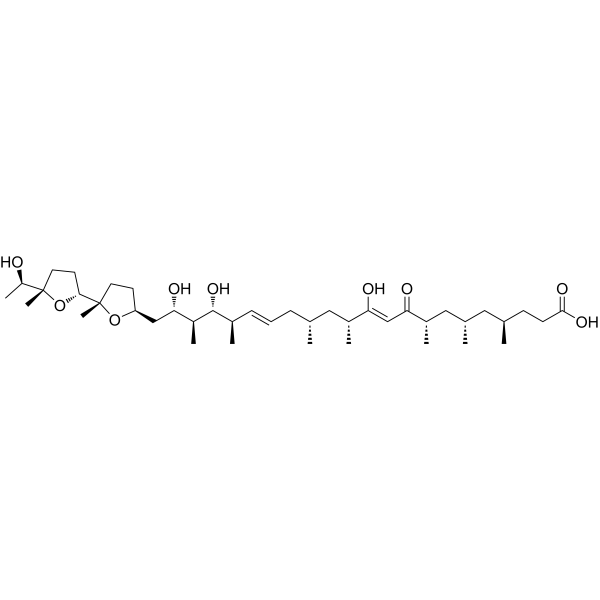
Ionomycin (SQ23377) is a potent, selective calcium ionophore and an antibiotic produced by Streptomyces conglobatus. Ionomycin (SQ23377) is highly specific for divalent cations (Ca>Mg>Sr=Ba). Ionomycin (SQ23377) promotes apoptosis. Ionomycin also induces the activation of protein kinase C (PKC) .
|
-
-
- HY-13434A
-
|
SQ23377 calcium
|
Calcium Channel
PKC
Bacterial
Apoptosis
Antibiotic
|
Infection
Cancer
|
|
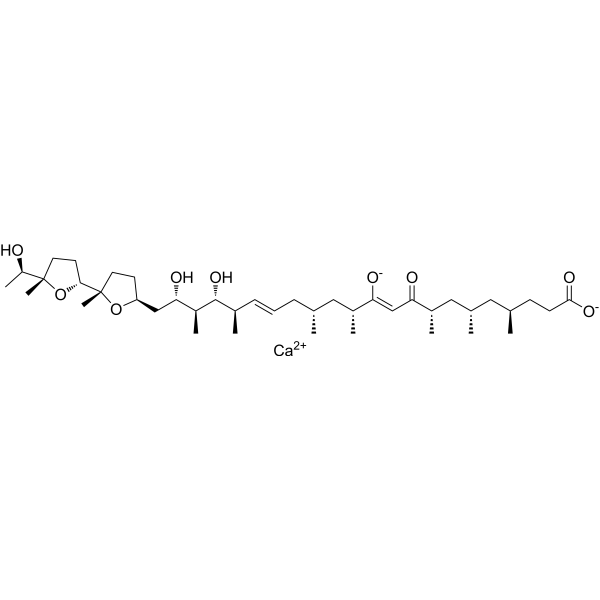
Ionomycin calcium (SQ23377 calcium) is a potent, selective calcium ionophore and an antibiotic produced by Streptomyces conglobatus. Ionomycin calcium (SQ23377 calcium) is highly specific for divalent cations (Ca>Mg>Sr=Ba). Ionomycin (SQ23377) promotes apoptosis. Ionomycin calcium (SQ23377 calcium) also induces the activation of protein kinase C (PKC) .
|
-
-
- HY-146245
-
-
-
- HY-Y1881B
-
|
|
Environmental Pollutants
Biochemical Assay Reagents
Reactive Oxygen Species (ROS)
Caspase
MyD88
SOD
|
Others
|
|
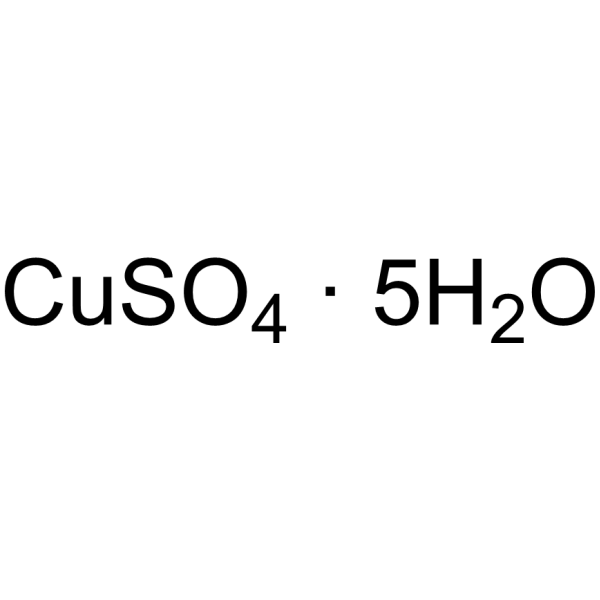
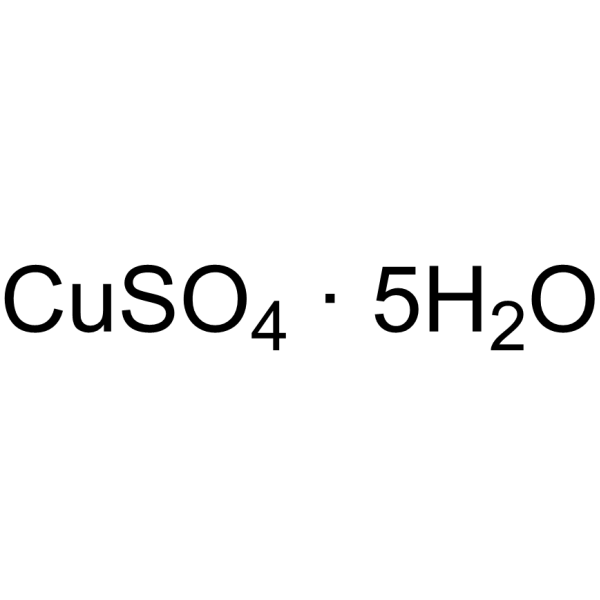
Copper sulfate pentahydrate, for cell culture, 98% is a biochemical reagent. Copper sulfate pentahydrate, for cell culture, 98% reduces the production of ROS and the expression levels of MyD88 as well as c-Rel genes. Copper sulfate pentahydrate, for cell culture, 98% decreases the activities of T-SOD, CAT, and GSH, increases the activities of caspase-3, caspase-8, and caspase-9. Copper sulfate pentahydrate, for cell culture, 98% is cytotoxic to various cells .
|
-
-
- HY-129555
-
|
|
Bacterial
HSV
Antibiotic
|
Infection
|
|
Surfactin is a potent cyclic lipopeptide biosurfactants consists of four isomers (Surfactin A, B, C and D), which mediates flux of mono-and divalent cations, such as calcium, across lipid bilayer membranes. Surfactin can act as an antimicrobial adjuvant with anti-bacterial, anti-fungal, antimycoplasma and hemolytic effects . Surfactin also has antiviral activity against a variety of enveloped viruses .
|
-
-
- HY-B1213
-
|
|
5-HT Receptor
Bacterial
|
Neurological Disease
|
|
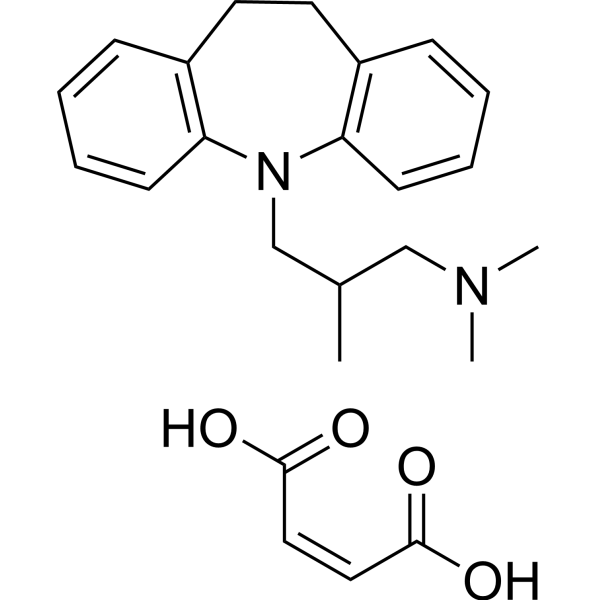
Trimipramine maleate is a 5-HT receptor antagonist, with blood-brain barrier permeability. Trimipramine maleate has pKi binding values of 6.39, 8.10, 4.66 for 5-HT1C, 5-HT2 and 5-HT1A, respectively. Trimipramine maleate is also a potent and selective inhibitor targeting human noradrenaline (hNAT), serotonin (hSERT) and organic cation transporters (hOCT1, hOCT2) with IC50 values of 4.99 μM, 2.11 μM, 3.72 μM, 8.00 μM, respectively. Trimipramine maleate has vascular activity and anxiolytic efficacy .
|
-
-
- HY-142118
-
|
AP 12009
|
TGF-beta/Smad
|
Cancer
|
|
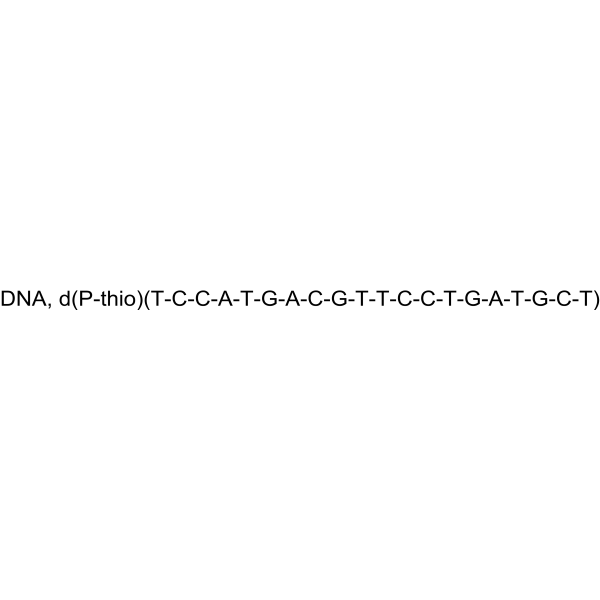
Trabedersen (AP 12009) is an orally active synthetic antisense phosphorothioate oligodeoxynucleotide that selectively targets human TGFβ2 mRNA. Trabedersen blocks TGFβ2 protein production, enters the nucleus without a transfection vector, and exerts dose-dependent antitumor effects. By reversing TGFβ2-induced immunosuppression and enhancing immune cytotoxicity, Trabedersen exhibits significant antiproliferative, antimigratory, and antimetastatic activities, with favorable safety profiles. Trabedersen is widely used in research related to various solid tumors, including anaplastic astrocytoma, glioblastoma, colorectal tumor, and melanoma .
|
-
-
- HY-Y1881A
-
|
|
Environmental Pollutants
Biochemical Assay Reagents
Reactive Oxygen Species (ROS)
Caspase
MyD88
SOD
|
Neurological Disease
Metabolic Disease
Cancer
|
|
Copper sulfate pentahydrate, 99% is a biochemical reagent. Copper sulfate pentahydrate, 99% reduces the production of ROS and the expression levels of MyD88 as well as c-Rel genes. Copper sulfate pentahydrate, 99% decreases the activities of T-SOD, CAT, and GSH, increases the activities of caspase-3, caspase-8, and caspase-9. Copper sulfate pentahydrate, 99% is cytotoxic to various cells. Copper sulfate pentahydrate, 99% has antioxidant activity. Copper sulfate pentahydrate, 99% can be used in the research of diabetes, Parkinson's disease and DMBA (HY-W011845)-induced tumors .
|
-
-
- HY-P2141
-
|
TRV027
|
Angiotensin Receptor
Arrestin
|
Cardiovascular Disease
|
|
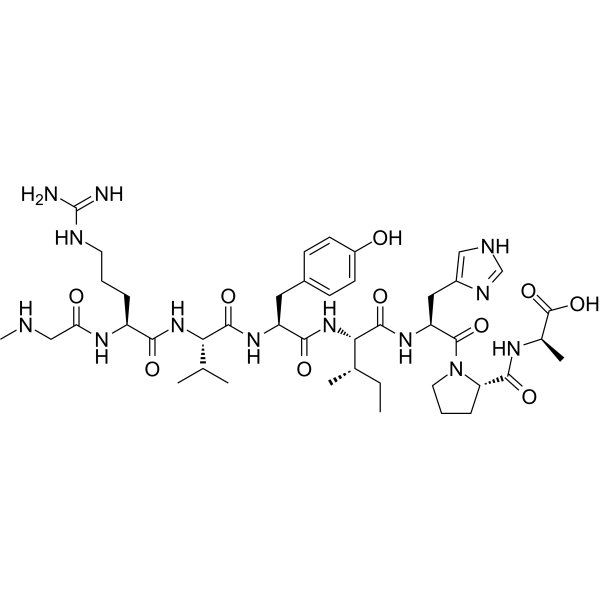
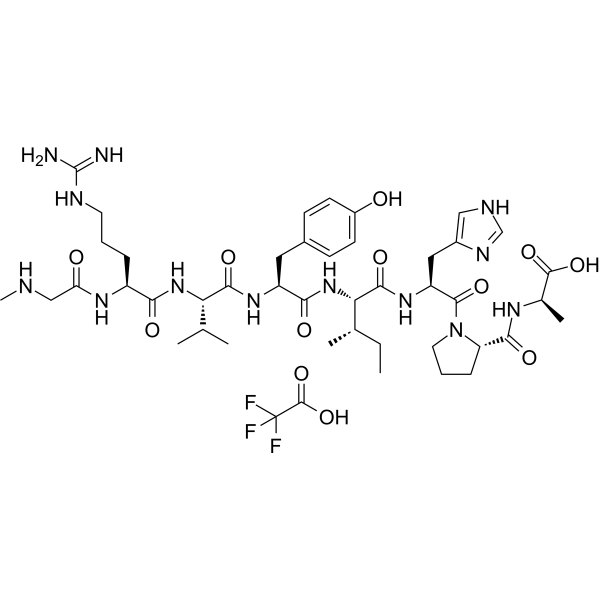
TRV120027, a β-arrestin-1-biased agonist of the angiotensin II receptor type 1 (AT1R), engages β-arrestins while blocking G-protein signaling . TRV120027 induces acute catecholamine secretion through cation channel subfamily C3 (TRPC3) coupling, promotes the formation of a macromolecular complex composed of AT1R-β-arrestin-1-TRPC3-PLCγ at the plasma membrane. TRV120027 inhibits angiotensin II-mediated vasoconstriction and increases cardiomyocyte contractility. TRV120027 has the potential for the acute decompensated heart failure (ADHF) treatment .
|
-
-
- HY-150726
-
|
|
Toll-like Receptor (TLR)
Bacterial
|
Infection
Neurological Disease
Inflammation/Immunology
|
|
ODN 1668, a class B CpG ODN (oligodeoxynucleotide), is a TLR-9 agonist. ODN 1668 has strong immune regulatory properties, can enhance the level of antibody IgG2 subtype, promote the immune response of T cells and B cells, and can be used in the study of vaccine adjuvants. In addition, CpG ODN 1668 induces an antimicrobial immune response via a CaTLR9 dependent pathway in groupers. Sequence: 5'-tccatgacgttcctgatgct-3’ .
|
-
-
- HY-146584
-
|
|
Cathepsin
|
Inflammation/Immunology
|
|
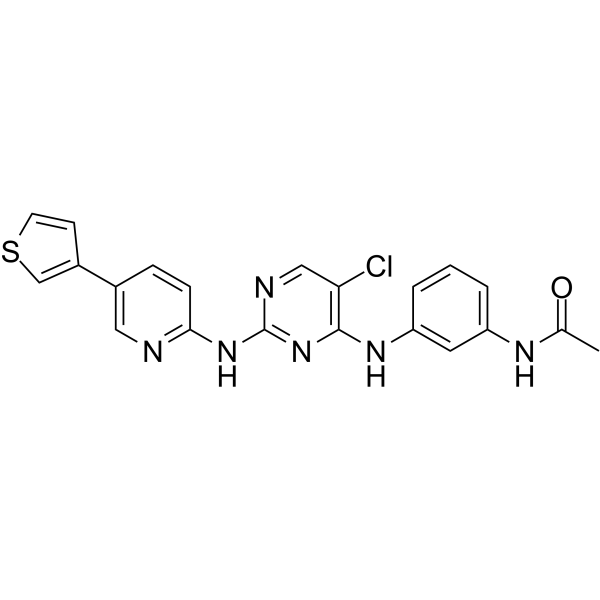
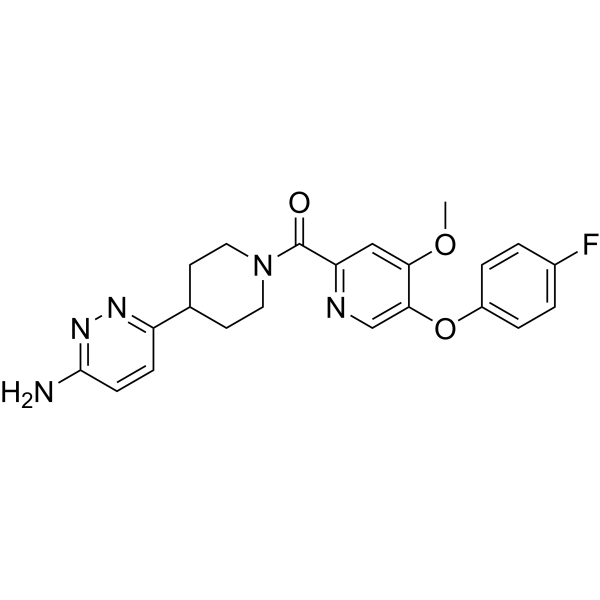
Cathepsin C-IN-5 (compound SF38) is a potent, selective and orally active Cathepsin C inhibitor with IC50s of 59.9 nM, 4.26 µM, >5 µM, >5 µM, >5 µM for Cat C, Cat L, Cat S, Cat B, Cat K, respectively. Cathepsin C-IN-5 inhibits the Cat C activity in bone marrow and blood. Cathepsin C-IN-5 decreases the activation of NSPs (neutrophil serine proteases). Cathepsin C-IN-5 shows anti-inflammatory activity .
|
-
-
- HY-135869
-
|
|
Mitochondrial Metabolism
|
Neurological Disease
|
|
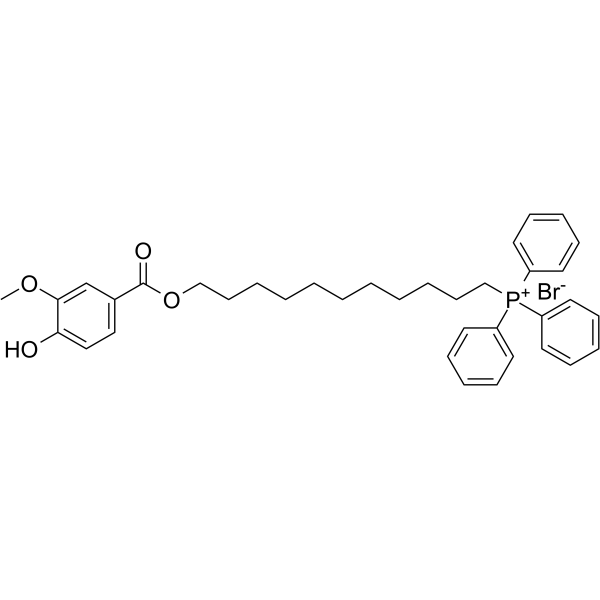
Mito-apocynin (C11), an orally active mitochondria-targeted triphenylphosphonium (TPP)-based compound, is synthesized by conjugating the Apocynin moiety with a TPP + cation. Mito-apocynin (C11) selectively targets mitochondria, and shows neuroprotective effect. Mito-apocynin (C11) prevents hyposmia and corrects deficits in motor function .
|
-
-
- HY-112776
-
|
|
Phosphatase
|
Cancer
|
|
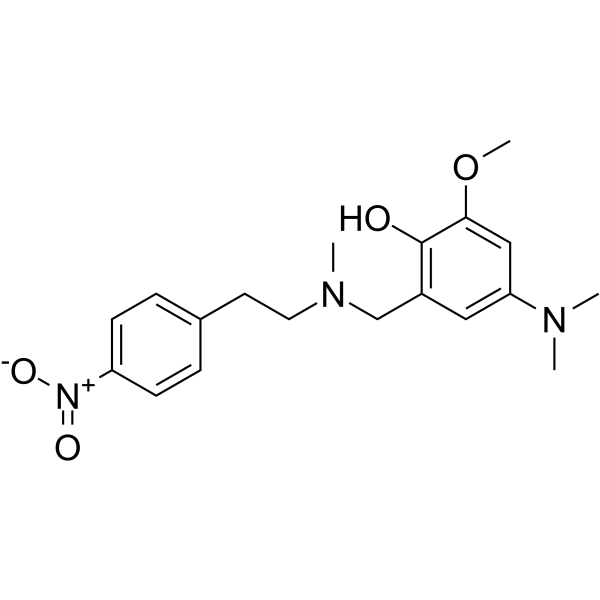
BN82002 is a potent, selective and irreversible inhibitor of CDC25 phosphatase family. BN82002 inhibits CDC25A, CDC25B2, CDC25B3, CDC25C CDC25A, and 25C-cat with IC50 values of 2.4, 3.9, 6.3, 5.4, and 4.6 µM, respectively. BN82002 displays ~20-fold greater selectivity over CD45 tyrosine phosphatase .
|
-
-
- HY-148129
-
|
TRPC6-IN-3
|
TRP Channel
|
Cardiovascular Disease
|
|
Apecotrep (TRPC6-IN-3) (compound 17) is a potent, orally active transient receptor potential C6 ion channel (TRPC6) inhibitor. Apecotrep modulates not only intracellular calcium concentration, but also membrane potential by modulating the flux of cations including calcium and sodium ions. Apecotrep can be used in research of respiratory system .
|
-
-
- HY-112776A
-
|
|
Phosphatase
|
Cancer
|
|
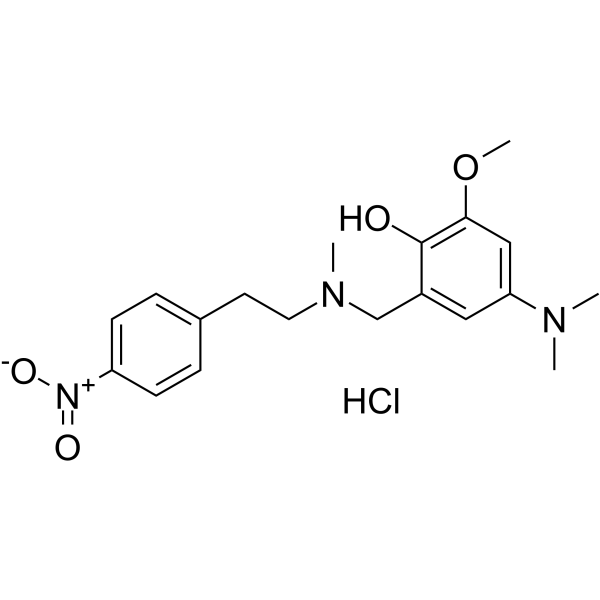
BN82002 hydrochloride is a potent, selective and irreversible inhibitor of CDC25 phosphatase family. BN82002 hydrochloride inhibits CDC25A, CDC25B2, CDC25B3, CDC25C CDC25A, and 25C-cat with IC50 values of 2.4, 3.9, 6.3, 5.4, and 4.6 µM, respectively. BN82002 hydrochloride displays ~20-fold greater selectivity over CD45 tyrosine phosphatase .
|
-
-
- HY-121065
-
|
IRC-083065
|
Phosphatase
|
Cancer
|
|
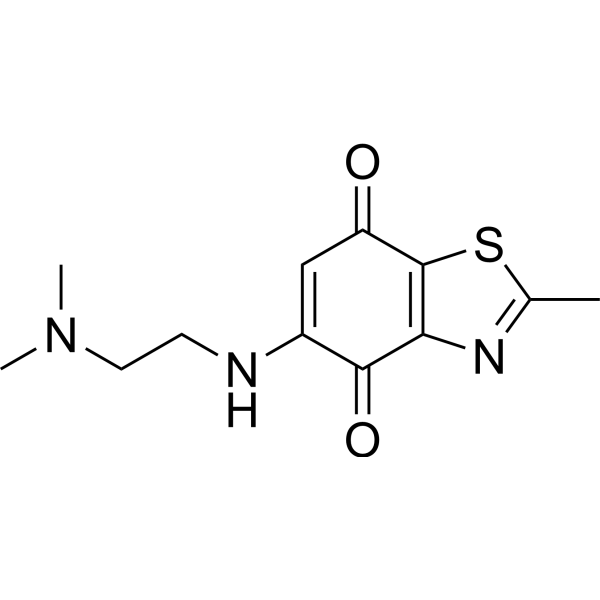
BN-82685 is a a quinone-based CDC25 inhibitor with IC50 of 201 nM, 117 nM, 109 nM, 160 nM, 249 nM, for CDC25C, CDC25C-cat, CDC25A, CDC25B2, CDC25B3, respectively. BN-82685 plays an important role in cancer research .
|
-
-
- HY-B2035
-
|
|
Herbicide
Caspase
Cytochrome P450
MDM-2/p53
Interleukin Related
Reactive Oxygen Species (ROS)
Apoptosis
|
Others
|
|
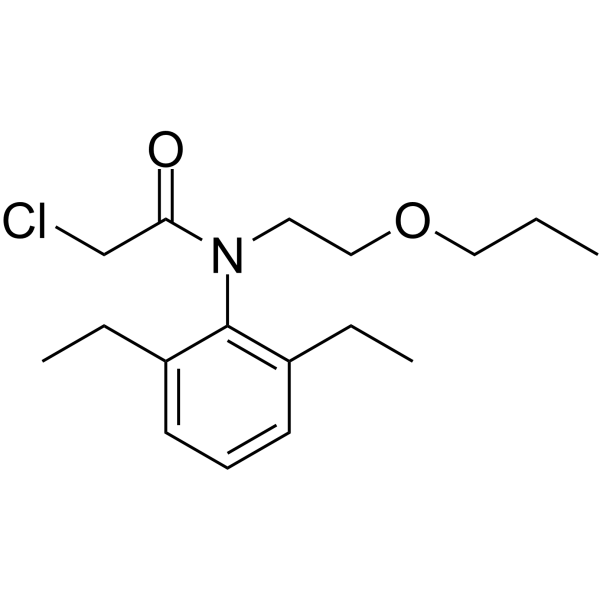
Pretilachlor is a chloroacetamide herbicide with biological activities including endocrine disruption, oxidative stress induction, apoptosis induction, and immunotoxicity. Pretilachlor exerts its effects by interfering with hormone metabolism, inducing oxidative stress, activating apoptotic pathways, and inhibiting immune functions. Pretilachlor upregulates the transcription of P53, Mdm2, and Bbc3, and increases the activities of Caspase3 and Caspase9; it upregulates the transcription of genes in the HPG/HPT axis and the activity of aromatase; it induces oxidative stress, elevates ROS levels, and upregulates CAT, SOD, and GPX. Pretilachlor downregulates the transcription of CXCL-C1C, IL-1β, and IL-8. Pretilachlor disrupts the normal physiological processes and embryonic development of fish, exhibiting significant toxicity. Pretilachlor can be used in studies related to weeding, environmental pollution, and behavioral toxicity in fish .
|
-
-
- HY-145728
-
|
ISIS-2302
|
Integrin
|
Inflammation/Immunology
|
|
Alicaforsen is an oligonucleotide and immunostimulant targeting human ICAM-1 mRNA. Alicaforsen hybridizes to specific sites to reduce the expression level of ICAM-1. Alicaforsen is applicable to relevant research on psoriasis, rheumatoid arthritis and inflammatory bowel disease .
|
-
-
- HY-P2141A
-
|
|
Angiotensin Receptor
Arrestin
|
Cardiovascular Disease
|
|
TRV120027 TFA, a β-arrestin-1-biased agonist of the angiotensin II receptor type 1 (AT1R), engages ?-arrestins while blocking G-protein signaling . TRV120027?TFA induces?acute?catecholamine?secretion?through cation channel subfamily C3 (TRPC3) coupling, promotes the formation of a macromolecular complex composed of AT1R–β-arrestin-1–TRPC3–PLCγ at the plasma membrane. TRV120027 TFA inhibits angiotensin II–mediated vasoconstriction and increases cardiomyocyte contractility. TRV120027 TFA has the potential for the?acute decompensated heart failure (ADHF) treatment .
|
-
-
- HY-W008820R
-
|
|
Reference Standards
Endogenous Metabolite
|
Metabolic Disease
|
|
Glutaric acid (Standard) is the analytical standard of Glutaric acid. This product is intended for research and analytical applications. Glutaric acid, C5 dicarboxylic acid, is an intermediate during the catabolic pathways of lysine and tryptophan. Glutaric acid affects pericyte contractility and migration. Glutaric acid is an indicator of glutaric aciduria type I .
In Vitro: Glutaric acid (GA) at concentrations of 1 and 2 mM is able to reduce TRAP measurement by up to 28% in a dose-dependent manner (β=0.77; P<0.001). Furthermore, a significantly inverse correlation is also verified between chemiluminescence and TRAP (β=0.81; P<0.001). Glutaric acid does not alter the activities of Cat and SOD, but strongly inhibits (up to 46%) the activity of GPx even at the lower concentration used (0.5 mM). It is observed that the metabolite inhibits this activity in a dose-dependent manner at concentrations as low as 0.05 mM .
|
-
-
- HY-118874
-
|
|
Bcl-2 Family
Apoptosis
|
Cancer
|
|
Oblimersen is a BCL-2 inhibitor targeting BCL-2 RNA. Oblimersen specifically binds to the first six codons of the bcl-2 mRNA sequence, resulting in degradation of bcl-2 mRNA and induces apoptosis by down-regulating expression of Bcl-2. Oblimersen can be used for cancer research .
|
-
-
- HY-B1213A
-
|
|
5-HT Receptor
Bacterial
|
Neurological Disease
|
|
Trimipramine is a 5-HT receptor antagonist, with pKi binding values of 6.39, 8.10, 4.66 for 5-HT1C, 5-HT2 and 5-HT1A, respectively. Trimipramine is also a potent and selective inhibitor targeting human noradrenaline (hNAT), serotonin (hSERT) and organic cation transporters (hOCT1, hOCT2) with IC50 values of 4.99 μM, 2.11 μM, 3.72 μM, 8.00 μM, respectively. Trimipramine has vascular activity and anxiolytic efficacy .
|
-
-
- HY-146581
-
|
|
Cathepsin
|
Inflammation/Immunology
|
|
Cathepsin C-IN-4 (compound SF27) is a potent Cathepsin C (Cat C) inhibitor, with an IC50 of 65.6 nM. Cathepsin C-IN-4 also inhibits THP-1 and U937 cell, with IC50 values of 203.4 and 177.6 nM, respectively .
|
-
-
- HY-146580
-
|
|
Cathepsin
|
Inflammation/Immunology
|
|
Cathepsin C-IN-3 (compound SF11) is a potent Cathepsin C (Cat C) inhibitor, with an IC50 of 61.79 nM. Cathepsin C-IN-3 also inhibits THP-1 and U937 cell, with IC50 values of 101.5 and 86.5 nM, respectively .
|
-
-
- HY-W767865
-
|
|
Isotope-Labeled Compounds
Endogenous Metabolite
|
Infection
Cardiovascular Disease
Inflammation/Immunology
|
|
Cyclic GMP sodium- 13C5 is the 13C-labeled Cyclic GMP sodium (HY-113469A). Cyclic GMP (cGMP) sodium, an important second messenger, is a major intracellular mediator of extracellular signals such as nitric oxide (NO) and natriuretic peptides (NPs). Effects of Cyclic GMP sodium occur through three main groups of cellular targets: cGMP-dependent protein kinases (PKGs), cGMP-gated cation channels, and PDEs. Cyclic GMP can inhibit both platelet adhesion and aggregation. cGAMP (Cyclic-GMP-AMP) (HY-12512), a conjugate of Cyclic GMP and AMP, can induce IRF3 phosphorylation and nuclear translocation, enhancing antiviral immune responses .
|
-
-
- HY-116161
-
|
|
Drug Intermediate
|
Cardiovascular Disease
Others
|
|
15(R)-17-phenyl trinor Prostaglandin F2α isopropyl ester (15(R)-17-phenyl trinor PGF2α isopropyl ester) is the latanoprost-related isomer containing both a double bond at 13,14 and an inverted (β) hydroxyl group at C-15. Similar to 15(S)-latanoprost, 15(R)-17-phenyl trinor PGF2α isopropyl ester is a potential impurity in most commercial preparations of the latanoprost bulk drug product. The IC50 values for the free acid forms of 15(S)-17-phenyl trinor PGF2α and 15(R)-17-phenyl trinor PGF2α were determined to be 0.71 nM and 30 nM, respectively, in a FP receptor binding assay using the cat iris sphincter muscle.1 A 3 μg dose of 15(R)-17-phenyl trinor PGF2α caused a 1.9 mmHg reduction of IOP in normotensive cynomolgus monkeys.
|
-
-
- HY-175862
-
|
|
Aldose Reductase
Reactive Oxygen Species (ROS)
PI3K
Akt
SOD
p38 MAPK
Keap1-Nrf2
|
Metabolic Disease
|
|
ALR2-IN-9 is a potent ALR2 inhibitor (IC50 = 21.8 nM) with excellent antioxidant activity (EC50 for DPPH radical scavenging = 2.8 μM). ALR2-IN-9 interacts directly with Reactive Oxygen Species (ROS)/Reactive Nitrogen Species (RNS) and interrupts the free radical chain reactions, and as an endogenous enzymatic antioxidant regulator, which regulates enzyme functions of CAT and SOD. ALR2-IN-9 regulates PI3K/Akt/Nrf2 pathway to attenuate hyperglycemia-mediated mitochondrial superoxide overproduction in vitro, and ameliorates CuSO4- and H2O2-induced oxidative stress in vivo. ALR2-IN-9 prolongs lifespan of C. elegans via the regulation of stress response genes such as PMK-1. ALR2-IN-9 is a promising anti-aging drug candidate. ALR2-IN-9 can be used for diabetic complication research .
|
-
-
- HY-RS03327
-
-
Ctsc Rat Pre-designed siRNA Set A
-
- HY-RS03326
-
|
|
Small Interfering RNA (siRNA)
Cathepsin
|
Others
|
|
Ctsc Mouse Pre-designed siRNA Set A contains three designed siRNAs for Ctsc gene (Mouse), as well as a negative control, a positive control, and a FAM-labeled negative control.
|
-
Ctsc Mouse Pre-designed siRNA Set A
-
- HY-172387A
-
-
-
- HY-172387
-
-
-
- HY-135868
-
|
|
Mitochondrial Metabolism
|
Neurological Disease
|
|
Mito-apocynin (C2), an orally active mitochondria-targeted triphenylphosphonium (TPP)-based compound, is synthesized by conjugating the Apocynin moiety with a TPP + cation. Mito-apocynin (C2) exhibits antineuroinflammatory effect .
|
-
-
- HY-B1221S1
-
|
|
Isotope-Labeled Compounds
COX
AMPK
Potassium Channel
Chloride Channel
Calcium Channel
Parasite
|
Inflammation/Immunology
|
|
Flufenamic acid- 13C6 is the 13C6 labeled Flufenamic acid. Flufenamic acid is a non-steroidal anti-inflammatory agent, inhibits cyclooxygenase (COX), activates AMPK, and also modulates ion channels, blocking chloride channels and L-type Ca 2+ channels, modulating non-selective cation channels (NSC), activating K+ channels. Flufenamic acid binds to the central pocket of TEAD2 YBD and inhibits both TEAD function and TEAD-YAP-dependent processes, such as cell migration and proliferation.
|
-
-
- HY-111297
-
|
|
Biochemical Assay Reagents
|
Cancer
|
|
BMVC4 is a G-quadruplex (G4) stabilizer of the human telomeric sequence d[AG3(T2AG3)3]. Screening by circular dichroism (CD) spectroscopy revealed that BMVC4 is more suitable as the core molecule of G4 stabilizers than BMVC. The results showed that BMVC4-12C and BMVC4-8C3O are better candidates for G4 stabilizers and are worthy of further study. A simple and rapid screening method based on Cu2+-induced G4 unfolding can be used to find better G4 stabilizers for potential anticancer applications. CD results showed that the trivalent cations of 9-substituted BMVC derivatives are more suitable as G4 stabilizers than the divalent cations of BMVC. In addition, by monitoring the disappearance of the 291 nm CD band of human telomeres after Cu2+ addition, it was found that the core molecule of G4 stabilizer BMVC4 has better stability.
|
-
-
- HY-171837A
-
|
|
TNF Receptor
Interleukin Related
SOD
|
Inflammation/Immunology
|
|
t9,t11,c15-CLNA is a conjugated linolenic acid (CLNA) isomer produced by Lactobacillus plantarum ZS2058. t9,t11,c15-CLNA has the main activities of anti-inflammatory, antioxidant and improving intestinal barrier function. The regulatory mechanism of t9,t11,c15-CLNA includes upregulation of tight junction proteins, inhibition of pro-inflammatory cytokines (such as TNF-α, IL-6) and activation of antioxidant enzymes (such as SOD, CAT). t9,t11,c15-CLNA can be used in the study of inflammatory bowel diseases (such as colitis) .
|
-
-
- HY-W777365
-
|
EDTA-13C4
|
Isotope-Labeled Compounds
Bacterial
SOD
Biochemical Assay Reagents
|
Cardiovascular Disease
Neurological Disease
Cancer
|
|
Ethylenediaminetetraacetic acid- 13C4 (EDTA- 13C4) is the 13C-labeled Ethylenediaminetetraacetic acid (HY-Y0682). Ethylenediaminetetraacetic acid (EDTA) is a kind of metal chelating agent (binds to bivalent and trivalent metal cations, including calcium). Ethylenediaminetetraacetic acid has antibacterial, anti-inflammatory, antioxidant, anti-hypercalcemia and anticoagulant activities. Ethylenediaminetetraacetic acid decreases the metal ion-catalyzed oxidative damage to proteins, and allows maintenance of reducing environment during protein purification. Ethylenediaminetetraacetic acid can alleviate the liver fibrosis. Ethylenediaminetetraacetic acid can be used for coronary artery disease and neural system disease research .
|
-
-
- HY-W654000
-
|
Guanosine 3',5'-cyclic-13C,15N2 monophosphate
|
Isotope-Labeled Compounds
Endogenous Metabolite
|
Infection
Cardiovascular Disease
Inflammation/Immunology
|
|
Cyclic GMP- 13C, 15N2 is 13C and 15N labeled Cyclic GMP (HY-113469). Cyclic GMP (cGMP), an important second messenger, is a major intracellular mediator of extracellular signals such as nitric oxide (NO) and natriuretic peptides (NPs). Effects of Cyclic GMP occur through three main groups of cellular targets: cGMP-dependent protein kinases (PKGs), cGMP-gated cation channels, and PDEs. Cyclic GMP can inhibit both platelet adhesion and aggregation. cGAMP (Cyclic-GMP-AMP) (HY-12512), a conjugate of Cyclic GMP and AMP, can induce IRF3 phosphorylation and nuclear translocation, enhancing antiviral immune responses .
|
-
-
- HY-B1213AR
-
|
|
Reference Standards
5-HT Receptor
Bacterial
|
Neurological Disease
|
|
Trimipramine (Standard) is the analytical standard of Trimipramine. This product is intended for research and analytical applications. Trimipramine is a 5-HT receptor antagonist, with pKi binding values of 6.39, 8.10, 4.66 for 5-HT1C, 5-HT2 and 5-HT1A, respectively. Trimipramine is also a potent and selective inhibitor targeting human noradrenaline (hNAT), serotonin (hSERT) and organic cation transporters (hOCT1, hOCT2) with IC50 values of 4.99 μM, 2.11 μM, 3.72 μM, 8.00 μM, respectively. Trimipramine has vascular activity and anxiolytic efficacy .
|
-
-
- HY-N9418R
-
|
|
Phytohormone
Reference Standards
|
Others
|
|
Trimipramine (Standard) is the analytical standard of Trimipramine. This product is intended for research and analytical applications. Trimipramine is a 5-HT receptor antagonist, with pKi binding values of 6.39, 8.10, 4.66 for 5-HT1C, 5-HT2 and 5-HT1A, respectively. Trimipramine is also a potent and selective inhibitor targeting human noradrenaline (hNAT), serotonin (hSERT) and organic cation transporters (hOCT1, hOCT2) with IC50 values of 4.99 μM, 2.11 μM, 3.72 μM, 8.00 μM, respectively. Trimipramine has vascular activity and anxiolytic efficacy .
|
-
-
- HY-B1213R
-
|
|
Reference Standards
5-HT Receptor
Bacterial
|
Neurological Disease
|
|
Trimipramine (maleate) (Standard) is the analytical standard of Trimipramine (maleate). This product is intended for research and analytical applications. Trimipramine maleate is a 5-HT receptor antagonist, with pKi binding values of 6.39, 8.10, 4.66 for 5-HT1C, 5-HT2 and 5-HT1A, respectively . Trimipramine maleate is also a potent and selective inhibitor targeting human noradrenaline (hNAT), serotonin (hSERT) and organic cation transporters (hOCT1, hOCT2) with IC50 values of 4.99 μM, 2.11 μM, 3.72 μM, 8.00 μM, respectively . Trimipramine maleate has vascular activity and anxiolytic efficacy .
|
-
-
- HY-W765177
-
|
O-Acetyl-L-carnitine hydrochloride-13C3; ALCAR hydrochloride-13C3
|
Isotope-Labeled Compounds
Apoptosis
Caspase
|
Neurological Disease
|
|
Acetyl-L-carnitine hydrochloride- 13C3 (O-Acetyl-L-carnitine hydrochloride- 13C3) is the 13C-labeled Acetyl-L-carnitine hydrochloride (HY-B0762). Acetyl-L-carnitine (O-Acetyl-L-carnitine; ALCAR) hydrochloride is an orally active mitochondrial energy metabolism regulator and neuroprotectant that can penetrate the blood-brain barrier. Acetyl-L-carnitine hydrochloride selectively enters cells and the brain through the organic cation transporter OCTN2. Acetyl-L-carnitine hydrochloride can participate in fatty acid β-oxidation, promote acetylcholine synthesis, regulate mitochondrial function and inhibit oxidative stress as an acetyl donor. Acetyl-L-carnitine hydrochloride exerts its activity by enhancing energy metabolism, protecting neurons and improving synaptic plasticity. Acetyl-L-carnitine hydrochloride is mainly used in the study of neurodegenerative diseases and metabolic disorder-related diseases such as neonatal hypoxic-ischemic brain damage, Alzheimer's disease, and depression .
|
-
-
- HY-B2035R
-
|
|
Herbicide
Reference Standards
|
Others
|
|
Pretilachlor (Standard) is the analytical standard of Pretilachlor (HY-B2035). This product is intended for research and analytical applications. Pretilachlor is a chloroacetamide herbicide with biological activities including endocrine disruption, oxidative stress induction, apoptosis induction, and immunotoxicity. Pretilachlor exerts its effects by interfering with hormone metabolism, inducing oxidative stress, activating apoptotic pathways, and inhibiting immune functions. Pretilachlor upregulates the transcription of P53, Mdm2, and Bbc3, and increases the activities of Caspase3 and Caspase9; it upregulates the transcription of genes in the HPG/HPT axis and the activity of aromatase; it induces oxidative stress, elevates ROS levels, and upregulates CAT, SOD, and GPX. Pretilachlor downregulates the transcription of CXCL-C1C, IL-1β, and IL-8. Pretilachlor disrupts the normal physiological processes and embryonic development of fish, exhibiting significant toxicity. Pretilachlor can be used in studies related to weeding, environmental pollution, and behavioral toxicity in fish .
|
-
-
- HY-D3170
-
|
|
Fluorescent Dye
γ-Glutamyl Transferase (GGT)
|
Inflammation/Immunology
|
|
C-HBrO-GGT is a sequence-activated two-photon fluorescent probe. C-HBrO-GGT exhibits sequential fluorescence activation properties: it generates fluorescence in response to hypobromous acid only after being hydrolytically activated by γ-glutamyl transpeptidase. C-HBrO-GGT enables verification of the voltage-gated chloride channel (CLC-1)-HBrO-catalase (CAT)-GGT signaling pathway at the cellular level. C-HBrO-GGT can serve as a tool to indicate the precise location of mature atherosclerotic plaques and provide early warning of plaque formation. C-HBrO-GGT is applicable to relevant research on atherosclerosis .
|
-
-
- HY-W699451
-
|
|
Sodium Channel
|
Others
|
|
MTSET chloride is a membrane-impermeable, thiol-specific reagent that primarily acts as an inhibitor of the Nav1.5 sodium channel. MTSET chloride reduces the peak sodium current amplitude of most mutant Nav1.5 channels, induces a hyperpolarizing shift in steady-state inactivation, and slows the recovery process, but shows no activity against wild-type and non-inactivating Nav1.5 channel mutants. MTSET chloride reacts covalently with T336C mutant P2X2 receptors, partially reversibly blocks ATP-induced cation currents, and exerts no effect on wild-type P2X2 receptors .
|
-
-
- HY-179502
-
|
|
NF-κB
Glutathione Peroxidase
TNF Receptor
Interleukin Related
mTOR
SOD
|
Inflammation/Immunology
|
|
Anti-inflammatory agent 107 is an orally active anti-inflammatory agent. Anti-inflammatory agent 107 inhibits and NF-κB with a superior binding affinity of -9.4578 kcal/mol. Anti-inflammatory agent 107 reduces levels of inflammatory biomarkers (TNF-α, IL-6, INF-γ, NF-κβ, C-reactive protein and Erythrocyte Sedimentation Rate) and enhances the endogenous antioxidant defense system by elevating SOD (Superoxide Dismutase), CAT (Catalase) and GSH (Glutathione) activities. Anti-inflammatory agent 107 not induces liver toxicity and demonstrates hepatoprotective effects. Anti-inflammatory agent 107 dose-dependently ameliorates leukocyte infiltration and tissue edema. Anti-inflammatory agent 107 can be used for anti-inflammatory research .
|
-
-
- HY-181015
-
|
|
PI3K
Akt
Bcl-2 Family
Apoptosis
Reactive Oxygen Species (ROS)
Lactate Dehydrogenase
SOD
|
Neurological Disease
|
|
α-D-Manp(3→1)-α-D-Manp(2→1)-α-D-Glu (Compound C) is an oligosaccharide. α-D-Manp(3→1)-α-D-Manp(2→1)-α-D-Glu activates the PI3K/AKT signaling pathway. α-D-Manp(3→1)-α-D-Manp(2→1)-α-D-Glu significantly inhibits Apoptosis by regulating the Bcl-2/BAX ratio. α-D-Manp(3→1)-α-D-Manp(2→1)-α-D-Glu shows cytoprotective activity by reducing ROS and LDH levels, decreasing MDA activity, and increasing CAT, SOD, and GSH activities. α-D-Manp(3→1)-α-D-Manp(2→1)-α-D-Glu shows neuroprotective effects and antioxidant capacity .
|
-
| Cat. No. |
Product Name |
Type |
-
- HY-D3170
-
|
|
Fluorescent Dyes
|
|
C-HBrO-GGT is a sequence-activated two-photon fluorescent probe. C-HBrO-GGT exhibits sequential fluorescence activation properties: it generates fluorescence in response to hypobromous acid only after being hydrolytically activated by γ-glutamyl transpeptidase. C-HBrO-GGT enables verification of the voltage-gated chloride channel (CLC-1)-HBrO-catalase (CAT)-GGT signaling pathway at the cellular level. C-HBrO-GGT can serve as a tool to indicate the precise location of mature atherosclerotic plaques and provide early warning of plaque formation. C-HBrO-GGT is applicable to relevant research on atherosclerosis .
|
-
- HY-W699451
-
|
|
Fluorescent Dyes
|
|
MTSET chloride is a membrane-impermeable, thiol-specific reagent that primarily acts as an inhibitor of the Nav1.5 sodium channel. MTSET chloride reduces the peak sodium current amplitude of most mutant Nav1.5 channels, induces a hyperpolarizing shift in steady-state inactivation, and slows the recovery process, but shows no activity against wild-type and non-inactivating Nav1.5 channel mutants. MTSET chloride reacts covalently with T336C mutant P2X2 receptors, partially reversibly blocks ATP-induced cation currents, and exerts no effect on wild-type P2X2 receptors .
|
| Cat. No. |
Product Name |
Type |
-
- HY-Y1881B
-
|
|
Biochemical Assay Reagents
|
|
Copper sulfate pentahydrate, for cell culture, 98% is a biochemical reagent. Copper sulfate pentahydrate, for cell culture, 98% reduces the production of ROS and the expression levels of MyD88 as well as c-Rel genes. Copper sulfate pentahydrate, for cell culture, 98% decreases the activities of T-SOD, CAT, and GSH, increases the activities of caspase-3, caspase-8, and caspase-9. Copper sulfate pentahydrate, for cell culture, 98% is cytotoxic to various cells .
|
-
- HY-Y1881A
-
|
|
Biochemical Assay Reagents
|
|
Copper sulfate pentahydrate, 99% is a biochemical reagent. Copper sulfate pentahydrate, 99% reduces the production of ROS and the expression levels of MyD88 as well as c-Rel genes. Copper sulfate pentahydrate, 99% decreases the activities of T-SOD, CAT, and GSH, increases the activities of caspase-3, caspase-8, and caspase-9. Copper sulfate pentahydrate, 99% is cytotoxic to various cells. Copper sulfate pentahydrate, 99% has antioxidant activity. Copper sulfate pentahydrate, 99% can be used in the research of diabetes, Parkinson's disease and DMBA (HY-W011845)-induced tumors .
|
-
- HY-172387A
-
-
- HY-172387
-
| Cat. No. |
Product Name |
Target |
Research Area |
-
- HY-P2141
-
|
TRV027
|
Angiotensin Receptor
Arrestin
|
Cardiovascular Disease
|
|
TRV120027, a β-arrestin-1-biased agonist of the angiotensin II receptor type 1 (AT1R), engages β-arrestins while blocking G-protein signaling . TRV120027 induces acute catecholamine secretion through cation channel subfamily C3 (TRPC3) coupling, promotes the formation of a macromolecular complex composed of AT1R-β-arrestin-1-TRPC3-PLCγ at the plasma membrane. TRV120027 inhibits angiotensin II-mediated vasoconstriction and increases cardiomyocyte contractility. TRV120027 has the potential for the acute decompensated heart failure (ADHF) treatment .
|
-
- HY-P2141A
-
|
|
Angiotensin Receptor
Arrestin
|
Cardiovascular Disease
|
|
TRV120027 TFA, a β-arrestin-1-biased agonist of the angiotensin II receptor type 1 (AT1R), engages ?-arrestins while blocking G-protein signaling . TRV120027?TFA induces?acute?catecholamine?secretion?through cation channel subfamily C3 (TRPC3) coupling, promotes the formation of a macromolecular complex composed of AT1R–β-arrestin-1–TRPC3–PLCγ at the plasma membrane. TRV120027 TFA inhibits angiotensin II–mediated vasoconstriction and increases cardiomyocyte contractility. TRV120027 TFA has the potential for the?acute decompensated heart failure (ADHF) treatment .
|
| Cat. No. |
Product Name |
Category |
Target |
Chemical Structure |
-
- HY-13434
-
-
-
- HY-13434A
-
-
-
- HY-129555
-
-
-
- HY-W008820R
-
|
|
Structural Classification
Microorganisms
Ketones, Aldehydes, Acids
Disease markers
Endocrine diseases
Nervous System Disorder
Endogenous metabolite
Source Classification
|
Reference Standards
Endogenous Metabolite
|
|
Glutaric acid (Standard) is the analytical standard of Glutaric acid. This product is intended for research and analytical applications. Glutaric acid, C5 dicarboxylic acid, is an intermediate during the catabolic pathways of lysine and tryptophan. Glutaric acid affects pericyte contractility and migration. Glutaric acid is an indicator of glutaric aciduria type I .
In Vitro: Glutaric acid (GA) at concentrations of 1 and 2 mM is able to reduce TRAP measurement by up to 28% in a dose-dependent manner (β=0.77; P<0.001). Furthermore, a significantly inverse correlation is also verified between chemiluminescence and TRAP (β=0.81; P<0.001). Glutaric acid does not alter the activities of Cat and SOD, but strongly inhibits (up to 46%) the activity of GPx even at the lower concentration used (0.5 mM). It is observed that the metabolite inhibits this activity in a dose-dependent manner at concentrations as low as 0.05 mM .
|
-
-
- HY-N9418R
-
|
|
Rosaceae
Plants
Rosa canina Gremli ex Christ
Source Classification
|
Phytohormone
Reference Standards
|
|
Trimipramine (Standard) is the analytical standard of Trimipramine. This product is intended for research and analytical applications. Trimipramine is a 5-HT receptor antagonist, with pKi binding values of 6.39, 8.10, 4.66 for 5-HT1C, 5-HT2 and 5-HT1A, respectively. Trimipramine is also a potent and selective inhibitor targeting human noradrenaline (hNAT), serotonin (hSERT) and organic cation transporters (hOCT1, hOCT2) with IC50 values of 4.99 μM, 2.11 μM, 3.72 μM, 8.00 μM, respectively. Trimipramine has vascular activity and anxiolytic efficacy .
|
-
| Cat. No. |
Product Name |
Chemical Structure |
-
- HY-W767865
-
|
|
|
Cyclic GMP sodium- 13C5 is the 13C-labeled Cyclic GMP sodium (HY-113469A). Cyclic GMP (cGMP) sodium, an important second messenger, is a major intracellular mediator of extracellular signals such as nitric oxide (NO) and natriuretic peptides (NPs). Effects of Cyclic GMP sodium occur through three main groups of cellular targets: cGMP-dependent protein kinases (PKGs), cGMP-gated cation channels, and PDEs. Cyclic GMP can inhibit both platelet adhesion and aggregation. cGAMP (Cyclic-GMP-AMP) (HY-12512), a conjugate of Cyclic GMP and AMP, can induce IRF3 phosphorylation and nuclear translocation, enhancing antiviral immune responses .
|
-
-
- HY-B1221S1
-
|
|
|
Flufenamic acid- 13C6 is the 13C6 labeled Flufenamic acid. Flufenamic acid is a non-steroidal anti-inflammatory agent, inhibits cyclooxygenase (COX), activates AMPK, and also modulates ion channels, blocking chloride channels and L-type Ca 2+ channels, modulating non-selective cation channels (NSC), activating K+ channels. Flufenamic acid binds to the central pocket of TEAD2 YBD and inhibits both TEAD function and TEAD-YAP-dependent processes, such as cell migration and proliferation.
|
-
-
- HY-W777365
-
|
|
|
Ethylenediaminetetraacetic acid- 13C4 (EDTA- 13C4) is the 13C-labeled Ethylenediaminetetraacetic acid (HY-Y0682). Ethylenediaminetetraacetic acid (EDTA) is a kind of metal chelating agent (binds to bivalent and trivalent metal cations, including calcium). Ethylenediaminetetraacetic acid has antibacterial, anti-inflammatory, antioxidant, anti-hypercalcemia and anticoagulant activities. Ethylenediaminetetraacetic acid decreases the metal ion-catalyzed oxidative damage to proteins, and allows maintenance of reducing environment during protein purification. Ethylenediaminetetraacetic acid can alleviate the liver fibrosis. Ethylenediaminetetraacetic acid can be used for coronary artery disease and neural system disease research .
|
-
-
- HY-W654000
-
|
|
|
Cyclic GMP- 13C, 15N2 is 13C and 15N labeled Cyclic GMP (HY-113469). Cyclic GMP (cGMP), an important second messenger, is a major intracellular mediator of extracellular signals such as nitric oxide (NO) and natriuretic peptides (NPs). Effects of Cyclic GMP occur through three main groups of cellular targets: cGMP-dependent protein kinases (PKGs), cGMP-gated cation channels, and PDEs. Cyclic GMP can inhibit both platelet adhesion and aggregation. cGAMP (Cyclic-GMP-AMP) (HY-12512), a conjugate of Cyclic GMP and AMP, can induce IRF3 phosphorylation and nuclear translocation, enhancing antiviral immune responses .
|
-
-
- HY-W765177
-
|
|
|
Acetyl-L-carnitine hydrochloride- 13C3 (O-Acetyl-L-carnitine hydrochloride- 13C3) is the 13C-labeled Acetyl-L-carnitine hydrochloride (HY-B0762). Acetyl-L-carnitine (O-Acetyl-L-carnitine; ALCAR) hydrochloride is an orally active mitochondrial energy metabolism regulator and neuroprotectant that can penetrate the blood-brain barrier. Acetyl-L-carnitine hydrochloride selectively enters cells and the brain through the organic cation transporter OCTN2. Acetyl-L-carnitine hydrochloride can participate in fatty acid β-oxidation, promote acetylcholine synthesis, regulate mitochondrial function and inhibit oxidative stress as an acetyl donor. Acetyl-L-carnitine hydrochloride exerts its activity by enhancing energy metabolism, protecting neurons and improving synaptic plasticity. Acetyl-L-carnitine hydrochloride is mainly used in the study of neurodegenerative diseases and metabolic disorder-related diseases such as neonatal hypoxic-ischemic brain damage, Alzheimer's disease, and depression .
|
-
| Cat. No. |
Product Name |
|
Classification |
-
- HY-146245
-
ODN 1826
Maximum Cited Publications
10 Publications Verification
CpG 1826
|
|
CpG ODNs
|
|
ODN 1826 is a class B CpG ODN (oligodeoxynucleotide) and TLR9 agonist. ODN 1826 induces NO and iNOS production and enhances Apoptosis. ODN 1826 enhances immune surveillance. ODN 1826 increases aortic atherosclerotic plaque size. ODN 1826 has antitumor activity against lung cancer, glioma and melanoma .
|
-
- HY-142118
-
|
AP 12009
|
|
Antisense Oligonucleotides
|
|
Trabedersen (AP 12009) is an orally active synthetic antisense phosphorothioate oligodeoxynucleotide that selectively targets human TGFβ2 mRNA. Trabedersen blocks TGFβ2 protein production, enters the nucleus without a transfection vector, and exerts dose-dependent antitumor effects. By reversing TGFβ2-induced immunosuppression and enhancing immune cytotoxicity, Trabedersen exhibits significant antiproliferative, antimigratory, and antimetastatic activities, with favorable safety profiles. Trabedersen is widely used in research related to various solid tumors, including anaplastic astrocytoma, glioblastoma, colorectal tumor, and melanoma .
|
-
- HY-150726
-
|
|
|
CpG ODNs
|
|
ODN 1668, a class B CpG ODN (oligodeoxynucleotide), is a TLR-9 agonist. ODN 1668 has strong immune regulatory properties, can enhance the level of antibody IgG2 subtype, promote the immune response of T cells and B cells, and can be used in the study of vaccine adjuvants. In addition, CpG ODN 1668 induces an antimicrobial immune response via a CaTLR9 dependent pathway in groupers. Sequence: 5'-tccatgacgttcctgatgct-3’ .
|
-
- HY-145728
-
|
ISIS-2302
|
|
Antisense Oligonucleotides
|
|
Alicaforsen is an oligonucleotide and immunostimulant targeting human ICAM-1 mRNA. Alicaforsen hybridizes to specific sites to reduce the expression level of ICAM-1. Alicaforsen is applicable to relevant research on psoriasis, rheumatoid arthritis and inflammatory bowel disease .
|
-
- HY-118874
-
|
|
|
Antisense Oligonucleotides
|
|
Oblimersen is a BCL-2 inhibitor targeting BCL-2 RNA. Oblimersen specifically binds to the first six codons of the bcl-2 mRNA sequence, resulting in degradation of bcl-2 mRNA and induces apoptosis by down-regulating expression of Bcl-2. Oblimersen can be used for cancer research .
|
-
- HY-RS03327
-
|
|
|
siRNAs
Rat Pre-designed siRNA Sets
|
|
Ctsc Rat Pre-designed siRNA Set A contains three designed siRNAs for Ctsc gene (Rat), as well as a negative control, a positive control, and a FAM-labeled negative control.
|
-
- HY-RS03326
-
|
|
|
siRNAs
Mouse Pre-designed siRNA Sets
|
|
Ctsc Mouse Pre-designed siRNA Set A contains three designed siRNAs for Ctsc gene (Mouse), as well as a negative control, a positive control, and a FAM-labeled negative control.
|
Your information is safe with us. * Required Fields.
Inquiry Information
- Product Name:
- Cat. No.:
- Quantity:
- MCE Japan Authorized Agent:

