
1. Search Result
Search Result
Results for "

Chloramphenicol

" in MedChemExpress (MCE) Product Catalog:

50

Inhibitors & Agonists

7

Biochemical Assay Reagents

3

Peptides

11

Natural
Products

8

Isotope-Labeled Compounds

1

Click Chemistry

Cat. No. Product Name Target Research Areas Chemical Structure
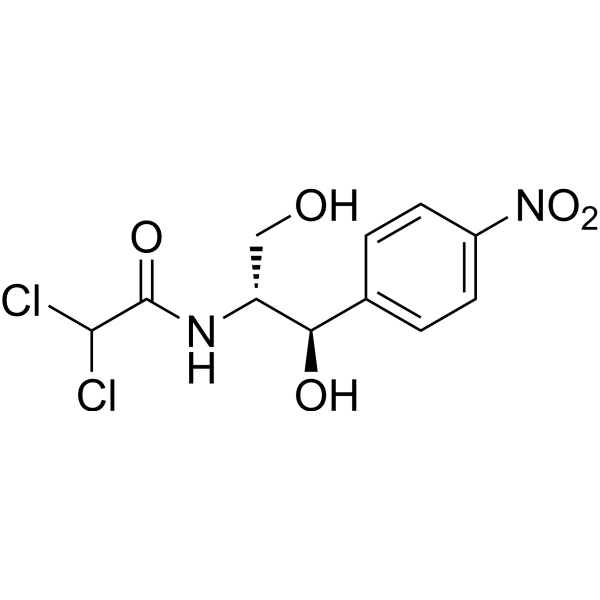
  • HY-B0239
    Chloramphenicol
    15+ Cited Publications

    Antibiotic Bacterial HIF/HIF Prolyl-Hydroxylase VEGFR Autophagy Apoptosis Beclin1 JNK Akt MMP Infection Cancer
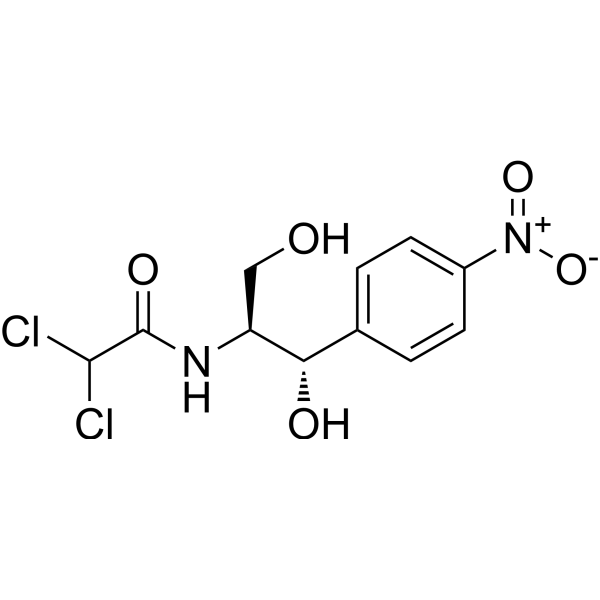
    Chloramphenicol is an orally active, potent and broad-spectrum antibiotic. Chloramphenicol shows antibacterial activity. Chloramphenicol represses the oxygen-labile transcription factor and hypoxia inducible factor-1 alpha (HIF-1α) in hypoxic A549 and H1299 cells. Chloramphenicol suppresses the mRNA levels of vascular endothelial growth factor (VEGF) and glucose transporter 1, eventually decreasing VEGF release. Chloramphenicol can be used for anaerobic infections and lung cancer research .
    Chloramphenicol
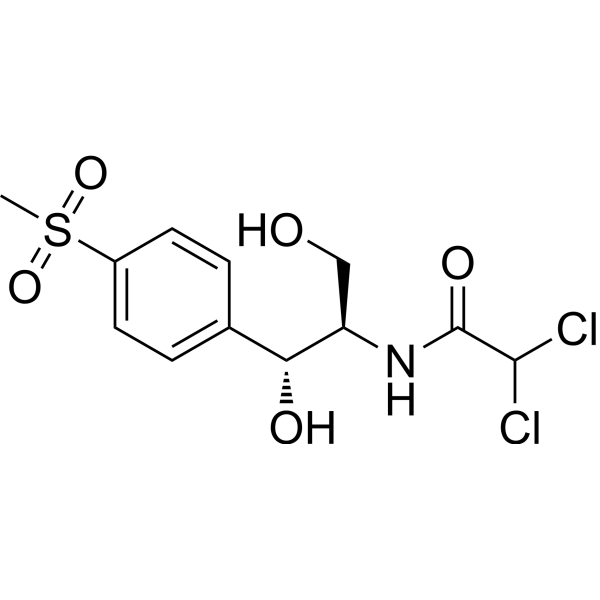
  • HY-B0479

    Thiophenicol; Dextrosulphenidol

    Beta-lactamase Bacterial Antibiotic Infection
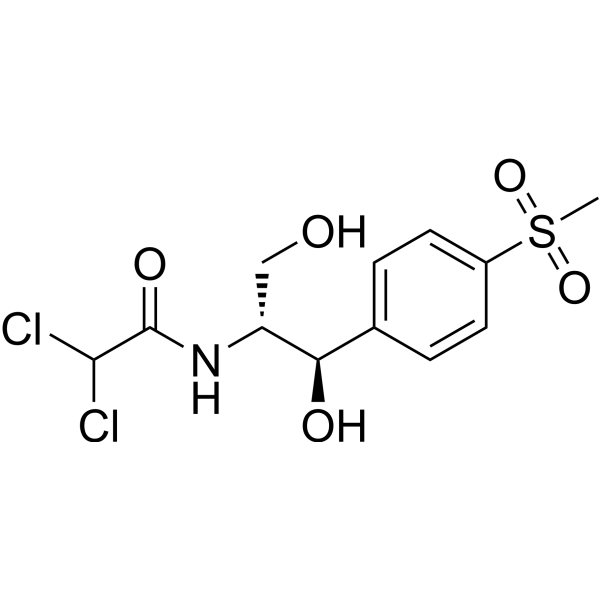
    Thiamphenicol (Thiophenicol), a methyl-sulfonyl derivative of Chloramphenicol, is a broad-spectrum antimicrobial antibiotic. Thiamphenicol acts by binding to the 50S ribosomal subunit, leading to inhibition of protein synthesis and bacteriostatic effect (against Gram-negative, Gram-positive aerobic and anaerobic bacteria) .
    Thiamphenicol
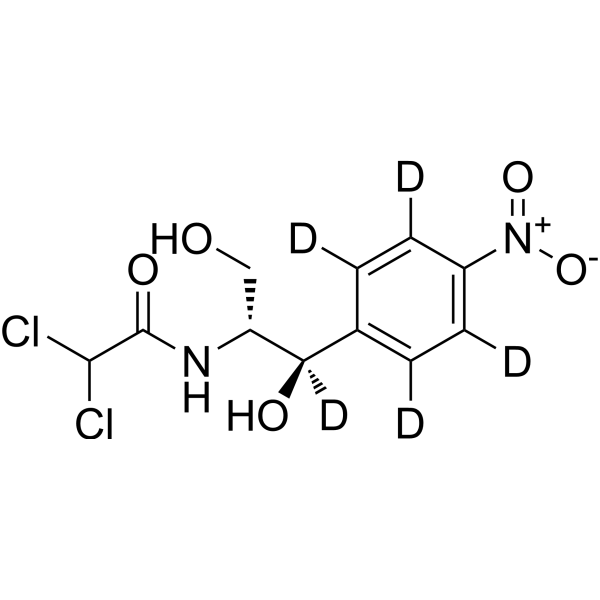
  • HY-B0239S

    Bacterial Antibiotic Infection
    Chloramphenicol-d5 is the deuterium labeled Chloramphenicol. Chloramphenicol is a broad-spectrum antibiotic against bacterial infections .
    Chloramphenicol-d5
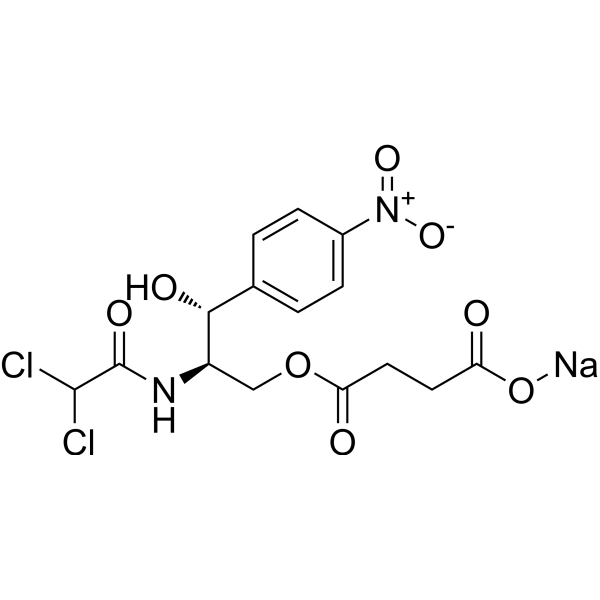
  • HY-N7114A
    Chloramphenicol succinate sodium
    3 Publications Verification

    Bacterial P2Y Receptor Succinate Dehydrogenase Drug Intermediate Infection Inflammation/Immunology
    Chloramphenicol succinate sodium is a prodrug of Chloramphenicol (HY-B0239), acting as a P2Y14R inhibitor with an IC50 of 1.585 nM. Chloramphenicol succinate sodium serves as a competitive substrate and inhibitor of succinate dehydrogenase (SDH), which may account for its toxicity. Chloramphenicol succinate sodium exerts a significant inhibitory effect on colitis. Chloramphenicol succinate sodium can be used in research related to myelosuppression, gray baby syndrome, aplastic anemia, bacterial meningitis and inflammatory bowel disease .
    Chloramphenicol succinate sodium
  • HY-B1599

    Bacterial Antibiotic Infection
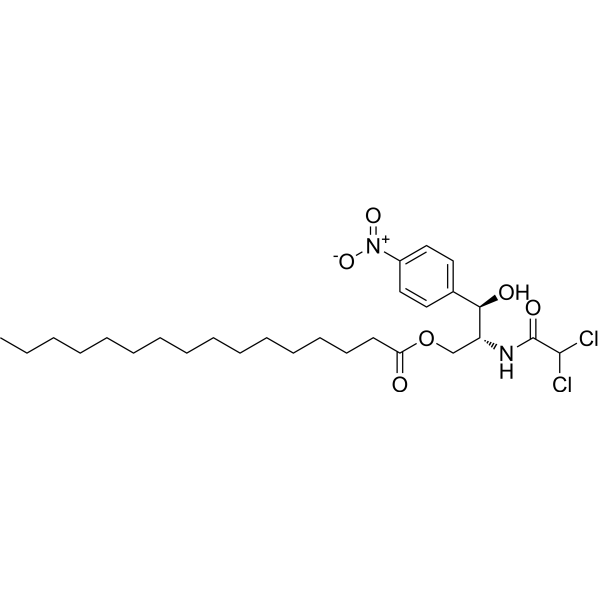
    Chloramphenicol palmitate is an orally active prodrug of Chloramphenicol (HY-B0239), obtained from the esterification reaction between the agent and Palmitic acid (HY-N0830). Chloramphenicol palmitate is rapidly and completely hydrolyzed by intestinal esterase, releasing Chloramphenicol. Chloramphenicol is an orally effective broad-spectrum antibiotic .
    Chloramphenicol palmitate
  • HY-P1938

    Bacterial Infection Inflammation/Immunology
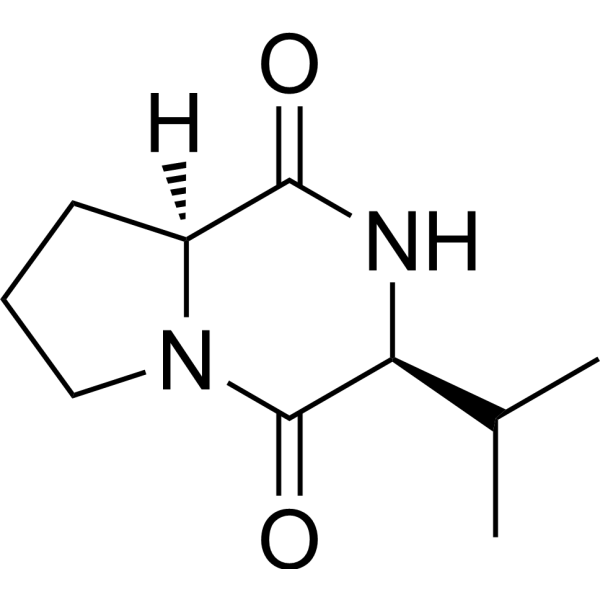
    Cyclo(L-Pro-L-Val) is an antimicrobial and anti-inflammatory agent. Cyclo(L-Pro-L-Val) has toxic activity against plant pathogens such as R. fascians LMG 3605, and its potency may be comparable to that of Chloramphenicol (HY-B0239). Cyclo(L-Pro-L-Val) can inhibit the phosphorylation of IKKα, IKKβ, NF-κB, etc., and the activation of iNOS and COX-2, thereby exerting anti-inflammatory activity. Cyclo(L-Pro-L-Val) can be used in the research of biopesticides in the agricultural field, as well as in the research of inflammation-related diseases .
    Cyclo(L-Pro-L-Val)
  • HY-10393

    PNU-100592

    Bacterial Antibiotic Infection
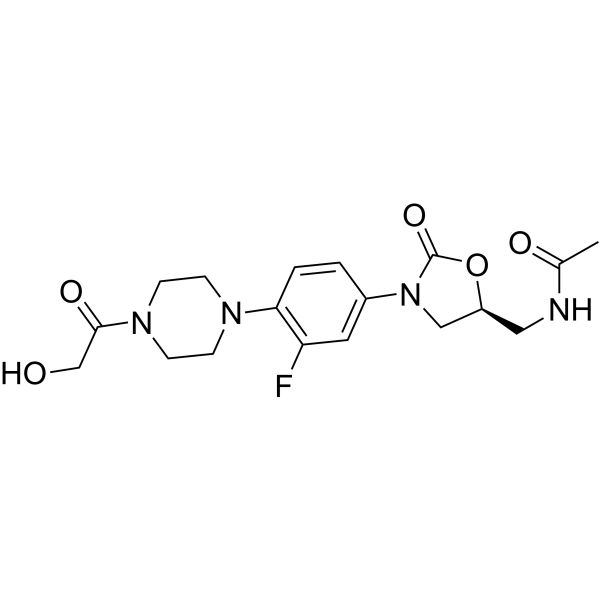
    Eperezolid (PNU-100592) is an orally active protein synthesis inhibitor that targets the bacterial 50S ribosomal subunit. Eperezolid competitively binds to a specific site on the ribosomal 50S subunit (overlapping with the binding sites of chloramphenicol (HY-B0239) and lincomycin (HY-117660)) to inhibit the translation initiation stage and exert antibacterial activity. Eperezolid can induce host cell autophagy to enhance the clearance of intracellular mycobacteria, and its MIC90 for Staphylococcus aureus and Enterococcus is 1-4 μg/mL. Eperezolid is mainly used for antibacterial research on infections with Gram-positive bacteria such as methicillin-resistant (HY-121544) Staphylococci and vancomycin-resistant (HY-B0671) Enterococci, as well as infections with intracellular bacteria such as Mycobacterium tuberculosis .
    Eperezolid
  • HY-W007577

    Drug Metabolite Others
    4-Nitrobenzaldehyde is a widely used industrial chemical intermediate and also the main photodegradation product of the broad-spectrum antibiotic Chloramphenicol (HY-B0239). 4-Nitrobenzaldehyde has genotoxic and mutagenic effects and poses a certain threat to human health and ecosystems .
    4-Nitrobenzaldehyde
  • HY-B0239R

    Reference Standards Antibiotic Bacterial HIF/HIF Prolyl-Hydroxylase VEGFR Autophagy Apoptosis Beclin1 JNK Akt MMP Infection Cancer
    Chloramphenicol (Standard) is the analytical standard of Chloramphenicol. This product is intended for research and analytical applications. Chloramphenicol is an orally active, potent and broad-spectrum antibiotic. Chloramphenicol shows antibacterial activity. Chloramphenicol represses the oxygen-labile transcription factor and hypoxia inducible factor-1 alpha (HIF-1α) in hypoxic A549 and H1299 cells. Chloramphenicol suppresses the mRNA levels of vascular endothelial growth factor (VEGF) and glucose transporter 1, eventually decreasing VEGF release. Chloramphenicol can be used for anaerobic infections and lung cancer research .
    Chloramphenicol (Standard)
  • HY-Y0185

    Biochemical Assay Reagents Drug Intermediate Others
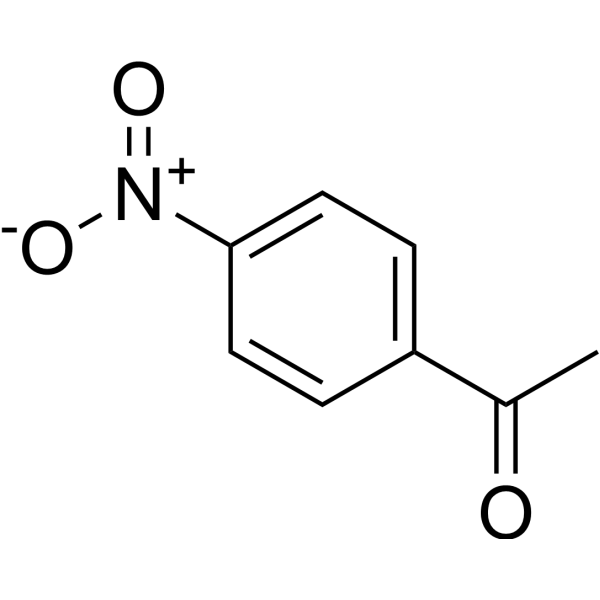
    4'-Nitroacetophenone is a nitroaromatic compound. 4'-Nitroacetophenone is an important organic synthetic intermediate, which can be used for the synthesis of other active compounds such as Chloramphenicol (HY-B0239) .
    4'-Nitroacetophenone
  • HY-W016480

    Drug Intermediate Infection Metabolic Disease
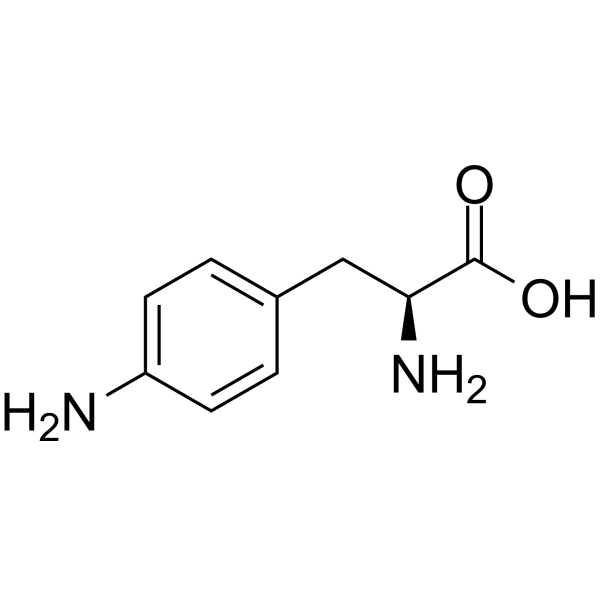
    4-Amino-L-phenylalanine is a metabolic intermediate. 4-Amino-L-phenylalanine can be used in the production of Chloramphenicol (HY-B0239) and Pristinamycin I in Streptomyces venezuelae and S. pristinaespiralis, respectively .
    4-Amino-L-phenylalanine
  • HY-B0479S

    Thiophenicol-d3; Dextrosulphenidol-d3

    Isotope-Labeled Compounds Bacterial Antibiotic Infection
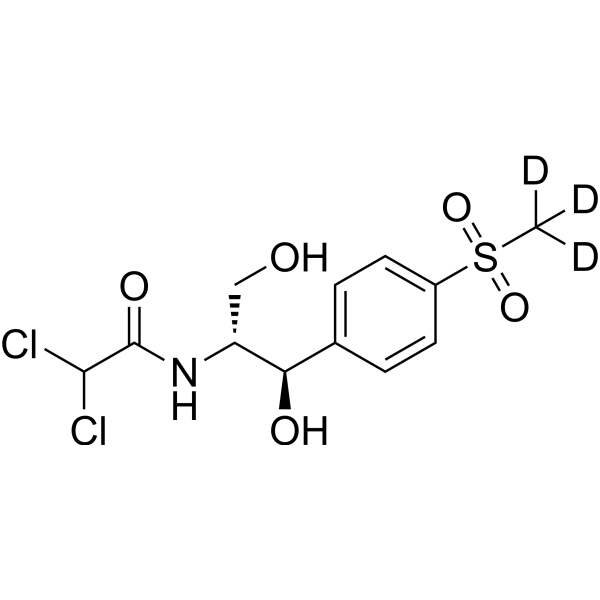
    Thiamphenicol-d3 is a deuterium labeled Thiamphenicol. Thiamphenicol, a methyl-sulfonyl derivative of Chloramphenicol, is a broad-spectrum antimicrobial antibiotic. Thiamphenicol acts by binding to the 50S ribosomal subunit, leading to inhibition of protein synthesis and bacteriostatic effect (against Gram-negative, Gram-positive aerobic and anaerobic bacteria) .
    Thiamphenicol-d3
  • HY-111903

    Bacterial Infection
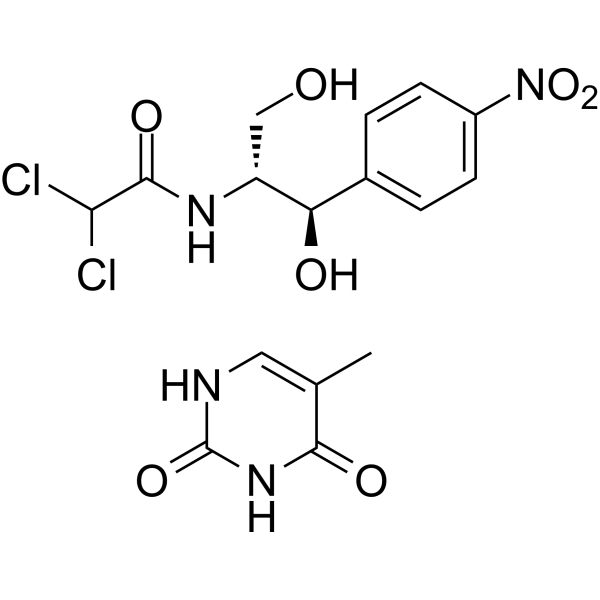
    Levomecol (Chloramphenicol), made up of Chloramphenicol, Methyluracil, is a broad-spectrum antibiotic that is derived from the bacterium Streptomyces venezuelae. Levomecol (Chloramphenicol)) stops bacterial growth by binding to the bacterial ribosome (blocking peptidyl transferase) and inhibiting protein synthesis .
    Levomecol
  • HY-B0479R

    Thiophenicol (Standard); Dextrosulphenidol (Standard)

    Beta-lactamase Reference Standards Bacterial Antibiotic Infection
    Thiamphenicol (Standard) is the analytical standard of Thiamphenicol. This product is intended for research and analytical applications. Thiamphenicol (Thiophenicol), a methyl-sulfonyl derivative of Chloramphenicol, is a broad-spectrum antimicrobial antibiotic. Thiamphenicol acts by binding to the 50S ribosomal subunit, leading to inhibition of protein synthesis and bacteriostatic effect (against Gram-negative, Gram-positive aerobic and anaerobic bacteria) .
    Thiamphenicol (Standard)
  • HY-105674

    Bacterial Antibiotic Infection
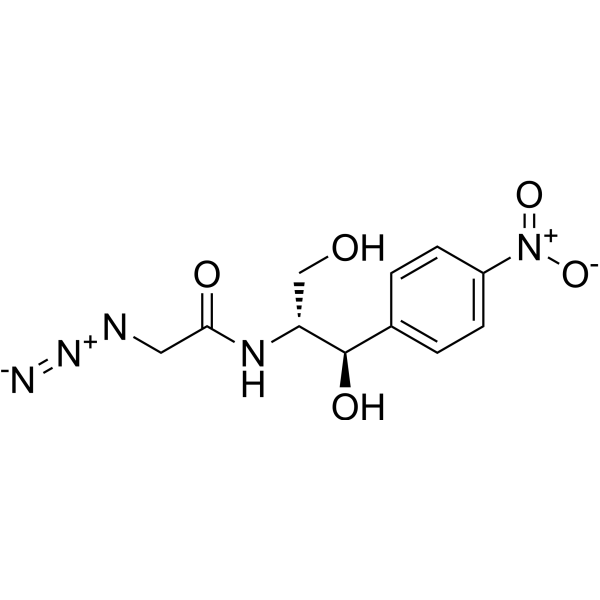
    Azidamfenicol is a broad-spectrum chloramphenicol-like antibiotic. Azidamfenicol inhibits ribosomal peptidyltransferase (Ki=22 μM) . Azidamfenicol is a click chemistry reagent, it contains an Azide group and can undergo copper-catalyzed azide-alkyne cycloaddition reaction (CuAAc) with molecules containing Alkyne groups. It can also undergo strain-promoted alkyne-azide cycloaddition (SPAAC) reactions with molecules containing DBCO or BCN groups.
    Azidamfenicol
  • HY-P2876

    Bacterial Others
    Tryptophanase is a zymogen-converting enzyme and inducible enzyme that can convert its inactive precursor form into an active enzyme without additional polypeptide synthesis. In Escherichia coli K12, tryptophanase functions as an inducible enzyme, and its induction kinetics are similar to those of β-galactosidase. Tryptophanase catalyzes the conversion of L-tryptophan to indole .
    Tryptophanase
  • HY-113897

    Bacterial Infection
    Chloramphenicol 3-acetate is the main intermediate in the biodegradation of CAP, formed by the acetylation of the 3-hydroxy group of CAP through chloramphenicol acetyltransferase, this is a common resistance mechanism that microbes have against chloramphenicol .
    Chloramphenicol 3-acetate
  • HY-132271

    Endogenous Metabolite Others
    Chloramphenicol 1-acetate (Compound Ⅲ) is a microbial transformation product of Chloramphenicol (HY-B0239) by Streptomyces coelicolor. Chloramphenicol 1-acetate is the major product of Chloramphenicol acetyltransferase I (CATI) by regioselective acetylation of C21 hydroxy groups in steroids .
    Chloramphenicol 1-acetate
  • HY-136434

    m-threo-Chloramphenicol

    Antibiotic Others
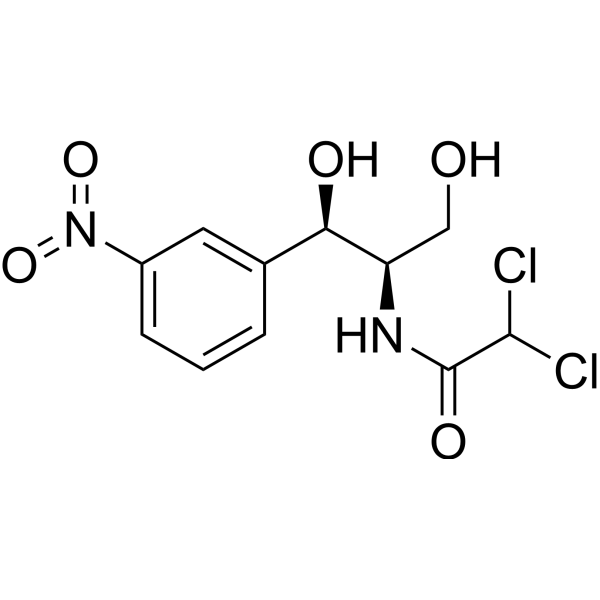
    m-Chloramphenicol (m-threo-Chloramphenicol) is an impurity of Chloramphenicol. Chloramphenicol, a broad-spectrum antibiotic, acts as a potent inhibitor of bacterial protein biosynthesis .
    m-Chloramphenicol
  • HY-117682

    (+)-Chloramphenicol; Dextramycine; Dextromycetin

    Antibiotic Infection
    L-(+)-threo-Chloramphenicol ((+)-Chloramphenicol) is the S,S-stereoisomer of Chloramphenicol (HY-B0239). L-(+)-Threo-chloramphenicol inhibits protein synthesis in reticulocytes. L-(+)-threo-Chloramphenicol also inhibits the oxidative activity of isolated mitochondria .
    L-(+)-threo-Chloramphenicol
  • HY-N7114

    Bacterial Drug Intermediate P2Y Receptor Succinate Dehydrogenase Infection Inflammation/Immunology
    Chloramphenicol succinate is a prodrug of Chloramphenicol (HY-B0239), acting as a P2Y14R inhibitor with an IC50 of 1.585 nM. Chloramphenicol succinate serves as a competitive substrate and inhibitor of succinate dehydrogenase (SDH), which may account for its toxicity. Chloramphenicol succinate exerts a significant inhibitory effect on colitis. Chloramphenicol succinate can be used in research related to myelosuppression, gray baby syndrome, aplastic anemia, bacterial meningitis and inflammatory bowel disease .
    Chloramphenicol succinate
  • HY-B0239S3

    Isotope-Labeled Compounds Bacterial Antibiotic Infection
    Chloramphenicol-d4 is deuterium labeled Chloramphenicol. Chloramphenicol, a broad-spectrum antibiotic, acts as a potent inhibitor of bacterial protein biosynthesis . Chloramphenicol acts primarily on the 50S subunit of bacterial 70S rihosomes and inhibits peptide bond formation by suppressing peptidyl transferase activity .
    Chloramphenicol-d4
  • HY-B0239S2

    JNK Apoptosis VEGFR MMP Bacterial Akt Autophagy HIF/HIF Prolyl-Hydroxylase Antibiotic Beclin1 Cancer
    Threo-Chloramphenicol-d6 is the deuterium labeled Chloramphenicol . Chloramphenicol is an orally active, potent and broad-spectrum antibiotic. Chloramphenicol shows antibacterial activity. Chloramphenicol represses the oxygen-labile transcription factor and hypoxia inducible factor-1 alpha (HIF-1α) in hypoxic A549 and H1299 cells. Chloramphenicol suppresses the mRNA levels of vascular endothelial growth factor (VEGF) and glucose transporter 1, eventually decreasing VEGF release. Chloramphenicol can be used for anaerobic infections and lung cancer research .
    Threo-Chloramphenicol-d6
  • HY-158190

    Rose Bengal Medium

    Bacterial Infection
    Rose-Bengal Chloramphenicol Agar is a selective medium for the enumeration of yeasts and moulds from a wide variety of foodstuffs. The medium has a neutral pH and chloramphenicol is used as a selective agent to suppress the growth of bacteria .
    Rose Bengal Chloramphenicol Agar
  • HY-W783446A

    DACH-sulph

    DNA/RNA Synthesis Cancer
    DACH-Pt-SO4 (DACH-sulph) is an anti-tumor agent. DACH-Pt-SO4 inhibits DNA function and cellular proliferation. DACH-Pt-SO4 reduces chloramphenicol acetyltransferase (CAT) expression in repair-deficient cells. DACH-Pt-SO4 can be used for the study of cancer .
    DACH-Pt-SO4
  • HY-P5704

    Bacterial Infection
    K11 is an antimicrobial peptide. K11 is active against MDR/XDR K. pneumoniae isolates (MIC: 8-512 μg/mL), and inhibits bacterial biofilm formation. K11 can act synergistically with antibiotics (Chloramphenicol (HY-B0239), Meropenem (HY-13678), Rifampicin (HY-B0272), etc.) against drug-resistant K. pneumoniae. K11 has high thermal and wide pH stability .
    K11
  • HY-B1599R

    Reference Standards Bacterial Antibiotic Infection
    Chloramphenicol palmitate (Standard) is the analytical standard of Chloramphenicol palmitate (HY-B1599). This product is intended for research and analytical applications. Chloramphenicol palmitate is an orally active prodrug of Chloramphenicol (HY-B0239), obtained from the esterification reaction between the agent and Palmitic acid (HY-N0830). Chloramphenicol palmitate is rapidly and completely hydrolyzed by intestinal esterase, releasing Chloramphenicol. Chloramphenicol is an orally effective broad-spectrum antibiotic .
    Chloramphenicol palmitate (Standard)
  • HY-B0239S1

    Isotope-Labeled Compounds Bacterial Antibiotic Others
    DL-threo-Chloramphenicol-d5 is a deuterium labeled DL-threo-Chloramphenicol. DL-threo-Chloramphenicol is the racemate of Chloramphenicol.
    DL-threo-Chloramphenicol-d5
  • HY-N7114AR

    Reference Standards Bacterial Drug Intermediate P2Y Receptor Succinate Dehydrogenase Infection Inflammation/Immunology
    Chloramphenicol succinate sodium (Standard) is the analytical standard of Chloramphenicol succinate sodium. This product is intended for research and analytical applications. Chloramphenicol succinate sodium is a prodrug of Chloramphenicol (HY-B0239), acting as a P2Y14R inhibitor with an IC50 of 1.585 nM. Chloramphenicol succinate sodium serves as a competitive substrate and inhibitor of succinate dehydrogenase (SDH), which may account for its toxicity. Chloramphenicol succinate sodium exerts a significant inhibitory effect on colitis. Chloramphenicol succinate sodium can be used in research related to myelosuppression, gray baby syndrome, aplastic anemia, bacterial meningitis and inflammatory bowel disease .
    Chloramphenicol succinate sodium (Standard)
  • HY-W706112

    Isotope-Labeled Compounds Antibiotic Infection
    Chloramphenicol-d5-2 is the deuterium labeled Chloramphenicol (HY-B0239). Chloramphenicol is an orally active, potent and broad-spectrum antibiotic .
    Chloramphenicol-d5-2
  • HY-118675

    Drug Intermediate Bacterial Others
    L-erythro-Chloramphenicol acts as a powerful inhibitor of electron transport.
    L-erythro-Chloramphenicol
  • HY-161587

    Biochemical Assay Reagents Inflammation/Immunology
    Chloramphenicol/OVA is a conjugate of Chloramphenicol (HY-B0239) and Ovalbumin (OVA). By conjugating the antigen with a protein adjuvant, the production of antigen-specific antibodies in vaccine models can be enhanced. The conjugate does not affect protein folding or disrupt major epitopes and can enhance cross-presentation and the production of antigen-specific T cells.
    Chloramphenicol/OVA
  • HY-161586

    Antibiotic Bacterial HIF/HIF Prolyl-Hydroxylase VEGFR Autophagy Apoptosis Beclin1 JNK Akt MMP Biochemical Assay Reagents Inflammation/Immunology
    Chloramphenicol/BSA is the antigen-adjuvant conjugate formed by the coupling of Chloramphenicol (HY-B0239) with Bovine Serum Albumin (BSA). By conjugating the antigen with a protein adjuvant, the production of antigen-specific antibodies in vaccine models can be enhanced. The conjugate does not affect protein folding or disrupt major epitopes, and it can enhance cross-presentation and the generation of antigen-specific T cells.
    Chloramphenicol/BSA
  • HY-W587441

    Biochemical Assay Reagents Others
    Chloramphenicol 3-O-β-D-glucuronide is a class of biochemical reagents used in glycobiology research. Glycobiology studies the structure, synthesis, biology, and evolution of sugars. It involves carbohydrate chemistry, enzymology of glycan formation and degradation, protein-glycan recognition, and the role of glycans in biological systems. This field is closely related to basic research, biomedicine, and biotechnology .
    Chloramphenicol 3-O-β-D-glucuronide
  • HY-W686760A

    Bacterial Infection
    Bromamphenicol (Compound Ib) is a derivative of Chloramphenicol (HY-B0239), and exhibits antibacterial activity. Bromamphenicol binds to S50 ribosomal subunit, interfers with the activity of peptidyl transferase, and exhibits inhibitory activity against protein synthesis .
    Bromamphenicol
  • HY-W007577R

    Reference Standards Drug Metabolite Others
    4-Nitrobenzaldehyde (Standard) is the analytical standard of 4-Nitrobenzaldehyde (HY-W007577). This product is intended for research and analytical applications. 4-Nitrobenzaldehyde is a widely used industrial chemical intermediate and also the main photodegradation product of the broad-spectrum antibiotic Chloramphenicol (HY-B0239). 4-Nitrobenzaldehyde has genotoxic and mutagenic effects and poses a certain threat to human health and ecosystems .
    4-Nitrobenzaldehyde (Standard)
  • HY-122073

    Bacterial Infection
    Furalazine is an antimicrobial agent. Furalazine shows activity against drug-resistant strains of cholera bacteria. Furalazine has the potential for the research of cholera .
    Furalazine
  • HY-123598

    Antibiotic Bacterial Infection
    Corynecin III is a Chloramphenicol (HY-B0239)-like antibiotic, which is found in Corynebacterium. Corynecin III inhibits the growth of Gram-positive and Gram-negative bacteria with MIC values of 2.6-83 μg/mL .
    Corynecin III
  • HY-W698895

    Isotope-Labeled Compounds Biochemical Assay Reagents Others
    4-Nitrobenzaldehyde-d4 is the deuterium labeled 4-Nitrobenzaldehyde (HY-W007577). 4-Nitrobenzaldehyde is a photodegradation product of chloramphenicol. 4-Nitrobenzaldehyde inhibits plant growth and induces damage of photosynthetic apparatus .
    4-Nitrobenzaldehyde-d4
  • HY-116974

    ent-Thiophenicol; ent-Dextrosulphenidol

    Antibiotic Others
    ent-Thiamphenicol (ent-Dextrosulphenidol) is a enantiomer of Thiamphenicol (HY-B0479). Thiamphenicol, a methyl-sulfonyl derivative of Chloramphenicol, is a broad-spectrum antimicrobial antibiotic. Thiamphenicol acts by binding to the 50S ribosomal subunit, leading to inhibition of protein synthesis and bacteriostatic effect (against Gram-negative, Gram-positive aerobic and anaerobic bacteria) .
    ent-Thiamphenicol
  • HY-B0479S1

    Thiophenicol-d3-1; Dextrosulphenidol-d3-1

    Isotope-Labeled Compounds Infection
    Thiamphenicol-d3-1 (Thiophenicol-d3-1; Dextrosulphenidol-d3-1) is the deuterium-labeled Thiamphenicol (HY-B0479) . Thiamphenicol (Thiophenicol),a methyl-sulfonyl derivative of Chloramphenicol,is a broad-spectrum antimicrobial antibiotic. Thiamphenicol acts by binding to the 50S ribosomal subunit,leading to inhibition of protein synthesis and bacteriostatic effect (against Gram-negativeGram-positive aerobic and anaerobic bacteria) .
    Thiamphenicol-d3-1
  • HY-126167

    Fungal Phosphodiesterase (PDE) Infection
    Deacetylsclerotiorin is a secondary metabolite of chloramphenicol isolated from the fungus Bartalinia robillardoides strain LF550. Deacetylsclerotiorin has significant inhibitory effects on Candida albicans (IC50=24 μM), Trichophyton rubrum (IC50=2.83 μM) and Septoria tritici (IC50=7..45 μM). In addition, Deacetylsclerotiorin also exhibits inhibitory effects on the enzyme phosphodiesterase 4 (PDE4) (IC50=2.8 μM) .
    Deacetylsclerotiorin
  • HY-P1938R

    Reference Standards Bacterial Infection
    Cyclo(L-Pro-L-Val) (Standard) is the analytical standard of Cyclo(L-Pro-L-Val). This product is intended for research and analytical applications. Cyclo(L-Pro-L-Val) is a 2,5-diketopiperazine, with toxic activity against phytopathogenic microorganisms (such as R. fascians LMG 3605). Cyclo(L-Pro-L-Val) shows toxicity similar to Chloramphenicol (HY-B0239) with comparable concentration. Cyclo(L-Pro-L-Val) can also inhibit gram-positive phytopathogenic bacterium. Cyclo(L-Pro-L-Val) has potential development as biopesticide[1].
    Cyclo(L-Pro-L-Val) (Standard)
  • HY-129432

    Fungal Phosphodiesterase (PDE) Infection
    (-)-Deacetylsclerotiorin (Compound 30) is the enantiomer of Deacetylsclerotiorin (HY-126167). Deacetylsclerotiorin is the metabolite of chloramphenicol isolated from the fungus Bartalinia robillardoides strain LF550. Deacetylsclerotiorin has significant inhibitory effects on Candida albicans (IC50=24 μM), Trichophyton rubrum (IC50=2.83 μM) and Septoria tritici (IC50=7.45 μM). In addition, Deacetylsclerotiorin also exhibits inhibitory effects on the enzyme phosphodiesterase 4 (PDE4) (IC50=2.8 μM) .
    (-)-Deacetylsclerotiorin
  • HY-P2782A

    Endogenous Metabolite Metabolic Disease
    Chloramphenicol Acetyltransferase, Escherichia coli is a bacterial enzyme that detoxifies the antibiotic chloramphenicol and is responsible for chloramphenicol resistance in bacteria. Chloramphenicol Acetyltransferase, Escherichia coli covalently attaches an acetyl group from acetyl-CoA to chloramphenicol, which prevents chloramphenicol from binding to ribosomes. A histidine residue, located in the C-terminal section of Chloramphenicol Acetyltransferase, Escherichia coli, plays a central role in its catalytic mechanism.
    Chloramphenicol Acetyltransferase, Escherichia coli
  • HY-12770R

    Mebeverine metabolite Mebeverine alcohol (Standard)

    Reference Standards Drug Metabolite Neurological Disease
    Mebeverine alcohol (Standard) is an analytical standard for Mebeverine alcohol. This product is intended for research and analytical applications. Eperezolid (PNU-100592) is an orally active protein synthesis inhibitor that targets the bacterial 50S ribosomal subunit. Eperezolid competitively binds to a specific site on the ribosomal 50S subunit (overlapping with the binding sites of Chloramphenicol (HY-B0239) and Lincomycin (HY-117660)) to inhibit the translation initiation stage and exert antibacterial activity. Eperezolid can induce host cell autophagy to enhance the clearance of intracellular mycobacteria, and its MIC90 for Staphylococcus aureus and Enterococcus is 1-4 μg/mL. Eperezolid is mainly used for antibacterial research on infections with Gram-positive bacteria such as methicillin-resistant (HY-121544) Staphylococci and vancomycin-resistant (HY-B0671) Enterococci, as well as infections with intracellular bacteria such as Mycobacterium tuberculosis .
    Mebeverine alcohol (Standard)
  • HY-W686760

    Bacterial Infection
    (Rac)-Bromamphenicol is the racemate of Bromamphenicol (HY-W686760). Bromamphenicol (Compound Ib) is a derivative of Chloramphenicol (HY-B0239), and exhibits antibacterial activity. Bromamphenicol binds to S50 ribosomal subunit, interfers with the activity of peptidyl transferase, and exhibits inhibitory activity against protein synthesis .
    (Rac)-Bromamphenicol
  • HY-126747

    Endogenous Metabolite Infection
    Corynecin IV is a chloramphenicol-like bacterial metabolite originally isolated from Corynebacterium .
    Corynecin IV
  • HY-126745

    Endogenous Metabolite Infection
    Corynecin V is a chloramphenicol-like bacterial metabolite originally isolated from Corynebacterium .
    Corynecin V
  • HY-W083821

    1-(4-Nitrobenzyl)-1,4-diazepane

    Bacterial Infection
    1-[(4-Nitrophenyl) methyl]-1,4-diazepane (1-(4-Nitrobenzyl)-1,4-diazepane) is an anti-biofilm agent. 1-[(4-Nitrophenyl) methyl]-1,4-diazepane reduces biofilm formation in Escherichia coli. 1-[(4-Nitrophenyl) methyl]-1,4-diazepane is used for the research of Escherichia coli biofilm-related infections .
    1-[(4-Nitrophenyl)methyl]-1,4-diazepane

Inquiry Online

Your information is safe with us. * Required Fields.

Salutation


Country or Region *

Applicant Name *


Organization Name *

Department *


Email Address *


Product Name *

Cat. No.


Requested quantity *

Phone Number *


Remarks

Inquiry Online

Inquiry Information

Product Name:
Cat. No.:
Quantity:
MCE Japan Authorized Agent:

