

Search Result
Results for "
Chloromethyl
" in MedChemExpress (MCE) Product Catalog:
3
Biochemical Assay Reagents
7
Isotope-Labeled Compounds
| Cat. No. |
Product Name |
Target |
Research Areas |
Chemical Structure |
-
- HY-129047C
-
|
|
Biochemical Assay Reagents
Influenza Virus
|
Infection
|
|
TPCK-treated Trypsin is a trypsin whose activity is inhibited by tosyl phenylalanyl chloromethyl ketone. TPCK-treated Trypsin reduces autolysis and nonspecific proteolysis during experiments, exhibits stability in storage and handling. TPCK-treated trypsin can be used in proteomics research . TPCK-treated Trypsin renders the virus hemagglutinin active, which allows multicycle replication of the virus. TPCK-treated Trypsin can be used for the study of influenza virus .
|
-
-
- HY-D1462
-
|
|
Fluorescent Dye
|
Others
|
|
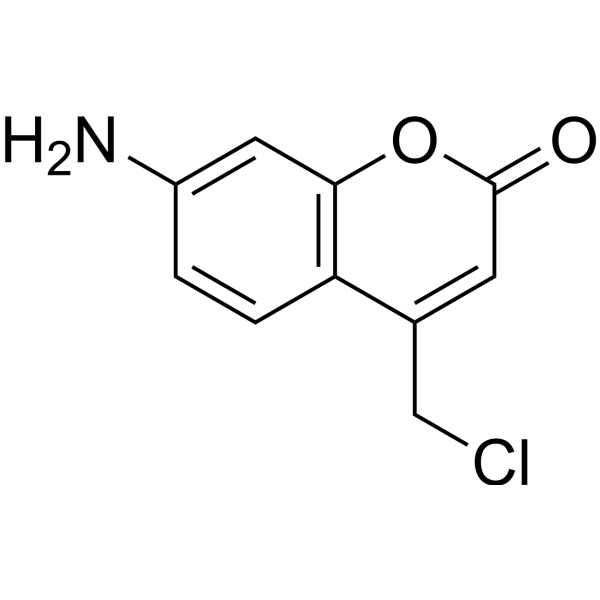
CellTracker Blue CMAC is a non-fluorescent cell membrane permeable dye. The chloromethyl groups of CellTracker Blue CMAC are enzymatically cleaved by intracellular glutathione (GSH) to generate a fluorescent product (blue fluorescence, Ex/Em: 360/460 nm). CellTracker Blue CMAC is suitable for long-term cell tracking (up to 72 hours) and cell proliferation studies, and can also quantify GSH levels .
|
-
-
- HY-134124
-
|
|
Reactive Oxygen Species (ROS)
|
Metabolic Disease
|
|
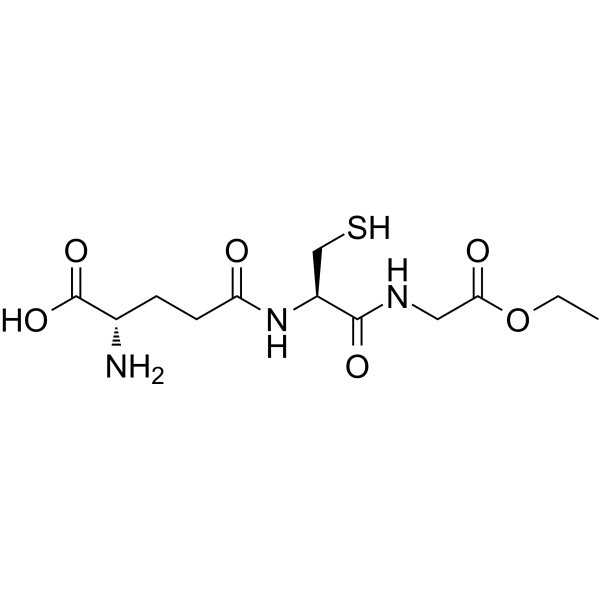
Glutathione ethyl ester is a cell-permeable GSH donor and provides an efficient supply of GSH to the oocyte. Glutathione ethyl ester shows positive effect on the in vitro production of embryos by enhancement of the antioxidative defense .
|
-
-
- HY-P10272
-
|
PTG-300
|
Ferroportin
|
Others
|
|
Rusfertide is a peptide mimetic of natural hepcidin, which targets and degrades ferroportin, reduces serum iron and transferrin-saturation, and thus regulates the production of red blood cells. Rusfertide ameliorates the polycythemia vera, β-thalassemia and hereditary hemochromatosis .
|
-
-
- HY-A0248A
-
|
|
Bacterial
|
Infection
|
|
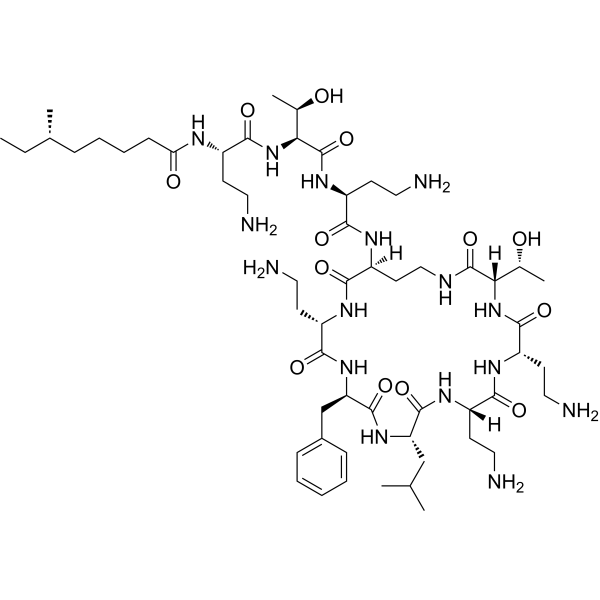
Polymyxin B1 is a potent antimicrobial lipopeptide first derived from Bacilus polymyxa. Polymyxin B1 is the major component in Polymyxin B (HY-A0248). Polymyxin B1 can induce lysis of bacterial cells through interaction with their membranes. Polymyxin B1 has the potential for multidrug-resistant Gram-negative bacterial infections treatment .
|
-
-
- HY-112716
-
|
|
Amino Acid Derivatives
|
Cancer
|
|
N-alpha-Tosyl-L-lysine chloromethyl ketone (TLCK), a trypsin like protease inhibitor, sensitizes HeLa cells to Fas-mediated cell death.
|
-
-
- HY-124379
-
TPCK
1 Publications Verification
L-1-Tosylamido-2-phenylethyl Chloromethyl ketone; L-TPCK
|
Ser/Thr Protease
HPV
Apoptosis
PDK-1
|
Infection
Neurological Disease
Inflammation/Immunology
Cancer
|
|
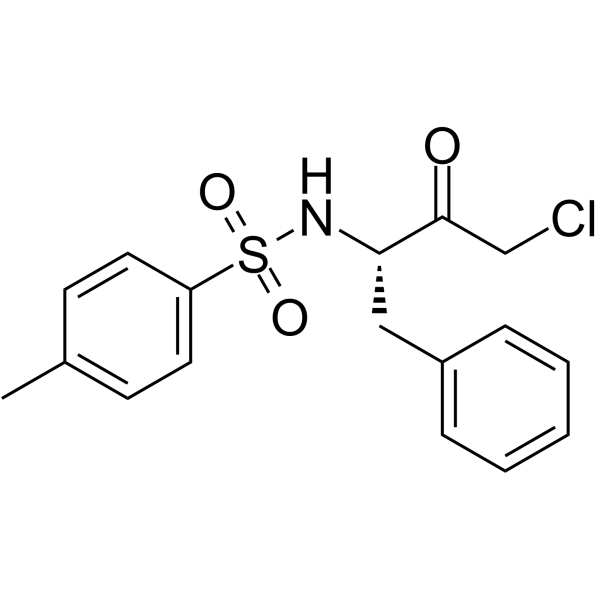
TPCK (L-1-Tosylamido-2-phenylethyl chloromethyl ketone; L-TPCK) is an effective serine protease inhibitor and also a blocker of the PDK1/Akt pathway. TPCK can modify the E7 protein in actively keratinocyte cells. TPCK can induce cellular apoptosis, suppress tumor growth, reduce hypoxic-ischemic brain injury in rat pups, and affect vascular permeability in inflamed rats .
|
-
-
- HY-P1108A
-
|
|
CRFR
|
Neurological Disease
Inflammation/Immunology
|
Astressin 2B TFA is a blood-brain barrier-impermeable, highly selective CRFR2 antagonist (rCRFR2, IC50=0.57 nM). Astressin 2B TFA blocks the protective effects mediated by CRFR2, thereby exacerbating indomethacin (HY-14397)-induced hemorrhagic intestinal injury in rats. Astressin 2B TFA reverses the protective effects of Urocortin 1 against intestinal hypermotility, bacterial invasion and upregulation of inflammatory mediators. Astressin 2B TFA also blocks the anxiogenic effect of Urocortin 2 and attenuates stress-induced anxiety-related behaviors. In the Clostridioides difficile toxin A (C. difficile toxin A)-mediated enteritis model, Astressin 2B TFA mimics the phenotype of CRFR2-deficient mice, significantly exacerbating intestinal epithelial damage, edema, neutrophil migration and the expression of multiple proinflammatory cytokines. Astressin 2B TFA is an important tool molecule for investigating the intestinal protective mechanisms of CRFR2 .
|
-
-
- HY-P1108
-
|
|
CRFR
|
Neurological Disease
Inflammation/Immunology
|
Astressin 2B is a blood-brain barrier-impermeable, highly selective CRFR2 antagonist (rCRFR2, IC50=0.57 nM). Astressin 2B blocks the protective effects mediated by CRFR2, thereby exacerbating indomethacin (HY-14397)-induced hemorrhagic intestinal injury in rats. Astressin 2B reverses the protective effects of Urocortin 1 against intestinal hypermotility, bacterial invasion and upregulation of inflammatory mediators. Astressin 2B also blocks the anxiogenic effect of Urocortin 2 and attenuates stress-induced anxiety-related behaviors. In the Clostridioides difficile toxin A (C. difficile toxin A)-mediated enteritis model, Astressin 2B mimics the phenotype of CRFR2-deficient mice, significantly exacerbating intestinal epithelial damage, edema, neutrophil migration and the expression of multiple proinflammatory cytokines. Astressin 2B is an important tool molecule for investigating the intestinal protective mechanisms of CRFR2 .
|
-
-
- HY-43384
-
|
Tenofovir Impurity 66
|
Drug Intermediate
|
Others
|
|
Chloromethyl methyl carbonate (Tenofovir Impurity 66) is a drug intermediate for synthesis of various active compounds.
|
-
-
- HY-137038
-
|
TLCK hydrochloride
|
Caspase
Ser/Thr Protease
FOXO
|
Cardiovascular Disease
Cancer
|
|
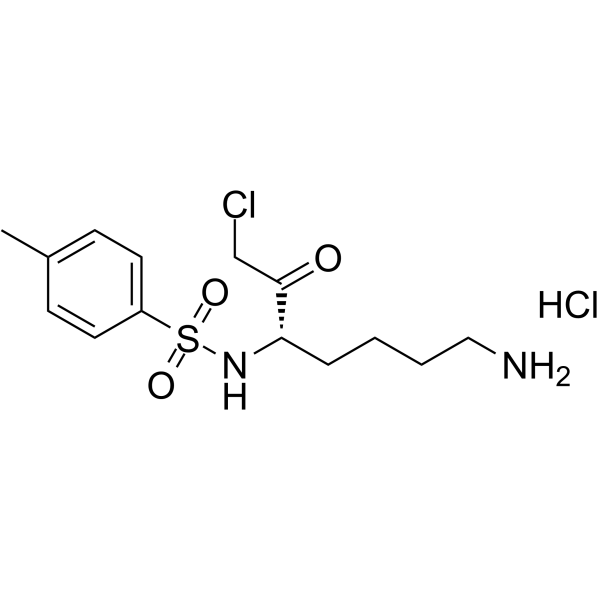
N-alpha-Tosyl-Lys chloromethyl ketone hydrochloride (TLCK hydrochloride) is a Serine protease inhibitor with an IC50 of 12.0 μM against Caspase-3, 54.5 μM against Caspase-6, and 19.3 μM against Caspase-7. It inhibits thrombin-induced nuclear translocation of FOXO1. N-alpha-Tosyl-Lys chloromethyl ketone hydrochloride can be used in research related to leukemia and cardiovascular diseases .
|
-
-
- HY-122542A
-
|
Pebac; D-Phenylalanyl-prolyl-arginyl Chloromethyl Ketone; D-Phe-Pro-Arg-CH2Cl
|
Ligands for E3 Ligase
Molecular Glues
IKZF Family
|
Cardiovascular Disease
|
|
PPACK dihydrochloride is an orally active, selective molecular glue degrader targeting IKZF2. Through a molecular glue mechanism, PPACK dihydrochloride binds to CRBN, recruits IKZF2 to form a ternary complex, and promotes its ubiquitination and proteasomal degradation. This further converts inhibitory regulatory T cells (Treg) into effector-like T cells, enhances CD8 + T cell responses, and modulates the Teff:Treg balance. PPACK dihydrochloride also increases the production of the inflammatory cytokine IL-2 and reduces the suppressive activity of Treg. PPACK dihydrochloride can be used in cancer immunotherapy research, and exhibits a synergistic effect when combined with immune checkpoint inhibitors such as anti-PD1 .
|
-
-
- HY-P10579
-
123B9
1 Publications Verification
|
Ephrin Receptor
|
Cancer
|
|
123B9, a tumor-homing agent, is a potent and selective EphA2 agonist with a Kd value of 4.0 μM. 123B9 selectively targets the EphA2 tyrosine kinase receptor ligand-binding domain. 123B9 does not appreciably inhibit the ligand binding domains of the most closely related EphA3 and EphA4 receptors .
|
-
-
- HY-76779
-
|
|
Drug Derivative
|
Cancer
|
|
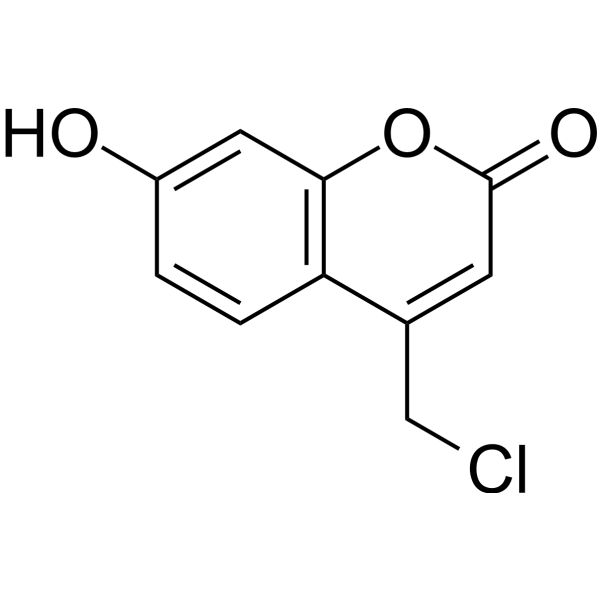
4-(Chloromethyl)-7-hydroxycoumarin (compound 4) is a hydroxycoumarin derivative with potent antioxidant effect and high hydroxyl radical-scavenging property. 4-(Chloromethyl)-7-hydroxycoumarin contains a methyl group and a chlorine group in the heterocyclic ring. A series of coumarins incorporating hydroxy-, chloro- and/or chloromethyl-moieties has been investigated as potent inhibitors of the zinc enzyme carbonic anhydrase, expecially tumor-associated isoforms CA IX and XII .
|
-
-
- HY-DY1041
-
|
|
Fluorescent Dye
|
Others
|
CellTracker Blue CMAC (solution) is a non-fluorescent cell membrane permeable dye. The chloromethyl groups of CellTracker Blue CMAC are enzymatically cleaved by intracellular glutathione (GSH) to generate a fluorescent product (blue fluorescence, Ex/Em: 360/460 nm). CellTracker Blue CMAC is suitable for long-term cell tracking (up to 72 hours) and cell proliferation studies, and can also quantify GSH levels . Solvent and concentration: DMSO: 10 mM
|
-
-
- HY-P10143
-
|
Ac-Pro-Leu-Gly-[(S)-2-mercapto-4-methyl-pentanoyl]-Leu-Gly-OEt
|
MMP
|
Others
|
|
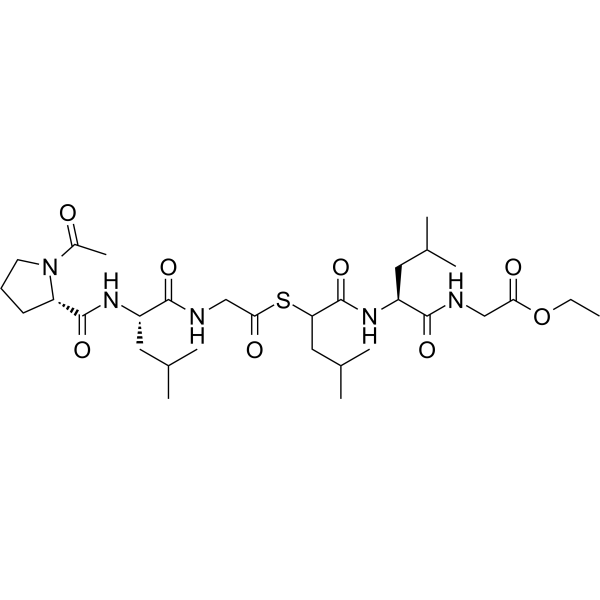
MMP-2/MMP-9 Substrate (Ac-Pro-Leu-Gly-[(S)-2-mercapto-4-methyl-pentanoyl]-Leu-Gly-OEt) is a synthetic chromogenic polypeptide substrate whose core structure mimics the cleavage sites of MMP-2 and MMP-9 (gelatinase A and B) in collagen. After being hydrolyzed by collagenase, MMP-2/MMP-9 Substrate reacts with 4,4'-dithiodipyridine or Ellman's Reagent via its thiol fragment to produce a product with ultraviolet absorption properties .
|
-
-
- HY-A0248AS
-
|
|
Isotope-Labeled Compounds
Bacterial
|
Infection
|
|
Polymyxin B1-d7 TFA is the deuterium labeled Polymyxin B1 TFA (HY-A0248A). Polymyxin B1 is a potent antimicrobial lipopeptide first derived from Bacilus polymyxa. Polymyxin B1 is the major component in Polymyxin B (HY-A0248). Polymyxin B1 can induce lysis of bacterial cells through interaction with their membranes. Polymyxin B1 has the potential for multidrug-resistant Gram-negative bacterial infections treatment .
|
-
-
- HY-W013510
-
|
|
Biochemical Assay Reagents
|
Others
|
|
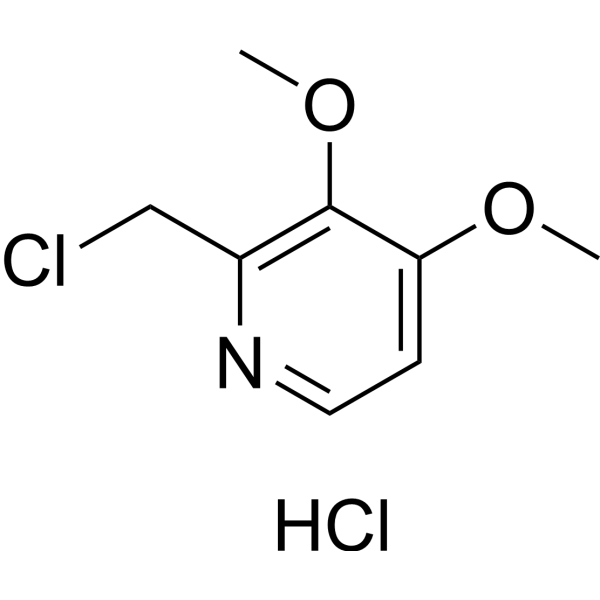
2-(Chloromethyl)-3,4-dimethoxypyridine hydrochloride is a biochemical reagent that can be used as a biological material or organic compound for life science related research.
|
-
-
- HY-42850
-
|
|
Drug Intermediate
|
Others
|
|
5-Chloromethyl-1-propyl-1H-imidazole hydrochloride is a drug intermediate for synthesis of various active compounds.
|
-
-
- HY-P10563
-
|
BHV-1100
|
CD38
|
Cancer
|
|
Noraramtide (BHV-1100) is an antibody recruitment molecule. Noraramtide can specifically bind to CD38 molecules to recruit natural killer (NK) cells. Noraramtide enhances the ability of NK cells to kill tumor cells through antibody-dependent cellular cytotoxicity (ADCC). This mechanism allows NK cells to more effectively recognize and eliminate tumor cells while avoiding mutual killing between NK cells. Noraramtide can be used for the study of autologous cancer immunity .
|
-
-
- HY-I0167
-
|
|
Drug Intermediate
|
Others
|
|
1-(2-(4-(Chloromethyl)phenoxy)ethyl)azepane hydrochloride is a drug intermediate for synthesis of various active compounds.
|
-
-
- HY-23565
-
|
|
Drug Intermediate
|
Others
|
|
(R)-1,4-Dibenzyl-2-(chloromethyl)piperazine is a drug intermediate for synthesis of various active compounds.
|
-
-
- HY-P10095
-
-
-
- HY-P10095A
-
|
D-Val-Phe-Lys Chloromethyl ketone diTFA
|
Ser/Thr Protease
|
Metabolic Disease
|
|
D-Val-Phe-Lys-CMK (D-Val-Phe-Lys Chloromethyl ketone) diTFA can inhibit plasmin activity .
|
-
-
- HY-P3066
-
|
d(CH2)5Tyr(Et)VAVP
|
Vasopressin Receptor
|
Metabolic Disease
|
|
SKF 100398 (d(CH2)5Tyr(Et)VAVP), an arginine vasopressin (AVP) analogue, is a specific antagonist of the antidiuretic effect of exogenous and endogenous AVP .
|
-
-
- HY-52102
-
|
|
Drug Intermediate
|
Others
|
|
2-(Chloromethyl)pyrimidine hydrochloride is a synthetic intermediate useful for pharmaceutical synthesis.
|
-
-
- HY-W007502
-
-
-
- HY-Z2475
-
|
Chloromethyl Propyl Carbonate
|
Drug Intermediate
|
Others
|
|
Tenofovir Impurity 54 (Chloromethyl Propyl Carbonate) is an impurity of Tenofovir (HY-13910).
|
-
-
- HY-W587507
-
|
1,1′-[1-(Chloromethyl)-1,2-ethanediyl] didodecanoate
|
Others
|
Metabolic Disease
|
|
1,2-Dilauroyl-3-chloropropanediol (1,1′-[1-(Chloromethyl)-1,2-ethanediyl] didodecanoate) is an ester product.
|
-
-
- HY-P10828
-
|
|
Virus Protease
|
Infection
Inflammation/Immunology
|
|
MAPI is a polypeptide irreversible 3C cysteine protease (SV3CP) inhibitor. MAPI inhibits SV3CP by covalently binding its C-terminal Michael-acceptor extension to the active site thiol of SV3CP Cys 139. MAPI is promising for research of noroviruses infection .
|
-
-
- HY-W015577R
-
|
|
Reference Standards
|
|
|
Chloromethyl isopropyl carbonate (Standard) is the analytical standard of Chloromethyl isopropyl carbonate. This product is intended for research and analytical applications.
|
-
-
- HY-W704178
-
-
-
- HY-156723
-
|
|
Topoisomerase
|
Cancer
|
|
9-Chloromethyl-10-hydroxy-11-F-Camptothecin is a novel camptothecin derivatives. 9-Chloromethyl-10-hydroxy-11-F-Camptothecin is a DNA topoisomerase I (Topo I) inhibitor, can be used in anticancer research .
|
-
-
- HY-W613504
-
|
|
PROTAC Linkers
|
Cancer
|
|
4-(Chloromethyl)phenylacetic Acid is a PROTAC linker that can be used in the synthesis of PROTACs.
|
-
-
- HY-W010311R
-
|
α-Chloro-p-xylene (Standard)
|
Reference Standards
|
|
|
1-(Chloromethyl)-4-methylbenzene (Standard) is the analytical standard of 1-(Chloromethyl)-4-methylbenzene. This product is intended for research and analytical applications.
|
-
-
- HY-W016753R
-
|
|
Reference Standards
|
|
|
1,3-Bis(chloromethyl)benzene (Standard) is the analytical standard of 1,3-Bis(chloromethyl)benzene. This product is intended for research and analytical applications.
|
-
-
- HY-W711764
-
-
-
- HY-W654074
-
|
1,1′-[1-(Chloromethyl)-1,2-ethanediyl] didodecanoate-d5
|
Isotope-Labeled Compounds
Biochemical Assay Reagents
|
Metabolic Disease
|
|
1,2-Dilauroyl-3-chloropropanediol-d5 (1,1′-[1-(Chloromethyl)-1,2-ethanediyl] didodecanoate-d5) is the deuterium labeled 1,2-Dilauroyl-3-chloropropanediol (HY-W587507). 1,2-Dilauroyl-3-chloropropanediol (1,1′-[1-(Chloromethyl)-1,2-ethanediyl] didodecanoate) is an ester product.
|
-
-
- HY-D1278
-
|
|
Fluorescent Dye
|
Others
|
|
4-(5)-(((4-ChloroMethyl)Benzoyl)AMino)TetraMethylrhodaMine is a multifunctional dye. Dyes are important tools in biological experiments. They can help researchers observe and analyze cell structures, track biomolecules, evaluate cell functions, distinguish cell types, detect biomolecules, study tissue pathology and monitor microorganisms. Their applications range from basic scientific research to clinical A wide range of diagnostics. Dyes are also widely used in traditional fields such as textile dyeing, as well as in emerging fields such as functional textile processing, food pigments and dye-sensitized solar cells.
|
-
-
- HY-Z2475R
-
|
|
Reference Standards
|
|
|
chloromethyl propyl carbonate (Tenofovir Impurity) (Standard) is the analytical standard of chloromethyl propyl carbonate (Tenofovir Impurity). This product is intended for research and analytical applications.
|
-
-
- HY-P2592
-
-
-
- HY-125628
-
|
|
Endogenous Metabolite
|
Infection
|
|
Kahalalide A is an anti-mycobacterial compound with antimicrobial activity. Kahalalide A is derived from the marine mollusk Elysia rufescens. Kahalalide A has attracted extensive attention in natural product research due to its potential medicinal value .
|
-
-
- HY-I0482R
-
|
|
Reference Standards
|
|
|
2-(Chloromethyl)-4-methylquinazoline (Standard) is the analytical standard of 2-(Chloromethyl)-4-methylquinazoline. This product is intended for research and analytical applications.
|
-
-
- HY-W742282
-
-
-
- HY-W856148
-
|
|
MOFs
|
Others
|
|
4'-(Chloromethyl)-4,2':6',4''-terpyridine is a metal-organic framework (MOF).
|
-
-
- HY-W856149
-
|
|
MOFs
|
Others
|
|
4'-(Chloromethyl)-4,3':5',4''-terpyridine is a metal-organic framework (MOF).
|
-
-
- HY-W540356
-
-
-
- HY-W613766S
-
-
-
- HY-W040762R
-
|
|
Reference Standards
|
|
|
2,4-Dichloro-1-(chloromethyl)benzene (Standard) is the analytical standard of 2,4-Dichloro-1-(chloromethyl)benzene. This product is intended for research and analytical applications.
|
-
-
- HY-W319189
-
-
- HY-171826
-
|
|
CDK
PROTACs
|
Cancer
|
|
PROTAC CDK2/4/6 Degrader-1 is an orally active CDK2/CDK4/CDK6 PROTAC degrader. PROTAC CDK2/4/6 Degrader-1 is a prodrug derived from PROTAC CDK2/4/6 Degrader-2 via one-step reaction with chloromethyl pivalate. PROTAC CDK2/4/6 Degrader-1 can be used for malignant melanoma research .
|
-
- HY-A0248AS1
-
|
|
Isotope-Labeled Compounds
Bacterial
|
Infection
|
|
Polymyxin B1-D-Leu-d7 TFA is the deuterium labeled Polymyxin B1 (HY-A0248A). Polymyxin B1 is a potent antimicrobial lipopeptide first derived from Bacilus polymyxa. Polymyxin B1 is the major component in Polymyxin B (HY-A0248). Polymyxin B1 can induce lysis of bacterial cells through interaction with their membranes. Polymyxin B1 has the potential for multidrug-resistant Gram-negative bacterial infections treatment .
|
-
- HY-185121
-
|
|
PROTACs
CDK
Caspase
|
Cancer
|
|
PROTAC CDK2/4/6 Degrader-2 is a CDK2/4/6 PROTAC degrader. PROTAC CDK2/4/6 Degrader-2. PROTAC CDK2/4/6 Degrader-2 can be converted into the prodrug PROTAC CDK2/4/6 Degrader-1 (HY-171826) through a one-step reaction with chloromethyl pivalate. PROTAC CDK2/4/6 Degrader-2 degrades CDK2/4/6 and their complex in malignant melanomas cells. PROTAC CDK2/4/6 Degrader-2 induces cell cycle arrest and cell apoptosis in various cancer cells, in particular for melanomas. PROTAC CDK2/4/6 Degrader-2 can be used for malignant melanomas research .
|
-
| Cat. No. |
Product Name |
Type |
-
- HY-D1462
-
|
|
Fluorescent Dyes
|
|
CellTracker Blue CMAC is a non-fluorescent cell membrane permeable dye. The chloromethyl groups of CellTracker Blue CMAC are enzymatically cleaved by intracellular glutathione (GSH) to generate a fluorescent product (blue fluorescence, Ex/Em: 360/460 nm). CellTracker Blue CMAC is suitable for long-term cell tracking (up to 72 hours) and cell proliferation studies, and can also quantify GSH levels .
|
-
- HY-DY1041
-
|
|
Fluorescent Dyes
|
CellTracker Blue CMAC (solution) is a non-fluorescent cell membrane permeable dye. The chloromethyl groups of CellTracker Blue CMAC are enzymatically cleaved by intracellular glutathione (GSH) to generate a fluorescent product (blue fluorescence, Ex/Em: 360/460 nm). CellTracker Blue CMAC is suitable for long-term cell tracking (up to 72 hours) and cell proliferation studies, and can also quantify GSH levels . Solvent and concentration: DMSO: 10 mM
|
-
- HY-D1278
-
|
|
Fluorescent Dyes
|
|
4-(5)-(((4-ChloroMethyl)Benzoyl)AMino)TetraMethylrhodaMine is a multifunctional dye. Dyes are important tools in biological experiments. They can help researchers observe and analyze cell structures, track biomolecules, evaluate cell functions, distinguish cell types, detect biomolecules, study tissue pathology and monitor microorganisms. Their applications range from basic scientific research to clinical A wide range of diagnostics. Dyes are also widely used in traditional fields such as textile dyeing, as well as in emerging fields such as functional textile processing, food pigments and dye-sensitized solar cells.
|
| Cat. No. |
Product Name |
Type |
-
- HY-W013510
-
|
|
Biochemical Assay Reagents
|
|
2-(Chloromethyl)-3,4-dimethoxypyridine hydrochloride is a biochemical reagent that can be used as a biological material or organic compound for life science related research.
|
-
- HY-W007502
-
|
Picolyl chloride hydrochloride
|
Biochemical Assay Reagents
|
|
2-(Chloromethyl)pyridine (Picolyl chloride) hydrochloride is an alkylating agent that can be used in organic synthesis reactions .
|
-
- HY-W540356
-
| Cat. No. |
Product Name |
Target |
Research Area |
-
- HY-134124
-
|
|
Reactive Oxygen Species (ROS)
|
Metabolic Disease
|
|
Glutathione ethyl ester is a cell-permeable GSH donor and provides an efficient supply of GSH to the oocyte. Glutathione ethyl ester shows positive effect on the in vitro production of embryos by enhancement of the antioxidative defense .
|
-
- HY-P10272
-
|
PTG-300
|
Ferroportin
|
Others
|
|
Rusfertide is a peptide mimetic of natural hepcidin, which targets and degrades ferroportin, reduces serum iron and transferrin-saturation, and thus regulates the production of red blood cells. Rusfertide ameliorates the polycythemia vera, β-thalassemia and hereditary hemochromatosis .
|
-
- HY-A0248A
-
|
|
Bacterial
|
Infection
|
|
Polymyxin B1 is a potent antimicrobial lipopeptide first derived from Bacilus polymyxa. Polymyxin B1 is the major component in Polymyxin B (HY-A0248). Polymyxin B1 can induce lysis of bacterial cells through interaction with their membranes. Polymyxin B1 has the potential for multidrug-resistant Gram-negative bacterial infections treatment .
|
-
- HY-P1108A
-
|
|
CRFR
|
Neurological Disease
Inflammation/Immunology
|
Astressin 2B TFA is a blood-brain barrier-impermeable, highly selective CRFR2 antagonist (rCRFR2, IC50=0.57 nM). Astressin 2B TFA blocks the protective effects mediated by CRFR2, thereby exacerbating indomethacin (HY-14397)-induced hemorrhagic intestinal injury in rats. Astressin 2B TFA reverses the protective effects of Urocortin 1 against intestinal hypermotility, bacterial invasion and upregulation of inflammatory mediators. Astressin 2B TFA also blocks the anxiogenic effect of Urocortin 2 and attenuates stress-induced anxiety-related behaviors. In the Clostridioides difficile toxin A (C. difficile toxin A)-mediated enteritis model, Astressin 2B TFA mimics the phenotype of CRFR2-deficient mice, significantly exacerbating intestinal epithelial damage, edema, neutrophil migration and the expression of multiple proinflammatory cytokines. Astressin 2B TFA is an important tool molecule for investigating the intestinal protective mechanisms of CRFR2 .
|
-
- HY-P1108
-
|
|
CRFR
|
Neurological Disease
Inflammation/Immunology
|
Astressin 2B is a blood-brain barrier-impermeable, highly selective CRFR2 antagonist (rCRFR2, IC50=0.57 nM). Astressin 2B blocks the protective effects mediated by CRFR2, thereby exacerbating indomethacin (HY-14397)-induced hemorrhagic intestinal injury in rats. Astressin 2B reverses the protective effects of Urocortin 1 against intestinal hypermotility, bacterial invasion and upregulation of inflammatory mediators. Astressin 2B also blocks the anxiogenic effect of Urocortin 2 and attenuates stress-induced anxiety-related behaviors. In the Clostridioides difficile toxin A (C. difficile toxin A)-mediated enteritis model, Astressin 2B mimics the phenotype of CRFR2-deficient mice, significantly exacerbating intestinal epithelial damage, edema, neutrophil migration and the expression of multiple proinflammatory cytokines. Astressin 2B is an important tool molecule for investigating the intestinal protective mechanisms of CRFR2 .
|
-
- HY-P10579
-
123B9
1 Publications Verification
|
Ephrin Receptor
|
Cancer
|
|
123B9, a tumor-homing agent, is a potent and selective EphA2 agonist with a Kd value of 4.0 μM. 123B9 selectively targets the EphA2 tyrosine kinase receptor ligand-binding domain. 123B9 does not appreciably inhibit the ligand binding domains of the most closely related EphA3 and EphA4 receptors .
|
-
- HY-P10143
-
|
Ac-Pro-Leu-Gly-[(S)-2-mercapto-4-methyl-pentanoyl]-Leu-Gly-OEt
|
MMP
|
Others
|
|
MMP-2/MMP-9 Substrate (Ac-Pro-Leu-Gly-[(S)-2-mercapto-4-methyl-pentanoyl]-Leu-Gly-OEt) is a synthetic chromogenic polypeptide substrate whose core structure mimics the cleavage sites of MMP-2 and MMP-9 (gelatinase A and B) in collagen. After being hydrolyzed by collagenase, MMP-2/MMP-9 Substrate reacts with 4,4'-dithiodipyridine or Ellman's Reagent via its thiol fragment to produce a product with ultraviolet absorption properties .
|
-
- HY-A0248AS
-
|
|
Isotope-Labeled Compounds
Bacterial
|
Infection
|
|
Polymyxin B1-d7 TFA is the deuterium labeled Polymyxin B1 TFA (HY-A0248A). Polymyxin B1 is a potent antimicrobial lipopeptide first derived from Bacilus polymyxa. Polymyxin B1 is the major component in Polymyxin B (HY-A0248). Polymyxin B1 can induce lysis of bacterial cells through interaction with their membranes. Polymyxin B1 has the potential for multidrug-resistant Gram-negative bacterial infections treatment .
|
-
- HY-P10563
-
|
BHV-1100
|
CD38
|
Cancer
|
|
Noraramtide (BHV-1100) is an antibody recruitment molecule. Noraramtide can specifically bind to CD38 molecules to recruit natural killer (NK) cells. Noraramtide enhances the ability of NK cells to kill tumor cells through antibody-dependent cellular cytotoxicity (ADCC). This mechanism allows NK cells to more effectively recognize and eliminate tumor cells while avoiding mutual killing between NK cells. Noraramtide can be used for the study of autologous cancer immunity .
|
-
- HY-P10095
-
-
- HY-P10095A
-
|
D-Val-Phe-Lys Chloromethyl ketone diTFA
|
Ser/Thr Protease
|
Metabolic Disease
|
|
D-Val-Phe-Lys-CMK (D-Val-Phe-Lys Chloromethyl ketone) diTFA can inhibit plasmin activity .
|
-
- HY-P3066
-
|
d(CH2)5Tyr(Et)VAVP
|
Vasopressin Receptor
|
Metabolic Disease
|
|
SKF 100398 (d(CH2)5Tyr(Et)VAVP), an arginine vasopressin (AVP) analogue, is a specific antagonist of the antidiuretic effect of exogenous and endogenous AVP .
|
-
- HY-P10828
-
|
|
Virus Protease
|
Infection
Inflammation/Immunology
|
|
MAPI is a polypeptide irreversible 3C cysteine protease (SV3CP) inhibitor. MAPI inhibits SV3CP by covalently binding its C-terminal Michael-acceptor extension to the active site thiol of SV3CP Cys 139. MAPI is promising for research of noroviruses infection .
|
-
- HY-P4756
-
|
|
Peptides
|
Others
|
|
N-(2-Carbamoyl-ethyl)-Val-Leu-anilide is a polypeptide that can be found by peptide screening. Peptide screening is a research tool that pools active peptides primarily by immunoassay. Peptide screening can be used for protein interaction, functional analysis, epitope screening, especially in the field of agent research and development .
|
-
- HY-P2592
-
-
- HY-125628
-
|
|
Endogenous Metabolite
|
Infection
|
|
Kahalalide A is an anti-mycobacterial compound with antimicrobial activity. Kahalalide A is derived from the marine mollusk Elysia rufescens. Kahalalide A has attracted extensive attention in natural product research due to its potential medicinal value .
|
-
- HY-A0248AS1
-
|
|
Isotope-Labeled Compounds
Bacterial
|
Infection
|
|
Polymyxin B1-D-Leu-d7 TFA is the deuterium labeled Polymyxin B1 (HY-A0248A). Polymyxin B1 is a potent antimicrobial lipopeptide first derived from Bacilus polymyxa. Polymyxin B1 is the major component in Polymyxin B (HY-A0248). Polymyxin B1 can induce lysis of bacterial cells through interaction with their membranes. Polymyxin B1 has the potential for multidrug-resistant Gram-negative bacterial infections treatment .
|
| Cat. No. |
Product Name |
Category |
Target |
Chemical Structure |
| Cat. No. |
Product Name |
Chemical Structure |
-
- HY-A0248AS
-
|
|
|
Polymyxin B1-d7 TFA is the deuterium labeled Polymyxin B1 TFA (HY-A0248A). Polymyxin B1 is a potent antimicrobial lipopeptide first derived from Bacilus polymyxa. Polymyxin B1 is the major component in Polymyxin B (HY-A0248). Polymyxin B1 can induce lysis of bacterial cells through interaction with their membranes. Polymyxin B1 has the potential for multidrug-resistant Gram-negative bacterial infections treatment .
|
-
-
- HY-W704178
-
|
|
|
N-Chloromethyl citalopram-d6 chloride is the deuterium labeled N-Chloromethyl citalopram chloride.
|
-
-
- HY-W711764
-
|
|
|
1-Chloro-2-(chloromethyl)benzene-3,4,5,6-d4 is the deuterium labeled 1-Chloro-2-(chloromethyl)benzene (HY-W013647).
|
-
-
- HY-W654074
-
|
|
|
1,2-Dilauroyl-3-chloropropanediol-d5 (1,1′-[1-(Chloromethyl)-1,2-ethanediyl] didodecanoate-d5) is the deuterium labeled 1,2-Dilauroyl-3-chloropropanediol (HY-W587507). 1,2-Dilauroyl-3-chloropropanediol (1,1′-[1-(Chloromethyl)-1,2-ethanediyl] didodecanoate) is an ester product.
|
-
-
- HY-W742282
-
|
|
|
4-(Chloromethyl)-2,5-oxazolidinedione-d3 is the deuterium labeled 4-(Chloromethyl)oxazolidine-2,5-dione (HY-W703708).
|
-
-
- HY-W613766S
-
|
|
|
Ethyl 2-[4-(chloromethyl)phenyl]propanoater-d3 is the deuterium labeled Ethyl 2-[4-(chloromethyl)phenyl]propanoater.
|
-
-
- HY-A0248AS1
-
|
|
|
Polymyxin B1-D-Leu-d7 TFA is the deuterium labeled Polymyxin B1 (HY-A0248A). Polymyxin B1 is a potent antimicrobial lipopeptide first derived from Bacilus polymyxa. Polymyxin B1 is the major component in Polymyxin B (HY-A0248). Polymyxin B1 can induce lysis of bacterial cells through interaction with their membranes. Polymyxin B1 has the potential for multidrug-resistant Gram-negative bacterial infections treatment .
|
-
Your information is safe with us. * Required Fields.
Inquiry Information
- Product Name:
- Cat. No.:
- Quantity:
- MCE Japan Authorized Agent:

