

1. Search Result
Search Result
Results for "

Concanavalin A

" in MedChemExpress (MCE) Product Catalog:

40

Inhibitors & Agonists

2

Fluorescent Dyes

20

Biochemical Assay Reagents

3

Peptides

1

MCE Kits

7

Natural
Products

Cat. No. Product Name Target Research Areas Chemical Structure
  • HY-P2149
    Concanavalin A
    5 Publications Verification

    Mitosis Infection Metabolic Disease Inflammation/Immunology Cancer
    Concanavalin A can be coupled to agarose to form Concanavalin A (agarose) (HY-P2149A). Concanavalin A (ConA) is a selective, competitive binding agent that targets specific carbohydrate structures containing glucose and mannose; it acts as a mitogen and exhibits varying degrees of cytotoxicity, hepatotoxicity, and teratogenicity. Concanavalin A is also utilized for in vivo blood glucose monitoring in the context of diabetes .
    Concanavalin A
  • HY-P2149A

    Mitosis Others Metabolic Disease
    Concanavalin A (agarose) is composed of Concanavalin A (HY-P2149) conjugated with agarose. Concanavalin A (ConA) is a selective competitive binder targeting the specific carbohydrate structures of glucose and mannose, inducing mitosis, and exhibiting certain cytotoxicity, hepatotoxicity, and teratogenicity. Concanav in A (agarose) can be used for in vivo blood glucose monitoring in diabetes, and for "fishing out" specific glycoproteins or removing sugar impurities from complex samples .
    Concanavalin A (agarose)
  • HY-NP164

    Con A-HRP

    Fluorescent Dye Cancer
    Concanavalin A-HRP (Con A-HRP) is a HRP-labled Concanavalin A (HY-P2149). Concanavalin A is a Ca 2+/Mn 2+-dependent and mannose/glucose-binding plant lectin. Concanavalin A binds the N- and O-glycosylated proteins of head and neck carcinoma cells glycoproteins .


    Concanavalin A-HRP
  • HY-P10102
    Kp7-6
    2 Publications Verification

    Apoptosis PERK NF-κB Caspase JNK Inflammation/Immunology Cancer
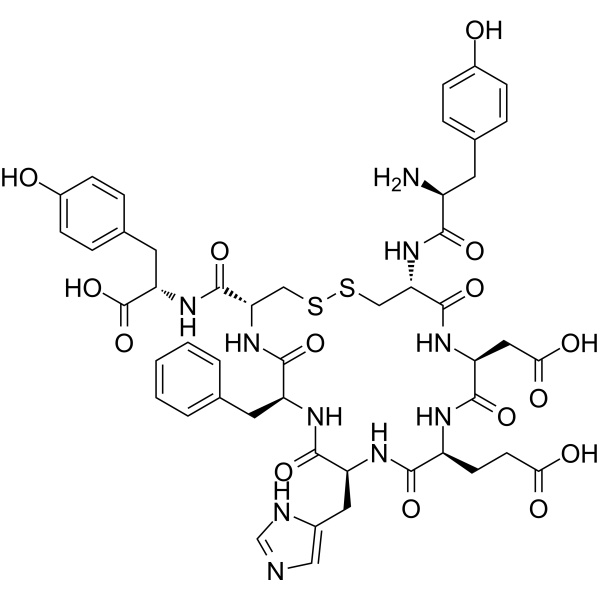
    Kp7-6 is a Fas mimetic peptide and also a Fas/FasL antagonist. Kp7-6 specifically binds to Fas and FasL, disrupts receptor complexes, and blocks downstream apoptosis signaling pathways. Kp7-6 inhibits the phosphorylation of ERK1-2, induces the phosphorylation of IκBα, and activates NF-κB. Kp7-6 inhibits the activation of caspase-8, caspase-3 and JNK, and suppresses human amylin-induced β-cell apoptosis. Kp7-6 inhibits FasL-induced lymphoid cytotoxicity and apoptosis. Kp7-6 reduces local tumor FasL expression, increases CD8 +Fas + T cell infiltration, and decreases tumor volume in pancreatic neuroendocrine tumor models. Kp7-6 prevents concanavalin A-induced liver injury in mice. Kp7-6 is applicable to research related to type 2 diabetes, concanavalin A-induced hepatitis and pancreatic neuroendocrine tumors .
    Kp7-6
  • HY-11011
    A-770041
    Maximum Cited Publications
    7 Publications Verification

    Src Inflammation/Immunology
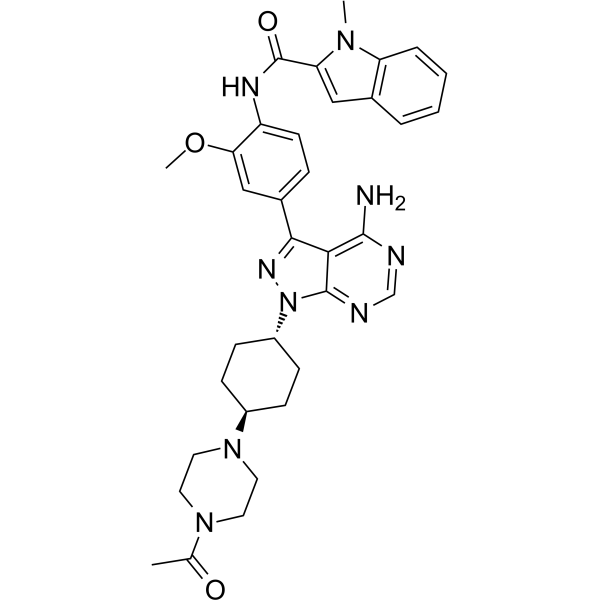
    A-770041 is a selective and orally active Src-family Lck inhibitor. A-770041 inhibits Lck with an IC50 value of 147 nM with the presence of 1 mM ATP. A-770041 shows 300-fold selective to Lck over Fyn, the other Src family kinase involved in T-cell signaling. A-770041 can be used for the research of acute rejection .
    A-770041
  • HY-137822

    4-Nitrophenyl a-D-mannopyranoside

    Glycosidase Others
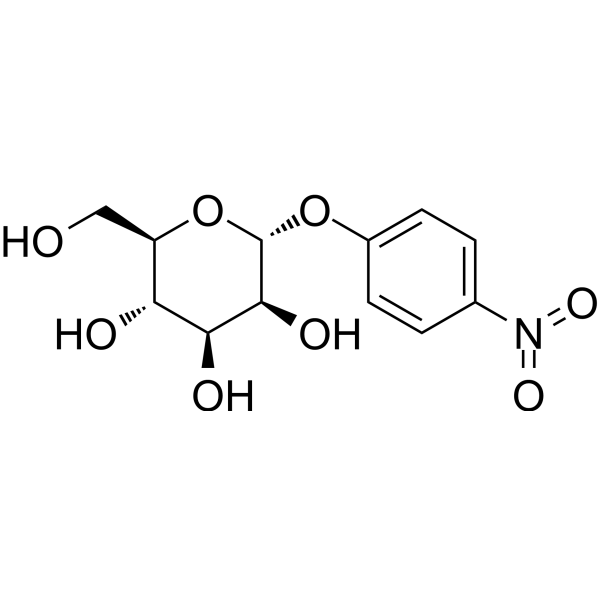
    p-Nitrophenyl α-D-mannopyranoside (4-Nitrophenyl α-D-mannopyranoside) is a chromogenic glycosidic ligand. p-Nitrophenyl α-D-mannopyranoside features a sugar moiety (α-D-mannopyranose) with the mannose-characteristic axial hydroxyl group at the C2 position and a ligand portion (p-nitrophenol) that provides ultraviolet-visible light absorption properties. p-Nitrophenyl α-D-mannopyranoside can be used to determine glycosidase activity and characterize the sugar recognition properties of lectins (such as Concanavalin A (HY-P2149)) .
    p-Nitrophenyl α-D-mannopyranoside
  • HY-N1470

    Glycosidase Metabolic Disease
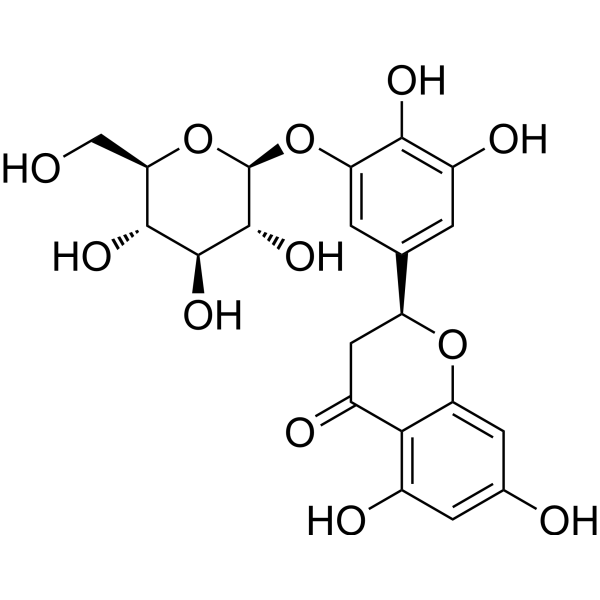
    Plantagoside is a flavanone glucoside found in Plantago asiatica seeds, acting as a specific non-competitive α-mannosidase inhibitor with IC50 values of 5 μM and a Ki of 2.7 μM (jack bean). Plantagoside suppresses antibody response and Concanavalin A (HY-P2149)-induced lymphocyte proliferation in mouse spleen cells. Plantagoside inhibits the Maillard reaction, advanced glycation end product formation, and glycation-dependent protein-protein cross-link formation. Plantagoside can be used for the research of diabetes .
    Plantagoside
  • HY-W340234

    Galectin Others
    4,5-Dibromo-2-pyrrolic acid (compound 2) is an immunosuppressive compound. 4,5-Dibromo-2-pyrrolic acid suppresses the proliferative response of splenocytes to suboptimal concentrations of the mitogen, concanavalin A (Con A) .
    4,5-Dibromo-2-pyrrolic acid
  • HY-P1997

    Desferrichrome; DFC; N-Desferriferrichrome

    Biochemical Assay Reagents Others
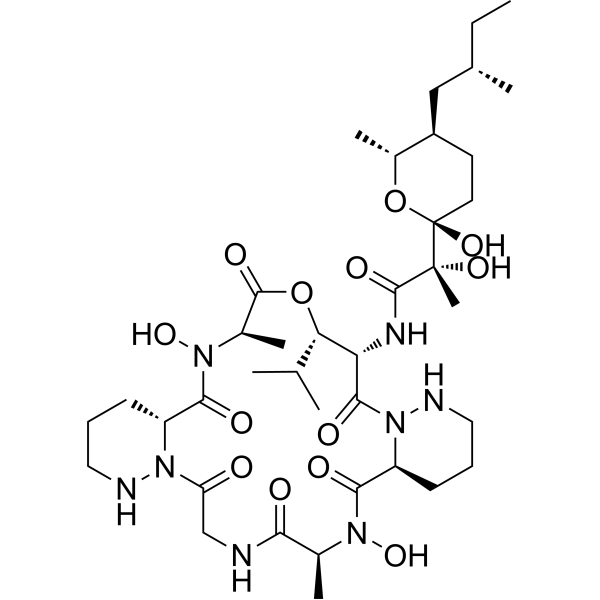
    Ferrichrome is a hydroxamate siderophore produced by various fungi, including U. sphaerogena, that facilitates iron chelation and uptake by these organisms. It can be used as a heterosiderophore by bacteria, including Pseudomonas aeruginosa and Vibrio parahaemolyticus. Ferrichrome (0.8 μM) inhibits concanavalin A-induced proliferation of mouse spleen monocytes and reduces the number of concanavalin A-stimulated CD4+ T cells expressing IL-2 receptor. It also inhibits the heme-catalyzed oxidation of LDL by hydrogen peroxide in a concentration-dependent manner.
    Ferrichrome Iron-free
  • HY-170362

    Cyclic GMP-AMP Synthase Inflammation/Immunology
    cGAS-IN-4 (Compound 36) is an orally active inhibitor for cyclic GMP-AMP synthase (cGAS) with IC50 of 32 nM and 5.8 nM for h-cGAS and m-cGAS. cGAS-IN-4 inhibits the cGAMP in THP-1 cell with an IC50 of 60 nM, which improves the cellular potency. cGAS-IN-4 exhibits anti-inflammatory efficacy in Concanavalin A (HY-P2149)-induced acute liver injury in mouse models . orally active, THP-1, C57Bl/6 mouse, orally active
    cGAS-IN-4
  • HY-NP164B

    Con A-AF488

    Fluorescent Dye Cancer
    Concanavalin A-AF488 (Con A-AF488) is an AF488-labled Concanavalin A (HY-P2149). Concanavalin A is a Ca 2+/Mn 2+-dependent and mannose/glucose-binding plant lectin. Concanavalin A binds the N- and O-glycosylated proteins of head and neck carcinoma cells glycoproteins .
    Concanavalin A-AF488
  • HY-16384

    Antibiotic L 156602; PD 124966

    Complement System Inflammation/Immunology
    L-156602 is a C5a receptor antagonist. L-156602 inhibits inflammation, and the migration of monocytes and neutrophils to the infiltrating site in mouse inflammatory models. L-156602 suppresses the efferent phase of delayed-type hypersensitivity (DTH) .
    L-156602
  • HY-126813

    Antibiotic Fungal Infection
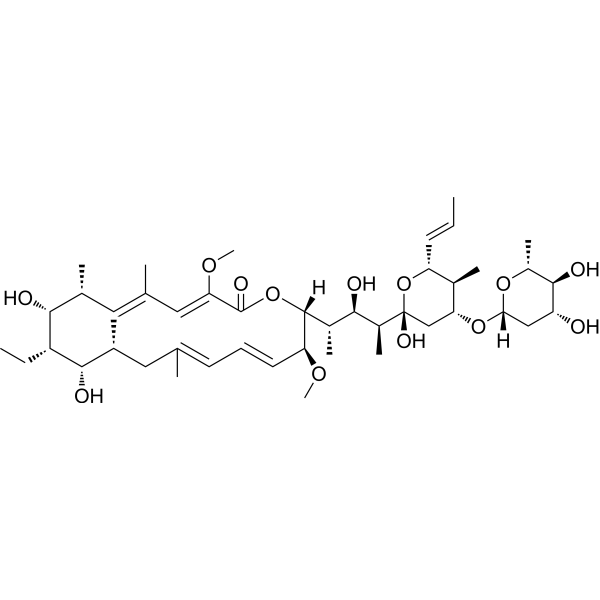
    Concanamycin C is a macrolide antibiotic with inhibitory activity against certain fungi and yeasts, but no activity against bacteria. Concanamycin C inhibits the proliferation of mouse splenic lymphocytes. Concanamycin C exhibits acute toxicity in ddY mice. Concanamycin C can be used in studies related to fungal infections and yeast infections .
    Concanamycin C
  • HY-175869

    Ferroptosis Metabolic Disease Inflammation/Immunology
    Ferroptosis-IN-22 is a selective ferroptosis inhibitor by targeting NCOA4 and disrupting its interaction with ferritin with an EC50 of 520 nM and a Kd of 0.78 μM. Ferroptosis-IN-22 has a strong inhibitory activity against ferroptosis induced by multiple ferroptosis inducers (RSL3 (HY-100218A), Erastin (HY-15763), ML210 (HY-100003), FIN56 (HY-103087)), but does not inhibit necrosis induced by H2O2 or apoptosis induced by STS (HY-15141). Ferroptosis-IN-22 effectively ameliorates Concanavalin A (HY-P2149)-induced acute liver injury. Ferroptosis-IN-22 can be used for the study of ferroptosis-related diseases .
    Ferroptosis-IN-22
  • HY-127023

    EPA-5-HT

    Endogenous Metabolite FAAH Interleukin Related Tyrosine Hydroxylase Metabolic Disease
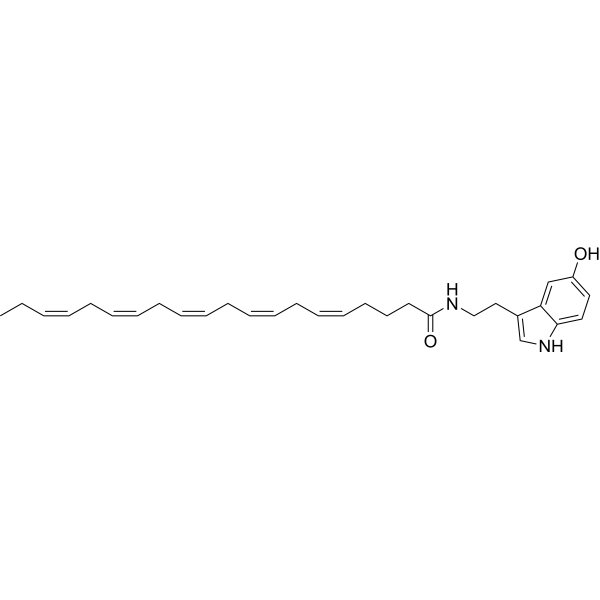
    Eicosapentaenoyl serotonin (EPA-5-HT) is an endogenous fatty acid-serotonin conjugate lipid mediator. Eicosapentaenoyl serotonin acts as an inhibitor of fatty acid amide hydrolase (FAAH). Eicosapentaenoyl serotonin suppresses IL-17 release in Concanavalin A (HY-P2149)-stimulated human peripheral blood mononuclear cells. Eicosapentaenoyl serotonin is regulated by polyunsaturated fatty acids and modulates intestinal immunity and Th17 signaling. Eicosapentaenoyl serotonin can be used for the study of inflammatory bowel disease-related mechanisms .
    Eicosapentaenoyl serotonin
  • HY-120600

    Necroptosis Apoptosis RIP kinase Inflammation/Immunology
    Sibiriline is a specific competitive inhibitor of RIPK1 that targets the RIPK1 ATP-binding site and locks it in an inactive conformation. Sibiriline inhibits TNF-induced RIPK1-dependent necroptosis and RIPK1-dependent apoptosis, but does not protect cells from caspase-dependent apoptosis. Sibiriline protects mice from concanavalin A-induced hepatitis and has the potential to inhibit immune-dependent hepatitis. .
    Sibiriline
  • HY-105505

    Phosphodiesterase (PDE) Histamine Receptor Inflammation/Immunology
    KF-17625 is an orally active bronchodilator. KF-17625 can inhibit bronchoconstriction induced by Carbachol (HY-B1208), Histamine (HY-B1204), or Leukotriene D4 (HY-113456). KF-17625 can inhibit canine tracheal phosphodiesterase (PDE) IV (IC50 = 12 μM) and Concanavalin-A (HY-P2149)-induced histamine release from rat mast cells (44% inhibition at 10 mM). KF-17625 can be used for the researches of immunology and inflammation .
    KF-17625
  • HY-NP164K

    Con A-AF568

    Fluorescent Dye Cancer
    Concanavalin A-AF568 (Con A-AF546) is an AF568-labled Concanavalin A (HY-P2149). Concanavalin A is a Ca 2+/Mn 2+-dependent and mannose/glucose-binding plant lectin. Concanavalin A binds the N- and O-glycosylated proteins of head and neck carcinoma cells glycoproteins .
    Concanavalin A-AF568
  • HY-NP164M

    Con A-AF680

    Fluorescent Dye Cancer
    Concanavalin A-AF680 (Con A-AF680) is an AF680-labled Concanavalin A (HY-P2149). Concanavalin A is a Ca 2+/Mn 2+-dependent and mannose/glucose-binding plant lectin. Concanavalin A binds the N- and O-glycosylated proteins of head and neck carcinoma cells glycoproteins .
    Concanavalin A-AF680
  • HY-NP164D

    Con A-AF405

    Fluorescent Dye Cancer
    Concanavalin A-AF405 (Con A-AF405) is an AF405-labled Concanavalin A (HY-P2149). Concanavalin A is a Ca 2+/Mn 2+-dependent and mannose/glucose-binding plant lectin. Concanavalin A binds the N- and O-glycosylated proteins of head and neck carcinoma cells glycoproteins .
    Concanavalin A-AF405
  • HY-NP164I

    Con A-AF546

    Fluorescent Dye Cancer
    Concanavalin A-AF546 (Con A-AF546) is an AF546-labled Concanavalin A (HY-P2149). Concanavalin A is a Ca 2+/Mn 2+-dependent and mannose/glucose-binding plant lectin. Concanavalin A binds the N- and O-glycosylated proteins of head and neck carcinoma cells glycoproteins .
    Concanavalin A-AF546
  • HY-NP164E

    Con A-AF430

    Fluorescent Dye Cancer
    Concanavalin A-AF430 (Con A-AF430) is an AF430-labled Concanavalin A (HY-P2149). Concanavalin A is a Ca 2+/Mn 2+-dependent and mannose/glucose-binding plant lectin. Concanavalin A binds the N- and O-glycosylated proteins of head and neck carcinoma cells glycoproteins .
    Concanavalin A-AF430
  • HY-NP0153

    Con A (Rhodamine)

    Fluorescent Dye Others
    Concanavalin A (Con A) Rhodamine is a plant lectin that can be used as a probe to specifically bind biomolecules (such as polysaccharides, peptides, etc.).Concanavalin A (Con A) Rhodamine is a biological material or organic compound that can be used in life science research .
    Concanavalin A (Rhodamine)
  • HY-NP164O

    Con A-Cy5

    Fluorescent Dye Cancer
    Concanavalin A-Cy5 (Con A-Cy5) is a Cy5 (HY-D0821)-labled Concanavalin A (HY-P2149). Concanavalin A is a Ca 2+/Mn 2+-dependent and mannose/glucose-binding plant lectin. Concanavalin A binds the N- and O-glycosylated proteins of head and neck carcinoma cells glycoproteins (Ex/Em = 630/670 nm) .
    Concanavalin A-Cy5
  • HY-P3107

    Endogenous Metabolite Inflammation/Immunology
    Homodestcardin, a destruxinbased cyclodepsipeptide, is a immunosuppressant. Homodestcardin, a fungal metabolite, displays pronounced activities against concanavalin A (Con A) activation, with an IC50 value of 0.86 μM .
    Homodestcardin
  • HY-135766

    (+)-Colletodiol

    Influenza Virus Infection
    Colletodiol is a fungal metabolite that has been found in D. grovesii and has immunosuppressant and antiviral activities. It inhibits concanavalin A- or LPS-induced proliferation of isolated mouse splenocytes (IC50s=12 and 5 μg/mL, respectively).1 Colletodiol inhibits influenza A viral replication in HeLa-IAV-Luc cells.
    Colletodiol
  • HY-D3030

    Fluorescent Dye Cancer
    Concanavalin A-FITC is a FITC (HY-66019)-labled Concanavalin A (HY-P2149). Concanavalin A is a Ca 2+/Mn 2+-dependent and mannose/glucose-binding plant lectin. Concanavalin A binds the N- and O-glycosylated proteins of head and neck carcinoma cells glycoproteins (Ex/Em = 488/525 nm) .
    Concanavalin A-FITC
  • HY-D3031

    Fluorescent Dye Cancer
    Concanavalin A-TRITC is a TRITC (HY-D0791)-labled Concanavalin A (HY-P2149). Concanavalin A is a Ca 2+/Mn 2+-dependent and mannose/glucose-binding plant lectin. Concanavalin A binds the N- and O-glycosylated proteins of head and neck carcinoma cells glycoproteins (Ex/Em = 544/570 nm) .
    Concanavalin A-TRITC
  • HY-130757

    Endogenous Metabolite Inflammation/Immunology
    Remisporine B is a polyketide, that can be isolated from Penicillium sp. ZJ-SY2. Remisporine B exhibits immunosuppressive efficacy, that inhibits concanavalin A (HY-P2149)-induced T-cell proliferation and LPS (HY-D1056)- induced B-cell proliferations of mouse splenic lymphocytes with IC50 of 30.1 µg/mL and 32.4 µg/mL .
    Remisporine B
  • HY-NP164L

    Con A-AF647

    Fluorescent Dye Cancer
    Concanavalin A-AF647 (Con A-AF647) is an AF647-labled Concanavalin A (HY-P2149). Concanavalin A is a Ca 2+/Mn 2+-dependent and mannose/glucose-binding plant lectin. Concanavalin A binds the N- and O-glycosylated proteins of head and neck carcinoma cells glycoproteins .
    Concanavalin A-AF647
  • HY-NP164J

    Con A-AF555

    Fluorescent Dye Cancer
    Concanavalin A-AF555 (Con A-AF555) is an AF555-labled Concanavalin A (HY-P2149). Concanavalin A is a Ca 2+/Mn 2+-dependent and mannose/glucose-binding plant lectin. Concanavalin A binds the N- and O-glycosylated proteins of head and neck carcinoma cells glycoproteins .
    Concanavalin A-AF555
  • HY-NP164C

    Con A-AF350

    Fluorescent Dye Cancer
    Concanavalin A-AF350 (Con A-AF350) is an AF350-labled Concanavalin A (HY-P2149). Concanavalin A is a Ca 2+/Mn 2+-dependent and mannose/glucose-binding plant lectin. Concanavalin A binds the N- and O-glycosylated proteins of head and neck carcinoma cells glycoproteins .
    Concanavalin A-AF350
  • HY-NP164H

    Con A-AF532

    Fluorescent Dye Cancer
    Concanavalin A-AF532 (Con A-AF532) is an AF532-labled Concanavalin A (HY-P2149). Concanavalin A is a Ca 2+/Mn 2+-dependent and mannose/glucose-binding plant lectin. Concanavalin A binds the N- and O-glycosylated proteins of head and neck carcinoma cells glycoproteins .
    Concanavalin A-AF532
  • HY-NP164N

    Con A-Cy3

    Fluorescent Dye Cancer
    Concanavalin A-Cy3 (Con A-Cy3) is a Cy5 (HY-D0822)-labled Concanavalin A (HY-P2149). Concanavalin A is a Ca 2+/Mn 2+-dependent and mannose/glucose-binding plant lectin. Concanavalin A binds the N- and O-glycosylated proteins of head and neck carcinoma cells glycoproteins (Ex/Em = 554/568 nm) .
    Concanavalin A-Cy3
  • HY-NP164A

    Con A-Cy5.5

    Fluorescent Dye Cancer
    Concanavalin A-Cy5.5 (Con A-Cy5.5) is a Cy5.5 (HY-D0924)-labled Concanavalin A (HY-P2149). Concanavalin A is a Ca 2+/Mn 2+-dependent and mannose/glucose-binding plant lectin. Concanavalin A binds the N- and O-glycosylated proteins of head and neck carcinoma cells glycoproteins .
    Concanavalin A-Cy5.5
  • HY-183924

    Syk Tyrosinase Inflammation/Immunology
    SYK-IN-14 is an orally active Syk and ZAP-70 inhibitor with human Syk IC50 of 0.006 μM, human ZAP-70 IC50 of 0.23 μM. SYK-IN-14 functionally inhibits Syk kinase activity in vitro. SYK-IN-14 functionally inhibits ZAP-70 kinase activity in vitro. SYK-IN-14 suppresses passive cutaneous anaphylaxis reaction in Mus musculus mice. SYK-IN-14 suppresses Concanavalin A (HY-P2149)-induced IL-2 production in Mus musculus mice. SYK-IN-14 can be used for the research of allergic disorders and autoimmune diseases .
    SYK-IN-14
  • HY-N19243

    Histamine Receptor Inflammation/Immunology
    6-O-Senesioyl plenolin is a sesquiterpene lactone found in Centipeda minima with antiallergic activity. 6-O-Senesioyl plenolin inhibits histamine release from mast cells (IC50 = 18 μM) and suppresses pigment exudation in passive cutaneous anaphylaxis tests. 6-O-Senesioyl plenolin can be used in research related to allergy .
    6-O-Senesioyl plenolin
  • HY-182414

    Ser/Thr Protease Inflammation/Immunology
    NCO-650 free base is an antiallergic agent that acts by inhibiting tryptase, a key trypsin-like protease in mast cells. NCO-650 free base inhibits mast cell histamine release, increases intracellular cAMP levels in mast cells, suppresses bronchoconstriction, and prevents decreases in perfusion pressure and systemic blood pressure. NCO-650 free base is applicable to the research of allergic diseases and bronchial asthma .
    NCO-650 free base
  • HY-107062

    Histamine Receptor Inflammation/Immunology
    AA 344 is an orally active antiallergic agent. AA 344 inhibits the IgE, IgGa, Concanavalin A (HY-P2149), Dextran -mediated release of histamine. AA 344 shows inhibitory effects on the homologous passive cutaneous anaphylaxis and the passive systemic anaphylaxis in guinea pigs. AA 344 selectively suppresses the type I allergic reaction .
    AA 344
  • HY-N1470R

    Reference Standards Glycosidase Metabolic Disease
    Plantagoside (Standard) is the analytical standard of Plantagoside (HY-N1470). This product is intended for research and analytical applications. Plantagoside is a flavanone glucoside found in Plantago asiatica seeds, acting as a specific non-competitive α-mannosidase inhibitor with IC50 values of 5 μM and a Ki of 2.7 μM (jack bean). Plantagoside suppresses antibody response and Concanavalin A (HY-P2149)-induced lymphocyte proliferation in mouse spleen cells. Plantagoside inhibits the Maillard reaction, advanced glycation end product formation, and glycation-dependent protein-protein cross-link formation. Plantagoside can be used for the research of diabetes .
    Plantagoside (Standard)

Inquiry Online

Your information is safe with us. * Required Fields.

Salutation


Country or Region *

Applicant Name *


Organization Name *

Department *


Email Address *


Product Name *

Cat. No.


Requested quantity *

Phone Number *


Remarks

Inquiry Online

Inquiry Information

Product Name:
Cat. No.:
Quantity:
MCE Japan Authorized Agent:

