1. Search Result
Search Result
Results for "

Coronary

" in MedChemExpress (MCE) Product Catalog:

242

Inhibitors & Agonists

2

Screening Libraries

8

Biochemical Assay Reagents

22

Peptides

4

Inhibitory Antibodies

22

Natural
Products

12

Isotope-Labeled Compounds

5

Oligonucleotides

Cat. No. Product Name Target Research Areas Chemical Structure
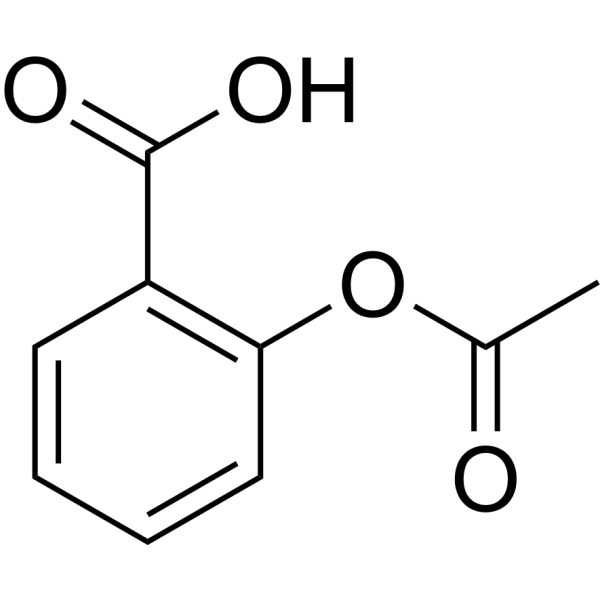
  • HY-14654
    Aspirin
    30+ Cited Publications

    Acetylsalicylic acid; ASA

    Environmental Pollutants Autophagy NF-κB Apoptosis COX Mitophagy Virus Protease Caspase p38 MAPK Cardiovascular Disease Infection Neurological Disease Metabolic Disease Inflammation/Immunology Cancer
    Aspirin (Acetylsalicylic acid) is an orally active, potent and irreversible inhibitor of cyclooxygenase COX-1 and COX-2, with IC50 values of 5 and 210 μg/mL, respectively. Aspirin induces apoptosis. Aspirin inhibits the activation of NF-κB. Aspirin also inhibits platelet prostaglandin synthetase, and can prevent coronary artery and cerebrovascular thrombosis .
    Aspirin
  • HY-P4153

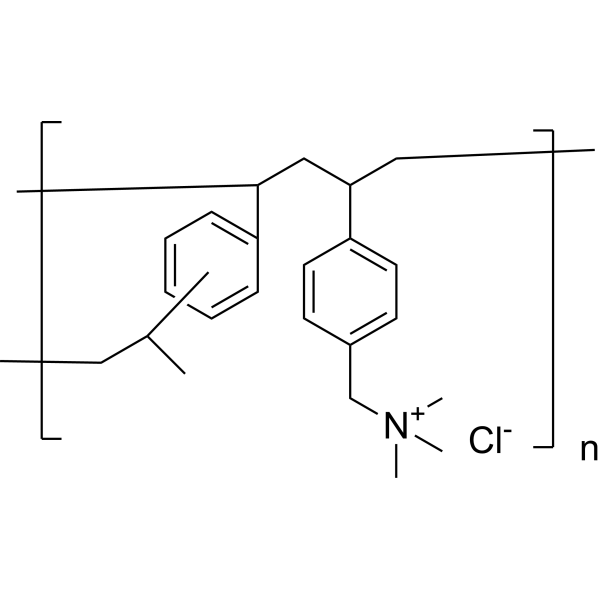
    MK-0616 chloride

    PCSK9 Cardiovascular Disease
    Enlicitide chloride is an orally active inhibitor for PCSK9 that blocks the interaction between LPL receptor and PSCK9, with an IC50 of 2.5 nM. Enlicitide chloride can be used in the study of cardiovascular diseases such as atherosclerosis, hypercholesterolemia, coronary heart disease, metabolic syndrome, acute coronary syndrome or related cardiovascular and cardiometabolic disorders .
    Enlicitide chloride
  • HY-B0203A
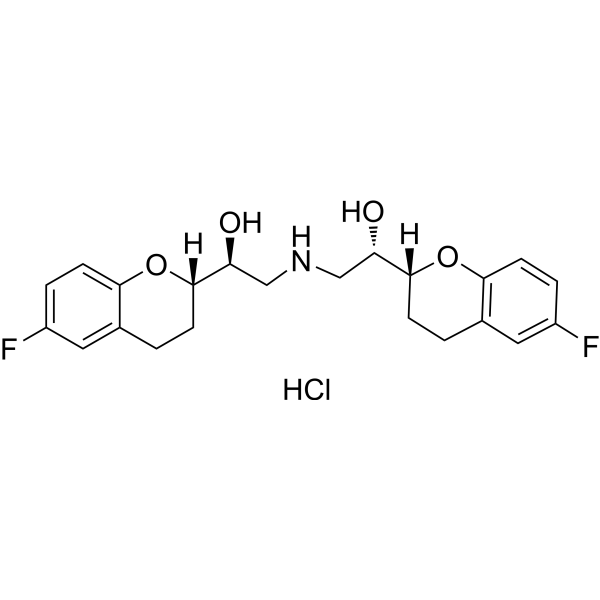
    Nebivolol hydrochloride
    3 Publications Verification

    R 065824 hydrochloride

    Adrenergic Receptor Cardiovascular Disease Endocrinology Cancer
    Nebivolol (R 065824) hydrochloride is an orally active beta receptor blocker and has the high beta(1)-receptor affinity.Nebivolol hydrochloride has direct vasodilator properties and adrenergic blocking characteristics. Nebivolol hydrochloride can be used for the research of kinds of diseases such as hypertension, coronary artery disease, congestive heart failure and ischemic heart disease .
    Nebivolol hydrochloride
  • HY-I0400
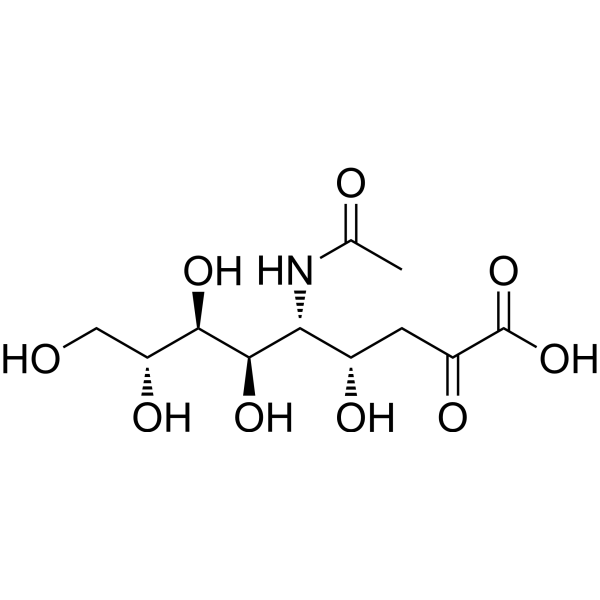
    N-Acetylneuraminic acid
    5 Publications Verification

    NANA; Lactaminic acid

    Tyrosinase Ras Influenza Virus Endogenous Metabolite Cardiovascular Disease Inflammation/Immunology Cancer
    N-Acetylneuraminic acid (NANA; Lactaminic acid), a nonphenolic structure, is the predominant form of sialic from Collocalia esculenta. N-Acetylneuraminic acid plays a biological role in myocardial injury, melanoma and viral or bacterial infection. N-Acetylneuraminic acid inhibits melanogenesis by reducing tyrosinase activity and triggers myocardial injury in vitro and in vivo by activation of the Rho/Rho-associated signaling pathway through binding to RhoA and Cdc42. N-Acetylneuraminic acid may prevent high fat diet (HFD)-induced inflammation and oxidative stress, thereby prevents hyperlipidemia-associated inflammation and oxidative stress. N-Acetylneuraminic acid is promising for research in the field of melanoma, coronary artery, obesity-related diseases and hyperlipidemia .
    N-Acetylneuraminic acid
  • HY-B1218
    Sulfaphenazole
    10+ Cited Publications

    Cytochrome P450 Antibiotic Bacterial Necroptosis Apoptosis Infection Cardiovascular Disease
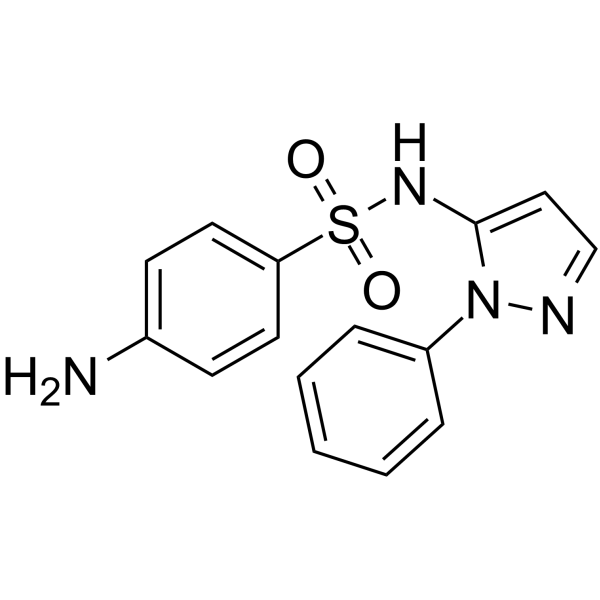
    Sulfaphenazole is a selective inhibitor of human cytochrome P450 (CYP) 2C9 enzyme. Sulfaphenazole is a cytoprotective agent against light-induced death of photoreceptors. Sulfaphenazole inhibits light-induced necrosis and mitochondrial stress-initiated apoptosis. Sulfaphenazole is an off patent sulfonamide antibiotic and demonstrates bactericidal activity through enhanced M1 macrophage activity. Sulfaphenazole can significantly reduce infarct size and restore post-ischemic coronary flow following ischemia and reperfusion .
    Sulfaphenazole
  • HY-A0168
    Regadenoson
    3 Publications Verification

    CVT-3146

    Adenosine Receptor Cardiovascular Disease Cancer
    Regadenoson (CVT-3146) is a selective A2A adenosine receptor agonist and vasodilator that increases coronary blood flow, can be used in study of myocardial perfusion imaging. Regadenoson also increases the permeability of the blood-brain barrier (BBB) in rodents, can be used to study increased delivery of agents to the human CNS .
    Regadenoson
  • HY-B0203
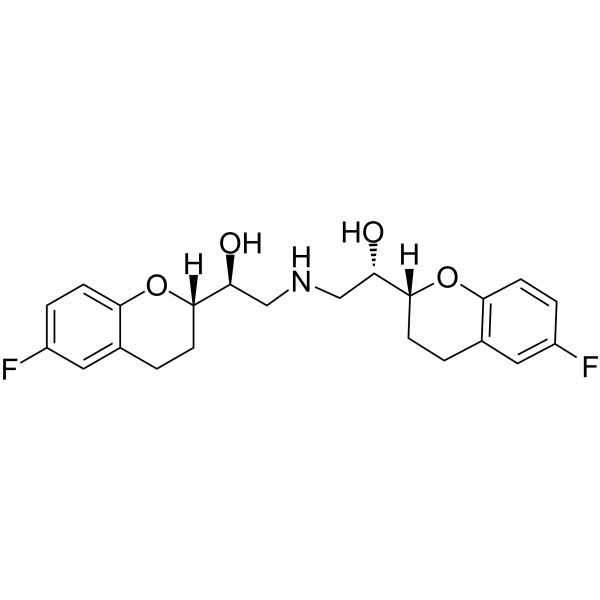
    Nebivolol
    3 Publications Verification

    R 065824

    Adrenergic Receptor Cardiovascular Disease Endocrinology Cancer
    Nebivolol (R 065824) is an orally active beta receptor blocker and has the high beta(1)-receptor affinity. Nebivolol has direct vasodilator properties and adrenergic blocking characteristics. Nebivolol can be used for the research of kinds of diseases such as hypertension, coronary artery disease, congestive heart failure and ischemic heart disease .
    Nebivolol
  • HY-W004284
    Heptadecanoic acid
    2 Publications Verification

    Environmental Pollutants Apoptosis PI3K Akt Cardiovascular Disease Metabolic Disease Cancer
    Heptadecanoic acid is an odd-chain saturated fatty acid (OCS-FA) with oral activity. Heptadecanoic acid can inhibit cell proliferation and induce Apoptosis. Heptadecanoic acid has antitumor activity. Heptadecanoic acid is associated with a number of diseases, including coronary heart disease, pre-diabetes and type 2 diabetes, and multiple sclerosis .
    Heptadecanoic acid
  • HY-118284
    Vicagrel
    1 Publications Verification

    P2Y Receptor Cardiovascular Disease
    Vicagrel is a potent, safe and orally active antiplatelet agent, which works by irreversibly inhibiting P2Y12 receptor. Vicagrel can be used for the research of blood clots in coronary artery disease, peripheral vascular disease, and cerebrovascular disease .
    Vicagrel
  • HY-108750
    Soybean oil
    1 Publications Verification

    VT 18 (oil); Vegetoil; Wesson

    Environmental Pollutants Cardiovascular Disease
    Soybean oil (VT 18 (oil); Vegetoil; Wesson) is an edible vegetable oil. Soybean oil reduces circulating blood cholesterol levels when it replaces dietary saturated fats. Soybean oil does not affect inflammatory biomarkers or increase oxidative stress. Soybean oil contains γ-tocopherol and δ-tocopherol, which possess antioxidant properties. Soybean oil can be used in research related to coronary heart disease .
    Soybean oil
  • HY-12424
    Zotarolimus
    4 Publications Verification

    ABT-578; A 179578

    Drug Derivative Cardiovascular Disease Inflammation/Immunology Cancer
    Zotarolimus (ABT-578) is a derivative of Rapamycin (HY-10219), with anti-proliferative activity. Zotarolimus is an immunosuppressant. Zotarolimus is developed specifically for local delivery from stents for the prevention of coronary artery restenosis .
    Zotarolimus
  • HY-N0165

    HIV Reverse Transcriptase Cardiovascular Disease Infection Inflammation/Immunology
    Methyl-Hesperidin is a glycoside compound. Methyl-Hesperidin has hypotensive, coronary dilating, smooth muscle relaxing, capillary stabilizing, choleretic, and anti-ulcer activities. Methyl-Hesperidin act as a competitive substrate to inhibit HIV-1 reverse transcriptase activity. Methyl-Hesperidin potentiates coronary dilating actions of adenine nucleotides and 3'-AMP, enhances depressant action on isolated atria, and prolongs adenosine- and ATP-induced heart block in guinea pigs .
    Methyl-Hesperidin
  • HY-122908

    AZD5718

    FLAP Cardiovascular Disease
    Atuliflapon (AZD5718) is an orally active inhibitor of FLAP (5?Lipoxygenase activating protein), with an IC50 of 2 nM. Atuliflapon is used in the study for coronary artery disease .
    Atuliflapon
  • HY-116513

    Adraxone

    Drug Metabolite Cardiovascular Disease Neurological Disease
    Adrenochrome (Adraxone) is an oxidation product of Epinephrine. Adrenochrome is a potent coronary constricting agent in the rat heart. Adrenochrome can be used for neurological disorder research .
    Adrenochrome
  • HY-P1636

    Thrombin YAP Calcium Channel Metabolic Disease
    Hirudin (54-65) is a thrombin antagonist and YAP suppressor with anticoagulatory properties.Hirudin (54-65) blocks thrombin's anion binding site, acts on soluble and thrombus-bound thrombin.Hirudin (54-65) suppresses thrombin-induced profibrotic YAP activity, reduces YAP expression, nuclear translocation, and downstream effector signaling in vascular endothelial cells.Hirudin (54-65) ameliorates obstructive cholestasis, attenuates liver fibrosis symptoms, fibrosis-associated angiogenesis, and endothelial-to-mesenchymal transition.Hirudin (54-65) reduces liver inflammation and tissue hypoxia.Hirudin (54-65) promotes extracellular calcium influx through L-type calcium channels in canine coronary artery smooth muscle, mediates contraction.Hirudin (54-65) induces endothelium-independent contraction of canine coronary arterial segments; this response is not affected by indomethacin pretreatment.Hirudin (54-65) can be used for the research of liver obstructive cholestasis, liver fibrosis .
    Hirudin (54-65)
  • HY-12717A
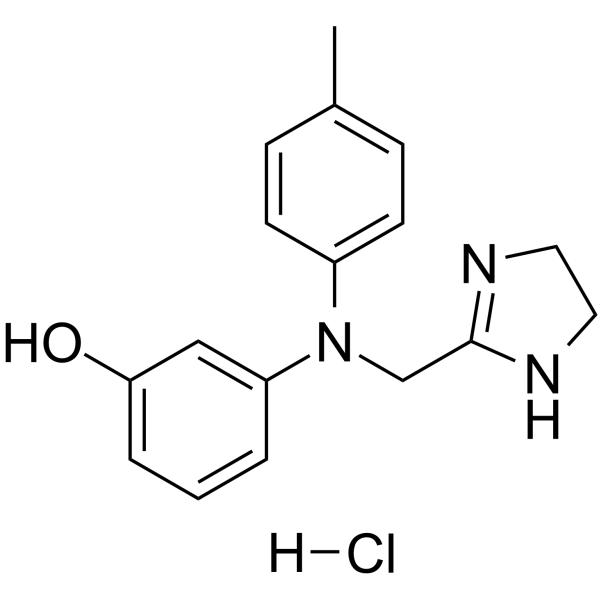
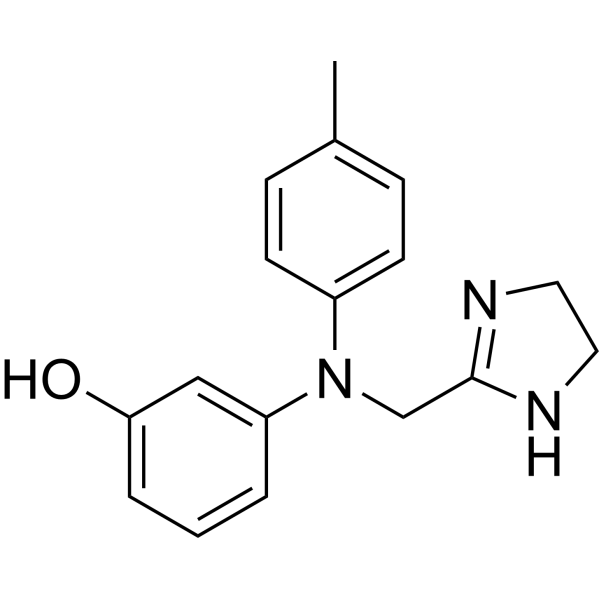
    Phentolamine hydrochloride
    5+ Cited Publications

    Adrenergic Receptor Cardiovascular Disease Endocrinology
    Phentolamine hydrochloride is an orally active, selective α1 and α2 Adrenergic receptor antagonist. Phentolamine hydrochloride antagonizes the vasodilatory effect of Cromakalim (HY-110011) on isolated circumflex coronary artery segments in dogs. Phentolamine hydrochloride reduces systemic vascular resistance and increases cardiac output. Phentolamine hydrochloride improves erectile dysfunction. Phentolamine hydrochloride can be used for the research of erectile dysfunction .
    Phentolamine hydrochloride
  • HY-114672

    Phosphodiesterase (PDE) Cardiovascular Disease
    MBCQ is a potent and selective cGMP-specific phosphodiesterase (PDE V; PDE5) inhibitor with an IC50 of 19 nM. MBCQ lacks inhibitory activity toward other PDE isozymes (all IC50s>100 μM). MBCQ dilates coronary arteries via specific inhibition of cGMP-PDE .
    MBCQ
  • HY-N1179

    Apoptosis Cardiovascular Disease Neurological Disease
    Tanshinone IIB is a major active constituent of the roots of Salvia miltiorrhiza (Danshen) widely used for the research of stroke and coronary heart disease in Asian countries. Tanshinone IIB has a neuroprotective effect via inhibition of apoptosis .
    Tanshinone IIB
  • HY-105068

    BMS 068645; DWH 146e

    Adenosine Receptor Cardiovascular Disease
    Apadenoson is an adenosine analog with selective agonist activity for the adenosine A2a receptor and induces coronary vasodilatation .
    Apadenoson
  • HY-P1112

    Endothelin Receptor Cardiovascular Disease Neurological Disease
    Sarafotoxin S6a, a sarafotoxin analogue, is a endothelin receptor agonist and has an ETA/ETB selectivity profile similar to that of Endothelin-3 (HY-P0204). Sarafotoxin S6a elicits the pig coronary artery with an EC50 value of 7.5 nM .
    Sarafotoxin S6a
  • HY-123494

    CaMK Cardiovascular Disease Neurological Disease
    BRD0418 is a diversity-oriented synthesis (DOS) molecule that regulates the expression of tribbles pseudokinase 1. BRD0418 has the effect of causing hot lipoprotein metabolism from fat production to clearance. BRD0418 can be used in the study of coronary artery disease (CAD) .
    BRD0418
  • HY-P10655

    Proton Pump Calcium Channel Cardiovascular Disease
    Caloxin 1C2 is a specific PMCA (plasma-membrane Ca 2+-ATPases) inhibitor. Caloxin 1C2 is selective for PMCA4 over PMCA1, 2 and 3. The Ki values of Caloxin 1C2 are 2.3 μM for PMCA4 and 21 μM for PMCA1. Caloxin 1C2 dose not cause any significant effects on total Ca 2+ transfer. Caloxin 1C2 affects coronary contractility .
    Caloxin 1C2
  • HY-I0400R

    NANA (Standard); Lactaminic acid (Standard)

    Reference Standards Tyrosinase Ras Influenza Virus Endogenous Metabolite Cardiovascular Disease Inflammation/Immunology Cancer
    N-Acetylneuraminic acid (Standard) is the analytical standard of N-Acetylneuraminic acid. This product is intended for research and analytical applications. N-Acetylneuraminic acid (NANA; Lactaminic acid), a nonphenolic structure, is the predominant form of sialic from Collocalia esculenta. N-Acetylneuraminic acid plays a biological role in myocardial injury, melanoma and viral or bacterial infection. N-Acetylneuraminic acid inhibits melanogenesis by reducing tyrosinase activity and triggers myocardial injury in vitro and in vivo by activation of the Rho/Rho-associated signaling pathway through binding to RhoA and Cdc42. N-Acetylneuraminic acid may prevent high fat diet (HFD)-induced inflammation and oxidative stress, thereby prevents hyperlipidemia-associated inflammation and oxidative stress. N-Acetylneuraminic acid is promising for research in the field of melanoma, coronary artery, obesity-related diseases and hyperlipidemia .
    N-Acetylneuraminic acid (Standard)
  • HY-108300

    Adrenergic Receptor Cardiovascular Disease
    Oxyfedrine hydrochloride, a vasodilator, is an orally active β-adrenoreceptor agonist. Oxyfedrine decreases the tonicity of coronary vessels. Oxyfedrine hydrochloride can be used in the research of cardiovascular disease .
    Oxyfedrine hydrochloride
  • HY-P991574

    REG-101

    ATGL Cardiovascular Disease
    MEDI-5884 is a humanized IgG4Pκ neutralizing monoclonal antibody targeting Endothelial lipase (EL). MEDI-5884 inhibits EL and increases quantity (particularly phosphatidylinositols and cholesteryl esters) and function of high-density lipoproteins (HDL). MEDI-5884 can be used for cardiovascular disease like coronary artery disease (CAD) research .
    MEDI-5884
  • HY-W004284R

    Reference Standards Apoptosis PI3K Akt Cardiovascular Disease Metabolic Disease Cancer
    Heptadecanoic acid (Standard) is the analytical standard of Heptadecanoic acid. This product is intended for research and analytical applications. Heptadecanoic acid is an odd-chain saturated fatty acid (OCS-FA) with oral activity. Heptadecanoic acid can inhibit cell proliferation and induce Apoptosis. Heptadecanoic acid has antitumor activity. Heptadecanoic acid is associated with a number of diseases, including coronary heart disease, pre-diabetes and type 2 diabetes, and multiple sclerosis[1].
    Heptadecanoic acid (Standard)
  • HY-N8598

    Others Cardiovascular Disease
    Caulophine is a fluoroketone alkaloid isolated from Caulophyllum robustum MAXIM. Caulophine has antioxidant activity and the ability to protect cardiomyocytes from oxidative and ischemic damage, providing potential value for coronary heart disease research .
    Caulophine
  • HY-P3563

    Endothelin Receptor Cardiovascular Disease
    [Lys4] Sarafotoxin S6c, a sarafotoxin analogue, is a potent and partial agonist of endothelin receptor. [Lys4] Sarafotoxin S6c elicits contraction of pig coronary artery, with an EC50 of 1.5 nM .
    [Lys4] Sarafotoxin S6c
  • HY-W704079

    ​MG(18:0/0:0/0:0); L-(+)-1-Monostearin; 1-Octadecanoyl-sn-glycerol

    Endogenous Metabolite Cardiovascular Disease
    1-Stearoyl-sn-glycerol is (MG(18:0/0:0/0:0); L-(+)-1-Monostearin; 1-Octadecanoyl-sn-glycerol) is a monoglyceride and also a metabolite found in plasma, which can be used in metabolomic analysis of plasma for coronary artery lesions (CAL) .
    1-Stearoyl-sn-glycerol
  • HY-B0930

    Angorlisin

    Bacterial Infection Cardiovascular Disease
    Efloxate (Angorlisin) is a vasodilator used in the research of chronic coronary insufficiency and angina pectoris. Efloxate binds to Staphylococcus aureus sortase A .
    Efloxate
  • HY-112070

    Adrenergic Receptor Cardiovascular Disease
    Oxyfedrine, a vasodilator, is an orally active β-adrenoreceptor agonist. Oxyfedrine decreases the tonicity of coronary vessels. Oxyfedrine can be used in the research of cardiovascular disease .
    Oxyfedrine
  • HY-U00172

    C80-1324

    Guanylate Cyclase Cardiovascular Disease
    Ipramidil (C80-1324) is a vasodilator with significant active dilation of coronary circulation in isolated hearts. Ipramidil can cause an increase in NO release and stimulate guanylate cyclase activity.
    Ipramidil
  • HY-P3433

    Endothelin Receptor Cardiovascular Disease
    Sarafotoxin S6b is a vasoconstrictor peptide, and a non-selective endothelin receptor agonist. Sarafotoxin S6b can induce contraction in isolated human coronary arteries , the Ki values of Coronary artery, Saphenous vein and Coronary artery are 0.27, 0.55 and 19.5 nM, respectively .
    Sarafotoxin S6b
  • HY-19132

    Prostaglandin Receptor Cardiovascular Disease
    CGS 22652 is a potent thromboxane A2 receptor antagonist. CGS 22652 has selective thromboxane A2 synthase inhibitory properties. CGS 22652 can be used in the research of coronary artery thrombosis .
    CGS-22652
  • HY-14654C

    Acetylsalicylic acid calcium; ASA calcium

    COX Virus Protease NF-κB Autophagy Apoptosis Mitophagy Caspase p38 MAPK Cardiovascular Disease Infection Metabolic Disease Inflammation/Immunology Cancer
    Aspirin calcium is an orally active, potent and irreversible inhibitor of cyclooxygenase COX-1 and COX-2, with IC50 values of 5 and 210 μg/mL, respectively. Aspirin calcium induces apoptosis. Aspirin calcium inhibits the activation of NF-κB. Aspirin calcium also inhibits platelet prostaglandin synthetase, and can prevent coronary artery and cerebrovascular thrombosis .
    Aspirin calcium
  • HY-14654A

    Acetylsalicylic acid lithium; ASA lithium

    COX Virus Protease NF-κB Autophagy Apoptosis Mitophagy Caspase p38 MAPK Cardiovascular Disease Infection Metabolic Disease Inflammation/Immunology Cancer
    Aspirin (Acetylsalicylic Acid) lithium is an orally active, potent and irreversible inhibitor of cyclooxygenase COX-1 and COX-2, with IC50 values of 5 and 210 μg/mL, respectively. Aspirin lithium induces apoptosis. Aspirin lithium inhibits the activation of NF-κB. Aspirin lithium also inhibits platelet prostaglandin synthetase, and can prevent coronary artery and cerebrovascular thrombosis .
    Aspirin lithium
  • HY-B1218R

    Reference Standards Cytochrome P450 Antibiotic Bacterial Necroptosis Apoptosis Infection Cardiovascular Disease
    Sulfaphenazole (Standard) is the analytical standard of Sulfaphenazole. This product is intended for research and analytical applications. Sulfaphenazole is a selective inhibitor of human cytochrome P450 (CYP) 2C9 enzyme. Sulfaphenazole is a cytoprotective agent against light-induced death of photoreceptors. Sulfaphenazole inhibits light-induced necrosis and mitochondrial stress-initiated apoptosis. Sulfaphenazole is an off patent sulfonamide antibiotic and demonstrates bactericidal activity through enhanced M1 macrophage activity. Sulfaphenazole can significantly reduce infarct size and restore post-ischemic coronary flow following ischemia and reperfusion .
    Sulfaphenazole (Standard)
  • HY-108982

    Calcium Channel Cardiovascular Disease
    UK 55444 is a calcium antagonist. UK 55444 has coronary vasodilator activity .
    UK 55444
  • HY-10314A

    SB-214857-A

    Integrin Cardiovascular Disease
    Lotrafiban hydrochloride is an orally-active platelet GPIIb/IIIa blocker for research of coronary and cerebrovascular disease.
    Lotrafiban hydrochloride
  • HY-W749980A

    cis-9,10-Epoxy-12(Z)-octadecenoic acid

    Endogenous Metabolite Others
    cis-Coronaric acid is the 9,10-cis epoxide of linoleic acid, generated by neutrophils during the oxidative burst. It has been recovered from the lungs of hyperoxic rats and from humans with acute respiratory distress syndrome. Mitochondrial dysfunction is the main feature of cis-Coronaric acid cytotoxicity, which may be due to the diol metabolites as well as the parent epoxide.
    cis-Coronaric acid
  • HY-W749980
    Coronaric acid
    1 Publications Verification

    cis-9,10-Epoxy-cis-12-octadecenoic acid

    Drug Derivative Metabolic Disease
    Coronaric acid (cis-9,10-Epoxy-cis-12-octadecenoic acid) is an ester product.
    Coronaric acid
  • HY-101390D

    Calcium Channel Cardiovascular Disease
    (R)-Niguldipine, a R-epimer of Niguldipine (HY-101390B), is a calcium channel antagonist. (R)-Niguldipine exerts a vasodilatory effect by blocking calcium channels and reducing the transmembrane influx of calcium ions. (R)-Niguldipine can inhibit U-46619 (HY-108566)-induced coronary artery contraction in guinea pig Langendorff hearts (pID50 of 9.93), has high affinity for calcium channel binding sites on guinea pig skeletal muscle membranes (Ki of 8.10), and lowers blood pressure in spontaneously hypertensive rats (pED30 of 5.55). (R)-Niguldipine can improve cardiovascular diseases such as hypertension, angina pectoris, and arrhythmias .
    (R)-Niguldipine
  • HY-111348

    Ro 44-9883

    Integrin Cardiovascular Disease
    Lamifiban is a nonpeptide glycoprotein IIb/IIIa receptor and platelet aggregation antagonist. Lamifiban in combination with thrombolytic therapy effectively restores coronary arterial patency. Lamifiban is promising for research of acute coronary syndromes .
    Lamifiban
  • HY-111348A

    Integrin Cardiovascular Disease
    Lamifiban TFA is a nonpeptide glycoprotein IIb/IIIa receptor and platelet aggregation antagonist. Lamifiban TFA in combination with thrombolytic therapy effectively restores coronary arterial patency. Lamifiban TFA is promising for research of acute coronary syndromes .
    Lamifiban TFA
  • HY-167079A

    Drug Isomer Cardiovascular Disease
    OPC-18750 hydrochloride has positive inotropic and coronary vasodilatory effects .
    OPC-18750 hydrochloride
  • HY-18209

    Neprilysin Angiotensin-converting Enzyme (ACE) Cardiovascular Disease
    Z-13752A is a mercaptopropanoyl amino acid. Z-13752A inhibits NEP and ACE, with Ki values of 1.8 and 3.2 nM, respectively. Z-13752A decreases the arterial blood pressure and increases coronary blood flow. Z-13752A can be used in the research of coronary artery occlusion .
    Z-13752A
  • HY-165067

    14,15-Epoxyeicosa-8(Z)-enoic acid

    Drug Derivative Cardiovascular Disease
    14,15-EE-8(Z)-E (14,15-Epoxyeicosa-8(Z)-enoic acid) has potent vasodilator agonist activity in bovine coronary arteries. 14,15-EE-8(Z)-E is a 14,15-EET (HY-113489) analog. EETs represent important mediators of coronary vascular tone .
    14,15-EE-8(Z)-E
  • HY-W187973

    Others Cardiovascular Disease
    3-Methylchromone is an active compound which can be used in the prevention and research of anginose attacks of coronary origin .
    3-Methylchromone
  • HY-165022

    (±)14,15-Epoxyeicosadienoic acid

    Endogenous Metabolite Metabolic Disease
    (±)14(15)-EpEDE is a a polyunsaturated fatty acid and can be found in DCU (HY-W013989) -treated porcine coronary endothelial cells .
    (±)14(15)-EpEDE
  • HY-167079

    Drug Derivative Cardiovascular Disease
    OPC-18750 is a novel positive inotropic agent and 2(lH)-quinolinone derivative. OPC-18750 displays positive inotropic and coronary vasodilating effects .
    OPC-18750

Inquiry Online

Your information is safe with us. * Required Fields.

Salutation


Country or Region *

Applicant Name *


Organization Name *

Department *


Email Address *


Product Name *

Cat. No.


Requested quantity *

Phone Number *


Remarks

Inquiry Online

Inquiry Information

Product Name:
Cat. No.:
Quantity:
MCE Japan Authorized Agent:

