









1. Search Result
Search Result
Results for "

Crohn

" in MedChemExpress (MCE) Product Catalog:

68

Inhibitors & Agonists

1

Fluorescent Dyes

7

Peptides

24

Inhibitory Antibodies

4

Natural
Products

5

Isotope-Labeled Compounds

3

Oligonucleotides

Cat. No. Product Name Target Research Areas Chemical Structure
  • HY-P9911
    Vedolizumab
    3 Publications Verification

    Anti-Human lymphocyte α4β7 integrin, Humanized Antibody; LDP-02; MLN-002

    Integrin Inflammation/Immunology Cancer
    Vedolizumab is a humanized IgG1 monoclonal antibody that targets the α4β7 integrin for the treatment of ulcerative colitis and Crohn's disease.
    Vedolizumab
  • HY-P990007

    PRA023

    TNF Receptor Inflammation/Immunology
    Tulisokibart (PRA023) is a humanized IgG1-κ monoclonal antibody. Tulisokibart targets to TNFSF15/TL1A. Tulisokibart can be used to study a variety of inflammatory/fibrotic diseases, such as Crohn's Disease (CD) and ulcerative colitis .
    Tulisokibart
  • HY-P990006

    TEV-48574; SAR-447189; TEV-574

    TNF Receptor Inflammation/Immunology
    Duvakitug (TEV-48574) is a humanized IgG1-λ2 monoclonal antibody targeting to TNFSF15/TL1A. Duvakitug' main expression system is CHOK1SV cells endogenously expressing glutamine synthetase (GS). Duvakitug can be used in the study of Crohn's Disease (CD) .
    Duvakitug
  • HY-P99737

    LY­3074828

    Interleukin Related Inflammation/Immunology
    Mirikizumab (LY3074828) is a humanized IgG4 monoclonal antibody that targets the p19 subunit of interleukin 23 (IL-23). Mirikizumab binds to human and monkey IL-23 with high affinity, with Kd values of 21 pM and 55 pM, respectively. By inhibiting the binding of IL-23 to IL-23R, Mirikizumab modulates the immune response and holds potential for research in ulcerative colitis and Crohn's disease .
    Mirikizumab
  • HY-108831A
    Natalizumab (Anti-CD49d)
    3 Publications Verification

    AN100226; BG00002

    Integrin Inflammation/Immunology Cancer
    Natalizumab (Anti-CD49d) (AN100226; BG00002) Solution is a humanized monoclonal IgG4 antibody inhibitor that selectively targets α4 integrin (CD49d), blocking the interaction of integrins such as α4β1 (VLA-4) with vascular cell adhesion molecule VCAM-1, intercellular adhesion molecule ICAM-1, and fibronectin by competitively binding to the α4 subunit. Natalizumab solution inhibits the adhesion, retention, and transendothelial migration of immune cells (such as CD4 + T cells), reducing the infiltration of inflammatory cells into the central nervous system or lesion sites, thereby exerting anti-inflammatory and immunomodulatory activity. Natalizumab (Anti-CD49d) solution is used in the study of relapsing-remitting multiple sclerosis (RRMS) and is also applied in the research of autoimmune or inflammation-related diseases such as Crohn's disease, B-cell lymphoma, and non-infectious uveitis. Natalizumab (Anti-CD49d) can also prevent lymphocytes from entering the central nervous system, thus preventing acute demyelinating relapses .
    Natalizumab (Anti-CD49d)
  • HY-P99389

    JNJ-64304500; IPH-2301; NN-8555

    C-type Lectin-like Receptors (CTLRs) Inflammation/Immunology
    Tesnatilimab (JNJ-64304500) is a human IgG4 monoclonal antibody targeting NKG2D, with a KD value of 9.2 pM . Tesnatilimab blocks the binding of ligands to the NKG2D receptor, thereby inhibiting downstream proinflammatory cytokine, cytotoxic mediator signaling pathways and proinflammatory immune responses. Tesnatilimab is applicable to research related to Crohn's disease .
    Tesnatilimab
  • HY-174990

    15-PGDH Metabolic Disease Inflammation/Immunology
    HW201877 is a potent and orally active 15-prostaglandin dehydrogenase (15-PGDH) inhibitor with an IC50 of 3.6 nM. HW201877 demonstrates robust cellular efficacy in elevating PGE2 levels in A549 cells and exhibits remarkable efficacy in animal models of tissue injury and fibrosis. HW201877 can be used for the study of inflammatory bowel disease (IBD), idiopathic pulmonary fibrosis (IPF) and Crohn’s disease (CD) .
    HW201877
  • HY-P9911A

    Integrin Inflammation/Immunology
    Vedolizumab (anti-α4β7-integrin) is a humanized IgG1 monoclonal antibody that targets the α4β7 integrin for the treatment of ulcerative colitis and Crohn's disease .
    Vedolizumab (anti-α4β7-integrin)
  • HY-P99111

    CNTO-148

    TNF Receptor Apoptosis Interleukin Related Caspase Inflammation/Immunology Cancer
    Golimumab (CNTO-148) is a potent human IgG1 TNFα antagonist monoclonal antibody. Golimumab has anti-inflammation activitity and inhibits IL-6 and IL-1β production. Golimumab acts via targeting and neutralizing TNF to prevent inflammation and destruction of cartilage and bone. Golimumab has the anticancer activity and induces cell apoptosis. Golimumab can be used for rheumatoid arthritis, Crohn's disease and cancer research .
    Golimumab
  • HY-108610A
    Edelfosine
    1 Publications Verification

    ET-18-OCH3

    Apoptosis Parasite Bcl-2 Family Cytochrome P450 Infection Inflammation/Immunology Cancer
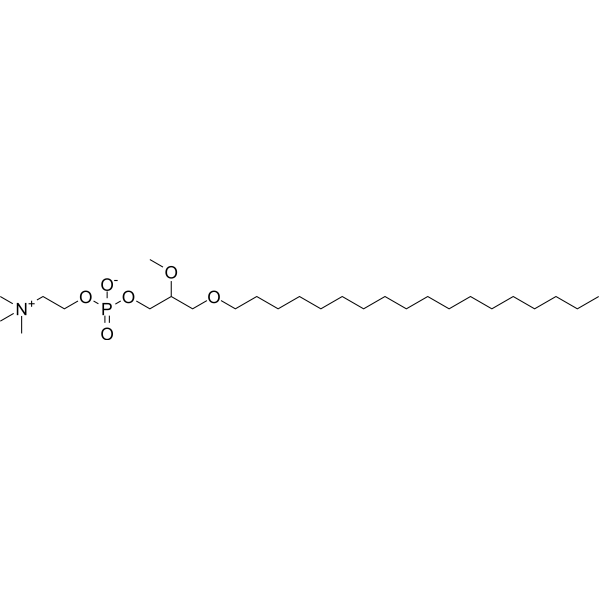
    Edelfosine (ET-18-OCH3) is an orally active lipid raft modulator and apoptosis inducer that alters membrane fluidity and preferentially inserts into tumor cell membranes. Edelfosine recruits death receptor ligands (FasL/CD95L, TRAIL) and Bid to lipid rafts to form death-inducing signaling complexes, thereby initiating mitochondria-dependent apoptosis and inducing cytochrome c release. Edelfosine also exerts anti-inflammatory effects, promotes L-Selectin shedding, and causes no gastrointestinal or organ toxicity. In addition, Edelfosine inhibits nucleic acid and protein synthesis in Leishmania donovani and exhibits antiproliferative activity. Edelfosine can be used in research on multiple myeloma, inflammatory bowel diseases (such as ulcerative colitis and Crohn's disease), and visceral leishmaniasis .
    Edelfosine
  • HY-168990

    AGMB-129

    TGF-β Receptor Metabolic Disease Inflammation/Immunology Cancer
    Ontunisertib (AGMB-129) is an orally active and selective gastrointestinal-restricted ALK5 (TGFβR1) inhibitor. Ontunisertib blocks signalling of the pro-fibrotic TGFβ pathway. Ontunisertib can be used for the research of fibrostenotic Crohn’s disease .
    Ontunisertib
  • HY-115497
    BRD5529
    4 Publications Verification

    E1/E2/E3 Enzyme Infection Inflammation/Immunology
    BRD5529 is an effective dose-dependent CARD9-TRIM62 protein–protein interaction (PPI) inhibitor with an IC50 value of 8.6 μM. BRD5529 has potency and complete inhibition of CARD9 ubiquitinylation in vitro, also has favorable solubility. BRD5529 can be used for the research of inflammatory bowel disease (IBD) such as Crohn’s disease (CD) and ulcerative colitis (UC) .
    BRD5529
  • HY-130321
    Lauroyl-L-carnitine chloride
    1 Publications Verification

    Endogenous Metabolite Interleukin Related Inflammation/Immunology
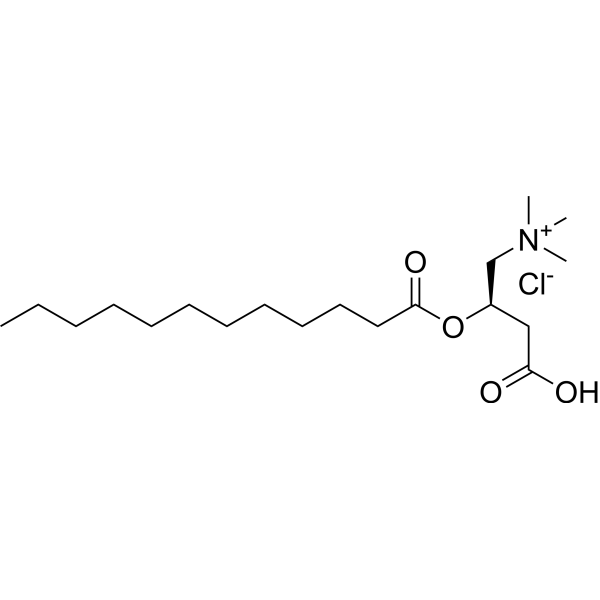
    Lauroyl-L-carnitine chloride is an orally active metabolite. Lauroyl-L-carnitine chloride significantly reverses the decrease in its target gene IL-10. Lauroyl-L-carnitine chloride alleviates Crohn' s-like colitis .
    Lauroyl-L-carnitine chloride
  • HY-P9953
    Certolizumab pegol
    2 Publications Verification

    Certolizumab; CDP870

    TNF Receptor Inflammation/Immunology Cancer
    Certolizumab pegol (Certolizumab) is a recombinant, polyethylene glycosylated, antigen-binding fragment of a humanized monoclonal antibody that selectively targets and neutralizes tumour necrosis factor-α (TNF-α). Certolizumab pegol can be used for rheumatoid arthritis and Crohn disease research .
    Certolizumab pegol
  • HY-P99821

    ABBV-323

    TNF Receptor Inflammation/Immunology
    Ravagalimab (ABBV-323) is a CD40 antagonist (EC50: 3.7 nM). Ravagalimab can be used for research of Crohn's disease .
    Ravagalimab
  • HY-P99332

    Anti-Human CD3E Recombinant Antibody; HuM291

    Apoptosis Inflammation/Immunology Cancer
    Visilizumab (Anti-Human CD3E Recombinant Antibody) is a humanized low-Fc receptor binding anti-CD3 monoclonal IgG2 antibody. Visilizumab can be used for ulcerative colitis and Crohn's disease research .
    Visilizumab
  • HY-156454

    TNF Receptor Inflammation/Immunology
    UCB-6876 is a TNFα inhibitor. UCB-6876 specifically binds to the asymmetric crystalline form of TNF-α trimer with a KD of 22 μM. UCB-6876 is applicable to research related to autoimmune diseases (rheumatoid arthritis and Crohn's disease) .
    UCB-6876
  • HY-P99810

    AVTX-002; AEVI 002; SAR 252067; CERC-002; MDGN-002

    SARS-CoV Infection Inflammation/Immunology
    Quisovalimab (AVTX-002) is a human-derived monoclonal antibody against LIGHT (TNFSF14). Quisovalimab binds to LIGHT, blocks the signal transduction activity of LIGHT, reduces circulating LIGHT levels and attenuates pro-inflammatory effects. Quisovalimab can be used in research related to Crohn's disease, COVID-19-associated pneumonia and acute respiratory distress syndrome comorbidity .
    Quisovalimab
  • HY-P991440

    TNF Receptor Inflammation/Immunology
    AMG-966 is a human bispecific antibody (bsAb) targeting TNFSF15/TL1A & TNFα. AMG 966 restores the ability of the aglycosylated Fc domain to bind FcγRIa and FcγRIIa, leading to the formation of anti-drug antibodies (ADA). AMG 966 can be used in research on Crohn's disease and ulcerative colitis. Recommended isotype control: Human IgG1 kappa, Isotype Control (HY-P99001) .
    AMG-966
  • HY-141521
    Amelenodor
    2 Publications Verification

    NX-13

    NOD-like Receptor (NLR) Inflammation/Immunology
    NX-13 is a first-in-class, orally active and gut-restricted agent that selectively targets and activates the NLRX1 pathway to induce immunometabolic changes. NX-13 results in lower inflammation and responses in inflammatory bowel disease. NX-13 can be used for the research of crohn's disease and ulcerative colitis .
    Amelenodor
  • HY-B0508
    Ornidazole
    2 Publications Verification

    Ro 7-0207

    Bacterial Parasite Antibiotic Hedgehog Infection Cancer
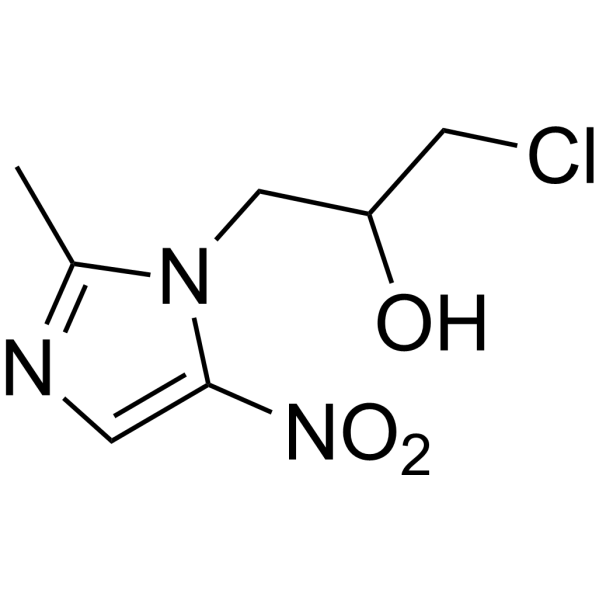
    Ornidazole (Ro 7-0207) is a nitroimidazole derivative with anti-trichomonad activity and in vitro activity against a variety of anaerobic bacteria. Ornidazole inhibits Sonic hedgehog (Shh) signaling pathway, exhibits antitumor activity. Ornidazole can be used in research of Crohn’s disease .
    Ornidazole
  • HY-P2221
    Glepaglutide
    1 Publications Verification

    ZP1848

    GCGR Inflammation/Immunology
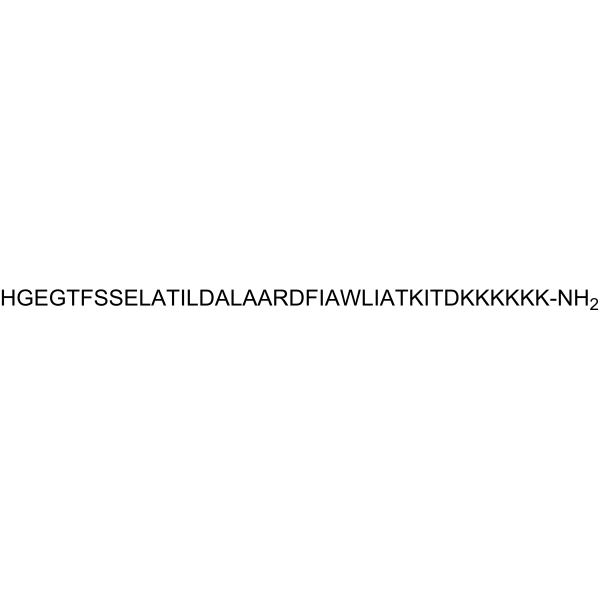
    Glepaglutide (ZP1848), a long-acting GLP-2 analogue, is a potent GLP-2R agonist. Glepaglutide reduces faecal output and increases intestinal absorption. Glepaglutide alleviates small intestinal inflammation. Glepaglutide can be used in the research of inflammatory bowel disease (IBD) and Crohn’s disease .
    Glepaglutide
  • HY-P99325

    IDEC-131; Anti-Human CD40 ligand Recombinant Antibody

    TNF Receptor Inflammation/Immunology
    Toralizumab (IDEC-131) is a humanized monoclonal antibody (mAb) against CD40L (CD154) comprised of human gamma 1 heavy chains and human kappa light chains. Toralizumab binds specifically to human CD40L on T cells, thereby preventing CD40 signaling. Toralizumab is an immunosuppressive agent. Toralizumab can lead to increased thrombosis. Toralizumab can be studied in research for diseases such as multiple sclerosis, systemic lupus erythematosus (SLE), and Crohn’s disease .
    Toralizumab
  • HY-102013

    BT-11

    ABA Receptor Neurological Disease Inflammation/Immunology
    Omilancor (BT-11) is an orally active lanthionine synthetase cyclase-like receptor 2 (LANCL2) activator. Omilancor can be used for the study of psoriasis, inflammatory bowel disease (IBD), and Crohn's disease (CD) .
    Omilancor
  • HY-P0060

    Tetracosactrin; ACTH(1–24)

    CRFR Melanocortin Receptor Neurological Disease Inflammation/Immunology
    Tetracosactide (Tetracosactrin) is an analogue of adrenocorticotrophic hormone (ACTH). Tetracosactide is the agonist for melanocortin-4 receptor (MC4R) that activates human MC4R with an EC50 of 0.65 nM. Tetracosactide can stimulate the release of corticosteroids such as cortisol from the adrenal gland. Tetracosactide is currently used for the research of ulcerative colitis and Crohn's disease, juvenile/adult rheumatoid arthritis and osteoarthrosis .
    Tetracosactide
  • HY-P0060A

    Tetracosactrin acetate; ACTH(1–24) acetate

    CRFR Melanocortin Receptor Neurological Disease Inflammation/Immunology
    Tetracosactide acetate (Tetracosactrin acetate ) is the acetate salt form of Tetracosactide (HY-P0060). Tetracosactide acetate is an analogue of adrenocorticotrophic hormone (ACTH). Tetracosactide acetate is the agonist for melanocortin-4 receptor (MC4R) that activates human MC4R with an EC50 of 0.65 nM. Tetracosactide acetate can stimulate the release of corticosteroids such as cortisol from the adrenal gland. Tetracosactide acetate is currently used for the research of ulcerative colitis and Crohn's disease, juvenile/adult rheumatoid arthritis and osteoarthrosis .
    Tetracosactide acetate
  • HY-70005
    CPA inhibitor
    3 Publications Verification

    Carboxypeptidase inhibitor

    Carboxypeptidase Wnt β-catenin Inflammation/Immunology
    CPA inhibitor (Compound 5) (Carboxypeptidase inhibitor) is an orally active competitive carboxypeptidase A (CPA) inhibitor with a Ki value of 0.32 μM. CPA inhibitor blocks the activity of carboxypeptidase A3 (CPA3). CPA activator activates the Wnt/Lrp6/β-catenin signaling pathway. CPA inhibitor reduces epithelial damage. CPA inhibitor is applicable to research related to inflammatory bowel disease, including ulcerative colitis and Crohn's disease .
    CPA inhibitor
  • HY-P11017

    p38 MAPK Cadherin Inflammation/Immunology
    LNSMGQD is a cyclic peptide fragment derived from desmoglein 1 (amino acids 81-86), which mimics trans-interactions and acts as part of the tandem peptide binding interface of desmoglein 2. LNSMGQD not only binds to desmoglein 1 and 3, but also effectively inhibits their homophilic trans-interactions, while reducing the probability of homophilic or heterophilic binding between desmoglein 2 and Dsc2, N-cadherin and E-cadherin. LNSMGQD is applicable to the research on disease mechanisms such as Crohn's disease and pemphigus vulgaris .
    LNSMGQD
  • HY-N2896

    Reactive Oxygen Species (ROS) Apoptosis Fungal Bacterial NF-κB SOD AMPK mTOR Notch Toll-like Receptor (TLR) Wnt MyD88 Sirtuin Infection Neurological Disease Inflammation/Immunology Cancer
    Arjunolic acid is an orally active, multifunctional bioactive compound. Arjunolic acid exhibits free radical scavenging activity, as well as fungal and bacterial activities. Arjunolic acid induces apoptosis (Apoptosis) in various cancer cells. Arjunolic acid protects hepatocytes against induced oxidative stress and apoptosis by reducing reactive oxygen species and inhibiting NF-κB activation. Arjunolic acid regulates pancreatic dysfunction in type 2 diabetic rats by blocking the activation of the TLR-4/MyD88 and canonical Wnt pathways. Arjunolic acid inhibits neuroinflammation and ameliorates depressive behaviors via the SIRT1/AMPK/Notch1 signaling pathway in microglia. Arjunolic acid improves Crohn's disease-like colitis by restoring gut microbiota composition and inhibiting TLR4 signaling. Arjunolic acid suppresses osteosarcoma progression by inhibiting Wnt3a-mediated M2 polarization of macrophages. Arjunolic acid ameliorates diabetic retinopathy via the autophagy pathway regulated by AMPK/mTOR/HO-1. Arjunolic acid is applicable to research related to type 2 diabetes, organ toxicity, depression, Crohn's disease, osteosarcoma, diabetic retinopathy, and testicular dysfunction .
    Arjunolic acid
  • HY-108831
    Natalizumab
    3 Publications Verification

    Integrin Inflammation/Immunology Cancer
    Natalizumab (AN100226; BG00002) is a humanized monoclonal IgG4 antibody inhibitor that selectively targets α4 integrin (CD49d). It blocks the interaction of integrins such as α4β1 (VLA-4) with vascular cell adhesion molecule VCAM-1, intercellular adhesion molecule ICAM-1, and fibronectin by competitively binding to the α4 subunit. Natalizumab inhibits the adhesion, retention, and transendothelial migration of immune cells (such as CD4 + T cells), reducing the infiltration of inflammatory cells into the central nervous system or lesion sites, thus exerting anti-inflammatory and immunomodulatory activity. Natalizumab is used in the study of relapsing-remitting multiple sclerosis (RRMS) and also has applications in the study of autoimmune or inflammation-related diseases such as Crohn's disease, B-cell lymphoma, and non-infectious uveitis. Natalizumab can also prevent lymphocytes from entering the central nervous system, thereby preventing acute demyelinating relapses .
    Natalizumab
  • HY-P99292

    HuZAF; Anti-Human IFNG Recombinant Antibody

    IFNAR Inflammation/Immunology
    Fontolizumab (HuZAF) is a humanized monoclonal anti-IFN-gamma antibody. Fontolizumab is an immunosuppressive agent. Fontolizumab can be used in research of Crohn’s disease .
    Fontolizumab
  • HY-P2221B
    Glepaglutide acetate
    1 Publications Verification

    ZP1848 acetate

    GCGR Inflammation/Immunology
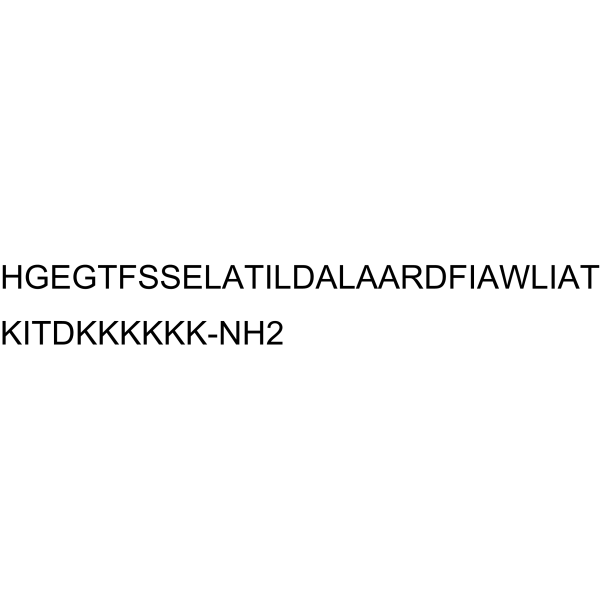
    Glepaglutide (ZP1848) acetate, a long-acting GLP-2 analogue, is a potent GLP-2R agonist. Glepaglutide acetate reduces faecal output and increases intestinal absorption. Glepaglutide acetate alleviates small intestinal inflammation. Glepaglutide acetate can be used in the research of inflammatory bowel disease (IBD) and Crohn’s disease .
    Glepaglutide acetate
  • HY-P99404

    E6011

    CXCR Inflammation/Immunology Cancer
    Quetmolimab (E6011) is a humanized anti-Fractalkine (CX3CL1) monoclonal antibody. Quetmolimab binds to membrane-bound and soluble Fractalkine, neutralizes Fractalkine-induced migration of CX3CR1-expressing cells, mediates target-bound complex elimination from serum. Quetmolimab suppresses free soluble Fractalkine levels in cynomolgus monkeys, with target engagement linked to increased serum total Fractalkine concentration. Quetmolimab can be used for the research of Crohn’s disease, rheumatoid arthritis, and primary biliary cholangitis .
    Quetmolimab
  • HY-P990937

    PF-04236921; TOUR-006

    Interleukin Related Inflammation/Immunology
    Pacibekitug (PF-04236921; TOUR-006) is a fully humanized IgG2 monoclonal antibody targeting IL-6. Pacibekitug binds to and neutralizes IL-6 signaling, thereby inhibiting the pathophysiological role of this pro-inflammatory cytokine in autoimmune diseases (such as rheumatoid arthritis, Crohn's disease, and systemic lupus erythematosus) [1][2].
    Pacibekitug
  • HY-P99190

    BMS-936557; MDX-1100

    CXCR Inflammation/Immunology
    Eldelumab (BMS-936557) is a human anti-CXCL10 (IP-10) monoclonal antibody (IgG1 type). Eldelumab selectively binds to CXCL10 and blocks CXCL10-induced calcium flux and cell migration. Eldelumab can be used in studies of autoimmune and auto-inflammatory diseases such as rheumatoid arthritis, ulcerative colitis and crohn's disease .
    Eldelumab
  • HY-P99411

    SHP647

    Integrin Inflammation/Immunology
    Ontamalimab (SHP647) is a fully-human IgG2 monoclonal antibody targeting mucosal addressin cell adhesion molecule-1 (MAdCAM-1). Ontamalimab can be used for the research of Crohn's disease .
    Ontamalimab
  • HY-P99485

    AMG 139; MEDI2070

    Interleukin Related Inflammation/Immunology
    Brazikumab (AMG 139) is a human IgG2 monoclonal antibody, selectively binds the p19 subunit of IL-23, with a KD of 0.138 nM for human IL-23. Brazikumab can be used for the research of Crohn's disease .
    Brazikumab
  • HY-164893

    Antibody-Drug Conjugates (ADCs) TNF Receptor Glucocorticoid Receptor Inflammation/Immunology
    ABBV-154 is an anti-TNF antibody-drug conjugate (ADC). ABBV-154 is composed of the humanized antibody Adalimumab (HY-P9908) conjugated with a glucocorticoid receptor modulator (HY-137883). ABBV-154 can be used in studies of rheumatoid arthritis, Crohn's disease and polymyalgia rheumatica .
    ABBV-154
  • HY-145721A

    GED-0301 sodium

    TGF-beta/Smad Inflammation/Immunology
    Mongersen sodium is a specific and orally active SMAD7 antisense oligonucleotide. Mongersen sodium restores TGF-β1 activity leading to inhibition of inflammatory signals. Mongersen sodium can attenuate Crohn's disease-like experimental colitis in mice .
    Mongersen sodium
  • HY-145721

    GED-0301

    TGF-beta/Smad Inflammation/Immunology
    Mongersen (GED-0301) is a specific and orally active SMAD7 antisense oligonucleotide. Mongersen restores TGF-β1 activity leading to inhibition of inflammatory signals. Mongersen can attenuate Crohn's disease-like experimental colitis in mice .
    Mongersen
  • HY-P5522A
    TriDAP dihydrochloride
    1 Publications Verification

    L-Ala-γ-D-Glu-meso-diaminopimelic acid dihydrochloride

    NOD-like Receptor (NLR) NF-κB MAP3K MEK ERK p38 MAPK Interleukin Related SARS-CoV Infection Inflammation/Immunology
    TriDAP dihydrochloride (L-Ala-γ-D-Glu-meso-diaminopimelic acid dihydrochloride) is a NOD1 agonist with a Kd value of 34.5 μM. TriDAP dihydrochloride enhances the binding of NOD1-RICK, promotes RICK phosphorylation, and activates the NF-κB, TAK1, MEK/ERK, p38 and interferon response pathways. TriDAP dihydrochloride downregulates Runx2 via increasing ubiquitination and reduces trabecular bone parameters. TriDAP dihydrochloride decreases IκBα levels and increases p65 levels. TriDAP dihydrochloride induces the secretion of proinflammatory mediators IL-8 and prostaglandins, triggers tissue inflammation and innate immune activation, and inhibits SARS-CoV-2 replication in lung epithelial cells. TriDAP dihydrochloride increases the RANKL/OPG ratio in mice, reduces bone mass and enhances osteoclast activity, and inhibits new bone formation by decreasing the mineralization deposition rate in mice. TriDAP dihydrochloride can be used in research related to pulpitis, chronic ulcerative colitis, Crohn's disease and SARS-CoV-2 infection .
    TriDAP dihydrochloride
  • HY-B1046S

    Bacterial Antibiotic Inflammation/Immunology
    Clofazimine-d7 is deuterium labeled Clofazimine. Clofazimine is an iminophenazine dye, has a marked anti-inflammatory effect, has been used in combination with other antimycobacterial agents to treat AIDS and Crohn's disease.
    Clofazimine-d7
  • HY-130321S

    Isotope-Labeled Compounds Interleukin Related Endogenous Metabolite Inflammation/Immunology
    Lauroyl-L-carnitine-d3 (chloride) is the deuterium labeled Lauroyl-L-carnitine chloride (HY-130321). Lauroyl-L-carnitine chloride is an orally active metabolite. Lauroyl-L-carnitine chloride significantly reverses the decrease in its target gene IL-10. Lauroyl-L-carnitine chloride alleviates Crohn' s-like colitis .
    Lauroyl-L-carnitine-d3 chloride
  • HY-172608

    TNF Receptor Inflammation/Immunology
    TNF-α-IN-24 (Example 15) is a TNF-α inhibitor with an IC50 of 4.1 nM. TNF-α-IN-24 can be used in study of inflammatory and autoimmune disorders such as rheumatoid arthritis and Crohn’s disease .
    TNF-α-IN-24
  • HY-130321S1

    Isotope-Labeled Compounds Endogenous Metabolite Interleukin Related Inflammation/Immunology
    Lauroyl-L-carnitine-d9 chloride is the deuterium labeled Lauroyl-L-carnitine chloride (HY-130321). Lauroyl-L-carnitine chloride is an orally active metabolite. Lauroyl-L-carnitine chloride significantly reverses the decrease in its target gene IL-10. Lauroyl-L-carnitine chloride alleviates Crohn' s-like colitis .
    Lauroyl-L-carnitine-d9 chloride
  • HY-P5522

    L-Ala-γ-D-Glu-meso-diaminopimelic acid

    NOD-like Receptor (NLR) NF-κB MAP3K MEK ERK p38 MAPK Interleukin Related SARS-CoV Infection Inflammation/Immunology
    TriDAP (L-Ala-γ-D-Glu-meso-diaminopimelic acid) is a NOD1 agonist with a Kd value of 34.5 μM. TriDAP enhances the binding of NOD1-RICK, promotes RICK phosphorylation, and activates the NF-κB, TAK1, MEK/ERK, p38 and interferon response pathways. TriDAP downregulates Runx2 via increasing ubiquitination and reduces trabecular bone parameters. TriDAP decreases IκBα levels and increases p65 levels. TriDAP induces the secretion of proinflammatory mediators IL-8 and prostaglandins, triggers tissue inflammation and innate immune activation, and inhibits SARS-CoV-2 replication in lung epithelial cells. TriDAP increases the RANKL/OPG ratio in mice, reduces bone mass and enhances osteoclast activity, and inhibits new bone formation by decreasing the mineralization deposition rate in mice. TriDAP can be used in research related to pulpitis, chronic ulcerative colitis, Crohn's disease and SARS-CoV-2 infection .
    TriDAP
  • HY-B0508S1

    Ro 7-0207-13C2,15N2

    Isotope-Labeled Compounds Bacterial Parasite Antibiotic Hedgehog Infection
    Ornidazole- 13C2, 15N2 is the 13C, 15N labeled Ornidazole. Ornidazole (Ro 7-0207) is a nitroimidazole derivative with anti-trichomonad activity and in vitro activity against a variety of anaerobic bacteria. Ornidazole inhibits Sonic hedgehog (Shh) signaling pathway, exhibits antitumor activity. Ornidazole can be used in research of Crohn’s disease .
    Ornidazole-13C2,15N2
  • HY-16151

    Autophagy NO Synthase Inflammation/Immunology Cancer
    CR-3294 is an autophagy inducer in hypoxic cells. CR-3294 is an inducible enzyme nitric oxide synthase (iNOS) inhibitor. CR-3294 inhibits both the DNA binding of HIF-1alpha and VEGF mRNA synthesis. CR-3294 can be used for the study of breast cancer and inflammatory bowel disease (IBD), such as Crohn’s disease, ulcerative colitis .
    CR-3294
  • HY-N2199

    Apoptosis Autophagy PI3K JNK mTOR p38 MAPK CDK MMP TGF-beta/Smad STAT β-catenin Reactive Oxygen Species (ROS) Bcl-2 Family Caspase Inflammation/Immunology Cancer
    Sotetsuflavone is a flavonoid that can be isolated from Cycas revolute. Sotetsuflavone inhibits phosphorylation of PI3K, Akt, mTOR, JNK, and p38 MAPK; modulates expression of Cyclin D1, CDK4, Bcl-2, Bax, cleaved caspases 3/9, MMP-9, TGF-β, STAT3, and β-catenin. Sotetsuflavone induces G0/G1 cell cycle arrest, apoptosis, autophagy, and intracellular ROS elevation, inhibits cancer cell proliferation. Sotetsuflavone inhibits tumor growth in mouse tumor xenograft models. Sotetsuflavone can be used for the research of non-small cell lung cancer and Crohn’s disease .
    Sotetsuflavone
  • HY-W094747A

    Drug Intermediate Inflammation/Immunology
    Benzalazine is a 5-azo derivative of 5-Aminosalicylic Acid (HY-15027) that can be used for the research of ulcerative colitis and Crohn's disease of the large intestine. The benzalazine metabolite 5-ASA and the 5-ASA metabolite acetyl-5-aminosalicylic acid are excreted mainly with the faeces .
    Benzalazine

Inquiry Online

Your information is safe with us. * Required Fields.

Salutation


Country or Region *

Applicant Name *


Organization Name *

Department *


Email Address *


Product Name *

Cat. No.


Requested quantity *

Phone Number *


Remarks

Inquiry Online

Inquiry Information

Product Name:
Cat. No.:
Quantity:
MCE Japan Authorized Agent:

