1. Search Result
Search Result
Results for "

DNA-strand

" in MedChemExpress (MCE) Product Catalog:

86

Inhibitors & Agonists

25

Fluorescent Dye

6

Biochemical Assay Reagents

1

Peptides

1

MCE Kits

6

Natural
Products

6

Isotope-Labeled Compounds

1

Antibodies

2

Click Chemistry

5

Oligonucleotides

Cat. No. Product Name Target Research Areas Chemical Structure
  • HY-15559
    Hoechst 33342
    Maximum Cited Publications
    142 Publications Verification

    bisBenzimide H 33342; HOE 33342

    Autophagy Others
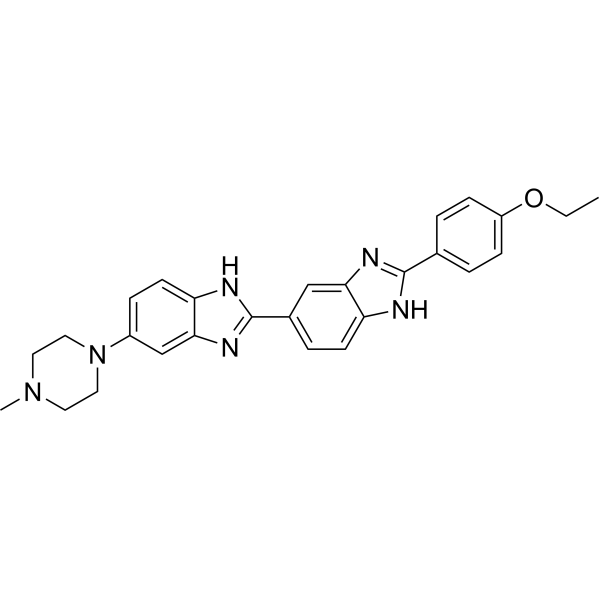
    Hoechst 33342 is a marker dye in Hoechst series. Hoechst is A live nuclear marker dye. Hoechst binds to the grooves in the DNA double strand, which tends to be A/ T-rich DNA strand. Although it binds to all nucleic acids, the A/ T-rich double strand DNA significantly enhances fluorescence intensity Therefore,Hoechst dye can be used for living cell labeling. The fluorescence intensity of Hoechst dye increases with the increase of pH of solution .
    Hoechst 33342
  • HY-16562
    Irinotecan
    70+ Cited Publications

    (+)-Irinotecan; CPT-11; VAL-413free base

    Topoisomerase Autophagy Neurological Disease Cancer
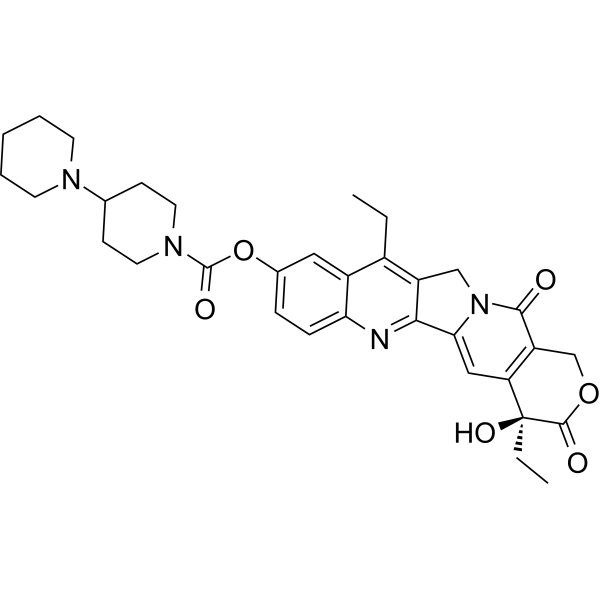
    Irinotecan ((+)-Irinotecan) is a topoisomerase I inhibitor, preventing religation of the DNA strand by binding to topoisomerase I-DNA complex .
    Irinotecan
  • HY-W001187
    Tempo
    10+ Cited Publications

    Mitochondrial Metabolism DNA/RNA Synthesis Reactive Oxygen Species (ROS) Cancer
    Tempo is a nitric oxide radical and a selective scavenger of ROS in mitochondria. Tempo is also an organocatalyst that disproportionates superoxide and oxidizes primary alcohols to aldehydes in a catalytic cycle. Tempo has mutagenic and antioxidant effects and can induceDNA strand breaks. Tempo also exerts cytotoxic and mutagenic properties in mouse lymphoma cells .
    Tempo
  • HY-13630
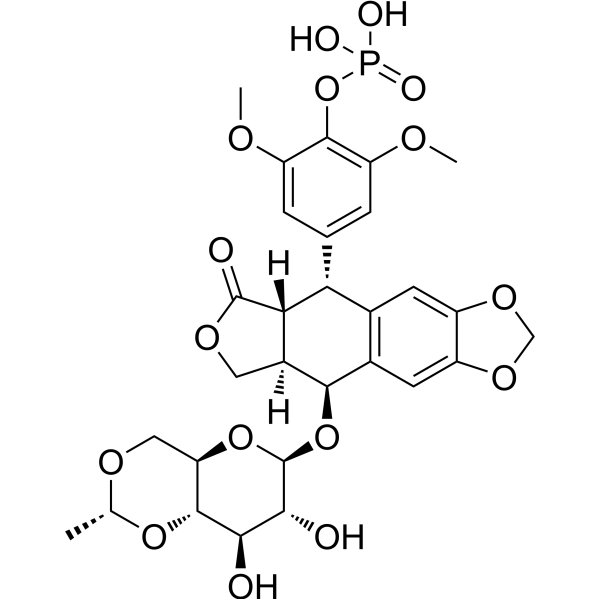
    Etoposide phosphate
    Maximum Cited Publications
    174 Publications Verification

    BMY-40481

    Topoisomerase Bacterial Autophagy Apoptosis Infection Neurological Disease Cancer
    Etoposide phosphate (BMY-40481) is a potent anti-cancer chemotherapy agent and a selective topoisomerase II inhibitor to prevent re-ligation of DNA strands. Etoposide phosphate is the phosphate ester proagent of etoposide and is considered as active equivalent to Etoposide. Etoposide phosphate induces cell cycle arrest, apoptosis, and autophagy.
    Etoposide phosphate
  • HY-B0464
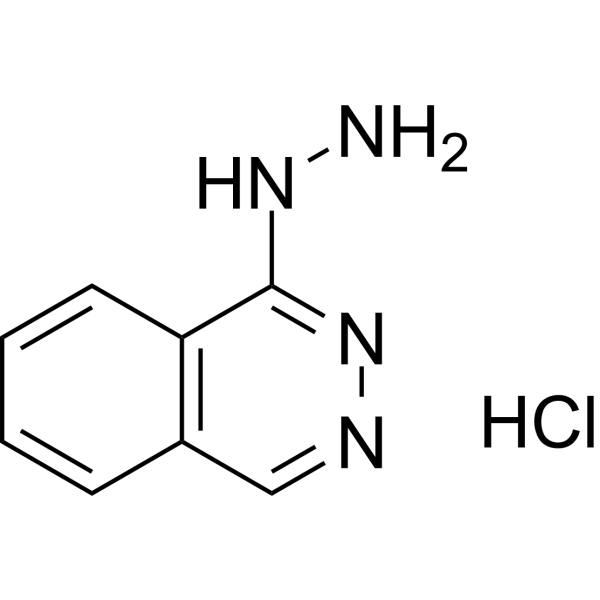
    Hydralazine hydrochloride
    3 Publications Verification

    PGE synthase NO Synthase Reactive Oxygen Species (ROS) DNA Methyltransferase COX Cardiovascular Disease Inflammation/Immunology Cancer
    Hydralazine hydrochloride is an orally active, blood-brain barrier-permeable DNA methyltransferase inhibitor with vasodilatory, arterial smooth muscle relaxant and hypotensive activities. Hydralazine hydrochloride reactivates silenced tumor suppressor genes via mediating DNA demethylation, while exerting neuroprotective and anti-inflammatory properties. Hydralazine hydrochloride inhibits NOS-2 (iNOS) and COX-2, and reduces the production of NO and PGEE2; meanwhile, Hydralazine hydrochloride scavenges reactive oxygen species and inhibits macrophage activation. Hydralazine hydrochloride alleviates motor dysfunction, neuropathic inflammatory pain, and formalin-induced somatic and emotional pain responses. In addition, Hydralazine hydrochloride directly induces DNA strand breaks and sister chromatid exchange, exhibiting certain mutagenic characteristics. Hydralazine hydrochloride has been widely used in studies on hypertension, various cancers (such as cervical cancer, leukemia), spinal cord injury and the mechanisms of inflammatory pain .
    Hydralazine hydrochloride
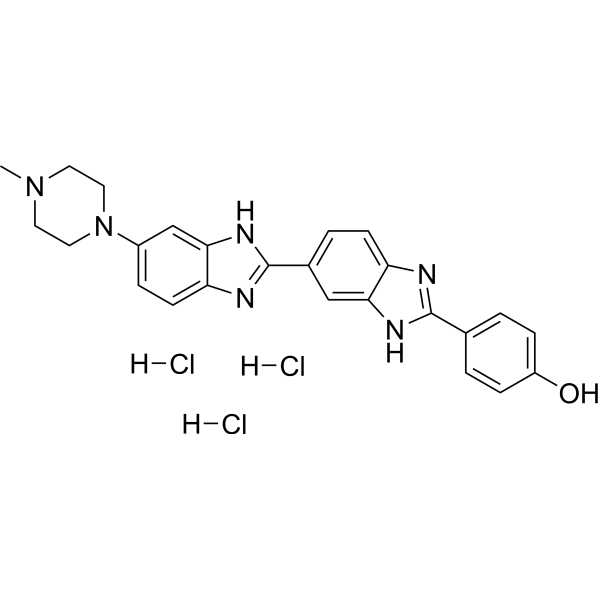
  • HY-15559A
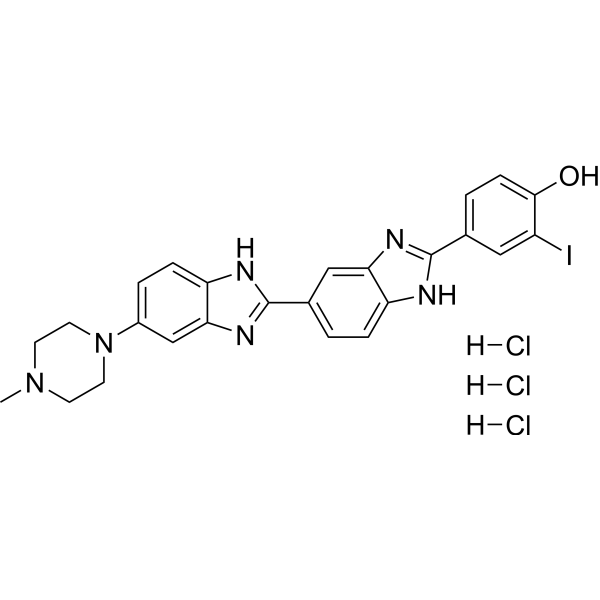
    Hoechst 33342 trihydrochloride
    Maximum Cited Publications
    142 Publications Verification

    bisBenzimide H 33342 trihydrochloride; HOE 33342 trihydrochloride

    Autophagy Others
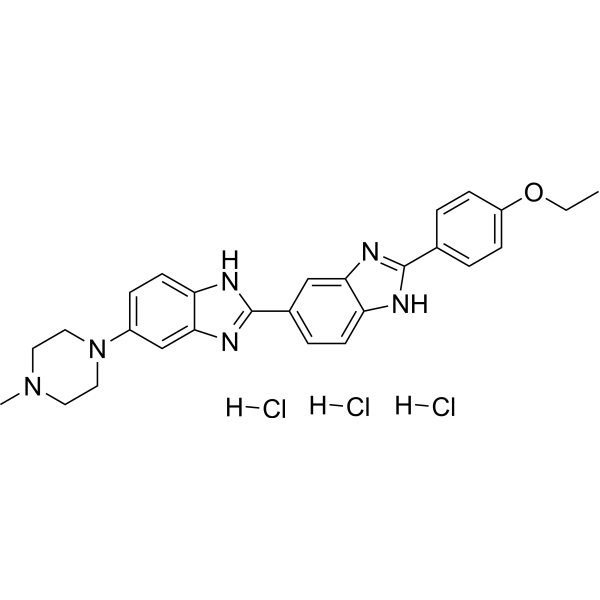
    Hoechst 33342 trihydrochloride is a marker dye in Hoechst series. Hoechst is A live nuclear marker dye. Hoechst binds to the grooves in the DNA double strand, which tends to be A/ T-rich DNA strand. Although it binds to all nucleic acids, the A/ T-rich double strand DNA significantly enhances fluorescence intensity Therefore,Hoechst dye can be used for living cell labeling. The fluorescence intensity of Hoechst dye increases with the increase of pH of solution .
    Hoechst 33342 trihydrochloride
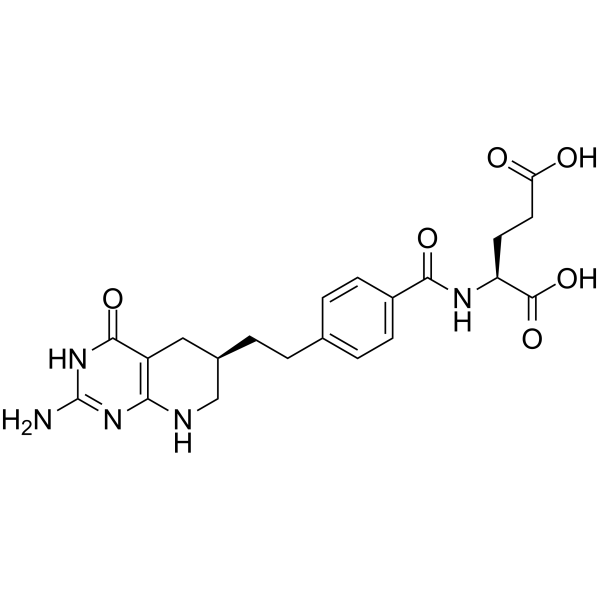
  • HY-14521
    Lometrexol
    3 Publications Verification

    DDATHF

    Antifolate Apoptosis Caspase Bcl-2 Family Cancer
    Lometrexol (DDATHF), an antipurine antifolate, can inhibit the activity of glycinamide ribonucleotide formyltransferase (GARFT) but do not induce detectable levels of DNA strand breaks. Lometrexol can further inhibit de novo purine synthesis, causing abnormal cell proliferation and apoptosis, even cell cycle arrest. Lometrexol has anticancer activity. Lometrexol also is a potent human Serine hydroxymethyltransferase1/2 (hSHMT1/2) inhibitor .
    Lometrexol
  • HY-15558A
    Hoechst 33258 trihydrochloride
    20+ Cited Publications

    bisBenzimide H 33258 trihydrochloride; H 33258 trihydrochloride

    Fluorescent Dye Cancer
    Hoechst 33258 trihydrochloride is a marker dye in Hoechst series. Hoechst is A live nuclear marker dye. Hoechst binds to the grooves in the DNA double strand, which tends to be A/ T-rich DNA strand. Although it binds to all nucleic acids, the A/ T-rich double strand DNA significantly enhances fluorescence intensity Therefore,Hoechst dye can be used for living cell labeling. The fluorescence intensity of Hoechst dye increases with the increase of pH of solution .
    Hoechst 33258 trihydrochloride
  • HY-121360

    DNA/RNA Synthesis Reactive Oxygen Species (ROS) Cancer
    Cylindrospermopsin, a cyanotoxin, is a polycyclic uracil derivative containing guanidine and sulfate groups, which can inhibit protein synthesis and covalently modify DNA or RNA. Cylindrospermopsin induces hepatocellular hypertrophy, renal cellular hypertrophy, intracellular reactive oxygen species (ROS), DNA strand breaks, mitochondrial hyperpolarisation, ultrastructural damage, and altered gene expression in liver, kidney, and intestinal cells. Cylindrospermopsin can be used in research including hepatocellular carcinoma and water quality testing .
    Cylindrospermopsin
  • HY-N6677

    Apocarotenal

    Cytochrome P450 DNA/RNA Synthesis Metabolic Disease Cancer
    β-Apo-8'-carotenal (Apocarotenal), an orally active provitamin A carotenoid. β-Apo-8'-carotenal can induce the expression of CYP1A through the Ah receptor-dependent pathway. β-Apo-8'-carotenal can induce cancer cells DNA strand breaks and lipid peroxidation. β-Apo-8'-carotenal can be used for the researches of cancer and metabolic disease .
    β-​Apo-​8'-​carotenal
  • HY-W406070

    LNA-G

    Nucleoside Antimetabolite/Analog DNA/RNA Synthesis Others
    2′-O,4′-C-Methyleneguanosine (LNA-G) is a reverse guanine analog, where LNA (locked nucleic acid) is a nucleic acid analog. LNA modification can be widely used in various fields, such as effective binding affinity with complementary sequences and stronger nuclease resistance than natural nucleotides, providing great potential for application in disease diagnosis and research. 2'-O,4'-C-Methyleneguanosine is a substrate for KOD DNA polymerase, which incorporates LNA-G nucleotides into growing DNA strands, including consecutive incorporations , to generate full-length extension products .
    2'-O,4'-C-Methyleneguanosine
  • HY-W013715A

    dTTP trisodium solution (100 mM)

    DNA/RNA Synthesis Nucleoside Antimetabolite/Analog Endogenous Metabolite Others
    Deoxythymidine-5'-triphosphate (dTTP) (trisodium) solution (100 mM) is one of the raw materials used by DNA polymerase to synthesize long DNA strands during DNA replication. Deoxythymidine-5'-triphosphate (trisodium) solution (100 mM) is used in polymerase chain reaction (PCR) for DNA amplification. This product is supplied as an aqueous solution.
    Deoxythymidine-5'-triphosphate trisodium solution (100 mM)
  • HY-D1725

    Fluorescent Dye DNA Stain Others
    Cy3-dCTP is a directly fluorescently labeled deoxyribonucleotide, in which Cy3 is a cyanine fluorescent dye. Cy3-dCTP is used for direct enzymatic labeling of DNA and cDNA: with the aid of DNA polymerases, this modified nucleotide is incorporated into the extending DNA strand during processes such as reverse transcription, PCR, nick translation or random primer labeling .
    Cy3-dCTP
  • HY-DY1005

    Autophagy Others
    Hoechst 33342 trihydrochloride (solution) is a marker dye in Hoechst series. Hoechst is A live nuclear marker dye. Hoechst binds to the grooves in the DNA double strand, which tends to be A/ T-rich DNA strand. Although it binds to all nucleic acids, the A/ T-rich double strand DNA significantly enhances fluorescence intensity Therefore,Hoechst dye can be used for living cell labeling. The fluorescence intensity of Hoechst dye increases with the increase of pH of solution .
    Solvent and Concentration: Sterile water: 10 mg/mL
    Hoechst 33342 trihydrochloride (solution)
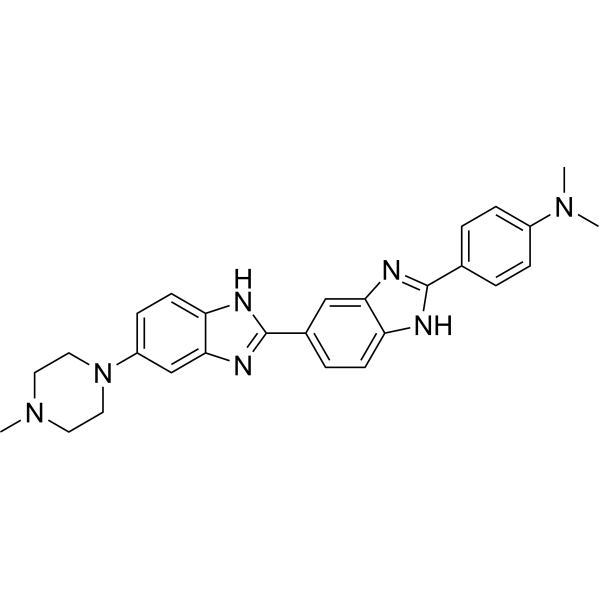
  • HY-15560
    Hoechst 34580
    5 Publications Verification

    HOE 34580

    Amyloid-β Neurological Disease
    Hoechst 34580 is a marker dye in Hoechst series. Hoechst is A live nuclear marker dye. Hoechst binds to the grooves in the DNA double strand, which tends to be A/ T-rich DNA strand. Although it binds to all nucleic acids, the A/ T-rich double strand DNA significantly enhances fluorescence intensity Therefore,Hoechst dye can be used for living cell labeling. The fluorescence intensity of Hoechst dye increases with the increase of pH of solution .
    Hoechst 34580
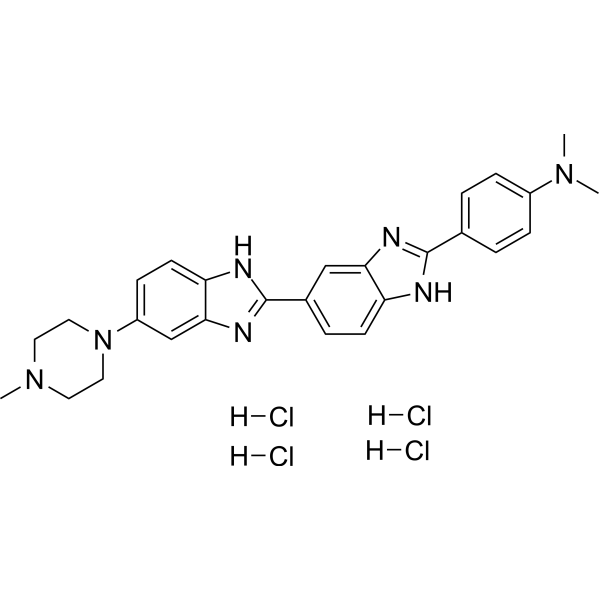
  • HY-15560B
    Hoechst 34580 tetrahydrochloride
    5 Publications Verification

    HOE 34580 tetrahydrochloride

    Amyloid-β Neurological Disease
    Hoechst 34580 tetrahydrochloride is a marker dye in Hoechst series. Hoechst is A live nuclear marker dye. Hoechst binds to the grooves in the DNA double strand, which tends to be A/ T-rich DNA strand. Although it binds to all nucleic acids, the A/ T-rich double strand DNA significantly enhances fluorescence intensity Therefore,Hoechst dye can be used for living cell labeling. The fluorescence intensity of Hoechst dye increases with the increase of pH of solution .
    Hoechst 34580 tetrahydrochloride
  • HY-D1668

    DNA Stain Reverse Transcriptase Infection Neurological Disease Cancer
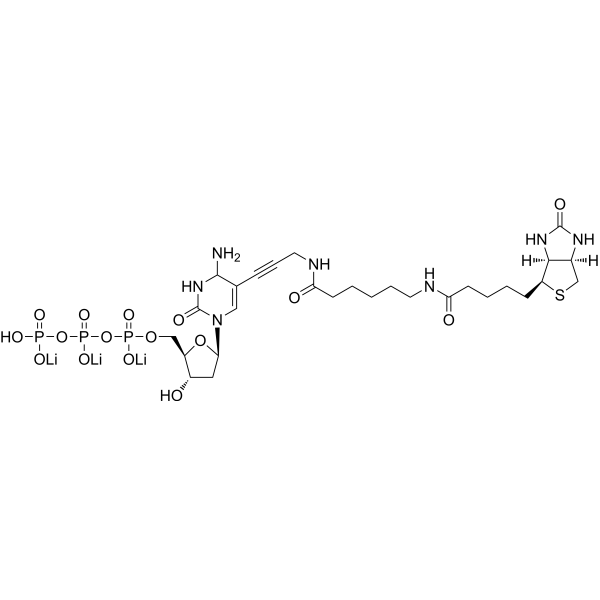
    Biotin-11-dCTP is a biotinylated deoxynucleoside triphosphate and an important DNA labeling reagent. In random primer DNA labeling reactions, Biotin-11-dCTP incorporates into newly synthesized DNA strands to generate labeled DNA probes suitable for hybridization applications. In addition, Biotin-11-dCTP can serve as a substrate for terminal deoxynucleotidyl transferase to end-label oligonucleotides for telomere sequence detection, or to label the cut ends of linearized DNA molecules, thereby supporting streptavidin-based electron microscopy analysis. For example, Biotin-11-dCTP can label the cut ends of linearized DNA molecules under the action of dGTP and avian myeloblastosis virus reverse transcriptase .
    Biotin-11-dCTP
  • HY-W115721

    Sodium rhodizonate dibasic

    Reactive Oxygen Species (ROS) DNA/RNA Synthesis Others
    Rhodizonic acid disodium (Sodium rhodizonate dibasic) is a transition metal-dependent pro-oxidant and lead detection agent that induces reactive oxygen species generation, DNA damage, and inhibits Aconitase activity. Rhodizonic acid disodium generates superoxide anion radicals in an iron (II)-dependent manner, leading to aconitase inactivation. Rhodizonic acid disodium also triggers hydroxyl radical-mediated DNA strand breaks and 8-OHdG formation via copper ion reduction. Rhodizonic acid disodium reacts with lead to form a scarlet precipitate, with the color intensity proportional to lead content, enabling qualitative or quantitative analysis of lead. Rhodizonic acid disodium can also be used for real-time visualization of the dynamic process of lead sequestration in the plant rhizosphere and evaluation of the effects of environmental factors such as soil type on the stability of lead-sequestering structures .
    Rhodizonic acid disodium
  • HY-B0464A
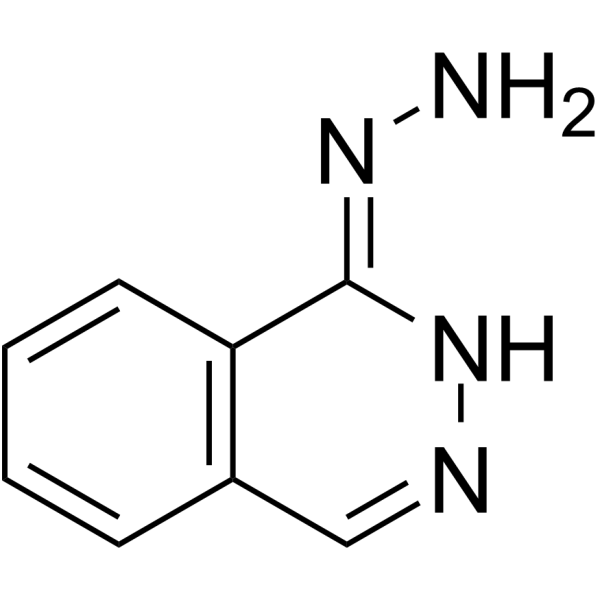
    Hydralazine
    3 Publications Verification

    DNA Methyltransferase Reactive Oxygen Species (ROS) COX NO Synthase PGE synthase Cardiovascular Disease Neurological Disease Inflammation/Immunology Cancer
    Hydralazine is an orally active, blood-brain barrier-permeable DNA methyltransferase inhibitor with vasodilatory, arterial smooth muscle relaxant and hypotensive activities. Hydralazine reactivates silenced tumor suppressor genes via mediating DNA demethylation, while exerting neuroprotective and anti-inflammatory properties. Hydralazine inhibits NOS-2 (iNOS) and COX-2, and reduces the production of NO and PGEE2; meanwhile, Hydralazine scavenges reactive oxygen species and inhibits macrophage activation. Hydralazine alleviates motor dysfunction, neuropathic inflammatory pain, and formalin-induced somatic and emotional pain responses. In addition, Hydralazine directly induces DNA strand breaks and sister chromatid exchange, exhibiting certain mutagenic characteristics. Hydralazine has been widely used in studies on hypertension, various cancers (such as cervical cancer, leukemia), spinal cord injury and the mechanisms of inflammatory pain .
    Hydralazine
  • HY-126940

    Reactive Oxygen Species (ROS) P-glycoprotein Apoptosis Cancer
    Furanodiene is a natural terpenoid isolated from Rhizoma Curcumae. Furanodiene plays anti-cancer effects through anti-angiogenesis and inducing ROS production, DNA strand breaks and apoptosis. Furanodiene suppresseed efflux transporter Pgp (P-glycoprotein) function and reduced Pgp protein level .
    Furanodiene
  • HY-15627
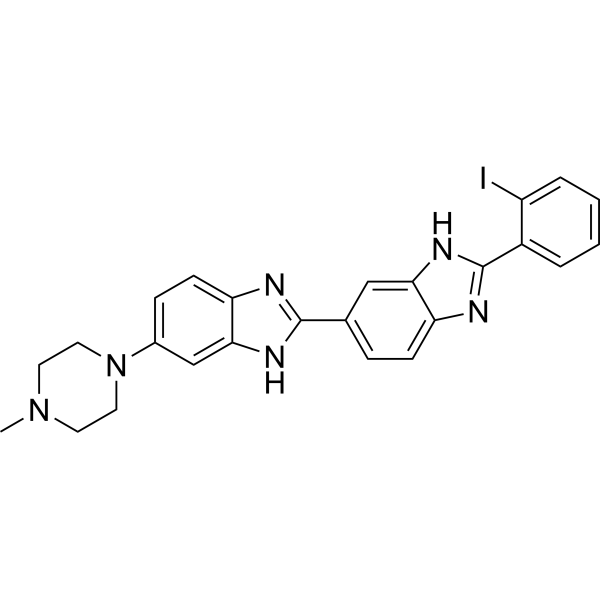
    Hoechst 33342 analog
    5 Publications Verification

    Fluorescent Dye Others
    Hoechst 33342 analog is a marker dye in Hoechst series. Hoechst is A live nuclear marker dye. Hoechst binds to the grooves in the DNA double strand, which tends to be A/ T-rich DNA strand. Although it binds to all nucleic acids, the A/ T-rich double strand DNA significantly enhances fluorescence intensity Therefore,Hoechst dye can be used for living cell labeling. The fluorescence intensity of Hoechst dye increases with the increase of pH of solution .
    Hoechst 33342 analog
  • HY-15623
    Hoechst 33258 analog
    1 Publications Verification

    DNA Stain Others
    Hoechst 33258 analog is a marker dye in Hoechst series. Hoechst is A live nuclear marker dye. Hoechst binds to the grooves in the DNA double strand, which tends to be A/ T-rich DNA strand. Although it binds to all nucleic acids, the A/ T-rich double strand DNA significantly enhances fluorescence intensity Therefore,Hoechst dye can be used for living cell labeling. The fluorescence intensity of Hoechst dye increases with the increase of pH of solution .
    Hoechst 33258 analog
  • HY-15619

    Nuclear yellow

    Fluorescent Dye Others
    Hoechst S 769121 is a marker dye in Hoechst series. Hoechst is A live nuclear marker dye. Hoechst binds to the grooves in the DNA double strand, which tends to be A/ T-rich DNA strand. Although it binds to all nucleic acids, the A/ T-rich double strand DNA significantly enhances fluorescence intensity Therefore,Hoechst dye can be used for living cell labeling. The fluorescence intensity of Hoechst dye increases with the increase of pH of solution .
    Hoechst S 769121
  • HY-15631
    Hoechst 33258 analog 6
    5+ Cited Publications

    Fluorescent Dye Others
    Hoechst 33258 analog 6 is a marker dye in Hoechst series. Hoechst is A live nuclear marker dye. Hoechst binds to the grooves in the DNA double strand, which tends to be A/ T-rich DNA strand. Although it binds to all nucleic acids, the A/ T-rich double strand DNA significantly enhances fluorescence intensity Therefore,Hoechst dye can be used for living cell labeling. The fluorescence intensity of Hoechst dye increases with the increase of pH of solution (Ex/Em = 356/451 nm) .
    Hoechst 33258 analog 6
  • HY-W743654

    Apoptosis Cancer
    Capsorubin is a carotenoid found in peppers with multiple biological activities. Capsorubin (167 μM) inhibits lipid peroxidation induced by 2,2'-azobis(2,4-dimethylvaleronitrile) (AMVN) in vitro. Capsorubin (1 μM) reduces UVB-induced DNA strand breaks and apoptosis in human dermal fibroblasts. Capsorubin also inhibits Epstein-Barr virus early antigen (EBV-EA) activation induced by phorbol 12-myristate 13-acetate in Raji cells, a marker of tumorigenesis.
    Capsorubin
  • HY-136648B

    dATP trisodium,100 mM Solution,PCR Grade

    Biochemical Assay Reagents Others
    2'-Deoxyadenosine-5'-triphosphate trisodium,100 mM Solution,PCR Grade (dATP trisodium,100 mM Solution,PCR Grade) is one of the raw materials used by DNA polymerase to synthesize long DNA strands during DNA replication. 2'-Deoxyadenosine-5'-triphosphate trisodium,100 mM Solution,PCR Grade is used in reverse transcription polymerase chain reaction (RT-PCR) for DNA amplification. This product is supplied in the form of an aqueous solution .
    2'-Deoxyadenosine-5'-triphosphate trisodium,100 mM Solution,PCR Grade
  • HY-W014684

    Environmental Pollutants Keap1-Nrf2 Mitochondrial Metabolism Reactive Oxygen Species (ROS) Endocrinology
    Lilial is a widely used synthetic fragrance and ester in consumer products. Lilial possesses estrogenic activity in vitro. Lilial can induce a toxic effect on mitochondria that causes a decrease in the viability of HaCaT cells. Lilial can increase NRF2 protein level in vitro. Lilial is able to target respiratory chain complexes, inhibit complexes I and II of the electron transport chain, increase the generation of reactive oxygen species, and decrease the level of intracellular ATP. Lilial can induce systemic toxicity in vivo. Lilial induces significant DNA strand breaks .
    Lilial
  • HY-16562S1

    Isotope-Labeled Compounds Topoisomerase Autophagy Cancer
    Irinotecan-d10 (hydrochloride) is the deuterium labeled Irinotecan. Irinotecan ((+)-Irinotecan) is a topoisomerase I inhibitor, preventing religation of the DNA strand by binding to topoisomerase I-DNA complex .
    Irinotecan-d10 hydrochloride
  • HY-W008661A

    dGTP trisodium,100 mM Solution,PCR Grade; 2'-Deoxyguanosine-5'-triphosphate trisodium,100 mM Solution,PCR Grade

    DNA/RNA Synthesis Others
    Deoxyguanosine triphosphate (dGTP) trisodium,100 mM Solution,PCR Grade is one of the raw materials used by DNA polymerases to synthesize long DNA strands during DNA replication. Deoxyguanosine triphosphate trisodium,100 mM Solution,PCR Grade is used in polymerase chain reaction (PCR) for DNA amplification. This product is supplied in the form of an aqueous solution .
    Deoxyguanosine triphosphate  trisodium,100 mM Solution,PCR Grade
  • HY-W013715B

    dTTP trisodium,100 mM Solution,PCR Grade

    DNA/RNA Synthesis Nucleoside Antimetabolite/Analog Endogenous Metabolite Others
    Deoxythymidine-5'-triphosphate (dTTP) trisodium, 100 mM Solution, PCR Grade is one of the raw materials used by DNA polymerase to synthesize long DNA strands during DNA replication. Deoxythymidine-5'-triphosphate trisodium, 100 mM Solution, PCR Grade is used in polymerase chain reaction (PCR) for DNA amplification. This product is supplied as an aqueous solution.
    Deoxythymidine-5'-triphosphate trisodium,100 mM Solution,PCR Grade
  • HY-W142092

    Bacterial Endogenous Metabolite Others
    N-Acetyl-DL-serine is a hydrophobic amino acid that is synthesized in the body and can be found as a free form or as a salt with malonate, phosphate, or acetate. N-Acetyl-DL-serine has antimicrobial activity against Bacillus cereus and Staphylococcus aureus. N-Acetyl-DL-serine has also been used for the immobilization of DNA fragments on solid surfaces and can be used for protein synthesis and optical detection of DNA strands .
    N-Acetyl-DL-serine
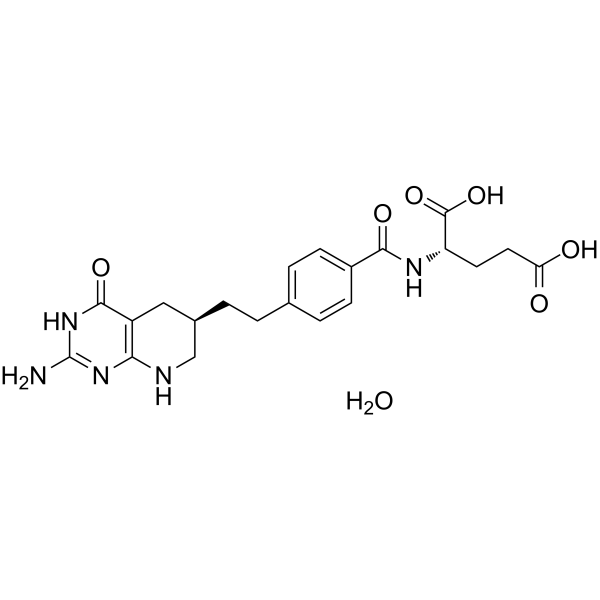
  • HY-14521B
    Lometrexol hydrate
    3 Publications Verification

    DDATHF hydrate

    Antifolate Apoptosis Caspase Bcl-2 Family Cancer
    Lometrexol (DDATHF) hydrate, an antipurine antifolate, can inhibit the activity of glycinamide ribonucleotide formyltransferase (GARFT) but do not induce detectable levels of DNA strand breaks. Lometrexol hydrate can further inhibit de novo purine synthesis, causing abnormal cell proliferation and apoptosis, even cell cycle arrest. Lometrexol hydrate has anticancer activity. Lometrexol hydrate also is a potent human Serine hydroxymethyltransferase1/2 (hSHMT1/2) inhibitor .
    Lometrexol hydrate
  • HY-15630A
    Hoechst 33342 analog 2 trihydrochloride
    1 Publications Verification

    Fluorescent Dye Others
    Hoechst 33342 analog 2 trihydrochloride is a marker dye in Hoechst series. Hoechst is A live nuclear marker dye. Hoechst binds to the grooves in the DNA double strand, which tends to be A/ T-rich DNA strand. Although it binds to all nucleic acids, the A/ T-rich double strand DNA significantly enhances fluorescence intensity Therefore,Hoechst dye can be used for living cell labeling. The fluorescence intensity of Hoechst dye increases with the increase of pH of solution .
    Hoechst 33342 analog 2 trihydrochloride
  • HY-W048513

    DNA/RNA Synthesis Cancer
    7-Deaza-2'-deoxyadenosine is an isosteric dATP analog of 2'-deoxyadenosine. 7-Deaza-2'-deoxyadenosine is recognized by various DNA polymerases and incorporated into DNA strands as a substrate. 7-Deaza-2'-deoxyadenosine undergoes a bioorthogonal inverse electron demand Diels-Alder reaction with tetrazine-modified molecules, enabling site-specific labeling of DNA, surface antibody immobilization and intracellular fluorescent labeling. 7-Deaza-2'-deoxyadenosine reduces the DNA curvature of d(A6)·d(T6) fragments and the stability of DNA/RNA double helices, and leads to decreased antisense activity against SV40 T Antigen. 7-Deaza-2'-deoxyadenosine finds application in the research field of SV40 T Antigen-related cancers .
    7-Deaza-2'-deoxyadenosine
  • HY-W001187S

    DNA/RNA Synthesis Mitochondrial Metabolism Reactive Oxygen Species (ROS) Cancer
    Tempo-d18 is the deuterium labeled Tempo . Tempo is a classic nitroxide radical and is a selective scavenger of ROS that dismutases superoxide in the catalytic cycle. Tempo induces DNA-strand breakage. Tempo can be used as an organocatalyst for the oxidation of primary alcohols to aldehydes. Tempo has mutagenic and antioxidant effects .
    Tempo-d18
  • HY-E70016

    TdT

    DNA/RNA Synthesis Others Cancer
    Terminal deoxyribonucleotidyltransferase (TdT) catalyses the condensation of deoxyribonucleotide triphosphates onto the 3' hydroxyl ends of DNA strands and adds N-regions to gene segment junctions during V(D)J recombination. Terminal deoxyribonucleotidyltransferase is expressed in immature, pre-B, pre-T lymphoid cells, and acute lymphoblastic leukemia/lymphoma cells .
    Terminal deoxyribonucleotidyltransferase
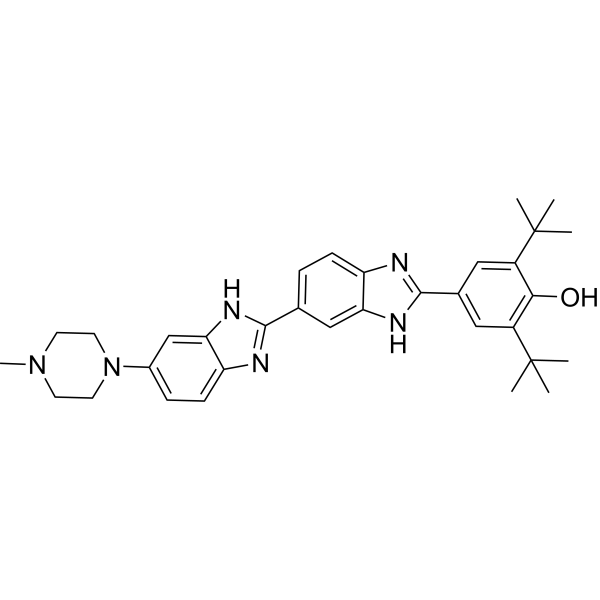
  • HY-15562

    Fluorescent Dye Others
    HOE 32021 is a marker dye in Hoechst series. Hoechst is A live nuclear marker dye. Hoechst binds to the grooves in the DNA double strand, which tends to be A/ T-rich DNA strand. Although it binds to all nucleic acids, the A/ T-rich double strand DNA significantly enhances fluorescence intensity Therefore,Hoechst dye can be used for living cell labeling. The fluorescence intensity of Hoechst dye increases with the increase of pH of solution .
    HOE 32021
  • HY-15561B

    meta-Hoechst trihydrochloride

    Fluorescent Dye Others
    HOE-S 785026 trihydrochloride is a marker dye in Hoechst series. Hoechst is A live nuclear marker dye. Hoechst binds to the grooves in the DNA double strand, which tends to be A/ T-rich DNA strand. Although it binds to all nucleic acids, the A/ T-rich double strand DNA significantly enhances fluorescence intensity Therefore,Hoechst dye can be used for living cell labeling. The fluorescence intensity of Hoechst dye increases with the increase of pH of solution .
    HOE-S 785026 trihydrochloride
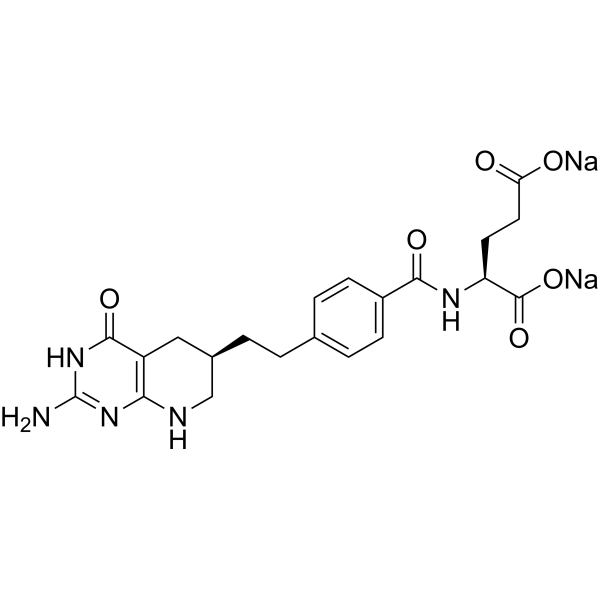
  • HY-14521A
    Lometrexol disodium
    3 Publications Verification

    DDATHF disodium

    Antifolate Apoptosis Caspase Bcl-2 Family Cancer
    Lometrexol (DDATHF) disodium, an antipurine antifolate, can inhibit the activity of glycinamide ribonucleotide formyltransferase (GARFT) but do not induce detectable levels of DNA strand breaks. Lometrexol disodium can further inhibit de novo purine synthesis, causing abnormal cell proliferation and apoptosis, even cell cycle arrest. Lometrexol disodium has anticancer activity. Lometrexol disodium also is a potent human Serine hydroxymethyltransferase1/2 (hSHMT1/2) inhibitor .
    Lometrexol disodium
  • HY-W743654R

    Apoptosis Reference Standards Cancer
    Capsorubin (Standard) is the analytical standard of Capsorubin. This product is intended for research and analytical applications. Capsorubin is a carotenoid found in peppers with multiple biological activities. Capsorubin (167 μM) inhibits lipid peroxidation induced by 2,2'-azobis(2,4-dimethylvaleronitrile) (AMVN) in vitro. Capsorubin (1 μM) reduces UVB-induced DNA strand breaks and apoptosis in human dermal fibroblasts. Capsorubin also inhibits Epstein-Barr virus early antigen (EBV-EA) activation induced by phorbol 12-myristate 13-acetate in Raji cells, a marker of tumorigenesis.
    Capsorubin (Standard)
  • HY-B0464S1

    Isotope-Labeled Compounds PGE synthase NO Synthase Reactive Oxygen Species (ROS) DNA Methyltransferase COX Cancer
    Hydralazine-d5 (hydrochloride) is deuterium-labeled Hydralazine (hydrochloride) (HY-B0464). Hydralazine hydrochloride is an orally active, blood-brain barrier-permeable DNA methyltransferase inhibitor with vasodilatory, arterial smooth muscle relaxant and hypotensive activities. Hydralazine hydrochloride reactivates silenced tumor suppressor genes via mediating DNA demethylation, while exerting neuroprotective and anti-inflammatory properties. Hydralazine hydrochloride inhibits NOS-2 (iNOS) and COX-2, and reduces the production of NO and PGEE2; meanwhile, Hydralazine hydrochloride scavenges reactive oxygen species and inhibits macrophage activation. Hydralazine hydrochloride alleviates motor dysfunction, neuropathic inflammatory pain, and formalin-induced somatic and emotional pain responses. In addition, Hydralazine hydrochloride directly induces DNA strand breaks and sister chromatid exchange, exhibiting certain mutagenic characteristics. Hydralazine hydrochloride has been widely used in studies on hypertension, various cancers (such as cervical cancer, leukemia), spinal cord injury and the mechanisms of inflammatory pain .
    Hydralazine-d5 hydrochloride
  • HY-173703

    Topoisomerase Drug Intermediate Cancer
    β-Glu-PAB(CH2NH2)-Exatecan (Compound 9a) is a topoisomerase I inhibitor. β-Glu-PAB(CH2NH2)-Exatecan binds to the topoisomerase I-DNA complex to prevent DNA strand reconnection, thereby inducing DNA breakage and cell apoptosis. β-Glu-PAB(CH2NH2)-Exatecan can be specifically cleaved by β-glucuronidase highly expressed in the tumor microenvironment to release Exatecan for cytotoxic effect. β-Glu-PAB(CH2NH2)-Exatecan is also an intermediate of Mal((3S,3aR,6S,6aR) -hexahydrofuro [3, 2-B]furan-3,6-diamine-PEG12)-β -Glu-Pab-Exatecan. β-Glu-PAB(CH2NH2)-Exatecan is promising for research of cancers .
    β-Glu-PAB(CH2NH2)-Exatecan
  • HY-138645

    DNA/RNA Synthesis Cancer
    5-Iminodaunorubicin is a quinone-modified anthracycline that retains antitumor activity . 5-Iminodaunorubicin produces protein-concealed DNA strand breaks in cancer cells .
    5-Iminodaunorubicin
  • HY-13630A

    BMY-40481 disodium

    Topoisomerase Autophagy Apoptosis Neurological Disease Cancer
    Etoposide phosphate disodium (BMY-40481 disodium) is a potent anti-cancer chemotherapy agent and a selective topoisomerase II inhibitor to prevent re-ligation of DNA strands. Etoposide phosphate disodium is the phosphate ester proagent of etoposide and is considered as active equivalent to Etoposide. Etoposide phosphate disodium induces cell cycle arrest, apoptosis, and autophagy.
    Etoposide phosphate disodium
  • HY-15629

    DNA Stain Others
    HOE 32020 is a marker dye in Hoechst series. Hoechst is A live nuclear marker dye. Hoechst binds to the grooves in the DNA double strand, which tends to be A/ T-rich DNA strand. Although it binds to all nucleic acids, the A/ T-rich double strand DNA significantly enhances fluorescence intensity Therefore,Hoechst dye can be used for living cell labeling. The fluorescence intensity of Hoechst dye increases with the increase of pH of solution .
    HOE 32020
  • HY-15628

    DNA Stain Others
    Hoechst 33258 analog 5 is a marker dye in Hoechst series. Hoechst is A live nuclear marker dye. Hoechst binds to the grooves in the DNA double strand, which tends to be A/ T-rich DNA strand. Although it binds to all nucleic acids, the A/ T-rich double strand DNA significantly enhances fluorescence intensity Therefore,Hoechst dye can be used for living cell labeling. The fluorescence intensity of Hoechst dye increases with the increase of pH of solution .
    Hoechst 33258 analog 5
  • HY-15630

    Fluorescent Dye Cancer
    Hoechst 33342 analog 2 is a marker dye in Hoechst series. Hoechst is A live nuclear marker dye. Hoechst binds to the grooves in the DNA double strand, which tends to be A/ T-rich DNA strand. Although it binds to all nucleic acids, the A/ T-rich double strand DNA significantly enhances fluorescence intensity Therefore,Hoechst dye can be used for living cell labeling. The fluorescence intensity of Hoechst dye increases with the increase of pH of solution .
    Hoechst 33342 analog 2
  • HY-W014684R

    Reference Standards Keap1-Nrf2 Reactive Oxygen Species (ROS) Mitochondrial Metabolism Endocrinology
    Lilial (Standard) is the analytical standard of Lilial. This product is intended for research and analytical applications. Lilial is a widely used synthetic fragrance and ester in consumer products. Lilial possesses estrogenic activity in vitro. Lilial can induce a toxic effect on mitochondria that causes a decrease in the viability of HaCaT cells. Lilial can increase NRF2 protein level in vitro. Lilial is able to target respiratory chain complexes, inhibit complexes I and II of the electron transport chain, increase the generation of reactive oxygen species, and decrease the level of intracellular ATP. Lilial can induce systemic toxicity in vivo. Lilial induces significant DNA strand breaks .
    Lilial (Standard)
  • HY-B0464S

    Isotope-Labeled Compounds PGE synthase NO Synthase Reactive Oxygen Species (ROS) DNA Methyltransferase COX Cardiovascular Disease
    Hydralazine-d4 hydrochloride is the deuterium labeled Hydralazine hydrochloride. Hydralazine hydrochloride is an orally active, blood-brain barrier-permeable DNA methyltransferase inhibitor with vasodilatory, arterial smooth muscle relaxant and hypotensive activities. Hydralazine hydrochloride reactivates silenced tumor suppressor genes via mediating DNA demethylation, while exerting neuroprotective and anti-inflammatory properties. Hydralazine hydrochloride inhibits NOS-2 (iNOS) and COX-2, and reduces the production of NO and PGEE2; meanwhile, Hydralazine hydrochloride scavenges reactive oxygen species and inhibits macrophage activation. Hydralazine hydrochloride alleviates motor dysfunction, neuropathic inflammatory pain, and formalin-induced somatic and emotional pain responses. In addition, Hydralazine hydrochloride directly induces DNA strand breaks and sister chromatid exchange, exhibiting certain mutagenic characteristics. Hydralazine hydrochloride has been widely used in studies on hypertension, various cancers (such as cervical cancer, leukemia), spinal cord injury and the mechanisms of inflammatory pain .
    Hydralazine-d4 hydrochloride
  • HY-133646

    DNA/RNA Synthesis Others
    Bromochloroacetonitrile is a by-product of the chlorine disinfection of water containing natural organic material. Bromochloroacetonitrile possesses direct acting mutagenic activity and is capable of inducing DNA strand breakage .
    Bromochloroacetonitrile

Inquiry Online

Your information is safe with us. * Required Fields.

Salutation


Country or Region *

Applicant Name *


Organization Name *

Department *


Email Address *


Product Name *

Cat. No.


Requested quantity *

Phone Number *


Remarks

Inquiry Online

Inquiry Information

Product Name:
Cat. No.:
Quantity:
MCE Japan Authorized Agent:

