
1. Search Result
Search Result
Results for "

DSP

" in MedChemExpress (MCE) Product Catalog:

31

Inhibitors & Agonists

1

Biochemical Assay Reagents

2

Recombinant Proteins

1

Isotope-Labeled Compounds

2

Antibodies

8

Oligonucleotides

Cat. No. Product Name Target Research Areas Chemical Structure
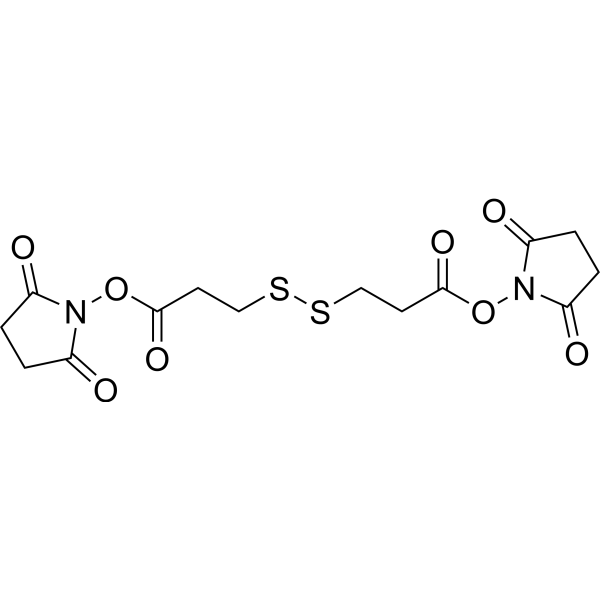
  • HY-118759
    DSP Crosslinker
    2 Publications Verification

    Biochemical Assay Reagents Inflammation/Immunology
    DSP Crosslinker is an amine-reactive and cleavable protein crosslinker. DSP Crosslinker enables stable protein-protein, peptide, and biomolecule conjugation.
    DSP Crosslinker
  • HY-125079

    ANP-230

    Sodium Channel Cardiovascular Disease Neurological Disease
    DSP-2230 is the orally active inhibitor for voltage-gated sodium channel that inhibits Nav1.7-, Nav1.8-, and Nav1.9-derived sodium currents with IC50s of 7.1 μM, 11.4 μM and 6.7 μM, respectively. DSP-2230 can be used to improve neuropathic pain .
    DSP-2230
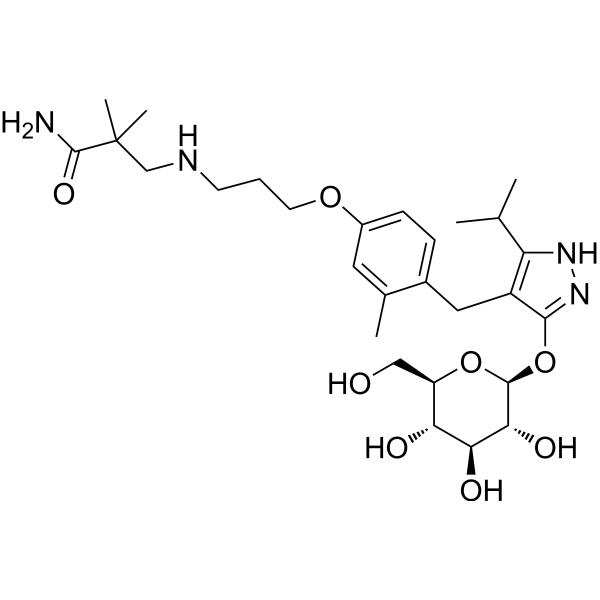
  • HY-17638
    Mizagliflozin
    5 Publications Verification

    DSP-3235 free base; KGA-3235 free base; GSK-1614235 free base

    SGLT Metabolic Disease
    Mizagliflozin (DSP-3235 free base) is a potent, orally active and selective SGLT1 inhibitor, with a Ki of 27 nM for human SGLT1. Mizagliflozin displays 303-fold selectivity over SGLT2. Mizagliflozin is used as an antidiabetic agent that can modify postprandial blood glucose excursion. Mizagliflozin also exhibits potential in the amelioration of chronic constipation .
    Mizagliflozin
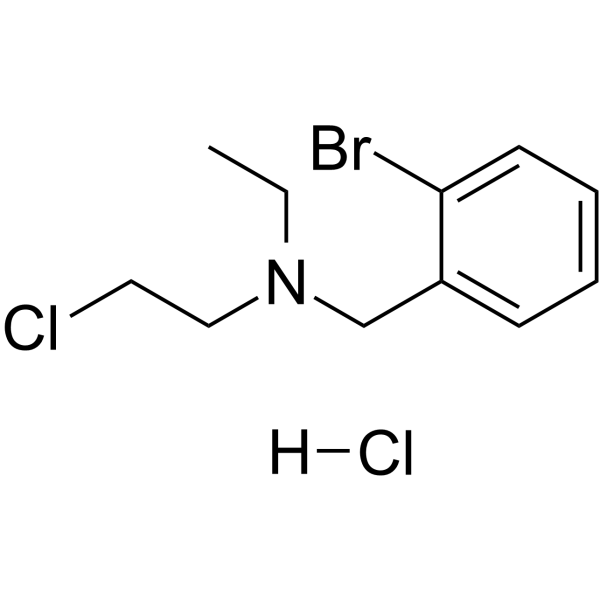
  • HY-103210
    DSP-4 hydrochloride
    2 Publications Verification

    Neurotoxin DSP 4 hydrochloride

    Adrenergic Receptor Neurological Disease
    DSP-4 hydrochloride is a highly and selective adrenergic neurotoxin. DSP-4 hydrochloride can cross the blood brain barrier. DSP-4 hydrochloride can be used for the temporary selective degradation of the central and peripheral noradrenergic neurons .
    DSP-4 hydrochloride
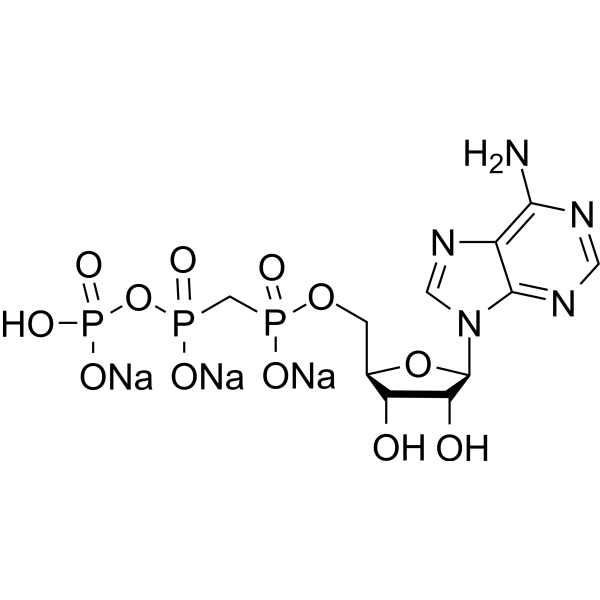
  • HY-108652
    α,β-Methylene-ATP trisodium
    1 Publications Verification

    P2X Receptor Inflammation/Immunology
    α,β-Methylene-ATP trisodium is an agonist of P2X1 and P2X3 receptors and can cross the blood-brain barrier. α,β-Methylene-ATP trisodium can trigger a reflex pressor response by activating P2X receptors in peripheral muscles and the central locus coeruleus (LC); this effect can be blocked by the P2X antagonist PPADS (HY-108960). α,β-Methylene-ATP trisodium also activates noradrenergic neurons in the central locus coeruleus, mediating antinociceptive effects; this effect can be attenuated by the locus coeruleus damaging agent DSP-4 (HY-103210/HY-121602). α,β-Methylene-ATP trisodium can be used to study the pathological mechanisms of neuropathic pain, cardiovascular reflex regulation, and antinociceptive effects of the central nervous system .
    α,β-Methylene-ATP trisodium
  • HY-156794

    DSP-5336

    Epigenetic Reader Domain FLT3 Cancer
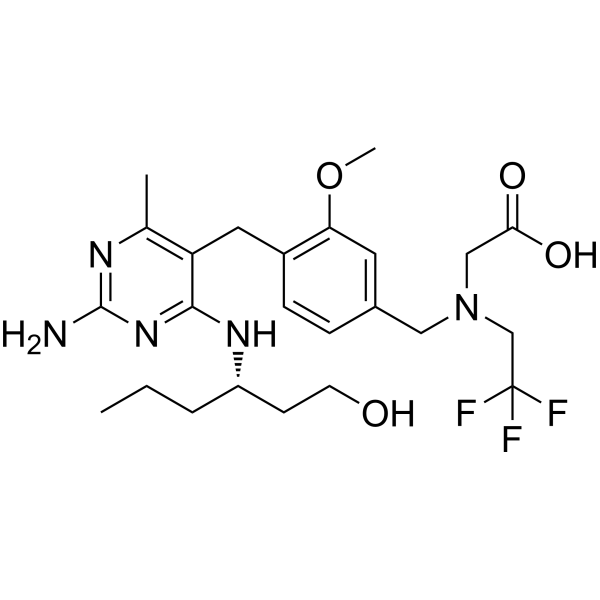
    Enzomenib (DSP-5336) is an orally active Menin inhibitor (IC50=1.4 nM, Kd=6.0 nM). Enzomenib disrupts the interaction between Menin and KMT2A/MLL fusion proteins, specifically inhibits the expression of leukemia driver genes such as HOX/MEIS1, and upregulates ITGAM. Enzomenib effectively induces cell differentiation, inhibits tumor cell proliferation, and suppresses primitive cell colony formation. Enzomenib reduces disease burden and prolongs survival, but causes adverse reactions including differentiation syndrome and QTc interval prolongation. Enzomenib is used for research on relapsed/refractory acute myeloid leukemia, acute lymphoblastic leukemia, and other hematologic malignancies with mixed lineage leukemia (MLL) rearrangements or NPM1 mutations .
    Enzomenib
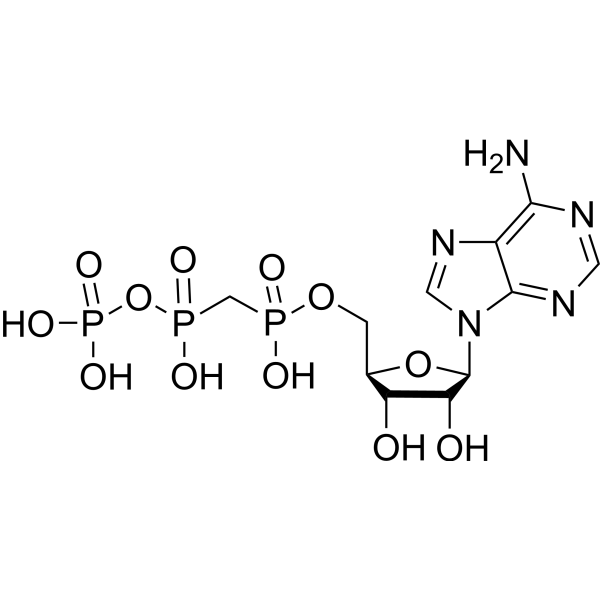
  • HY-134440A

    P2X Receptor Inflammation/Immunology
    α,β-Methylene-ATP is an agonist of P2X1 and P2X3 receptors and can cross the blood-brain barrier. α,β-Methylene-ATP can trigger a reflex pressor response by activating P2X receptors in peripheral muscles and the central locus coeruleus (LC); this effect can be blocked by the P2X antagonist PPADS (HY-108960). α,β-Methylene-ATP also activates noradrenergic neurons in the central locus coeruleus, mediating antinociceptive effects; this effect can be attenuated by the locus coeruleus damaging agent DSP-4 (HY-103210/HY-121602). α,β-Methylene-ATP can be used to study the pathological mechanisms of neuropathic pain, cardiovascular reflex regulation, and antinociceptive effects of the central nervous system .
    α,β-Methylene-ATP
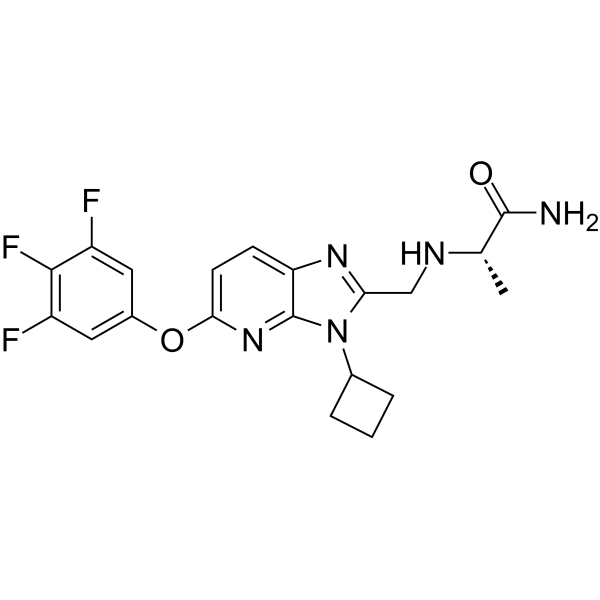
  • HY-111419

    Serotonin Transporter 5-HT Receptor Neurological Disease
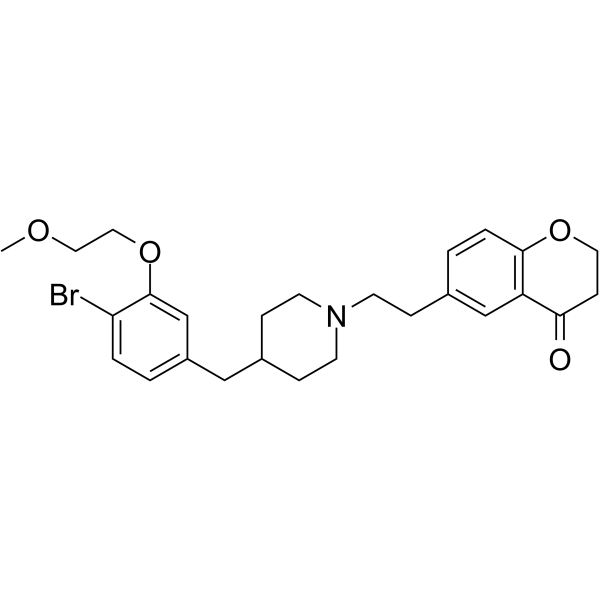
    DSP-1053, a benzylpiperidine derivative, is a potent Serotonin Transporter (SERT) inhibitor with a Ki of 1.02 nM. DSP-1053 shows partial 5-HT1A receptor agonistic activity with a Ki of 5.05 nM. DSP-1053 has antidepressant activity .
    DSP-1053
  • HY-177058

    Toll-like Receptor (TLR) Mitosis Inflammation/Immunology
    DSP30 is a phosphorothioate cpG-oligodeoxynucleotide and a TLR9 agonist. DSP30 can activate immune system cells, including B cells and dendritic cells, by inducing proliferation and cytokine production.DSP30 can enhance the immunosuppressive function of bone marrow-multipotent mesenchymal stromal cells (BM-MSC). DSP30 combined with interleukin 2 (IL2) is an effective mitotic stimulant in B-cell disorders. DSP30 can be used for the genetic characteristic research and analysis of chronic lymphocytic leukemia (CLL) .
    DSP30
  • HY-139575

    DSP-0509

    Toll-like Receptor (TLR) Inflammation/Immunology Cancer
    Guretolimod (DSP-0509) is a Toll-like receptor 7 (TLR7) agonist .
    Guretolimod
  • HY-Y0332L

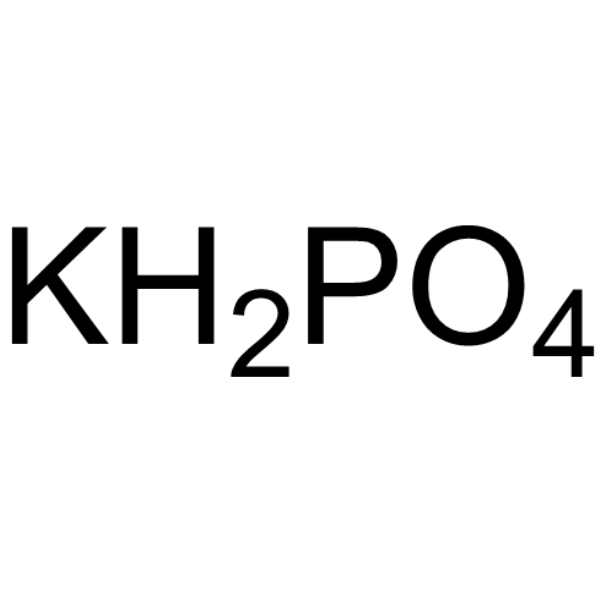
    Potassium phosphate monobasic, meets analytical specification of Ph. Eur., NF, E340

    Biochemical Assay Reagents NF-κB Others
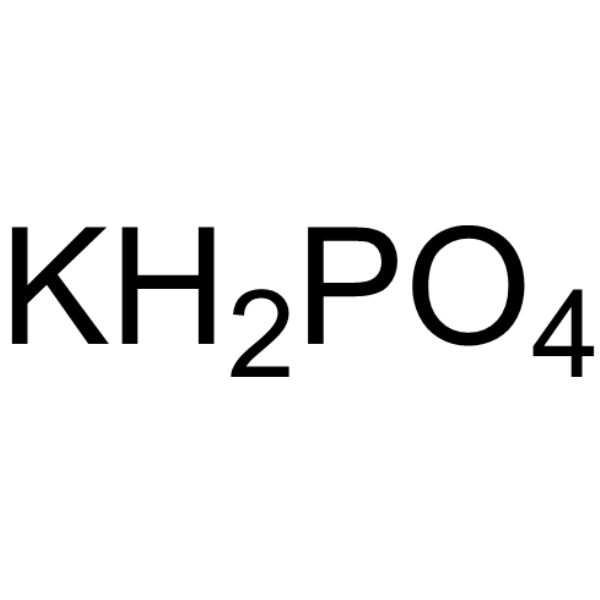
    Potassium dihydrogen phosphate (Potassium phosphate monobasic), meeting the analytical specifications of Ph. Eur., NF, E340, is a reagent with buffering capacity, used for preparing biological buffers. Potassium dihydrogen phosphate downregulates the expression of IκBα in the cytoplasm, increases the expression of p-P65 in the cytoplasm, and upregulates the expression of P65 in the nucleus, thereby activating the NF-κB pathway. Potassium dihydrogen phosphate promotes the proliferation of human periodontal ligament stem cells in the logarithmic growth phase. Potassium dihydrogen phosphate upregulates the expression of odontogenic/osteogenic markers (OCN, DSP/DSPP, OSX, RUNX2, ALP) in human periodontal ligament stem cells and enhances the mineralization capacity of these cells. Potassium dihydrogen phosphate can be used in the research of periodontal diseases .
    Potassium dihydrogen phosphate, meets analytical specification of Ph. Eur., NF, E340
  • HY-163728

    5-HT Receptor Neurological Disease
    DSP-6745 is a potent and orally active 5-HT Receptor inhibitor. DSP-6745 can be used in the study of depressive disorder .
    DSP-6745
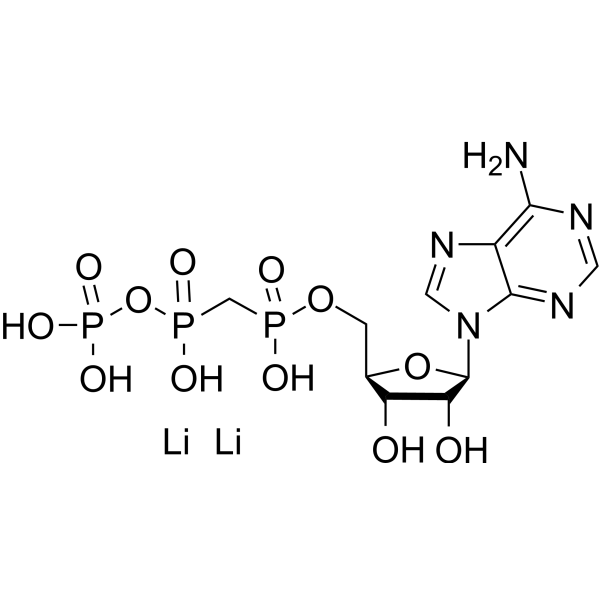
  • HY-134440

    P2X Receptor Inflammation/Immunology
    α,β-Methylene-ATP dilithium is an agonist of P2X1 and P2X3 receptors and can cross the blood-brain barrier. α,β-Methylene-ATP dilithium can trigger a reflex pressor response by activating P2X receptors in peripheral muscles and the central locus coeruleus (LC); this effect can be blocked by the P2X antagonist PPADS (HY-108960). α,β-Methylene-ATP dilithium also activates noradrenergic neurons in the central locus coeruleus, mediating antinociceptive effects; this effect can be attenuated by the locus coeruleus damaging agent DSP-4 (HY-103210/HY-121602). α,β-Methylene-ATP dilithium can be used to study the pathological mechanisms of neuropathic pain, cardiovascular reflex regulation, and antinociceptive effects of the central nervous system .
    α,β-Methylene-ATP dilithium
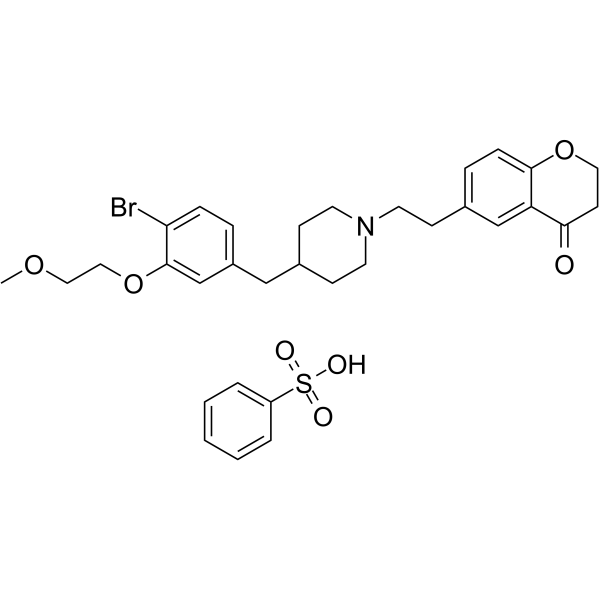
  • HY-111419A

    Serotonin Transporter 5-HT Receptor Neurological Disease
    DSP-1053, a benzylpiperidine derivative, is a potent serotonin transporter (SERT) inhibitor with a Ki of 1.02 nM. DSP-1053 shows partial 5-HT1A receptor agonistic activity with a Ki of 5.05 nM. DSP-1053 has antidepressant activity .
    DSP-1053 benzenesulfonate
  • HY-114300

    GABA Receptor Neurological Disease
    DSP-0565 (compound 17a) is a strong, broad-spectrum anti-epileptic agent (AED) candidate with unique GABAergic function. DSP-0565 shows anti-convulsant activity in various models (scPTZ, MES, 6 Hz and amygdala kindling) with good safety margin .
    DSP-0565
  • HY-121602

    Adrenergic Receptor Neurological Disease
    DSP 4 Free base is a selective neurotoxin that targets noradrenergic neurons in the locus coeruleus noradrenergic system. DSP 4 Free base possesses the unique ability to cross the blood–brain barrier. DSP 4 Free base cyclizes to form a reactive aziridinium derivative that accumulates in noradrenergic neurons.
    DSP 4 free base
  • HY-118759S

    Isotope-Labeled Compounds Biochemical Assay Reagents Others
    DSP Crosslinker-d8 is the deuterium labeled DSP Crosslinker (HY-118759). DSP Crosslinker is an amine-reactive and cleavable protein crosslinker. DSP Crosslinker enables stable protein-protein, peptide, and biomolecule conjugation.
    DSP Crosslinker-d8
  • HY-177375

    MDM-2/p53 Cancer
    dsP53-285 saRNA is a small activating RNA (saRNA) that readily activates wild-type p53 expression by targeting its promoter. dsP53-285 saRNA suppresses bladder cancer cells growth and metastasis .
    dsP53-285 saRNA
  • HY-RS17087

    Small Interfering RNA (siRNA) Others

    Dsp Mouse Pre-designed siRNA Set A contains three designed siRNAs for Dsp gene (Mouse), as well as a negative control, a positive control, and a FAM-labeled negative control.

    Dsp Mouse Pre-designed siRNA Set A
    Dsp Mouse Pre-designed siRNA Set A
  • HY-RS04026

    Small Interfering RNA (siRNA) Others

    DSP Human Pre-designed siRNA Set A contains three designed siRNAs for DSP gene (Human), as well as a negative control, a positive control, and a FAM-labeled negative control.

    DSP Human Pre-designed siRNA Set A
    DSP Human Pre-designed siRNA Set A
  • HY-17638A

    DSP-3235 (sebacate); KGA-3235 (sebacate); GSK-1614235 (sebacate)

    SGLT Neurological Disease
    Mizagliflozin sebacate (DSP-3235 sebacate) is a sodium-glucose cotransporter inhibitor with activity in improving vascular cognitive impairment caused by small vessel disease. Mizagliflozin sebacate improves blood flow and reverses vascular cognitive impairment by inhibiting neuronal SGLT1 activity. Mizagliflozin sebacate also showed the ability to increase the survival rate of IL-1β-treated PC12HS cells. Mizagliflozin sebacate promotes improvements in spatial learning and memory caused by small vessel disease in mouse models .
    Mizagliflozin (sebacate)
  • HY-139575A

    DSP-0509 hydrochloride

    Toll-like Receptor (TLR) Others Cancer
    Guretolimod hydrochloride is a Toll-like receptor 7 (TLR7) agonist .
    Guretolimod hydrochloride
  • HY-RS21329

    Small Interfering RNA (siRNA) Others

    Dspp Mouse Pre-designed siRNA Set A contains three designed siRNAs for Dspp gene (Mouse), as well as a negative control, a positive control, and a FAM-labeled negative control.

    Dspp Mouse Pre-designed siRNA Set A
    Dspp Mouse Pre-designed siRNA Set A
  • HY-RS04027

    Small Interfering RNA (siRNA) Others

    DSPP Human Pre-designed siRNA Set A contains three designed siRNAs for DSPP gene (Human), as well as a negative control, a positive control, and a FAM-labeled negative control.

    DSPP Human Pre-designed siRNA Set A
    DSPP Human Pre-designed siRNA Set A
  • HY-103210R

    Neurotoxin DSP 4 hydrochloride (Standard)

    Adrenergic Receptor Reference Standards Neurological Disease
    DSP-4 hydrochloride (Standard) is the analytical standard of DSP-4 hydrochloride (HY-103210). This product is intended for research and analytical applications. DSP-4 hydrochloride is a highly and selective adrenergic neurotoxin. DSP-4 hydrochloride can cross the blood brain barrier. DSP-4 hydrochloride can be used for the temporary selective degradation of the central and peripheral noradrenergic neurons .
    DSP-4 hydrochloride (Standard)
  • HY-168631

    Bacterial Infection
    Antibacterial agent 254 (Compound 2) is a dispersion sensor (DspS) activator that disperses Pseudomonas aeruginosa biofilms. Antibacterial agent 254 can dislodge 7-day P. aeruginosa biofilms at 50 μM. Antibacterial agent 254 also enhances the effects of Ciprofloxacin (HY-B0356) against P. aeruginosa and increases the expression of matrix-degrading enzyme genes pelA, pslG and eddA .
    Antibacterial agent 254
  • HY-157828

    Emopamil Binding Protein Neurological Disease Cancer
    DSP-0390 is an orally effective inhibitor of Emopamil-binding protein (EBP). DSP-0390 blocks the cholesterol de novo synthesis pathway in tumor cells by inhibiting EBP, and demonstrates significant anti-tumor activity in an orthotopic xenograft model of glioblastoma (GBM). DSP-0390 can be used for the study of recurrent high-grade gliomas .
    DSP-0390
  • HY-156794A

    DSP-5336 enantiomer

    Drug Isomer FLT3 Epigenetic Reader Domain Cardiovascular Disease Cancer
    Enzomenib enantiomer (DSP-5336 enantiomer) is an enantiomer of Enzomenib (HY-156794). Enzomenib (DSP-5336) is an orally active Menin inhibitor (IC50=1.4 nM, Kd=6.0 nM). Enzomenib disrupts the interaction between Menin and KMT2A/MLL fusion proteins, specifically inhibits the expression of leukemia driver genes such as HOX/MEIS1, and upregulates ITGAM. Enzomenib effectively induces cell differentiation, inhibits tumor cell proliferation, and suppresses primitive cell colony formation. Enzomenib reduces disease burden and prolongs survival, but causes adverse reactions including differentiation syndrome and QTc interval prolongation. Enzomenib is used for research on relapsed/refractory acute myeloid leukemia, acute lymphoblastic leukemia, and other hematologic malignancies with mixed lineage leukemia (MLL) rearrangements or NPM1 mutations .
    Enzomenib enantiomer
  • HY-RS23531

    Small Interfering RNA (siRNA) Others

    Dsp Rat Pre-designed siRNA Set A contains three designed siRNAs for Dsp gene (Rat), as well as a negative control, a positive control, and a FAM-labeled negative control.

    Dsp Rat Pre-designed siRNA Set A
    Dsp Rat Pre-designed siRNA Set A
  • HY-RS27848

    Small Interfering RNA (siRNA) Others
    Dspp Rat Pre-designed siRNA Set A contains three designed siRNAs for Dspp gene (Rat), as well as a negative control, a positive control, and a FAM-labeled negative control.
    Dspp Rat Pre-designed siRNA Set A
    Dspp Rat Pre-designed siRNA Set A
  • HY-108652R

    Reference Standards P2X Receptor Inflammation/Immunology
    α,β-Methylene-ATP trisodium (Standard) is the analytical standard of α,β-Methylene-ATP (trisodium) (HY-108652). This product is intended for research and analytical applications. α,β-Methylene-ATP trisodium is an agonist of P2X1 and P2X3 receptors and can cross the blood-brain barrier. α,β-Methylene-ATP trisodium can trigger a reflex pressor response by activating P2X receptors in peripheral muscles and the central locus coeruleus (LC); this effect can be blocked by the P2X antagonist PPADS (HY-108960). α,β-Methylene-ATP trisodium also activates noradrenergic neurons in the central locus coeruleus, mediating antinociceptive effects; this effect can be attenuated by the locus coeruleus damaging agent DSP-4 (HY-103210/HY-121602). α,β-Methylene-ATP trisodium can be used to study the pathological mechanisms of neuropathic pain, cardiovascular reflex regulation, and antinociceptive effects of the central nervous system .
    α,β-Methylene-ATP trisodium (Standard)

Inquiry Online

Your information is safe with us. * Required Fields.

Salutation


Country or Region *

Applicant Name *


Organization Name *

Department *


Email Address *


Product Name *

Cat. No.


Requested quantity *

Phone Number *


Remarks

Inquiry Online

Inquiry Information

Product Name:
Cat. No.:
Quantity:
MCE Japan Authorized Agent:

