1. Search Result
Search Result
Results for "

EBV

" in MedChemExpress (MCE) Product Catalog:

85

Inhibitors & Agonists

16

Peptides

1

Inhibitory Antibodies

35

Natural
Products

14

Recombinant Proteins

6

Antibodies

2

Oligonucleotides

Targets Recommended:
Cat. No. Product Name Target Research Areas Chemical Structure
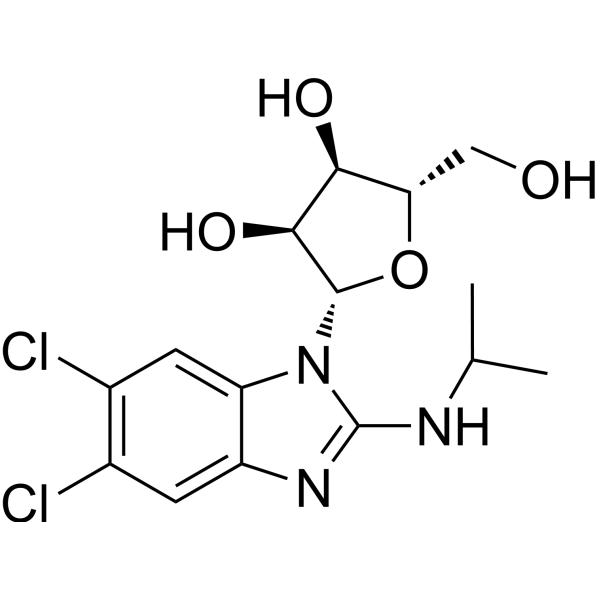
  • HY-16305
    Maribavir
    Maximum Cited Publications
    13 Publications Verification

    1263W94; BW1263W94; GW257406X

    EBV CMV Infection
    Maribavir is a potent inhibitor of histone phosphorylation catalyzed by wild-type pUL97 in vitro, with an IC50 of 3 nM. Maribavir has potent antiviral activity against HCMV and Epstein-Barr virus (EBV).
    Maribavir
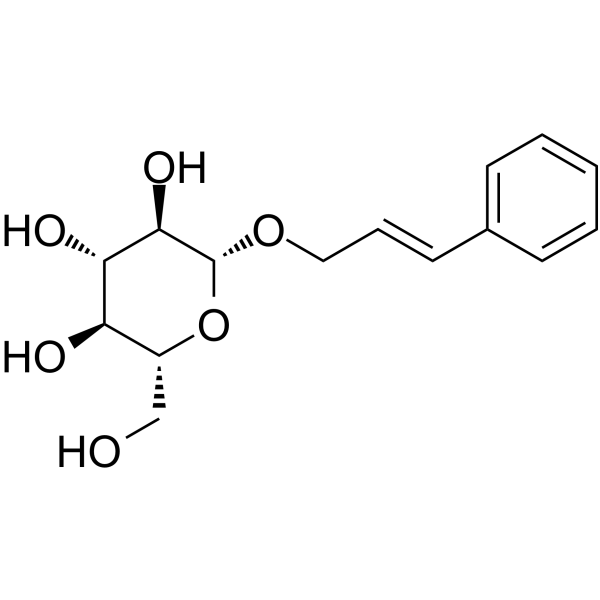
  • HY-N6033

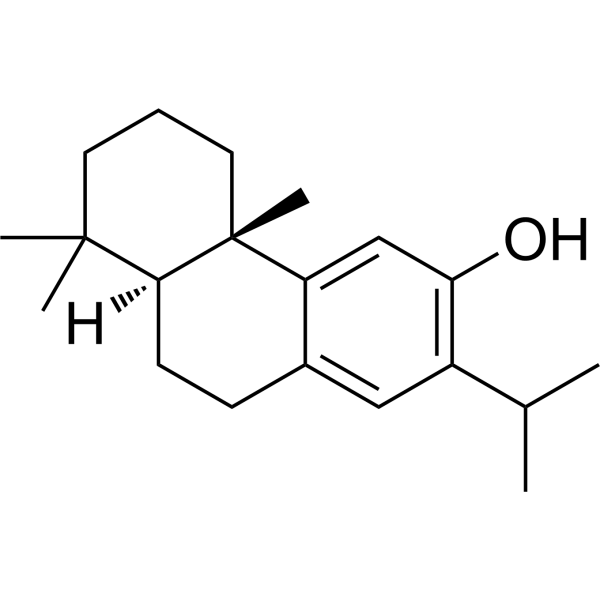
    (+)-Ferruginol

    EBV HSV Apoptosis Infection Cardiovascular Disease Neurological Disease Cancer
    Ferruginol ((+)-Ferruginol), a natural diterpenoid, is an inhibitor of the activation of Epstein-Barr virus early antigen (EBV-EA). Ferruginol inhibits the growth of thyroid cancer cells through the induction of mitochondrial apoptosis. Ferruginol has antitumor, cardioprotective, antioxidant, gastroprotective, and neuroprotective activities .
    Ferruginol
  • HY-B0277
    Vidarabine
    5+ Cited Publications

    Ara-A; Adenine Arabinoside; 9-β-D-Arabinofuranosyladenine

    Apoptosis Fungal Reactive Oxygen Species (ROS) EBV HSV Antibiotic DNA/RNA Synthesis Drug Metabolite Infection Cancer
    Vidarabine (Ara-A) is a nucleoside antibiotic isolated from Streptomyces, and a metabolite of Vidarabine phosphate (HY-B0277A). Vidarabine selectively inhibits viral DNA polymerase and cellular ribonucleotide reductase, thereby blocking viral replication. Vidarabine phosphate also exhibits antifungal activity, induces late-stage cellular apoptosis, and causes cell cycle arrest. Vidarabine phosphate can be used in research related to severe chronic active Epstein-Barr virus (EBV) infection, herpes infection, and candidiasis .
    Vidarabine
  • HY-15489
    Scriptaid
    4 Publications Verification

    Scriptide; GCK1026

    HDAC Autophagy Apoptosis Influenza Virus Cancer
    Scriptaid is a potent histone deacetylase (HDAC) inhibitor, used in cancer research. Scriptaid is also a sensitizer to antivirals and has potential for epstein-barr virus (EBV)-associated lymphomas treatment.
    Scriptaid
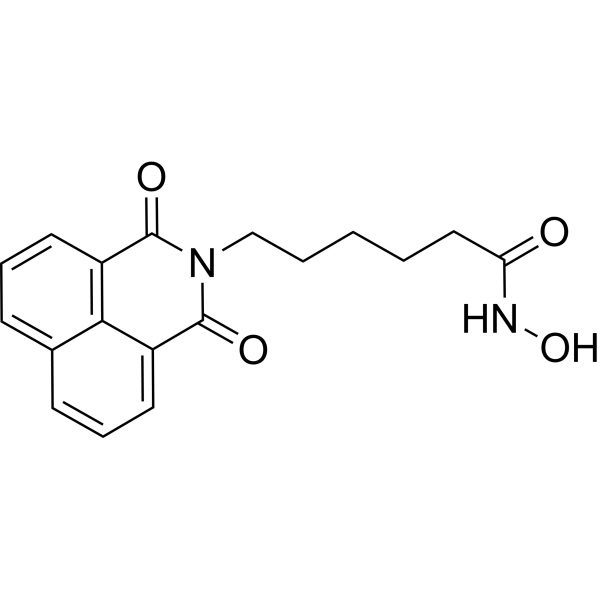
  • HY-17421

    TU-199

    Proton Pump Infection Inflammation/Immunology
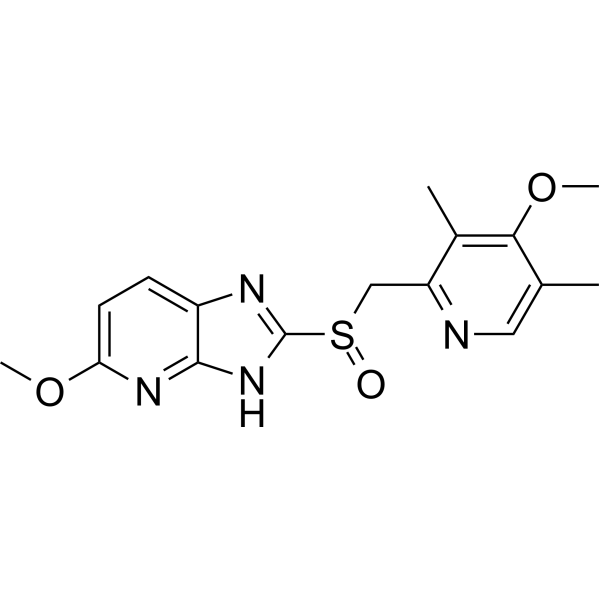
    Tenatoprazole (TU-199) is an orally active imidazopyridine-based proton pump inhibitor with a prolonged plasma half-life. Tenatoprazole inhibits hog gastric H +/K +-ATPase activity with an IC50 of 6.2 μM. Tenatoprazole blocks the interaction of ubiquitin with the ESCRT-1 factor Tsg101, inhibits production of several enveloped viruses, including EBV .
    Tenatoprazole
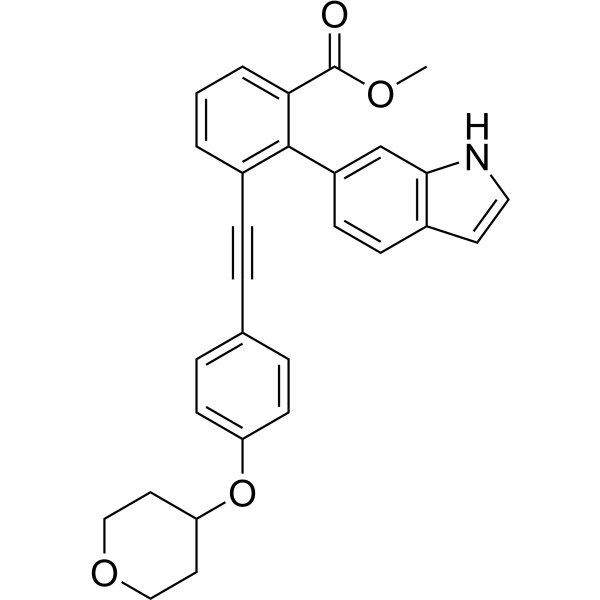
  • HY-W725179

    EBV Cancer
    VK-2019 is an orally bioavailable selective inhibitor of EBNA1. By binding to the protein-DNA interface to interfere with the recruitment and anchoring of the viral DNA replication machinery, VK-2019 effectively blocks the replication and proliferation of EBV in latently infected cells. VK-2019 reduces the copy number and gene expression level of Epstein-Barr virus in tumor cells, decreases the number of EBER-positive cells, and exhibits significant antiviral, immunomodulatory and antiproliferative activities. VK-2019 successfully inhibits tumor growth in EBV-dependent xenograft models. VK-2019 has favorable systemic exposure and acceptable safety profiles, and is widely used in research on advanced nasopharyngeal carcinoma and various EBV-associated cancers .
    VK-2019
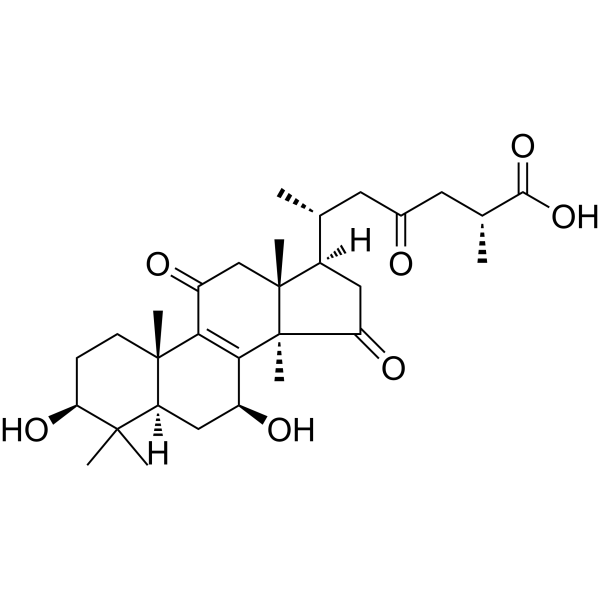
  • HY-107260

    Lucidenic acid D2

    NO Synthase COX Infection Inflammation/Immunology Cancer
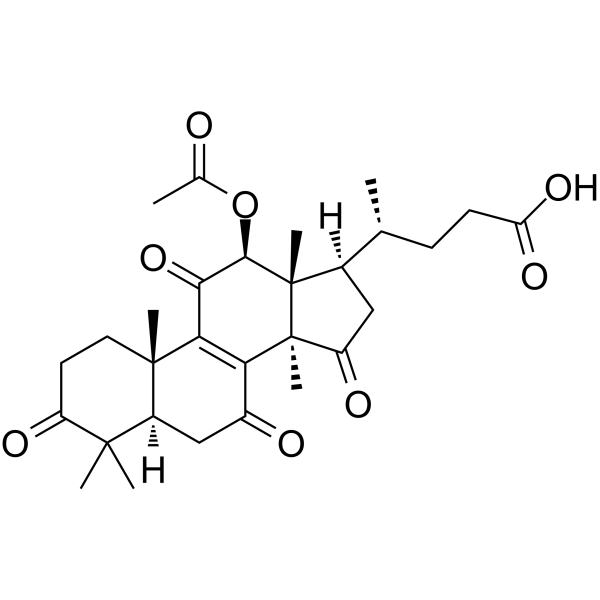
    Lucidenic acid D is a highly oxidized triterpenoid with anti-inflammatory and antiviral activities. Lucidenic acid D attenuates lipopolysaccharide-induced release of proinflammatory cytokines and nitric oxide, reduces the expression of inducible nitric oxide synthase (iNOS) and cyclooxygenase-2 (COX-2), and inhibits skin inflammation. Lucidenic acid D suppresses 12-O-tetradecanoylphorbol-13-acetate (TPA)-induced expression of Epstein-Barr virus (EBV) early antigen and maintains the viability of Raji cells. Lucidenic acid D can be used in studies of cancer chemoprevention .
    Lucidenic acid D
  • HY-B2117

    Epoxide Hydrolase EBV Infection Neurological Disease
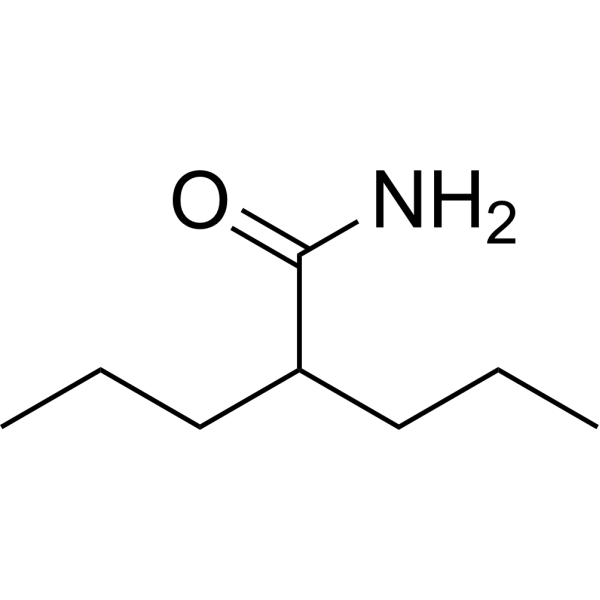
    Valpromide is an amide derivative of Valproic acid (HY-10585) and an orally active epoxide hydrolase inhibitor that can cross the blood-brain barrier. Valpromide has antiepileptic, anticonvulsant, and antipsychotic effects. Valpromide also exhibits antiviral activity and can inhibit the reactivation of the EBV lytic cycle .
    Valpromide
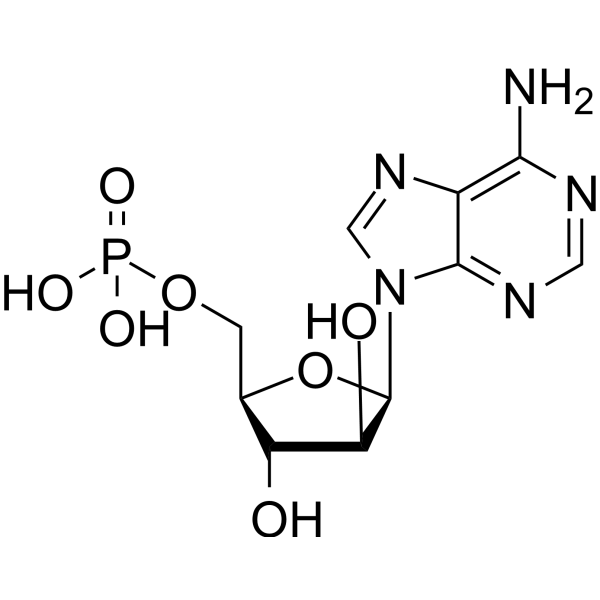
  • HY-B0277A

    ara-AMP; ara-A 5'-monophosphate

    EBV HSV Fungal DNA/RNA Synthesis Apoptosis Drug Intermediate Reactive Oxygen Species (ROS) Infection
    Vidarabine phosphate (ara-AMP; ara-A 5'-monophosphate) is a purine nucleoside antiviral agent and a prodrug of Vidarabine (HY-B0277). Vidarabine phosphate is rapidly converted into the antiviral active Vidarabine in vivo, which selectively inhibits viral DNA polymerase and cellular ribonucleotide reductase, thereby blocking viral replication. Vidarabine phosphate also exhibits antifungal activity, induces late-stage cellular apoptosis, and causes cell cycle arrest. Vidarabine phosphate can be used in research related to severe chronic active Epstein-Barr virus (EBV) infection, herpes infection, and candidiasis .
    Vidarabine phosphate
  • HY-N2006

    EBV HIV Protease Infection Inflammation/Immunology
    Ganoderic acid B is a triterpene isolated from a mushroom Ganoderma lucidum. Ganoderic acid B inhibits the activation of Epstein-Barr virus (EBV) antigens as telomerase inhibitor. Ganoderic acid B is a moderately active inhibitor against HIV-1 protease (IC50: 170 μM) .
    Ganoderic acid B
  • HY-131236

    EBV Cancer
    EBNA1-IN-SC7 (compound SC7) is a selective Epstein-Barr nuclear antigen 1 (EBNA1) inhibitor that interferes with EBNA1-DNA binding activity with an IC50 value of 23 μM. EBNA1-IN-SC7 is used in EBV (Epstein-Barr virus)-related cancer research .
    EBNA1-IN-SC7
  • HY-119098

    EBV HPV Infection
    GSK983 is a broad-spectrum antiviral agent. GSK983 inhibits the replication of adenovirus-5 (Ad-5) and polyoma virus SV40. GSK983 inhibits the growth of cell lines immortalized by EBV, HTLV1, HPV. GSK983 induces the expression of interferon-stimulated genes .
    GSK983
  • HY-125471
    VK-1727
    1 Publications Verification

    EBV Infection Inflammation/Immunology Cancer
    VK-1727 is a selective small molecule inhibitor of EBNA1. VK-1727 can reduce EBNA1 DNA binding activity. VK-1727 selectively blocks the proliferation and metabolic activity of EBV+ cells, instead of EBV- cells. VK-1727 is used in multiple sclerosis research .
    VK-1727
  • HY-133108

    EBV Parasite Phosphatase Influenza Virus Infection Metabolic Disease Inflammation/Immunology Cancer
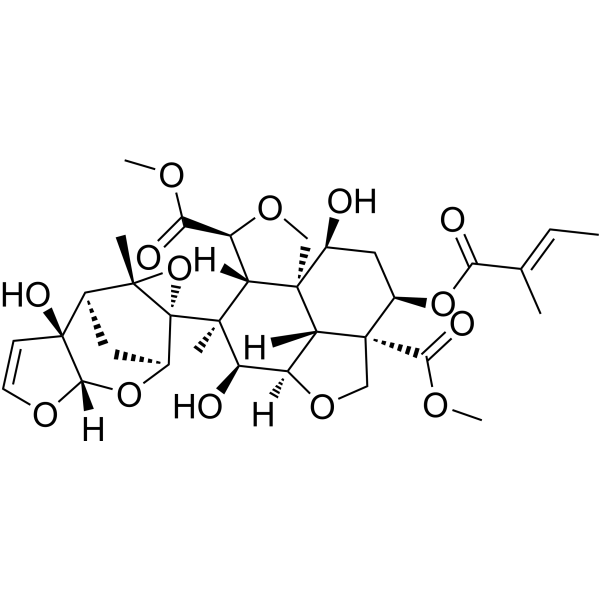
    Azadirachtin B is an limonoid isolated from seed kernels of Azadirachta indica. Azadirachtin B increases alkaline phosphatase (ALP) activity and stimulates osteoblast differentiation. Azadirachtin B is active against the Epstein-Barr virus early antigen (EBV-EA). Azadirachtin B has insecticidal, nematocidal, anticancer, anti-inflammatory, antiviral and osteogenic properties .
    Azadirachtin B
  • HY-N7691

    Karounidiol dibenzoate

    EBV Infection Cancer
    3,29-O-Dibenzoyloxykarounidiol (Karounidiol dibenzoate) is a triterpene benzoate isolated from the fruit of Momordica grosvenori. 3,29-O-Dibenzoyloxykarounidiol has potent inhibitory effects on Epstein-Barr virus early antigen (EBV-EA) induced by tumor promoter 12-O-tetradecanoylphorbol-13-acetate (TPA) .
    3,29-O-Dibenzoyloxykarounidiol
  • HY-P5470

    EBV IFNAR Inflammation/Immunology
    LMP2A (426-434) is a HLA-A2-restricted cytotoxic T lymphocyte (CTL) epitope of Epstein-Barr virus (EBV) latent membrane protein 2A (LMP2A). LMP2A (426-434) can trigger an immune response in individuals expressing different HLA-A*02 subtypes (A*02:01, A*02:03, A*02:06 and A*02:07). LMP2A (426-434) can induce a strong IFN-γ secretion response, stimulating the production of a high proportion of CD8 + IFN-γ + T cells. LMP2A (426-434) induces specific CTLs to effectively kill target cells expressing LMP2A. LMP2A (426-434) can be used to study EBV-related malignant tumors (such as Hodgkin's disease and nasopharyngeal carcinoma) .
    LMP2A (426-434)
  • HY-W743654

    Apoptosis Cancer
    Capsorubin is a carotenoid found in peppers with multiple biological activities. Capsorubin (167 μM) inhibits lipid peroxidation induced by 2,2'-azobis(2,4-dimethylvaleronitrile) (AMVN) in vitro. Capsorubin (1 μM) reduces UVB-induced DNA strand breaks and apoptosis in human dermal fibroblasts. Capsorubin also inhibits Epstein-Barr virus early antigen (EBV-EA) activation induced by phorbol 12-myristate 13-acetate in Raji cells, a marker of tumorigenesis.
    Capsorubin
  • HY-P10664

    EBV Inflammation/Immunology
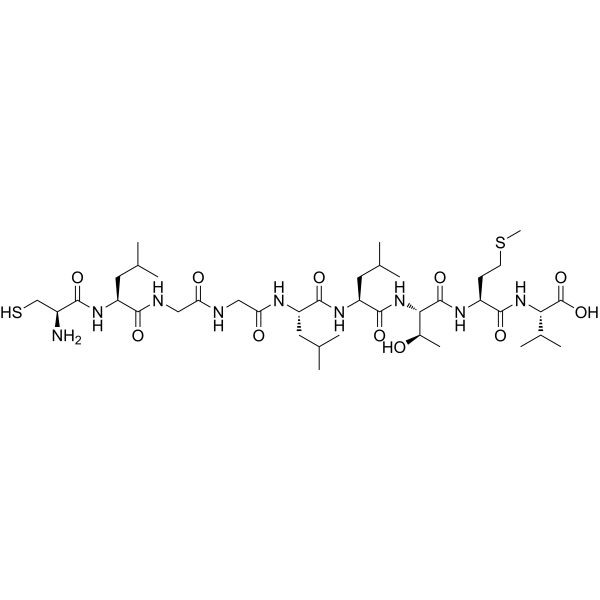
    EBV EBNA3B (416-424) is an HLA-A11-restricted peptide antigen derived from EBV EBNA3B protein .
    EBV EBNA3B (416-424)
  • HY-P990189

    MHC Apoptosis Reactive Oxygen Species (ROS) Infection Cancer
    Anti-Monkey/Human MHC class II (HLA-DR) Antibody (L243) is a mouse-derived IgG2a κ type antibody inhibitor, targeting to monkey/human MHC class II. Anti-Monkey/Human MHC class II (HLA-DR) Antibody (L243) can inhibits tumor cells proliferation and induce apoptosis. Anti-Monkey/Human MHC class II (HLA-DR) Antibody (L243) increases cellular reactive oxygen species (ROS) and loss of mitochondrial membrane potential in human endothelial cells. Anti-Monkey/Human MHC class II (HLA-DR) Antibody (L243) can be used for the researches of cancer and infection, such as lymphoma .
    Anti-Monkey/Human MHC class II (HLA-DR) Antibody (L243)
  • HY-N7041

    EBV HSV Infection
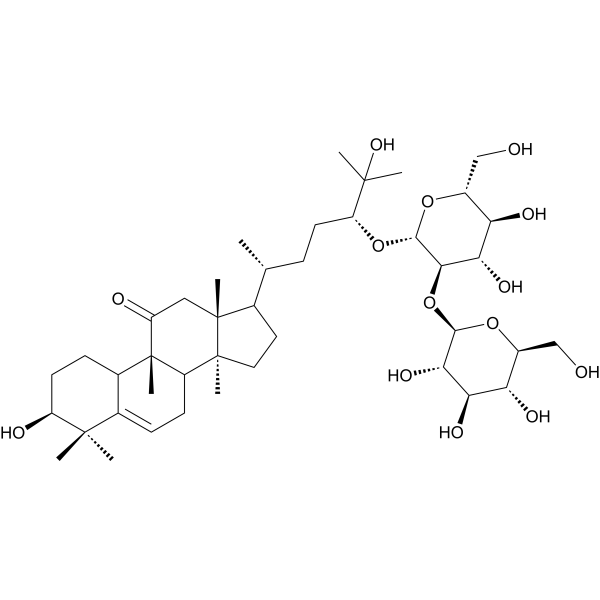
    11-Oxomogroside IIa (11-oxomogroside II A1) is a cucurbitane glycoside extracted from the fruits of Siraitia grosVenorii. 11-Oxomogroside IIa has inhibitory effects against the Epstein-Barr virus early antigen (EBV-EA) activation induced by 12-O-tetradecanoylphorbol-13-acetate (TPA), shows weak inhibitory effects on activation of (+/-)-(E)-methyl-2-[(E)-hydroxyimino]-5-nitro-6-methoxy-3-hexemide (NOR 1), a nitric oxide (NO) donor .
    11-Oxomogroside IIa
  • HY-50735

    NSC 382097; FIAC; FOAC

    HSV EBV DNA/RNA Synthesis Infection
    Fiacitabine (NSC 382097; FIAC; FOAC) is a potent and highly selective anti-herpesvirus agent. Fiacitabine acts as an inhibitor of HSV DNA polymerase, with a Ki of 0.26 μM for HSV-1 and 0.42 μM for HSV-2, respectively. Fiacitabine can be efficiently phosphorylated by thymidine kinase encoded by the virus itself to generate FIACTP, an active triphosphate metabolite. Fiacitabine is applicable to research related to herpesvirus infections .
    Fiacitabine
  • HY-P10772

    Peptide-Drug Conjugates (PDCs) EBV Cancer
    L2P4 is a peptide-based and EBNA1 targeting fluorescent probe, which inhibits the EBNA1 homodimer formation and selectively inhibits EBV+ tumor growth. L2P4 exhibits cytotoxicity in EBV-positive C666-1 cell with LC50 of 46.4 μM .
    L2P4
  • HY-P10772A

    Peptide-Drug Conjugates (PDCs) EBV Cancer
    L2P4 TFA is a peptide-based and EBNA1 targeting fluorescent probe, which inhibits the EBNA1 homodimer formation and selectively inhibits EBV+ tumor growth. L2P4 TFA exhibits cytotoxicity in EBV-positive C666-1 cell with LC50 of 46.4 μM .
    L2P4 TFA
  • HY-148170

    EBV DNA/RNA Synthesis Nucleoside Antimetabolite/Analog Infection
    L-I-OddU, a L-5'-halo- dioxolane nucleoside analogue, is a potent and selective anti-Epstein-Barr virus (EBV) agent with an EC50 value of 0.03μM. L-I-OddU has low cytotoxicity with a CC50 value of 1000 nM. L-I-OddU has antiviral activity by suppressing replicative EBV DNA and viral protein synthesis .
    L-I-OddU
  • HY-N11009

    EBV Infection
    11-Oxomogroside II A1 (compound 7) is an oxidized cucurbitin. It can be isolated from the ethanol extract of Rohanberry fruit. 11-Oxomogroside II A1 inhibits the activation of Epstein-Barr virus (EBV) early antigen (EBV-EA) induced by 12-O-tetradecanoylphorbol-13-acetate (TPA). 11-Oxomogroside II A1 also weakly inhibits the activation of (±)-(E)-methyl-2-[(E)-hydroxyimino]-5-nitro-6-methoxy-3-hexemide (NOR 1), a nitric oxide (NO) donor .
    11-Oxomogroside II A1
  • HY-W743654R

    Apoptosis Reference Standards Cancer
    Capsorubin (Standard) is the analytical standard of Capsorubin. This product is intended for research and analytical applications. Capsorubin is a carotenoid found in peppers with multiple biological activities. Capsorubin (167 μM) inhibits lipid peroxidation induced by 2,2'-azobis(2,4-dimethylvaleronitrile) (AMVN) in vitro. Capsorubin (1 μM) reduces UVB-induced DNA strand breaks and apoptosis in human dermal fibroblasts. Capsorubin also inhibits Epstein-Barr virus early antigen (EBV-EA) activation induced by phorbol 12-myristate 13-acetate in Raji cells, a marker of tumorigenesis.
    Capsorubin (Standard)
  • HY-120137

    Histone Methyltransferase Cancer
    CMP-5 is a potent, specific, and selective PRMT5 inhibitor, while displays no activity against PRMT1, PRMT4, and PRMT7 enzymes. CMP-5 selectively blocks S2Me-H4R3 by inhibiting PRMT5 methyltransferase activity on histone preparations. CMP-5 prevents Epstein-Barr virus (EBV)-driven B-lymphocyte transformation but leaving normal B cells unaffected .
    CMP-5
  • HY-P10497

    Bacterial Infection Inflammation/Immunology
    EBV BZLF1 (190-197) is an immunodominant CEF-controlling peptide derived from Epstein-Barr virus (EBV). EBV BZLF1 (190-197) is a suitable epitope for CD8+ T cells to stimulate the release of IFNg. CTL responses to EBV BZLF1 (190-197) are diverse and cross-recognize similar peptides from both host self-proteins and bacterial proteins. EBV BZLF1 (190-197) can be used to study autoimmune diseases .
    EBV BZLF1 (190-197)
  • HY-N11020

    EBV Infection Inflammation/Immunology
    Cabenoside D (compound 8) is a triterpenoid glycoside, which can be isolated from the methanol extract of lichen root. Cabenoside D shows anti-inflammatory activity and inhibits inflammation induced by 12-O-tetracylacyl hormone-13-acetate (TPA) in mice. Cabenoside D also inhibits TPA-induced Epstein-Barr virus (EBV) early antigen (EBV-EA) activation .
    Cabenoside D
  • HY-P10497A

    Bacterial Infection Inflammation/Immunology
    EBV BZLF1 (190-197) TFA is an immunodominant CEF-controlling peptide derived from Epstein-Barr virus (EBV). EBV BZLF1 (190-197) TFA is a suitable epitope for CD8+ T cells to stimulate the release of IFNg. CTL responses to EBV BZLF1 (190-197) TFA are diverse and cross-recognize similar peptides from both host self-proteins and bacterial proteins. EBV BZLF1 (190-197) TFA can be used to study autoimmune diseases .
    EBV BZLF1 (190-197) TFA
  • HY-170547

    DNA/RNA Synthesis HSV EBV CMV Infection
    DNA polymerase-IN-6 is an antiviral agent and a DNA polymerase inhibitor. DNA polymerase-IN-6 inhibits the replication of HCMV, HSV-1, HSV-2 and EBV. DNA polymerase-IN-6 exhibits low cytotoxicity in mammalian cells. DNA polymerase-IN-6 can be used in research related to viral infections .
    DNA polymerase-IN-6
  • HY-N4155

    EBV HIV Protease HSV Infection Cancer
    2α,19α-Dihydroxy-3-oxo-urs-12-en-28-oic acid, a natural ursane-type triterpene, is a potent inhibitor of HIV protease (HIV Protease). 2α,19α-Dihydroxy-3-oxo-urs-12-en-28-oic acid is also an inhibitor of the activation of Epstein-Barr virus early antigen (EBV-EA). 2α,19α-Dihydroxy-3-oxo-urs-12-en-28-oic acid displays an inhibitory activity against nitric oxide production in Lipopolysaccharide (Lipopolysaccharides)-activated RAW 264.7 cells .
    2α,19α-Dihydroxy-3-oxo-urs-12-en-28-oic acid
  • HY-149577

    EBV Cancer
    Epstein-Barr virus (EBV) lytic cycle inducer-1 Dp44mT (compound C7) is an iron-chelatoe-like compound. Dp44mT cooperates with HDAC inhibitor Romidespin (HY-15149) and SAHA to induce EBV lytic cycle. Dp44mT reactivates EBV lytic cycle by activating the ERK1/2-autophagy axis in epithelial cancers .
    EBV lytic cycle inducer-1
  • HY-P1890

    EBV Infection
    CEF14, EBV Rta Protein (28-37) is the HLA A24-restricted epitope from Epstein-Barr Virus Rta protein (28-37).
    CEF14, EBV Rta Protein (28-37)
  • HY-N8459

    α-CBD

    EBV Cancer
    α-Cembrenediol is a potent inhibitor of EBV.α-Cembrenediol inhibits the early antigen of the Epstein-Bar virus. α-Cembrenediol also has anti-tumour activity .
    α-Cembrenediol
  • HY-P11299

    EBV Infection Neurological Disease Inflammation/Immunology
    EBNA-1 (386-405 aa) is a cross-reactive viral antigen peptide. EBNA-1 (386-405 aa) has a high molecular similarity to GlialCAM (370-389 aa) and it induces the production of cross-reactive antibodies that recognize both EBV antigens and glial cells in the central nervous system, thereby triggering autoimmune responses. EBNA-1 (386-405 aa) can used for Epstein-Barr virus (EBV) infection and multiple sclerosis (MS) research .
    EBNA-1 (386–405 aa)
  • HY-U00224

    EBV VZV HSV Infection
    BRL44385 is a potent and selective inhibitor of the replication of herpes simplex virus types 1 and 2 (HSV-1 and HSV2), varicella zoster virus (VZV) and Epstein-Barr virus (EBV).
    BRL44385
  • HY-16305R

    1263W94 (Standard); BW1263W94 (Standard); GW257406X (Standard)

    EBV Reference Standards CMV Infection
    Maribavir (Standard) is the analytical standard of Maribavir. This product is intended for research and analytical applications. Maribavir is a potent inhibitor of histone phosphorylation catalyzed by wild-type pUL97 in vitro, with an IC50 of 3 nM. Maribavir has potent antiviral activity against HCMV and Epstein-Barr virus (EBV).
    Maribavir (Standard)
  • HY-P1911

    EBV Infection
    CEF27, Epstein-Barr Virus BRLF-1 lytic 148-156 corresponding to amino acids 148-156 of the BRLF1 protein. BRLF1 is a transcriptional activator that binds directly to a GC-rich motif present in some Epstein-Barr virus (EBV) lytic gene promoters .
    CEF27, Epstein-Barr Virus BRLF-1 lytic (148-156)
  • HY-114809

    Reactive Oxygen Species (ROS) NADPH Oxidase Inflammation/Immunology Cancer
    AL-1 is a potent O2 - generation inhibitor (IC50 = 7.6 μM) through the inhibition of leukocytic NADPH oxidase. AL-1 inhibits 12-O-Tetradecanoylphorbol-13-acetate (TPA)-induced H2O2 production. AL-1 reduces tumor incidence in ICR mouse skin. AL-1 can be used for research on oxidative stress-related diseases including cancer .
    AL-1
  • HY-N7040

    HSV Infection
    11-Deoxymogroside IIE is a cucurbitane glycoside, isolated from Siraitia grosvenorii fruits. 11-Deoxymogroside IIE has inhibitory effect against Epstein Barr virus (EBV-EA) activation induced by TPA, shows weak inhibitory effect on (+/-)-(E)-methyl1-2-[E-hydroxyimino]-5-nitro-6-methoxy-3-hexemide (NOR1), a NO donor .
    11-Deoxymogroside IIE
  • HY-105098

    BMS-180194; SQ 34514

    HBV HIV CMV EBV Nucleoside Antimetabolite/Analog Infection
    Lobucavir (BMS-180194; SQ 34514),a nucleoside analogue,is an antiviral agent. Lobucavir shows a broad spectrum of activity against HBVHIV/AIDS,and α,β,and γ herpes viruses including CMVherpes-simplexvaricella-zoster,and Epstein-Barr virus .
    Lobucavir
  • HY-P10663

    EBV Infection Inflammation/Immunology
    EBV EBNA3A (379-387) is an antigenic epitope that may elicit the latent-specific CD8 + T cell response in HLA-B*07:02 + individuals .
    EBV EBNA3A (379-387)
  • HY-B0277R

    Ara-A (Standard); Adenine Arabinoside (Standard); 9-β-D-Arabinofuranosyladenine (Standard)

    Reference Standards Apoptosis Fungal Reactive Oxygen Species (ROS) EBV HSV Antibiotic DNA/RNA Synthesis Drug Metabolite Infection
    Vidarabine (Ara-A) (Standard) is the analytical standard of Vidarabine. This product is intended for research and analytical applications. Vidarabine is a nucleoside antibiotic isolated from Streptomyces, and a metabolite of Vidarabine phosphate (HY-B0277A). Vidarabine selectively inhibits viral DNA polymerase and cellular ribonucleotide reductase, thereby blocking viral replication. Vidarabine phosphate also exhibits antifungal activity, induces late-stage cellular apoptosis, and causes cell cycle arrest. Vidarabine phosphate can be used in research related to severe chronic active Epstein-Barr virus (EBV) infection, herpes infection, and candidiasis .
    Vidarabine (Standard)
  • HY-163532

    Sirtuin Infection
    FLS-359 is a selective, orally active allosteric modulator for sirtuin 2, with the IC50 of 3 μM. FLS-359 exhibits antiviral activity against RNA and DNA virus, through inhibition of DNA/RNA replication .
    FLS-359
  • HY-P10662

    MHC Infection Inflammation/Immunology
    HLA-B*0801-binding EBV peptide is an Epstein-Barr virus (EBV) epitope FLRGRAYGL. HLA-B*0801-binding EBV peptide can bind to the HLA-B*0801 molecule. HLA-B*0801-binding EBV peptide can be presented to CD8+ T cells through HLA-B*0801 to activate a specific immune response .
    HLA-B*0801-binding EBV peptide
  • HY-122486

    Lophirochalcone

    EBV Cancer
    Lophirachalcone (Lophirochalcone) is an inhibitor of the activation of EB virus (EBV) induced by tumor promoter teleocidin B-4. Lophirachalcone has antitumor activity .
    Lophirachalcone
  • HY-P10607

    EBV Cancer
    IALYLQQNW is a specific nonapeptide sequence derived from the tumor-associated antigen latent membrane protein 1 (LMP1) encoded by Epstein-Barr virus (EBV). As a latent T-cell epitope, IALYLQQNW is able to activate EBV-specific cytotoxic T lymphocytes (CTLs), which are able to recognize and kill EBV-infected cells expressing LMP1. IALYLQQNW plays an important role in the immune response against EBV-associated tumors and can be used in the study of Hodgkin's disease and nasopharyngeal carcinoma .
    IALYLQQNW
  • HY-113846A

    Histone Methyltransferase Cancer
    CMP-5 dihydrochloride is a potent, specific, and selective PRMT5 inhibitor, while displays no activity against PRMT1, PRMT4, and PRMT7 enzymes. CMP-5 dihydrochloride selectively blocks S2Me-H4R3 by inhibiting PRMT5 methyltransferase activity on histone preparations. CMP-5 dihydrochloride prevents EBV-driven B-lymphocyte transformation but leaving normal B cells unaffected .
    CMP-5 dihydrochloride
  • HY-113846

    Histone Methyltransferase Cancer
    CMP-5 hydrochloride is a potent, specific, and selective PRMT5 inhibitor, while displays no activity against PRMT1, PRMT4, and PRMT7 enzymes. CMP-5 hydrochloride selectively blocks S2Me-H4R3 by inhibiting PRMT5 methyltransferase activity on histone preparations. CMP-5 hydrochloride prevents EBV-driven B-lymphocyte transformation but leaving normal B cells unaffected .
    CMP-5 hydrochloride

Inquiry Online

Your information is safe with us. * Required Fields.

Salutation


Country or Region *

Applicant Name *


Organization Name *

Department *


Email Address *


Product Name *

Cat. No.


Requested quantity *

Phone Number *


Remarks

Inquiry Online

Inquiry Information

Product Name:
Cat. No.:
Quantity:
MCE Japan Authorized Agent:

