Search Result
Results for "
EP4
" in MedChemExpress (MCE) Product Catalog:
1
Biochemical Assay Reagents
2
Isotope-Labeled Compounds
| Cat. No. |
Product Name |
Target |
Research Areas |
Chemical Structure |
-
- HY-B0131
-
|
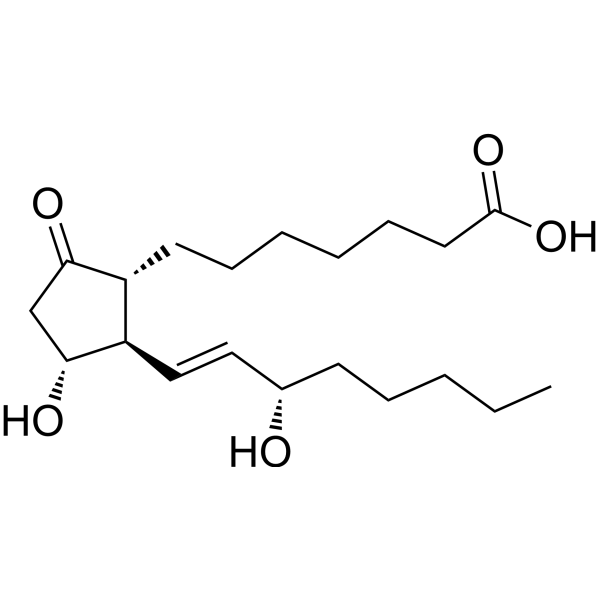
Alprostadil; PGE1
|
Prostaglandin Receptor
Endogenous Metabolite
|
Cardiovascular Disease
Endocrinology
Cancer
|
|
Prostaglandin E1 (Alprostadil) is a prostanoid receptor ligand, with Kis of 1.1 nM, 2.1 nM, 10 nM, 33 nM and 36 nM for mouse EP3, EP4, EP2, IP and EP1, respectively. Prostaglandin E1 induces vasodilation and inhibits platelet aggregation. Prostaglandin E1 can be used as a vasodilator for the research of peripheral vascular diseases .
|
-
-
- HY-16781
-
|
CJ-023423; RQ-00000007; AAT-007
|
Prostaglandin Receptor
|
Metabolic Disease
Endocrinology
Cancer
|
|
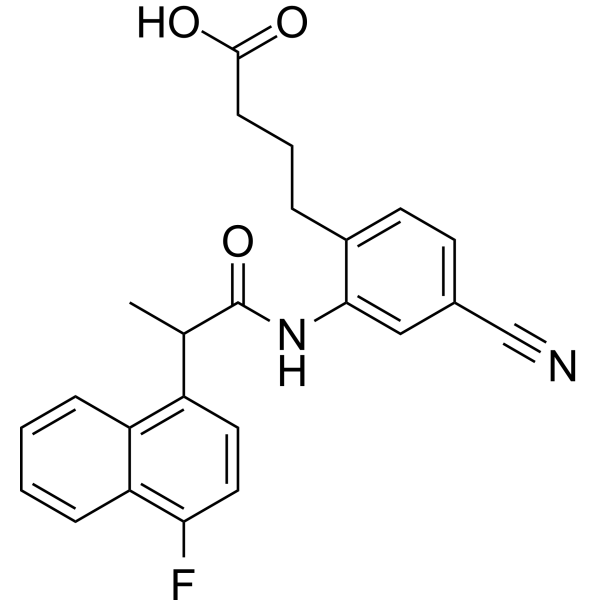
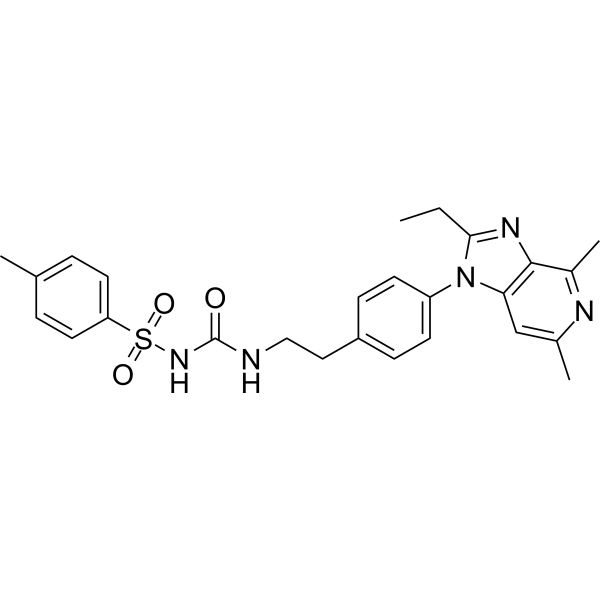
Grapiprant (CJ-023423) is a selective EP4 receptor antagonist whose physiological ligand is prostaglandin E2 (PGE2). Grapiprant displaces [ 3H]-PGE2 (1 nM) binding to dog recombinant EP4 receptor with IC50 value of 35 nM and Ki value of 24 nM. Grapiprant has the potential for osteoarthritic pain and inflammation treatment [3] .
|
-
-
- HY-136645
-
|
|
Prostaglandin Receptor
|
Cancer
|
|
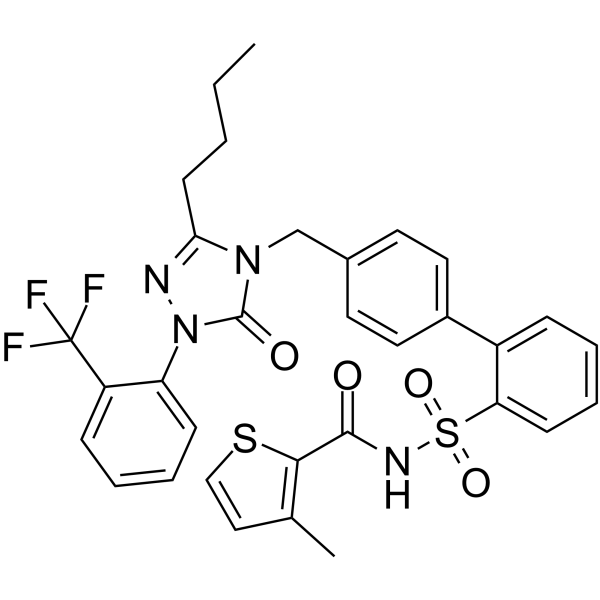
EP4 receptor antagonist 2 (Compound 8) is a tricyclic spiro-based EP4 receptor antagonist with microsomal stability .
|
-
-
- HY-128686
-
KAG-308
3 Publications Verification
|
Prostaglandin Receptor
|
Inflammation/Immunology
Endocrinology
|
|
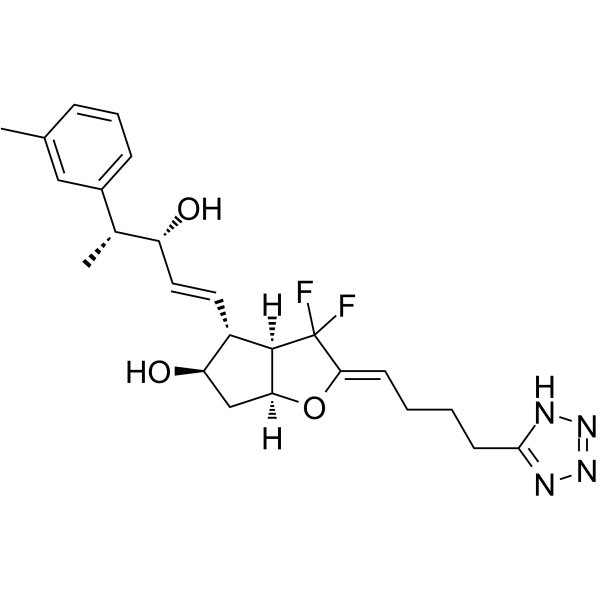
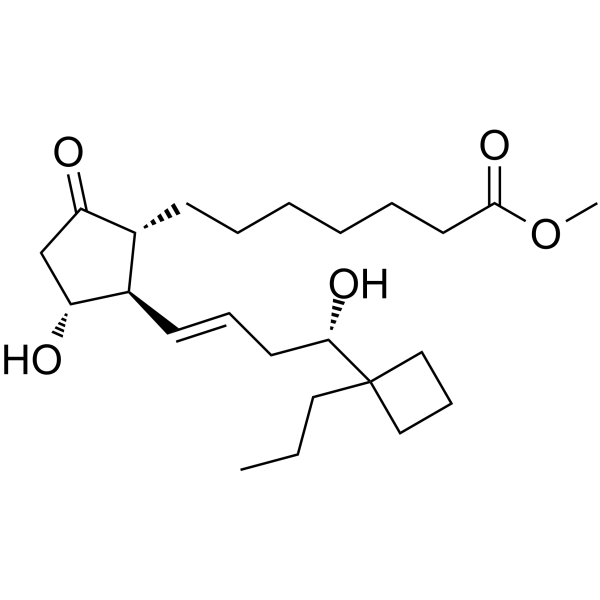
KAG-308 is a potent selective and orally active agonist of EP4 receptor (a prostaglandin E2 receptor subtype), suppresses colitis and promotes histological mucosal healing, potently inhibits TNF-α production. KAG-308 shows a Ki and an EC50 of 2.57 nM and 17 nM for human EP4 receptor, respectively, more selective over EP1, EP2, EP3 and IP receptor .
|
-
-
- HY-106420
-
|
16,16-dimethyl PGE2
|
Wnt
Prostaglandin Receptor
|
Inflammation/Immunology
|
|
16,16-Dimethyl prostaglandin E2 (16,16-dimethyl PGE2) is an orally active vertebrate Hematopoietic stem cells (HSCs) homeostasis critical regulator. 16,16-Dimethyl prostaglandin E2 can act through EP2/EP4 and has an interaction with the Wnt pathway .
|
-
-
- HY-50901
-
|
AE 3-208
|
Prostaglandin Receptor
|
Endocrinology
Cancer
|
|
ONO-AE3-208 is a selective and orally active EP4 receptor antagonist with a Ki of 1.3 nM. ONO-AE3-208 shows less potently affects EP3, FP, and TP receptors (Ki of 30 nM, 790 nM, and 2400 nM, respectively). ONO-AE3-208 suppresses cell invasion, migration, and metastasis of prostate cancer .
|
-
-
- HY-16963
-
-
-
- HY-103088
-
|
E7046
|
Prostaglandin Receptor
|
Endocrinology
Cancer
|
|
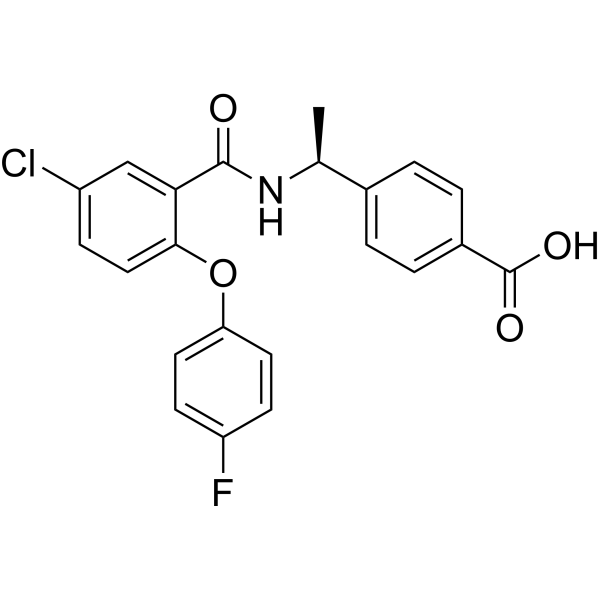
Palupiprant (E7046) is an orally bioavailable and specific EP4 antagonist, with IC50 of 13.5 nM and Ki of 23.14 nM. Palupiprant exhibits anti-tumor activities .
|
-
-
- HY-114974
-
-
-
- HY-133123
-
|
|
Prostaglandin Receptor
|
Inflammation/Immunology
Cancer
|
|
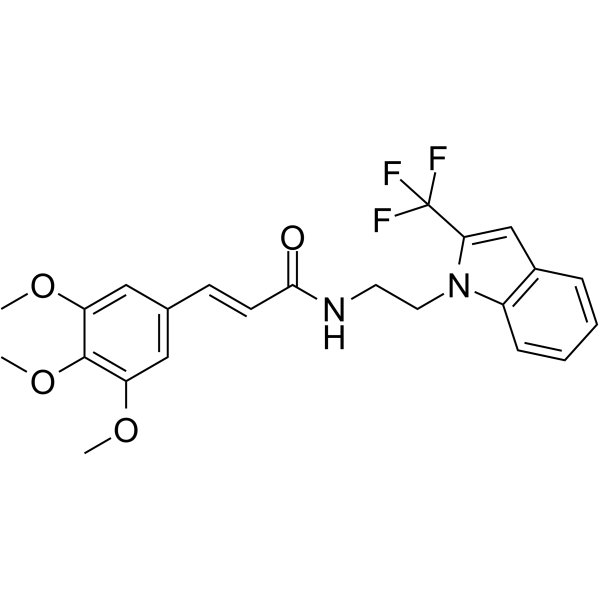
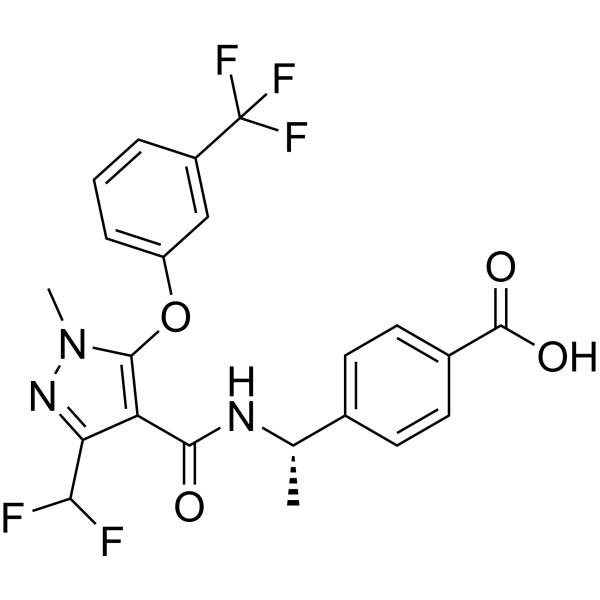
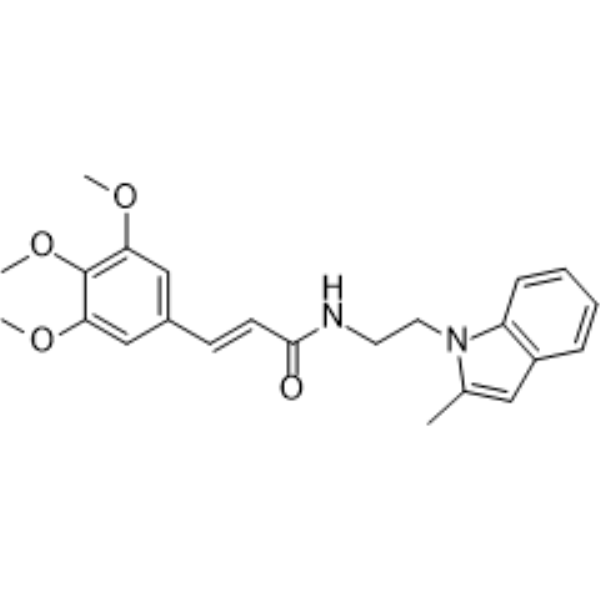
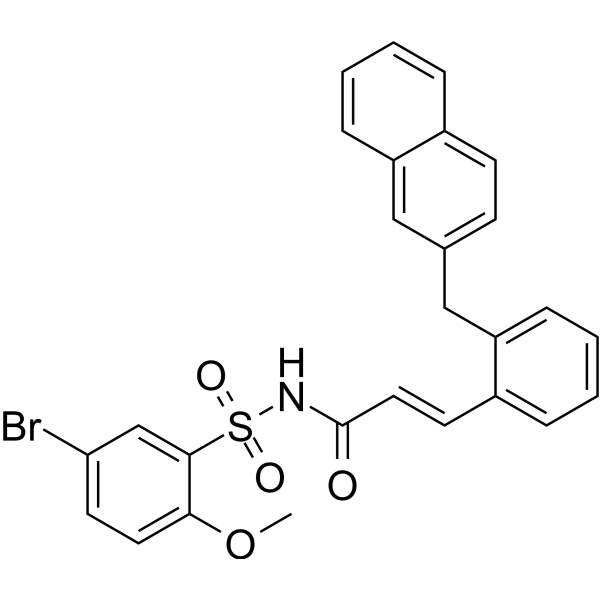
EP4 receptor antagonist 1 is a highly potent and selective competitive prostanoid EP4 receptor antagonist for cancer immunotherapy. EP4 receptor antagonist 1 inhibits human and mouse EP4 receptor with IC50s of 6.1 nM and 16.2 nM, respectively. IC50s >10 μM for human EP1, EP2,and EP3 receptors .
|
-
-
- HY-16978
-
-
-
- HY-15274
-
|
CM9; GW671021
|
Prostaglandin Receptor
|
Cancer
|
|
L-798106 is potent and highly selective prostanoid EP3 receptor antagonist (Ki=0.3 nM), it also has micromolar activities at the EP4, EP1 and EP2 receptors with Ki values of 916 nM, >5000 nM and >5000 nM, respectively .
|
-
-
- HY-108559
-
|
|
Prostaglandin Receptor
|
Inflammation/Immunology
|
|
L-161982 is a selective EP4 receptor antagonist. L-161982 completely blocks PGE2-induced ERK phosphorylation and cell proliferation of HCA-7 cells. L-161982 alleviates collagen-induced arthritis in mice .
|
-
-
- HY-113205
-
|
15-keto-PGE2
|
Endogenous Metabolite
Prostaglandin Receptor
STAT
PPAR
Fungal
Drug Metabolite
|
Cardiovascular Disease
Infection
Endocrinology
Cancer
|
|
15-keto-Prostaglandin E2 (15-keto-PGE2) is an endogenous PGE2 metabolite. 15-keto-Prostaglandin E2 inhibits STAT3 activation by binding to the Cys259 residue of STAT3. 15-keto-Prostaglandin E2 binds to and stabilizes EP2 and EP4 receptors. 15-keto-Prostaglandin E2 inhibits the growth and progression of breast cancer cells. 15-keto-Prostaglandin E2 activates PPAR-γ and promotes fungal growth. 15-keto-Prostaglandin E2 disrupts glomerular vascularization during zebrafish development and reduces the surface area of the glomerular filtration barrier .
|
-
-
- HY-119163
-
-
-
- HY-156649
-
|
CR6086
|
Prostaglandin Receptor
Interleukin Related
MMP
PD-1/PD-L1
|
Cardiovascular Disease
Inflammation/Immunology
Cancer
|
|
Vorbipiprant (CR6086) is an orally active EP4 receptor antagonist with high selectivity for the human EP4 receptor (Ki: 16.6 nM). Vorbipiprant has immunomodulatory, anti-inflammatory, antitumor, and anti-angiogenic activities. Vorbipiprant can inhibit the expression of multiple pro-inflammatory cytokines and the activation of immune cells, and convert "cold" tumors unresponsive to immune checkpoint inhibitors into "hot" tumors. Vorbipiprant is used in the research of diseases such as rheumatoid arthritis and colon cancer .
|
-
-
- HY-10797
-
|
CJ-042794
|
Prostaglandin Receptor
|
Inflammation/Immunology
Endocrinology
|
|
CJ-42794 (CJ-042794) is a potent, orally active, selective prostaglandin E receptor 4 (EP4) antagonist with an IC50 value of 10 nM, which is 200-fold more selective than EP1, EP2 and EP3. CJ-42794 can be used in research of gastric ulcers .
|
-
-
- HY-100448A
-
|
|
Prostaglandin Receptor
TGF-beta/Smad
|
Endocrinology
|
|
Butaprost is a selective prostaglandin E receptor (EP2) agonist with an EC50 of 33 nM and a Ki of 2.4 μM for murine EP2 receptor. Butaprost is less activity against murine EP1, EP3 and EP4 receptors. Butaprost attenuates fibrosis by hampering TGF-β/Smad2 signalling .
|
-
-
- HY-14899
-
|
CP-544326
|
Prostaglandin Receptor
|
Endocrinology
|
|
Taprenepag (CP-544326) is a potent and selective prostaglandin EP(2) agonist with IC50s of 10 and 15 nM for human and rat EP2, respectively. Taprenepag shows selectivity for EP2 over other EP receptors (IC50s>3200 nM for EP1, EP3, and EP4) and a panel of 37 G protein-coupled receptors .
|
-
-
- HY-18971
-
TG4-155
1 Publications Verification
|
Prostaglandin Receptor
|
Neurological Disease
Inflammation/Immunology
Endocrinology
Cancer
|
|
TG4-155 is a potent, brain-permeant and selective EP2 receptor antagonist with a Ki of 9.9 nM . TG4-155 shows low nanomolar antagonist activity against only EP2 and DP1 . TG4-155 has an EP2 Schild KB of 2.4 nM and displays 550-4750-fold selectivity for EP2 over EP1, EP3, EP4 and IP, but only 14-fold selectivity against the DP1 receptor .
|
-
-
- HY-153935
-
-
-
- HY-115487
-
|
|
Prostaglandin Receptor
|
Inflammation/Immunology
Cancer
|
|
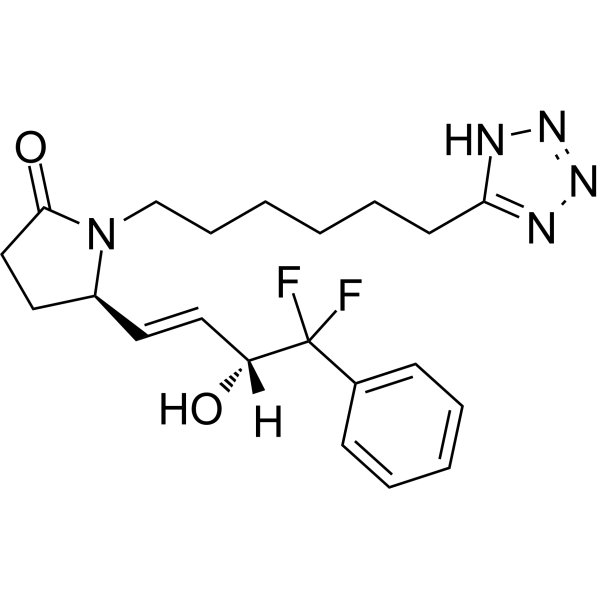
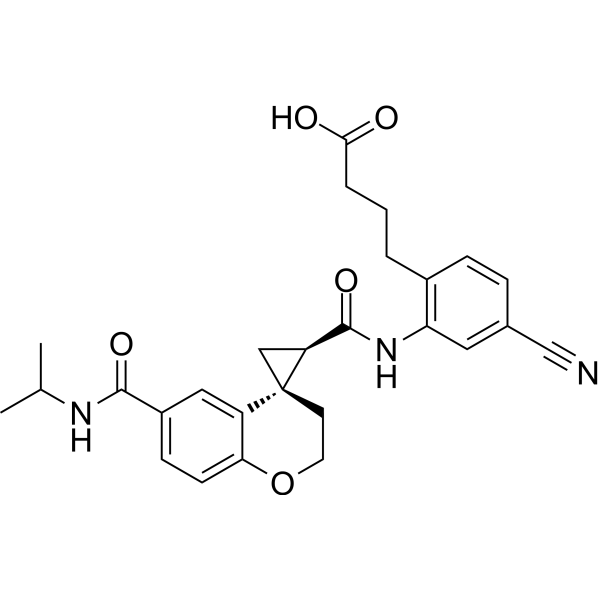
MF-766 is a highly potent, selective and orally active EP4 antagonist with a Ki of 0.23 nM. MF-766 behaves as a full antagonist with an IC50 of 1.4 nM (shifted to 1.8 nM in the presence of 10% HS) in the functional assay. MF-766 can be used for cancer and inflammation diseases research .
|
-
-
- HY-B0584
-
|
Fluprostenol isopropyl ester; AL6221; Flu-Ipr
|
Prostaglandin Receptor
|
Cardiovascular Disease
Endocrinology
|
|
Travoprost (Fluprostenol isopropyl ester), an isopropyl ester proagent, is a high affinity, selective FP prostaglandin full receptor agonist. Travoprost has the ocular hypotensive efficacy and has the potential for glaucoma and ocular hypertension .
|
-
-
- HY-10413
-
MK-2894
2 Publications Verification
|
Prostaglandin Receptor
|
Inflammation/Immunology
Endocrinology
|
|
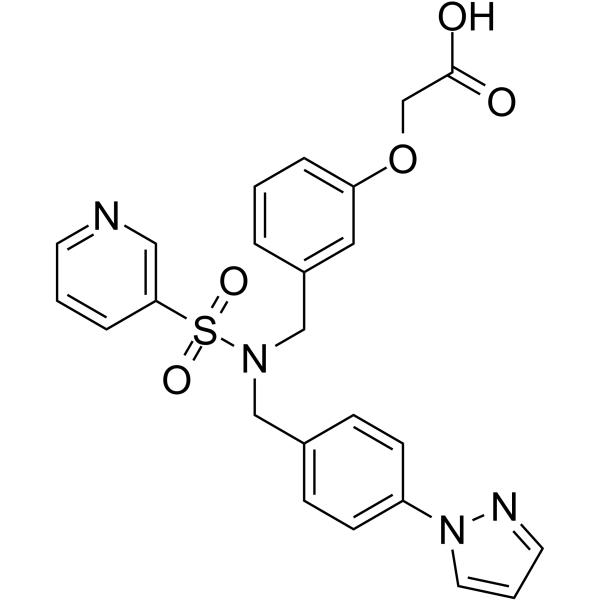
MK-2894 is a potent, selective, orally active and high affinity (Ki=0.56 nM) full antagonist against E prostanoid receptor 4 (EP4 receptor) (IC50=2.5 nM). MK-2894 possesses potent anti-inflammatory activity in animal models of pain/inflammation and can be used for the research of arthritis .
|
-
-
- HY-135259
-
-
-
- HY-118609
-
-
-
- HY-108557
-
-
-
- HY-N0204
-
|
Anemoside A3
|
NF-κB
p38 MAPK
|
Cardiovascular Disease
Neurological Disease
Inflammation/Immunology
Cancer
|
|
Pulchinenoside A (Anemoside A3) is an orally active triterpenoid glycoside found in the root of Pulsatilla chinensis. Pulchinenoside A has amti-inflammation, antitumor, antidepressant, immunoregulatory and neuroprotective efrects. Pulchinenoside A activates NF-κB/MAPK signaling pathway. Pulchinenoside A can induce relaxing effect in rat renal arteries. Pulchinenoside A can be used for the researches of experimental autoimmune encephalomyelitis, breast cancer, depression and renovascular hypertension [4] .
|
-
-
- HY-122168
-
|
|
Prostaglandin Receptor
|
Inflammation/Immunology
Cancer
|
|
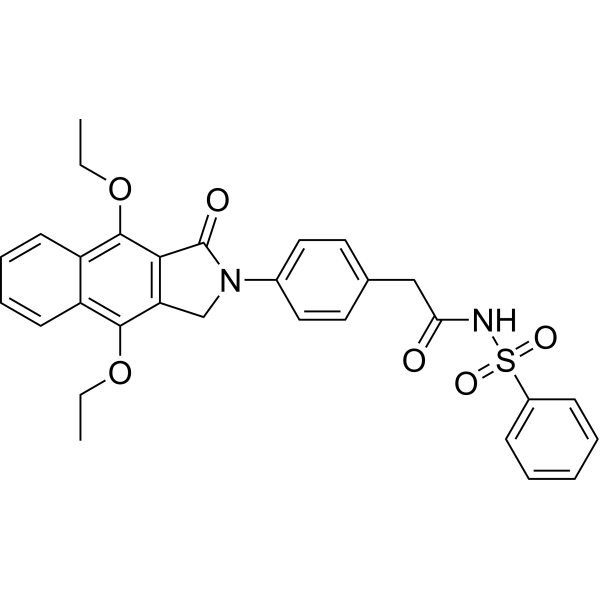
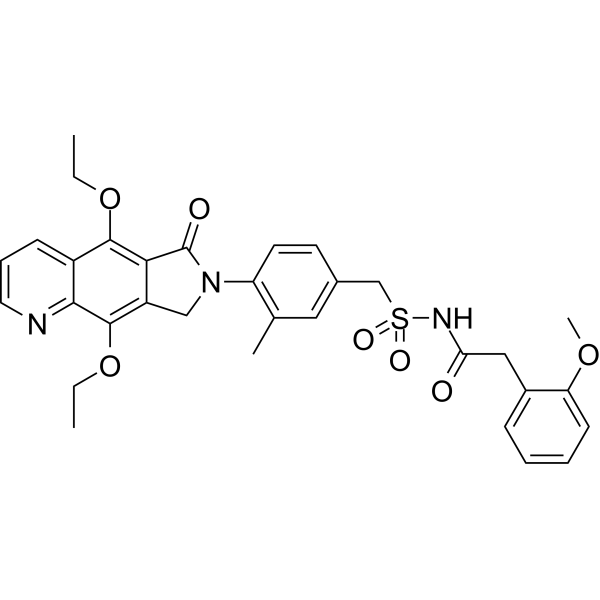
AAT-008 is a potent, selective, and orally active prostaglandin EP4 receptor antagonist with Kis of 0.97 and 6.1 nM for recombinant human EP4 and recombinant rat EP4, respectively. AAT-008 exerts tumor growth delay in mice bearing CT26WT colon tumors when combined with radiotherapy. AAT-008 can be used for the study of acute and chronic inflammatory pain and cancer
.
|
-
-
- HY-111539
-
|
|
Prostaglandin Receptor
|
Inflammation/Immunology
Endocrinology
|
|
BAY-1316957 is a potent, selective and orally active prostaglandin E2 receptor subtype 4 (EP4-R) antagonist with an IC50 of 15.3 nM for human EP4-R. BAY-1316957 has excellent agent metabolism and pharmacokinetics properties, and can be used for endometriosis research .
|
-
-
- HY-169859
-
|
|
Prostaglandin Receptor
Interleukin Related
|
Inflammation/Immunology
Cancer
|
|
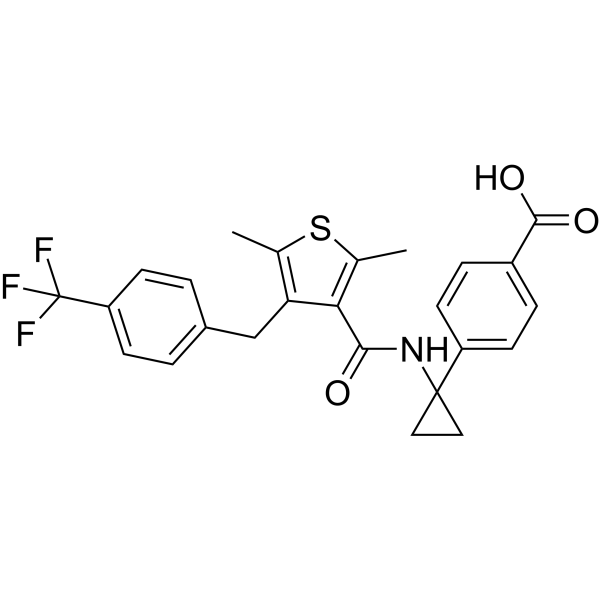
EP4 receptor antagonist 7 (Compound 14) is an antagonist of the prostaglandin E2 (PGE2) receptor subtype EP4 with an IC50 value of 1.1 nM. EP4 receptor antagonist 7 inhibits PGE2-induced β-arrestin recruitment in HEK293 cells with an IC50 value of 0.9 nM. EP4 receptor antagonist 7 decreases PGE2-induced expression of mRNA encoding IL-4, macrophage mannose receptor 1 (Mrc1), chitinase-like protein 3 (Chil3), chemokine (C-X-C) motif ligand 1 (Cxcl1), triggering receptor expressed on myeloid cells 2 (Trem2), and arginase-1 (Arg1), in RAW 264.7 macrophages. EP4 receptor antagonist 7 combined with an anti-PD-1 antibody inhibits tumor growth and increases infiltration of CD 8+ T cells into tumors in a CT26 murine colon cancer model .
|
-
-
- HY-10794
-
-
-
- HY-178465
-
|
|
Prostaglandin Receptor
Interleukin Related
|
Neurological Disease
Inflammation/Immunology
|
|
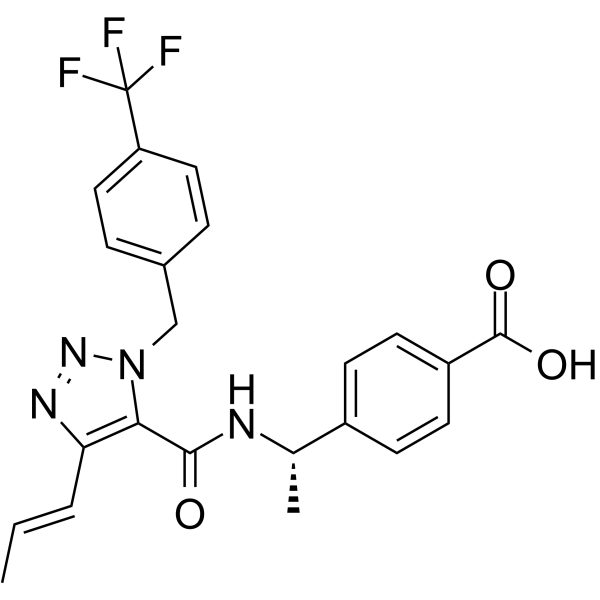
EP4 receptor antagonist 8 is an orally active EP4 antagonist (human EP4 IC50 = 6.40 nM). EP4 receptor antagonist 8 significantly reduced paw and joint swelling, inflammatory cell infiltration, cartilage damage, pannus formation, and joint bone erosion in arthritis (AIA) mice in a dose-dependent manner. EP4 receptor antagonist 8 can be used for the study of inflammatory pain .
|
-
-
- HY-B0813
-
|
UT-15C
|
Prostaglandin Receptor
|
Endocrinology
|
|
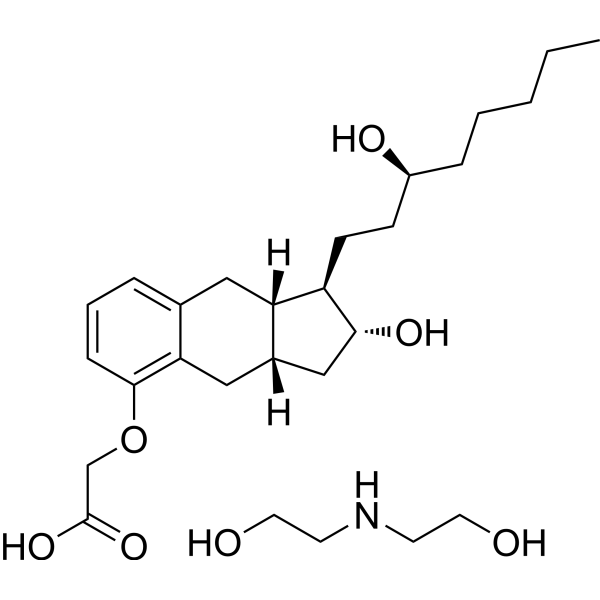
Treprostinil (UT-15C) diethanolamine is a potent EP2, DP1 and IP agonist with Ki values of 3.6, 4.4, 32.1, 212, 826, 2505 and 4680 nM for EP2, DP1, IP, EP1, EP4, EP3 and FP, respectively. Treprostinil (UT-15C) diethanolamine increases upregulation of cAMP toward maintaining homeostasis within the vasculature. Treprostinil (UT-15C) diethanolamine can result in vasodilatation of human pulmonary arteries .
|
-
-
- HY-149290
-
|
|
Prostaglandin Receptor
|
Cancer
|
|
AMX12006 is a potent, selective and orally active EP4 antagonist with an IC50 value of 4.3 nM. AMX12006 shows cytotoxic and antitumor activity .
|
-
-
- HY-172099
-
-
-
- HY-179041
-
|
|
PGE synthase
Prostaglandin Receptor
β-catenin
STAT
c-Myc
|
Metabolic Disease
|
|
SZ0232 is a microsomal prostaglandin E synthase-2 (mPGES-2) inhibitor. SZ0232 inhibits the activity of mPGES-2, downregulates the PGE2-EP4 signal, and thereby blocks the β-catenin/STAT3/c-Myc proliferation pathway. SZ0232 inhibits the abnormal proliferation of cyst epithelial cells and significantly inhibits cyst growth in both in vitro and in vivo models. SZ0232 can be used for the study of autosomal dominant polycystic kidney disease (ADPKD) .
|
-
-
- HY-150068
-
-
-
- HY-163091
-
-
-
- HY-112152
-
-
-
- HY-120973
-
|
|
Prostaglandin Receptor
TGF-beta/Smad
|
Endocrinology
|
|
Butaprost free acid is a selective prostaglandin E receptor (EP2) agonist with an EC50 of 33 nM and a Ki of 2.4 μM for murine EP2 receptor. Butaprost free acid is less activity against murine EP1, EP3 and EP4 receptors. Butaprost free acid attenuates fibrosis by hampering TGF-β/Smad2 signalling .
|
-
-
- HY-P990862
-
|
|
Transmembrane Glycoprotein
|
Cancer
|
|
Anti-CD326/EpCAM Antibody (Ber-EP4) is a kind of mouse IgG1 κ chimeric antibody, targeting to human CD326/EpCAM. Anti-CD326/EpCAM Antibody (Ber-EP4) reacts with human CD326 also known as EpCAM (Epithelial Cell Adhesion Molecule). Anti-CD326/EpCAM Antibody (Ber-EP4) is useful to distinguish between cells of mesothelial and epithelial origin. Anti-CD326/EpCAM Antibody (Ber-EP4) can be used for the detections of immunohistochemistry, immunofluorescence and flow cytometry in cancer, such as colon cancer .
|
-
-
- HY-179379
-
|
|
Drug Derivative
|
Inflammation/Immunology
|
|
EP4 receptor agonist 3 prodrug (Compound 9) is a prodrug of EP4 receptor agonist (Compound 1a). EP4 receptor agonist 3 prodrug itself has no agonistic activity on the EP4 receptor and needs to be specifically hydrolyzed by intestinal alkaline phosphatase (IAP) in the intestine to release the active molecule, which then exerts the EP4 receptor agonistic effect locally in the intestine. EP4 receptor agonist 3 prodrug has colonic targeting properties and significantly alleviates colitis in mice .
|
-
-
- HY-116099
-
|
|
Prostaglandin Receptor
|
Inflammation/Immunology
|
|
ER-819762 is an orally active, highly selective prostaglandin E2 (PGE2) EP4 receptor antagonist with an EC50 of 70 nM against human EP4 receptor. ER-819762 can be used for rheumatoid arthritis research .
|
-
-
- HY-B0131R
-
|
Alprostadil(Standard); PGE1 (Standard)
|
Reference Standards
Prostaglandin Receptor
Endogenous Metabolite
|
Cardiovascular Disease
Endocrinology
Cancer
|
|
Prostaglandin E1 (Standard) is the analytical standard of Prostaglandin E1. This product is intended for research and analytical applications. Prostaglandin E1 (Alprostadil) is a prostanoid receptor ligand, with Kis of 1.1 nM, 2.1 nM, 10 nM, 33 nM and 36 nM for mouse EP3, EP4, EP2, IP and EP1, respectively. Prostaglandin E1 induces vasodilation and inhibits platelet aggregation. Prostaglandin E1 can be used as a vasodilator for the research of peripheral vascular diseases .
|
-
-
- HY-19864
-
|
AGN 210937
|
Prostaglandin Receptor
|
Inflammation/Immunology
|
|
Aganepag is a potent Prostanoid EP2 receptor agonist, with an EC50 of 0.19 nM, and shows no activity at EP4 receptor. Aganepag can be used in the research of wound healing, scar reduction, scar prevention and wrinkle treatment and prevention.
|
-
-
- HY-177691
-
-
-
- HY-10414
-
|
|
Prostaglandin Receptor
|
Inflammation/Immunology
Endocrinology
|
|
MK-2894 sodium salt is a potent, selective, orally active and high affinity (Ki=0.56 nM) full antagonist against E prostanoid receptor 4 (EP4 receptor) (IC50=2.5 nM). MK-2894 sodium salt possesses potent anti-inflammatory activity in animal models of pain/inflammation and can be used for the research of arthritis .
|
-
-
- HY-155321
-
-
-
- HY-120598
-
-
- HY-114822
-
|
PGA3
|
Prostaglandin Receptor
PPAR
|
Endocrinology
|
|
Prostaglandin A3 is a non-enzymatic dehydration product of prostaglandin E3 (PGE3). Prostaglandin A3 showed good affinity for canine EP2 and EP4 receptors with IC50 values of 120 and 20 nM, respectively. The Ki value of Prostaglandin A3 for human PPARγ was 188 μM .
|
-
- HY-143518
-
-
- HY-114910
-
|
|
Prostaglandin Receptor
|
Cancer
|
|
11-Deoxy Prostaglandin E2 is a selective agonist of EP4 with an EC50 of 0.66 nM. 11-Deoxy Prostaglandin E2 is an analog of prostaglandin E2. 11-Deoxy Prostaglandin E2 can be used in study bone healing, heart failure, and other receptor associated conditions .
|
-
- HY-W394717
-
|
PGN 1531
|
Prostaglandin Receptor
PKA
|
Others
|
|
BGC-20-1531 (PGN 1531), a benzenesulfonamide derivative, is a selective EP4 antagonist. BGC-20-1531 binds to PGE2 enhancing the ATPase activity, which are coupled to Gs proteins and thus activate adenylate cyclase generating cAMP and activating PKA. BGC-20-1531 is promising for research of liver disorders .
|
-
- HY-163651
-
|
(R)-CR6086
|
Prostaglandin Receptor
|
Inflammation/Immunology
|
|
(R)-Vorbipiprant ((R)-CR6086) is an orally active antagonist for prostaglandin E2 receptor 4 (EP4) with Ki of 16.6 nM for human EP4. (R)-Vorbipiprant inhibits PGE2 (HY-101952)-induced cAMP production with an IC50 of 22 nM. (R)-Vorbipiprant exhibits immunomodulatory and anti-angiogenic activities, and ameliorates the collagen-induced arthritis in mice .
|
-
- HY-16781R
-
|
CJ-023423 (Standard); RQ-00000007 (Standard); AAT-007 (Standard)
|
Prostaglandin Receptor
Reference Standards
|
Metabolic Disease
Endocrinology
Cancer
|
|
Grapiprant (Standard) is the analytical standard of Grapiprant. This product is intended for research and analytical applications. Grapiprant (CJ-023423) is a selective EP4 receptor antagonist whose physiological ligand is prostaglandin E2 (PGE2). Grapiprant displaces [3H]-PGE2 (1 nM) binding to dog recombinant EP4 receptor with IC50 value of 35 nM and Ki value of 24 nM. Grapiprant has the potential for osteoarthritic pain and inflammation treatment .
|
-
- HY-110351
-
|
PGN 1531 hydrochloride
|
Prostaglandin Receptor
|
Neurological Disease
|
|
BGC 20-1531 (PGN 1531) hydrochloride is a potent and selective prostanoid EP4 receptor antagonist, with a pKb of 7.6. BGC 20-1531 hydrochloride has the potential for the research of migraine headache .
|
-
- HY-19849
-
|
PGN 1531 free base
|
Prostaglandin Receptor
|
Neurological Disease
|
|
BGC-20-1531 (PGN 1531) free base is a potent and selective prostanoid EP4 receptor antagonist, with a pKB of 7.6. BGC-20-1531 free base has the potential for the research of migraine headache .
|
-
- HY-118190
-
|
|
Prostaglandin Receptor
|
Endocrinology
|
|
AL 8810 methyl ester is a prostaglandin F(2α) analog and a prostaglandin F(2α) receptor agonist. Can competitively antagonize the effects of the FP receptor agonist Fluprostenol (HY-108560). AL 8810 methyl ester has no significant potency against TP, DP, EP(2), EP(4) receptor subtypes in cell lines .
|
-
- HY-B0131A
-
|
|
Prostaglandin Receptor
|
Cardiovascular Disease
|
|
Alprostadil sodium is a prostaglandin receptor ligand that exhibits Ki values of 36, 10, 1.1, 2.1, and 33 nM for the EP1, EP2, EP3, EP4, and IP receptors in mice, respectively. It promotes vasodilation and inhibits platelet aggregation, making it a useful vasodilator for investigating peripheral vascular disease.
|
-
- HY-50901A
-
|
AE 3-208 sodium salt
|
Prostaglandin Receptor
|
Endocrinology
Cancer
|
|
ONO-AE3-208 (sodium salt) is a selective and orally active EP4 receptor antagonist with a Ki of 1.3 nM. ONO-AE3-208 (sodium salt) shows less potently affects EP3, FP, and TP receptors (Ki of 30 nM, 790 nM, and 2400 nM, respectively). ONO-AE3-208 (sodium salt) suppresses cell invasion, migration, and metastasis of prostate cancer .
|
-
- HY-B0131S2
-
-
- HY-108559R
-
|
|
Prostaglandin Receptor
|
Inflammation/Immunology
|
|
L-161982 (Standard) is the analytical standard of L-161982. This product is intended for research and analytical applications. L-161982 is a selective EP4 receptor antagonist. L-161982 completely blocks PGE2-induced ERK phosphorylation and cell proliferation of HCA-7 cells. L-161982 alleviates collagen-induced arthritis in mice .
|
-
- HY-W007888R
-
|
|
Reference Standards
Endogenous Metabolite
|
Metabolic Disease
|
|
Prostaglandin E1 (Standard) is the analytical standard of Prostaglandin E1. This product is intended for research and analytical applications. Prostaglandin E1 (Alprostadil) is a prostanoid receptor ligand, with Kis of 1.1 nM, 2.1 nM, 10 nM, 33 nM and 36 nM for mouse EP3, EP4, EP2, IP and EP1, respectively. Prostaglandin E1 induces vasodilation and inhibits platelet aggregation. Prostaglandin E1 can be used as a vasodilator for the research of peripheral vascular diseases .
|
-
- HY-B0131S
-
-
- HY-129922
-
|
|
Prostaglandin Receptor
|
Endocrinology
|
|
Prostaglandin I2 is an unstable prostanoid which, through the ‘I prostanoid’ (IP) receptor, inhibits platelet aggregation and promotes vasodilatation in pulmonary vascular beds. AFP 07 is a 7,7-difluoroprostacyclin derivative that acts as a selective and highly potent agonist for the IP receptor (Ki=0.561 nM).1 AFP 07 shows weaker affinity for EP receptors, with Ki values > 100 nM for EP1-3 and > 10 nM for EP4. 16(R)-AFP 07 is an epimer of AFP 07. Its biological properties, particularly through the IP and EP receptors, remain to be evaluated.
|
-
- HY-RS02305
-
|
|
Small Interfering RNA (siRNA)
|
Others
|
|
CDC42EP4 Human Pre-designed siRNA Set A contains three designed siRNAs for CDC42EP4 gene (Human), as well as a negative control, a positive control, and a FAM-labeled negative control.
|
-
CDC42EP4 Human Pre-designed siRNA Set A
- HY-183845
-
|
|
Prostaglandin Receptor
|
Cancer
|
|
HTL0039732 is an orally active antagonist of the prostaglandin EP4 receptor (Prostaglandin E2 Receptor EP4). HTL0039732 reverses PGE2-induced differentiation toward M2-like macrophages. HTL0039732 exhibits efficacy in syngeneic tumor models and acts synergistically with PD-1/PD-L1 pathway blockers. HTL0039732 can be used for the research of advanced solid tumors .
|
-
- HY-115827
-
|
|
Prostaglandin Receptor
|
Others
|
|
AH22921 is an EP4 prostaglandin receptor antagonist with the activity of antagonizing the activation of adenylate cyclase by prostaglandins in CHO cells. AH22921 can shift the PGE2 concentration-response curve to the right in CHO cells. It is a non-competitive antagonist that is selective for EP4 receptors and has an antagonistic effect on EP4 receptors in CHO cells, but does not affect the PGE2 concentration-response curve in NPE cells containing EP2 receptors.
|
-
- HY-185643
-
|
|
Prostaglandin Receptor
|
Neurological Disease
|
|
PF-04475270 is a prodrug of CP-734432 (HY-119236), as well as an agonist of the EP4 prostaglandin receptor, with IC50 values of 2 nM and 8 nM against human and canine sources, respectively. PF-04475270 is rapidly hydrolyzed into its active metabolite CP-734432 by ocular esterases or corneal homogenate, stimulates cAMP production, and activates cAMP response element-mediated β-lactamase activity in cells expressing EP4. PF-04475270 can be used in research related to glaucoma .
|
-
- HY-RS18874
-
|
|
Small Interfering RNA (siRNA)
|
Others
|
|
Ptger4 Mouse Pre-designed siRNA Set A contains three designed siRNAs for Ptger4 gene (Mouse), as well as a negative control, a positive control, and a FAM-labeled negative control.
|
-
Ptger4 Mouse Pre-designed siRNA Set A
- HY-119236
-
|
CP-734432
|
Prostaglandin Receptor
Beta-lactamase
|
Neurological Disease
|
|
CP-432 (CP-734432) is a EP4 receptor agonist with an IC50 of 2 nM for human sources, 8 nM for canine sources, and an EC50 of 1 nM for human sources. CP-432 stimulates cAMP production and activates β-lactamase (β-lactamase) activity via the cAMP response element signaling pathway. CP-432 is applicable to research related to glaucoma .
|
-
- HY-183037
-
|
|
Prostaglandin Receptor
Interleukin Related
|
Neurological Disease
Inflammation/Immunology
|
|
AGN 225660 is a multi-prostanoid receptor antagonist with human IC50 values of 70, 70, 5, 220 and 180 nM for EP1, EP4, TP, DP1, FP. AGN 225660 inhibits secretion of RANTES, IL-8, MCP-1, IL-12p70, and IL-23. AGN 225660 exhibits good ocular bioavailability and reduces ocular inflammation linked to phacoemulsification surgery and uveitis .
|
-
- HY-105315
-
|
|
Prostaglandin Receptor
|
Endocrinology
|
|
AFP-07 is a derivative of 7, 7-difluoroprostacyclic and is a highly potent and selective prostacyclin receptor IP receptor agonist with a Ki value of 0.561 nM .
|
-
- HY-129293
-
|
|
Prostaglandin Receptor
|
Endocrinology
|
|
AFP-07 free acid is a derivative of 7, 7-difluoroprostacyclic and is a highly potent and selective prostacyclin receptor IP receptor agonist with a Ki value of 0.561 nM .
|
-
- HY-103088R
-
|
E7046 (Standard)
|
Reference Standards
Prostaglandin Receptor
|
Endocrinology
Cancer
|
|
Palupiprant (Standard) is the analytical standard of Palupiprant (HY-103088). This product is intended for research and analytical applications. Palupiprant (E7046) is an orally bioavailable and specific EP4 antagonist, with IC50 of 13.5 nM and Ki of 23.14 nM. Palupiprant exhibits anti-tumor activities .
|
-
- HY-B0584A
-
|
5,6-trans-Fluprostenol isopropyl ester; 5,6-trans-AL6221; 5,6-trans-Flu-Ipr
|
Prostaglandin Receptor
|
Endocrinology
|
|
5,6-trans-Travoprost is the isomer of Travoprost (HY-B0584), and can be used as an experimental control. Travoprost (Fluprostenol isopropyl ester), an isopropyl ester proagent, is a high affinity, selective FP prostaglandin full receptor agonist. Travoprost has the ocular hypotensive efficacy and has the potential for glaucoma and ocular hypertension .
|
-
- HY-10794R
-
-
- HY-106420R
-
|
16,16-dimethyl PGE2 (Standard)
|
Wnt
Reference Standards
Prostaglandin Receptor
|
Inflammation/Immunology
|
|
16,16-Dimethyl prostaglandin E2 (Standard) is the analytical standard of 16,16-Dimethyl prostaglandin E2 (HY-106420). This product is intended for research and analytical applications. 16,16-Dimethyl prostaglandin E2 (16,16-dimethyl PGE2) is an orally active vertebrate Hematopoietic stem cells (HSCs) homeostasis critical regulator. 16,16-Dimethyl prostaglandin E2 can act through EP2/EP4 and has an interaction with the Wnt pathway .
|
-
- HY-10797R
-
|
CJ-042794 (Standard)
|
Reference Standards
Prostaglandin Receptor
|
Inflammation/Immunology
Endocrinology
|
|
CJ-42794 (Standard) is the analytical standard of CJ-42794 (HY-10797). This product is intended for research and analytical applications. CJ-42794 (CJ-042794) is a potent, orally active, selective prostaglandin E receptor 4 (EP4) antagonist with an IC50 value of 10 nM, which is 200-fold more selective than EP1, EP2 and EP3. CJ-42794 can be used in research of gastric ulcers .
|
-
- HY-RS11378
-
|
|
Small Interfering RNA (siRNA)
|
Others
|
|
PTGER4 Human Pre-designed siRNA Set A contains three designed siRNAs for PTGER4 gene (Human), as well as a negative control, a positive control, and a FAM-labeled negative control.
|
-
PTGER4 Human Pre-designed siRNA Set A
- HY-RS25365
-
|
|
Small Interfering RNA (siRNA)
|
Others
|
|
Ptger4 Rat Pre-designed siRNA Set A contains three designed siRNAs for Ptger4 gene (Rat), as well as a negative control, a positive control, and a FAM-labeled negative control.
|
-
Ptger4 Rat Pre-designed siRNA Set A
- HY-183149
-
|
|
Prostaglandin Receptor
Interleukin Related
COX
|
Neurological Disease
|
|
BPN-37440 is a blood-brain barrier-permeable, selective, and orally active EP2 receptor inhibitor with an IC50 of 53-60 nM. BPN-37440 inhibits the expression of inflammatory mediators IL-1β and COX-2, with an IC50 of 21 nM for IL-1β and 42 nM for COX-2. BPN-37440 reduces microgliosis in key brain regions of mice with pilocarpine (HY-B0726A)-induced status epilepticus and reverses their working memory and recognition memory deficits. BPN-37440 can be used for research on status epilepticus .
|
-
| Cat. No. |
Product Name |
Type |
-
- HY-120973
-
|
|
Biochemical Assay Reagents
|
|
Butaprost free acid is a selective prostaglandin E receptor (EP2) agonist with an EC50 of 33 nM and a Ki of 2.4 μM for murine EP2 receptor. Butaprost free acid is less activity against murine EP1, EP3 and EP4 receptors. Butaprost free acid attenuates fibrosis by hampering TGF-β/Smad2 signalling .
|
| Cat. No. |
Product Name |
Target |
Research Area |
Image |
-
- HY-P990862
-
|
|
Transmembrane Glycoprotein
|
Cancer
|
|
Anti-CD326/EpCAM Antibody (Ber-EP4) is a kind of mouse IgG1 κ chimeric antibody, targeting to human CD326/EpCAM. Anti-CD326/EpCAM Antibody (Ber-EP4) reacts with human CD326 also known as EpCAM (Epithelial Cell Adhesion Molecule). Anti-CD326/EpCAM Antibody (Ber-EP4) is useful to distinguish between cells of mesothelial and epithelial origin. Anti-CD326/EpCAM Antibody (Ber-EP4) can be used for the detections of immunohistochemistry, immunofluorescence and flow cytometry in cancer, such as colon cancer .
|
-
(5)
| Cat. No. |
Product Name |
Category |
Target |
Chemical Structure |
-
- HY-B0131
-
|
Alprostadil; PGE1
|
Cardiovascular Disease
Classification of Application Fields
Ketones, Aldehydes, Acids
Endogenous metabolite
Disease Research Fields
Source Classification
|
Prostaglandin Receptor
Endogenous Metabolite
|
|
Prostaglandin E1 (Alprostadil) is a prostanoid receptor ligand, with Kis of 1.1 nM, 2.1 nM, 10 nM, 33 nM and 36 nM for mouse EP3, EP4, EP2, IP and EP1, respectively. Prostaglandin E1 induces vasodilation and inhibits platelet aggregation. Prostaglandin E1 can be used as a vasodilator for the research of peripheral vascular diseases .
|
-
-
- HY-113205
-
-
-
- HY-N0204
-
-
-
- HY-B0131R
-
|
Alprostadil(Standard); PGE1 (Standard)
|
Cardiovascular Disease
Structural Classification
Classification of Application Fields
Ketones, Aldehydes, Acids
Endogenous metabolite
Disease Research Fields
Source Classification
|
Reference Standards
Prostaglandin Receptor
Endogenous Metabolite
|
|
Prostaglandin E1 (Standard) is the analytical standard of Prostaglandin E1. This product is intended for research and analytical applications. Prostaglandin E1 (Alprostadil) is a prostanoid receptor ligand, with Kis of 1.1 nM, 2.1 nM, 10 nM, 33 nM and 36 nM for mouse EP3, EP4, EP2, IP and EP1, respectively. Prostaglandin E1 induces vasodilation and inhibits platelet aggregation. Prostaglandin E1 can be used as a vasodilator for the research of peripheral vascular diseases .
|
-
-
- HY-W007888R
-
|
|
Structural Classification
Monophenols
Ketones, Aldehydes, Acids
Phenols
Endogenous metabolite
Source Classification
|
Reference Standards
Endogenous Metabolite
|
|
Prostaglandin E1 (Standard) is the analytical standard of Prostaglandin E1. This product is intended for research and analytical applications. Prostaglandin E1 (Alprostadil) is a prostanoid receptor ligand, with Kis of 1.1 nM, 2.1 nM, 10 nM, 33 nM and 36 nM for mouse EP3, EP4, EP2, IP and EP1, respectively. Prostaglandin E1 induces vasodilation and inhibits platelet aggregation. Prostaglandin E1 can be used as a vasodilator for the research of peripheral vascular diseases .
|
-
| Cat. No. |
Product Name |
Chemical Structure |
-
- HY-B0131S2
-
|
|
|
Prostaglandin E1-d9 is deuterium labeled Prostaglandin E1.Prostaglandin E1 is a prostanoid receptor ligand, with Kis of 1.1 nM, 2.1 nM, 10 nM, 33 nM and 36 nM for mouse EP3, EP4, EP2, IP and EP1, respectively. Prostaglandin E1 induces vasodilation and inh
|
-
-
- HY-B0131S
-
|
|
|
Prostaglandin E1-d4 is the deuterium labeled Prostaglandin E1. Prostaglandin E1 (Alprostadil) is a prostanoid receptor ligand, with Kis of 1.1 nM, 2.1 nM, 10 nM, 33 nM and 36 nM for mouse EP3, EP4, EP2, IP and EP1, respectively. Prostaglandin E1 induces vasodilation and inhibits platelet aggregation. Prostaglandin E1 can be used as a vasodilator for the research of peripheral vascular diseases .
|
-
| Cat. No. |
Product Name |
|
Classification |
-
- HY-RS02305
-
|
|
|
siRNAs
Human Pre-designed siRNA Sets
|
|
CDC42EP4 Human Pre-designed siRNA Set A contains three designed siRNAs for CDC42EP4 gene (Human), as well as a negative control, a positive control, and a FAM-labeled negative control.
|
-
- HY-RS18874
-
|
|
|
siRNAs
Mouse Pre-designed siRNA Sets
|
|
Ptger4 Mouse Pre-designed siRNA Set A contains three designed siRNAs for Ptger4 gene (Mouse), as well as a negative control, a positive control, and a FAM-labeled negative control.
|
-
- HY-RS11378
-
|
|
|
siRNAs
Human Pre-designed siRNA Sets
|
|
PTGER4 Human Pre-designed siRNA Set A contains three designed siRNAs for PTGER4 gene (Human), as well as a negative control, a positive control, and a FAM-labeled negative control.
|
-
- HY-RS25365
-
|
|
|
siRNAs
Rat Pre-designed siRNA Sets
|
|
Ptger4 Rat Pre-designed siRNA Set A contains three designed siRNAs for Ptger4 gene (Rat), as well as a negative control, a positive control, and a FAM-labeled negative control.
|
Your information is safe with us. * Required Fields.
Inquiry Information
- Product Name:
- Cat. No.:
- Quantity:
- MCE Japan Authorized Agent:

