
Search Result
Results for "
Effective antagonists
" in MedChemExpress (MCE) Product Catalog:
1
Biochemical Assay Reagents
11
Isotope-Labeled Compounds
| Cat. No. |
Product Name |
Target |
Research Areas |
Chemical Structure |
-
- HY-U00449
-
|
|
RAR/RXR
|
Cancer
|
|
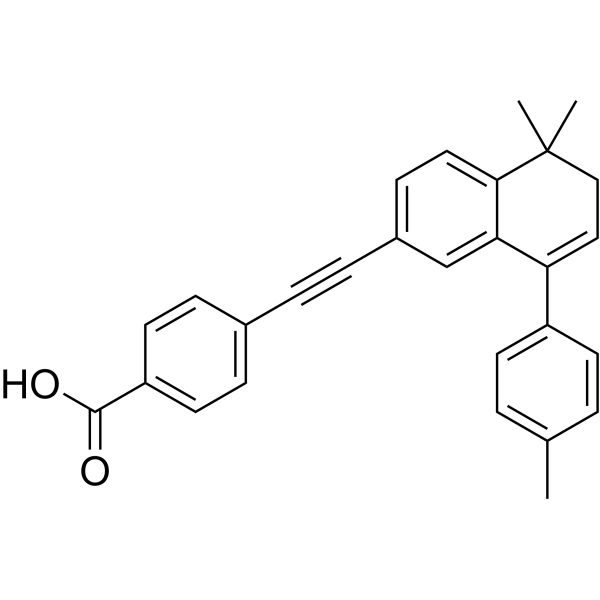
AGN 193109 is a retinoid analog, and acts as a specific and highly effective antagonist of retinoic acid receptors (RARs), with Kds of 2 nM, 2 nM, and 3 nM for RARα, RARβ, and RARγ, respectively. AGN 193109 is a click chemistry reagent, it contains an Alkyne group and can undergo copper-catalyzed azide-alkyne cycloaddition (CuAAc) with molecules containing Azide groups. AGN 193109 is the antidote for retinoic acidosis, that ameliorates the skin and mucosal toxicity.
|
-
-
- HY-12870
-
AZD9496
Maximum Cited Publications
28 Publications Verification
|
Estrogen Receptor/ERR
|
Cancer
|
|
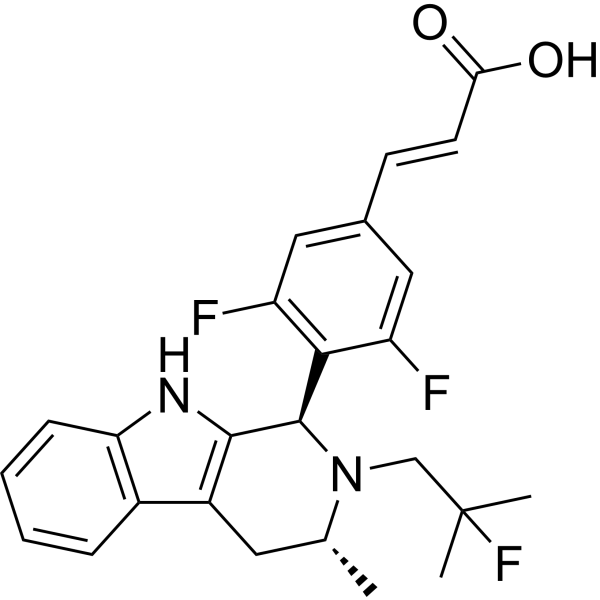
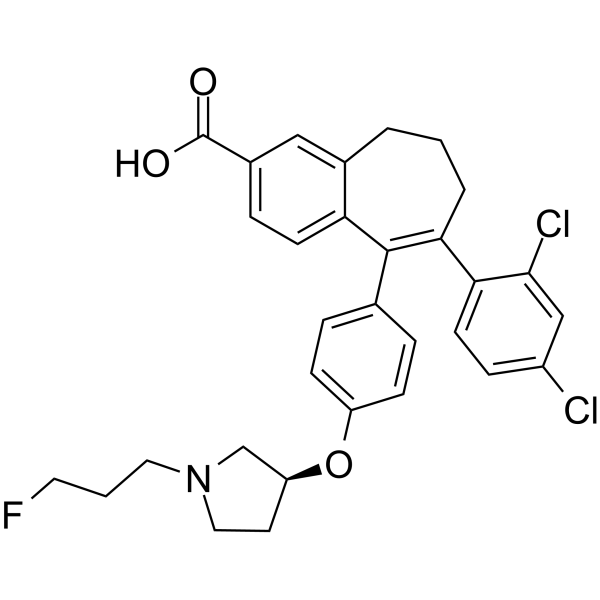
AZD9496 is an effective, selective estrogen receptor (ERα) antagonist with an IC50 of 0.28 nM. AZD9496 is an orally active, selective estrogen receptor degrader (SERD).
|
-
-
- HY-106301
-
|
L-364,718; MK-329
|
Cholecystokinin Receptor
|
Metabolic Disease
|
|
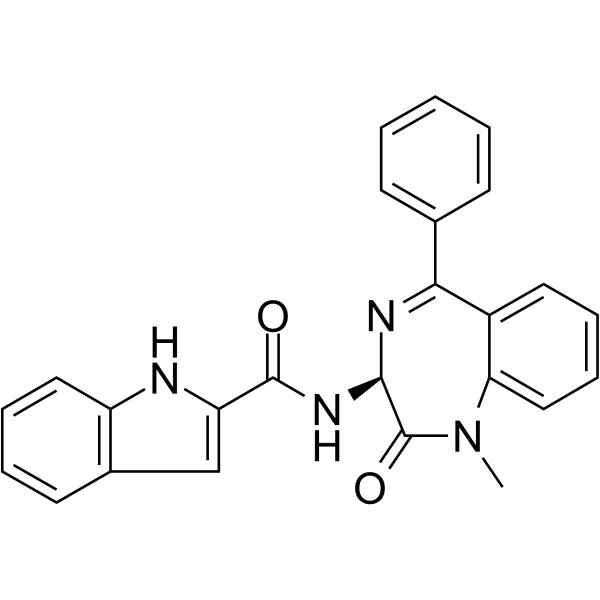
Devazepide (L-364,718) is a potent, competitive, selective and orally active nonpeptide antagonist of cholecystokinin (CCK) receptor, with IC50s of 81 pM, 45 pM and 245 nM for rat pancreatic, bovine gallbladder and guinea pig brain CCK receptors, respectively. Devazepide (L-364,718) is effective for gastrointestinal disorders .
|
-
-
- HY-B0349
-
|
Meclozine dihydrochloride
|
Histamine Receptor
Apoptosis
|
Neurological Disease
Endocrinology
Cancer
|
|
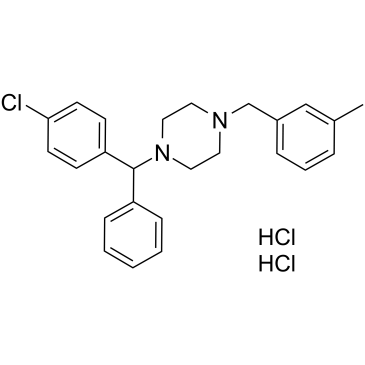
Meclizine (Meclozine) dihydrochloride, an antihistamine, reversibly inhibits the interaction of histamine at the H1 receptors. Meclizine dihydrochloride is a member of the piperazine class of H1 antagonists. Meclizine dihydrochloride is an effective anti-motion sickness agent. Meclizine dihydrochloride crosses the blood-brain barrier. Meclizine dihydrochloride can be used for the research of polyQ toxicity disorders, such as Huntington's disease. Meclizine dihydrochloride is an agonist ligand for mouse constitutive androstane receptor (CAR) and an inverse agonist for Human CAR .
|
-
-
- HY-14369
-
-
-
- HY-N0925
-
|
Canadine
|
Dopamine Receptor
|
Neurological Disease
|
|
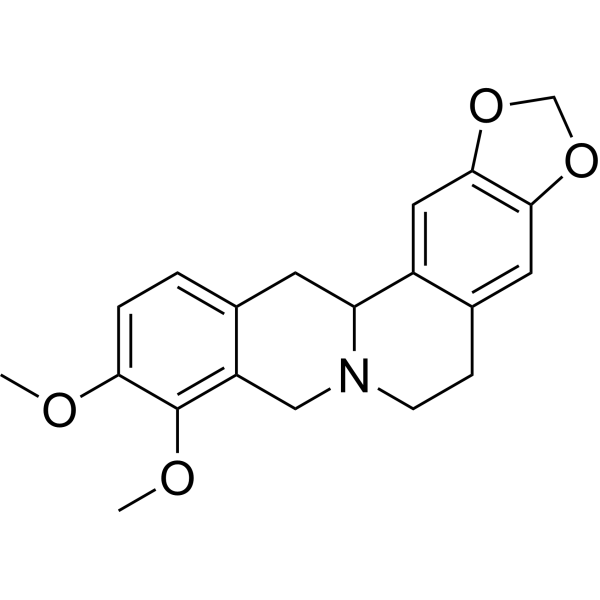
Tetrahydroberberine is a different kind of living thing that can be extended and divided into parts. Tetrahydroberberine is a kind of effective D2 receptor antagonistic force. Tetrahydroberberine has the ability to strengthen the stomach and relieve the pressure on the stomach .
|
-
-
- HY-14789
-
-
-
- HY-107601
-
|
ACET
|
iGluR
|
Neurological Disease
|
|
UBP316 (ACET) is a highly potent and selective kainate receptor GluK1 (GluR5) antagonist, with a Kb value of 1.4 nM. UBP316 is effective at blocking the depression of both field excitatory postsynaptic potentials (fEPSPs) and monosynaptically-evoked GABAergic transmission induced by ATPA, a GluK1 selective agonist .
|
-
-
- HY-B1161A
-
|
(+)-Methoprene; (7S)-Methoprene
|
Environmental Pollutants
Cannabinoid Receptor
|
Others
|
|
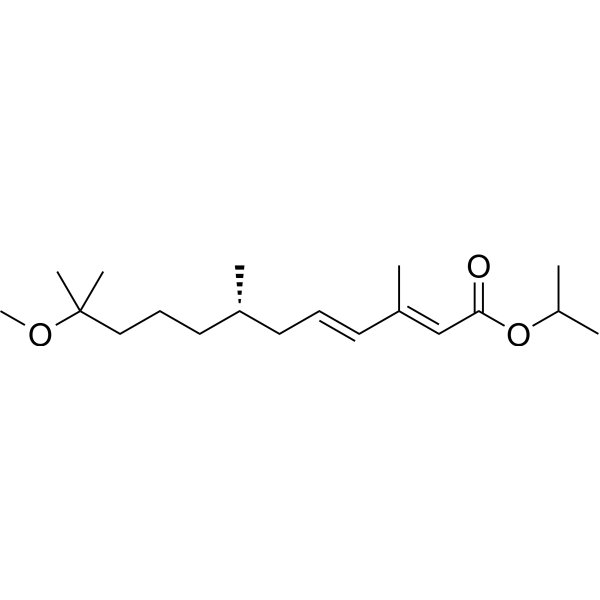
S-Methoprene is an insect juvenile hormone analog and effective insecticide that blocks the transition from pupa to adult. S-Methoprene is also a CB(1) receptor ligand and inhibits the binding of the CB1 receptor antagonist [ 3H]CP-55940 to the CB1 receptor (IC50: 19.31 μM) .
|
-
-
- HY-B0905
-
|
LY-177370; EL-870
|
Bacterial
Antibiotic
Apoptosis
Calcium Channel
|
Infection
Inflammation/Immunology
|
|
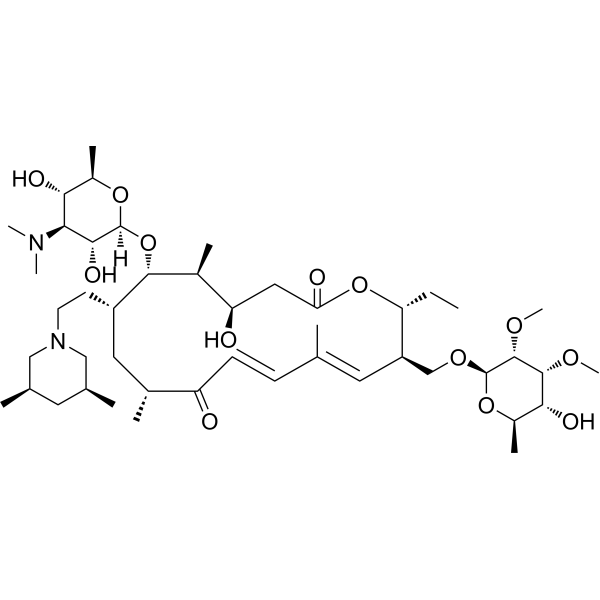
Tilmicosin (LY-177370) is an orally active calcium channel antagonist and macrolide antibiotic with antimicrobial activity. Tilmicosin mainly acts on the 50S subunit of bacterial ribosomes, inhibiting protein synthesis. Tilmicosin is effective in the treatment of respiratory diseases in livestock such as cattle, sheep and pigs. In addition, Tilmicosin has immunomodulatory and anti-inflammatory effects .
|
-
-
- HY-12407
-
|
|
VD/VDR
|
Metabolic Disease
|
|
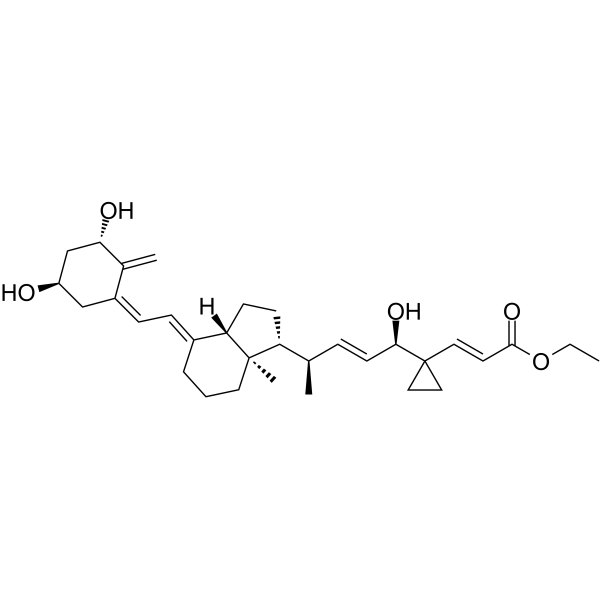
ZK168281 is a 25-carboxylic ester 1α,25(OH)2D3 analog and a pure VDR antagonist with a Kd value of 0.1 nM. ZK168281 is an effective inhibitor of the coactivator (CoA) interaction of its receptor .
|
-
-
- HY-133017
-
|
SAR439859
|
Estrogen Receptor/ERR
|
Cancer
|
|
SAR439859 (compound 43d) is an orally active, non-steroidal, and selective estrogen receptor degrader (SERD). SAR439859 is an effective ER antagonist with ER degradation activity, an EC50 of 0.2 nM. SAR439859 can show potent anti-tumor effects and limited cross-resistance in ER + breast cancer.
|
-
-
- HY-B0905A
-
|
LY-177370 phosphate; EL-870 phosphate
|
Bacterial
Antibiotic
Apoptosis
NO Synthase
COX
|
Infection
Inflammation/Immunology
|
|
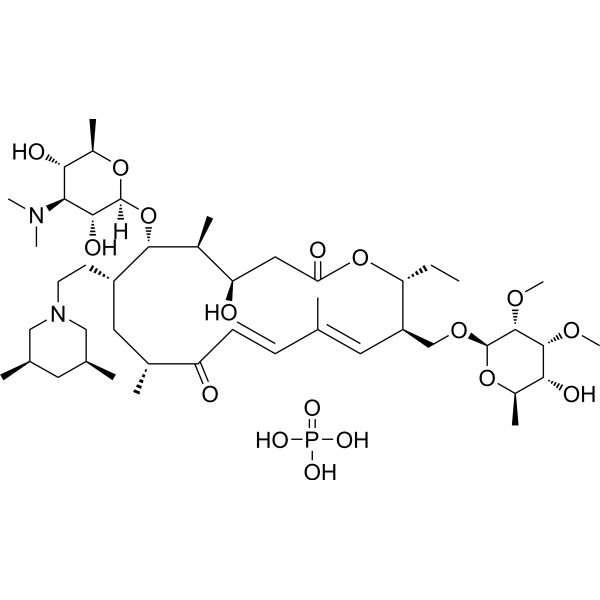
Tilmicosin (LY-177370) phosphate is an orally active calcium channel antagonist and macrolide antibiotic with antimicrobial activity. Tilmicosin phosphate mainly acts on the 50S subunit of bacterial ribosomes, inhibiting protein synthesis. Tilmicosin phosphate is effective in the treatment of respiratory diseases in livestock such as cattle, sheep and pigs. In addition, Tilmicosin phosphate has immunomodulatory and anti-inflammatory effects .
|
-
-
- HY-15009
-
-
-
- HY-P1023
-
|
|
GCGR
|
Metabolic Disease
|
|
VIP(6-28)(human, rat, porcine, bovine) is an effective antagonist of the actions of exogenous vasoactive intestinal peptide (VIP) on cAMP.
|
-
-
- HY-B0780
-
-
-
- HY-120084
-
BTX161
1 Publications Verification
|
Casein Kinase
|
Cancer
|
|
BTX161, a thalidomide analog, is an effective CKIα degrader. BTX161 mediates human AML cell CKIα degradation more effectively than lenalidomide and activates the DNA damage response (DDR) and p53, while stabilizing p53 antagonist MDM2.
|
-
-
- HY-N6969
-
|
|
Adrenergic Receptor
|
Endocrinology
|
|
Dicentrine is a natural product isolated from the plant Stephania epigaea Lo with antihypertensive effect. Dicentrine is an α1-adrenoceptor antagonist which has effective against human hyperplastic prostates .
|
-
-
- HY-B0971
-
|
Prophenpyridamine maleate; Tripoton maleate
|
Histamine Receptor
Apoptosis
|
Inflammation/Immunology
Endocrinology
|
|
Pheniramine (Prophenpyridamine; Tripoton) maleate is a first-generation histamine H1 receptor antagonist, acts on the central nervous system (CNS) with sedative and hypnotic effect. Pheniramine maleate displays antitumor effect and induces leukemia cells apoptosis. Pheniramine maleate is also a safe and effective local agent that can suppress or relieve pain, with antipruritic effects .
|
-
-
- HY-B1164
-
|
|
Dopamine Receptor
|
Neurological Disease
|
|
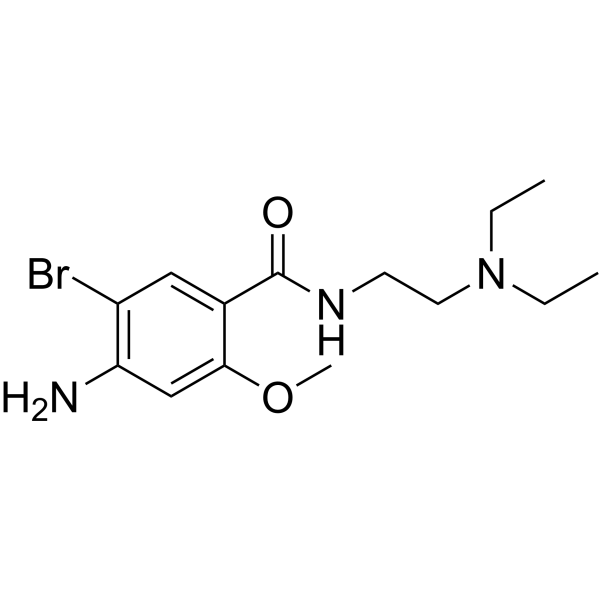
Bromopride is a selective, irreversible, competitive, and orally effective dopamine D2 receptor antagonist. Bromopride can pass through the blood-brain barrier, inhibit the vomiting center, and enhance gastrointestinal motility, exerting antiemetic and gastrointestinal motility effects. Bromopride antagonizes dopamine-mediated vomiting reflexes and promotes gastrointestinal smooth muscle contraction, and has no adverse effects on abdominal wall healing in rats with postoperative abdominal infection. Bromopride can be used for the study of digestive system diseases (such as gastric hypomotility, nausea and vomiting) .
|
-
-
- HY-111480
-
|
|
Dopamine Receptor
|
Neurological Disease
|
|
Propionylpromazine is a dopamine receptor DRD2 antagonist. Propionylpromazine also is an effective tranquillizer. Propionylpromazine can be used in veterinary studies .
|
-
-
- HY-18641
-
|
|
LPL Receptor
|
Cancer
|
|
Ki16198 is a potent and orally active LPA receptor antagonist, the methyl ester of Ki16425 (HY-13285). Ki16198 inhibits LPA1 and LPA3-induced inositol phosphate production with?Ki?values of 0.34 μM and 0.93 μM, respectively. Ki16198 is effective for pancreatic cancer tumorigenesis and metastasis in vivo .
|
-
-
- HY-107322A
-
|
Mepirodipine; YM-09730-5 Free base
|
Calcium Channel
|
Cardiovascular Disease
|
|
Barnidipine (Mepirodipine) is an L-type calcium antagonist (CaA) with high affinity for [ 3H] initrendipine binding sites (Ki = 0.21 nmol/L), has selective action against CaA receptors. Barnidipine is an orally effective antihypertensive agent that can reduce the level of platelet-derived growth factor B-chain mRNA and peripheral vascular resistance .
|
-
-
- HY-119832B
-
|
(S)-EGIS-2062 free acid; (S)-EGYT-2062 free acid
|
Histamine Receptor
|
Inflammation/Immunology
|
|
(S)-Setastine ((S)-EGIS-2062 free acid) is a non-sedating, highly potent antagonist of H1 receptor-mediated responses. (S)-Setastine has a long-lasting antihistamine effect and good oral efficacy. (S)-Setastine can be used in the research of allergic diseases .
|
-
-
- HY-138937
-
|
|
FXR
|
Metabolic Disease
|
|
NDB is a selective human FXRα (hFXRα) antagonist that is effective in modulating transcription of FXRα downstream genes. NDB can be used in anti-diabetes research .
|
-
-
- HY-101676
-
|
NID 525
|
Leukotriene Receptor
PPAR
Cytochrome P450
|
Metabolic Disease
|
|
RG-12525 is a a specific, competitive and orally effective antagonist of the peptidoleukotrienes, LTC4, LTD4 and LTE4, inhibiting LTC4-, LTD4- and LTE4-inducd guinea pig parenchymal strips contractions, with IC50s of 2.6 nM, 2.5 nM and 7 nM, respectively; RG-12525 is also a peroxisome proliferator-activated receptor gamma (PPAR-gamma) agonist with IC50 of appr 60 nM and a potent inhibitor of CYP3A4, with a Ki value of 0.5 µM.
|
-
-
- HY-127115
-
|
LY 170680
|
Leukotriene Receptor
|
Inflammation/Immunology
|
|
Sulukast (LY 170680) is a selective leukotriene D4 (LTD4) antagonist. Sulukast exerts an effective antagonistic effect on bronchoconstriction induced by LTD4. Sulukast can be used in the research of diseases such as asthma .
|
-
-
- HY-152524
-
|
|
Androgen Receptor
|
Cancer
|
|
Androgen receptor antagonist 7 is an effective androgen receptor (AR) antagonist with an IC50 value of 1.18 µM. Androgen receptor antagonist 7 has biological activity in vitro and inhibits the expression of AR target in a time and dose dependent manner with an GI50 value of 7.9 µM .
|
-
-
- HY-12073
-
|
|
Progesterone Receptor
|
Endocrinology
Cancer
|
|
W-255348 is an effective non-steroidal progesterone receptor (PR) antagonist that acquires antagonist activity by binding to and subsequently blocking progesterone induced nuclear accumulation, phosphorylation, and PR promoter interactions. WAY-255348 can be used in the research of reproductive disorders or PR-positive breast cancer .
|
-
-
- HY-P4745
-
|
|
MCHR1 (GPR24)
|
Metabolic Disease
|
|
hMCH-1R antagonist 1 (Compound 30) is an effective and selective antagonist of human melanin-concentrating hormone receptor 1 (hMCHR1) with an KB value of 3.6 nM. HMCH-1R antagonist 1 can bind to hMCHR1 and hMCHR2 with IC50 values of 65 nM and 49 nM, respectively. HMCH-1R antagonistist 1 can be used for metabolic research .
|
-
-
- HY-19501
-
|
|
CCR
|
Inflammation/Immunology
|
|
DPC-168 is an orally effective CCR3 antagonist (IC50 = 41 nM). DPC-168 exhibits a significant ability to inhibit eosinophil chemotaxis and pulmonary inflammation. DPC-168 can be used for research on airway inflammation .
|
-
-
- HY-B0971A
-
|
Prophenpyridamine; Tripoton; Pheniramine solution
|
Histamine Receptor
Apoptosis
|
Inflammation/Immunology
Cancer
|
|
Pheniramine (Prophenpyridamine;Tripoton) is a first-generation histamine H1 receptor antagonist, acts on the central nervous system (CNS) with sedative and hypnotic effect. Pheniramine displays antitumor effect and induces leukemia cells apoptosis. Pheniramine is also a safe and effective local agent that can suppress or relieve pain, with antipruritic effects .
|
-
-
- HY-B0905R
-
|
LY-177370 (Standard); EL-870 (Standard)
|
Reference Standards
Bacterial
Antibiotic
Apoptosis
Calcium Channel
|
Infection
Inflammation/Immunology
|
|
Tilmicosin (Standard) is the analytical standard of Tilmicosin. This product is intended for research and analytical applications. Tilmicosin (LY-177370) is an orally active calcium channel antagonist and macrolide antibiotic with antimicrobial activity. Tilmicosin mainly acts on the 50S subunit of bacterial ribosomes, inhibiting protein synthesis. Tilmicosin is effective in the treatment of respiratory diseases in livestock such as cattle, sheep and pigs. In addition, Tilmicosin has immunomodulatory and anti-inflammatory effects .
|
-
-
- HY-B0349A
-
|
Meclozine
|
Histamine Receptor
Apoptosis
|
Neurological Disease
Inflammation/Immunology
|
|
Meclizine (Meclozine), an antihistamine, reversibly inhibits the interaction of histamine at the H1 receptors. Meclizine is a member of the piperazine class of H1 antagonists. Meclizine is an effective anti-motion sickness agent. Meclizine crosses the blood–brain barrier. Meclizine is an agonist ligand for mouse constitutive androstane receptor (CAR) and an inverse agonist for Human CAR. Meclizine can be used for the research of polyQ toxicity disorders, such as Huntington's disease .
|
-
-
- HY-U00207
-
-
-
- HY-129995
-
|
|
TSH Receptor
|
Endocrinology
|
|
TSHR antagonist S37b is the less effective enantiomer of TSHR antagonist S37a (HY-129995A). TSHR antagonist S37b shows only a minor effect for thyrotropin receptor (TSHR) inhibition. TSHR antagonist S37b can be used for the research of thyroid function .
|
-
-
- HY-144127
-
|
|
Androgen Receptor
|
Cancer
|
|
AR antagonist 3 is a potent and selective androgen receptor (AR) antagonist with an IC50 of 0.47 µM. AR antagonist 3 exhibits a dose-dependent decrease of the FRET signal (IC50= 18.05 μM). AR antagonist 3 shows effective inhibition on tumor growth when administered intratumorally .
|
-
-
- HY-19668
-
|
|
5-HT Receptor
|
Neurological Disease
|
|
SGS-518 is a selective 5-HT6R antagonist. SGS518 can be used for the research of cognitive impairments such as amnesia, anxiety and depression, and it is effective in protecting mouse retina at high doses .
|
-
-
- HY-101946
-
|
|
Leukotriene Receptor
|
Inflammation/Immunology
|
|
AS-35 is an orally effective, potent and selective antagonist of leukotrienes, antagonizes LTC4-, LTD4 and LTE4-induced contractions of the ileum with IC50 values of 8 nM, 4 nM and 3 nM, respectively, and has antiallergic activities.
|
-
-
- HY-10053S
-
|
|
Isotope-Labeled Compounds
Neurokinin Receptor
|
Neurological Disease
Endocrinology
|
|
Maropitant-d3 is the deuterium labeled Maropitant. Maropitant is a selective and orally active neurokinin (NK1) receptor antagonist. Maropitant acts by blocking the binding of substance P within the emetic center and the chemoreceptor trigger zone (CRTZ). Maropitant is highly effective in preventing vomiting .
|
-
-
- HY-107725A
-
|
|
Wnt
Neuropeptide Y Receptor
|
Metabolic Disease
|
|
BIBO3304 (diTFA) is an orally effective and selective neuropeptide Y (NPY) Y1 receptor antagonist. BIBO3304 (diTFA) has a high affinity for both human and rat Y1 receptors, with IC50 values of 0.38 and 0.72 nM, respectively. BIBO3304 (diTFA) promotes bone-tendon healing through the Wnt/β-catenin signaling pathway .
|
-
-
- HY-B0905S
-
|
LY-177370-d3; EL-870-d3
|
Isotope-Labeled Compounds
Bacterial
Antibiotic
Apoptosis
NO Synthase
COX
|
Infection
Inflammation/Immunology
|
|
Tilmicosin-d3 is the deuterium labeled Tilmicosin. Tilmicosin (LY-177370) is an orally active calcium channel antagonist and macrolide antibiotic with antimicrobial activity. Tilmicosin mainly acts on the 50S subunit of bacterial ribosomes, inhibiting protein synthesis. Tilmicosin is effective in the treatment of respiratory diseases in livestock such as cattle, sheep and pigs. In addition, Tilmicosin has immunomodulatory and anti-inflammatory effects .
|
-
-
- HY-107129
-
|
|
GCGR
|
Metabolic Disease
|
|
MK-3577 is an orally effective glucagon receptor (GCGR) antagonist that reduces hepatic glucose production and lowers blood glucose levels by blocking glucagon receptors on target organs, primarily the liver. Pharmacokinetic analysis in domestic cats indicates that MK-3577 reaches peak levels 3 to 4 hours after oral administration, with a half-life of approximately 15 hours. MK-3577 can be used in diabetes research .
|
-
-
- HY-19429A
-
-
-
- HY-19429
-
|
|
Neurokinin Receptor
|
Metabolic Disease
|
|
SLV-317 (free base) is an antagonist of the neurokinin-1 receptor with oral activity. SLV-317 (free base) can effective antagonist of substance P-induced effects .
|
-
-
- HY-167946
-
|
|
Opioid Receptor
|
Others
|
|
CP-866087 is a new, highly effective, and selective antagonist of the mu-opioid receptor designed for exploring female sexual dysfunction.
|
-
-
- HY-161899
-
|
|
MCHR1 (GPR24)
|
Others
|
|
MCHR1 antagonist 4 (Compound 2m) is a blood-brain barrier permeable MCHR1 antagonist with Ki values of 0.74 nM and 0.76 nM for hMCHR1 and rMCHR1, respectively. MCHR1 antagonist 4 is also an effective anti-obesity agent .
|
-
-
- HY-19053
-
-
-
- HY-P2118
-
-
-
- HY-129826
-
|
|
mAChR
|
Others
|
|
J-104129 is a selective and orally active muscarinic M3 receptor antagonist (Ki = 4.2 nM). J-104129 is effective in promoting bronchodilation .
|
-
- HY-131041
-
|
|
Calcium Channel
|
Cardiovascular Disease
|
|
Ned-K is a nicotinic acid adenine dinucleotide phosphate (NAADP) antagonist. Ned-K is effective at dampening simulated ischaemia and reperfusion (sIR)-induced Ca 2+ oscillations in cardiomyocytes .
|
-
- HY-139117
-
-
- HY-14757
-
|
SL-650472
|
5-HT Receptor
|
Neurological Disease
|
|
Trelanserin (SL-650472) is a 5-HT receptor antagonist and also an effective in vitro smooth muscle contraction antagonist, competing against the contractions induced by sumatriptan (HY-B0121B) with a pA2 of 8.17±0.36 .
|
-
- HY-179232
-
|
|
Estrogen Receptor/ERR
|
Cancer
|
|
ERα antagonist 2 (Compound 5b) is an ER-α antagonist with an IC50 value of 1729 nM. ERα antagonist 2 exhibits significant inhibitory activity against breast cancer cell lines, and is still effective against ER-negative cells (MDA-MB-231), suggesting the existence of ER-independent pathways. ERα antagonist 2 can be used for the study of breast cancer .
|
-
- HY-173409
-
|
|
Androgen Receptor
Ser/Thr Protease
|
Inflammation/Immunology
|
|
AR antagonist 11 (Compound c2) is a selective AR antagonist with an IC50 of 0.019 μM. AR antagonist 11 is also effective against AR F877L/T878A mutant (IC50: 1.03 μM). AR antagonist 11 inhibits LNCaP cell proliferation and reduces PSA protein expression (IC50: 0.54 μM). AR antagonist 11 can be used for research of prostate cancer (PCa) .
|
-
- HY-159896
-
|
|
Protease Activated Receptor (PAR)
|
Cardiovascular Disease
|
|
PAR4 antagonist 8 (Compound 20f) is an effective, orally active, and selective PAR4 antagonist with an IC50 value of 15.32 nM. PAR4 antagonist 8 exhibits favorable pharmacokinetic properties. PAR4 antagonist 8 not only effectively inhibits human platelet aggregation induced by PAR4 agonists (IC50 = 6.39 nM) but also inhibits mouse platelet aggregation. PAR4 antagonist 8 can be used in antithrombotic research .
|
-
- HY-101234
-
|
|
Histamine Receptor
|
Inflammation/Immunology
|
|
ICI 162846 is an orally active antagonist of H2 receptor. ICI 162846 inhibits acid production accompanied by an increase in the secretion of histamine in chronic duodenal ulcer (CDU) models. ICI 162846 is effective in preventing CDU .
|
-
- HY-B0954A
-
|
|
mAChR
|
Endocrinology
|
|
Oxyphencyclimine is an orally active muscarinic receptor (mAChR) antagonist. Oxyphencyclimine is effective in reducing ulceration index and increasing pepsin activity in rat gastric ulcer model. Oxyphencyclimine can be used in studies of peptic ulcer disease and gastrointestinal spasm .
|
-
- HY-19668A
-
|
|
5-HT Receptor
|
Neurological Disease
|
|
SGS518 oxalate is a selective 5-HT6R antagonist. SGS518 oxalate can be used for the research of cognitive impairments such as amnesia, anxiety and depression, and it is effective in protecting mouse retina at high doses [1]
|
-
- HY-W370556
-
|
|
Neurokinin Receptor
|
Neurological Disease
|
|
(Rac)-LM11A-31 is a racemate of LM11A-31. LM11A-31 is a non-peptide modulator of p75NTR (neurotrophin receptor p75) and is an orally effective proNGF antagonist .
|
-
- HY-159802
-
|
|
Adrenergic Receptor
|
Endocrinology
|
|
Tolamolol is a selective beta-adrenergic antagonist with significant activity in reducing exercise-induced ST-segment depression. Tolamolol is clinically equivalent to propranolol in suppressing angina and exhibits greater cardiac selectivity. Tolamolol is effective in reducing the frequency of angina attacks and the amount of glyceryl trinitrate used. Tolamolol is effective in lowering blood pressure and has a positive effect on increasing the amount of exercise that can be performed before angina attacks. The use of Tolamolol also helps improve the suppression of arrhythmias .
|
-
- HY-N1514R
-
|
|
Reference Standards
P-glycoprotein
|
Cancer
|
|
Doxylamine (succinate) (Standard) is the analytical standard of Doxylamine (succinate). This product is intended for research and analytical applications. Doxylamine (succinate), a first generation antihistamine, is a histamine (H1) receptor antagonist. Doxylamine is also a local analgesic agent and effective hypnotic agent .
|
-
- HY-U00449S
-
|
|
Isotope-Labeled Compounds
RAR/RXR
|
Cancer
|
|
AGN 193109-d7 is the deuterium labeled AGN 193109. AGN 193109 is a retinoid analog, and acts as a specific and highly effective antagonist of retinoic acid receptors (RARs), with Kds of 2 nM, 2 nM, and 3 nM for RARα, RARβ, and RARγ, respectively.
|
-
- HY-125615
-
|
|
Glycoprotein VI
|
Cardiovascular Disease
Others
|
|
DMP 728 methanesulfonate is a platelet glycoprotein (GP) IIb/IIIa receptor antagonist. DMP 728 methanesulfonate shows dose-dependent antiplatelet and antithrombotic effects. DMP 728 methanesulfonate can be used in the study of effective antithrombotic agents in thromboembolic diseases of coronary and peripheral arteries .
|
-
- HY-155041
-
|
|
Angiotensin Receptor
|
Cardiovascular Disease
|
|
Antihypertensive agent 2 (Compound 4g) is an antihypertensive agent. Antihypertensive agent 2 has effective antagonistic activities against angiotensin II receptor 1. Antihypertensive agent 2 reduces the blood pressure with equal or more potency compared to Losartan (HY-17512) .
|
-
- HY-N0925R
-
|
Canadine (Standard)
|
Reference Standards
Dopamine Receptor
|
Neurological Disease
|
|
Tetrahydroberberine (Standard) is the analytical standard of Tetrahydroberberine. This product is intended for research and analytical applications. Tetrahydroberberine is a different kind of living thing that can be extended and divided into parts. Tetrahydroberberine is a kind of effective D2 receptor antagonistic force. Tetrahydroberberine has the ability to strengthen the stomach and relieve the pressure on the stomach .
|
-
- HY-10053R
-
|
|
Reference Standards
Neurokinin Receptor
|
Neurological Disease
Endocrinology
|
|
Maropitant (Standard) is the analytical standard of Maropitant. This product is intended for research and analytical applications. Maropitant is a selective and orally active neurokinin (NK1) receptor antagonist. Maropitant acts by blocking the binding of substance P within the emetic center and the chemoreceptor trigger zone (CRTZ). Maropitant is highly effective in preventing vomiting .
|
-
- HY-119097
-
|
|
mGluR
|
Neurological Disease
|
|
LY456066 is a selective non-competitive metabotropic glutamate receptors (mGluR1) antagonist with an IC50 value of 52.0 nM. LY456066 is effective in rodent models of anxiolysis and nociception. LY456066 reduces hyperalgesia and the amount of licking and flinching following formalin injection, which is promising for research of analgesics for chronic pain .
|
-
- HY-127113
-
|
|
Leukotriene Receptor
|
Cardiovascular Disease
|
|
Q8, an effective antiangiogenic drug, is a CysLt1 antagonist (IC50 of 4.9 μM). Q8 is sufficient to reduce cellular levels of NF-κB and calpain-2 and secreted levels of the proangiogenic proteins intercellular adhesion molecule-1, vascular cell adhesion protein-1, and VEGF .
|
-
- HY-10053S1
-
|
|
Isotope-Labeled Compounds
Neurokinin Receptor
|
Neurological Disease
Endocrinology
|
|
Maropitant- 13C,d3 is the 13C- and deuterium labeled Maropitant. Maropitant is a selective and orally active neurokinin (NK1) receptor antagonist. Maropitant acts by blocking the binding of substance P within the emetic center and the chemoreceptor trigger zone (CRTZ). Maropitant is highly effective in preventing vomiting .
|
-
- HY-B0661C
-
|
YM12617 hydrochloride; LY253351 hydrochloride
|
Adrenergic Receptor
|
Endocrinology
|
|
Tamsolusin (YM12617) hydrochloride is a highly selective alpha-1A adrenergic receptor antagonist used in the treatment of benign prostatic hypertrophy, demonstrating effective biological activity in alleviating associated symptoms. Tamsolusin hydrochloride can also be quantified using a validated spectrofluorimetric method, showcasing its potential for routine quality control analysis in pharmaceutical formulations.
|
-
- HY-A0118AS
-
|
|
Isotope-Labeled Compounds
Opioid Receptor
|
Neurological Disease
|
|
Naloxegol-d5 (oxalate) is deuterium labeled Naloxegol (oxalate). Naloxegol oxalate (NKTR-118 oxalate; AZ-13337019 oxalate) is a μ-opioid-receptor antagonist. Naloxegol oxalate inhibits opioid binding in μ-opioid receptors in the gastrointestinal tract and effective for alleviating opioid-induced constipation .
|
-
- HY-14789R
-
|
NBI-56418 (Standard)
|
GnRH Receptor
Nuclear Factor of activated T Cells (NFAT)
Reference Standards
|
Endocrinology
Cancer
|
|
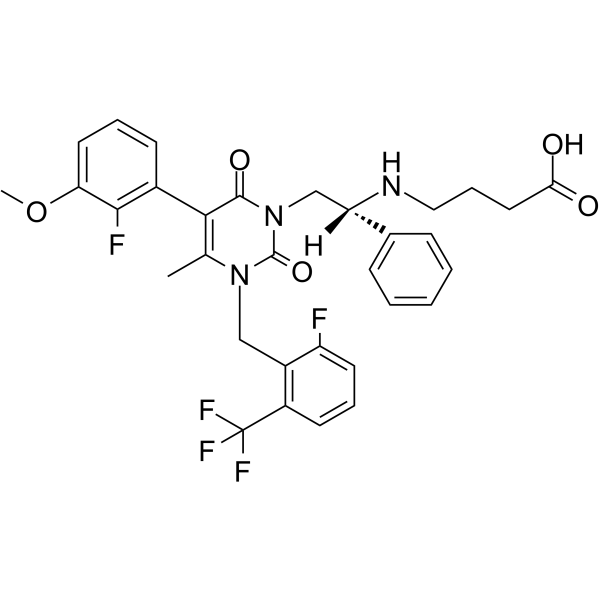
(R)-Elagolix (Standard) is the analytical standard of (R)-Elagolix. This product is intended for research and analytical applications. Elagolix is a highly effective, selective, oral-active, short-term, non-peptide gonadotropin-releasing hormone receptor (GnRH receptor) antagonist (KD = 54 pM) and NFAT inhibitor, which can be used to study pain related to endometriosis. .
|
-
- HY-19917
-
|
|
Histamine Receptor
|
Neurological Disease
|
|
JNJ-39220675 is a selective and brain-penetrating histamine H3 receptor antagonist with activity in regulating alcohol stimulation and reward. JNJ-39220675 is effective in reducing alcohol intake and preference in alcohol-preferring rats. JNJ-39220675 does not affect the ataxic effects of alcohol, the rate of alcohol elimination, or alcohol-induced nucleocapsid dopamine release .
|
-
- HY-123449A
-
|
|
Adrenergic Receptor
|
Cardiovascular Disease
Neurological Disease
|
|
MK-761 TFA is an orally effective β2-adrenergic receptor antagonist. MK-761 TFA attenuates positive inotropic effects, reduces arterial pressure, enhances the contractility of papillary muscles in cat hearts, and exerts effects mediated by catecholamine release. MK-761 TFA can be used in the research of hypertension .
|
-
- HY-W751574
-
-
- HY-123449
-
|
|
Adrenergic Receptor
|
Cardiovascular Disease
|
|
MK-761 free base is an orally effective β2-adrenergic receptor antagonist. MK-761 free base attenuates positive inotropic effects, reduces arterial pressure, enhances the contractility of papillary muscles in cat hearts, and exerts effects mediated by catecholamine release. MK-761 free base can be used in the research of hypertension .
|
-
- HY-A0118S1
-
|
NKTR-118-13C,d2; AZ-13337019-13C,d2
|
Isotope-Labeled Compounds
Opioid Receptor
|
Neurological Disease
Cancer
|
|
Naloxegol- 13C,d2 (NKTR-118- 13C,d2) is 13C labeled Naloxegol. Naloxegol (NKTR-118; AZ-13337019) is a μ-opioid-receptor antagonist. Naloxegol inhibits opioid binding in μ-opioid receptors in the gastrointestinal tract and effective for alleviating opioid-induced constipation .
|
-
- HY-111066
-
|
|
Dopamine Receptor
|
Others
|
|
JNJ-37822681 is a fast dissociating D2 antagonist with activity in inhibiting schizophrenia. JNJ-37822681 has high specificity for D2 receptors and is effective in animal models, inducing increased levels of extracellular serotonin, dopamine, and norepinephrine in the rat cerebral cortex, and exhibiting antidepressant activity in the mouse tail suspension test, while having a good brain distribution and lower prolactin release.
|
-
- HY-A0118S
-
|
NKTR-118-13C,d3; AZ-13337019-13C,d3
|
Isotope-Labeled Compounds
|
Neurological Disease
Cancer
|
|
Naloxegol- 13C,d3 (NKTR-118- 13C,d3) is 13C labeled Naloxegol. Naloxegol (NKTR-118; AZ-13337019) is a μ-opioid-receptor antagonist. Naloxegol inhibits opioid binding in μ-opioid receptors in the gastrointestinal tract and effective for alleviating opioid-induced constipation .
|
-
- HY-B0349B
-
|
Meclozine dihydrochloride monohydrate
|
Histamine Receptor
Apoptosis
|
Neurological Disease
Inflammation/Immunology
|
|
Meclizine (Meclozine) dihydrochloride monohydrate, an antihistamine, reversibly inhibits the interaction of histamine at the H1 receptors. Meclizine dihydrochloride is a member of the piperazine class of H1 antagonists. Meclizine dihydrochloride monohydrate is an effective anti-motion sickness agent. Meclizine dihydrochloride monohydrate crosses the blood-brain barrier. Meclizine dihydrochloride monohydrate is an agonist ligand for mouse constitutive androstane receptor (CAR) and an inverse agonist for Human CAR. Meclizine dihydrochloride monohydrate can be used for the research of polyQ toxicity disorders, such as Huntington's disease .
|
-
- HY-B0971R
-
|
Prophenpyridamine maleate (Standard); Tripoton maleate (Standard); Pheniramine maleate (Standard)
|
Reference Standards
Histamine Receptor
Apoptosis
|
Inflammation/Immunology
Endocrinology
|
|
Pheniramine (maleate) (Standard) is the analytical standard of Pheniramine (maleate). This product is intended for research and analytical applications. Pheniramine (Prophenpyridamine; Tripoton) maleate is a first-generation histamine H1 receptor antagonist, acts on the central nervous system (CNS) with sedative and hypnotic effect. Pheniramine maleate displays antitumor effect and induces leukemia cells apoptosis. Pheniramine maleate is also a safe and effective local agent that can suppress or relieve pain, with antipruritic effects .
|
-
- HY-106301R
-
|
L-364,718 (Standard); MK-329 (Standard)
|
Reference Standards
Cholecystokinin Receptor
|
Metabolic Disease
|
|
Devazepide (Standard) is the analytical standard of Devazepide. This product is intended for research and analytical applications. Devazepide (L-364,718) is a potent, competitive, selective and orally active nonpeptide antagonist of cholecystokinin (CCK) receptor, with IC50s of 81 pM, 45 pM and 245 nM for rat pancreatic, bovine gallbladder and guinea pig brain CCK receptors, respectively. Devazepide (L-364,718) is effective for gastrointestinal disorders .
|
-
- HY-N7814R
-
|
|
Reference Standards
Endogenous Metabolite
|
Others
|
|
Pheniramine (maleate) (Standard) is the analytical standard of Pheniramine (maleate). This product is intended for research and analytical applications. Pheniramine (Prophenpyridamine; Tripoton) maleate is a first-generation histamine H1 receptor antagonist, acts on the central nervous system (CNS) with sedative and hypnotic effect. Pheniramine maleate displays antitumor effect and induces leukemia cells apoptosis. Pheniramine maleate is also a safe and effective local agent that can suppress or relieve pain, with antipruritic effects .
|
-
- HY-B0971AR
-
|
Prophenpyridamine (Standard); Tripoton (Standard); Pheniramine solution (Standard)
|
Reference Standards
Histamine Receptor
Apoptosis
|
Inflammation/Immunology
Cancer
|
|
Pheniramine (Standard) is the analytical standard of Pheniramine. This product is intended for research and analytical applications. Pheniramine (Prophenpyridamine;Tripoton) is a first-generation histamine H1 receptor antagonist, acts on the central nervous system (CNS) with sedative and hypnotic effect. Pheniramine displays antitumor effect and induces leukemia cells apoptosis. Pheniramine is also a safe and effective local agent that can suppress or relieve pain, with antipruritic effects .
|
-
- HY-U00449R
-
|
|
Reference Standards
RAR/RXR
|
Cancer
|
|
AGN 193109 is a retinoid analog, and acts as a specific and highly effective antagonist of retinoic acid receptors (RARs), with Kds of 2 nM, 2 nM, and 3 nM for RARα, RARβ, and RARγ, respectively. AGN 193109 is a click chemistry reagent, it contains an Alkyne group and can undergo copper-catalyzed azide-alkyne cycloaddition (CuAAc) with molecules containing Azide groups. AGN 193109 is the antidote for retinoic acidosis, that ameliorates the skin and mucosal toxicity.
|
-
- HY-100840A
-
|
4-Carboxy-3-hydroxyphenylglycine
|
mGluR
|
Neurological Disease
|
|
(RS)-4C3HPG (4-Carboxy-3-hydroxyphenylglycine) is an effective competitive antagonist at the metabotropic glutamate receptor 1 (mGluR1) in the central nervous system, and it is also an agonist at mGluR2/3. (RS)-4C3HPG exhibits neuroprotective effects in an acute global ischemia rat model .
|
-
- HY-118758
-
|
γ-Kainic acid-glutamic acid
|
Sodium Channel
|
Neurological Disease
|
|
γ-Kainylglutamic acid (γ-Kainic acid-glutamic acid), a dipeptide derived from kainic and L-Glutamic acids, is a selective antagonist of amino acid induced neuroexcitation with anticonvulsant properties. γ-Kainylglutamic acid inhibits the stimulation of Na + fluxes induced in brain slices by the neuroexcitant N-methyl-D-aspartic acid. γ-Kainylglutamic acid is also effective in protecting mice from picrotoxin-induced convulsions with an EC50 value of 0.17 μmol .
|
-
- HY-B0905AR
-
|
LY-177370 phosphate (Standard); EL-870 phosphate (Standard)
|
Reference Standards
Bacterial
Antibiotic
Apoptosis
NO Synthase
COX
|
Infection
Inflammation/Immunology
|
|
Tilmicosin (phosphate) (Standard) is the analytical standard of Tilmicosin (phosphate). This product is intended for research and analytical applications. Tilmicosin (LY-177370) phosphate is an orally active calcium channel antagonist and macrolide antibiotic with antimicrobial activity. Tilmicosin phosphate mainly acts on the 50S subunit of bacterial ribosomes, inhibiting protein synthesis. Tilmicosin phosphate is effective in the treatment of respiratory diseases in livestock such as cattle, sheep and pigs. In addition, Tilmicosin phosphate has immunomodulatory and anti-inflammatory effects .
|
-
- HY-B0349R
-
|
Meclozine dihydrochloride (Standard)
|
Reference Standards
Histamine Receptor
Apoptosis
|
Neurological Disease
Endocrinology
Cancer
|
|
Meclizine (dihydrochloride) (Standard) is the analytical standard of Meclizine (dihydrochloride). This product is intended for research and analytical applications. Meclizine (Meclozine) dihydrochloride, an antihistamine, reversibly inhibits the interaction of histamine at the H1 receptors. Meclizine dihydrochloride is a member of the piperazine class of H1 antagonists. Meclizine dihydrochloride is an effective anti-motion sickness agent. Meclizine dihydrochloride crosses the blood-brain barrier. Meclizine dihydrochloride can be used for the research of polyQ toxicity disorders, such as Huntington's disease. Meclizine dihydrochloride is an agonist ligand for mouse constitutive androstane receptor (CAR) and an inverse agonist for Human CAR .
|
-
- HY-167866
-
-
- HY-P0038
-
|
L-367073
|
Integrin
|
Cardiovascular Disease
|
|
MK-852 (L-367073) is an effective GPIIb/IIIa receptor antagonist. MK-852 can significantly inhibit the binding of fibrinogen to platelets in vitro. MK-852can be used for the study of thrombosis .
|
-
- HY-129482
-
|
|
Others
|
Others
|
|
Detoxin D1 is a compound with antihistamine activity and a new type of H1 antagonist. In the suppression of seasonal allergic rhinitis, a daily dose of 10-30 mg has an equivalent and highly effective inhibitory effect compared with placebo and has good safety.
|
-
- HY-132131
-
|
Zavegepant hydrochloride; BHV-3500 hydrochloride
|
CGRP Receptor
|
Infection
Inflammation/Immunology
|
|
Vazegepant (BHV-3500) hydrochloride is a highly affinity CGRP receptor antagonist (hCGRP Ki= 0.023 nM). Vazegepant hydrochloride is the first intranasal gepant for migraine. Vazegepant hydrochloride may be helpful in effective management of COVID-19 associated pulmonary inflammation .
|
-
- HY-115633
-
-
- HY-115633S
-
-
- HY-185478
-
|
|
MCHR1 (GPR24)
|
Metabolic Disease
|
|
NGD-4715 is an orally effective melanin-concentrating hormone receptor 1 (MCHR1) antagonist with IC50 and Ki values of 10.6 nM and 5.9 nM, respectively. NGD-4715 acts as an inhibitor of food intake, a body weight regulator and a metabolic regulator, and reduces food intake, body weight gain and blood glucose levels in diet-induced obese rats. NGD-4715 is applicable to obesity-related research .
|
-
- HY-119854
-
|
AY-28228
|
Adrenergic Receptor
5-HT Receptor
Histamine Receptor
|
Cardiovascular Disease
Neurological Disease
|
|
Atiprosine (AY-28228) is an orally effective selective α1-adrenergic receptor antagonist with a pA2 value of 8.11. Atiprosine exhibits antagonistic activity against α2-adrenergic receptors (α1-adrenergic receptor), 5-HT₂ receptors (5-HT₂ receptor), and H₁ receptors (H₁ receptor). The pA2 values for these receptors are 6.04, 6.87, and 7.32 respectively. Atiprosine has antihypertensive and hypotensive effects in rats, dogs, and monkeys. It can be used for research on cardiovascular and mental disorders.
|
-
- HY-19279A
-
|
|
Adrenergic Receptor
|
Endocrinology
|
|
JTH-601 Free base is a novel alpha1-adrenoceptor antagonist that exhibits potent activity in inhibiting phenylephrine-induced contractions in lower urinary tract tissues. JTH-601 Free base competitively antagonizes alpha1-adrenoceptor-mediated contractile responses, demonstrating greater potency than prazosin or tamsulosin. JTH-601 Free base is anticipated to be effective in treating urinary outlet obstruction associated with benign prostatic hyperplasia.
|
-
- HY-106901B
-
|
HI-6 dimesylate
|
Cholinesterase (ChE)
nAChR
|
Neurological Disease
|
|
Asoxime dimesylate (HI-6 dimesylate) is an orally active thiosemicarbazone-based antidote. Asoxime dimesylate is a reversible inhibitor of AChE, and its core mechanism of action is to re-activate AChE inhibited by nerve toxins, thereby restoring the cholinergic nerve function. Asoxime dimesylate significantly restores the function of poisoned muscles without reactivating AChE. Asoxime dimesylate is an antagonist of acetylcholine receptors (AChRs), including nicotinic receptor and α7 nAChR. Asoxime dimesylate can serve as an effective immunomodulator, improving the immune effect of the nervous system .
|
-
- HY-P2446
-
|
APTAA-LHRH
|
GnRH Receptor
|
Endocrinology
|
|
ORG 30276 (APTAA-LHRH) is a potent GnRH antagonist that effectively reduces serum LH and FSH levels in male rats. ORG 30276 significantly decreases unoccupied pituitary GnRH receptors, leading to suppressed gonadotropin secretion. ORG 30276 treatment results in a considerable reduction in mRNA levels of gonadotropin beta-subunits in the pituitary gland. ORG 30276's effects on gonadotropin dynamics can be selectively reversed by the replacement of specific sex steroids, with androgens being particularly effective for the FSH beta-subunit mRNA levels.
|
-
- HY-19904A
-
|
(+/-)-LY2409021
|
Endogenous Metabolite
|
Metabolic Disease
|
|
(+/-)-Adomeglivant ((+/-)-LY2409021) is a potent and selective glucagon receptor antagonist with hypoglycemic activity. (+/-)-Adomeglivant is effective in lowering blood sugar levels in both healthy people and people with type 2 diabetes. (+/-)-Adomeglivant is well tolerated by glucagon signaling blockade in patients with type 2 diabetes and significantly reduces fasting and postprandial blood glucose with a concomitant reversible elevation of aminotransferases. Glucagon signaling inhibition by (+/-)-Adomeglivant is a promising potential inhibitory approach for patients with type 2 diabetes and warrants further evaluation of its benefits and risks in longer clinical trials .
|
-
- HY-180120
-
|
|
STING
IKK
NF-κB
IFNAR
Interleukin Related
|
Inflammation/Immunology
|
|
UM-203 is a reversible covalent STING antagonist. UM-203 is effective against both mouse and human STING, and in particular, it inhibits the most common human STING R232 variant. UM-203 can inhibit STING oligomerization and reduce phosphorylation of downstream TBK1 and IRF3, thereby blocking the IRF3 and NF-κB-mediated signaling pathways and inhibiting IFNβ and IL-6 secretion. UM-203 can be used for the research of inflammation and immunology, such as systemic lupus erythematosus .
|
-
- HY-13208
-
|
AT-406 hydrochloride; Debio 1143 hydrochloride; SM-406 hydrochloride
|
IAP
Apoptosis
|
Cancer
|
|
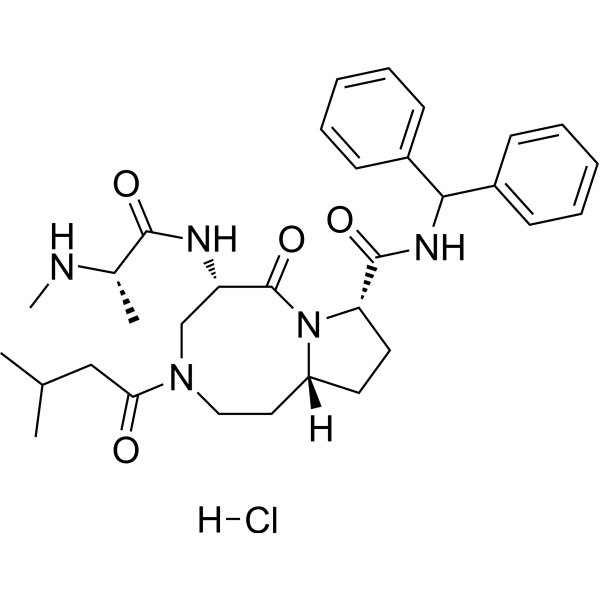
Xevinapant (AT-406) hydrochloride is a potent and orally bioavailable Smac mimetic and an antagonist of the inhibitor of apoptosis proteins (IAPs). Xevinapant hydrochloride binds to XIAP, cIAP1, and cIAP2 proteins with Kis of 66.4, 1.9, and 5.1 nM, respectively. Xevinapant hydrochloride effectively antagonizes XIAP BIR3 protein in a cell-free functional assay, induces rapid degradation of cellular cIAP1 protein, and inhibits cancer cell growth in various human cancer cell lines. Xevinapant hydrochloride is highly effective in induction of apoptosis in xenograft tumors .
|
-
- HY-U00449G
-
|
|
RAR/RXR
|
Cancer
|
|
AGN 193109 (GMP) is AGN 193109 (HY-U00449) produced by using GMP guidelines. GMP small molecules works appropriately as an auxiliary reagent for cell therapy manufacture. AGN 193109 is a specific and highly effective retinoic acid receptor (RAR) antagonist . AGN 193109 (GMP) is a click chemistry reagent, it contains an Alkyne group and can undergo copper-catalyzed azide-alkyne cycloaddition (CuAAc) with molecules containing Azide groups. AGN 193109 is the antidote for retinoic acidosis, that ameliorates the skin and mucosal toxicity.
|
-
- HY-117792
-
|
|
5-HT Receptor
|
Inflammation/Immunology
|
|
LY314228 is an aminoguanidine 5-HT2 antagonist with relative selectivity for 5-HT2A receptors (IC50: 147.9 nM). The Ki values of LY314228 targeting different 5-HT subtypes are 65 nM (5-HT 2A), 1214 nM (5-HT 2B), and 168 nM (5-HT 2C), respectively. LY314228 is an effective inhibitor of 5-HT-induced paw edema in rats with an ED50 of 6.4 mg/kg in ovariectomized female rats. .
|
-
- HY-A0019A
-
|
9-Hydroxyrisperidone palmitate
|
Dopamine Receptor
5-HT Receptor
|
Neurological Disease
|
|
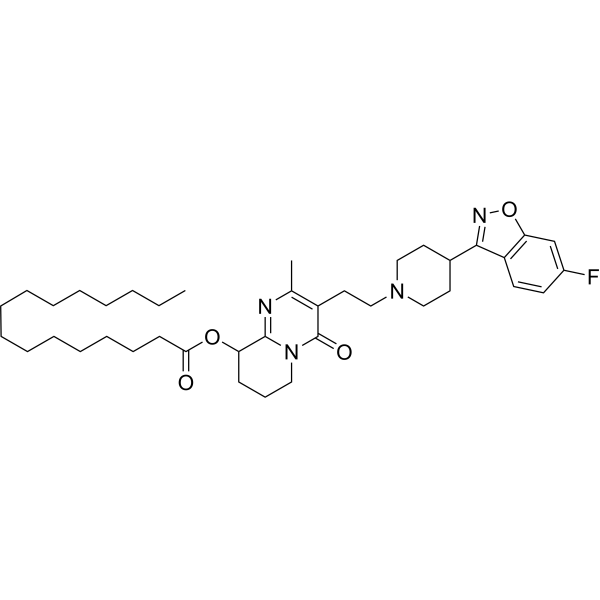
Paliperidone palmitate is an orally effective competitive antagonist of dopamine D2 receptors and 5-hydroxytryptamine 2A (5-HT2A) receptors that can cross the blood-brain barrier. Paliperidone palmitate competitively inhibits the effects of dopamine and 5-hydroxytryptamine by binding to dopamine D2 receptors and 5-HT2A receptors, regulating the balance of the neurotransmitter system and thus exerting antipsychotic activity. Paliperidone palmitate is mainly used in the research field of schizophrenia .
|
-
- HY-B0020
-
|
SDZ-ICS-930
|
5-HT Receptor
nAChR
|
Neurological Disease
Inflammation/Immunology
Cancer
|
|
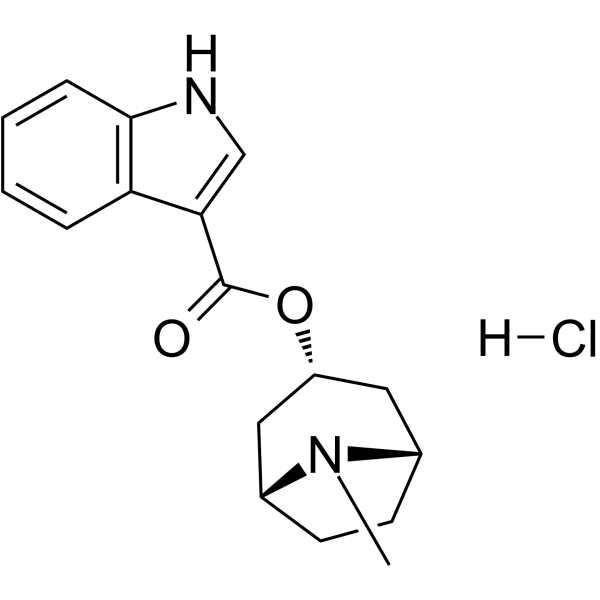
Tropisetron Hydrochloride (SDZ-ICS-930) is an effective neuroprotective agent that acts as a 5-HT3 receptor antagonist, a calmodulin inhibitor, and an α7-nAChRreceptor agonist, with an IC50 of 70.1 nM for the 5-HT3 receptor. Tropisetron Hydrochloride has anti-inflammatory properties and immune-regulating functions, effectively alleviating symptoms associated with chemotherapy and post-surgery. Tropisetron Hydrochloride reduces Ab (HY-P4867)-induced hippocampal neuroinflammation .
|
-
- HY-106901A
-
|
HI-6
|
Cholinesterase (ChE)
nAChR
|
Neurological Disease
|
|
Asoxime dichloride (HI-6) is an orally active thiosemicarbazone-based antidote. Asoxime dichloride is a reversible inhibitor of AChE, and its core mechanism of action is to re-activate AChE inhibited by nerve toxins, thereby restoring the cholinergic nerve function. Asoxime dichloride significantly restores the function of poisoned muscles without reactivating AChE. Asoxime dichloride is an antagonist of acetylcholine receptors (AChRs), including nicotinic receptor and α7 nAChR. Asoxime dichloride can serve as an effective immunomodulator, improving the immune effect of the nervous system .
|
-
- HY-B0020R
-
|
SDZ-ICS-930 (Standard)
|
5-HT Receptor
Reference Standards
nAChR
|
Neurological Disease
Cancer
|
|
Tropisetron (Hydrochloride) (Standard) is the analytical standard of Tropisetron (Hydrochloride). Tropisetron Hydrochloride (SDZ-ICS-930) is an effective neuroprotective agent that acts as a 5-HT3 receptor antagonist, a calmodulin inhibitor, and an α7-nAChRreceptor agonist, with an IC50 of 70.1 nM for the 5-HT3 receptor. Tropisetron Hydrochloride has anti-inflammatory properties and immune-regulating functions, effectively alleviating symptoms associated with chemotherapy and post-surgery. Tropisetron Hydrochloride reduces Ab (HY-P4867)-induced hippocampal neuroinflammation .
|
-
- HY-101094
-
|
R79598
|
5-HT Receptor
Dopamine Receptor
|
Neurological Disease
|
|
Ocaperidone is an effective antipsychotic agent, acting as a potent 5-HT2 and dopamine D2 antagonist, and a 5-HT1A agonist, with Kis of 0.14 nM, 0.46 nM, 0.75 nM, 1.6 nM and 5.4 nM for 5-HT2, a1-adrenergic receptor, dopamine D2, histamine H1 and a2-adrenergic receptor, respectively, and a pEC50 and pKi of 7.60 and 8.08 for h5-HT1A.
|
-
- HY-N6932
-
|
|
Cannabinoid Receptor
P-glycoprotein
PI3K
Akt
mTOR
Apoptosis
Autophagy
EGFR
|
Metabolic Disease
Cancer
|
|
Voacamine is an indole alkaloid with cannabinoid 1 (CB1) antagonistic activity. Voacamine can inhibit nuclear translocation. Voacamine is effective in enhancing the effect of Doxorubicin (HY-15142A) as it interferes with the P-glycoprotein (P-gp) function. Voacamine promotes apoptosis-independent autophagic cell death in human osteosarcoma cells. Voacamine activates mitochondrial-associated apoptosis signaling pathway and inhibition of PI3K/Akt/mTOR signaling pathway to suppress breast cancer progression. Voacamine inhibits EGFR to exert oncogenic activity against colorectal cancer .
|
-
- HY-106203A
-
|
SSR-125543 hydrochloride
|
CFTR
|
Metabolic Disease
|
|
Crinecerfont (SSR-125543) hydrochloride is an orally effective corticotropin-releasing factor receptor type-1 (CRF1 receptor) antagonist. Crinecerfont hydrochloride blocks CRF1 receptor signaling to reduce adrenocorticotropic hormone secretion. Crinecerfont hydrochloride improves hypothalamic-pituitary-adrenal axis negative feedback sensitivity in chronically stressed mice. Crinecerfont hydrochloride can be used for the research of chronic stress conditions and classic congenital adrenal hyperplasia due to 21-hydroxylase deficiency . Crinecerfont hydrochloride is a click chemistry reagent, it contains an Alkyne group and can undergo copper-catalyzed azide-alkyne cycloaddition (CuAAc) with molecules containing Azide groups.
|
-
- HY-106203
-
|
SSR-125543
|
CFTR
|
Metabolic Disease
|
|
Crinecerfont (SSR-125543) is an orally effective corticotropin-releasing factor receptor type-1 (CRF1 receptor) antagonist. Crinecerfont blocks CRF1 receptor signaling to reduce adrenocorticotropic hormone secretion. Crinecerfont improves hypothalamic-pituitary-adrenal axis negative feedback sensitivity in chronically stressed mice. Crinecerfont can be used for the research of chronic stress conditions and classic congenital adrenal hyperplasia due to 21-hydroxylase deficiency . Crinecerfont is a click chemistry reagent, it contains an Alkyne group and can undergo copper-catalyzed azide-alkyne cycloaddition (CuAAc) with molecules containing Azide groups.
|
-
- HY-135783
-
AT 1001
1 Publications Verification
|
nAChR
|
Neurological Disease
Metabolic Disease
Inflammation/Immunology
|
|
AT 1001 is an orally effective α3β4 nicotinic acetylcholine receptor (α3β4 nAChR) antagonist with a Ki value of 2.64 nM. AT 1001 reversibly blocks Epibatidine (HY-101078)-induced inward currents in HEK cells transfected with α3β4 nAChR. AT 1001 dose-dependently blocks nicotine self-administration behavior in rats, alleviates gluten-induced gastrointestinal symptoms, blocks tight junction toxin-induced immune responses, and reduces the incidence of type 1 diabetes in rats. AT 1001 can be used in the research of nicotine addiction and celiac disease .
|
-
- HY-182635
-
|
|
Adrenergic Receptor
Sodium Channel
Potassium Channel
|
Cardiovascular Disease
Neurological Disease
|
|
ICI 147798 is an orally effective β-adrenoceptor antagonist with a pKB of 9.1 (in guinea pig right atrium) and 8.8 (in guinea pig trachea). ICI 147798 acts as a diuretic and intraocular pressure-lowering agent. ICI 147798 blocks β-adrenoceptors, inhibits isoproterenol-induced tachycardia and vasodepressor responses, exhibits slowly dissociating, insurmountable antagonism against β1-adrenoceptors, and shows surmountable competitive antagonism against β2-adrenoceptors. ICI 147798 induces natriuresis and kaliuresis, inhibits sodium transport, and reduces intraocular pressure .
|
-
- HY-106203C
-
|
SSR-125543 tosylate
|
CFTR
|
Metabolic Disease
|
|
Crinecerfont (SSR-125543) tosylate is an orally effective corticotropin-releasing factor receptor type-1 (CRF1 receptor) antagonist. Crinecerfont tosylate blocks CRF1 receptor signaling to reduce adrenocorticotropic hormone secretion. Crinecerfont tosylate improves hypothalamic-pituitary-adrenal axis negative feedback sensitivity in chronically stressed mice. Crinecerfont tosylate can be used for the research of chronic stress conditions and classic congenital adrenal hyperplasia due to 21-hydroxylase deficiency . Crinecerfont tosylate is a click chemistry reagent, it contains an Alkyne group and can undergo copper-catalyzed azide-alkyne cycloaddition (CuAAc) with molecules containing Azide groups.
|
-
- HY-106901AS
-
|
HI-6-d4
|
Isotope-Labeled Compounds
Cholinesterase (ChE)
nAChR
|
Neurological Disease
|
|
Asoxime-d4 dichloride (HI-6-d4) is the deuterium labeled Asoxime dichloride. Asoxime dichloride is an orally active thiosemicarbazone-based antidote. Asoxime dichloride is a reversible inhibitor of AChE, and its core mechanism of action is to re-activate AChE inhibited by nerve toxins, thereby restoring the cholinergic nerve function. Asoxime dichloride significantly restores the function of poisoned muscles without reactivating AChE. Asoxime dichloride is an antagonist of acetylcholine receptors (AChRs), including nicotinic receptor and α7 nAChR. Asoxime dichloride can serve as an effective immunomodulator, improving the immune effect of the nervous system.
|
-
- HY-A0019AR
-
|
9-Hydroxyrisperidone palmitate (Standard)
|
Dopamine Receptor
5-HT Receptor
Reference Standards
|
Neurological Disease
|
|
Paliperidone palmitate (Standard) is the analytical standard of Paliperidone palmitate. This product is intended for research and analytical applications. Paliperidone palmitate is an orally effective competitive antagonist of dopamine D2 receptors and 5-hydroxytryptamine 2A (5-HT2A) receptors that can cross the blood-brain barrier. Paliperidone palmitate competitively inhibits the effects of dopamine and 5-hydroxytryptamine by binding to dopamine D2 receptors and 5-HT2A receptors, regulating the balance of the neurotransmitter system and thus exerting antipsychotic activity. Paliperidone palmitate is mainly used in the research field of schizophrenia .
|
-
- HY-U00237B
-
|
|
Adrenergic Receptor
|
Others
|
|
L-771688 hydrochloride is a potent and highly selective α1A-adrenoceptor antagonist (Kd=43-90 pM). L-771688 hydrochloride is effective against cloned human, rat and dog α1A-adrenergic receptors. L-771688 exhibits high affinity (Ki ≤ 1 nM) and over 500-fold selectivity over the α1B and α1D isoforms. L-771688 potently antagonizes norepinephrine-induced responses at these receptors. Inhibits contractions induced by phenylephrine or A-61603 in rat, dog, human and monkey models .
|
-
- HY-101676R
-
|
NID 525 (Standard)
|
Leukotriene Receptor
Reference Standards
PPAR
Cytochrome P450
|
Metabolic Disease
|
|
RG-12525 (Standard) is the analytical standard of RG-12525 (HY-101676). This product is intended for research and analytical applications. RG-12525 is a a specific, competitive and orally effective antagonist of the peptidoleukotrienes, LTC4, LTD4 and LTE4, inhibiting LTC4-, LTD4- and LTE4-inducd guinea pig parenchymal strips contractions, with IC50s of 2.6 nM, 2.5 nM and 7 nM, respectively; RG-12525 is also a peroxisome proliferator-activated receptor gamma (PPAR-gamma) agonist with IC50 of appr 60 nM and a potent inhibitor of CYP3A4, with a Ki value of 0.5 μM.
|
-
- HY-106203B
-
|
(R)-SSR-125543
|
CFTR
|
Metabolic Disease
|
|
(R)-Crinecerfont is the R-enantiomer of Crinecerfont (HY-106203). Crinecerfont (SSR-125543) is an orally effective corticotropin-releasing factor receptor type-1 (CRF1 receptor) antagonist. Crinecerfont blocks CRF1 receptor signaling to reduce adrenocorticotropic hormone secretion. Crinecerfont improves hypothalamic-pituitary-adrenal axis negative feedback sensitivity in chronically stressed mice. Crinecerfont can be used for the research of chronic stress conditions and classic congenital adrenal hyperplasia due to 21-hydroxylase deficiency . Crinecerfont is a click chemistry reagent, it contains an Alkyne group and can undergo copper-catalyzed azide-alkyne cycloaddition (CuAAc) with molecules containing Azide groups.
|
-
- HY-162677
-
|
|
Adrenergic Receptor
5-HT Receptor
|
Cardiovascular Disease
|
|
MT-1207 is an orally active and selective adrenergic α1 and 5-HT2A receptor antagonist. MT-1207 shows IC50<0.1 nM, 0.15 nM, 1.40 nM and 0.27 nM for α1A, α1B, α1D and 5-HT2A, respectively. MT-1207 achieves an effective blood pressure (BP) reduction in the 2K2C rat model without damaging renal function. MT-1207 is a potent multitarget inhibitor with the potential for vasodilatation research .
|
-
- HY-106203R
-
|
SSR-125543 (Standard)
|
Reference Standards
CFTR
|
Metabolic Disease
|
|
Crinecerfont (Standard) is the analytical standard of Crinecerfont (HY-106203). This product is intended for research and analytical applications. Crinecerfont (SSR-125543) is an orally effective corticotropin-releasing factor receptor type-1 (CRF1 receptor) antagonist. Crinecerfont blocks CRF1 receptor signaling to reduce adrenocorticotropic hormone secretion. Crinecerfont improves hypothalamic-pituitary-adrenal axis negative feedback sensitivity in chronically stressed mice. Crinecerfont can be used for the research of chronic stress conditions and classic congenital adrenal hyperplasia due to 21-hydroxylase deficiency. Crinecerfont is a click chemistry reagent, it contains an Alkyne group and can undergo copper-catalyzed azide-alkyne cycloaddition (CuAAc) with molecules containing Azide groups.
|
-
- HY-A0019AS
-
|
9-Hydroxyrisperidone palmitate-d4
|
Isotope-Labeled Compounds
Dopamine Receptor
5-HT Receptor
|
Neurological Disease
|
|
Paliperidone palmitate-d4 (9-Hydroxyrisperidone palmitate-d4) is the deuterium labeled Paliperidone palmitate (HY-A0019A). Paliperidone palmitate is an orally effective competitive antagonist of dopamine D2 receptors and 5-hydroxytryptamine 2A (5-HT2A) receptors that can cross the blood-brain barrier. Paliperidone palmitate competitively inhibits the effects of dopamine and 5-hydroxytryptamine by binding to dopamine D2 receptors and 5-HT2A receptors, regulating the balance of the neurotransmitter system and thus exerting antipsychotic activity. Paliperidone palmitate is mainly used in the research field of schizophrenia .
|
-
- HY-101094R
-
|
R79598 (Standard)
|
5-HT Receptor
Reference Standards
Dopamine Receptor
|
Neurological Disease
|
|
Ocaperidone (Standard) is the analytical standard of Ocaperidone (HY-101094). This product is intended for research and analytical applications. Ocaperidone is an effective antipsychotic agent, acting as a potent 5-HT2 and dopamine D2 antagonist, and a 5-HT1A agonist, with Kis of 0.14 nM, 0.46 nM, 0.75 nM, 1.6 nM and 5.4 nM for 5-HT2, a1-adrenergic receptor, dopamine D2, histamine H1 and a2-adrenergic receptor, respectively, and a pEC50 and pKi of 7.60 and 8.08 for h5-HT1A.
|
-
| Cat. No. |
Product Name |
Type |
-
- HY-U00449G
-
|
|
Fluorescent Dye
|
|
AGN 193109 (GMP) is AGN 193109 (HY-U00449) produced by using GMP guidelines. GMP small molecules works appropriately as an auxiliary reagent for cell therapy manufacture. AGN 193109 is a specific and highly effective retinoic acid receptor (RAR) antagonist . AGN 193109 (GMP) is a click chemistry reagent, it contains an Alkyne group and can undergo copper-catalyzed azide-alkyne cycloaddition (CuAAc) with molecules containing Azide groups. AGN 193109 is the antidote for retinoic acidosis, that ameliorates the skin and mucosal toxicity.
|
| Cat. No. |
Product Name |
Type |
-
- HY-U00449G
-
|
|
Biochemical Assay Reagents
|
|
AGN 193109 (GMP) is AGN 193109 (HY-U00449) produced by using GMP guidelines. GMP small molecules works appropriately as an auxiliary reagent for cell therapy manufacture. AGN 193109 is a specific and highly effective retinoic acid receptor (RAR) antagonist . AGN 193109 (GMP) is a click chemistry reagent, it contains an Alkyne group and can undergo copper-catalyzed azide-alkyne cycloaddition (CuAAc) with molecules containing Azide groups. AGN 193109 is the antidote for retinoic acidosis, that ameliorates the skin and mucosal toxicity.
|
| Cat. No. |
Product Name |
Target |
Research Area |
-
- HY-P1023
-
|
|
GCGR
|
Metabolic Disease
|
|
VIP(6-28)(human, rat, porcine, bovine) is an effective antagonist of the actions of exogenous vasoactive intestinal peptide (VIP) on cAMP.
|
-
- HY-P4745
-
|
|
MCHR1 (GPR24)
|
Metabolic Disease
|
|
hMCH-1R antagonist 1 (Compound 30) is an effective and selective antagonist of human melanin-concentrating hormone receptor 1 (hMCHR1) with an KB value of 3.6 nM. HMCH-1R antagonist 1 can bind to hMCHR1 and hMCHR2 with IC50 values of 65 nM and 49 nM, respectively. HMCH-1R antagonistist 1 can be used for metabolic research .
|
-
- HY-P2118
-
-
- HY-P2446
-
|
APTAA-LHRH
|
GnRH Receptor
|
Endocrinology
|
|
ORG 30276 (APTAA-LHRH) is a potent GnRH antagonist that effectively reduces serum LH and FSH levels in male rats. ORG 30276 significantly decreases unoccupied pituitary GnRH receptors, leading to suppressed gonadotropin secretion. ORG 30276 treatment results in a considerable reduction in mRNA levels of gonadotropin beta-subunits in the pituitary gland. ORG 30276's effects on gonadotropin dynamics can be selectively reversed by the replacement of specific sex steroids, with androgens being particularly effective for the FSH beta-subunit mRNA levels.
|
-
- HY-P0038
-
|
L-367073
|
Integrin
|
Cardiovascular Disease
|
|
MK-852 (L-367073) is an effective GPIIb/IIIa receptor antagonist. MK-852 can significantly inhibit the binding of fibrinogen to platelets in vitro. MK-852can be used for the study of thrombosis .
|
| Cat. No. |
Product Name |
Category |
Target |
Chemical Structure |
| Cat. No. |
Product Name |
Chemical Structure |
-
- HY-106901AS
-
1 Publications Verification
|
|
Asoxime-d4 dichloride (HI-6-d4) is the deuterium labeled Asoxime dichloride. Asoxime dichloride is an orally active thiosemicarbazone-based antidote. Asoxime dichloride is a reversible inhibitor of AChE, and its core mechanism of action is to re-activate AChE inhibited by nerve toxins, thereby restoring the cholinergic nerve function. Asoxime dichloride significantly restores the function of poisoned muscles without reactivating AChE. Asoxime dichloride is an antagonist of acetylcholine receptors (AChRs), including nicotinic receptor and α7 nAChR. Asoxime dichloride can serve as an effective immunomodulator, improving the immune effect of the nervous system.
|
-
-
- HY-10053S
-
|
|
|
Maropitant-d3 is the deuterium labeled Maropitant. Maropitant is a selective and orally active neurokinin (NK1) receptor antagonist. Maropitant acts by blocking the binding of substance P within the emetic center and the chemoreceptor trigger zone (CRTZ). Maropitant is highly effective in preventing vomiting .
|
-
-
- HY-B0905S
-
|
|
|
Tilmicosin-d3 is the deuterium labeled Tilmicosin. Tilmicosin (LY-177370) is an orally active calcium channel antagonist and macrolide antibiotic with antimicrobial activity. Tilmicosin mainly acts on the 50S subunit of bacterial ribosomes, inhibiting protein synthesis. Tilmicosin is effective in the treatment of respiratory diseases in livestock such as cattle, sheep and pigs. In addition, Tilmicosin has immunomodulatory and anti-inflammatory effects .
|
-
-
- HY-A0019AS
-
|
|
|
Paliperidone palmitate-d4 (9-Hydroxyrisperidone palmitate-d4) is the deuterium labeled Paliperidone palmitate (HY-A0019A). Paliperidone palmitate is an orally effective competitive antagonist of dopamine D2 receptors and 5-hydroxytryptamine 2A (5-HT2A) receptors that can cross the blood-brain barrier. Paliperidone palmitate competitively inhibits the effects of dopamine and 5-hydroxytryptamine by binding to dopamine D2 receptors and 5-HT2A receptors, regulating the balance of the neurotransmitter system and thus exerting antipsychotic activity. Paliperidone palmitate is mainly used in the research field of schizophrenia .
|
-
-
- HY-U00449S
-
|
|
|
AGN 193109-d7 is the deuterium labeled AGN 193109. AGN 193109 is a retinoid analog, and acts as a specific and highly effective antagonist of retinoic acid receptors (RARs), with Kds of 2 nM, 2 nM, and 3 nM for RARα, RARβ, and RARγ, respectively.
|
-
-
- HY-10053S1
-
|
|
|
Maropitant- 13C,d3 is the 13C- and deuterium labeled Maropitant. Maropitant is a selective and orally active neurokinin (NK1) receptor antagonist. Maropitant acts by blocking the binding of substance P within the emetic center and the chemoreceptor trigger zone (CRTZ). Maropitant is highly effective in preventing vomiting .
|
-
-
- HY-A0118AS
-
|
|
|
Naloxegol-d5 (oxalate) is deuterium labeled Naloxegol (oxalate). Naloxegol oxalate (NKTR-118 oxalate; AZ-13337019 oxalate) is a μ-opioid-receptor antagonist. Naloxegol oxalate inhibits opioid binding in μ-opioid receptors in the gastrointestinal tract and effective for alleviating opioid-induced constipation .
|
-
-
- HY-W751574
-
|
|
|
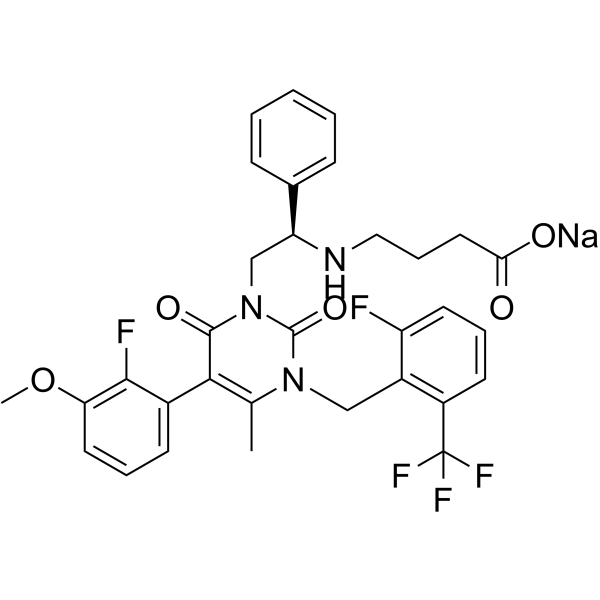
Elagolix-d6 (sodium) (NBI-56418-d6 (sodium)) is deuterium labeled Elagolix sodium. Elagolix sodium is a highly effective, selective, oral-active, short-term, non-peptide gonadotropin-releasing hormone receptor (GnRH receptor) antagonist (KD = 54 pM) and NFAT inhibitor, which can be used to study pain related to endometriosis. .
|
-
-
- HY-A0118S1
-
|
|
|
Naloxegol- 13C,d2 (NKTR-118- 13C,d2) is 13C labeled Naloxegol. Naloxegol (NKTR-118; AZ-13337019) is a μ-opioid-receptor antagonist. Naloxegol inhibits opioid binding in μ-opioid receptors in the gastrointestinal tract and effective for alleviating opioid-induced constipation .
|
-
-
- HY-A0118S
-
|
|
|
Naloxegol- 13C,d3 (NKTR-118- 13C,d3) is 13C labeled Naloxegol. Naloxegol (NKTR-118; AZ-13337019) is a μ-opioid-receptor antagonist. Naloxegol inhibits opioid binding in μ-opioid receptors in the gastrointestinal tract and effective for alleviating opioid-induced constipation .
|
-
-
- HY-115633S
-
|
|
|
Elagolix-d9 is the deuterium labeled Elagolix. Elagolix sodium is a highly effective, selective, oral-active, short-term, non-peptide gonadotropin-releasing hormone receptor (GnRH receptor) antagonist (KD = 54 pM) and NFAT inhibitor, which can be used to study pain related to endometriosis. .
|
-
| Cat. No. |
Product Name |
|
Classification |
-
- HY-106203
-
|
SSR-125543
|
|
Alkynes
|
|
Crinecerfont (SSR-125543) is an orally effective corticotropin-releasing factor receptor type-1 (CRF1 receptor) antagonist. Crinecerfont blocks CRF1 receptor signaling to reduce adrenocorticotropic hormone secretion. Crinecerfont improves hypothalamic-pituitary-adrenal axis negative feedback sensitivity in chronically stressed mice. Crinecerfont can be used for the research of chronic stress conditions and classic congenital adrenal hyperplasia due to 21-hydroxylase deficiency . Crinecerfont is a click chemistry reagent, it contains an Alkyne group and can undergo copper-catalyzed azide-alkyne cycloaddition (CuAAc) with molecules containing Azide groups.
|
-
- HY-106203A
-
|
SSR-125543 hydrochloride
|
|
Alkynes
|
|
Crinecerfont (SSR-125543) hydrochloride is an orally effective corticotropin-releasing factor receptor type-1 (CRF1 receptor) antagonist. Crinecerfont hydrochloride blocks CRF1 receptor signaling to reduce adrenocorticotropic hormone secretion. Crinecerfont hydrochloride improves hypothalamic-pituitary-adrenal axis negative feedback sensitivity in chronically stressed mice. Crinecerfont hydrochloride can be used for the research of chronic stress conditions and classic congenital adrenal hyperplasia due to 21-hydroxylase deficiency . Crinecerfont hydrochloride is a click chemistry reagent, it contains an Alkyne group and can undergo copper-catalyzed azide-alkyne cycloaddition (CuAAc) with molecules containing Azide groups.
|
-
- HY-179232
-
|
|
|
Tetrazine
|
|
ERα antagonist 2 (Compound 5b) is an ER-α antagonist with an IC50 value of 1729 nM. ERα antagonist 2 exhibits significant inhibitory activity against breast cancer cell lines, and is still effective against ER-negative cells (MDA-MB-231), suggesting the existence of ER-independent pathways. ERα antagonist 2 can be used for the study of breast cancer .
|
-
- HY-106203B
-
|
(R)-SSR-125543
|
|
Alkynes
|
|
(R)-Crinecerfont is the R-enantiomer of Crinecerfont (HY-106203). Crinecerfont (SSR-125543) is an orally effective corticotropin-releasing factor receptor type-1 (CRF1 receptor) antagonist. Crinecerfont blocks CRF1 receptor signaling to reduce adrenocorticotropic hormone secretion. Crinecerfont improves hypothalamic-pituitary-adrenal axis negative feedback sensitivity in chronically stressed mice. Crinecerfont can be used for the research of chronic stress conditions and classic congenital adrenal hyperplasia due to 21-hydroxylase deficiency . Crinecerfont is a click chemistry reagent, it contains an Alkyne group and can undergo copper-catalyzed azide-alkyne cycloaddition (CuAAc) with molecules containing Azide groups.
|
-
- HY-180120
-
|
|
|
Alkynes
|
|
UM-203 is a reversible covalent STING antagonist. UM-203 is effective against both mouse and human STING, and in particular, it inhibits the most common human STING R232 variant. UM-203 can inhibit STING oligomerization and reduce phosphorylation of downstream TBK1 and IRF3, thereby blocking the IRF3 and NF-κB-mediated signaling pathways and inhibiting IFNβ and IL-6 secretion. UM-203 can be used for the research of inflammation and immunology, such as systemic lupus erythematosus .
|
| Cat. No. |
Product Name |
Target |
Research Areas |
Chemical Structure |
-
- HY-U00449G
-
|
|
RAR/RXR
|
Cancer
|
|
AGN 193109 (GMP) is AGN 193109 (HY-U00449) produced by using GMP guidelines. GMP small molecules works appropriately as an auxiliary reagent for cell therapy manufacture. AGN 193109 is a specific and highly effective retinoic acid receptor (RAR) antagonist . AGN 193109 (GMP) is a click chemistry reagent, it contains an Alkyne group and can undergo copper-catalyzed azide-alkyne cycloaddition (CuAAc) with molecules containing Azide groups. AGN 193109 is the antidote for retinoic acidosis, that ameliorates the skin and mucosal toxicity.
|
-
Your information is safe with us. * Required Fields.
Inquiry Information
- Product Name:
- Cat. No.:
- Quantity:
- MCE Japan Authorized Agent:

