

1. Search Result
Search Result
Results for "

Endogenous ligand

" in MedChemExpress (MCE) Product Catalog:

124

Inhibitors & Agonists

2

Screening Libraries

2

Fluorescent Dyes

1

Biochemical Assay Reagents

45

Peptides

9

Inhibitory Antibodies

16

Natural
Products

3

Recombinant Proteins

7

Isotope-Labeled Compounds

1

Oligonucleotides

Cat. No. Product Name Target Research Areas Chemical Structure
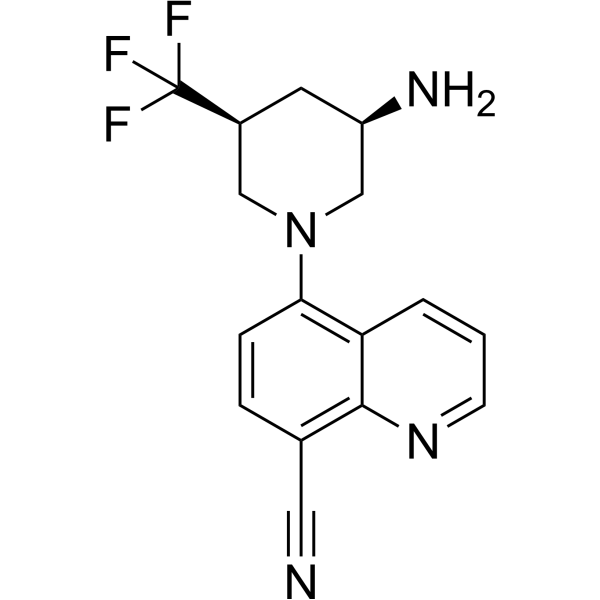
  • HY-134581
    Enpatoran
    Maximum Cited Publications
    16 Publications Verification

    M5049

    Toll-like Receptor (TLR) Inflammation/Immunology
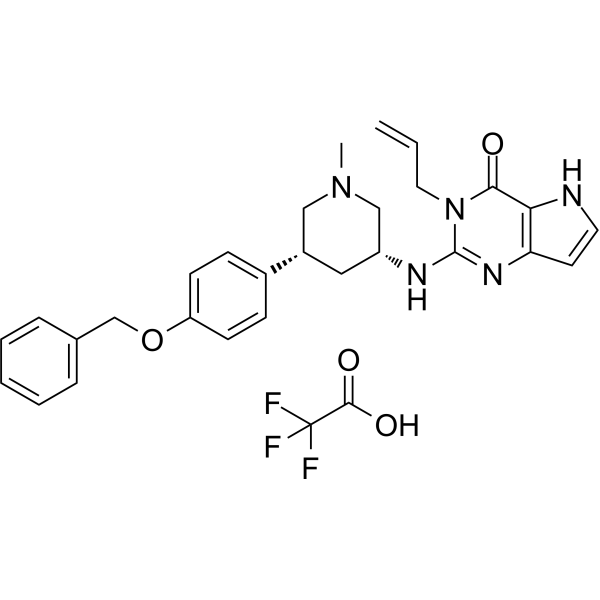
    Enpatoran (M5049) is a potent, orally active and dual TLR7/8 inhibitor with IC50s of 11.1 nM and 24.1 nM in HEK293 cells, respectively. Enpatoran is inactive against TLR3, TLR4 and TLR9. Enpatoran can block molecule synthetic ligands and natural endogenous RNA ligands. Enpatoran exhibits excellent pharmacokinetic properties in vivo. Enpatoran can be used for both innate and adaptive autoimmunity blocking research .
    Enpatoran
  • HY-100560
    Abscisic acid
    3 Publications Verification

    (S)​-​(+)​-​Abscisic acid; ABA

    Environmental Pollutants Endogenous Metabolite ABA Receptor Proton Pump Metabolic Disease
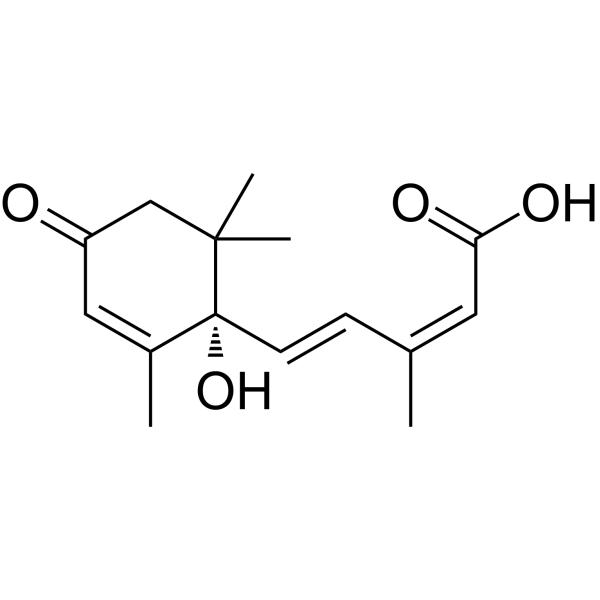
    Abscisic acid ((S)-(+)-Abscisic acid), an orally active phytohormone in fruits and vegetables, is an endogenously produced mammalian hormone. Abscisic acid is a growth inhibitor and can regulate many aspects of plant growth and development. Abscisic acid inhibits proton pump (H +-ATPase) and leads to the plasma membrane depolarization in a Ca 2+-dependent manner. Abscisic acid, a LANCL2 natural ligand, is a potent insulin-sensitizing compound and has the potential for pre-diabetes, type 2 diabetes and metabolic syndrome .
    Abscisic acid
  • HY-113962
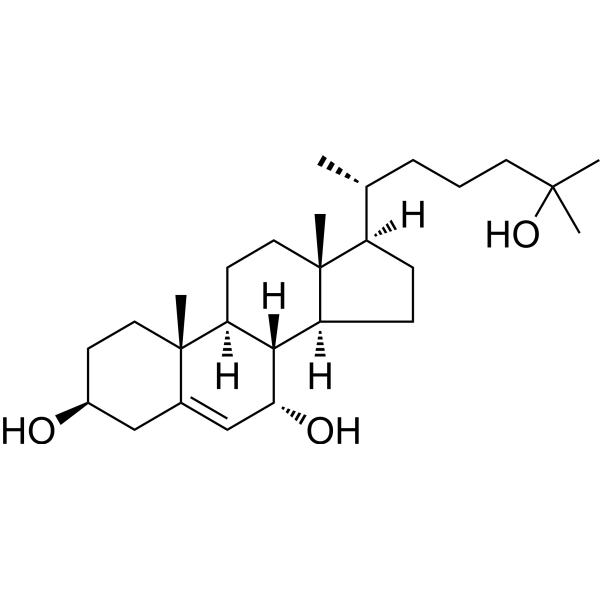
    7α,25-Dihydroxycholesterol
    3 Publications Verification

    7α,25-OHC

    EBI2/GPR183 Endogenous Metabolite Inflammation/Immunology
    7α, 25-dihydroxycholesterol (7α,25-OHC) is a potent and selective agonist and endogenous ligand of the orphan GPCR receptor EBI2 (GPR183). 7α, 25-dihydroxycholesterol is highly potent at activating EBI2 (EC50=140 pM; Kd=450 pM). 7α, 25-dihydroxycholesterol can serve as a chemokine directing migration of B cells, T cells and dendritic cells .
    7α,25-Dihydroxycholesterol
  • HY-W011051
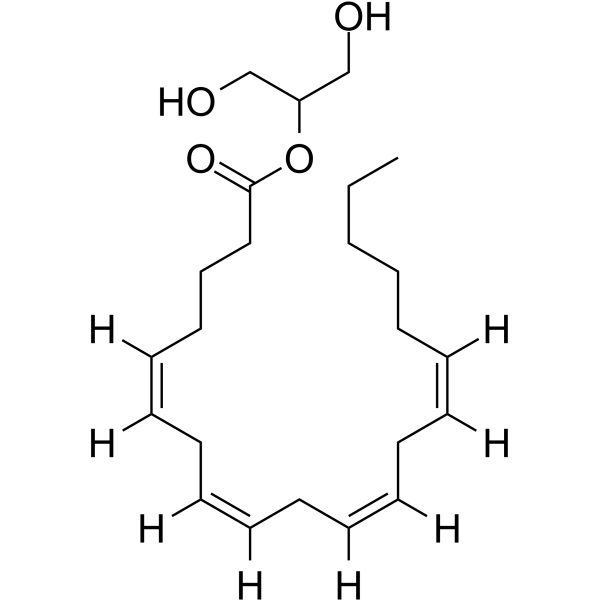
    2-Arachidonoylglycerol
    1 Publications Verification

    Cannabinoid Receptor Endogenous Metabolite Neurological Disease
    2-Arachidonoylglycerol is a second endogenous cannabinoid ligand in the central nervous system.
    2-Arachidonoylglycerol
  • HY-P990876

    PF-06480605; RVT-3101

    TNF Receptor NF-κB IFNAR Inflammation/Immunology
    Afimkibart (PF-06480605; RVT-3101) is a fully human monoclonal antibody that selectively inhibits trimeric tumor necrosis factor-like ligand 1A (TL1A). Afimkibart neutralizes active trimeric TL1A, blocks TL1A-induced signaling pathways. Afimkibart inhibits NF-κB activation and IFN-γ production. Afimkibart can be used for the research of inflammatory bowel disease .
    Afimkibart
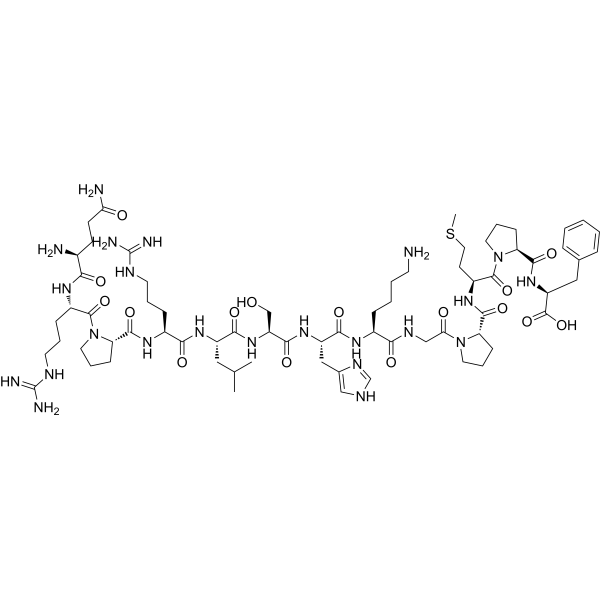
  • HY-P1944
    Apelin-13
    Maximum Cited Publications
    10 Publications Verification

    Apelin Receptor (APJ) Cardiovascular Disease Metabolic Disease
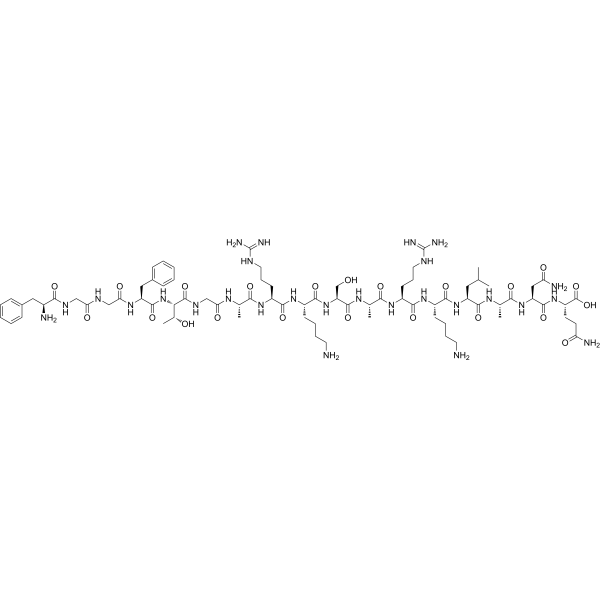
    Apelin-13 is an endogenous ligand for the G-protein coupled receptor angiotensin II protein J (APJ), activating this G protein-coupled receptor with an EC 50 value of 0.37 nM. Apelin-13 is widely distributed in the central and peripheral nervous systems. Apelin-13 has vasodilatory and antihypertensive effects. Apelin-13 also can be used for researching type 2 diabetes and metabolic syndrome .
    Apelin-13
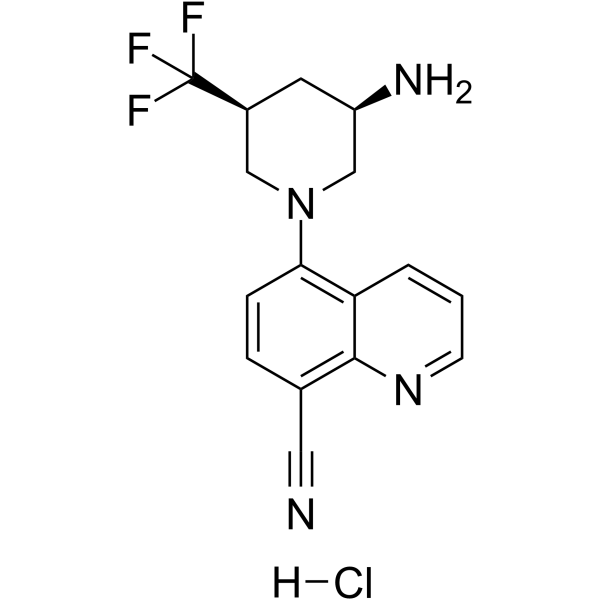
  • HY-134581A
    Enpatoran hydrochloride
    Maximum Cited Publications
    16 Publications Verification

    M5049 hydrochloride

    Toll-like Receptor (TLR) Inflammation/Immunology
    Enpatoran (M5049) hydrochloride is a potent, orally active and dual TLR7/8 inhibitor with IC50s of 11.1 nM and 24.1 nM in HEK293 cells, respectively. Enpatoran hydrochloride is inactive against TLR3, TLR4 and TLR9. Enpatoran hydrochloride can block molecule synthetic ligands and natural endogenous RNA ligands. Enpatoran hydrochloride exhibits excellent pharmacokinetic properties in vivo. Enpatoran hydrochloride can be used for both innate and adaptive autoimmunity blocking research .
    Enpatoran hydrochloride
  • HY-P0183
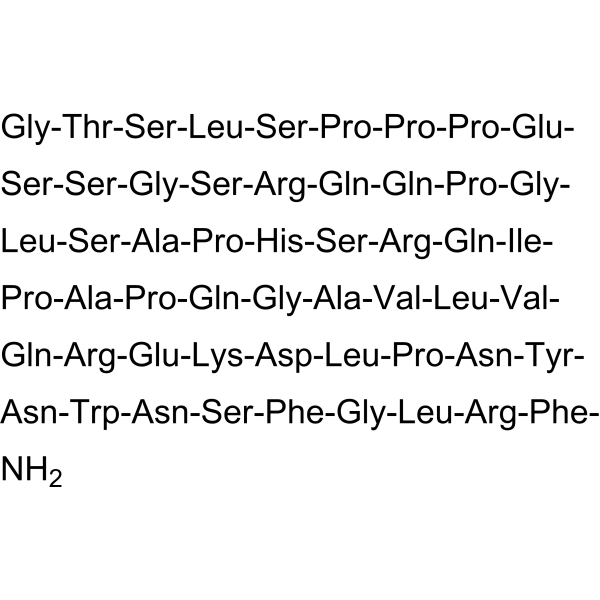
    Nociceptin
    4 Publications Verification

    Orphanin FQ

    Opioid Receptor Neurological Disease
    Nociceptin, a heptadecapeptide, is the endogenous ligand of the nociceptin receptor, acting as a potent anti-analgesic.
    Nociceptin
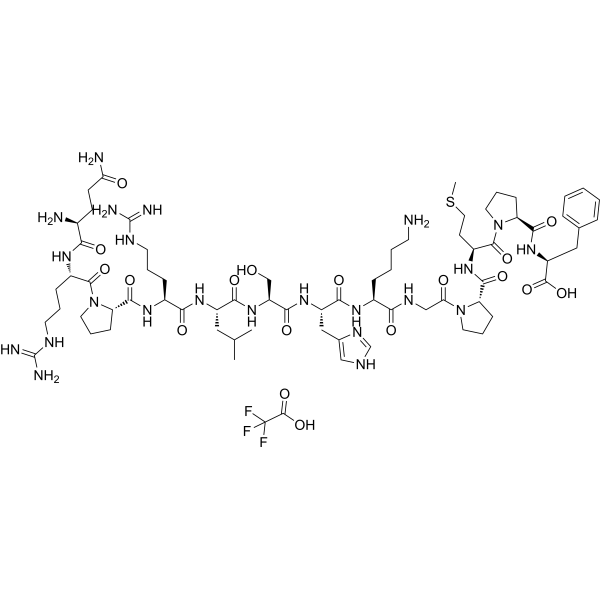
  • HY-P1944A
    Apelin-13 TFA
    Maximum Cited Publications
    10 Publications Verification

    Apelin Receptor (APJ) Cardiovascular Disease Metabolic Disease
    Apelin-13 TFA is an endogenous ligand for the G-protein coupled receptor angiotensin II protein J (APJ), activating this G protein-coupled receptor with an EC 50 value of 0.37 nM. Apelin-13 TFA has vasodilatory and antihypertensive effects. Apelin-13 TFA also can be used for researching type 2 diabetes and metabolic syndrome .
    Apelin-13 TFA
  • HY-126855
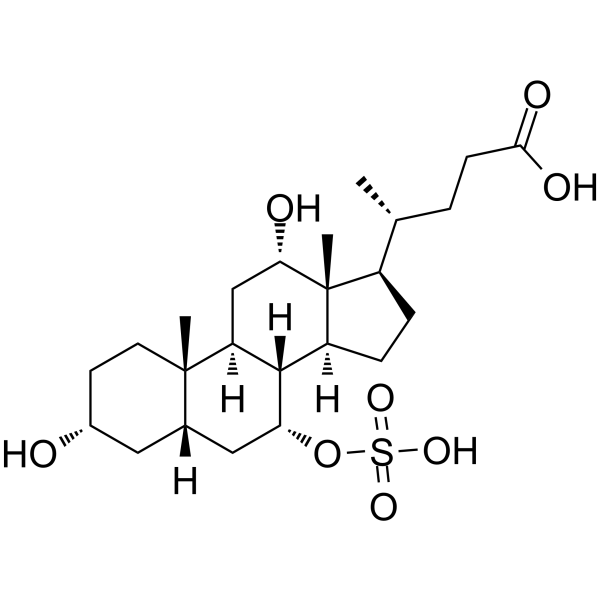
    Cholic acid 7-sulfate
    1 Publications Verification

    7-Sulfocholic acid

    G protein-coupled Bile Acid Receptor 1 MHC Metabolic Disease
    Cholic acid 7-sulfate (7-Sulfocholic acid) is a selective agonist targeting TGR5 (EC50=0.17 μM) and a ligand for MHC class I-related protein (MR1). As a gut-restricted TGR5 agonist, cholic acid 7-sulfate binds to TGR5 on enteroendocrine L cells, induces GLP-1 secretion, and improves glucose tolerance in a TGR5-dependent manner. Cholic acid 7-sulfate also acts as an endogenous ligand for MR1, promoting the survival of mucosal-associated invariant T cells MAIT and the expression of homeostatic gene signatures, affecting MAIT cell development and function. Cholic acid 7-sulfate is mainly used in the research of diabetes and MAIT cell-related immune regulation .
    Cholic acid 7-sulfate
  • HY-P3108
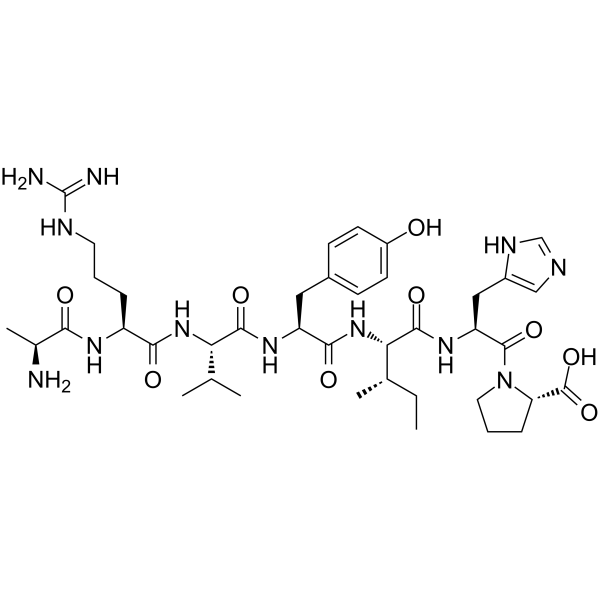
    Alamandine
    2 Publications Verification

    Angiotensin Receptor Angiotensin-converting Enzyme (ACE) Cardiovascular Disease
    Alamandine, a member of the renin-angiotensin system (RAS), a vasoactive peptide, is an endogenous ligand of the G protein-coupled receptor MrgD. Alamandine targets to protect the kidney and heart through anti-hypertensive actions .
    Alamandine
  • HY-108355
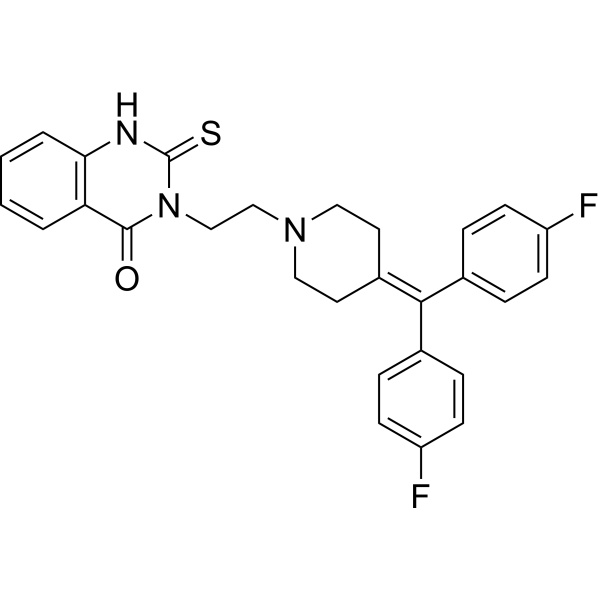
    R59949
    1 Publications Verification

    PKC Cancer
    R59949 is a pan diacylglycerol kinase (DGK) inhibitor with an IC50 of 300 nM. R59949 strongly inhibits the activity of type I DGK α and γ and moderately attenuates the activity of type II DGK θ and κ. R59949 activates protein kinase C (PKC) by enhancing the levels of the endogenous ligand diacyl glycerol .
    R59949
  • HY-N10634

    C16 Glucosyl(β) Ceramide (d18:1/16:0)

    Endogenous Metabolite Inflammation/Immunology
    D-Glucosyl-β-1,1′-N-palmitoylsphingosine (C16 Glucosyl (β) Ceramide (d18:1/16:0)) is an endogenous Mincle ligand with immunostimulatory activity. D-Glucosyl-β-1,1′-N-palmitoylsphingosine binds to and activates macrophage-inducible C-type lectin (Mincle). D-Glucosyl-β-1,1′-N-palmitoylsphingosine is applicable to the research of immune system diseases .
    D-Glucosyl-β-1,1′-N-palmitoylsphingosine
  • HY-101984
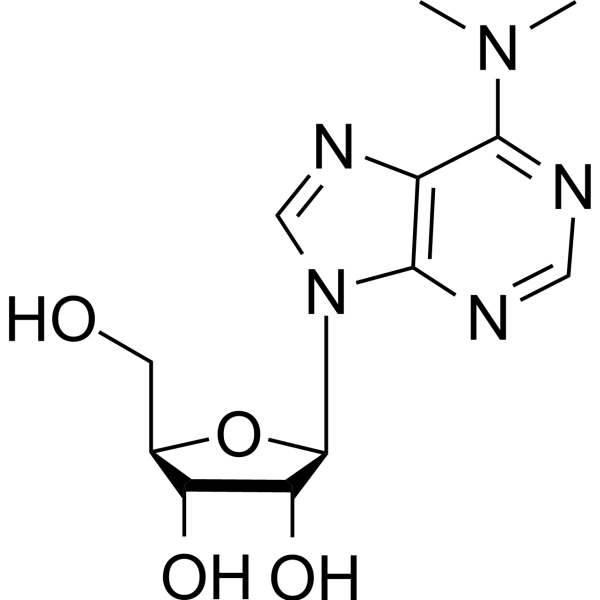
    N6,N6-Dimethyladenosine
    4 Publications Verification

    Nucleoside Antimetabolite/Analog Adenosine Receptor Akt SARS-CoV Infection Cancer
    N6,N6-Dimethyladenosine, a modified ribonucleoside, is an endogenous A3 adenosine receptor ligand. N6,N6-Dimethyladenosine is an AKT inhibitor with antitumor effects. N6, N6-Dimethyladenosine targets SARS-CoV-2 entry protein ADAM17. N6, N6-Dimethyladenosine robustly inhibits AKT signaling in a variety of non-small cell lung cancer cell lines .
    N6,N6-Dimethyladenosine
  • HY-100197
    Synaptamide
    1 Publications Verification

    N-Docosahexaenoyl ethanolamine (DHEA); Docosahexaenoyl ethanolamide

    Cannabinoid Receptor Neurological Disease
    Synaptamide (Dehydroepiandrosteron; DHEA) is an endogenous metabolite and structural analogue of Anandamide. Synaptamide binds to both the cannabinoid-1 and 2 (CB1 and CB2) cannabinoid receptors and has anti-inflammatory properties. Synaptamide is the first small-molecule endogenous ligand of an adhesion G protein-coupled receptor (aGPCR) .
    Synaptamide
  • HY-113884B

    13(S)-HODE

    PPAR Mitochondrial Metabolism Inflammation/Immunology Cancer
    (S)-Coriolic acid (13(S)-HODE), the product of 15-lipoxygenase (15-LOX) metabolism of linoleic acid, functions as the endogenous ligand to activate PPARγ. (S)-Coriolic acid is an important intracellular signal agent and is involved in cell proliferation and differentiation in various biological systems. (S)-Coriolic acid induces mitochondrial dysfunction and airway epithelial injury .
    (S)-Coriolic acid
  • HY-105042

    Selanc; TP-7

    GABA Receptor Neurological Disease
    Selank (Selanc; TP-7) is a GABAA receptor modulator with anxiolytic activity. Selank allosterically modulates the specific binding of GABA to GABAA receptors and alters the affinity of endogenous ligands for these receptors. Selank reduces elevated anxiety levels, attenuates stress-induced exacerbation of anxiety, and produces a synergistic anxiolytic effect with diazepam. Selank can be used in the research of anxiety disorders .
    Selank
  • HY-P99017

    ALD-403

    CGRP Receptor Neurological Disease
    Eptinezumab (ALD-403) is a human monoclonal antibody targeting the α and β subtypes of human calcitonin gene-related peptide (CGRP). Eptinezumab binds to the CGRP ligand and blocks its binding to endogenous CGRP receptors, thereby inhibiting receptor activation. Eptinezumab can be used in research related to migraine .
    Eptinezumab
  • HY-W020790
    Sialyl-Lewis X
    1 Publications Verification

    sLeX

    Endogenous Metabolite Inflammation/Immunology
    Sialyl-Lewis X (sLeX) is a sialylated fucosylated tetrasaccharide, an endogenous antigen. Sialyl-Lewis X is a high-affinity ligand for selectins (E-, P-, and L-selectin) . Sialyl-Lewis X binds to ELAM-1 and CD62 and has the ability?to inhibits CD62-mediated neutrophil recruitment to sites of inflammation .
    Sialyl-Lewis X
  • HY-125878
    PROTAC SGK3 degrader-1
    5 Publications Verification

    SGK3-PROTAC1

    PROTACs SGK Cancer
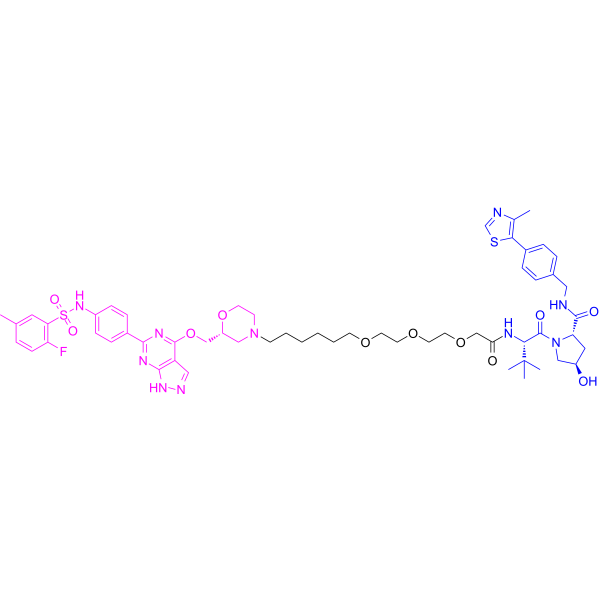
    PROTAC SGK3 degrader-1 (SGK3-PROTAC1), a chemical probe, is a von Hippel-Lindau ligand-based SKG3 PROTAC composed of a PEG3-C4-OBn (HY-130620) alkyl linker, an SGK3 degrader (red structure), and a VHL ligand (HY-150803, blue structure). PROTAC SGK3 degrader-1 (0.3 μM) induced 50% endogenous SGK3 degradation within 2 hours, and 80% SGK3 degradation was observed at 8 hours, accompanied by loss of phosphorylation of NDRG1 (SGK3 substrate) .
    PROTAC SGK3 degrader-1
  • HY-W020035

    GPR55 Neurological Disease
    L-α-lysophosphatidylinositol Soy sodium is an endogenous ligand of GPR55. L-α-lysophosphatidylinositol Soy sodium is an endogenous lysophospholipid and endocannabinoid neurotransmitter that belongs to the class of lysophospholipids .
    L-α-lysophosphatidylinositol (Soy) sodium
  • HY-P990951

    REGN-5381

    Natriuretic Peptide Receptor (NPR) Cardiovascular Disease
    Vixticibart (REGN-5381) is a fully human IgG4 monoclonal antibody and NPR1 agonist that targets NPR1. Vixticibart stabilizes the receptor in an activated conformation by binding to the N-terminal domain of NPR1, and enhances the activity of endogenous ligands ANP and BNP without blocking ligand binding when these ligands are present. Vixticibart exerts vasodilatory and hypotensive effects by inducing cGMP production, preferentially dilating venous vessels to reduce systolic and venous pressure, but does not induce diuresis and may trigger a compensatory increase in heart rate. Vixticibart produces a synergistic hypotensive effect when combined with angiotensin-converting enzyme inhibitors or angiotensin receptor blockers, and is currently mainly used in research related to heart failure and hypertension .
    Vixticibart
  • HY-P11099

    Transferrin Receptor Neurological Disease Cancer
    Cys-LT7 is a transferrin receptor (TfR)-targeting peptide ligand. Cys-LT7 binds to a TfR site distinct from endogenous transferrin, mediates conjugated Doxorubicin (HY-15142A) delivery to TfR-overexpressed tumor cells, and exhibits low toxicity to TfR-low-expressed normal cells. Cys-LT7 is an L-configuration peptide susceptible to proteolytic enzymes, leading to poor biostability in peptide-drug conjugates. Cys-LT7 can be used for the research of glioblastoma, hepatocellular carcinoma, lung carcinoma .
    Cys-LT7
  • HY-P2278
    PEN (human)
    1 Publications Verification

    G protein-coupled Bile Acid Receptor 1 Neurological Disease
    PEN (human), one of the most abundant hypothalamic neuropeptide and derived from the proprotein ProSAAS, is an endogenous ligand of GPR83 .
    PEN (human)
  • HY-W008097

    Endogenous Metabolite Drug Intermediate Metabolic Disease
    3,3-Dimethylglutaric acid, a member of methyl-branched fatty acids, is a endogenous metabolite occasionally found in human urine. 3,3-Dimethylglutaric acid can be used as a ligand to synthesize metal complexes .
    3,3-Dimethylglutaric acid
  • HY-P1022
    Kisspeptin-54(human)
    3 Publications Verification

    Metastin(human)

    GnRH Receptor Endocrinology Cancer
    Kisspeptin-54(human) (Metastin(human)) is an endogenous ligand for kisspeptin receptor (KISS1, GPR54). Kisspeptin-54(human) binds to rat and human GPR54 receptors with Ki values of 1.81 nM and 1.45 nM, respectively. Kisspeptin-54(human) inhibits tumor metastasis and stimulates the secretion of gonadotropin (LH) and testosterone .
    Kisspeptin-54(human)
  • HY-139402

    Ras Cancer
    MRTX849 acid, a derivative of MRTX849, can be used in the synthesis of PROTAC LC-2 (HY-137516). LC-2 is a potent and first-in-class PROTAC capable of degrading endogenous KRAS G12C (DC50s between 0.25 and 0.76 μM) .
    MRTX849 acid
  • HY-P1037

    Motilin Receptor Others
    Motilin (26-47), human, porcine is an endogenous motilin receptor ligand with Ki and EC50 of 2.3 nM and 0.3 nM in a Chinese hamster ovary cell line.
    Motilin (26-47), human, porcine
  • HY-W011051S

    Cannabinoid Receptor Endogenous Metabolite Neurological Disease
    2-Arachidonoylglycerol-d8 is the deuterium labeled 2-Arachidonoylglycerol. 2-Arachidonoylglycerol is a second endogenous cannabinoid ligand in the central nervous system.
    2-Arachidonoylglycerol-d8
  • HY-P1366
    des-​Gln14-​Ghrelin
    1 Publications Verification

    GHSR Metabolic Disease
    des-Gln14-Ghrelin is a second endogenous ligand for the growth hormone secretagogue receptor. a). des-Gln14-ghrelin potently induces increases in [Ca 2+]i in CHO-GHSR62 cells, with an EC50 of 2.4 nM .
    des-​Gln14-​Ghrelin
  • HY-168992

    Histone Methyltransferase Neurological Disease Cancer
    UNC6535 is a covalent ligand targeting the SETDB1 triple Tudor domain (3TD) with negative allosteric modulator properties, with an IC50 of 3.4 μM and a Kd of 4.2 μM. UNC6535 inhibits the methyltransferase activity of recombinant SETDB1 protein lacking the 3TD domain. UNC6535 reversibly binds to the aromatic cages of both TD2 and TD3 subdomains of SETDB1 3TD simultaneously, displacing the endogenous H3K9Me2K14Ac histone tail ligand. UNC6535 can be used in research on cancer and neurodegenerative diseases .
    UNC6535
  • HY-131492

    Endogenous Metabolite VD/VDR Metabolic Disease
    Δ4‑Dafachronic acid is an endogenous steroid hormone, an agonist of the DAF‑12 nuclear receptor, and a key ligand for the vitamin D receptor (VDR). Δ4‑Dafachronic acid promotes the active escape developmental trajectory in Austrofundulus limnaeus embryos even under diapause‑inducing conditions. Δ4‑Dafachronic acid is suitable for research on the developmental biology .
    Δ4-Dafachronic acid
  • HY-100560R

    (S)​-​(+)​-​Abscisic acid (Standard); ABA (Standard)

    Reference Standards Endogenous Metabolite Proton Pump ABA Receptor Metabolic Disease
    Abscisic acid (Standard) is the analytical standard of Abscisic acid. This product is intended for research and analytical applications. Abscisic acid ((S)-(+)-Abscisic acid), an orally active phytohormone in fruits and vegetables, is an endogenously produced mammalian hormone. Abscisic acid is a growth inhibitor and can regulate many aspects of plant growth and development. Abscisic acid inhibits proton pump (H+-ATPase) and leads to the plasma membrane depolarization in a Ca2+-dependent manner. Abscisic acid, a LANCL2 natural ligand, is a potent insulin-sensitizing compound and has the potential for pre-diabetes, type 2 diabetes and metabolic syndrome .
    Abscisic acid (Standard)
  • HY-113330
    12S-HHT
    1 Publications Verification

    12(S)-HHTrE

    Leukotriene Receptor Endogenous Metabolite Inflammation/Immunology
    12S-HHT (12(S)-HHTrE) is an enzymatic product of prostaglandin H2 (PGH2) derived from cyclooxygenase (COX)-mediated arachidonic acid metabolism. 12S-HHT is an endogenous ligand for BLT2 that fully activates BLT2 in vivo. 12S-HHT suppresses UV-induced IL-6 synthesis in keratinocytes, exerting an anti-inflammatory activity .
    12S-HHT
  • HY-108258

    GPR119 Endocrinology
    PSN 375963 is a potent GPR119 agonist, with EC50s of 8.4 and 7.9 μM for human and mouse GPR119, respectively. PSN 375963 shows similar potency to the endogenous agonist oleoylethanolamide (OEA) .
    PSN 375963
  • HY-W011051S1
    2-Arachidonoylglycerol-d5
    1 Publications Verification

    Cannabinoid Receptor Endogenous Metabolite Neurological Disease
    2-Arachidonoylglycerol-d5 is the deuterium labeled 2-Arachidonoylglycerol. 2-Arachidonoylglycerol is a second endogenous cannabinoid ligand in the central nervous system.
    2-Arachidonoylglycerol-d5
  • HY-108460

    TRP Channel Neurological Disease
    A-784168 is a potent and orally active inhibitor of vanilloid receptor type 1 (TRPV1). Vanilloid receptor type 1 (TRPV1) is a ligand-gated nonselective cation channel that is considered to be an important integrator of various pain stimuli such as endogenous lipids, capsaicin, heat, and low pH. A-784168 has good CNS penetration .
    A-784168
  • HY-112603

    Free Fatty Acid Receptor Metabolic Disease
    AP5 is a potent, orlly active, and selective GPR40 receptor agonist with a positive allosteric modulation of endogenous ligand (AgoPAM). AP5 demonstrates rat and human inositol monophosphate (IP1) EC50 values of 0.49 nM and 0.8 nM against the GPR40 receptor, respectively. AP5 has the potential for type II diabetes research .
    AP5
  • HY-141539A
    SETDB1-TTD-IN-1 TFA
    5 Publications Verification

    Histone Methyltransferase Cancer
    SETDB1-TTD-IN-1 TFA is a potent, selective and endogenous binder competitive ligand of SET domain bifurcated protein 1 tandem tudor domain (SETDB1-TTD) that binds to TTD, with a Kd of 88 nM. SETDB1-TTD-IN-1 TFA increases SETDB1 methyltransferase activity. SETDB1-TTD-IN-1 TFA can be used for the research of biological functions and disease associations of SETDB1-TTD .
    SETDB1-TTD-IN-1 TFA
  • HY-12436

    Neurotensin Receptor Neurological Disease
    NTRC-824 (Compound 5) is a potent, selective and neurotensin-like nonpeptide neurotensin receptor type 2 (NTS2) antagonist with an IC50 of 38 nM and a Ki of 202 nM. NTRC-824 is >150-fold selectivity for NTS2 over NTS1 (Ki >30 μM) .
    NTRC-824
  • HY-112874

    BMS-687681

    CCR Neurological Disease Inflammation/Immunology Cancer
    BMS-681 is an orthosteric antagonist of CC chemokine receptor 2 (CCR2). BMS-681 restricts the movement of the extracellular end of TM6 by stabilizing TM7. TM7 and TM6 are the main components of the orthosteric binding site. BMS-681 can be used to study inflammatory neurodegenerative diseases and cancer .
    BMS-681
  • HY-134173

    Cannabinoid Receptor Apoptosis Neurological Disease
    Arachidonoyl ethanolamide phosphate, an endocannabinoid, is an endogenous ligand for cannabinoid receptors in the central nervous system (CB1 subtype) and peripheral immune cells (CB2 subtype) .
    Arachidonoyl ethanolamide phosphate
  • HY-W013788

    2-Palm-Gl

    Cannabinoid Receptor Neurological Disease
    2-Palmitoylglycerol (2-Palm-Gl), an congener of 2-arachidonoylglycerol (2-AG), is a modest cannabinoid receptor CB1 agonist. 2-Palmitoylglycerol also may be an endogenous ligand for GPR119 .
    2-Palmitoylglycerol
  • HY-169133

    PROTACs Glutathione Peroxidase Ferroptosis Cancer
    GDCNF-11 is a HIM-PROTAC GPX4 degrader based on the chaperone protein HSP90. GDCNF-11 promotes the ubiquitination and degradation of GPX4 through the HSP 90 chaperone complex, reduces endogenous GPX4 expression to induce ferroptosis in HT-1080 cells, and the DC50 value is 0.08 μM (Pink: Target protein ligand (HY-153748); Blue: HSP90 ligand (HY-10212); Black: Linker (HY-W169526)) .
    GDCNF-11
  • HY-W050122

    GABA Receptor Neurological Disease
    S-(+)-GABOB is an endogenous ligand with antiepileptic activity. S-(+)-GABOB is a metabolite of GABA and may function as a neurotransmitter. S-(+)-GABOB behaves as a full agonist when bound to the ρ(1) wild-type receptor. S-(+)-GABOB acts as a competitive antagonist in the ρ(1) T244S mutant receptor .
    S-(+)-GABOB
  • HY-P1922

    Melanocortin Receptor Endocrinology
    γ-2-MSH (41-58), amide is derived from γ-2-MSH. γ-2-MSH is a twelve amino acid peptide that is derived from the N-terminal fragment of proopiomelanocortin (POMC) and contains the His-Phe-Arg-Trp motif common to all melanocortin endogenous agonist ligands .
    γ-2-MSH (41-58), amide
  • HY-175025

    PROTACs Ras Apoptosis Cancer
    CH091138 is a potent and selective KRASG12D PROTAC degrader with DC50s of 148.3 nM in HeLa cells and 469.8 nM in AsPC-1 cells. CH091138 selectively degrades exogenous and endogenous KRASG12D but not KRAS WT or other KRAS mutants (G12C/G12S/G12V), depending on the VHL-mediated ubiquitin-proteasome system. CH091138 exhibits potent anti-tumor activity and induces cancer cell apoptosis. CH091138 can be used for the studies of pancreatic cancer and colon cancer. (Pink: KRASG12D ligand (HY-175144); Blue: VHL E3 ligase ligand (HY-138678); Black: Linker; VHL E3 ligase ligand + Linker (HY-136006B)) .
    CH091138
  • HY-165125

    Neuropeptide Y Receptor Metabolic Disease
    (S)-VU0637120 is a Y4R antagonist that effectively reduces the binding response of its endogenous ligand, pancreatic polypeptide (PP), on Y4R, with an IC50 value of 2.7 μM. (S)-VU0637120 binds to the allosteric site of Y4R, which is located in the core region of the Y4R transmembrane structure, near the binding pocket of pancreatic polypeptide (PP), with a KB value of 300-400 nM. (S)-VU0637120 holds potential for research in the field of metabolic diseases .
    (S)-VU0637120
  • HY-P1483A

    Urotensin Receptor Cardiovascular Disease Neurological Disease
    Urotensin II, mouse TFA is an endogenous ligand for the orphan G-protein-coupled receptor GPR14 or SENR. Urotensin II, mouse TFA is a potent vasoconstrictor. Urotensin II, mouse TFA plays a physiological role in the central nervous system .
    Urotensin II, mouse TFA
  • HY-150409

    TSPO Cancer
    TSPO ligand-2 is a ligand of AUTAC1. AUTAC1 contains an p-fluorobenzylguanine (FBnG) and a Fumagillol moiety, which can silence endogenous MetAP2 in HeLa cells .
    TSPO ligand-2

Inquiry Online

Your information is safe with us. * Required Fields.

Salutation


Country or Region *

Applicant Name *


Organization Name *

Department *


Email Address *


Product Name *

Cat. No.


Requested quantity *

Phone Number *


Remarks

Inquiry Online

Inquiry Information

Product Name:
Cat. No.:
Quantity:
MCE Japan Authorized Agent:

