













Search Result
Results for "
Fc receptors
" in MedChemExpress (MCE) Product Catalog:
1
Biochemical Assay Reagents
4
Isotope-Labeled Compounds
| Cat. No. |
Product Name |
Target |
Research Areas |
Chemical Structure |
-
- HY-P9977
-
|
JNJ-61186372
|
EGFR
|
Inflammation/Immunology
Cancer
|
|
Amivantamab (JNJ-61186372) is a human EGFR-MET bispecific antibody with immune anticancer activity. Amivantamab inhibits ligand binding, promotes endocytosis and degradation of receptor-antibody complexes, and induces Fc-dependent cytokinesis in macrophages and antibody-dependent cytotoxicity in natural killer cells .
|
-
-
- HY-P99930
-
|
AKR-001; AMG-876
|
FGFR
|
Metabolic Disease
|
|
Efruxifermin is an Fc-FGF21 fusion protein (human IgG1 Fc domain linked to a modified human FGF21). Efruxifermin has prolonged half-life and enhanced receptor affinity compared with native human FGF21. Efruxifermin can be used for the research of non-alcoholic steatohepatitis .
|
-
-
- HY-P9950
-
|
Olizumab; rhuMab-E25; IGE25; RG-3648
|
Interleukin Related
|
Inflammation/Immunology
Cancer
|
|
Omalizumab is a recombinant, humanized, monoclonal antibody against human immunoglobulin E (IgE) with a KD of 0.393 nM. Omalizumab binds to the human FcγRIIb receptors with a KD of 6.37 uM. Omalizumab has the potential for persistent allergic asthma research . The component ratio of this product is Active ingredient : Excipients = 1:1.3-1:1.5.
|
-
-
- HY-P99590
-
|
ACE-011; MK-7962
|
TGF-β Receptor
|
Cardiovascular Disease
Inflammation/Immunology
Cancer
|
|
Sotatercept (ACE-011) is a soluble activin receptor 2A (ACVR2A) type IgG Fc fusion protein. Sotatercept combines activin and growth differentiation factor to try to restore the balance between growth promotion and growth inhibition signal pathways. Sotatercept has potential application in pulmonary arterial hypertension, anemia, bone loss, erythropoiesis, multiple myeloma (MM) osteolytic lesions .
|
-
-
- HY-B0723
-
|
Fc-1271a
|
Estrogen Receptor/ERR
Caspase
|
Neurological Disease
Endocrinology
Cancer
|
|
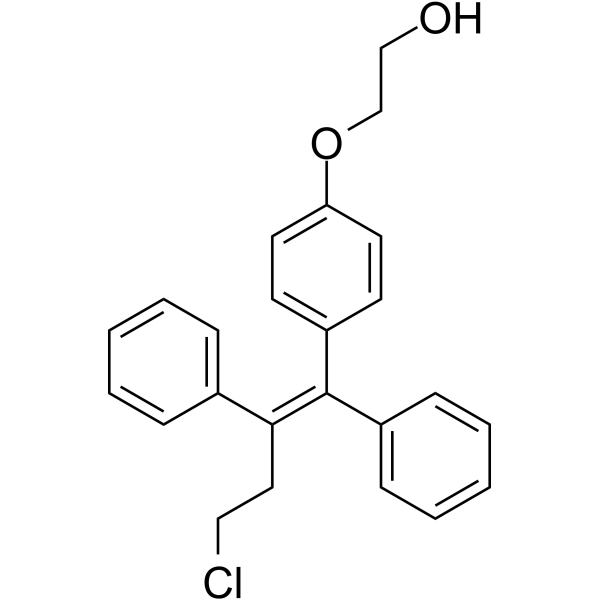
Ospemifene (FC-1271a) is an orally active and non-estrogenic selective estrogen receptor modulator (SERM) with Ki values of 380 and 410 nM for estrogen receptor α (ERα) and ERβ, respectively. Ospemifene inhibits caspase-3 activity. Ospemifene inhibits neuronal degeneration, prevents bone loss, and increases vaginal weight and vaginal epithelial height. Ospemifene has anticancer activity against breast cancer .
|
-
-
- HY-147305
-
|
ARGX-113
|
Fc Receptor (FcR)
|
Inflammation/Immunology
|
|
Efgartigimod alfa (ARGX-113) is a reversibility, humanized Fc receptor antagonist . Efgartigimod alfa is a anti FcRn monoclonal immunoglobulin G (IgG1) Fc fragment. Efgartigimod reduces serum levels of total IgG, including pathogenic autoantibodies, by blocking FcRn function without permanent impairment. Efgartigimod alfa can be used for generalised myasthenia gravis (gMG) and primary immune thrombocytopenia research .
|
-
-
- HY-13690
-
|
2,4′-DDD; o,p'-DDD
|
Apoptosis
|
Cancer
|
|
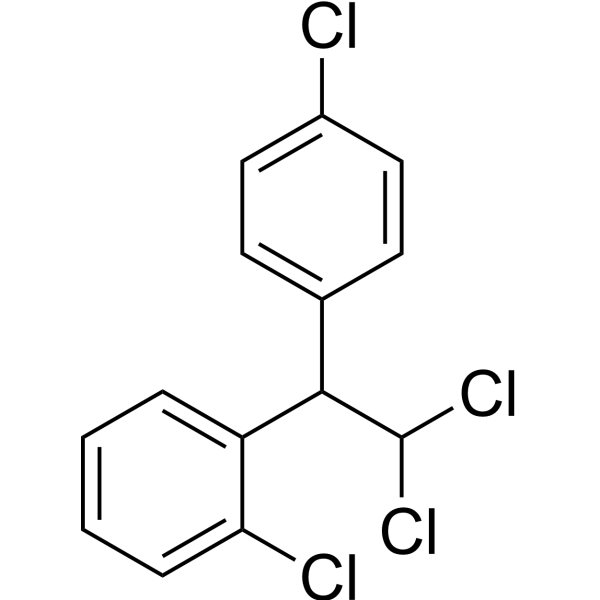
Mitotane (2,4′-DDD), an isomer of DDD and derivative of dichlorodiphenyltrichloroethane (DDT), is an antineoplastic agent, can be used to research adrenocortical carcinoma. Mitotane exert its adrenocorticolytic effect at least in part through lipotoxicity induced by intracellular free cholesterol (FC) accumulation. Mitotane can have direct pituitary effects on corticotroph cells. Mitotane can induce CYP3A4 gene expression via steroid and xenobiotic receptor (SXR) activation, and has agent-agent interactions .
|
-
-
- HY-P9954
-
|
|
CD3
|
Cancer
|
|
Catumaxomab, a trifunctional IgG2 antibody, is composed of mouse and rat heavy and light chains and binds to human EpCAM and human CD 3 receptors. The Fc region of Catumaxomab region has binding affinity for FcγR1 (CD 64), FcγRIIA (CD 32a), and FcγRIII (CD 16). Catumaxomab can be used for anti-tumor research, especially epithelial cancers .
|
-
-
- HY-P9979
-
|
UCB7665
|
TNF Receptor
|
Inflammation/Immunology
|
|
Rozanolixizumab (UCB7665), a humanized high-affinity anti-human neonatal Fc receptor (FcRn) monoclonal antibody (IgG4P), is used to the research of reducing pathogenic IgG in autoimmune and alloimmune diseases .
|
-
-
- HY-P99222
-
|
MGA-031; PRV-031
|
CD3
|
Metabolic Disease
|
|
Teplizumab (MGA-031) is a Fc receptor non-binding anti-human CD3 monoclonal antibody. Teplizumab reduces the loss of beta-cell function. Teplizumab can be used in the research of type 1 diabetes .
|
-
-
- HY-P990715
-
|
INBRX-109
|
TNF Receptor
|
Cancer
|
|
Ozekibart (INBRX-109) is a DR5 agonist and antitumor agent with a human DR5 IC50 of 0.17 nmol/L and human DR5 Ka of 0.11 nmol/L. Ozekibart can be used for the research of unresectable/metastatic chondrosarcoma .
|
-
-
- HY-P991155
-
|
JNJ-79635322; JNJ-5322
|
CD3
TNF Receptor
|
Cancer
|
|
Ramantamig (JNJ-79635322) is a humanized monoclonal antibody targeting human CD3ε, GPRC5D, and TNFRSF17 (BCMA). Ramantamig binds to BCMA and GPRC5D on multiple myeloma cells, binds to CD3ε on T cells, forms immunological synapses, and enables T-cell-mediated cytotoxicity. Ramantamig activates T cells concomitantly with inducing myeloma cell cytotoxicity, with no nonspecific T-cell activation in the absence of target myeloma cells. Ramantamig carries mutations to reduce interaction with Fc receptors and disrupt protein A binding of monomeric and homodimerized chains. Ramantamig can be used for the research of multiple myeloma .
|
-
-
- HY-P99761
-
|
XmAb5871
|
CD19
Apoptosis
|
Inflammation/Immunology
|
|
Obexelimab (XmAb5871) is a humanized anti-CD19 antibody. Obexelimab works by inhibiting B cell receptor (BCR) mediated calcium influx and promoting the phosphorylation of Fc γ receptor IIb (FcγRIIb), which reduces B cell activation and function, leading to B cell apoptosis. Obexelimab can be used in research for rheumatoid arthritis and systemic lupus erythematosus .
|
-
-
- HY-P99300
-
|
QGE 031; Anti-IGHE Recombinant Antibody
|
Fc Receptor (FcR)
|
Inflammation/Immunology
|
|
Ligelizumab (QGE 031) is a humanized high-affinity anti-immunoglobulin IgE monoclonal antibody. Ligelizumab selectively inhibits the binding of IgE to the high-affinity receptor FcεRI, while the inhibitory effect on the low-affinity receptor CD23 is weak. Ligelizumab can inhibit the activation of effector cells such as mast cells and Basophil, while reducing the production of IgE by B cells, and restoring the IFN-α production and regulatory T cell (Treg) induction function of plasmacytoid dendritic cells (pDC). Ligelizumab can be used in the study of allergic diseases (such as chronic spontaneous urticaria, allergic asthma) .
|
-
-
- HY-NP006
-
|
SPA
|
Endogenous Metabolite
Apoptosis
|
Inflammation/Immunology
|
|
Protein A (SPA) is an immunoglobulin (Ig)-binding protein that exists on the bacterial surface and can be freely secreted into the extracellular environment. Protein A blocks opsonophagocytosis and induces B cell apoptosis in vitro by binding to the Fc region of antibodies and the Fab region of B cell receptors. Protein A can form toxic immune complexes with IgG, thereby inducing leukocyte necrosis. Protein A contributes to the virulence expression of Staphylococcus aureus. Protein A triggers allergic reactions in IgG-pretreated mouse models. Protein A can be used in studies related to immune system diseases .
|
-
-
- HY-15322
-
|
P505-15; PRT-2607; BIIB-057
|
Syk
Apoptosis
Caspase
|
Inflammation/Immunology
Cancer
|
|
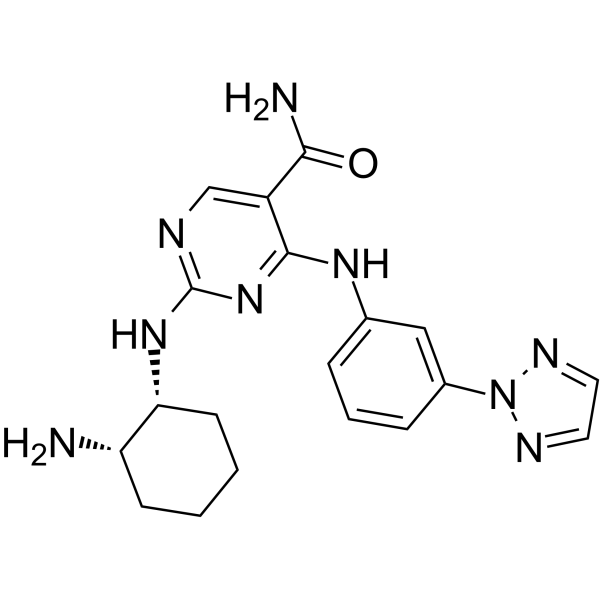
PRT062607 (P505-15; PRT-2607) is an orally active ATP-competitive Syk inhibitor with an IC50 value of 1 nM, and exhibits at least 80-fold selectivity over other kinases. PRT062607 blocks B cell antigen receptor-mediated activation, Fcε receptor 1-mediated basophil degranulation and microglial phagocytosis, and induces caspase-dependent apoptosis and microglial death. PRT062607 inhibits tumor growth and peripheral nerve injury-induced mechanical allodynia, and prevents neuronal loss. PRT062607 can be used in research related to rheumatoid arthritis, chronic lymphocytic leukemia, non-Hodgkin's lymphoma, neurodegenerative diseases and neuropathic pain .
|
-
-
- HY-P99446
-
|
TACI-Ig; TACI-Fc 5
|
TNF Receptor
|
Inflammation/Immunology
|
|
Atacicept (TACI-Ig) is a is a recombinant fusion protein containing the extracellular, ligand-binding portion of the TACI receptor and the Fc portion of human IgG. Atacicept inhibits B cell stimulation by binding to B lymphocyte stimulator and a proliferation-inducing ligand. Atacicept can be used in research of B-cell autoimmune disease .
|
-
-
- HY-P99934
-
|
ABBV-621
|
Apoptosis
Caspase
TNF Receptor
|
Cancer
|
|
Eftozanermin alfa (ABBV-621) is a tumor necrosis factor-related apoptosis-inducing ligand receptor (TRAIL-R) agonist. Eftozanermin alfa is a fusion protein consisting of a mutant immunoglobulin G1-Fc linked to 2 single-chain trimers of TRAIL. Eftozanermin alfa induces apoptosis in tumor cells by activation of death receptors (DR4 receptor and DR5 receptor) with Kds of 780 nM and 635 nM. Eftozanermin alfa can be used for the research of multiple solid and heme malignancies .
|
-
-
- HY-P99489
-
|
ABBV 181; PR 1648817
|
PD-1/PD-L1
|
Inflammation/Immunology
Cancer
|
|
Budigalimab (ABBV 181; PR 1648817) is a humanized, recombinant IgG1 monoclonal antibody targeting programmed cell death 1 (PD-1) receptor. Budigalimab has an Fc mutation that reduces the inhibition of Fc receptor interactions and effector factors. Budigalimab can block the binding of PD-1 and PD-L1, which has anti-tumor activity. Budigalimab can be used in the study of solid tumors .
|
-
-
- HY-P99332
-
|
Anti-Human CD3E Recombinant Antibody; HuM291
|
Apoptosis
|
Inflammation/Immunology
Cancer
|
|
Visilizumab (Anti-Human CD3E Recombinant Antibody) is a humanized low-Fc receptor binding anti-CD3 monoclonal IgG2 antibody. Visilizumab can be used for ulcerative colitis and Crohn's disease research .
|
-
-
- HY-109010
-
|
HM71224; LY3337641
|
Btk
BMX Kinase
Toll-like Receptor (TLR)
|
Metabolic Disease
|
|
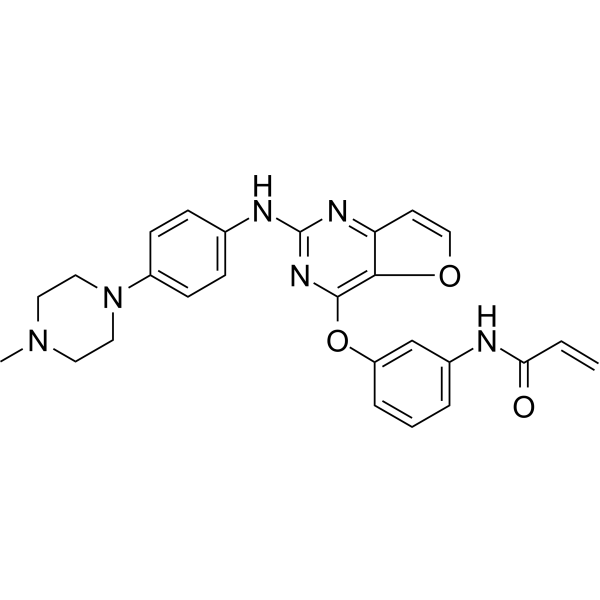
Poseltinib (HM71224) is an orally active, selective, irreversible small molecule Bruton tyrosine kinase (BTK) inhibitor. With an IC50 of 1.95 nM. Poseltinib effectively inhibits the signaling mediated by B cell receptors (BCR), Fc receptors (FcR), and Toll-like receptors (TLR). Poseltinib has anti-inflammatory activity and can be used in the research of rheumatoid arthritis .
|
-
-
- HY-P99665
-
|
LY-3209590
|
Insulin Receptor
|
Metabolic Disease
|
|
Insulin efsitora alfa (LY-3209590) is a selective agonist of insulin receptor (IR). Insulin efsitora alfa is a fusion protein composed of human IR agonists fused with the crystallizable (Fc) domain of human immunoglobulin G2 (IgG2) fragment, with a molecular weight of 64.1 kDa. Insulin efsitora alfa is well tolerated and has potential applications in diabetes .
|
-
-
- HY-P99315
-
|
BG 9588; Anti-Human CD40L Recombinant Antibody; Hu5c8
|
TNF Receptor
|
Inflammation/Immunology
|
|
Ruplizumab (BG 9588) is a humanized anti-CD40L IgG1κ monoclonal antibody. By binding to CD40L, Ruplizumab blocks its interaction with the CD40 receptor, inhibits T-B cell costimulatory signals, and mediates the depletion of activated T cells via the Fc segment. Ruplizumab has immunosuppressive effects. Ruplizumab can be used in the study of systemic lupus erythematosus, organ transplant rejection, and autoimmune diseases. Recommend Isotype Controls: Human IgG1 kappa, Isotype Control (HY-P99001) .
|
-
-
- HY-P99804
-
|
MK1654
|
RSV
|
Infection
|
|
Clesrovimab (MK1654) is a humanized IgG1 monoclonal antibody targeting the respiratory syncytial virus (RSV) protein F. Clesrovimab binds to pre-fusion and post-fusion forms of RSV-A fusion protein with high affinity, with corresponding KD values of 71 pM and 480 pM, respectively. Clesrovimab is applicable for the research of RSV infection .
|
-
-
- HY-P99667
-
|
OMP-54F28; FZD8-Fc
|
Wnt
|
Cancer
|
|
Ipafricept (OMP-54F28; FZD8-Fc) is a first class recombinant fusion protein with the extracellular part of the human frizzled-8 receptor fused to a human IgG1 Fc fragment that binds Wnt ligands, which blocks Wnt signaling. Ipafricept reduces tumor growth and results in a decrease in both liver and lung metastases combined with Gemcitabine (HY-17026) in pancreatic cancer mouse models. Ipafricept shows solid tumor inhibition activity with well tolerance, such as desmoid tumor, germ cell cancer, ovarian cancer .
|
-
-
- HY-P99546
-
|
2xCon4C; AMG 386
|
Tie
|
Cardiovascular Disease
Cancer
|
|
Trebananib (2xCon4C) is an Fc fusion peptibody. Trebananib exerts its effects by blocking the binding of angiopoietin 1 (Ang1) and angiopoietin 2 (Ang2) to the TIE2 receptor. Trebananib has anti-angiogenic and anti-tumor activities .
|
-
-
- HY-P99470
-
|
GEN1029
|
TNF Receptor
Apoptosis
|
Cancer
|
|
Benufutamab (GEN1029) is a death receptor 5 (DR5)-specific agonistic antibody. Benufutamab is a mixture of 2 noncompeting DR5-specific IgG1 antibodies, each with an E430G mutation in the Fc domain. Benufutamab has antitumor effects .
|
-
-
- HY-P99008
-
|
IC14
|
Toll-like Receptor (TLR)
|
Infection
Neurological Disease
Inflammation/Immunology
|
|
Atibuclimab (IC14), is a chimeric monoclonal antibody directed against CD14 and is composed of murine variable and human IgG4 Fc regions. Atibuclimab attenuates Lipopolysaccharides (HY-D1056) (LPS)-induced symptoms and strongly inhibits LPS-induced proinflammatory cytokine release, while only delaying the release of the anti-inflammatory cytokines soluble TNF receptor type I and IL-1 receptor antagonist. Atibuclimab can be used for the research of amyotrophic lateral sclerosis, sepsis, community-acquired pneumonia, or acute lung injury .
|
-
-
- HY-P99661
-
|
|
Interleukin Related
|
Cancer
|
|
Inbakicept is a dimeric human IL-15 receptor alpha (IL-15 Ra) sushi domain/human IgG1 Fc fusion protein and is an IL-15 superagonist complex. Inbakicept is able to form complex N-803 (Nogapendekin alfa inbakicept) with the IL-15 antibody Nogapendekin alfa in a 1:2 ratio. N-803 mimics the function of IL-15 and amplifies anti-CD20 mAb-mediated NK cell responses and antibody-dependent cellular cytotoxicity (ADCC). N-803 also increases degranulation and IFNγ production in cells .
|
-
-
- HY-P99529
-
|
BAX1810; TAK-752; SM101
|
Fc Receptor (FcR)
|
Inflammation/Immunology
|
|
Valziflocept (BAX1810; TAK-752) is a recombinant soluble human FcγRIIb receptor that targets Fc and FcγR. FcγRs bind to and neutralize pathogenic IgG, thereby acting as a "decoy" or "scavenger" receptor that reduces the severity of autoimmune diseases. Valziflocept is used in research on autoimmune diseases such as systemic lupus erythematosus (SLE) .
|
-
-
- HY-P991055
-
|
RG-6234; RO-7425781
|
CD3
|
Inflammation/Immunology
|
|
Forimtamig (RG-6324) is a GPRC5DxCD3 T-cell-engaging bispecific antibody. Forimtamig has a 2 + 1 format, comprising two high-affinity GPRC5D binding moieties and one CD3 binder. Forimtamig further features a P329G LALA mutated Fc domain that inhibits Fcγ receptor and C1q binding, yet retains binding to the neonatal Fc receptor. The isotype control for Forimtamig can refer to Human IgG1 kappa, Isotype Control (HY-P99001) .
|
-
-
- HY-P990256
-
|
|
CTLA-4
|
Inflammation/Immunology
Cancer
|
|
Anti-Mouse CTLA-4/CD152 (LALA-PG) Antibody (9D9) is a mouse-derived IgG2a κ type antibody inhibitor targeting to mouse CTLA-4/CD152. Anti-Mouse CTLA-4/CD152 (LALA-PG) Antibody (9D9) contains a LALA-PG mutation in the Fc fragment rendering it unable to bind to endogenous Fcγ receptors. Anti-Mouse CTLA-4/CD152 (LALA-PG) Antibody (9D9) can be used for the researches of cancer and immunology, such as colon .
|
-
-
- HY-P9977A
-
|
|
EGFR
|
Cancer
|
|
Amivantamab (FUT8-KO) is an anti-EGFR-MET monoclonal antibody expressed by CHO cells with the fucosyltransferase 8 gene (FUT8) knocked out. Fucose deficiency enhances the ADCC effect of the antibody. Amivantamab (FUT8-KO) inhibits ligand binding, promotes endocytosis and degradation of receptor-antibody complexes, and induces Fc-dependent cytokinesis in macrophages and antibody-dependent cytotoxicity in natural killer cells .
|
-
-
- HY-P99125
-
|
|
Fc Receptor (FcR)
|
Cardiovascular Disease
Inflammation/Immunology
|
|
Anti-Mouse CD16/CD32 Antibody (2.4G2) is an anti-mouse CD16/CD32 IgG2b monoclonal antibody. Anti-Mouse CD16/CD32 Antibody (2.4G2) can block Fcγ receptor-mediated immune responses. Anti-Mouse CD16/CD32 Antibody (2.4G2) can block the combination of CD16 and FcγRs to reduce the production of foam cells. Anti-Mouse CD16/CD32 Antibody (2.4G2) can be used for researches on atherosclerosis and autoimmune hematological disorders .
|
-
-
- HY-139690
-
-
-
- HY-P990172
-
|
|
PD-1/PD-L1
|
Cancer
|
|
Anti-Mouse PD-L1/B7-H1 (D265A) Antibody (10F.9G2) is a recombinant chimeric version of the original 10F.9G2 antibody (HY-P99145). The variable domain sequences are identical to the original 10F.9G2 but the constant region sequences have been switched from rat IgG2b to mouse IgG1. Anti-Mouse PD-L1/B7-H1 (D265A) Antibody (10F.9G2) contains a D265A mutation in the Fc fragment rendering it unable to bind to endogenous Fcγ receptors. Anti-Mouse PD-L1/B7-H1 (D265A) Antibody (10F.9G2) blocks PD-1 signaling. Anti-Mouse PD-L1/B7-H1 (D265A) Antibody (10F.9G2) can be used for the research of cancer.
|
-
-
- HY-P990171
-
|
|
PD-1/PD-L1
|
Cancer
|
|
Anti-Mouse PD-L1/B7-H1 (LALA-PG) Antibody (10F.9G2) is a recombinant chimeric version of the original 10F.9G2 antibody (HY-P99145). The variable domain sequences are identical to the original 10F.9G2 but the constant region sequences have been switched from rat IgG2b to mouse IgG2a. Anti-Mouse PD-L1/B7-H1 (LALA-PG) Antibody (10F.9G2) contains a LALA-PG mutation in the Fc fragment rendering it unable to bind to endogenous Fcγ receptors. Anti-Mouse PD-L1/B7-H1 (LALA-PG) Antibody (10F.9G2) blocks PD-1 signaling. Anti-Mouse PD-L1/B7-H1 (LALA-PG) Antibody (10F.9G2) can be used for the research of cancer.
|
-
-
- HY-P99830
-
|
KH902
|
VEGFR
TNF Receptor
Interleukin Related
|
Cardiovascular Disease
Inflammation/Immunology
Cancer
|
|
Conbercept (KH902) is a recombinant fusion protein composed of VEGFR-1 (second domain) and VEGFR-2 (third and fourth domains) regions fused to human IgG1 Fc. Conbercept is a VEGF inhibitor (IC50 = 8.8 pM) and is a soluble receptor decoy that blocks all isoforms of VEGF-A (Kd = 0.5 pM), VEGF-B (Kd = 8 pM), VEGF-C, and PlGF (Kd = 5 pM). Conbercept has anti-inflammatory effects, can lower the levels of VEGF, TNF-α and IL-6, and reduce the infiltration of inflammatory cells. Conbercept decreases tumor growth in several oncology studies. Conbercept can be used for various eye diseases such as polypoidal choroidal vasculopathy (PCV), diabetic macular edema (DME) and pathologic myopia choroidal neovascularization (pmCNV) .
|
-
-
- HY-P99381
-
|
|
Transmembrane Glycoprotein
|
Cancer
|
|
XmAb 5592 is a humanized, Fc-engineered anti-HM1.24 antibody with enhanced binding to FcγRIIIa and FcγRIIa receptors, augments HM1.24-specific multiple myeloma (MM) cells lysis in vitro via antibody-dependent cellular cytotoxicity (ADCC) and antibody dependent cellular phagocytosis (ADCP) .
|
-
-
- HY-P991086
-
|
PRV-3279
|
Fc Receptor (FcR)
|
Inflammation/Immunology
|
|
MGD010 (PRV-3279) is a bispecific antibody targeting CD32B (FcγRIIb) and CD79B. MGD010 transmits negative signals by simultaneously co-linking CD32B (FcγRIIb) with CD79B, a component of the B-cell receptor (BCR), thereby inhibiting activated B cells. MGD010 can be used in research related to autoimmune diseases .
|
-
-
- HY-P990067
-
|
ATOR-1017
|
TNF Receptor
|
Cancer
|
|
Evunzekibart (ATOR-1017) is an Fc-γ receptor conditional 4-1BB agonist and IgG4-type antibody. Evunzekibart can be used as monotherapy or in combination with anti-PD1 to exert anticancer activity.
|
-
-
- HY-P990291
-
|
|
Fc Receptor (FcR)
|
Inflammation/Immunology
Cancer
|
|
Anti-Mouse CD16.2 Antibody (9E9) is a Armenian hamster-derived IgG type antibody inhibitor, targeting to mouse CD16.2. Anti-Mouse CD16.2 Antibody (9E9) reacts with mouse CD16.2, also known as FcγRIV (Fc receptor, IgG, low affinity IV). Anti-Mouse CD16.2 Antibody (9E9) inhibits cellular CD16.2 expression and signaling and blocks FcγRIV. Anti-Mouse CD16.2 Antibody (9E9) can be used for the researches of cancer, inflammation and immunology, such as CT26 tumor and lung inflammation .
|
-
-
- HY-N16039
-
|
|
β-glucuronidase
|
Inflammation/Immunology
|
|
TAN-1030A is an indolocarbazole alkaloid with macrophage-activating properties. TAN-1030A induces spreading of a murine macrophage cell line, Mm 1, and augmentes the phagocytic activity, Fc gamma receptor expression and β-glucuronidase activity of murine macrophage cell lines, Mm 1 and J774A.1. TAN-1030A can activate macrophage functions in mice .
|
-
-
- HY-P991214
-
|
EMD 273066; huKS-IL2
|
Interleukin Related
|
Cancer
|
|
Tucotuzumab celmoleukin (EMD 273066) is an immunocytokine. Tucotuzumab celmoleukin consists of the following components: an IgG1 monoclonal antibody targeting human EpCAM antigen, and two molecules of IL2. Tucotuzumab celmoleukin binds to EpCAM. Tucotuzumab celmoleukin exerts anti-tumor effects on colon adenocarcinoma in synergy with radiofrequency ablation. Tucotuzumab celmoleukin can be used in research related to colon adenocarcinoma and colon cancer .
|
-
-
- HY-P990863
-
|
|
Fc Receptor (FcR)
|
Infection
Inflammation/Immunology
|
|
Anti-CD32/FcγRIIA Antibody (IV.3) is a kind of mouse IgG2b chimeric antibody inhibitor, targeting to human CD32/FcγRIIA. Anti-CD32/FcγRIIA Antibody (IV.3) can block Fc receptor IIA. Anti-CD32/FcγRIIA Antibody (IV.3) can be used for the researches of inflammation and infection, such as arthritis and E. coli infection .
|
-
-
- HY-W078239
-
|
|
Ephrin Receptor
|
Cancer
|
|
EPHA4 antagonist-1 (Compound 2) is an EphA4 receptor antagonist. EPHA4 antagonist-1 is also an EphA2 receptor antagonist. EPHA4 antagonist-1 inhibits ephrin-A5 AP binding to EphA4 Fc receptor, with an IC50 of 10 μM .
|
-
-
- HY-P990269
-
|
|
TNF Receptor
|
Inflammation/Immunology
Cancer
|
|
Anti-Mouse CD40L/CD154 (LALA-PG) Antibody (MR-1) is a mouse-derived IgG2a κ type antibody inhibitor, targeting to mouse CD40L/CD154. Anti-Mouse CD40L/CD154 (LALA-PG) Antibody (MR-1) is a chimeric version of the original MR-1 antibody (HY-P990134). The variable domain sequences are identical to the original MR-1 but the constant region sequences have been switched from Armenian hamster IgG to mouse IgG2a. Anti-Mouse CD40L/CD154 (LALA-PG) Antibody (MR-1) contains a LALA-PG mutation in the Fc fragment rendering it unable to bind to endogenous Fcγ receptors. Anti-Mouse CD40L/CD154 (LALA-PG) Antibody (MR-1) blocks CD40/CD40L signaling. Anti-Mouse CD40L/CD154 (LALA-PG) Antibody (MR-1) can be used for researches of cancer, inflammation and immunology.
|
-
-
- HY-P99487
-
|
BR 3Fc
|
ADC Antibody
|
Inflammation/Immunology
|
|
Briobacept (BR 3FC) is a recombinant glucoprotein, consists of 2 molecules from the BLyS receptor (BR3)and a Fc domain of human IgG1. Briobacept selectively targets to BLyS (BAFF), induces B cells apoptosis. Briobacept can be used in studies of rheumatoid arthritis (RA) .
|
-
-
- HY-P990720
-
|
KER-050
|
TGF-beta/Smad
|
Inflammation/Immunology
|
|
Elritercept (KER-050) is a recombinant fusion protein comprising a modified activin receptor type IIA extracellular domain fused to a human IgG1 Fc. Elritercept inhibits activin A and other select TGF-β superfamily ligands .
|
-
-
- HY-P991074
-
|
|
Fc Receptor (FcR)
|
Inflammation/Immunology
|
|
GMA-161 is a humanized IgG1 antibody that targets Fcγ receptor III (CD16). GMA-161 has the potential for the study of autoimmune disorders. The isotype control for GMA-161 can refer to Human IgG1 kappa, Isotype Control (HY-P99001) .
|
-
- HY-13690R
-
|
2,4′-DDD (Standard); o,p'-DDD (Standard)
|
Reference Standards
Apoptosis
|
Cancer
|
|
Mitotane (Standard) is the analytical standard of Mitotane. This product is intended for research and analytical applications. Mitotane (2,4′-DDD), an isomer of DDD and derivative of dichlorodiphenyltrichloroethane (DDT), is an antineoplastic agent, can be used to research adrenocortical carcinoma. Mitotane exert its adrenocorticolytic effect at least in part through lipotoxicity induced by intracellular free cholesterol (FC) accumulation. Mitotane can have direct pituitary effects on corticotroph cells. Mitotane can induce CYP3A4 gene expression via steroid and xenobiotic receptor (SXR) activation, and has agent-agent interactions .
|
-
- HY-P990959
-
-
- HY-P99543
-
|
OPRX-106; PRX-106; TNFR-Fc
|
TNF Receptor
|
Cancer
|
|
Tulinercept (OPRX-106) is a recombinant TNF receptor fusion protein fused to an IgG1 Fc domain .
|
-
- HY-145775
-
|
|
Fc Receptor (FcR)
|
Inflammation/Immunology
|
|
hIgG–hFc receptor-IN-1 (comp 66) is a human immunoglobulin G–human neonatal Fc receptor (hIgG–hFcRn) protein-protein interaction inhibitor, with an IC50 of 2 μM .
|
-
- HY-P99692
-
|
p55TNF-R:Ig; Ro 45-2081; TNFR55-IgG1
|
TNF Receptor
|
Inflammation/Immunology
|
|
Lenercept (Ro 45-2081) is a recombinant fusion protein that consists of the soluble TNF-receptor (p55) linked to the Fc portion of human IgG1 .
|
-
- HY-147584
-
|
|
Btk
|
Inflammation/Immunology
Cancer
|
|
BTK-IN-14 is a potent inhibitor of BTK. BTK plays an important role in signaling mediated by B cell antigen receptor (BCR) and Fcγreceptor (FcγR) in B cells and myeloid cells, respectively. BTK-IN-14 has the potential for the research of related diseases, especially autoimmune diseases, inflammatory diseases or cancer (extracted from patent WO2022057894A1, compound 1) .
|
-
- HY-P991677
-
|
INZ-701
|
Phosphodiesterase (PDE)
|
Cardiovascular Disease
Endocrinology
|
|
Efmirenpase alfa is an Fc-ENPP1 fusion protein (human IgG1 Fc domain linked to a modified human ENPP1). Efmirenpase alfa has prolonged half-life and enhanced receptor affinity compared with native human ENPP1. Efmirenpase alfa can be used as an enzyme replacement therapy for ENPP1 deficiency such as arterial calcification and hypophosphatemic rickets research .
|
-
- HY-P990719
-
|
XmAb24306
|
Interleukin Related
|
Inflammation/Immunology
Cancer
|
|
Efbalropendekin Alfa (XmAb24306) is an IL-15/IL-15 receptor alpha complex fused to a heterodimeric Fc domain (IL15/IL15Rα-Fc). Efbalropendekin Alfa increases direct and antibody-dependent cellular cytotoxicity (ADCC)-mediated human natural killer (NK) cell cytotoxicity in vitro .
|
-
- HY-P991514
-
|
|
CD20
|
Cancer
|
|
MIL62 is an anti-CD20 monoclonal antibody. MIL62 shows enhanced affinity for the FcγRⅢa receptors and direct B-cell killing effects. MIL62 has antibody-dependent cell-mediated cytotoxicity (ADCC) activity. MIL62 can be used for the study of non-Hodgkin lymphoma (NHL) .
|
-
- HY-P99913
-
|
|
c-Fms
|
Inflammation/Immunology
Cancer
|
|
Eflapegrastim is a composite protein consisting of a genetically modified granulocyte-colony stimulating factor (GCSF) molecule linked via a chemical bond to an IgG4 Fc fragment (LAPS-carrier). Eflapegrastim targets to G-CSF receptor (c-Fms). Eflapegrastim stimulates proliferation and differentiation of neutrophil progenitor cells and maintains stable numbers of mature and functional neutrophils. Eflapegrastim also shortens the duration of neutropenia .
|
-
- HY-P991651
-
|
|
Fc Receptor (FcR)
|
Inflammation/Immunology
|
|
MEDI4212 is a humanized IgG1λ monoclonal antibody inhibitor targeting IgE. MEDI4212 potently inhibits human IgE-mediated functional responses through its receptor FcεRI, such as calcium signaling, β-hexosaminidase release and phagocytosis. MEDI4212 prevents the binding of IgE to CD23 with an IC50 of 8 nM. MEDI4212 can be used severe asthma research .
|
-
- HY-13690S1
-
|
2,4′-DDD-13C6; o,p'-DDD-13C6
|
Apoptosis
|
Cancer
|
|
Mitotane- 13C6 is the 13C labeled Mitotane . Mitotane (2,4′-DDD), an isomer of DDD and derivative of dichlorodiphenyltrichloroethane (DDT), is an antineoplastic agent, can be used to research adrenocortical carcinoma. Mitotane exert its adrenocorticolytic effect at least in part through lipotoxicity induced by intracellular free cholesterol (FC) accumulation. Mitotane can have direct pituitary effects on corticotroph cells. Mitotane can induce CYP3A4 gene expression via steroid and xenobiotic receptor (SXR) activation, and has agent-agent interactions .
|
-
- HY-13690S3
-
|
2,4′-DDD-13C12; o,p'-DDD-13C12
|
Isotope-Labeled Compounds
Apoptosis
|
Cancer
|
|
Mitotane- 13C12 (2,4′-DDD- 13C12) is 13C labeled Mitotane. Mitotane (2,4′-DDD), an isomer of DDD and derivative of dichlorodiphenyltrichloroethane (DDT), is an antineoplastic agent, can be used to research adrenocortical carcinoma. Mitotane exert its adrenocorticolytic effect at least in part through lipotoxicity induced by intracellular free cholesterol (FC) accumulation. Mitotane can have direct pituitary effects on corticotroph cells. Mitotane can induce CYP3A4 gene expression via steroid and xenobiotic receptor (SXR) activation, and has agent-agent interactions .
|
-
- HY-P991555
-
|
|
TNF Receptor
Apoptosis
|
Cancer
|
|
XmAb5485 is an Fc-engineered humanized anti-CD40 monoclonal antibody with high affinity to Fc-γ receptors. XmAb5485 induces potent antibody-dependent cell-mediated cytotoxicity (ADCC) and antibody-dependent cellular phagocytosis (ADCP) against tumor cells. XmAb5485 inhibits proliferation and induces apoptosis of tumor cells. XmAb5485 shows highly cytotoxic against lymphoma, leukemia and multiple myeloma cell lines as well as primary cancer cells .
|
-
- HY-P99911
-
|
MEDI-6383
|
Orexin Receptor (OX Receptor)
|
Inflammation/Immunology
Cancer
|
|
Efizonerimod alfa (MEDI-6383) is a recombinant human OX40L IgG4P Fc fusion protein that assembles into a hexameric structure and exerts potent agonist activity upon binding to OX40. The activity of Efizonerimod alfa is enhanced by Fcγ receptor-mediated aggregation. Efizonerimod alfa binds to OX40 on the surface of activated T cells, induces NF-κB promoter activity in OX40-expressing T cells, and triggers the production of Th1-type cytokines, T cell proliferation, and resistance to regulatory T cell (Treg)-mediated suppression. Efizonerimod alfa enhances the cytolytic activity of tumor-reactive T cells and slows tumor growth in immunodeficient mice. Efizonerimod alfa induces the proliferation of CD4, CD8, and B cells in the peripheral blood of healthy non-human primates. Efizonerimod alfa can be used in the research of advanced solid malignancies and melanoma .
|
-
- HY-B0723S2
-
|
Fc-1271a-d5
|
Isotope-Labeled Compounds
Estrogen Receptor/ERR
|
Cancer
|
|
Ospemifene-d5 (FC-1271a-d5) is deuterium labeled Ospemifene. Ospemifene is a non-estrogen selective estrogen receptor modulator (SERM), with Kis of 380 and 410 nM for estrogen receptor α (ERα) and ERβ, respectively. Ospemifene can be used for the research of vaginal atrophy and breast cancer .
|
-
- HY-P990763
-
-
- HY-147581
-
|
|
Btk
|
Inflammation/Immunology
Cancer
|
|
BTK-IN-11 is a potent inhibitor of BTK. BTK plays an important role in signaling mediated by B cell antigen receptor (BCR) and Fcγreceptor (FcγR) in B cells and myeloid cells, respectively. BTK-IN-11 has the potential for the research of related diseases, especially autoimmune diseases, inflammatory diseases or cancer (extracted from patent WO2022063101A1, compound Z2) .
|
-
- HY-P990736
-
|
|
Interleukin Related
|
Inflammation/Immunology
|
|
Efercoleukin alfa is a recombinant fusion protein comprising an IL-2 fused to a human IgG1 Fc. Efercoleukin alfa binds the high-affinity IL-2 receptor alpha chain (CD25) .
|
-
- HY-P10544
-
|
|
Interleukin Related
|
Others
|
|
Humanized anti-tac (HAT) binding peptide is a peptide that can specifically bind to the Fc region of HAT. HAT is a humanized monoclonal antibody against the low affinity p55 subunit of the interleukin IL-2 receptor. Humanized anti-tac (HAT) binding peptide can be used to develop affinity chromatography media to purify specific monoclonal antibodies .
|
-
- HY-158316
-
|
|
Fc Receptor (FcR)
|
Others
|
|
BTL-MK (Compound 19) an orally active antiallergic agent, that inhibits degranulation of mast cells with an IC50 of 6.7 μM, through binding to the inhibitory receptor FcγRIIB. BTL-MK improves the metaboilic stability in human liver microsomes. BTL-MK ameliorates the allergic response in Ovalbumin, low endotoxin (HY-W250978A)-induced food allergy mice model. BTL-MK exhibits a good pharmacokinetic character with metabolic stability .
|
-
- HY-13690S2
-
|
2,4′-DDD-d8; o,p'-DDD-d8
|
Apoptosis
|
Cancer
|
|
Mitotane-d8 is the deuterium labeled Mitotane . Mitotane (2,4′-DDD), an isomer of DDD and derivative of dichlorodiphenyltrichloroethane (DDT), is an antineoplastic agent, can be used to research adrenocortical carcinoma. Mitotane exert its adrenocorticolytic effect at least in part through lipotoxicity induced by intracellular free cholesterol (FC) accumulation. Mitotane can have direct pituitary effects on corticotroph cells. Mitotane can induce CYP3A4 gene expression via steroid and xenobiotic receptor (SXR) activation, and has agent-agent interactions .
|
-
- HY-P990270
-
|
|
TNF Receptor
|
Inflammation/Immunology
Cancer
|
|
Anti-Mouse CD40L/CD154 (D265A) Antibody (MR-1) is a mouse-derived IgG1 κ type antibody inhibitor, targeting to mouse CD40L/CD154. Anti-Mouse CD40L/CD154 (D265A) Antibody (MR-1) is a chimeric version of the original MR-1 antibody (HY-P990134). The variable domain sequences are identical to the original MR-1 but the constant region sequences have been switched from Armenian hamster IgG to mouse IgG1. Anti-Mouse CD40L/CD154 (D265A) Antibody (MR-1) contains a D265A mutation in the Fc fragment rendering it unable to bind to endogenous Fcγ receptors. Anti-Mouse CD40L/CD154 (D265A) Antibody (MR-1) blocks CD40/CD40L signaling. Anti-Mouse CD40L/CD154 (D265A) Antibody (MR-1) can be used for researches of cancer, inflammation and immunology.
|
-
- HY-P990304B
-
|
|
TNF Receptor
|
Infection
Inflammation/Immunology
Cancer
|
|
Anti-Mouse 4-1BBL/CD137L (D265A) Antibody (TKS-1) is a mouse-derived IgG1 κ antibody inhibitor that targets mouse 4-1BBL/CD137L. Anti-Mouse 4-1BBL/CD137L (D265A) Antibody (TKS-1) is a chimeric version of the original TKS-1 antibody (HY-P990304). The variable domain sequences are identical to the original TKS-1 but the constant region sequences have been switched from rat IgG2a to mouse IgG1. Anti-Mouse 4-1BBL/CD137L (D265A) Antibody (TKS-1) contains a D265A mutation in the Fc fragment rendering it unable to bind to endogenous Fcγ receptors. Anti-Mouse 4-1BBL/CD137L (D265A) Antibody (TKS-1) reacts with mouse 4-1BB ligand (4-1BBL). Anti-Mouse 4-1BBL/CD137L (D265A) Antibody (TKS-1) can be used for the researches of cancer, infection, inflammation and immunology.
|
-
- HY-P990304C
-
|
|
TNF Receptor
|
Infection
Others
Inflammation/Immunology
Cancer
|
|
Anti-Mouse 4-1BBL/CD137L (LALA-PG) Antibody (TKS-1) is a mouse-derived IgG2a κ antibody inhibitor that targets mouse 4-1BBL/CD137L.Anti-Mouse 4-1BBL/CD137L (LALA-PG) Antibody (TKS-1) is a chimeric version of the original TKS-1 antibody (HY-P990304). The variable domain sequences are identical to the original TKS-1 but the constant region sequences have been switched from rat IgG2a to mouse IgG2a. Anti-Mouse 4-1BBL/CD137L (LALA-PG) Antibody (TKS-1) contains a LALA-PG mutation in the Fc fragment rendering it unable to bind to endogenous Fcγ receptors. Anti-Mouse 4-1BBL/CD137L (LALA-PG) Antibody (TKS-1) reacts with mouse 4-1BB ligand (4-1BBL). Anti-Mouse 4-1BBL/CD137L (LALA-PG) Antibody (TKS-1) can be used for the researches of cancer, infection, inflammation and immunology.
|
-
- HY-P992441
-
|
|
Transmembrane Glycoprotein
|
Cancer
|
|
PHST001 is a humanized anti-CD24 antibody. PHST001 binds cell-surface CD24, blocks CD24-Siglec10 interaction, and engages Fc receptors to promote macrophage-mediated tumor cell phagocytosis. PHST001 inhibits growth of breast cancer and ovarian cancer, and reduces metastatic lesions in mouse xenograft models. PHST001 can be used for the research of triple negative breast cancer, HER2+ breast cancer, metastatic tumors, and ovarian cancer .
|
-
- HY-P991848
-
|
|
Fc Receptor (FcR)
|
Inflammation/Immunology
|
|
Anti-CD64 Antibody (10.1) recognizes an epitope on human CD64 (Fc_RI). Fc gamma receptors (Fc_Rs) are membrane-bound proteins which control and mediate communication of IgG antibodies within the immune system. Recommend Isotype Controls: Mouse IgG1 kappa, Isotype Control (HY-P99977) .
|
-
- HY-P992384
-
|
|
Interleukin Related
|
Inflammation/Immunology
|
|
IMG-008 is a fully human antagonistic antibody targeting IL-36R, acting as a high-affinity IL-36R inhibitor (Kd = 6.23 pM). IMG-008 competitively blocks the pro-inflammatory signaling pathway mediated by human IL-36R, inhibiting receptor activation and the production of inflammatory cytokines. IMG-008 suppresses Imiquimod (HY-B0180)-induced skin inflammation in humanized mice, and Fc modification increases its serum exposure and prolongs its half-life. IMG-008 can be used in studies related to IL-36R-mediated inflammatory diseases such as psoriasis .
|
-
- HY-P992455
-
|
|
CD38
Fc Receptor (FcR)
Apoptosis
|
Cancer
|
|
SAR442085 is an Fc-engineered anti-CD38 monoclonal antibody with a Kd of 0.2 nM for human CD38. SAR442085 inhibits CD38, induces apoptosis, and triggers antibody-dependent cellular cytotoxicity and phagocytosis in CD38-expressing tumor cells. SAR442085 binds allelic variants of FcγRIIa and FcγRIIIa, enhances NK cell activation, degranulation and cytokine secretion, and exerts anti-tumor activity in human Fc receptor transgenic mice. SAR442085 can be used in the research of multiple myeloma .
|
-
- HY-182943
-
|
|
Btk
Fc Receptor (FcR)
|
Neurological Disease
Inflammation/Immunology
|
|
BTK-IN-49 is a selective, orally active and brain-penetrant BTK inhibitor with an IC50 of 0.14 nM. BTK-IN-49 binds to BTK and blocks B-cell receptor and Fcγ receptor signaling. BTK-IN-49 inhibits the proliferation of CNS-compartmentalized B-cells and FcγR-induced microglial proliferation in a BTK-dependent manner. BTK-IN-49 can be used for the study of multiple sclerosis .
|
-
- HY-N11725
-
|
|
Fc Receptor (FcR)
|
Inflammation/Immunology
|
|
Phlorofucofuroeckol A is a FcεRI inhibitor with low cytotoxicity toward basophilic leukemia cells. Phlorofucofuroeckol A suppresses binding activity between IgE and FcεRI receptor. Phlorofucofuroeckol A inhibits histamine release from basophilic leukemia cells stimulated by IgE/anti-IgE or calcium ionophore A23187 (HY-N6687). Phlorofucofuroeckol A inhibits β-hexosaminidase release from basophilic leukemia cells stimulated by IgE/DNP-BSA. Phlorofucofuroeckol A can be used for the research of allergy disease .
|
-
- HY-109010R
-
|
HM71224 (Standard); LY3337641 (Standard)
|
Reference Standards
Btk
BMX Kinase
Toll-like Receptor (TLR)
|
Metabolic Disease
|
|
Poseltinib (Standard) is the analytical standard of Poseltinib (HY-109010). This product is intended for research and analytical applications. Poseltinib (HM71224) is an orally active, selective, irreversible small molecule Bruton tyrosine Kinase (BTK) inhibitor. With an IC50 of 1.95 nM. Poseltinib effectively inhibits the signaling mediated by B cell receptors (BCR), Fc receptors (FcR), and Toll-like receptors (TLR). Poseltinib has anti-inflammatory activity and can be used in the research of rheumatoid arthritis .
|
-
- HY-182476
-
|
|
Fc Receptor (FcR)
|
Inflammation/Immunology
|
|
Z223-2027 is a FcRn inhibitor. Z223-2027 competitively blocks the binding of immunoglobulin G (IgG) to FcRn. Z223-2027 can be used in the research of IgG-mediated autoimmune diseases .
|
-
- HY-P992399
-
|
|
TNF Receptor
NF-κB
|
Cancer
|
|
LBL-019 is a humanized IgG1 monoclonal antibody targeting TNFR2. LBL-019 costimulates TNFR2 and activates the NF-κB signaling pathway in an Fc crosslinking-dependent manner. LBL-019 can be used for the research of advanced malignant tumors, including hepatocellular carcinoma and melanoma. The recommended isotype control is human IgG1 kappa (HY-P99001) .
|
-
- HY-P992034
-
|
PR001
|
Interleukin Related
|
Inflammation/Immunology
|
|
APG808 (PR001) is an anti-human IL-4Rα monoclonal antibody. APG808 binds to IL-4Rα, prevents IL-13Rα1/IL-4Rα heterodimer formation, and disrupts IL-13 and IL-4 mediated signaling. APG808 ablates Fc and complement effector functions. APG808 can be used for the research of chronic obstructive pulmonary disease, asthma, atopic dermatitis .
|
-
- HY-P992482
-
|
|
Drug Derivative
Influenza Virus
Fc Receptor (FcR)
Complement System
|
Infection
|
|
VIR-2482 is a monoclonal antibody targeting influenza A hemagglutinin (HA). VIR-2482 is generated by introducing LS mutations (M428L/N434S) into the Fc region of MEDI8852 (HY-P991446). VIR-2482 binds to the conserved HA stem epitope across all 18 influenza A HA subtypes, neutralizes a broad spectrum of H1N1 and H3N2 strains, binds to FcγRIIIa, FcγRIIa and C1q, and induces antibody-dependent cellular cytotoxicity and complement-dependent cytotoxicity. VIR-2482 reduces morbidity and mortality caused by seasonal influenza A strains and provides prophylactic protection in mice. VIR-2482 can be used in research related to influenza A disease .
|
-
- HY-P992437
-
|
|
CD44
Apoptosis
|
Inflammation/Immunology
Cancer
|
|
PF-03475952 is a fully human IgG2 monoclonal antibody targeting CD44. PF-03475952 binds an epitope in CD44’s constant exons, blocks CD44-hyaluronic acid interaction, reduces cell surface CD44, and does not cross-react with rodent CD44 or LYVE-1. PF-03475952 induces cancer cell apoptosis, inhibits LPS (HY-D1056)-induced leukocyte cytokine release and cancer metastasis, and reduces CD44 expression on circulating CD3+ lymphocytes in cynomolgus monkeys. PF-03475952 can be used for the research of rheumatoid arthritis and hepatocellular carcinoma .
|
-
| Cat. No. |
Product Name |
Type |
-
- HY-NP006
-
|
SPA
|
Biochemical Assay Reagents
|
|
Protein A (SPA) is an immunoglobulin (Ig)-binding protein that exists on the bacterial surface and can be freely secreted into the extracellular environment. Protein A blocks opsonophagocytosis and induces B cell apoptosis in vitro by binding to the Fc region of antibodies and the Fab region of B cell receptors. Protein A can form toxic immune complexes with IgG, thereby inducing leukocyte necrosis. Protein A contributes to the virulence expression of Staphylococcus aureus. Protein A triggers allergic reactions in IgG-pretreated mouse models. Protein A can be used in studies related to immune system diseases .
|
| Cat. No. |
Product Name |
Target |
Research Area |
-
- HY-P10544
-
|
|
Interleukin Related
|
Others
|
|
Humanized anti-tac (HAT) binding peptide is a peptide that can specifically bind to the Fc region of HAT. HAT is a humanized monoclonal antibody against the low affinity p55 subunit of the interleukin IL-2 receptor. Humanized anti-tac (HAT) binding peptide can be used to develop affinity chromatography media to purify specific monoclonal antibodies .
|
| Cat. No. |
Product Name |
Target |
Research Area |
Image |
-
- HY-P9977
-
|
JNJ-61186372
|
EGFR
|
Inflammation/Immunology
Cancer
|
|
Amivantamab (JNJ-61186372) is a human EGFR-MET bispecific antibody with immune anticancer activity. Amivantamab inhibits ligand binding, promotes endocytosis and degradation of receptor-antibody complexes, and induces Fc-dependent cytokinesis in macrophages and antibody-dependent cytotoxicity in natural killer cells .
|
-
(5)
-
- HY-P99930
-
|
AKR-001; AMG-876
|
FGFR
|
Metabolic Disease
|
|
Efruxifermin is an Fc-FGF21 fusion protein (human IgG1 Fc domain linked to a modified human FGF21). Efruxifermin has prolonged half-life and enhanced receptor affinity compared with native human FGF21. Efruxifermin can be used for the research of non-alcoholic steatohepatitis .
|
-
(5)
-
- HY-P9950
-
|
Olizumab; rhuMab-E25; IGE25; RG-3648
|
Interleukin Related
|
Inflammation/Immunology
Cancer
|
|
Omalizumab is a recombinant, humanized, monoclonal antibody against human immunoglobulin E (IgE) with a KD of 0.393 nM. Omalizumab binds to the human FcγRIIb receptors with a KD of 6.37 uM. Omalizumab has the potential for persistent allergic asthma research . The component ratio of this product is Active ingredient : Excipients = 1:1.3-1:1.5.
|
-
(5)
-
- HY-P99590
-
|
ACE-011; MK-7962
|
TGF-β Receptor
|
Cardiovascular Disease
Inflammation/Immunology
Cancer
|
|
Sotatercept (ACE-011) is a soluble activin receptor 2A (ACVR2A) type IgG Fc fusion protein. Sotatercept combines activin and growth differentiation factor to try to restore the balance between growth promotion and growth inhibition signal pathways. Sotatercept has potential application in pulmonary arterial hypertension, anemia, bone loss, erythropoiesis, multiple myeloma (MM) osteolytic lesions .
|
-
(5)
-
- HY-147305
-
|
ARGX-113
|
Fc Receptor (FcR)
|
Inflammation/Immunology
|
|
Efgartigimod alfa (ARGX-113) is a reversibility, humanized Fc receptor antagonist . Efgartigimod alfa is a anti FcRn monoclonal immunoglobulin G (IgG1) Fc fragment. Efgartigimod reduces serum levels of total IgG, including pathogenic autoantibodies, by blocking FcRn function without permanent impairment. Efgartigimod alfa can be used for generalised myasthenia gravis (gMG) and primary immune thrombocytopenia research .
|
-
(5)
-
- HY-P9954
-
|
|
CD3
|
Cancer
|
|
Catumaxomab, a trifunctional IgG2 antibody, is composed of mouse and rat heavy and light chains and binds to human EpCAM and human CD 3 receptors. The Fc region of Catumaxomab region has binding affinity for FcγR1 (CD 64), FcγRIIA (CD 32a), and FcγRIII (CD 16). Catumaxomab can be used for anti-tumor research, especially epithelial cancers .
|
-
(5)
-
- HY-P9979
-
|
UCB7665
|
TNF Receptor
|
Inflammation/Immunology
|
|
Rozanolixizumab (UCB7665), a humanized high-affinity anti-human neonatal Fc receptor (FcRn) monoclonal antibody (IgG4P), is used to the research of reducing pathogenic IgG in autoimmune and alloimmune diseases .
|
-
(5)
-
- HY-P99222
-
|
MGA-031; PRV-031
|
CD3
|
Metabolic Disease
|
|
Teplizumab (MGA-031) is a Fc receptor non-binding anti-human CD3 monoclonal antibody. Teplizumab reduces the loss of beta-cell function. Teplizumab can be used in the research of type 1 diabetes .
|
-
(5)
-
- HY-P990715
-
|
INBRX-109
|
TNF Receptor
|
Cancer
|
|
Ozekibart (INBRX-109) is a DR5 agonist and antitumor agent with a human DR5 IC50 of 0.17 nmol/L and human DR5 Ka of 0.11 nmol/L. Ozekibart can be used for the research of unresectable/metastatic chondrosarcoma .
|
-
(5)
-
- HY-P991155
-
|
JNJ-79635322; JNJ-5322
|
CD3
TNF Receptor
|
Cancer
|
|
Ramantamig (JNJ-79635322) is a humanized monoclonal antibody targeting human CD3ε, GPRC5D, and TNFRSF17 (BCMA). Ramantamig binds to BCMA and GPRC5D on multiple myeloma cells, binds to CD3ε on T cells, forms immunological synapses, and enables T-cell-mediated cytotoxicity. Ramantamig activates T cells concomitantly with inducing myeloma cell cytotoxicity, with no nonspecific T-cell activation in the absence of target myeloma cells. Ramantamig carries mutations to reduce interaction with Fc receptors and disrupt protein A binding of monomeric and homodimerized chains. Ramantamig can be used for the research of multiple myeloma .
|
-
(5)
-
- HY-P99761
-
|
XmAb5871
|
CD19
Apoptosis
|
Inflammation/Immunology
|
|
Obexelimab (XmAb5871) is a humanized anti-CD19 antibody. Obexelimab works by inhibiting B cell receptor (BCR) mediated calcium influx and promoting the phosphorylation of Fc γ receptor IIb (FcγRIIb), which reduces B cell activation and function, leading to B cell apoptosis. Obexelimab can be used in research for rheumatoid arthritis and systemic lupus erythematosus .
|
-
(5)
-
- HY-P99300
-
|
QGE 031; Anti-IGHE Recombinant Antibody
|
Fc Receptor (FcR)
|
Inflammation/Immunology
|
|
Ligelizumab (QGE 031) is a humanized high-affinity anti-immunoglobulin IgE monoclonal antibody. Ligelizumab selectively inhibits the binding of IgE to the high-affinity receptor FcεRI, while the inhibitory effect on the low-affinity receptor CD23 is weak. Ligelizumab can inhibit the activation of effector cells such as mast cells and Basophil, while reducing the production of IgE by B cells, and restoring the IFN-α production and regulatory T cell (Treg) induction function of plasmacytoid dendritic cells (pDC). Ligelizumab can be used in the study of allergic diseases (such as chronic spontaneous urticaria, allergic asthma) .
|
-
(5)
-
- HY-P99446
-
|
TACI-Ig; TACI-Fc 5
|
TNF Receptor
|
Inflammation/Immunology
|
|
Atacicept (TACI-Ig) is a is a recombinant fusion protein containing the extracellular, ligand-binding portion of the TACI receptor and the Fc portion of human IgG. Atacicept inhibits B cell stimulation by binding to B lymphocyte stimulator and a proliferation-inducing ligand. Atacicept can be used in research of B-cell autoimmune disease .
|
-
(5)
-
- HY-P99934
-
|
ABBV-621
|
Apoptosis
Caspase
TNF Receptor
|
Cancer
|
|
Eftozanermin alfa (ABBV-621) is a tumor necrosis factor-related apoptosis-inducing ligand receptor (TRAIL-R) agonist. Eftozanermin alfa is a fusion protein consisting of a mutant immunoglobulin G1-Fc linked to 2 single-chain trimers of TRAIL. Eftozanermin alfa induces apoptosis in tumor cells by activation of death receptors (DR4 receptor and DR5 receptor) with Kds of 780 nM and 635 nM. Eftozanermin alfa can be used for the research of multiple solid and heme malignancies .
|
-
(5)
-
- HY-P99489
-
|
ABBV 181; PR 1648817
|
PD-1/PD-L1
|
Inflammation/Immunology
Cancer
|
|
Budigalimab (ABBV 181; PR 1648817) is a humanized, recombinant IgG1 monoclonal antibody targeting programmed cell death 1 (PD-1) receptor. Budigalimab has an Fc mutation that reduces the inhibition of Fc receptor interactions and effector factors. Budigalimab can block the binding of PD-1 and PD-L1, which has anti-tumor activity. Budigalimab can be used in the study of solid tumors .
|
-
(5)
-
- HY-P99332
-
|
Anti-Human CD3E Recombinant Antibody; HuM291
|
Apoptosis
|
Inflammation/Immunology
Cancer
|
|
Visilizumab (Anti-Human CD3E Recombinant Antibody) is a humanized low-Fc receptor binding anti-CD3 monoclonal IgG2 antibody. Visilizumab can be used for ulcerative colitis and Crohn's disease research .
|
-
(5)
-
- HY-P99665
-
|
LY-3209590
|
Insulin Receptor
|
Metabolic Disease
|
|
Insulin efsitora alfa (LY-3209590) is a selective agonist of insulin receptor (IR). Insulin efsitora alfa is a fusion protein composed of human IR agonists fused with the crystallizable (Fc) domain of human immunoglobulin G2 (IgG2) fragment, with a molecular weight of 64.1 kDa. Insulin efsitora alfa is well tolerated and has potential applications in diabetes .
|
-
(5)
-
- HY-P99315
-
|
BG 9588; Anti-Human CD40L Recombinant Antibody; Hu5c8
|
TNF Receptor
|
Inflammation/Immunology
|
|
Ruplizumab (BG 9588) is a humanized anti-CD40L IgG1κ monoclonal antibody. By binding to CD40L, Ruplizumab blocks its interaction with the CD40 receptor, inhibits T-B cell costimulatory signals, and mediates the depletion of activated T cells via the Fc segment. Ruplizumab has immunosuppressive effects. Ruplizumab can be used in the study of systemic lupus erythematosus, organ transplant rejection, and autoimmune diseases. Recommend Isotype Controls: Human IgG1 kappa, Isotype Control (HY-P99001) .
|
-
(5)
-
- HY-P99804
-
|
MK1654
|
RSV
|
Infection
|
|
Clesrovimab (MK1654) is a humanized IgG1 monoclonal antibody targeting the respiratory syncytial virus (RSV) protein F. Clesrovimab binds to pre-fusion and post-fusion forms of RSV-A fusion protein with high affinity, with corresponding KD values of 71 pM and 480 pM, respectively. Clesrovimab is applicable for the research of RSV infection .
|
-
(5)
-
- HY-P99667
-
|
OMP-54F28; FZD8-Fc
|
Wnt
|
Cancer
|
|
Ipafricept (OMP-54F28; FZD8-Fc) is a first class recombinant fusion protein with the extracellular part of the human frizzled-8 receptor fused to a human IgG1 Fc fragment that binds Wnt ligands, which blocks Wnt signaling. Ipafricept reduces tumor growth and results in a decrease in both liver and lung metastases combined with Gemcitabine (HY-17026) in pancreatic cancer mouse models. Ipafricept shows solid tumor inhibition activity with well tolerance, such as desmoid tumor, germ cell cancer, ovarian cancer .
|
-
(5)
-
- HY-P99546
-
|
2xCon4C; AMG 386
|
Tie
|
Cardiovascular Disease
Cancer
|
|
Trebananib (2xCon4C) is an Fc fusion peptibody. Trebananib exerts its effects by blocking the binding of angiopoietin 1 (Ang1) and angiopoietin 2 (Ang2) to the TIE2 receptor. Trebananib has anti-angiogenic and anti-tumor activities .
|
-
(5)
-
- HY-P99470
-
|
GEN1029
|
TNF Receptor
Apoptosis
|
Cancer
|
|
Benufutamab (GEN1029) is a death receptor 5 (DR5)-specific agonistic antibody. Benufutamab is a mixture of 2 noncompeting DR5-specific IgG1 antibodies, each with an E430G mutation in the Fc domain. Benufutamab has antitumor effects .
|
-
(5)
-
- HY-P99008
-
|
IC14
|
Toll-like Receptor (TLR)
|
Infection
Neurological Disease
Inflammation/Immunology
|
|
Atibuclimab (IC14), is a chimeric monoclonal antibody directed against CD14 and is composed of murine variable and human IgG4 Fc regions. Atibuclimab attenuates Lipopolysaccharides (HY-D1056) (LPS)-induced symptoms and strongly inhibits LPS-induced proinflammatory cytokine release, while only delaying the release of the anti-inflammatory cytokines soluble TNF receptor type I and IL-1 receptor antagonist. Atibuclimab can be used for the research of amyotrophic lateral sclerosis, sepsis, community-acquired pneumonia, or acute lung injury .
|
-
(5)
-
- HY-P99661
-
|
|
Interleukin Related
|
Cancer
|
|
Inbakicept is a dimeric human IL-15 receptor alpha (IL-15 Ra) sushi domain/human IgG1 Fc fusion protein and is an IL-15 superagonist complex. Inbakicept is able to form complex N-803 (Nogapendekin alfa inbakicept) with the IL-15 antibody Nogapendekin alfa in a 1:2 ratio. N-803 mimics the function of IL-15 and amplifies anti-CD20 mAb-mediated NK cell responses and antibody-dependent cellular cytotoxicity (ADCC). N-803 also increases degranulation and IFNγ production in cells .
|
-
(5)
-
- HY-P99529
-
|
BAX1810; TAK-752; SM101
|
Fc Receptor (FcR)
|
Inflammation/Immunology
|
|
Valziflocept (BAX1810; TAK-752) is a recombinant soluble human FcγRIIb receptor that targets Fc and FcγR. FcγRs bind to and neutralize pathogenic IgG, thereby acting as a "decoy" or "scavenger" receptor that reduces the severity of autoimmune diseases. Valziflocept is used in research on autoimmune diseases such as systemic lupus erythematosus (SLE) .
|
-
(5)
-
- HY-P991055
-
|
RG-6234; RO-7425781
|
CD3
|
Inflammation/Immunology
|
|
Forimtamig (RG-6324) is a GPRC5DxCD3 T-cell-engaging bispecific antibody. Forimtamig has a 2 + 1 format, comprising two high-affinity GPRC5D binding moieties and one CD3 binder. Forimtamig further features a P329G LALA mutated Fc domain that inhibits Fcγ receptor and C1q binding, yet retains binding to the neonatal Fc receptor. The isotype control for Forimtamig can refer to Human IgG1 kappa, Isotype Control (HY-P99001) .
|
-
(5)
-
- HY-P990256
-
|
|
CTLA-4
|
Inflammation/Immunology
Cancer
|
|
Anti-Mouse CTLA-4/CD152 (LALA-PG) Antibody (9D9) is a mouse-derived IgG2a κ type antibody inhibitor targeting to mouse CTLA-4/CD152. Anti-Mouse CTLA-4/CD152 (LALA-PG) Antibody (9D9) contains a LALA-PG mutation in the Fc fragment rendering it unable to bind to endogenous Fcγ receptors. Anti-Mouse CTLA-4/CD152 (LALA-PG) Antibody (9D9) can be used for the researches of cancer and immunology, such as colon .
|
-
(5)
-
- HY-P9977A
-
|
|
EGFR
|
Cancer
|
|
Amivantamab (FUT8-KO) is an anti-EGFR-MET monoclonal antibody expressed by CHO cells with the fucosyltransferase 8 gene (FUT8) knocked out. Fucose deficiency enhances the ADCC effect of the antibody. Amivantamab (FUT8-KO) inhibits ligand binding, promotes endocytosis and degradation of receptor-antibody complexes, and induces Fc-dependent cytokinesis in macrophages and antibody-dependent cytotoxicity in natural killer cells .
|
-
(5)
-
- HY-P99125
-
|
|
Fc Receptor (FcR)
|
Cardiovascular Disease
Inflammation/Immunology
|
|
Anti-Mouse CD16/CD32 Antibody (2.4G2) is an anti-mouse CD16/CD32 IgG2b monoclonal antibody. Anti-Mouse CD16/CD32 Antibody (2.4G2) can block Fcγ receptor-mediated immune responses. Anti-Mouse CD16/CD32 Antibody (2.4G2) can block the combination of CD16 and FcγRs to reduce the production of foam cells. Anti-Mouse CD16/CD32 Antibody (2.4G2) can be used for researches on atherosclerosis and autoimmune hematological disorders .
|
-
(5)
-
- HY-P990172
-
|
|
PD-1/PD-L1
|
Cancer
|
|
Anti-Mouse PD-L1/B7-H1 (D265A) Antibody (10F.9G2) is a recombinant chimeric version of the original 10F.9G2 antibody (HY-P99145). The variable domain sequences are identical to the original 10F.9G2 but the constant region sequences have been switched from rat IgG2b to mouse IgG1. Anti-Mouse PD-L1/B7-H1 (D265A) Antibody (10F.9G2) contains a D265A mutation in the Fc fragment rendering it unable to bind to endogenous Fcγ receptors. Anti-Mouse PD-L1/B7-H1 (D265A) Antibody (10F.9G2) blocks PD-1 signaling. Anti-Mouse PD-L1/B7-H1 (D265A) Antibody (10F.9G2) can be used for the research of cancer.
|
-
(5)
-
- HY-P990171
-
|
|
PD-1/PD-L1
|
Cancer
|
|
Anti-Mouse PD-L1/B7-H1 (LALA-PG) Antibody (10F.9G2) is a recombinant chimeric version of the original 10F.9G2 antibody (HY-P99145). The variable domain sequences are identical to the original 10F.9G2 but the constant region sequences have been switched from rat IgG2b to mouse IgG2a. Anti-Mouse PD-L1/B7-H1 (LALA-PG) Antibody (10F.9G2) contains a LALA-PG mutation in the Fc fragment rendering it unable to bind to endogenous Fcγ receptors. Anti-Mouse PD-L1/B7-H1 (LALA-PG) Antibody (10F.9G2) blocks PD-1 signaling. Anti-Mouse PD-L1/B7-H1 (LALA-PG) Antibody (10F.9G2) can be used for the research of cancer.
|
-
(5)
-
- HY-P99830
-
|
KH902
|
VEGFR
TNF Receptor
Interleukin Related
|
Cardiovascular Disease
Inflammation/Immunology
Cancer
|
|
Conbercept (KH902) is a recombinant fusion protein composed of VEGFR-1 (second domain) and VEGFR-2 (third and fourth domains) regions fused to human IgG1 Fc. Conbercept is a VEGF inhibitor (IC50 = 8.8 pM) and is a soluble receptor decoy that blocks all isoforms of VEGF-A (Kd = 0.5 pM), VEGF-B (Kd = 8 pM), VEGF-C, and PlGF (Kd = 5 pM). Conbercept has anti-inflammatory effects, can lower the levels of VEGF, TNF-α and IL-6, and reduce the infiltration of inflammatory cells. Conbercept decreases tumor growth in several oncology studies. Conbercept can be used for various eye diseases such as polypoidal choroidal vasculopathy (PCV), diabetic macular edema (DME) and pathologic myopia choroidal neovascularization (pmCNV) .
|
-
(5)
-
- HY-P99381
-
|
|
Transmembrane Glycoprotein
|
Cancer
|
|
XmAb 5592 is a humanized, Fc-engineered anti-HM1.24 antibody with enhanced binding to FcγRIIIa and FcγRIIa receptors, augments HM1.24-specific multiple myeloma (MM) cells lysis in vitro via antibody-dependent cellular cytotoxicity (ADCC) and antibody dependent cellular phagocytosis (ADCP) .
|
-
(5)
-
- HY-P99983
-
|
|
Inhibitory Antibodies
|
Inflammation/Immunology
|
|
Mouse IgG1 (D265A) kappa, Isotype Control is a mouse IgG1(D265A)κ isotype control with a D265A mutation and inactivity against mouse Fc gamma receptors (FcγR1, FcγR2, FcγR3, FcγR4) .
|
-
(5)
-
- HY-P991086
-
|
PRV-3279
|
Fc Receptor (FcR)
|
Inflammation/Immunology
|
|
MGD010 (PRV-3279) is a bispecific antibody targeting CD32B (FcγRIIb) and CD79B. MGD010 transmits negative signals by simultaneously co-linking CD32B (FcγRIIb) with CD79B, a component of the B-cell receptor (BCR), thereby inhibiting activated B cells. MGD010 can be used in research related to autoimmune diseases .
|
-
(5)
-
- HY-P990067
-
|
ATOR-1017
|
TNF Receptor
|
Cancer
|
|
Evunzekibart (ATOR-1017) is an Fc-γ receptor conditional 4-1BB agonist and IgG4-type antibody. Evunzekibart can be used as monotherapy or in combination with anti-PD1 to exert anticancer activity.
|
-
(5)
-
- HY-P990291
-
|
|
Fc Receptor (FcR)
|
Inflammation/Immunology
Cancer
|
|
Anti-Mouse CD16.2 Antibody (9E9) is a Armenian hamster-derived IgG type antibody inhibitor, targeting to mouse CD16.2. Anti-Mouse CD16.2 Antibody (9E9) reacts with mouse CD16.2, also known as FcγRIV (Fc receptor, IgG, low affinity IV). Anti-Mouse CD16.2 Antibody (9E9) inhibits cellular CD16.2 expression and signaling and blocks FcγRIV. Anti-Mouse CD16.2 Antibody (9E9) can be used for the researches of cancer, inflammation and immunology, such as CT26 tumor and lung inflammation .
|
-
(5)
-
- HY-P991214
-
|
EMD 273066; huKS-IL2
|
Interleukin Related
|
Cancer
|
|
Tucotuzumab celmoleukin (EMD 273066) is an immunocytokine. Tucotuzumab celmoleukin consists of the following components: an IgG1 monoclonal antibody targeting human EpCAM antigen, and two molecules of IL2. Tucotuzumab celmoleukin binds to EpCAM. Tucotuzumab celmoleukin exerts anti-tumor effects on colon adenocarcinoma in synergy with radiofrequency ablation. Tucotuzumab celmoleukin can be used in research related to colon adenocarcinoma and colon cancer .
|
-
(5)
-
- HY-P990863
-
|
|
Fc Receptor (FcR)
|
Infection
Inflammation/Immunology
|
|
Anti-CD32/FcγRIIA Antibody (IV.3) is a kind of mouse IgG2b chimeric antibody inhibitor, targeting to human CD32/FcγRIIA. Anti-CD32/FcγRIIA Antibody (IV.3) can block Fc receptor IIA. Anti-CD32/FcγRIIA Antibody (IV.3) can be used for the researches of inflammation and infection, such as arthritis and E. coli infection .
|
-
(5)
-
- HY-P990269
-
|
|
TNF Receptor
|
Inflammation/Immunology
Cancer
|
|
Anti-Mouse CD40L/CD154 (LALA-PG) Antibody (MR-1) is a mouse-derived IgG2a κ type antibody inhibitor, targeting to mouse CD40L/CD154. Anti-Mouse CD40L/CD154 (LALA-PG) Antibody (MR-1) is a chimeric version of the original MR-1 antibody (HY-P990134). The variable domain sequences are identical to the original MR-1 but the constant region sequences have been switched from Armenian hamster IgG to mouse IgG2a. Anti-Mouse CD40L/CD154 (LALA-PG) Antibody (MR-1) contains a LALA-PG mutation in the Fc fragment rendering it unable to bind to endogenous Fcγ receptors. Anti-Mouse CD40L/CD154 (LALA-PG) Antibody (MR-1) blocks CD40/CD40L signaling. Anti-Mouse CD40L/CD154 (LALA-PG) Antibody (MR-1) can be used for researches of cancer, inflammation and immunology.
|
-
(5)
-
- HY-P99487
-
|
BR 3Fc
|
ADC Antibody
|
Inflammation/Immunology
|
|
Briobacept (BR 3FC) is a recombinant glucoprotein, consists of 2 molecules from the BLyS receptor (BR3)and a Fc domain of human IgG1. Briobacept selectively targets to BLyS (BAFF), induces B cells apoptosis. Briobacept can be used in studies of rheumatoid arthritis (RA) .
|
-
(5)
-
- HY-P990720
-
|
KER-050
|
TGF-beta/Smad
|
Inflammation/Immunology
|
|
Elritercept (KER-050) is a recombinant fusion protein comprising a modified activin receptor type IIA extracellular domain fused to a human IgG1 Fc. Elritercept inhibits activin A and other select TGF-β superfamily ligands .
|
-
(5)
-
- HY-P991074
-
|
|
Fc Receptor (FcR)
|
Inflammation/Immunology
|
|
GMA-161 is a humanized IgG1 antibody that targets Fcγ receptor III (CD16). GMA-161 has the potential for the study of autoimmune disorders. The isotype control for GMA-161 can refer to Human IgG1 kappa, Isotype Control (HY-P99001) .
|
-
(5)
-
- HY-P990959
-
-
(5)
-
- HY-P99543
-
|
OPRX-106; PRX-106; TNFR-Fc
|
TNF Receptor
|
Cancer
|
|
Tulinercept (OPRX-106) is a recombinant TNF receptor fusion protein fused to an IgG1 Fc domain .
|
-
(5)
-
- HY-P99692
-
|
p55TNF-R:Ig; Ro 45-2081; TNFR55-IgG1
|
TNF Receptor
|
Inflammation/Immunology
|
|
Lenercept (Ro 45-2081) is a recombinant fusion protein that consists of the soluble TNF-receptor (p55) linked to the Fc portion of human IgG1 .
|
-
(5)
-
- HY-P991677
-
|
INZ-701
|
Phosphodiesterase (PDE)
|
Cardiovascular Disease
Endocrinology
|
|
Efmirenpase alfa is an Fc-ENPP1 fusion protein (human IgG1 Fc domain linked to a modified human ENPP1). Efmirenpase alfa has prolonged half-life and enhanced receptor affinity compared with native human ENPP1. Efmirenpase alfa can be used as an enzyme replacement therapy for ENPP1 deficiency such as arterial calcification and hypophosphatemic rickets research .
|
-
(5)
-
- HY-P990719
-
|
XmAb24306
|
Interleukin Related
|
Inflammation/Immunology
Cancer
|
|
Efbalropendekin Alfa (XmAb24306) is an IL-15/IL-15 receptor alpha complex fused to a heterodimeric Fc domain (IL15/IL15Rα-Fc). Efbalropendekin Alfa increases direct and antibody-dependent cellular cytotoxicity (ADCC)-mediated human natural killer (NK) cell cytotoxicity in vitro .
|
-
(5)
-
- HY-P991514
-
|
|
CD20
|
Cancer
|
|
MIL62 is an anti-CD20 monoclonal antibody. MIL62 shows enhanced affinity for the FcγRⅢa receptors and direct B-cell killing effects. MIL62 has antibody-dependent cell-mediated cytotoxicity (ADCC) activity. MIL62 can be used for the study of non-Hodgkin lymphoma (NHL) .
|
-
(5)
-
- HY-P99913
-
|
|
c-Fms
|
Inflammation/Immunology
Cancer
|
|
Eflapegrastim is a composite protein consisting of a genetically modified granulocyte-colony stimulating factor (GCSF) molecule linked via a chemical bond to an IgG4 Fc fragment (LAPS-carrier). Eflapegrastim targets to G-CSF receptor (c-Fms). Eflapegrastim stimulates proliferation and differentiation of neutrophil progenitor cells and maintains stable numbers of mature and functional neutrophils. Eflapegrastim also shortens the duration of neutropenia .
|
-
(5)
- HY-P991651
-
|
|
Fc Receptor (FcR)
|
Inflammation/Immunology
|
|
MEDI4212 is a humanized IgG1λ monoclonal antibody inhibitor targeting IgE. MEDI4212 potently inhibits human IgE-mediated functional responses through its receptor FcεRI, such as calcium signaling, β-hexosaminidase release and phagocytosis. MEDI4212 prevents the binding of IgE to CD23 with an IC50 of 8 nM. MEDI4212 can be used severe asthma research .
|
-
(5)
- HY-P991555
-
|
|
TNF Receptor
Apoptosis
|
Cancer
|
|
XmAb5485 is an Fc-engineered humanized anti-CD40 monoclonal antibody with high affinity to Fc-γ receptors. XmAb5485 induces potent antibody-dependent cell-mediated cytotoxicity (ADCC) and antibody-dependent cellular phagocytosis (ADCP) against tumor cells. XmAb5485 inhibits proliferation and induces apoptosis of tumor cells. XmAb5485 shows highly cytotoxic against lymphoma, leukemia and multiple myeloma cell lines as well as primary cancer cells .
|
-
(5)
- HY-P99911
-
|
MEDI-6383
|
Orexin Receptor (OX Receptor)
|
Inflammation/Immunology
Cancer
|
|
Efizonerimod alfa (MEDI-6383) is a recombinant human OX40L IgG4P Fc fusion protein that assembles into a hexameric structure and exerts potent agonist activity upon binding to OX40. The activity of Efizonerimod alfa is enhanced by Fcγ receptor-mediated aggregation. Efizonerimod alfa binds to OX40 on the surface of activated T cells, induces NF-κB promoter activity in OX40-expressing T cells, and triggers the production of Th1-type cytokines, T cell proliferation, and resistance to regulatory T cell (Treg)-mediated suppression. Efizonerimod alfa enhances the cytolytic activity of tumor-reactive T cells and slows tumor growth in immunodeficient mice. Efizonerimod alfa induces the proliferation of CD4, CD8, and B cells in the peripheral blood of healthy non-human primates. Efizonerimod alfa can be used in the research of advanced solid malignancies and melanoma .
|
-
(5)
- HY-P991632
-
|
|
Inhibitory Antibodies
|
Cancer
|
|
Rat IgG1 (P329G) kappa is a rat-derived IgG1 κ isotype control antibody. The P329G/LALA mutations in its Fc domain reduce Fc receptor binding.
|
-
(5)
- HY-P990763
-
-
(5)
- HY-P990736
-
|
|
Interleukin Related
|
Inflammation/Immunology
|
|
Efercoleukin alfa is a recombinant fusion protein comprising an IL-2 fused to a human IgG1 Fc. Efercoleukin alfa binds the high-affinity IL-2 receptor alpha chain (CD25) .
|
-
(5)
- HY-P990076
-
|
APN-301; hu14.18-IL2; EMD 273063
|
Inhibitory Antibodies
|
Cancer
|
|
Lorukafusp alfa (14.18 mAb; hu14.18-IL2) is an immunocytokine consisting of the humanized 14.18 anti-GD2 mAb linked to IL210. Lorukafusp alfa has activity mediated by activation of antibody-dependent cellular cytotoxicity (ADCC) and complement-dependent cytotoxicity via the binding of hu14.18-IL2 to GD2 on the tumor cell surface, followed by binding to Fc receptors on effector cells along with activation of NK and T cells via IL2 receptor binding. Lorukafusp alfa has anti-tumor activity .
|
-
(5)
- HY-P990270
-
|
|
TNF Receptor
|
Inflammation/Immunology
Cancer
|
|
Anti-Mouse CD40L/CD154 (D265A) Antibody (MR-1) is a mouse-derived IgG1 κ type antibody inhibitor, targeting to mouse CD40L/CD154. Anti-Mouse CD40L/CD154 (D265A) Antibody (MR-1) is a chimeric version of the original MR-1 antibody (HY-P990134). The variable domain sequences are identical to the original MR-1 but the constant region sequences have been switched from Armenian hamster IgG to mouse IgG1. Anti-Mouse CD40L/CD154 (D265A) Antibody (MR-1) contains a D265A mutation in the Fc fragment rendering it unable to bind to endogenous Fcγ receptors. Anti-Mouse CD40L/CD154 (D265A) Antibody (MR-1) blocks CD40/CD40L signaling. Anti-Mouse CD40L/CD154 (D265A) Antibody (MR-1) can be used for researches of cancer, inflammation and immunology.
|
-
(5)
- HY-P990304B
-
|
|
TNF Receptor
|
Infection
Inflammation/Immunology
Cancer
|
|
Anti-Mouse 4-1BBL/CD137L (D265A) Antibody (TKS-1) is a mouse-derived IgG1 κ antibody inhibitor that targets mouse 4-1BBL/CD137L. Anti-Mouse 4-1BBL/CD137L (D265A) Antibody (TKS-1) is a chimeric version of the original TKS-1 antibody (HY-P990304). The variable domain sequences are identical to the original TKS-1 but the constant region sequences have been switched from rat IgG2a to mouse IgG1. Anti-Mouse 4-1BBL/CD137L (D265A) Antibody (TKS-1) contains a D265A mutation in the Fc fragment rendering it unable to bind to endogenous Fcγ receptors. Anti-Mouse 4-1BBL/CD137L (D265A) Antibody (TKS-1) reacts with mouse 4-1BB ligand (4-1BBL). Anti-Mouse 4-1BBL/CD137L (D265A) Antibody (TKS-1) can be used for the researches of cancer, infection, inflammation and immunology.
|
-
(5)
- HY-P990304C
-
|
|
TNF Receptor
|
Infection
Others
Inflammation/Immunology
Cancer
|
|
Anti-Mouse 4-1BBL/CD137L (LALA-PG) Antibody (TKS-1) is a mouse-derived IgG2a κ antibody inhibitor that targets mouse 4-1BBL/CD137L.Anti-Mouse 4-1BBL/CD137L (LALA-PG) Antibody (TKS-1) is a chimeric version of the original TKS-1 antibody (HY-P990304). The variable domain sequences are identical to the original TKS-1 but the constant region sequences have been switched from rat IgG2a to mouse IgG2a. Anti-Mouse 4-1BBL/CD137L (LALA-PG) Antibody (TKS-1) contains a LALA-PG mutation in the Fc fragment rendering it unable to bind to endogenous Fcγ receptors. Anti-Mouse 4-1BBL/CD137L (LALA-PG) Antibody (TKS-1) reacts with mouse 4-1BB ligand (4-1BBL). Anti-Mouse 4-1BBL/CD137L (LALA-PG) Antibody (TKS-1) can be used for the researches of cancer, infection, inflammation and immunology.
|
-
(5)
- HY-P992441
-
|
|
Transmembrane Glycoprotein
|
Cancer
|
|
PHST001 is a humanized anti-CD24 antibody. PHST001 binds cell-surface CD24, blocks CD24-Siglec10 interaction, and engages Fc receptors to promote macrophage-mediated tumor cell phagocytosis. PHST001 inhibits growth of breast cancer and ovarian cancer, and reduces metastatic lesions in mouse xenograft models. PHST001 can be used for the research of triple negative breast cancer, HER2+ breast cancer, metastatic tumors, and ovarian cancer .
|
-
(5)
- HY-P991848
-
|
|
Fc Receptor (FcR)
|
Inflammation/Immunology
|
|
Anti-CD64 Antibody (10.1) recognizes an epitope on human CD64 (Fc_RI). Fc gamma receptors (Fc_Rs) are membrane-bound proteins which control and mediate communication of IgG antibodies within the immune system. Recommend Isotype Controls: Mouse IgG1 kappa, Isotype Control (HY-P99977) .
|
-
(5)
- HY-P992384
-
|
|
Interleukin Related
|
Inflammation/Immunology
|
|
IMG-008 is a fully human antagonistic antibody targeting IL-36R, acting as a high-affinity IL-36R inhibitor (Kd = 6.23 pM). IMG-008 competitively blocks the pro-inflammatory signaling pathway mediated by human IL-36R, inhibiting receptor activation and the production of inflammatory cytokines. IMG-008 suppresses Imiquimod (HY-B0180)-induced skin inflammation in humanized mice, and Fc modification increases its serum exposure and prolongs its half-life. IMG-008 can be used in studies related to IL-36R-mediated inflammatory diseases such as psoriasis .
|
-
(5)
- HY-P992455
-
|
|
CD38
Fc Receptor (FcR)
Apoptosis
|
Cancer
|
|
SAR442085 is an Fc-engineered anti-CD38 monoclonal antibody with a Kd of 0.2 nM for human CD38. SAR442085 inhibits CD38, induces apoptosis, and triggers antibody-dependent cellular cytotoxicity and phagocytosis in CD38-expressing tumor cells. SAR442085 binds allelic variants of FcγRIIa and FcγRIIIa, enhances NK cell activation, degranulation and cytokine secretion, and exerts anti-tumor activity in human Fc receptor transgenic mice. SAR442085 can be used in the research of multiple myeloma .
|
-
(5)
- HY-P992399
-
|
|
TNF Receptor
NF-κB
|
Cancer
|
|
LBL-019 is a humanized IgG1 monoclonal antibody targeting TNFR2. LBL-019 costimulates TNFR2 and activates the NF-κB signaling pathway in an Fc crosslinking-dependent manner. LBL-019 can be used for the research of advanced malignant tumors, including hepatocellular carcinoma and melanoma. The recommended isotype control is human IgG1 kappa (HY-P99001) .
|
-
(5)
- HY-P992034
-
|
PR001
|
Interleukin Related
|
Inflammation/Immunology
|
|
APG808 (PR001) is an anti-human IL-4Rα monoclonal antibody. APG808 binds to IL-4Rα, prevents IL-13Rα1/IL-4Rα heterodimer formation, and disrupts IL-13 and IL-4 mediated signaling. APG808 ablates Fc and complement effector functions. APG808 can be used for the research of chronic obstructive pulmonary disease, asthma, atopic dermatitis .
|
-
(5)
- HY-P992482
-
|
|
Drug Derivative
Influenza Virus
Fc Receptor (FcR)
Complement System
|
Infection
|
|
VIR-2482 is a monoclonal antibody targeting influenza A hemagglutinin (HA). VIR-2482 is generated by introducing LS mutations (M428L/N434S) into the Fc region of MEDI8852 (HY-P991446). VIR-2482 binds to the conserved HA stem epitope across all 18 influenza A HA subtypes, neutralizes a broad spectrum of H1N1 and H3N2 strains, binds to FcγRIIIa, FcγRIIa and C1q, and induces antibody-dependent cellular cytotoxicity and complement-dependent cytotoxicity. VIR-2482 reduces morbidity and mortality caused by seasonal influenza A strains and provides prophylactic protection in mice. VIR-2482 can be used in research related to influenza A disease .
|
-
(5)
- HY-P992437
-
|
|
CD44
Apoptosis
|
Inflammation/Immunology
Cancer
|
|
PF-03475952 is a fully human IgG2 monoclonal antibody targeting CD44. PF-03475952 binds an epitope in CD44’s constant exons, blocks CD44-hyaluronic acid interaction, reduces cell surface CD44, and does not cross-react with rodent CD44 or LYVE-1. PF-03475952 induces cancer cell apoptosis, inhibits LPS (HY-D1056)-induced leukocyte cytokine release and cancer metastasis, and reduces CD44 expression on circulating CD3+ lymphocytes in cynomolgus monkeys. PF-03475952 can be used for the research of rheumatoid arthritis and hepatocellular carcinoma .
|
-
(5)
| Cat. No. |
Product Name |
Category |
Target |
Chemical Structure |
-
- HY-N16039
-
|
|
Alkaloids
Microorganisms
Indole Alkaloids
Source Classification
|
β-glucuronidase
|
|
TAN-1030A is an indolocarbazole alkaloid with macrophage-activating properties. TAN-1030A induces spreading of a murine macrophage cell line, Mm 1, and augmentes the phagocytic activity, Fc gamma receptor expression and β-glucuronidase activity of murine macrophage cell lines, Mm 1 and J774A.1. TAN-1030A can activate macrophage functions in mice .
|
-
-
- HY-N11725
-
|
|
Structural Classification
Microorganisms
Phenols
Polyphenols
Source Classification
|
Fc Receptor (FcR)
|
|
Phlorofucofuroeckol A is a FcεRI inhibitor with low cytotoxicity toward basophilic leukemia cells. Phlorofucofuroeckol A suppresses binding activity between IgE and FcεRI receptor. Phlorofucofuroeckol A inhibits histamine release from basophilic leukemia cells stimulated by IgE/anti-IgE or calcium ionophore A23187 (HY-N6687). Phlorofucofuroeckol A inhibits β-hexosaminidase release from basophilic leukemia cells stimulated by IgE/DNP-BSA. Phlorofucofuroeckol A can be used for the research of allergy disease .
|
-
| Cat. No. |
Product Name |
Chemical Structure |
-
- HY-13690S1
-
|
|
|
Mitotane- 13C6 is the 13C labeled Mitotane . Mitotane (2,4′-DDD), an isomer of DDD and derivative of dichlorodiphenyltrichloroethane (DDT), is an antineoplastic agent, can be used to research adrenocortical carcinoma. Mitotane exert its adrenocorticolytic effect at least in part through lipotoxicity induced by intracellular free cholesterol (FC) accumulation. Mitotane can have direct pituitary effects on corticotroph cells. Mitotane can induce CYP3A4 gene expression via steroid and xenobiotic receptor (SXR) activation, and has agent-agent interactions .
|
-
-
- HY-13690S3
-
|
|
|
Mitotane- 13C12 (2,4′-DDD- 13C12) is 13C labeled Mitotane. Mitotane (2,4′-DDD), an isomer of DDD and derivative of dichlorodiphenyltrichloroethane (DDT), is an antineoplastic agent, can be used to research adrenocortical carcinoma. Mitotane exert its adrenocorticolytic effect at least in part through lipotoxicity induced by intracellular free cholesterol (FC) accumulation. Mitotane can have direct pituitary effects on corticotroph cells. Mitotane can induce CYP3A4 gene expression via steroid and xenobiotic receptor (SXR) activation, and has agent-agent interactions .
|
-
-
- HY-B0723S2
-
|
|
|
Ospemifene-d5 (FC-1271a-d5) is deuterium labeled Ospemifene. Ospemifene is a non-estrogen selective estrogen receptor modulator (SERM), with Kis of 380 and 410 nM for estrogen receptor α (ERα) and ERβ, respectively. Ospemifene can be used for the research of vaginal atrophy and breast cancer .
|
-
-
- HY-13690S2
-
|
|
|
Mitotane-d8 is the deuterium labeled Mitotane . Mitotane (2,4′-DDD), an isomer of DDD and derivative of dichlorodiphenyltrichloroethane (DDT), is an antineoplastic agent, can be used to research adrenocortical carcinoma. Mitotane exert its adrenocorticolytic effect at least in part through lipotoxicity induced by intracellular free cholesterol (FC) accumulation. Mitotane can have direct pituitary effects on corticotroph cells. Mitotane can induce CYP3A4 gene expression via steroid and xenobiotic receptor (SXR) activation, and has agent-agent interactions .
|
-
Your information is safe with us. * Required Fields.
Inquiry Information
- Product Name:
- Cat. No.:
- Quantity:
- MCE Japan Authorized Agent:

