1. Search Result
Search Result
Results for "

Ferric

" in MedChemExpress (MCE) Product Catalog:

38

Inhibitors & Agonists

6

Biochemical Assay Reagents

1

Peptides

16

Natural
Products

1

Isotope-Labeled Compounds

2

Oligonucleotides

Cat. No. Product Name Target Research Areas Chemical Structure
  • HY-B1645
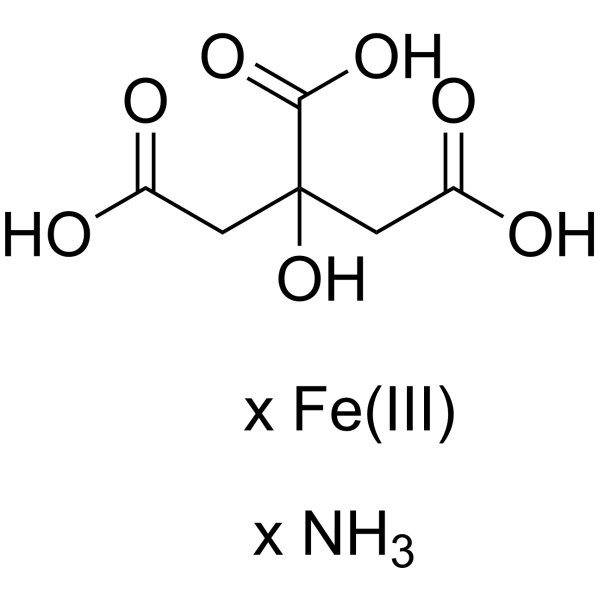
    Ammonium iron(III) citrate
    25+ Cited Publications

    Ammonium Ferric citrate; FAC

    Environmental Pollutants Ferroptosis Cancer
    Ammonium iron(III) citrate (Ammonium ferric citrate), a physiological form of nonetransferrin-bound iron, induces intracellular iron overload to cause ferroptosis . Ammonium iron(III) citrate can enhance protein production .
    Ammonium iron(III) citrate
  • HY-N1428C
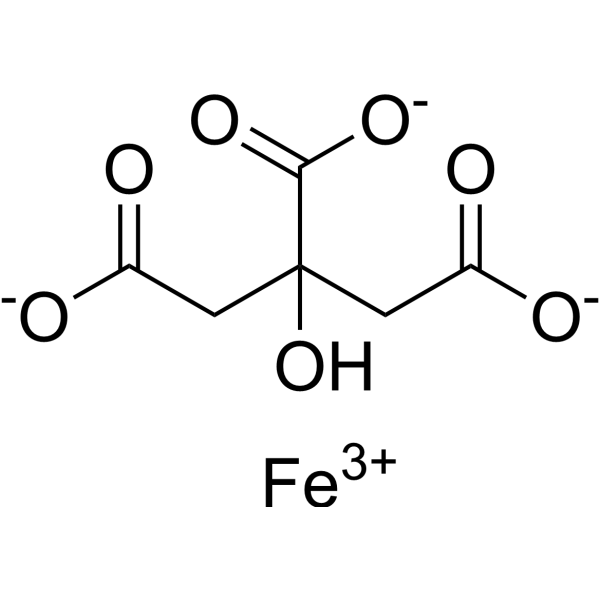
    Ferric citrate
    5 Publications Verification

    Iron(III) citrate; Zerenex

    Reactive Oxygen Species (ROS) Antibiotic Metabolic Disease
    Ferric citrate (Iron(III) citrate), an orally active iron supplement, is an efficacious phosphate binder. Ferric citratee can be used for iron deficiency anemia and chronic kidney disease (CKD) research .
    Ferric citrate
  • HY-113110

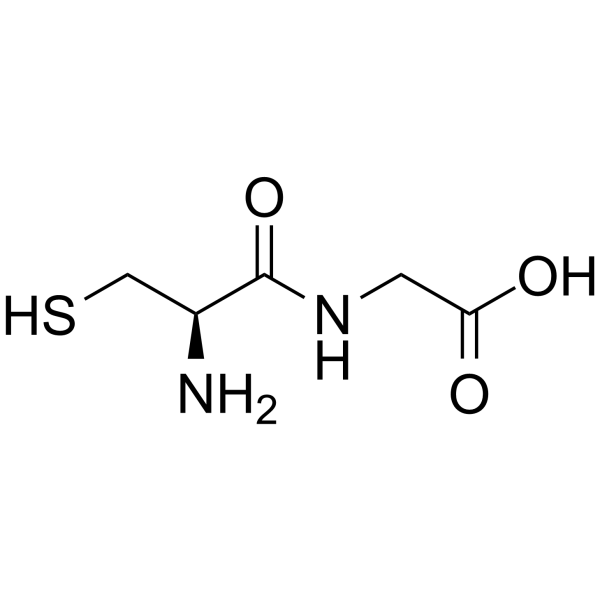
    L-Cysteinylglycine; Cys-Gly; H-Cys-Gly-OH

    Endogenous Metabolite Reactive Oxygen Species (ROS) DNA/RNA Synthesis Cardiovascular Disease Cancer
    Cysteinylglycine (L-Cysteinylglycine; Cys-Gly) is a dipeptide formed by the peptide bond linkage between cysteine (Cysteine) and glycine (Glycine). Cysteinylglycine is an important metabolic intermediate in the human body, mainly derived from the degradation of glutathione (GSH). Cysteinylglycine reduces ferric iron to ferrous iron, drives the redox cycle of iron, generates reactive oxygen species (ROS), stimulates oxidative reactions, induces lipid peroxidation of human plasma LDL lipoproteins, and causes oxidative damage to DNA bases. Cysteinylglycine can be used as a biomarker to evaluate ischemic heart disease, breast cancer and other conditions .
    Cysteinylglycine
  • HY-145157

    Biochemical Assay Reagents Metabolic Disease Cancer
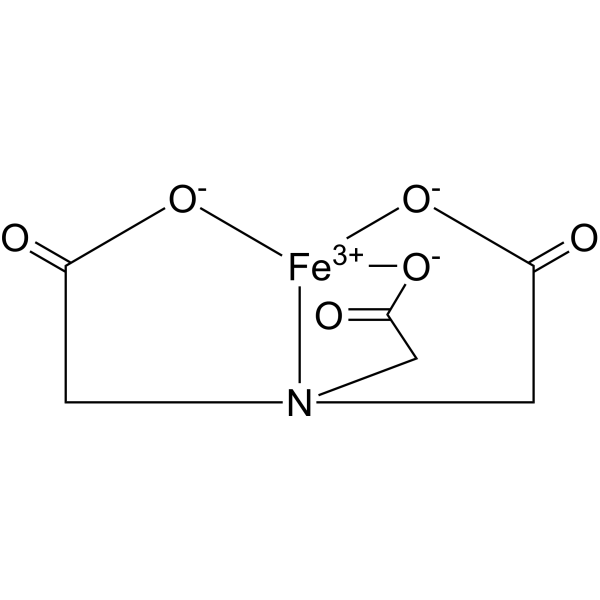
    Ferric nitrilotriacetate (Fe-NTA), a complexation of nitriloacetic acid with iron, is a highly reactive compound used to induce degenerative disorders through oxidative stress (OS). Ferric nitrilotriacetate is also used in several studies to induce hyperglycemia, glycosuria, and both renal and liver carcinogenesis .
    Ferric nitrilotriacetate
  • HY-B1648

    Biochemical Assay Reagents Cardiovascular Disease
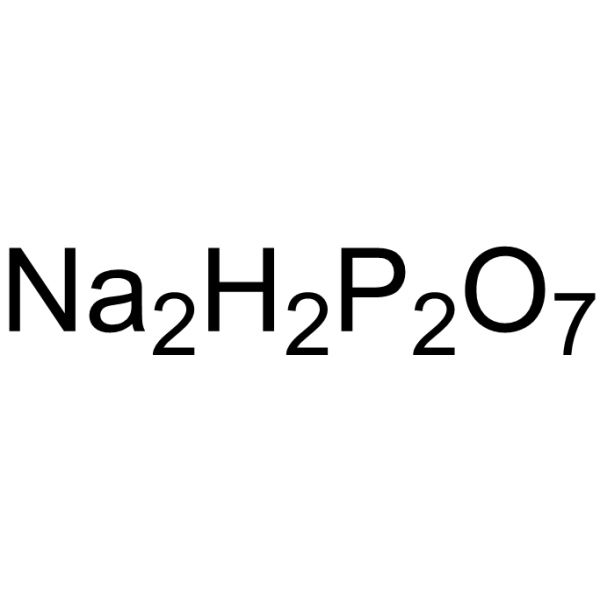
    Ferric pyrophosphate is an orally effective anti-inflammatory agent and iron fortifier. Ferric pyrophosphate downregulates the expression of colonic pro-inflammatory cytokines, modulates the intestinal flora, and corrects the dysbiosis associated with iron deficiency anemia (IDA). Ferric pyrophosphate can be used in studies related to iron deficiency anemia .
    Ferric pyrophosphate
  • HY-108017

    Biochemical Assay Reagents Metabolic Disease Cancer
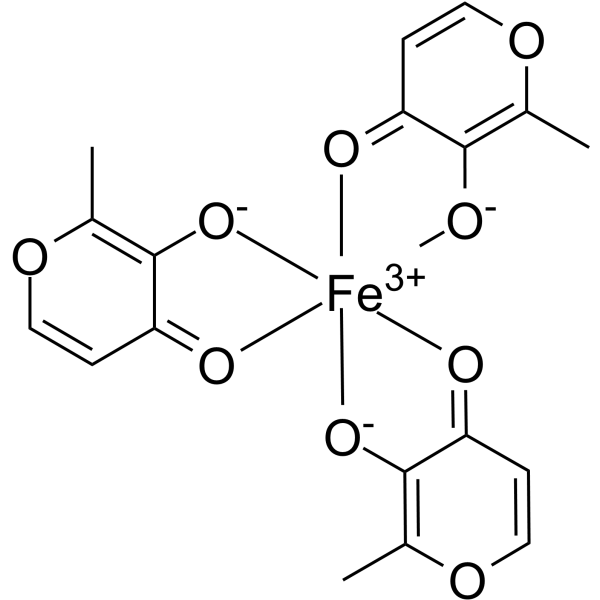
    Ferric maltol is an orally active monovalent iron (Fe 3+) complex. Ferric maltol is used in the study of iron deficiency anemia in inflammatory bowel disease .
    Ferric maltol
  • HY-W019927

    Ammonium Ferric sulfate dodecahydrate, 99%

    Biochemical Assay Reagents Others
    Ammonium iron(III) sulfate dodecahydrate, 99% is an analytical reagent-grade iron(III) salt and source material for iron(III) reagent or standard solutions in volumetric analysis .
    Ammonium iron(III) sulfate dodecahydrate, 99%
  • HY-N12586

    ERK Reactive Oxygen Species (ROS) COX PGE synthase STAT HCV HCV Protease Infection Neurological Disease Cancer
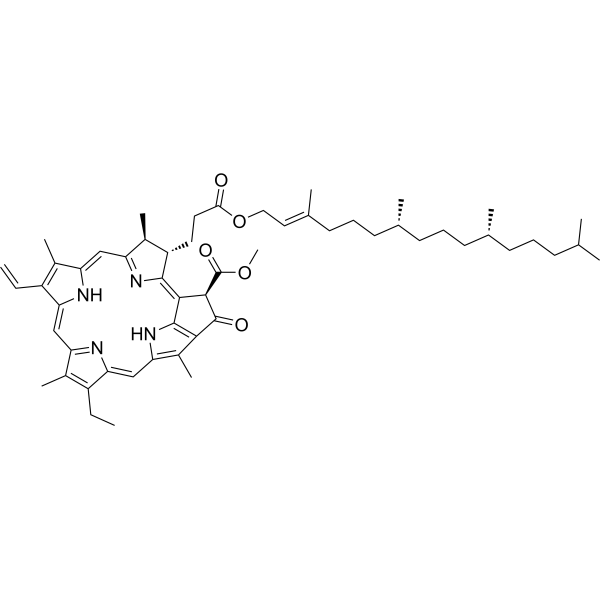
    Pheophytin a is a multi-target inhibitor, anticancer agent, antioxidant and antiviral agent. Pheophytin a directly binds to and inhibits HCV-NS3/4A protease (IC50=0.89 μM) to block viral replication. Pheophytin a also scavenges free radicals, reduces ferric ions, and exhibits cytotoxic activity against breast cancer cells. Pheophytin a effectively inhibits LPS-induced production of nitric oxide, prostaglandin E2, NOS2 and COX-2, as well as various pro-inflammatory cytokines, by downregulating the transcription levels of inflammatory mediators and blocking the ERK1/2 and STAT-1 pathways. In a low nerve growth factor environment, Pheophytin a also enhances ERK1/2 phosphorylation and synergistically promotes neurite outgrowth through MAPK pathway. Pheophytin a can be used to investigate the pathogenic mechanisms of diseases including chronic hepatitis C, sepsis, breast cancer and Alzheimer's disease .
    Pheophytin a
  • HY-N1428CA

    Apoptosis Endogenous Metabolite Bacterial Cardiovascular Disease Infection Metabolic Disease Inflammation/Immunology Cancer
    Ferric citrate, suitable for cell culture is a natural preservative and food tartness enhancer. Ferric citrate, suitable for cell culture induces apoptosis and cell cycle arrest at G2/M phase and S phase in HaCaT cells. Ferric citrate, suitable for cell culture causes oxidative damage of the liver by means of the decrease of antioxidative enzyme activities. Ferric citrate, suitable for cell culture is also an acidulant, emulsifier, sequestrant and buffering agent widely used across many industries .
    Ferric citrate,suitable for cell culture
  • HY-135498

    Bacterial Infection
    Ferrioxamine E is a siderophore and bacterial growth regulator. Ferrioxamine E can chelate ferric iron, and promote the growth, morphological differentiation and antibiotic synthesis of Streptomyces tanashiensis .
    Ferrioxamine E
  • HY-23033
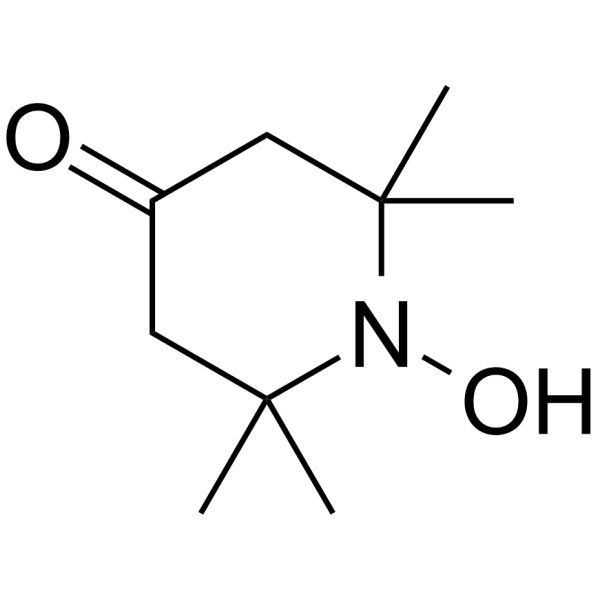
    Tempone-H
    1 Publications Verification

    Biochemical Assay Reagents Neurological Disease
    Tempone-H may be used as a spin trap in chemical and biological systems to quantify peroxynitrite and superoxide radical formation. Ferric and cupric ions are effective oxidants of Tempone-H .
    Tempone-H
  • HY-17500
    Ataciguat
    1 Publications Verification

    HMR-1766

    Guanylate Cyclase Cardiovascular Disease
    Ataciguat (HMR-1766) is a nitric oxide-independent soluble guanylate cyclase (sGC) activator. Ataciguat is able to activate the ferric heme-iron redox form of sGC that stimulate the production of cyclic GMP (cGMP). Ataciguat exhibits vasodilator effects .
    Ataciguat
  • HY-N6037

    Apoptosis Deubiquitinase Ornithine decarboxylase (ODC) Cathepsin Reactive Oxygen Species (ROS) Caspase Inflammation/Immunology Cancer
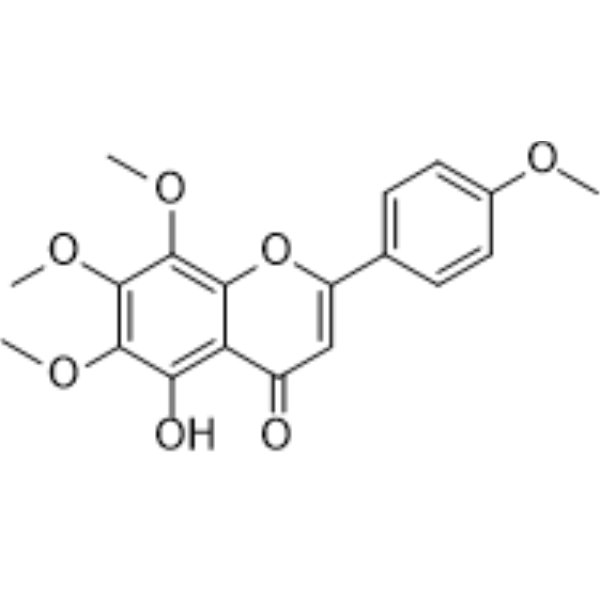
    Gardenin B is a methoxyflavone compound and an inhibitor of USP7, ODC (IC50: 6.24 μg/mL), and Cathepsin D (IC50: 5.61 μg/mL). Gardenin B exhibits antioxidant and antitumor activities. Gardenin B shows IC50 values of 8.87 and 10.59 μg/mL for DPPH and NO scavenging, respectively, and also possesses ferric ion reducing ability. Additionally, Gardenin B can inhibit tumor cell proliferation, induce cell cycle arrest and apoptosis. Gardenin B can be used in cancer research .
    Gardenin B
  • HY-B1647

    Insecticide Others
    Ferric phosphate is used as food and feed supplement, particularly in bread enrichment. Ferric phosphate is also used as a fertilizer and as a molluscicide for a variety of slugs and snails including Deroceras reticulatum, D.laeve, Arion subfuscus .
    Ferric phosphate
  • HY-154696

    Biochemical Assay Reagents Others
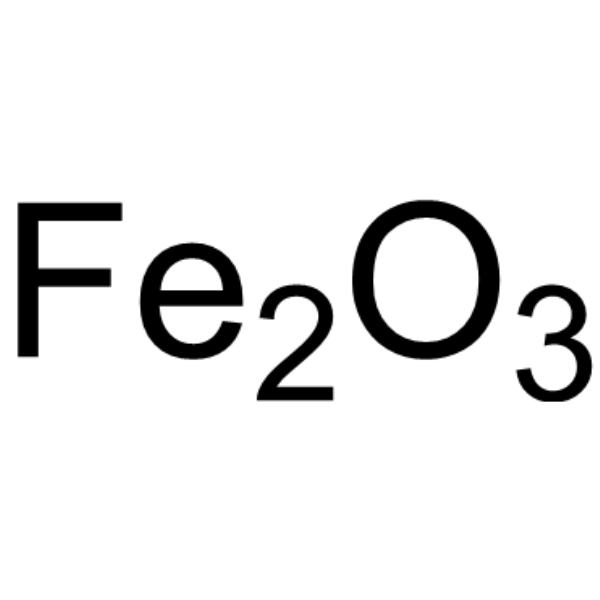
    Ferric oxide, yellow can be used as an excipient, such as colorant. Pharmaceutical excipients, or pharmaceutical auxiliaries, refer to other chemical substances used in the pharmaceutical process other than pharmaceutical ingredients. Pharmaceutical excipients generally refer to inactive ingredients in pharmaceutical preparations, which can improve the stability, solubility and processability of pharmaceutical preparations. Pharmaceutical excipients also affect the absorption, distribution, metabolism, and elimination (ADME) processes of co-administered drugs .
    Ferric oxide, yellow
  • HY-154696A

    Biochemical Assay Reagents Others
    Ferric oxide, red can be used as an excipient, such as colorant. Pharmaceutical excipients, or pharmaceutical auxiliaries, refer to other chemical substances used in the pharmaceutical process other than pharmaceutical ingredients. Pharmaceutical excipients generally refer to inactive ingredients in pharmaceutical preparations, which can improve the stability, solubility and processability of pharmaceutical preparations. Pharmaceutical excipients also affect the absorption, distribution, metabolism, and elimination (ADME) processes of co-administered drugs .
    Ferric oxide, red
  • HY-N2307A

    (+)-Lirinidine

    Others Cancer
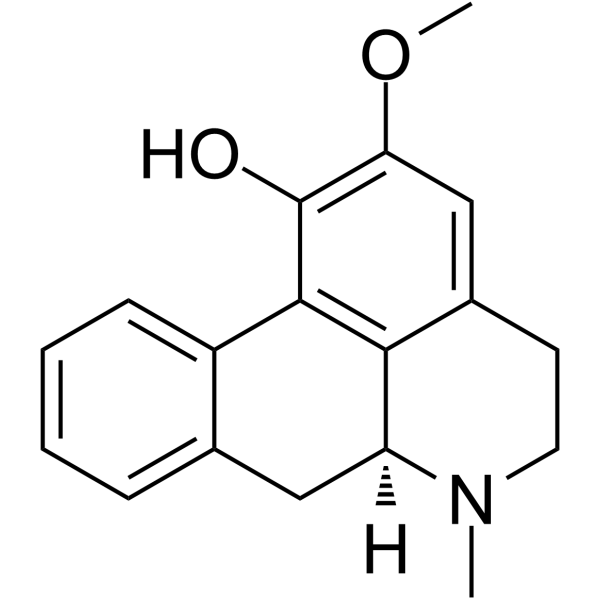
    Lirinidine ((+)-Lirinidine) is an alkaloid isolated from the leaves of L. tulipifera and has antioxidant and anticancer activities. Lirinidine exhibits medium ferric reducing power activity and minor radical scavenging activity in vitro. Lirinidine can be used for cosmetic research .
    Lirinidine
  • HY-47030

    Environmental Pollutants Biochemical Assay Reagents Metabolic Disease
    Ferric citrate hydrate, an orally active iron supplement, is an efficacious phosphate binder. Ferric citrate hydrate can be used for iron deficiency anemia and chronic kidney disease (CKD) research .
    Ferric citrate hydrate
  • HY-108765

    Biochemical Assay Reagents Cardiovascular Disease
    Ferric carboxymaltose is an iron supplement.
    Ferric carboxymaltose
  • HY-46846

    Environmental Pollutants Biochemical Assay Reagents Others
    Styrene-divinylbenzene sulfonated copolymer is a cation exchange resin prepared from sulfonic acid group-containing microporous styrene/divinylbenzene (DVB) copolymer. Styrene-divinylbenzene sulfonated copolymer serves as the core matrix material for most bilirubin adsorbents. It also acts as a hydrophilic cell immobilization carrier, whose porous structure provides an ideal environment for microbial growth and biochemical reactions .
    Styrene-divinylbenzene sulfonated copolymer
  • HY-N9588

    Others Cancer
    Pedaliin is a bioactive component obtained from the ethanol extract of Sesame (Sesamum indicum L.) leaves (SLs). Pedaliin shows in vitro antioxidant and anti-colon cancer efficacy with radical scavenging activity and ferric reducing antioxidant power (FRAP) .
    Pedaliin
  • HY-174867

    PROTACs Ferroptosis Cancer
    AY-4 (Compound AY-4) is an efficient PROTAC degrader targeting FTH1 (Kd = 3.17 nM). AY-4 effectively upregulates the levels of ferrous (Fe 2+) and ferric (Fe 3+) ions in cells. AY-4 is a potential anticancer candidate compound that regulates iron homeostasis through ferritin degradation and enhances the efficacy of existing drugs. AY-4 can effectively reduce the level of FTH1 in breast cancer cells (Pink: FTH1 ligand AY-2 (HY-174871); Blue: E3 ligand Pomalidomide (HY-10984); Black: Linker, Pomalidomide-PEG3-acid (HY-174872)) .
    AY-4
  • HY-122955

    Fungal Infection
    Xanthobaccin A is a potent antimicrobial agent that can be isolated from the culture fluid of Stenotrophomonas sp. strain SB-K88. Xanthobaccin A exhibits activity against fungi, induces zoospore immobilization and lysis, inhibits mycelial growth. Xanthobaccin A can be used for the research of beet damping-off disease, bacterial and fungal infection .
    Xanthobaccin A
  • HY-W581819

    Biochemical Assay Reagents Others
    Ferric glycinate is an iron amino acid chelate used as a food fortifier and therapeutic agent, which can prevent and ameliorate iron deficiency anemia .
    Ferric glycinate
  • HY-N7648

    Atherospermine

    Parasite Phosphodiesterase (PDE) Infection
    Atherosperminine (Atherospermine) is a phosphodiesterase inhibitor. Atherosperminine inhibits growth of chloroquine-resistant Plasmodium falciparum. Atherosperminine scavenges DPPH free radicals, exhibits ferric reducing power, and chelates metal ions. Atherosperminine can be used for the research of malaria .
    Atherosperminine
  • HY-111755

    P2Y Receptor Cardiovascular Disease
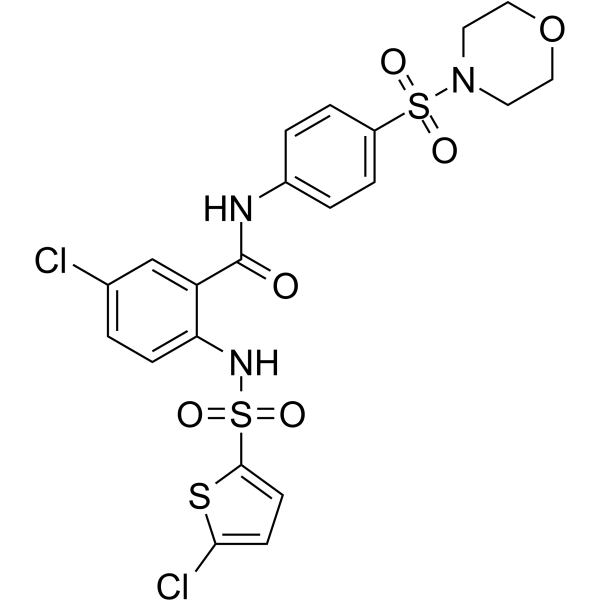
    P2Y12 antagonist 2 is a potent P2Y12 receptor antagonist. P2Y12 antagonist 2 exhibits excellent antiplatelet aggregation potency with an IC50 value of 2.94 μM as well as antithrombotic efficacy in a rat ferric chloride model. P2Y12 antagonist 2 shows a superior safety profile than Clopidogrel (HY-15283) in a rat tail-bleeding model. P2Y12 antagonist 2 can be used to research thromboembolic disorders .
    P2Y12 antagonist 2
  • HY-113110R

    L-Cysteinylglycine (Standard); Cys-Gly (Standard); H-Cys-Gly-OH (Standard)

    Reference Standards Endogenous Metabolite Reactive Oxygen Species (ROS) DNA/RNA Synthesis Cardiovascular Disease Cancer
    Cysteinylglycine (Standard) is the analytical standard of Cysteinylglycine. This product is intended for research and analytical applications. Cysteinylglycine is a dipeptide formed by the peptide bond linkage between cysteine (Cysteine) and glycine (Glycine). Cysteinylglycine is an important metabolic intermediate in the human body, mainly derived from the degradation of glutathione (GSH). Cysteinylglycine reduces ferric iron to ferrous iron, drives the redox cycle of iron, generates reactive oxygen species (ROS), stimulates oxidative reactions, induces lipid peroxidation of human plasma LDL lipoproteins, and causes oxidative damage to DNA bases. Cysteinylglycine can be used as a biomarker to evaluate ischemic heart disease, breast cancer and other conditions .
    Cysteinylglycine (Standard)
  • HY-N6037R

    Reference Standards Apoptosis Ornithine decarboxylase (ODC) Reactive Oxygen Species (ROS) Cathepsin Deubiquitinase Caspase Inflammation/Immunology Cancer
    Gardenin B (Standard) is the analytical standard of Gardenin B (HY-N6037). This product is intended for research and analytical applications. Gardenin B is a flavonoid isolated from Gardenia jasminoides. Gardenin B is a methoxyflavone compound and an inhibitor of USP7, ODC (IC50: 6.24 μg/mL), and Cathepsin D (IC50: 5.61 μg/mL). Gardenin B exhibits antioxidant and antitumor activities. Gardenin B shows IC50 values of 8.87 and 10.59 μg/mL for DPPH and NO scavenging, respectively, and also possesses ferric ion reducing ability. Additionally, Gardenin B can inhibit tumor cell proliferation, induce cell cycle arrest and apoptosis. Gardenin B can be used in cancer research .
    Gardenin B (Standard)
  • HY-N10770

    Others Metabolic Disease
    5'-Geranyl-5,7,2',4'-tetrahydroxyflavone, a phenolic compound, presents strong oxygen radical absorbance capacity (ORAC), DPPH radical-scavenging capacity, ABTS radical-scavenging capacity, ferric reducing antioxidant power (FRAP) and nitrite-scavenging capacity. 5'-Geranyl-5,7,2',4'-tetrahydroxyflavone has the potential for natural antioxidant research .
    5'-Geranyl-5,7,2',4'-tetrahydroxyflavone
  • HY-159143

    Cholinesterase (ChE) Cytochrome P450 Neurological Disease
    BChE-IN-33 (compound 4r), an arylaminonaphthol derivative, is a potent butyrylcholinesterase (BChE) inhibitor with an IC50 of 14.78 µM. BChE-IN-33 also inhibits CYP2C19, CYP2C9, CYP2D6. BChE-IN-33 shows potent antioxidant activity with IC50 values of 150.48 μM, 2.56 μM and 4.61 μM by DPPH, ABTS, Ferric-phenanthroline assay, respectively. BChE-IN-33 has the potential for Alzheimer research .
    BChE-IN-33
  • HY-N19331

    Biochemical Assay Reagents Cancer
    Matricarin is a sesquiterpene lactone antioxidant with ferric ion reducing antioxidant power activity. Matricarin exhibits free radical scavenging activity. Matricarin induces growth inhibition. Matricarin can be used in the research of ovarian cancer and renal cancer .
    Matricarin
  • HY-N13072

    Others Others
    Arthrobactin is a ferric ionophore that can be produced by Arthrobacter pascens .
    Arthrobactin
  • HY-W098697S

    Isotope-Labeled Compounds Others
    Dimethyldithiocarbamate-d6 sodium dihydrate is the deuterium-labeled Dimethyldithiocarbamate (HY-W098697) . Ferric dimethyl‐dithiocarbamate (ferbam) exhibits oral toxicity in rodents .
    Dimethyldithiocarbamate-d6 sodium dihydrate
  • HY-N17355

    Biochemical Assay Reagents Cardiovascular Disease Cancer
    Des-N-methylnoracronycine is an acridone alkaloid found in the root bark of Glycosmis pentaphylla (Retz.) Correa. Des-N-methylnoracronycine has antitumor and platelet aggregation inhibitory activities .
    Des-N-methylnoracronycine
  • HY-181597

    Cholinesterase (ChE) Histamine Receptor Neurological Disease
    LINS05414 is a histamine H3 receptor ligand with antiCholinesterase and metal chelating activities. LINS05414 exhibits inhibitory activity against acetylcholinesterase (pIC50 = 4.03) and butyrylcholinesterase (pIC50 = 3.83), with a pKi of 6.37 for human histamine H3 receptors. LINS05414 chelates copper ions, ferrous ions and ferric ions. LINS05414 regulates the release of neurotransmitters. LINS05414 can be used in the research of neurodegenerative diseases .
    LINS05414
  • HY-N17215

    3,4,6-Trigalloylglucose

    Amylases Glycosidase Metabolic Disease Inflammation/Immunology
    3,4,6-Tri-O-galloyl-D-glucose (3,4,6-Trigalloylglucose) is an α-amylase (porcine α-amylase IC50 = 334.6 μM; Ki = 307.5 μM) and α-glucosidase (yeast α-glucosidase IC50 = 46.5 μM; Ki = 39.9 μM) mixed type inhibitor. 3,4,6-Tri-O-galloyl-D-glucose exhibits free radical scavenging ability, ferric-reducing power, and antioxidant activity. 3,4,6-Tri-O-galloyl-D-glucose can be used for the research of diabetes .
    3,4,6-Tri-O-galloyl-D-glucose
  • HY-N17816

    Apoptosis Reactive Oxygen Species (ROS) α-synuclein Succinate Dehydrogenase Bcl-2 Family Caspase Cardiovascular Disease Neurological Disease Metabolic Disease Inflammation/Immunology Cancer
    Tambulin is an orally active flavonol compound found in Zanthoxylum armatum. Tambulin can inhibit cell proliferation, induce apoptosis and inhibit ROS production. Tambulin upregulates cleaved caspase-3, cleaved caspase-9, and Bax, downregulates Bcl-2 levels. Tambulin can stimulate glucose-dependent insulin secretion and induce endothelium-independent vasorelaxation. Tambulin binds to succinate dehydrogenase (SDH) (Ki = 11.02 μM) and shows significant ferric reducing power. Tambulin can enhances oxidative stress resistance, reduces, lipofuscin deposits, lipid levels, α-synuclein levels, improves locomotary behavior, and dopamine levels in in age-synchronized L1 hermaphrodite Caenorhabditis elegans models of ageing and Parkinson's disease. Tambulin can be used for the researches of Parkinson's disease, lung squamous cell carcinoma, and diabetes .
    Tambulin
  • HY-165360

    Thrombin Cardiovascular Disease
    JJ1 is a selective α-thrombin inhibitor with a Ki of 0.019 μM. JJ1 directly binds to the active site of α-thrombin to block its catalytic activity. JJ1 exhibits antithrombotic effects and prolongs activated partial thromboplastin time, prothrombin time, and tail bleeding time in mice. JJ1 can be used for the research of thrombotic diseases .
    JJ1

Inquiry Online

Your information is safe with us. * Required Fields.

Salutation


Country or Region *

Applicant Name *


Organization Name *

Department *


Email Address *


Product Name *

Cat. No.


Requested quantity *

Phone Number *


Remarks

Inquiry Online

Inquiry Information

Product Name:
Cat. No.:
Quantity:
MCE Japan Authorized Agent:

