

1. Search Result
Search Result
Results for "

Follicle

" in MedChemExpress (MCE) Product Catalog:

64

Inhibitors & Agonists

3

Biochemical Assay Reagents

20

Peptides

2

Inhibitory Antibodies

4

Natural
Products

12

Recombinant Proteins

2

Isotope-Labeled Compounds

3

Antibodies

2

Oligonucleotides

Cat. No. Product Name Target Research Areas Chemical Structure
  • HY-106591A

    Vinylcyclohexene diepoxide

    Environmental Pollutants Akt Apoptosis mTOR Reactive Oxygen Species (ROS) PI3K Endocrinology
    4-Vinylcyclohexene dioxide (4-Vinylcyclohexene diepoxide) is an orally active metabolite of 4-vinylcyclohexene. 4-Vinylcyclohexene dioxide induces Apoptosis, increases intracellular ROS, and activates the PI3K/Akt/mTOR pathway. 4-Vinylcyclohexene dioxide selectively damages small ovarian follicles, inhibits granulosa cell function, and disrupts the male reproductive system. 4-Vinylcyclohexene dioxide can be used in the study of premature ovarian insufficiency, reproductive toxicity, and related fertility disorders .
    4-Vinylcyclohexene dioxide
  • HY-107903

    Thyroglobulin from bovine

    Biochemical Assay Reagents Cancer
    Thyroglobulin is a 660 kDa, dimeric glycoprotein produced by the follicular cells of the thyroid and used entirely within the thyroid gland. Thyroglobulin acts as a substrate for the synthesis of the thyroid hormones thyroxine (T4) and triiodothyronine (T3), as well as the storage of the inactive forms of thyroid hormone and iodine within the follicular lumen of a thyroid follicle. Thyroglobulin activates Akt kinase activity in FRTL-5 thyroid cell .
    Thyroglobulin
  • HY-B1445

    Potassium Channel Metabolic Disease
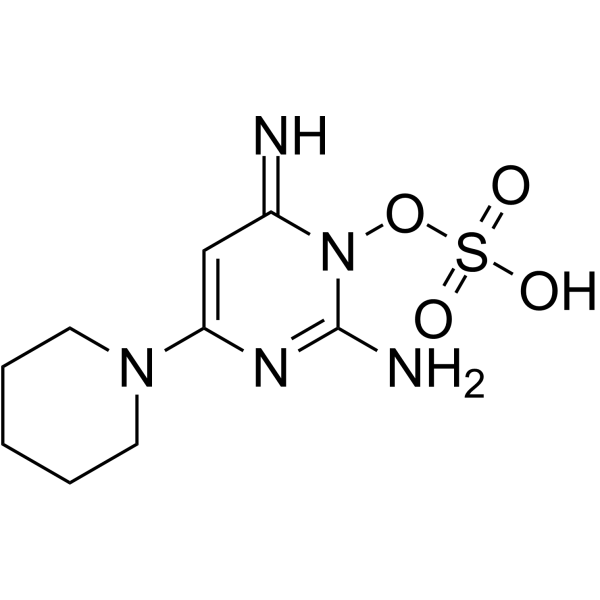
    Minoxidil sulfate, a potent and ATP-sensitive K + channel opener, is the sulfated metabolite of minoxidil. Minoxidil sulfate is considered as a vasodilator to promote hair growth in vivo .
    Minoxidil sulfate
  • HY-113306

    Endogenous Metabolite Others
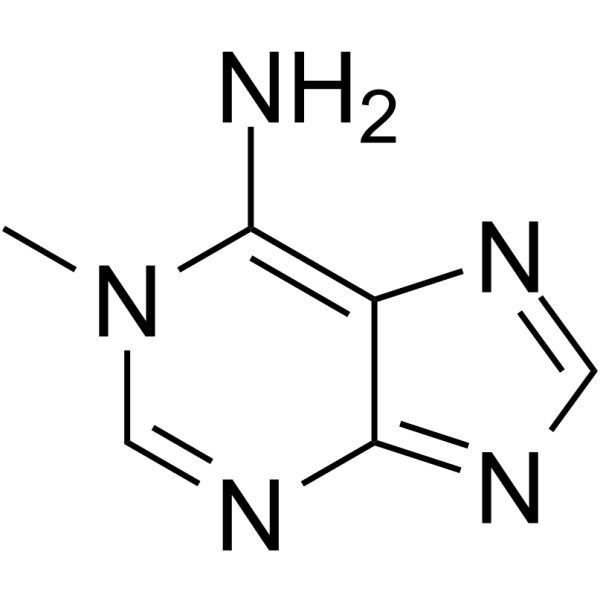
    1-Methyladenine is a gonad maturation-promoting regulator. 1-Methyladenine is produced in testes and ovarian follicle cells of starfish under the induction of gonad-stimulating substance (GSS). 1-Methyladenine promotes starfish oocyte maturation and spawning, and modifies bases that regulate DNA structure. 1-Methyladenine converts T-A base pairs in double-stranded DNA into non-disruptive T (anti)m1A (syn) Hoogsteen conformation. If this conformational base is not repaired in a timely manner, 1-Methyladenine transforms into cytotoxic DNA damage and blocks the replication process .
    1-Methyladenine
  • HY-W250721A

    CBM 940

    Biochemical Assay Reagents Others
    Carbomer 940 (CBM 940) is an acrylic polymer with high viscosity, good thermal stability and histocompatibility. Carbomer 940 serves as a transdermal drug delivery carrier and an external gel matrix. Carbomer 940 has no cytotoxicity, and it can also improve blood supply in the stasis zone of burns and promote wound repair. Carbomer 940 is applicable to pharmaceutical research .
    Carbomer 940
  • HY-W129161

    Amino Acid Derivatives Metabolic Disease
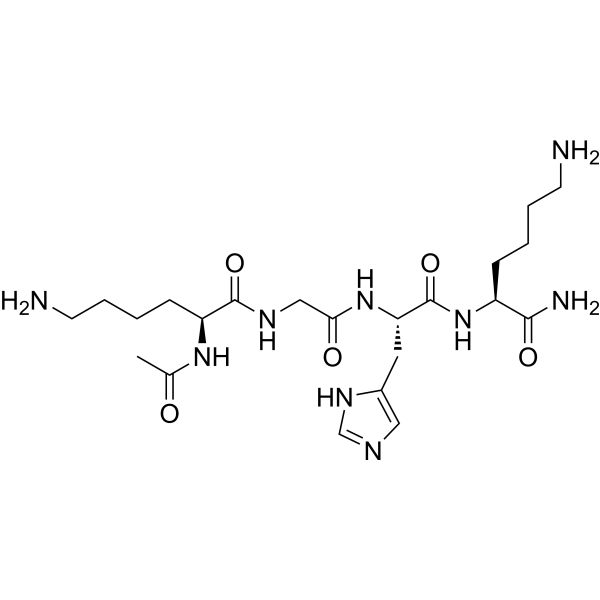
    Acetyl tetrapeptide-3 is a synthetic peptide. Acetyl tetrapeptide-3 enhances the adhesion of hair follicles to the scalp but also promotes the development of new hair follicles. Acetyl tetrapeptide-3 stimulates the synthesis of collagen III in hair follicles. Acetyl tetrapeptide-3 combined with Biochanin A (HY-14595) and ginseng extracts, can stimulate dermal papilla extracellular matrix (ECM) proteins by increasing hydroxyproline, Collagen Type 3, and laminin, yielding a significant improvement in hair follicle size and hair anchoring .
    Acetyl tetrapeptide-3
  • HY-Y0470
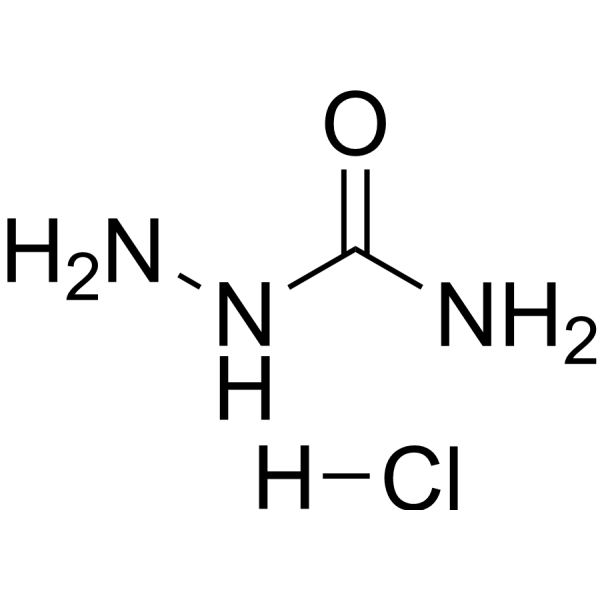
    Semicarbazide hydrochloride
    1 Publications Verification

    Aminourea hydrochloride; Hydrazinecarboxamide hydrochloride

    Monoamine Oxidase Cardiovascular Disease Inflammation/Immunology Endocrinology
    Semicarbazide hydrochloride is an orally active urea derivative. Semicarbazide hydrochloride binds to copper or iron in cells. Semicarbazide hydrochloride inhibits the activity of soluble semicarbazide sensitive amine oxidase (SSAO). Semicarbazide hydrochloride damages cartilage, blood vessels, ovaries, testicles, and thyroid follicles .
    Semicarbazide hydrochloride
  • HY-B1820
    Zinc sulphate
    1 Publications Verification

    Environmental Pollutants Biochemical Assay Reagents Glutathione Reductase (GR) Tyrosinase Metabolic Disease Inflammation/Immunology
    Zinc sulphate is an orally active inhibitor of tyrosinase and glutathione reductase. Zinc sulphate enhances the activity of dopachrome tautomerase. Zinc sulphate delays anagen-related eumelanin production, induces hair hypopigmentation in mice, and accelerates wound healing. Zinc sulphate can be used in research related to benign gastric ulcers. Zinc sulphate can be used in research related to rheumatoid arthritis .
    Zinc sulphate
  • HY-P5243

    AHK-Cu

    Others Bcl-2 Family Others
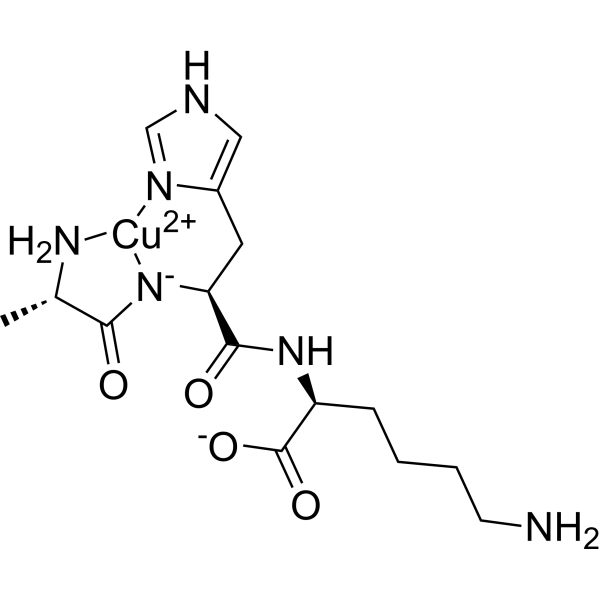
    Copper tripeptide-3 (AHK-Cu) is a bioactive peptide with promotion of hair growth effect. Copper tripeptide-3 increases dermal cell proliferation and viability while increasing the deposition of collagen to renew the extracellular matrix. Copper tripeptide-3 stimulates the elongation of human hair follicles and proliferation of dermal papilla cells .
    Copper tripeptide-3
  • HY-P1628

    GnRH Receptor Metabolic Disease
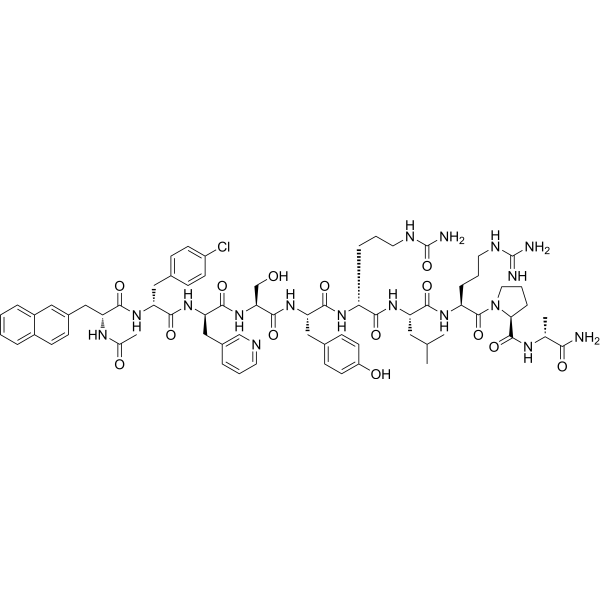
    Ganirelix is a competitive and selective gonadotropin releasing hormone (GnRH) antagonist. Ganirelix prevents endogenous GnRH from inducing luteinising hormone (LH) and follicle stimulating hormone relea .
    Ganirelix
  • HY-150210

    Estrogen Receptor/ERR Endocrinology
    FSHR agonist 1 is a high affinity and allosteric follicle stimulating hormone receptor (FSHR) agonist with a pEC50 of 7.72. FSHR agonist 1 formes extensive interactions with the TMD to directly activate FSHR .
    FSHR agonist 1
  • HY-P5247

    PTP20

    Melanocortin Receptor Sirtuin Metabolic Disease Inflammation/Immunology
    Palmitoyl tetrapeptide-20 (PTP20) is a biomimetic peptide agonist of α-MSH. Palmitoyl tetrapeptide-20 promotes hair pigmentation and delays hair graying by activating the MC1-R pathway (AC50: 0.16 nM), enhancing catalase activity to reduce H2O2 accumulation, and upregulating SIRT1 activity. Palmitoyl tetrapeptide-20 can be used in research on preventing hair loss and improving hair graying .
    Palmitoyl tetrapeptide-20
  • HY-160857

    Estrogen Receptor/ERR Endocrinology
    TOP5668 is an orally active follicle-stimulating hormone receptor allosteric agonist. TOP5668 can induce the production of testosterone in stromal cells and promote follicular genesis and superovulation in rats .
    TOP5668
  • HY-P0056A

    GnRH Receptor Cancer
    Histrelin acetate, a GnRH analogue, is a GnRH Receptor agonist. Histrelin acetate increases serum luteinising hormone (LH), follicle stimulating hormone (FSH) and testosterone levels. Histrelin acetate can be used in the research of prostate cancer, endometriosis .
    Histrelin acetate
  • HY-W041308

    Kathon 930

    Environmental Pollutants GnRH Receptor Endocrinology
    DCOIT is a representative isothiazolinone that stimulates the gonadotropin-releasing hormone receptor (GnRHR)-mediated synthesis of follicle-stimulating hormone and luteinizing hormone in the brain. DCOIT interferes with G protein-coupled receptors, MAPK and Ca 2+ signaling cascades .
    DCOIT
  • HY-P1174

    GnRH Receptor Endocrinology
    GnRH Associated Peptide (GAP) (1-13), human is an amino acid peptide fragment derived from GnRH. GAP can increase the secretion of luteinizing hormone (LH) and follicle-stimulating hormone (FSH) in rat anterior pituitary cells. GAP also inhibit the secretion of prolactin .
    GnRH Associated Peptide (GAP) (1-13), human
  • HY-P3343A
    hFSH-β-(33-53) TFA
    1 Publications Verification

    Estrogen Receptor/ERR Cancer
    hFSH-β-(33-53) TFA, a thiol-containing peptide which corresponds to a second FSH receptor-binding domain, is a FSHR (follicle-stimulating hormone receptor) antagonist. hFSH-β-(33-53) TFA inhibits binding of FSH to receptor and is a partial agonist of estradiol synthesis in Sertoli cells .
    hFSH-β-(33-53) TFA
  • HY-139783

    Environmental Pollutants Apoptosis Others
    3-Campholenyl-2-butanol, a synthetic sandalwood odorant, is a selective olfactory receptor OR2AT4 agonist. 3-Campholenyl-2-butanol prolongs human hair growth ex vivo by decreasing apoptosis and increasing production of the anagen-prolonging growth factor IGF-1 in the outer root sheath (ORS) .
    3-Campholenyl-2-butanol
  • HY-N2026S1

    Propyl parahydroxybenzoate-d4; Propyl 4-hydroxybenzoate-d4

    Apoptosis Bacterial Endogenous Metabolite Infection
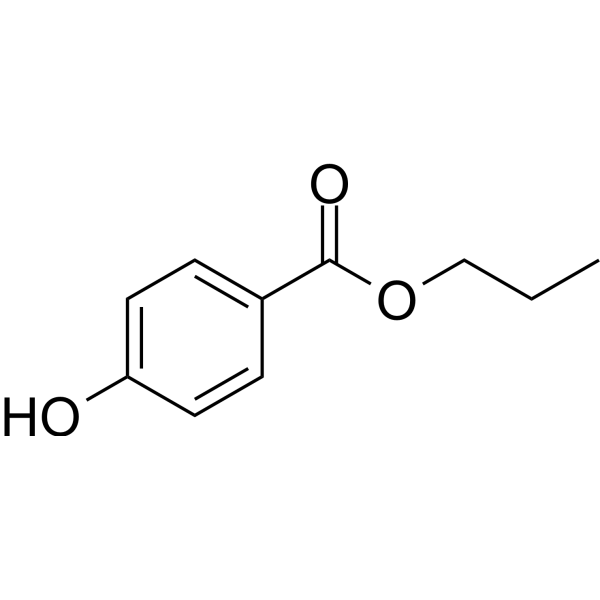
    Propylparaben-d4 is the deuterium labeled Propylparaben . Propylparaben (Propyl parahydroxybenzoate) is an antimicrobial preservative which can be produced naturally by plants and bacteria. Propylparaben is prevalently used in cosmetics, pharmaceuticals, and foods. Propylparaben disrupts antral follicle growth and steroidogenic function by altering the cell-cycle, apoptosis, and steroidogenesis pathways. Propylparaben also decreases sperm number and motile activity in rats .
    Propylparaben-d4
  • HY-109532

    Ganirest

    GnRH Receptor Metabolic Disease
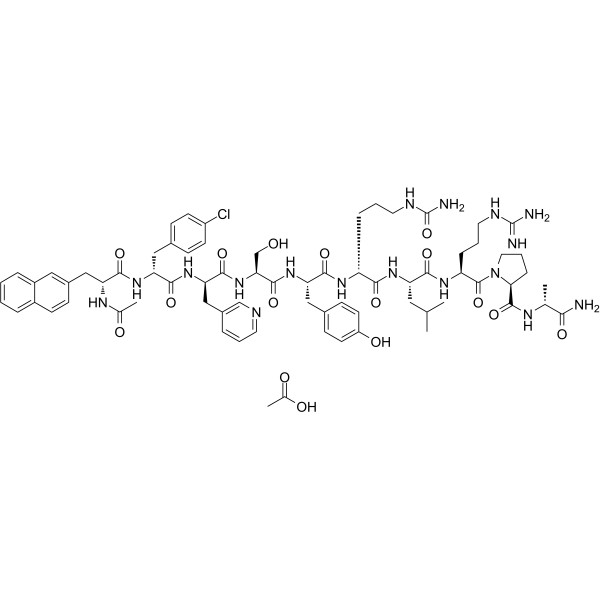
    Ganirelix acetate (Ganirest) is a competitive and selective gonadotropin-releasing hormone (GnRH) antagonist. Ganirelix acetate blocks endogenous GnRH-induced release of luteinizing hormone (LH) and follicle-stimulating hormone. Ganirelix acetate antagonizes Prostaglandin E2 (HY-101952)-induced detrusor overactivity and enhances Carbachol (HY-B1208)-induced detrusor contraction. Ganirelix acetate is applicable to research related to female infertility and detrusor overactivity .
    Ganirelix acetate
  • HY-N2026A
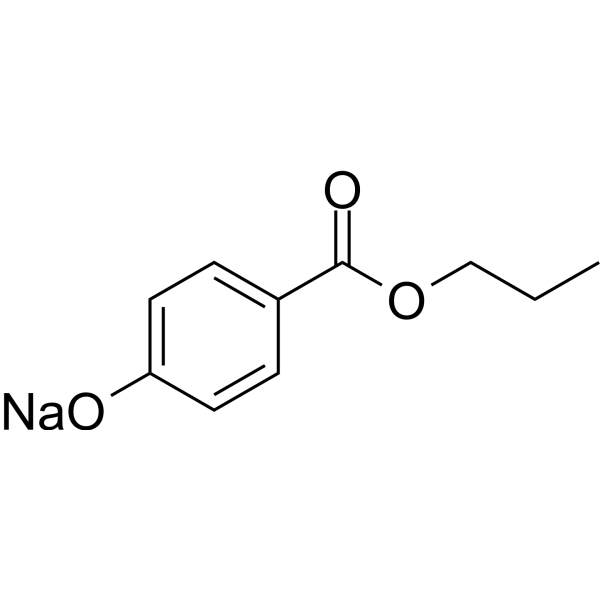
    Propylparaben sodium
    1 Publications Verification

    Propyl parahydroxybenzoate sodium; Propyl 4-hydroxybenzoate sodium

    Estrogen Receptor/ERR Cardiovascular Disease Neurological Disease
    Propylparaben sodium is an orally active weak estrogen receptor agonist. Propylparaben sodium regulates the PI3K-AKT and JNK signaling pathways, induces oxidative stress, and alters the estrous cycle, hormone levels and ovarian reserve function. Propylparaben sodium inhibits the growth of antral follicles and alters the accumulation of steroid hormones in follicle culture media. Propylparaben sodium can be used in studies related to ovarian aging and myocardial ischemia-reperfusion injury[1][2][3][4][5].
    Propylparaben sodium
  • HY-118860

    Org 36286; MK-8962

    Estrogen Receptor/ERR Endocrinology
    Corifollitropin alfa (Org 36286) is a long-acting recombinant follicle-stimulating hormone (FSH) analog. Corifollitropin alfa is a FSH Receptor agonist with an EC50 of 5.0 pM. Corifollitropin alfa stimulates ovulation and can be used in the research of infertility .
    Corifollitropin alfa
  • HY-164764

    Estrogen Receptor/ERR Endocrinology
    ADX61623 is a potent follicle stimulating hormone (FSH) receptor (FSHR) negative allosteric modulator (NAM). ADX61623 shows luteinizing hormone receptor (LH-R) activity and is not active on thyroid-stimulating hormone (TSH) receptors. ADX61623 can be used for the study of estrogen dependent disease .
    ADX61623
  • HY-13636A

    ICI 182780 (S enantiomer); ZD 9238 (S enantiomer); ZM 182780 (S enantiomer)

    Drug Isomer Estrogen Receptor/ERR p38 MAPK Apoptosis Cancer
    Fulvestrant (ICI 182780; ZD 9238) S enantiomer is the S-enantiomer of Fulvestrant (HY-13636), a potent estrogen receptor inhibitor. Fulvestrant binds to and blocks the estrogen receptor, promotes its degradation, and thereby inhibits receptor dimerization, nucleocytoplasmic shuttling and transcriptional activity. Fulvestrant effectively blocks estrogen signaling, MAPK pathway activation and ER-regulated protein expression. Fulvestrant induces apoptosis, inhibits the proliferation of breast cancer and prolactinoma cells, and reduces the mineralization level, alkaline phosphatase activity and osteocalcin expression of preosteoblasts. Prenatal exposure to Fulvestrant impairs ovarian follicular development and causes ovarian structural damage. Fulvestrant has been widely used in studies related to breast cancer, prolactinoma and other conditions .
    Fulvestrant (S enantiomer)
  • HY-107989

    Antibiotic Endocrinology
    Urofollitropin is a protein extract of human menopausal urine. Urofollitropin has the function of promoting follicle development and maturation, but contains very small amounts of urinary proteins .
    Urofollitropin
  • HY-P0056

    GnRH Receptor Cancer
    Histrelin, a GnRH analogue, is a GnRH Receptor agonist. Histrelin increases serum luteinising hormone (LH), follicle stimulating hormone (FSH) and testosterone levels. Histrelin can be used in the research of prostate cancer, endometriosis .
    Histrelin
  • HY-P5247A

    PTP20 TFA

    Melanocortin Receptor Sirtuin Metabolic Disease Inflammation/Immunology
    Palmitoyl tetrapeptide-20 (PTP20) TFA is a biomimetic peptide agonist of α-MSH. Palmitoyl tetrapeptide-20 TFA promotes hair pigmentation and delays hair graying by activating the MC1-R pathway (AC50: 0.16 nM), enhancing catalase activity to reduce H2O2 accumulation, and upregulating SIRT1 activity. Palmitoyl tetrapeptide-20 TFA can be used in research on preventing hair loss and improving hair graying .
    Palmitoyl tetrapeptide-20 TFA
  • HY-121779

    2,4'-DDE; 2,4-Dichlorodiphenyldichloroethylene; 2,4'-DDE; o,p'-Dichlorodiphenyldichloroethylene

    Insecticide Endocrinology
    o,p'-DDE (2,4-Dichlorodiphenyldichloroethylene) is a metabolite and degradation product of the organochlorine pesticide DDT. It accumulates in smallmouth buffalo, channel catfish, and largemouth bass, and in sediments from DDT manufacturing plants around the Huntsville Spring Branch-Indian Creek tributary system, where it is considered a persistent organic pollutant (POP). o,p'-DDE inhibits estrogen binding to the rainbow trout estrogen receptor (rtER) with an IC50 value of 3.2 μM. It induces concentration-dependent estradiol secretion in co-cultures of granulosa and theca cells isolated from porcine follicles. In ovo exposure to o,p'-DDE increases follicular degeneration and reduces testis size in Japanese medaka (O. latipes).
    o,p'-DDE
  • HY-P3975

    pGlu-His-Pro-Gly-NH2

    GnRH Receptor Endocrinology
    Glp-His-Pro-Gly-NH2 (pGlu-His-Pro-Gly-NH2) is a peptide containing 4 amino acids. Glp-His-Pro-Gly-NH2 stimulates gonadotrophin, luteinizing hormone (LH) and follicle stimulating hormone (FSH) release .
    Glp-His-Pro-Gly-NH2
  • HY-131946

    Menotrophin

    Biochemical Assay Reagents Endocrinology
    Menotropin (Menotrophin) is a hormone that can be extracted from the urine of postmenopausal women and has both follicle stimulating hormone (FSH) and luteinizing hormone (LH) activity .
    Menotropin
  • HY-160856

    TOP05300

    Estrogen Receptor/ERR Endocrinology
    TOP5300 is an orally active follicle-stimulating hormone receptor allosteric agonist. TOP5300 can induce the production of testosterone in stromal cells and promote follicular genesis and superovulation in rats .
    TOP5300
  • HY-W129441

    N-Ac-4-S-CAP

    DNA/RNA Synthesis Tyrosinase Thymidylate Synthase Others
    N-Acetyl-4-S-mercaptoaminophenol (N-Ac-4-S-CAP) is a compound that is selectively cytotoxic to melanocytes of black mouse hair follicles. It can cause 98% depigmentation of black mouse hair follicles. N-Ac-4-S-CAP can produce visible changes in hair follicle melanocytes 4 hours after intraperitoneal injection, including aggregation of melanin granules and nuclear condensation. Electron microscopy observations showed that it caused progressive destruction of melanocytes, including swelling of membranous organelles, nuclear condensation, and cytoplasmic vacuolation, ultimately leading to complete cell necrosis. N-Ac-4-S-CAP has a specific cytotoxic effect on melanocytes that actively produce eumelanin, but may not affect precursor or dormant melanocytes. These properties suggest that N-Ac-4-S-CAP may have potential application value in the treatment of melanoma or skin whitening.
    N-Acetyl-4-S-cysteaminylphenol
  • HY-P3084

    hF-GRP

    GnRH Receptor Endocrinology
    Human follicular gonadotropin releasing peptide (hF-GRP) is a hormone peptide. Human follicular gonadotropin releasing peptide can stimulate pituitary luteinizing hormone (LH) and follicle-stimulating hormone (FSH) secretion in vitro .
    Human follicular gonadotropin releasing peptide
  • HY-106174

    CS 891

    5 alpha Reductase Endocrinology
    Lapisteride (CS 891) is an orally active 5α-reductase inhibitor. Lapisteride can inhibit 5α-reductaseactivity in the hair follicles (HF). Lapisteride can be used in prostatic hyperplasia and androgenic alopecia research .
    Lapisteride
  • HY-P10780

    Neuropeptide NPVF (mouse)

    Neuropeptide FF Receptor Apoptosis MDM-2/p53 PERK Endocrinology
    RFRP-3 (mouse) is a functional ortholog of avian gonadotropin inhibitory hormone (GnIH), binding to GPR147. RFRP-3 (mouse) reduces Progesterone synthesis by inhibiting FSHR and key enzymes involved in steroidogenesis (P450scc, 3β-HSD, StAR). RFRP-3 (mouse) induces Apoptosis (increase of p53). RFRP-3 (mouse) also suppresses the ERK signaling pathway. RFRP-3 (mouse) can be used for research of follicular development .
    RFRP-3 (mouse)
  • HY-W041308R

    Kathon 930 (Standard)

    GnRH Receptor Reference Standards Endocrinology
    DCOIT (Standard) is the analytical standard of DCOIT. This product is intended for research and analytical applications. DCOIT is a representative isothiazolinone that stimulates the gonadotropin-releasing hormone receptor (GnRHR)-mediated synthesis of follicle-stimulating hormone and luteinizing hormone in the brain. DCOIT interferes with G protein-coupled receptors, MAPK and Ca2+ signaling cascades[1].
    DCOIT (Standard)
  • HY-105191

    RS-21607

    Cytochrome P450 Reactive Oxygen Species (ROS) Metabolic Disease
    Azalanstat (RS-21607) is an inhibitor of heme oxygenase and lanosterol 14α-demethylase, with inhibitory activity against HO-1 (IC50 = 5.5 µM) and HO-2 (IC50 = 24.5 µM). Azalanstat reduces the maturation rate of rat oocytes, increases rat oocyte degeneration, and partially inhibits progesterone production in preovulatory follicles of rats .
    Azalanstat
  • HY-162831

    Mitochondrial Metabolism Others
    MPC-IN-1 (compound 4i) is a cyanocinnamate-based, mitochondrial pyruvate transporter (MPC) inhibitor, and is a derivative of UK-5099 (HY-15475). MPC inhibitors promote the development of hair follicle stem cells without affecting normal cells. MPC-IN-1 promotes cellular lactate production and promotes significant hair growth in mice, and has the potential to be used to inhibit hair loss .
    MPC-IN-1
  • HY-120767

    KLH-2109 choline; OBE-2109 choline

    GnRH Receptor Inflammation/Immunology Cancer
    Linzagolix choline (KLH-2109 choline) is a non-peptide gonadotropin-releasing hormone (GnRH) antagonist with oral activity. Linzagolix choline inhibits the release of endogenous gonadotropins such as luteinizing hormone LH and follicle-stimulating hormone FSH by binding to the GnRH receptor within the pituitary gland. This inhibition results in a reduction in the production of sex hormones such as estrogen and progesterone, which in turn affects the course of sex hormone-dependent diseases. Linzagolix choline can be used in the study of sex hormone-dependent diseases such as endometriosis and uterine fibroids .
    Linzagolix choline
  • HY-170448

    PROTACs Androgen Receptor Endocrinology
    PROTAC AR Degrader-9 (Compound c6) is a PROTAC degrader for androgen receptor, that degrades AR in human hair follicle papilla cells (HDPCs) with a DC50 of 262.38 nM. PROTAC AR Degrader-9 promotes the expressions of paracrine factors, such as TGF-β1 and β-catenin, exhibits hair regenerating efficacy in mouse models . (Pink: ligand for target protein AR ligand-38 (HY-170450); Black: linker; Blue: ligand for E3 ligase Cereblon (HY-170449))
    PROTAC AR Degrader-9
  • HY-123492

    Opioid Receptor Neurological Disease Endocrinology
    Kentsin (Thr-Pro-Arg-Lys), a contraceptive tetrapeptide, is originally extracted from hamster embryos. Kentsin prevents the maturation of Graafian follicles and consequently inhibits ovulation, without binding to opioid receptors. Kentsin has opiate properties on gastrointestinal motility .
    Kentsin
  • HY-P99951

    Estrogen Receptor/ERR Endocrinology
    Ripafollitropin alfa (bovine) is a recombinant follicle-stimulating hormone fusion protein with chorionic gonadotropin .
    Ripafollitropin alfa (bovine)
  • HY-149105

    Estrogen Receptor/ERR Endocrinology
    FSH receptor antagonist 1 (compound 10) is a potent antagonist of the G(s)-protein-coupled human follicle-stimulating hormone (FSH) receptor. FSH receptor antagonist 1 exhibits an IC50 of 28 nM on a cell line expressing the human FSH receptor. FSH receptor antagonist 1 significantly inhibits follicle growth and ovulation in an ex vivo mouse model .
    FSH receptor antagonist 1
  • HY-136942

    GABA Receptor Neurological Disease
    DS1 is a potent GABAA agonist. DS1 increases the activity of serum response element (SRE) and cAMP response element (CRE) promoters. DS1 induces luteinizing hormone beta (LHbeta) and follicle-stimulating hormone beta (FSHbeta) promoter activity .
    DS1
  • HY-174724

    mRNA Inflammation/Immunology
    Human CXCR5 mRNA encodes the human C-X-C motif chemokine receptor 5 (CXCR5) protein, a multi-pass membrane protein that belongs to the CXC chemokine receptor family. CXCR5 is involved in B-cell migration into B-cell follicles of spleen and Peyer patches.
    Human CXCR5 mRNA
  • HY-P4564

    GnRH Receptor Endocrinology
    (D-Ser(tBu)6,D-Leu7,Azagly10)-LHRH is an analogue of luteinizing hormone-releasing hormone (LHRH). LHRH plays a central role in the control of reproduction by stimulating the release of pituitary luteinizing hormone (LH) and follicle-stimulating hormone (FSH) .
    (D-Ser(tBu)6,D-Leu7,Azagly10)-LHRH
  • HY-P4568

    GnRH Receptor Endocrinology
    (D-Ser4,D-Ser(tBu)6,Azagly10)-LHRH is an analogue of luteinizing hormone-releasing hormone (LHRH). LHRH plays a central role in the control of reproduction by stimulating the release of pituitary luteinizing hormone (LH) and follicle-stimulating hormone (FSH) .
    (D-Ser4,D-Ser(tBu)6,Azagly10)-LHRH
  • HY-P4577

    GnRH Receptor Endocrinology
    (D-Tyr5,D-Ser(tBu)6,Azagly10)-LHRH is an analogue of luteinizing hormone-releasing hormone (LHRH). LHRH plays a central role in the control of reproduction by stimulating the release of pituitary luteinizing hormone (LH) and follicle-stimulating hormone (FSH) .
    (D-Tyr5,D-Ser(tBu)6,Azagly10)-LHRH
  • HY-120029

    Phosphodiesterase (PDE) Endocrinology
    Org-9935 is a selective inhibitor of PDE3 with an IC50 of 50 nM. Org-9935 inhibits maturation of oocyte in naturally selected dominant follicle in rhesus macaques. Org-9935 can augment glucose-induced insulin release in isolated rat islets with an EC50 of 20 μM .
    Org-9935
  • HY-170449

    Ligands for E3 Ligase Others
    E3 ligase Ligand 48 is a CRBN ligand for PROTAC AR Degrader-9 (HY-170448). PROTAC AR Degrader-9 (Compound c6) is a PROTAC degrader for androgen receptor, that degrades AR in human hair follicle papilla cells (HDPCs) with a DC50 of 262.38 nM .
    E3 ligase Ligand 48

Inquiry Online

Your information is safe with us. * Required Fields.

Salutation


Country or Region *

Applicant Name *


Organization Name *

Department *


Email Address *


Product Name *

Cat. No.


Requested quantity *

Phone Number *


Remarks

Inquiry Online

Inquiry Information

Product Name:
Cat. No.:
Quantity:
MCE Japan Authorized Agent:

