1. Search Result
Search Result
Results for "

G1 phase arrest

" in MedChemExpress (MCE) Product Catalog:

379

Inhibitors & Agonists

1

Fluorescent Dyes

1

Biochemical Assay Reagents

4

Peptides

1

Inhibitory Antibodies

65

Natural
Products

4

Isotope-Labeled Compounds

3

Click Chemistry

1

GMP Molecules

Cat. No. Product Name Target Research Areas Chemical Structure
  • HY-N0662
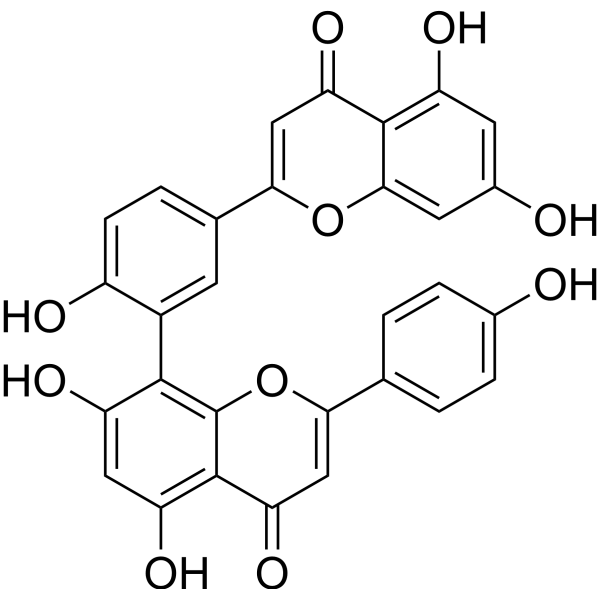
    Amentoflavone
    15+ Cited Publications

    Didemethyl-ginkgetin

    Reactive Oxygen Species (ROS) Apoptosis Bacterial Fungal RSV GABA Receptor Infection Neurological Disease Inflammation/Immunology Cancer
    Amentoflavone (Didemethyl-ginkgetin) is a potent and orally active GABA(A) negative modulator. Amentoflavone also shows anti-inflammatory, antioxidative, anti-viral, anti-tumor, anti-radiation, anti-fungal, antibacterial activity. Amentoflavone induces apoptosis and cell cycle arrest at sub-G1 phase .
    Amentoflavone
  • HY-162001
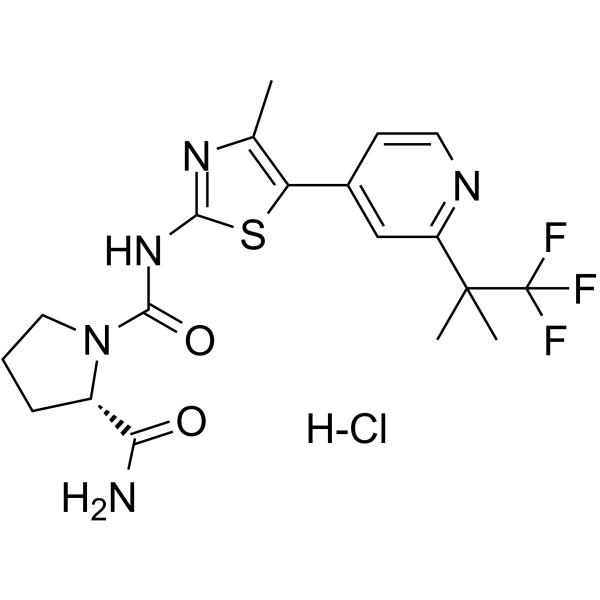
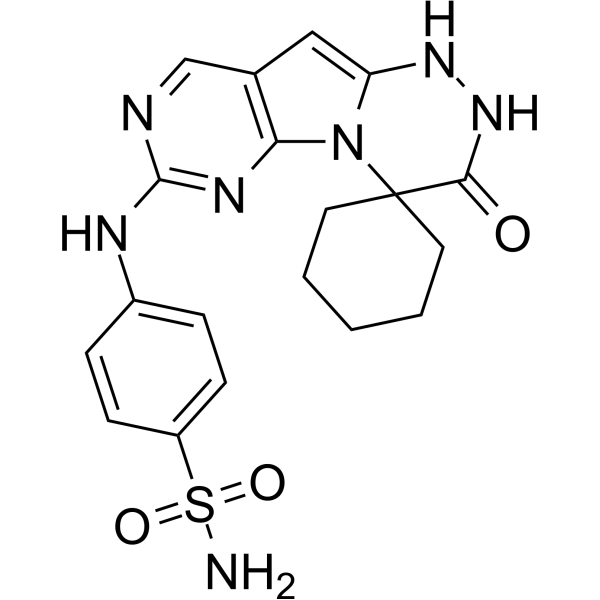
    INX-315
    5+ Cited Publications

    CDK Cancer
    INX-315 is an orally active and selective CDK2 inhibitor that induces cell cycle arrest in the G1 phase. INX-315 reduces CDK2 substrate phosphorylation and inhibits tumor growth in a dose-dependent manner in xenograft mouse models. INX-315 may be used in cancer research .
    INX-315
  • HY-N0421
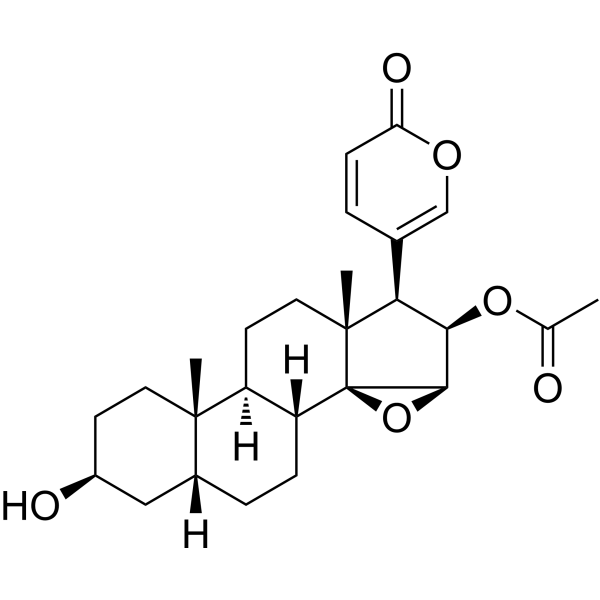
    Cinobufagin
    5+ Cited Publications

    Cinobufagine

    Apoptosis Neurological Disease Cancer
    Cinobufagin is an anticancer agent that can be secreted by the Asiatic toad Bufo gargarizans. Cinobufagin induces the cell cycle arrests in the G1 phase or G2/M phase, leading to apoptosis in cancer cells. Cinobufagin inhibits tumor growth in melanoma and glioblastoma multiforme xenograft mouse models .
    Cinobufagin
  • HY-B1029
    Danazol
    4 Publications Verification

    PKC Apoptosis Tyrosinase Endocrinology Cancer
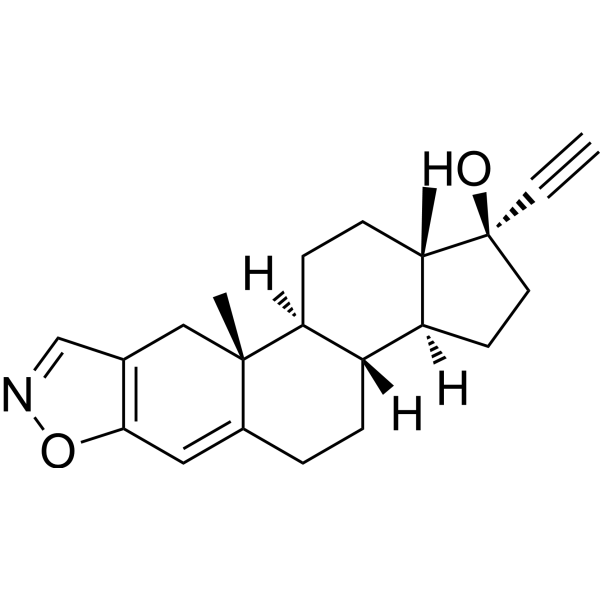
    Danazol inhibits the proliferation of cancer cell MDA-MB-231 and MCF-7 with IC50 of 65 µg/mL and 31 µg/mL. Danazol arrests the cell cycle at G1 phase, induces apoptosis in MDA-MB-231 through PKCα signaling pathway .
    Danazol
  • HY-17408
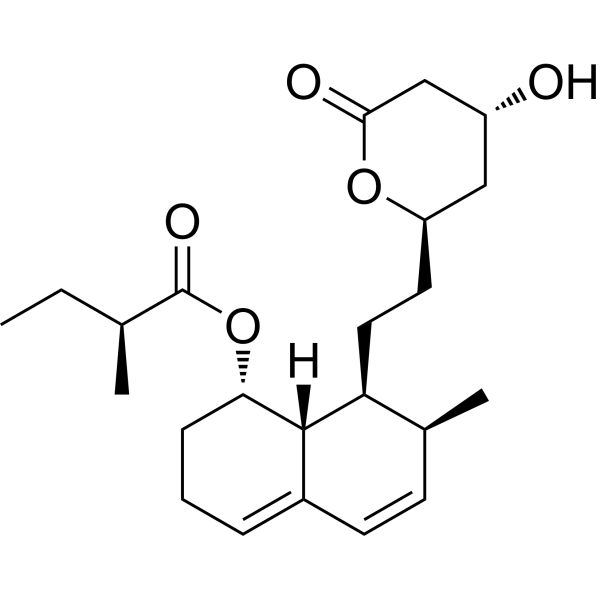
    Mevastatin
    5+ Cited Publications

    Compactin; ML236B

    HMG-CoA Reductase (HMGCR) Bacterial Autophagy Apoptosis Antibiotic Infection Cardiovascular Disease Neurological Disease Metabolic Disease Cancer
    Mevastatin (Compactin) is a first HMG-CoA reductase inhibitor that belongs to the statins class. Mevastatin is a lipid-lowering agent, and induces apoptosis, arrests cancer cells in G0/G1 phase. Mevastatin also increases endothelial nitric oxide synthase (eNOS) mRNA and protein levels. Mevastatin has antitumor activity and has the potential for cardiovascular diseases treatment .
    Mevastatin
  • HY-100507
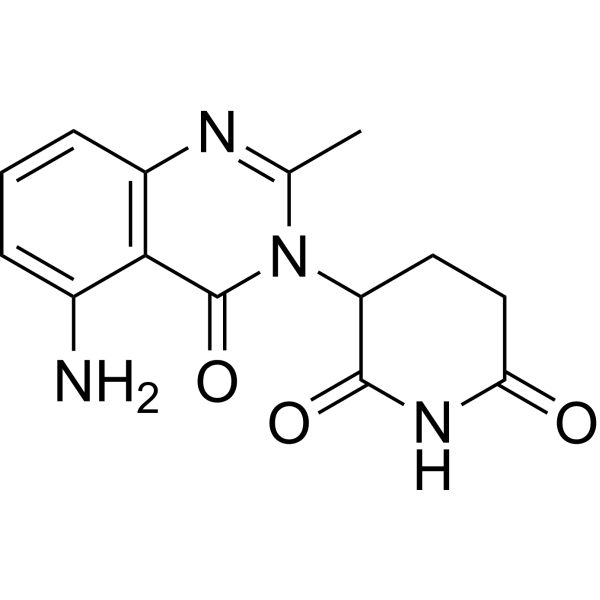
    Avadomide
    5+ Cited Publications

    CC 122

    E1/E2/E3 Enzyme Apoptosis Molecular Glues NF-κB Inflammation/Immunology Cancer
    Avadomide is an orally active cereblon modulator. Avadomide modulates cereblon E3 ligase activity, inhibits NF-κB pathway, arrests the cell cycle at G1 phase, and thus induces apoptosis in cancer cell PDAC. Avadomide exhibits potent antitumor and immunomodulatory activities .
    Avadomide
  • HY-110111
    T2AA
    2 Publications Verification

    DNA/RNA Synthesis Cancer
    T2AA is a monoubiquitinated proliferating cell nuclear antigen (PCNA) inhibitor that prevents DNA repair, increases double-strand break (DSB) formation and promotes necroptosis and cell cycle arrest in G1 phase .
    T2AA
  • HY-B1165

    p38 MAPK Checkpoint Kinase (Chk) Histamine Receptor 5-HT Receptor CDK PARP Apoptosis Cancer
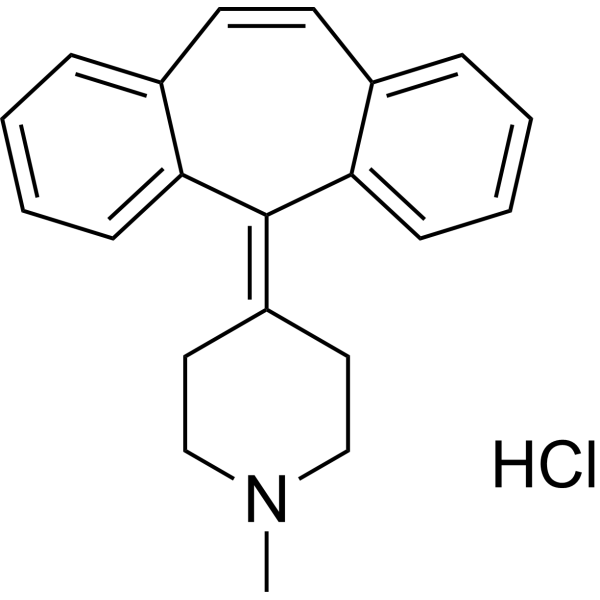
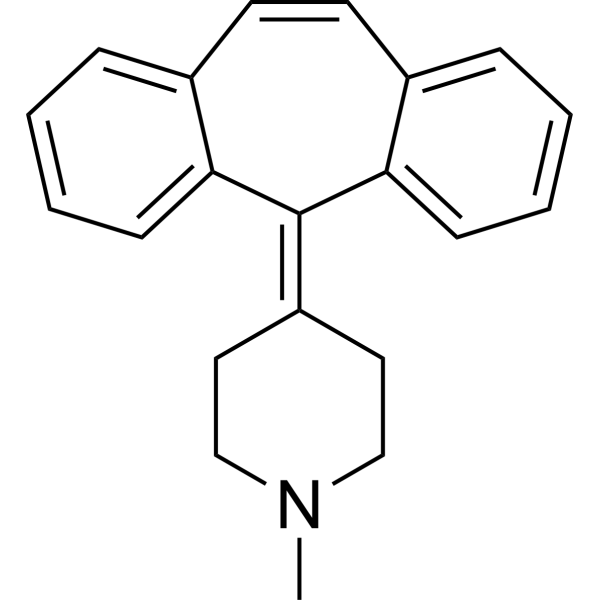
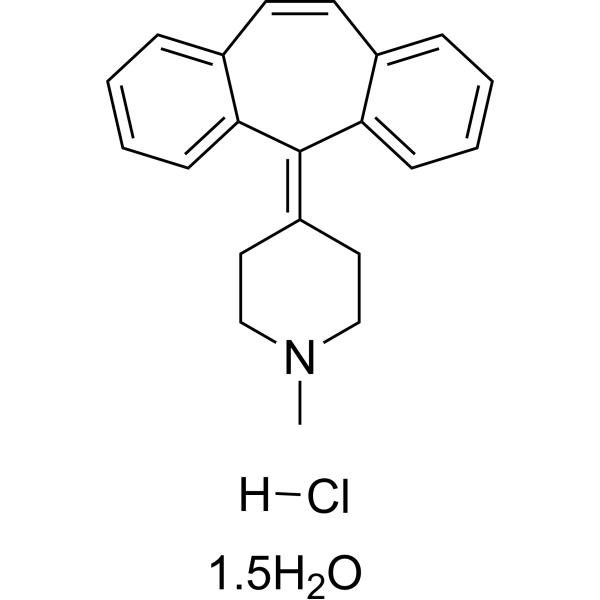
    Cyproheptadine hydrochloride sesquihydrate acts as a p38 MAP kinase activator, CHK2 activator, histamine H1 receptor inhibitor and serotonin receptor inhibitor. Cyproheptadine hydrochloride sesquihydrate mediates cell cycle arrest via G1 phase arrest, G1/S transition arrest, G0/G1 phase arrest, reduced expression of cyclins D1/D2/D3, upregulated expression of HBP1, p16, p21, p27, and decreased phosphorylation of retinoblastoma protein. Cyproheptadine hydrochloride sesquihydrate induces Apoptosis by increasing PARP and cleaved PARP, as well as activating the mitochondrial caspase pathway. Cyproheptadine hydrochloride sesquihydrate inhibits tumor growth with extremely low toxicity to normal cells. Cyproheptadine hydrochloride sesquihydrate can be used in research related to hepatocellular carcinoma, multiple myeloma and acute myeloid leukemia .
    Cyproheptadine (hydrochloride sesquihydrate)
  • HY-13768
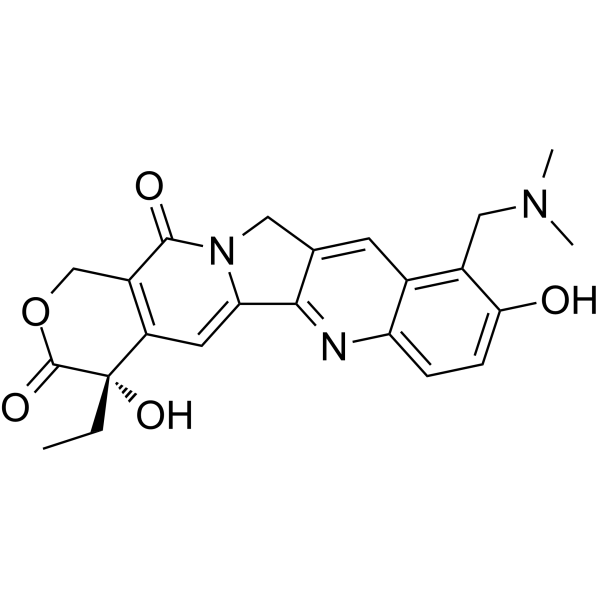
    Topotecan
    35+ Cited Publications

    SKF 104864A; NSC 609669

    Topoisomerase Autophagy Apoptosis Cancer
    Topotecan (SKF 104864A; NSC 609669) is an orally active and potent Topoisomerase I inhibitor. Topotecan induces cell cycle arrest in G0/G1 and S phases and promotes apoptosis. Topotecan shows anticancer activity .
    Topotecan
  • HY-N5074

    Apoptosis Inflammation/Immunology Cancer
    Terrestrosin D is an orally active apoptosis inducer. Terrestrosin D induces cell cycle arrest at the G1 and S phases, reduces mitochondrial membrane potential, and inhibits the growth of cancer cells and endothelial cells. Terrestrosin D is studied in castration-resistant prostate cancer and pulmonary fibrosis .
    Terrestrosin D
  • HY-N7844

    Benzyladenosine

    Apoptosis Adenosine Receptor Inflammation/Immunology Cancer
    N6-Benzyladenosine is an adenosine receptor agonist, has a cytoactive activity. N6-Benzyladenosine arrests cell cycle at G0/G1 phase and induces cell apoptosis. N6-Benzyladenosine also exerts inhibitory effect on T. gondii adenosine kinase and glioma - .
    N6-Benzyladenosine
  • HY-105930
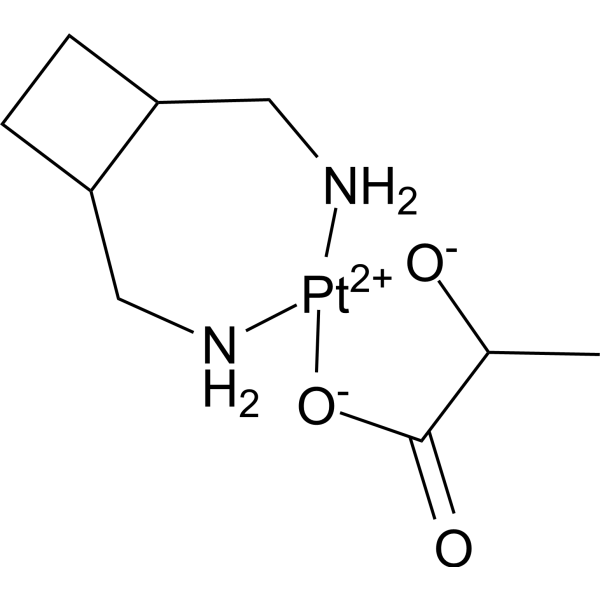
    Lobaplatin
    5 Publications Verification

    D-19466

    Apoptosis Caspase Bcl-2 Family Cancer
    Lobaplatin (D-19466) is a diastereometric mixture of platinum(II) complexe. Lobaplatin arrests cell cycle at G1 and G2/M phase. Lobaplatin induces apoptosis by increasing expressions of caspase and Bax, decreasing expression of Bcl-2. Lobaplatin can be used for research of cancer .
    Lobaplatin
  • HY-163786

    PROTACs CDK Apoptosis Cancer
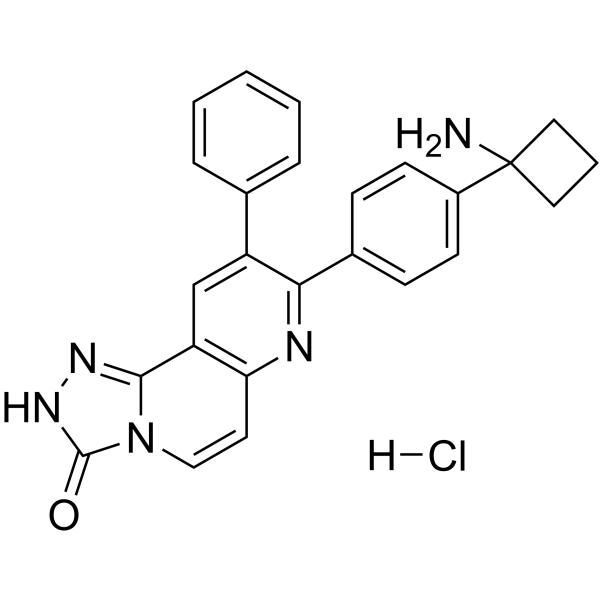
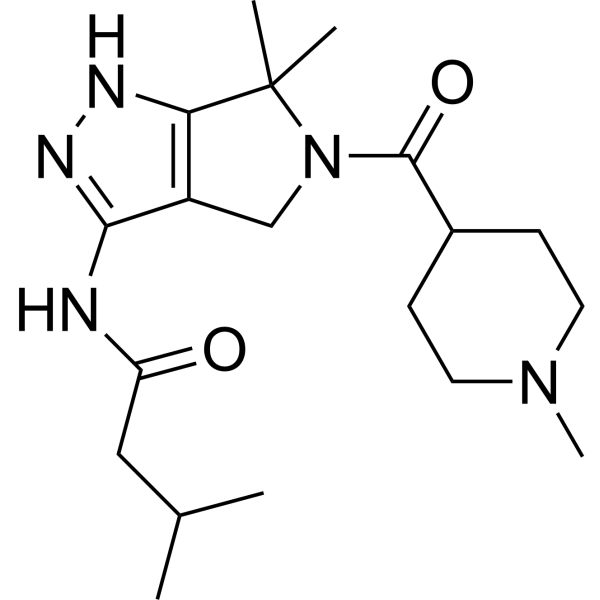
    PROTAC CDK4/6 degrader 1 is a CDK4/CDK6 PROTAC degrader, with DC50 values of 10.5 nM and 2.5 nM, respectively. PROTAC CDK4/6 degrader 1 inhibits the proliferation of Jurkat cells (IC50 = 0.18 μM), arrests the cell cycle at the G1 phase, and induces apoptosis. PROTAC CDK4/6 degrader 1 can be used for cancer research.
    PROTAC CDK4/6 degrader 1
  • HY-113638

    GS-456332

    Stearoyl-CoA Desaturase (SCD) Apoptosis Cancer
    CVT-11127 is a potent SCD inhibitor. CVT-11127 induces apoposis and arrests the cell cycle at the G1/S phase. CVT-11127 has the potential for the research of lung cancer .
    CVT-11127
  • HY-147868

    Epigenetic Reader Domain Apoptosis Cancer
    DC-CPin711 is a potent and selective inhibitor of CREB-binding protein (CBP) bromodomain with an IC50 of 0.0626 μM. DC-CPin711 arrests cell cycle at G1 phase and induces apoptosis .
    DC-CPin711
  • HY-134635

    Bacterial Fungal HIV CDK Infection Cancer
    Dehydrozingerone is a ginger-derived component and cyclin D1 inhibitor that downregulates cyclin D1 expression and induces cell cycle G1 phase arrest. Dehydrozingerone reduces the proliferative capacity of castration-resistant prostate cancer cells under in vitro conditions. Dehydrozingerone reduces subcutaneous tumor growth by inhibiting cell proliferation and angiogenesis. Dehydrozingerone exerts antibacterial and antifungal activities via its α,β-unsaturated carbonyl conjugated system. Dehydrozingerone can be used in studies related to castration-resistant prostate cancer, bacterial infections, and food spoilage fungal infections .
    Dehydrozingerone
  • HY-118672

    HDAC MMP HIF/HIF Prolyl-Hydroxylase Cancer
    HNHA is a potent HDAC inhibitor with an IC50 of 100 nM. HNHA arrests the cell cycle at the G1/S phase via p21 induction. HNHA inhibits tumor growth and tumor neovascularization. HNHA may be a potent anti-cancer agent against breast cancer .
    HNHA
  • HY-N8432

    Environmental Pollutants Bacterial Apoptosis Fungal Infection Inflammation/Immunology Cancer
    Dipyrithione is a potent antimicrobial agent. Dipyrithione shows antifungal activity and antiproliferative activity. Dipyrithione induces apoptosis and cycle arrest at G1 phase. Dipyrithione shows anti-inflammatory activity in vivo. Dipyrithione shows anti-tumor activity. Dipyrithione has the potential for the research of dermatophytosis .
    Dipyrithione
  • HY-145963
    DRB18
    1 Publications Verification

    GLUT Cancer
    DRB18 is a potent pan-class GLUT inhibitor. DRB18 alters energy-related metabolism in A549 cells by changing the abundance of metabolites in glucose-related pathways. DRB18 can eventually lead to G1/S phase arrest and increase oxidative stress and necrotic cell death. DRB18 has anti-tumor activity .
    DRB18
  • HY-N1196

    NF-κB Inflammation/Immunology
    Suberosin, isolated from Plumbago zeylanica, exhibits anti-inflammatory and anticoagulant activity. Suberosin suppresses PHA-induced PBMC proliferation and arrested cell cycle progression from the G1 transition to the S phase through the modulation of the transcription factors NF-AT and NF-κB .
    Suberosin
  • HY-143490

    PAK Apoptosis Cancer
    PAK4-IN-2 is a highly potent PAK4 inhibitor with IC50 value of 2.7 nM. PAK4-IN-2 can arrest MV4-11 cells at G0/G1 phase and induce cell apoptosis. PAK4-IN-2 can be used for researching cancer .
    PAK4-IN-2
  • HY-10815
    σ1 Receptor antagonist-1
    1 Publications Verification

    Sigma Receptor Apoptosis Neurological Disease Cancer
    σ1 Receptor antagonist-1 is a highly potent and selective sigma 1 receptor antagonist (pKi=10.28). σ1 Receptor antagonist-1 inhibits cell growth, arrests cell cycle at G0/G1 phase and induces apoptosis of MCF-7/ADR cells .
    σ1 Receptor antagonist-1
  • HY-119062

    MetAP CDK Cancer
    A-800141 is an orally active, selective, sulfonamide-based MetAP2 inhibitor (IC50=12 nM) that binds reversibly to MetAP2 and interacts with its manganese ions. A-800141 induces the production of N-terminal methionine-unprocessed GAPDH variants, which in turn triggers G1-phase cell cycle arrest, elevates p21 levels, and reduces the levels of phosphorylated Rb and total cyclin A. A-800141 exhibits anti-angiogenic and tumor growth inhibitory effects, and produces synergistic effects when combined with cytotoxic inhibitors or BCL-2 inhibitors. A-800141 has been widely used in scientific research related to B-cell lymphoma, neuroblastoma, prostate cancer, colon cancer, melanoma and other fields .
    A-800141
  • HY-151978

    Indoleamine 2,3-Dioxygenase (IDO) Apoptosis Cancer
    ZC0109 is a dual inhibitor of IDO1 and thioredoxin reductase 1 (TrxR1) with IC50s of 50 nM and 3.0 μM, respectively. ZC0109 induces ROS accumulation and cell cycle arrest at G1/S phase, thus leads to cancer cells apoptosis .
    ZC0109
  • HY-N1930

    Hinesol

    Apoptosis Cancer
    (-)-Hinesol (Hinesol) is a potent anticancer agent. (-)-Hinesol induces apoptosis and cell cycle arrest at G0/G1 phase. (-)-Hinesol downregulates MEK/ERK pathway and NF-κB pathway and mediates theexpression of cyclin D1, Bax and Bcl-2. (-)-Hinesol has the potential for the research of non–small cell lung cancer .
    (-)-Hinesol
  • HY-171825

    PROTACs Anaplastic lymphoma kinase (ALK) Cancer
    SIAIS001 is a CRBN-dependent ALK PROTAC degrader with a DC50 of 3.9 nM. SIAIS001 induces ALK protein degradation via the ubiquitin-proteasome system. SIAIS001 induces G1/S phase cell cycle arrest and inhibits proliferation of cancer cells. SIAIS001 can be used for the research of anaplastic large-cell lymphomas .
    SIAIS001
  • HY-149891

    HSP Cancer
    HSP90-IN-23 (Comp 12-1) is an inhibitor of heat shock protein 90(HSP90) with an IC50 of 9 nM. HSP90-IN-23 induces apoptosis of tumor cells and arrests the tumor cell cycle in G0/G1 phase. HSP90-IN-23 can be used for cancer research .
    HSP90-IN-23
  • HY-168620

    CDK Cancer
    CDK6-IN-1 (compound 4i) is a CDK6 inhibitor. CDK6-IN-1 inhibits cell growth and induces cell cycle arrest at G1-phase .
    CDK6-IN-1
  • HY-N11645

    GA-Mf

    Apoptosis Cancer
    Ganoderic acid Mf is an antitumor triterpenoid. Ganoderic acid Mf causes cell cycle arrest in the G1 phase. Ganoderic acid Mf shows high selectivity between normal and cancer cells and induces cell apoptosis via mitochondria mediated pathway .
    Ganoderic acid Mf
  • HY-118331

    PD 124895; CL-1957E

    Antibiotic Infection Cancer
    Kazusamycin B is an antibiotic that could be isolated from the fermentation broth of Streptomyces sp. No. 81-484. Kazusamycin B inhibits cell growth and arrests cell cycle at G1 phase. Kazusamycin B can be used in research of cancer .
    Kazusamycin B
  • HY-N16418

    Bacterial Reactive Oxygen Species (ROS) Infection Cancer
    Epanorin is a secondary metabolite of the Acarospora lichenic species Epanorin can inhibit cancer cells proliferation, ROS production and induce G0/G1 phase arrest. Epanorin shows antibacterial activity. Epanorin can be used for the researches of cancer and infection, such as breast cancer and S. pneumonia infection .
    Epanorin
  • HY-145670

    Akt MDM-2/p53 Cancer
    cis,trans-Germacrone is a isomer of Germacrone (HY-N0440). Germacrone exhibits a wide range of antitumor, antioxidant and anti-inflammatory effects. Germacrone inhibits lung cancer cell proliferation and alters the Akt/MDM2/p53. Germacrone also arrests cell cycle at G1/S phase .
    cis,trans-Germacrone
  • HY-149024

    VEGFR Apoptosis MDM-2/p53 Cancer
    VEGFR-2-IN-23 (compound 11b) is a potent and selective VEGFR-2 inhibitor with an IC50 value of 0.34 nM. VEGFR-2-IN-23 shows antitumor activity. VEGFR-2-IN-23 induces apoptosis and cell cycle arrest at G1 phase .
    VEGFR-2-IN-23
  • HY-175845

    Src Apoptosis Reactive Oxygen Species (ROS) Cancer
    Scr-IN-2 is an effective c-Scr inhibitor with an IC50 of 302 nM. Scr-IN-2 exhibits nanomolar-level anti-breast cancer activity. Scr-IN-2 increases the level of ROS in cells, induces mitochondrial damage, G1 phase arrest, and apoptosis. Scr-IN-2 can be used in the research of breast cancer .
    Scr-IN-2
  • HY-124261

    Apoptosis Cancer
    Sampangine is an alkaloid that induces apoptosis by inducing cell cycle arrest in the G0/G1 phase. Sampangine can inhibit the biosynthesis of heme .
    Sampangine
  • HY-105293

    DNA/RNA Synthesis Topoisomerase Cancer
    NSC 727357 is a DNA intercalator and topoisomerase inhibitor with antitumor activity. NSC 727357 can inhibit cells proliferation and induce G1 phase arrest. NSC 727357 can be used for the research of cancer, such as melanoma .
    NSC 727357
  • HY-129592

    Apoptosis Cancer
    p-Tolylmaleimide (compound 9) is a naphthalimide derivative that has cytotoxic effects on cancer cells. p-Tolylmaleimide can arrest the cell cycle of human acute myeloid leukemia cells K562 in the sub-G0/G1 phase and induce apoptosis .
    p-Tolylmaleimide
  • HY-144733

    Estrogen Receptor/ERR Apoptosis Cancer
    ERα antagonist 1 (Compound 19d) is a potent, selective, covalent estrogen receptor α (ERα) antagonist. ERα antagonist 1 induces apoptosis and cell cycle G0/G1 phase arrest in MCF-7 cells .
    ERα antagonist 1
  • HY-N16567

    Apoptosis Caspase PARP Survivin Cancer
    Acrofolione A is an acetophenone dimer isolated from Acronychia pendunculata with anticancer effects. Acrofolione A induces G0/G1 phase cell cycle arrest and apoptosis in human NALM-6 pre-B cell leukaemia cells. Acrofolione A can be used for leukaemia research .
    Acrofolione A
  • HY-10638

    c-Kit Apoptosis Cancer
    AP23464 is an ATP-based inhibitor for Kit, that inhibits the phosphorylation of Kit wildtype and mutants, with IC50 of 5-85 nM. AP23464 inhibits the proliferation of Kit mutated cells (IC50 is 3-20 nM), arrests the cell cycle at G0/G1 phase, and induces apoptosis in Kit mutated cells .
    AP23464
  • HY-146423

    PROTACs EGFR Apoptosis Cancer
    PROTAC EGFR degrader 6, a PROTAC EGFR degrader, potently degrades EGFR Del19 in HCC827 cells with the DC50 of 45.2 nM. PROTAC EGFR degrader 6 significantly induces the apoptosis of HCC827 cells and arrest the cells in G1 phase .
    PROTAC EGFR degrader 6
  • HY-156470

    Trk Receptor Anaplastic lymphoma kinase (ALK) c-Kit EGFR Pim Casein Kinase Checkpoint Kinase (Chk) CDK Apoptosis Cancer
    Multi-kinase-IN-6 (compound 10e) is a multikinase inhibitor that shows good enzyme inhibitory activity against TrkA, ALK2, c-KIT, EGFR, PIM1, CK2α, CHK1, and CDK2. Multi-kinase-IN-6 reveals antiproliferative activity against MCF7, HCT116 and EKVX with IC50 values of 3.36 μM, 1.40 μM and 3.49 μM, respectively. Multi-kinase-IN-6 shows cell cycle arrest at the G1/S phase and G1 phase in MCF7 and HCT116 cells with good apoptotic effect .
    Multi-kinase-IN-6
  • HY-N9968

    Akt Apoptosis Cancer
    Cucurbitacin C is a triterpenoid calabinoid that can be isolated from Cucurbitaceae plants. Cucurbitacin C has anti-cancer activity in vivo and in vitro. Cucurbitacin C can induce cell cycle arrest in G1 or G2/M phase and apoptosis by inhibiting Akt signaling .
    Cucurbitacin C
  • HY-146422

    PROTACs EGFR Apoptosis Cancer
    PROTAC EGFR degrader 5 (Compound 10), a PROTAC EGFR degrader, potently degrades EGFR Del19 in HCC827 cells with the DC50 of 34.8 nM. PROTAC EGFR degrader 5 significantly induces the apoptosis of HCC827 cells and arrest the cells in G1 phase .
    PROTAC EGFR degrader 5
  • HY-N9507

    Apoptosis FGFR Cancer
    Picrasidine Q, an alkaloid component extracted from Angelica keiskei species, has the capacity of anti-cell transformation and anti-cancer. Picrasidine Q induces cell apoptosis and G1 phase arrest in human esophageal cancer cell lines, and directly inhibits FGFR2 kinase activity .
    Picrasidine Q
  • HY-150048

    CD73 Apoptosis Cancer
    BK50164 is a potent CD73 inhibitor with an IC50 value of 13.089 μM. BK50164 binds to CD99 with a KD value of 1.5 μM. BK50164 shows antiproliferative activity. BK50164 induced Apoptosis and cell cycle arrest at Sub-G1 phase .
    BK50164
  • HY-146445

    Epigenetic Reader Domain Histone Acetyltransferase Cancer
    P300 bromodomain-IN-1 (Compoun 1u) is a potent p300 (EP300) bromodomain inhibitor with an IC50 of 49 nM. P300 bromodomain-IN-1 suppresses the expression of c-Myc and induces G1/G0 phase arrest and apoptosis in OPM-2 cells .
    P300 bromodomain-IN-1
  • HY-178224

    Apoptosis DNA/RNA Synthesis Cancer
    Morindone is an anthraquinone found in Morinda citrifolia L. Morindone can inhibit cancer cells proliferation, induce apoptosis and cause G1 phase arrest. Morindone can inhibit activities of DNA polymerase and downregulate mutated TP53 and KRAS gene expression. Morindone can be used for the research of cancer, such as colon cancer .
    Morindone
  • HY-178444

    FLT3 Apoptosis Cancer
    Flt-3-IN-1 is a potent FLT-3 inhibitor with an IC50 of 0.91 μM. Flt-3-IN-1 can cause leukemia cells G1 phase arrest and induce apoptosis. Flt-3-IN-1 can be used for the research of cancer, such as leukemia .
    Flt-3-IN-1
  • HY-N12044

    Apoptosis Cancer
    Asparanin A is an apoptosis inducer with anticancer activity. Asparanin A induces cell cycle arrest in the G0/G1 phase through mitochondria and PI3K/AKT signaling pathways, inhibiting cancer cell growth. Asparanin A also demonstrated in vivo efficacy in a mouse xenograft model of Ishikawa endometrial carcinoma, significantly inhibiting tumor growth .
    Asparanin A

Inquiry Online

Your information is safe with us. * Required Fields.

Salutation


Country or Region *

Applicant Name *


Organization Name *

Department *


Email Address *


Product Name *

Cat. No.


Requested quantity *

Phone Number *


Remarks

Inquiry Online

Inquiry Information

Product Name:
Cat. No.:
Quantity:
MCE Japan Authorized Agent:

