1. Search Result
Search Result
Results for "

GI injury

" in MedChemExpress (MCE) Product Catalog:

11

Inhibitors & Agonists

1

Fluorescent Dyes

1

Biochemical Assay Reagents

2

Isotope-Labeled Compounds

1

GMP Molecules

Cat. No. Product Name Target Research Areas Chemical Structure
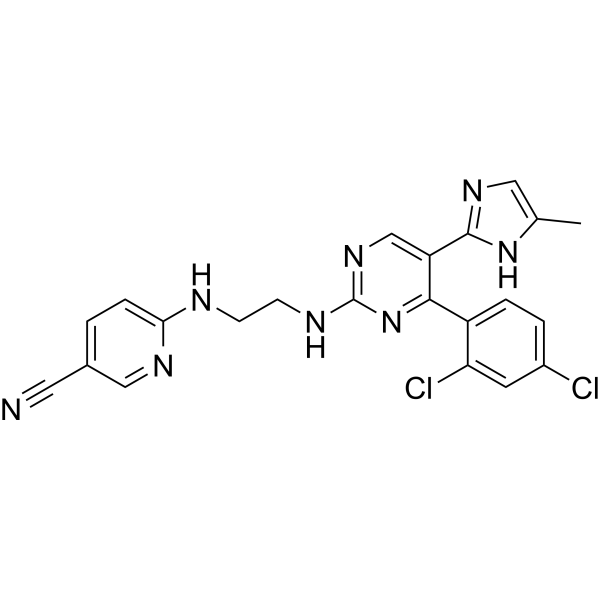
  • HY-10182
    Laduviglusib
    Maximum Cited Publications
    295 Publications Verification

    CHIR-99021; CT99021

    Organoid GSK-3 Wnt β-catenin Autophagy Metabolic Disease Cancer
    Laduviglusib (CHIR-99021) is a potent, selective and orally active GSK-3α/β inhibitor with IC50s of 10 nM and 6.7 nM. Laduviglusib shows >500-fold selectivity for GSK-3 over CDC2, ERK2 and other protein kinases. Laduviglusib is also a potent Wnt/β-catenin signaling pathway activator. Laduviglusib enhances mouse and human embryonic stem cells self-renewal. Laduviglusib induces autophagy .
    Laduviglusib
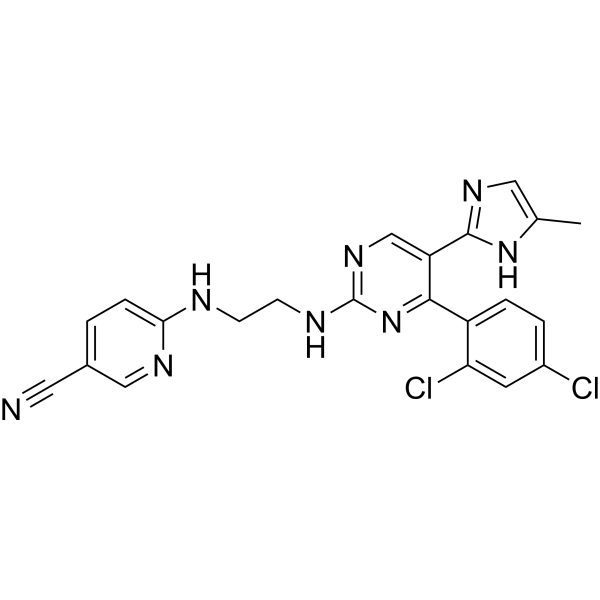
  • HY-10182G
    Laduviglusib
    2 Publications Verification

    CHIR-99021; CT99021

    GSK-3 Wnt β-catenin Autophagy Metabolic Disease Cancer
    Laduviglusib (CHIR-99021) (GMP) is Laduviglusib (HY-10182) produced by using GMP guidelines. GMP small molecules works appropriately as an auxiliary reagent for cell therapy manufacture. Laduviglusib is a potent, orally active and selective GSK-3α/β inhibitor.
    Laduviglusib
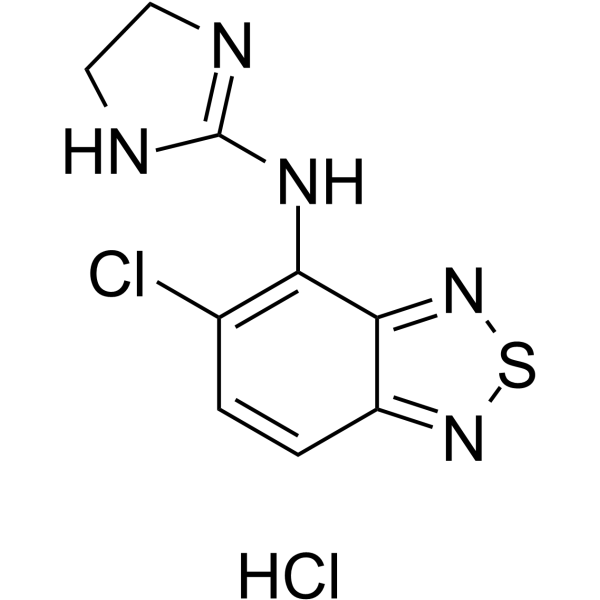
  • HY-B0194A

    Adrenergic Receptor Apoptosis Akt Wnt β-catenin Neurological Disease Endocrinology Cancer
    Tizanidine hydrochloride, a skeletal muscle relaxant, is an orally effective central α2-adrenoceptor agonist (IC50 = 6.9 nmol). Tizanidine hydrochloride primarily exerts muscle relaxation effects by inhibiting the release of excitatory amino acids (glutamate and aspartate) from the presynaptic terminals of spinal cord interneurons. Tizanidine hydrochloride has anti-injury activity and can inhibit gastrointestinal (GI) transport. Tizanidine hydrochloride can inhibit the proliferation, migration, and invasion of lung cancer cells and induce cell apoptosis by upregulating Nischarin and inhibiting the AKT and Wnt3a/β-catenin signaling pathways. Tizanidine hydrochloride can be used to treat spasticity caused by diseases such as multiple sclerosis (MS), stroke, and spinal cord injury (SCI) .
    Tizanidine hydrochloride
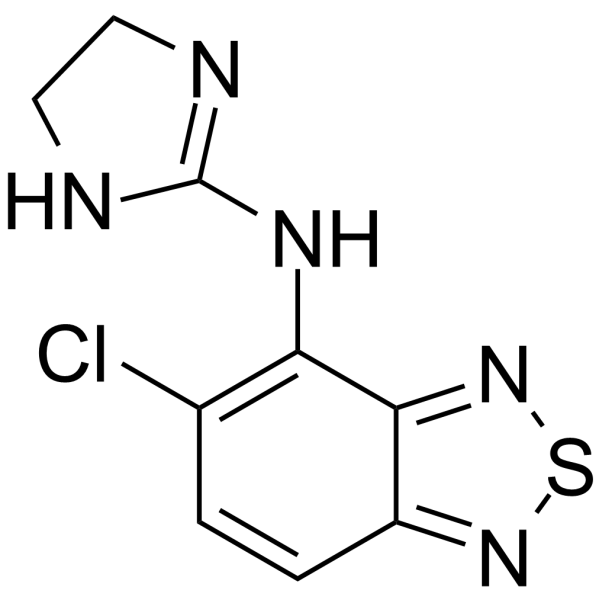
  • HY-B0194

    Adrenergic Receptor Apoptosis Akt Wnt β-catenin Neurological Disease Endocrinology Cancer
    Tizanidine, a skeletal muscle relaxant, is an orally effective central α2-adrenoceptor agonist (IC50 = 6.9 nmol). Tizanidine primarily exerts muscle relaxation effects by inhibiting the release of excitatory amino acids (glutamate and aspartate) from the presynaptic terminals of spinal cord interneurons. Tizanidine has anti-injury activity and can inhibit gastrointestinal (GI) transport. Tizanidine can inhibit the proliferation, migration, and invasion of lung cancer cells and induce cell apoptosis by upregulating Nischarin and inhibiting the AKT and Wnt3a/β-catenin signaling pathways. Tizanidine can be used to treat spasticity caused by diseases such as multiple sclerosis (MS), stroke, and spinal cord injury (SCI) .
    Tizanidine
  • HY-10182R

    CHIR-99021 (Standard); CT99021 (Standard)

    Organoid GSK-3 Autophagy Wnt β-catenin Reference Standards Cancer
    Laduviglusib (Standard) is the analytical standard of Laduviglusib. Laduviglusib (CHIR-99021) is a potent, selective and orally active GSK-3α/β inhibitor with IC50s of 10 nM and 6.7 nM. Laduviglusib shows >500-fold selectivity for GSK-3 over CDC2, ERK2 and other protein kinases. Laduviglusib is also a potent Wnt/β-catenin signaling pathway activator. Laduviglusib enhances mouse and human embryonic stem cells self-renewal. Laduviglusib induces autophagy .
    Laduviglusib (Standard)
  • HY-173234

    Pyroptosis Interleukin Related Cardiovascular Disease
    GI-Y2 is an orally active, selective Gasdermin D (GSDMD) inhibitor (Kd = 36.0 μM) with anti-pyroptosis activity. GI-Y2 targets GSDMD, impairs membrane anchoring of GSDMD-NT, and blocks GSDMD‑dependent lipid binding and pore formation. GI-Y2 suppresses GSDMD‑dependent pyroptosis and inflammation, mitigates atherosclerosis and cardiac injury, boosts cell survival, and reduces IL‑1β/IL‑18 secretion. GI-Y2 can be used for the research of atherosclerosis and septic myocardial injury .
    GI-Y2
  • HY-10182C

    CHIR-99021 dihydrochloride; CT99021 dihydrochloride

    GSK-3 β-catenin Wnt Autophagy Organoid Neurological Disease Metabolic Disease Inflammation/Immunology Cancer
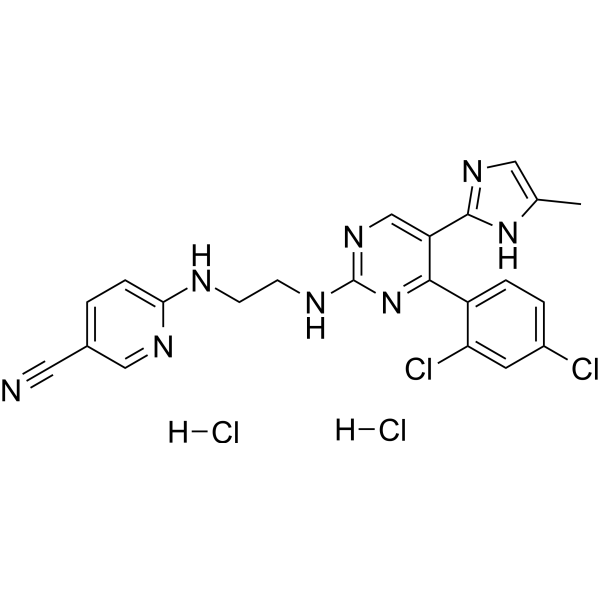
    Laduviglusib dihydrochloride (CHIR-99021 dihydrochloride; CT99021 dihydrochloride) is a potent, selective and orally active GSK-3α/β inhibitor with IC50s of 10 nM and 6.7 nM. Laduviglusib dihydrochloride shows >500-fold selectivity for GSK-3 over CDC2, ERK2 and other protein kinases. Laduviglusib dihydrochloride is also a potent Wnt/β-catenin signaling pathway activator. Laduviglusib dihydrochloride enhances mouse and human embryonic stem cells self-renewal. Laduviglusib dihydrochloride induces autophagy .
    Laduviglusib dihydrochloride
  • HY-B0194S

    Isotope-Labeled Compounds Adrenergic Receptor Apoptosis Akt Wnt β-catenin Neurological Disease Endocrinology Cancer
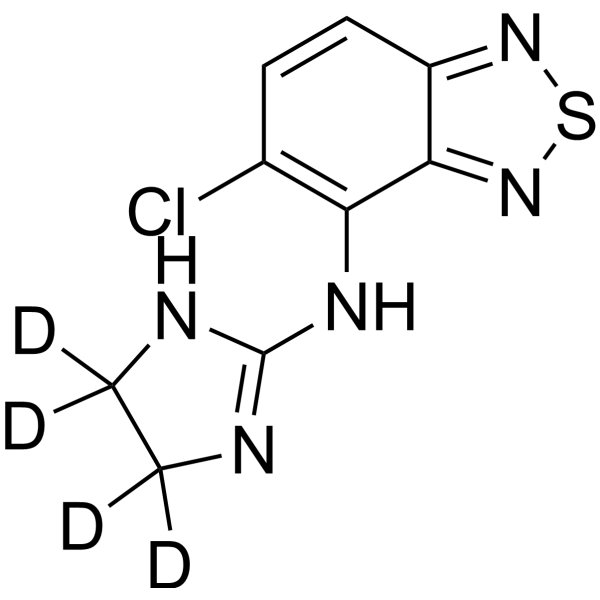
    Tizanidine-d4 is the deuterium labeled Tizanidine (HY-B0194). Tizanidine, a skeletal muscle relaxant, is an orally effective central α2-adrenoceptor agonist (IC50 = 6.9 nmol). Tizanidine primarily exerts muscle relaxation effects by inhibiting the release of excitatory amino acids (glutamate and aspartate) from the presynaptic terminals of spinal cord interneurons. Tizanidine has anti-injury activity and can inhibit gastrointestinal (GI) transport. Tizanidine can inhibit the proliferation, migration, and invasion of lung cancer cells and induce cell apoptosis by upregulating Nischarin and inhibiting the AKT and Wnt3a/β-catenin signaling pathways. Tizanidine can be used to treat spasticity caused by diseases such as multiple sclerosis (MS), stroke, and spinal cord injury (SCI).
    Tizanidine-d4
  • HY-B0194R

    Reference Standards Adrenergic Receptor Apoptosis Akt Wnt β-catenin Neurological Disease Endocrinology Cancer
    Tizanidine (Standard) is the analytical standard of Tizanidine (HY-B0194). This product is intended for research and analytical applications. Tizanidine, a skeletal muscle relaxant, is an orally effective central α2-adrenoceptor agonist (IC50 = 6.9 nmol). Tizanidine primarily exerts muscle relaxation effects by inhibiting the release of excitatory amino acids (glutamate and aspartate) from the presynaptic terminals of spinal cord interneurons. Tizanidine has anti-injury activity and can inhibit gastrointestinal (GI) transport. Tizanidine can inhibit the proliferation, migration, and invasion of lung cancer cells and induce cell apoptosis by upregulating Nischarin and inhibiting the AKT and Wnt3a/β-catenin signaling pathways. Tizanidine can be used to treat spasticity caused by diseases such as multiple sclerosis (MS), stroke, and spinal cord injury (SCI).
    Tizanidine (Standard)
  • HY-B0194AR

    Reference Standards Adrenergic Receptor Apoptosis Akt Wnt β-catenin Neurological Disease Endocrinology Cancer
    Tizanidine hydrochloride (Standard) is the analytical standard of Tizanidine hydrochloride (HY-B0194A). This product is intended for research and analytical applications. Tizanidine hydrochloride, a skeletal muscle relaxant, is an orally effective central α2-adrenoceptor agonist (IC50 = 6.9 nmol). Tizanidine hydrochloride primarily exerts muscle relaxation effects by inhibiting the release of excitatory amino acids (glutamate and aspartate) from the presynaptic terminals of spinal cord interneurons. Tizanidine hydrochloride has anti-injury activity and can inhibit gastrointestinal (GI) transport. Tizanidine hydrochloride can inhibit the proliferation, migration, and invasion of lung cancer cells and induce cell apoptosis by upregulating Nischarin and inhibiting the AKT and Wnt3a/β-catenin signaling pathways. Tizanidine hydrochloride can be used to treat spasticity caused by diseases such as multiple sclerosis (MS), stroke, and spinal cord injury (SCI).
    Tizanidine hydrochloride (Standard)
  • HY-B0194AS

    Isotope-Labeled Compounds Adrenergic Receptor Apoptosis Akt Wnt β-catenin Neurological Disease Endocrinology Cancer
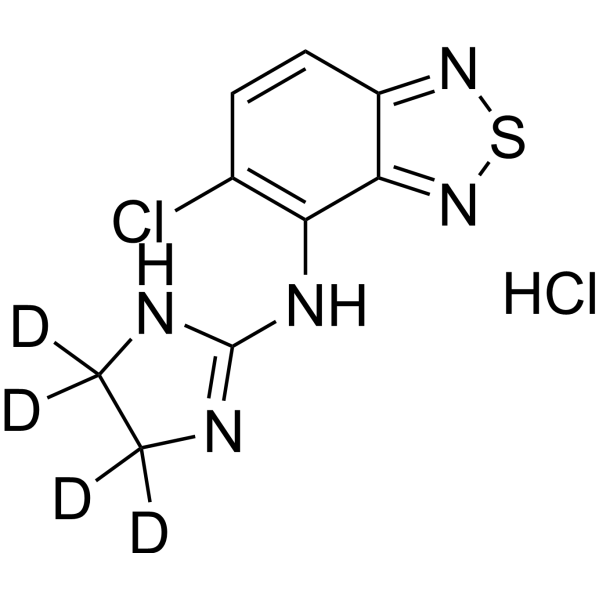
    Tizanidine-d4 hydrochloride is deuterium labeled Tizanidine hydrochloride (HY-B0194A). Tizanidine hydrochloride, a skeletal muscle relaxant, is an orally effective central α2-adrenoceptor agonist (IC50 = 6.9 nmol). Tizanidine hydrochloride primarily exerts muscle relaxation effects by inhibiting the release of excitatory amino acids (glutamate and aspartate) from the presynaptic terminals of spinal cord interneurons. Tizanidine hydrochloride has anti-injury activity and can inhibit gastrointestinal (GI) transport. Tizanidine hydrochloride can inhibit the proliferation, migration, and invasion of lung cancer cells and induce cell apoptosis by upregulating Nischarin and inhibiting the AKT and Wnt3a/β-catenin signaling pathways. Tizanidine hydrochloride can be used to treat spasticity caused by diseases such as multiple sclerosis (MS), stroke, and spinal cord injury (SCI).
    Tizanidine-d4 hydrochloride

Inquiry Online

Your information is safe with us. * Required Fields.

Salutation


Country or Region *

Applicant Name *


Organization Name *

Department *


Email Address *


Product Name *

Cat. No.


Requested quantity *

Phone Number *


Remarks

Inquiry Online

Inquiry Information

Product Name:
Cat. No.:
Quantity:
MCE Japan Authorized Agent:

