1. Search Result
Search Result
Isoforms Recommended: FFAR4
Results for "

GPR120

" in MedChemExpress (MCE) Product Catalog:

39

Inhibitors & Agonists

10

Natural
Products

5

Isotope-Labeled Compounds

1

Click Chemistry

3

Oligonucleotides

Cat. No. Product Name Target Research Areas Chemical Structure
  • HY-W011303
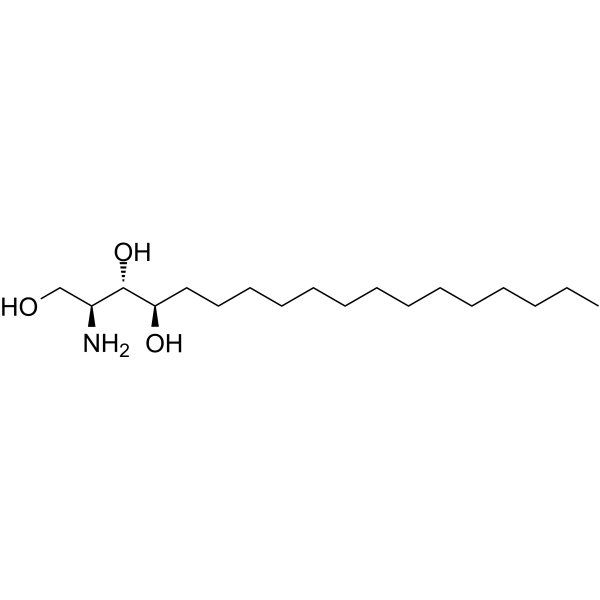
    Phytosphingosine
    4 Publications Verification

    4-Hydroxysphinganine

    Apoptosis Endogenous Metabolite Fungal Free Fatty Acid Receptor Infection Metabolic Disease Inflammation/Immunology Cancer
    Phytosphingosine is a phospholipid with anti-inflammatory, antibacterial, and anti-cancer activities, which can induce apoptosis. Phytosphingosine is an immune regulator and can be used in the study of inflammatory skin diseases. Phytosphingosine is also an activator of GPR120 with an IC50 value of 33.4 μM and can be used in the study of type II diabetes .
    Phytosphingosine
  • HY-N0040
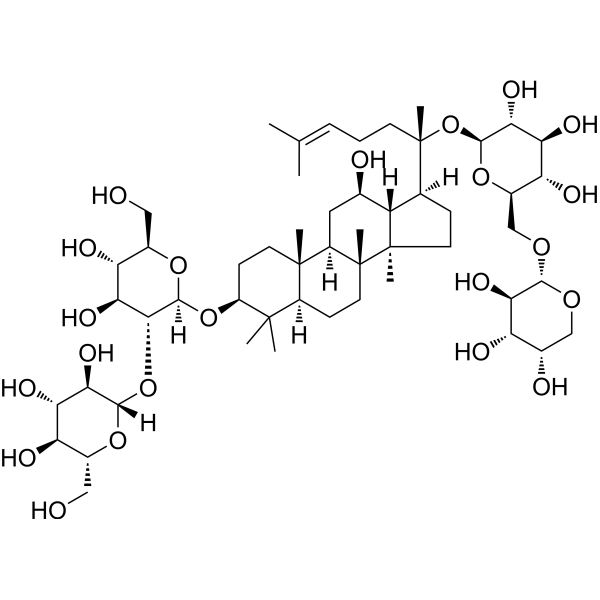
    Ginsenoside Rb2
    3 Publications Verification

    Ginsenoside C

    Influenza Virus Endogenous Metabolite Free Fatty Acid Receptor Infection Metabolic Disease Inflammation/Immunology
    Ginsenoside Rb2 is one of the main bioactive components of ginseng extracts. Rb2 can upregulate GPR120 gene expression. Ginsenoside Rb2 has antiviral effects.
    Ginsenoside Rb2
  • HY-100881
    TUG-891
    Maximum Cited Publications
    13 Publications Verification

    Free Fatty Acid Receptor Metabolic Disease
    TUG-891 is a potent and selective agonist for the long chain free fatty acid (LCFA) receptor 4 (FFA4/GPR120) .
    TUG-891
  • HY-15589
    GW9508
    5+ Cited Publications

    Free Fatty Acid Receptor Potassium Channel Cardiovascular Disease Metabolic Disease Inflammation/Immunology
    GW9508 is a potent and selective G protein-coupled receptors FFA1 (GPR40) and GPR120 agonist with pEC50s of 7.32 and 5.46, respectively. GW9508 shows ~100-fold selectivity for GPR40 over GPR120. GW9508 is inactive against other GPCRs, kinases, proteases, integrins and PPARs. GW9508 is a glucose-sensitive insulin secretagogue and an ATP-sensitive potassium (KATP) channels opener. Anti-inflammatory and anti-atherosclerotic activities .
    GW9508
  • HY-19996
    AH-7614
    5+ Cited Publications

    Free Fatty Acid Receptor Metabolic Disease
    AH-7614 is a potent and selective FFA4 (GPR120) antagonist, with pIC50s of 7.1, 8.1, and 8.1 for human, mouse, and rat FFA4, respectively. AH-7614 has selectivity for FFA4 over FFA1 (pIC50<4.6). AH-7614 is able to block effects of both the polyunsaturated ω-6 fatty acid linoleic acid and the synthetic FFA4 agonist .
    AH-7614
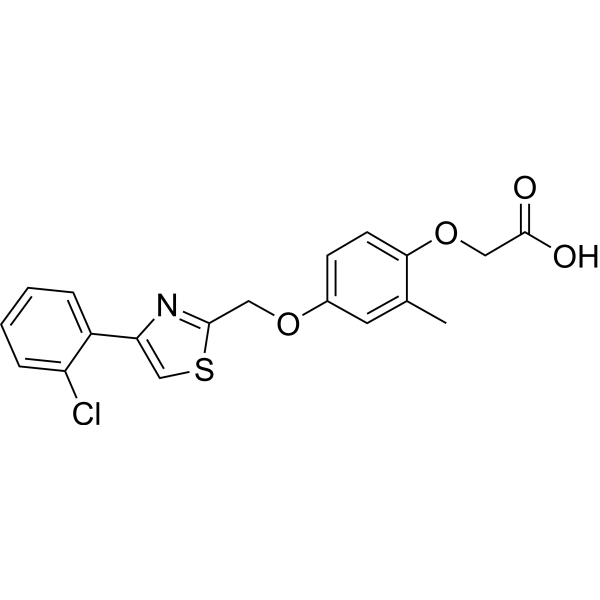
  • HY-101492
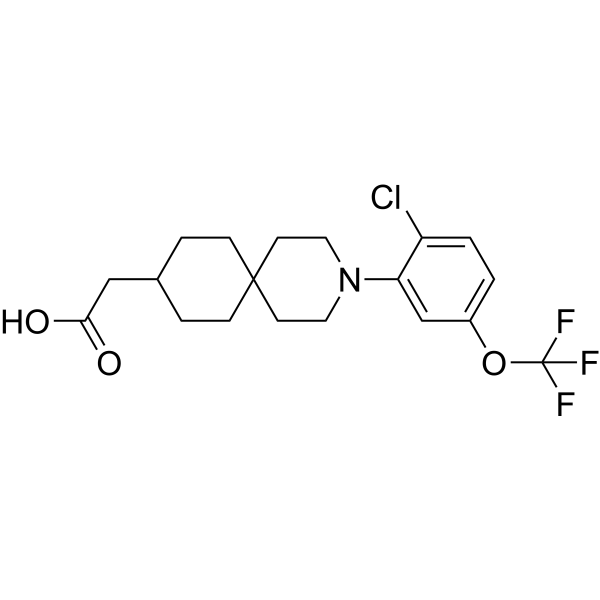
    GPR120 Agonist 3
    2 Publications Verification

    Free Fatty Acid Receptor Metabolic Disease
    GPR120 Agonist 3 is a selective Gpr120 agonist with a logEC50 of 7.62.
    GPR120 Agonist 3
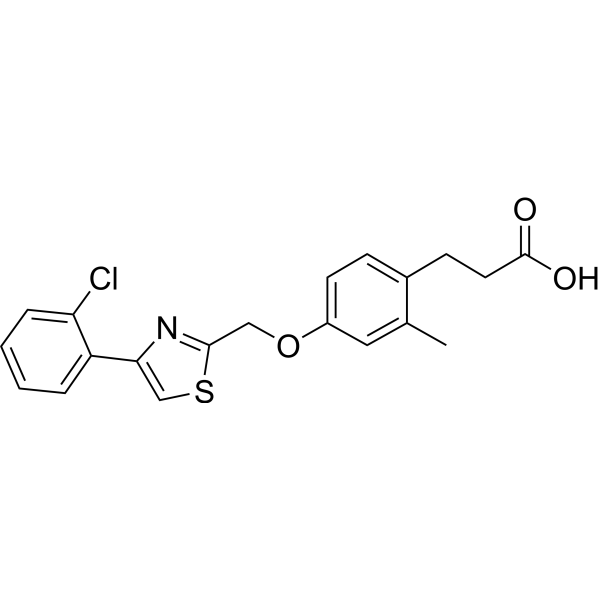
  • HY-124571

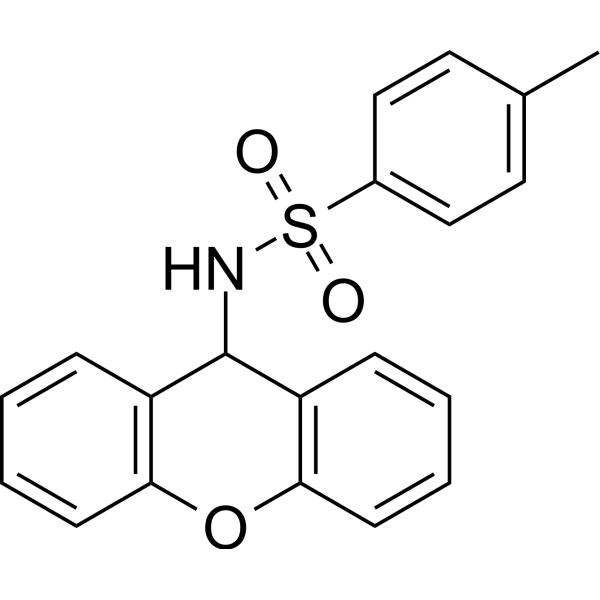
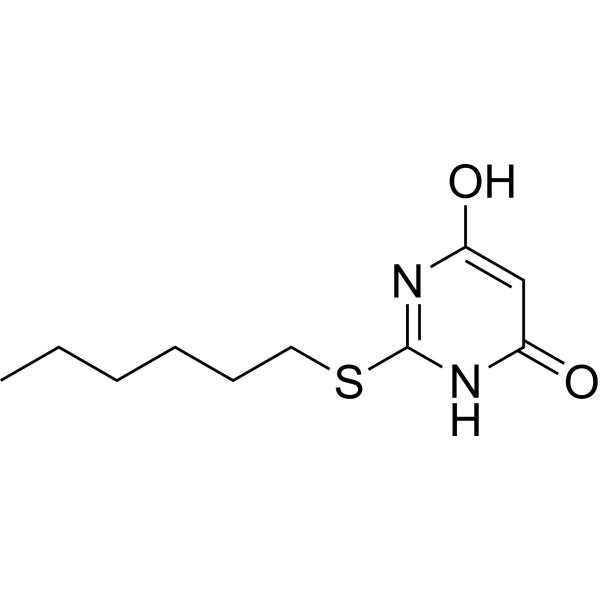
    GPR84 Inflammation/Immunology
    ZQ-16 is a potent and selective GPR84 agonist with an EC50 value of 0.213 μM. ZQ-16 has no activity on the other free fatty acid receptors (FFARs), including GPR40, GPR41, GPR119 and GPR120 .
    ZQ-16
  • HY-114610

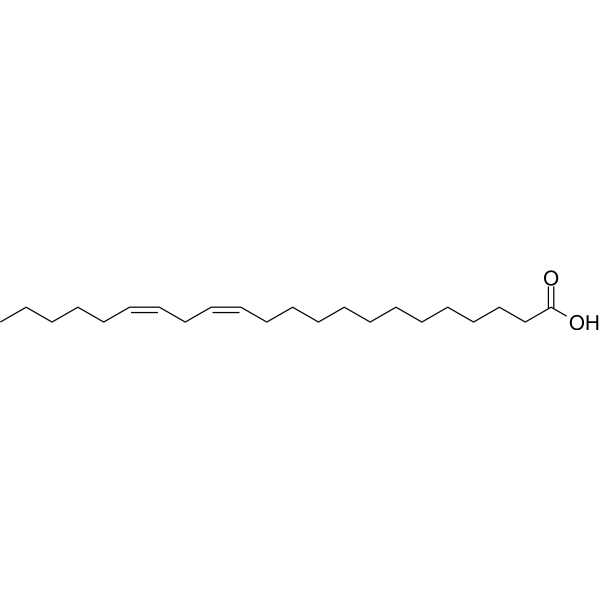
    Endogenous Metabolite Free Fatty Acid Receptor Bacterial Infection Cancer
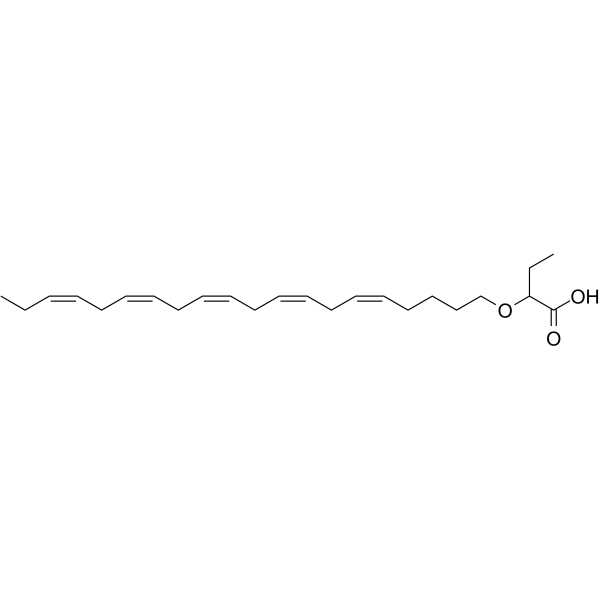
    13Z,16Z-Docosadienoic acid is a GPR120 agonist with bactericidal activity. 13Z,16Z-Docosadienoic acid serves as a potential biomarker for canine mammary tumors. 13Z,16Z-Docosadienoic acid is used in the research of bacterial infections, Lyme disease, Graves' disease and mammary tumors .
    13Z,16Z-Docosadienoic acid
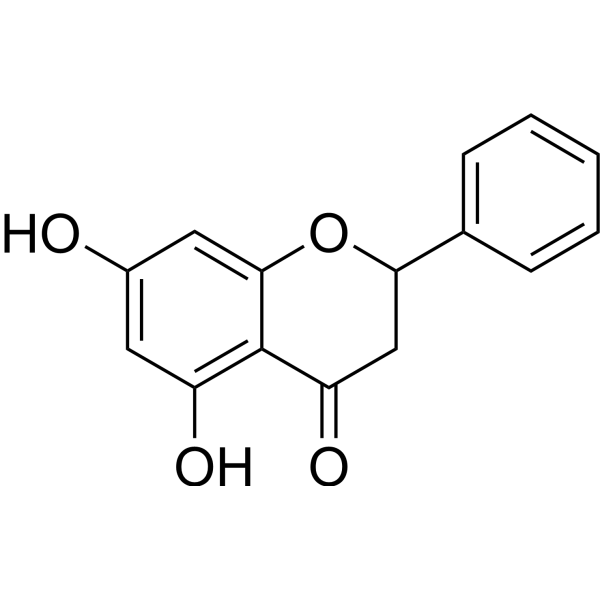
  • HY-N2540

    (±)-5,7-Dihydroxyflavanone; NSC 43318

    Free Fatty Acid Receptor Others
    (±)-Pinocembrin ((±)-5,7-Dihydroxyflavanone) is a GPR120 ligand able to promote wound healing in HaCaT cell line .
    (±)-Pinocembrin
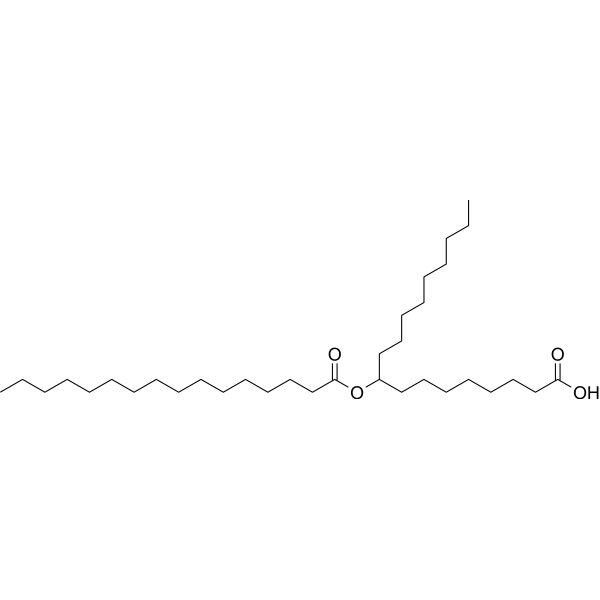
  • HY-120657

    CGRP Receptor NF-κB Neurological Disease Metabolic Disease Inflammation/Immunology
    9-PAHSA is an orally active endogenous GPR120 agonist (EC50=18 μM). 9-PAHSA significantly inhibits LPS-induced inflammatory responses by blocking the NF-κB pathway. 9-PAHSA induces adipocyte browning, enhances glucose uptake and reduces lipid accumulation, while improving mitochondrial function and the survival rate of steatotic hepatocytes. In terms of neuroprotection, 9-PAHSA regulates the expression of REST and BDNF in the prefrontal cortex of diabetic mice, and effectively prevents spatial working memory deficits and abnormal social behaviors. 9-PAHSA does not directly regulate insulin secretion or improve systemic insulin sensitivity, and possesses specific anti-inflammatory, metabolic regulatory and neuroprotective properties. 9-PAHSA can be used in the research of diabetes-related cognitive impairment, obesity and non-alcoholic fatty liver disease .
    9-PAHSA
  • HY-50162

    Free Fatty Acid Receptor Metabolic Disease
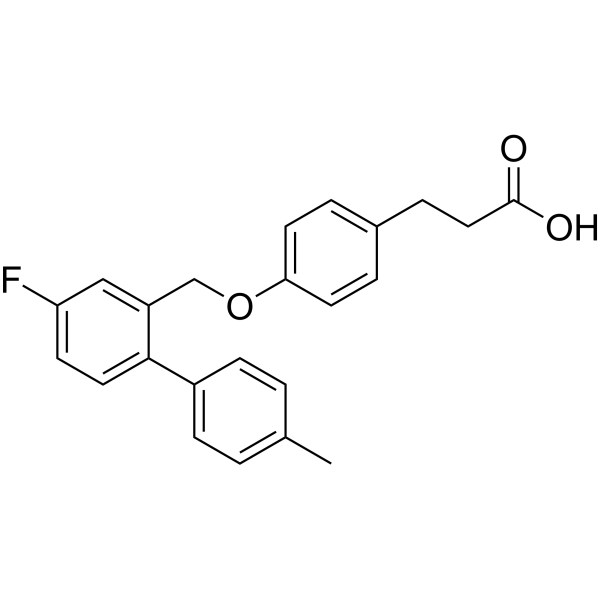
    GPR120 modulator 1 is a G protein coupled receptor 120 (GPR120) modulator extracted from patent US8394841B2, compound example F1. GPR120 modulator 1 can be used for the research of diseases associated with abnormal or deregulated GPR120, such as diabetes .
    GPR120 modulator 1
  • HY-50172

    Free Fatty Acid Receptor Metabolic Disease
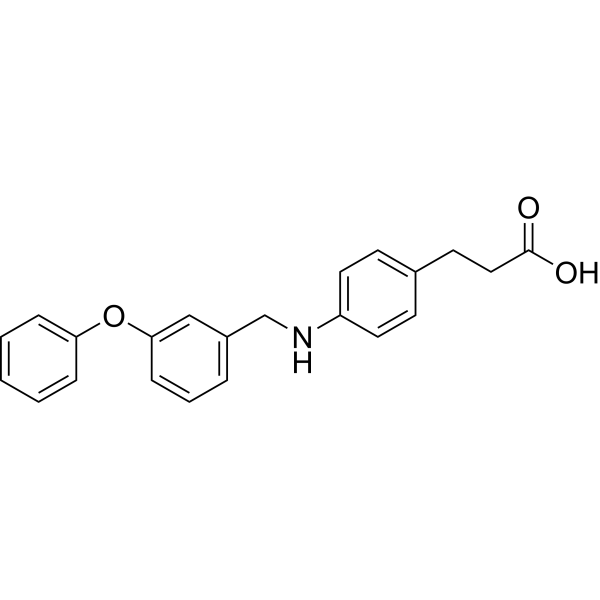
    GPR120 modulator 2 is a G protein coupled receptor 120 (GPR120) modulator extracted from patent US8394841B2, compound example F13. GPR120 modulator 2 can be used for the research of diseases associated with abnormal or deregulated GPR120, such as diabetes .
    GPR120 modulator 2
  • HY-162689

    Free Fatty Acid Receptor Inflammation/Immunology
    GprA is a new synthetic agonist of G-protein-coupled receptor 120/free fatty acid receptor 4 (GPR120/FFAR4), with an AC50 of 203 nM on human GPR120 full isoform. GprA can be used in the research for NAFLD .
    GprA
  • HY-109692

    Free Fatty Acid Receptor Metabolic Disease Inflammation/Immunology
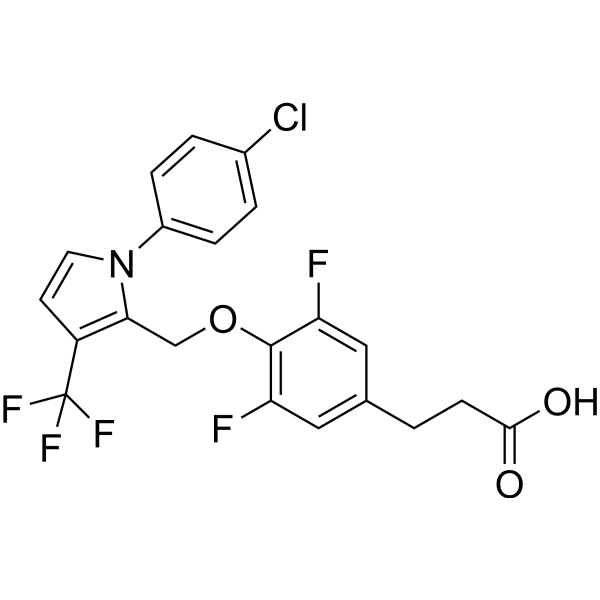
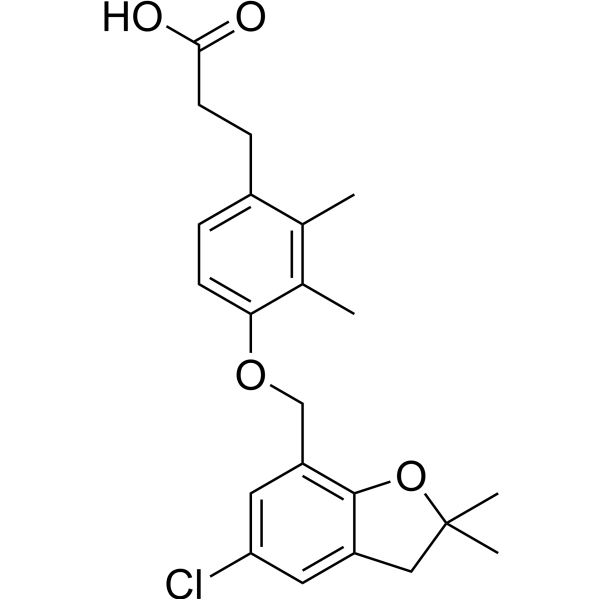
    GPR120 Agonist 5 (compound 12) is an agonist targeting GPR120 (EC50=1.2 μM). GPR120 Agonist 5 promotes the release of glucagon-like 1 (GLP-1) by binding to the GPR120 receptor, which in turn binds to its receptors on pancreatic beta cells, increasing insulin secretion and thereby lowering blood sugar levels. GPR120 Agonist 5 also helps reduce chronic low-grade inflammation, which plays an important role in the pathogenesis of obesity, insulin resistance, and type 2 diabetes. GPR120 Agonist 5 can be used to investigate the mechanism of action of GPR120 in metabolic and inflammatory diseases .
    GPR120 Agonist 5
  • HY-N3977

    Free Fatty Acid Receptor Inflammation/Immunology
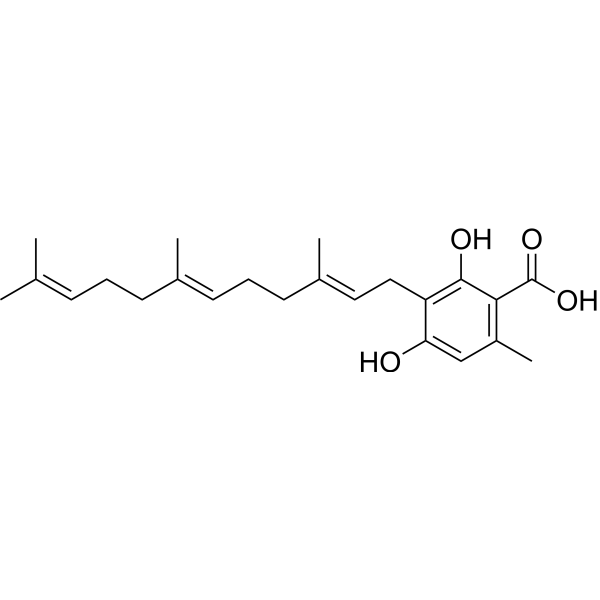
    Grifolic acid is a phenolic compound that is first extracted from the mushroom Albatrellus confluens. Grifolic acid acts as an agonist of the free fatty acid receptor (FFAR4/GPR120) .
    Grifolic acid
  • HY-160628

    Free Fatty Acid Receptor Metabolic Disease
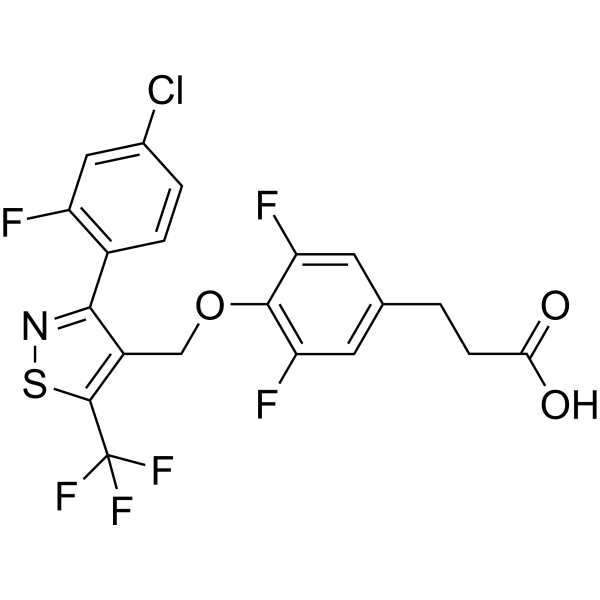
    GPR120 Agonist 4 (example 1) is a GPR120 agonist,with the EC50 values of 1 μM and 0.35 μM for β-arrestin A and Calcium A. GPR120 Agonist 4 can be used for the research of type II diabetes mellitus .
    GPR120 Agonist 4
  • HY-108711

    Free Fatty Acid Receptor Metabolic Disease
    GPR120 Agonist 1 is a potent and selective GPR120 agonist, and possesses promising antidiabetic effect and good safety profile to be a development candidate .
    GPR120 Agonist 1
  • HY-111353

    Free Fatty Acid Receptor Metabolic Disease
    GPR120 Agonist 2 (example 206) is a GPR120 agonist that can be uesd for the study of type II diabetes and diseases associated with poor glycemic control .
    GPR120 Agonist 2
  • HY-15589R

    Free Fatty Acid Receptor Potassium Channel Reference Standards Cardiovascular Disease Metabolic Disease Inflammation/Immunology
    GW9508 (Standard) is the analytical standard of GW9508. This product is intended for research and analytical applications. GW9508 is a potent and selective G protein-coupled receptors FFA1 (GPR40) and GPR120 agonist with pEC50s of 7.32 and 5.46, respectively. GW9508 shows ~100-fold selectivity for GPR40 over GPR120. GW9508 is inactive against other GPCRs, kinases, proteases, integrins and PPARs. GW9508 is a glucose-sensitive insulin secretagogue and an ATP-sensitive potassium (KATP) channels opener. Anti-inflammatory and anti-atherosclerotic activities .
    GW9508 (Standard)
  • HY-176838

    Free Fatty Acid Receptor GLP Receptor Inflammation/Immunology
    LXT34 (Example 2) is a GPR120 agonist. LXT34 has an anti-inflammatory activity. LXT34 promotes GLP-1 formation in the gastrointestinal tract and improves insulin resistance in macrophages and pancreas cells. LXT34 can be used for inflammatory diseases, such as type 2 diabetes, obesity and non-alcoholic fatty liver research .
    LXT34
  • HY-101492R

    Reference Standards Free Fatty Acid Receptor Metabolic Disease
    GPR120 Agonist 3 (Standard) is the analytical standard of GPR120 Agonist 3 (HY-101492). This product is intended for research and analytical applications. GPR120 Agonist 3 is a selective Gpr120 agonist with a logEC50 of 7.62.
    GPR120 Agonist 3 (Standard)
  • HY-Y1624

    ADDP; SR 4077

    Free Fatty Acid Receptor PPAR Metabolic Disease
    1,1'-(Azodicarbonyl)-dipiperidine (ADDP) can be used in the condensation reaction of alcohols with acidic compounds. 1,1'-(Azodicarbonyl)-dipiperidine can also be used in the synthesis of GPR120 agonists with antidiabetic activity, as well as the synthesis of triple agonists for PPARα, PPARγ, and PPARδ. 1,1'-(Azodicarbonyl)-dipiperidine can be used in metabolic disease research .
    1,1'-(Azodicarbonyl)-dipiperidine
  • HY-W770410

    Isotope-Labeled Compounds CGRP Receptor NF-κB Others
    9-PAHSA- 13C4 is 13C-labeled 9-PAHSA. 9-PAHSAis an orally active endogenous GPR120 agonist (EC50=18 μM). 9-PAHSAsignificantly inhibits LPS-induced inflammatory responses by blocking the NF-κB pathway. 9-PAHSAinduces adipocyte browning, enhances glucose uptake and reduces lipid accumulation, while improving mitochondrial function and the survival rate of steatotic hepatocytes. In terms of neuroprotection, 9-PAHSAregulates the expression of REST and BDNF in the prefrontal cortex of diabetic mice, and effectively prevents spatial working memory deficits and abnormal social behaviors. 9-PAHSAdoes not directly regulate insulin secretion or improve systemic insulin sensitivity, and possesses specific anti-inflammatory, metabolic regulatory and neuroprotective properties. 9-PAHSAcan be used in the research of diabetes-related cognitive impairment, obesity and non-alcoholic fatty liver disease .
    9-PAHSA-13C4
  • HY-N0040R

    Ginsenoside C (Standard)

    Reference Standards Influenza Virus Endogenous Metabolite Free Fatty Acid Receptor Infection Metabolic Disease Inflammation/Immunology
    Ginsenoside Rb2 (Standard) is the analytical standard of Ginsenoside Rb2. This product is intended for research and analytical applications. Ginsenoside Rb2 is one of the main bioactive components of ginseng extracts. Rb2 can upregulate GPR120 gene expression. Ginsenoside Rb2 has antiviral effects.
    Ginsenoside Rb2 (Standard)
  • HY-W727728

    Free Fatty Acid Receptor Metabolic Disease
    MK-8666 is a potent and selective partial GPR40 agonist (EC50 = 0.54 nM for human GPR40). MK-8666 shows selectivity over GPR119, GPR43, GPR41, GPR120, and other G-protein-coupled receptors (GPCRs). MK-8666 reduces glucose in the rodent. MK-8666 can be used for type 2 diabetes research [1][2].
    MK-8666
  • HY-W011303R

    4-Hydroxysphinganine (Standard)

    Reference Standards Apoptosis Endogenous Metabolite Fungal Free Fatty Acid Receptor Infection Metabolic Disease Inflammation/Immunology Cancer
    Phytosphingosine (Standard) is the analytical standard of Phytosphingosine. This product is intended for research and analytical applications. Phytosphingosine is a phospholipid with anti-inflammatory, antibacterial, and anti-cancer activities, which can induce apoptosis. Phytosphingosine is an immune regulator and can be used in the study of inflammatory skin diseases. Phytosphingosine is also an activator of GPR120 with an IC50 value of 33.4 μM and can be used in the study of type II diabetes[1][2][3][4].
    Phytosphingosine (Standard)
  • HY-13967
    AMG 837
    3 Publications Verification

    Free Fatty Acid Receptor Bacterial Infection Metabolic Disease
    AMG 837 is an orally active, selective GPR40/FFA1 agonist with an EC50 of 1.5 nM against human GPR40. AMG 837 stimulates insulin secretion in a glucose-dependent manner, and effectively improves glycemic control in both normal and diabetic rodent models . AMG 837 binds to the BacA protein and impairs the survival and replication of Brucella. AMG 837 can be used in research related to type 2 diabetes and brucellosis .
    AMG 837
  • HY-120657S

    Isotope-Labeled Compounds CGRP Receptor NF-κB Others
    9-PAHSA-d4 is the deuterium labeled 9-PAHSA. 9-PAHSA is an orally active endogenous GPR120 agonist (EC50=18 μM). 9-PAHSA significantly inhibits LPS-induced inflammatory responses by blocking the NF-κB pathway. 9-PAHSA induces adipocyte browning, enhances glucose uptake and reduces lipid accumulation, while improving mitochondrial function and the survival rate of steatotic hepatocytes. In terms of neuroprotection, 9-PAHSA regulates the expression of REST and BDNF in the prefrontal cortex of diabetic mice, and effectively prevents spatial working memory deficits and abnormal social behaviors. 9-PAHSA does not directly regulate insulin secretion or improve systemic insulin sensitivity, and possesses specific anti-inflammatory, metabolic regulatory and neuroprotective properties. 9-PAHSA can be used in the research of diabetes-related cognitive impairment, obesity and non-alcoholic fatty liver disease .
    9-PAHSA-d4
  • HY-100881R

    Reference Standards Free Fatty Acid Receptor Metabolic Disease
    TUG-891 (Standard) is the analytical standard of TUG-891. This product is intended for research and analytical applications. TUG-891 is a potent and selective agonist for the long chain free fatty acid (LCFA) receptor 4 (FFA4/GPR120) .
    TUG-891 (Standard)
  • HY-N2540R

    (±)-5,7-Dihydroxyflavanone (Standard); NSC 43318 (Standard)

    Reference Standards Free Fatty Acid Receptor Others
    (±)-Pinocembrin (Standard) is the analytical standard of (±)-Pinocembrin. This product is intended for research and analytical applications. (±)-Pinocembrin ((±)-5,7-Dihydroxyflavanone) is a GPR120 ligand able to promote wound healing in HaCaT cell line .
    (±)-Pinocembrin (Standard)
  • HY-RS04877

    Small Interfering RNA (siRNA) Others

    FFAR4 Human Pre-designed siRNA Set A contains three designed siRNAs for FFAR4 gene (Human), as well as a negative control, a positive control, and a FAM-labeled negative control.

    FFAR4 Human Pre-designed siRNA Set A
    FFAR4 Human Pre-designed siRNA Set A
  • HY-W011303S

    4-Hydroxysphinganine-d7

    Isotope-Labeled Compounds Fungal Free Fatty Acid Receptor Apoptosis Endogenous Metabolite Infection Metabolic Disease Inflammation/Immunology Cancer
    Phytosphingosine-d7 (4-Hydroxysphinganine-d7) is deuterium labeled Phytosphingosine. Phytosphingosine is a phospholipid with anti-inflammatory, antibacterial, and anti-cancer activities, which can induce apoptosis. Phytosphingosine is an immune regulator and can be used in the study of inflammatory skin diseases. Phytosphingosine is also an activator of GPR120 with an IC50 value of 33.4 μM and can be used in the study of type II diabetes .
    Phytosphingosine-d7
  • HY-182404

    Free Fatty Acid Receptor Cancer
    Anticancer agent 316 (Compound 1) is an anticancer agent. Anticancer agent 316 exerts anticancer activity against colorectal cancers expressing GPR120. Anticancer agent 316 can be used in the research of colorectal cancer .
    Anticancer agent 316
  • HY-120657R

    Reference Standards CGRP Receptor NF-κB Cardiovascular Disease Inflammation/Immunology
    Flumethrin (Standard) is the analytical standard of Flumethrin. This product is intended for research and analytical applications. 9-PAHSA is an orally active endogenous GPR120 agonist (EC50=18 μM). 9-PAHSA significantly inhibits LPS-induced inflammatory responses by blocking the NF-κB pathway. 9-PAHSA induces adipocyte browning, enhances glucose uptake and reduces lipid accumulation, while improving mitochondrial function and the survival rate of steatotic hepatocytes. In terms of neuroprotection, 9-PAHSA regulates the expression of REST and BDNF in the prefrontal cortex of diabetic mice, and effectively prevents spatial working memory deficits and abnormal social behaviors. 9-PAHSA does not directly regulate insulin secretion or improve systemic insulin sensitivity, and possesses specific anti-inflammatory, metabolic regulatory and neuroprotective properties. 9-PAHSA can be used in the research of diabetes-related cognitive impairment, obesity and non-alcoholic fatty liver disease .
    9-PAHSA (Standard)
  • HY-144026S

    CGRP Receptor NF-κB Inflammation/Immunology
    9-PAHSA-d9 is the deuterium labeled 9-PAHSA (HY-120657). 9-PAHSA is an orally active endogenous GPR120 agonist (EC50=18 μM). 9-PAHSA significantly inhibits LPS-induced inflammatory responses by blocking the NF-κB pathway. 9-PAHSA induces adipocyte browning, enhances glucose uptake and reduces lipid accumulation, while improving mitochondrial function and the survival rate of steatotic hepatocytes. In terms of neuroprotection, 9-PAHSA regulates the expression of REST and BDNF in the prefrontal cortex of diabetic mice, and effectively prevents spatial working memory deficits and abnormal social behaviors. 9-PAHSA does not directly regulate insulin secretion or improve systemic insulin sensitivity, and possesses specific anti-inflammatory, metabolic regulatory and neuroprotective properties. 9-PAHSA can be used in the research of diabetes-related cognitive impairment, obesity and non-alcoholic fatty liver disease .
    9-PAHSA-d9
  • HY-120657S1

    Isotope-Labeled Compounds CGRP Receptor NF-κB Others
    9-PAHSA-d31 is the deuterium labeled 9-PAHSA. 9-PAHSA is an orally active endogenous GPR120 agonist (EC50=18 μM). 9-PAHSA significantly inhibits LPS-induced inflammatory responses by blocking the NF-κB pathway. 9-PAHSA induces adipocyte browning, enhances glucose uptake and reduces lipid accumulation, while improving mitochondrial function and the survival rate of steatotic hepatocytes. In terms of neuroprotection, 9-PAHSA regulates the expression of REST and BDNF in the prefrontal cortex of diabetic mice, and effectively prevents spatial working memory deficits and abnormal social behaviors. 9-PAHSA does not directly regulate insulin secretion or improve systemic insulin sensitivity, and possesses specific anti-inflammatory, metabolic regulatory and neuroprotective properties. 9-PAHSA can be used in the research of diabetes-related cognitive impairment, obesity and non-alcoholic fatty liver disease .
    9-PAHSA-d31
  • HY-115643

    GPR119 Metabolic Disease
    AZ13581837 is a GPR120 agonist with oral effectiveness, human EC50 values of 5.2 nM, and mouse EC50 of 4.3 nM. AZ13581837 signals through Gαq, Gαs, and β-arrestin pathways, reduces cAMP production, stimulates GLP-1 secretion, induces glucose lowering, and increases insulin secretion. AZ13581837 can be used for the research of type 2 diabetes .
    AZ13581837
  • HY-RS18817

    Small Interfering RNA (siRNA) Others

    Ffar4 Mouse Pre-designed siRNA Set A contains three designed siRNAs for Ffar4 gene (Mouse), as well as a negative control, a positive control, and a FAM-labeled negative control.

    Ffar4 Mouse Pre-designed siRNA Set A
    Ffar4 Mouse Pre-designed siRNA Set A
  • HY-RS25307

    Small Interfering RNA (siRNA) Others

    Ffar4 Rat Pre-designed siRNA Set A contains three designed siRNAs for Ffar4 gene (Rat), as well as a negative control, a positive control, and a FAM-labeled negative control.

    Ffar4 Rat Pre-designed siRNA Set A
    Ffar4 Rat Pre-designed siRNA Set A

Inquiry Online

Your information is safe with us. * Required Fields.

Salutation


Country or Region *

Applicant Name *


Organization Name *

Department *


Email Address *


Product Name *

Cat. No.


Requested quantity *

Phone Number *


Remarks

Inquiry Online

Inquiry Information

Product Name:
Cat. No.:
Quantity:
MCE Japan Authorized Agent:

