1. Search Result
Search Result
Results for "

H2S

" in MedChemExpress (MCE) Product Catalog:

68

Inhibitors & Agonists

8

Fluorescent Dye

11

Natural
Products

8

Isotope-Labeled Compounds

3

Click Chemistry

1

Oligonucleotides

1

GMP Molecules

Cat. No. Product Name Target Research Areas Chemical Structure
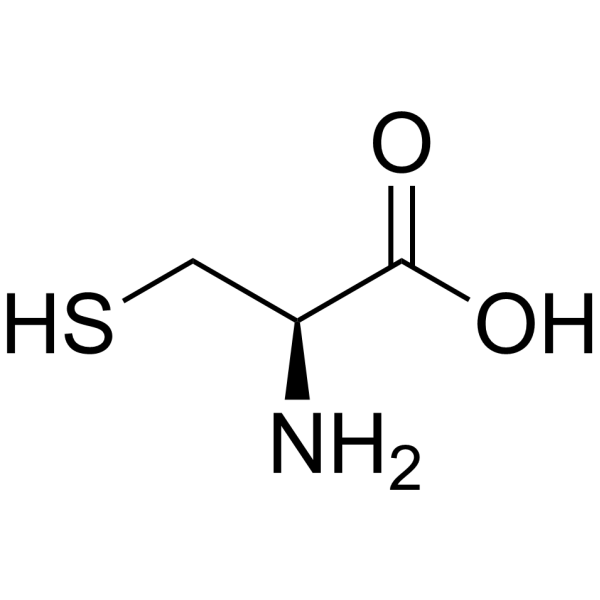
  • HY-Y0337
    L-Cysteine
    Maximum Cited Publications
    12 Publications Verification

    Cysteine

    Environmental Pollutants Endogenous Metabolite Neurological Disease Metabolic Disease Cancer
    L-Cysteine (Cysteine) is an orally active conditionally essential amino acid with hypoglycemic effects, which acts as a precursor for biologically active molecules such as hydrogen sulphide (H2S), glutathione and taurine. L-Cysteine promotes the proliferation and differentiation of neural stem cells via the CBS/H2S pathway. L-Cysteine suppresses ghrelin and reduces appetite in rodents and humans. L-Cysteine can be used as an anorectic agent [2] .
    L-Cysteine
  • HY-107632
    GYY4137
    5+ Cited Publications

    Apoptosis STAT NF-κB NO Synthase COX TNF Receptor Interleukin Related Cardiovascular Disease Neurological Disease Inflammation/Immunology Cancer
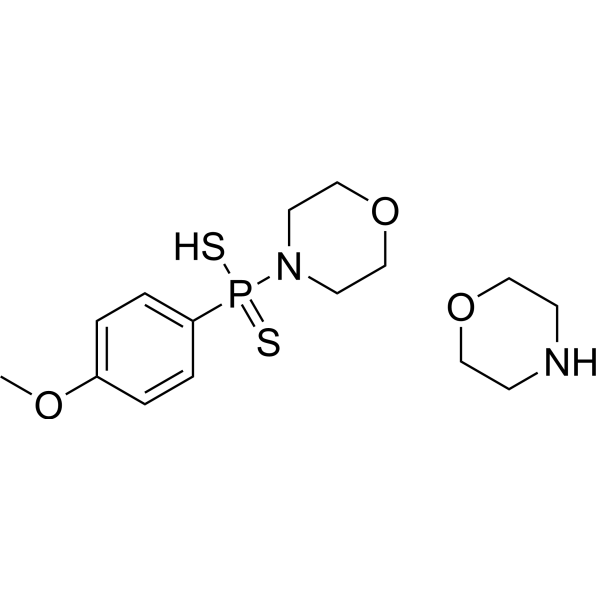
    GY4137 is a sustained-release H2S donor possessing vasodilatory, antihypertensive, and anti-inflammatory activities. GY4137 can inhibit cell growth, induce apoptosis, and cause cell cycle arrest by blocking the STAT3 pathway, demonstrating potent anticancer activity [2] .
    GYY4137
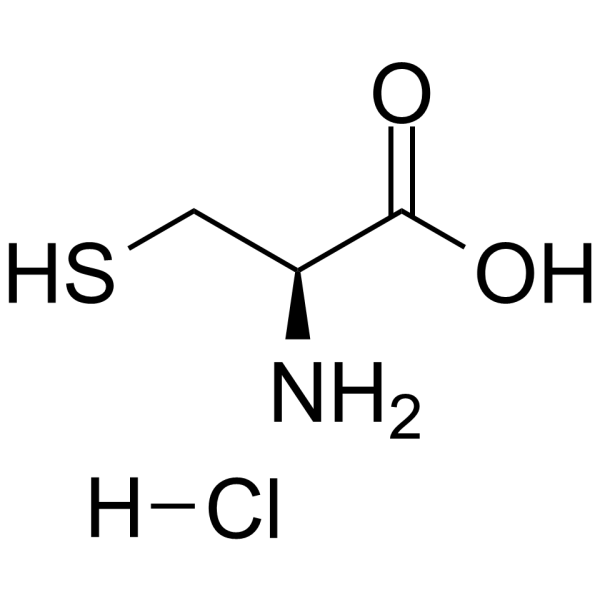
  • HY-Y0337A
    L-Cysteine hydrochloride
    Maximum Cited Publications
    12 Publications Verification

    Endogenous Metabolite Metabolic Disease Cancer
    L-Cysteine hydrochloride is an orally active conditionally essential amino acid, which acts as a precursor for biologically active molecules such as hydrogen sulphide (H2S), glutathione and taurine. L-Cysteine hydrochloride suppresses ghrelin and reduces appetite in rodents. L-Cysteine hydrochloride inhibits Aspergillus flavus growth and AFB synthesis by disrupting cell structure and antioxidant system balance. L-Cysteine hydrochloride enhances relaxant responses of rat aortic rings to NO and reduces responses to endothelium-derived relaxing factor (EDRF) [2] .
    L-Cysteine hydrochloride
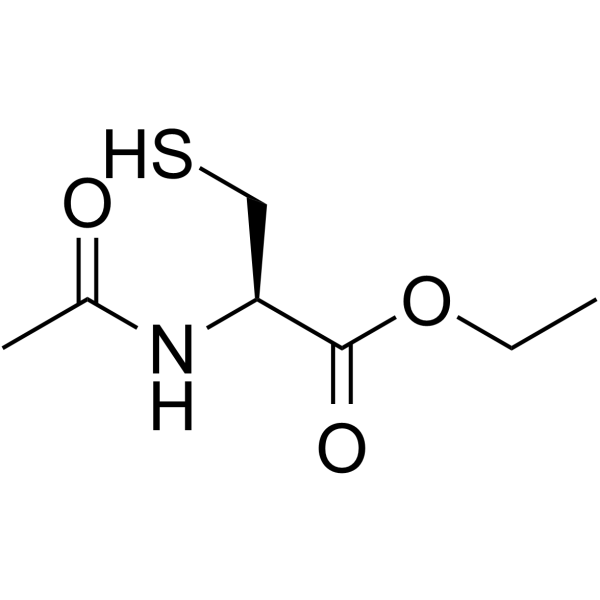
  • HY-134495
    N-Acetyl-L-cysteine ethyl ester
    10+ Cited Publications

    N-Acetylcysteine ethyl ester; NACET

    Reactive Oxygen Species (ROS) Metabolic Disease
    N-Acetyl-L-cysteine ethyl ester is an esterified form of N-acetyl-L-cysteine (NAC). N-Acetyl-L-cysteine ethyl ester exhibits enhanced cell permeability, and produce NAC and cysteine. N-Acetyl-L-cysteine ethyl ester increases circulating hydrogen sulfide (H2S) and can be used as an H2S producer. N-Acetyl-L-cysteine ethyl ester has the potential to substitute NAC as a mucolytic agent, and as a GSH-related antioxidant .
    N-Acetyl-L-cysteine ethyl ester
  • HY-124409
    WSP-1
    2 Publications Verification

    Fluorescent Dye Others
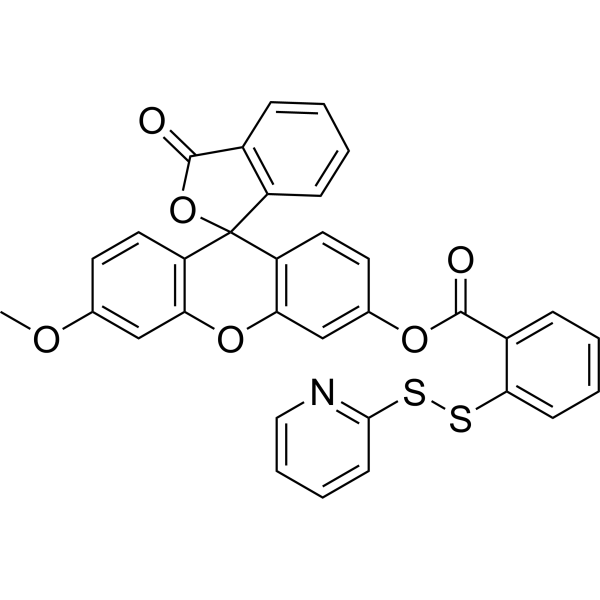
    WSP-1 is a selective and rapid-reaction H2S specific fluorescent dye (Ex/Em=465/515 nm). WSP-1 reacts with H2S with the releasing of fluorophore .
    WSP-1
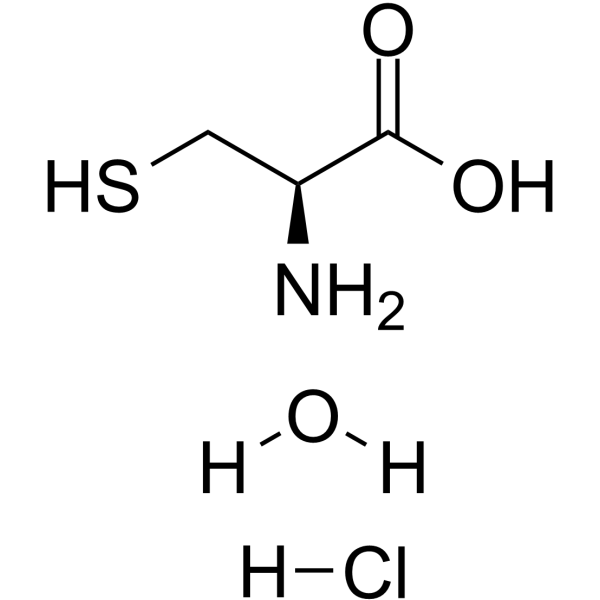
  • HY-W016715
    L-Cysteine hydrochloride hydrate
    Maximum Cited Publications
    12 Publications Verification

    Endogenous Metabolite NF-κB Insulin Receptor Neurological Disease Metabolic Disease
    L-Cysteine hydrochloride hydrate is an orally active and essential amino acid, which acts as a precursor for biologically active molecules such as hydrogen sulphide (H2S), glutathione and taurine. L-Cysteine hydrochloride hydrate regulates CBS/H2S pathway, inhibits NF-κB activation and insulin and ghrelin secretion. L-Cysteine hydrochloride hydrate reduces blood sugar, vascular inflammation markers and appetite. L-Cysteine hydrochloride hydrate induces kidney damage. L-Cysteine hydrochloride hydrate can be used in the study of neurological diseases and diabetes [2] .
    L-Cysteine hydrochloride hydrate
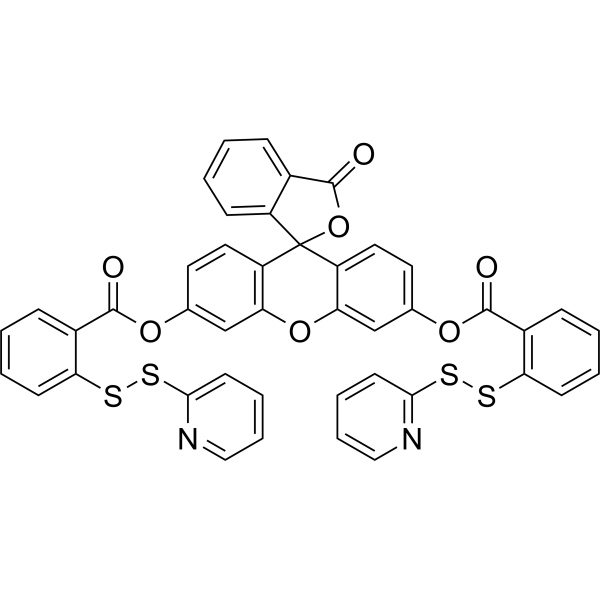
  • HY-129420

    Fluorescent Dye Cancer
    WSP-5 is a H2S-selective fluorescent probe (Ex/Em = 502/525 nm). WSP-5 enables visual monitoring of H2S released and accumulated from peptide-H2S donor conjugates in glioma cells. WSP-5 is applicable to glioma research .
    WSP-5
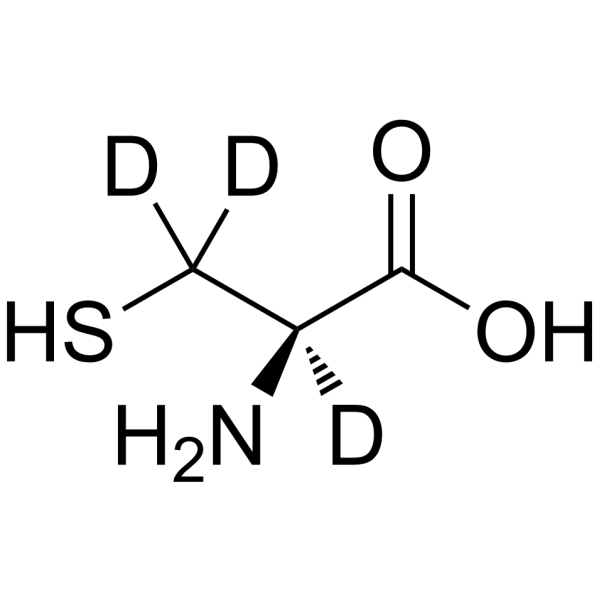
  • HY-Y0337S5

    Isotope-Labeled Compounds Endogenous Metabolite Metabolic Disease
    L-Cysteine-d3 is the deuterium labeled L-Cysteine. L-Cysteine is a conditionally essential amino acid, which acts as a precursor for biologically active molecules such as hydrogen sulphide (H2S), glutathione and taurine. L-Cysteine suppresses ghrelin and reduces appetite in rodents and humans .
    L-Cysteine-d3
  • HY-126124
    AP39
    5+ Cited Publications

    Reactive Oxygen Species (ROS) Cardiovascular Disease Neurological Disease
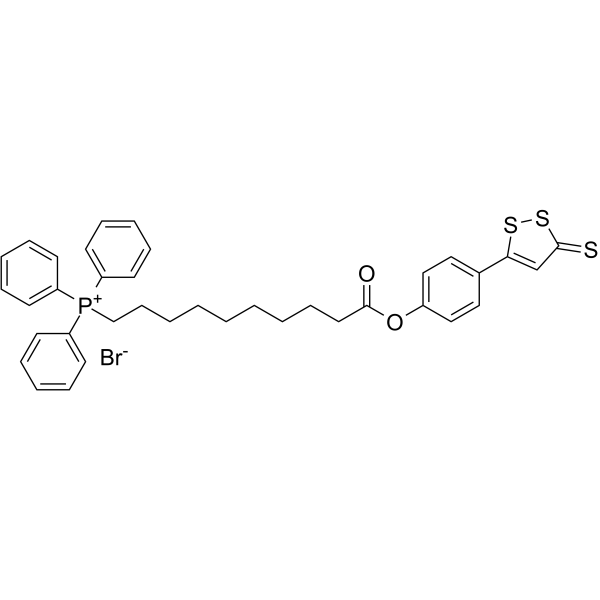
    AP39 is a triphenylphosphonium derivatised anethole dithiolethione and mitochondria-targeting hydrogen sulfide (H2S) donor. AP39 increases intracellular H2S levels. AP39 exerts cytoprotective effects and maintains mitochondrial DNA integrity under oxidative stress conditions. AP39 protects against myocardial reperfusion injury in mice model and has the potential for Alzheimer's disease research [2] .
    AP39
  • HY-119323
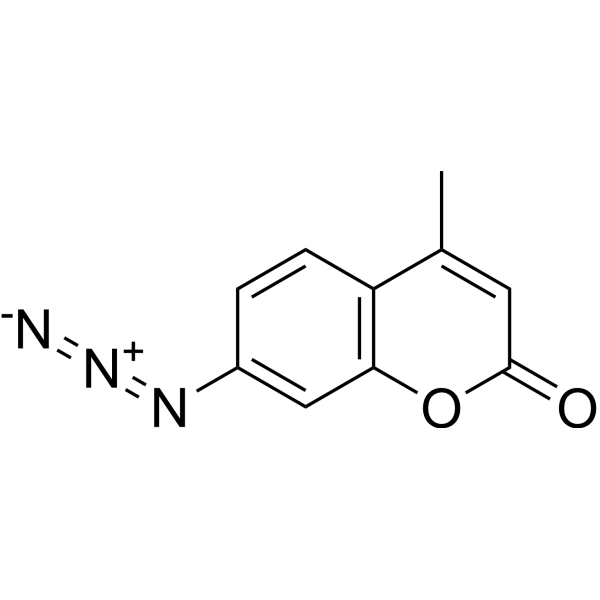
    7-Azido-4-methylcoumarin
    1 Publications Verification

    Fluorescent Dye Others
    7-Azido-4-methylcoumarin is a selective coumarin-based fluorescent probe for hydrogen sulfide (H2S). In the presence of H2S, the aromatic azido group of 7-Azido-4-methylcoumarin is selectively reduced to produce the fluorescently active 7-amino-4-methylcoumarin (AMC). 7-Azido-4-methylcoumarin binds to the coumarin/phenol-binding site of BSA, the aglycone-binding site of UGT1A6, and the substrate-binding site of SULT1A1, respectively. 7-Azido-4-methylcoumarin retains its fluorescent properties after covalent binding, acts as a fluorescent H2S probe, and does not react with cysteine, homocysteine or glutathione (Ex/Em = 340/445 nm) [2] .
    7-Azido-4-methylcoumarin
  • HY-128206
    I3MT-3
    5 Publications Verification

    HMPSNE

    Hippo (MST) Metabolic Disease
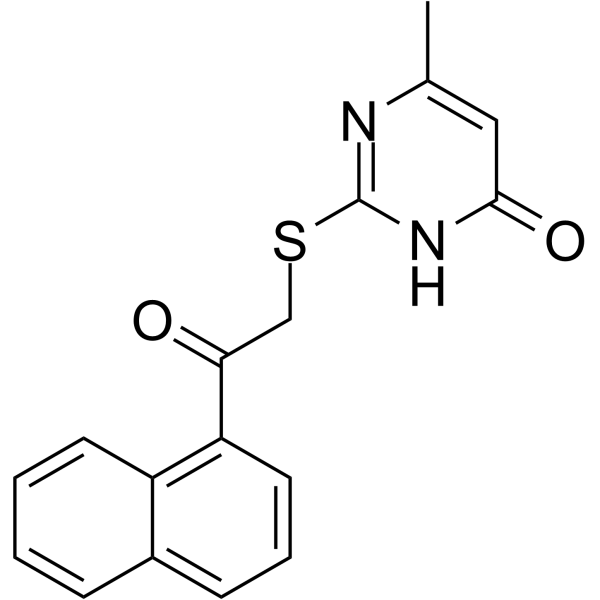
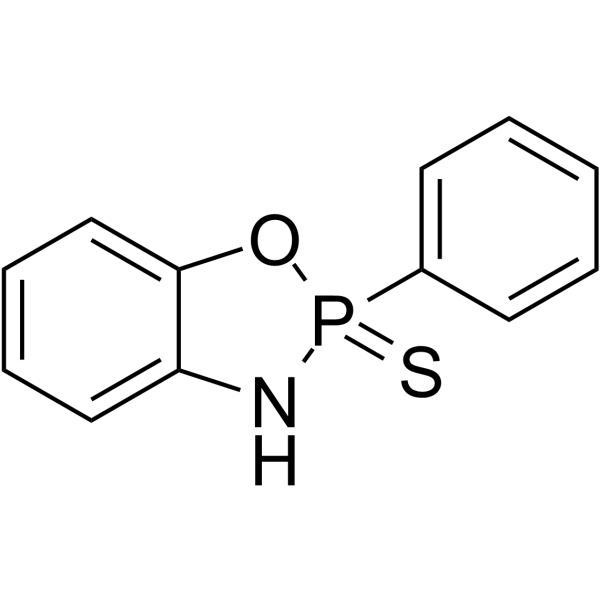
    I3MT-3 (HMPSNE) is a potent, selective, and cell-membrane permeable inhibitor of 3-Mercaptopyruvate sulfurtransferase (3MST) (IC50=2.7 μM). I3MT-3 is inactive for other H2S/sulfane sulfur-producing enzymes.?I3MT-3 targets a persulfurated cysteine residue located in the active site of 3MST .
    I3MT-3
  • HY-B1223
    Anethole trithione
    2 Publications Verification

    mAChR Neurological Disease Cancer
    Anethole trithione, a sulfur heterocyclic choleretic, is a bile secretion-stimulating agent. Anethole trithione enhances salivary secretion and increases mAChRs, and can be used for dry mouth research [2].
    Anethole trithione
  • HY-Y0337S2

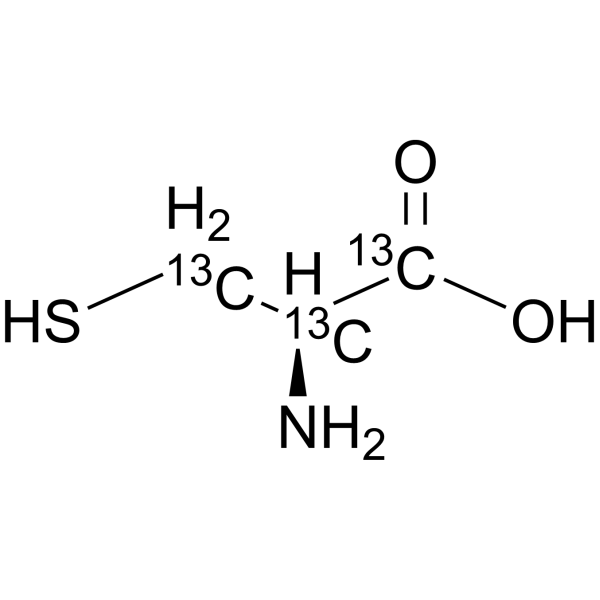
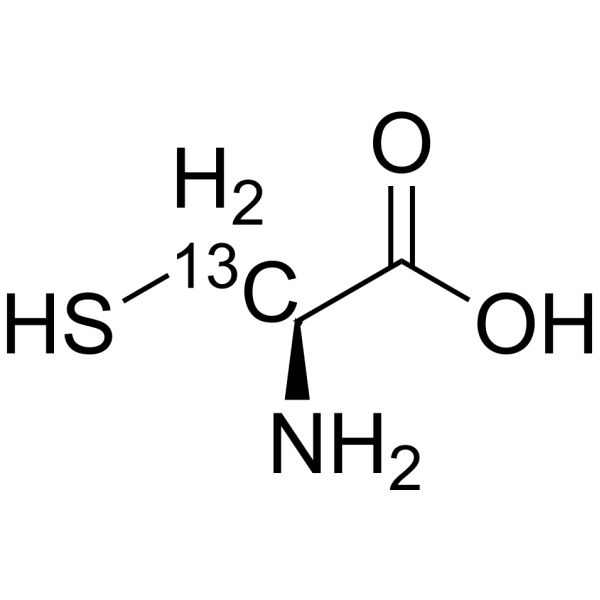
    Cysteine-13C

    Endogenous Metabolite Metabolic Disease
    L-Cysteine-3- 13C is the 13C-labeled L-Cysteine. L-Cysteine is a conditionally essential amino acid, which acts as a precursor for biologically active molecules such as hydrogen sulphide (H2S), glutathione and taurine. L-Cysteine suppresses ghrelin and reduces appetite in rodents and humans .
    L-Cysteine-3-13C
  • HY-Y0337S
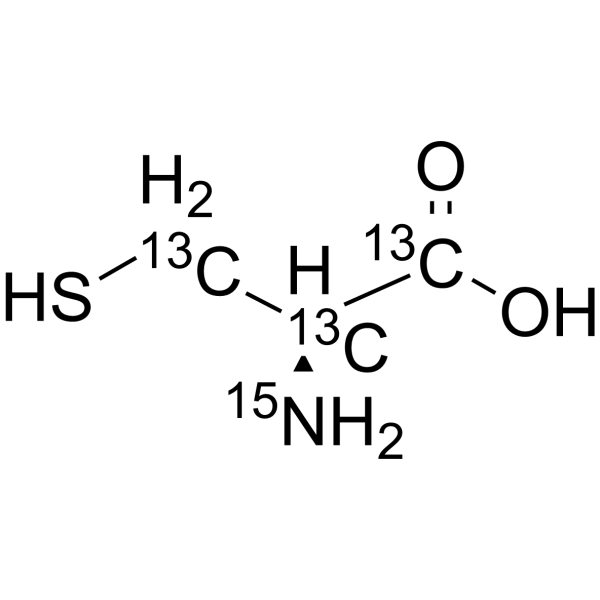
    L-Cysteine-13C3,15N
    2 Publications Verification

    Endogenous Metabolite Metabolic Disease
    L-Cysteine- 13C3, 15N is the 13C- and 15N-labeled L-Cysteine. L-Cysteine is a conditionally essential amino acid, which acts as a precursor for biologically active molecules such as hydrogen sulphide (H2S), glutathione and taurine. L-Cysteine suppresses ghrelin and reduces appetite in rodents and humans .
    L-Cysteine-13C3,15N
  • HY-144439

    Mitochondrial Metabolism Cardiovascular Disease Cancer
    HTS07545 is a potent sulfide:quinone oxidoreductase (SQOR) inhibitor with an IC50 of 30 nM. HTS07545 reduces the decomposition rate of hydrogen sulfide (H2S). HTS07545 can be used in the research of heart failure and pancreatic ductal adenocarcinoma.
    HTS07545
  • HY-130347

    Endogenous Metabolite Others
    H2S Donor 5a is a cysteine-activated H2S donor. H2S plays important roles in biological systems. H2S Donor 5a is a useful tool in H2S research .
    H2S Donor 5a
  • HY-110128

    SF7-AM

    Fluorescent Dye Others
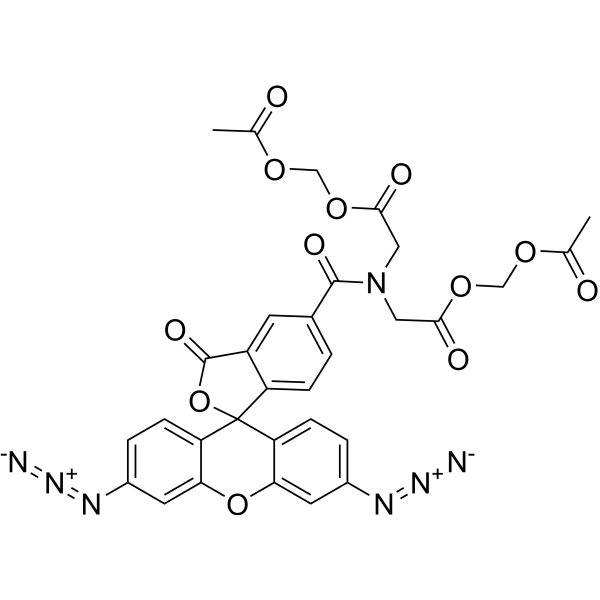
    Sulfidefluor 7-AM is a stable hydrogen sulphide (H2S) fluorescent probe . Sulfidefluor 7-AM is a click chemistry reagent, it contains an Azide group and can undergo copper-catalyzed azide-alkyne cycloaddition reaction (CuAAc) with molecules containing Alkyne groups. It can also undergo strain-promoted alkyne-azide cycloaddition (SPAAC) reactions with molecules containing DBCO or BCN groups.
    Sulfidefluor 7-AM
  • HY-169331

    Bacterial Infection
    H2S scavenger 1 triflate (Compound 7b) is a selective H2S scavenger and antibacterial adjuvant. H2S scavenger 1 triflate consumes hydrogen sulfide produced by H2S-producing bacteria via chemical scavenging, and does not act on H2S synthases. H2S scavenger 1 triflate enhances the clearance of H2S-producing bacteria mediated by macrophages and polymorphonuclear neutrophils. H2S scavenger 1 triflate inhibits the biofilm formation of H2S-producing bacteria and eliminates pre-formed biofilms. H2S scavenger 1 triflate can be used for the research of Pseudomonas aeruginosa-infected pneumonia and Pseudomonas aeruginosa-infected skin wounds .
    H2S scavenger 1 triflate
  • HY-D2476

    Fluorescent Dye Others
    H2S Fluorescent probe 1 (Compound 2) is a fluorescent probe that detects hydrogen sulfide (H2S) with almost no cytotoxicity. Upon the addition of increasing amounts of HS - to DMSO solution of H2S Fluorescent probe 1, a new absorption peak appears gradually at 485 nm. H2S Fluorescent probe 1, the fluorescence intensity notes at 434 nm increasing rapidly by titration of HS - .
    H2S Fluorescent probe 1
  • HY-Y0337R
    L-Cysteine (Standard)
    1 Publications Verification

    Cysteine (Standard)

    Reference Standards Endogenous Metabolite Metabolic Disease Cancer
    L-Cysteine (Standard) is the analytical standard of L-Cysteine. This product is intended for research and analytical applications. L-Cysteine is a conditionally essential amino acid, which acts as a precursor for biologically active molecules such as hydrogen sulphide (H2S), glutathione and taurine. L-Cysteine suppresses ghrelin and reduces appetite in rodents and humans .
    L-Cysteine (Standard)
  • HY-Y0337S4
    L-Cysteine-13C3
    1 Publications Verification

    Endogenous Metabolite Metabolic Disease
    L-Cysteine- 13C3 is the 13C-labeled L-Cysteine. L-Cysteine is a conditionally essential amino acid, which acts as a precursor for biologically active molecules such as hydrogen sulphide (H2S), glutathione and taurine. L-Cysteine suppresses ghrelin and reduces appetite in rodents and humans .
    L-Cysteine-13C3
  • HY-W001538

    SPRC

    STAT MDM-2/p53 Inflammation/Immunology
    S-Propargylcysteine (SPRC), a structural analog of S-allyl cysteine (SAC), is a slow H2S-releasing compound. S-Propargylcysteine reduces Ca 2+ accumulation and inflammatory cytokines, inhibits STAT3, and elevates p53 and Bax. S-Propargylcysteine has anti-inflammatory activity and protects mice against acute pancreatitis. S-Propargylcysteine also has cardioprotective, neuroprotective acitivties [2].
    S-Propargylcysteine
  • HY-D1275

    Fluorescent Dye Others
    CAY10731 (compound 3) is a highly selective fluorescent probe for detection of hydrogen sulfide (H2S). CAY10731 is used to monitor exo- and endogenous H2S in both cancer and normal cells. CAY10731 is applied for imaging of H2S in living tissues at variable depths and in nematodes .
    CAY10731
  • HY-106784A

    Fungal Apoptosis Neurological Disease
    (E)-Ajoene is a oxygenated ajoene and organosulfur compound, which can be acquired via allicin decomposing. The polysulfides from garlic can be converted by human red blood cells into hydrogen sulfide (H2S) and allyl glutathione. (E)-Ajoene has been proved to show neuroprotective effects against ischemic damage. (E)-Ajoene is orally active to inhibit lipid peroxidation. (E)-Ajoene increases the number of cresyl violet-positive neurons and decreases the number of reactive gliosis in the CA1 region [2].
    (E)-Ajoene
  • HY-76144

    4-Aminothiobenzamide

    Biochemical Assay Reagents Cardiovascular Disease
    3-Aminobenzothioamide is a small H2S donor. 3-Aminobenzothioamide has the potential for the research of myocardial ischemia-reperfusion injury [2].
    4-Aminobenzothioamide
  • HY-174790

    mRNA Cancer
    Firefly Luciferase mRNA is a reporter mRNA that can be transfected into cells to express firefly luciferase protein. Firefly Luciferase mRNA induces cytotoxicity in cancer cells at low concentrations. In cancer cells, the expression level of luciferase shows a non-linear relationship with the dose of Firefly Luciferase mRNA. When combined with the H2S-responsive bioluminescent probe (H-Luc), Firefly Luciferase mRNA enables bioluminescence-based detection of endogenous hydrogen sulfide in non-transgenic NAFLD cell models and NAFLD mouse models. Firefly Luciferase mRNA can be used in studies related to non-alcoholic fatty liver disease [2].
    Firefly Luciferase mRNA
  • HY-121955
    FW1256
    1 Publications Verification

    NF-κB Apoptosis Cardiovascular Disease Inflammation/Immunology Cancer
    FW1256 is a phenyl analogue and a slow-releasing hydrogen sulfide (H2S) donor. FW1256 inhibits NF-κB activity and induces cell apoptosis. FW1256 exerts potent anti-inflammatory effects and has the potential for cancer and cardiovascular disease treatment [2].
    FW1256
  • HY-E70078

    Biochemical Assay Reagents Others
    Cystathionine β-synthase is an enzyme that catalyzes the condensation of serine and homocysteine to water and cystathionine. Cystathionine β-synthase is a prominent enzyme for the production of hydrogen sulfide (H2S) .
    Cystathionine β-synthase
  • HY-15035

    ACS 15; ATB-337

    MDM-2/p53 JNK SOD Cardiovascular Disease Inflammation/Immunology
    S-Diclofenac (ACS 15) is a hybrid molecule of an H2S donor and the NSAID diclofenac. S-Diclofenac activates the p53 signaling pathway, and inhibits the activation of JNK. S-Diclofenac exhibits antioxidant and anti-inflammatory activities [2] .
    S-Diclofenac
  • HY-Y0337S1
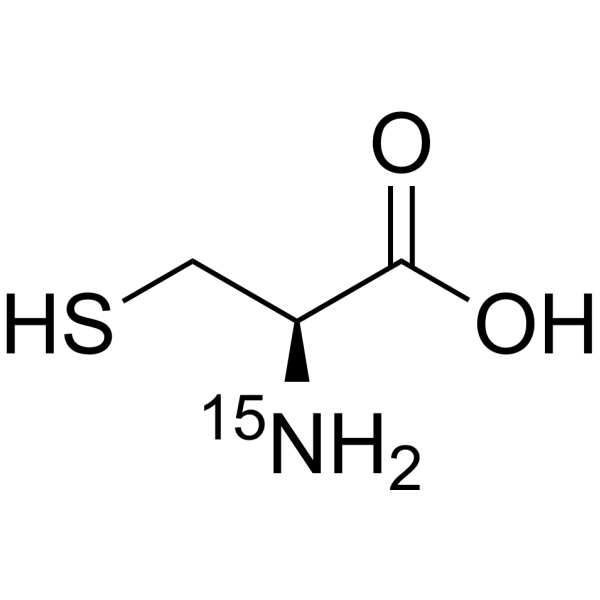
    L-Cysteine-15N
    1 Publications Verification

    Endogenous Metabolite Metabolic Disease
    L-Cysteine- 15N is the 15N-labeled L-Cysteine. L-Cysteine is a conditionally essential amino acid, which acts as a precursor for biologically active molecules such as hydrogen sulphide (H2S), glutathione and taurine. L-Cysteine suppresses ghrelin and reduces appetite in rodents and humans .
    L-Cysteine-15N
  • HY-Y0337S3

    Endogenous Metabolite Metabolic Disease
    L-Cysteine-1- 13C is the 13C-labeled L-Cysteine. L-Cysteine is a conditionally essential amino acid, which acts as a precursor for biologically active molecules such as hydrogen sulphide (H2S), glutathione and taurine. L-Cysteine suppresses ghrelin and reduces appetite in rodents and humans .
    L-Cysteine-1-13C
  • HY-D2380

    G-quadruplex Cancer
    H2S probe 1 (compound 1NND) is a derivative of nitrobenzoxadiazole (NBD) with antitumor activity. H2S probe 1 is cytotoxic to human pancreatic cancer cell MIA PaCa-2 (IC50=77.9 nM) and has a high affinity for human telomeric G-quadruplex (G4) (Kd=1.72 μM). H2S probe 1 can be used in cancer research .
    H2S probe 1
  • HY-178191

    Guanylate Cyclase Autophagy AMPK TGF-β Receptor Cardiovascular Disease
    sGC stimulator 1 is a carbonyl sulfide (COS)/H2S-donor hybrid soluble guanylyl cyclase (sGC) stimulator (EC50 = 496 nM). sGC stimulator 1 exhibits a well-characterized H2S-releasing property. sGC stimulator 1 reduces fibrosis in TGF-β1-treated cardiac fibroblasts by increasing cGMP and H2S levels. sGC stimulator 1 can exert anti-fibrotic effects by activating sGC and increasing H2S. sGC stimulator 1 can be used for the study of heart failure (HF) .
    SGC stimulator 1
  • HY-149837

    Fluorescent Dye Inflammation/Immunology
    PRO-F is a photoactivable H2S donor with ROS scavenging ability. PRO-F can be activated by light to produce fluorescent signal, for real-time tracking of released H2S. PRO-F activation doesn’t consume endogenous substances. deliver H2S in an intracellular environment to protect cells from excessive reactive oxygen species (ROS) induced damage. PRO-F shows enhancement on chronic wound healing, researched in diabetic models as well .
    PRO-F
  • HY-D3003

    Fluorescent Dye Others
    M-H2S is an endoplasmic reticulum-targeted ratio-type near-infrared fluorescent probe (Ex/Em : 480 nm/560 nm) specifically designed for the detection of hydrogen sulfide (H2S) in living cells and zebrafish. M-H2S exhibits detection limit for H2S of 39.1 nM, and the fluorescence intensity ratio (F₆₅₀/F₅₆₀) within the range of 0-40 μM shows a linear relationship with the H2S concentration. M-H2S responds best under pH = 7.2 (the normal physiological pH of the endoplasmic reticulum) conditions, making it suitable for the detection of the microenvironment of the endoplasmic reticulum. M-H2S can be used to study the role of H2S in endoplasmic reticulum function, stress response, and related diseases .
    M-H2S
  • HY-D1400

    Fluorescent Dye Others
    HBTP-H2S (chloride) is a NIR fluorescent probe for in situ bioimaging of endogenous H2S in rice roots under Al 3+ and flooding stresses.
    HBTP-H2S chloride
  • HY-Y0337S6
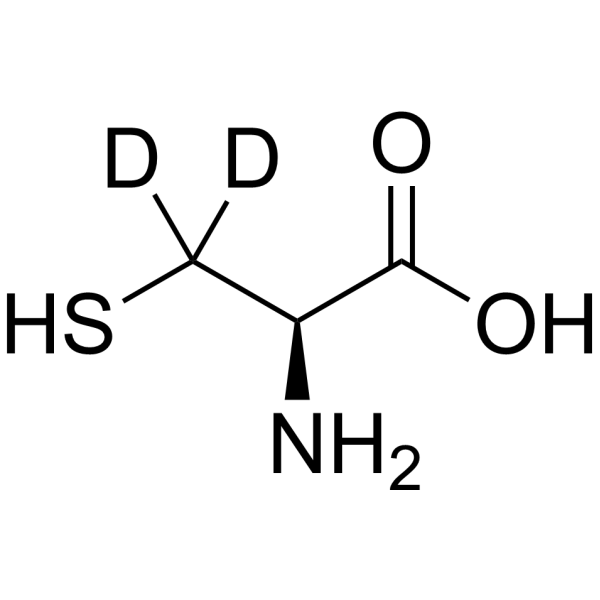
    L-Cysteine-d2
    1 Publications Verification

    Isotope-Labeled Compounds Endogenous Metabolite Metabolic Disease
    L-Cysteine-d2 is the deuterium labeled L-Cysteine. L-Cysteine is a conditionally essential amino acid, which acts as a precursor for biologically active molecules such as hydrogen sulphide (H2S), glutathione and taurine. L-Cysteine suppresses ghrelin and reduces appetite in rodents and humans .
    L-Cysteine-d2
  • HY-115681
    (2R/S)-6-PNG
    1 Publications Verification

    6-Prenylnaringenin; (±)-6-Prenylnaringenin

    Calcium Channel Neurological Disease
    (2R/S)-6-PNG (6-Prenylnaringenin) is a potent and reversible Cav3.2 T-type Ca 2+ channels (T-channels) blocker. (2R/S)-6-PNG can penetrate the blood-brain barrier (BBB). (2R/S)-6-PNG suppresses neuropathic and visceral pain in mice .
    (2R/S)-6-PNG
  • HY-175033

    Epigenetic Reader Domain Phosphatase c-Myc Apoptosis Inflammation/Immunology
    BRD4-IN-11 is an orally active and selective BRD4 inhibitor (IC50 = 26.35 nM (BD1), IC50 = 72.81 nM (BD2)). BRD4-IN-11 is approximately 3- to 18-fold more potent against BRD4 than againstBRD2, BRD3, and BRDT. BRD4-IN-11 enhances H2S release and inhibits the upregulation of fibrotic markers (α-SMA and fibronectin), c-Myc, and CDC25B. BRD4-IN-11 reduces apoptosis in LO2 hepatocytes. BRD4-IN-11 significantly improves liver and lung function in a hepatopulmonary fibrosis model and can be used to study hepatopulmonary fibrosis .
    BRD4-IN-11
  • HY-160240

    Fluorescent Dye Others Cancer
    HPI is a HS - fluorescent probe (Ex/Em=280/410 nm). HPI can be used to detect the HS - form of hydrogen sulfide (H2S) gas in environmental water samples .
    HPI
  • HY-123615

    Endogenous Metabolite Cardiovascular Disease Inflammation/Immunology
    SPD-2 is a photo-controlled hydrogen sulfide (H2S) donor that can generate hydrogen sulfide (H2S) upon UVA irradiation (325-385 nm). SPD-2 enables photo-controlled, site-specific H2S release in living cells .
    SPD-2
  • HY-129303

    Endogenous Metabolite Metabolic Disease
    AP39 (Item No. 17100) is a compound used to increase the levels of hydrogen sulfide (H2S) within mitochondria. It consists of a mitochondria-targeting motif (triphenylphosphonium) coupled to an H2S-donating moiety (dithiolethione) by an aliphatic linker. AP219 is a control compound for AP39, containing the triphenylphosphonium scaffold but lacking the H2S-releasing portion.
    AP219
  • HY-15033

    Others Infection Inflammation/Immunology
    ATB-343 is a derivative of Indomethacin that releases H2S. H2S has cytoprotective and anti-inflammatory effects, inhibiting leukocyte adhesion to vascular endothelium and leukocyte migration to inflammatory sites. ATB-343 can be used to suppress respiratory infections [2].
    ATB-343
  • HY-161815

    Drug Intermediate Inflammation/Immunology
    Anti-inflammatory agent 89 (5c) inhibits all asthma features. Anti-inflammatory agent 89 exhibits a significative effect on the restoration of pulmonary structure and reduction of lung inflammation through both its corticosteroid and H2S releasing component, which is proming for research of Asthma .
    Anti-inflammatory agent 89
  • HY-168639

    Mitochondrial Metabolism AMPK Metabolic Disease
    AP39 prodrug 1 (Compound M1) is a mitochondria-targeted H2S prodrug. AP39 prodrug 1 induces ROS-dependent mild mitochondrial uncoupling, activating mitochondria-associated AMPK to suppress Palmitic acid (PA) (HY-N0830)-induced lipid deposition in hepatocytes .
    AMPK activator 15
  • HY-172342

    Fluorescent Dye Cardiovascular Disease
    MitoA (bromide) is a mitochondria-targeted H2S probe, which can be used to assess relative changes in mitochondrial levels of H2S in vivo. MitoA (bromide) can accumulate inside mitochondria within tissues in vivo due to tryphenylphosphonium (TPP) cation. MitoA (bromide) can be studied in research on myocardial ischemia .
    MitoA bromide
  • HY-B0380B

    GIC-1001

    Biochemical Assay Reagents Others
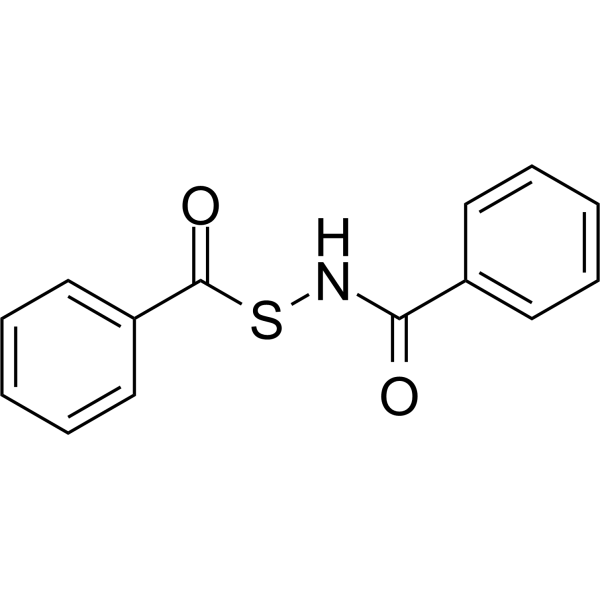
    Trimebutine 3-TCBS (GIC-1001) is an innovative formulation designed to release hydrogen sulfide (H2S) in vivo. This compound combines trimebutine with an H2S-releasing antagonist (phenyl 3-thiocarbamate) and exhibits enhanced anti-nociceptive effects in a mouse colonic distension model, superior to conventional trimebutine. GIC-1001 can reduce visceral pain and discomfort associated with lumen distension in a dose-dependent manner, showing potential superiority .
    Trimebutine (3-TCBS)
  • HY-W103170

    Bacterial Others
    1,8-Dichloroanthraquinone, an anthraquinone, is an inhibitor of sulfide production by sulfate-reducing bacteria .
    1,8-Dichloroanthraquinone
  • HY-107632G

    Apoptosis STAT NF-κB TNF Receptor NO Synthase Interleukin Related COX Cardiovascular Disease Neurological Disease Inflammation/Immunology Cancer
    GYY4137 (GMP) is the GMP-grade version of GYY4137 (HY-107632). Small molecules of GMP grade can be used as adjuvant reagents in cell therapy. GYY4137 (GMP) is a sustained-release H2S donor possessing vasodilatory, antihypertensive, and anti-inflammatory activities. GYY4137 (GMP) can inhibit cell growth, induce apoptosis, and cause cell cycle arrest by blocking the STAT3 pathway, demonstrating potent anticancer activity [2] .
    GYY4137
  • HY-W016715R

    Reference Standards Endogenous Metabolite Metabolic Disease
    L-Cysteine (hydrochloride hydrate) (Standard) is the analytical standard of L-Cysteine (hydrochloride hydrate). This product is intended for research and analytical applications. L-Cysteine hydrochloride hydrate is a conditionally essential amino acid, which acts as a precursor for biologically active molecules such as hydrogen sulphide (H2S), glutathione and taurine. L-Cysteine hydrochloride hydrate suppresses ghrelin and reduces appetite in rodents and humans .
    L-Cysteine hydrochloride hydrate (Standard)

Inquiry Online

Your information is safe with us. * Required Fields.

Salutation


Country or Region *

Applicant Name *


Organization Name *

Department *


Email Address *


Product Name *

Cat. No.


Requested quantity *

Phone Number *


Remarks

Inquiry Online

Inquiry Information

Product Name:
Cat. No.:
Quantity:
MCE Japan Authorized Agent:

