


1. Search Result
Search Result
Results for "

Hemolysis

" in MedChemExpress (MCE) Product Catalog:

47

Inhibitors & Agonists

1

Fluorescent Dyes

5

Peptides

6

Inhibitory Antibodies

10

Natural
Products

Cat. No. Product Name Target Research Areas Chemical Structure
  • HY-127105
    Iptacopan
    Maximum Cited Publications
    13 Publications Verification

    LNP023

    Complement System Metabolic Disease Inflammation/Immunology
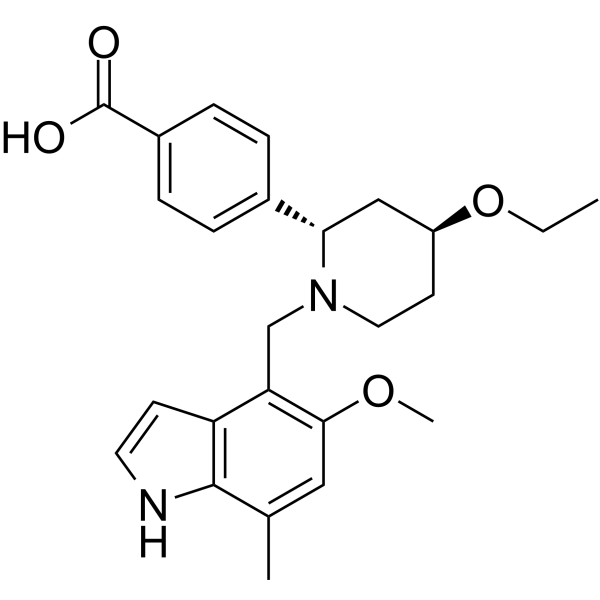
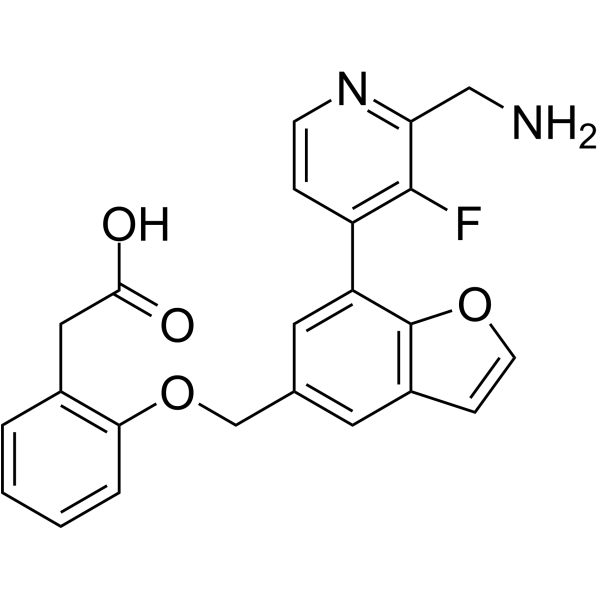
    Iptacopan (LNP023) is an effective and orally-active highly selective factor B inhibitor with an IC50 value of 10 nM and KD of 7.9 nM. Iptacopan exerts a proximal effect in the complement cascade reaction, preventing the destruction (hemolysis) of red blood cells in PNH and the damage of renal cells in IgAN and C3G. Iptacopan can be used for the study of complement-mediated diseases, particularly paroxysmal nocturnal hemoglobinuria (PNH), primary immunoglobulin A nephropathy (IgAN), and complement 3 glomerulopathy (C3G) .
    Iptacopan
  • HY-P9914
    Eculizumab
    4 Publications Verification

    Anti-Human C5, Humanized Antibody; h5G1.1

    Complement System Cardiovascular Disease Neurological Disease
    Eculizumab (Anti-Human C5, Humanized Antibody) is a long-acting humanized monoclonal antibody targeted against complement C5. Eculizumab inhibits the cleavage of C5 into C5a and C5b and inhibits deployment of the terminal complement system including the formation of membrane attack complex (MAC). Eculizumab prevents anti-ganglioside antibody-mediated neuropathy in mice. Eculizumab can be used in hemolysis studies .
    Eculizumab
  • HY-P1902

    Apoptosis Cardiovascular Disease
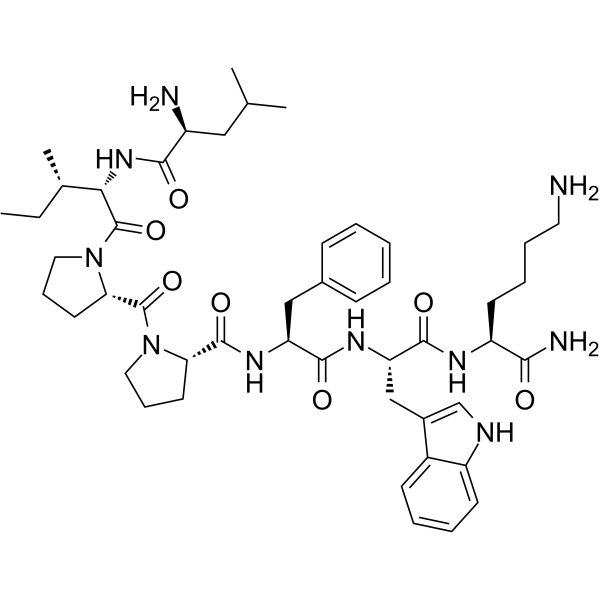
    Cardiotoxin Analog (CTX) IV (6-12) is a membrane active peptide that specifically targets negatively charged phospholipid membranes (such as phosphatidylserine and phosphatidylinositol). Cardiotoxin Analog (CTX) IV (6-12) was discovered in the venom of the Taiwan cobra. Cardiotoxin Analog (CTX) IV (6-12) is a chemically synthesized snake venom cardiotoxin that binds to cell membranes and embeds into lipid bilayers through hydrophobic interactions and electrostatic attraction, thereby destroying the stability of membrane structure. Cardiotoxin Analog (CTX) IV (6-12) can induce membrane lipid disorder and cell lysis, exhibiting hemolysis and cytotoxicity .
    Cardiotoxin Analog (CTX) IV (6-12)
  • HY-Y0525
    AAPH
    2 Publications Verification

    2,2'-Azodiisobutyramidine dihydrochloride

    Reactive Oxygen Species (ROS) Inflammation/Immunology
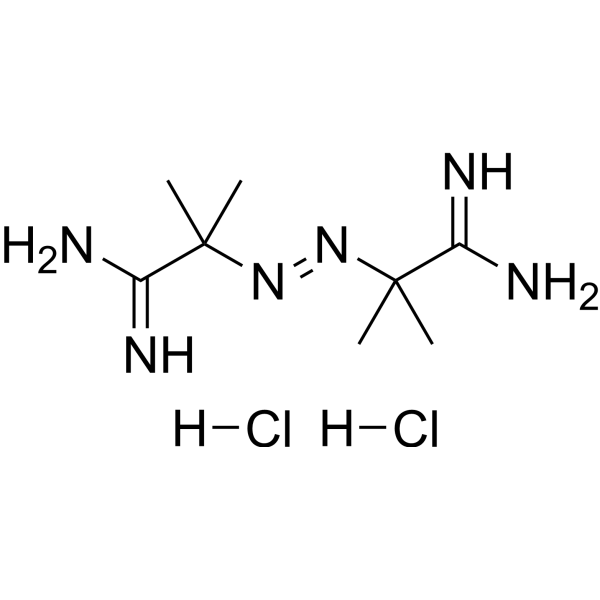
    AAPH (2,2'-Azodiisobutyramidine dihydrochloride) has an effect of radical generation. AAPH induces oxidative stress and erythrocyte hemolysis . AAPH decomposes at 37°C to generate an alkyl radical, is used as an initiator. In the presence of oxygen, these alkyl radicals will be converted to peroxyl radicals that can cause lipid peroxidation and loss of erythrocyte membrane integrity, which could ultimately lead to hemolysis .
    AAPH
  • HY-127105A
    Iptacopan hydrochloride
    Maximum Cited Publications
    13 Publications Verification

    LNP023 hydrochloride

    Complement System Metabolic Disease Inflammation/Immunology
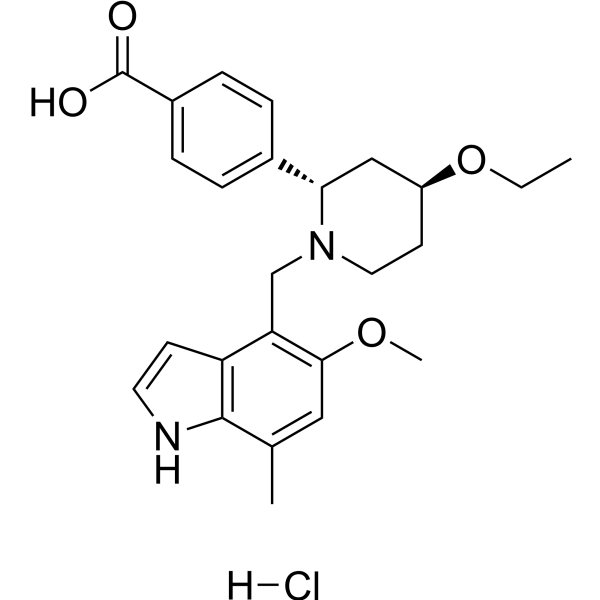
    Iptacopan (LNP023) hydrochloride is an effective and orally-active highly selective factor B inhibitor with an IC50 value of 10 nM and KD of 7.9 nM. Iptacopan hydrochloride exerts a proximal effect in the complement cascade reaction, preventing the destruction (hemolysis) of red blood cells in PNH and the damage of renal cells in IgAN and C3G. Iptacopan hydrochloride can be used for the study of complement-mediated diseases, particularly paroxysmal nocturnal hemoglobinuria (PNH), primary immunoglobulin A nephropathy (IgAN), and complement 3 glomerulopathy (C3G) .
    Iptacopan hydrochloride
  • HY-147297

    BCX9930

    Complement System Inflammation/Immunology
    Pelecopan (BCX9930) is a potent, selective, orally active inhibitor of complement factor D with an IC50 value of 14.3 nM. Pelecopan can target factor D to prevent both intravascular and extravascular hemolysis in PNH. Pelecopan also be used for other alternative pathway (AP) mediated diseases .
    Pelecopan
  • HY-123962
    G6PD activator AG1
    5+ Cited Publications

    NADPH Oxidase Metabolic Disease
    G6PD activator AG1 is a potent and selective glucose-6-phosphate dehydrogenase (G6PD) agonist with an EC50 of 3 μM. G6PD is an oxidoreductase that catalyzes the oxidation of glucose-6-phosphate to 6-phosphogluconolactone and the simultaneous reduction of NAD phosphate (NADP) to reduced NADP (NADPH). G6PD activator AG1 can reduce hemolysis of human erythrocytes .
    G6PD activator AG1
  • HY-P1902A

    Apoptosis Cardiovascular Disease
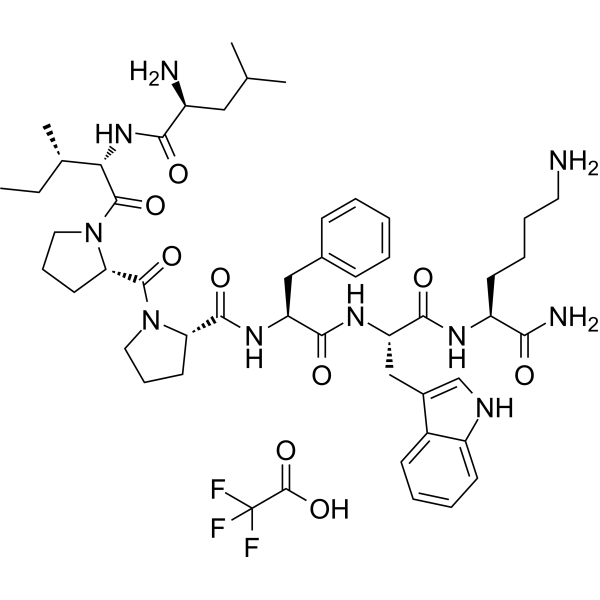
    Cardiotoxin Analog (CTX) IV (6-12) TFA is a membrane active peptide that specifically targets negatively charged phospholipid membranes (such as phosphatidylserine and phosphatidylinositol). Cardiotoxin Analog (CTX) IV (6-12) TFA was discovered in the venom of the Taiwan cobra. Cardiotoxin Analog (CTX) IV (6-12) TFA is a chemically synthesized snake venom cardiotoxin that binds to cell membranes and embeds into lipid bilayers through hydrophobic interactions and electrostatic attraction, thereby destroying the stability of membrane structure. Cardiotoxin Analog (CTX) IV (6-12) TFA can induce membrane lipid disorder and cell lysis, exhibiting hemolysis and cytotoxicity .
    Cardiotoxin Analog (CTX) IV (6-12) TFA
  • HY-P990952

    OMS906

    Ser/Thr Protease Complement System Metabolic Disease Inflammation/Immunology
    Zaltenibart (OMS906) is an IgG4 humanized monoclonal antibody and MASP-3 inhibitor. By inhibiting MASP-3, Zaltenibart achieves upstream inhibition of the alternative complement pathway. MASP-3 is an upstream activator of Factor D (Factor D), a key enzyme in the alternative complement pathway. Zaltenibart prevents both intravascular hemolysis and extravascular hemolysis. Zaltenibart is applicable to research related to paroxysmal nocturnal hemoglobinuria .
    Zaltenibart
  • HY-N2923

    HMG-CoA Reductase (HMGCR) Fungal Infection Cardiovascular Disease Metabolic Disease Inflammation/Immunology
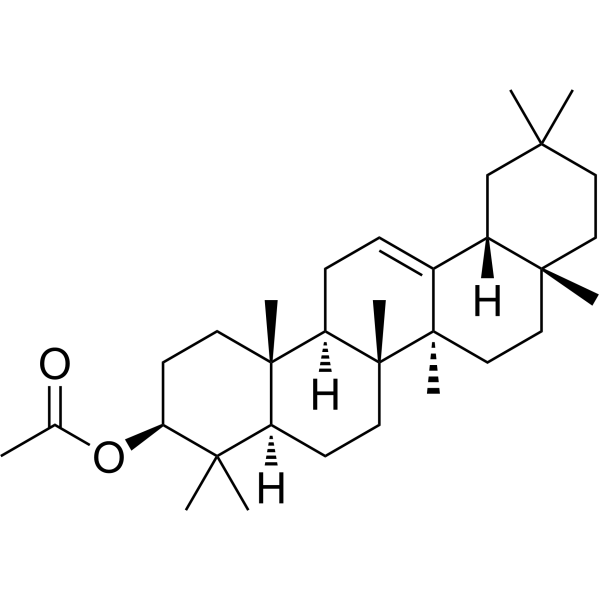
    β-Amyrin acetate is a triterpenoid with potent anti-inflammatory, antifungal, anti-diabetic, anti-hyperlipidemic activities. β-Amyrin acetate can inhibit HMG-CoA reductase activity by locating in the hydrophobic binding cleft of HMG CoA reductase .
    β-Amyrin acetate
  • HY-P99786

    REGN3918

    Complement System Metabolic Disease
    Pozelimab (REGN3918) is a fully human IgG4 anti-C5 monoclonal antibody. Pozelimab binds to C5 and C5 variants with high affinity and blocks complement-mediated hemolysis. Pozelimab can be used for the research of complement-mediated diseases .
    Pozelimab
  • HY-N7692

    Others Others
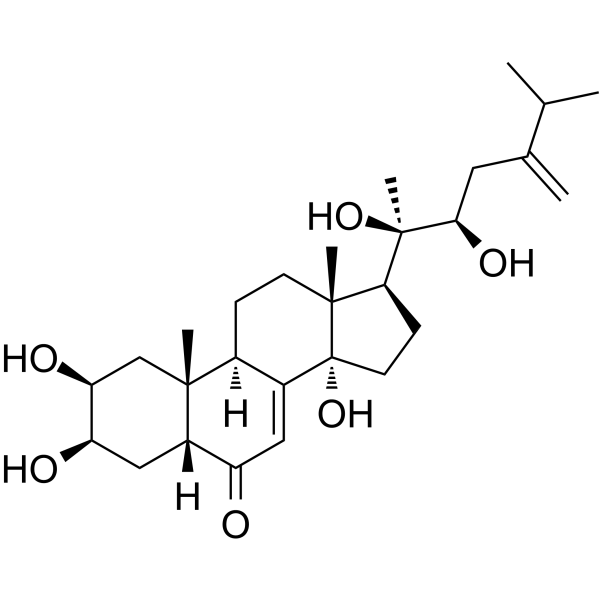
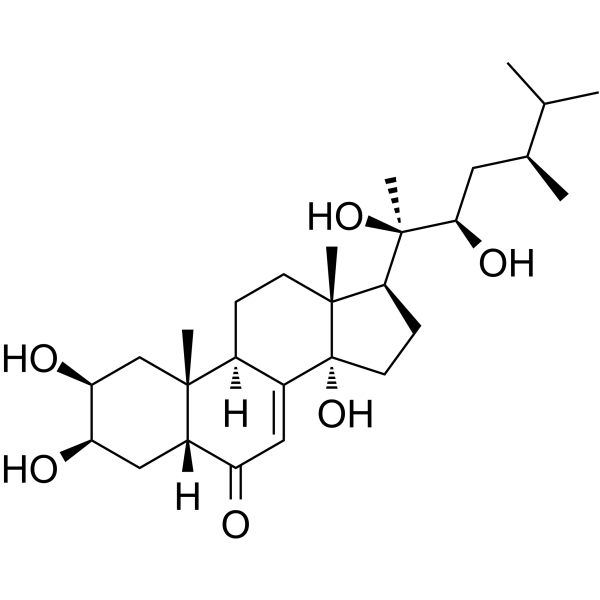
    Polyporusterone A is a triterpene carboxylic acid isolated from Polyporus umbellatus Fries. Polyporusterone A has inhibitory effect on free radical-induced lysis of red blood cells (hemolysis) .
    Polyporusterone A
  • HY-P99720A

    RAP-536

    TGF-beta/Smad Metabolic Disease
    Luspatercept (mIgG2a) (RAP-536) is a fusion protein, consisting of a modified extracellular domain of human ActRIIB linked to the murine IgG2a Fc domain. Luspatercept (mIgG2a) inhibits Smad2/3 signaling, promotes differentiation of late-stage erythroid precursors and mitigates ineffective erythropoiesis (IE) in murine β-thalassemia. Luspatercept (mIgG2a) reduces anemia, α-globin aggregates, hemolysis, and disease complications of IE such as iron overload, splenomegaly, and bone defects .
    Luspatercept (mIgG2a)
  • HY-P2936

    Phospholipase Cardiovascular Disease Infection
    Sphingomyelin phosphodiesterase, Streptomyces sp. is a sphingomyelin phosphodiesterase derived from the genus Streptomyces, which cleaves the phosphodiester bond of sphingomyelin. Sphingomyelin phosphodiesterase, Streptomyces sp. catalyzes the hydrolysis of sphingomyelin in micelles, synthetic substrates, erythrocyte ghost membranes and liposomes, as well as the hydrolysis of the substrate HNP. In the presence of Mg 2+ or Mn 2+ , Sphingomyelin phosphodiesterase, Streptomyces sp. induces hemolysis of bovine erythrocytes through the hydrolysis of membrane sphingomyelin .
    Sphingomyelin phosphodiesterase, Streptomyces sp.
  • HY-N7693
    Polyporusterone B
    1 Publications Verification

    Others Others
    Polyporusterone B is a triterpene carboxylic acid isolated from Polyporus umbellatus Fries. Polyporusterone B has inhibitory effect on free radical-induced lysis of red blood cells (hemolysis) .
    Polyporusterone B
  • HY-N1449

    Others Others
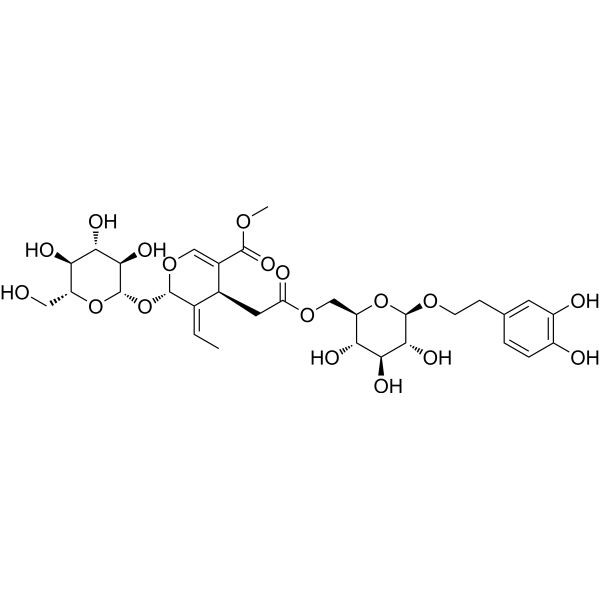
    Neonuezhenide exhibits strong antioxidant effect against hemolysis of red blood cells induced by free radicals .
    Neonuezhenide
  • HY-W026842

    o-Benzoylbenzoic acid

    Drug Derivative Others
    2-Benzoylbenzoic acid is a Benzophenone (HY-Y0546) analog. 2-Benzoylbenzoic acid is non-phototoxic due to the alteration of the functional groups. 2-Benzoylbenzoic acid can be used to study the mechanism of phototoxicit .
    2-Benzoylbenzoic acid
  • HY-P5640

    Bacterial Parasite Infection
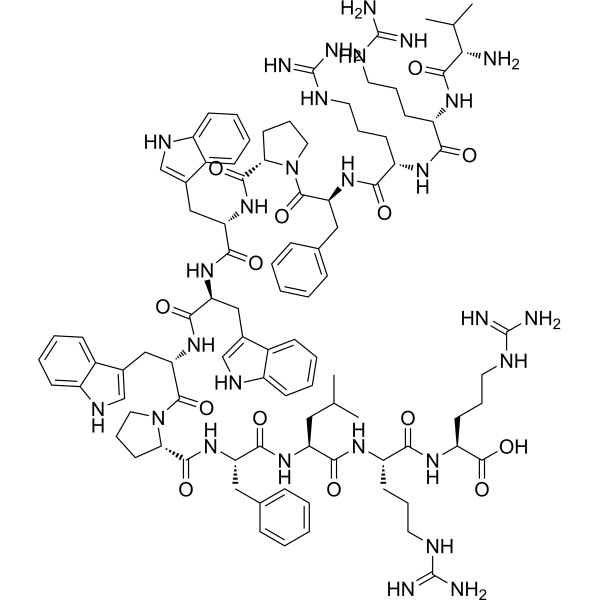
    Tritrpticin is a porcine-derived antimicrobial peptide with properties such as membrane disruption and hemolysis. Tritrpticin disrupts the cell membranes of bacteria, fungi and Jurkat T cell leukemia cells and induces their death. Tritrpticin also enhances the efficacy of Metronidazole (HY-B0318) against *Trichomonas vaginalis*, reduces plasma endotoxin and inflammatory cytokine levels, restricts bacterial growth in blood and visceral tissues, decreases the mortality rate of septic shock in rats and enhances the therapeutic effect of ertapenem. Tritrpticin exhibits selective cytotoxicity against Jurkat T cell leukemia cells, while showing low toxicity to normal peripheral blood mononuclear cells and red blood cells, and can serve as a template for antimicrobial peptide design. Tritrpticin can be applied to research related to bacterial infections, fungal infections, trichomoniasis, septic shock and leukemia .
    Tritrpticin
  • HY-135738

    Drug Intermediate Others
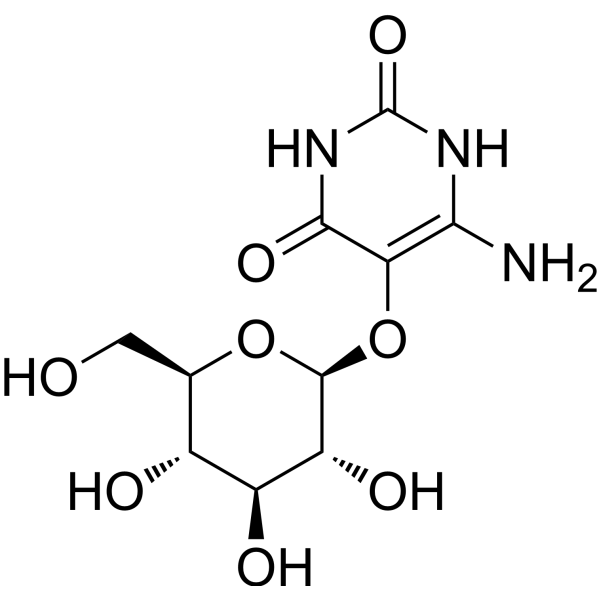
    Convicine is a pyrimidine glycoside. Convicine, as well as Vicine, is the precursor of the aglycones Divicine and Isouramil. Convicine is the main factors of favism, which is a genetic condition leading to severe hemolysis after faba bean ingestion. Convicine can be isolated from the faba bean .
    Convicine
  • HY-177123

    Complement System Inflammation/Immunology
    Refinicopan is a complement factor D inhibitor with an IC50 of 10 nM. Refinicopan inhibits rabbit erythrocyte hemolysis with an IC50 of 41 nM. Refinicopan exhibits excellent pharmacokinetic and pharmacodynamic activity .
    Refinicopan
  • HY-200854

    LNP023 hydrochloride hydrate

    Complement System Metabolic Disease Inflammation/Immunology
    Iptacopan (LNP023) hydrochloride hydrate is an effective and orally-active highly selective factor B inhibitor with an IC50 value of 10 nM and KD of 7.9 nM. Iptacopan hydrochloride hydrate exerts a proximal effect in the complement cascade reaction, preventing the destruction (hemolysis) of red blood cells in PNH and the damage of renal cells in IgAN and C3G. Iptacopan hydrochloride hydrate can be used for the study of complement-mediated diseases, particularly paroxysmal nocturnal hemoglobinuria (PNH), primary immunoglobulin A nephropathy (IgAN), and complement 3 glomerulopathy (C3G) .
    Iptacopan hydrochloride hydrate
  • HY-178476

    Bacterial Reactive Oxygen Species (ROS) Infection
    Anti-MRSA agent 36 (Compound III13) is an antibacterial agent with strong anti MRSA activity (MIC = 1 μg/mL). Anti-MRSA agent 36 targets phosphatidylglycerol (PG) on bacterial membranes, disrupting membrane integrity, leading to DNA leakage and increased ROS. Anti-MRSA agent 36 has advantages such as low cytotoxicity, low hemolysis, difficulty in inducing drug resistance, and good plasma stability. Anti-MRSA agent 36 can be used for the study of skin abscess and systemic infection models .
    Anti-MRSA agent 36
  • HY-178949

    Antibiotic Bacterial DNA/RNA Synthesis Infection
    MRSA antibiotic 3 (Compound C8) is a small-molecule antibiotic active against Methicillin (HY-121544)-resistant Staphylococcus aureus (MRSA), showing a MIC of 0.5 μg/mL against the standard S. aureus strain (ATCC 29213). MRSA antibiotic 3 potently inhibits the ATPase activity of S. aureus DNA gyrase with an IC50 of 0.32 μM. MRSA antibiotic 3 exhibits strong inhibitory activity against five clinical MRSA isolates, with MIC values ranging from 0.5 to 1 μg/mL. MRSA antibiotic 3 demonstrates negligible cytotoxicity at effective antibacterial concentrations and causes no hemolysis in erythrocytes even at extremely high concentrations. MRSA antibiotic 3 shows significant protective effects in both Galleria mellonella infection and murine sepsis models .
    MRSA antibiotic 3
  • HY-162113

    Bacterial Infection
    Antibacterial agent 174 (Compound 5g) is a antibacterial agent. Antibacterial agent 174 has potent anti-infective potential in vivo and appreciable pharmacokinetic profiles. Highly active antibacterial agent 174 has favorable biofilm removal performance, low hemolysis and acceptable mammalian cell toxicity .
    Antibacterial agent 174
  • HY-115731

    Desmethyltocopherol; DL-Tocol; rac-Tocol

    Endogenous Metabolite Metabolic Disease
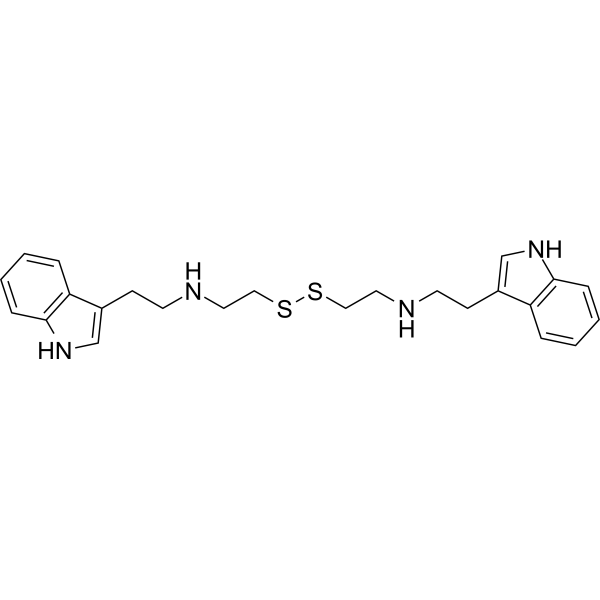
    (±)-Tocol is a synthetic vitamin E derivative.nlike (±)-α-tocopherol, (±)-tocol does not suppress retinol-induced erythrocyte hemolysis or increase microviscosity of rat liver phosphatidylcholine (PC) liposomes.
    Tocol
  • HY-120690

    Influenza Virus Infection
    RO5464466 is an hemagglutinin (HA) inhibitor of influenza H1N1 viruses. RO5464466 inhibits HA-mediated hemolysis of chicken erythrocytes with the IC50 of 0.29 μM .
    RO5464466
  • HY-172962

    DNA/RNA Synthesis Bacterial Infection
    DNA Gyrase-IN-17 (Compound 5C) is a DNA Gyrase inhibitor. DNA Gyrase-IN-17 exhibits significant antibacterial activity against a variety of Gram-positive and Gram-negative strains (such as Enterococcus faecalis, Escherichia coli, Pseudomonas aeruginosa, etc.), with a MIC value of 62.5 μg/mL. DNA Gyrase-IN-17 interferes with DNA replication by inhibiting bacterial DNA gyrase. DNA Gyrase-IN-17 can be used in the development of antibacterial drugs, especially for the study of drug-resistant strains .
    DNA Gyrase-IN-17
  • HY-N1947

    Others Others
    Ligurobustoside N (compound 2) is an antioxidative glycoside that can be isolated from the Leaves of Ligustrum robustum. Ligurobustoside N shows antioxidant effects and shows inhibition for AAPH (HY-Y0525) induced hemolysis .
    Ligurobustoside N
  • HY-23193

    Influenza Virus Infection
    BMS-199945 is a influenza virus fusion inhibitor with the IC50 values of 0.57 μM and approximately 1 μM aganist influenza A/WSN/33 virus-induced hemolysis of chicken RBC and in the trypsin protection assay, respectively .
    BMS-199945
  • HY-151442

    Fungal Infection
    Antifungal agent 43 (compound B05) is an antifungal agent. Antifungal agents 43 has antifungal activity by inhibiting biofilm formation. Antifungal agent 43 has low toxicity in human cancer cell lines .
    Antifungal agent 43
  • HY-151440

    Fungal Infection
    Antifungal agent 42 is an antifungal agent. Antifungal agent 42 has an inhibitory effect on lanosterol 14α-demethylase (CYP51) of C.alb.. Antifungal agent 42 inhibits biofilm formation .
    Antifungal agent 42
  • HY-151437

    Fungal Infection
    Antifungal agent 40 is an antifungal agent which extends into the narrow hydrophobic pocket II of C.alb. CYP51. Antifungal agent 40 has an inhibitory effect on lanosterol 14α-demethylase (CYP51). Antifungal agent 40 inhibits biofilm formation .
    Antifungal agent 40
  • HY-D2988

    Fluorescent Dye Bacterial Infection
    BIN-3 is a novel near-infrared fluorescent probe. BIN-3 has excellent biocompatibility, no cytotoxicity, and no hemolysis. BIN-3 can be used for highly sensitive and selective imaging of drug-resistant bacterial infections expressing β-lactam enzymes in live mice .
    BIN-3
  • HY-161893

    Bacterial Infection
    Anti-MRSA agent 15 (Compound 9o10) exhibits antibacterial activity, that inhibits methicillin-resistant Staphylococcus aureus (MRSA) with a MIC of 0.0625 μg/mL. Anti-MRSA agent 15 exhibits low hemolysis and low cytotoxicity. Anti-MRSA agent 15 exhibits anti-infective in mice .
    Anti-MRSA agent 15
  • HY-N7576

    Others Cardiovascular Disease
    Anemarrhenasaponin Ia is a steroidal saponin that can be isolated from the rhizomes of Anemarrhena asphodeloides Bunge. Anemarrhenasaponin Ia inhibits platelet aggregation. Anemarrhenasaponin Ia induces mild concentration-dependent hemolysis. Anemarrhenasaponin Ia inhibits fMLP- and AA-induced superoxide anion production, while enhancing PMA-induced superoxide anion production. Anemarrhenasaponin Ia can be used in studies related to thrombosis .
    Anemarrhenasaponin Ia
  • HY-170650

    Phospholipase Cholinesterase (ChE) Bacterial Infection Inflammation/Immunology
    SMase-IN-1 (Compound 4) is a bacterial sphingomyelinase enzyme (SMase) inhibitor (IC50 value for B. cereus SMase is 6.43 µM). SMase-IN-1 also inhibits eqBuChE (59.50% inhibition rate at 50 µM concentration). SMase-IN-1 forms a complex with Cu 2+ in biometal interactions. SMase-IN-1 reduces B. cereus-induced hemolysis on sheep erythrocytes .
    SMase-IN-1
  • HY-134082A

    Phospholipase Inflammation/Immunology
    (Z)-Oleyloxyethyl phosphorylcholine ((Z)-OPC) is an isomer of Oleyloxyethyl phosphorylcholine (OPC). Oleyloxyethyl phosphorylcholine is an inhibitor of secreted Phospholipase A2 (sPLA2), which is involved in the biosynthesis of proinflammatory lipid media. Oleyloxyethyl phosphorylcholine can be used to study inflammatory diseases. Oleyloxyethyl phosphorylcholine also modified the red blood membrane and was used to bind the oxygen-carrying liquid perfluorocarbons as an antivenom agent to reduce toxin-induced hemolysis .
    (Z)-Oleyloxyethyl phosphorylcholine
  • HY-P10540

    Bacterial Infection
    Pantinin-2 is a cysteine-free toxic peptide found in the emperor scorpion (paninus imperator). Pantinin-2 has high activity against Gram-positive bacteria but weak activity against Gram-negative bacteria. Pantinin-2 also exhibits activity against Candida tropicalis and has relatively mild hemolytic activity against human erythrocytes. Pantinin-2 can be used in the development of antimicrobial drugs for drug-resistant pathogens .
    Pantinin-2
  • HY-179038

    Bacterial Infection
    PYO12 is a 3-phenyl-4-phenoxypyrazole type antibacterial compound. PYO12 exhibits selective activity against Gram-positive bacteria with MIC for S. aureus, B. subtilis, S. pneumoniae, and MRSA of 1, 1, 1, and 4 μg/mL respectively. PYO12 has no activity against Gram-negative bacteria. PYO12 can significantly increase bacterial membrane permeability and significantly upregulate cell wall stress-related genes, possibly by binding to the C55-PP part of lipid II. PYO12 shows a concentration-dependent bactericidal effect, has low toxicity to mammalian cells, and does not cause hemolysis. PYO12 can be used to develop new antibiotics targeting bacterial cell wall synthesis .
    PYO12
  • HY-151292

    DNA/RNA Synthesis Cancer
    Antitumor agent-74 (compound 13da) is a quinoxalines derivative, an antitumor agent. Antitumor agent-74 exhibits more potent efficacy on tumor inhibition, mixed with regioisomer Antitumor agent-75(HY-151295, compound 14 da) (mriBIQ 13da/14da). mriBIQ 13da/14da attests cell cycle at S phase, inhibits DNA synthesis, and induces mithochondrial apoptosis .
    Antitumor agent-74
  • HY-N12630

    Mycosporine-Gly

    Mitochondrial Metabolism Bacterial Others
    Mycosporine glycine (Mycosporine-Gly) is a potent singlet oxygen quencher. Mycosporine glycine can effectively suppress various detrimental effects of the Type-II photosensitization in biological systems, such as inactivation of mitochondrial electron transport, lipid peroxidation of microsomes, hemolysis of erythrocytes and growth inhibition of E.coli. Mycosporine glycine can be used for protecting marine organisms against sunlight damage .
    Mycosporine glycine
  • HY-P991022

    NM8074

    Complement System Endocrinology
    Ruxoprubart (NM8074) is an inhibitor of complement factor B (Bb subunit). Ruxoprubart selectively binds to active Bb to inhibit the alternative complement pathway without affecting the classical complement pathway. By blocking the activities of AP C3 and C5 convertases, Ruxoprubart effectively inhibits red blood cell hemolysis and reduces C3b deposition, thereby preventing intravascular and extravascular hemolysis. Ruxoprubart can be used in research related to paroxysmal nocturnal hemoglobinuria, atypical hemolytic uremic syndrome, C3 glomerulopathy, and IgA nephropathy .
    Ruxoprubart
  • HY-P11120

    Bacterial Infection
    NA-CATH is an antibacterial peptide with effective antibacterial activity against Francisella novicida (EC50 = 1.54 µg/mL). NA-CATH does not cause significant hemolysis at a concentration of 100 µg/mL. NA-CATH is commonly used in the study of bacterial infections .
    NA-CATH
  • HY-181677

    Bacterial Reactive Oxygen Species (ROS) Lactate Dehydrogenase Infection
    Antibacterial agent 325 is an antibacterial agent. Antibacterial agent 325 exerts potent broad-spectrum antibacterial activity and shows bactericidal activity. Antibacterial agent induces membrane depolarization, disrupts the membrane integrity, increasess ROS production and lipid peroxidation levels. Antibacterial agent 325 inhibits the metabolic activity and Lactate Dehydrogenase (LDH) activity. Antibacterial agent 325 exhibits low drug resistance development in bacteria, low hemolysis and cytotoxicity. Antibacterial agent 325 can be used for the research of bacterial infection .
    Antibacterial agent 325
  • HY-127105B

    LNP023 TFA

    Complement System Metabolic Disease Inflammation/Immunology
    Iptacopan (LNP023) TFA is an effective and orally-active highly selective factor B inhibitor with an IC50 value of 10 nM and KD of 7.9 nM. Iptacopan TFA exerts a proximal effect in the complement cascade reaction, preventing the destruction (hemolysis) of red blood cells in PNH and the damage of renal cells in IgAN and C3G. Iptacopan TFA can be used for the study of complement-mediated diseases, particularly paroxysmal nocturnal hemoglobinuria (PNH), primary immunoglobulin A nephropathy (IgAN), and complement 3 glomerulopathy (C3G) .
    Iptacopan TFA
  • HY-P992456

    Complement System Cardiovascular Disease Endocrinology
    SAR-443809 is a selective alternative complement system inhibitor and monoclonal antibody targeting complement factor Bb. SAR-443809 blocks the cleavage of C3 and factor B by selectively binding to the activated form of factor Bb, with a KD of 7.3 nM for human factor Bb. SAR-443809 inhibits the amplification loop of the alternative complement pathway and C3 activation, reduces C3b deposition, and blocks the activation of pathways associated with intravascular and extravascular hemolysis. SAR-443809 can be used for the research of hematological and renal disorders mediated by abnormal alternative complement pathway .
    SAR-443809
  • HY-183764

    COX Lipoxygenase TNF Receptor Interleukin Related MMP Inflammation/Immunology
    COX-2/5-LOX-IN-8 is an orally active dual COX-2/5-LOX inhibitor, with an IC50 of 6.30 μM against sheep-derived COX-2 and an IC50 of 8.09 μM against 5-LOX. COX-2/5-LOX-IN-8 acts as a membrane stabilizer that stabilizes erythrocyte membranes against hypotonicity-induced hemolysis. COX-2/5-LOX-IN-8 functions as a protein stabilizer that inhibits heat-induced denaturation of bovine serum albumin. COX-2/5-LOX-IN-8 reduces paw swelling, improves hind limb weight-bearing function, decreases serum levels of pro-inflammatory cytokines (TNF-α, IL-1β, IL-6, CRP), and lowers serum levels of cartilage degradation biomarkers (COMP, MMP-3, CTX-II). COX-2/5-LOX-IN-8 can be used in the research of osteoarthritis .
    COX-2/5-LOX-IN-8

Inquiry Online

Your information is safe with us. * Required Fields.

Salutation


Country or Region *

Applicant Name *


Organization Name *

Department *


Email Address *


Product Name *

Cat. No.


Requested quantity *

Phone Number *


Remarks

Inquiry Online

Inquiry Information

Product Name:
Cat. No.:
Quantity:
MCE Japan Authorized Agent:

