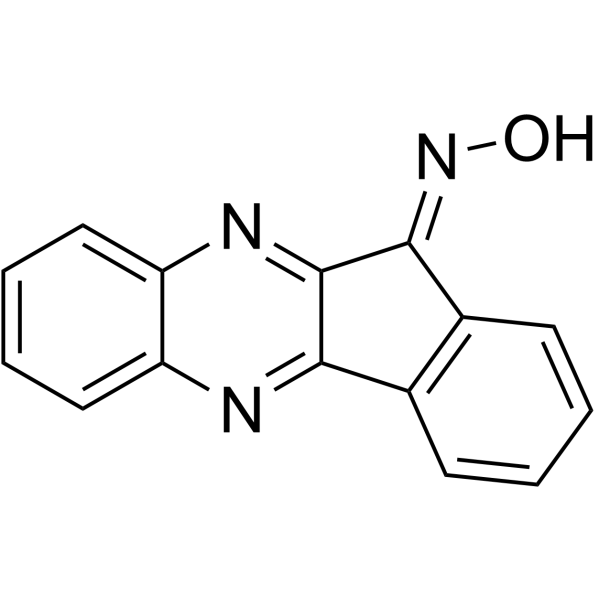
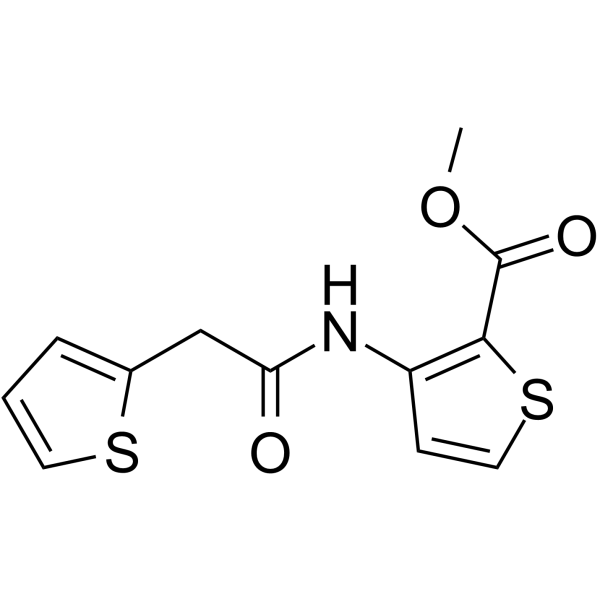
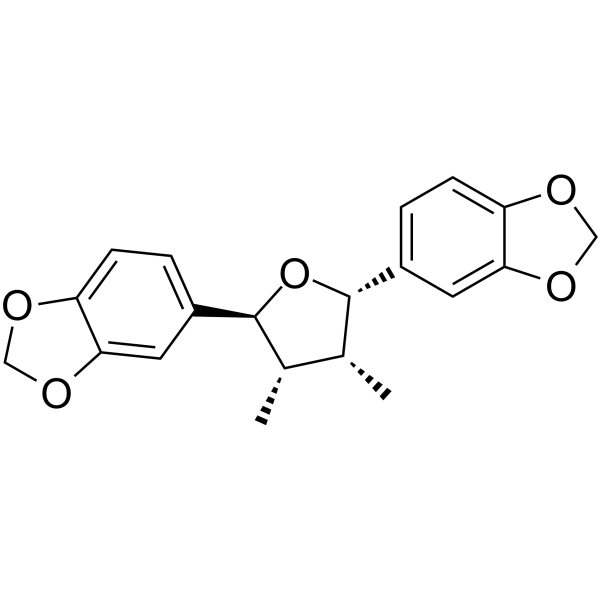
1. Search Result
Search Result
Isoforms Recommended: JNK1
Results for "

JNK1

" in MedChemExpress (MCE) Product Catalog:

91

Inhibitors & Agonists

2

Fluorescent Dye

2

Biochemical Assay Reagents

3

Peptides

13

Natural
Products

5

Recombinant Proteins

1

Isotope-Labeled Compounds

12

Antibodies

2

Oligonucleotides

2

GMP Molecules

Targets Recommended:
Cat. No. Product Name Target Research Areas Chemical Structure
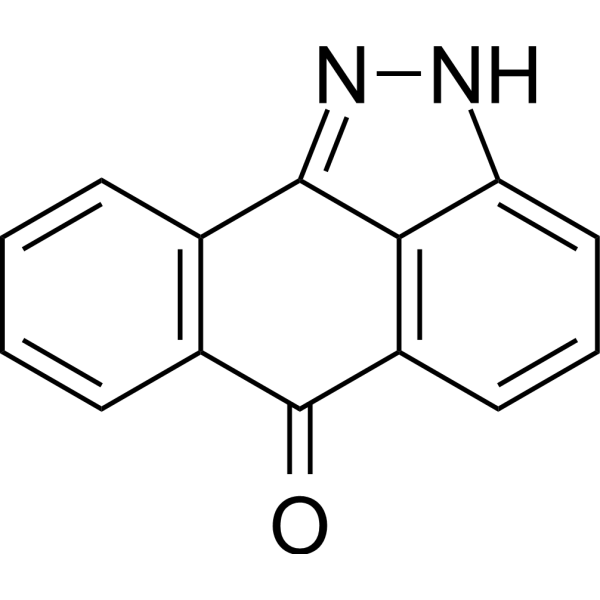
  • HY-12041
    SP600125
    Maximum Cited Publications
    584 Publications Verification

    JNK Autophagy Apoptosis Ferroptosis Cancer
    SP600125 is an orally active, reversible, and ATP-competitive JNK inhibitor with IC50s of 40, 40 and 90 nM for JNK1, JNK2 and JNK3, respectively. SP600125 is a potent ferroptosis inhibitor. SP600125 induces the transformation of bladder cancer cells from autophagy to apoptosis [1] .
    SP600125
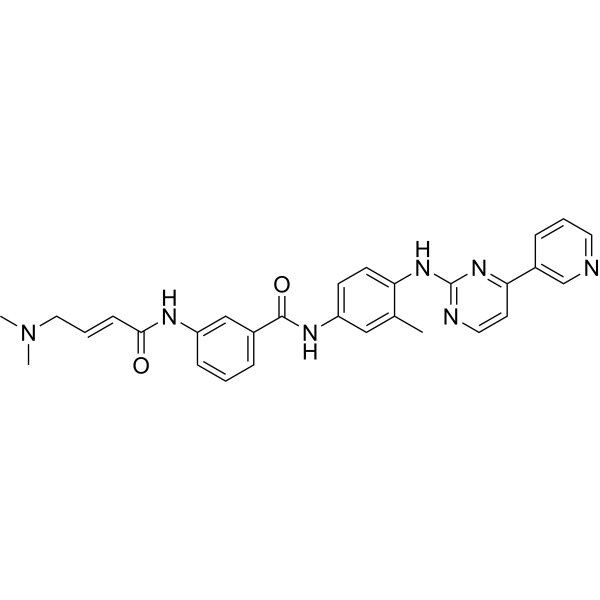
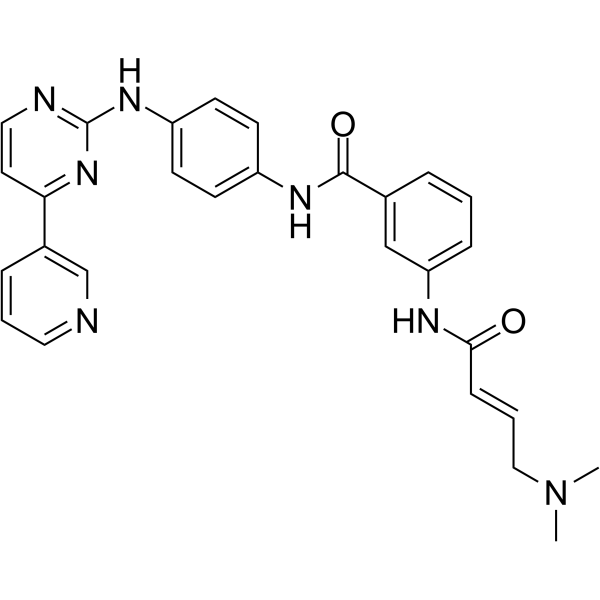
  • HY-13319
    JNK-IN-8
    55+ Cited Publications

    JNK Inhibitor XVI

    JNK Cancer
    JNK-IN-8 (JNK Inhibitor XVI) is a potent JNK inhibitor with IC50s of 4.7 nM, 18.7 nM, and 1 nM for JNK1, JNK2, and JNK3, respectively [1].
    JNK-IN-8
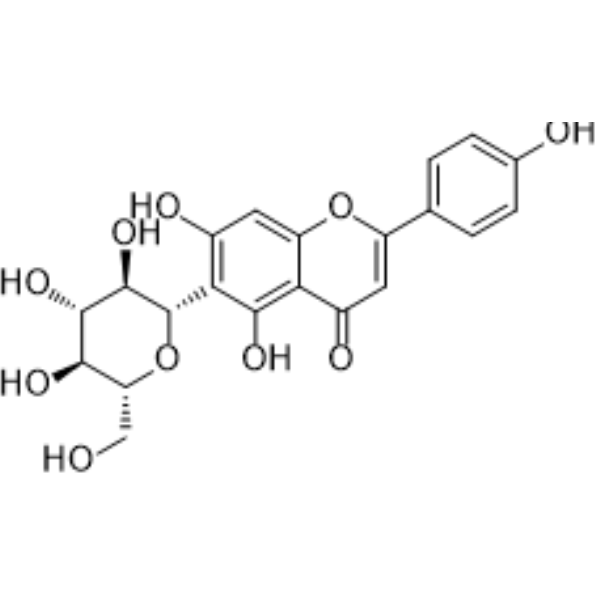
  • HY-N0773
    Isovitexin
    Maximum Cited Publications
    6 Publications Verification

    Saponaretin; Homovitexin

    JNK NF-κB Inflammation/Immunology
    Isovitexin is a flavonoid isolated from passion flower, Cannabis and, and the palm, possesses anti-inflammatory and anti-oxidant activities; Isovitexin acts like a JNK1/2 inhibitor and inhibits the activation of NF-κB.
    Isovitexin
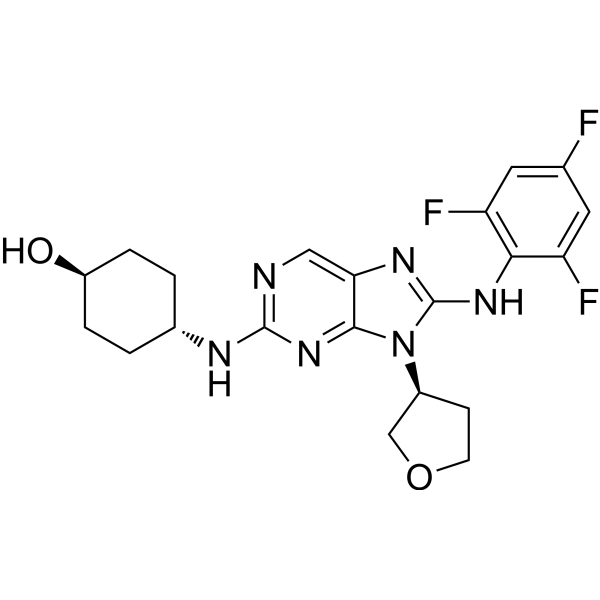
  • HY-152860

    HRX-0215

    p38 MAPK JNK NF-κB MDM-2/p53 Cancer
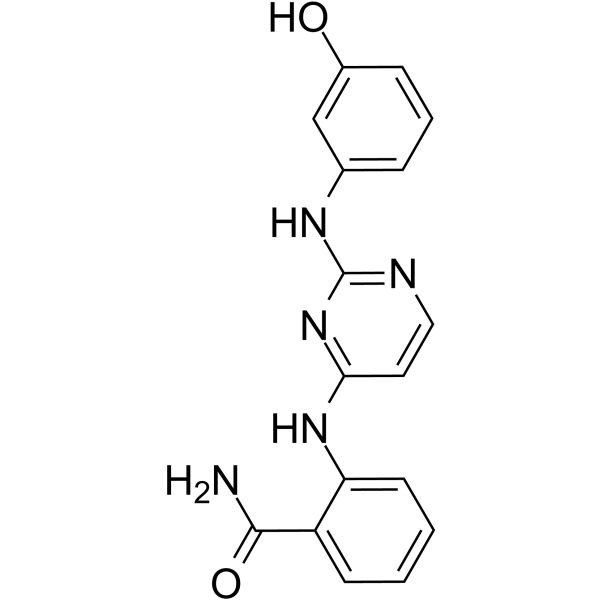
    Darizmetinib (HRX-0215) is an orally active, potent and selective inhibitor of mitogen-activated protein kinase kinase 4 (MKK4). Darizmetinib leads to enhancement of the MKK7 and JNK1 signaling pathways, thereby activating the transcription factors ATF2 and ELK1, promoting cell proliferation and liver regeneration. Darizmetinib is promising for research of preventing liver failure after extensive oncological liver resections or transplantation of small liver grafts [1] .
    Darizmetinib
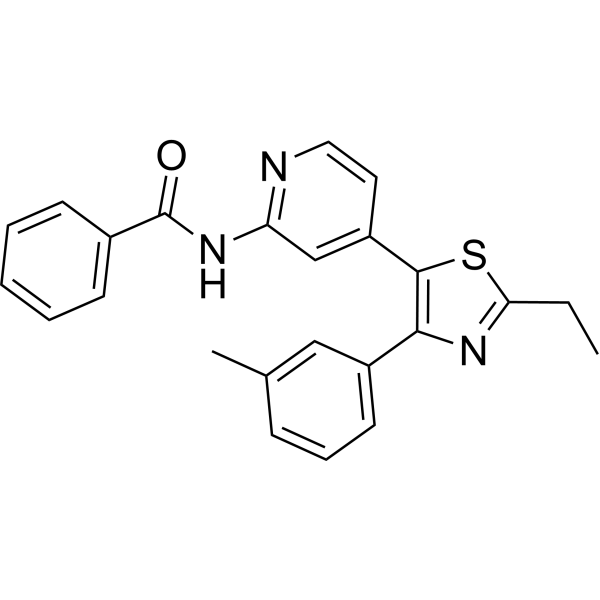
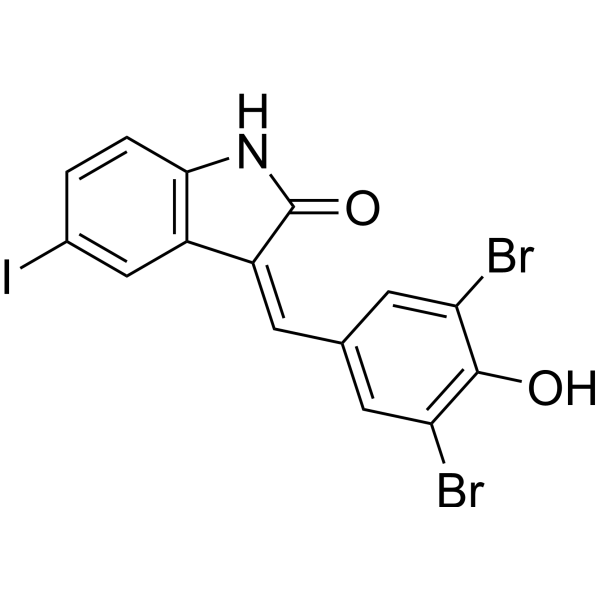
  • HY-10542
    GW 5074
    5+ Cited Publications

    Raf Apoptosis Cancer
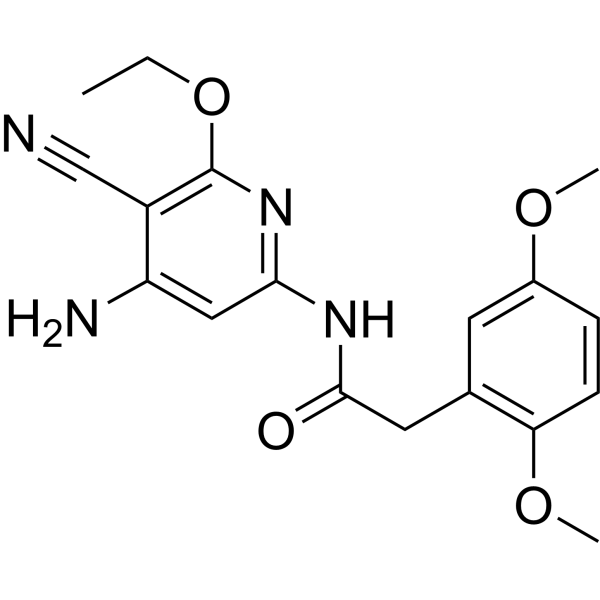
    GW 5074 is a potent and selective c-Raf inhibitor with IC50 of 9 nM, and has no effect on the activities of JNK1/2/3, MEK1, MKK6/7, CDK1/2, c-Src, p38 MAP, VEGFR2 or c-Fms [1] .
    GW 5074
  • HY-10456
    TAK-715
    10+ Cited Publications

    p38 MAPK Casein Kinase Wnt Inflammation/Immunology
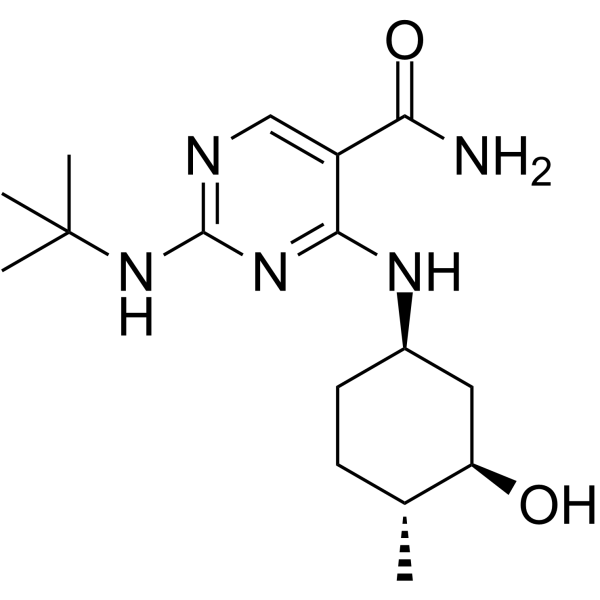
    TAK-715 is an orally active and potent p38 MAPK inhibitor with IC50s of 7.1 nM, 200 nM for p38α and p38β, respectively. TAK-715 inhibits casein kinase I (CK1δ/ε) to regulate activation of Wnt/β-catenin signaling. TAK-715 shows good significant efficacy in a rat arthritis model [1] .
    TAK-715
  • HY-107598
    JNK Inhibitor VIII
    3 Publications Verification

    TCS JNK 6o

    JNK Cancer
    JNK Inhibitor VIII (TCS JNK 6o) is a c-Jun N-terminal kinases (JNK-1, -2, and -3) inhibitor with Ki values of 2 nM, 4 nM, 52 nM, respectively, and has IC50 values of 45 nM and 160 nM for JNK-1 and -2, respectively [1].
    JNK Inhibitor VIII
  • HY-138304
    CC-90001
    3 Publications Verification

    JNK Inflammation/Immunology
    CC-90001 is a potent, selective and orally active inhibitor of c-Jun N-terminal kinase (JNK). CC-90001 shows 12.9-fold selectivity for JNK1 over JNK2 in a cell-based model. CC-90001 can be used for the research of idiopathic pulmonary fibrosis [1] .
    CC-90001
  • HY-14761
    Bentamapimod
    10+ Cited Publications

    AS 602801

    JNK Cancer
    Bentamapimod (AS 602801) is an ATP-competitive JNK inhibitor with IC50 of 80 nM, 90 nM, and 230 nM for JNK1, JNK2, and JNK3, respectively.
    Bentamapimod
  • HY-15495
    Tanzisertib
    10+ Cited Publications

    CC-930

    JNK Inflammation/Immunology
    Tanzisertib (CC-930) is a potent JNK1/2/3 inhibitor with IC50s of 61/7/6 nM, respectively.
    Tanzisertib
  • HY-15617
    JNK-IN-7
    5+ Cited Publications

    JNK inhibitor

    JNK Cancer
    JNK-IN-7 is a potent JNK inhibitor with IC50 of 1.5, 2 and 0.7 nM for JNK1, JNK2 and JNK3, respectively.
    JNK-IN-7
  • HY-10520
    CGP 57380
    3 Publications Verification

    MNK Apoptosis Cancer
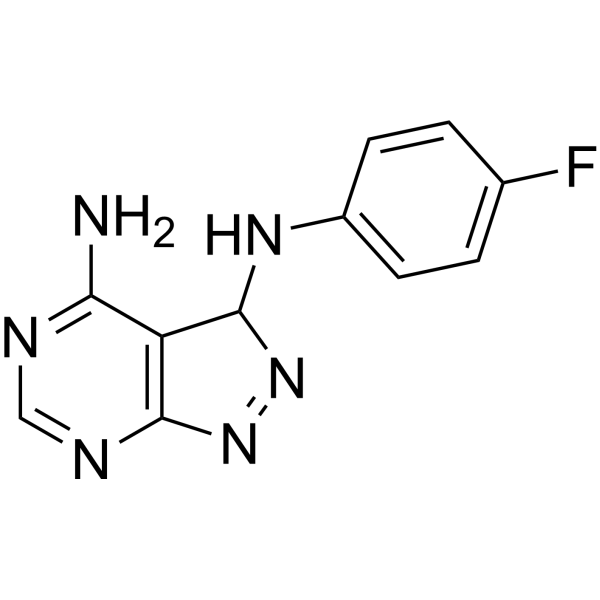
    CGP 57380 is a cell-permeable pyrazolo-pyrimidine compound that acts as a selective inhibitor of Mnk1 with IC50 of 2.2 μM, but has no inhibitory activity against p38, JNK1, ERK1/2, PKC, or Src-like kinases.
    CGP 57380
  • HY-100115
    TA-02
    2 Publications Verification

    p38 MAPK Autophagy Cardiovascular Disease Inflammation/Immunology Cancer
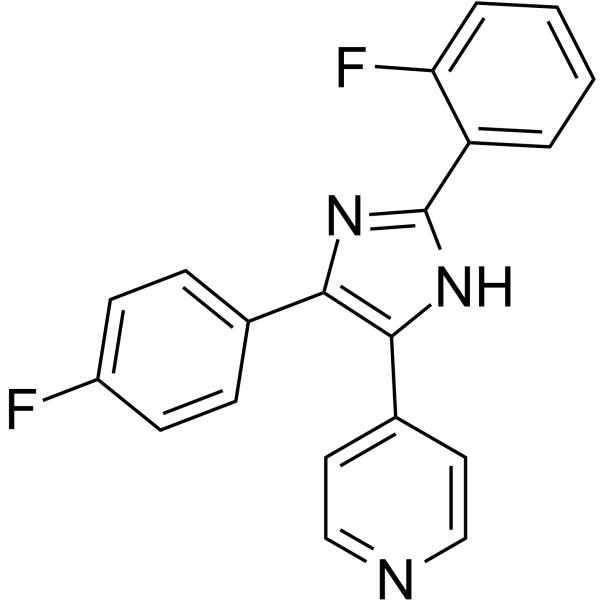
    TA-02, an analog of SB 203580 (HY-10256), is a p38 MAPK inhibitor with an IC50 of 20 nM. TA-02 especially inhibits TGFBR-2. TA-02 exhibits similar cardiogenic properties as SB 203580 and SB 202190 (HY-10295) [1].
    TA-02
  • HY-10412

    KT7515

    JNK Mixed Lineage Kinase MDM-2/p53 Neurological Disease
    CEP-1347 is an inhibitor of the JNK/SAPK pathway with neuroprotective effects. CEP-1347 blocks JNK1 activation induced by members of the mixed lineage kinase (MLK) family (MLK3, MLK2, MLK1, dual leucine zipper kinase, and leucine zipper kinase). As an inhibitor of MDM4, CEP-1347 can more effectively inhibit the growth of glioma cells expressing wild-type p53 [1] .
    CEP-1347
  • HY-139254

    IDR3O; I3O

    CDK GSK-3 JNK Wnt Neurological Disease
    Indirubin-3′-oxime (IDR3O), a synthetic derivative of indirubin, is a potent inhibitor of cyclin-dependent kinases (CDKs) and glycogen synthase kinase 3β (GSK3β). Indirubin-3′-oxime directly inhibits the activity of all three isoforms of JNK (JNK1, JNK2, and JNK3), with IC50s of 0.8 μM, 1.4 μM, and 1.0 μM, respectively. Indirubin-3′-oxime can enhance height growth via activation of Wnt/β-catenin signaling in chondrocytes [1] .
    Indirubin-3′-oxime
  • HY-15737
    DB07268
    5+ Cited Publications

    JNK Cancer
    DB07268 is a potent and selective JNK1 inhibitor with an IC50 value of 9 nM.
    DB07268
  • HY-W040128

    Antibiotic Autophagy JNK Bcl-2 Family Infection
    Kanamycins sulfate is a blood-brain barrier-permeable JNK1 and Bcl-2 modulator as well as an antibiotic, with broad-spectrum antibacterial, and biofilm-inhibiting activities, and it induces autophagy. Kanamycins sulfate promotes Bcl-2 phosphorylation to upregulate autophagy levels, triggering changes such as mitochondrial swelling and endoplasmic reticulum expansion. Consequently, it causes reversible neuronal damage in the dorsal cochlear nucleus without inducing significant neuronal apoptosis. In the presence of exogenous alanine or glucose, Kanamycins sulfate effectively kills drug-resistant bacteria, restores drug sensitivity of multidrug-resistant bacteria, and alleviates urinary tract and kidney infections in mice. Kanamycins sulfate can be applied to scientific research related to Mycobacterium tuberculosis, salmonellosis, brucellosis, shigellosis, urinary tract infections, and reversible neurotoxicity [1] .
    Kanamycins sulfate
  • HY-N6857

    AP-1 NF-κB p38 MAPK ERK JNK Neurological Disease Metabolic Disease Inflammation/Immunology Cancer
    Armepavine, found in Nelumbo nucifera, is an orally active NF-κB inhibitor. Armepavine attenuates expression of p-p65, α-SMA, p-JNK1/2, p-ERK1/2, p-p38α stimulated by TNF-α and LPS. Armepavine suppresses NF-κB nuclear translocation, IκBα phosphorylation, and collagen deposition. Armepavine can be used for the research of hepatic fibrosis and leukemia [1] .
    Armepavine
  • HY-13275

    IRAK Inflammation/Immunology
    IRAK inhibitor 1 is a potent IRAK-4 inhibitor with IC50 of 216 nM, is poorly active against JNK-1 and JNK-2 with IC50 of 3.801 μM, and >10 μM, respectively.
    IRAK inhibitor 1
  • HY-113041

    PGA2; Medullin

    Apoptosis Caspase PARP ERK MDM-2/p53 JNK HSV Infection Cancer
    Prostaglandin A2 (PGA2) is a Cyclopentenone prostaglandin. Prostaglandin A2 induces Caspase-dependent Apoptosis, activates p53. Prostaglandin A2 activates ERK2 and JNK1/SAPK. Prostaglandin A2 shows antiviral activity against HSV-1. Prostaglandin A2 has anti-tumor effects. Prostaglandin A2 can be used for the research of colorectal cancer, colorectal carcinoma, breast carcinoma, and herpetic keratitis [1] .
    Prostaglandin A2
  • HY-12829
    SR-3306
    1 Publications Verification

    JNK Neurological Disease Metabolic Disease Inflammation/Immunology
    SR-3306 is a brain-penetrant and selective pan-JNK (JNK1/2/3) inhibitor. SR-3306 is a neuroprotective agent that can be used for the study of Parkinson's disease, ischemia/reperfusion (I/R) injury and obesity [1] .
    SR-3306
  • HY-10851

    JNK Reactive Oxygen Species (ROS) Neurological Disease
    JNK-9L (Compound 9l) is a BBB-penetrable and ATP-competitive JNK inhibitor with IC50s of 0.099 and 0.148  μM for JNK1 and JNK3, respectively. JNK-9L significantly inhibits c-jun phosphorylation and Streptozotocin (HY-13753)-induced ROS generation with an IC50 of 0.8  nM. JNK-9L can be used for neurodegenerative disorders like Parkinson’s disease research [1].
    JNK-9L
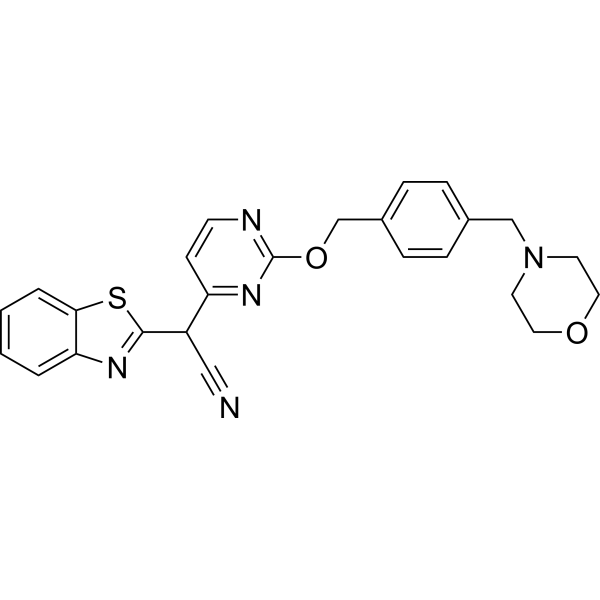
  • HY-151929

    JNK Neurological Disease
    JNK3 inhibitor-4 is a potent and BBB-permeable inhibitor of JNK3 (IC50=1.0 nM) based on 2-aryl-1-pyrimidinyl-1H-imidazole-5-yl acetonitrile. JNK3 inhibitor-4 shows excellent selectivity over other protein kinases including isoforms JNK1 (IC50=143.9 nM) and JNK2 (IC50=298.2 nM) [1]. JNK3 inhibitor-4 has neuroprotective effect and predicated blood-brain barrier permeability [1].
    JNK3 inhibitor-4
  • HY-107600
    IQ-3
    2 Publications Verification

    JNK Inflammation/Immunology
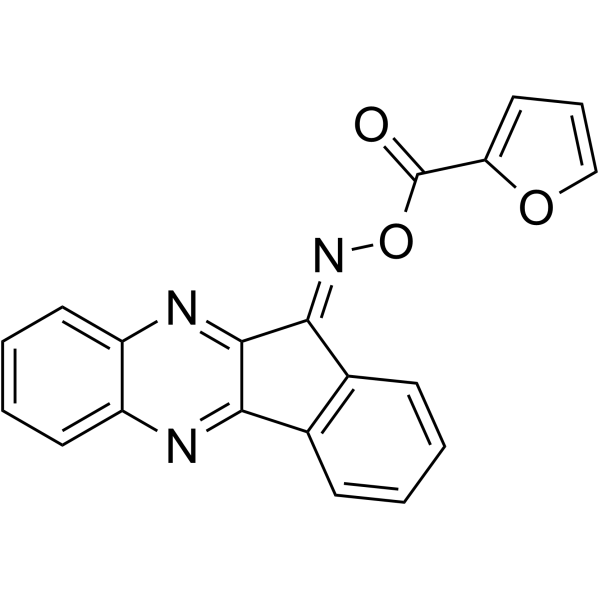
    IQ-3 is a specific inhibitor of the c-Jun N-terminal kinase (JNK) family, with preference for JNK3. IQ-3 exhibits Kd values of 0.24 μM, 0.29 μM and 0.066 μM for JNK1, JNK2 and JNK3, respectively [1].
    IQ-3
  • HY-100233
    IQ-1S free acid
    1 Publications Verification

    JNK Inflammation/Immunology Cancer
    IQ-1S free acid is a prospective inhibitor of NF-κB/activating protein 1 (AP-1) activity with an IC50 of 2.3±0.41 μM. IQ-1S free acid has binding affinity (Kd values) in the nanomolar range for all three JNKs with Kds of 100 nM, 240 nM, and 360 nM for JNK3, JNK1, and JNK2, respectively.
    IQ-1S free acid
  • HY-169021

    JNK Cancer
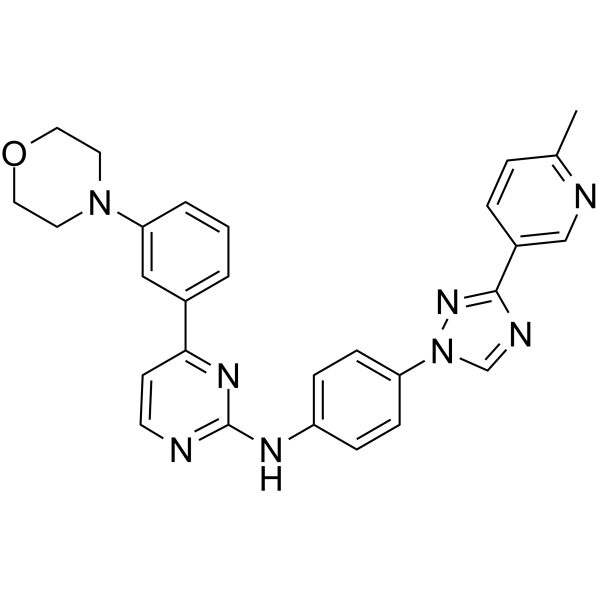
    JNK-1-IN-3 (Compound 9e) is an inhibitor of JNK1 that downregulates JNK1 gene expression and inhibits the protein levels of its phosphorylated form, concurrently reducing the expression of its downstream targets, c-Jun and c-Fos, in tumors while restoring p53 activity. JNK-1-IN-3 exhibits broad-spectrum antiproliferative activity, particularly with high inhibitory activity against renal and breast cancer cell lines, demonstrating both in vivo and in vitro anticancer activity [1].
    JNK-1-IN-3
  • HY-N1508

    MMP Apoptosis Autophagy NF-κB TNF Receptor COX Toll-like Receptor (TLR) SOD ASK1 JNK Cardiovascular Disease Inflammation/Immunology Endocrinology Cancer
    Ecliptasaponin A is an orally active pentacyclic triterpenoid saponin. Ecliptasaponin A exerts anti-tumor activity by activating ASK1/JNK pathway, inducing apoptosis and autophagy in lung cancer cells. Ecliptasaponin A exerts anti-inflammatory/anti-fibrotic effects and protects the cardiovascular system by inhibiting the HMGB1/TLR4/NF-κB pathway, and the expression of COX-2 and MMP-9. Ecliptasaponin A can enhance SOD activity, reduce MDA levels, and alleviate oxidative stress damage. Ecliptasaponin A exerts chondroprotective effects by inhibiting the expression of MMP13 and regulating inflammatory factors. Ecliptasaponin A improves ovarian function and regulates sex hormones by upregulating the expression of ESR1 receptors [1] .
    Ecliptasaponin A
  • HY-N3000

    JNK IRE1 Akt mTOR YAP Reactive Oxygen Species (ROS) Autophagy Apoptosis Ferroptosis Fungal Infection Inflammation/Immunology Cancer
    6-Methoxydihydrosanguinarine is an alkaloid with activity across multiple cancer cell types. 6-Methoxydihydrosanguinarine activates IRE1/JNK signaling, blocks Akt/mTOR and PI3K/AKT/mTOR pathways, reduces expression of Cdc25C, CyclinB1, Cdc2, YAP/TAZ, Survivin, GPX4, and EGFR, upregulates IRE1 and DR5, and activates JNK and caspases. 6-Methoxydihydrosanguinarine induces apoptosis, G2/M phase arrest, DNA damage, ROS generation, lipid peroxidation, ferroptosis, autophagy, and suppresses cancer cell growth. 6-Methoxydihydrosanguinarine disruptes the biofilm formation of Candida albicans (C. albicans). 6-Methoxydihydrosanguinarine can be used for the research of non-small cell lung cancer, hepatocellular carcinoma, melanoma, colon carcinoma, ovarian cancer and breast cancer [1] .
    6-Methoxydihydrosanguinarine
  • HY-W1000105

    (E)-3,7-Dimethylocta-2,6-dienal

    TNF Receptor Interleukin Related ERK JNK IKK COX NO Synthase Reactive Oxygen Species (ROS) Inflammation/Immunology
    Geranial is an aromatic compound. It can be isolated from the fruits of Litsea cubeba Lour and the rhizomes of ginger (Zingiber officinale). Geranial inhibits LPS-induced phosphorylation of ERK1/2, JNK1/3 and IκB in macrophages. It suppresses the secretion of IL-1β, TNF-α and IL-6, as well as the expression of pro-IL-1β, iNOS and COX-2. Geranial increases ROS. It can be used in the research of inflammatory diseases [1] .
    Geranial
  • HY-113509B

    15-epi-LXA4

    STAT COX Lipoxygenase JNK Endogenous Metabolite Neurological Disease Inflammation/Immunology
    15 (R)-Lipoxin A4 (15-epi-LXA4) is a specialized pro-resolving mediator and an acetylated derivative of COX2. 15 (R)-Lipoxin A4 is present in neurons. 15 (R)-Lipoxin A4 induces the SPM synthases ALOX12 and ALOX15, as well as the pro-resolving receptor ALX. 15 (R)-Lipoxin A4 inhibits protein kinases, including JNK1/2/3, Lyn, STAT-3 and STAT-6. 15 (R)-Lipoxin A4 enhances the release of pro-resolving mediators. 15 (R)-Lipoxin A4 alleviates the pro-inflammatory phenotype of tendon-derived stromal cells. 15 (R)-Lipoxin A4 promotes the resolution of neuroinflammation. 15 (R)-Lipoxin A4 is applicable to research related to achilles tendinitis, achilles tendon rupture and Alzheimer’s disease [1] .
    15(R)-Lipoxin A4
  • HY-P2246

    JNK Cancer
    JTP10-△-TATi TFA is a selective JNK2 peptide inhibitor, with an IC50 of 92 nM, exhibiting 10-fold selectivity for JNK2 over JNK1 and JNK3 [1].
    JTP10-△-TATi TFA
  • HY-150053
    JNK-IN-11
    1 Publications Verification

    JNK Neurological Disease
    JNK-IN-11 (compound 1) is a potent JNK inhibitor with an IC50 value of 2.2, 21.4, 1.8 µM for JNK1, JNK2, JNK3, respectively. JNK-IN-11 has the potential for the research of alzheimer and parkinson disease [1].
    JNK-IN-11
  • HY-149930

    JNK Apoptosis Cancer
    YL5084, a covalent JNK inhibitor, exhibits selectivity for JNK2 and JNK3 over JNK1 with IC50s of 70 nM, 84 nM and 2173 nM, respectively. YL5084 exhibits JNK2-independent antiproliferative effects and induces apoptosis in a JNK2-independent manner [1].
    YL5084
  • HY-170879

    p38 MAPK JNK Cancer
    JD123 inhibits JNK1 activity and the expression of cJun (1-135). JD123 is a ATP-competitive p38-γ MAPK inhibitor, but not effect to ERK1, ERK2, or p38-α, p38-β or p38-δ. [1].
    JD123
  • HY-125838

    JNK Neurological Disease
    J30-8 is a potent and isoform-selective inhibitor of c-Jun N-terminal kinase 3 (JNK3) with an IC50 of 40 nM, which 2500-fold isoform selectivity against JNK1α1 and JNK2α2. J30-8 exhibits neuroprotective activity in vitro and potential for the treatment of neurodegenerative diseases [1].
    J30-8
  • HY-N2205
    Esculentoside H
    2 Publications Verification

    NF-κB JNK Cancer
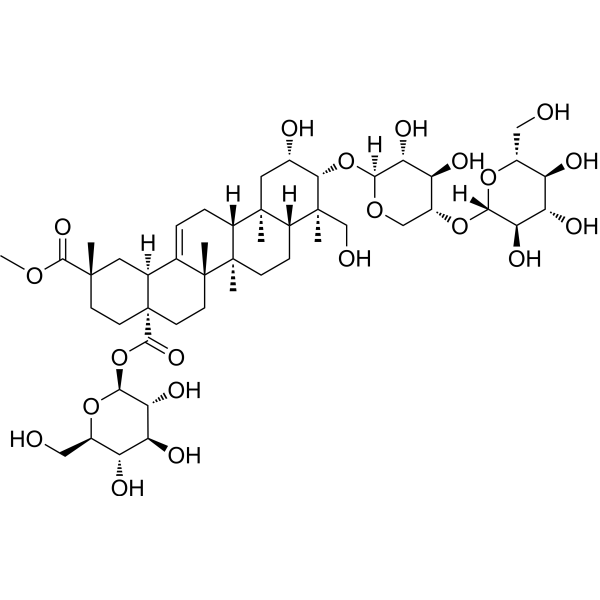
    Esculentoside H (EsH) is a saponin isolated from the root extract of perennial plant Phytolacca esculenta [1]. Esculentoside H (EH) has anti-tumor activity, the mechanism is related to the capacity for TNFrelease . Esculentoside H (EsH) suppresses colon cancer cell migration through blockage of the JNK1/2 and NF-κB signaling-mediated matrix metalloproteinases-9 (MMP-9) expression [1].
    Esculentoside H
  • HY-12862

    Mps1 Cancer
    Mps1-IN-7 is a potent MPS1 inhibitor (IC50 of 0.020 μM) over JNK1 and JNK2 (JNK1 IC50= 0.11 μM, JNK2 IC50=0.22 μM). Mps1-IN-7 inhibit SW620, CAL51, Miapaca-2, RMG1 cell growth with GI50 values of 0.065, 0.068, 0.25, and 0.110 μM,respectively [1].
    Mps1-IN-7
  • HY-170601

    PROTACs JNK Cancer
    PROTAC JNK1-targeted-1 (PA2) is a JNK1 PROTAC degrader, with a DC50 of 10 nM. PROTAC JNK1-targeted-1 (PA2) decreases the level of Fibronectin protein. PROTAC JNK1-targeted-1 can be used for the research of pulmonary fibrosis [1]. (Pink: JNK1 inhibitor (HY-170602); Black: linker (HY-40178); Blue: CRBN Ligand (HY-41547))
    PROTAC JNK1-targeted-1
  • HY-14411

    JNK Cancer
    JNK-1-IN-1 is a JNK-1 inhibitor. JNK-1-IN-1 also inhibits MKK7 with an IC50 of 7.8μM. JNK-1-IN-1 bind to MKK7cp and acts as an inhibitor of JNK-1 [1].
    JNK-1-IN-1
  • HY-N0773R

    Saponaretin (Standard); Homovitexin (Standard)

    Reference Standards JNK NF-κB Inflammation/Immunology
    Isovitexin (Standard) is the analytical standard of Isovitexin. This product is intended for research and analytical applications. Isovitexin is a flavonoid isolated from passion flower, Cannabis and, and the palm, possesses anti-inflammatory and anti-oxidant activities; Isovitexin acts like a JNK1/2 inhibitor and inhibits the activation of NF-κB.
    Isovitexin (Standard)
  • HY-182796

    HyT JNK Cancer
    JNK1 degrader-1 is a JNK1 HyT degrader. JNK1 degrader-1 can induce JNK1 degradation through the HyT-mediated ubiquitin-proteasome system and autophagy-lysosome pathway. JNK1 degrader-1 inhibits TGF-β1-induced epithelial-mesenchymal transition (EMT). JNK1 degrader-1 can be used for research on fibrotic diseases and cancer metastasis. (Pink: JNK1 ligand (HY-183006); Blue: Hyt hydrophobic group (HY-W037848); Black: Linker (HY-B1008)) [1].
    JNK1 degrader-1
  • HY-183006

    Ligands for Target Protein for PROTAC JNK Others
    JNK1 ligand-1 is a JNK1 ligand that can be used for the synthesis of PROTACs, such as PROTAC JNK1 degrader-1 (HY-182796) [1].
    JNK1 ligand-1
  • HY-13319G

    JNK Inhibitor XVI

    JNK Cancer
    JNK-IN-8 (JNK Inhibitor XVI) (GMP) is JNK-IN-8 (HY-13319) produced by using GMP guidelines. GMP small molecules work appropriately as an auxiliary reagent for cell therapy manufacture. JNK-IN-8 is a potent JNK inhibitor with IC50s of 4.7 nM, 18.7 nM, and 1 nM for JNK1, JNK2, and JNK3, respectively [1].
    JNK-IN-8
  • HY-121605

    Apoptosis Cancer
    RL71 is a curcuminoid anticancer agent that exhibits potent cytotoxicity against a variety of ER-negative breast cancer cells. RL71 (1 μM) induces cell cycle arrest in the G2/M phase and induces apoptosis in SKBr3 cells. RL7 also decreases HER2/neu phosphorylation and increases p27. RL71 also significantly reduced the phosphorylation of Akt and transiently increased the stress kinases JNK1/2 and p38 MAPK. Furthermore, RL71 exhibited anti-angiogenic potential in vitro, inhibiting the migration of HUVEC cells and the ability of these cells to form tubular networks [1].
    RL71
  • HY-170602

    Ligands for Target Protein for PROTAC JNK Cancer
    JNK1 ligand-1 (Compound P1) is a selective JNK1 inhibitor. JNK1 ligand-1 can be used as a JNK1 ligand to synthesize a series of PROTAC molecules, such as PROTAC JNK1-targeted-1 (HY-170601). PROTAC JNK1-targeted-1 can be used for the research of pulmonary fibrosis [1].
    JNK1 ligand-1-NH-Ph-COOH
  • HY-170420

    JNK Others
    JNK-1-IN-5 (Compound 14) is a potent JNK1 inhibitor with sub-nanomolar efficacy. JNK-1-IN-5 suppresses TGF-β-induced epithelial-mesenchymal transition. JNK-1-IN-5 is promising for research of anti-pulmonary fibrosis agent targeting JNK1 [1].
    JNK-1-IN-5
  • HY-178692

    JNK Neurological Disease Inflammation/Immunology Cancer
    JNK-IN-25 is a potent and selective JNK1/2/3 inhibitor with IC50 values of 1.54 (JNK1), 1.99 (JNK2), and 0.75 nM (JNK3), respectively. JNK-IN-25 inhibits phosphorylation of c-Jun in cells via covalently bonding with the conserved cysteine of JNK1/2/3. JNK-IN-25 can be used for research of  cancer, inflammatory and neurodegenerative diseases [1].
    JNK-IN-25
  • HY-RS08121

    Small Interfering RNA (siRNA) Others

    MAPK8 Human Pre-designed siRNA Set A contains three designed siRNAs for MAPK8 gene (Human), as well as a negative control, a positive control, and a FAM-labeled negative control.

    MAPK8 Human Pre-designed siRNA Set A
    MAPK8 Human Pre-designed siRNA Set A
  • HY-150552

    JNK Discoidin Domain Receptor Inflammation/Immunology Cancer
    JNK3 inhibitor-2 is a potent and selective JNK3 inhibitor with IC50 values of >100, >100, 0.25 µM for JNK1, JNK2, JNK3, respectively. JNK3 inhibitor-2 shows DDR1 and EGFR (T790M, L858R) inhibition [1].
    JNK3 inhibitor-2
  • HY-137135

    Phosphatase Apoptosis ERK p38 MAPK JNK Cancer
    Cantharidic acid is a selective inhibitor for protein phosphatase 2 (PP2A) and protein phosphatase 1 (PP1). Cantharidic acid inhibits cell viability and arrest cell cycle at sub G1 phase, induces apoptosis in cells NPC-39 and HONE-1 through the upregulation of ERK1/2, p38, and JNK1/2 pathway [1].
    Cantharidic acid

Inquiry Online

Your information is safe with us. * Required Fields.

Salutation


Country or Region *

Applicant Name *


Organization Name *

Department *


Email Address *


Product Name *

Cat. No.


Requested quantity *

Phone Number *


Remarks

Inquiry Online

Inquiry Information

Product Name:
Cat. No.:
Quantity:
MCE Japan Authorized Agent:

