Search Result
Results for "
L-leucine
" in MedChemExpress (MCE) Product Catalog:
3
Biochemical Assay Reagents
22
Isotope-Labeled Compounds
| Cat. No. |
Product Name |
Target |
Research Areas |
Chemical Structure |
-
- HY-N0486
-
-
-
- HY-129905
-
|
LLOMe hydrochloride; Leu-Leu methyl ester hydrochloride; H-Leu-Leu-OMe hydrochloride
|
Endogenous Metabolite
|
Inflammation/Immunology
|
|
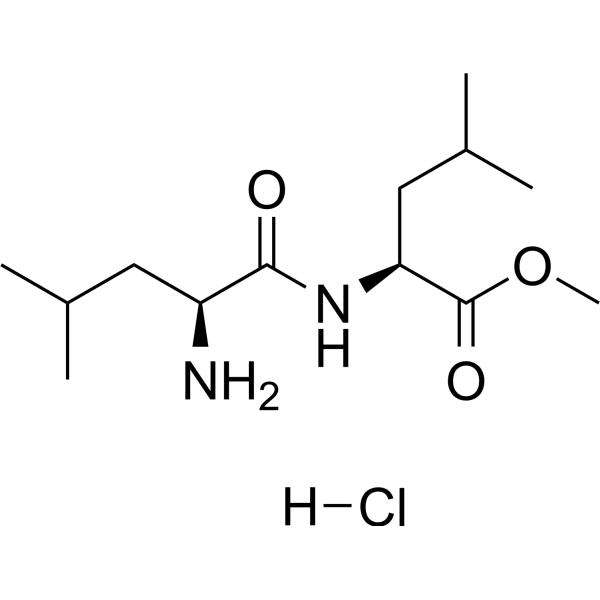
L-Leucyl-L-Leucine methyl ester (LLOMe) hydrochloride, a dipeptide condensation product of L-leucine methyl ester generated by human monocytes or polymorphonuclear leukocytes, selectively eliminates lymphocytes with cytotoxic potential. L-Leucyl-L-Leucine methyl ester hydrochloride also can induce endolysosomal pathway stress .
|
-
-
- HY-129905A
-
|
LLOMe hydrobromide; Leu-Leu methyl ester hydrobromide; H-Leu-Leu-OMe hydrobromide
|
Endogenous Metabolite
|
Inflammation/Immunology
|
|
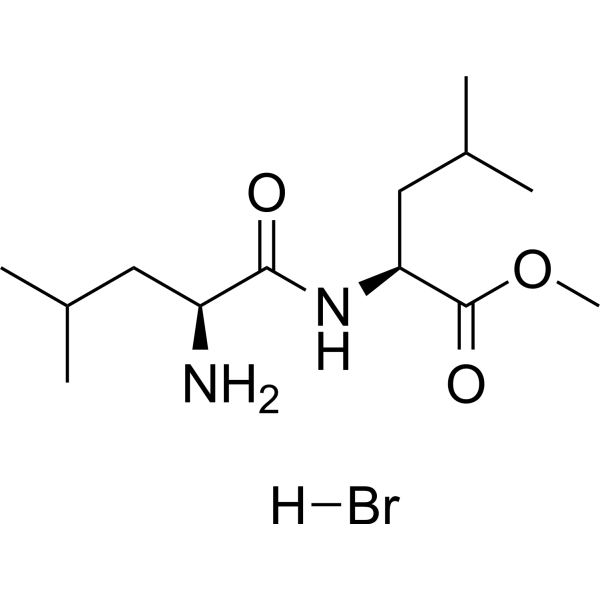
L-Leucyl-L-Leucine methyl ester (LLOMe) hydrobromide, a dipeptide condensation product of L-leucine methyl ester generated by human monocytes or polymorphonuclear leukocytes, selectively eliminates lymphocytes with cytotoxic potential. L-Leucyl-L-Leucine methyl ester hydrobromide also can induce endolysosomal pathway stress .
|
-
-
- HY-W012722
-
|
α-Ketoisocaproic acid
|
Endogenous Metabolite
Autophagy
mTOR
SOD
|
Neurological Disease
Metabolic Disease
|
|
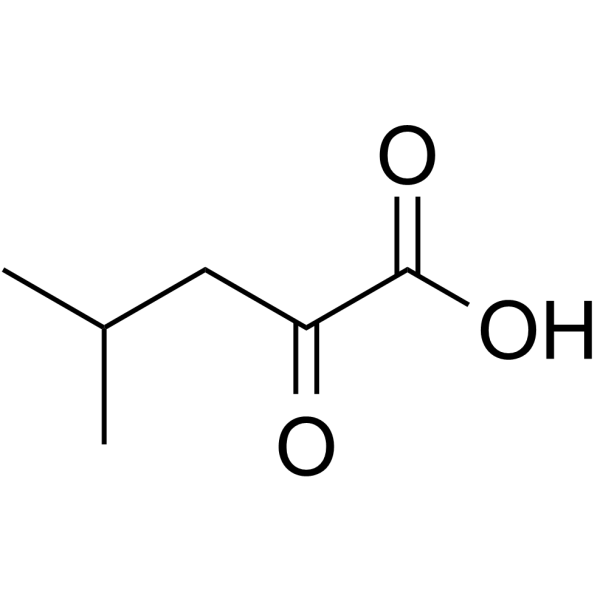
4-Methyl-2-oxopentanoic acid (α-Ketoisocaproic acid) is a metabolite of L-leucine and is involved in energy metabolism. 4-Methyl-2-oxopentanoic acid increases endoplasmic reticulum stress, promotes lipid accumulation in preadipocytes and insulin resistance by impairing mTOR and autophagy signaling pathways. 4-Methyl-2-oxopentanoic acid also causes oxidative damage, leading to cognitive deficits, inhibits α-ketoglutarate dehydrogenase activity, acts as an oxidative phosphorylation uncoupler and metabolic inhibitor. 4-Methyl-2-oxopentanoic acid acts as a nutrient signal and stimulates skeletal muscle protein synthesis. 4-Methyl-2-oxopentanoic acid can be used in the study of maple syrup urine disease .
|
-
-
- HY-59291
-
|
N-Acetyl-L-leucine
|
Amino Acid Derivatives
|
Neurological Disease
Metabolic Disease
Inflammation/Immunology
|
|
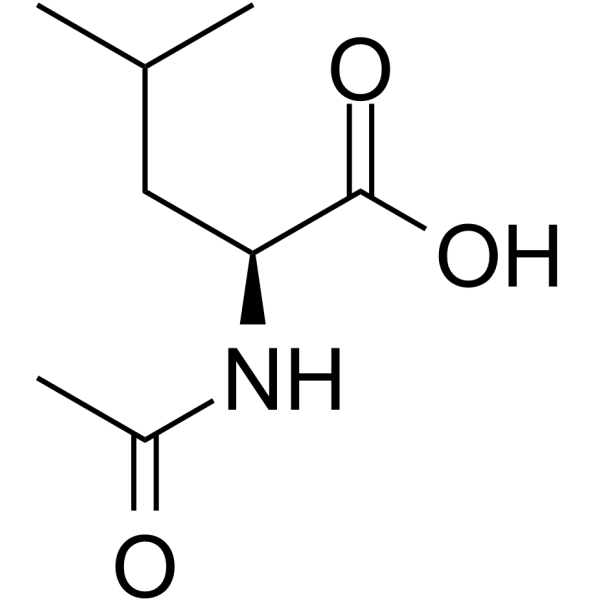
Levacetylleucine (N-acetyl-L-leucine), an orally bioavailable and brain-penetrant compound, is an acetylated derivative of amino acid Leucine. Levacetylleucine is the active form of N-acetyl-leucine (NAL). Levacetylleucine attenuates neuronal death and neuroinflammation in the cortical tissue of mice. Levacetylleucine also potentially improves ameliorates lysosomal and metabolic dysfunction. Levacetylleucine improves compensation of postural symptoms after unilateral chemical labyrinthectomy (UL) in rats. Levacetylleucine is promising for research of neurological manifestations of Niemann-Pick disease type C, traumatic brain injury and neurodegeneration prevention .
|
-
-
- HY-N0486R
-
|
leucine (Standard)
|
Reference Standards
mTOR
Endogenous Metabolite
|
Metabolic Disease
|
|
L-Leucine (Standard) is the analytical standard of L-Leucine. This product is intended for research and analytical applications. L-Leucine is an essential branched-chain amino acid (BCAA), which activates the mTOR signaling pathway .
|
-
-
- HY-N0486S9
-
-
-
- HY-N0486S1
-
-
-
- HY-W008642
-
|
L-Leucyl-L-leucine; Leu-Leu; H-Leu-Leu-OH
|
Amino Acid Derivatives
|
Metabolic Disease
|
|
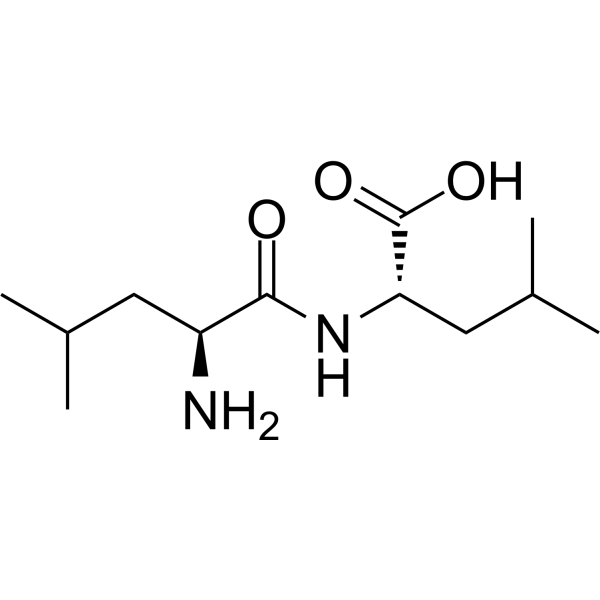
Leu-Leu-OH (L-Leucyl-L-leucine), a Leu derivative, is a neutral dipeptide that can be used to study the functionality of dileucine motifs .
|
-
-
- HY-137844
-
|
Leu-AMC hydrochloride
|
Fluorescent Dye
|
Others
|
|
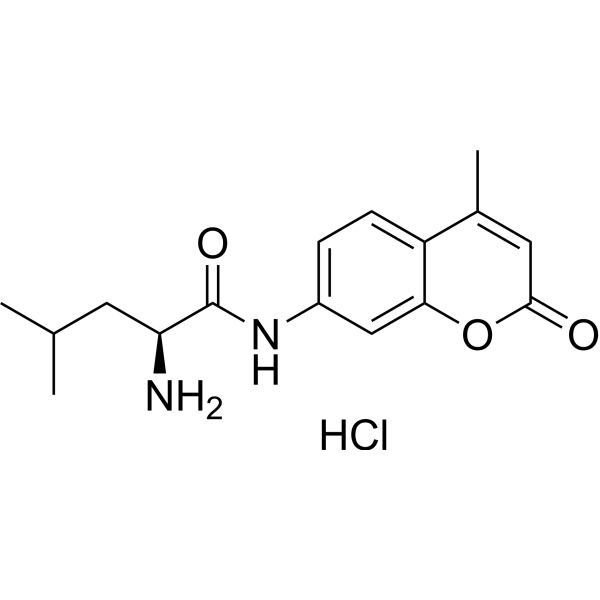
L-Leucine-7-amido-4-methylcoumarin (Leu-AMC) hydrochloride is a bright blue fluorogenic peptidyl substrate for LAP3 (leucine aminopeptidase). L-Leucine-7-amido-4-methylcoumarin hydrochloride can be used for leucine aminopeptidase inhibition assays in vitro .
|
-
-
- HY-113221
-
|
|
Proteasome
Endogenous Metabolite
Apoptosis
|
Metabolic Disease
Cancer
|
|
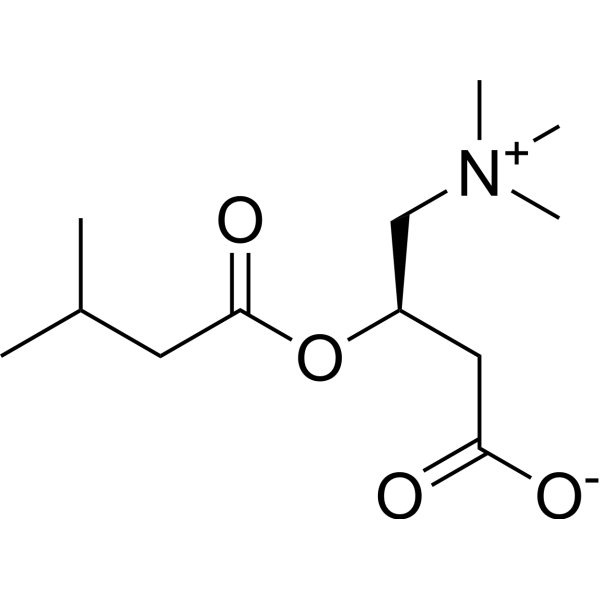
Isovalerylcarnitine is a metabolite of leucine. Isovalerylcarnitine can specifically activate calpain in human neutrophils. Isovalerylcarnitine inhibits tumor cell proliferation and induces apoptosis. Elevated circulating levels of Isovalerylcarnitine are negatively correlated with reduced lung cancer risk .
|
-
-
- HY-N0486S
-
-
-
- HY-N0486S2
-
-
-
- HY-Y0378
-
|
(R)-leucine
|
Endogenous Metabolite
|
Neurological Disease
|
|
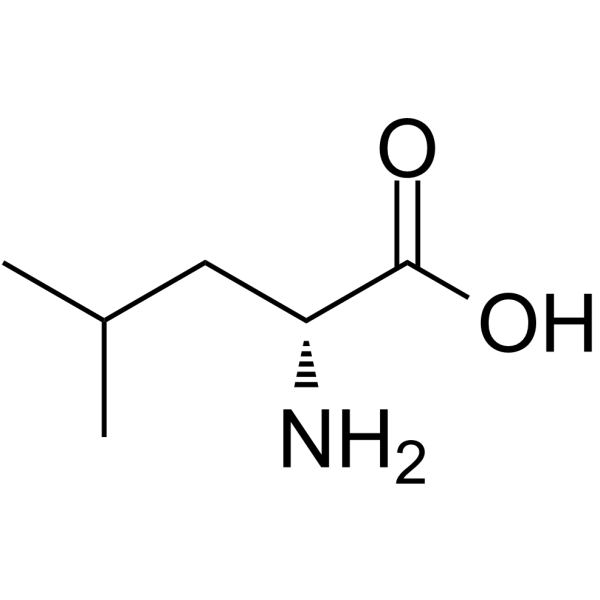
D-Leucine is a more potent anti-seizure agent than L-leucine. D-leucine potently terminates seizures even after the onset of seizure activity. D-leucine, but not L-leucine, reduces long-term potentiation but had no effect on basal synaptic transmission in vitro .
|
-
-
- HY-W012708
-
|
|
Endogenous Metabolite
|
Others
|
|
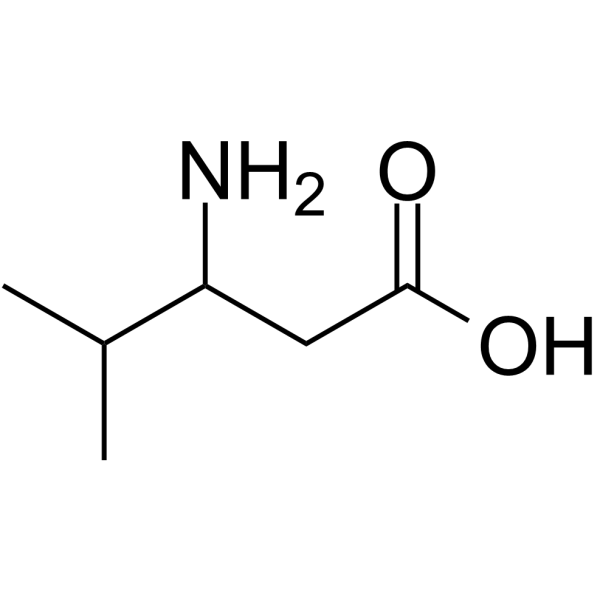
3-Amino-4-methylpentanoic acid is a β amino acid and positional isomer of L-leucine which is naturally produced in humans via the metabolism of L-leucine by the enzyme leucine 2,3-aminomutase. 3-Amino-4-methylpentanoic acid is also a metabolite produced by Torulaspora delbrueckii and can be used in the research of wine fermentation .
|
-
-
- HY-N0486S8
-
-
-
- HY-N0486S6
-
|
|
mTOR
Endogenous Metabolite
|
Metabolic Disease
|
|
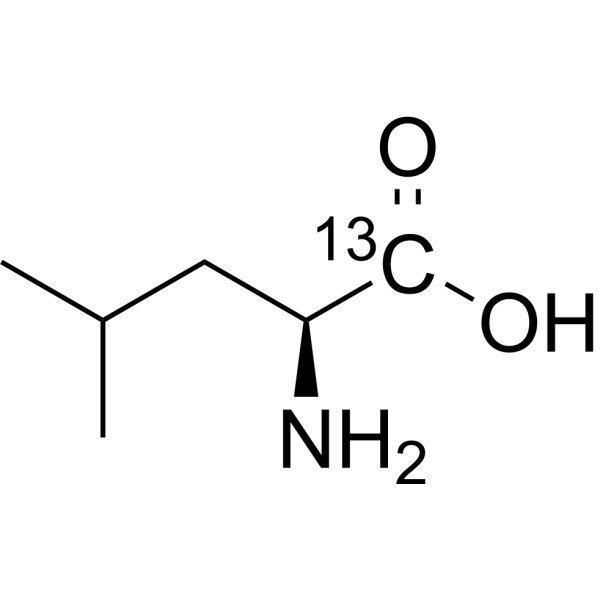
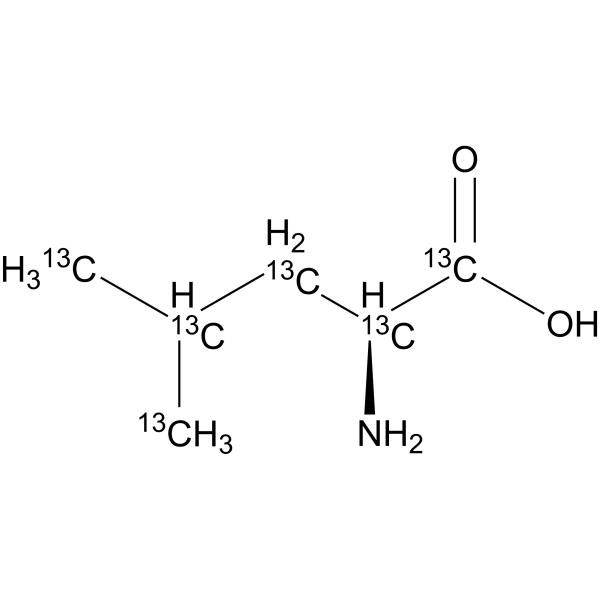
L-Leucine-2- 13C, 15N is the 13C- and 15N-labeled L-Leucine. L-Leucine is an essential branched-chain amino acid (BCAA), which activates the mTOR signaling pathway .
|
-
-
- HY-W016077
-
-
-
- HY-W040088
-
|
H-Ala-Leu-OH
|
Aminopeptidase
|
Metabolic Disease
|
|
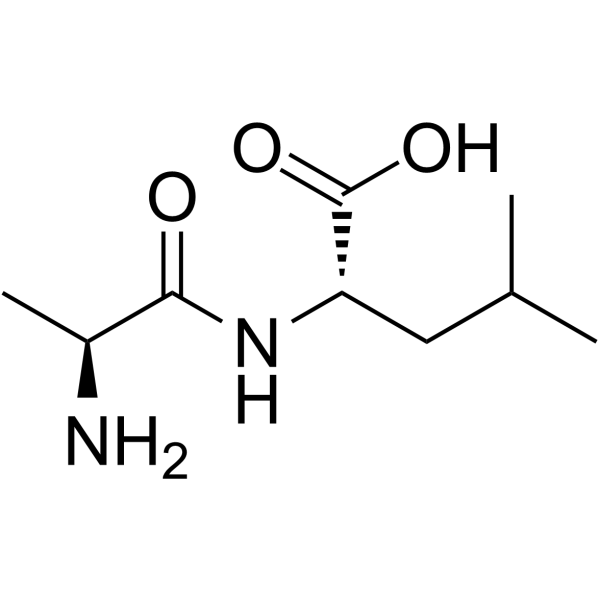
L-Alanyl-L-leucine is a competitive inhibitor of small intestinal glycyl-L-leucine hydrolase with Ki values of 0.53 mM (phosphate buffer) or 0.22 mM (Tris buffer). L-Alanyl-L-leucine can be used for research on Hartnup disease and cystinuria .
|
-
-
- HY-W068839
-
-
-
- HY-W002303
-
-
-
- HY-N0486S4
-
-
-
- HY-N0486S3
-
-
-
- HY-128434
-
-
-
- HY-W142035
-
-
-
- HY-W010955
-
|
NSC 334018
|
Carboxypeptidase
|
Others
|
|
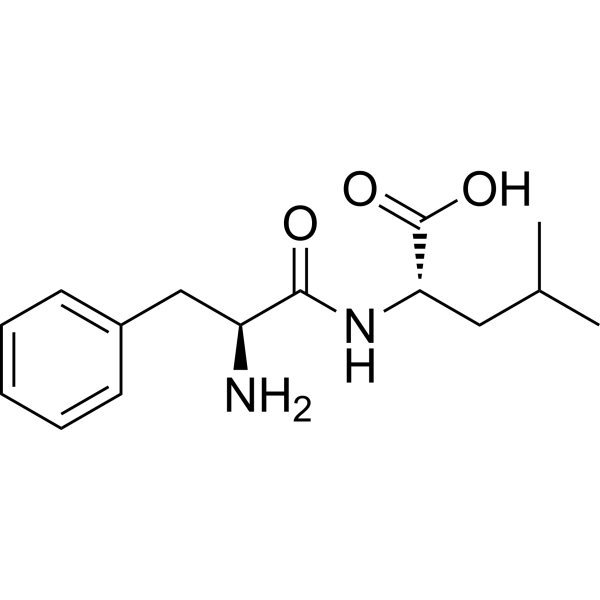
Z-Phe-Leu-OH (NSC 334018) is a dipeptide acid. Z-Phe-Leu-OH undergoes hydrolysis by carboxypeptidase Y to release L-leucine. Z-Phe-Leu-OH acts as a substrate to assay carboxypeptidase Y peptidase activity .
|
-
-
- HY-79404
-
|
L-leucine, N-[(1,1-dimethylethoxy)carbonyl]-4-methyl- (9CI); (S)-2-(tert-Butoxycarbonylamino)-4,4-dimethylpentanoic acid
|
Amino Acid Derivatives
|
Others
|
|
N-(Tert-Butoxycarbonyl)-L-neopentylglycine is a Glycine (HY-Y0966) derivative .
|
-
-
- HY-122756
-
-
-
- HY-W342021
-
|
H-Thr-Leu-OH; L-Threonyl-L-leucine
|
Amino Acid Derivatives
|
Others
|
|
Thr-Leu is a dipeptide composed of threonine and leucine. Thr-Leu can be hydrolyzed in the peritoneal cavity to generate constituent amino acids, thereby increasing the osmotic pressure of the dialysate. Thr-Leu can be used for the kinetic study of amino acid-based peritoneal dialysis fluids .
|
-
-
- HY-Y0378S
-
|
(R)-leucine-d10
|
Isotope-Labeled Compounds
Endogenous Metabolite
|
Neurological Disease
|
|
D-Leucine-d10 is the deuterium labeled D-Leucine. D-Leucine is a more potent anti-seizure agent than L-leucine. D-leucine potently terminates seizures even after the onset of seizure activity. D-leucine, but not L-leucine, reduces long-term potentiation but had no effect on basal synaptic transmission in vitro .
|
-
-
- HY-W002291
-
|
4-Fluoro-L-phenylalanine
|
Drug Derivative
|
Infection
|
|
p-Fluoro-L-phenylalanine (4-Fluoro-L-phenylalanine) is a fluorinated derivative of L-phenylalanine (HY-N0215). p-Fluoro-L-phenylalanine specifically binds to the L-leucine-specific receptor of Escherichia coli, with a Kd value of 0.26 μM .
|
-
-
- HY-P2768
-
|
LDH, EC 1.4.1.9
|
Endogenous Metabolite
|
Metabolic Disease
|
|
Leucine dehydrogenase, Microorganism (EC 1.4.1.9) can be purified from Bacillus spheroides. Leucine dehydrogenase catalyzed the oxidative deamination of L-leucine, L-valine, L-isoleucine, L-norvaline, L-alpha-aminobutyrate, and L-norleucine, and the reductive amination of their keto analogues .
|
-
-
- HY-N0486S12
-
-
-
- HY-N0486S10
-
-
-
- HY-W009686
-
-
-
- HY-W040088R
-
|
H-Ala-Leu-OH (Standard)
|
Reference Standards
Aminopeptidase
|
Metabolic Disease
|
|
L-Alanyl-L-leucine is an endogenous metabolite. This product is used for research and analytical applications. L-Alanyl-L-leucine is a competitive inhibitor of small intestinal glycyl-L-leucine hydrolase with Ki values of 0.53 mM (phosphate buffer) or 0.22 mM (Tris buffer). L-Alanyl-L-leucine can be used for research on Hartnup disease and cystinuria .
|
-
-
- HY-137872
-
|
|
Biochemical Assay Reagents
|
Others
|
|
L-Leucyl-4-nitroanilide hydrochloride is a commonly used substrate in various biochemical assays to measure the activity of enzymes that cleave peptide bonds, such as proteases. L-Leucine p-nitroanilide hydrochloride has unique chemical properties that allow it to be cleaved by these enzymes to form a yellow product called p-nitroaniline. This makes it a useful tool for detecting and quantifying protease activity in biological samples such as blood or tissue extracts.
|
-
-
- HY-W419440
-
|
L-leucine, L-lysyl-
|
Biochemical Assay Reagents
|
Others
|
|
H-Lys-Leu-OH (L-Leucine, L-lysyl-) is a biochemical reagent that can be used as a biological material or organic compound for life science related research.
|
-
-
- HY-W101495
-
|
N-Boc-L-leucine monohydrate
|
Amino Acid Derivatives
|
Others
|
|
Boc-Leu-OH hydrate (N-Boc-L-leucine monohydrate) is an amino acid derivative with a Boc protecting group, which can be used to synthesize L-prolyl-L-leucyl-glycinamide peptide, a peptide mimetic with dopamine receptor modulatory activity .
|
-
-
- HY-I0616A
-
|
|
Drug Intermediate
|
Others
|
|
(S)-1-(3-Ethoxy-4-methoxyphenyl)-2-(methylsulfonyl)ethylamine N-acetyl-L-leucine is a drug intermediate for synthesis of various active compounds.
|
-
-
- HY-P2928
-
|
|
Biochemical Assay Reagents
Aminopeptidase
|
Others
|
|
Aeromonas proteolytica aminopeptidase is an aminopeptidase from Aeromonas proteolytica. Aeromonas proteolytica aminopeptidase can function as an esterase. Aeromonas proteolytica aminopeptidase can catalyze the hydrolysis of L-leucine ethyl ester (L-Leu-OEt) with a Km of 700 µM .
|
-
-
- HY-W002299
-
|
Boc-D-Leu-OH hydrate
|
Amino Acid Derivatives
|
Neurological Disease
|
|
Boc-D-Leucine monohydrate (Boc-D-Leu-OH hydrate) is an N-Boc-protected form of D-Leucine. D-Leucine is an unnatural isomer of L-Leucine that acts as an auto-inhibitor of lactic streptococci. D-Leucine shows potent anti-seizure effect .
|
-
-
- HY-N0486S11
-
-
-
- HY-137946
-
|
|
Aminopeptidase
|
Others
|
|
L-Leucine 4-methoxy-β-naphthylamide hydrochloride is an aminopeptidase M and leucine aminopeptidase substrate .
|
-
-
- HY-N0486S5
-
-
-
- HY-N0486S7
-
|
|
mTOR
Endogenous Metabolite
|
Metabolic Disease
|
|
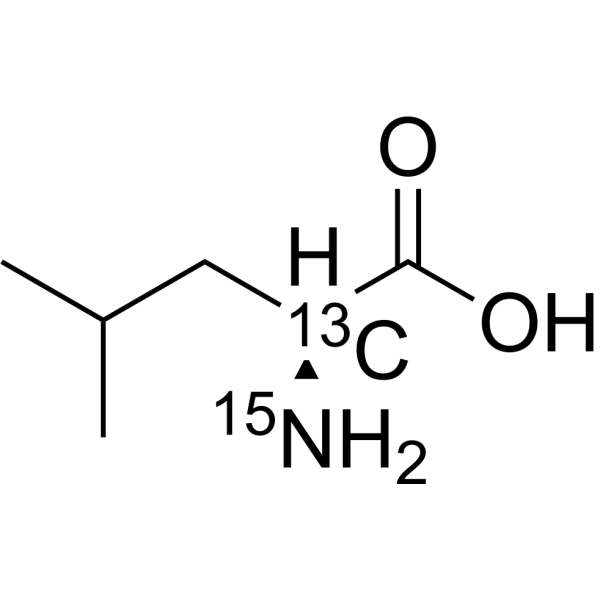
L-Leucine-1- 13C, 15N is the 13C- and 15N-labeled L-Leucine. L-Leucine is an essential branched-chain amino acid (BCAA), which activates the mTOR signaling pathway .
|
-
-
- HY-79415
-
|
L-leucine, 4-methyl- (9CI); L-2-Amino-4,4-dimethylpentanoic acid; L-γ-Methylleucine
|
Amino Acid Derivatives
|
Others
|
|
4-Methyl-L-leucine is a Glycine (HY-Y0966) derivative .
|
-
-
- HY-122811
-
-
-
- HY-179875
-
|
|
Endogenous Metabolite
|
Metabolic Disease
|
|
N-Cholyl-L-leucine is a bile acid-amino acid conjugate, mainly produced by intestinal microorganisms. N-Cholyl-L-leucine can be used as a biomarker for premature infants and is also employed in the study of bile acid metabolism .
|
-
-
- HY-Y0555
-
-
- HY-W269700
-
|
L-Isoleucyl-L-leucine
|
Drug Intermediate
|
Neurological Disease
|
|
Ile-Leu-OH (L-Isoleucyl-L-leucine) is a hydrophobic dipeptide fragment and is a component of the neurotensin C-terminal heptapeptide Pro-Arg-Arg-Pro-Tyr-Ile-LeuOH .
|
-
- HY-W037451
-
|
|
Amino Acid Derivatives
|
Others
|
|
Methyl L-leucinate, methyl ester of L-leucine, is an alpha-amino acid ester. Methyl L-leucinate is a derivative of methyl ester and L-leucine, a class of compounds containing both amino and carboxyl groups in the molecule .
|
-
- HY-78008
-
-
- HY-W212029
-
-
- HY-I0591
-
-
- HY-E71001
-
|
|
Biochemical Assay Reagents
|
Metabolic Disease
|
|
L-Leucine Dehydrogenase, Bacillus cereus (EC 1.4.1.9) is a redox enzyme that acts on the donor CH-NH2 group and uses NAD+ or NADP+ as the acceptor. L-Leucine Dehydrogenase, Bacillus cereus (EC 1.4.1.9) participates in the degradation of valine, leucine, and isoleucine, as well as their biosynthesis.
|
-
- HY-W012722BS
-
|
α-Ketoisocaproic acid-d7 sodium
|
Endogenous Metabolite
Isotope-Labeled Compounds
|
Neurological Disease
Metabolic Disease
|
|
4-Methyl-2-oxopentanoic acid-d7 (α-Ketoisocaproic acid-d7) sodium is the deuterium labeled 4-Methyl-2-oxopentanoic acid (HY-W012722).4-Methyl-2-oxopentanoic acid is a metabolite of L-leucine and is involved in energy metabolism. 4-Methyl-2-oxopentanoic acid increases endoplasmic reticulum stress, promotes lipid accumulation in preadipocytes and insulin resistance by impairing mTOR and autophagy signaling pathways .
|
-
- HY-W557739
-
-
- HY-169826
-
|
|
Biochemical Assay Reagents
|
Others
|
|
N-Lithocholyl-L-Leucine is a bile acid conjugate composed of Lithocholic acid (HY-B0172) and L-leucine (HY-N0486). N-Lithocholyl-L-Leucine can be used to form hydrogels .
|
-
- HY-N0486S13
-
-
- HY-W046352
-
-
- HY-N14218
-
-
- HY-W012708R
-
|
|
Reference Standards
Endogenous Metabolite
|
Others
|
|
3-Amino-4-methylpentanoic acid is a β amino acid and positional isomer of L-leucine which is naturally produced in humans via the metabolism of L-leucine by the enzyme leucine 2,3-aminomutase. 3-Amino-4-methylpentanoic acid is also a metabolite produced by Torulaspora delbrueckii and can be used in the research of wine fermentation .
|
-
- HY-W342021R
-
|
H-Thr-Leu-OH (Standard); L-Threonyl-L-leucine (Standard)
|
Reference Standards
Others
|
Others
|
|
Thr-Leu is a dipeptide composed of threonine and leucine. Thr-Leu can be hydrolyzed in the peritoneal cavity to generate constituent amino acids, thereby increasing the osmotic pressure of the dialysate. Thr-Leu can be used for the kinetic study of amino acid-based peritoneal dialysis fluids .
|
-
- HY-W101495S1
-
-
- HY-W654243
-
-
- HY-128434R
-
|
|
Reference Standards
Endogenous Metabolite
|
Metabolic Disease
|
|
L-Leucyl-L-alanine (Standard) is the analytical standard of L-Leucyl-L-alanine (HY-128434). This product is intended for research and analytical applications. L-Leucyl-L-alanine is a simple aliphatic dipeptide composed of L-leucine and L-alanine .
|
-
- HY-I0591R
-
-
- HY-W008642S
-
|
L-Leucyl-13C6,15N-L-leucine TFA
|
Isotope-Labeled Compounds
|
Others
|
|
(Leu-13C6,15N)-Leu-OH TFA is a C13 and N15 labeled Leu-Leu-OH TFA. Leu-Leu-OH, a Leu derivative, is a dipeptide .
|
-
- HY-W269700S
-
|
L-Isoleucyl-L-leucine-13C6,15N
|
Isotope-Labeled Compounds
Drug Intermediate
|
Neurological Disease
|
|
Ile-(Leu-13C6,15N)-OH TFA is 13C- and 15N-labeled Ile-Leu-OH (HY-W269700). Ile-Leu-OH is a hydrophobic dipeptide fragment and is a component of the neurotensin C-terminal heptapeptide Pro-Arg-Arg-Pro-Tyr-Ile-LeuOH .
|
-
- HY-W700927
-
-
- HY-CE01666
-
-
- HY-W016077R
-
|
|
Reference Standards
Endogenous Metabolite
|
Others
|
|
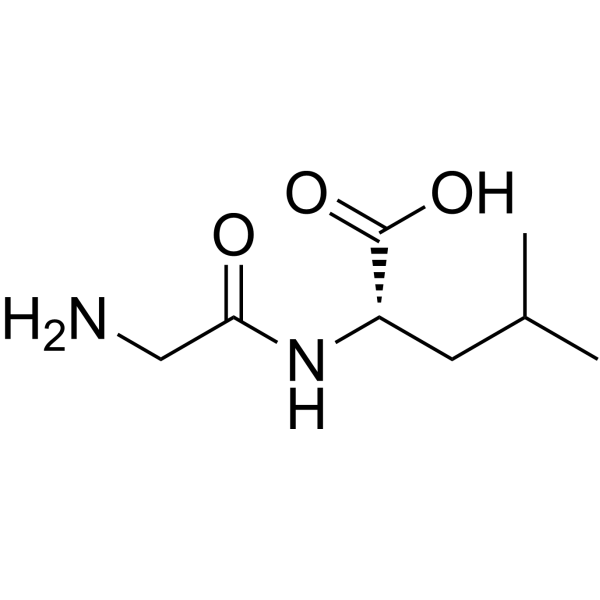
Glycyl-L-leucine (Standard) is the analytical standard of Glycyl-L-leucine. This product is intended for research and analytical applications. Glycyl-l-leucine is a dipeptide that can be a common substrate for glycyl-leucine dipeptidase.
|
-
- HY-W101499
-
|
|
Biochemical Assay Reagents
|
Others
|
|
L-a-Aspartyl-L-leucine is a biochemical reagent that can be used as a biological material or organic compound for life science related research.
|
-
- HY-43459
-
-
- HY-W340583S
-
-
- HY-Y0378R
-
|
(R)-leucine (Standard)
|
Reference Standards
Endogenous Metabolite
|
Neurological Disease
|
|
D-Leucine (Standard) is the analytical standard of D-Leucine. This product is intended for research and analytical applications. D-Leucine is a more potent anti-seizure agent than L-leucine. D-leucine potently terminates seizures even after the onset of seizure activity. D-leucine, but not L-leucine, reduces long-term potentiation but had no effect on basal synaptic transmission in vitro .
|
-
- HY-W008642R
-
|
L-Leucyl-L-leucine (Standard); Leu-Leu (Standard); H-Leu-Leu-OH (Standard)
|
Amino Acid Derivatives
Reference Standards
|
Metabolic Disease
|
|
Leu-Leu-OH (Standard) is the analytical standard of Leu-Leu-OH (HY-W008642). This product is intended for research and analytical applications. Leu-Leu-OH (L-Leucyl-L-leucine), a Leu derivative, is a neutral dipeptide that can be used to study the functionality of dileucine motifs .
|
-
- HY-E71085
-
|
|
Biochemical Assay Reagents
|
Others
|
|
(R)-2-Hydroxy-4-methylpentanoate CoA-transferase (EC 2.8.3.24) , characterized from the bacterium Peptoclostridium difficile, participates in an L-leucine fermentation pathway. The reaction proceeds via formation of a covalent anhydride intermediate between a conserved aspartate residue and the acyl group of the CoA thioester substrate.
|
-
- HY-E71088
-
|
|
Biochemical Assay Reagents
|
Others
|
|
(R)-2-Hydroxyisocaproyl-CoA dehydratase (EC 4.2.1.157) , isolated from the bacterium Peptoclostridium difficile, is involved in the reductive branch of L-leucine fermentation. It catalyses an α/β-dehydration, which depends on the reductive formation of ketyl radicals on the substrate generated by injection of a single electron from the ATP-dependent activator protein HadI.
|
-
| Cat. No. |
Product Name |
Type |
-
- HY-137844
-
|
Leu-AMC hydrochloride
|
Fluorescent Dyes
|
|
L-Leucine-7-amido-4-methylcoumarin (Leu-AMC) hydrochloride is a bright blue fluorogenic peptidyl substrate for LAP3 (leucine aminopeptidase). L-Leucine-7-amido-4-methylcoumarin hydrochloride can be used for leucine aminopeptidase inhibition assays in vitro .
|
| Cat. No. |
Product Name |
Type |
-
- HY-W002291
-
|
4-Fluoro-L-phenylalanine
|
Biochemical Assay Reagents
|
|
p-Fluoro-L-phenylalanine (4-Fluoro-L-phenylalanine) is a fluorinated derivative of L-phenylalanine (HY-N0215). p-Fluoro-L-phenylalanine specifically binds to the L-leucine-specific receptor of Escherichia coli, with a Kd value of 0.26 μM .
|
-
- HY-137872
-
|
|
Biochemical Assay Reagents
|
|
L-Leucyl-4-nitroanilide hydrochloride is a commonly used substrate in various biochemical assays to measure the activity of enzymes that cleave peptide bonds, such as proteases. L-Leucine p-nitroanilide hydrochloride has unique chemical properties that allow it to be cleaved by these enzymes to form a yellow product called p-nitroaniline. This makes it a useful tool for detecting and quantifying protease activity in biological samples such as blood or tissue extracts.
|
-
- HY-W557739
-
| Cat. No. |
Product Name |
Target |
Research Area |
-
- HY-W008642
-
|
L-Leucyl-L-leucine; Leu-Leu; H-Leu-Leu-OH
|
Amino Acid Derivatives
|
Metabolic Disease
|
|
Leu-Leu-OH (L-Leucyl-L-leucine), a Leu derivative, is a neutral dipeptide that can be used to study the functionality of dileucine motifs .
|
-
- HY-W068839
-
-
- HY-W002303
-
-
- HY-128434
-
-
- HY-W142035
-
-
- HY-W010955
-
|
NSC 334018
|
Carboxypeptidase
|
Others
|
|
Z-Phe-Leu-OH (NSC 334018) is a dipeptide acid. Z-Phe-Leu-OH undergoes hydrolysis by carboxypeptidase Y to release L-leucine. Z-Phe-Leu-OH acts as a substrate to assay carboxypeptidase Y peptidase activity .
|
-
- HY-79404
-
|
L-leucine, N-[(1,1-dimethylethoxy)carbonyl]-4-methyl- (9CI); (S)-2-(tert-Butoxycarbonylamino)-4,4-dimethylpentanoic acid
|
Amino Acid Derivatives
|
Others
|
|
N-(Tert-Butoxycarbonyl)-L-neopentylglycine is a Glycine (HY-Y0966) derivative .
|
-
- HY-W342021
-
|
H-Thr-Leu-OH; L-Threonyl-L-leucine
|
Amino Acid Derivatives
|
Others
|
|
Thr-Leu is a dipeptide composed of threonine and leucine. Thr-Leu can be hydrolyzed in the peritoneal cavity to generate constituent amino acids, thereby increasing the osmotic pressure of the dialysate. Thr-Leu can be used for the kinetic study of amino acid-based peritoneal dialysis fluids .
|
-
- HY-W009686
-
-
- HY-P4383
-
|
|
Peptides
|
Others
|
|
H-Leu-Leu-Ala-OH is a tripeptide composed of two L-leucine units joined to L-alanine by a peptide linkage. H-Leu-Leu-Ala-OH shows antioxidant activities .
|
-
- HY-W419440
-
|
L-leucine, L-lysyl-
|
Biochemical Assay Reagents
|
Others
|
|
H-Lys-Leu-OH (L-Leucine, L-lysyl-) is a biochemical reagent that can be used as a biological material or organic compound for life science related research.
|
-
- HY-W101495
-
|
N-Boc-L-leucine monohydrate
|
Amino Acid Derivatives
|
Others
|
|
Boc-Leu-OH hydrate (N-Boc-L-leucine monohydrate) is an amino acid derivative with a Boc protecting group, which can be used to synthesize L-prolyl-L-leucyl-glycinamide peptide, a peptide mimetic with dopamine receptor modulatory activity .
|
-
- HY-W002299
-
|
Boc-D-Leu-OH hydrate
|
Amino Acid Derivatives
|
Neurological Disease
|
|
Boc-D-Leucine monohydrate (Boc-D-Leu-OH hydrate) is an N-Boc-protected form of D-Leucine. D-Leucine is an unnatural isomer of L-Leucine that acts as an auto-inhibitor of lactic streptococci. D-Leucine shows potent anti-seizure effect .
|
-
- HY-137946
-
|
|
Aminopeptidase
|
Others
|
|
L-Leucine 4-methoxy-β-naphthylamide hydrochloride is an aminopeptidase M and leucine aminopeptidase substrate .
|
-
- HY-79415
-
|
L-leucine, 4-methyl- (9CI); L-2-Amino-4,4-dimethylpentanoic acid; L-γ-Methylleucine
|
Amino Acid Derivatives
|
Others
|
|
4-Methyl-L-leucine is a Glycine (HY-Y0966) derivative .
|
-
- HY-122811
-
-
- HY-Y0555
-
-
- HY-W269700
-
|
L-Isoleucyl-L-leucine
|
Drug Intermediate
|
Neurological Disease
|
|
Ile-Leu-OH (L-Isoleucyl-L-leucine) is a hydrophobic dipeptide fragment and is a component of the neurotensin C-terminal heptapeptide Pro-Arg-Arg-Pro-Tyr-Ile-LeuOH .
|
-
- HY-W037451
-
|
|
Amino Acid Derivatives
|
Others
|
|
Methyl L-leucinate, methyl ester of L-leucine, is an alpha-amino acid ester. Methyl L-leucinate is a derivative of methyl ester and L-leucine, a class of compounds containing both amino and carboxyl groups in the molecule .
|
-
- HY-78008
-
-
- HY-W212029
-
-
- HY-I0591
-
-
- HY-W046352
-
-
- HY-P4384
-
|
|
Peptides
|
Others
|
|
H-Leu-Ser-OH is a dipeptide formed from L-leucine and L-serine residues and is a metabolite .
|
-
- HY-W342021R
-
|
H-Thr-Leu-OH (Standard); L-Threonyl-L-leucine (Standard)
|
Reference Standards
Peptides
|
Others
|
|
Thr-Leu is a dipeptide composed of threonine and leucine. Thr-Leu can be hydrolyzed in the peritoneal cavity to generate constituent amino acids, thereby increasing the osmotic pressure of the dialysate. Thr-Leu can be used for the kinetic study of amino acid-based peritoneal dialysis fluids .
|
-
- HY-128434R
-
|
|
Reference Standards
Endogenous Metabolite
|
Metabolic Disease
|
|
L-Leucyl-L-alanine (Standard) is the analytical standard of L-Leucyl-L-alanine (HY-128434). This product is intended for research and analytical applications. L-Leucyl-L-alanine is a simple aliphatic dipeptide composed of L-leucine and L-alanine .
|
-
- HY-I0591R
-
-
- HY-43459
-
-
- HY-W008642R
-
|
L-Leucyl-L-leucine (Standard); Leu-Leu (Standard); H-Leu-Leu-OH (Standard)
|
Amino Acid Derivatives
Reference Standards
|
Metabolic Disease
|
|
Leu-Leu-OH (Standard) is the analytical standard of Leu-Leu-OH (HY-W008642). This product is intended for research and analytical applications. Leu-Leu-OH (L-Leucyl-L-leucine), a Leu derivative, is a neutral dipeptide that can be used to study the functionality of dileucine motifs .
|
| Cat. No. |
Product Name |
Category |
Target |
Chemical Structure |
| Cat. No. |
Product Name |
Chemical Structure |
-
- HY-N0486S9
-
3 Publications Verification
|
|
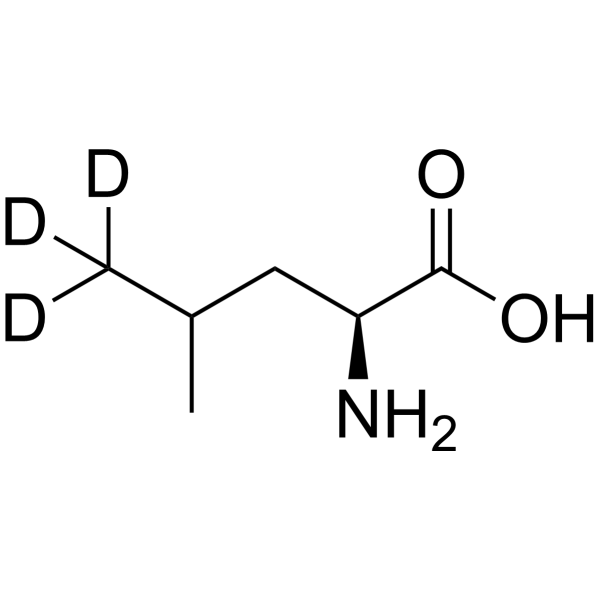
L-Leucine-d3 is the deuterium labeled L-Leucine. L-Leucine is an essential branched-chain amino acid (BCAA), which activates the mTOR signaling pathway .
|
-
-
- HY-N0486S1
-
|
|
|
L-Leucine- 13C is the 13C-labeled L-Leucine. L-Leucine is an essential branched-chain amino acid (BCAA), which activates the mTOR signaling pathway .
|
-
-
- HY-N0486S
-
1 Publications Verification
|
|
L-Leucine-d10 is the deuterium labeled L-Leucine. L-Leucine is an essential branched-chain amino acid (BCAA), which activates the mTOR signaling pathway .
|
-
-
- HY-N0486S2
-
|
|
|
Leucine- 13C6 is the 13C-labeled L-Leucine. L-Leucine is an essential branched-chain amino acid (BCAA), which activates the mTOR signaling pathway .
|
-
-
- HY-N0486S8
-
|
|
|
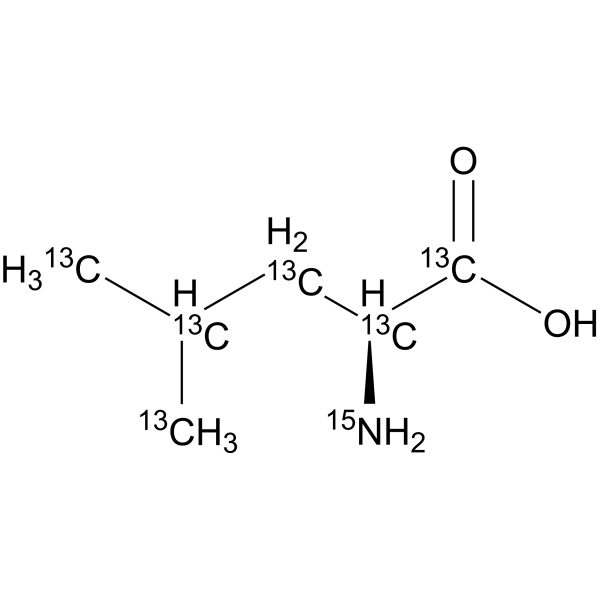
L-Leucine- 13C6, 15N is the 13C- and 15N-labeled L-Leucine. L-Leucine is an essential branched-chain amino acid (BCAA), which activates the mTOR signaling pathway .
|
-
-
- HY-N0486S6
-
|
|
|
L-Leucine-2- 13C, 15N is the 13C- and 15N-labeled L-Leucine. L-Leucine is an essential branched-chain amino acid (BCAA), which activates the mTOR signaling pathway .
|
-
-
- HY-N0486S4
-
|
|
|
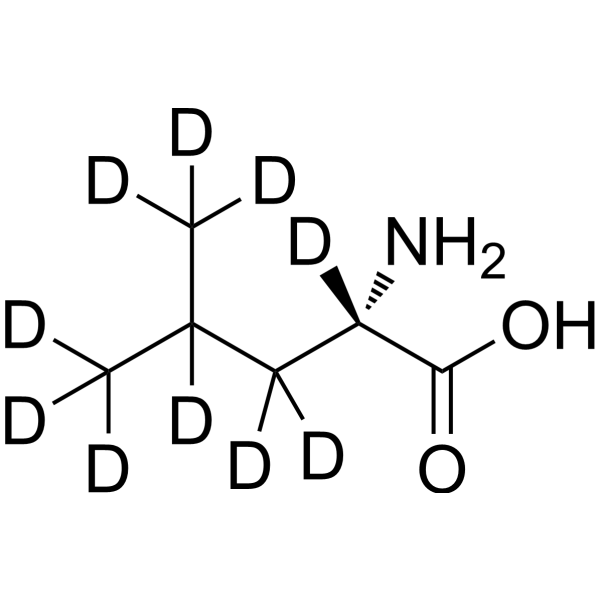
L-Leucine-d7 is the deuterium labeled L-Leucine. L-Leucine is an essential branched-chain amino acid (BCAA), which activates the mTOR signaling pathway .
|
-
-
- HY-N0486S3
-
|
|
|
L-Leucine- 15N is the 15N-labeled L-Leucine. L-Leucine is an essential branched-chain amino acid (BCAA), which activates the mTOR signaling pathway .
|
-
-
- HY-Y0378S
-
|
|
|
D-Leucine-d10 is the deuterium labeled D-Leucine. D-Leucine is a more potent anti-seizure agent than L-leucine. D-leucine potently terminates seizures even after the onset of seizure activity. D-leucine, but not L-leucine, reduces long-term potentiation but had no effect on basal synaptic transmission in vitro .
|
-
-
- HY-N0486S12
-
|
|
|
L-Leucine-d2 is the deuterium labeled L-Leucine. L-Leucine is an essential branched-chain amino acid (BCAA), which activates the mTOR signaling pathway .
|
-
-
- HY-N0486S10
-
|
|
|
L-Leucine- 18O2 is the 18O-labeled L-Leucine. L-Leucine is an essential branched-chain amino acid (BCAA), which activates the mTOR signaling pathway .
|
-
-
- HY-N0486S11
-
|
|
|
L-Leucine-d is the deuterium labeled L-Leucine. L-Leucine is an essential branched-chain amino acid (BCAA), which activates the mTOR signaling pathway .
|
-
-
- HY-N0486S5
-
|
|
|
L-Leucine-2- 13C is the 13C-labeled L-Leucine. L-Leucine is an essential branched-chain amino acid (BCAA), which activates the mTOR signaling pathway .
|
-
-
- HY-N0486S7
-
|
|
|
L-Leucine-1- 13C, 15N is the 13C- and 15N-labeled L-Leucine. L-Leucine is an essential branched-chain amino acid (BCAA), which activates the mTOR signaling pathway .
|
-
-
- HY-W012722BS
-
|
|
|
4-Methyl-2-oxopentanoic acid-d7 (α-Ketoisocaproic acid-d7) sodium is the deuterium labeled 4-Methyl-2-oxopentanoic acid (HY-W012722).4-Methyl-2-oxopentanoic acid is a metabolite of L-leucine and is involved in energy metabolism. 4-Methyl-2-oxopentanoic acid increases endoplasmic reticulum stress, promotes lipid accumulation in preadipocytes and insulin resistance by impairing mTOR and autophagy signaling pathways .
|
-
-
- HY-N0486S13
-
|
|
|
L-Leucine- 15N,d10 is an essential branched-chain amino acid (BCAA), which activates the mTOR signaling pathway .
|
-
-
- HY-W101495S1
-
|
|
|
Boc-Leu-OH·H2O-d3 is the deuterium labeled Boc-Leu-OH·H2O .
|
-
-
- HY-W654243
-
|
|
|
Isovalerylcarnitine-d9-1 (chloride) is deuterium labeled Isovalerylcarnitine (chloride). Isovalerylcarnitine chloride, a product of the catabolism of L-leucine, is a potent activator of the Ca 2+-dependent proteinase (calpain) of human neutrophils .
|
-
-
- HY-W008642S
-
|
|
|
(Leu-13C6,15N)-Leu-OH TFA is a C13 and N15 labeled Leu-Leu-OH TFA. Leu-Leu-OH, a Leu derivative, is a dipeptide .
|
-
-
- HY-W269700S
-
|
|
|
Ile-(Leu-13C6,15N)-OH TFA is 13C- and 15N-labeled Ile-Leu-OH (HY-W269700). Ile-Leu-OH is a hydrophobic dipeptide fragment and is a component of the neurotensin C-terminal heptapeptide Pro-Arg-Arg-Pro-Tyr-Ile-LeuOH .
|
-
-
- HY-W700927
-
|
|
|
N-Formyl-L-leucine-d3 (N-Formyl-S-leucine-d3) is deuterium labeled N-Formyl-L-leucine. N-Formyl-L-leucine is a leucine derivative .
|
-
-
- HY-W340583S
-
|
|
|
(2-(1H-indol-3-yl)acetyl)-L-leucine-d4 is deuterium labeled (2-(1H-indol-3-yl)acetyl)-L-leucine .
|
-
| Cat. No. |
Product Name |
|
Classification |
-
- HY-N0486
-
|
leucine
|
|
Others
|
|
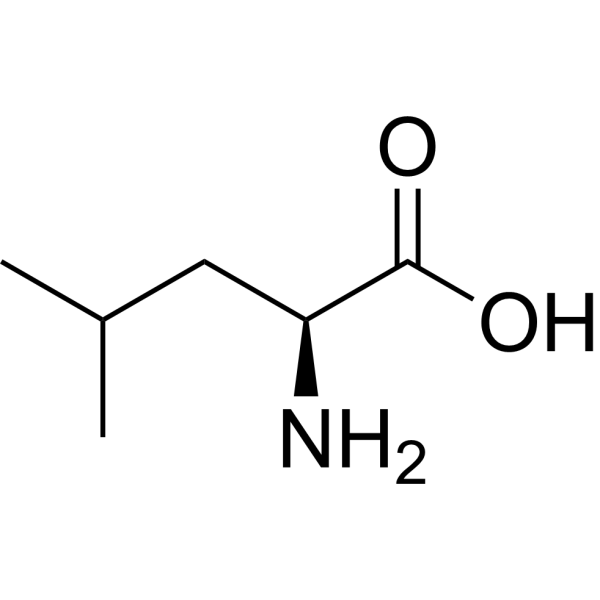
L-Leucine is an essential branched-chain amino acid (BCAA), which activates the mTOR signaling pathway .
|
Your information is safe with us. * Required Fields.
Inquiry Information
- Product Name:
- Cat. No.:
- Quantity:
- MCE Japan Authorized Agent:

