
Search Result
Results for "
L1210
" in MedChemExpress (MCE) Product Catalog:
3
Biochemical Assay Reagents
| Cat. No. |
Product Name |
Target |
Research Areas |
Chemical Structure |
-
- HY-13733
-
|
|
DNA Alkylator/Crosslinker
|
Cancer
|
|
Procarbazine Hydrochloride is an orally active alkylating agent, with anticancer activity. Procarbazine Hydrochloride can be used in Hodgkin's disease research .
|
-
-
- HY-129983
-
|
|
HSV
|
Infection
Cancer
|
|
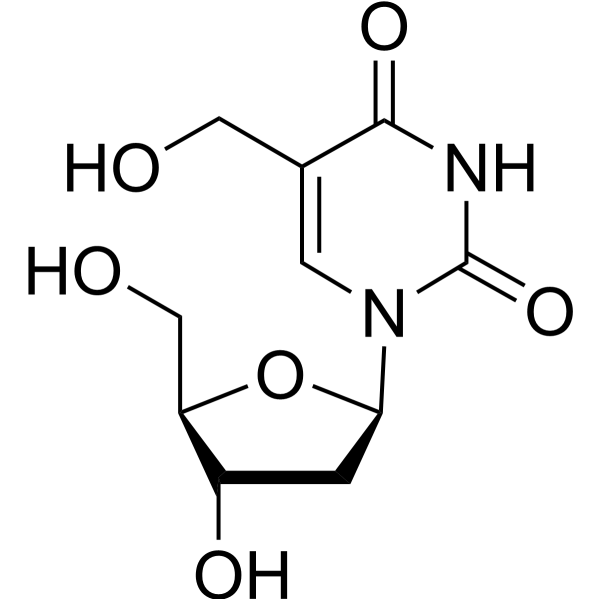
5-Hydroxymethyl-2'-deoxyuridine is a nucleoside analog. 5-Hydroxymethyl-2'-deoxyuridine inhibits the replication of multiple human leukemia cell lines with IC50 values of 1.7-5.8 μM. 5-Hydroxymethyl-2'-deoxyuridine prolongs the survival of mice carrying L1210 leukemia. 5-Hydroxymethyl-2'-deoxyuridine can be used for the research of cell replication and leukemia .
|
-
-
- HY-17564
-
|
2'-Deoxycytidine monohydrochloride; Deoxycytidine hydrochloride; NSC 83251
|
Endogenous Metabolite
Nucleoside Antimetabolite/Analog
|
Cancer
|
|
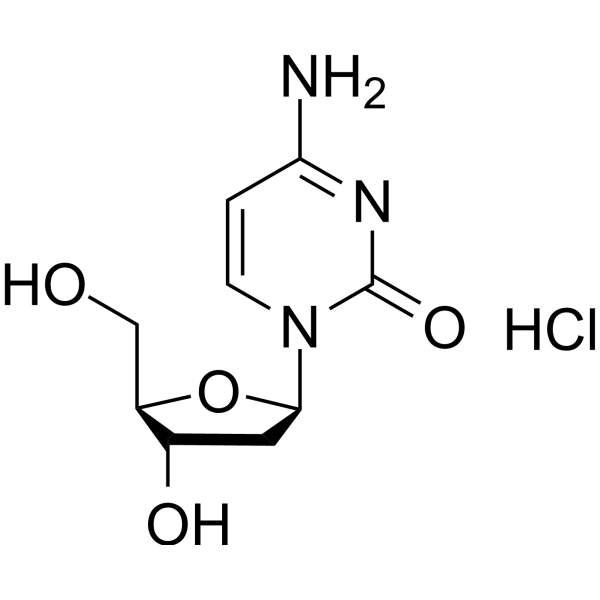
2'-Deoxycytidine hydrochloride is an orally effective nucleic acid biosynthesis enzyme inhibitor. 2'-Deoxycytidine hydrochloride competes with nucleic acid biosynthesis enzymes and nucleoside transporters, thereby reducing the toxicity of cytarabine. 2'-Deoxycytidine (hydrochloride) can be used in the research of L1210 lymphoblastic leukemia .
|
-
-
- HY-W590549
-
|
DODAC
|
Liposome
|
Cancer
|
|
Dioleyldimethylammonium chloride (DODAC) is a positively charged lipid promoter with membrane-disrupting activity, which is often formulated into cationic liposomes with dioleoylphosphatidylethanolamine. Dioleyldimethylammonium chloride is used in gene transfection research; through electrostatic interactions, it effectively promotes the binding of programmable fusion vesicles to cells and induces membrane disruption. Dioleyldimethylammonium chloride is also applied in studies on L1210 leukemia and LS180 human colon cancer .
|
-
-
- HY-W016794
-
|
|
Reactive Oxygen Species (ROS)
Apoptosis
|
Cancer
|
|
NSC3852 exhibits anti-proliferative activity against cancer cell MCF-7. NSC3852 promotes the ROS generation, DNA damage, and apoptosis in MCF-7. NSC3852 exhibits anti-tumor against leukemia in mouse model
|
-
-
- HY-15167A
-
|
|
Glyoxalase (GLO)
|
Cancer
|
|
Glyoxalase I inhibitor free base (3(Et)2) is the inhibitor for glyoxalase I (GLO), and can be used in antitumor research .
|
-
-
- HY-10939A
-
|
|
Biochemical Assay Reagents
|
Cancer
|
|
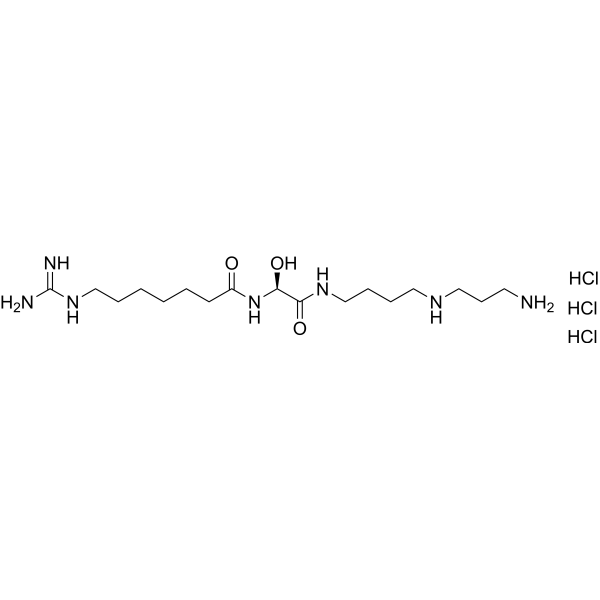
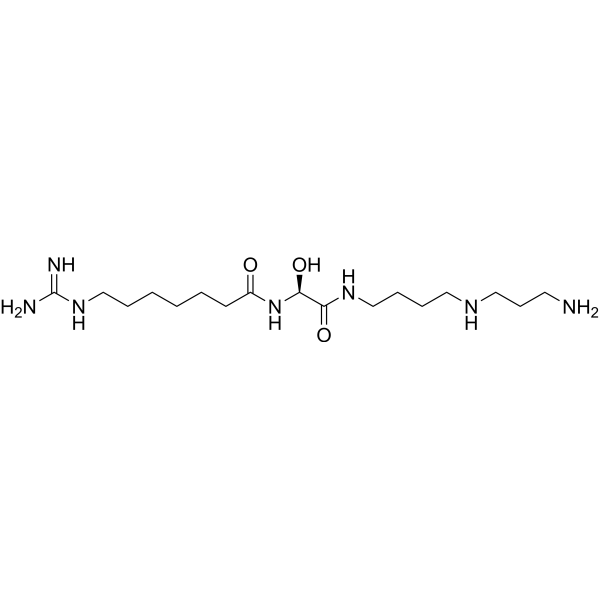
(-)-15-Deoxyspergualin trihydrochloride is a potent antitumor agent. (-)-15-Deoxyspergualin trihydrochloride shows strong inhibition against mouse leukemia L-1210 .
|
-
-
- HY-130430
-
|
(-)-Neplanocin A
|
Antibiotic
Orthopoxvirus
|
Infection
Cancer
|
|
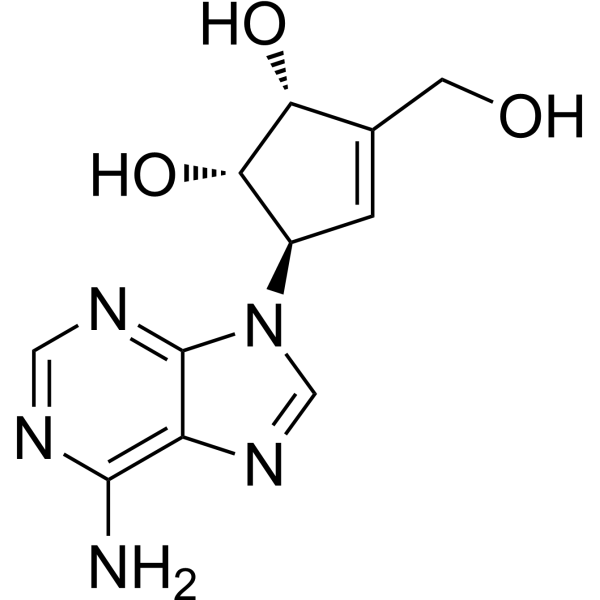
Neplanocin A ((-)-Neplanocin A) is an antitumor antibiotic with significant antitumor activity against murine L1210 leukemia. Neplanocin A is also an irreversible inhibitor of AdoHcy hydrolase (Ki=8.39 nM). Neplanocin A also has antiviral activity and is effective against vaccinia virus. Neplanocin A is obtained from Ampulariella regularis .
|
-
-
- HY-B1713A
-
|
DL-(±)-Ornithine hydrochloride
|
Endogenous Metabolite
|
Metabolic Disease
|
|
DL-Ornithine (DL-(±)-Ornithine) hydrochloride is an amino acid and also a urea cycle promoter. DL-Ornithine hydrochloride has the characteristics of low metabolic rate and rapid excretion, and only the L-enantiomer undergoes decarboxylation. In mice inoculated with L-1210 leukemia cells, DL-Ornithine hydrochloride is excreted in urine in its original form, and its conversion to carbon dioxide within 24 h is negligible. DL-Ornithine hydrochloride is mainly used in the urea cycle to eliminate excess nitrogen in the body and protect the kidneys .
|
-
-
- HY-129861
-
|
|
HSV
|
Infection
Cancer
|
|
5'-Ethynyl-2'-deoxycytidine is an inhibitor for HSV, that inhibits the cytopathic effect of HSV-1 in primary rabbit kidney cell with a MIC of 0.2 μg/mL. 5'-Ethynyl-2'-deoxycytidine inhibits the proliferation of leukemia L1210 cell with an IC50 of 64.5 μg/mL .
|
-
-
- HY-N11519
-
|
|
Others
|
Cancer
|
|
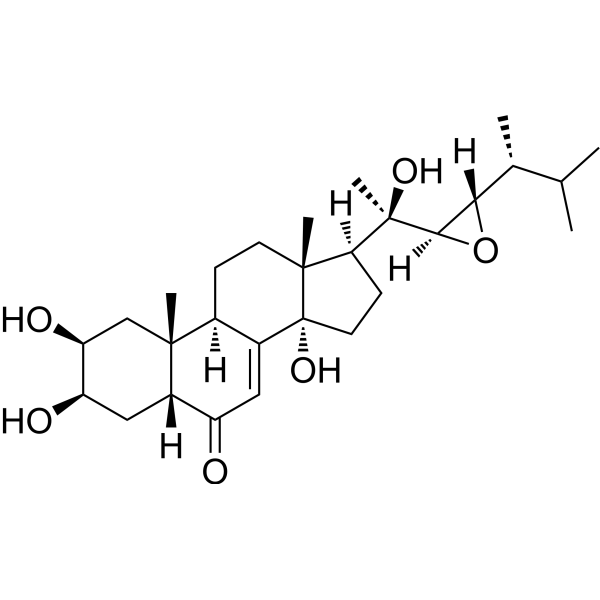
Polyporusterone C (Compound 3) is a natural product that can be isolated from Polyporus umbellatus. Polyporusterone C shows cytotoxic activities with IC50s of 37, 26 and 42 μg/mL against L-1210 cells at 3, 5 and 7 days, respectively .
|
-
-
- HY-19015
-
|
AT-2153
|
Calmodulin
|
Cancer
|
|
Probimane (AT-2153) is a potent anticancer agent. Probimane is effective against mouse tumors S37, S180, Lewis lung carcinoma, L1210 and human pulmonary adenocarcinoma heterotransplanted into nude mice .
|
-
-
- HY-10819
-
|
|
Antifolate
|
Cancer
|
|
AG2034 is an inhibitor of glycinamide ribonucleotide formyltransferase (GARFT), with a Ki of 28 nM against human GARFT, and it binds with high affinity to the folate receptor (Kd of 0.0042 nM). Additionally, AG2034 is a substrate for rat liver folylpolyglutamate synthetase, with a Km of 6.4 µM. AG2034 inhibits the growth of L1210 and CCRF-CEM cells, with IC50 values of 4 nM and 2.9 nM, respectively, and it has demonstrated antitumor activity in xenograft models such as 6C3HED .
|
-
-
- HY-N16374
-
|
|
Antibiotic
Bacterial
Fungal
|
Infection
Cancer
|
|
Mazethramycin B (Compound II) is an antitumor antibiotic. Mazethramycin B can be isolated from the Streptomyces thioluteusM ME561-L4. Mazethramycin B has a broad-spectrum antimicrobial activity (such as MICs of 1.56 and 6.25 μg/mL for the bacteria Bacillus subtilis PCI 219 and the fungus Candida pseudotropicalis, resepectively). Mazethramycin B significantly increases survival in L1210 leukemia mice model .
|
-
-
- HY-10939
-
|
|
Bacterial
Fluorescent Dye
|
Cancer
|
|
(-)-15-Deoxyspergualin is a potent antitumor agent. (-)-15-Deoxyspergualin shows strong inhibition against mouse leukemia L-1210 .
|
-
-
- HY-118917
-
|
|
IMPDH
|
Inflammation/Immunology
|
|
VX-148 is an orally active immunosuppressant, which is a non-competitive inosine-5'-monophosphate dehydrogenase (IMPDH) inhibitor with Ki values for IMPDH Ⅱ and IMPDH Ⅰ of 6 and 14 nM respectively. VX-148 can significantly inhibit the proliferation of human peripheral blood mononuclear cells (PBMC) stimulated by T-cell mitogen (PHA) or B-cell mitogen (SPAS). VX-148 has high selectivity for lymphocytes (such as L1210, Jurkat T cells, and Raji B cells), but has no significant toxicity to non-lymphoid cells. VX-148 can inhibit antibody responses in mouse models and significantly prolong the survival time of transplanted skin in allogeneic skin transplantation models. VX-148 can be used in the research of autoimmune diseases (such as rheumatoid arthritis, psoriasis) and organ transplantation anti-rejection .
|
-
-
- HY-15167
-
|
|
Glyoxalase (GLO)
|
Cancer
|
|
Glyoxalase I inhibitor (3(Et)2) is the inhibitor for glyoxalase I (GLO), and can be used in antitumor research .
|
-
-
- HY-129564
-
|
|
Antibiotic
|
Cancer
|
|
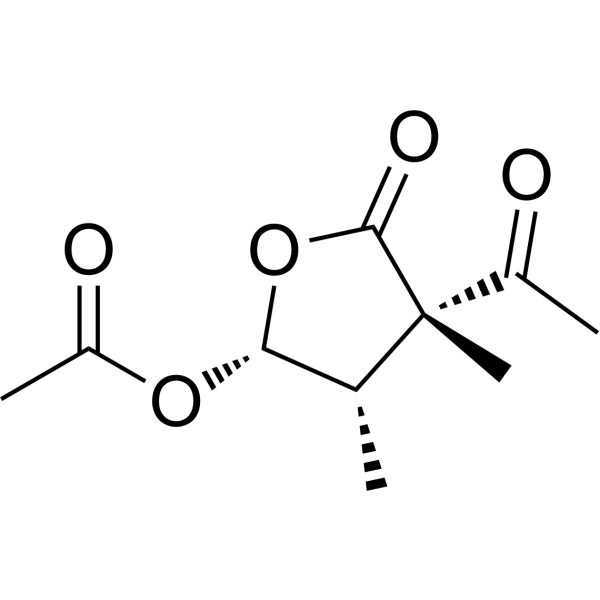
Acetomycin is an antibiotic. Acetomycin inhibits the growth of CT-8 human colon adenocarcinoma cells (IC50: 1.5 μg/mL) and L1210 murine leukemia cells (IC50: 2.2 μg/mL). Acetomycin can be isolated from actinomycete WP-2661 .
|
-
-
- HY-P2045
-
|
|
Arp2/3 Complex
|
Cancer
|
|
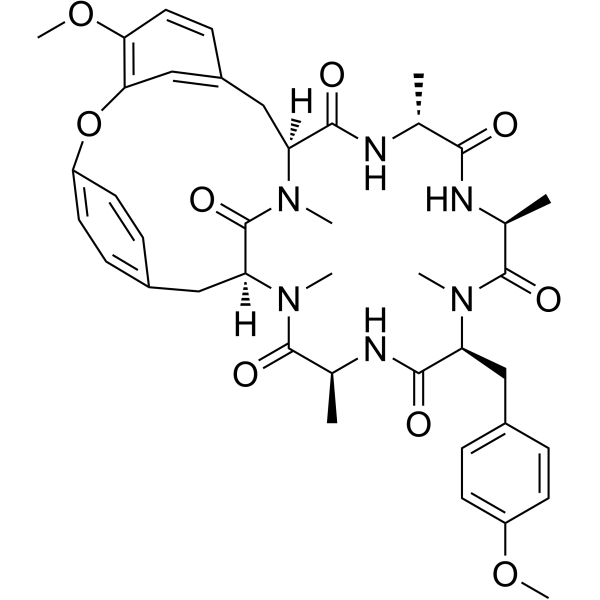
RA-VII is an antitumor agent that exhibits significant activity against L1210, B-16 melanoma, Lewis lung carcinoma, Colon 38 and Ehrlich carcinoma .
|
-
-
- HY-10082A
-
|
(E)-PAN-811; (E)-NSC# 663249; (E)-OCX191
|
DNA/RNA Synthesis
|
Cancer
|
|
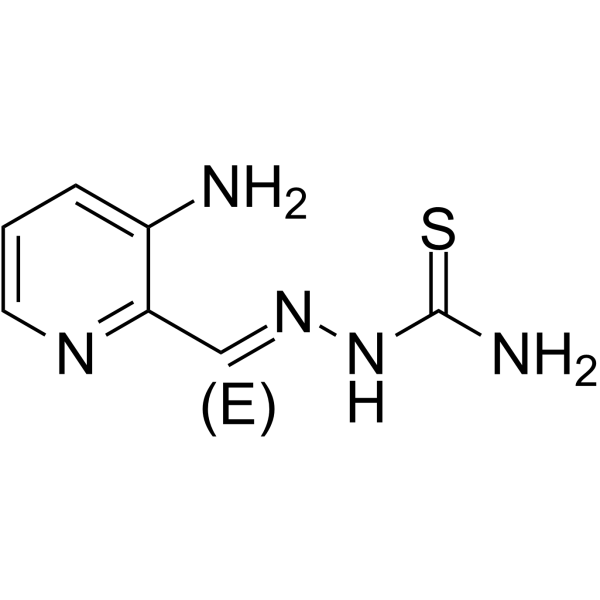
(E)-3-AP is the E configuration of 3-AP. 3-AP is a potent ribonucleotide reductase inhibitor. 3-AP shows anti-proliferative activity. 3-AP shows anticancer activity in L1210 leukemia model. 3-AP inhibits RR activity and DNA synthesis .
|
-
-
- HY-N8519
-
|
|
Bacterial
Fungal
Antibiotic
|
Infection
Cancer
|
|
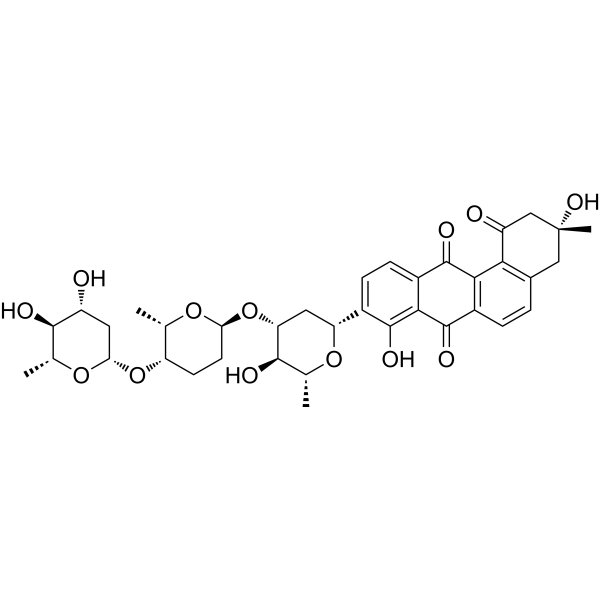
Urdamycin B is an antibiotic that effectively inhibits fungi and bacteria. Urdamycin B also exhibits anti-proliferative activity against mouse leukemia cells L1210. Urdamycin B can be obtained from the metabolic products of Streptomyces fradiae. Urdamycin B can be used for research on cancer as well as bacterial and fungal infections .
|
-
-
- HY-N15600
-
|
(-)-Merulidial
|
Antibiotic
Fungal
Bacterial
DNA/RNA Synthesis
|
Infection
Cancer
|
|
Merulidial (Compound 1) is an antibiotic and cytotoxic agent with a sesquiterpene dialdehyde structure. Merulidial significantly inhibits the germination of spores and the hyphal growth of the wood-roting basidiomycete Heterobasidion annosum (H. annosum) and the saprophytic mould Cladosporium cucumerinum (C.cucumerinum). Merulidial also inhibits a variety of bacteria, algae and DNA synthesis of ECA cells. Merulidial shows a strong anticancer activity with IC50 s of 20 and 10 μg/mL for ECA and L1210 cells, respectively .
|
-
-
- HY-23120
-
|
|
Antibiotic
Virus Protease
|
Infection
Cancer
|
|
1-Hydroxyguanidine sulfate is an antitumor agent that inhibits mast cell P815, leukaemia P388, leukaemia L1210 and carcinosarcoma Walker 256 cells growth. 1-Hydroxyguanidine sulfate also has antiviral activity .
|
-
-
- HY-P991016
-
|
PT-217
|
CD47
|
Inflammation/Immunology
|
|
Peluntamig (PT-217) is a bispecific antibody targeting DLL3 and CD47. The antibody arms of Peluntamig specifically bind to DLL3 on small cell lung cancer tumor cells while blocking the CD47-SIRPa interaction, thereby effectively stimulating macrophage phagocytosis and inducing NK cell-mediated cytotoxicity. Peluntamig exhibits significant anti-tumor activity against small cell lung cancer and also has favorable safety profiles. Peluntamig can be used in a variety of tumor-related studies including those on small cell lung cancer and L1210 leukemia .
|
-
-
- HY-N14697
-
|
|
Antibiotic
|
Cancer
|
|
Cytorhodin X is a cytotoxic antibiotic. Cytorhodin X can inhibit the proliferation of L1210 murine leukemia cells, with an ED50 of 0.36 μM .
|
-
-
- HY-126824
-
|
|
DNA/RNA Synthesis
|
Cancer
|
|
5,10-Dideazaaminopterin (compound 1) is a new compound with activity against L1210 leukemia with an IC50 value of 17nM .
|
-
-
- HY-117708
-
|
|
Drug Intermediate
|
Cancer
|
|
Antitumor agent-144 (16) is an antitumor agent, with IC50 values of 2.6 μM and 8.4 μM in L1210 and KB cells, respectively .
|
-
-
- HY-115836
-
|
|
Dihydrofolate reductase (DHFR)
|
Cancer
|
|
DDPO is an inhibitor for dihydrofolate reductase (DHFR) with an IC50 of 0.035 µM. DDPO inhibits the cell growth of cancer cell L1210 and WI-L2with IC50 of 5 and 0.28 µM .
|
-
-
- HY-13663
-
|
QLT-0074; DRM-05; EA 6
|
Photosensitizer
Drug Derivative
|
Cancer
|
|
Lemuteporfin (QLT-0074) is a benzoporphyrin derivative, diethylene glycol functionalized chlorin-type photosensitizer. Lemuteporfin rapidly sensitizes cells to photodynamic therapy. Lemuteporfin has anticancer activity against acute lymphoblastic leukemia .
|
-
-
- HY-W194107
-
|
|
DNA/RNA Synthesis
|
Cancer
|
|
Antitumor agent-152 (Compound 5) is a specific substrate and inhibitor of deoxycytidine kinase (dCK) with anticancer activity. Antitumor agent-152 can inhibit the uptake of 3H-dC in L1210 leukemia cells with an IC50 value of 1.12 μM .
|
-
-
- HY-124116
-
|
|
DNA/RNA Synthesis
|
Cancer
|
|
PD 121373 is a DNA complexing agent with antitumor activity. PD 121373 can bind tightly to DNA and RNA and inhibit the synthesis of DNA and RNA. The IC50 values of PD 121373 for inhibiting DNA and RNA synthesis in L1210 cells are 0.5 μM and 0.3 μM, respectively .
|
-
-
- HY-N14238
-
|
|
Antibiotic
Bacterial
|
Infection
Inflammation/Immunology
Cancer
|
|
Epoxyquinomicin B is an antibiotic that can be isolated from Amycolatopsis sp. Epoxyquinomicin B exhibits inhibitory activity against Micrococcus luteus, Bacillus subtilis, Pasteurella piscicida and Staphylococcus aureus with a MIC of 6.25-12.5 µg/mL. Epoxyquinomicin B exhibits cytotoxicity in cancer cell L1210 with IC50 of 16.3 µg/mL. Epoxyquinomicin B exhibits anti-inflammatory effects against collagen-induced arthritis .
|
-
-
- HY-N14237
-
|
|
Antibiotic
Bacterial
|
Infection
Inflammation/Immunology
Cancer
|
|
Epoxyquinomicin A is an antibiotic that can be isolated from Amycolatopsis sp. Epoxyquinomicin A exhibits inhibitory activity against Micrococcus luteus, Bacillus subtilis, Pasteurella piscicida and Staphylococcus aureus with a MIC of 3-12.5 µg/mL. Epoxyquinomicin A exhibits cytotoxicity in cancer cell L1210, B16 and S180 with IC50 of 2-8 µg/mL. Epoxyquinomicin A exhibits anti-inflammatory effects against collagen-induced arthritis .
|
-
-
- HY-122045
-
-
-
- HY-122518
-
|
|
Bacterial
|
Inflammation/Immunology
|
|
8-Deazafolic acid is an antimicrobial drug for the folate-dependent bacteria, Streptococcus faecium (ATCC 8043) and Lactobacillus casei (ATCC 74691). 8-Deazafolic acid has activity against lymphoid leukemia L1210 in mice .
|
-
-
- HY-N10206
-
|
|
Endogenous Metabolite
|
Cancer
|
|
11-epi-Chaetomugilin I is a metabolite found in Chaetomium globosum. 11-epi-Chaetomugilin I exhibits significant cytotoxic activity against the murine P388 leukemia cell line, the human HL-60 leukemia cell line, the murine L1210 leukemia cell line, and the human KB epidermoid carcinoma cell line .
|
-
-
- HY-N14776
-
|
|
Antibiotic
Bacterial
|
Infection
Cancer
|
|
11-Demethyltomaymycin is an antibiotic. 11-Demethyltomaymycin has antiviral activity against Escherichia coli T1 and T3 phages and antibacterial activity against Gram-positive bacteria. In addition, 11-Demethyltomaymycin is cytotoxic to leukemia L1210 cells .
|
-
-
- HY-N14221
-
|
|
Antibiotic
DNA/RNA Synthesis
|
Infection
Cancer
|
|
Eponemycin is an antibiotic that exhibits antitumor activity. Eponemycin exhibits cytotoxicity in cancer cells B16-F10, L1210, P388 and HCT-116 with IC50 of 0.0017, 0.01, 0.031 and 0.0097 µg/mL, respectively. Eponemycin inhibits the DNA synthesis in B16-F10 and Mitomycin C with IC50 of 0.1 µg/mL and 0.41 µg/mL .
|
-
-
- HY-129762
-
|
NSC-102627
|
DNA/RNA Synthesis
|
Cancer
|
|
Yoshi-864 (NSC-102627) is an alkylsulfonate DNA crosslinker with anticancer activity. Yoshi-864 extends markedly the survival times of mice bearing L1210 leukemia or Ehrlich ascites carcinoma. Yoshi-864 also has a persistent reduction in ability to synthesize DNA in tumor cells from mice bearing the Ehrlich tumor .
|
-
-
- HY-113578
-
|
|
Antibiotic
Bacterial
|
Infection
Cancer
|
|
PD 116152 is a phenazine Antibiotic with antimicrobial and antitumor activity. PD 116152 possesses cytotoxic activity against L1210 lymphocytic leukemia and human colon adenocarcinoma (HCT-8) cells with IC50 values of 5.2 x 10 -7 M and 7.1 x 10 -7 M, respectively. PD 116152 is promising for research of P388 lymphocytic leukemia .
|
-
-
- HY-N14140
-
-
-
- HY-113700
-
|
|
Antibiotic
|
Cancer
|
|
PD 116779 is an Antibiotic with anticancer activity. PD 116779 demonstrates moderate cytotoxicity against L1210 lymphocytic leukemia and HCT-8 human colon adenocarcinoma cell lines with IC50 values of 3.55x10 -7 and 4.08x10 -7 M, respectively .
|
-
-
- HY-N15034
-
-
-
- HY-117657
-
|
|
Topoisomerase
Bacterial
|
Inflammation/Immunology
Cancer
|
|
(-)-BO 2367, an antimicrobial quinolone, is a strong mammalian and bacterial topoisomerase II inhibitor. (-)-BO 2367 shows IC50 values with 3.8 μM, 0.5 μM, and 1 μM against the DNA relaxation activity of L1210 topoisomerase II and the supercoiling activities of Escherichia coli gyrase and Micrococcus luteus gyrase, respectively. (-)-BO 2367 is a potent antitumor agent .
|
-
-
- HY-N14787
-
|
|
Bacterial
|
Infection
Cancer
|
|
Basidalin has the ability of anti-Gram-positive bacteria, negative bacteria and inhibition of mouse leukemia L-1210 cell.
|
-
-
- HY-126170
-
|
|
Antibiotic
Bacterial
|
Infection
Cancer
|
|
Valanimycin is an antibiotic, which inhibits Escherichia coli (BE1121) through interaction with DNA. Valanimycin exhibits cytotoxicity to mouse leukemia L1210, P388/S (doxorubicin (HY-15142A)-sensitive), and P388/ADR (doxorubicin-resistant), with IC50 of 0.79, 2.65, and 1.44 μg/mL, respectively. Valanimycin exhibits antitumor efficacy against ehrlich ascites tumors or L1210 in mice .
|
-
-
- HY-N14133
-
|
|
Bacterial
|
Infection
|
|
Enaminomycin A has activity against Gram-positive bacteria, Gram-negative bacteria and plant pathogenic fungi (weak), and it has the inhibitory effect of L-1210 .
|
-
-
- HY-105969
-
|
NSC-29630; 3',5'-Dichloromethotrexate
|
Drug Derivative
|
Cancer
|
|
Dichloromethotrexate (NSC-29630), an orally active antitumor agent, shows antitumor effect against L1210 leukemia and C3H lymphosarcoma in mice .
|
-
-
- HY-N14551
-
|
|
Bacterial
|
Infection
Cancer
|
|
Roseorubicin B has anti-Gram-positive bacteria and mycobacterium effect. Roseorubicin B also inhibits leukaemia L1210 with an IC50 of 0.06 μg/mL .
|
-
-
- HY-N14155
-
|
|
Bacterial
Fungal
|
Infection
Cancer
|
|
Epelmycin A has anti-Gram positive, negative bacteria and candida albicans activity, and has anti-leukemic L1210 activity, which is stronger than Aclacinomycin .
|
-
- HY-N14157
-
|
|
Bacterial
Fungal
|
Infection
Cancer
|
|
Epelmycin C has anti-Gram positive, negative bacteria and candida albicans activity, and has anti-leukemic L1210 activity, which is stronger than Aclacinomycin .
|
-
- HY-N14158
-
|
|
Bacterial
Fungal
|
Infection
Cancer
|
|
Epelmycin D has anti-Gram positive, negative bacteria and candida albicans activity, and has anti-leukemic L1210 activity, which is stronger than Aclacinomycin .
|
-
- HY-N14159
-
|
|
Bacterial
Fungal
|
Infection
Cancer
|
|
Epelmycin E has anti-Gram positive, negative bacteria and candida albicans activity, and has anti-leukemic L1210 activity, which is stronger than Aclacinomycin .
|
-
- HY-N14515
-
|
|
Bacterial
|
Infection
Cancer
|
|
Saframycin G has the effect of anti-Gram-positive bacteria. Saframycin G has the effect of inhibiting mouse lymphocyte L-1210 with an ID50 of 0.03 μM .
|
-
- HY-N13894
-
|
|
Antibiotic
Bacterial
|
Infection
Cancer
|
|
Auramycin A, an anthracycline antibiotic that shows marked antibacterial activity against Gram-positive bacteria. Auramycin A also exhibits antitumor activity against P388 and L1210 leukemia in mice .
|
-
- HY-N14499
-
|
|
Bacterial
|
Infection
Cancer
|
|
Saframycin H has the effect of anti-Gram-positive bacteria. Saframycin H has the effect of inhibiting mouse lymphocyte L-1210 with an ID50 of 0.033 μM .
|
-
- HY-N14516
-
|
|
Bacterial
|
Infection
Cancer
|
|
Saframycin F has the effect of anti-Gram-positive bacteria. Saframycin F has the effect of inhibiting mouse lymphocyte L-1210 with an ID50 of 0.59 μM .
|
-
- HY-N14617
-
|
|
Bacterial
|
Infection
Cancer
|
|
Rhodirubin A has a strong anti-Gram-positive bacteria effect, and also has an effect on Mycobacterium. Rhodirubin A can also prolong the survival time of mice inoculated with leukemia L-1210 .
|
-
- HY-N13895
-
|
|
Antibiotic
Bacterial
|
Infection
Cancer
|
|
Auramycin B, an anthracycline antibiotic that shows marked antibacterial activity against Gram-positive bacteria. Auramycin B also exhibits antitumor activity against P388 and L1210 leukemia in mice .
|
-
- HY-N14377
-
|
|
Bacterial
|
Infection
Cancer
|
|
Papyracon D has weak effect against nematodes and has inhibitory effect on L1210 and HL60 cells. Papyracon D also has weak anti-Gram-positive bacterial effect .
|
-
- HY-N14619
-
|
|
Bacterial
|
Infection
Cancer
|
|
Rhodirubin B has a strong anti-Gram-positive bacteria effect, and also has an effect on Mycobacterium. Rhodirubin B can also prolong the survival time of mice inoculated with leukemia L-1210 .
|
-
- HY-N14947
-
|
|
Quinone Reductase
|
Cancer
|
|
Pterulinic acid is a coenzyme I: Coenzyme Q oxidoreductase inhibitor. he IC50 (μg/mL) L1210 and HL60 of Pterulinic acid to mammalian cell lines are 50 and 20 respectively. HeLaS3 25; BHK is 100 .
|
-
- HY-N14764
-
|
|
DNA/RNA Synthesis
Antibiotic
Bacterial
|
Infection
Cancer
|
|
2-Hydroxyaclacinomycin A is an anthracycline antibiotic. 2-Hydroxyaclacinomycin A has the activity of inhibiting leukemia L-1210 cells, and the IC50 for RNA and DNA synthesis is 0.10 μg/mL and 0.95 μg/mL, respectively .
|
-
- HY-N14802
-
|
|
Antibiotic
Bacterial
|
Infection
|
|
Napyradiomycin B1 is an antibiotic with anti-Gram-positive bacteria and mycobacterial activity. Napyradiomycin B1 almost none to Gram-negative bacteria and fungi. IC50 (μg/mL) of leukemia L-1210 cells is 2.2 .
|
-
- HY-N14652
-
|
|
Antibiotic
Bacterial
|
Infection
Cancer
|
|
Glycocinnasperimicin D is a glycoside cinnamyl imide histamine antibiotic. Glycocinnasperimicin D has the activity of anti-Gram positive bacteria and negative bacteria. Glycocinnasperimicin D inhibits leukemia L1210 cell with an IC50 of 2.0 μg/mL .
|
-
- HY-N14806
-
|
|
Antibiotic
Bacterial
|
Infection
|
|
Napyradiomycin C1 is an antibiotic with anti-Gram-positive bacteria and mycobacterial activity. Napyradiomycin C1 almost none to Gram-negative bacteria and fungi. IC50 (μg/mL) of leukemia L-1210 cells is 9.2 .
|
-
- HY-N13898
-
|
|
DNA/RNA Synthesis
|
Cancer
|
|
Alldimycin A is an anthracycline compound that inhibits RNA and DNA syntheses. Alldimycin A inhibits the growth, DNA and RNA synthesis of murine leukemic L1210, with IC50 values of 0.05 μg/mL, 0.92 μg/mL, and 0.47 μg/mL, respectively .
|
-
- HY-N8512
-
|
|
Fungal
|
Infection
|
|
Asperfuran is an antifungal dihydrobenzofuran derivative produced by a strain of Aspergillus oryzae. Asperfuran weakly inhibits chitin synthase from Coprinus cinereus. Asperfuran shows weak cytotoxicity In HeLa S3 and L1210 cells with an IC50 of 25 μg/ml .
|
-
- HY-129983R
-
|
|
HSV
|
Infection
Cancer
|
|
5-Hydroxymethyl-2'-deoxyuridine (Standard) is the analytical standard of 5-Hydroxymethyl-2'-deoxyuridine. This product is intended for research and analytical applications. 5-Hydroxymethyl-2'-deoxyuridine is a nucleoside analog. 5-Hydroxymethyl-2'-deoxyuridine inhibits the replication of multiple human leukemia cell lines with IC50 values of 1.7-5.8 μM. 5-Hydroxymethyl-2'-deoxyuridine prolongs the survival of mice carrying L1210 leukemia. 5-Hydroxymethyl-2'-deoxyuridine can be used for the research of cell replication and leukemia .
|
-
- HY-119261
-
|
|
Antibiotic
|
Cancer
|
|
Ruboxyl is an anthracycline antibiotic with antitumor activity. Ruboxyl inhibits colorectal cancer (CRC) liver metastasis in mice by 84%, suppresses B16 melanoma growth, and increases the survival rate of mice with L1210 or L5178Y leukemia .
|
-
- HY-16189
-
|
NSC 264137; Celiptium
|
DNA Stain
|
Cancer
|
|
Elliptinium acetate (NSC 264137) is a DNA intercalating agent that is highly cytotoxic to L1 210 cells and covalently binds to nucleic acids from L1210 cells. Elliptinium acetate can be used in cancer research, particularly in metastatic breast cancer .
|
-
- HY-N14747
-
|
|
Bacterial
|
Infection
|
|
Elloramycin has weak activity against Gram-positive bacteria, streptomycete and L-1210 leukemic cells, but has no effect on mouse leukemic P388 cells in vivo, and also has a strong inhibition of Streptomyces (including the production of bacteria themselves) activity .
|
-
- HY-N15055
-
|
|
Antibiotic
Bacterial
|
Infection
|
|
Propeptin is a peptide antibiotic composed of 19 amino acids. Propeptin has weaker activity against Pseudomonas aeruginosa, Mycobacterium monobacterium, and Xanthomonas oryzae. Propeptin has no effect on KB and L1210 cells of tumor cell lines, but has an inhibitory effect on prolyl endopeptidase .
|
-
- HY-N14144
-
|
|
Bacterial
|
Infection
Cancer
|
|
Cremimycin has anti-Gram-positive bacteria activity including methicillin-resistant Staphylococcus aureus (MRSA), MIC is 0.2-0.39 μg/mL. Cremimycin shows cytotoxicity to mouse tumor cell lines P388, L1210, IMC, S180, B16 and SS3 in vitro .
|
-
- HY-N14139
-
|
|
Bacterial
|
Infection
Cancer
|
|
Dioxamycin has anti-Gram-positive bacterial activity. Dioxamycin can inhibit Staphylococcus aureus 209P with a MIC of 3.12 μg/mL. Dioxamycin inhibits the growth of L1210, P388, IMC, LX-1 and SC-6 cells with IC50s (μg/mL) of 2.7, 1.4, 6.0, 2.0 and 2.5, respectively .
|
-
- HY-N14163
-
|
|
Bacterial
|
Infection
Cancer
|
|
Diperamycin has activity against Gram-positive bacteria, including Enterococcus seriolicida and MRSA (MICs of 0.10-0.20 μg/mL). Diperamycin also strongly inhibits the activity of L1210, P388, LS-180, KB, HeLaS3, Meth A and B16-BL6 (IC50s of 0.009-0.098 μg/mL) .
|
-
- HY-101775
-
|
|
Topoisomerase
|
Cardiovascular Disease
Cancer
|
|
9-hydroxyellipticine is an inhibitor of Topo II and RyR, exhibiting high affinity for DNA with a Pka value of 9.8 at pH 7.4. It has antitumor, antioxidant, and catecholamine-releasing activities, with IC50 values of 1.6 μM and 1.2 μM for Hela S-3 and 293T cells, respectively. It also demonstrates anticancer effects in L1210 leukemia mice .
|
-
- HY-130059
-
|
Guanine 7-N-oxide
|
Antibiotic
Fungal
HSV
|
Infection
Cancer
|
|
Guanine-7-oxide (Guanine 7-N-oxide) is an antitumor antibiotic with anti-tumor, anti-Candida albicans activity, and can inhibit viral replication effect of herpes virus, infectious blood virus (IHNV), infectious pancreatic necrosis virus (IPNV) and so on. Guanine-7-oxide has good activity against mouse L1210 leukemia cells .
|
-
- HY-N14853
-
|
|
Bacterial
Fungal
|
Infection
|
|
Ossamycin is a macrolide antibiotic. Ossamycin has anti-fungal effect, and it has weaker anti-Gram-positive bacterial effect. Ossamycin inhibits L cells, Epstein-Barr ascites cancer cells, KB cells, sarcoma-180 cells, L-1210 cells, HeLa cells in cell culture with IC50s (μg/mL) of 0.007, 0.008, 0.005, 0.008, 0.003, 0.005, respectively .
|
-
- HY-124093
-
|
|
Thymidylate Synthase
Bacterial
|
Infection
Cancer
|
8-Deazahomofolic acid is an inhibitor of thymidylate synthase (TS) and other folate-related enzymes. 8-Deazahomofolic acid shows inhibitory activity against folate-dependent S. faecium, L. casei, and MTX (HY-14519) resistant strains. 8-Deazahomofolic acid also inhibits the growth of L1210 leukemia cells, with an IC50 value of 87.5 μM. 8-Deazahomofolic acid can be used in research on bacterial infections and tumors .
|
-
- HY-N10653
-
|
(-)-Altemicidin
|
Others
|
Cancer
|
|
Altemicidin is a monoterpene alkaloid originally isolated from S. sioyaensis with acaricidal and anticancer activities. It is acaricidal to two-spotted spider mites (T. urticae) in a greenhouse pot test at concentrations of 10 and 100 ppm. Altemicidin inhibits the growth of murine L1210 lymphocytic leukemia and IMC carcinoma cells (IC50s=0.84 and 0.82 μg/mL, respectively). It is toxic to mice with an LD50 value of 0.3 mg/kg.
|
-
- HY-N14722
-
|
|
Bacterial
|
Infection
Cancer
|
|
Lactonamycin had strong activity against Gram-positive bacteria including Staphylococcus, Streptococcus, Enterococcus, MRSA (MIC of 0.39-0.78 μg/mL) and VRE (MIC of 0.39-0.78 μg/mL). Lactonamycin also has inhibitory effect on L-1210, P388, S180, FS-3, Ehrlich, B16-BL5 and other tumor cell lines (IC50s of 0.06-3.3 μg/mL) .
|
-
- HY-W344074
-
|
|
DNA/RNA Synthesis
Drug Metabolite
|
Cancer
|
|
Cytarabine 5′-monophosphate is a metabolite of the nucleoside analog Cytarabine (HY-13605), catalyzed by deoxycytidine kinase. Cytarabine 5′-monophosphate is incorporated into DNA by DNA polymerase α, which reduces the rate of DNA synthesis. At a concentration of 15 mM, Cytarabine 5′-monophosphate inhibits nuclear and mitochondrial DNA replication in Saccharomyces cerevisiae (S. cerevisiae). Additionally, Cytarabine 5′-monophosphate (3.5-75.1 mg/kg) improves survival in leukemia mice (L1210 mice). Cytarabine 5′-monophosphate can be used in cancer research .
|
-
- HY-117285
-
|
Lactoquinomycin A; LQM-A
|
Antibiotic
Bacterial
|
Infection
Cancer
|
|
Lactoquinomycin A is a quinone antibiotic. Lactoquinomycin A has the activity of anti-Gram-positive bacteria and some Gram-negative bacteria, but the effect of anti-Gram-negative bacteria is weak and has no effect on fungi. Lactoquinomycin A inhibits a variety of cell lines including lymphoma L5178Y progenitor, Adriamycin resistant, Bleomycin-resistant, human leukemia K562, mouse leukemia L-1210 and mouse leukemia P 388 with ID50 (μg/mL) of 0.02, 0.006, 0.008, 0.033, 0.013 and 0.03, respectively .
|
-
- HY-N14774
-
|
|
Antibiotic
Bacterial
|
Infection
|
|
Lactoquinomycin B is a quinone antibiotic. Lactoquinomycin B has the activity of anti-Gram-positive bacteria and some Gram-negative bacteria, but the effect of anti-Gram-negative bacteria is weak and has no effect on fungi. Lactoquinomycin B inhibits a variety of cell lines including lymphoma L5178Y progenitor, Adriamycin resistant, Bleomycin-resistant, human leukemia K562, mouse leukemia L-1210 and mouse leukemia P 388 with ID50 (μg/mL) of 0.43, 0.21, 0.19, 0.16, 0.2 and 0.12, respectively .
|
-
- HY-117247
-
|
|
DNA/RNA Synthesis
|
Infection
|
|
5,6,7,8-Tetrahydro-8-deazahomofolic acid is a potential thymidylate synthase (TS) inhibitor with inhibitory activity against other folate-related enzymes. 5,6,7,8-Tetrahydro-8-deazahomofolic acid showed mild growth inhibition against enterococci, lactic acid bacteria, and L1210 cells in culture. 5,6,7,8-Tetrahydro-8-deazahomofolic acid also showed weak inhibition against thymidylate synthase, dihydrofolate reductase, glycyl-ribonucleoside aminotransferase, and aminoimidazole-carboxyacyl-ribonucleoside aminotransferase. 5,6,7,8-Tetrahydro-8-deazahomofolic acid showed low substrate activity for thymidylate synthase .
|
-
- HY-123597
-
|
DDUG; NCI C04808
|
Autophagy
Checkpoint Kinase (Chk)
|
Cancer
|
|
NSC 109555 is an ATP-competitive inhibitor of checkpoint kinase 2 (Chk2; IC50=200 nM in a cell-free kinase assay). It is selective for Chk2 over Chk1 and 16 kinases in a panel but does inhibit Brk, c-Met, IGFR, and LCK with IC50 values of 210, 6,000, 7,400, and 7,100 nM, respectively. NSC 109555 inhibits Chk2 autophosphorylation and phosphorylation of the Chk2 substrate histone H1 in vitro (IC50=240 nM). It inhibits the growth of, and induces autophagy in, L1210 leukemia cells in vitro.2 NSC 109555 (1,250 nM) potentiates gemcitabine-induced cytotoxicity in MIA PaCa-2, CFPAC-1, PANC-1, and BxPC-3 pancreatic cancer cells, as well as reduces gemcitabine-induced increases in Chk2 phosphorylation and enhances gemcitabine-induced production of reactive oxygen species (ROS) in MIA PaCa-2 cells.
|
-
- HY-116028
-
|
15-Deoxy-Δ12,14-PGD2
|
Endogenous Metabolite
Prostaglandin Receptor
PPAR
Src
|
Cardiovascular Disease
|
|
15-deoxy-Δ12,14-Prostaglandin D2 (15-Deoxy-Δ12,14-PGD2), a metabolite of PGD2 (HY-101988), is an agonist of prostaglandin receptor 2 (DP2). 15-deoxy-Δ12,14-Prostaglandin D2 binds to DP2 (Ki=50 nM) and induces eosinophil activation (EC50=8 nM). 15-deoxy-Δ12,14-Prostaglandin D2 also stimulates the recruitment of steroid receptor coactivator-1 (SRC-1) to peroxisome proliferator-activated receptor γ (PPARγ), inducing PPARγ-mediated transcription. 15-deoxy-Δ12,14-Prostaglandin D2 (15-Deoxy-Δ12,14-PGD2) is cytotoxic to L1210 murine leukemia cells (IC50=0.3 μg/ml) and inhibits ADP-induced platelet aggregation (IC50=320 ng/mL).
|
-
- HY-P990866
-
|
|
Interleukin Related
|
Cancer
|
|
Anti-CD25/IL-2Rα Antibody (7G7B6) is an anti-human CD25/IL-2Rα IgG2a monoclonal antibody. Anti-CD25/IL-2Rα Antibody (7G7B6) can inhibit the growth of tumors. Anti-CD25/IL-2Rα Antibody (7G7B6) can be used for research on leukemia. The recommend isotype control of Anti-CD25/IL-2Rα Antibody (7G7B6): Mouse IgG2a kappa, Isotype Control (HY-P99978) .
|
-
- HY-120293
-
|
|
Thymidylate Synthase
|
Cancer
|
|
CB30900 is an inhibitor for thymidylate synthase with an IC50 of 0.2 μM. CB30900 exhibits cytotoxicity in W1L2 with an IC50 of 0.13 μM .
|
-
- HY-105270
-
|
FCE 24517
|
Drug Derivative
|
Cancer
|
|
Tallimustine (FCE 24517), a distamycin-A derivative, is an anticancer agent .
|
-
- HY-13733R
-
|
|
Reference Standards
DNA Alkylator/Crosslinker
|
Cancer
|
|
Procarbazine (Hydrochloride) (Standard) is the analytical standard of Procarbazine (Hydrochloride). This product is intended for research and analytical applications. Procarbazine Hydrochloride is an orally active alkylating agent, with anticancer activity. Procarbazine Hydrochloride can be used in Hodgkin's disease research .
|
-
- HY-148657
-
|
NHS-Methotrexate
|
Others
|
Inflammation/Immunology
Cancer
|
|
Aminopterin N-hydroxysuccinimide ester(NHS-methotrexate) is an irreversible
Methotrexate (HY-14519) influx carrier inhibitor. Aminopterin N-hydroxysuccinimide ester can be used for the research of rheumatoid arthritis and a number of cancers (such as acute lymphoblastic leukemia) .
|
-
- HY-N14181
-
-
- HY-N14572
-
|
|
Bacterial
|
Infection
Cancer
|
|
Roseorubicin A has anti-Gram-positive bacteria and mycobacterium effect. Roseorubicin A also inhibits leukaemia L1210 with an IC50 of 0.04 μg/mL .
|
-
- HY-N14993
-
|
|
Others
|
Cancer
|
|
3'-Deoxytalopiericidin is found in the strain of Streptomyces sp.DO-100. 3'-Deoxytalopiericidin inhibited the activity of 26 cell in rectal cancer than L1210 cell in leukemia .
|
-
- HY-N14530
-
|
|
Bacterial
|
Infection
Cancer
|
|
Cremeomycin has anti-Gram-positive bacteria activity including methicillin-resistant Staphylococcus aureus (MRSA), MIC is 0.2-0.39 μg/mL. Cremeomycin shows cytotoxicity to mouse tumor cell lines P388, L1210, IMC, S180, B16 and SS3 in vitro .
|
-
- HY-N14484
-
|
|
Bacterial
|
Infection
Cancer
|
|
Kigamicin D shows activity against Gram-positive bacteria including methicillin-resistant Staphylococcus aureus (MRSA) with MICs of 0.025-0.78 μg/mL. Kigamicin D also shows effect against L-1210 LB32T and other genera tumor cells with IC50 of 1 μg/mL .
|
-
- HY-180469
-
|
|
Drug Metabolite
DNA/RNA Synthesis
|
Infection
Cancer
|
|
N-Desmethyl clindamycin hydrochloride is the main metabolite of Clindamycin (HY-B1455). N-Desmethyl clindamycin hydrochloride shows potent cytotoxicity against L1210, KB,RPMI 6410 and RPMI 1788 cancer cells with LD50 values of 0.07, 0.29, 0.13 and 0.32 μM. N-Desmethyl clindamycin hydrochloride can inhibit cell DNA, RNA and protein synthesis. N-Desmethyl clindamycin hydrochloride can be used for the research of infection and cancer .
|
-
- HY-159803
-
|
6-O-(3-Ethoxypropionyl)-3',4'-O-exo-benzylidenechartreusin
|
Endogenous Metabolite
|
Cancer
|
|
IST-622 (6-O-(3-Ethoxypropionyl)-3',4'-O-exo-benzylidenechartreusin) is an anti-tumor agent with significant growth inhibitory activity. IST-622 exhibits significant anti-tumor effects against a variety of mouse tumors such as P388 and L1210 leukemias, B16 melanoma, Lewis lung carcinoma, Colon 26 and Colon 38 adenocarcinomas, and M5076 reticulum cell sarcoma. IST-622 was orally administered and the results showed efficacy in different tumor types. In addition, IST-622 provided significant inhibitory effects against two human tumor xenograft models: large cell lung carcinoma (Lu-116) and gastric adenocarcinoma (St-4). IST-622 also exhibited significant growth inhibitory activity against P388 leukemia in vitro, with a half inhibitory concentration (IC50) more than 20 times lower than CT .
|
-
- HY-13733A
-
|
|
DNA Alkylator/Crosslinker
|
Cancer
|
|
Procarbazine is an orally active alkylating agent, with anticancer activity. Procarbazine can be used in Hodgkin's disease research .
|
-
- HY-W040329
-
|
|
Endogenous Metabolite
Nucleoside Antimetabolite/Analog
Caspase
Apoptosis
|
Metabolic Disease
Endocrinology
Cancer
|
|
2′-Deoxyadenosine is an adenine nucleoside that inhibits glucose-stimulated insulin release. 2′-Deoxyadenosine inhibits glucose-stimulated increases seen in islet cyclic AMP (cAMP) accumulation. 2'-Deoxyadenosine activates caspase-3 and promotes apoptosis. 2'-Deoxyadenosine inhibits the activity of S-adenosyl-L-homocysteine hydrolase (SAHH). 2'-Deoxyadenosine inhibits the growth of various cells. 2'-Deoxyadenosine has an anticancer effect on colon cancer .
|
-
- HY-N14422
-
-
- HY-W011683
-
|
|
Endogenous Metabolite
Nucleoside Antimetabolite/Analog
Caspase
Apoptosis
|
Metabolic Disease
Endocrinology
Cancer
|
|
2′-Deoxyadenosine monohydrate is an adenine nucleoside that inhibits glucose-stimulated insulin release. 2′-Deoxyadenosine monohydrate inhibits glucose-stimulated increases seen in islet cyclic AMP (cAMP) accumulation. 2'-Deoxyadenosine monohydrate activates caspase-3 and promotes apoptosis. 2'-Deoxyadenosine monohydrate inhibits the activity of S-adenosyl-L-homocysteine hydrolase (SAHH). 2'-Deoxyadenosine monohydrate inhibits the growth of various cells. 2'-Deoxyadenosine monohydrate has an anticancer effect on colon cancer .
|
-
- HY-103159
-
|
|
Adenosine Deaminase
|
Cancer
|
|
1-Deazaadenosine is a potent Adenosine deaminase (ADA) inhibitor with a Ki value of 0.66 μM. 1-Deazaadenosine exhibits anti-cancer activities in vitro and has the potential to be a chemotherapy agent for lymphoproliferative disorders .
|
-
- HY-D0216
-
|
|
Biochemical Assay Reagents
|
Cancer
|
|
Salicylaldoxime is an organic compound, that has been used as a reagent for the gravimetric determination and separation of Cooper, Nickel, Palladium, Lead, Bismuth and Zine. The copper complex of Salicylaldoxime has anticancer activity .
|
-
- HY-N15407
-
|
|
Others
|
Cancer
|
|
Asparagoside A is a steroidal compound that can be isolated and extracted from the roots of Asparagus officinalis. Asparagoside A has certain cytotoxicity against tumor cells and can be used in the study of cancer .
|
-
- HY-105846
-
|
|
DNA/RNA Synthesis
Bacterial
Antibiotic
|
Cancer
|
|
Nogalamycin is an anthracyclinone antibiotic. Nogalamycin is a potent antibiotic against Gram-positive bacteria, also has cytotoxicity against certain tumor cells. Nogalamycin is produced by Streptomyces nogalater var. Nogalater. Nogalamycin selectively inhibits RNA synthesis after binding to DNA template. Nogalamycin can be used for researching anticancer .
|
-
- HY-N2040
-
|
|
Bacterial
Interleukin Related
|
Infection
Inflammation/Immunology
Cancer
|
|
(20R)-Protopanaxadiol is a metabolite of ginsenosides. (20R)-Protopanaxadiol has anti-inflammatory and antibacterial activities, but shows no significant cytotoxicity against tumor cell lines. In addition, (20R)-Protopanaxadiol can inhibit the uptake of 2-deoxy-D-glucose (2-DG) .
|
-
- HY-119182R
-
|
NSC 300288 (Standard)
|
DNA/RNA Synthesis
Reference Standards
|
Cancer
|
|
Mitonafide (Standard) is the analytical standard of Mitonafide. This product is intended for research and analytical applications. Mitonafide (NSC 300288) is a cytostatic agent. Mitonafide binds to double-stranded DNA through intercalation, and inhibits DNA and RNA synthesis. Mitonafide is an antitumor agent that can be used in the research of cancers, such as non-small cell lung cancer (NSCLC), leukemia .
|
-
- HY-W077242
-
|
|
DNA/RNA Synthesis
|
Cancer
|
|
1,4-Anthraquinone is a potent anticancer agent. 1,4-Anthraquinone blocks nucleoside transport, inhibits macromolecule synthesis, induces DNA fragmentation, and decreases the growth and viability of cancer cells. 1,4-Anthraquinone can be used to research anti-leukemia .
|
-
- HY-N17754
-
|
|
Others
|
Others
|
|
Astin J is an acyclic peptide present in the roots of Aster tataricus. Astin J exhibits no antitumor activity .
|
-
- HY-N3065
-
|
|
Others
|
Cancer
|
|
Pierreione B is a pyranoisoflavone, that can be isolated from the leaves and twigs of Antheroporum pierrei. Pierreione B demonstrates solid tumor selectivity with minimal cytotoxicity .
|
-
- HY-P990115
-
|
|
Orexin Receptor (OX Receptor)
|
Inflammation/Immunology
Cancer
|
|
Anti-Mouse OX40/CD134 Antibody (OX-86) is an anti-mouse OX40/CD134 IgG1 monoclonal antibody. Anti-Mouse OX40/CD134 Antibody (OX-86) can enhance the anti-tumor function of CD8 + T cells. Anti-Mouse OX40/CD134 Antibody (OX-86) can reverse immune suppression, enhance antigen presentation and T cell activation. Anti-Mouse OX40/CD134 Antibody (OX-86) can be used for research on cancer such as papilloma and leukemia .
|
-
- HY-119182
-
|
NSC 300288
|
DNA/RNA Synthesis
|
Cancer
|
|
Mitonafide (NSC 300288) is a cytostatic agent. Mitonafide binds to double-stranded DNA through intercalation, and inhibits DNA and RNA synthesis. Mitonafide is an antitumor agent that can be used in the research of cancers, such as non-small cell lung cancer (NSCLC), leukemia .
|
-
- HY-19825
-
|
|
Topoisomerase
ADC Payload
Antibiotic
|
Cancer
|
|
Rebeccamycin, an antitumor antibiotic, inhibits DNA topoisomerase I. Rebeccamycin appears to exert its primary antineoplastic effect by poisoning topoisomerase I and has negligible effect on protein kinase C and topoisomerase II .
|
-
- HY-N14957
-
|
|
Antibiotic
|
Infection
|
|
Clavicoronic acid is an avian myeloblastosis virus and Moloney murine leukemia virus reverse transcriptases inhibitor with Ki values of 130, 68 µM, respectively. Clavicoronic acid inhibits the multiplication of vesicular stomatitis virus by interfering with this virus's RNA-directed RNA-polymerase. Clavicoronic acid shows no cytotoxicity .
|
-
- HY-19606
-
|
Antibiotic MI 43-37F11
|
Interleukin Related
NO Synthase
|
Metabolic Disease
Inflammation/Immunology
Cancer
|
|
Cytogenin (Antibiotic MI 43-37F11) is an orally active antineoplastic antibiotic. Cytogenin regulates the inflammatory cytokine, reduces the levels of iNOS, NO and IL-6 in mouse macrophages, and exhibits antidiabetic efficacy in mice. Cytogenin inhibits growth of Ehrlich ascites tumor in mouse model .
|
-
- HY-171852
-
|
|
Biochemical Assay Reagents
|
Cancer
|
|
Iodoquine is an analog of chloroquine. Iodoquine exhibits high uptake in tumor cells and can localize to cells with high ALDH1 content, including cancer stem cells. With low uptake in normal brain tissue, iodoquine can be used in research related to tumor diagnosis or as a radiotracer .
|
-
- HY-16594
-
|
|
Proteasome
Cathepsin
Apoptosis
|
Cardiovascular Disease
Infection
Neurological Disease
Cancer
|
|
Lactacystin is a potent, orally active, irreversible, cell-permeable, selective 20S proteasome inhibitor (IC50 = 4.8 μM). Lactacystin also inhibits the lysosomal enzyme cathepsin A. Lactacystin inhibits cell growth and induces apoptosisand cell cycle arrest, and has antiviral and antioxidative activity. Lactacystin induces neurite outgrowth and hypertension. Lactacystin has the potential for the research of cancer, Neurological Disease, hypertension and Malaria, and so on [2] [6] .
|
-
- HY-14521
-
|
DDATHF
|
Antifolate
Apoptosis
Caspase
Bcl-2 Family
|
Cancer
|
|
Lometrexol (DDATHF), an antipurine antifolate, can inhibit the activity of glycinamide ribonucleotide formyltransferase (GARFT) but do not induce detectable levels of DNA strand breaks. Lometrexol can further inhibit de novo purine synthesis, causing abnormal cell proliferation and apoptosis, even cell cycle arrest. Lometrexol has anticancer activity. Lometrexol also is a potent human Serine hydroxymethyltransferase1/2 (hSHMT1/2) inhibitor .
|
-
- HY-14521A
-
|
DDATHF disodium
|
Antifolate
Apoptosis
Caspase
Bcl-2 Family
|
Cancer
|
|
Lometrexol (DDATHF) disodium, an antipurine antifolate, can inhibit the activity of glycinamide ribonucleotide formyltransferase (GARFT) but do not induce detectable levels of DNA strand breaks. Lometrexol disodium can further inhibit de novo purine synthesis, causing abnormal cell proliferation and apoptosis, even cell cycle arrest. Lometrexol disodium has anticancer activity. Lometrexol disodium also is a potent human Serine hydroxymethyltransferase1/2 (hSHMT1/2) inhibitor .
|
-
- HY-14521B
-
|
DDATHF hydrate
|
Antifolate
Apoptosis
Caspase
Bcl-2 Family
|
Cancer
|
|
Lometrexol (DDATHF) hydrate, an antipurine antifolate, can inhibit the activity of glycinamide ribonucleotide formyltransferase (GARFT) but do not induce detectable levels of DNA strand breaks. Lometrexol hydrate can further inhibit de novo purine synthesis, causing abnormal cell proliferation and apoptosis, even cell cycle arrest. Lometrexol hydrate has anticancer activity. Lometrexol hydrate also is a potent human Serine hydroxymethyltransferase1/2 (hSHMT1/2) inhibitor .
|
-
- HY-P11158
-
|
|
Fungal
HIV
Reverse Transcriptase
|
Infection
Cancer
|
|
Gymnin is a defensin-like antifungal peptide. Gymnin has significant antifungal activities against phytopathogenic and mycotoxigenic fungi. Gymnin inhibits HIV-1 reverse transcriptase with an IC50 of 200 μM and the proliferation of tumor cells. Gymnin has a weak mitogenic activity toward murine splenocytes. Gymnin can be used for plant disease treatments research .
|
-
- HY-182258
-
|
|
DNA/RNA Synthesis
|
Cancer
|
|
Ulicyclamide is a cytotoxic cyclic peptide found in the tunicate Lissoclinum patella.Ulicyclamide inhibits DNA and RNA synthesis in leukemia cells. Ulicyclamide can be used for the research of leukemia .
|
-
- HY-100875A
-
|
CL-216942 dihydrochloride
|
Topoisomerase
|
Cancer
|
|
Bisantrene dihydrochloride is a highly effective antitumor agent, it exerts its cytotoxicity by affecting DNA intercalation. Bisantrene dihydrochloride targets eukaryotic type II topoisomerases. Bisantrene dihydrochloride is a substrate of MDR1 .
|
-
- HY-100875AR
-
|
CL-216942 dihydrochloride (Standard)
|
Topoisomerase
Reference Standards
|
Cancer
|
|
Bisantrene (dihydrochloride) (Standard) is the analytical standard of Bisantrene (dihydrochloride) (HY-100875A). This product is intended for research and analytical applications. Bisantrene dihydrochloride is a highly effective antitumor agent, it exerts its cytotoxicity by affecting DNA intercalation. Bisantrene dihydrochloride targets eukaryotic type II topoisomerases. Bisantrene dihydrochloride is a substrate of MDR1 .
|
-
- HY-100875
-
|
CL216942
|
Topoisomerase
|
Cancer
|
|
Bisantrene is a highly effective antitumor agent, it exerts its cytotoxicity by affecting DNA intercalation. Bisantrene targets eukaryotic type II topoisomerases. Bisantrene is a substrate of MDR1 .
|
-
- HY-100875R
-
|
CL216942 (Standard)
|
Reference Standards
Topoisomerase
|
Cancer
|
|
Bisantrene (Standard) is the analytical standard of Bisantrene. This product is intended for research and analytical applications. Bisantrene is a highly effective antitumor agent, it exerts its cytotoxicity by affecting DNA intercalation. Bisantrene targets eukaryotic type II topoisomerases. Bisantrene is a substrate of MDR1 .
|
-
- HY-115738
-
|
|
Drug Derivative
|
Metabolic Disease
|
|
2-Acetamido-2,4-dideoxy-4-fluoro-α-D-glucopyranose (Compound 13) is a 2-acetamido-2-deoxy-D-glucose analog. 2-Acetamido-2,4-dideoxy-4-fluoro-α-D-glucopyranose is applicable to research related to glycosaminoglycan biosynthesis .
|
-
- HY-W319584
-
|
|
Drug Derivative
|
Cancer
|
|
AMP-404 is an Imexon (HY-15385)-derived antitumor agent with dual functions as a cytotoxin and growth inhibitor. AMP-404 exerts significant cytotoxic effects against various sensitive, drug-resistant and primary human tumor cells, including myeloma, breast cancer, melanoma, ovarian cancer and sarcoma cells. AMP-404 effectively inhibits the growth of rat PIE 2-3 sarcoma in vivo and exhibits remarkable in vivo efficacy .
|
-
- HY-W001951
-
|
Tetrakis(acetato)dirhodium(II); Rhodium(II) acetate dimer
|
DNA/RNA Synthesis
|
Cancer
|
|
Dirhodium tetraacetate (Tetrakis (acetato) dirhodium (II)) is an anticancer agent. Dirhodium tetraacetate functionally inhibits the activities of DNA polymerase I and RNA polymerase. It also acts as a catalyst and can be used to construct rhodium-based artificial metalloenzymes .
|
-
- HY-129356A
-
|
|
Drug Isomer
|
Cancer
|
|
(S)-Seco-Duocarmycin SA is the S-enantiomer of Seco-Duocarmycin SA (HY-129356). Seco-Duocarmycin SA can be used for cancer research .
|
-
- HY-10823
-
|
GW1843; 1843U89; OSI-7904
|
Thymidylate Synthase
DNA/RNA Synthesis
|
Cancer
|
|
OSI-7904L (GW1843; 1843U89; OSI-7904) is a thymidylate synthase (TS) inhibitor with a Ki of 90 pM. OSI-7904L blocks de novo synthesis of thymidine nucleotides, DNA synthesis and induces cell death. OSI-7904L inhibits the growth of human cells, induces tumor regression, and achieves durable antitumor effects in mouse xenograft models. OSI-7904L can be used in research related to colon adenocarcinoma .
|
-
- HY-113798
-
|
|
Thymidylate Synthase
Antifolate
|
Cancer
|
|
ICI 198583 is a thymidylate synthase (TS) inhibitor with a Ki value of 10 nM for both mouse and human TS. ICI 198583 serves as a substrate for folylpolyglutamate synthetase (FPGS) with a Km of 40 μM. ICI 198583 exerts persistent, dose-dependent inhibition on thymidylate synthase flux in mice. ICI 198583 is applicable to relevant research on leukemia .
|
-
- HY-118834
-
|
Lyngbyatoxin A
|
PKC
|
Inflammation/Immunology
Cancer
|
|
Teleocidin A1 (Lyngbyatoxin A) is a PKC activator with a Ki value of 0.11 nM for binding to the PKCδ-C1B peptide. Teleocidin A1 exhibits anticancer activity against cervical cancer and leukemia. Teleocidin A1 can induce seaweed dermatitis, food poisoning and local skin toxicity. Teleocidin A1 can be used in studies related to cervical cancer, seaweed dermatitis and food poisoning .
|
-
- HY-N2571
-
|
|
Reverse Transcriptase
HIV
Opioid Receptor
|
Infection
Neurological Disease
Cancer
|
|
Corydine is a HIV-1 reverse transcriptase inhibitor and μ-opioid receptor (MOR) agonist, with an IC50 of 356.7 μg/mL against HIV-1 reverse transcriptase, an EC50 of 0.51 μM for MOR, and a Ki of 2.82 μM for MOR. Corydine produces antinociceptive effects by inhibiting acetic acid-induced writhing behavior in a MOR-dependent manner. Corydine inhibits the proliferation of cancer cells, mitogen-stimulated lymphocytes and IL-2-dependent cells. Corydine can be used in studies related to human immunodeficiency virus infection, visceral pain, leukemia, melanoma, bladder cancer and colon adenocarcinoma .
|
-
- HY-W096169D
-
|
|
Biochemical Assay Reagents
Drug Intermediate
|
Cancer
|
|
Platinum is a metallic element, and its complexes act as orally active anticancer agents. Platinum-based complexes used for tumors include Cisplatin (HY-17394), Carboplatin (HY-17393), and Oxaliplatin (HY-17371) .
|
-
| Cat. No. |
Product Name |
Type |
-
- HY-W001951
-
|
Tetrakis(acetato)dirhodium(II); Rhodium(II) acetate dimer
|
Biochemical Assay Reagents
|
|
Dirhodium tetraacetate (Tetrakis (acetato) dirhodium (II)) is an anticancer agent. Dirhodium tetraacetate functionally inhibits the activities of DNA polymerase I and RNA polymerase. It also acts as a catalyst and can be used to construct rhodium-based artificial metalloenzymes .
|
-
- HY-B1713A
-
|
DL-(±)-Ornithine hydrochloride
|
Biochemical Assay Reagents
|
|
DL-Ornithine (DL-(±)-Ornithine) hydrochloride is an amino acid and also a urea cycle promoter. DL-Ornithine hydrochloride has the characteristics of low metabolic rate and rapid excretion, and only the L-enantiomer undergoes decarboxylation. In mice inoculated with L-1210 leukemia cells, DL-Ornithine hydrochloride is excreted in urine in its original form, and its conversion to carbon dioxide within 24 h is negligible. DL-Ornithine hydrochloride is mainly used in the urea cycle to eliminate excess nitrogen in the body and protect the kidneys .
|
-
- HY-W096169D
-
|
|
Biochemical Assay Reagents
|
|
Platinum is a metallic element, and its complexes act as orally active anticancer agents. Platinum-based complexes used for tumors include Cisplatin (HY-17394), Carboplatin (HY-17393), and Oxaliplatin (HY-17371) .
|
| Cat. No. |
Product Name |
Target |
Research Area |
-
- HY-137874
-
|
|
Peptides
|
Metabolic Disease
Cancer
|
|
L-Glutamic γ-monohydroxamate is an antitumor agent, inhibits cell proliferation. L-Glutamic γ-monohydroxamate selectively inhibits the uptake of L-histidine into microvascular endothelial cell. L-Glutamic γ-monohydroxamate, as a vanadium ligand, activates glucose uptake and metabolism, thus decreases the blood glucose levels in vivo .
|
-
- HY-P2045
-
|
|
Arp2/3 Complex
|
Cancer
|
|
RA-VII is an antitumor agent that exhibits significant activity against L1210, B-16 melanoma, Lewis lung carcinoma, Colon 38 and Ehrlich carcinoma .
|
-
- HY-P11158
-
|
|
Fungal
HIV
Reverse Transcriptase
|
Infection
Cancer
|
|
Gymnin is a defensin-like antifungal peptide. Gymnin has significant antifungal activities against phytopathogenic and mycotoxigenic fungi. Gymnin inhibits HIV-1 reverse transcriptase with an IC50 of 200 μM and the proliferation of tumor cells. Gymnin has a weak mitogenic activity toward murine splenocytes. Gymnin can be used for plant disease treatments research .
|
| Cat. No. |
Product Name |
Target |
Research Area |
Image |
-
- HY-P990115
-
|
|
Orexin Receptor (OX Receptor)
|
Inflammation/Immunology
Cancer
|
|
Anti-Mouse OX40/CD134 Antibody (OX-86) is an anti-mouse OX40/CD134 IgG1 monoclonal antibody. Anti-Mouse OX40/CD134 Antibody (OX-86) can enhance the anti-tumor function of CD8 + T cells. Anti-Mouse OX40/CD134 Antibody (OX-86) can reverse immune suppression, enhance antigen presentation and T cell activation. Anti-Mouse OX40/CD134 Antibody (OX-86) can be used for research on cancer such as papilloma and leukemia .
|
-
(5)
-
- HY-P991016
-
|
PT-217
|
CD47
|
Inflammation/Immunology
|
|
Peluntamig (PT-217) is a bispecific antibody targeting DLL3 and CD47. The antibody arms of Peluntamig specifically bind to DLL3 on small cell lung cancer tumor cells while blocking the CD47-SIRPa interaction, thereby effectively stimulating macrophage phagocytosis and inducing NK cell-mediated cytotoxicity. Peluntamig exhibits significant anti-tumor activity against small cell lung cancer and also has favorable safety profiles. Peluntamig can be used in a variety of tumor-related studies including those on small cell lung cancer and L1210 leukemia .
|
-
(5)
-
- HY-16189
-
|
NSC 264137; Celiptium
|
DNA Stain
|
Cancer
|
|
Elliptinium acetate (NSC 264137) is a DNA intercalating agent that is highly cytotoxic to L1 210 cells and covalently binds to nucleic acids from L1210 cells. Elliptinium acetate can be used in cancer research, particularly in metastatic breast cancer .
|
-
(5)
-
- HY-P990866
-
|
|
Interleukin Related
|
Cancer
|
|
Anti-CD25/IL-2Rα Antibody (7G7B6) is an anti-human CD25/IL-2Rα IgG2a monoclonal antibody. Anti-CD25/IL-2Rα Antibody (7G7B6) can inhibit the growth of tumors. Anti-CD25/IL-2Rα Antibody (7G7B6) can be used for research on leukemia. The recommend isotype control of Anti-CD25/IL-2Rα Antibody (7G7B6): Mouse IgG2a kappa, Isotype Control (HY-P99978) .
|
-
(5)
| Cat. No. |
Product Name |
Category |
Target |
Chemical Structure |
-
- HY-16594
-
|
|
Structural Classification
Microorganisms
Antibiotics
Other Antibiotics
Source Classification
|
Proteasome
Cathepsin
Apoptosis
|
|
Lactacystin is a potent, orally active, irreversible, cell-permeable, selective 20S proteasome inhibitor (IC50 = 4.8 μM). Lactacystin also inhibits the lysosomal enzyme cathepsin A. Lactacystin inhibits cell growth and induces apoptosisand cell cycle arrest, and has antiviral and antioxidative activity. Lactacystin induces neurite outgrowth and hypertension. Lactacystin has the potential for the research of cancer, Neurological Disease, hypertension and Malaria, and so on [2] [6] .
|
-
-
- HY-W040329
-
-
-
- HY-17564
-
-
-
- HY-W011683
-
-
-
- HY-N2040
-
-
-
- HY-N2571
-
-
-
- HY-130430
-
|
(-)-Neplanocin A
|
Natural Products
Microorganisms
Source Classification
|
Antibiotic
Orthopoxvirus
|
|
Neplanocin A ((-)-Neplanocin A) is an antitumor antibiotic with significant antitumor activity against murine L1210 leukemia. Neplanocin A is also an irreversible inhibitor of AdoHcy hydrolase (Ki=8.39 nM). Neplanocin A also has antiviral activity and is effective against vaccinia virus. Neplanocin A is obtained from Ampulariella regularis .
|
-
-
- HY-N11519
-
-
-
- HY-N16374
-
|
|
Microorganisms
Antibiotics
Source Classification
|
Antibiotic
Bacterial
Fungal
|
|
Mazethramycin B (Compound II) is an antitumor antibiotic. Mazethramycin B can be isolated from the Streptomyces thioluteusM ME561-L4. Mazethramycin B has a broad-spectrum antimicrobial activity (such as MICs of 1.56 and 6.25 μg/mL for the bacteria Bacillus subtilis PCI 219 and the fungus Candida pseudotropicalis, resepectively). Mazethramycin B significantly increases survival in L1210 leukemia mice model .
|
-
-
- HY-19825
-
-
-
- HY-N8519
-
-
-
- HY-118834
-
-
-
- HY-N15600
-
|
(-)-Merulidial
|
Microorganisms
Antibiotics
Source Classification
|
Antibiotic
Fungal
Bacterial
DNA/RNA Synthesis
|
|
Merulidial (Compound 1) is an antibiotic and cytotoxic agent with a sesquiterpene dialdehyde structure. Merulidial significantly inhibits the germination of spores and the hyphal growth of the wood-roting basidiomycete Heterobasidion annosum (H. annosum) and the saprophytic mould Cladosporium cucumerinum (C.cucumerinum). Merulidial also inhibits a variety of bacteria, algae and DNA synthesis of ECA cells. Merulidial shows a strong anticancer activity with IC50 s of 20 and 10 μg/mL for ECA and L1210 cells, respectively .
|
-
-
- HY-N14697
-
-
-
- HY-N15407
-
-
-
- HY-N14238
-
|
|
Microorganisms
Antibiotics
Other Antibiotics
Source Classification
|
Antibiotic
Bacterial
|
|
Epoxyquinomicin B is an antibiotic that can be isolated from Amycolatopsis sp. Epoxyquinomicin B exhibits inhibitory activity against Micrococcus luteus, Bacillus subtilis, Pasteurella piscicida and Staphylococcus aureus with a MIC of 6.25-12.5 µg/mL. Epoxyquinomicin B exhibits cytotoxicity in cancer cell L1210 with IC50 of 16.3 µg/mL. Epoxyquinomicin B exhibits anti-inflammatory effects against collagen-induced arthritis .
|
-
-
- HY-N14237
-
|
|
Microorganisms
Antibiotics
Other Antibiotics
Source Classification
|
Antibiotic
Bacterial
|
|
Epoxyquinomicin A is an antibiotic that can be isolated from Amycolatopsis sp. Epoxyquinomicin A exhibits inhibitory activity against Micrococcus luteus, Bacillus subtilis, Pasteurella piscicida and Staphylococcus aureus with a MIC of 3-12.5 µg/mL. Epoxyquinomicin A exhibits cytotoxicity in cancer cell L1210, B16 and S180 with IC50 of 2-8 µg/mL. Epoxyquinomicin A exhibits anti-inflammatory effects against collagen-induced arthritis .
|
-
-
- HY-N10206
-
-
-
- HY-N14776
-
-
-
- HY-N14221
-
-
-
- HY-N14140
-
-
-
- HY-N15034
-
-
-
- HY-N14787
-
-
-
- HY-126170
-
|
|
Microorganisms
Ketones, Aldehydes, Acids
Source Classification
|
Antibiotic
Bacterial
|
|
Valanimycin is an antibiotic, which inhibits Escherichia coli (BE1121) through interaction with DNA. Valanimycin exhibits cytotoxicity to mouse leukemia L1210, P388/S (doxorubicin (HY-15142A)-sensitive), and P388/ADR (doxorubicin-resistant), with IC50 of 0.79, 2.65, and 1.44 μg/mL, respectively. Valanimycin exhibits antitumor efficacy against ehrlich ascites tumors or L1210 in mice .
|
-
-
- HY-N14133
-
-
-
- HY-N14551
-
-
-
- HY-N14155
-
-
-
- HY-N14157
-
-
-
- HY-N14158
-
-
-
- HY-N14159
-
-
-
- HY-N14515
-
-
-
- HY-N13894
-
-
-
- HY-N14499
-
-
-
- HY-N14516
-
-
-
- HY-N14617
-
-
-
- HY-N13895
-
-
-
- HY-N14377
-
-
-
- HY-N14619
-
-
-
- HY-N14947
-
-
-
- HY-N14764
-
-
-
- HY-N14802
-
-
-
- HY-N14652
-
-
-
- HY-N14806
-
-
-
- HY-N13898
-
-
-
- HY-N8512
-
-
-
- HY-N14747
-
-
-
- HY-N15055
-
|
|
Natural Products
Microorganisms
Source Classification
|
Antibiotic
Bacterial
|
|
Propeptin is a peptide antibiotic composed of 19 amino acids. Propeptin has weaker activity against Pseudomonas aeruginosa, Mycobacterium monobacterium, and Xanthomonas oryzae. Propeptin has no effect on KB and L1210 cells of tumor cell lines, but has an inhibitory effect on prolyl endopeptidase .
|
-
-
- HY-N14144
-
-
-
- HY-N14139
-
-
-
- HY-N14163
-
-
- HY-130059
-
-
- HY-N14853
-
|
|
Microorganisms
Macrolide Antibiotics
Antibiotics
Source Classification
|
Bacterial
Fungal
|
|
Ossamycin is a macrolide antibiotic. Ossamycin has anti-fungal effect, and it has weaker anti-Gram-positive bacterial effect. Ossamycin inhibits L cells, Epstein-Barr ascites cancer cells, KB cells, sarcoma-180 cells, L-1210 cells, HeLa cells in cell culture with IC50s (μg/mL) of 0.007, 0.008, 0.005, 0.008, 0.003, 0.005, respectively .
|
-
- HY-N14722
-
|
|
Microorganisms
Antibiotics
Other Antibiotics
Source Classification
|
Bacterial
|
|
Lactonamycin had strong activity against Gram-positive bacteria including Staphylococcus, Streptococcus, Enterococcus, MRSA (MIC of 0.39-0.78 μg/mL) and VRE (MIC of 0.39-0.78 μg/mL). Lactonamycin also has inhibitory effect on L-1210, P388, S180, FS-3, Ehrlich, B16-BL5 and other tumor cell lines (IC50s of 0.06-3.3 μg/mL) .
|
-
- HY-117285
-
|
Lactoquinomycin A; LQM-A
|
Microorganisms
Antibiotics
Other Antibiotics
Source Classification
|
Antibiotic
Bacterial
|
|
Lactoquinomycin A is a quinone antibiotic. Lactoquinomycin A has the activity of anti-Gram-positive bacteria and some Gram-negative bacteria, but the effect of anti-Gram-negative bacteria is weak and has no effect on fungi. Lactoquinomycin A inhibits a variety of cell lines including lymphoma L5178Y progenitor, Adriamycin resistant, Bleomycin-resistant, human leukemia K562, mouse leukemia L-1210 and mouse leukemia P 388 with ID50 (μg/mL) of 0.02, 0.006, 0.008, 0.033, 0.013 and 0.03, respectively .
|
-
- HY-N14774
-
|
|
Microorganisms
Antibiotics
Other Antibiotics
Source Classification
|
Antibiotic
Bacterial
|
|
Lactoquinomycin B is a quinone antibiotic. Lactoquinomycin B has the activity of anti-Gram-positive bacteria and some Gram-negative bacteria, but the effect of anti-Gram-negative bacteria is weak and has no effect on fungi. Lactoquinomycin B inhibits a variety of cell lines including lymphoma L5178Y progenitor, Adriamycin resistant, Bleomycin-resistant, human leukemia K562, mouse leukemia L-1210 and mouse leukemia P 388 with ID50 (μg/mL) of 0.43, 0.21, 0.19, 0.16, 0.2 and 0.12, respectively .
|
-
- HY-N14422
-
-
- HY-N3065
-
-
- HY-N14181
-
-
- HY-N14572
-
-
- HY-N14993
-
-
- HY-N14530
-
|
|
Natural Products
Microorganisms
Source Classification
|
Bacterial
|
|
Cremeomycin has anti-Gram-positive bacteria activity including methicillin-resistant Staphylococcus aureus (MRSA), MIC is 0.2-0.39 μg/mL. Cremeomycin shows cytotoxicity to mouse tumor cell lines P388, L1210, IMC, S180, B16 and SS3 in vitro .
|
-
- HY-N14484
-
|
|
Natural Products
Microorganisms
Source Classification
|
Bacterial
|
|
Kigamicin D shows activity against Gram-positive bacteria including methicillin-resistant Staphylococcus aureus (MRSA) with MICs of 0.025-0.78 μg/mL. Kigamicin D also shows effect against L-1210 LB32T and other genera tumor cells with IC50 of 1 μg/mL .
|
-
- HY-N17754
-
-
- HY-N14957
-
|
|
Natural Products
Microorganisms
Source Classification
|
Antibiotic
|
|
Clavicoronic acid is an avian myeloblastosis virus and Moloney murine leukemia virus reverse transcriptases inhibitor with Ki values of 130, 68 µM, respectively. Clavicoronic acid inhibits the multiplication of vesicular stomatitis virus by interfering with this virus's RNA-directed RNA-polymerase. Clavicoronic acid shows no cytotoxicity .
|
-
| Cat. No. |
Product Name |
|
Classification |
-
- HY-129861
-
|
|
|
Alkynes
|
|
5'-Ethynyl-2'-deoxycytidine is an inhibitor for HSV, that inhibits the cytopathic effect of HSV-1 in primary rabbit kidney cell with a MIC of 0.2 μg/mL. 5'-Ethynyl-2'-deoxycytidine inhibits the proliferation of leukemia L1210 cell with an IC50 of 64.5 μg/mL .
|
-
- HY-120293
-
|
|
|
Alkynes
|
|
CB30900 is an inhibitor for thymidylate synthase with an IC50 of 0.2 μM. CB30900 exhibits cytotoxicity in W1L2 with an IC50 of 0.13 μM .
|
-
- HY-113798
-
|
|
|
Alkynes
|
|
ICI 198583 is a thymidylate synthase (TS) inhibitor with a Ki value of 10 nM for both mouse and human TS. ICI 198583 serves as a substrate for folylpolyglutamate synthetase (FPGS) with a Km of 40 μM. ICI 198583 exerts persistent, dose-dependent inhibition on thymidylate synthase flux in mice. ICI 198583 is applicable to relevant research on leukemia .
|
| Cat. No. |
Product Name |
|
Classification |
-
- HY-W040329
-
|
|
|
Nucleoside Analogs
Adenosine
|
|
2′-Deoxyadenosine is an adenine nucleoside that inhibits glucose-stimulated insulin release. 2′-Deoxyadenosine inhibits glucose-stimulated increases seen in islet cyclic AMP (cAMP) accumulation. 2'-Deoxyadenosine activates caspase-3 and promotes apoptosis. 2'-Deoxyadenosine inhibits the activity of S-adenosyl-L-homocysteine hydrolase (SAHH). 2'-Deoxyadenosine inhibits the growth of various cells. 2'-Deoxyadenosine has an anticancer effect on colon cancer .
|
-
- HY-17564
-
|
2'-Deoxycytidine monohydrochloride; Deoxycytidine hydrochloride; NSC 83251
|
|
Nucleoside Analogs
Cytidine
|
|
2'-Deoxycytidine hydrochloride is an orally effective nucleic acid biosynthesis enzyme inhibitor. 2'-Deoxycytidine hydrochloride competes with nucleic acid biosynthesis enzymes and nucleoside transporters, thereby reducing the toxicity of cytarabine. 2'-Deoxycytidine (hydrochloride) can be used in the research of L1210 lymphoblastic leukemia .
|
-
- HY-W011683
-
|
|
|
Nucleoside Analogs
Adenosine
|
|
2′-Deoxyadenosine monohydrate is an adenine nucleoside that inhibits glucose-stimulated insulin release. 2′-Deoxyadenosine monohydrate inhibits glucose-stimulated increases seen in islet cyclic AMP (cAMP) accumulation. 2'-Deoxyadenosine monohydrate activates caspase-3 and promotes apoptosis. 2'-Deoxyadenosine monohydrate inhibits the activity of S-adenosyl-L-homocysteine hydrolase (SAHH). 2'-Deoxyadenosine monohydrate inhibits the growth of various cells. 2'-Deoxyadenosine monohydrate has an anticancer effect on colon cancer .
|
-
- HY-W590549
-
|
DODAC
|
|
Cationic Lipids
|
|
Dioleyldimethylammonium chloride (DODAC) is a positively charged lipid promoter with membrane-disrupting activity, which is often formulated into cationic liposomes with dioleoylphosphatidylethanolamine. Dioleyldimethylammonium chloride is used in gene transfection research; through electrostatic interactions, it effectively promotes the binding of programmable fusion vesicles to cells and induces membrane disruption. Dioleyldimethylammonium chloride is also applied in studies on L1210 leukemia and LS180 human colon cancer .
|
Your information is safe with us. * Required Fields.
Inquiry Information
- Product Name:
- Cat. No.:
- Quantity:
- MCE Japan Authorized Agent:

