

1. Search Result
Search Result
Results for "

LD50

" in MedChemExpress (MCE) Product Catalog:

118

Inhibitors & Agonists

5

Biochemical Assay Reagents

3

Peptides

40

Natural
Products

4

Isotope-Labeled Compounds

1

Click Chemistry

1

Oligonucleotides

Cat. No. Product Name Target Research Areas Chemical Structure
  • HY-Y1275

    NMP; 1-Methyl-2-pyrrolidinone

    Environmental Pollutants Biochemical Assay Reagents Cancer
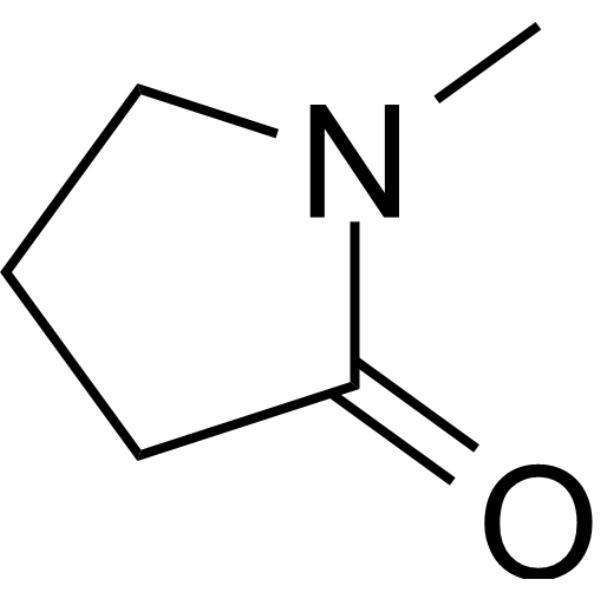
    N-Methylpyrrolidone (1-Methyl-2-pyrrolidinone), a five-membered cyclic amide, is an orally active organic polar solvent with teratogenicity and toxicity. N-Methylpyrrolidone is low in acute toxicity with a LD50 value of 3914 mg/kg in rats and of 4050 mg/kg in mice. N-Methylpyrrolidone is extensively used in the manufacture of adhesives, paints, fuels, and pharmaceuticals .
    N-Methylpyrrolidone
  • HY-W145499
    Zinc Gluconate
    1 Publications Verification

    PPAR NF-κB Toll-like Receptor (TLR) Inflammation/Immunology Cancer
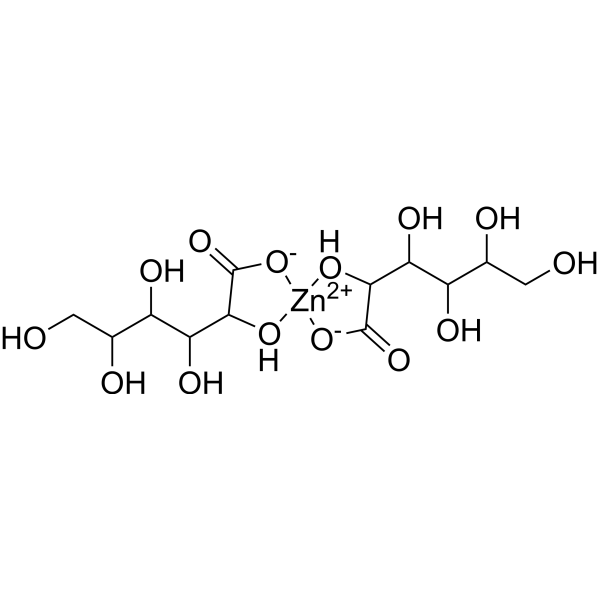
    Zinc Gluconate is a zinc supplement in the form of a gluconate salt, which plays a role in various physiological processes such as immune function, wound healing, and olfaction. Zinc Gluconate has a LD50 of 39.6 mg/kg in mice (Tail vein injection). Zinc Gluconate can be used in the research of inflammation, zinc deficiency, colds, cancer, and nutritional supplements .
    Zinc Gluconate
  • HY-D1005A6

    PEG-PPG-PEG, 2200 (Average)

    Environmental Pollutants Biochemical Assay Reagents Others
    Poloxamer 124 L44 is a block polymer of polyoxyethylene and polyoxypropylene and a hydrophobic surfactant. Poloxamer 124 L44 causes eye irritation and exhibits oral toxicity in albino rats with an LD50 of 5 g/kg. Poloxamer 124 L44 has reversible adverse effects on triglyceride and cholesterol transport in the lymphatic system of rats. Poloxamer 124 L44 can form thermoreversible hydrogels and is used as a food additive and as a drug delivery vehicle in cosmetics, pharmaceuticals, and tissue engineering[1][2][3].
    Poloxamer 124 (L44)
  • HY-W088065

    Environmental Pollutants DNA/RNA Synthesis Others
    Sodium formate acts as a key promoter for heterogeneous nucleation of ZIF crystals and thin film synthesis. It is also recognized as a GRAS substance by the FDA, and serves as a cosmetic preservative and food additive. Sodium formate has low acute oral toxicity (acute oral LD50=7410 mg/kg and acute intravenous LD50=807 mg/kg in mice), with no heritable or carcinogenic effects, but exhibits embryonic developmental toxicity and teratogenicity at high concentrations. Sodium formate may cause moderate irritation to rabbit eyes, is relatively safe to the skin, and does not induce tumor formation in rats in vivo. Sodium formate is rapidly absorbed and oxidized to carbon dioxide in vivo, and forms DNA adducts in specific metabolic deficiency models or upon high-dose exposure .
    Sodium formate
  • HY-D1163
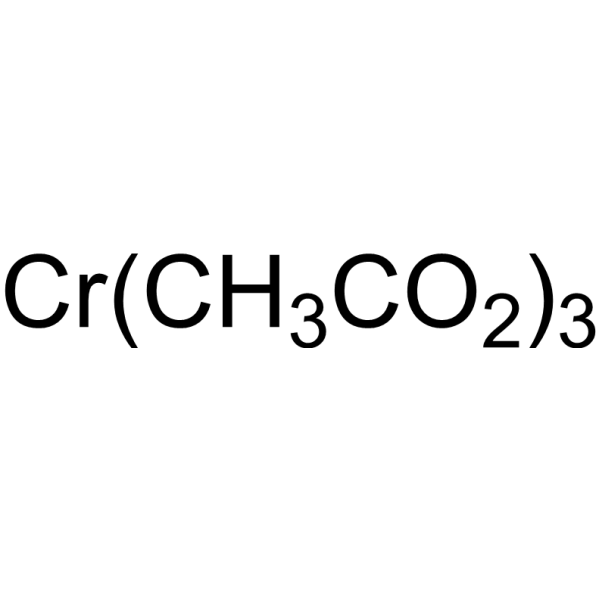
    Chromium(III) acetate
    2 Publications Verification

    Chromium acetate; Chromic acetate; Chromium triacetate

    Environmental Pollutants AMPK Metabolic Disease
    Chromium(III) acetate (Chromic acetate) is an AMPK inhibitor that promotes lipogenesis by inhibiting AMPK phosphorylation. Chromium(III) acetate has low toxicity in mammals, with an LD50 of 2365 mg/kg in rats .
    Chromium(III) acetate
  • HY-B0824
    Bifenthrin
    1 Publications Verification

    Environmental Pollutants Sodium Channel Neurological Disease
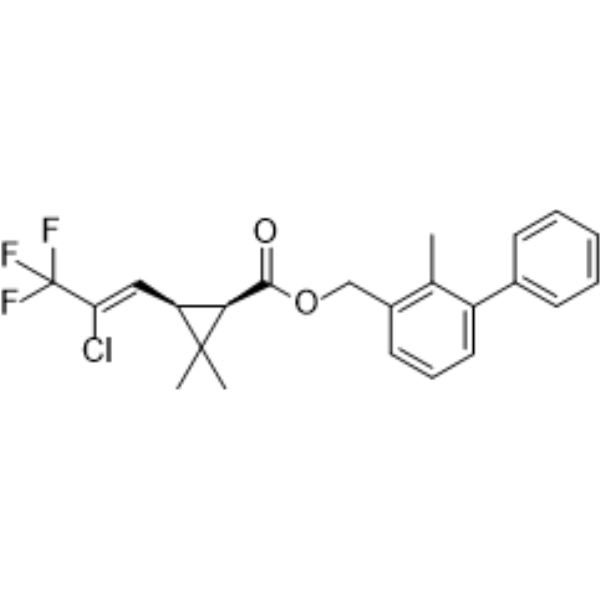
    Bifenthrin is a synthetic pyrethroid insecticide. Bifenthrin prolongs the opening time of Nav1.8 sodium channels, leading to membrane depolarization and conductance block in the insect nervous system, thereby disrupting neural function. Bifenthrin was effective in inhibiting A. gambiae (LD50=0.15 ng/mg) and C. quinquefasciatus (LD50=0.16 ng/mg). Bifenthrin has good lethality against susceptible and resistant mosquitoes and is very effective in inhibiting blood sucking and can be developed as a mosquito-removal netting material .
    Bifenthrin
  • HY-16172
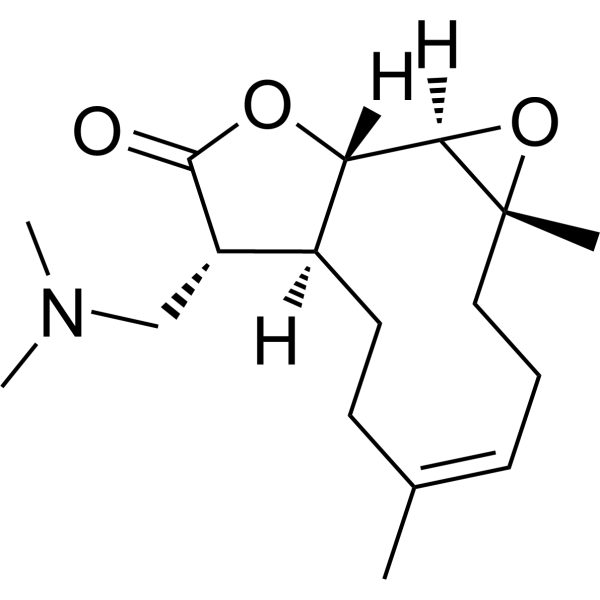
    DMAPT
    2 Publications Verification

    Dimethylamino Parthenolide

    NF-κB Cancer
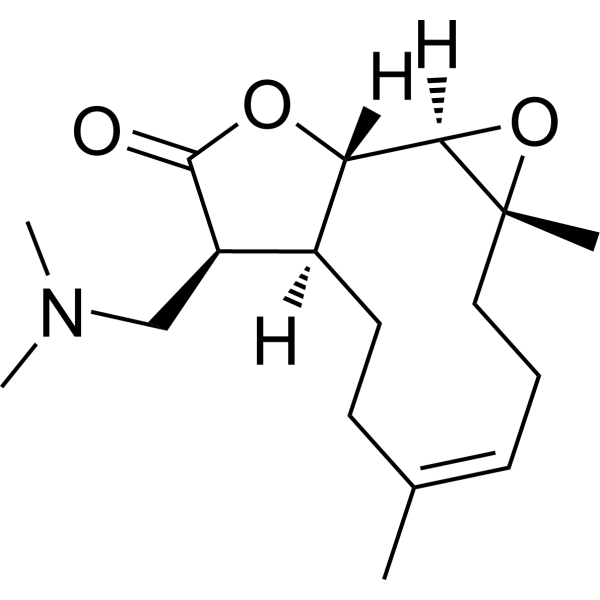
    DMAPT (Dimethylamino Parthenolide), an analogue of Parthenolide (PTL), is an oral active NF-κB inhibitor, with a LD50 of 1.7 μM for cell population in AML cells. Has potential anti-cancer and anti-metastatic effect .
    DMAPT
  • HY-B1169
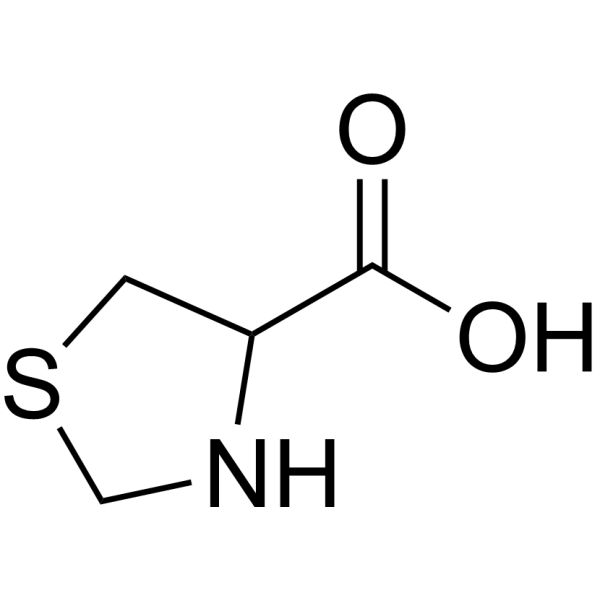
    Timonacic
    1 Publications Verification

    1,3-Thiazolidine-4-carboxylic acid

    Amino Acid Derivatives Cardiovascular Disease Cancer
    Timonacic (1,3-Thiazolidine-4-carboxylic acid) is an orally active thiol antioxidant. Timonacic has anti-aging and anti-hepatotoxic effects. Timonacic has a LD50 of 400 mg/kg for mice. Timonacic can be used in the research of liver diseases, gastrointestinal diseases, and cancer .
    Timonacic
  • HY-N6715

    Influenza Virus Bacterial Enterovirus Photosystem II Infection Cancer
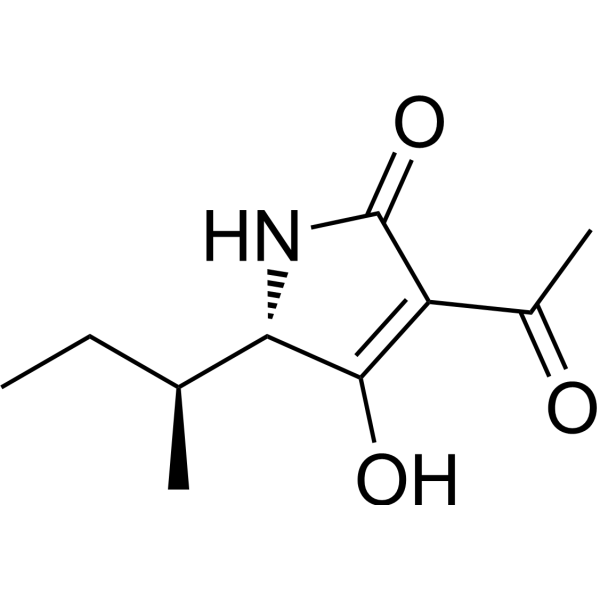
    Tenuazonic acid is a nonhost-selective mycotoxin belonging to the tetramic acids family. Tenuazonic acid inhibits protein biosynthesis on ribosomes by suppressing the release of new protein. Tenuazonic acid is acutely toxic, and oral LD50 is set between 81-186 mg/kg in rats and mice. Tenuazonic acid blocks electron transport beyond the primary quinone receptor (QA) by interacting with the D1 protein and is a photosystem II (PSII) inhibitor. In addition, Tenuazonic acid has antiviral effects on measles virus, enterovirus, respiratory virus and so on. Tenuazonic acid has an inhibitory effect on skin cancer .
    Tenuazonic acid
  • HY-152927

    Biochemical Assay Reagents Others
    Hydroxypropylmethyl cellulose acetate succinate (Mw: 20-100k Da) is a cosolvent for preparing SDDs of low-solubility agents. Hydroxypropylmethyl cellulose acetate succinate (Mw: 20-100k Da) exhibits no acute/subchronic/chronic toxicity in rats, with oral activity and LD50 >2.5 g/kg .
    Hydroxypropylmethyl cellulose acetate succinate (Mw: 20-100k Da)
  • HY-W131444

    Insecticide Others
    Insecticidal agent 15 (compound 8f) is a potent insecticidal agent that shows LD50 of 4.27 nmol/mg for adult female Ae. Aegypti .
    Insecticidal agent 15
  • HY-N2542
    Tubeimoside III
    2 Publications Verification

    Interleukin Related NO Synthase Metabolic Disease Inflammation/Immunology Cancer
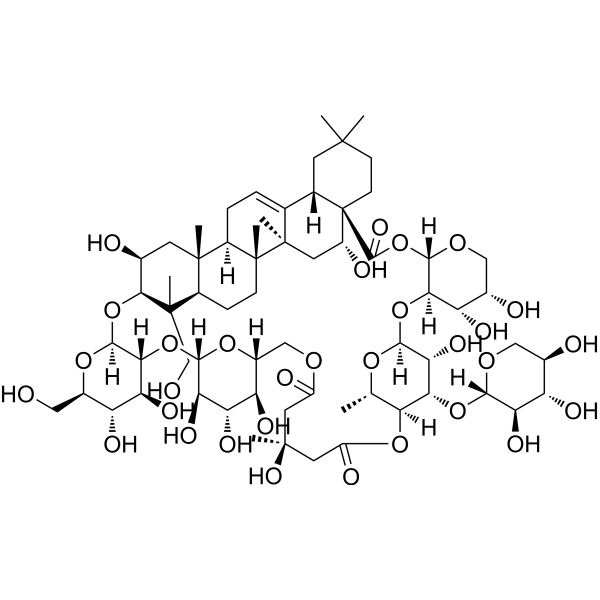
    Tubeimoside III is a triterpenoid saponin. Tubeimoside III has anti-inflammatory and antitumor effects. Tubeimoside III has an LD50 of 15 mg/kg by intraperitoneal injection in ICR mice. Tubeimoside III can be used for the research of tumors and inflammatory diseases .
    Tubeimoside III
  • HY-78086

    3-MethylbenzaLDehyde

    Endogenous Metabolite Bacterial Infection
    m-Tolualdehyde (3-Methylbenzaldehyde) is a natural product. m-Tolualdehyde can be isolated from Ficus carica L. and Myosotis arvensis. m-Tolualdehyde has food protective effects. m-Tolualdehyde shows acaricidal activities for Tyrophagus putrescentiae with a LD50 of 1.97 μg/cm 3 .
    m-Tolualdehyde
  • HY-N4202

    Environmental Pollutants Insecticide Apoptosis p38 MAPK Neurological Disease Inflammation/Immunology Cancer
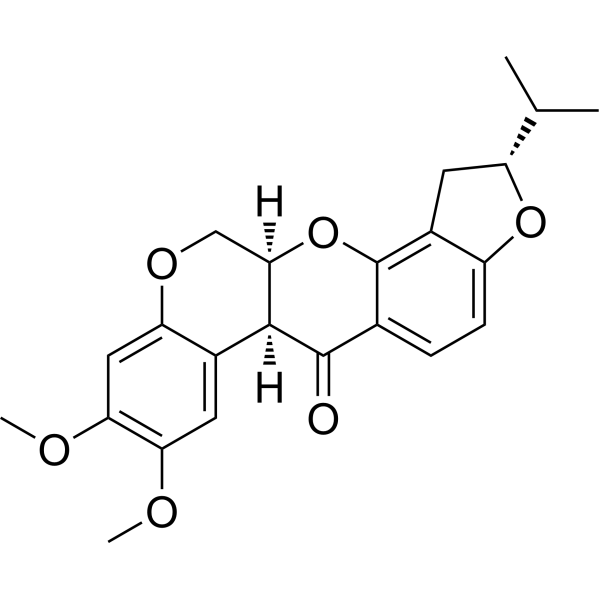
    Dihydrorotenone is an insecticide and irreversible inhibitor of mitochondrial complex I. Dihydrorotenone may induce Parkinson's disease. Dihydrorotenone induces apoptosis in human plasma cells by triggering endoplasmic reticulum stress and activating the p38 signaling pathway. The oral LD50 of dihydrorotenone in rats is approximately 2.5 g/kg. Dihydrorotenone exhibits insecticide activity and cytotoxicity to plasma cells. Dihydrorotenone can be used to establish animal models of Parkinson's disease, safety assessment of natural pesticides, and potential cancer chemoprevention studies .
    Dihydrorotenone
  • HY-W099757

    2-Propylpiperidine hydrochloride

    nAChR Neurological Disease
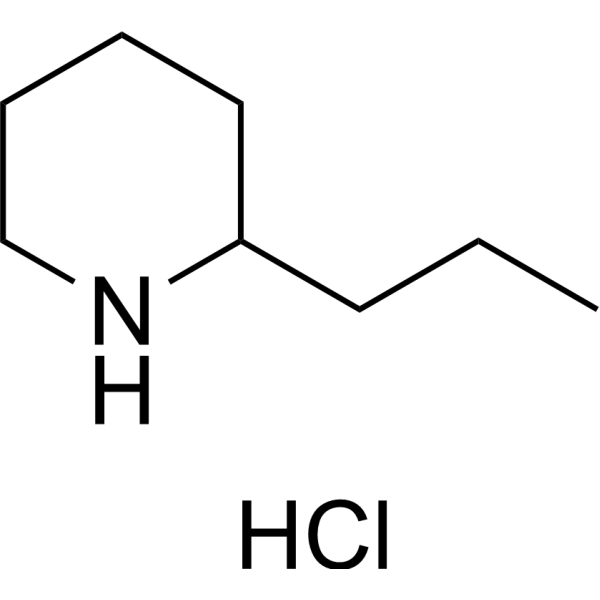
    (±)-Coniine hydrochloride (2-Propylpiperidine hydrochloride) is a potent nAChR agonist with an EC50 value of 0.3 mM. (±)-Coniine hydrochloride shows acute toxicity with an LD50 value of 7.7 mg/kg .
    (±)-Coniine hydrochloride
  • HY-114806

    Flenac; R 67408

    Thyroid Hormone Receptor Inflammation/Immunology
    Fenclofenac is an orally active anti-inflammatory agent with a low ulcerogenic effect. Fenclofenac also exhibits antipyretic and analgesic activities, with an oral LD50 of 2280 mg/kg in rats. Fenclofenac can be utilized in inflammation research .
    Fenclofenac
  • HY-107532

    NN-DNJ; Nonyl-DNJ

    Glycosidase Flavivirus Parasite Infection Metabolic Disease Cancer
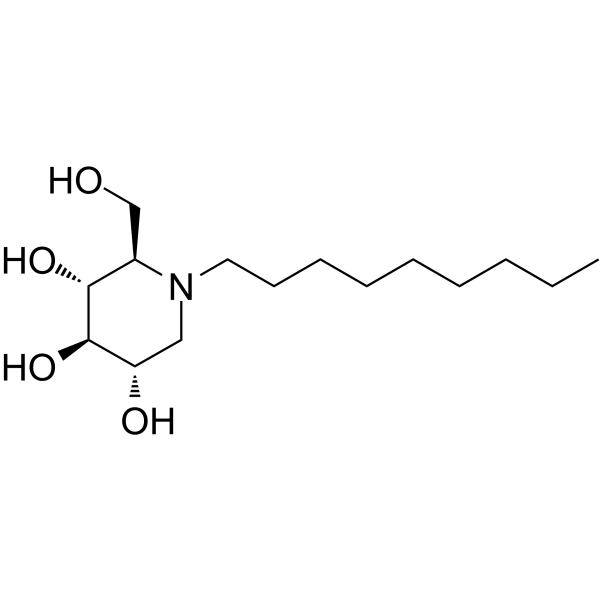
    N-Nonyldeoxynojirimycin (NN-DNJ) is a deoxynojirimycin derivative with a hydrophobic long chain. N-Nonyldeoxynojirimycin is an orally active inhibitor of acid α-glucosidase (IC50: 0.42 μM) and α-1,6-glucosidase (IC50: 8.4 μM). N-Nonyldeoxynojirimycin has activities of inhibiting glycogen breakdown, anti-virus and anti-tumor. N-Nonyldeoxynojirimycin also has insecticidal effects, with an LD50 of 5 mM for adults of Bemisia tabaci .
    N-Nonyldeoxynojirimycin
  • HY-16172A

    (S)-Dimethylamino Parthenolide

    NF-κB Cancer
    (S)-DMAPT (Dimethylamino Parthenolide), an analogue of Parthenolide (PTL), is an oral active NF-κB inhibitor, with a LD50 of 1.7 μM for cell population in AML cells. Has potential anti-cancer and anti-metastatic effect .
    (S)-DMAPT
  • HY-162650

    ClpP Cancer
    SL44 is an agonist for human caseinolytic protease P (HsClpP), with an EC50 of 1.30 μM. SL44 inhibits the proliferation of LM3 with an IC50 of 3.1 μM. SL44 induces apoptosis in HCC cells, through the degradation of respiratory chain complex subunits. SL44 exhibits antitumor efficacy in mouse models without obvious toxicity (LD50=400 mg/kg). SL44 exhibits good pharmacokinetic characters in rat models .
    SL44
  • HY-W653921

    Isotope-Labeled Compounds Enterovirus Photosystem II Influenza Virus Bacterial Infection Cancer
    Tenuazonic acid-d13 is deuterium labeled Tenuazonic acid. Tenuazonic acid is a nonhost-selective mycotoxin belonging to the tetramic acids family. Tenuazonic acid inhibits protein biosynthesis on ribosomes by suppressing the release of new protein. Tenuazonic acid is acutely toxic, and oral LD50 is set between 81-186 mg/kg in rats and mice. Tenuazonic acid blocks electron transport beyond the primary quinone receptor (QA) by interacting with the D1 protein and is a photosystem II (PSII) inhibitor. In addition, Tenuazonic acid has antiviral effects on measles virus, enterovirus, respiratory virus and so on. Tenuazonic acid has an inhibitory effect on skin cancer .
    Tenuazonic acid-d13
  • HY-135286A

    Parasite Infection
    (+)-Neomenthol is a potent miticide. (+)-Neomenthol shows acaricidal activitie with LD50 values of 0.32, 0.256 µg/mL for Dermatophagoides farinae and Dermatophagoides pteronyssinus, respectively .
    (+)-Neomenthol
  • HY-128430

    Parasite DNA/RNA Synthesis Infection
    Farnesyl acetate is a sesquiterpene isolated from the leaves of Amomum gagnepainii. Farnesyl acetate has significant toxicity against red palm weevil larvae with a LD50 of 7867 ppm .
    Farnesyl acetate
  • HY-121229A

    2-Propylpiperidine

    nAChR Others
    (±)-Coniine (2-Propylpiperidine) is a piperidine alkaloid and nAChR agonist (EC50=0.3 mM). (±)-Coniine is acutely toxic to mice with an LD50 value of 7.7 mg/kg .
    (±)-Coniine
  • HY-B1869
    Metsulfuron-methyl
    2 Publications Verification

    Environmental Pollutants Herbicide Others
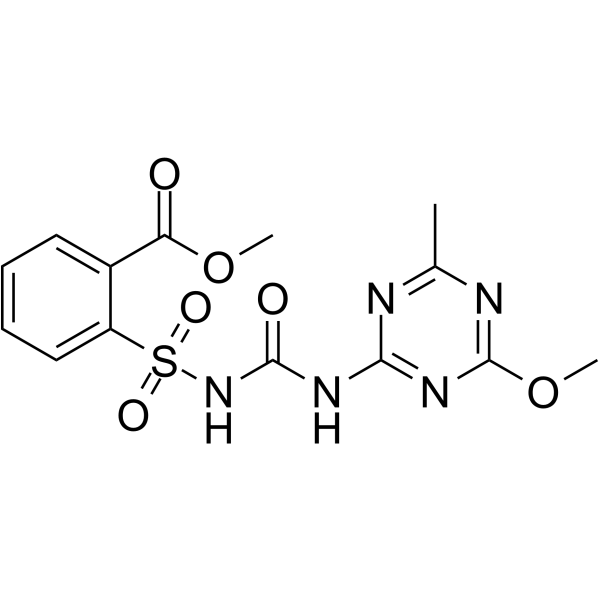
    Metsulfuron-methyl is a systemic sulfonylurea herbicide that has been widely used to control broadleaf weeds and annual grasses in rice, corn, wheat, and barley. Metsulfuron-methyl exhibits high herbicidal activity and low mammalian toxicity, with an LD50 for rats exceeding 5000 mg/kg .
    Metsulfuron-methyl
  • HY-Y1275S

    NMP-d9; 1-Methyl-2-pyrrolidinone-d9

    Isotope-Labeled Compounds Biochemical Assay Reagents Cancer
    N-Methylpyrrolidone-d9 (NMP-d9) is deuterium labeled N-Methylpyrrolidone. N-Methylpyrrolidone (1-Methyl-2-pyrrolidinone), a five-membered cyclic amide, is an orally active organic polar solvent with teratogenicity and toxicity. N-Methylpyrrolidone is low in acute toxicity with a LD50 value of 3914 mg/kg in rats and of 4050 mg/kg in mice. N-Methylpyrrolidone is extensively used in the manufacture of adhesives, paints, fuels, and pharmaceuticals .
    N-Methylpyrrolidone-d9
  • HY-N10695

    Parasite Infection
    Celangulatin C is an insecticidal sesquiterpene polyol ester, that can be isolated from the root bark of Pseudolarix kaempferi. Celangulatin C shows LD50 against Mythimna separata of 280.4 μg/mL .
    Celangulatin C
  • HY-110073

    Apoptosis Inflammation/Immunology Cancer
    iMAC2 hydrochloride is a potent MAC (mitochondrial apoptosis-induced channel) inhibitor, with an IC50 of 28 nM and a LD50 of 15000 nM. iMAC2 hydrochloride shows anti-apoptotic effect. iMAC2 hydrochloride blocks cytochrome c release .
    iMAC2 hydrochloride
  • HY-127165

    HP 029 free base; Hydroxytacrine

    Cholinesterase (ChE) Neurological Disease
    Velnacrine (HP 029 free base) is an inhibitor for acetylcholinesterase (AChE), with an IC50 of 3.27 μM. Velnacrine reverses the Scopolamine (HY-N0296)-induced amnesia in rat models, and exhibits acute toxicity with LD50 of 65 mg/kg .
    Velnacrine
  • HY-173053

    HDAC Fungal Infection
    HDAC-IN-87 (Compound XII6) is a nonselective HDAC inhibitor, with pIC50 of 6.9 (HDAC4) and 5.8 (HDAC6) respectively. HDAC-IN-87 has fungicidal activity against P. sorghi and P. pachyrhizi. HDAC-IN-87 shows an acute oral LD50 of greater than 500 mg/kg in male and female rats .
    HDAC-IN-87
  • HY-125721

    Fungal Bacterial Antibiotic Infection
    Tetranactin is an orally active antibiotic that has insecticidal properties and can inhibit the growth of Gram-positive bacteria and plant pathogenic fungal in vitro. Tetranactin LD50 for intraperitoneal injection in mice is greater than 300 mg/kg, and the LD50 is greater than 15,000 mg/kg .
    Tetranactin
  • HY-B1169R

    1,3-Thiazolidine-4-carboxylic acid (Standard)

    Amino Acid Derivatives Reference Standards Cardiovascular Disease Cancer
    Timonacic (Standard) is the analytical standard of Timonacic. This product is intended for research and analytical applications. Timonacic (1,3-Thiazolidine-4-carboxylic acid) is an orally active thiol antioxidant. Timonacic has anti-aging and anti-hepatotoxic effects. Timonacic has a LD50 of 400 mg/kg for mice. Timonacic can be used in the research of liver diseases, gastrointestinal diseases, and cancer .
    Timonacic (Standard)
  • HY-N6715R

    Reference Standards Influenza Virus Bacterial Enterovirus Photosystem II Infection Cancer
    Tenuazonic acid (Standard) is the analytical standard of Tenuazonic acid. This product is intended for research and analytical applications. Tenuazonic acid is a nonhost-selective mycotoxin belonging to the tetramic acids family. Tenuazonic acid inhibits protein biosynthesis on ribosomes by suppressing the release of new protein. Tenuazonic acid is acutely toxic, and oral LD50 is set between 81-186 mg/kg in rats and mice. Tenuazonic acid blocks electron transport beyond the primary quinone receptor (QA) by interacting with the D1 protein and is a photosystem II (PSII) inhibitor. In addition, Tenuazonic acid has antiviral effects on measles virus, enterovirus, respiratory virus and so on. Tenuazonic acid has an inhibitory effect on skin cancer .
    Tenuazonic acid (Standard)
  • HY-129208

    Antibiotic Fungal Infection
    Viridicatumtoxin is a new mycotoxin extracted from Penicillium viridicatum with a LD50 of 122.4 mg/kg in rats.
    Viridicatumtoxin
  • HY-103272

    Apoptosis Inflammation/Immunology Cancer
    iMAC2 is a potent MAC inhibitor with an IC50 of 28 nM and an LD50 of 15000 nM. iMAC2 shows anti-apoptotic effect. iMAC2 blocks cytochrome c release .
    iMAC2
  • HY-138100

    (+)-Hyalodendrin

    Fungal Infection
    Hyalodendrin ((+)-Hyalodendrin) is a fungal growth inhibitor with inhibitory activity against wood decay fungi. Hyalodendrin has low phytotoxicity, with an acute toxicity (LD50) of 75 mg/kg in mice .
    Hyalodendrin
  • HY-N10697

    Celangulatin E

    Parasite Infection
    Angulatin G (Celangulatin E) is an insecticidal sesquiterpene polyol ester with a β-dihydroagarofuran sesquiterpene skeleton, which can be isolated from the root bark of Celastrus angulatus. Angulatin G shows LD50 against Mythimna separata of 1656.4 μg/mL .
    Angulatin G
  • HY-177099

    GABA Receptor Neurological Disease
    Lorotomidate (Example 16) is a GABAA receptor agonist. Lorotomidate has anaesthetic effects (ED50: i.v., 2 mg/kg in KM mice; LD50: 46.5 mg/kg in KM mice). Lorotomidate has no inhibitory effect on the secretion of corticosteroids in animals, and thus has good safety .
    Lorotomidate
  • HY-W663230

    Parasite Infection
    Eugenitin is a polyketide isolated from the fungus Mycoleptodiscus indicus that is related to the South American medicinal plant. Eugenitin inhibits Leishmania major with LD50=39.9 μM. Eugenitin has low cytotoxicity (IC50 >131 μM) against several human cancer cell lines .
    Eugenitin
  • HY-W024485

    SARS-CoV Drug Derivative Infection
    SARS-CoV-2-IN-86 (Compound 2734589) is SARS-CoV-2 methyltransferases nsp14 and nsp16 inhibitor, Andrographolide (HY-N0191) derivative. SARS-CoV-2-IN-86 has low toxicity, and according to toxicity analysis, the predicted LD50 is 700 mg/kg .
    SARS-CoV-2-IN-86
  • HY-N9495

    Bacterial Infection
    (-)-trans-Myrtanol is an antimicrobial and acaricide agent. (-)-trans-Myrtanol exhibits potent antimicrobial activities against harmful intestinal bacteria. (-)-trans-Myrtanol shows acaricidal activities for D. farinae, D. pteronyssinus, T. putrescentiae with LD50 values of 2.30 µg/cm 2, 2.22 µg/cm 2, 12.95 µg/cm 2, respectively .
    (-)-trans-Myrtanol
  • HY-129278

    Parasite Infection Cardiovascular Disease Neurological Disease
    Lunarine is an alkaloid, which can be isolated from the seeds of kale (Lunaria annua). Lunarine lowers the blood pressure, stimulates small intestinal motility, inhibits spontaneous contractions of uterus and nervous system, and exhibits an acute toxicity with LD50 of 62.3 mg/kg in dogs and rabbits. Lunarine exhibits antiparasitic activity through a competitive inhibition of protozoan oxidoreductase trypanothione reductase (TryR) with Ki of 304 μM .
    Lunarine
  • HY-161618

    JAK EGFR PI3K IGF-1R GSK-3 Inflammation/Immunology Endocrinology
    MJ04 is a selective inhibitor for Janus Kinase 3 (JAK 3) with an IC50 of 2.03 nM. MJ04 inhibits T cell differentation and inhibits the proinfammatory cytokines in Lipopolysaccharides (HY-D1056)‑induced macrophages. MJ04 exhibits good pharmacokinetic characters in mice, promotes hair growth in DHT-induced androgenetic alopecia (AGA) in athymic mice model, without significant toxicity (LD50 >2 g/kg) .
    MJ04
  • HY-W711035

    AC 900001

    p38 MAPK PI3K Calcium Channel Reactive Oxygen Species (ROS) Apoptosis Cytochrome P450 Inflammation/Immunology
    Picolinafen is a pyridine-class herbicide that acts as a phytoene desaturase (PDS) inhibitor. Picolinafen effectively controls broadleaf weeds and disrupts carotenoid biosynthesis. Picolinafen exhibits cytotoxicity to porcine trophectoderm (pTr) and luminal epithelial (pLE) cells. Picolinafen induces (ROS accumulation, calcium depletion, and activates (MAPK and PI3K signaling pathways, leading to decreased cell viability, increased apoptosis, impaired migration, and altered expression of implantation-related genes. Picolinafen has an LD50 value of 2.7 mg/kg in mammals and 7 μg/L in fish. Picolinafen exhibits toxic effects during zebrafish embryogenesis [1][2].
    Picolinafen
  • HY-159897

    PAK LIM Kinase (LIMK) Apoptosis Reactive Oxygen Species (ROS) Cancer
    PAK4-IN-5 (Compound 12i) is a PAK4 inhibitor (IC50: 7.68 nM for PAK4, 1872.01 nM for PAK1). PAK4-IN-5 binds to PAK4 stably via multiple interactions. PAK4-IN-5 inhibits the proliferation and the migratory potential of MDA-MB-231 cells by inhibiting the phosphorylation of PAK4 and LIMK1. PAK4-IN-5 arrests cell cycle in the G0/G1 phase, induces apoptosis and ROS production. LD50: >500 mg/kg for mice (p.o.) .
    PAK4-IN-5
  • HY-N6715S

    Influenza Virus Bacterial Isotope-Labeled Compounds Infection
    Tenuazonic acid- 13C10 is 13C labeled Tenuazonic acid (HY-N6715). Tenuazonic acid is a nonhost-selective mycotoxin belonging to the tetramic acids family. Tenuazonic acid inhibits protein biosynthesis on ribosomes by suppressing the release of new protein. Tenuazonic acid is acutely toxic, and oral LD50 is set between 81-186 mg/kg in rats and mice. Tenuazonic acid blocks electron transport beyond the primary quinone receptor (QA) by interacting with the D1 protein and is a photosystem II (PSII) inhibitor. In addition, Tenuazonic acid has antiviral effects on measles virus, enterovirus, respiratory virus and so on. Tenuazonic acid has an inhibitory effect on skin cancer .
    Tenuazonic acid-13C10
  • HY-W103488

    Environmental Pollutants Herbicide Others
    Chloridazon is a herbicide with an LD50 value of 76.6 ppm at genotoxicity assay .
    Chloridazon
  • HY-129733

    Na+/K+ ATPase Cardiovascular Disease
    LND 623 is an inotropic aminosteroid with positive inotropic properties. LND 623 inhibits Na +/K + ATPase activity. The LD50 of LND 623 infused i.v. is around 45 mg/kg, a value ten times higher than the LD50 for Ouabain (HY-B1457) .
    LND 623
  • HY-126715

    RP 44102

    HIV Virus Protease Inflammation/Immunology
    Pimelautide (RP 44102), a desmuramyl peptidolipid, is an adjuvant. Pimelautide shows a LD50 of 410 mg/kg (i.v, mouse) .
    Pimelautide
  • HY-114614

    Parasite Infection
    Clenpirin is a insecticide against cattle ticks Boophilus microplus. Clenpirin exhibits slightly toxicity to rats with LD50 of 3050 mg/kg .
    Clenpirin
  • HY-157162

    Cholinesterase (ChE) Others
    Insecticidal agent 5 (compound 8) is an AChE-targeting insecticide with an LD50 of 27.65 ppm against the cotton leafworm Spodoptera littoralis .
    Insecticidal agent 5

Inquiry Online

Your information is safe with us. * Required Fields.

Salutation


Country or Region *

Applicant Name *


Organization Name *

Department *


Email Address *


Product Name *

Cat. No.


Requested quantity *

Phone Number *


Remarks

Inquiry Online

Inquiry Information

Product Name:
Cat. No.:
Quantity:
MCE Japan Authorized Agent:

